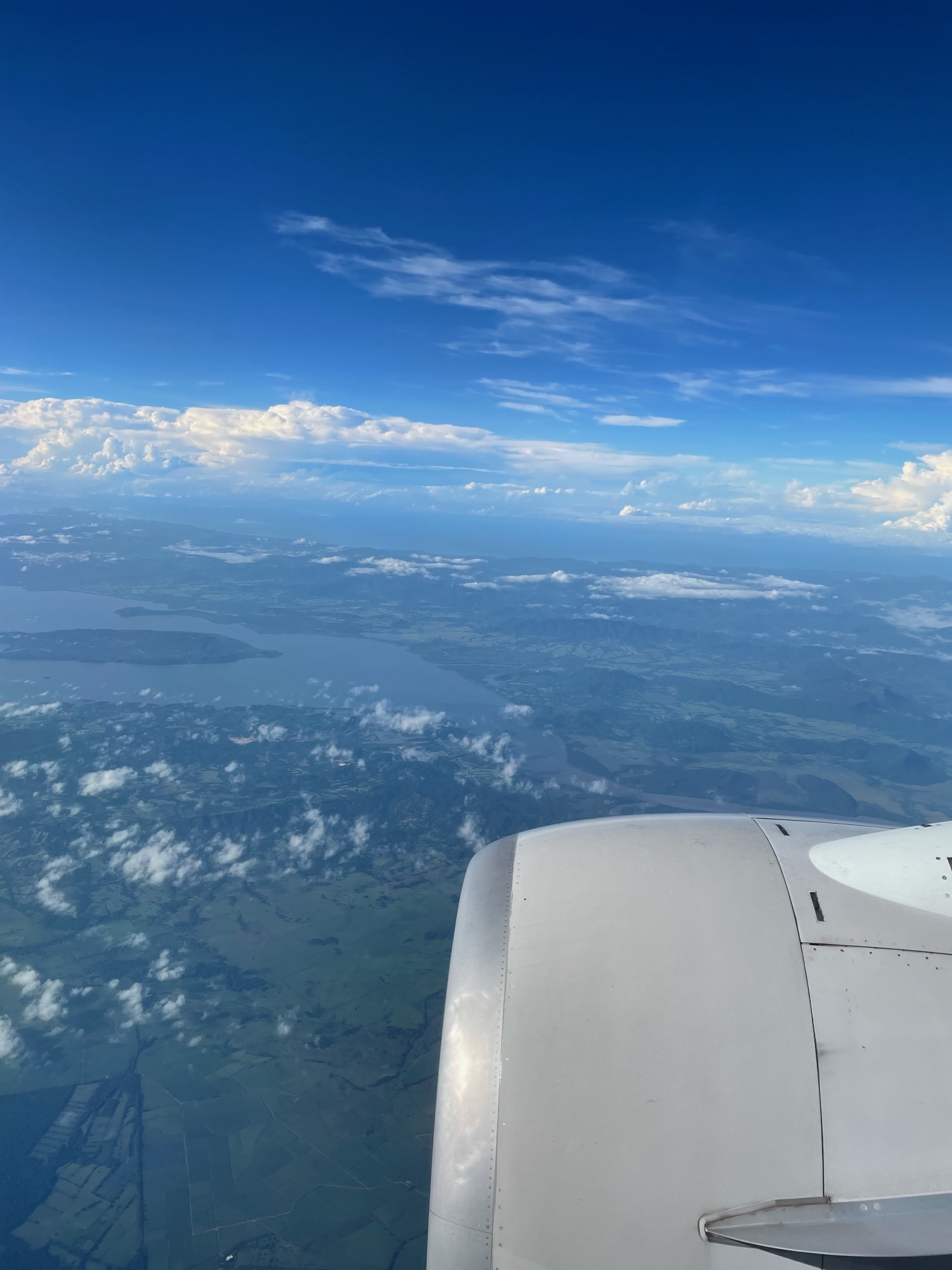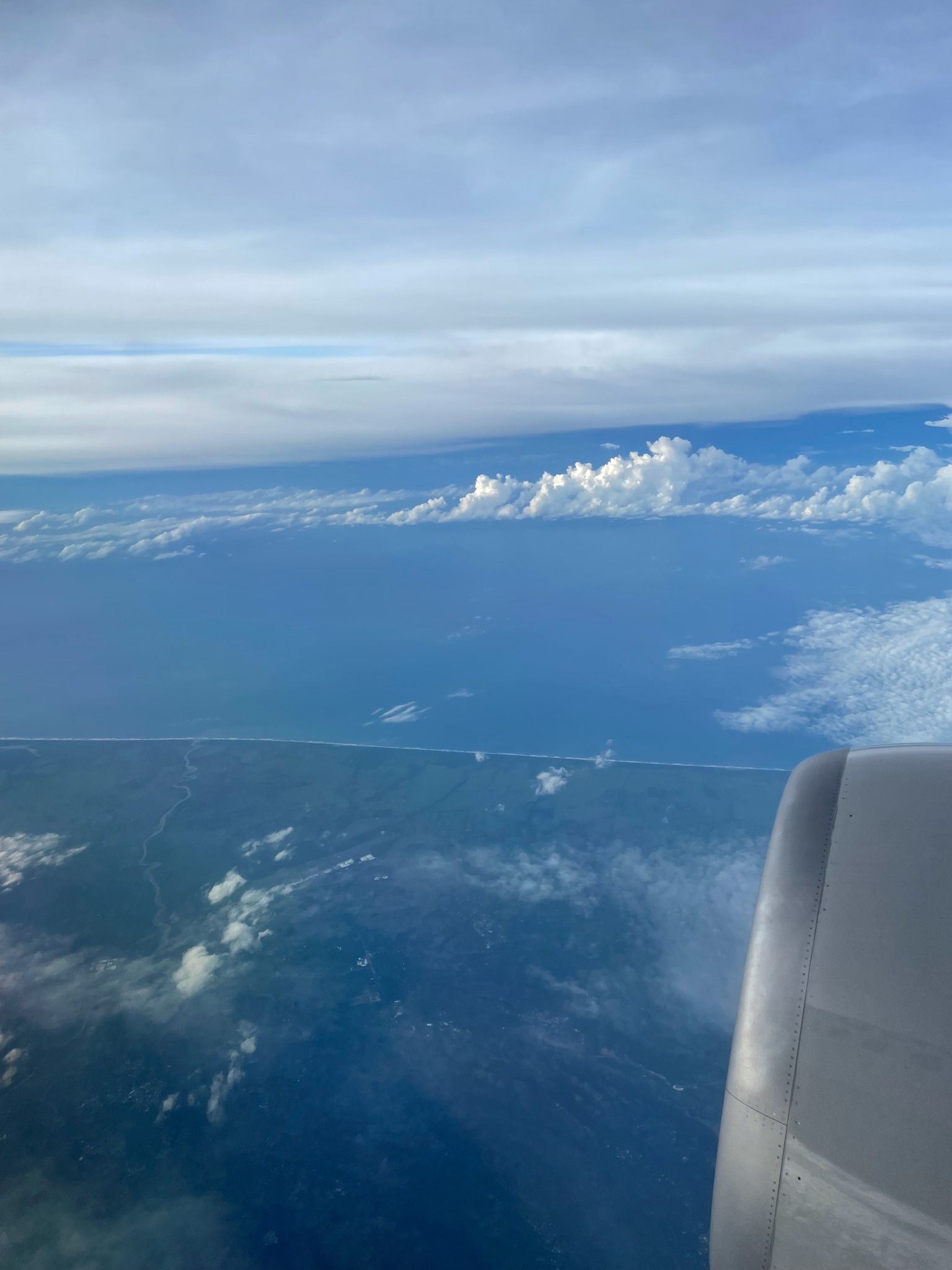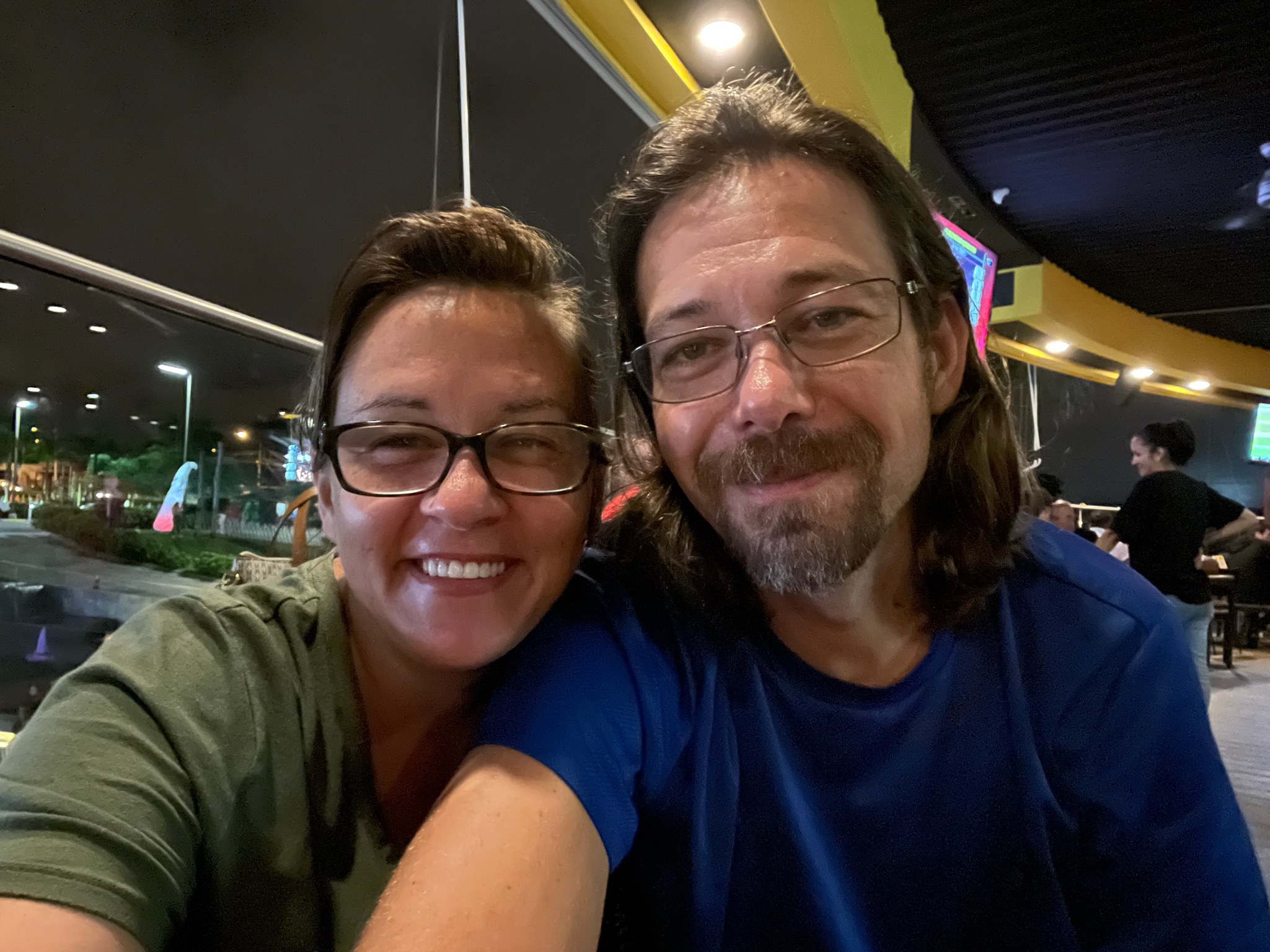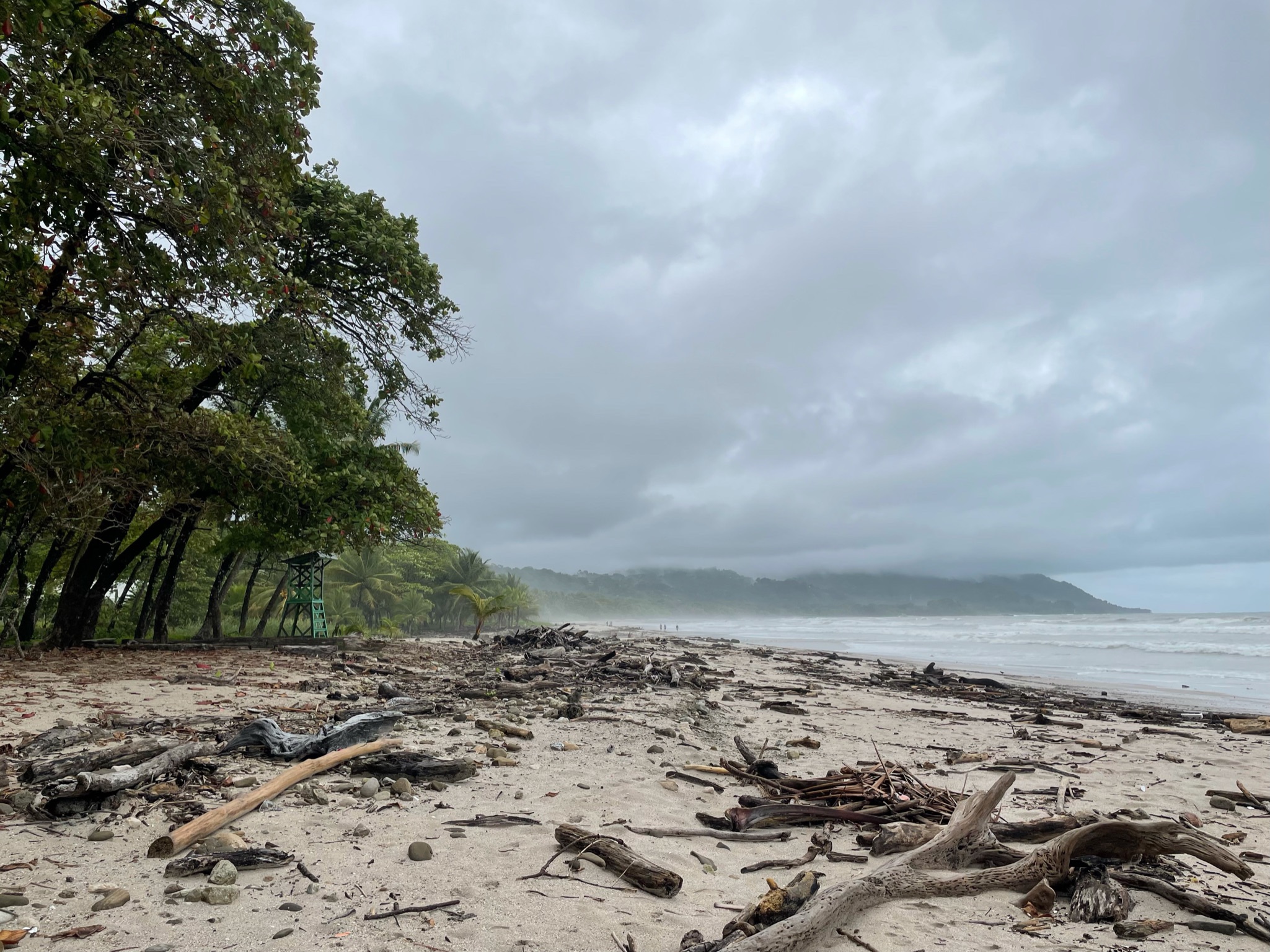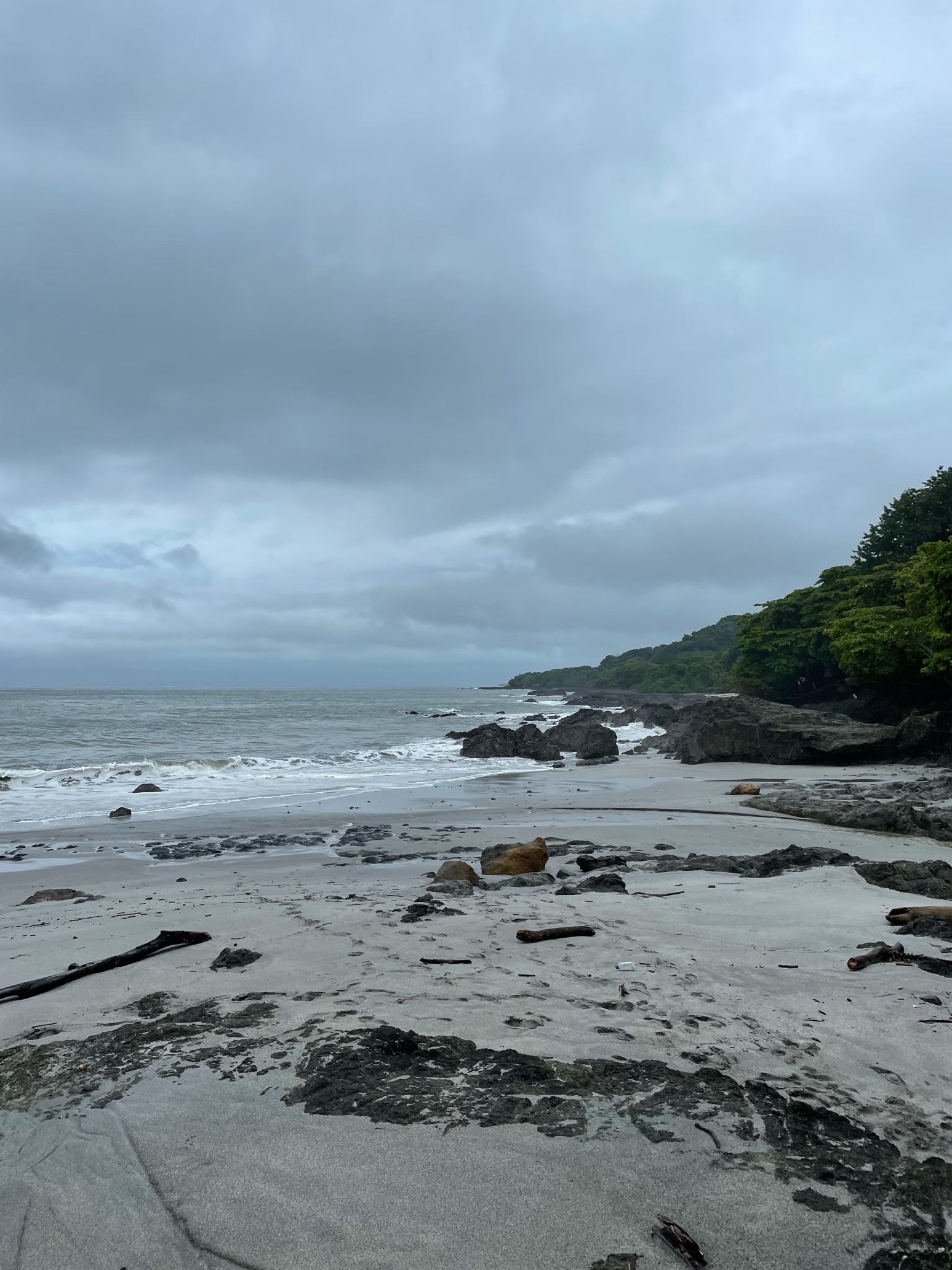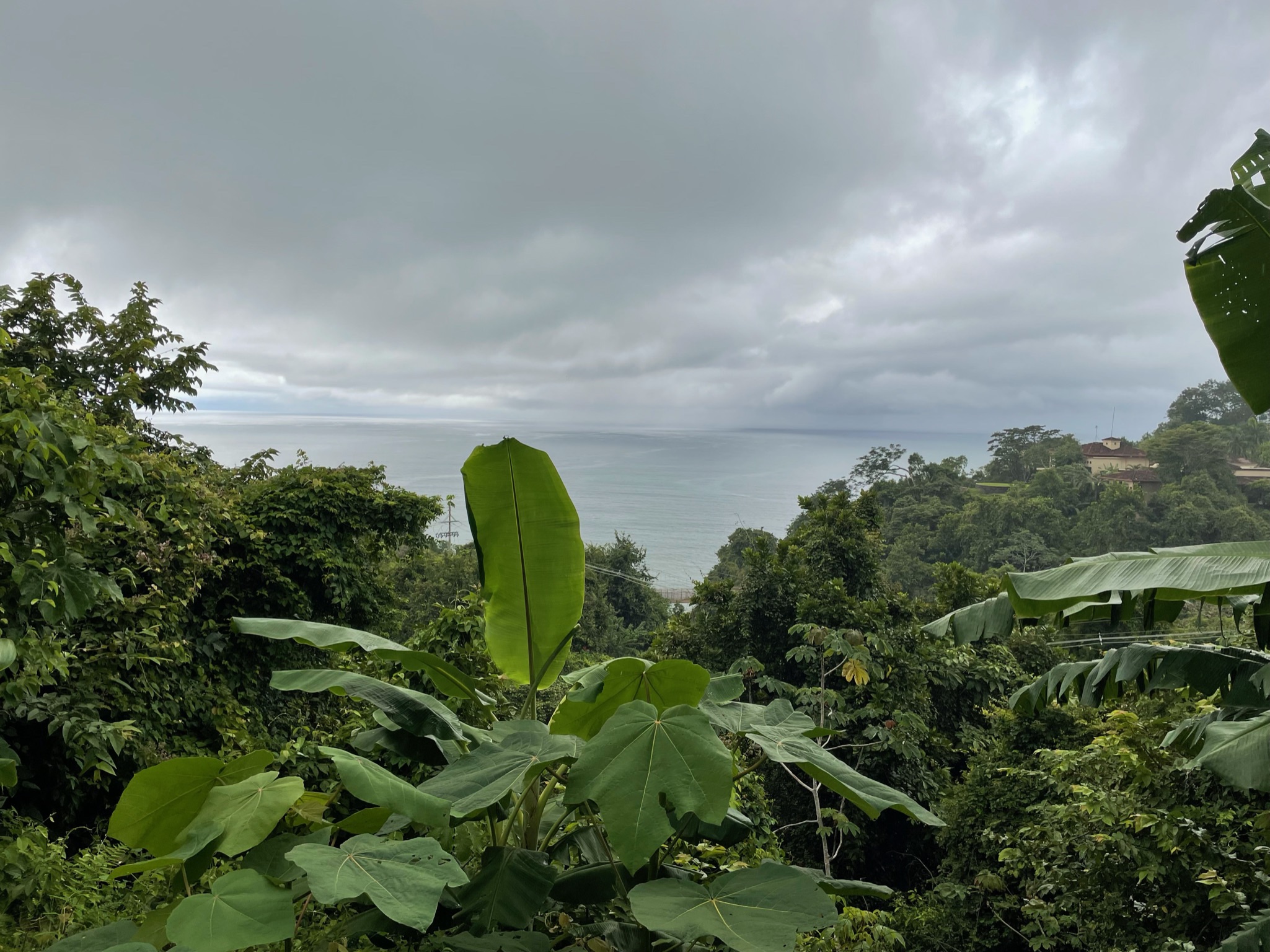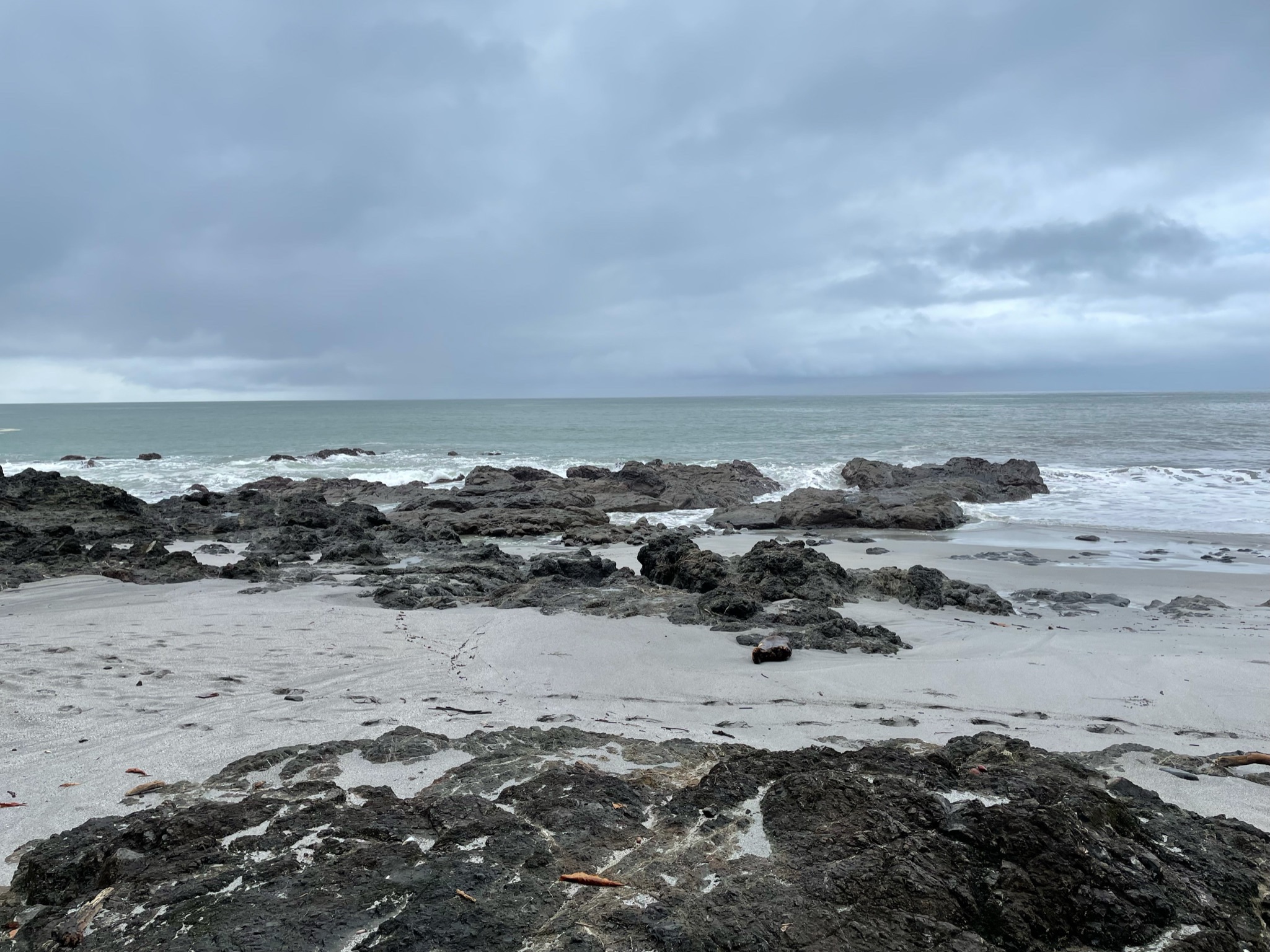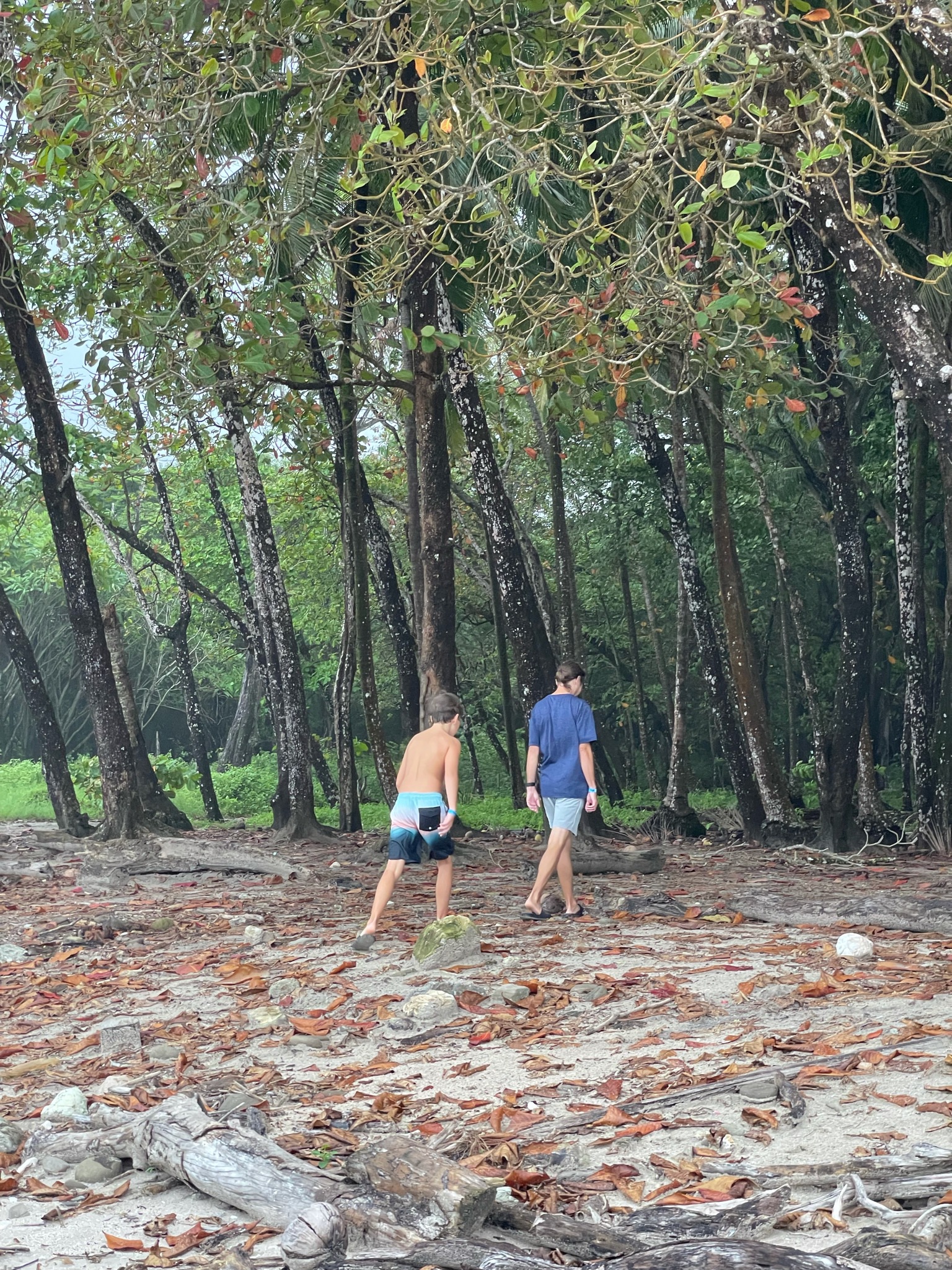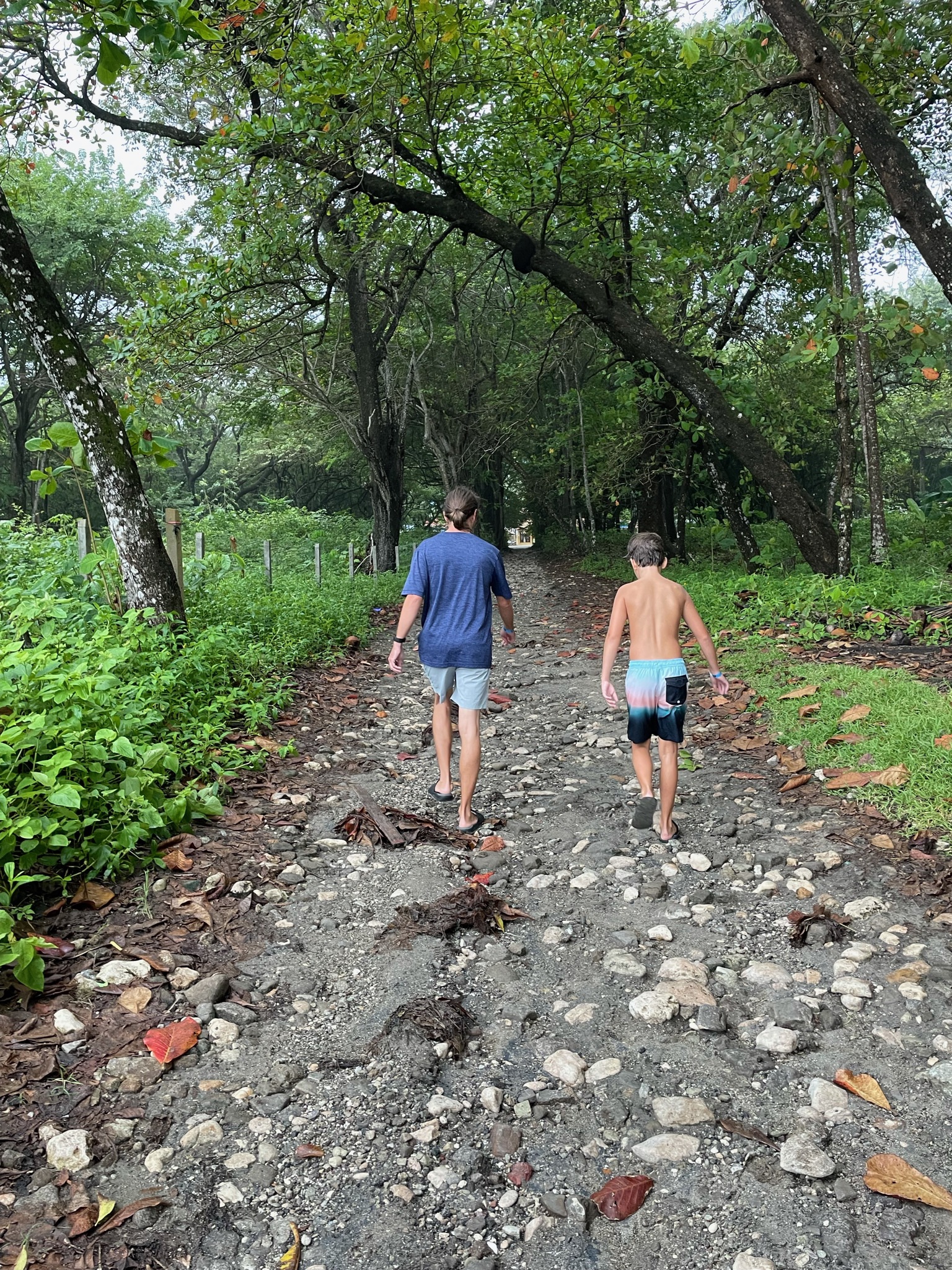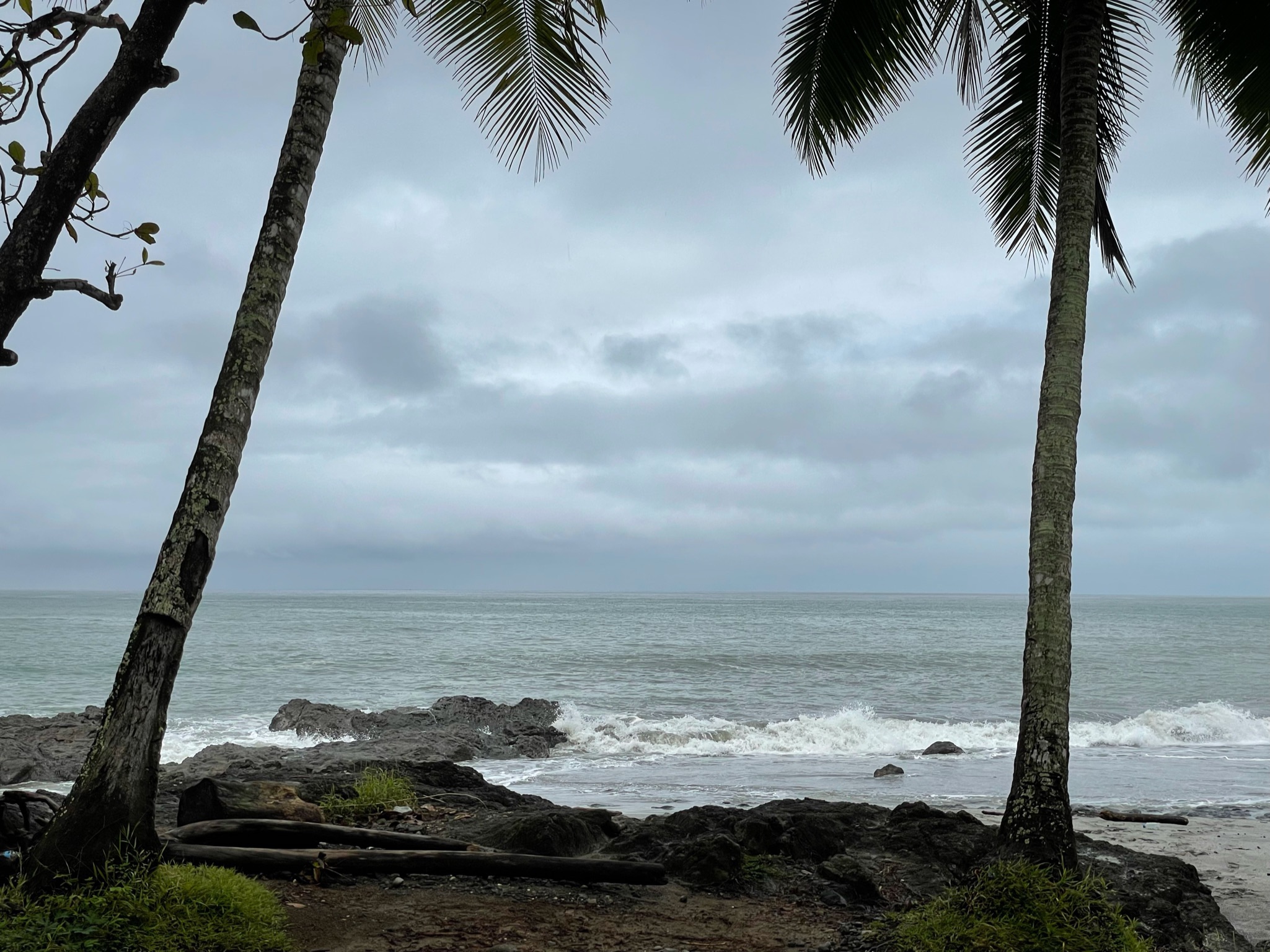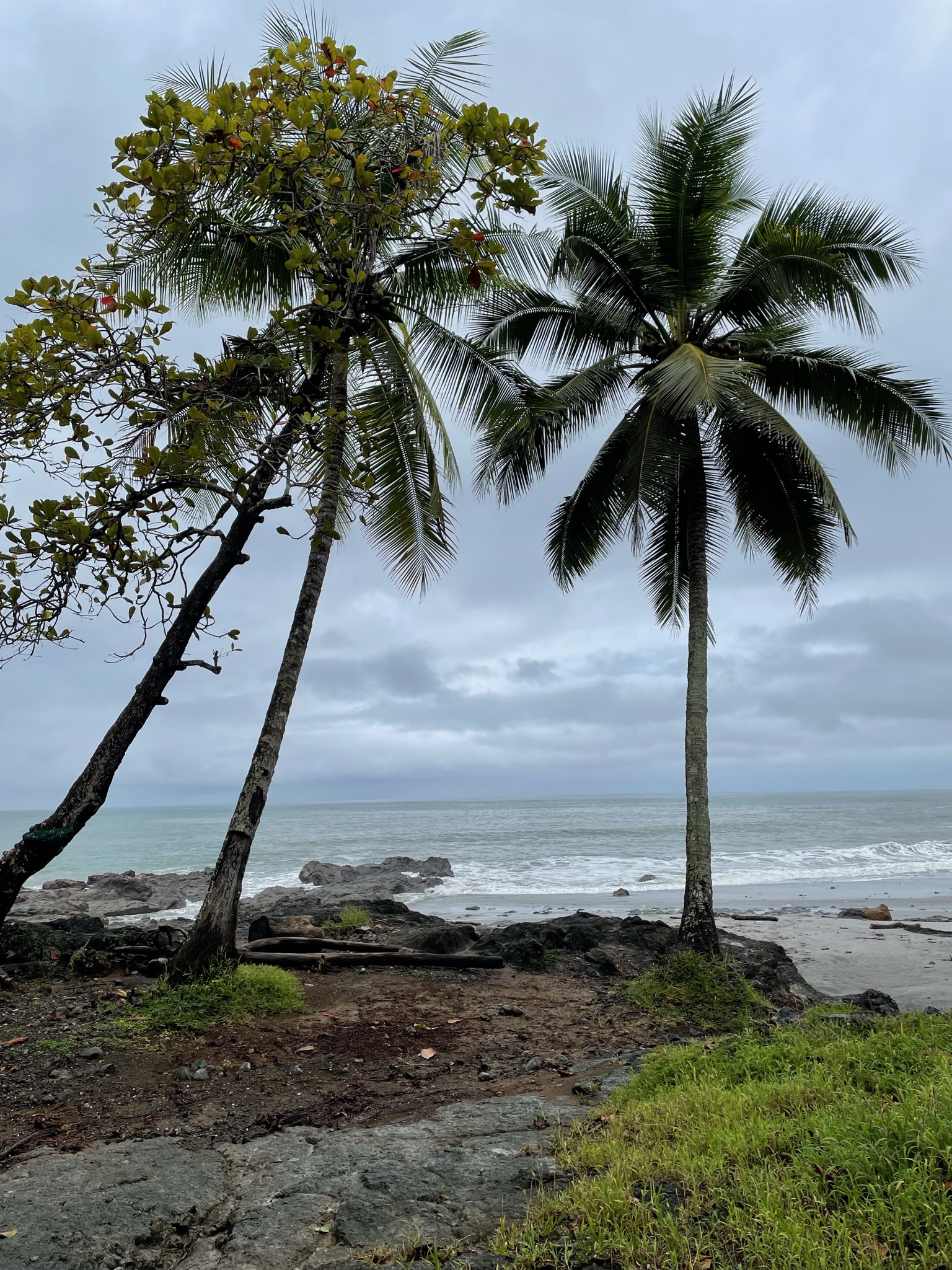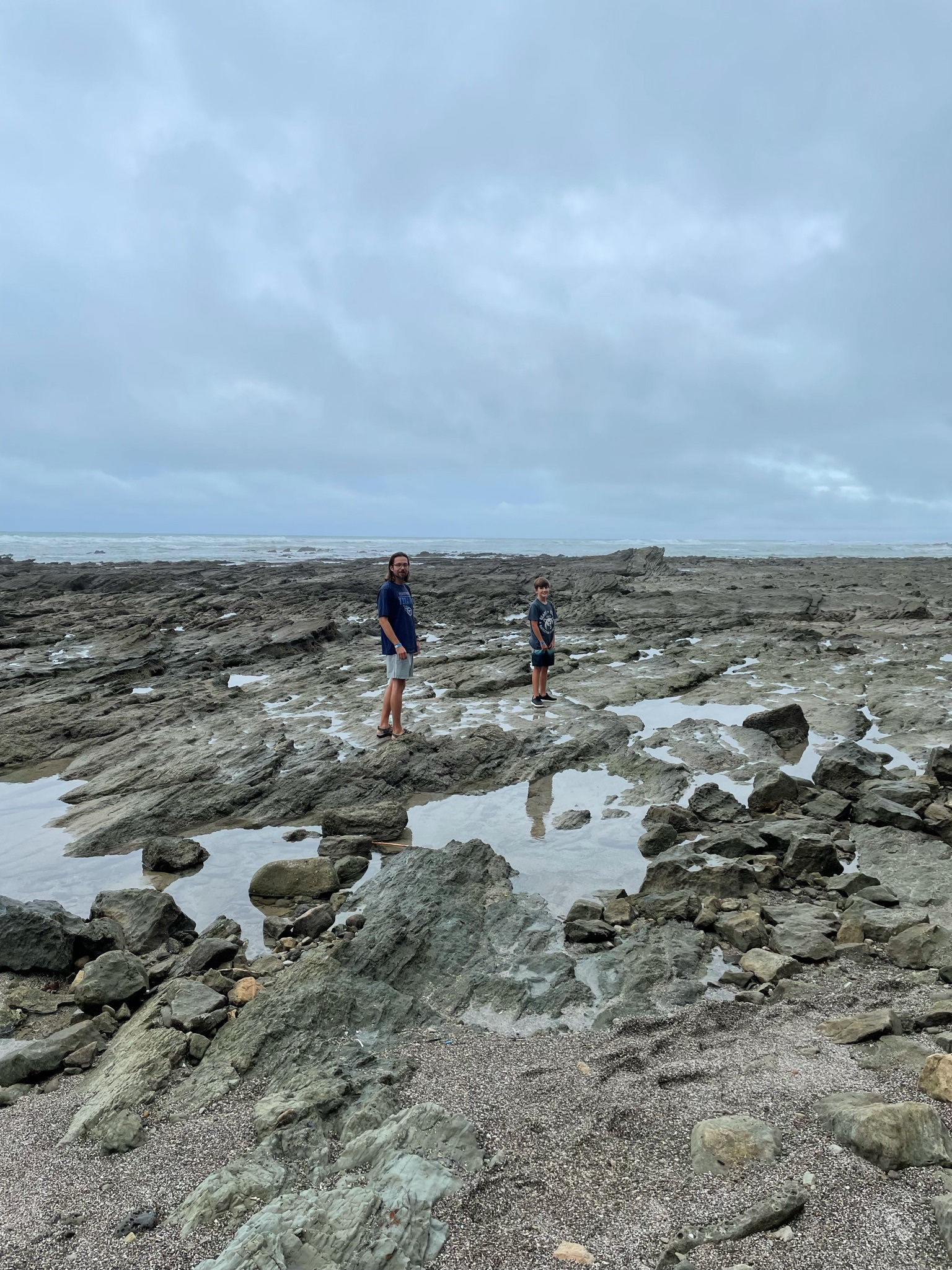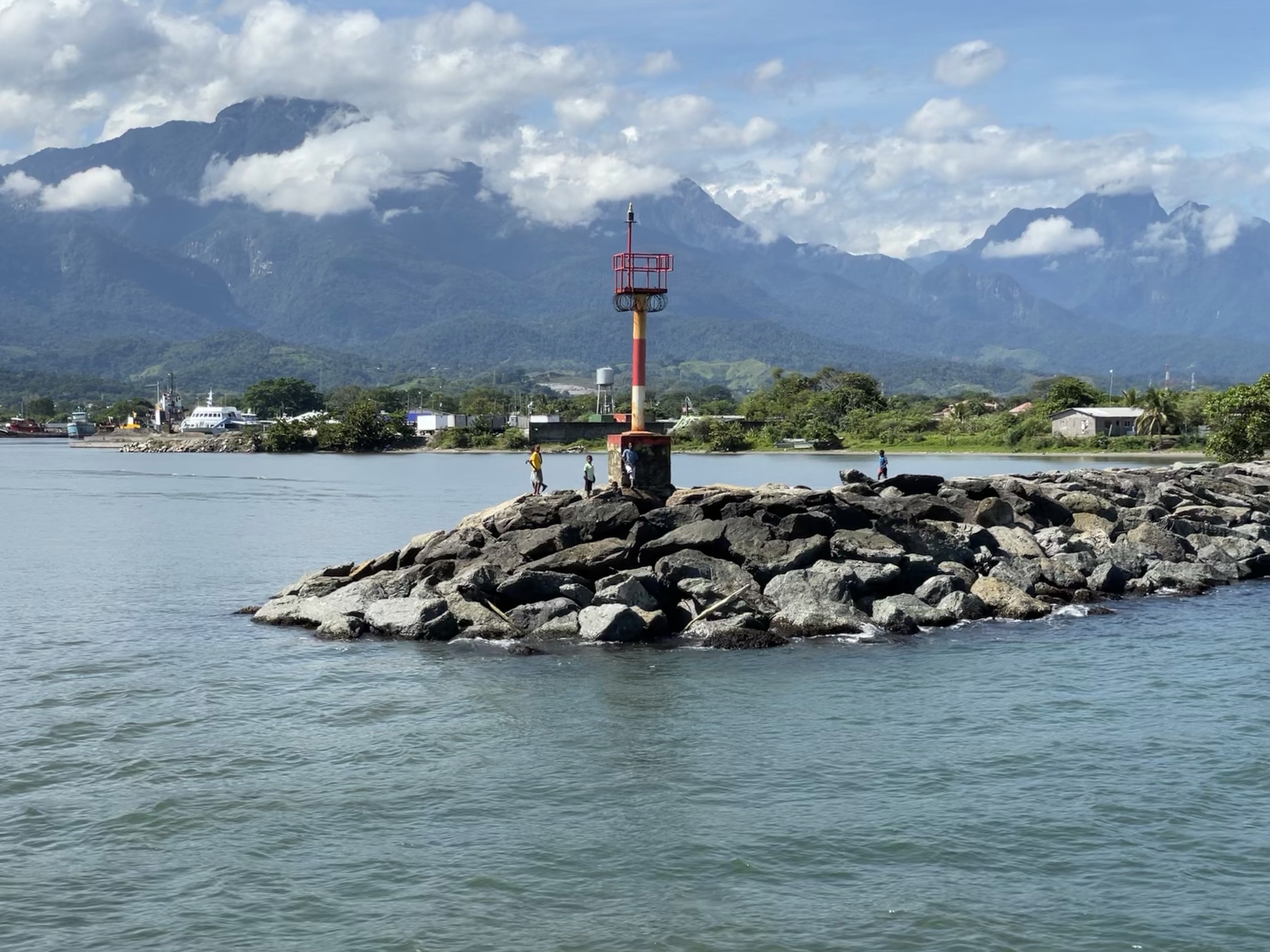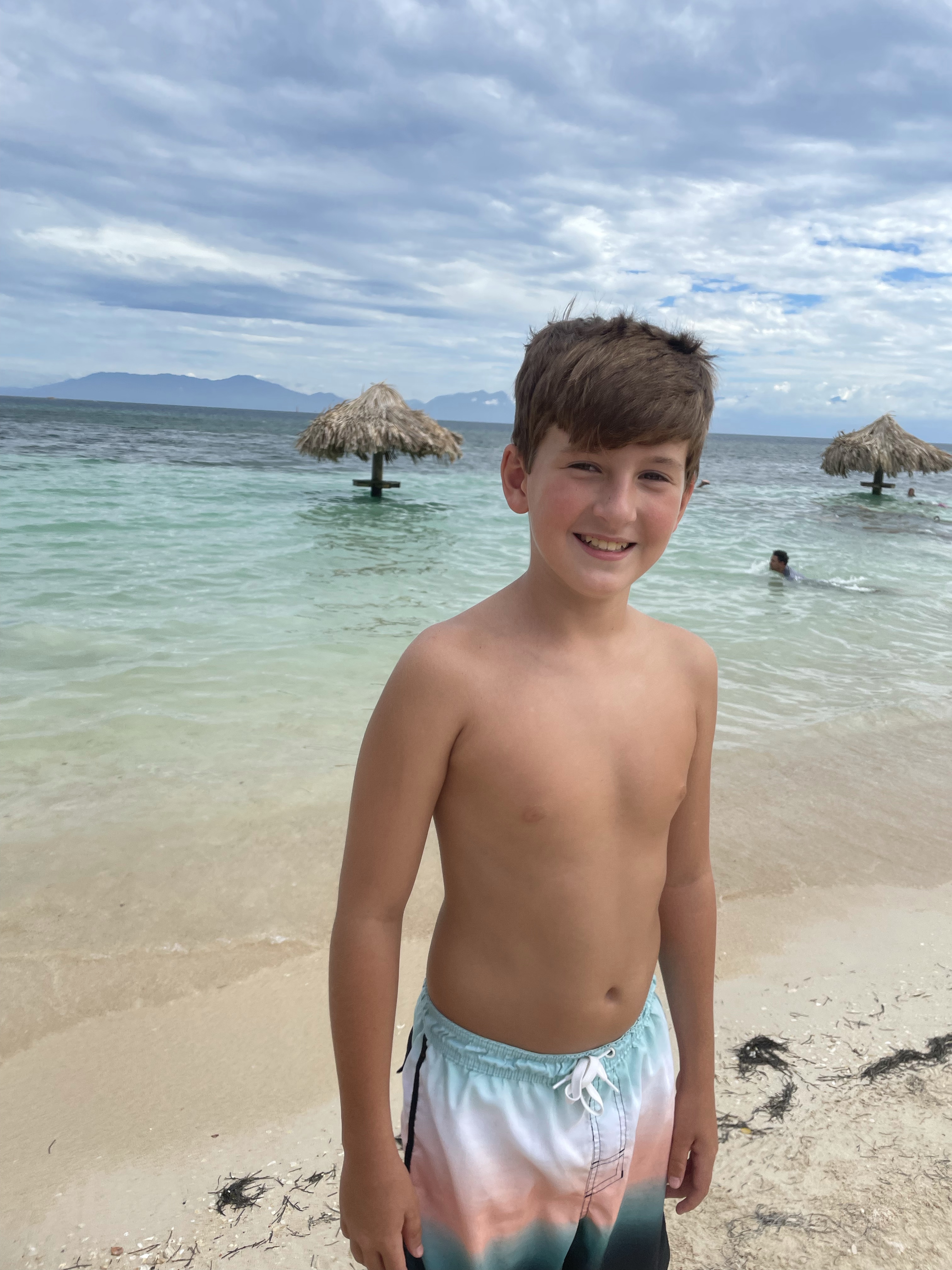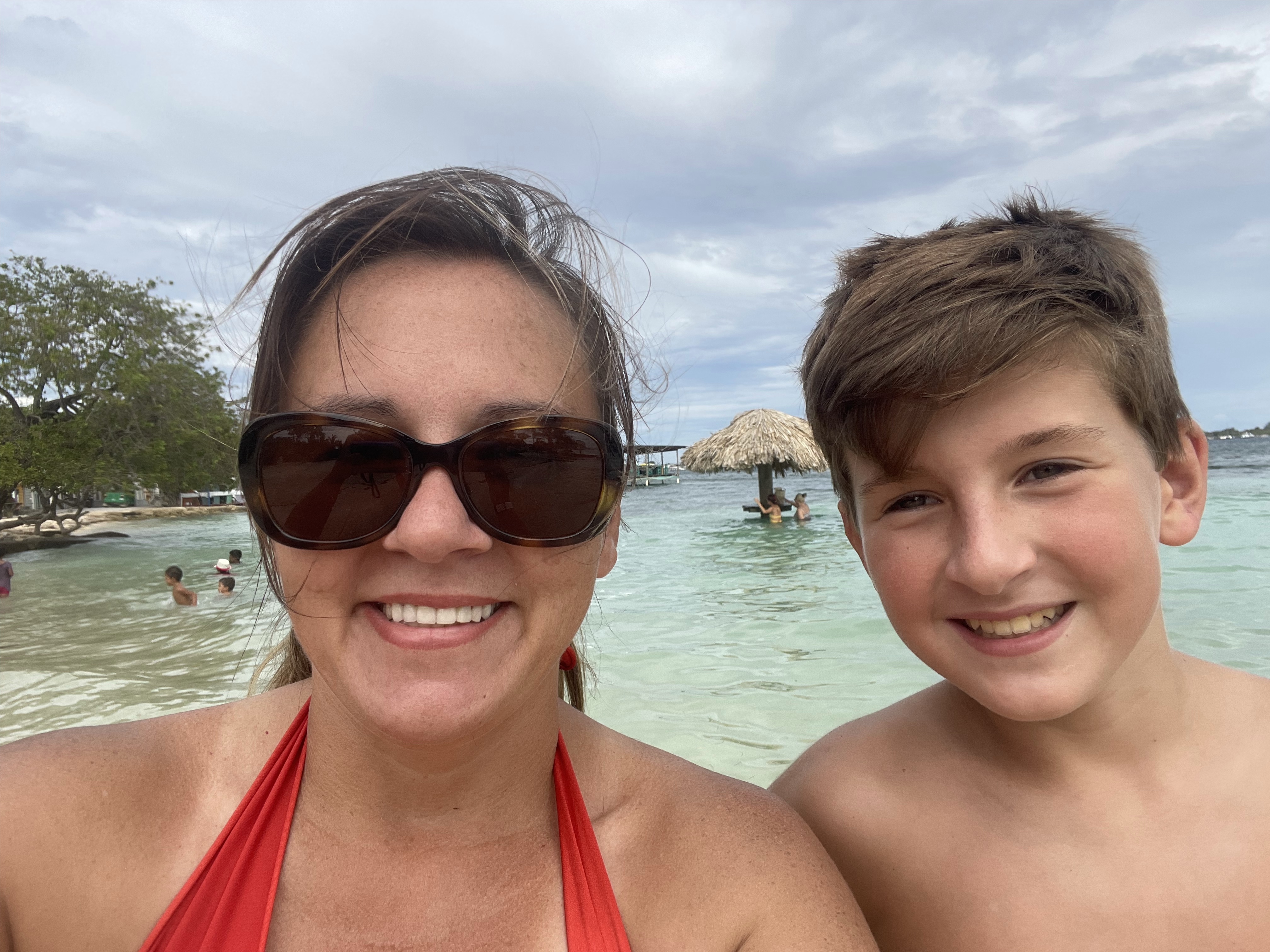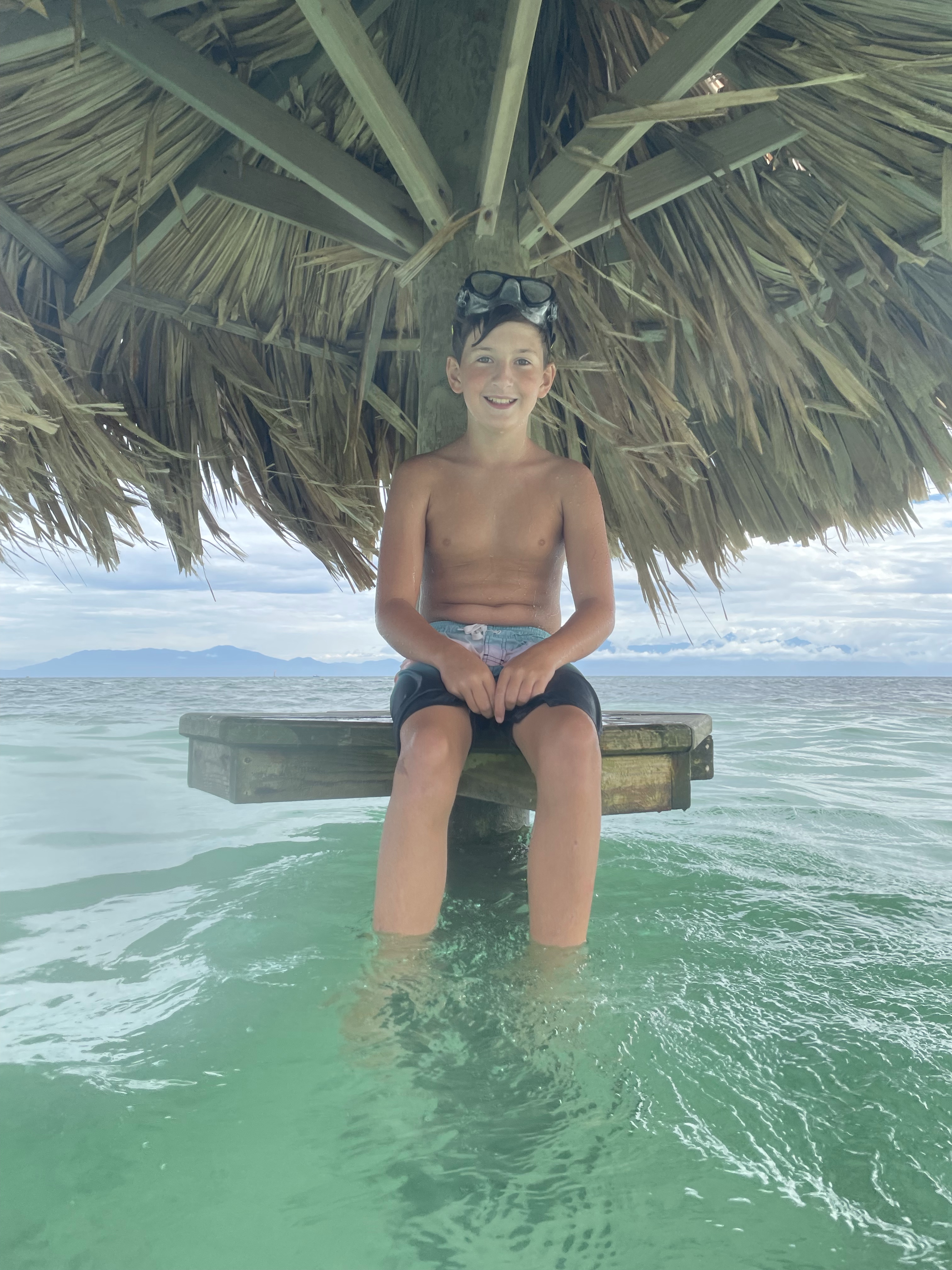
Panama, the Melting Pot of Central America

Life itself is a privilege. But to live life to the fullest – well, that is a choice.

– Andy andrews

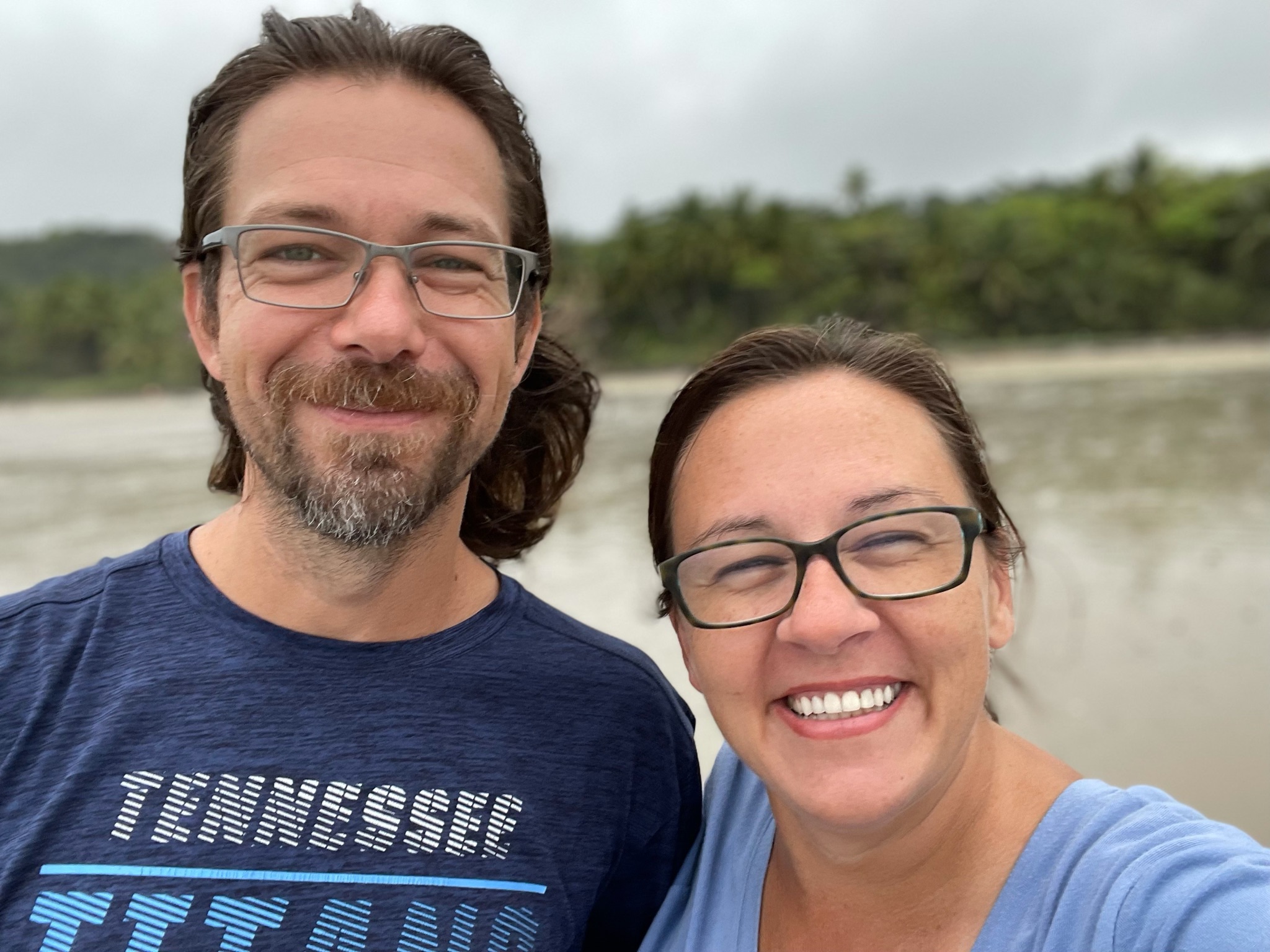
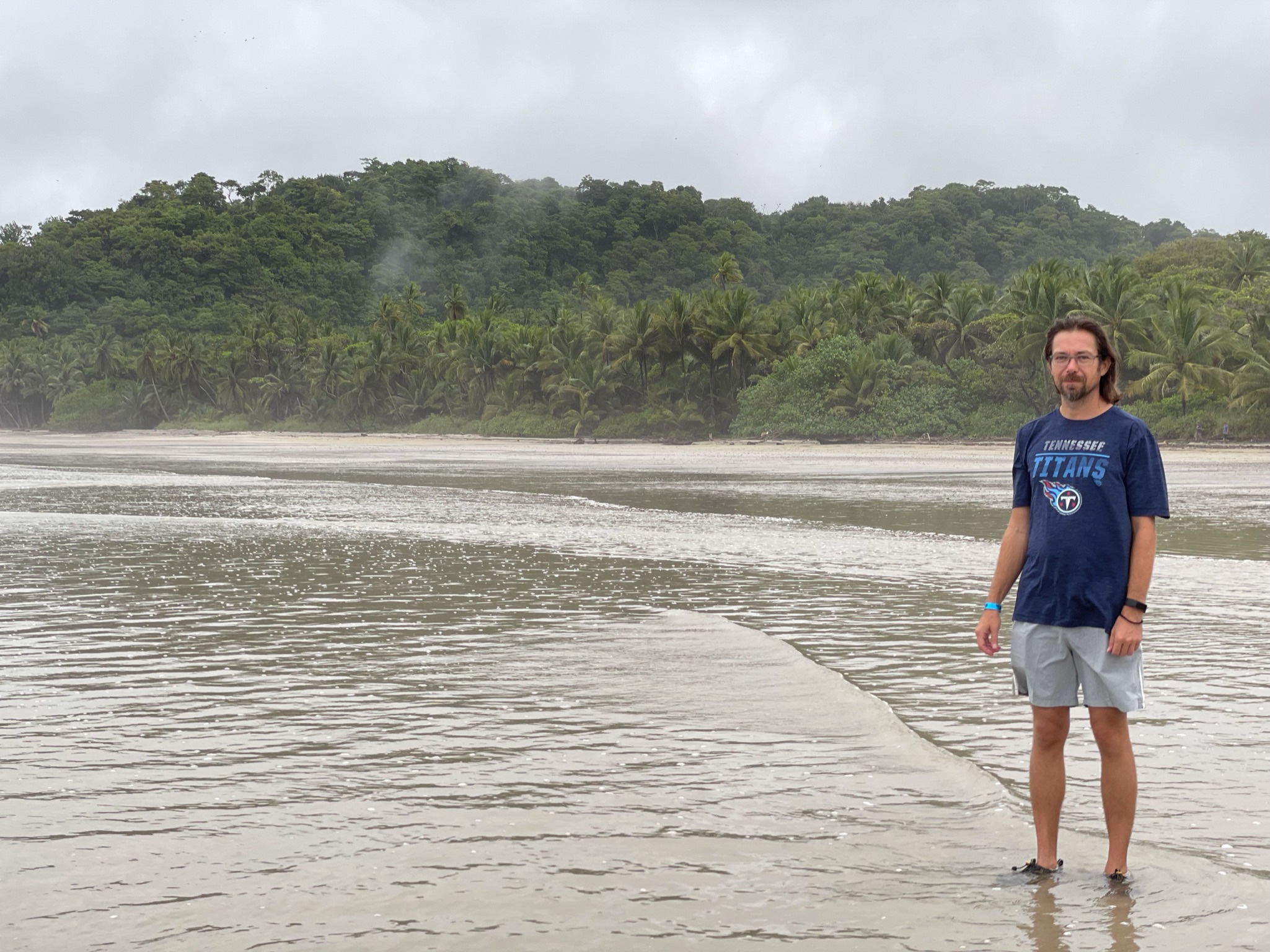
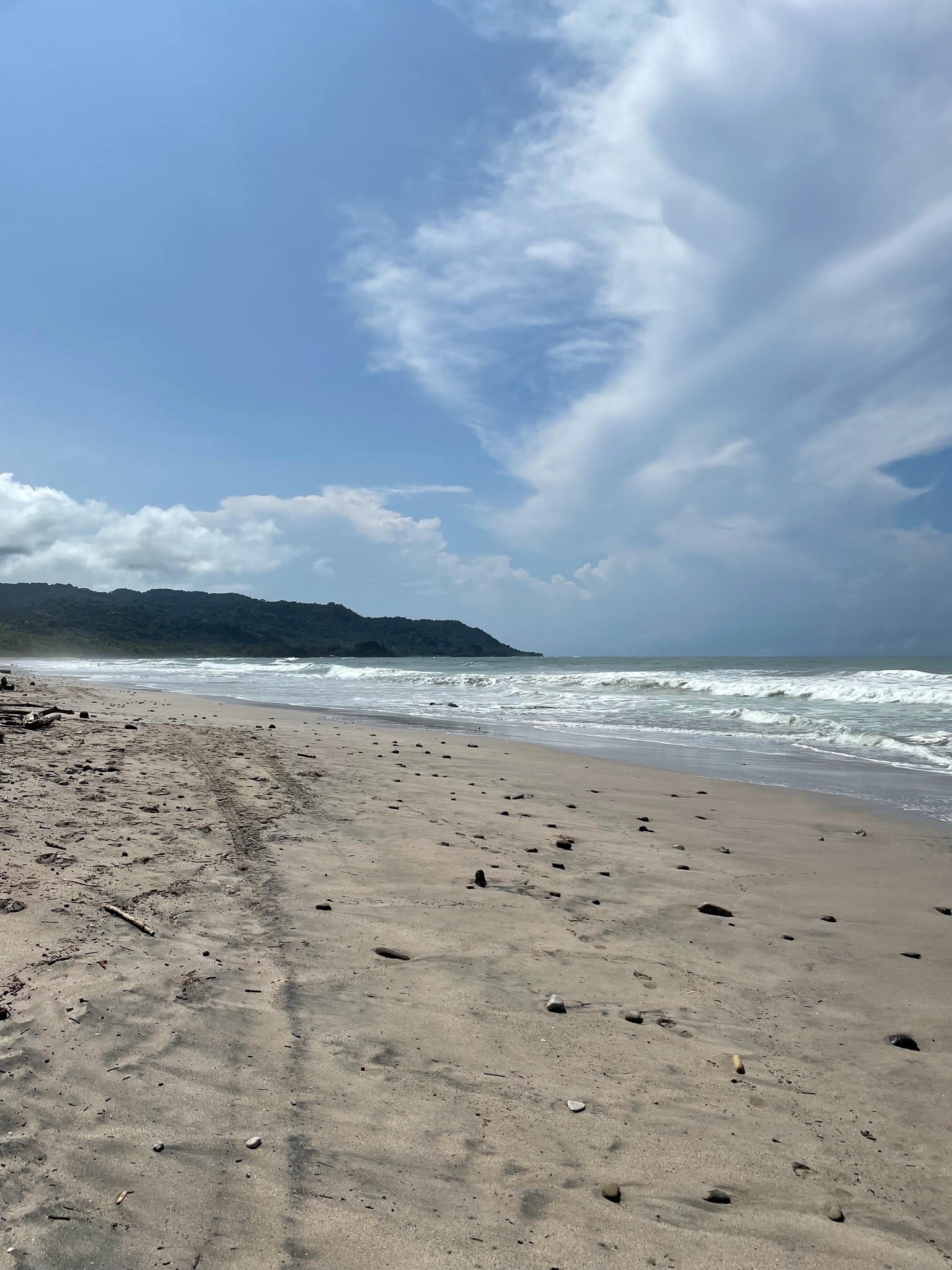
I had never heard much about Panama before we started planning this trip. I remember learning about the Panama Canal in grade school, and I know I’d heard of the Darien Gap, even if I had long forgotten where it was or why it was important. That little bit pretty much sums up what I knew of this country two years ago. Since then, Brian and I have read several articles that touted Costa Rica and Panama as fantastic retirement options for American expats; the climate is tropical, the costs are low, the countries are relatively safe, and flights from the US are cheap and frequent. After spending two weeks relaxing in the warm sun on the breezy beaches, I am simply smitten with Panama, and I know that one day I will go back.

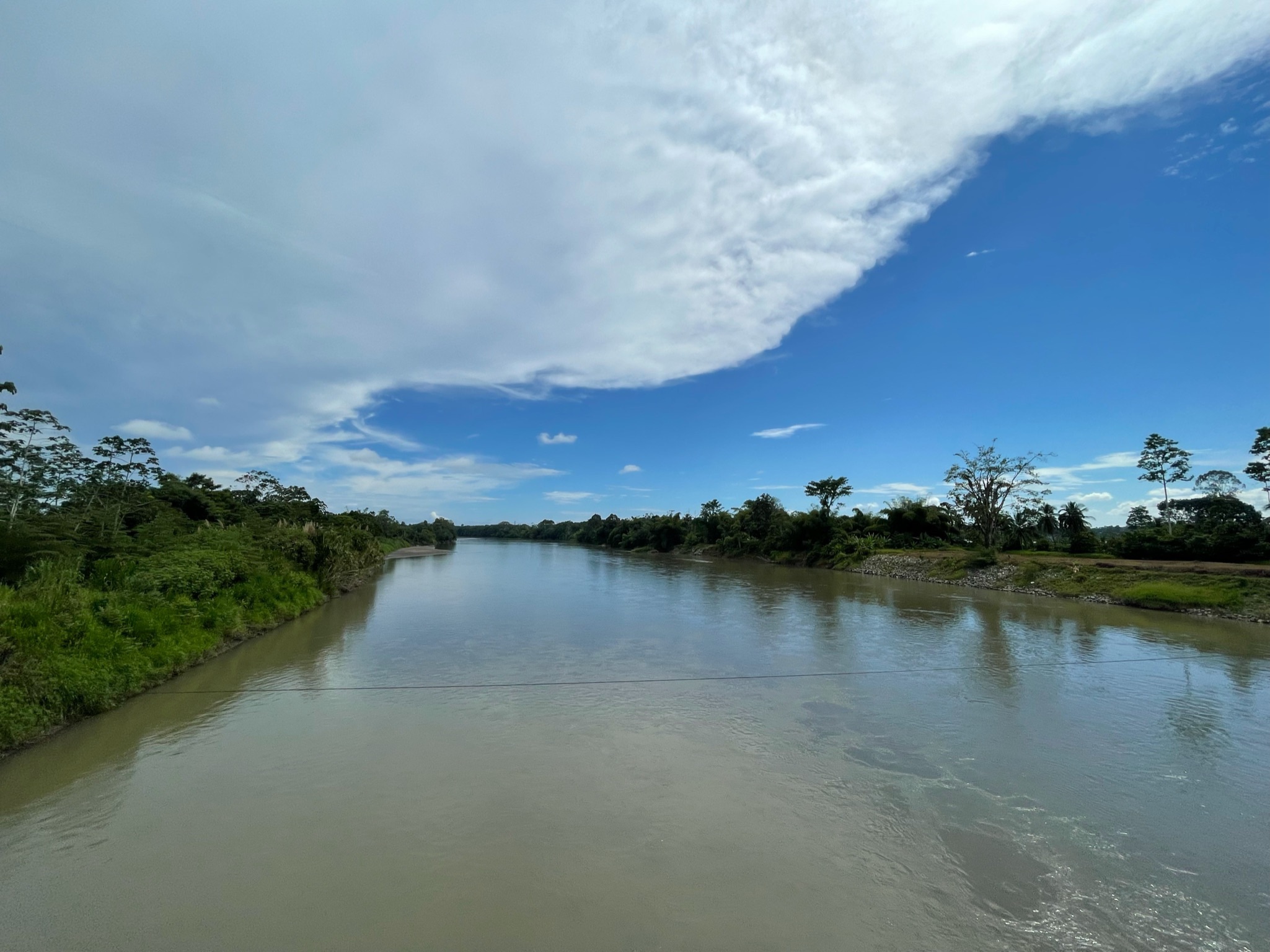
We left Puerto Viejo, Costa Rica on a Saturday morning. Our shuttle arrived promptly outside our hostel at 8:00, we loaded our bags in the back of the van, and we started our 45 minute long ride to Sixaola, the Costa Rican border town where we would cross over into Panama. The shuttle driver stopped short of crossing the Rio Sixaola when he sent us inside a local store to pay our exit taxes. With our proof of payment in hand, the driver walked us up to the immigration office at the bridge and waited while we quickly went through the exit processing. The Rio Sixaola marks the border between the two countries so our driver couldn’t cross the bridge. Instead, he handed us off to our next guide who was patiently waiting on the bridge for us.
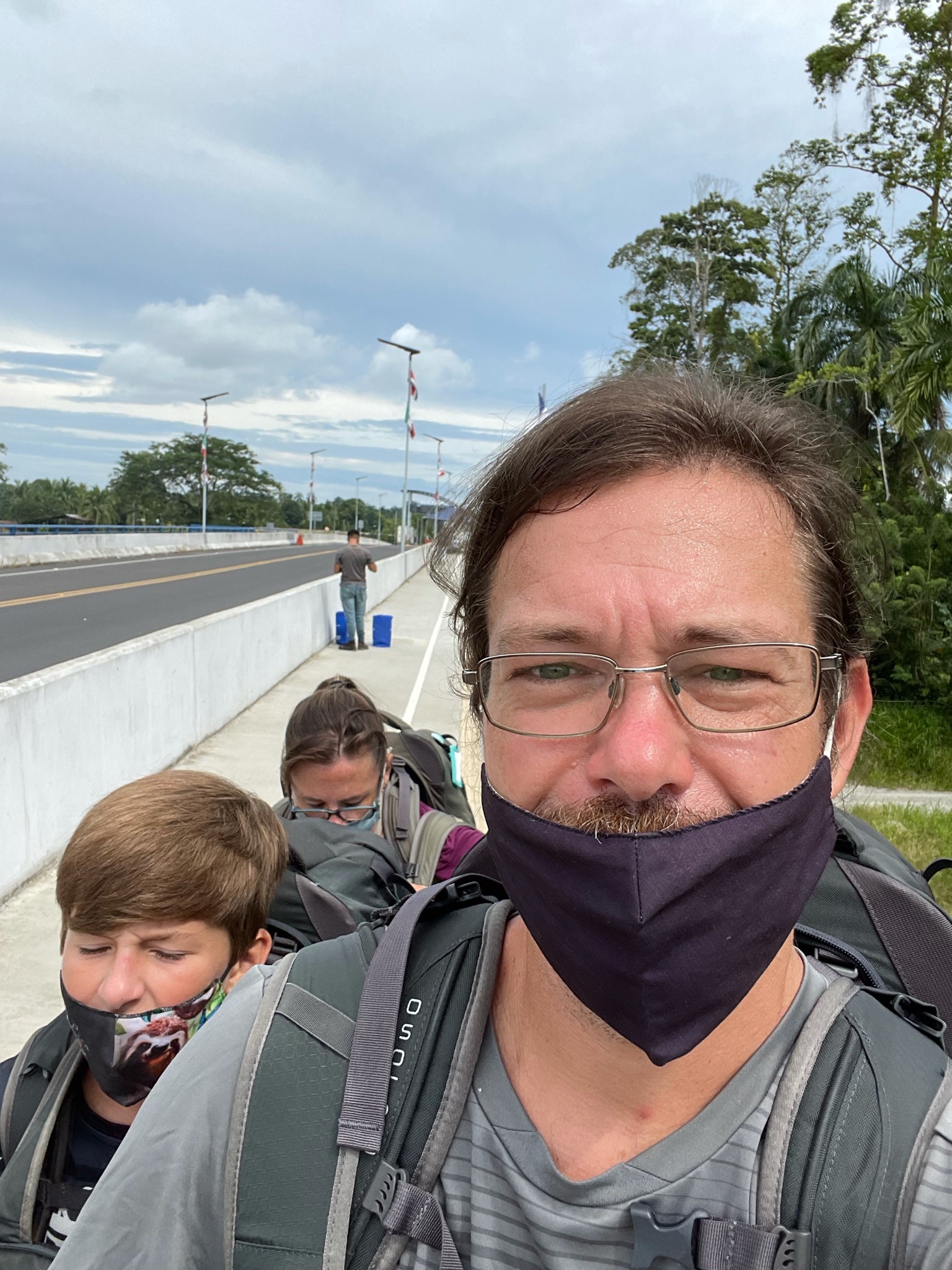
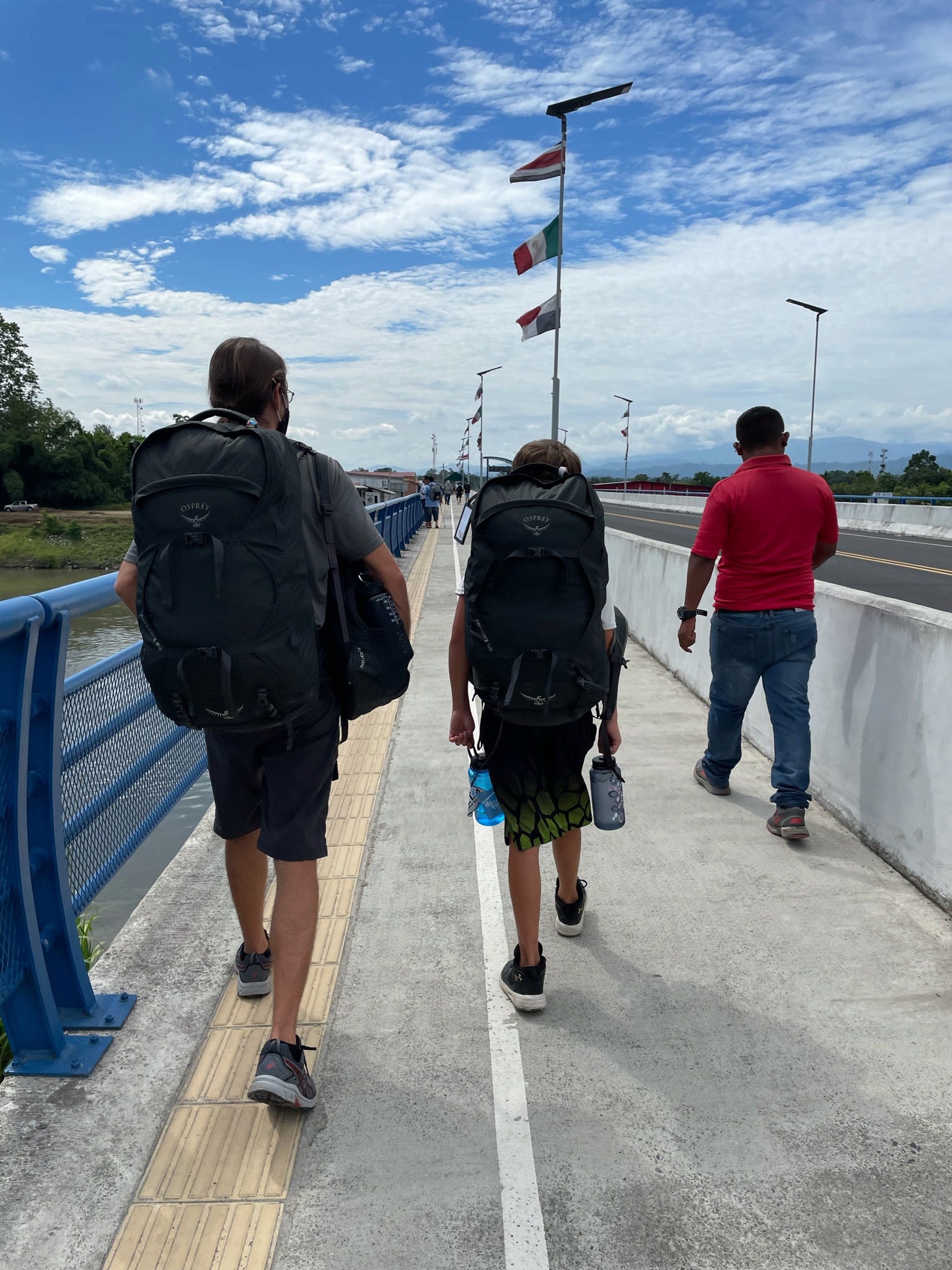
Our new guide walked us over the water and guided us down to the Panama Immigrations. Their office was tucked into a corner behind a strip of stores, and without his help, we would not have easily found it. He waited for us to process through their office and then he handed us off to a third person, a shuttle driver on the Panamanian side.

This driver did not speak English, but thankfully, we picked up another passenger who was from the US and who was fluent in both languages. We settled in for our hour long ride to Almirante. After crossing a border, it’s not unusual for there to be multiple checkpoints where police or immigrations personnel request to see your identification to make sure you legally crossed the border. These are normal, and while they are still uncomfortable, we have grown accustomed to them. On our last border check, though, the police officer didn’t like something about our driver, his vehicle, or both. We were asked to pull over out of the road so they could investigate further. As we sat in the back seat with three cops standing outside my side of the car and two on Brian’s side, I couldn’t help but wonder if we had just become unwitting passengers in some soon to be horrible nightmare. Thankfully, after about five minutes, the officers waved us forward and let us go.

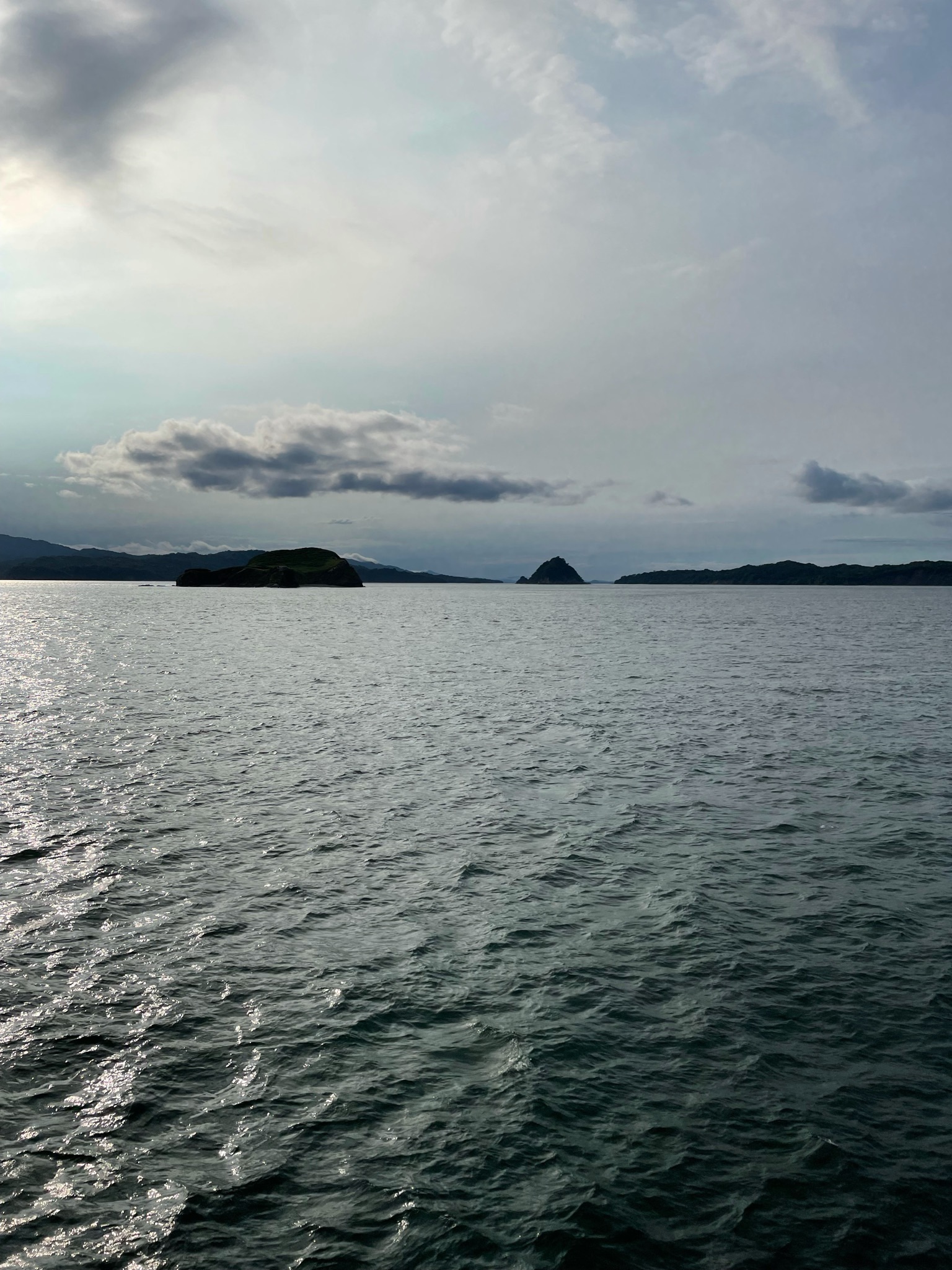
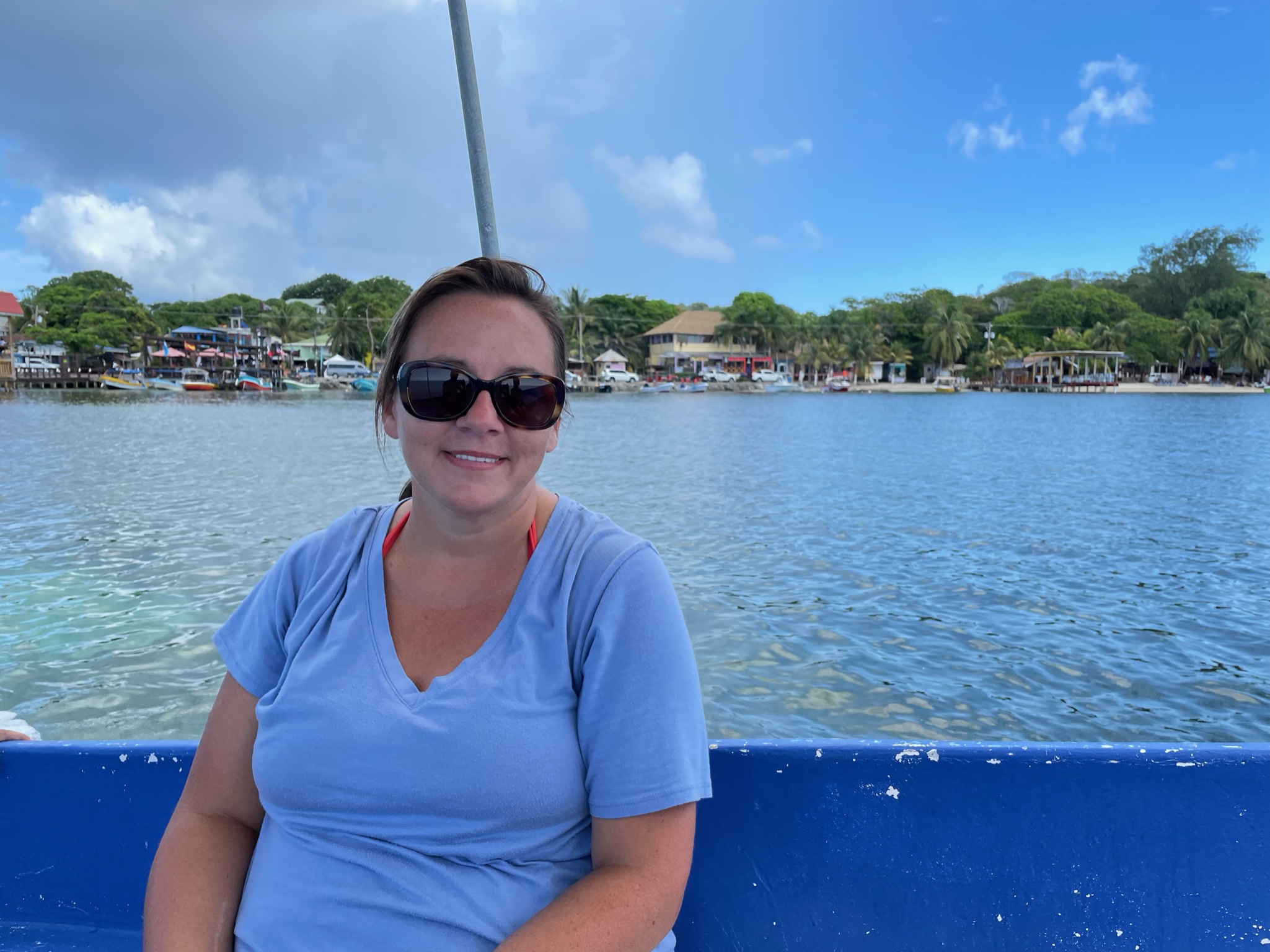
We reached Almirante with no more problems. A young, energetic dock worker grabbed our bags and hauled them from the shuttle to the water taxi dock for us while our shuttle driver arranged the next leg of our transportation. We were heading to the islands of Bocas del Toro, and we would need to take a ferry from the mainland to Bocas Town, the largest city which is located on Isla Colon. Our shuttle driver bought our tickets and pointed us towards the waiting area for our boat. Within a few short minutes, the dock workers ushered us into a 20 passenger ferry boat, and we headed off on our 45 minute ferry ride.
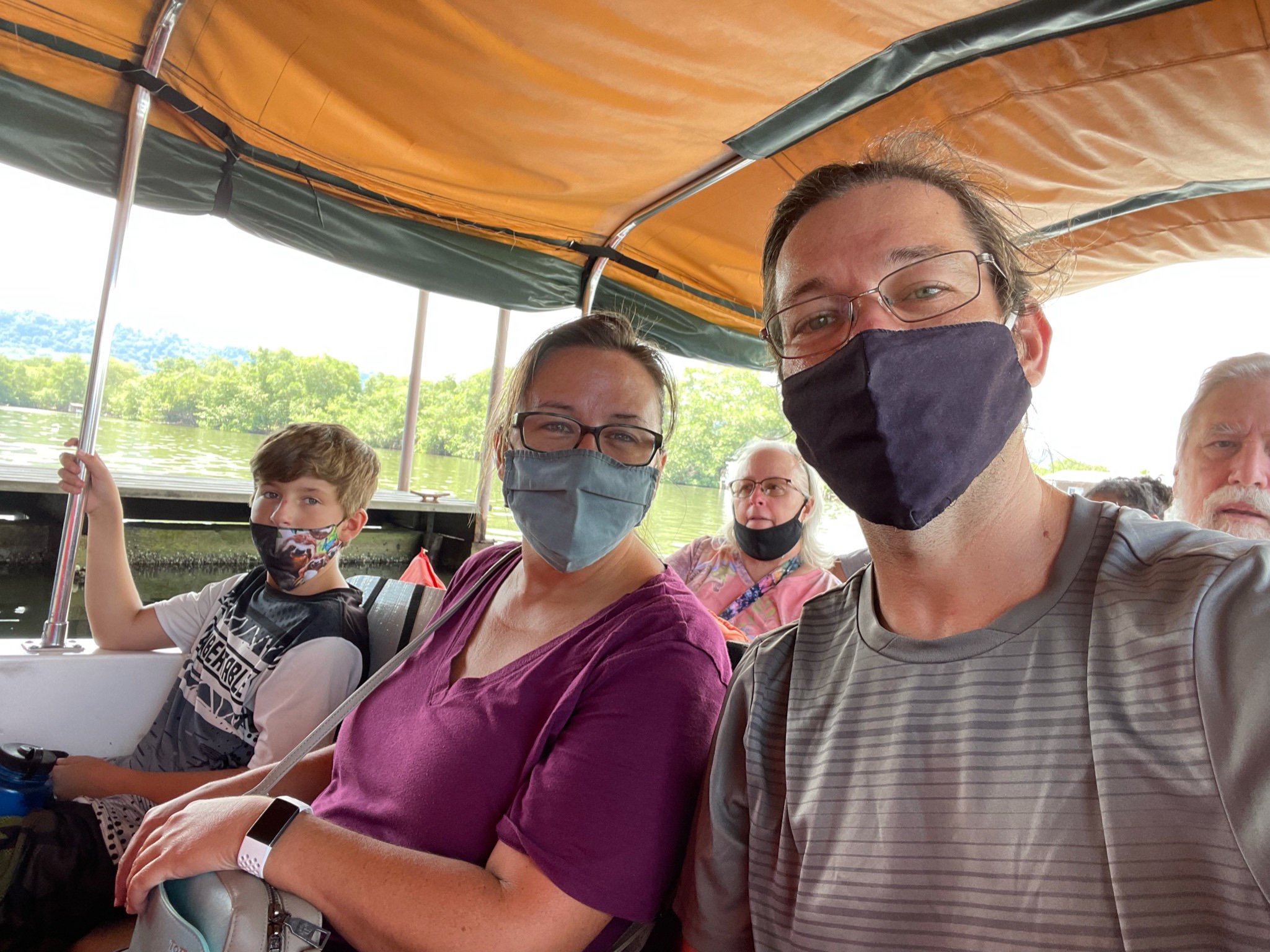
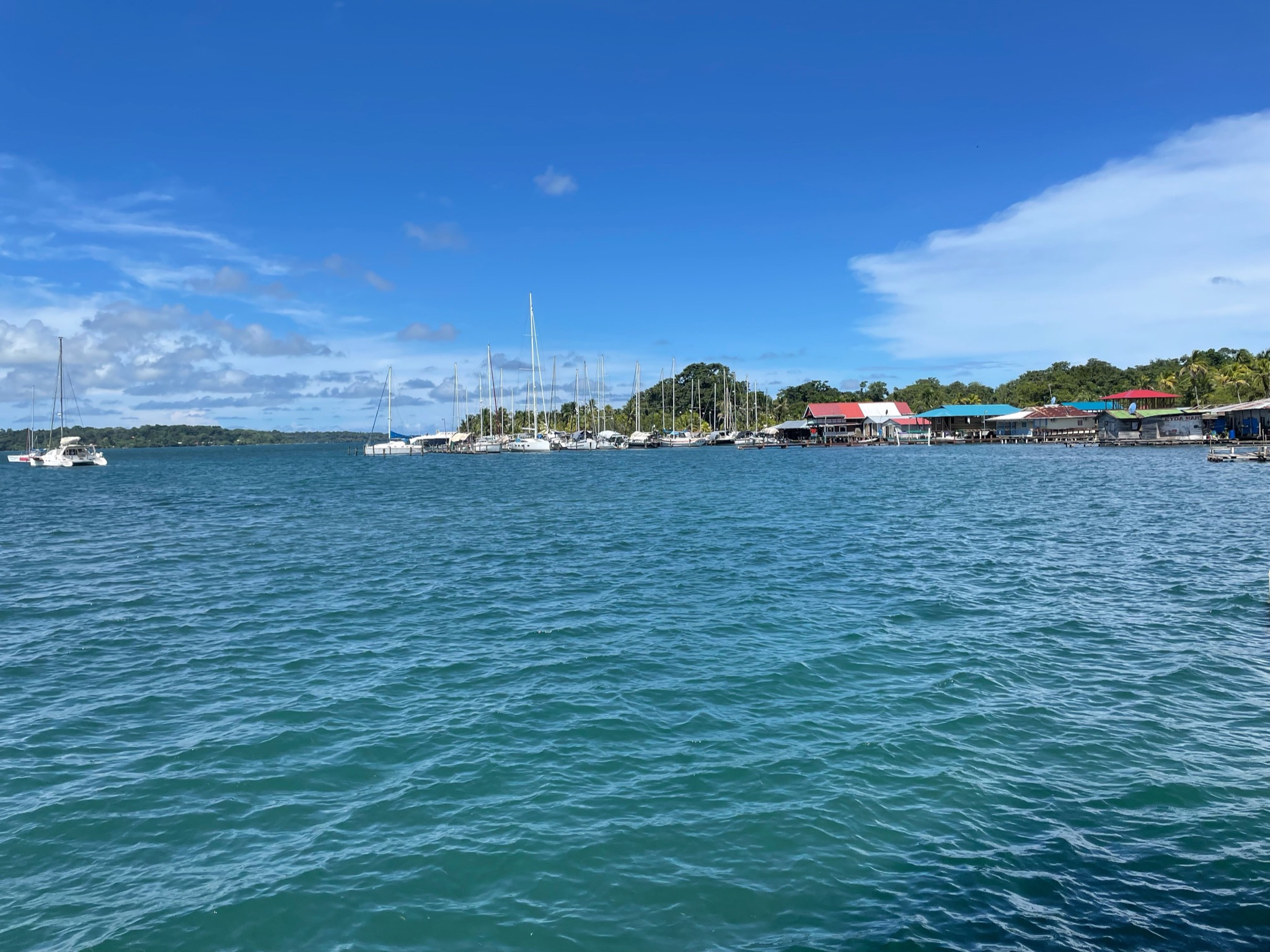
I hated the boat ride. We were going very fast, and I felt like the floor of the boat was just a few hard hits from busting apart. The waves weren’t big, but they were certainly noticeable, and after 45 minutes, I was beginning to feel more than a little queasy. I was grateful to step on solid ground again, so I gladly hopped out of the boat and donned my heavy pack again when we reached Isla Colon.

While we were gathering our bearings, a local tour operator named Bernardo came by to talk to us about his tours. He said he had a group of people going out the following day, and he had room for us to join them. For just $30 each, he’d pick us up at our hotel, take us to see dolphins, to see sloths, to snorkel, to swim at the most beautiful beach in the Bocas, and to see starfish. We thanked him, got his contact information, and politely but quickly walked away.

After grabbing a bite to eat, I began feeling better, and we decided to take our second ferry over to Isla Carenero so we could check into our hotel. Bernardo arranged our water taxi for us, and while we waited, he continued to try to talk us into his trip. We were a little over budget at this point, so I just told him that while his trip sounded fun, we just couldn’t work it into our tight budget. He offered us a deal on the package so long as we agreed to keep it to ourselves. So, I won’t tell you what we worked out, but as you’ll soon find out, we did have fun on his tour.

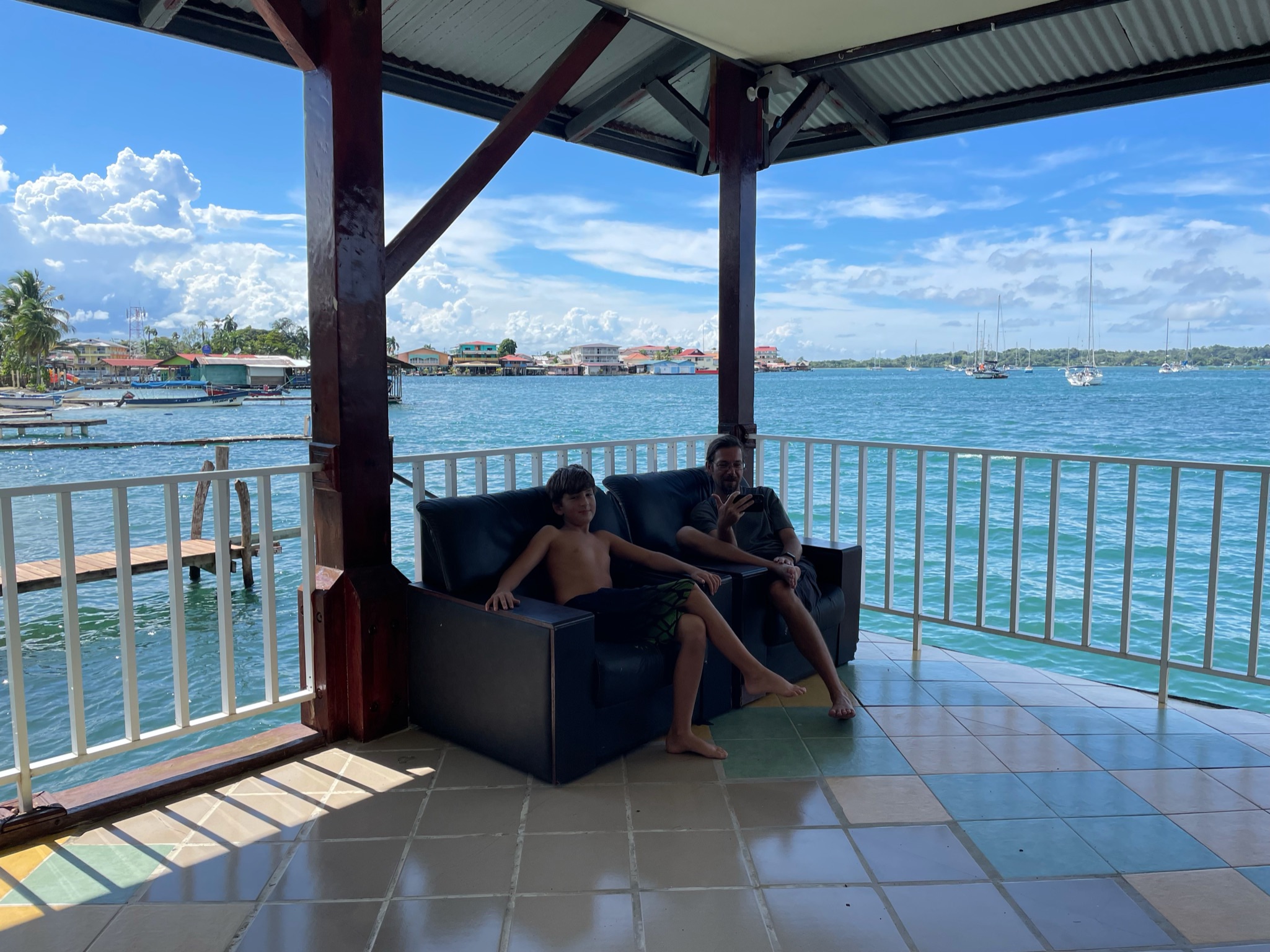
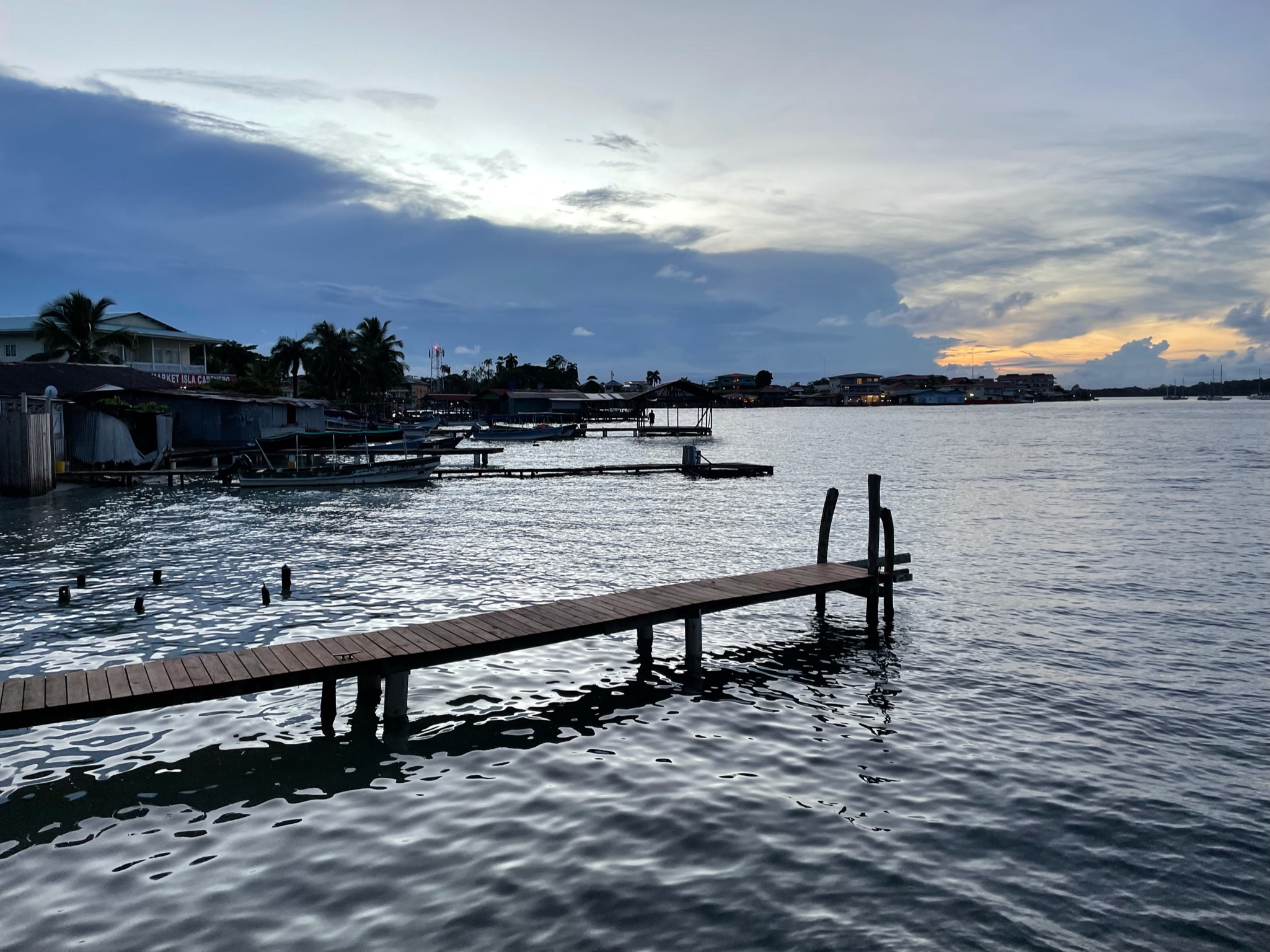
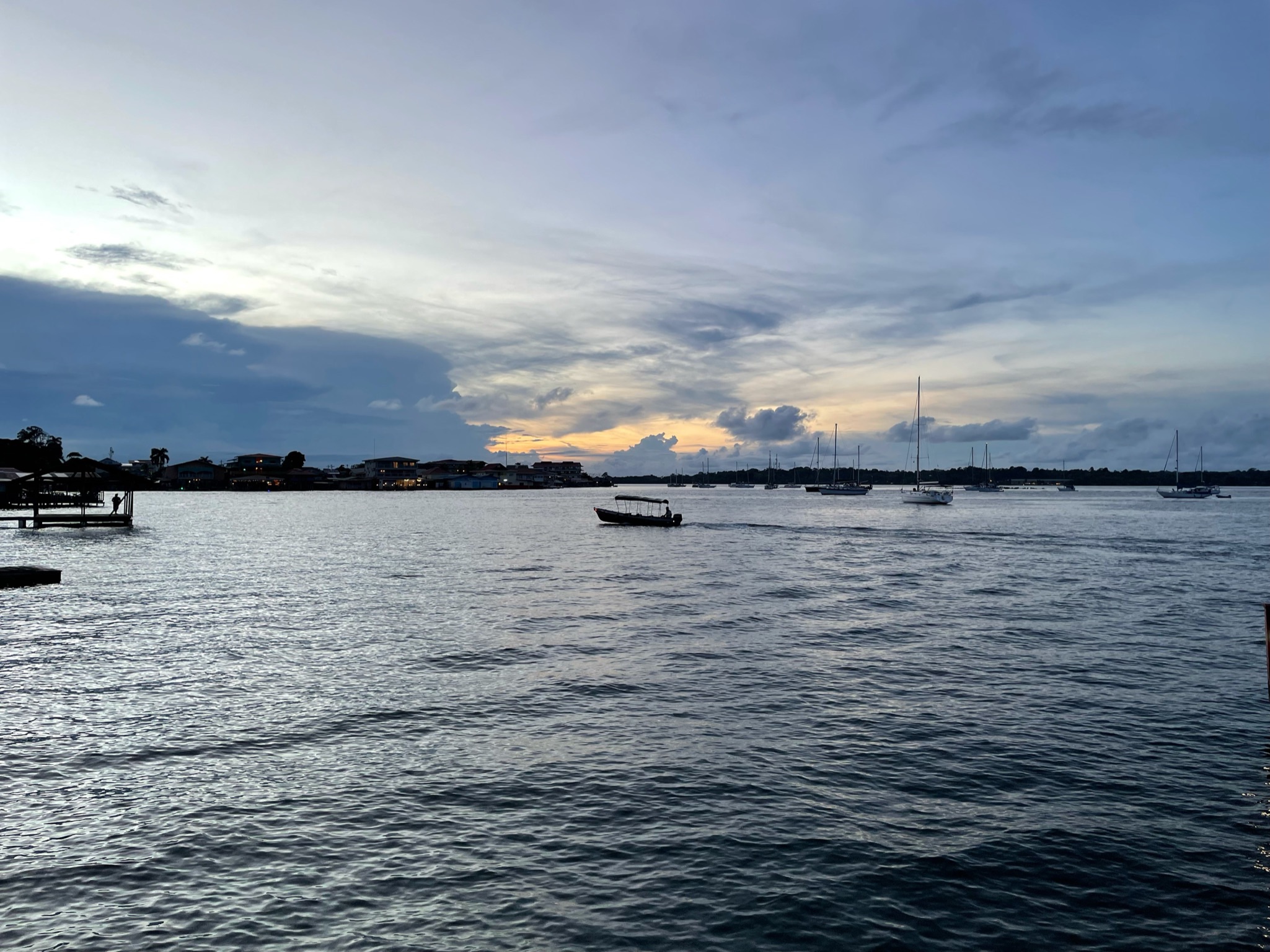
Our hotel was very nice. Like so many other places we have stayed, this one must have been quite popular at one time. It was big with a restaurant and a bar. I’m not sure if it’s because of COVID, but it, like so many others, is just an empty shell of what it was. The bar was closed. The restaurant only served breakfast anymore. Over half of the hotel was being remodeled and was inaccessible. The building was beautiful, spacious, and well located. It was right on the water facing the marina, and it was a beautiful place to take in the sunset. It was a great place with all the right amenities; they just needed more guests.
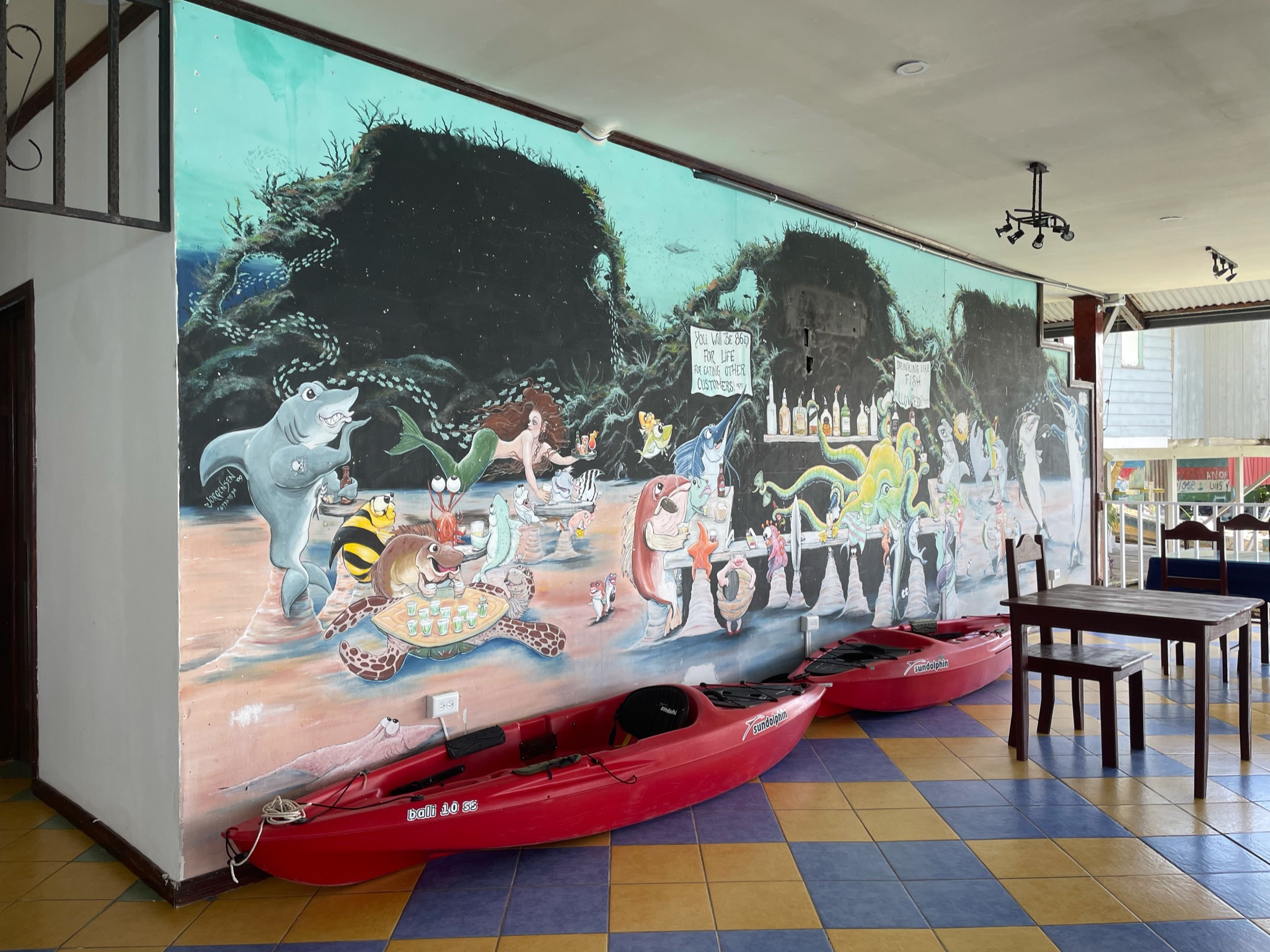
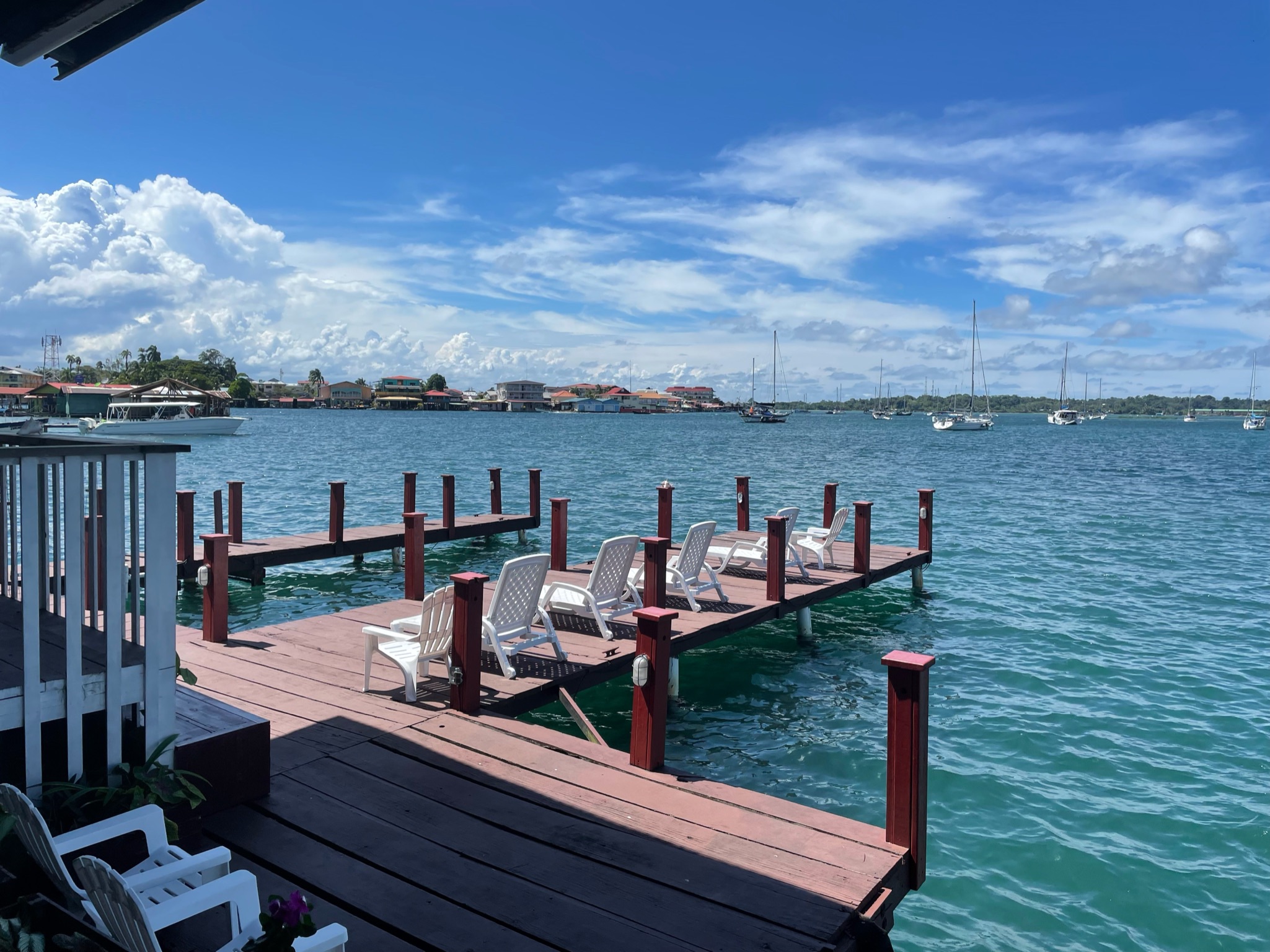
We decided to explore our little island a bit, so we wandered out the back door of our hotel and onto the concrete walkways that separated all of the buildings. Isla Carenero is a small island and there are no cars or roads. People get around by using these walkways or by boating to their destinations. The houses on the island are small, stilted buildings that are close set and run down. Dogs and children ran all over, and music can be heard coming from most of the open windows. This island was one of the poorest areas we have visited on this trip, and the living conditions broke my heart. The people didn’t have much, but they were living in paradise and everyone seemed content with what they did have. Even without the conveniences I can’t imagine living without, the families of this island laughed and played freely. It was humbling and refreshing to witness.

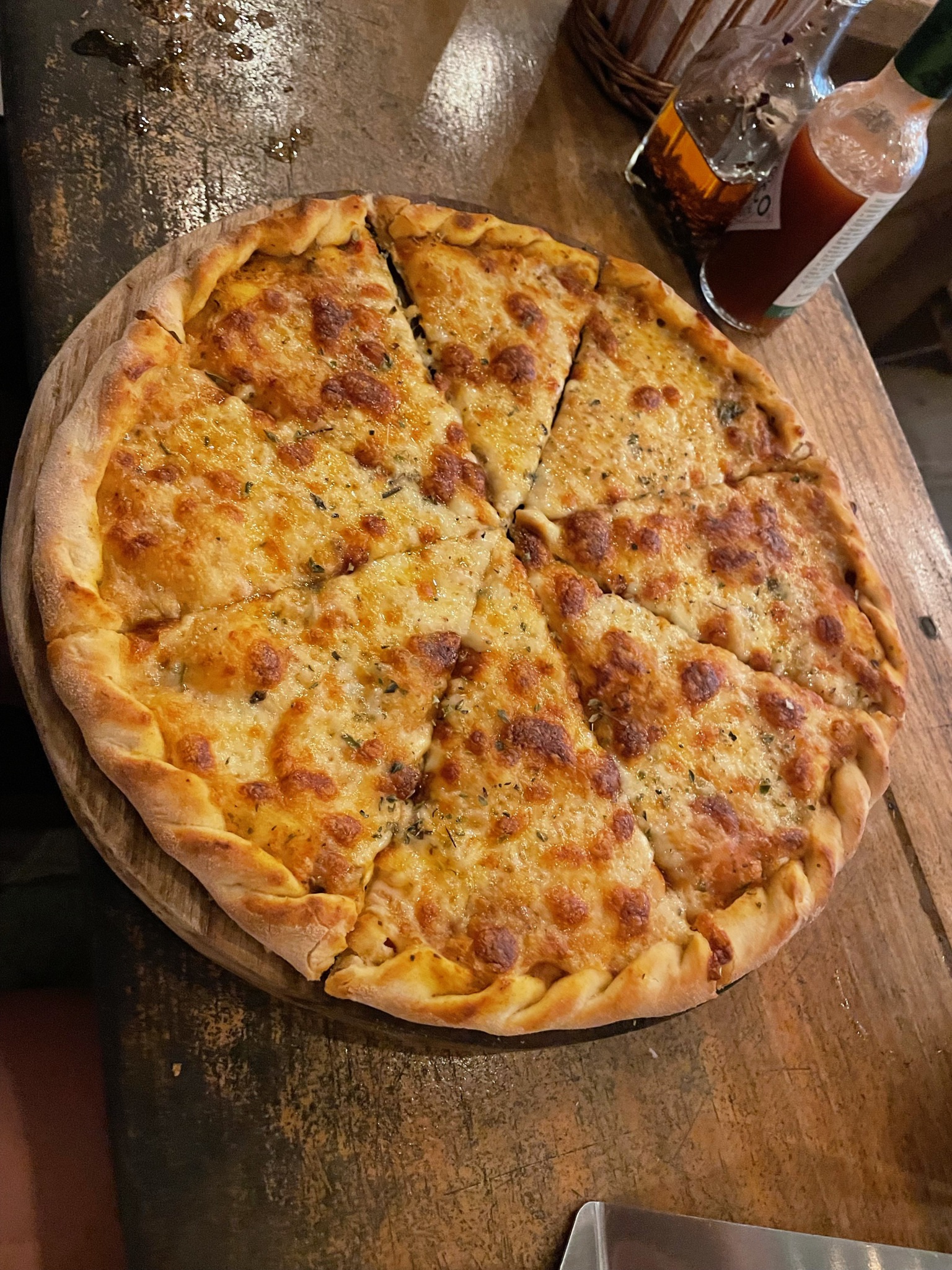
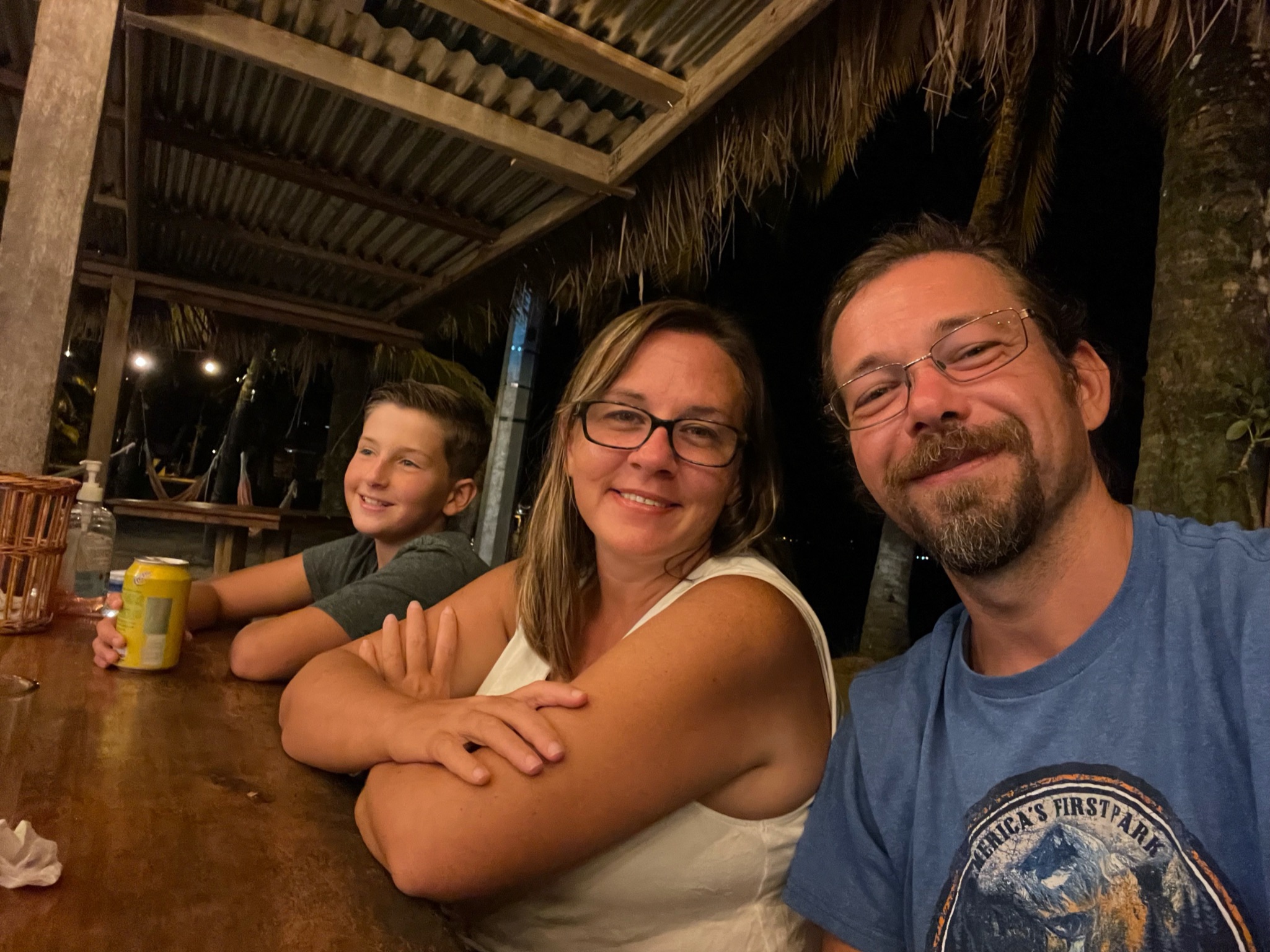
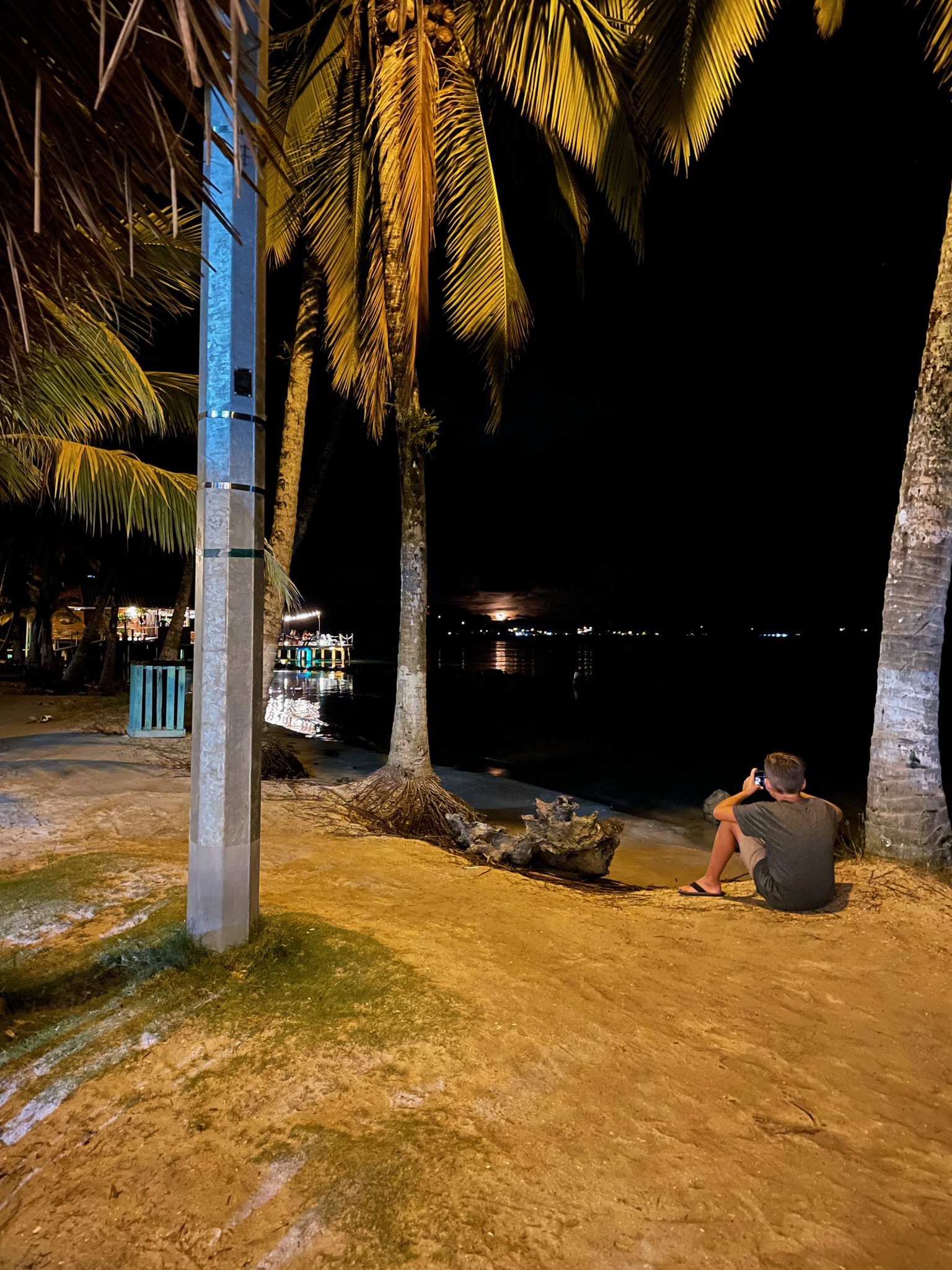
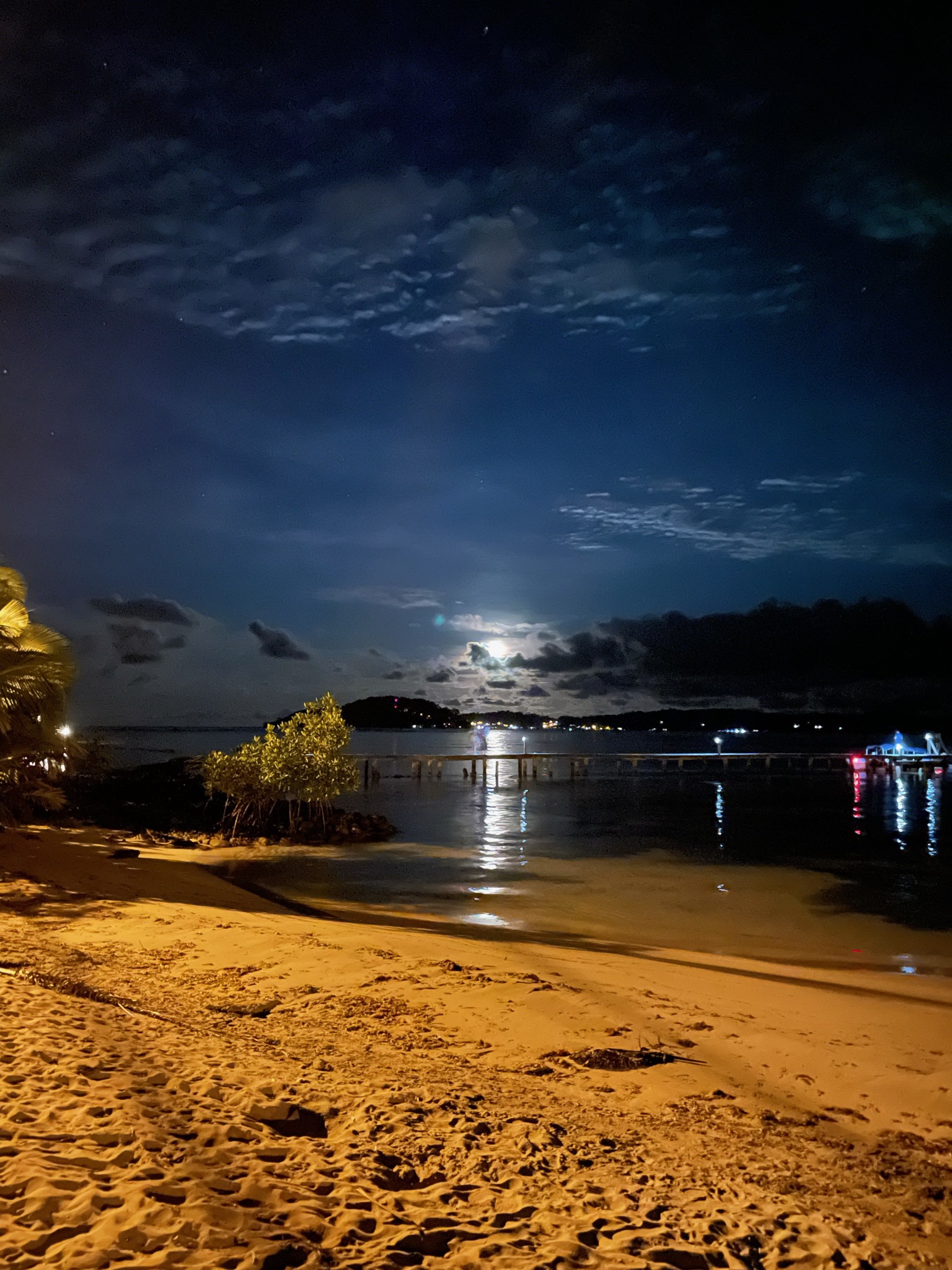
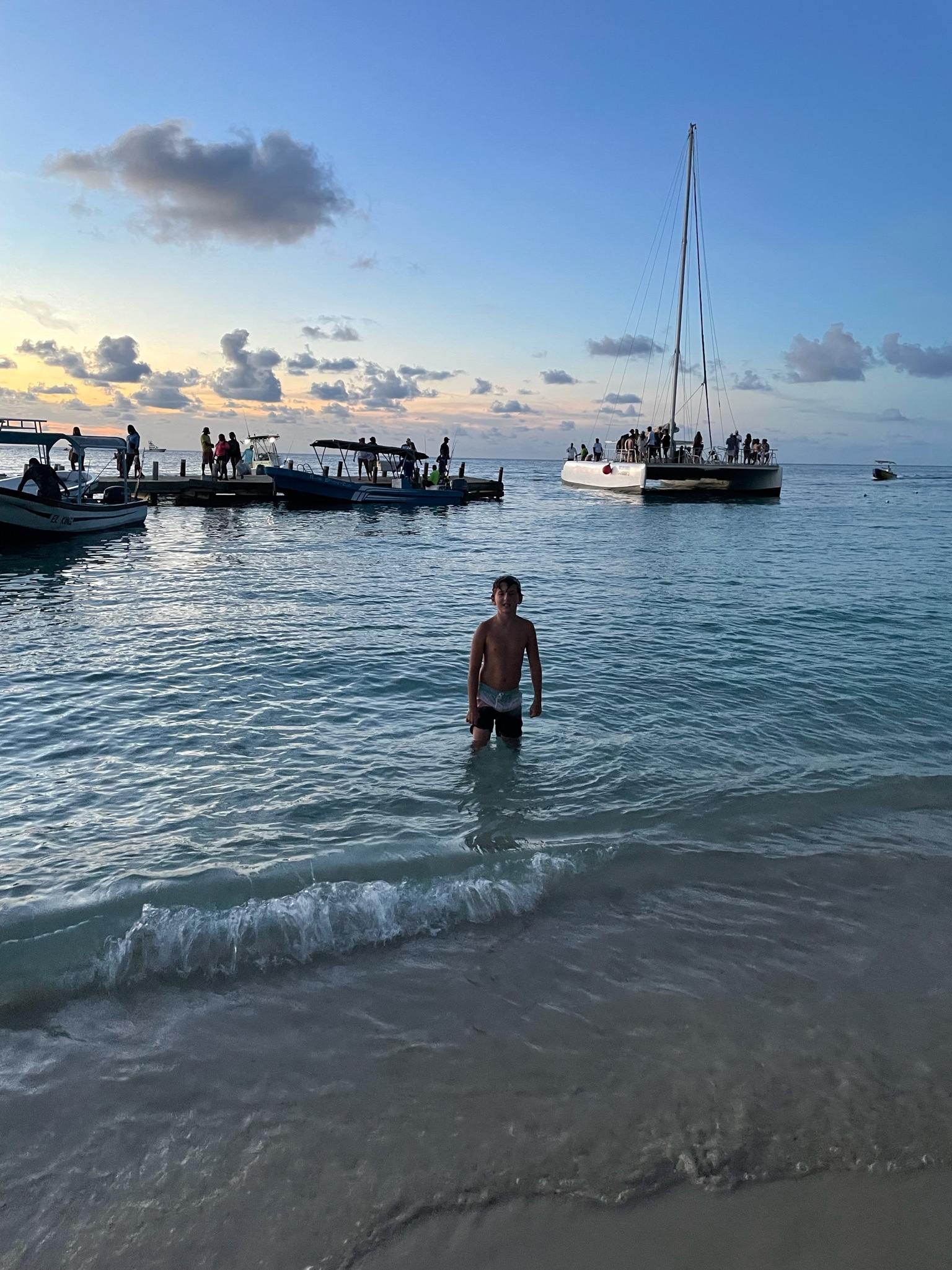
We swam at the beach for a while, but as the sun started to go down, we decided to make our way through the labyrinth of walkways back to our hotel. We went out exploring again for dinner, and this time we walked further down the beach. Our walk found us in a few darker stretches of beach where we came upon the larger land crabs as we were walking. Brian and I teased Henry by throwing rocks into the bushes and making him jump. After an enjoyable 10 minute walk, we found a cute little beach side restaurant that, because hardly anyone was there, we worried wasn’t going to be any good. The waiter was at the bar talking with three customers, and a Panamanian woman was in the kitchen preparing food as we took our seats at the bar. The waiter was from Germany and had lived on Isla Carenero for the past 6 years. We were invited into the conversation, and we learned that the couple at the bar was visiting from France and that the third man at the bar was a local. The conversation was lively and enjoyable, and when our food was ready, we continued to be entertained by the company. Another couple joined us about half way through our meal. The husband was from Switzerland, and the wife was half Mexican and half Chinese, but she was from the US. They joined in on the conversation as well, and we all quickly became friends. We enjoyed a few drinks and relaxing music under the moonlight as we ate our delicious pizzas and calzones.
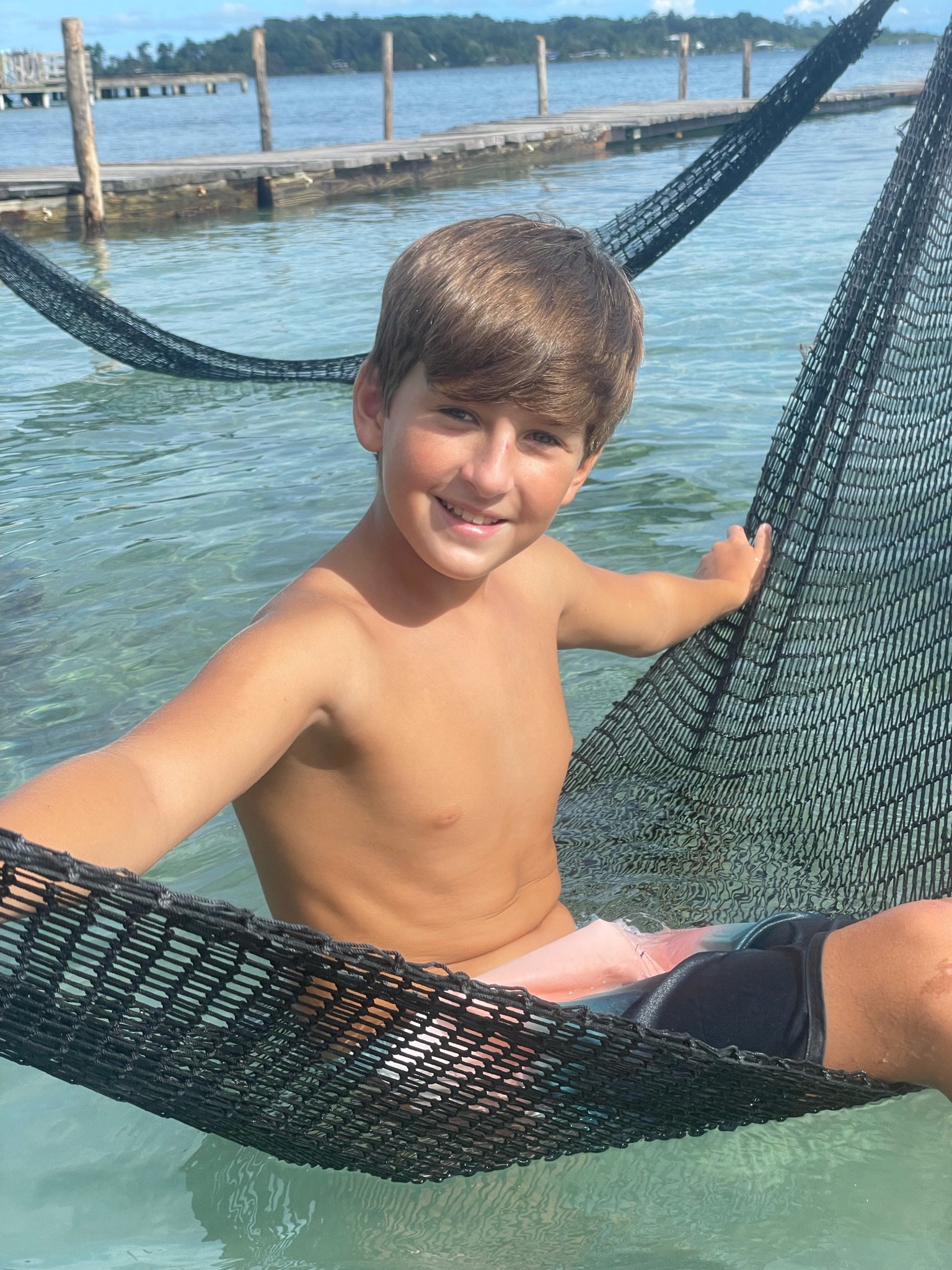
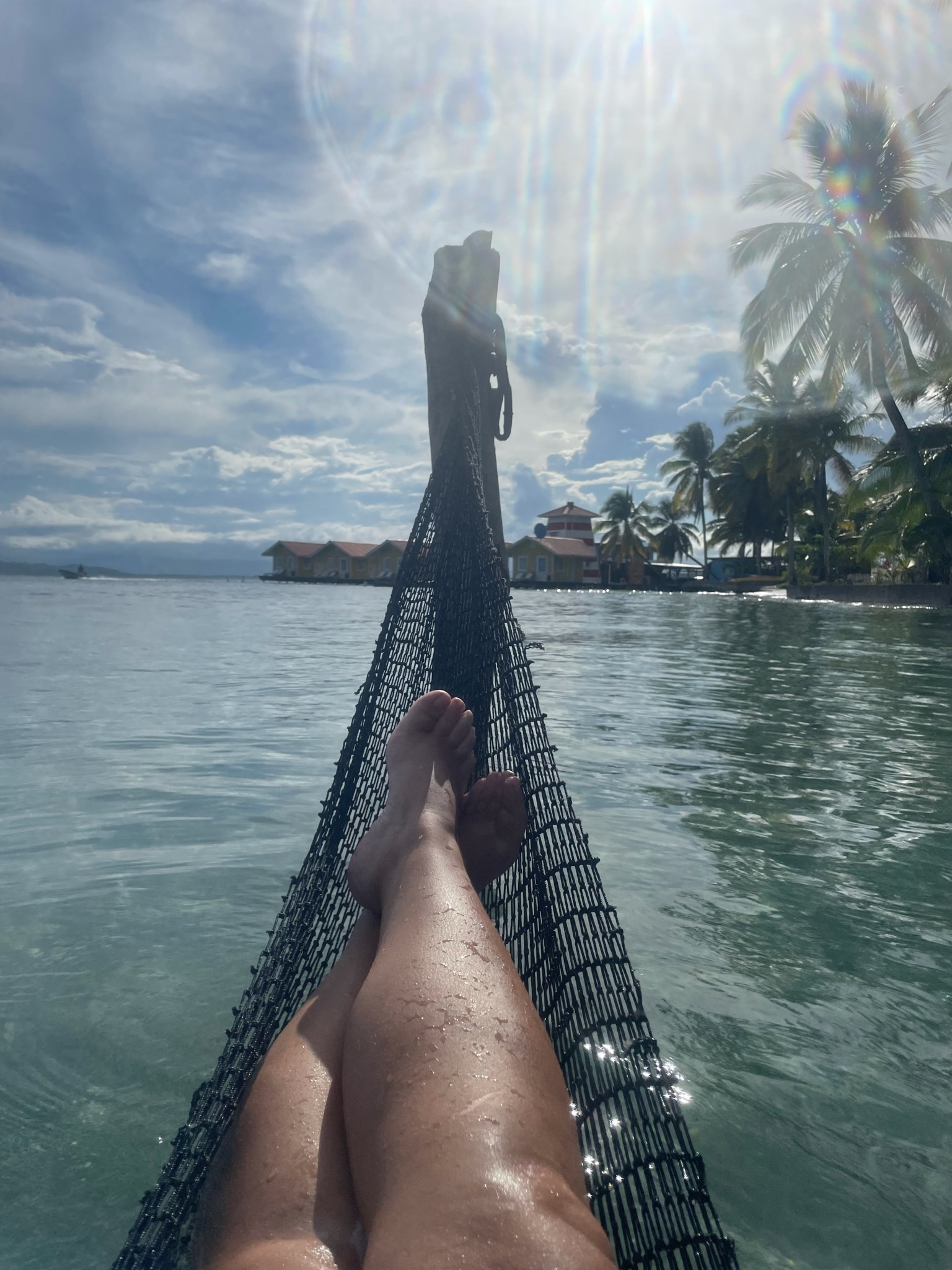
The next morning, we awoke excited to go on the tour. After a wonderful breakfast of fresh fruit and juice, toast, and eggs (ok, that part wasn’t so great), we found our way to the island market to buy a few drinks and snacks for our adventure. Our water taxi picked us up at the hotel dock, and we made our way back across the channel to Bocas Town. We joined our tour group, and after several water taxi transfers, we set off on our first destination to see dolphins.

The boat sailed through the water for nearly a half hour until we came to a rather abrupt stop in Dolphin Bay. Our captain spoke very little English, but thankfully, one of our companions spoke decent Spanish and could interpret for us. We sat still in the water for a few minutes, moved on to a few other areas of the bay, and then the captain announced that there were “No dolphins today.” Now, at this point, I started to worry that our tour was going to be a waste of money. Three of our five activities were viewing wildlife. I know that the tours can never guarantee that you’ll see animals in the wild, but I couldn’t help but wonder if there was ever any wildlife to really see. Disappointed and skeptical, we began the journey to our second destination.

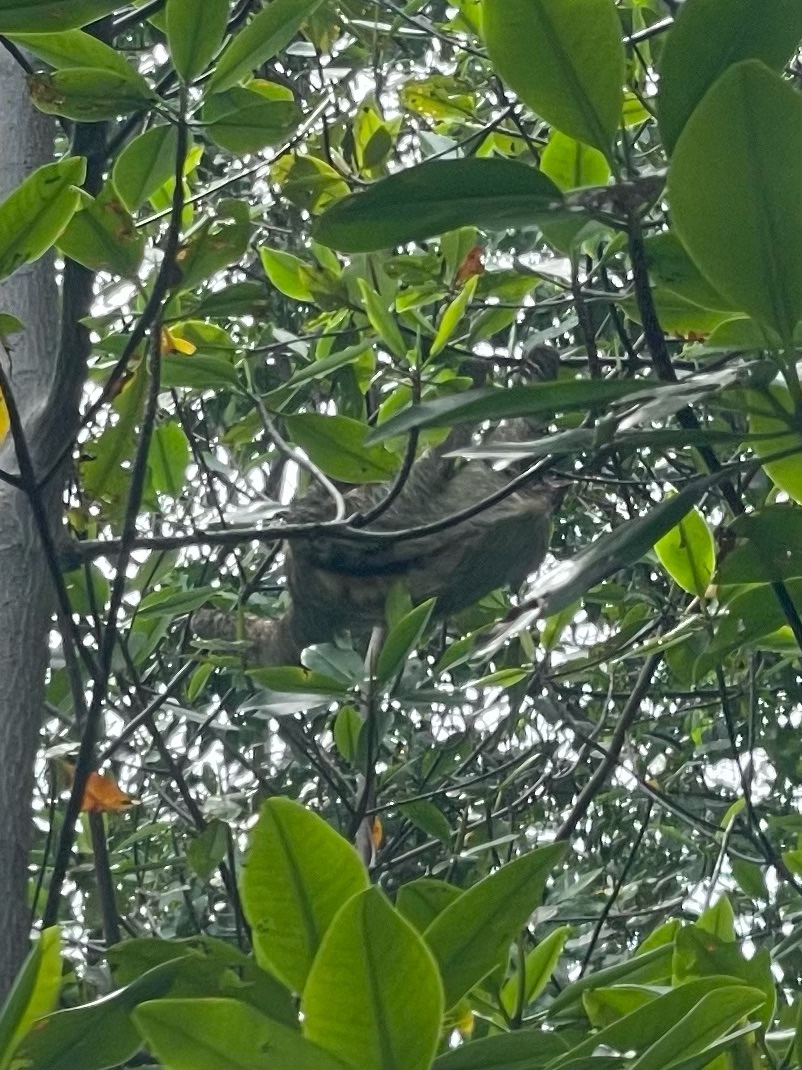
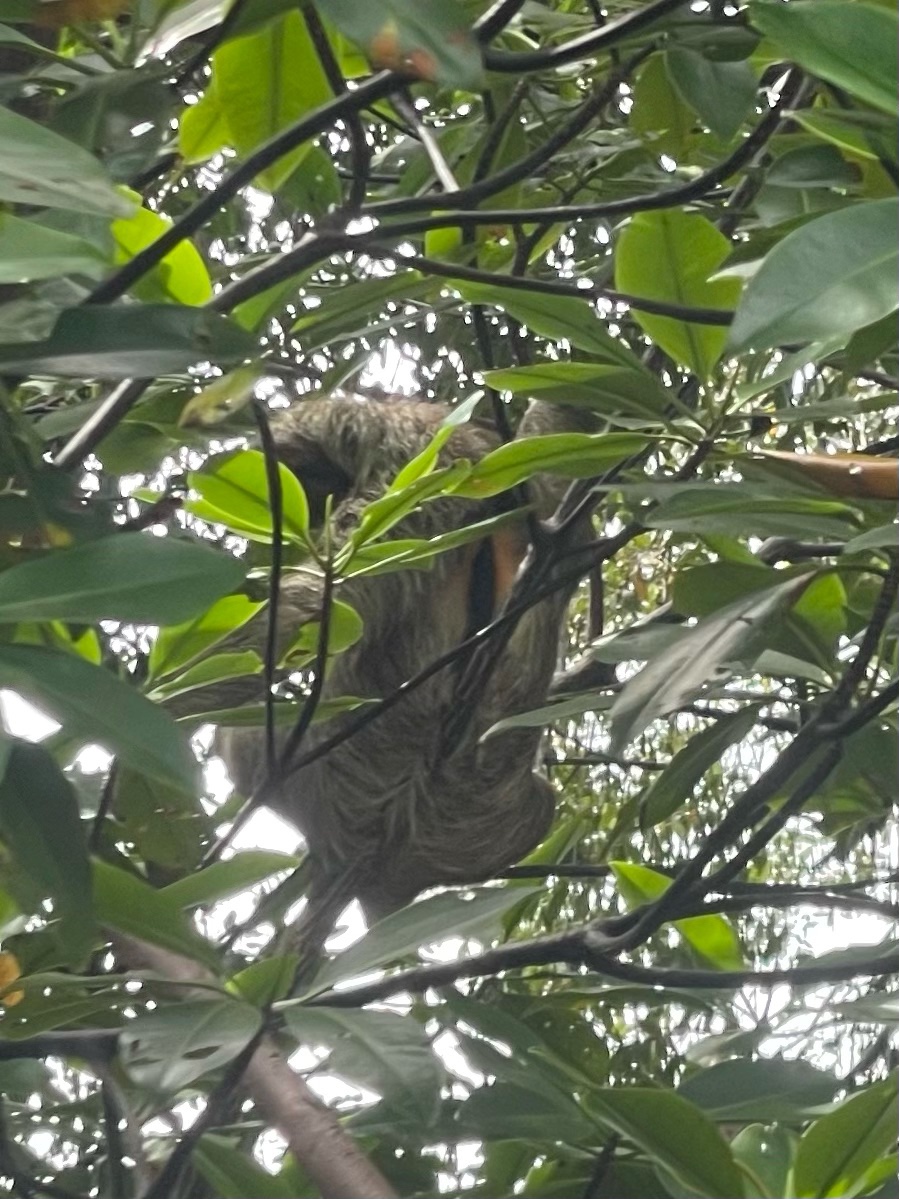
Henry has loved sloths for as long as I can remember, and he had really been wanting to see one here. All through Costa Rica, we scanned the trees with hopes of seeing one but we were never successful. Bernardo had promised us the chance to see the ‘lazy monkeys’ and that was what sold Henry on the tour. So, after seeing zero dolphins, I halfway expected to see zero sloths as well. Thankfully, I was wrong, and we did get to see them. Our boat pulled up to an island where two other boats full of tour-goers were idling. In the trees in front of us, we watched two little sloths for a few minutes. They were adorable, and watching them, we realized it made perfect sense that they were called the lazy monkeys. At their highest speeds, they can move a distance of 1 foot in about 3 seconds. Henry was beside himself when one of the sloths looked straight at him, and that was all we heard about for the next hour.
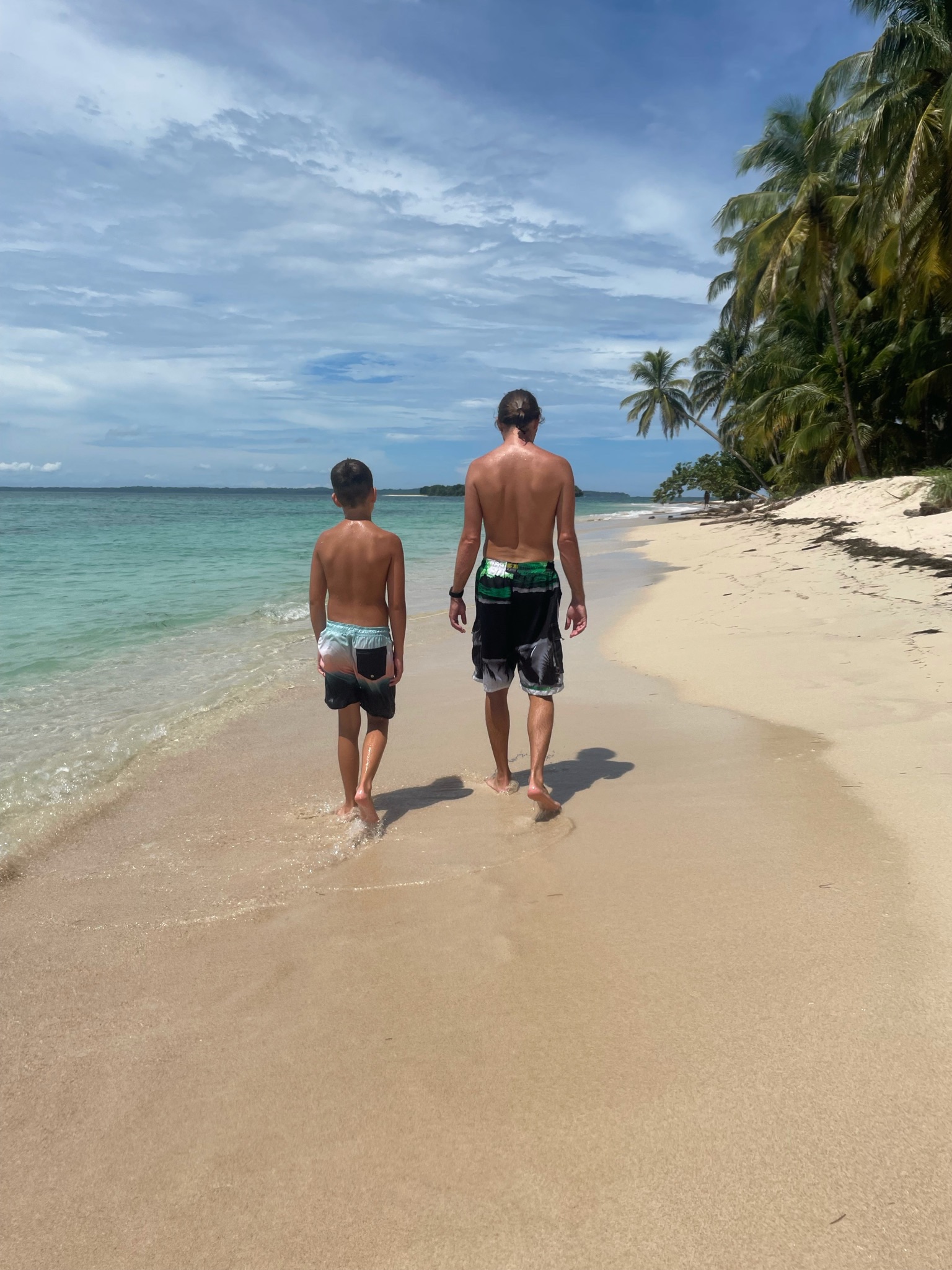
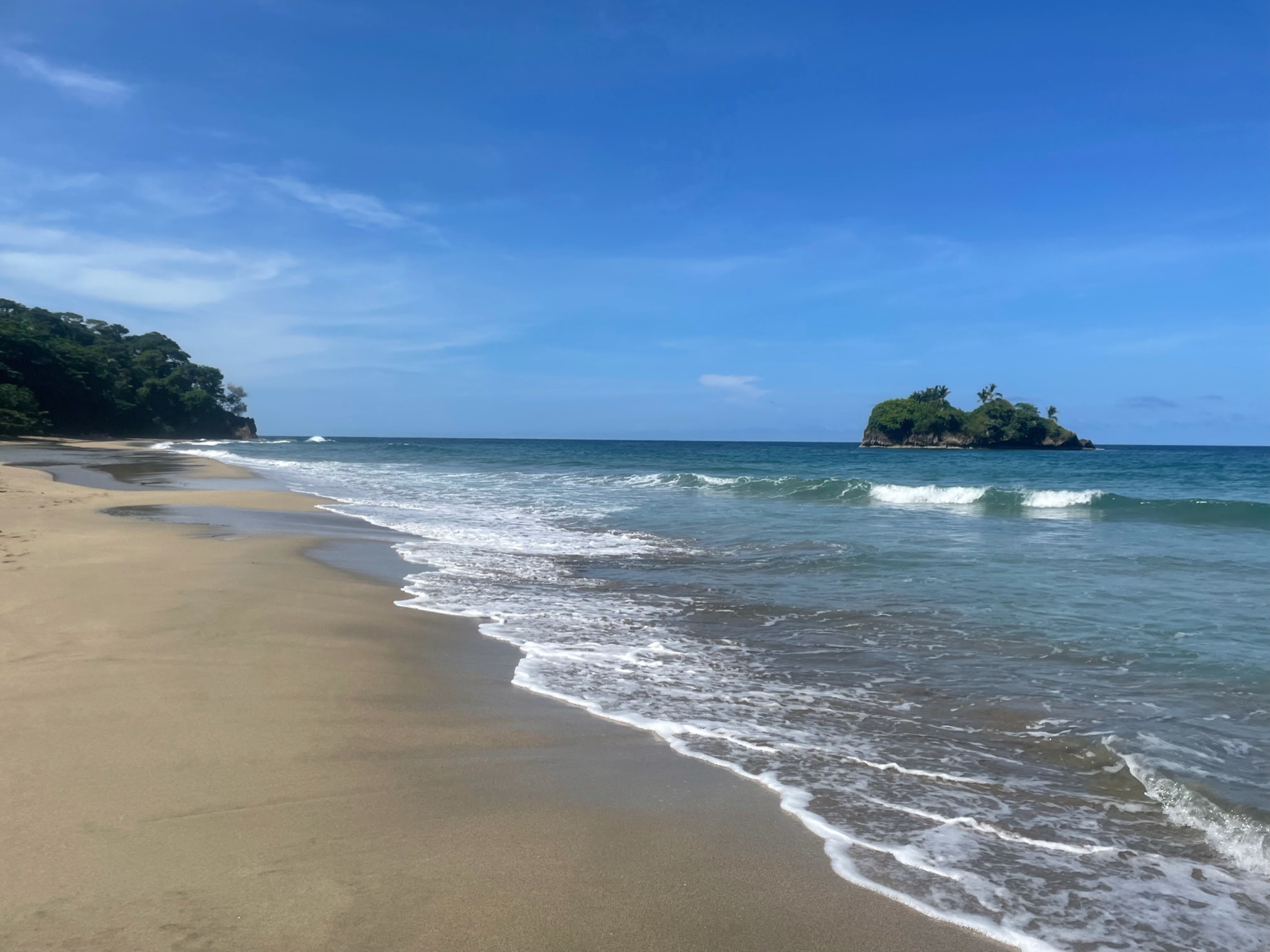
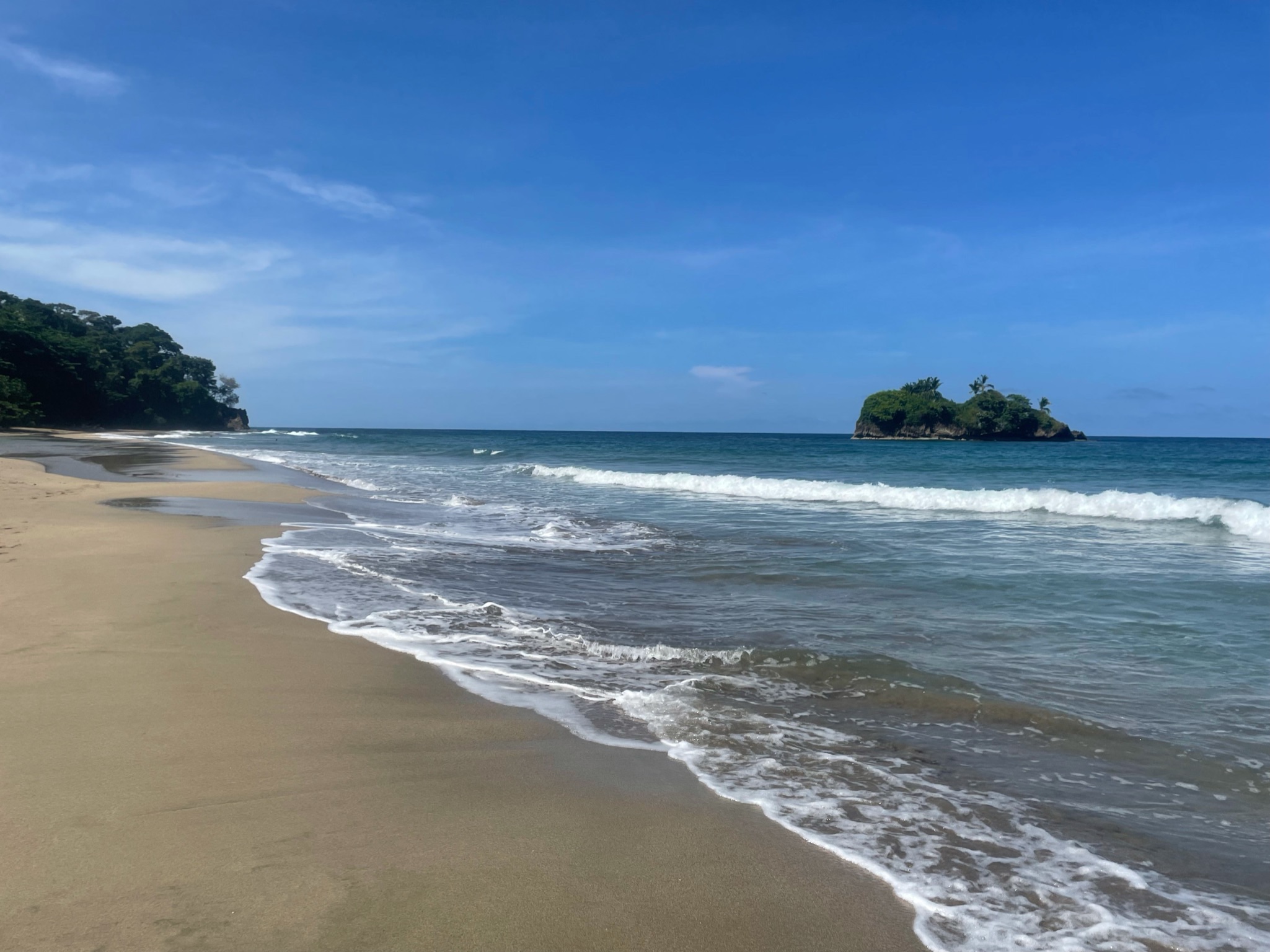
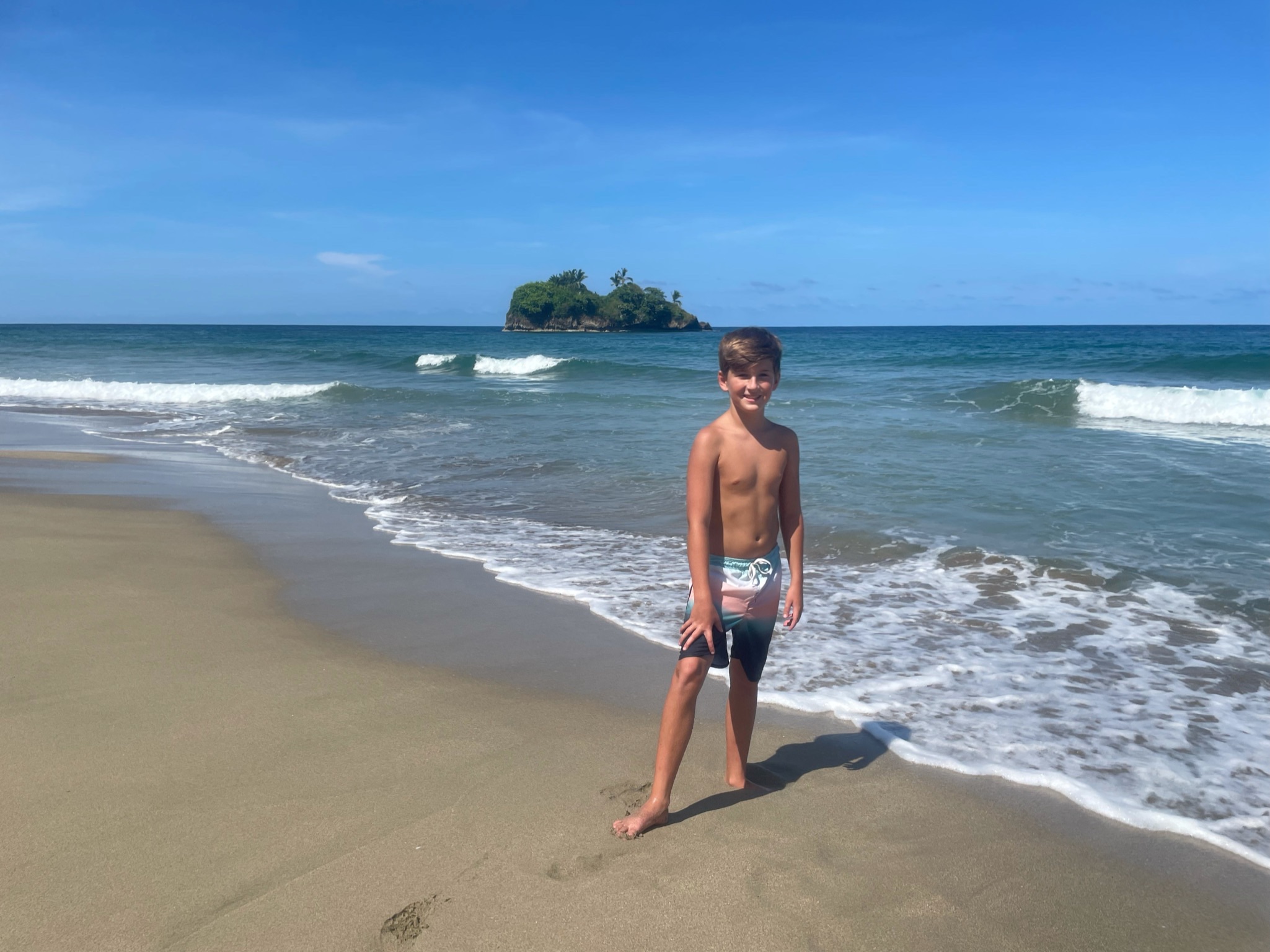
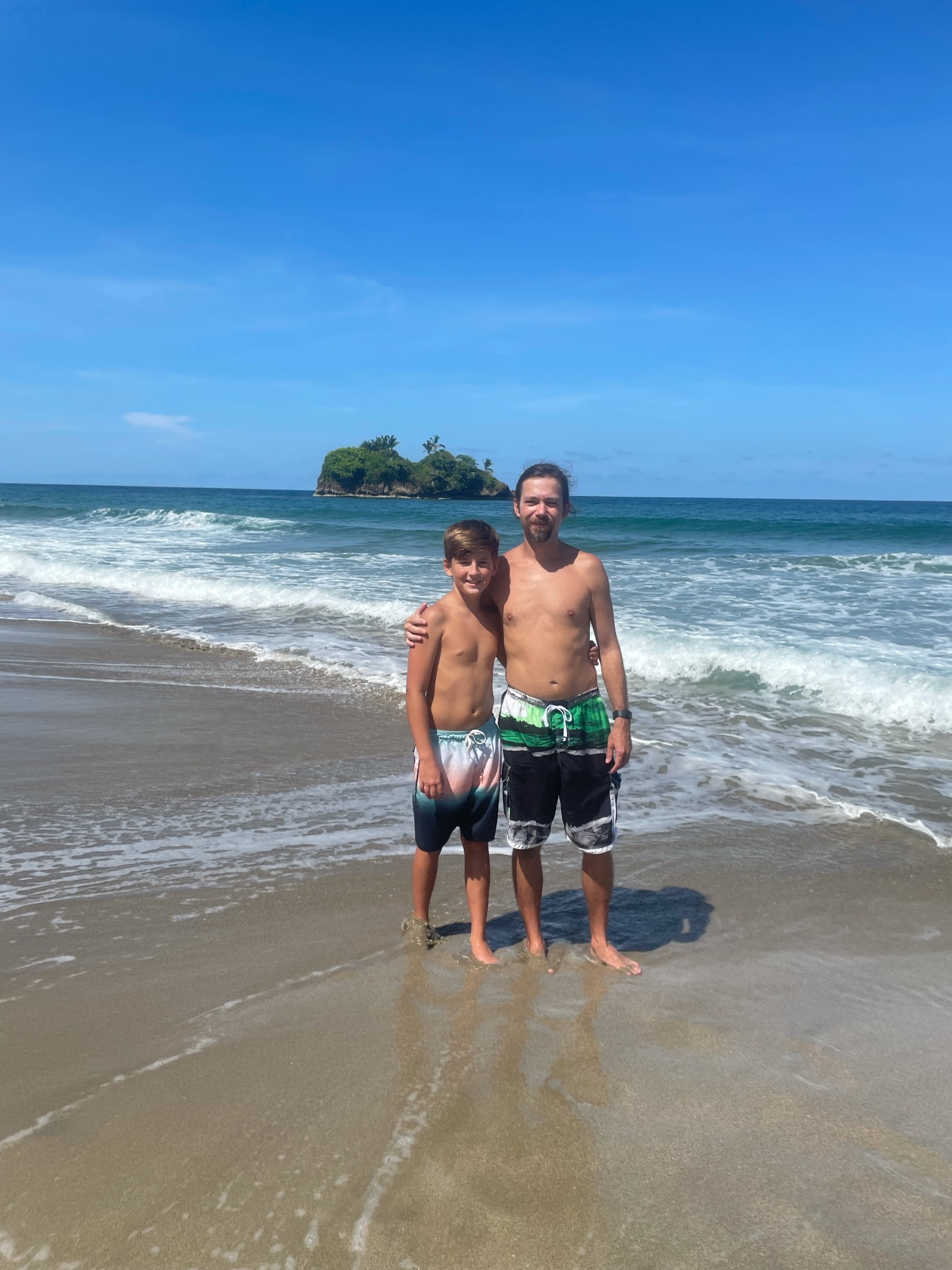
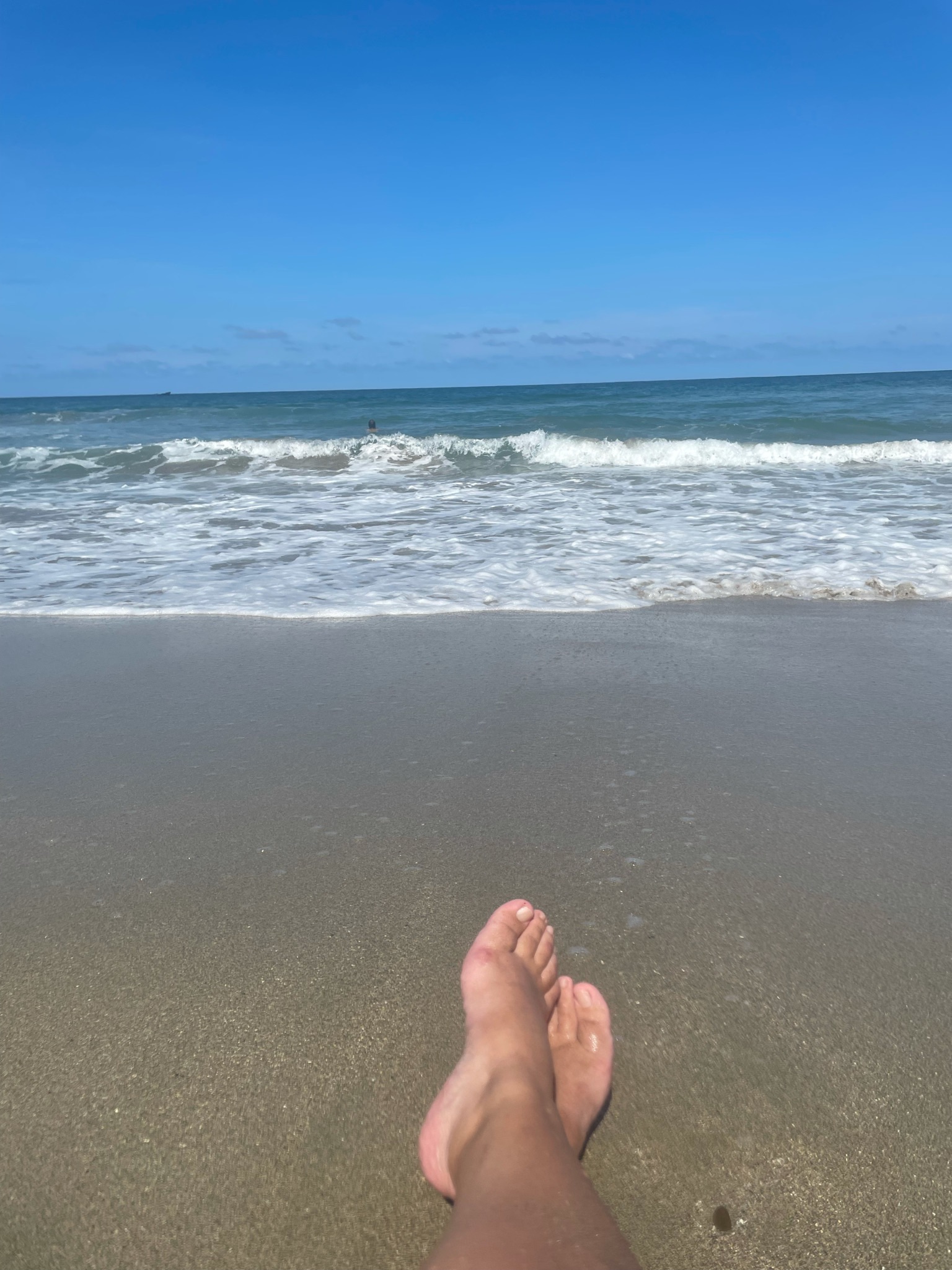
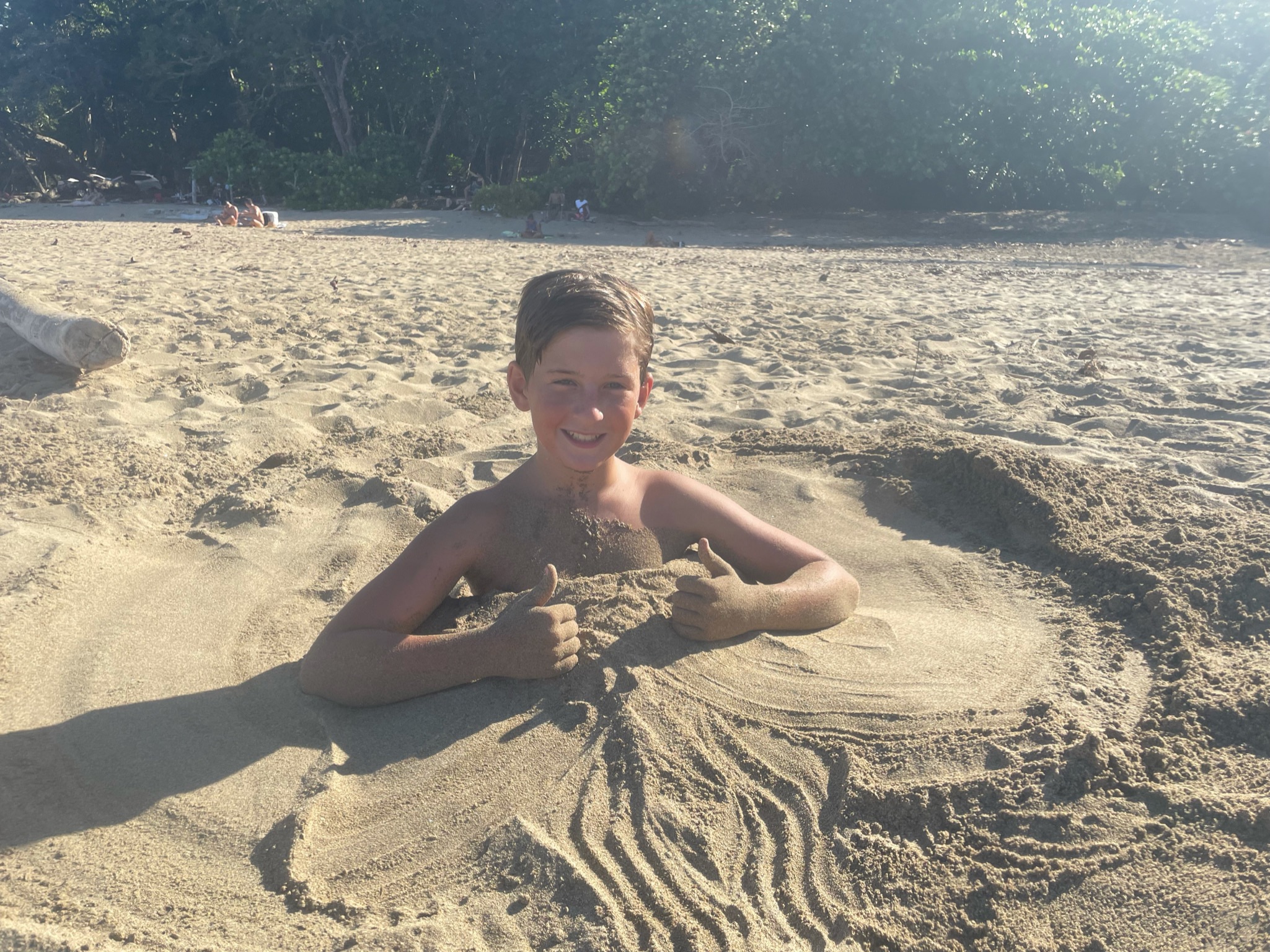
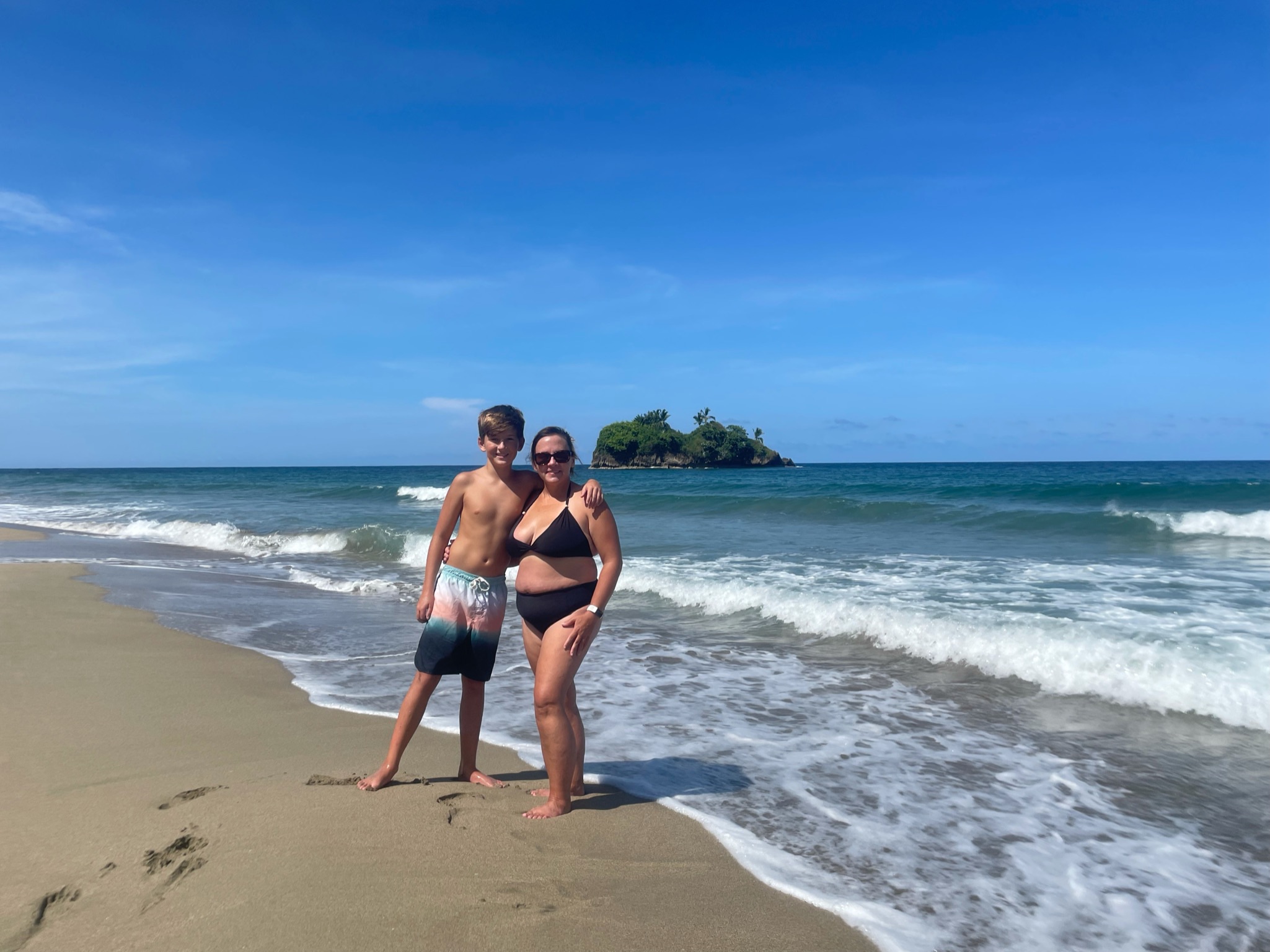
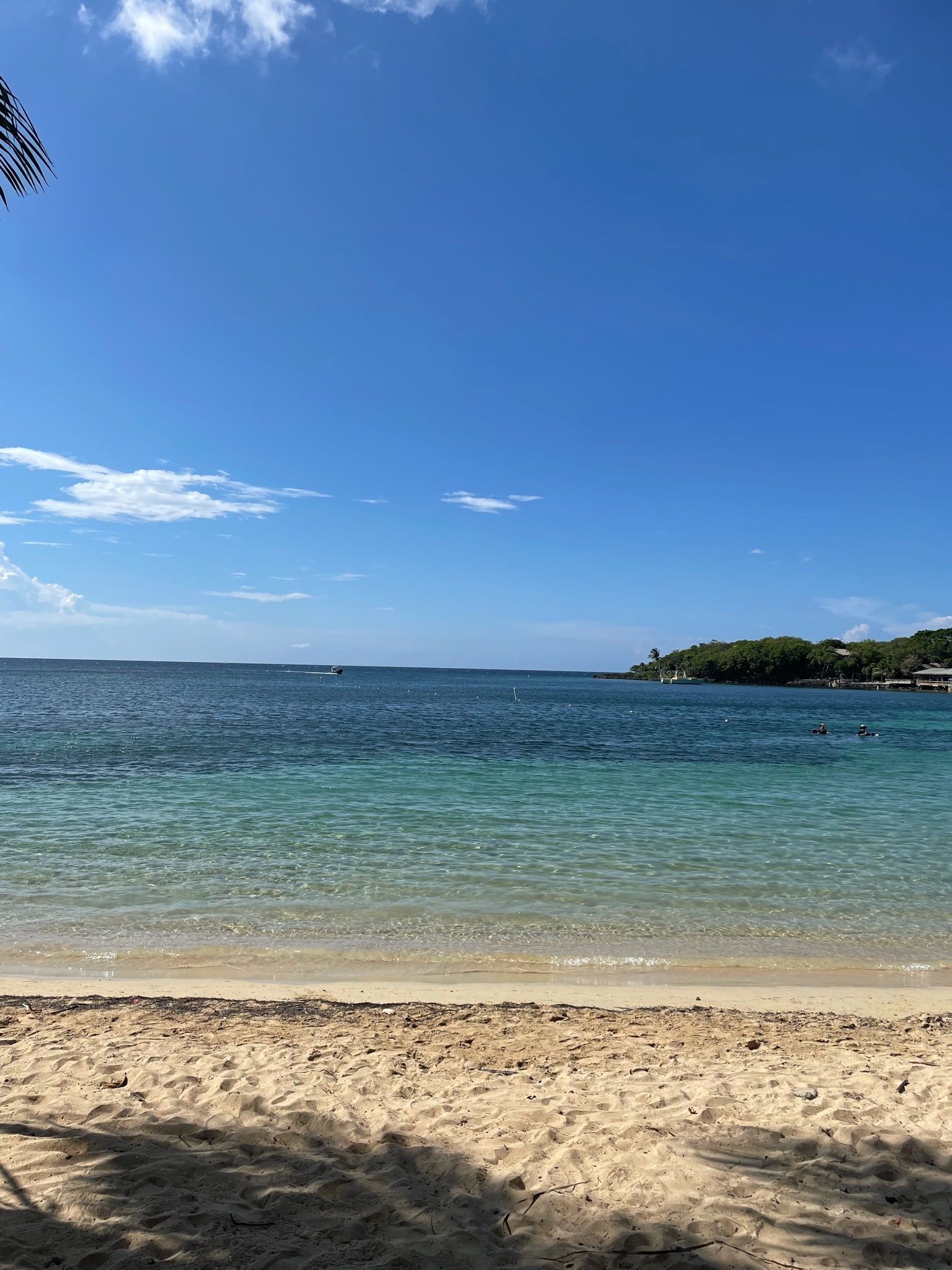
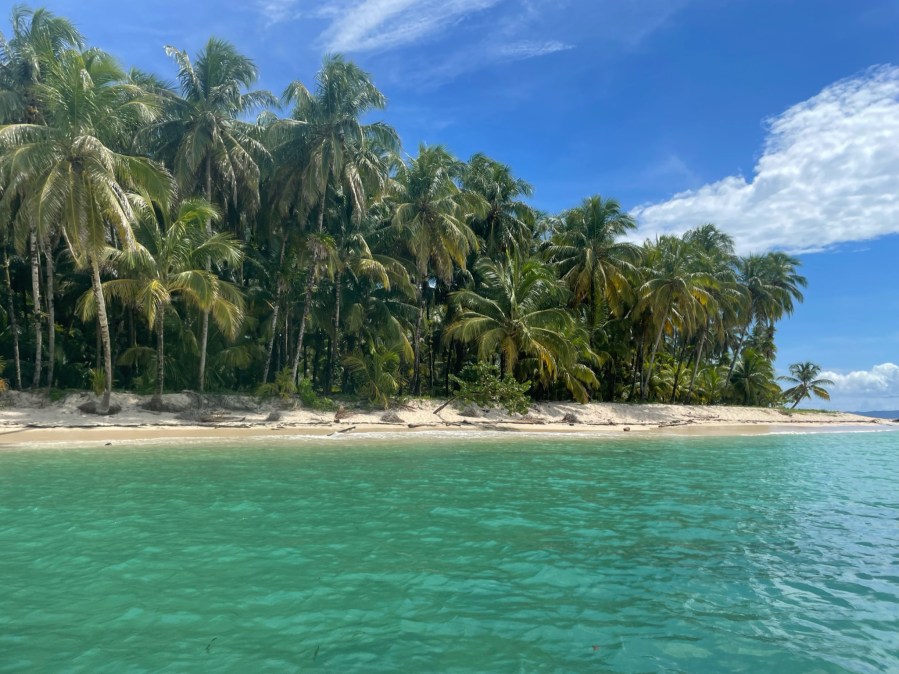
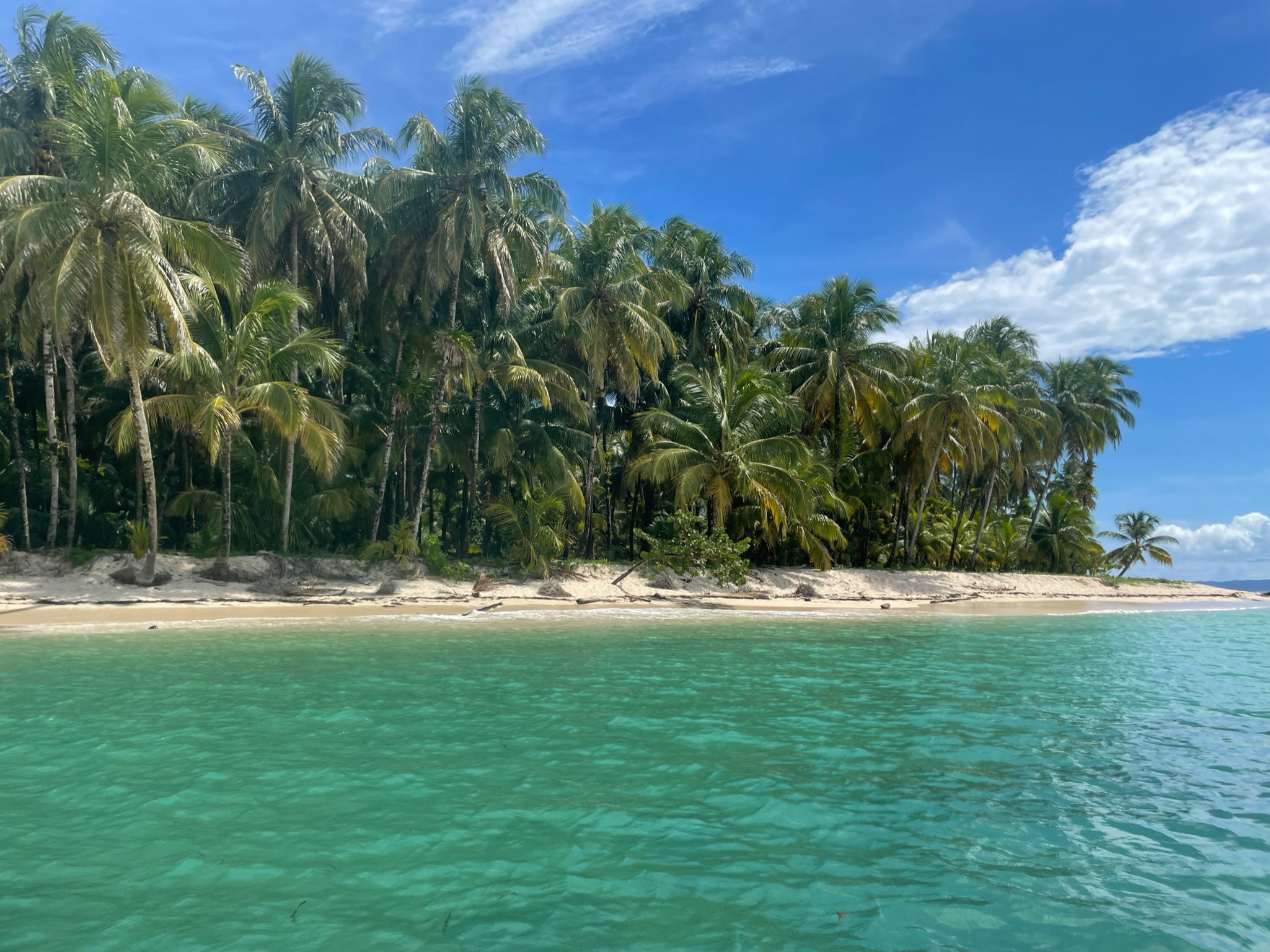
My faith was restored a little more when we reached our third destination. Bernardo had promised us the best beach in the Bocas, and he delivered. We arrived on the deserted Isla Zapatilla, unloaded our cooler of snacks, and hopped into the beautiful turquoise waters. The white sandy beaches were naturally gorgeous, and the calm waves were relaxing. Henry found a few downed bamboo logs and tried, unsuccessfully I might add, to fashion a raft out of them. Brian I were far less industrious as we just soaked up the sun. The two hours we spent on this beach were wonderful. With nothing to see or do, it was the perfect way for us to unwind and relax a little.
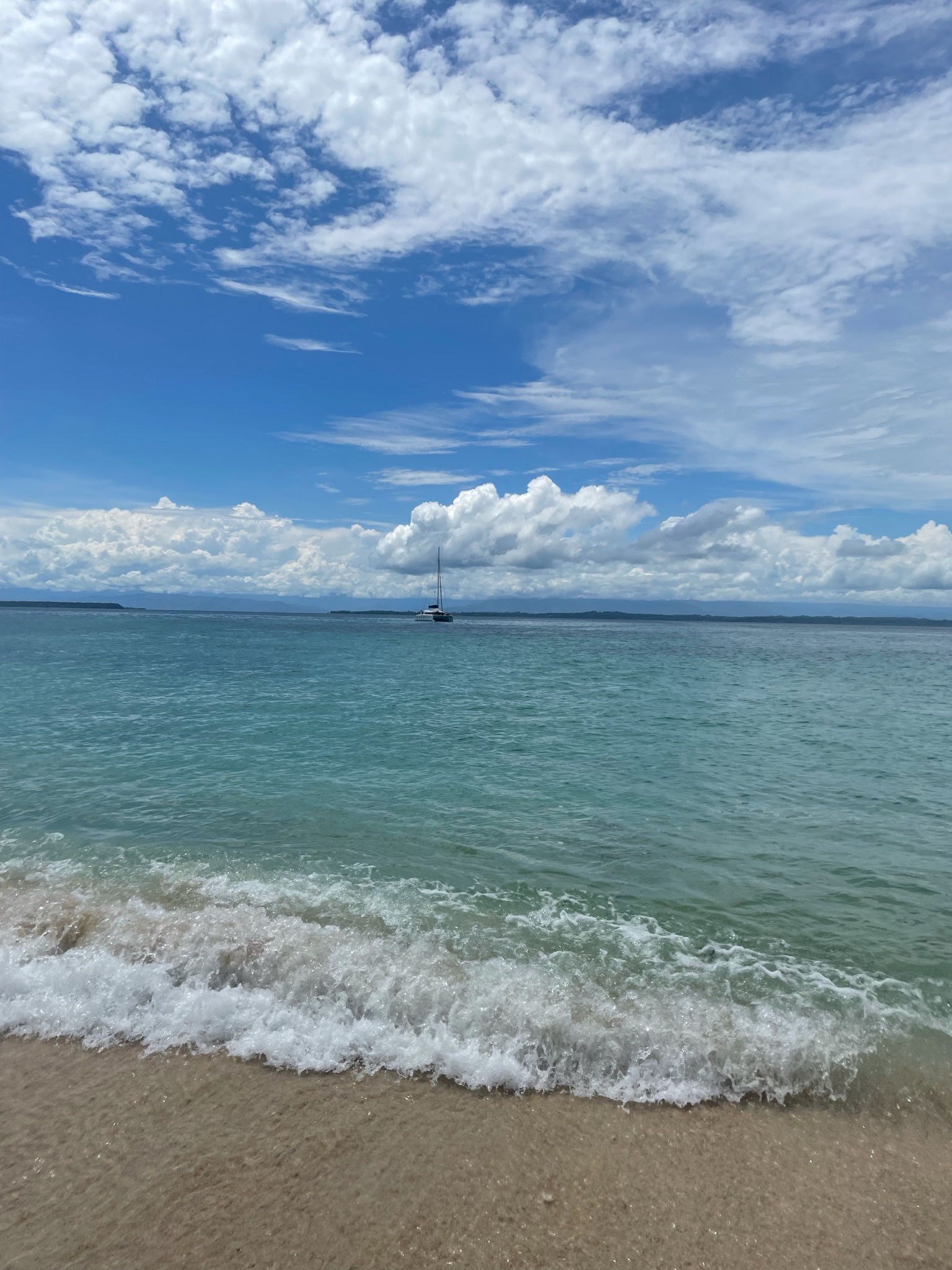
When the boat came back around, we headed out to our fourth destination to snorkel over some of the Caribbean reef. The waves were calm, and the water was crystal clear as we jumped in and explored the waters. Henry enjoyed playing with my phone in the water, and I loved looking for the little shrimp on the ocean floor.

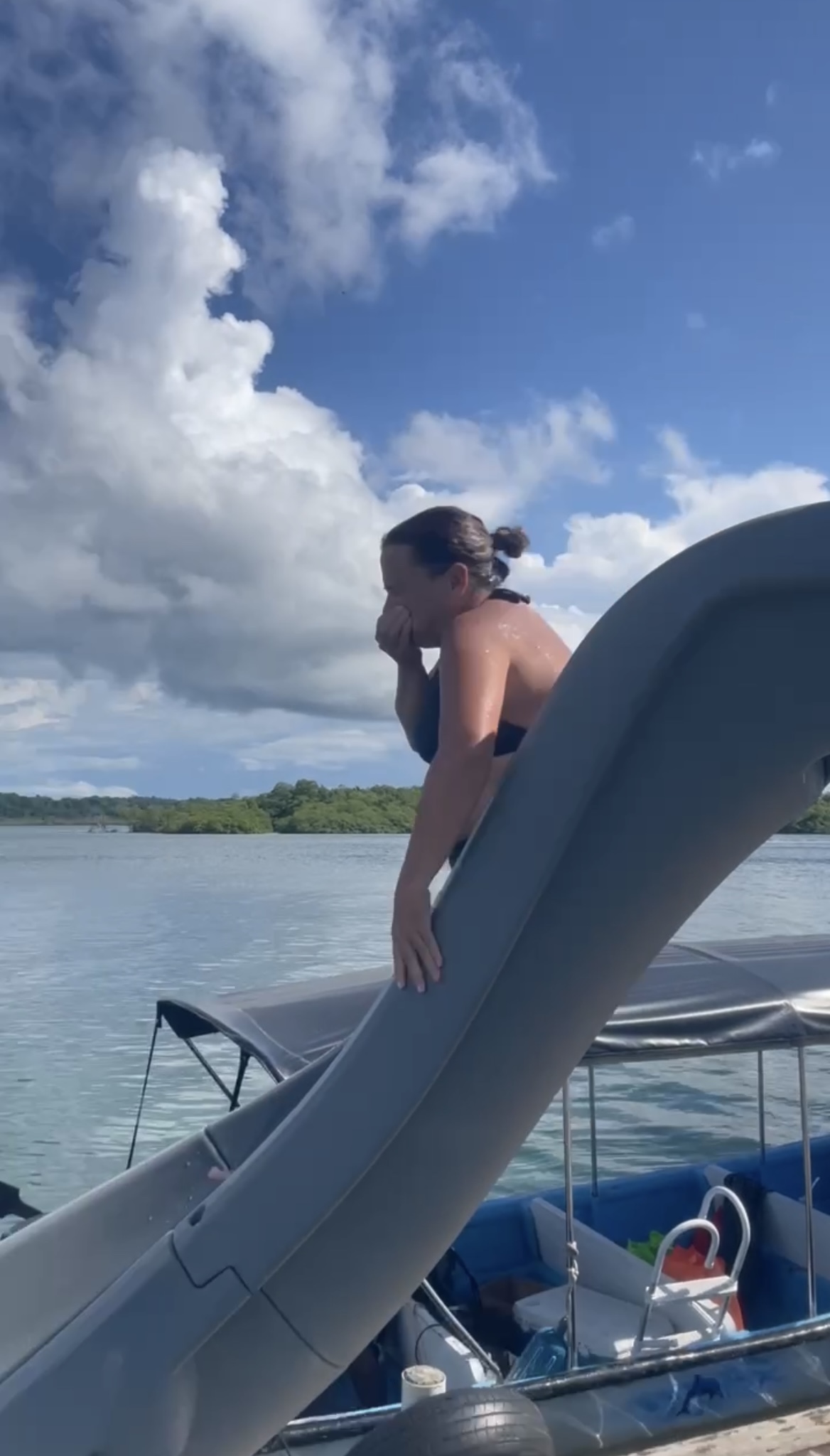
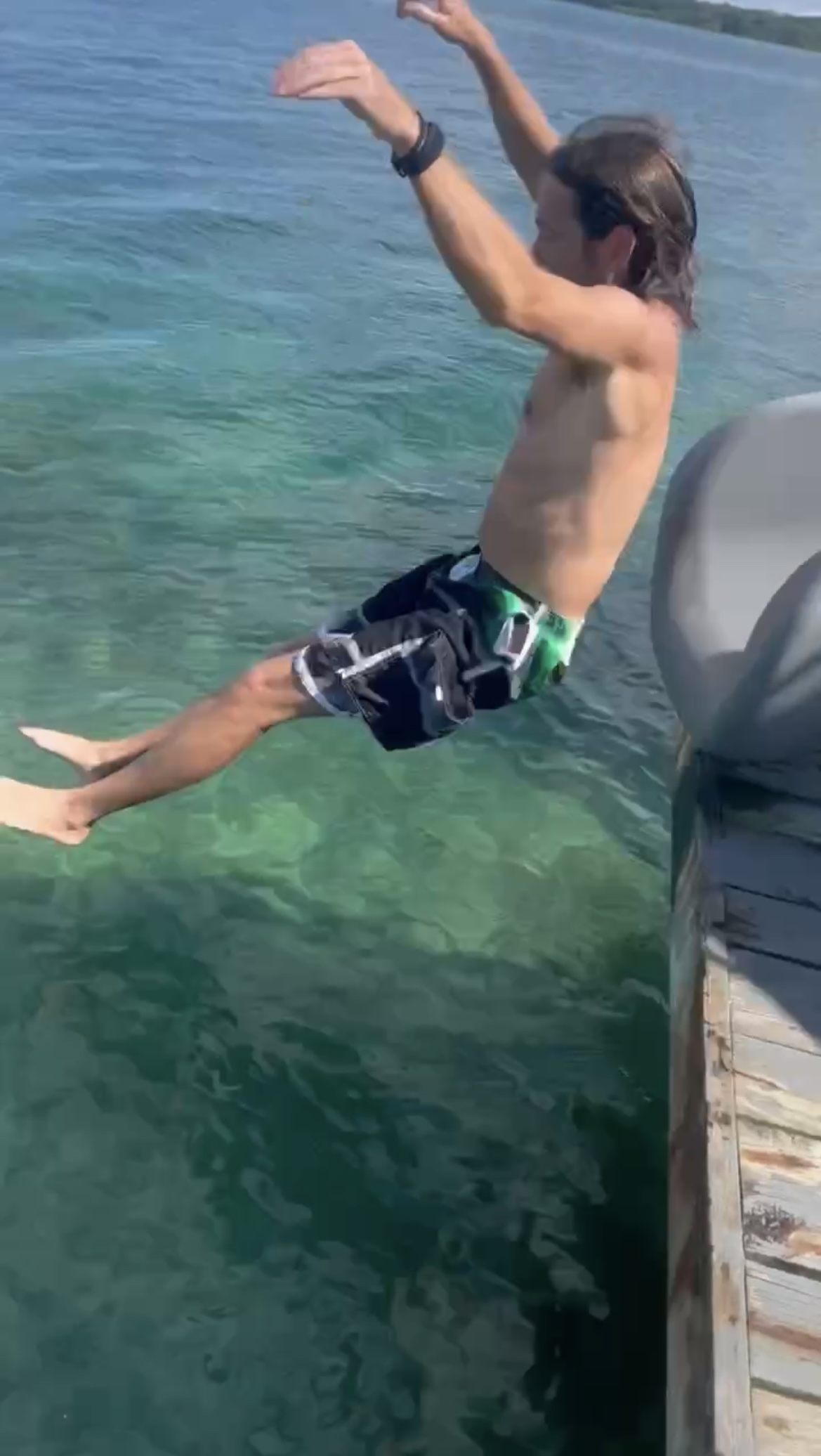
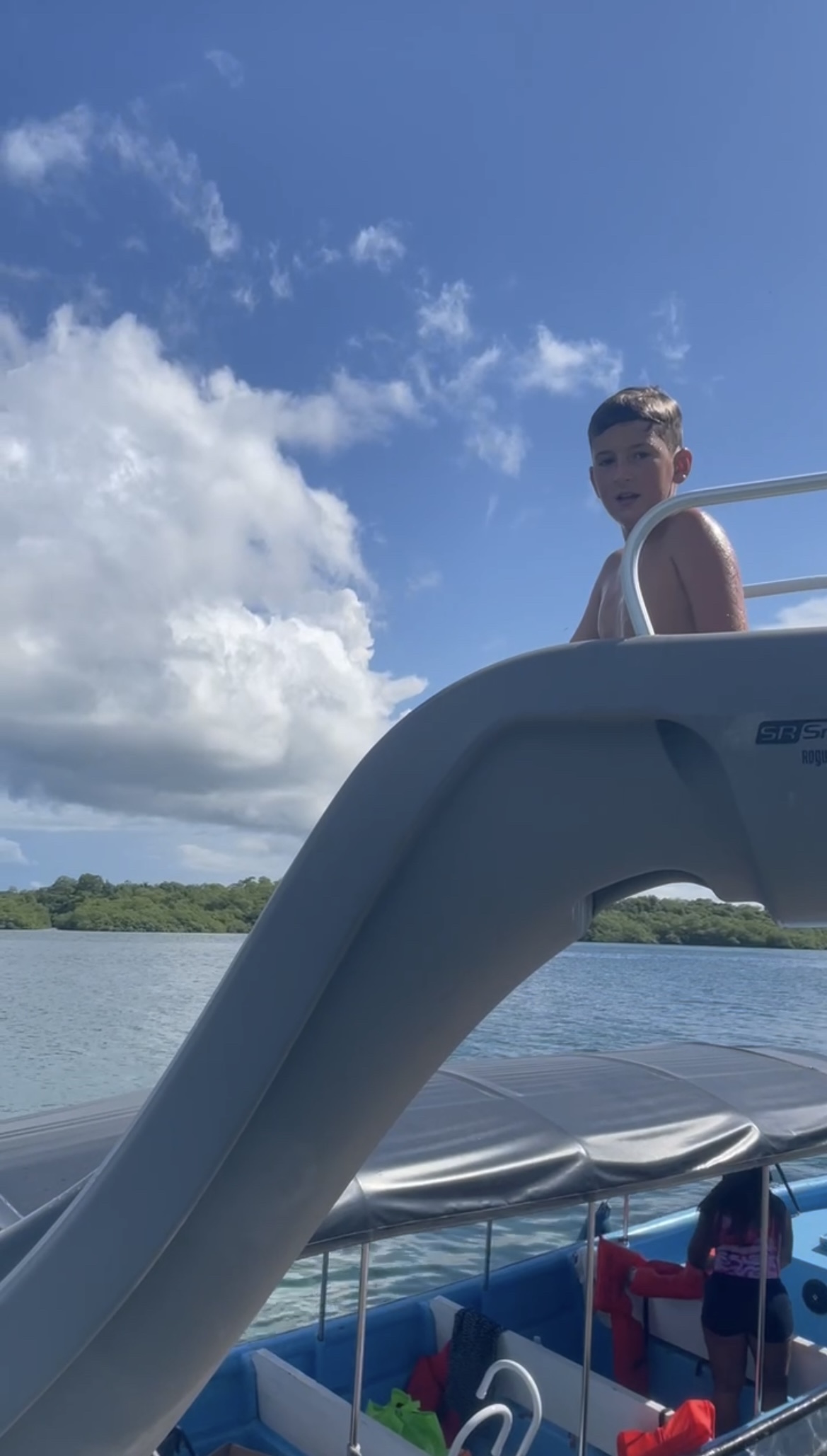
On our way back, we stopped by a restaurant and rest area to use the bathroom and grab a bite to eat. Since we weren’t yet hungry, we opted to enjoy the slide at the end of the pier instead. On our way back to the island, we stopped to see starfish that were quite plentiful in the shallow waters by one of the many islands. We finally made it back to Bocas Town and Bernardo, true to his word, got us back to our hotel safely. It had been a great day, and I’m so glad we took the time to try this.
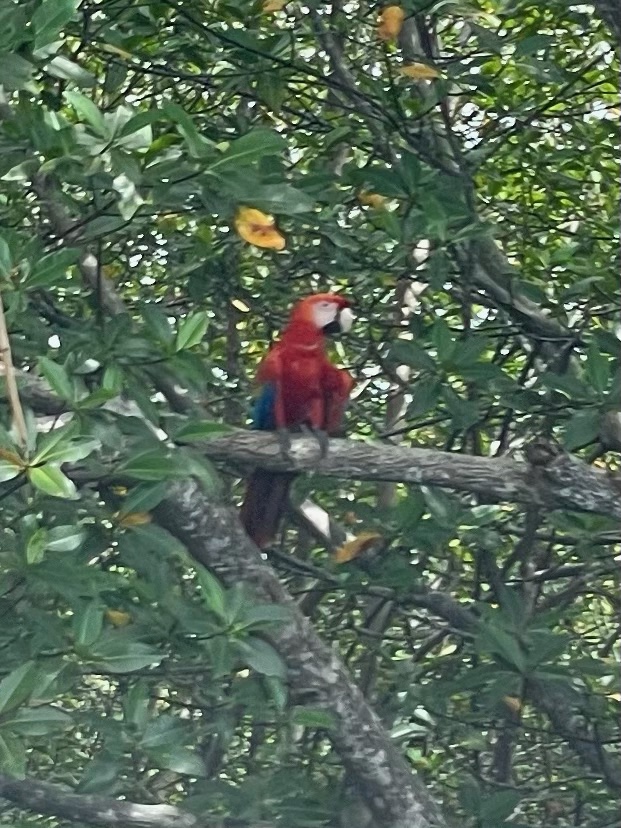
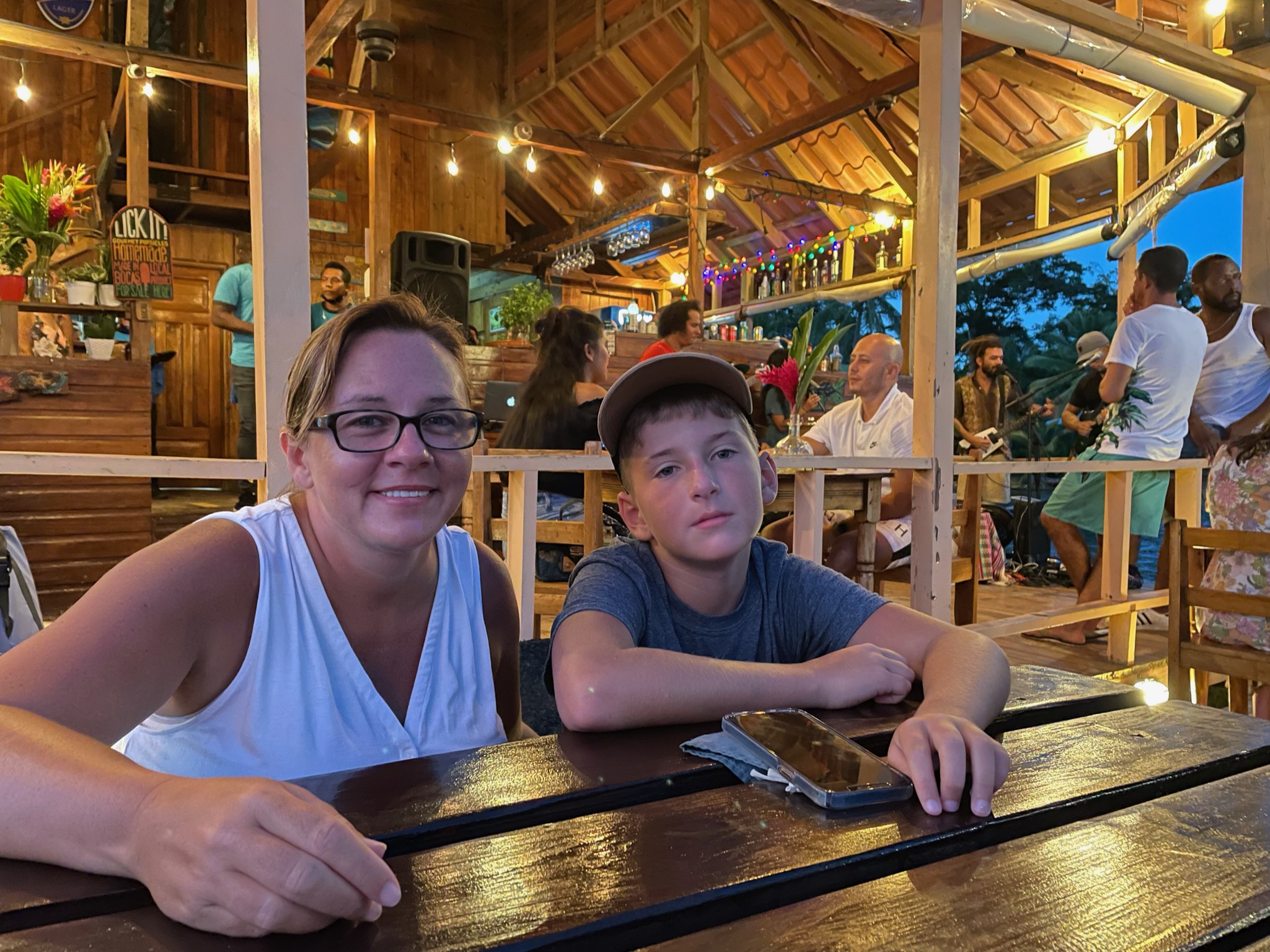
We went out exploring for dinner again that night, and this time we found ourselves at a restaurant located over the water. The place was packed, and the diners were enjoying the music from a local band. As we sat amongst all the tourists and locals, we watched everyone laughing and dancing and singing along when they knew the songs. The atmosphere was contagious, and we couldn’t help but smile and hum along where we could.
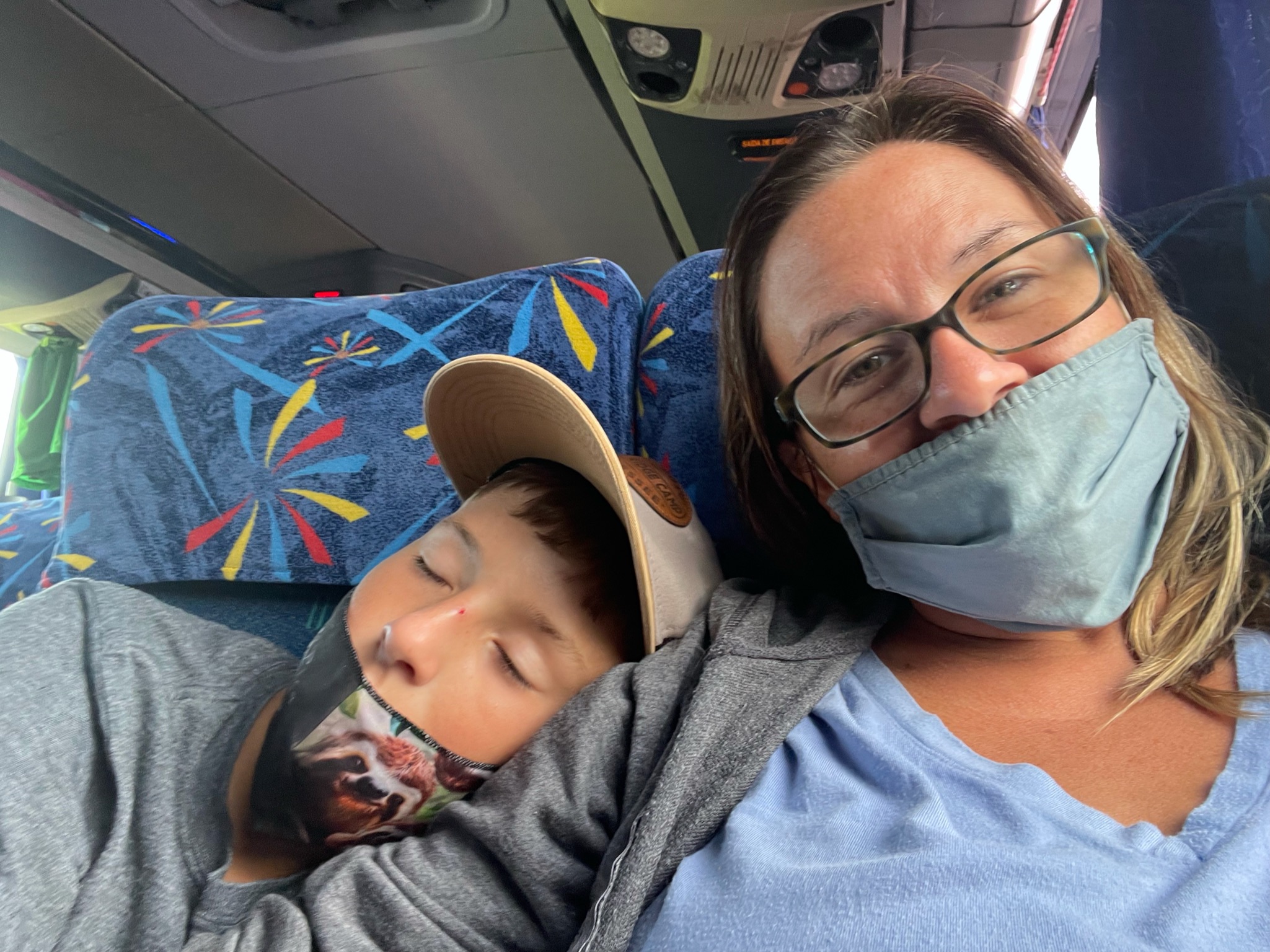
The next morning, we woke up early and caught our water taxi back to the Isla Colon. It was time to move on to our next destination, Panama City. Bernardo had helped us arrange our transportation for this trip as well. After the taxi from Isla Carenera to Bocas Town, he put us on a ferry to the mainland. When we arrived at the mainland, our taxi driver was waiting for us, and he carried us a few miles across town to the bus station where he bought our tickets for us. We boarded our bus for Panama City, and enjoyed the scenery in peace for the next 10 hours.
We knew that we’d be coming into the Albrook bus station in Panama City, but we didn’t know what to expect. The place was huge, and we later found out, it was connected to the Albrook Mall. We were starving by the time we rolled into the station, so we grabbed a bite in the food court before we caught our Uber to the hotel.

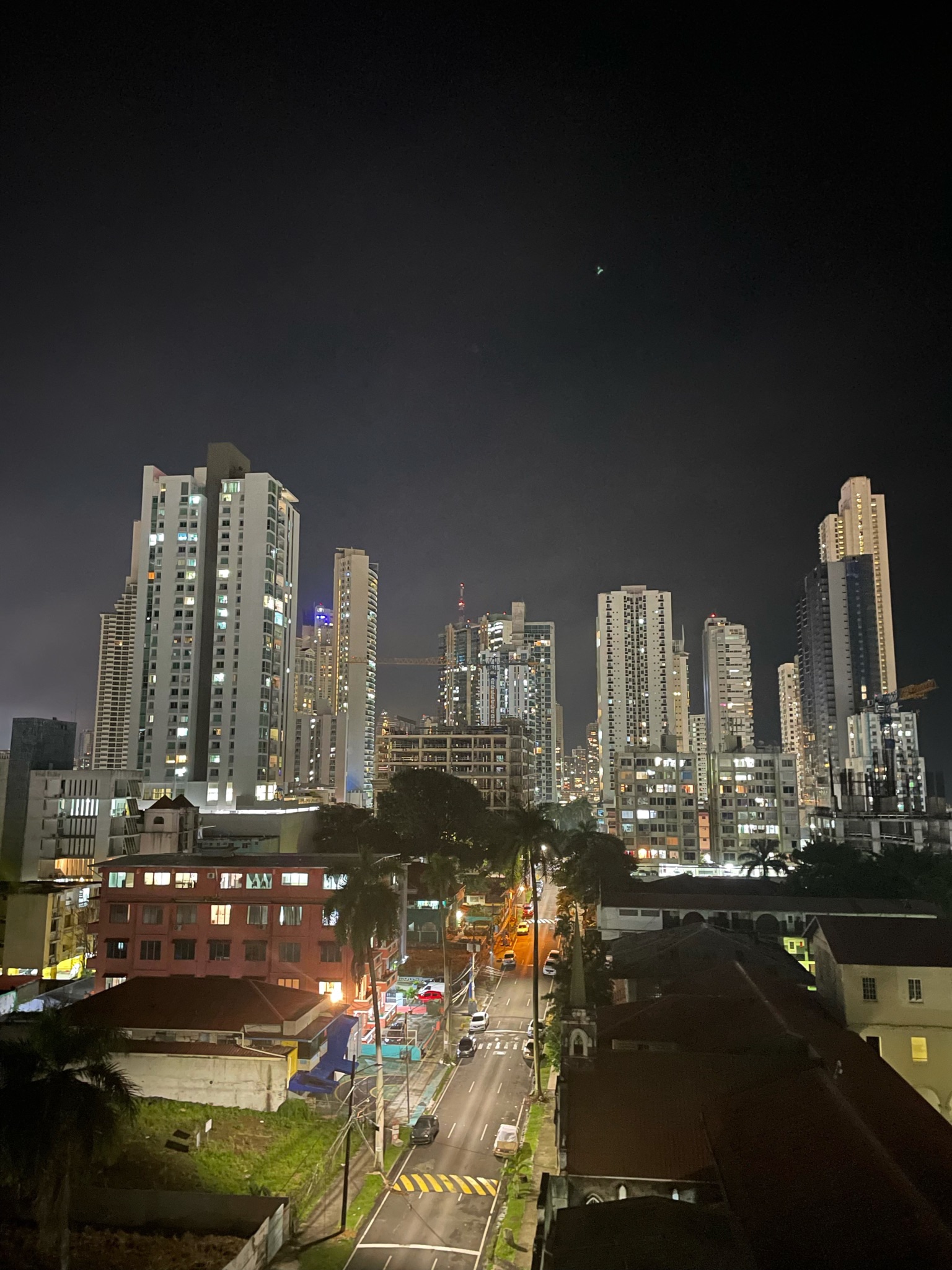
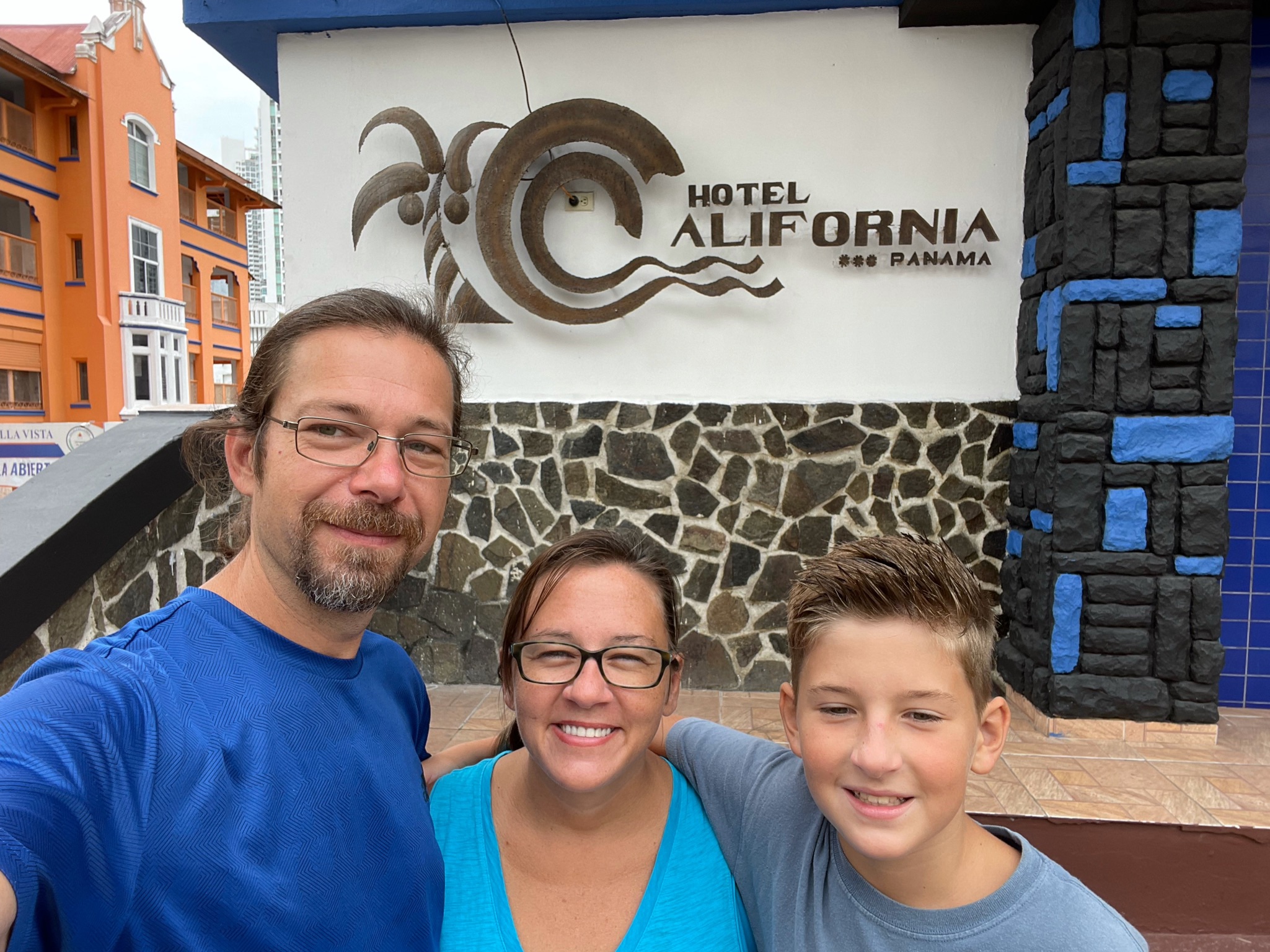
We stayed in the Hotel California. It was nice, six floors with a rooftop pool and a fantastic restaurant, and it was only a few blocks from the waterfront. From the roof you could see the skyline of the city, and from our room, you could people watch on the bustling street outside.
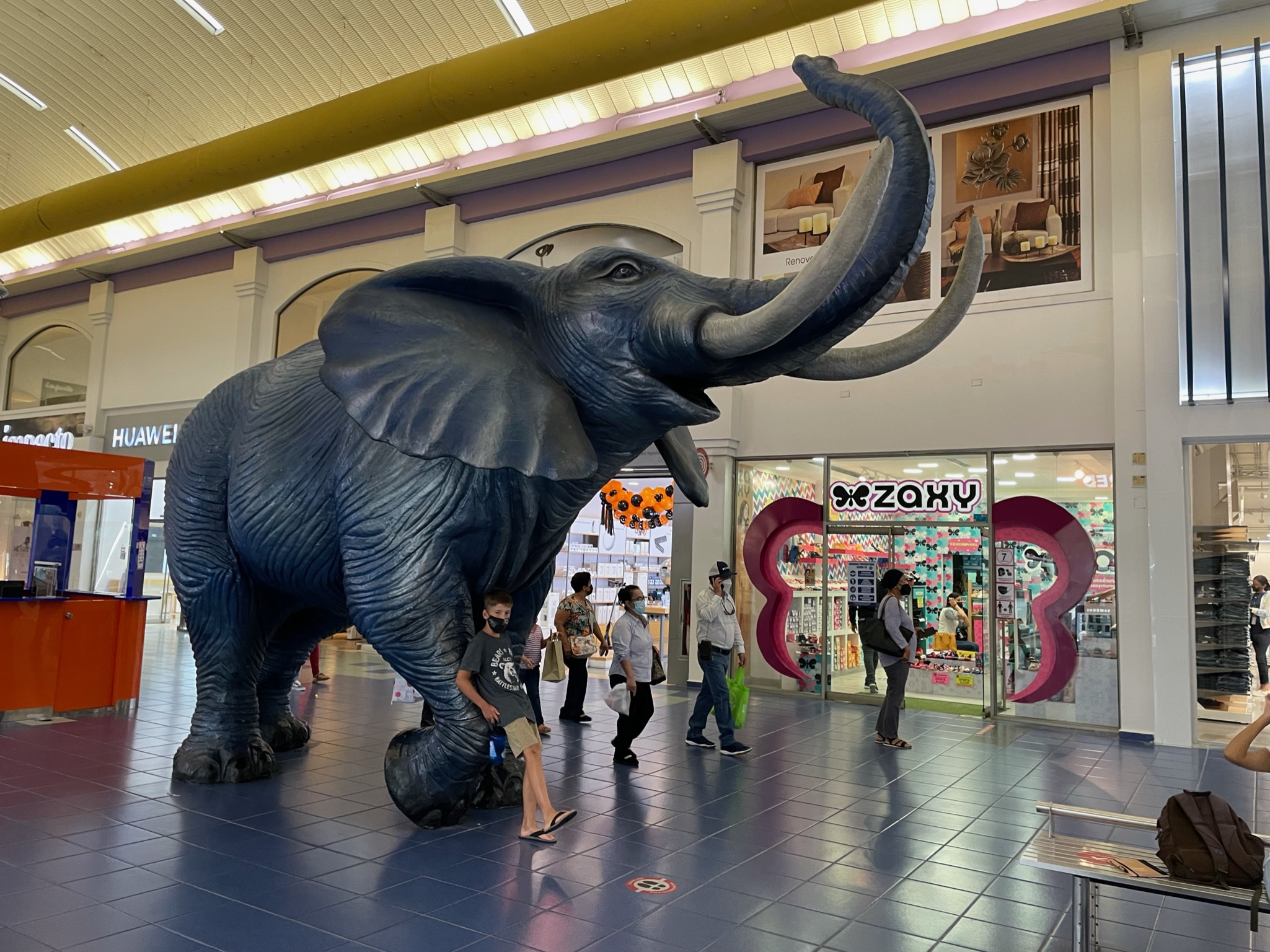
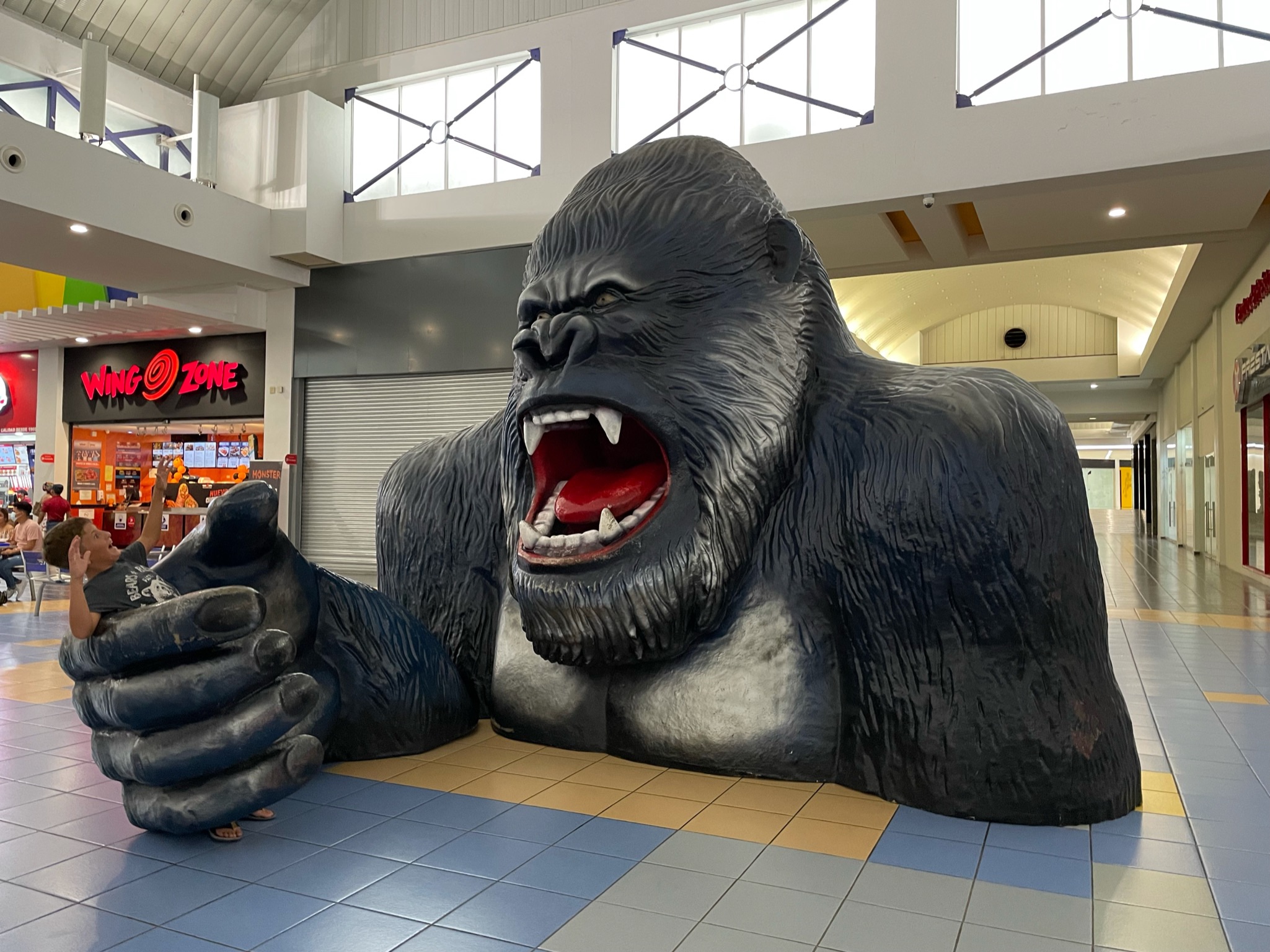
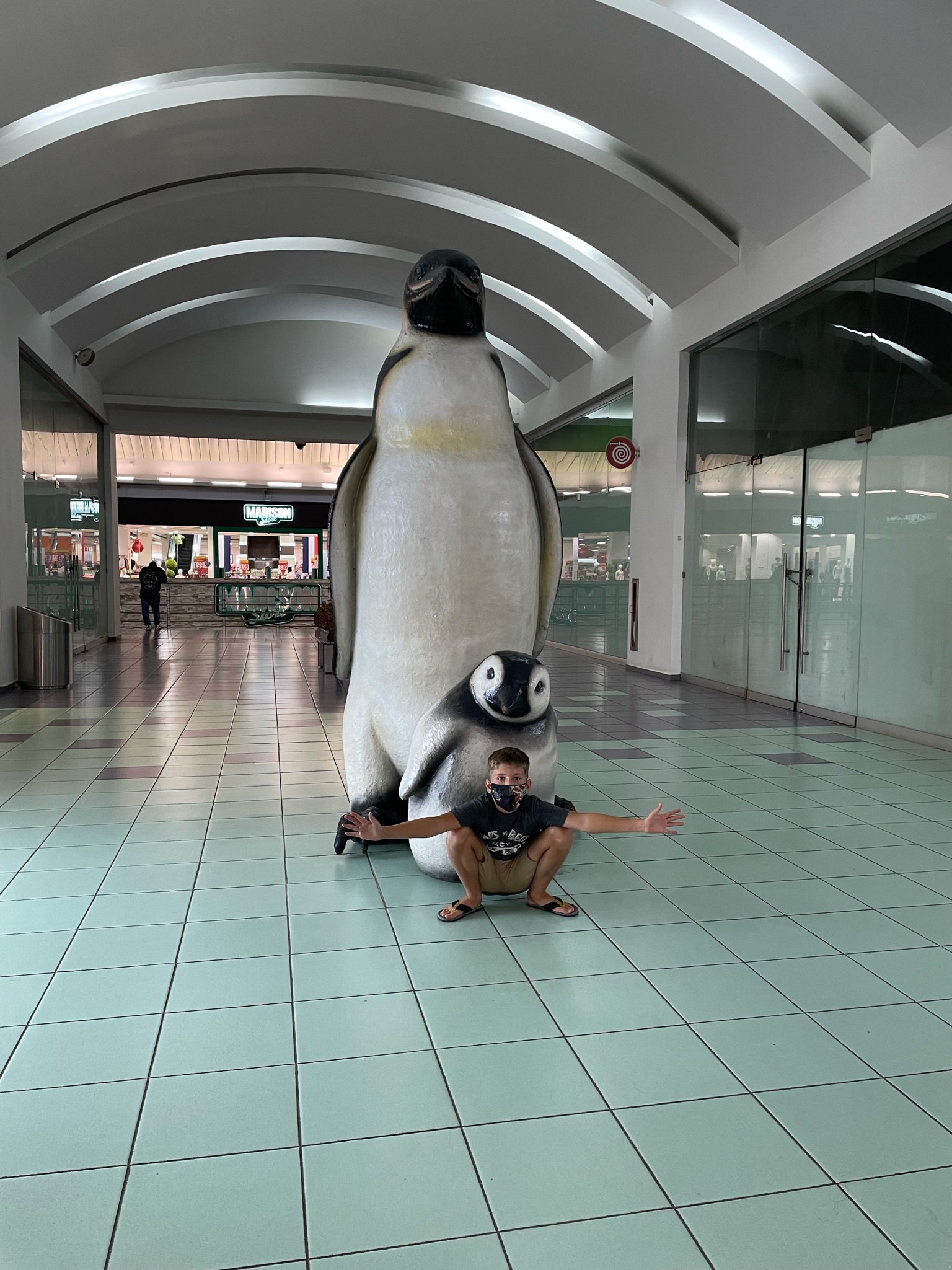
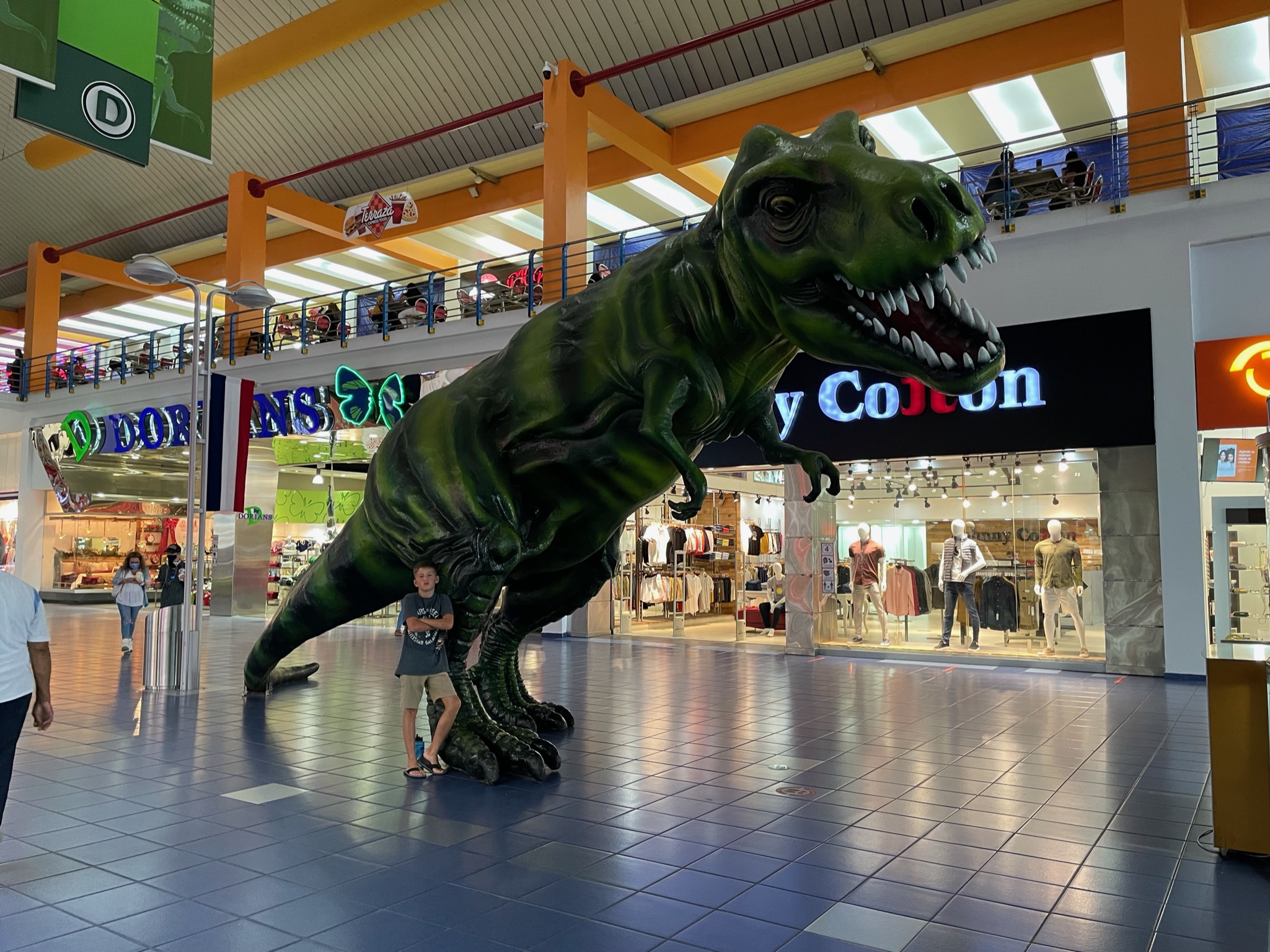
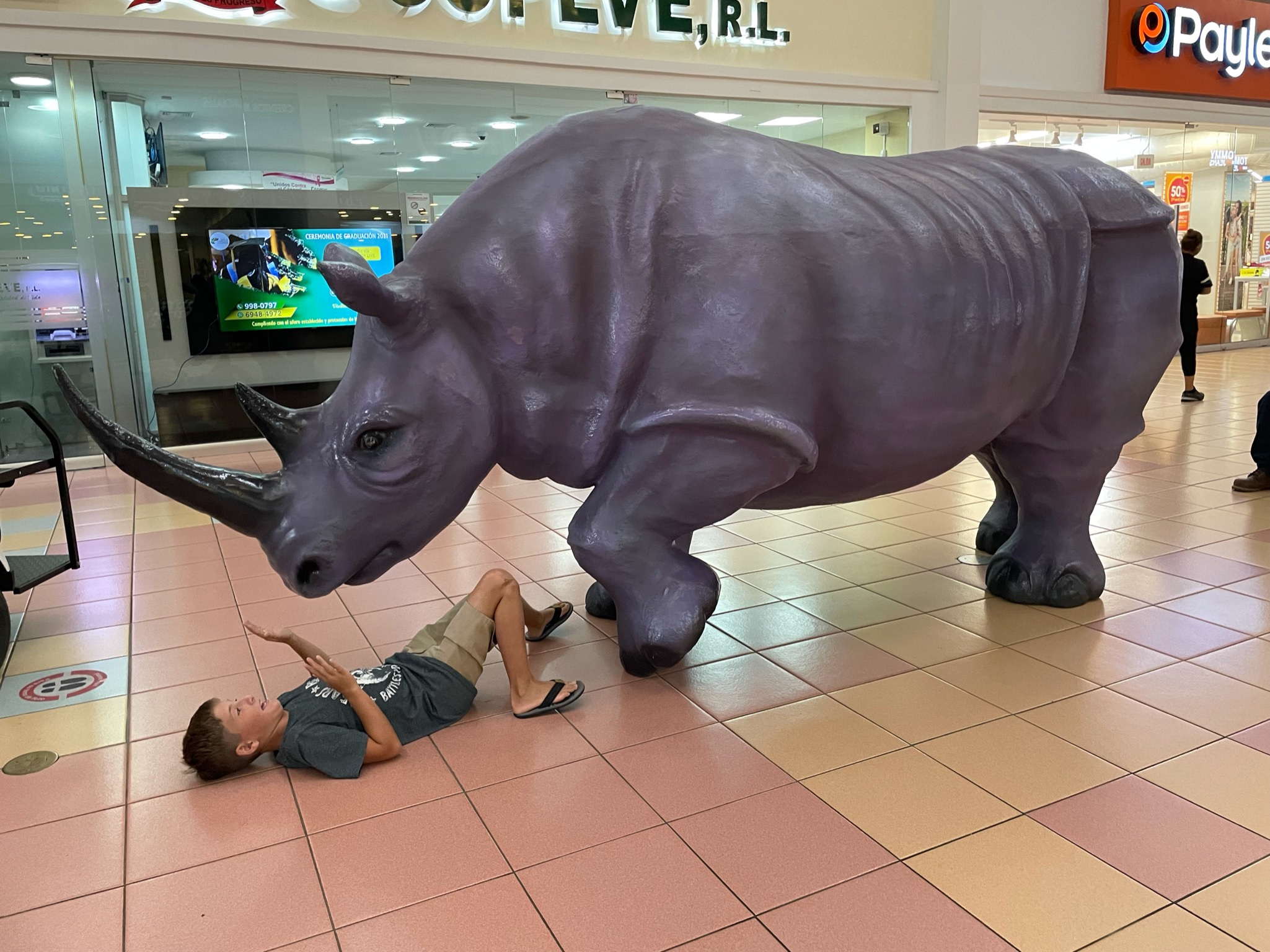
Henry loves malls, and we knew there was a good chance that there would be good restaurants there, so on our first day in Panama City, we caught an Uber to the Albrook Mall. We knew this was supposed to be a mall, but we had no idea what we were in for. We walked around for a little and admired their giant animal statues as we explored the stores, and then we found lunch at a food court. We continued to walk. And walk. And walk. The place was huge, and it took us several hours to work our way around the whole thing. Later we found out that this mall was the largest in the Americas and the 14th largest in the world. There were almost 500 stores and over 100 restaurants inside. Because of it size, the mall has dedicated sections to various animals for easier navigation. For example, when we first went to the mall, we went in the pink hippo entrance. The Hippo area has 25-50 stores in its section, and a giant hippo statue stands in the middle of the aisle. The section has pink hippo signs hanging so you easily know where you are. There are 13 of these sections and there are also 3 different very large food courts. And, as I mentioned earlier, the mall is connected to the bus station and its food court as well. We ended up back at the Albrook Mall for the second time on the next day. After hours of walking, we finally found what we were looking for; Henry was thrilled when we finally bought him a replacement camera!
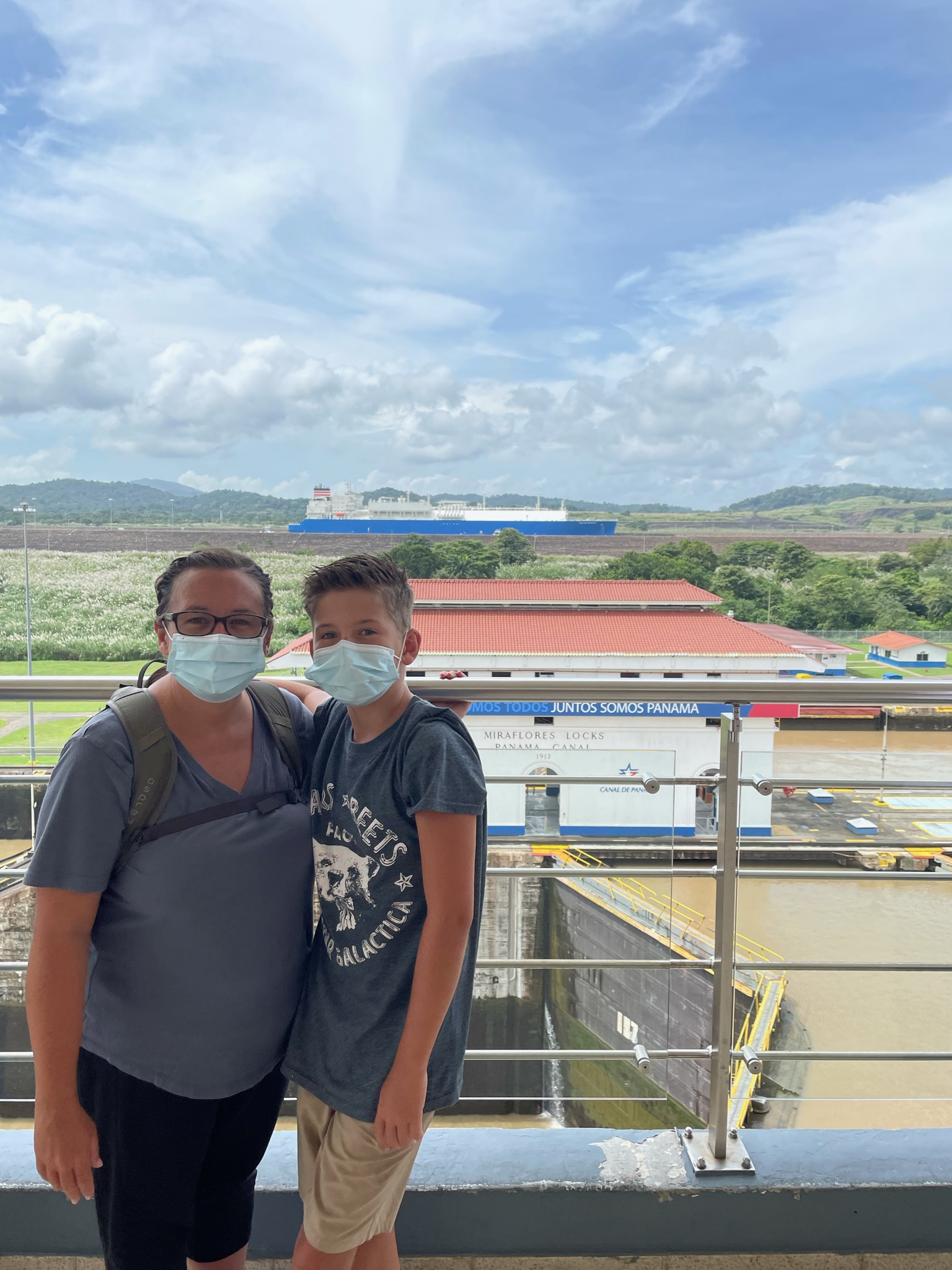
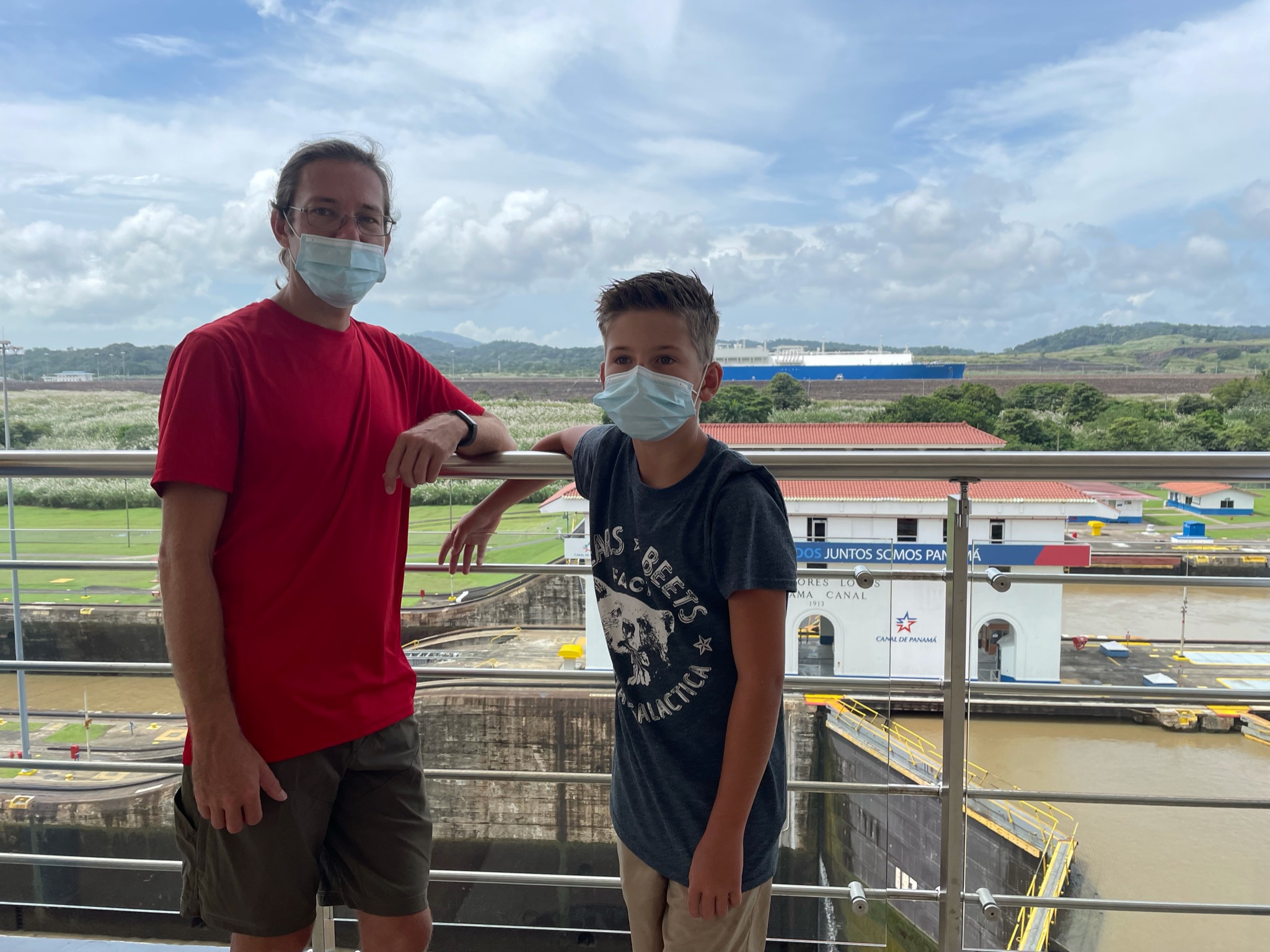
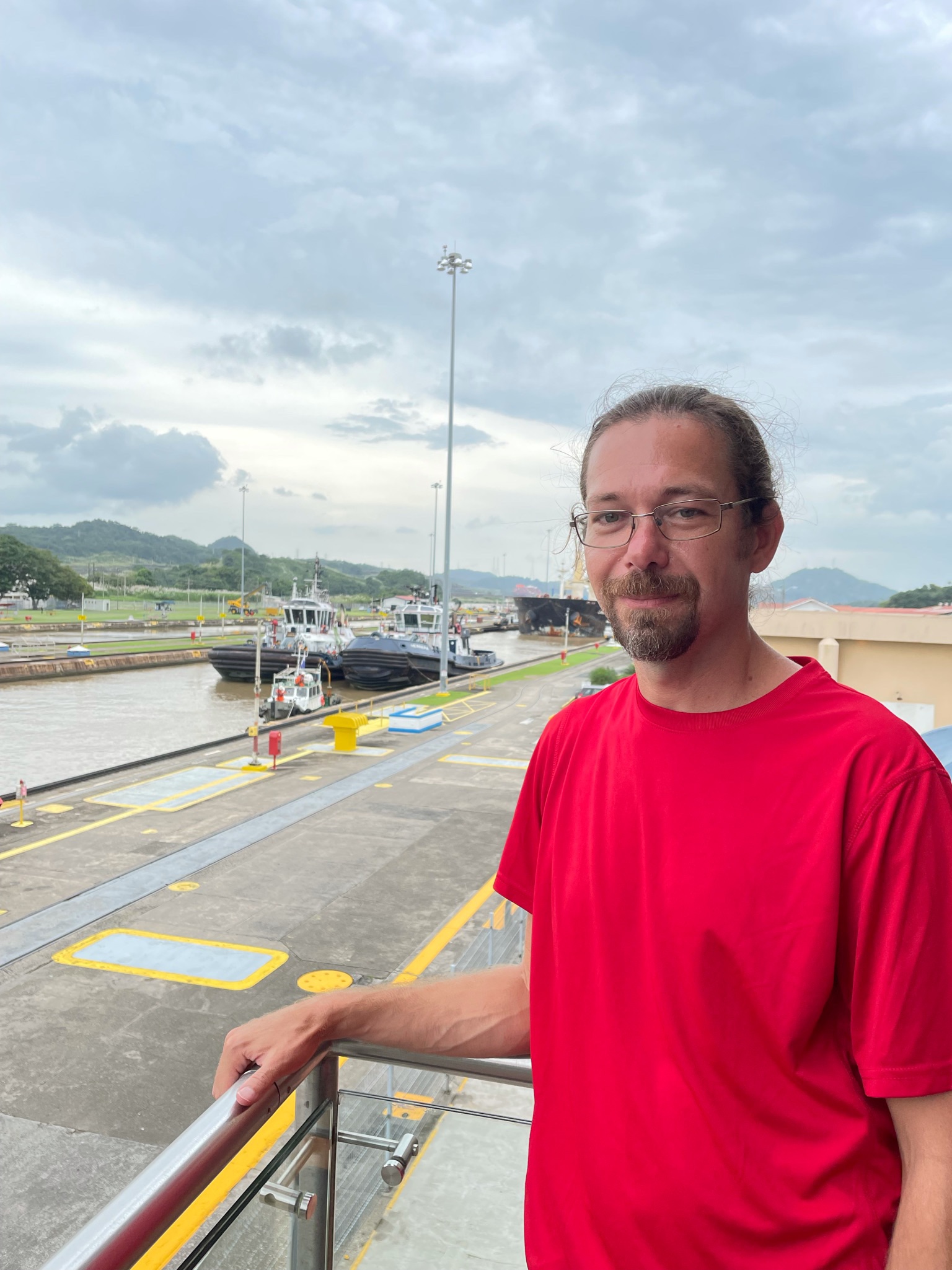
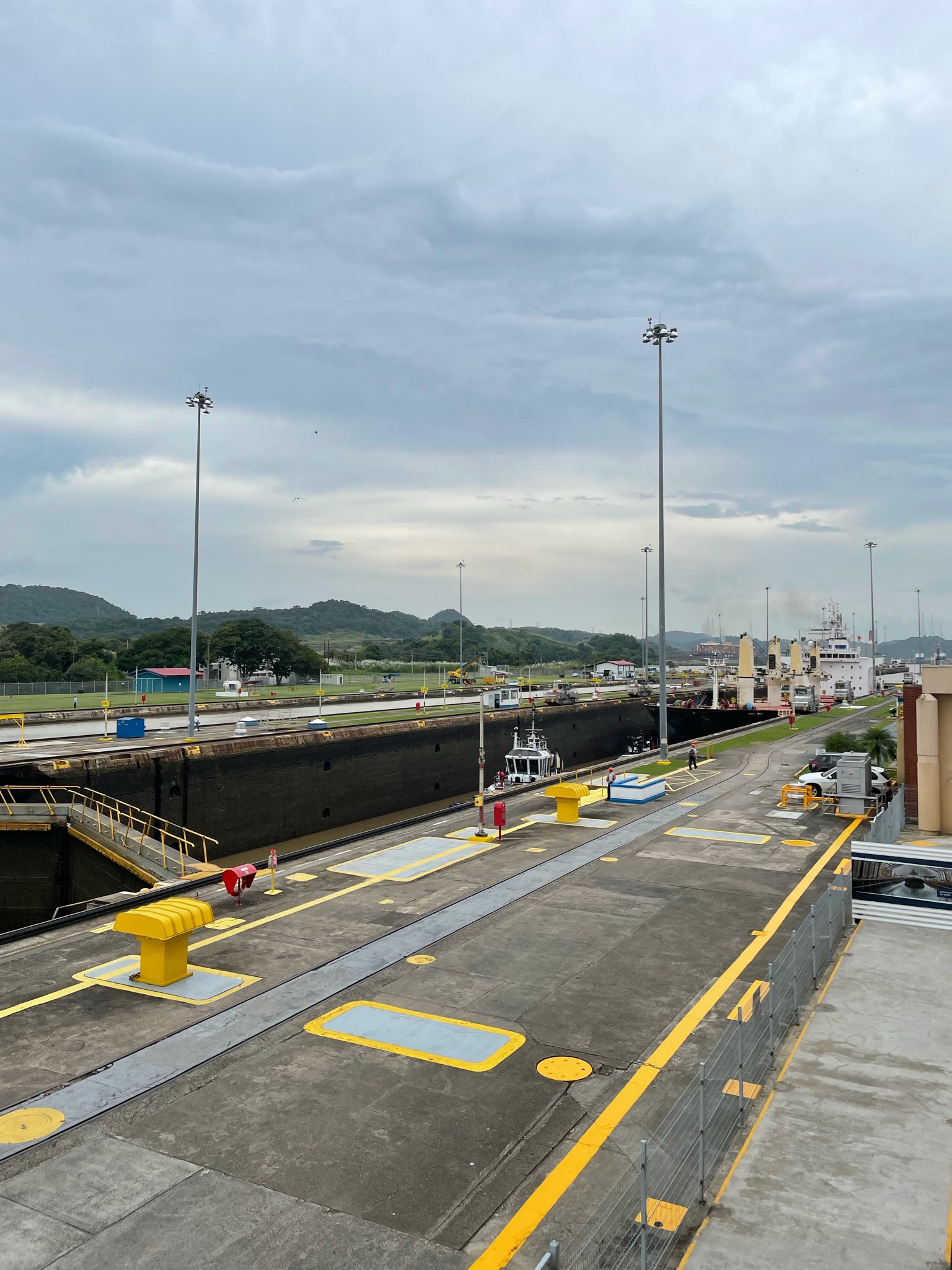
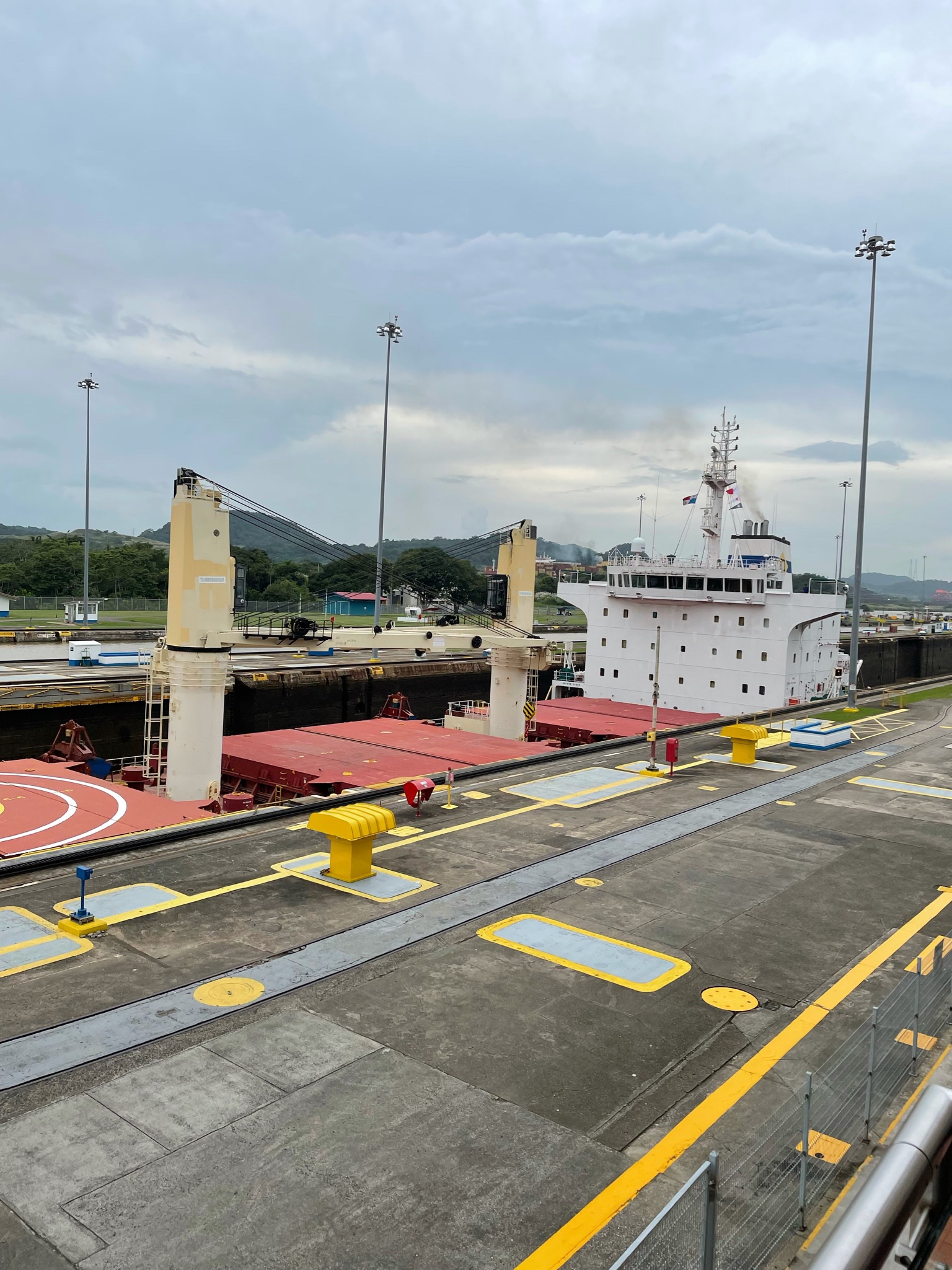
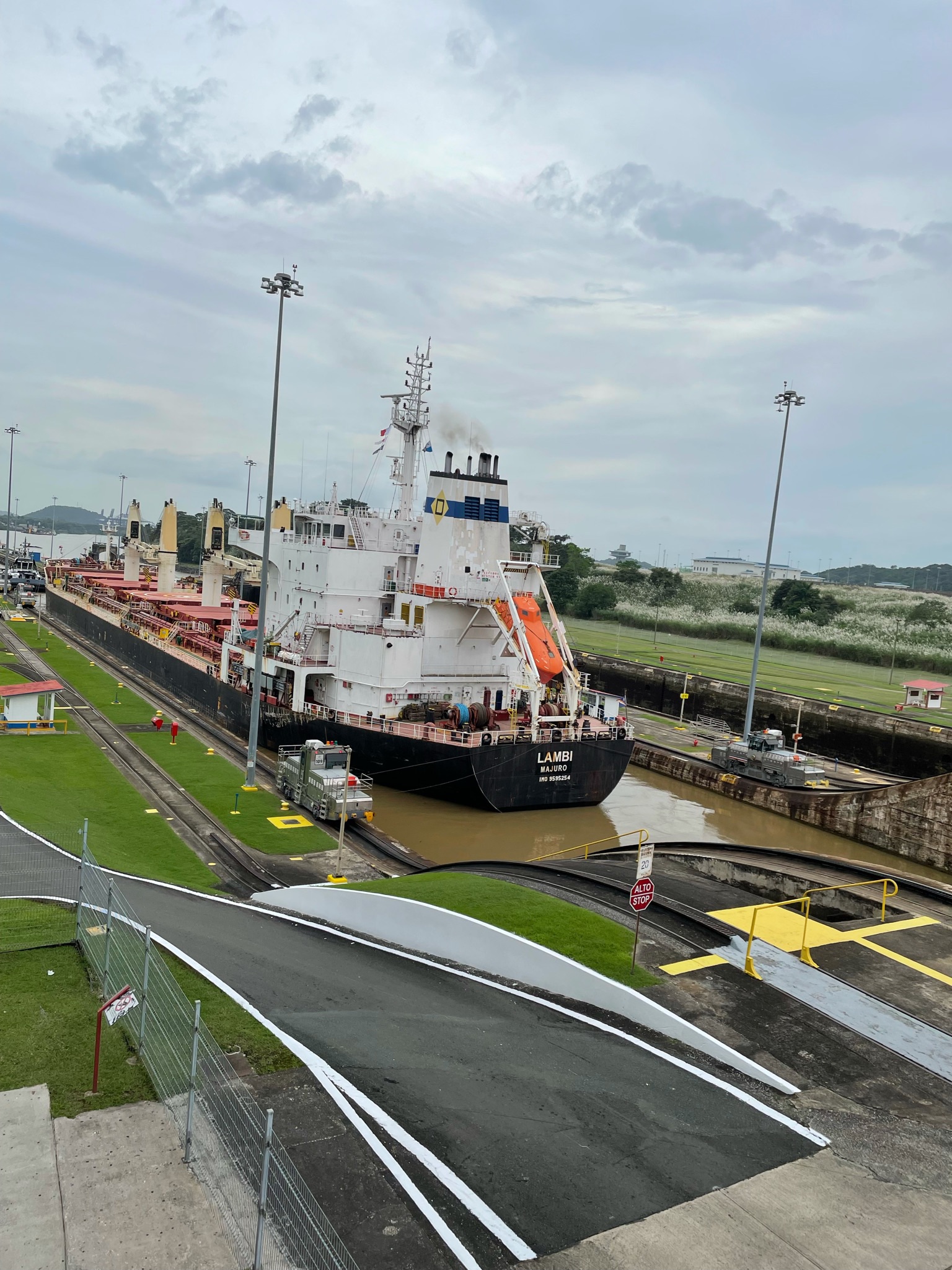
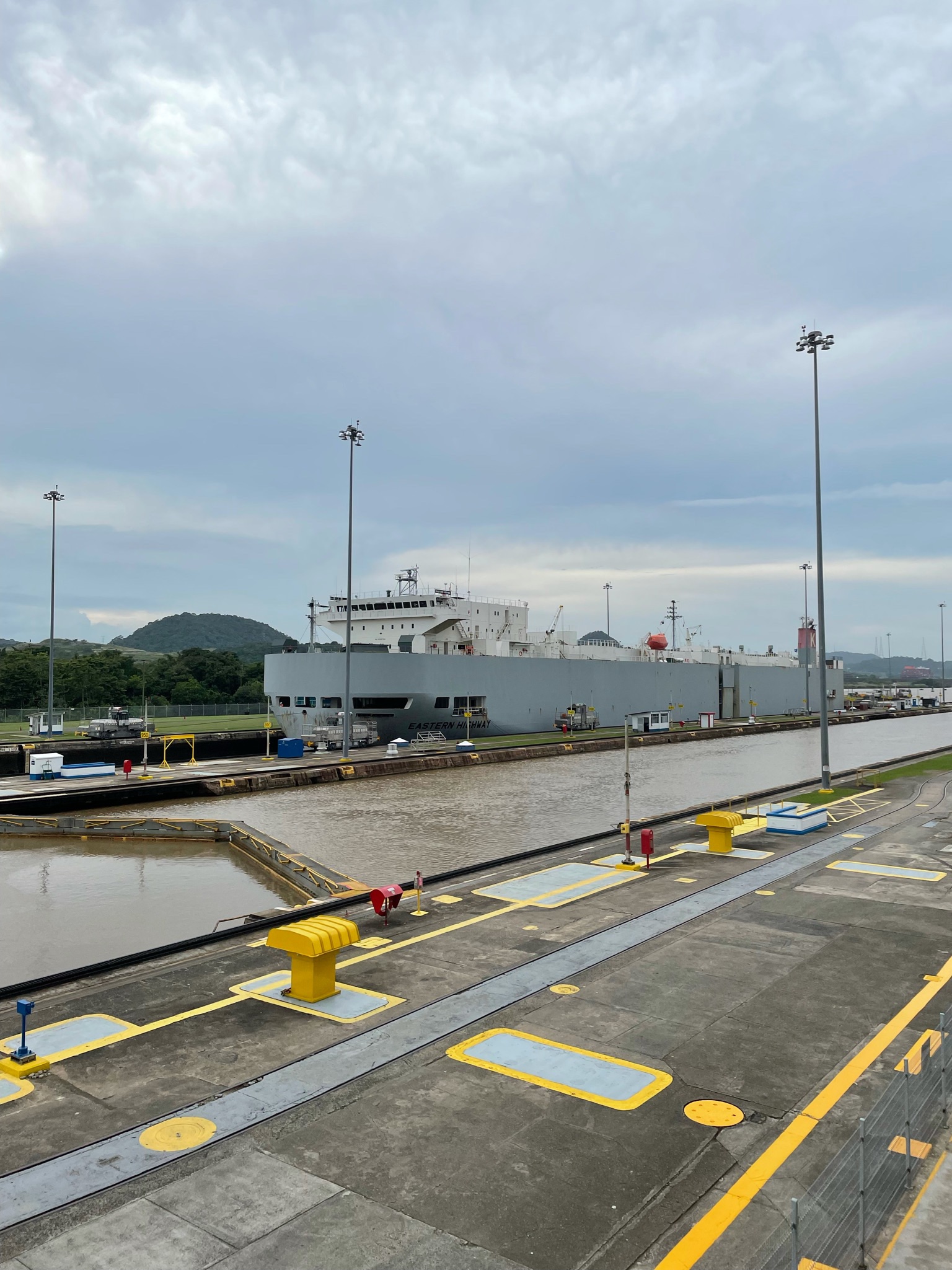
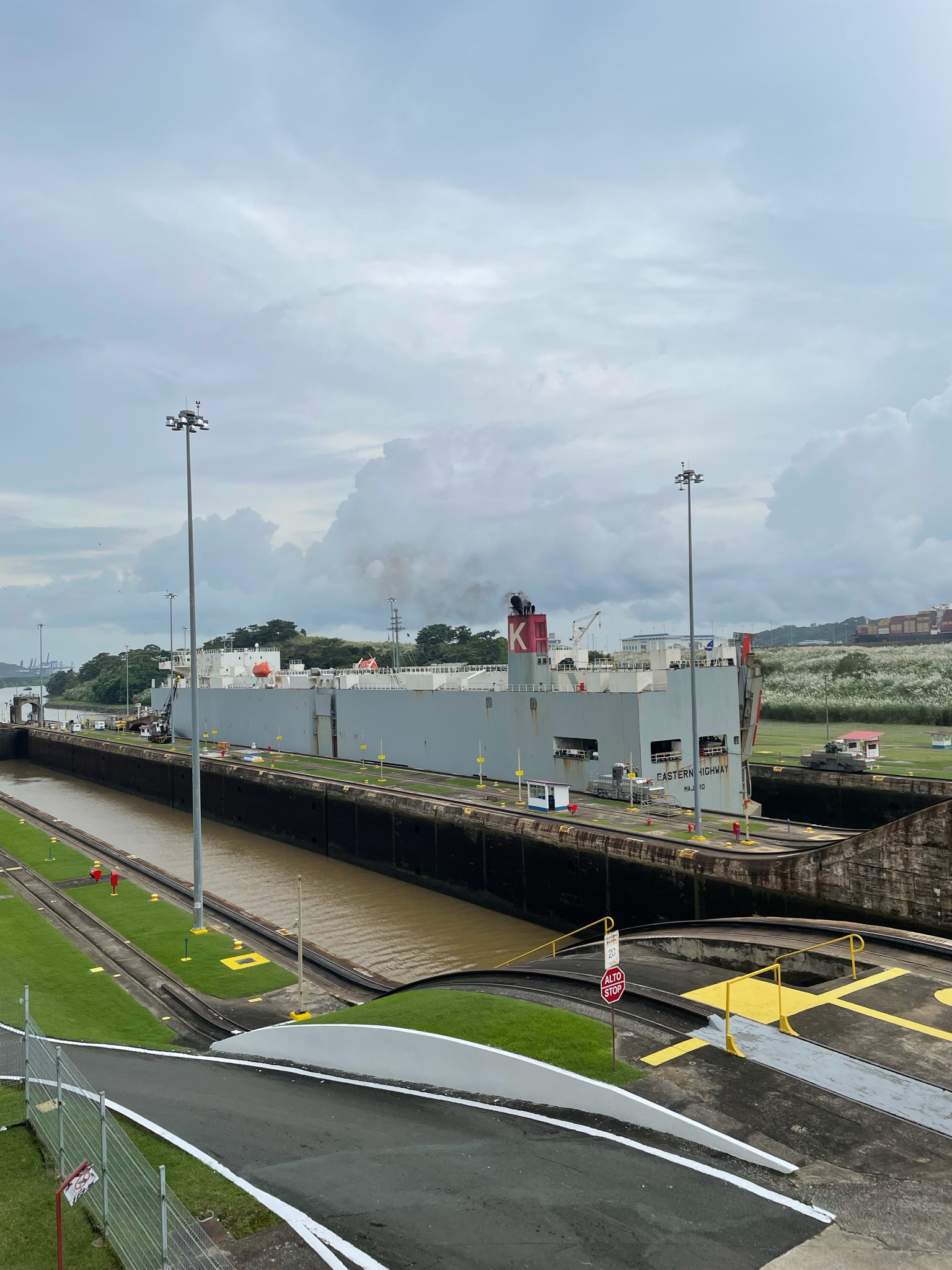
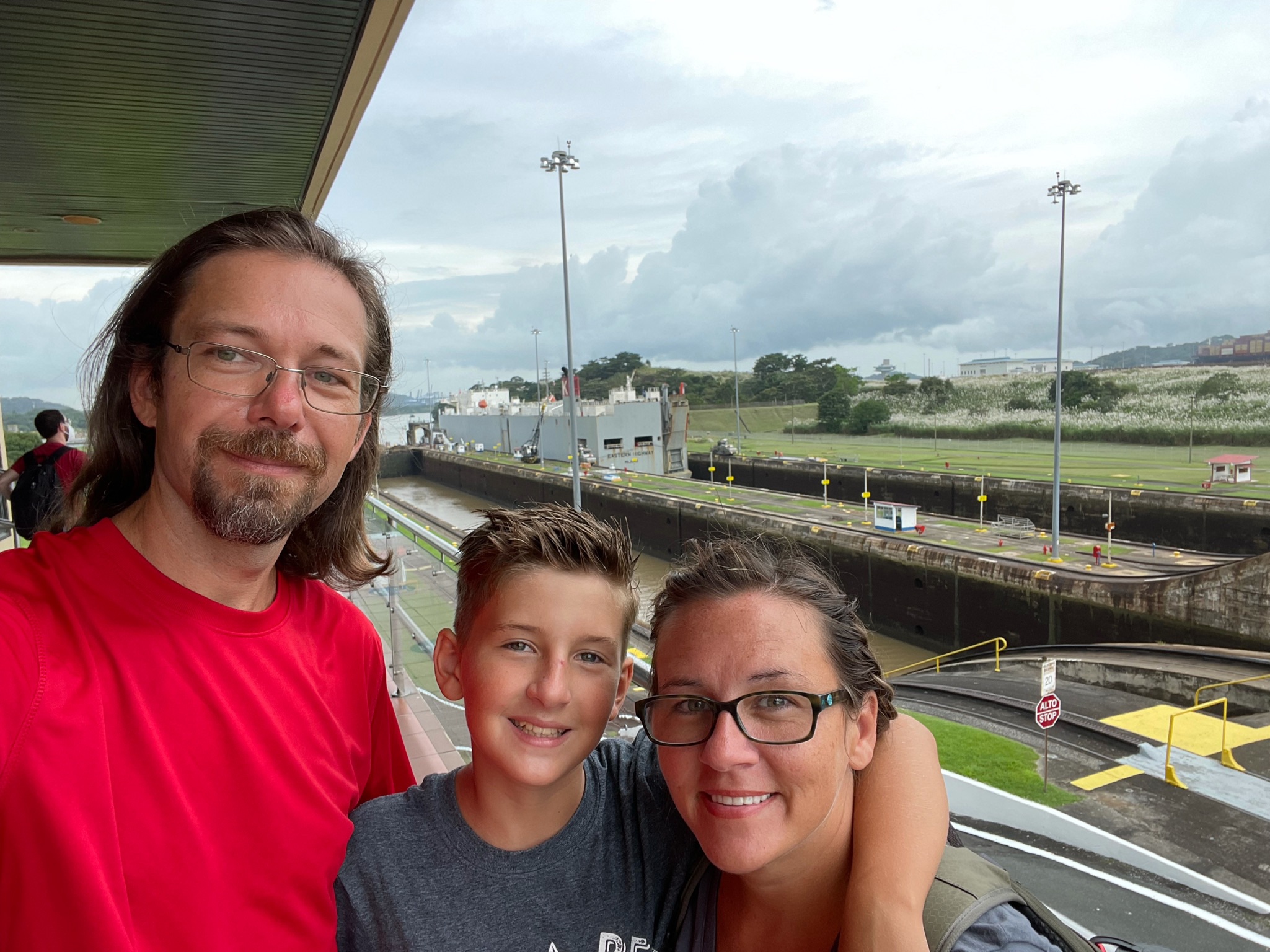
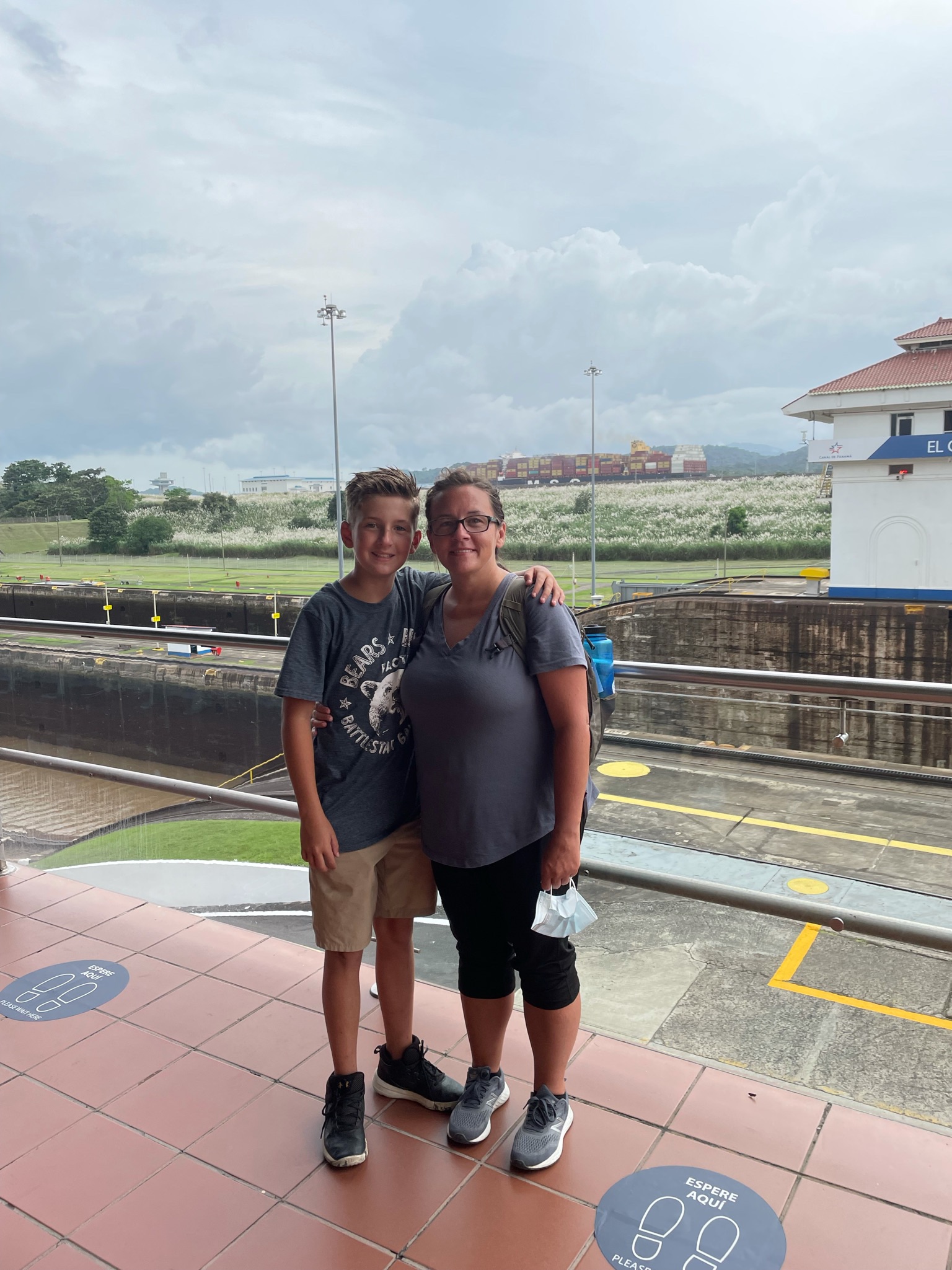
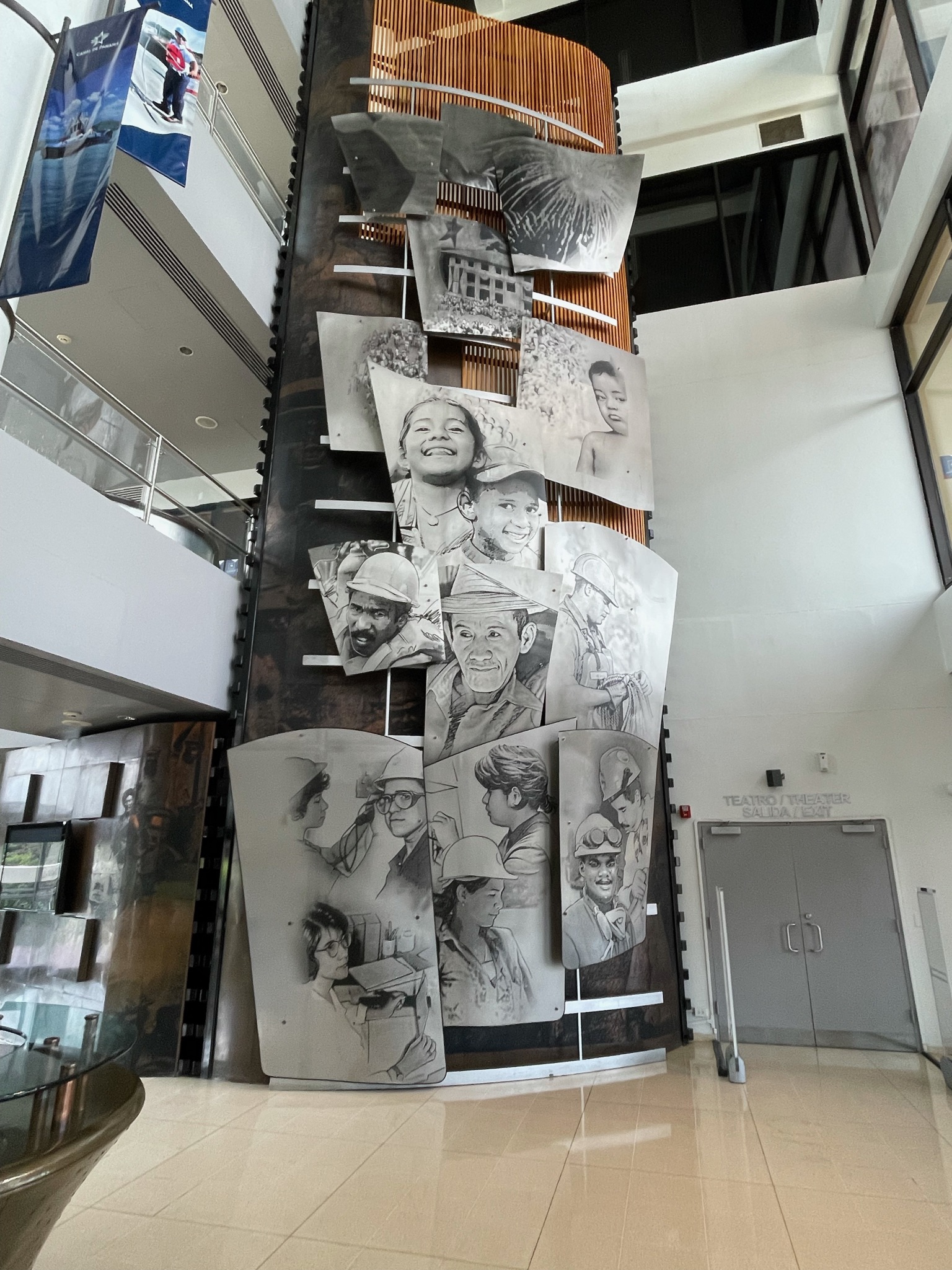
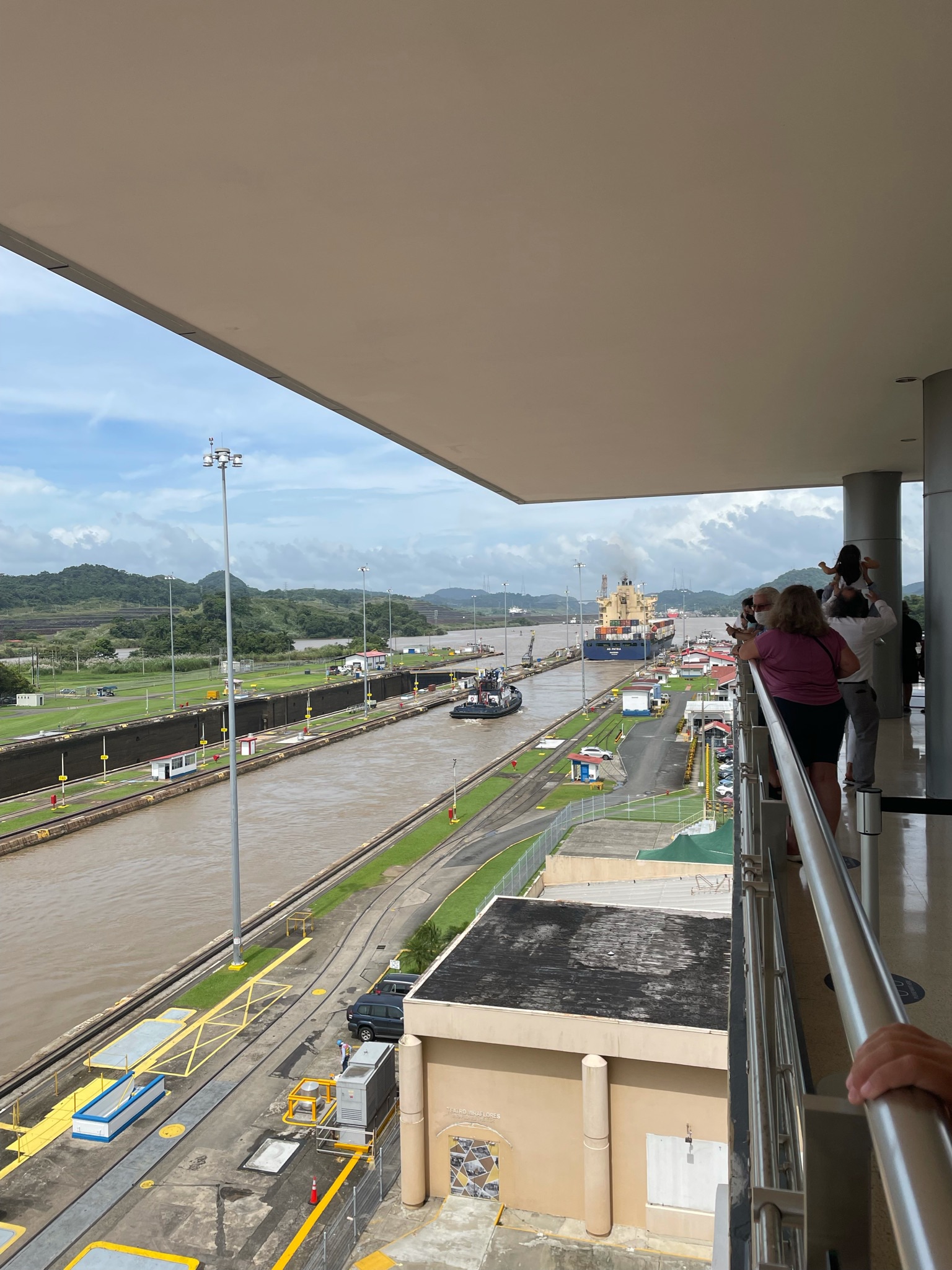
You can’t go to Panama City without going to visit the Panama Canal, so on our third day in the city, we took an Uber out to the Miraflores Visitor’s Center. The visitors center was open all day, but we had read that it was best to visit between 8 and 11 and between 3 and 5. We hadn’t gotten going like we’d hoped, so we were later getting there than we had planned. We bought our tickets, and when we got to the front of the line to go in, the agent held us there to allow the previous tour group to get a head start on us. She let us know that the last boat of the morning was going through the canals, so instead of her walking through the museum and talking us through that, we would head straight up to the observation deck to watch the boat finish it’s transit. We rushed up to the top floor and stepped out on the observation deck just in time to see the last boat slowly make its way out the far end of the canal and into the open water. Brian and I were both very disappointed to have missed it, but because we didn’t know much at this point, we thought we’d just wait around for the next boat to pass. The tour guides informed us that this would be the last boat until about 4 in the afternoon. Just to the northwest of the Miraflores locks lies a 9 mile stretch of the canal that is too narrow for boats to pass one another in. Boats enter the water from the Atlantic ocean and can wait in the manmade Gatun lake for their opportunity to transit the canal. To manage traffic, boats are allowed to travel from Atlantic to Pacific for certain hours and then when the last boats come out of the narrow stretch, traffic is alternated to allow boats to travel from the Pacific to the Atlantic side. The gap between the last boat in the morning and the first boat in the afternoon is where this traffic redirection is carried out.

So we were faced with a decision, we could hang around and see what we could over the next little bit, or we could tough it out and wait until the afternoon boats started coming through. It was 11 am. We would have to kill another 4-5 hours if we wanted to see the boats. We couldn’t leave and come back, the restaurant was closed, the museum was closed, and there was really nothing to do. Even so, we decided that if we’d come that far, we were going to see those darn boats going through. So, we found a comfortable spot on the observation deck and settled in for a long wait. We tried to sneak into the museum to see the few displays that were open, but unfortunately, we just ended up getting ourselves locked out of the observation deck. We were allowed to go to the lower observation deck, and it actually had seats for us to relax in, so it wasn’t all bad. At about 3:30, we could see the first big ships lining up to come into the locks from the Pacific side. These boats were enormous. We watched two ships go through the lock system, and we were completely fascinated watching the boats drop 80 feet in the lock right in front of us. As engineers, we are aware of the massive design and maintenance challenges that this area would demand, and it was amazing to think that it was designed and built over a hundred years ago!
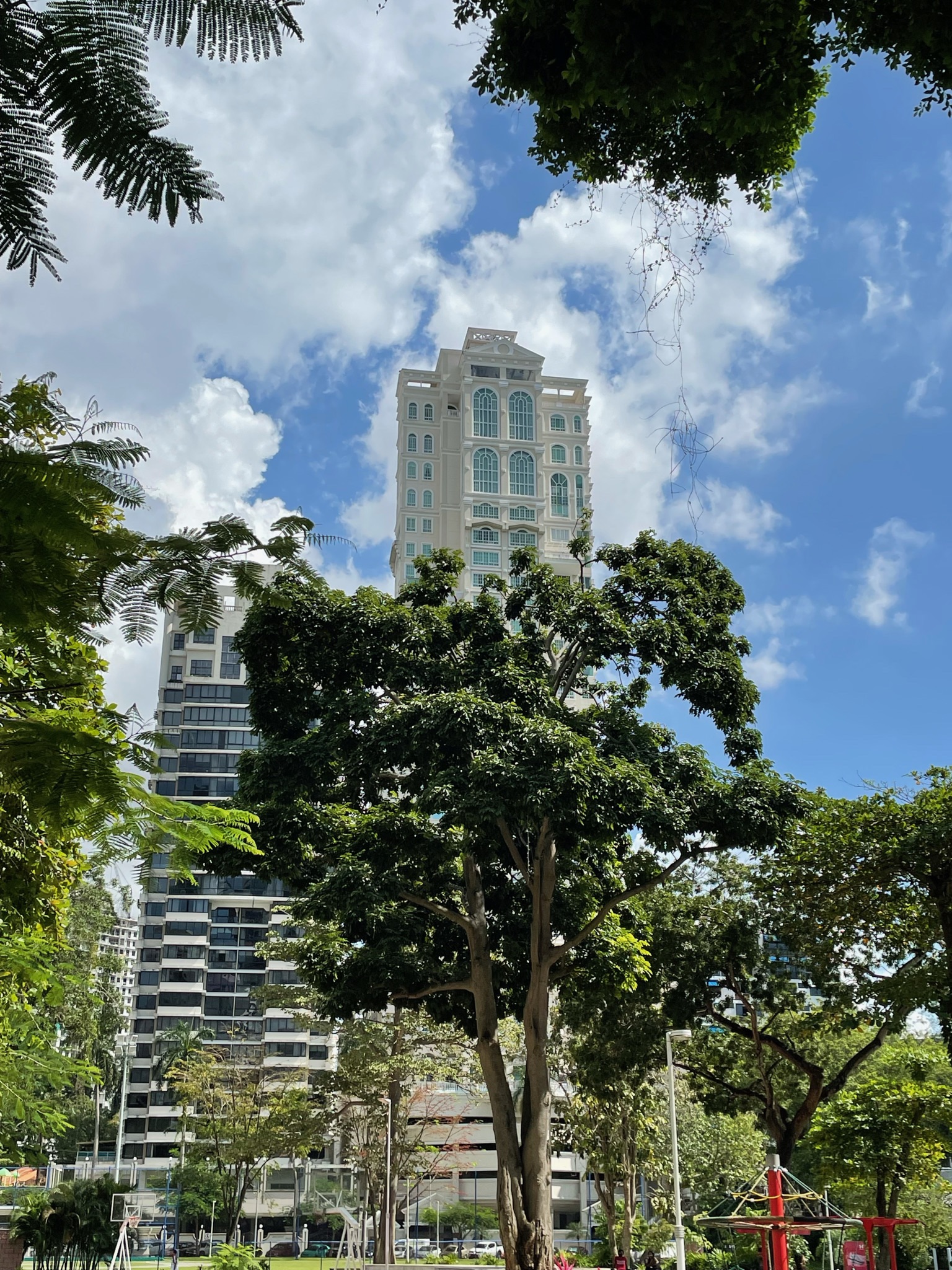
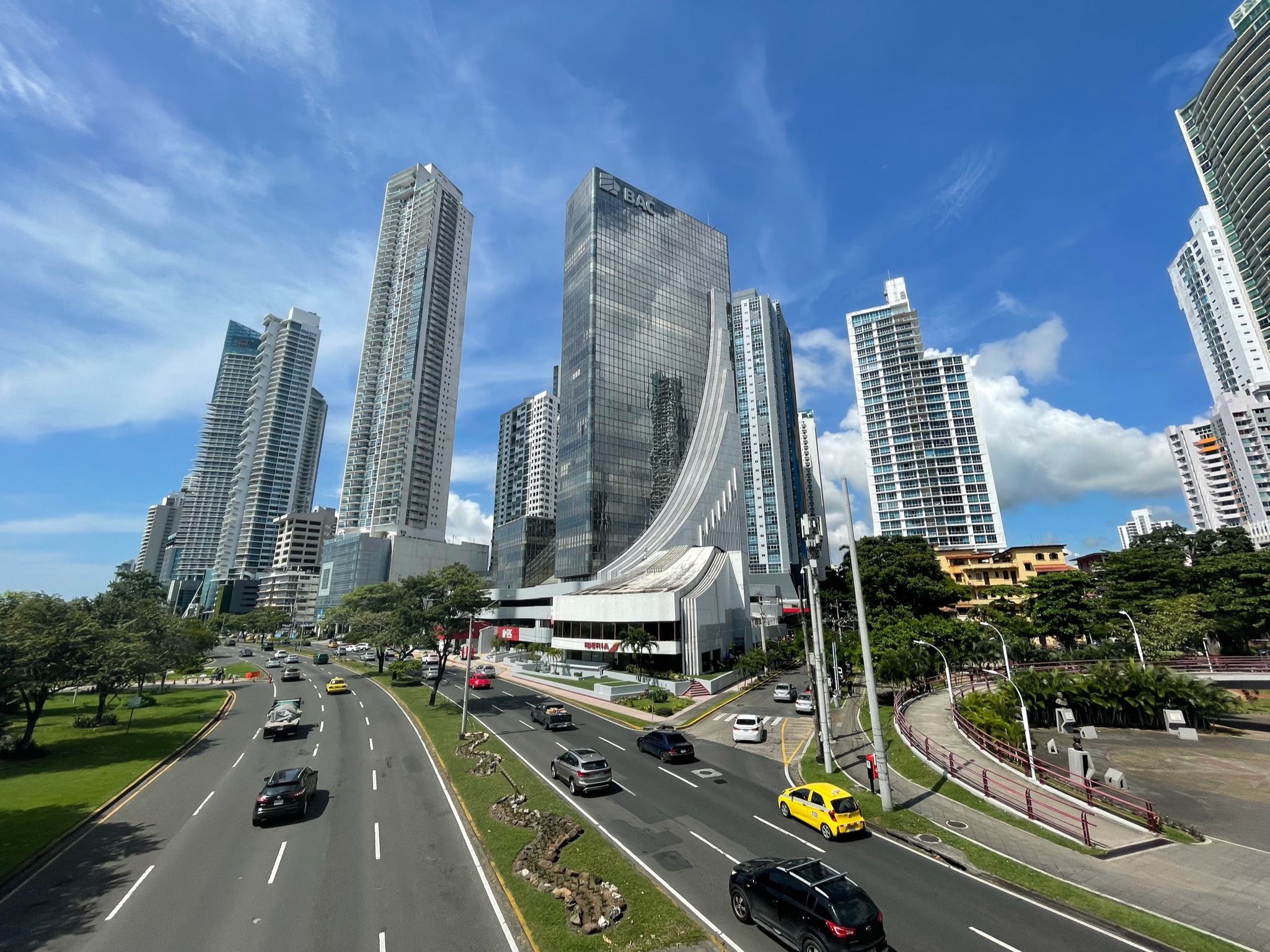
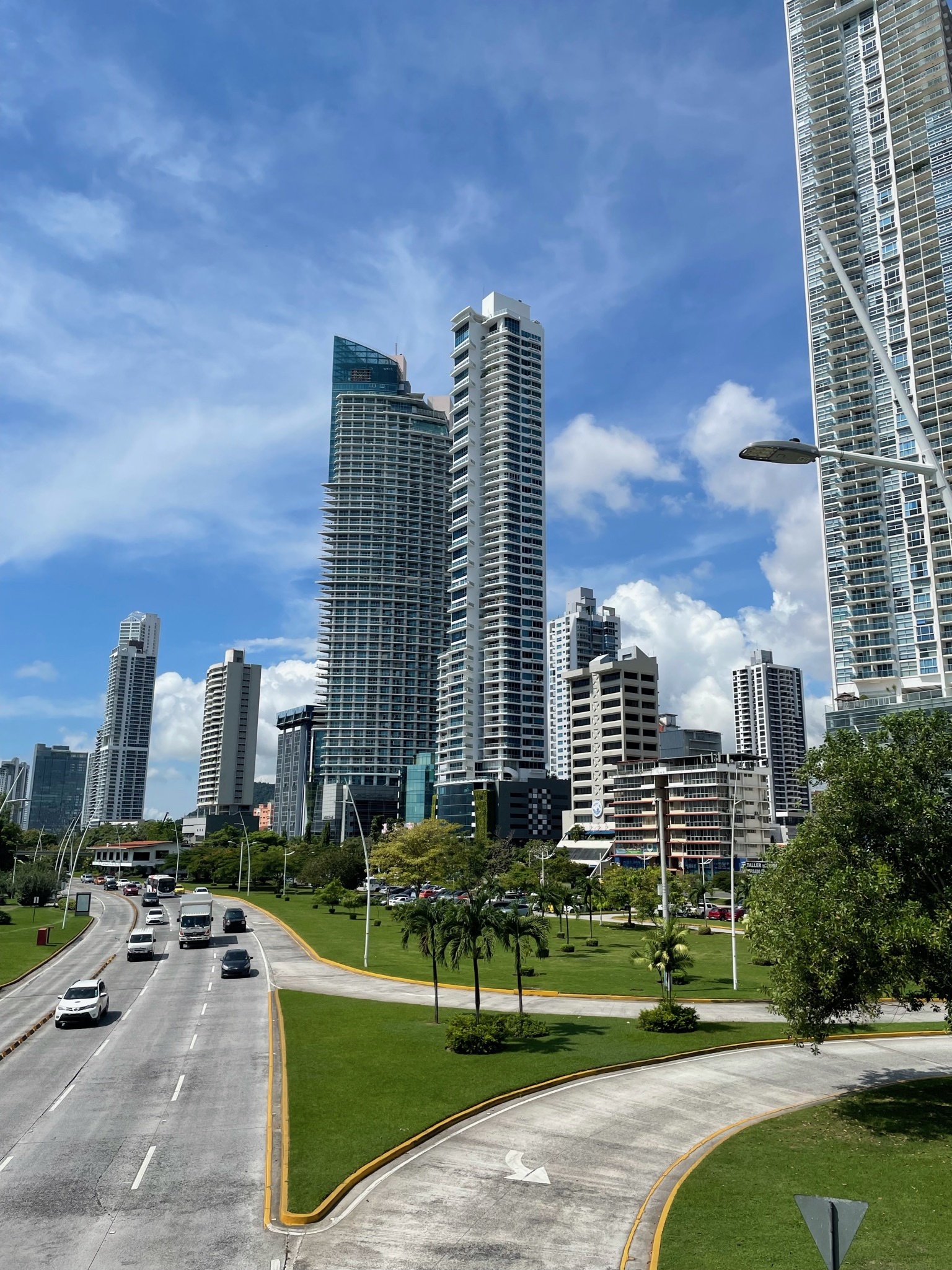
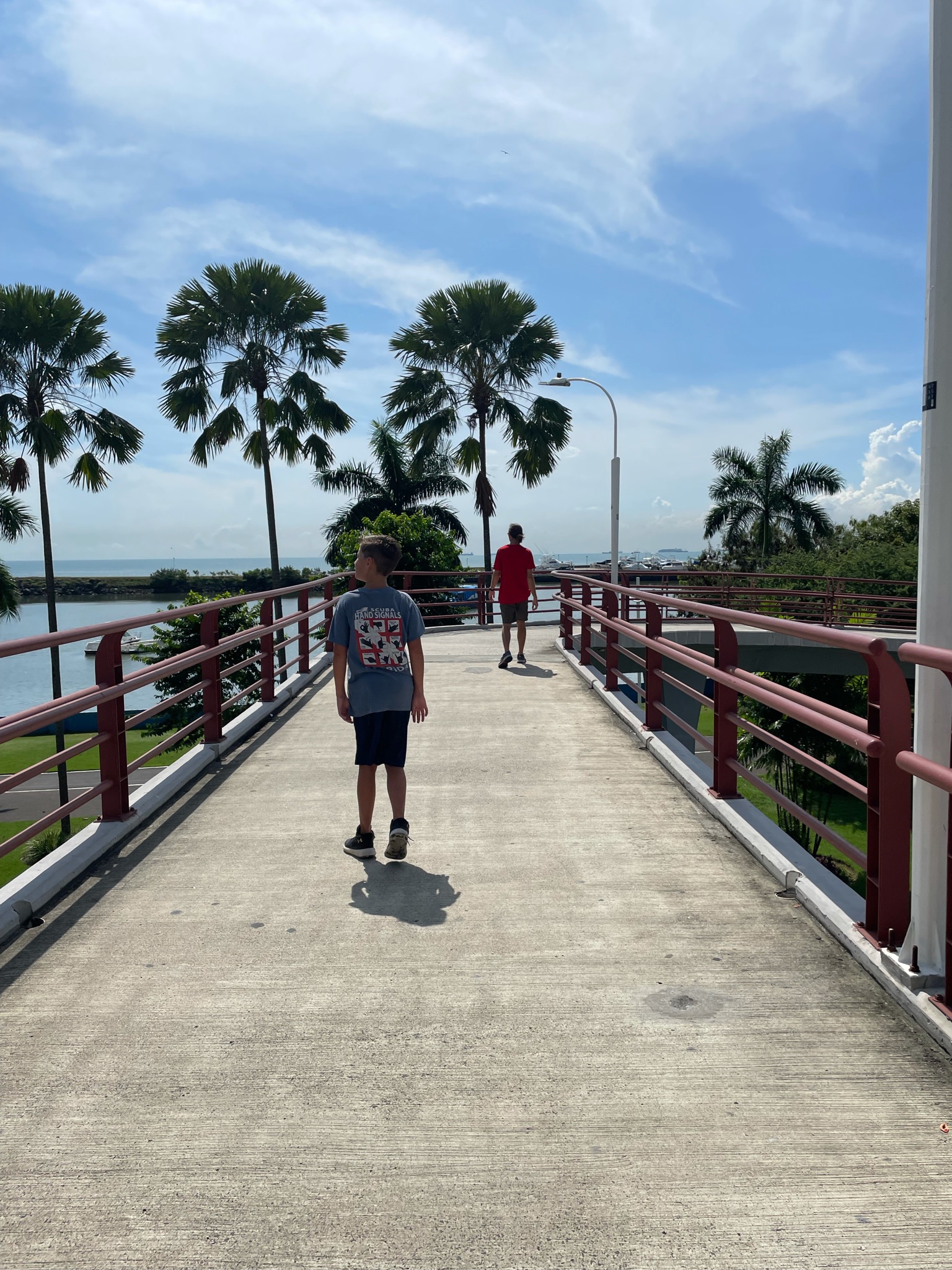
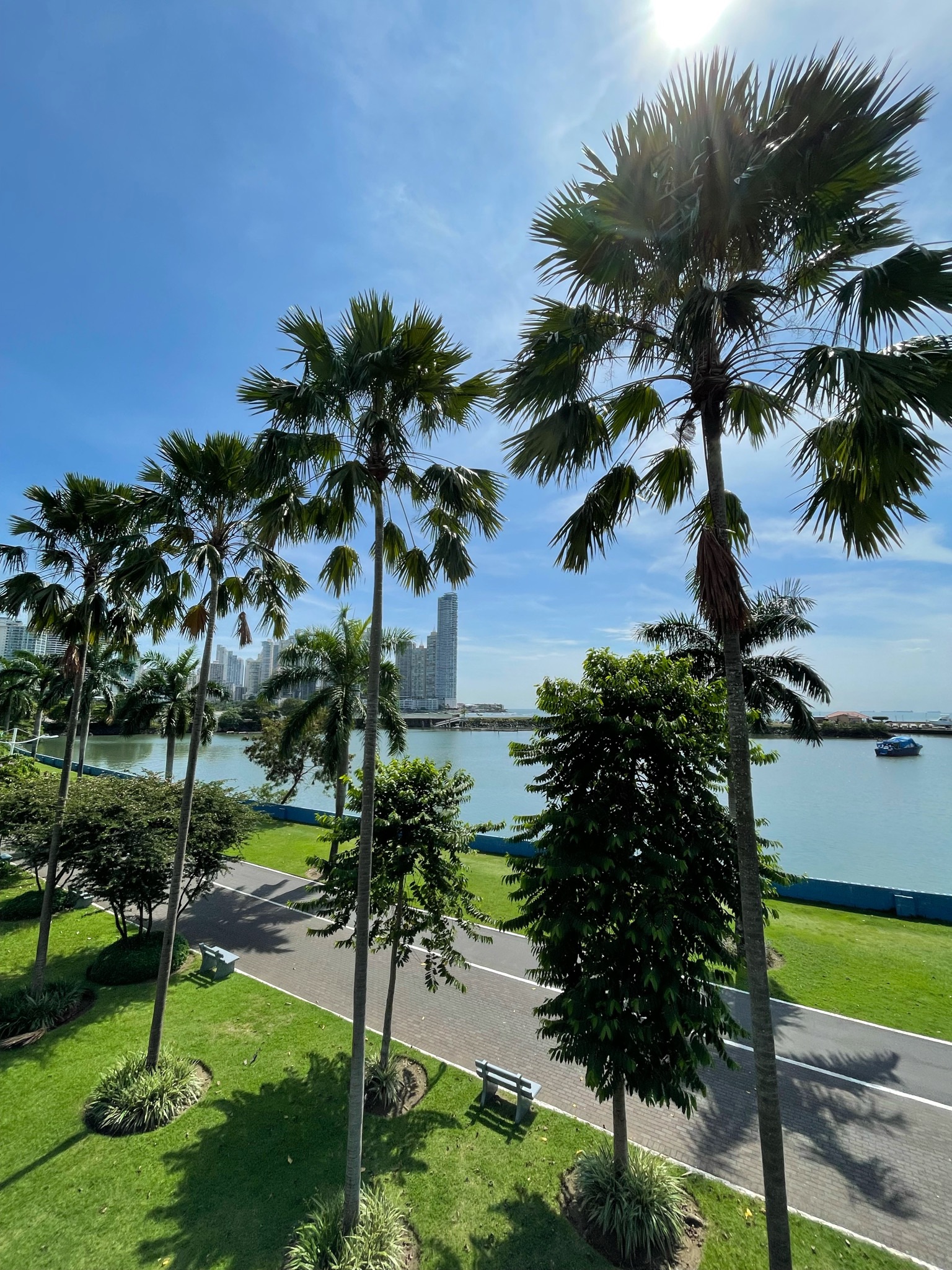
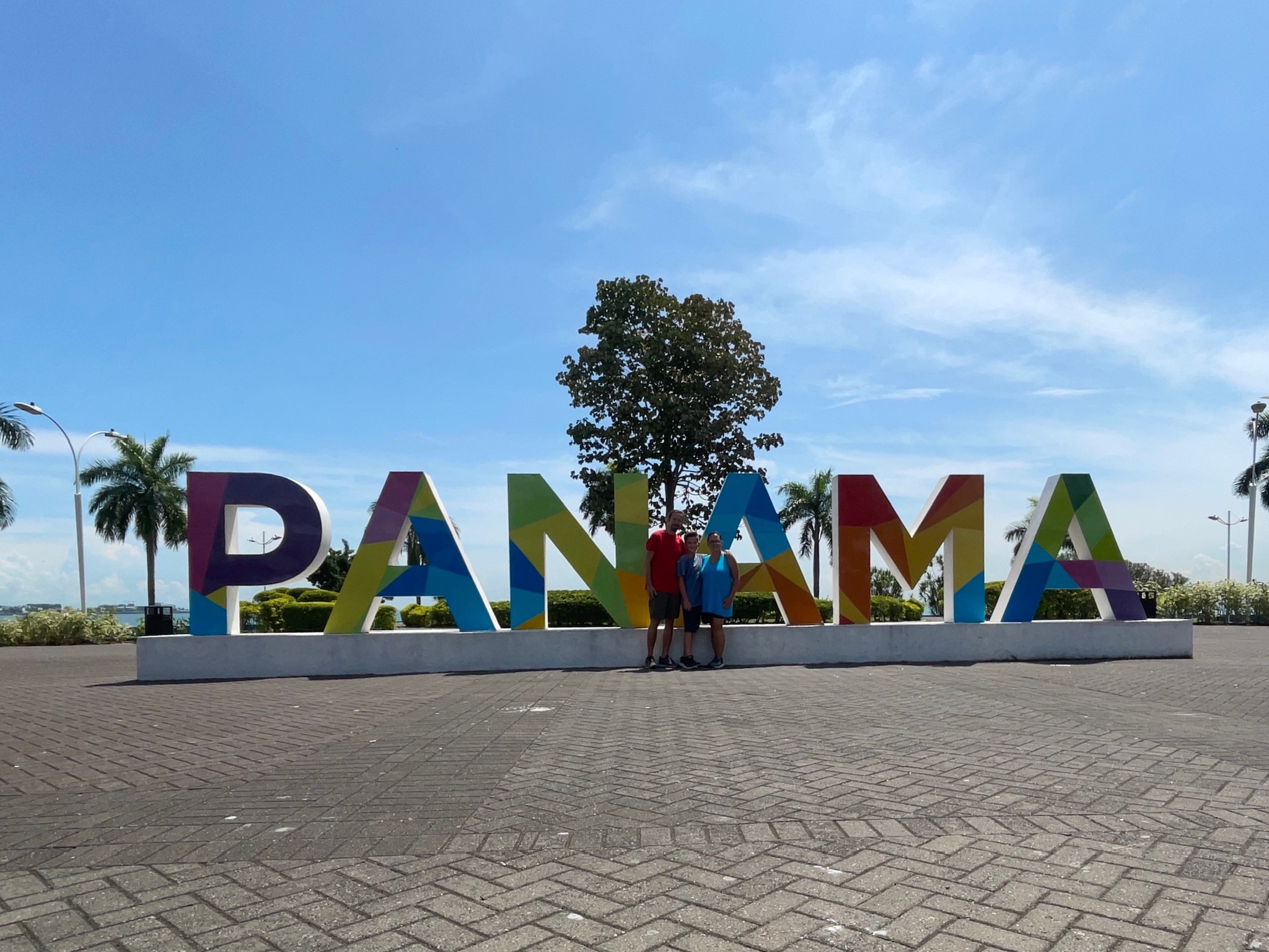
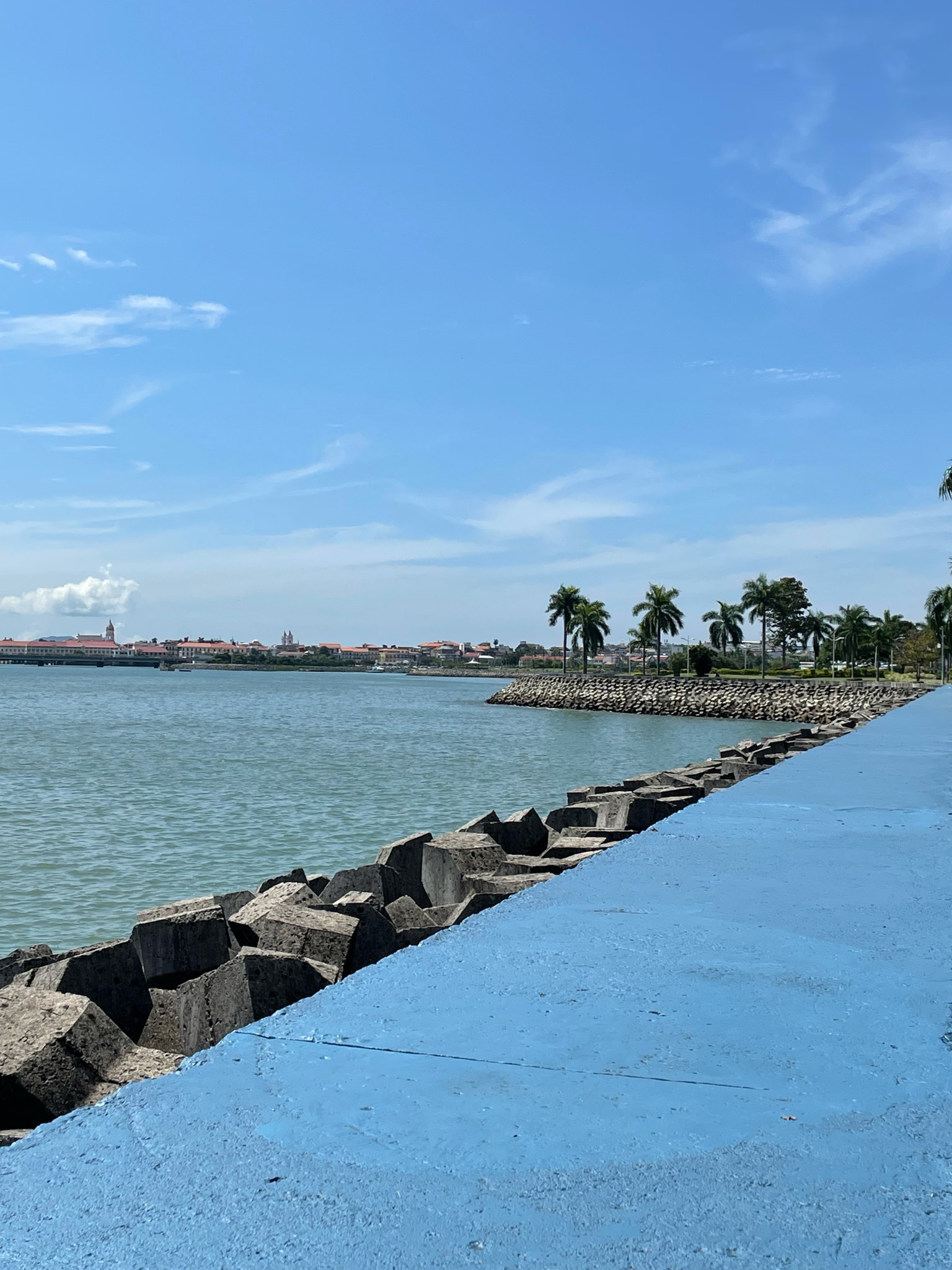
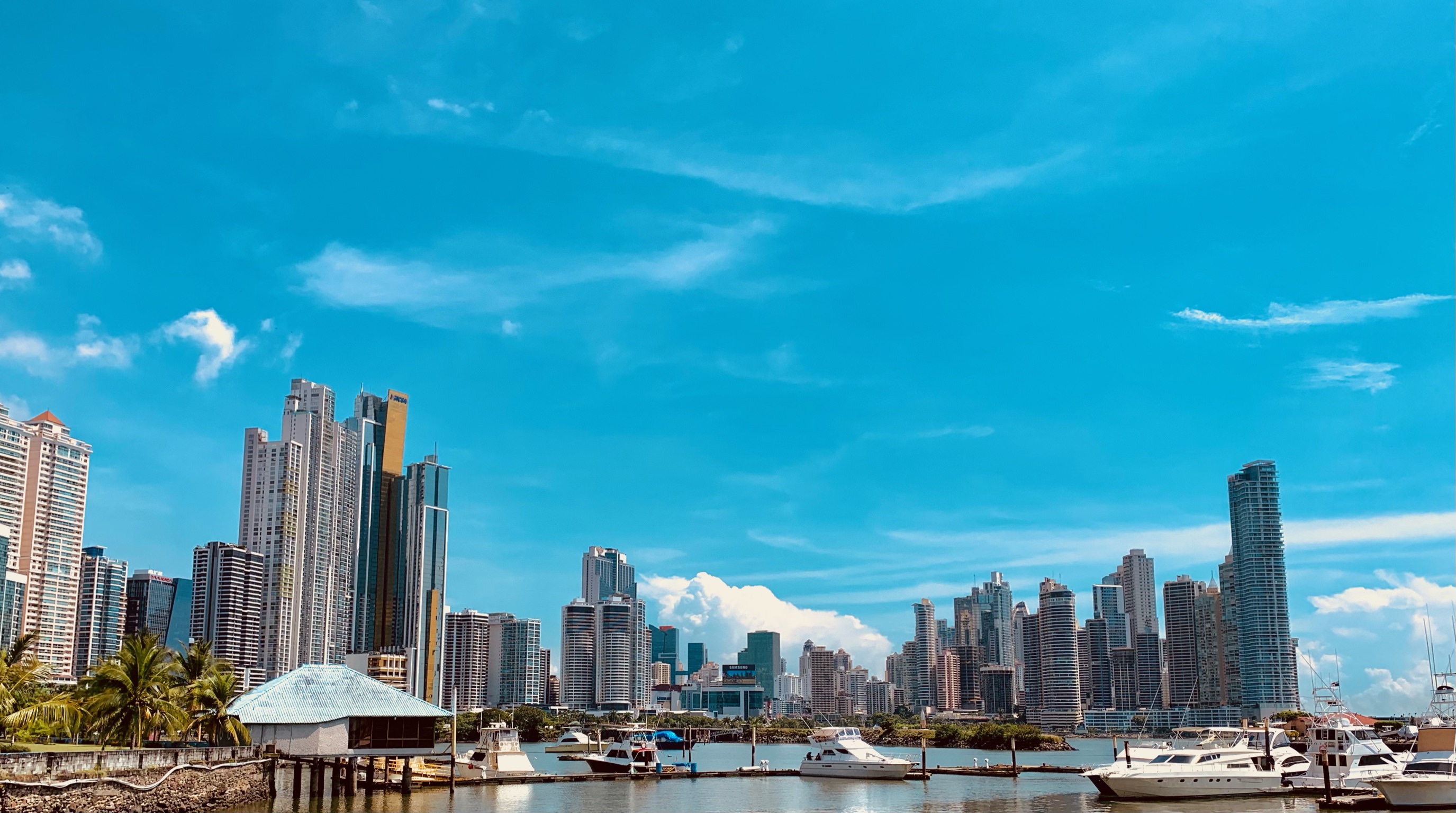
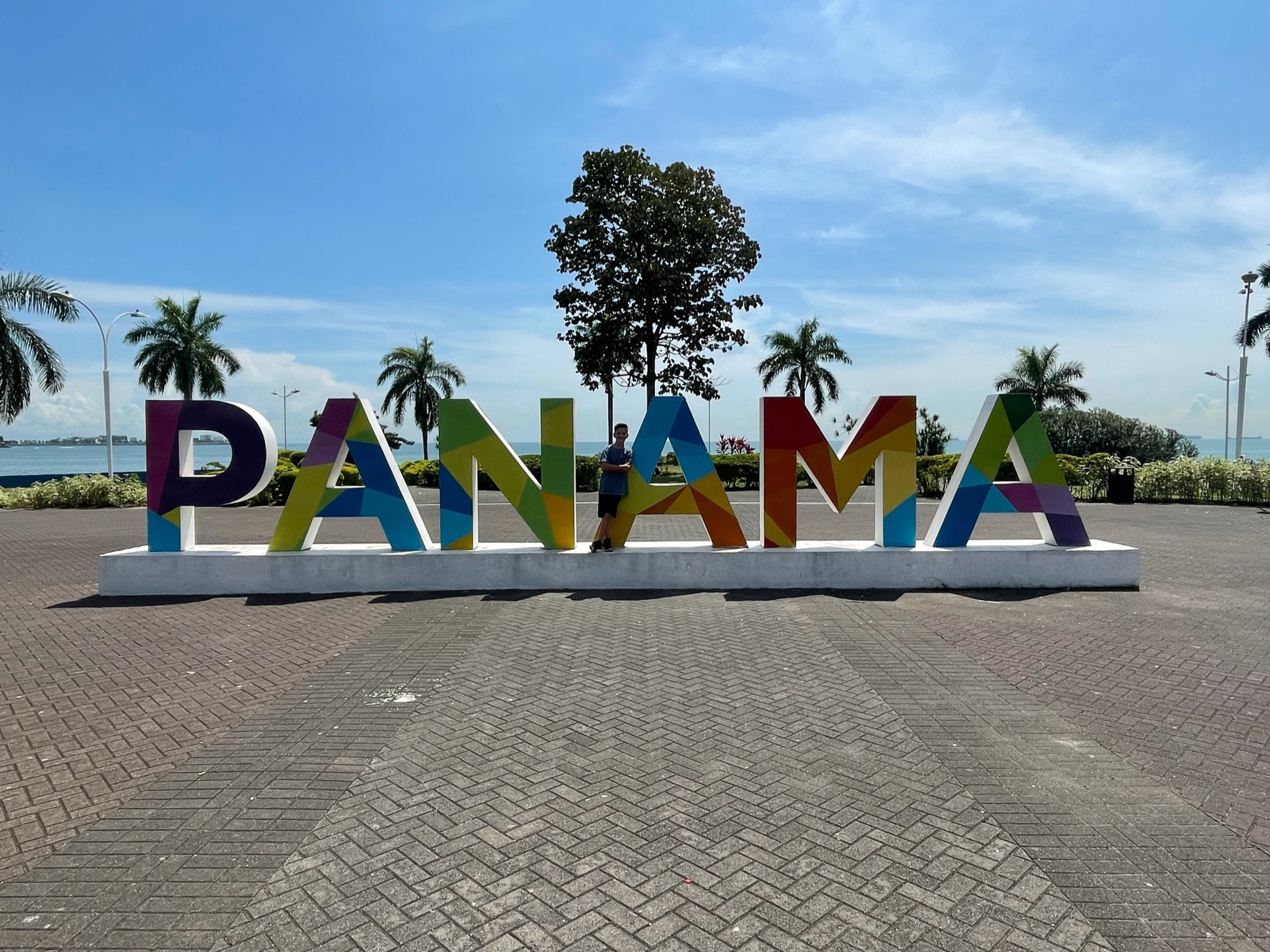
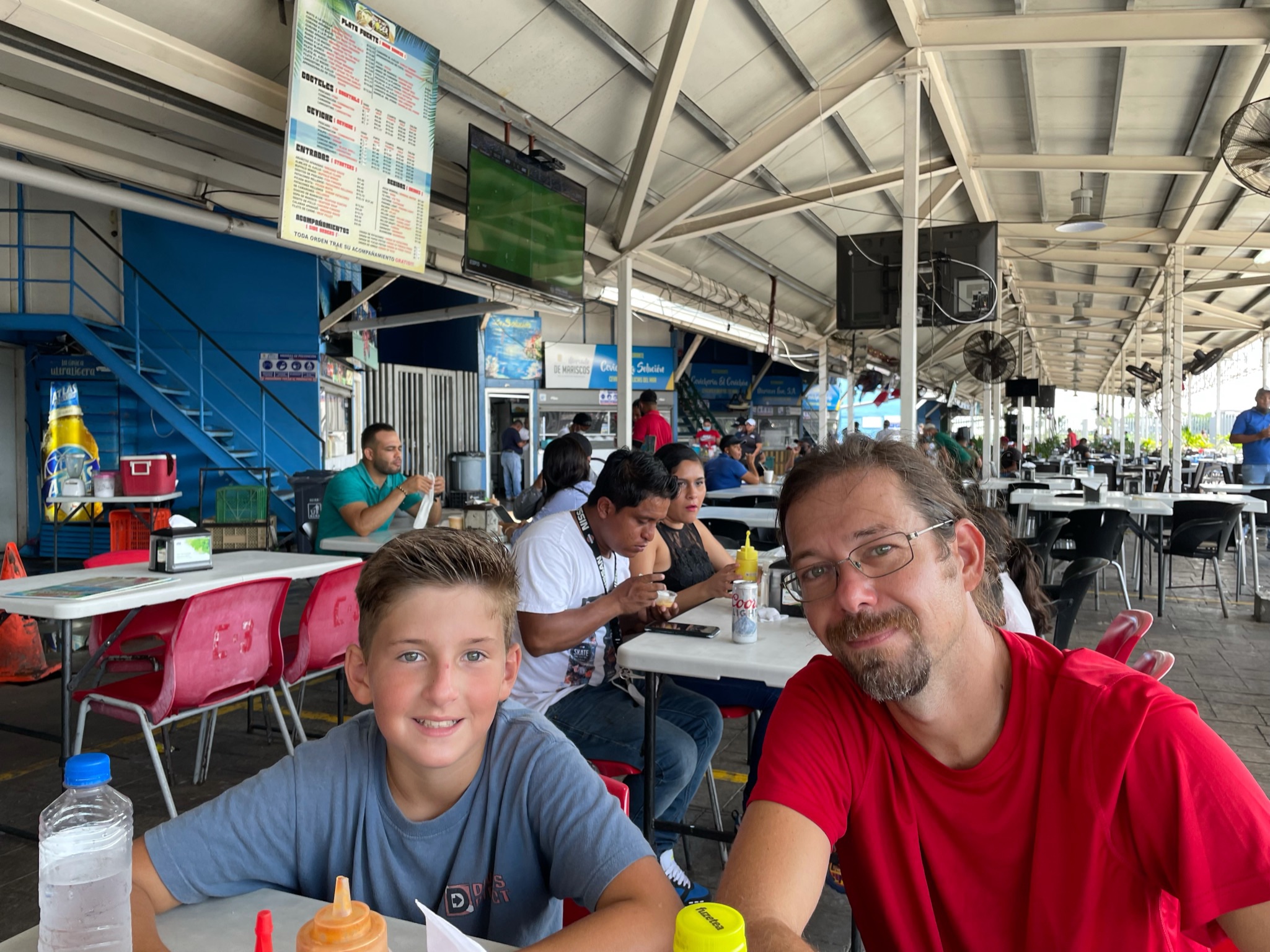
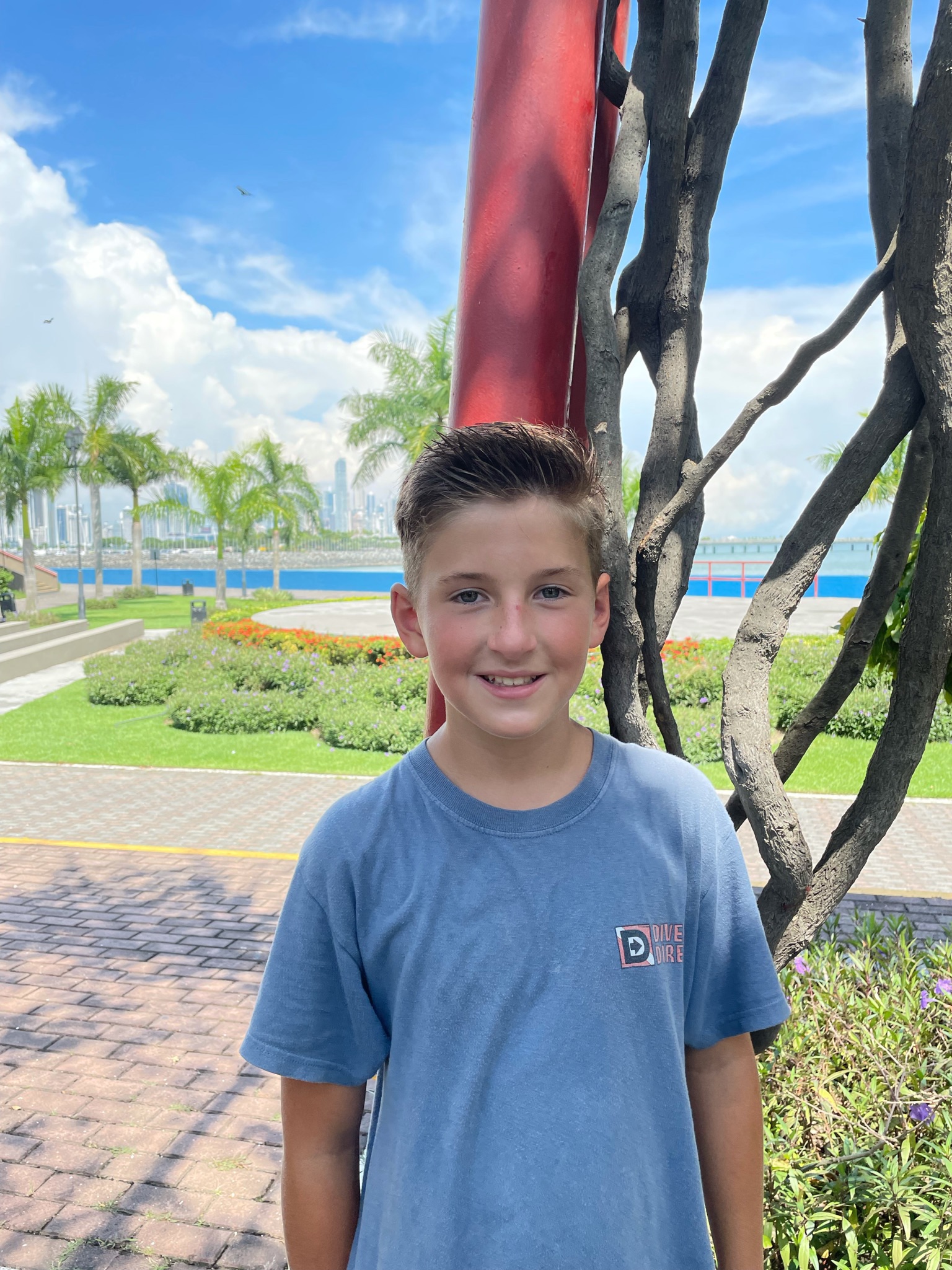
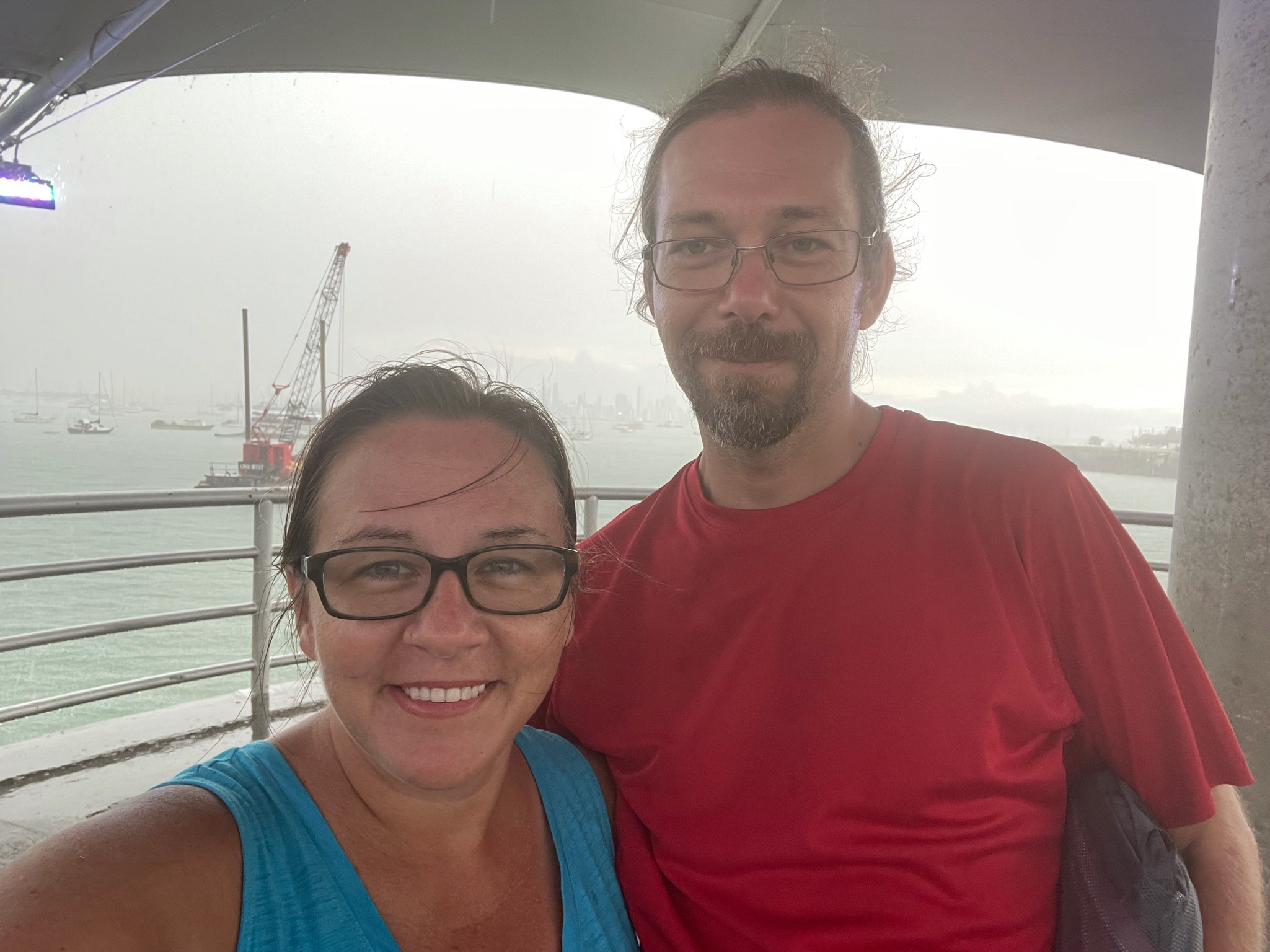
On our final day in Panama City, we walked along the waterfront. Panama City has created a very beautiful paved pathway that runs along its shoreline. There are shaded picnic tables, bathrooms, and bike rentals, and street vendors sell drinks and snacks all along the way. We walked from our hotel to the shore and after grabbing lunch at the fish market, we continued walking all the way to the old town.
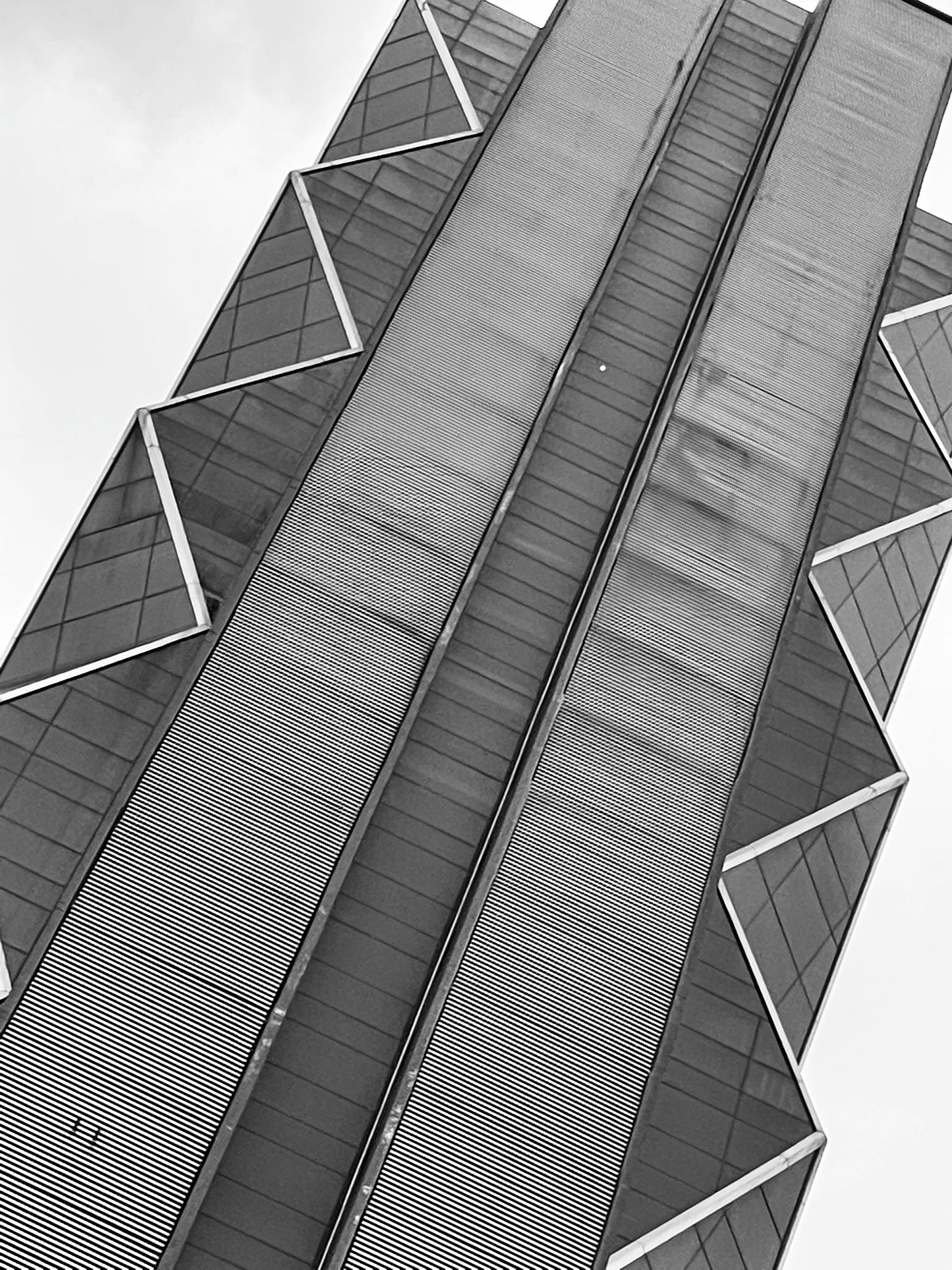
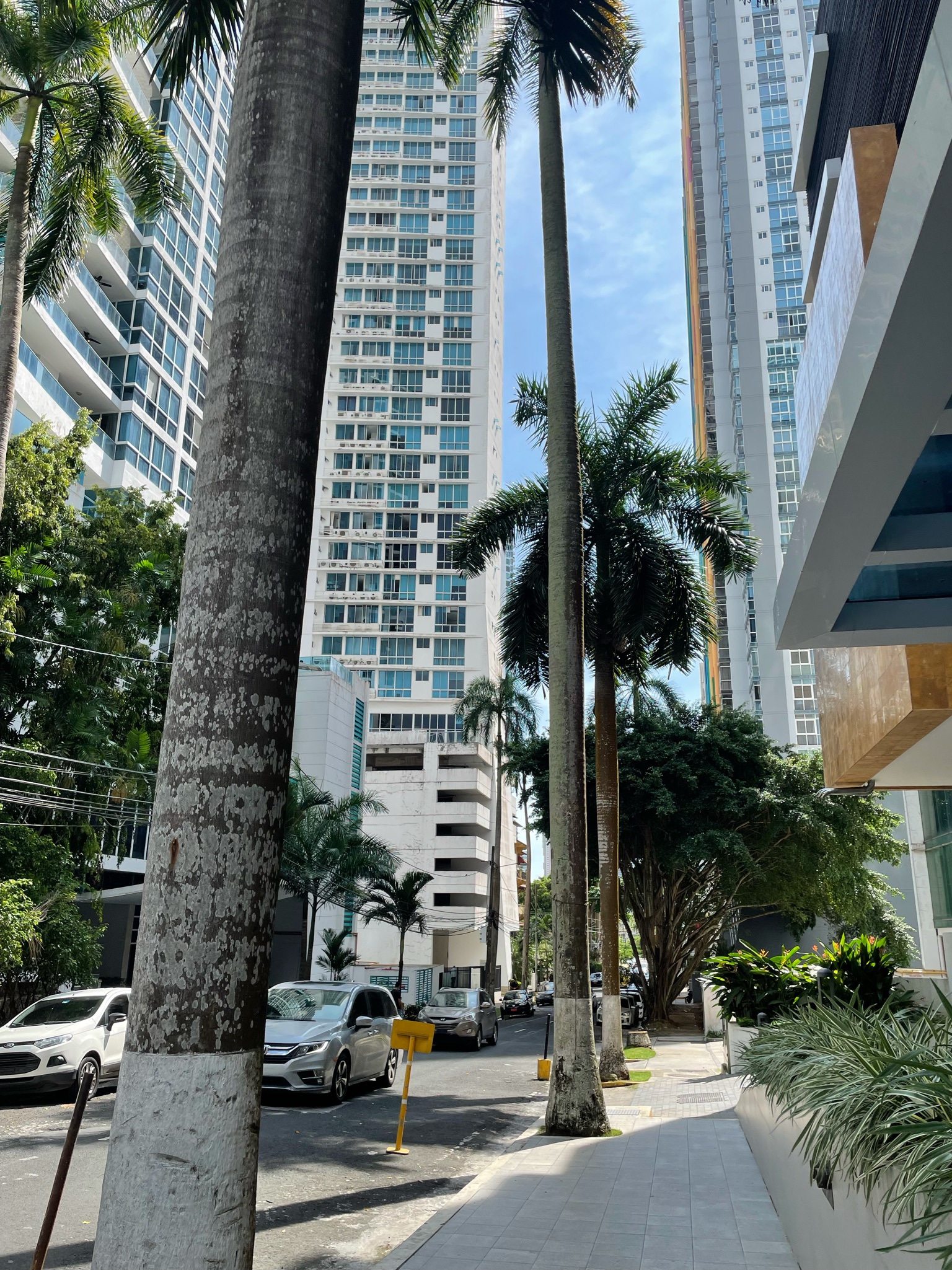
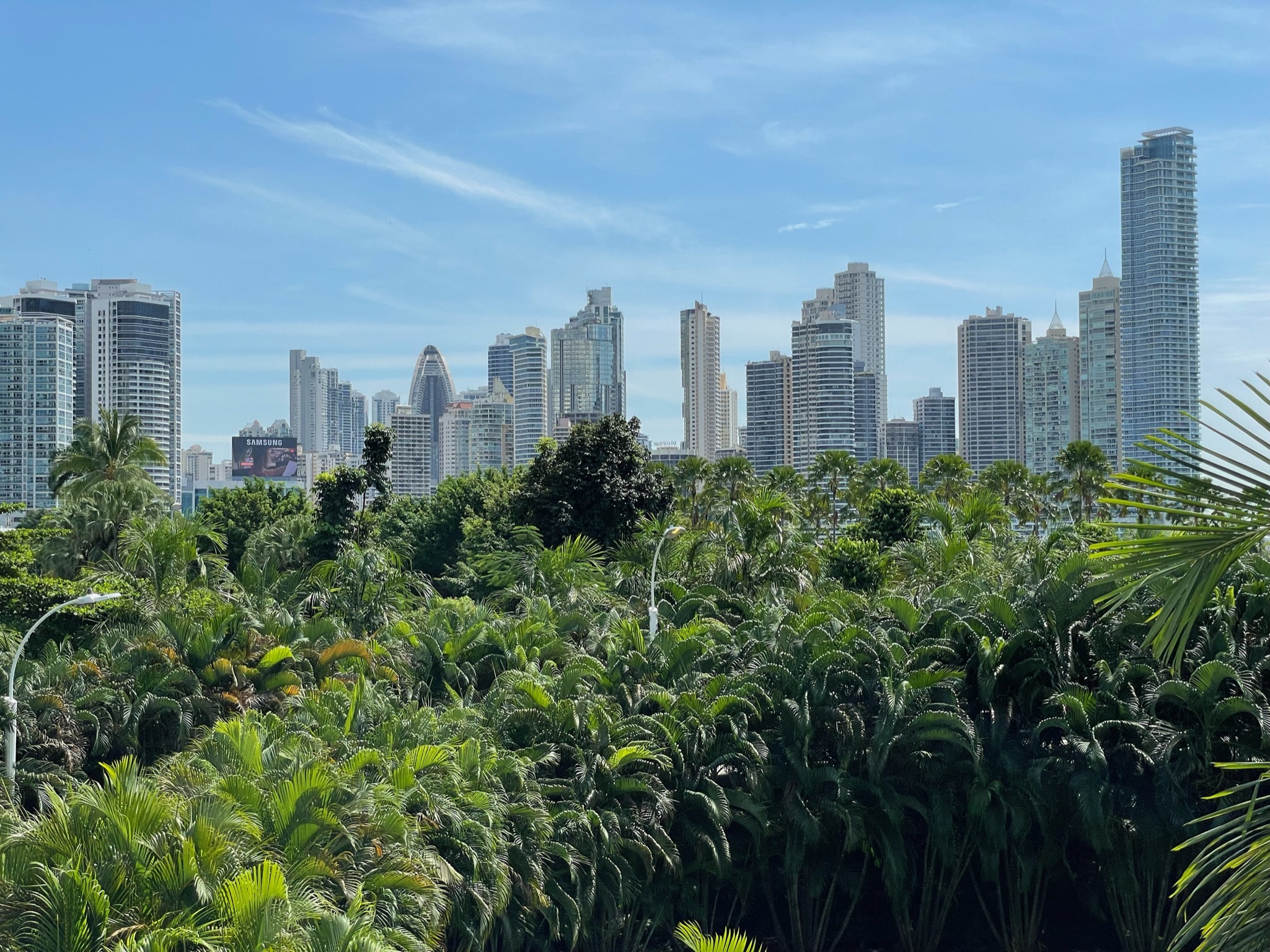
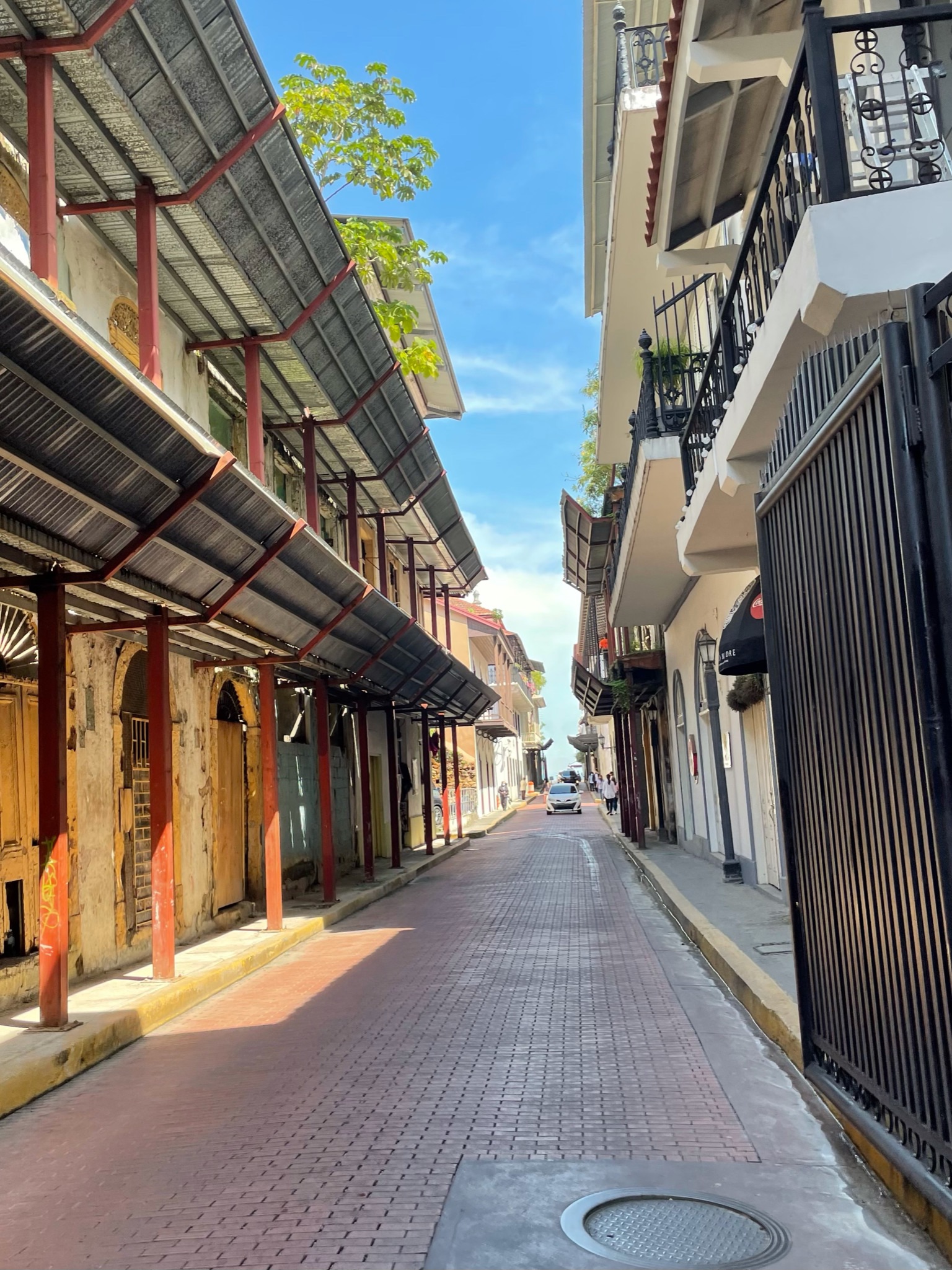
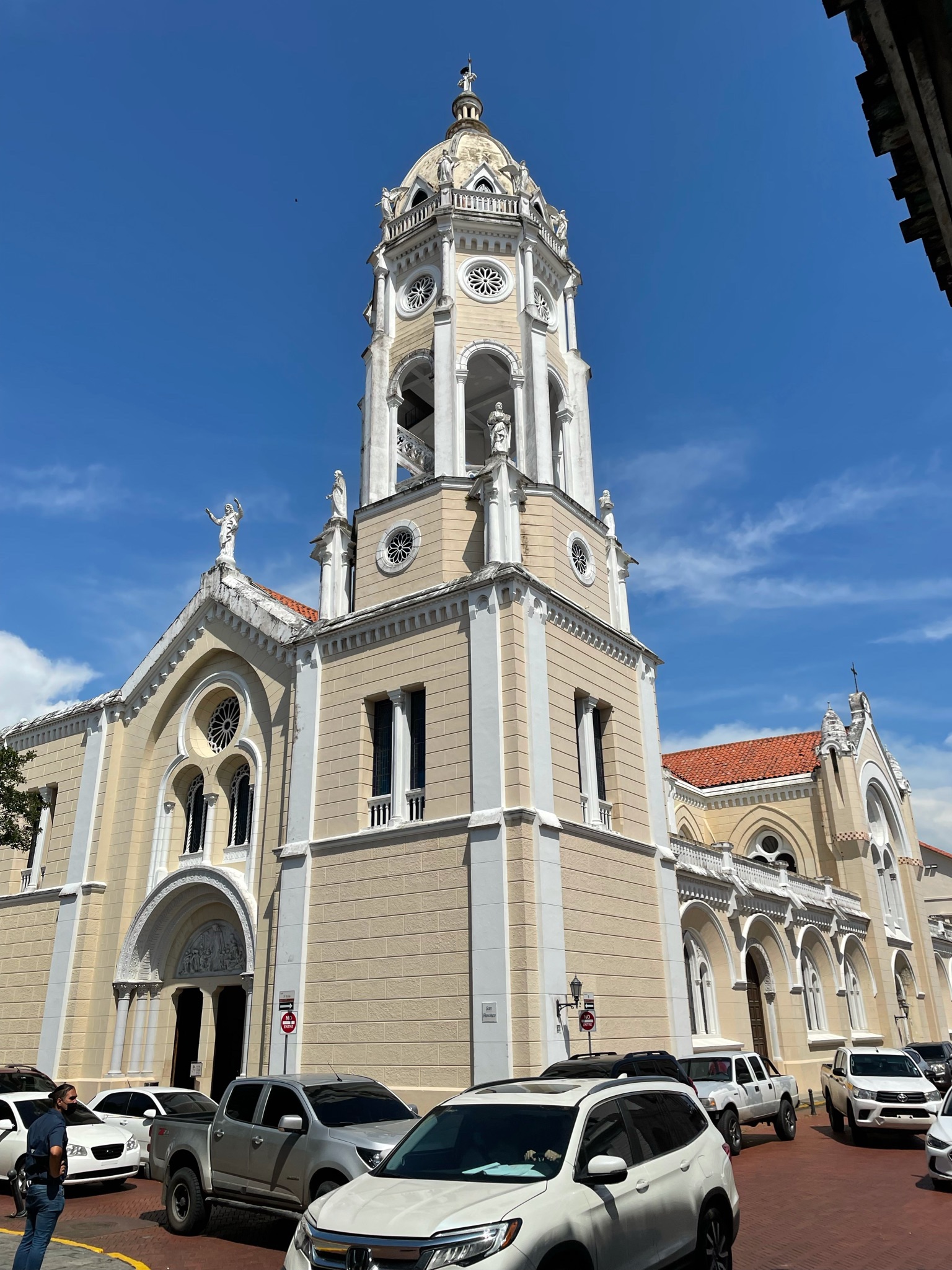
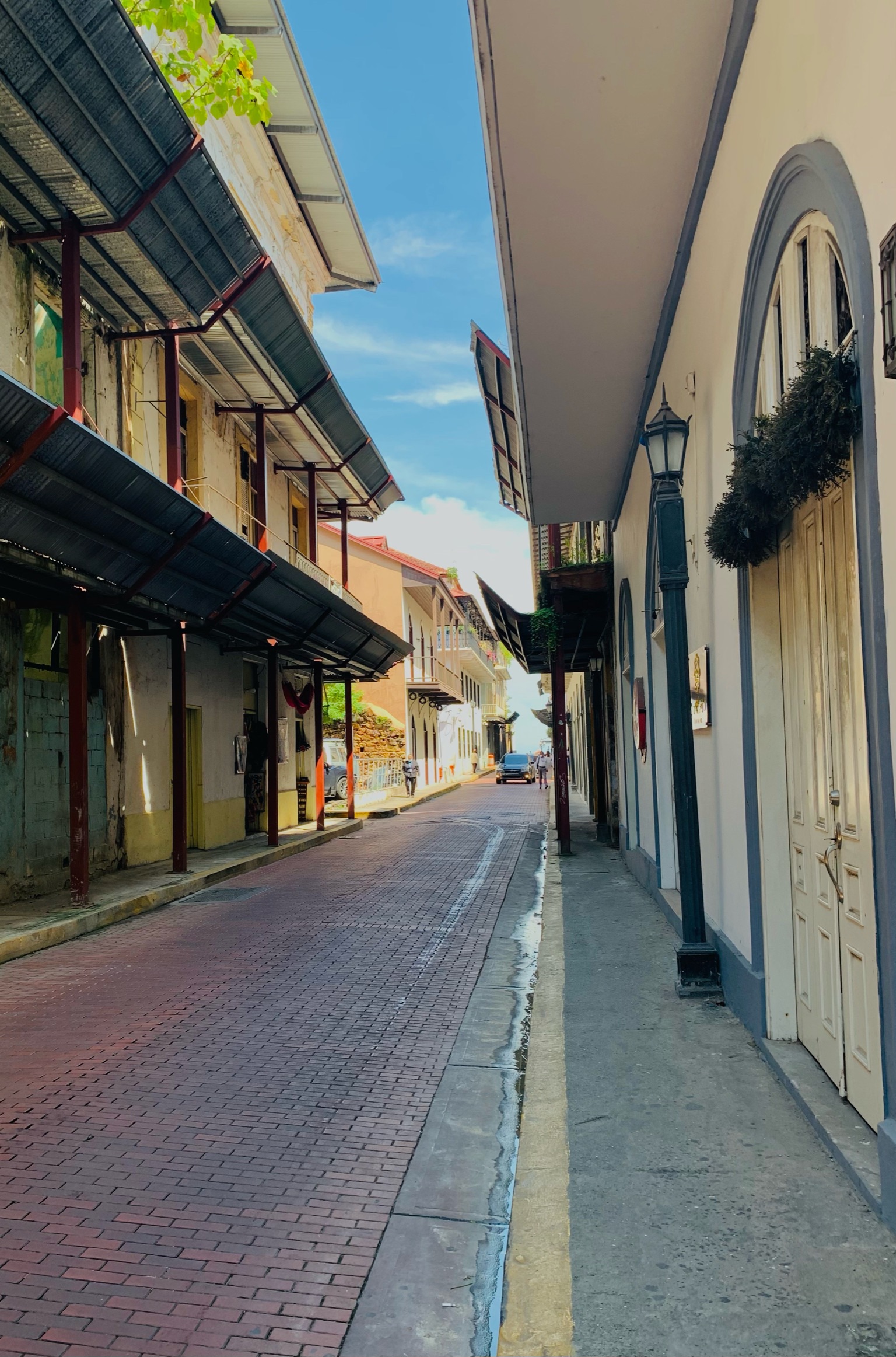
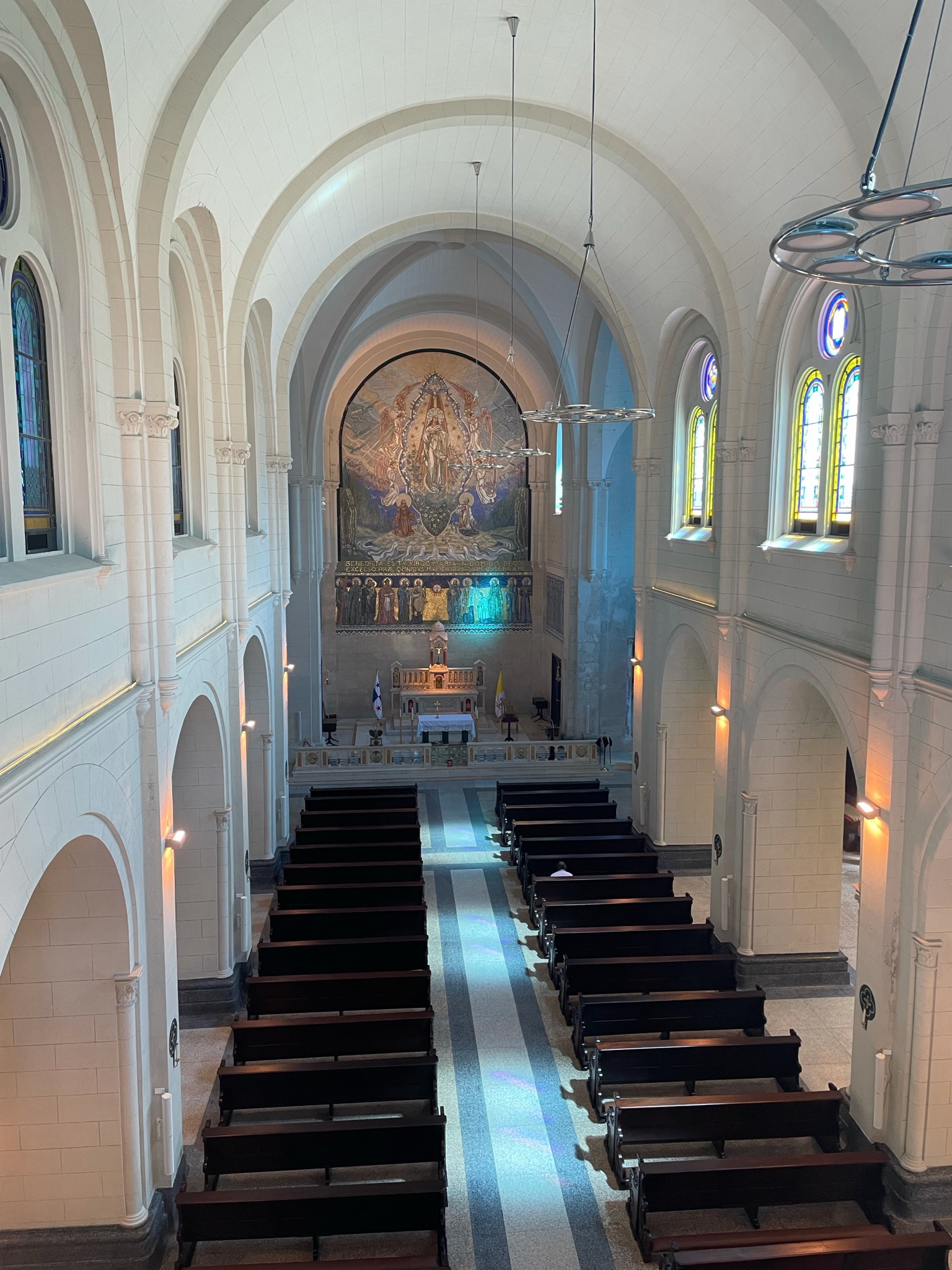
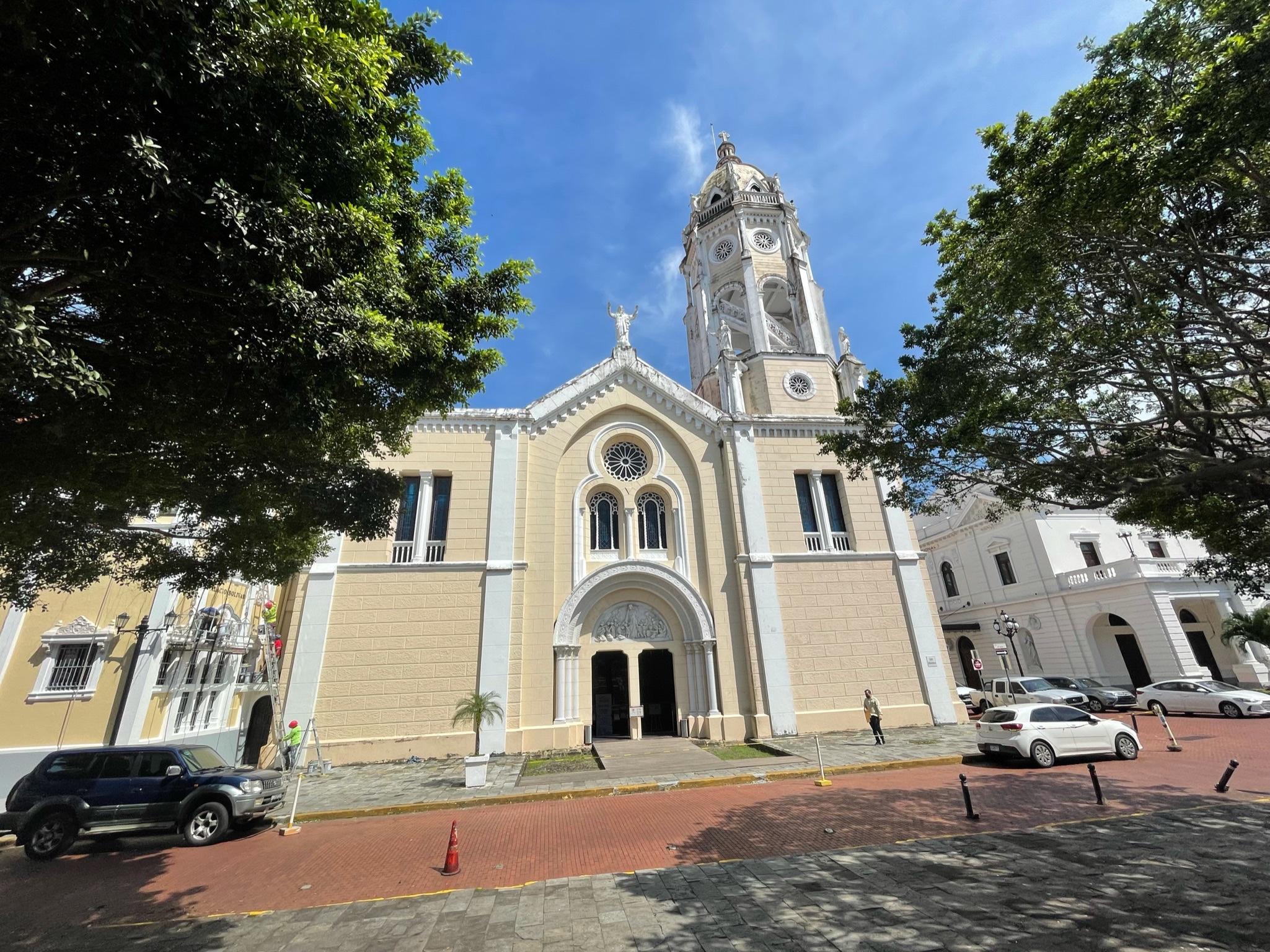
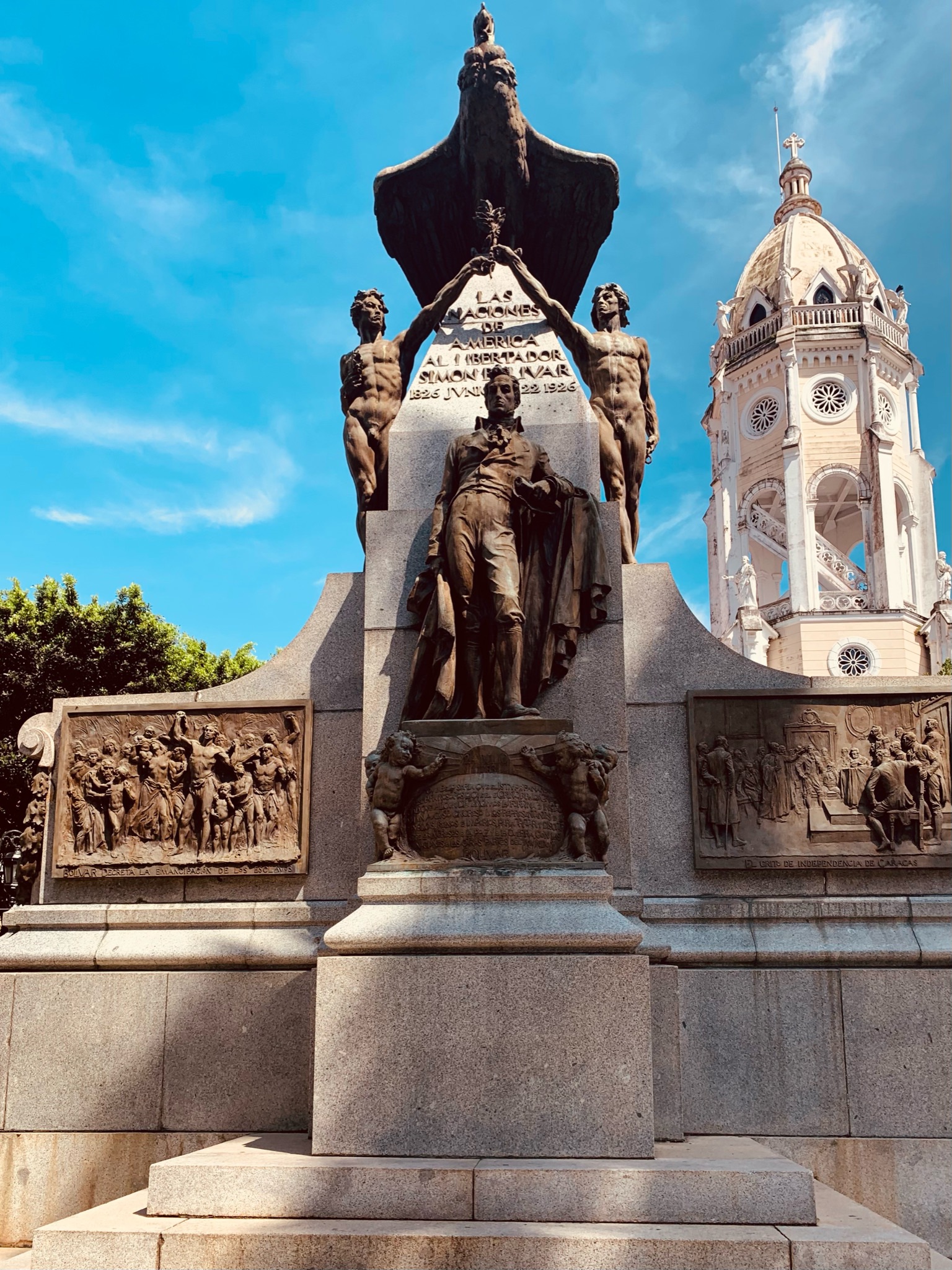
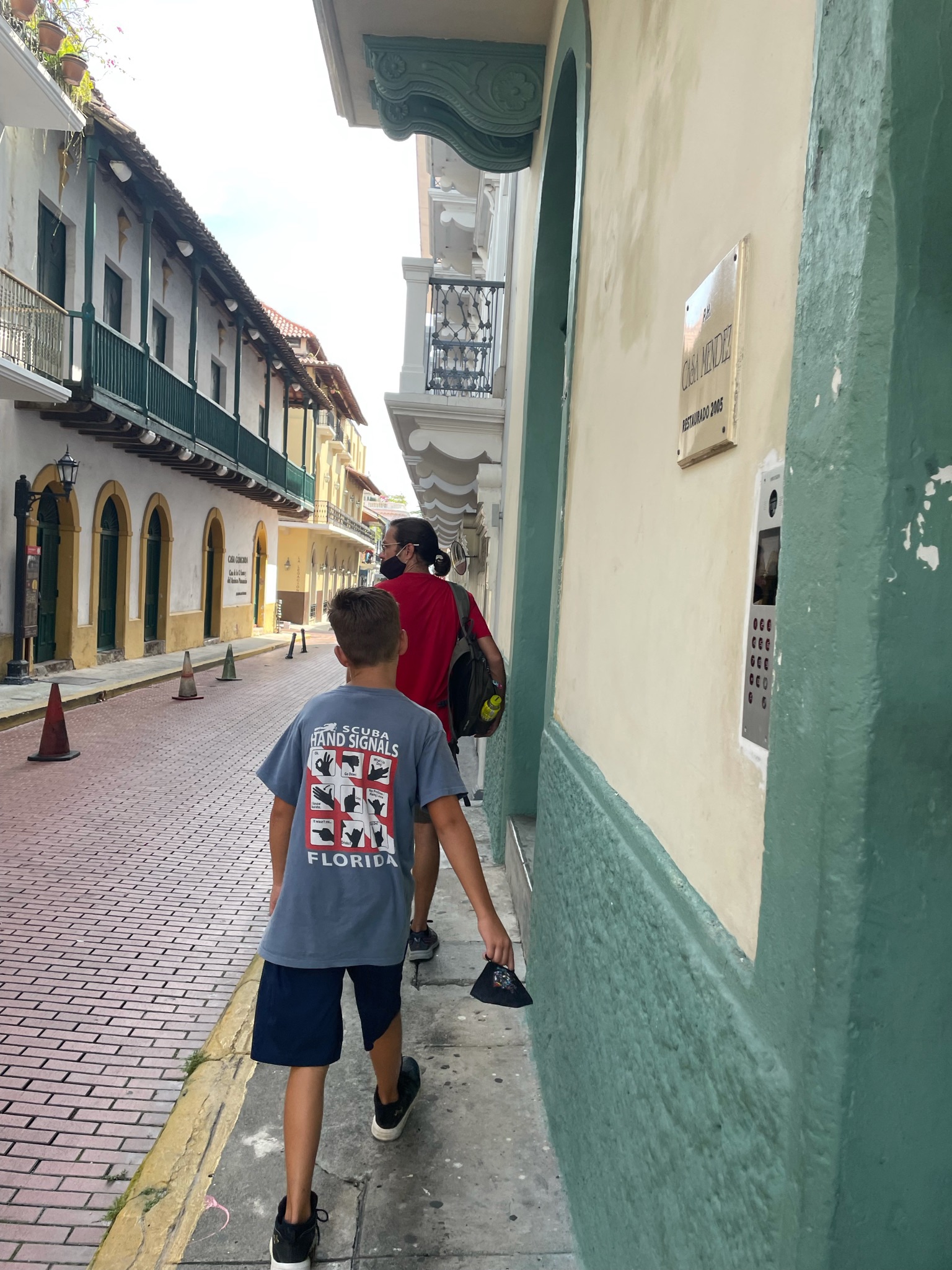
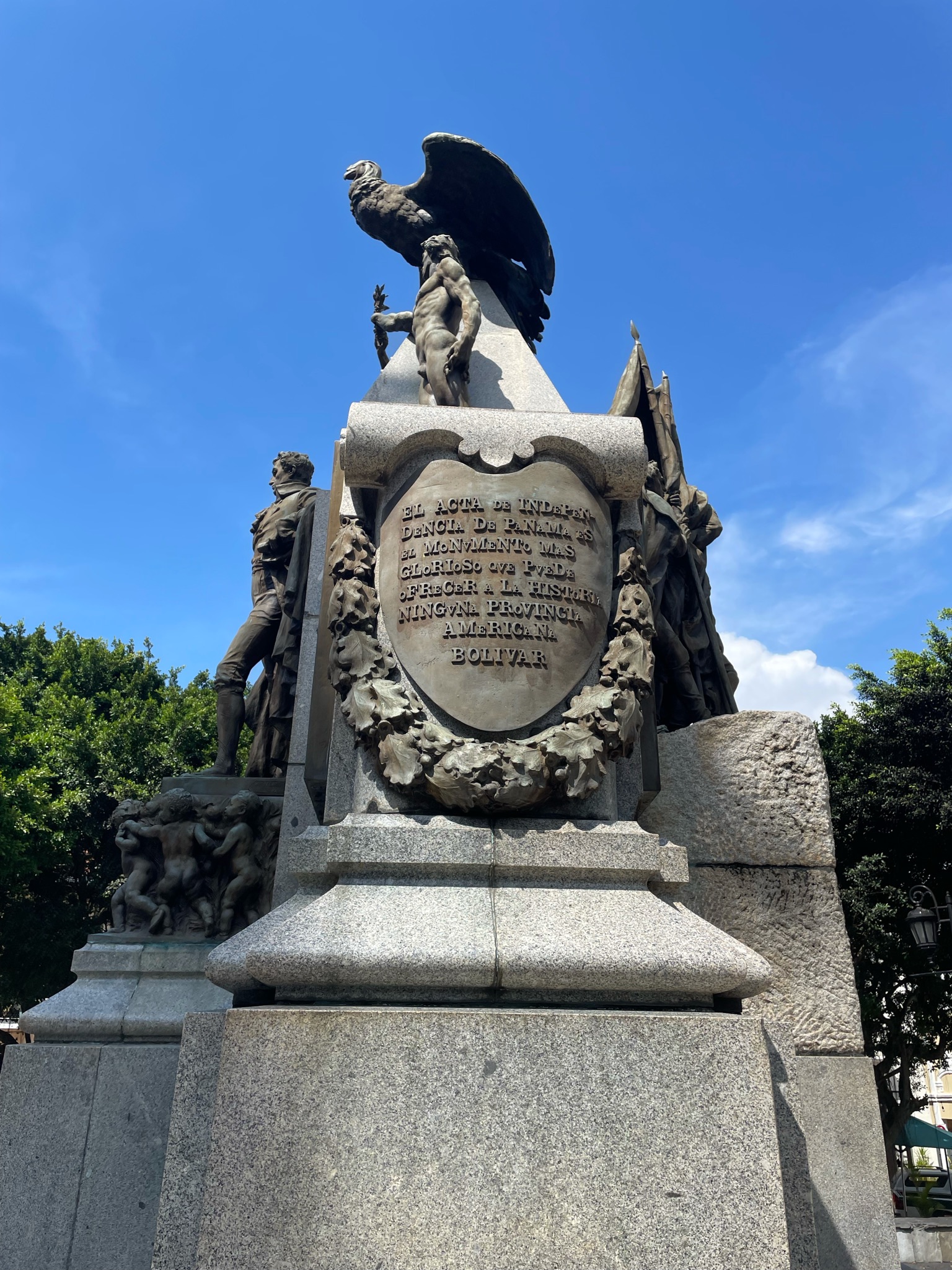
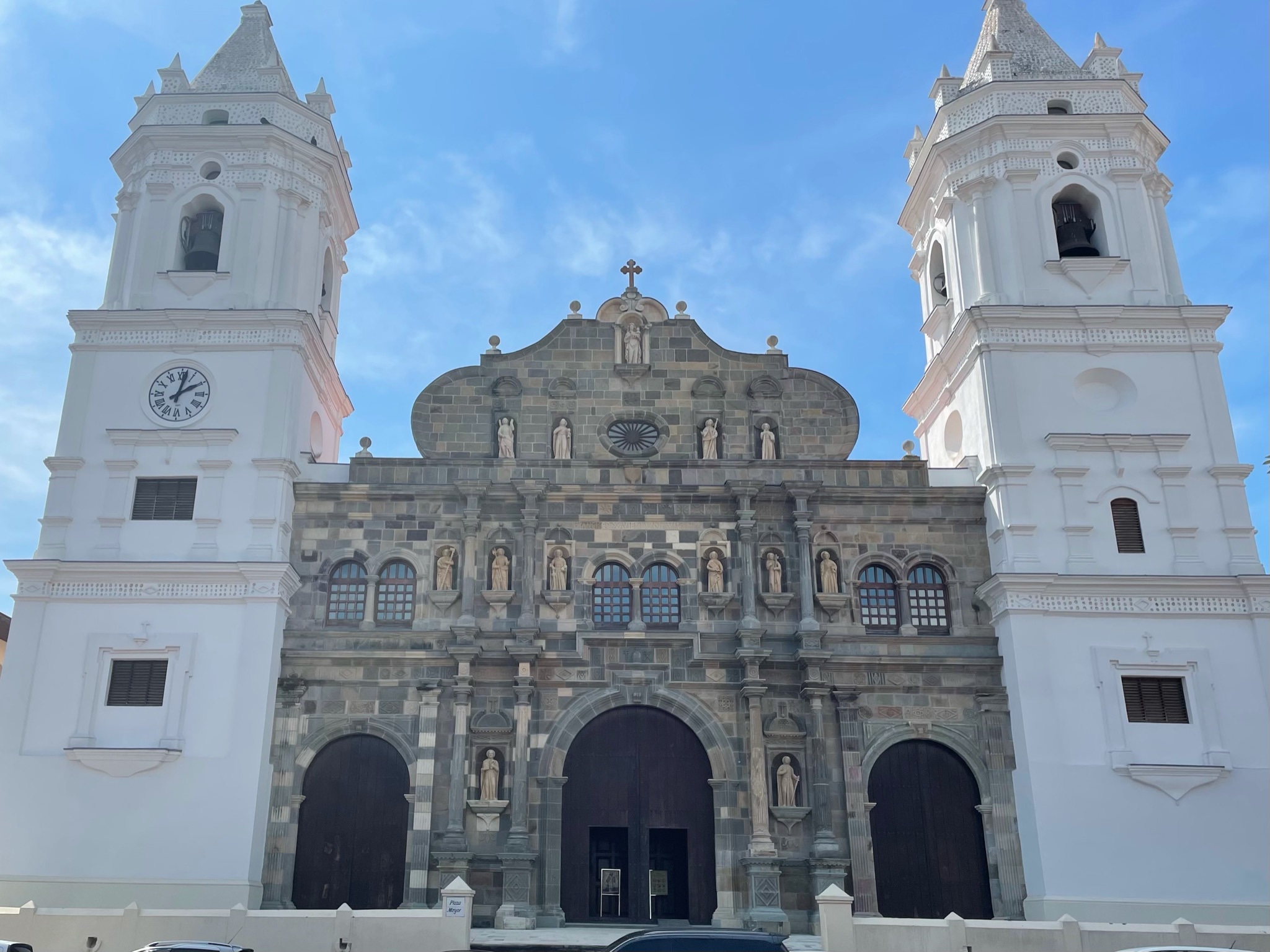
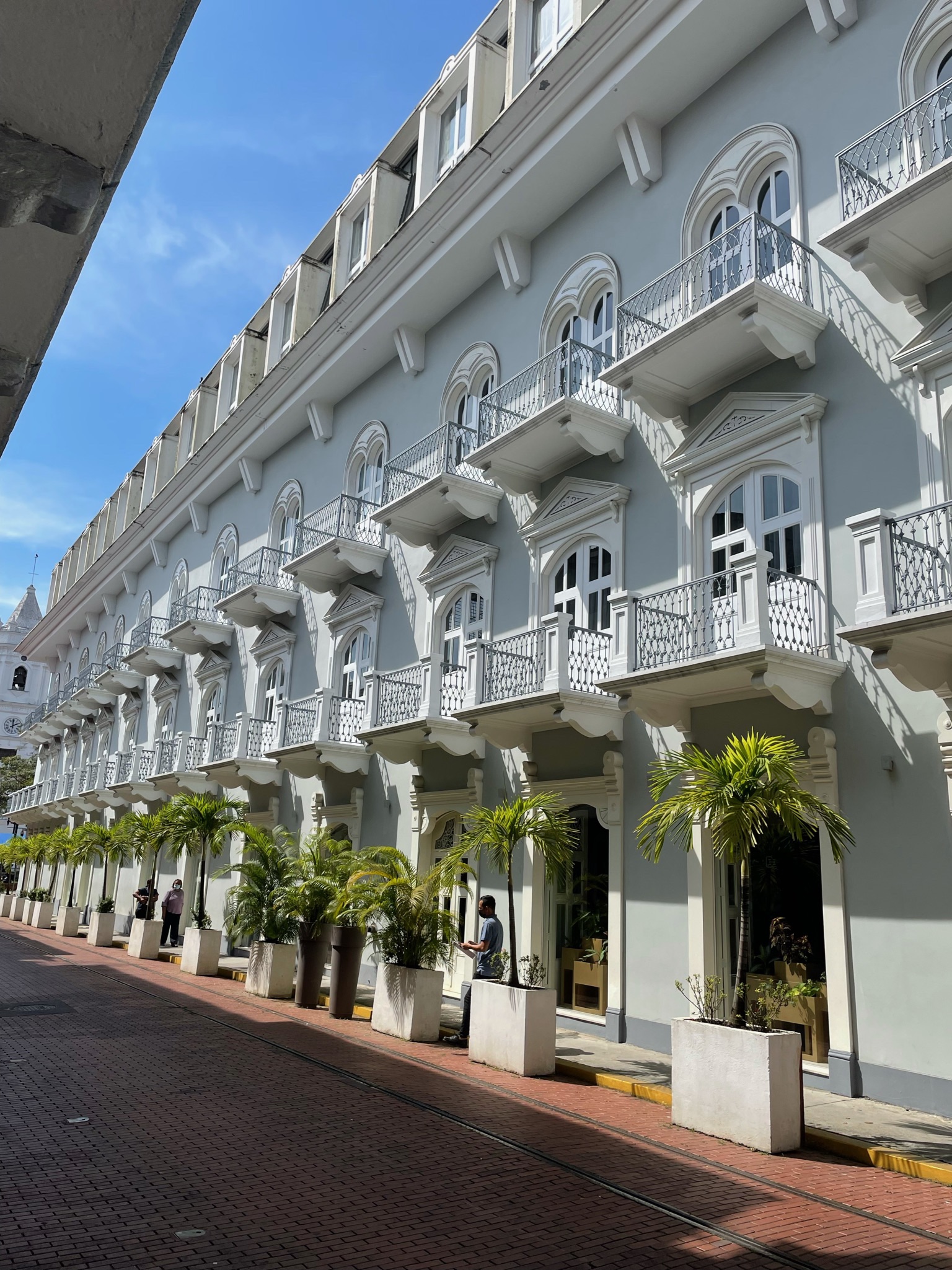
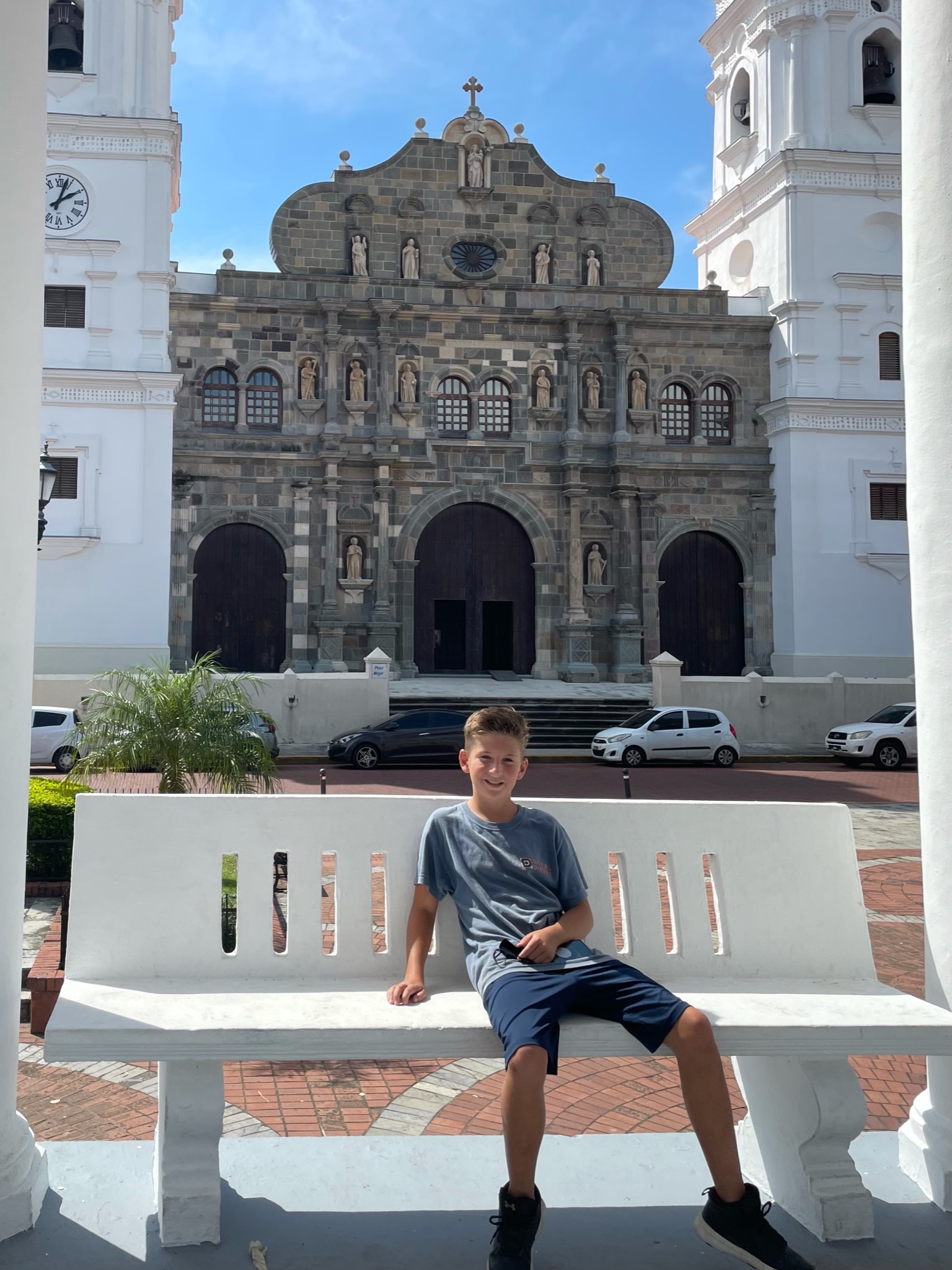
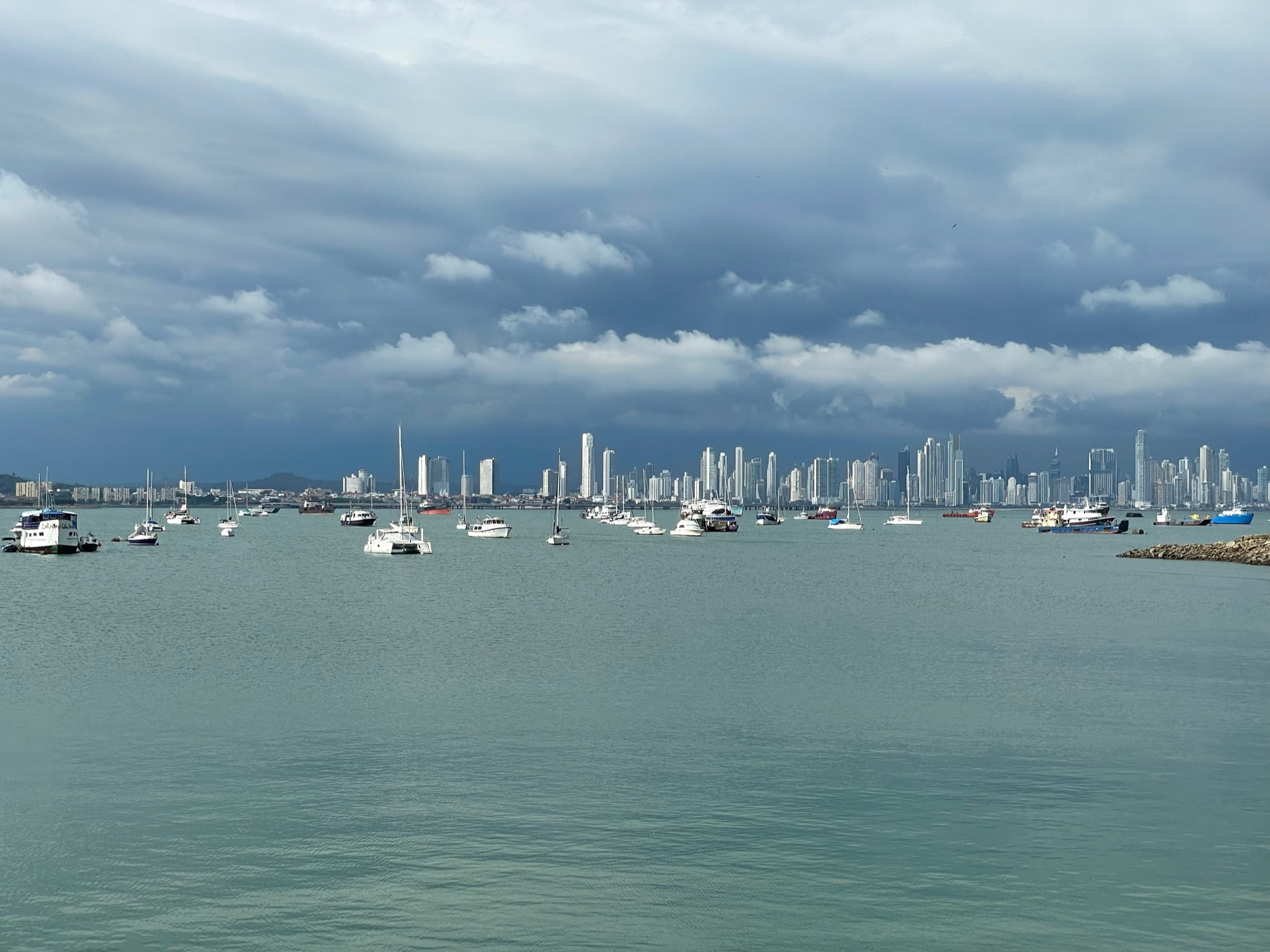
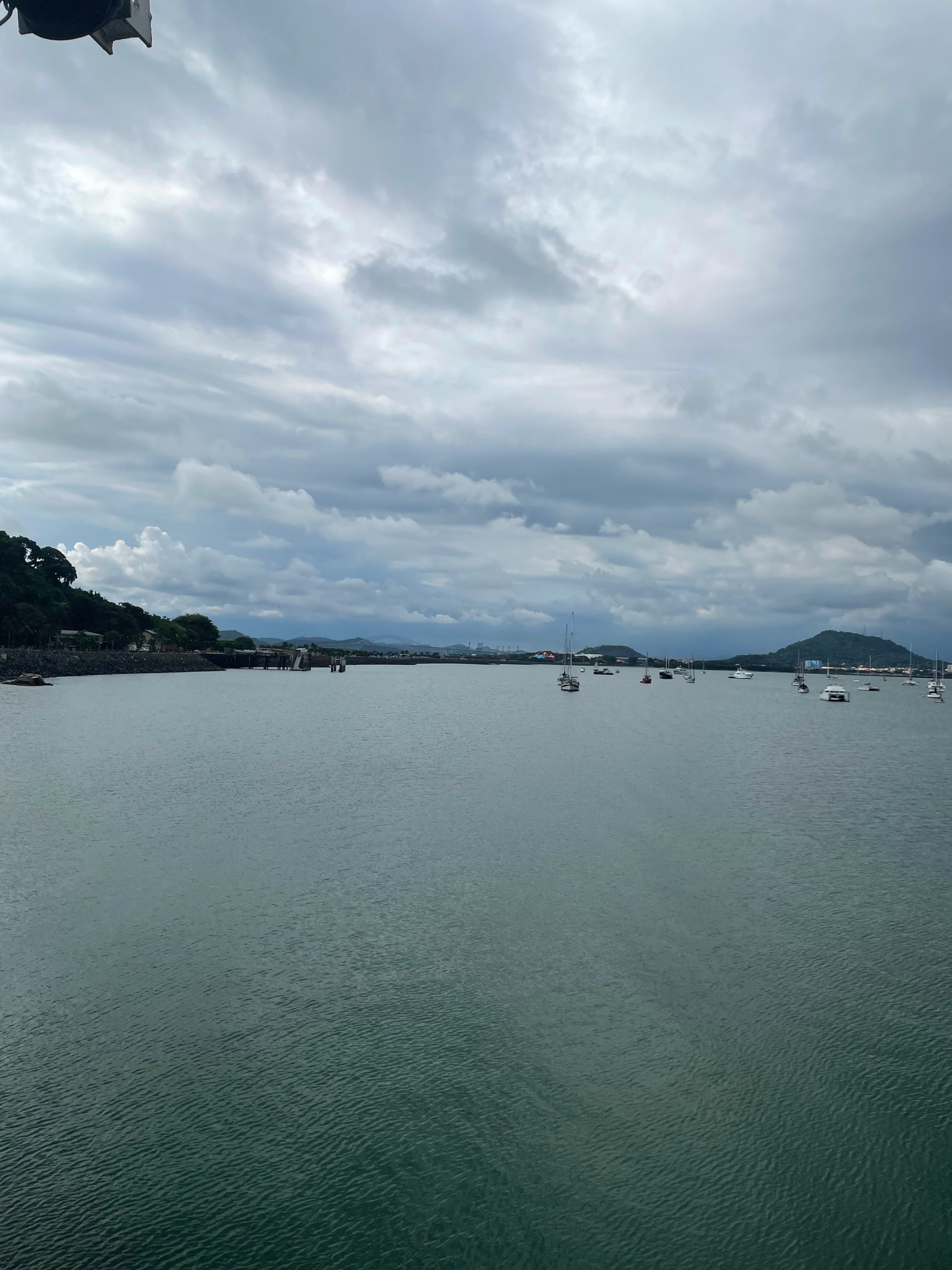
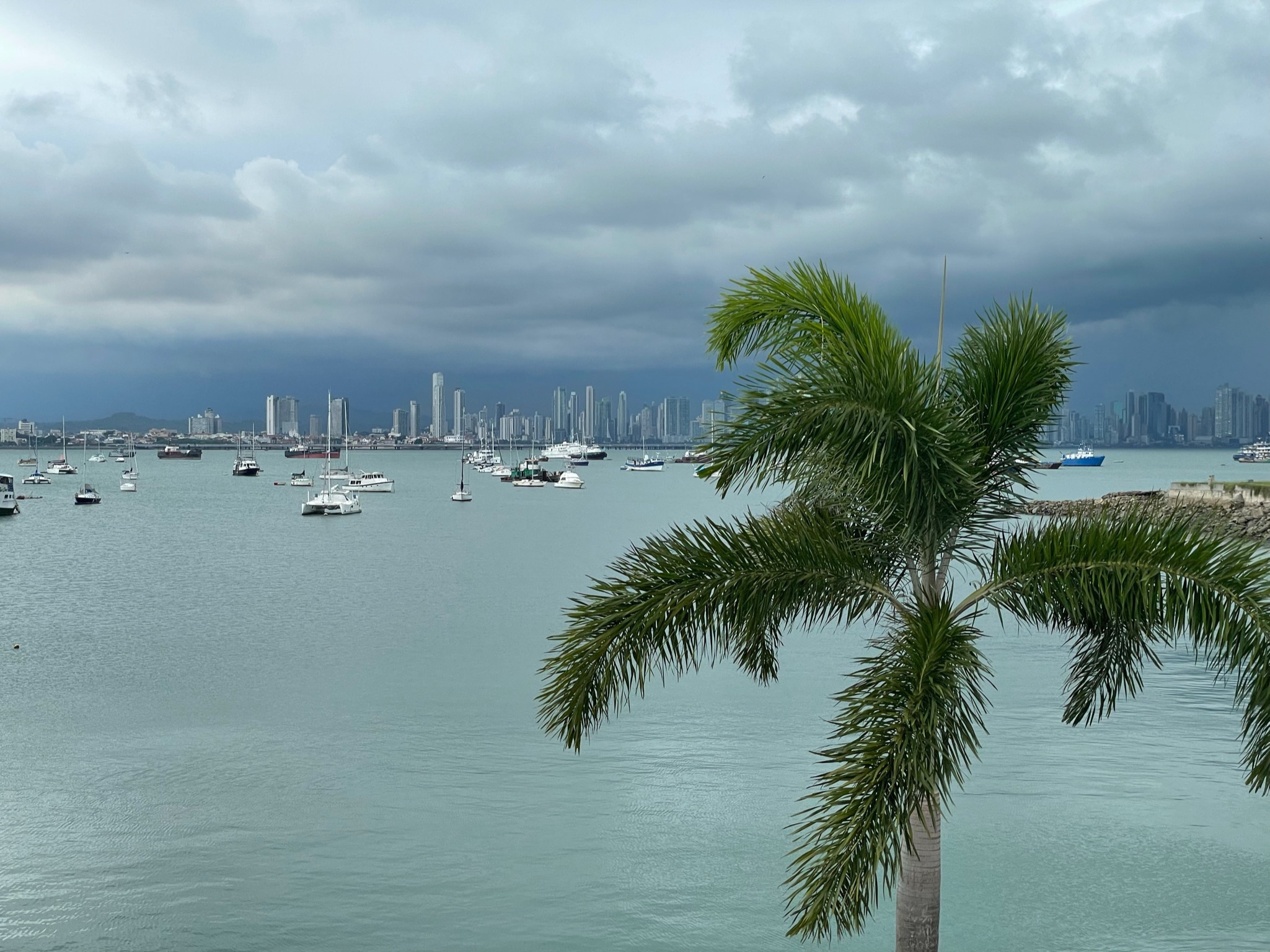
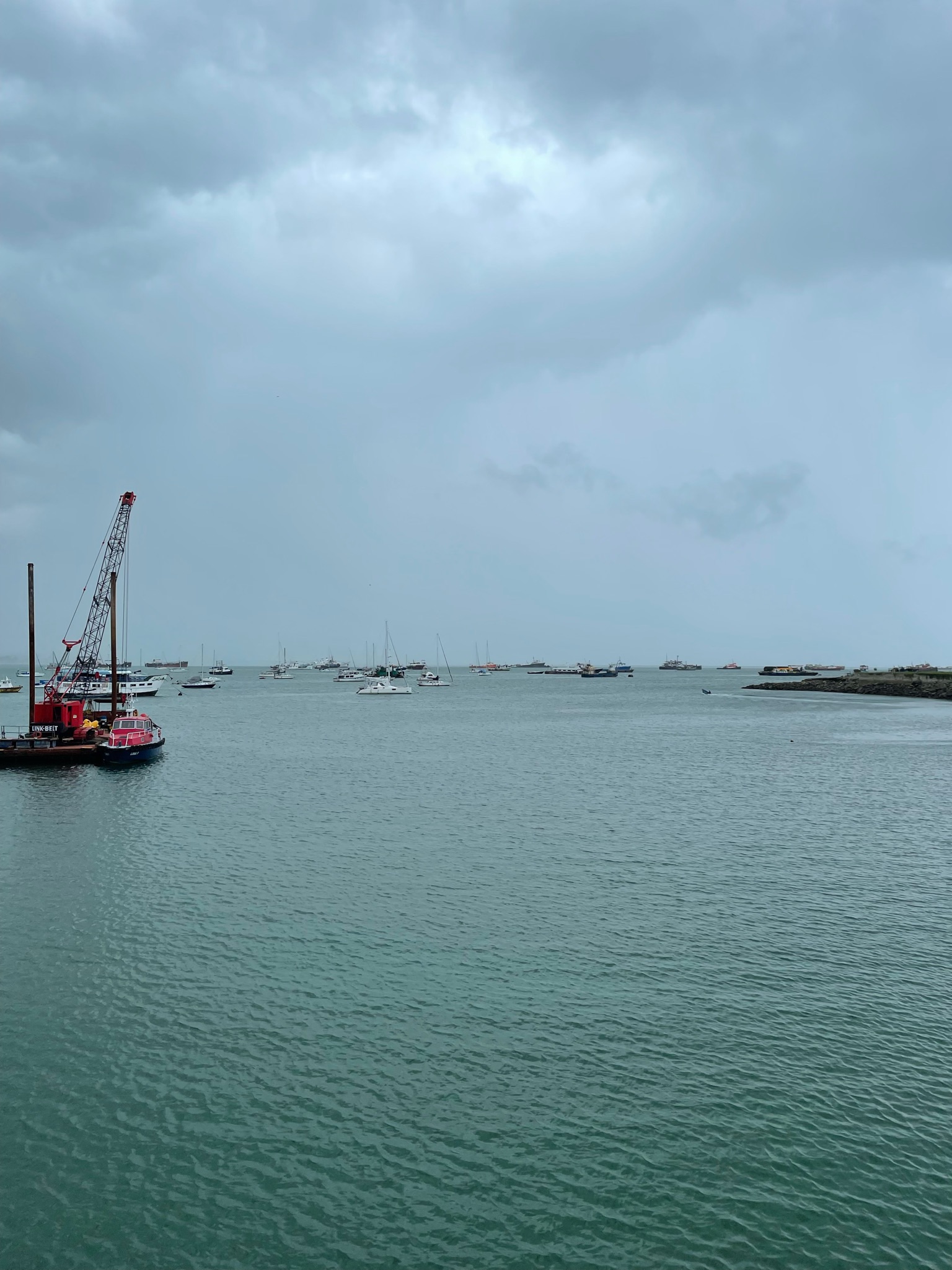
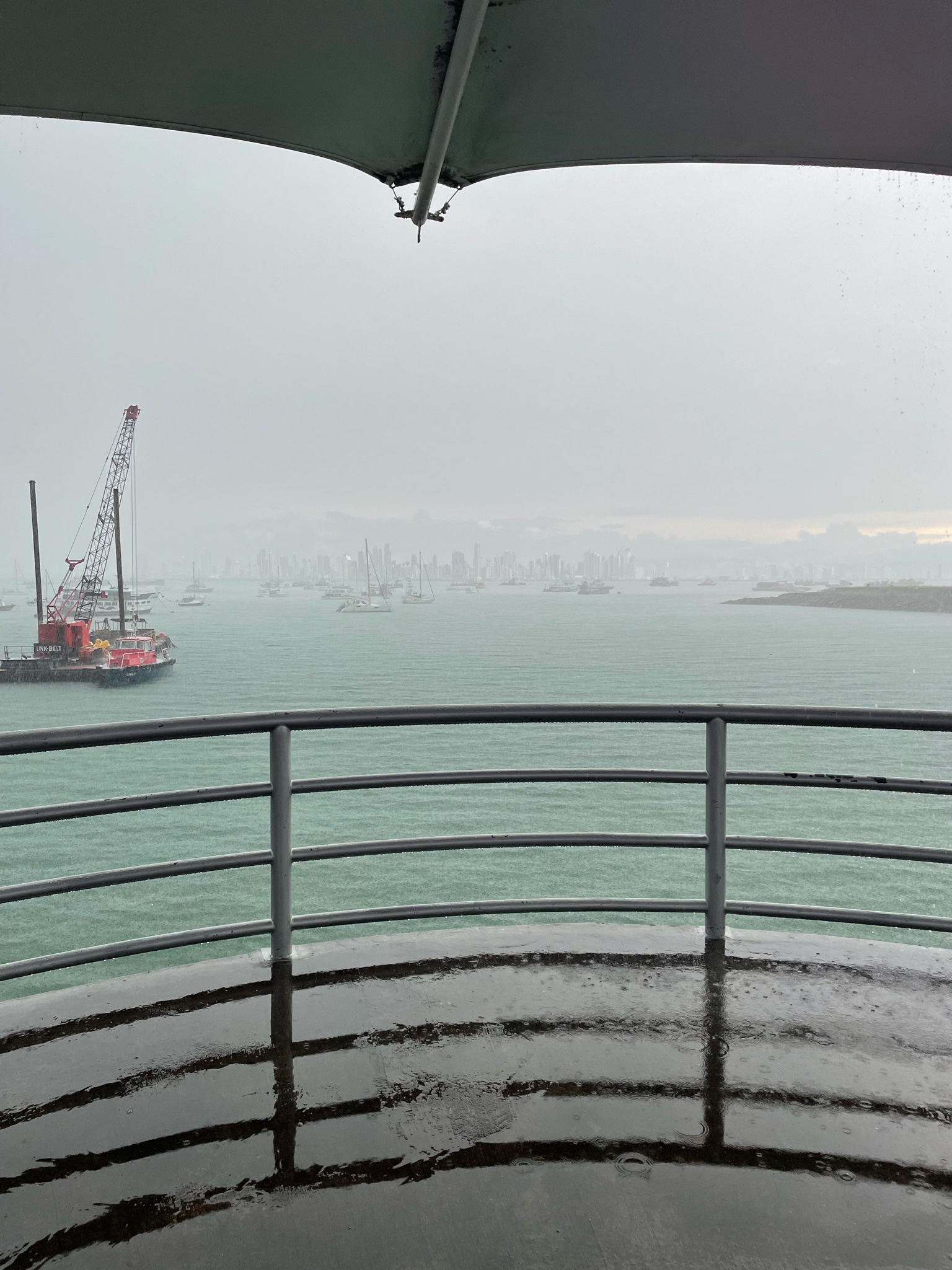
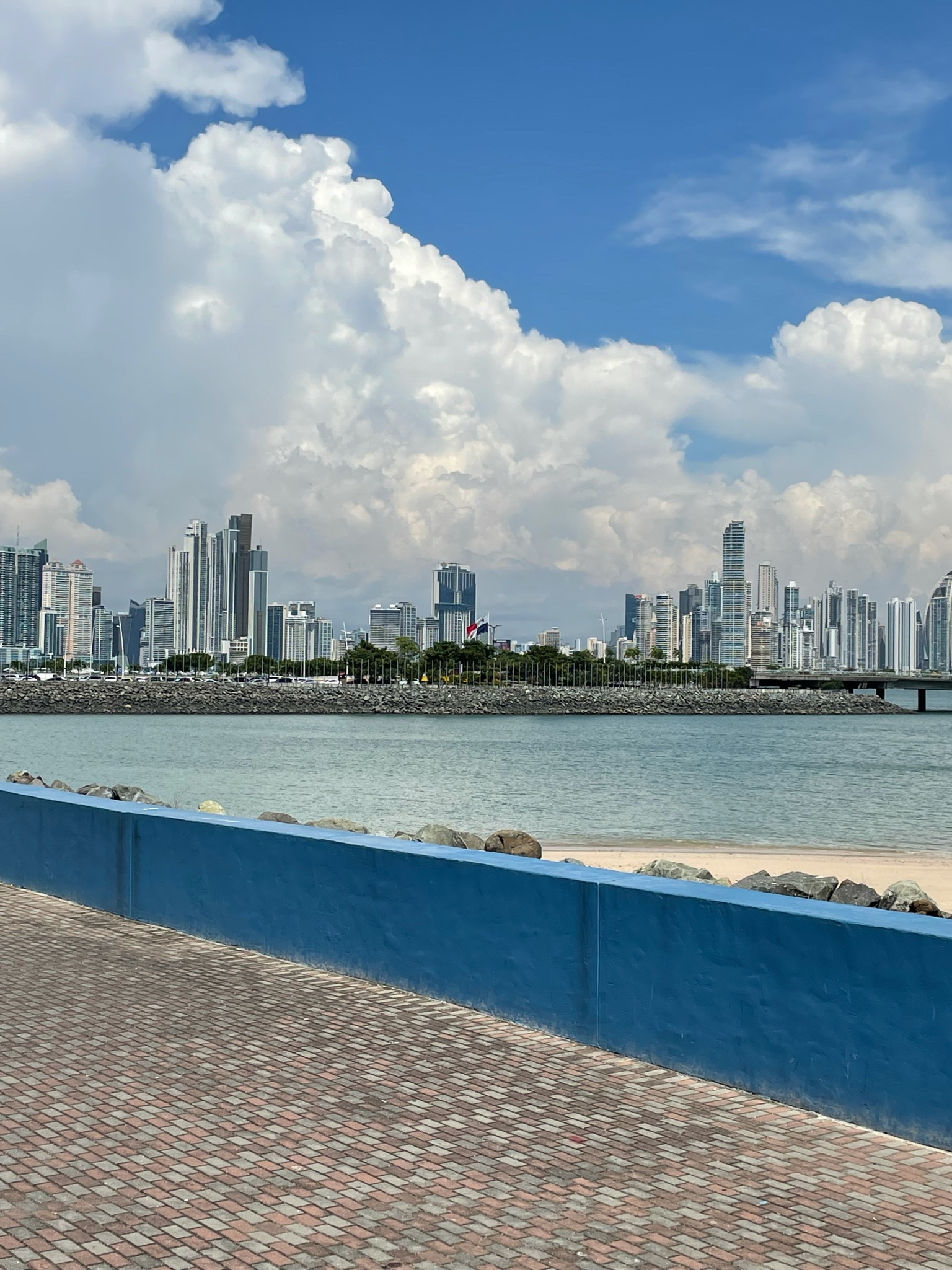
The old town was beautiful with its large colonial style buildings and cobbled streets. We explored a few old churches and parks in the area, and then we caught an Uber to the Amador Causeway because we had heard that the views were amazing. The causeway was built in 1913, just before the Panama Canal actually opened. There were four little islands off the coast, and debris from digging out the canal was used to construct the causeway in an effort to help protect the Pacific opening to the Panama Canal. The islands can now be reached from the mainland via the 4 mile causeway. Today the causeway provides a beautiful stretch where you can watch the ships waiting to transit the canal and enjoy the panoramic views of Panama City.
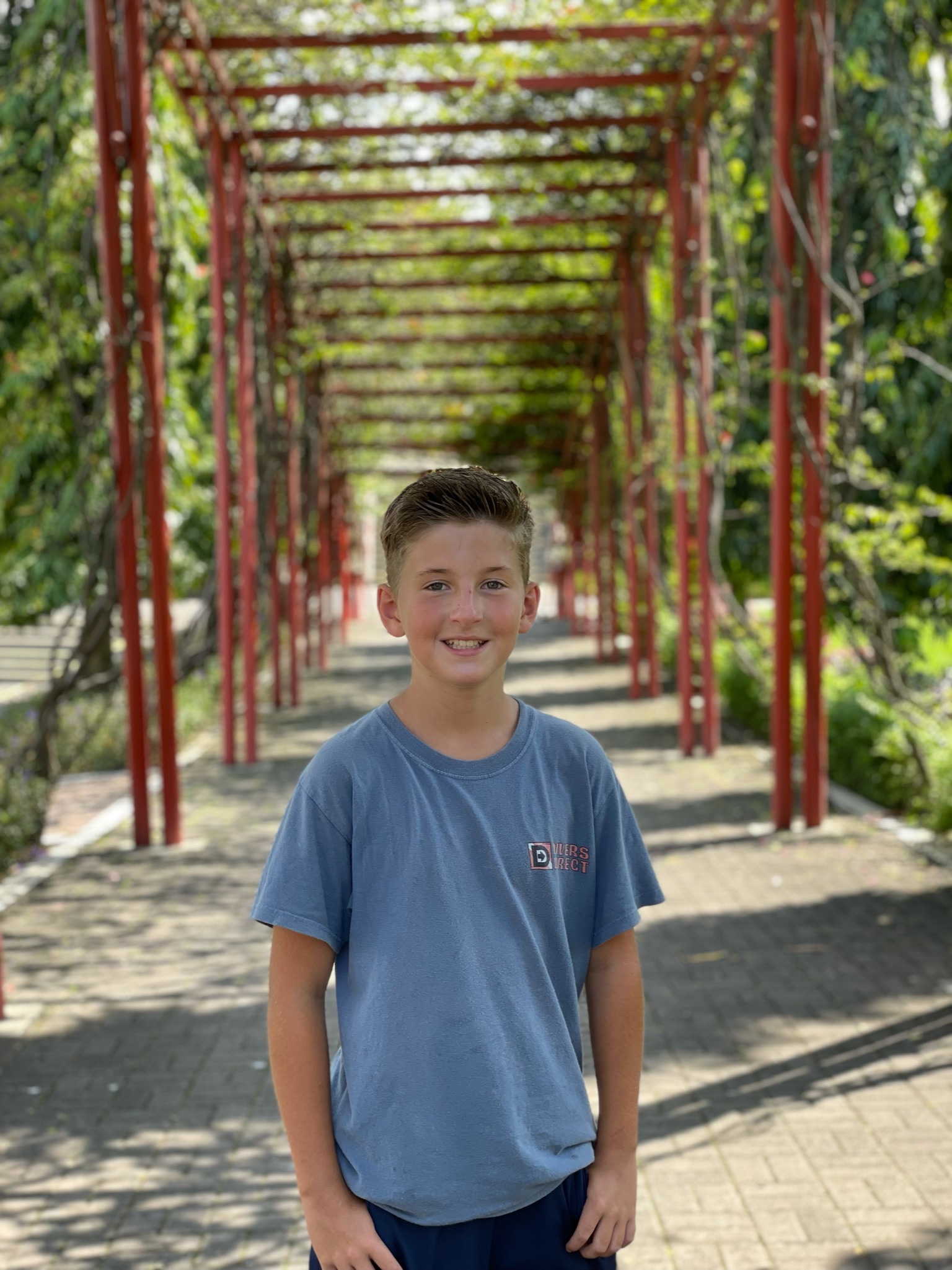
Panama has been wonderful, and it has been the closest we’ve felt to being home in the USA. The population was more diverse than anywhere else we have been. In many of the countries we’ve visited, we have been very obvious tourists. Here, there are people of every color, and we fit right in. The foods are very diverse as well, so we have been able to find lots of options to suit each of us. They even use the US dollar as their currency, so for a time, we haven’t had to worry about exchange rate math. While the US influence is obvious here, the people of Panama have a culture that is very unique. The ‘melting pot’ of Central America, just like the United States, has combined many cultures and traditions into one people, and the result is quite beautiful.

We really enjoyed our time in Panama, but there was so much more we wanted to see and do here than we could work into our trip. We wanted to snorkel in the the San Blas Islands. We wanted to walk the streets of Colon, a beautiful Caribbean city. And, we wanted to climb Volcan Baru, the only spot in the Americas where you can see both the Atlantic and the Pacific oceans. For now, we will just keep those things on our list, and hopefully soon, we can plan our second trip this wonderful little country.

Cruising through Costa Rica

Don’t listen to what they say. Go see.

– Chinese Proverb

Costa Rica has been on my bucket list for a very long time. It consistently ranks in the top three in the list of countries that US expats retire early to because of its tropical climate, it’s position below the hurricane zone, and its relatively low cost of living. Add to that a beautiful mix of mountains, tropical rain forest, volcanoes, and beaches, and the place is simply irresistible. Even our traveling friends who’ve been all over the world have talked at length about their love for this little Caribbean nation. So, needless to say, that this has been one of the destinations I’ve most been looking forward to on our adventure.

In our last post, we were wrapping up our time in Honduras. Henry really wanted to go to Nicaragua next to do some volcano sledding that his cousins had told him about. Brian wanted to go there because it is very inexpensive, and we could gain some traction on our budget. I was open to visiting it, but if we missed it, I wasn’t going to lose any sleep over it. After evaluating our travel options several times at length, we decided that financially, it just didn’t make sense for us to go there. It would actually be less expensive for us to backtrack into Guatemala, and then catch a flight over Nicaragua straight to Costa Rica than it would be to catch a bus into the country. This isn’t normally the case, but Covid has made this, among many things, more difficult.
So instead of catching a bus into Nicaragua, we started a long journey back to Guatemala. We caught the ferry out of Roatan back to the mainland, and then we spent two nights in La Ceiba so that we could firm up our plans and get our laundry done. We decided to take a bus back to San Pedro Sula because no matter how we decided to proceed, we would need to get to there first. We had avoided staying in this town because it’s one of the least safe cities in a not very safe country. Unfortunately, we didn’t have any other options. There is a nice bus (the Hedman Alas) that travels from San Pedro Sula to Guatemala City, but we discovered that we couldn’t get tickets to get us all the way there for several more days. We had found another bus company that could take us to Guatemala City through the east coast, but none of their route/cost information was online. Like many of the bus companies in the area (and there are hundreds of them), you simply have to show up at the station with cash in hand and buy your ticket. By the time we could arrive in San Pedro Sula, we wouldn’t know if their last buses for the day had already gone out. So we opted to stay one night there and leave as early as possible the next day.

Our host in San Pedro Sula, Blanca, was great. She picked us up from the bus station, brought us to her home, and introduced us to other guests staying with her, as well. She showed us to our room and then gave us directions to two shopping malls within walking distance. She said that her neighborhood was safe and that we would be okay walking to the malls. Both had food courts where we could find a variety of options for dinner. We opted to go for an early dinner so we would be safely within her gates by dark.

The mall was very nice, bright, beautiful, and full of stores we recognized, and it was easy inside to forget that the city had a reputation for crime. We ate American foods and shopped around for a replacement camera for Henry for a bit. After a few hours, we walked back to our hostel to shower, pack up for our next day, and get a little sleep.

The next morning, we enjoyed our breakfast with our host and her family. After breakfast she made some phone calls to help us figure out the bus schedules for the day, and then she drove us to the bus station to catch our next bus. Based on their schedule, the bus was supposed to leave at 10:30, and we arrived at their ticket window at around 10:10. The line was excruciatingly slow, but we finally made it to the window. While I dealt with the paperwork, Brian speed-walked to the nearest ATM to get cash for the tickets. We watched the time tick by, anxiously hoping we would still be able to make the bus. When we finally had the tickets in hand, we rushed outside to the bus lanes expecting to immediately board only to find that our bus was not there.

The San Pedro Sula bus station is incredibly massive with hundreds of busing coming and going at any given time. Riders wait out in the heat with their luggage for their bus to arrive. Unfortunately the buses aren’t always labeled properly, and there’s no apparent organization to their locations. In order to find your bus, you have to look for your style of bus (sometimes you can find a picture of them), ask the drivers of each bus, or try to find an attendant (who is not dressed in any bus station uniform) to ask. It’s crowded, hot, and extremely hectic. On top of that, our bus was almost an hour late pulling into the station; we weren’t sure if it was late or if we had missed it altogether. There was one man that seemed to work at the station that kept assuring us that the bus was on it’s way. However, he didn’t speak any English, and we didn’t have phone service to use our translate app. Each time he told us it would only be a few more minutes, our confidence level dropped a little more. It was awful, and we were very stressed standing there trying to figure out what to do next.

Our bus finally did show, though, and we boarded with no problems. We pulled out of the station and had driven about ten minutes away from the terminal when the driver pulled over to the side of the road. At first, we weren’t concerned; we just enjoyed the air conditioning as we relaxed knowing that we would be in Guatemala City by around 8 pm. An hour and a half later, we were still sitting on the side of the road ten minutes from the bus station. We had a flat tire and the driver was having it repaired. With another 8 hours of drive time ahead, we were getting antsy, and it was clear that it was going to be a long day. Oh, but we had no idea!

We hit the road again, and we had a really good trip to the Honduras/Guatemala border. This border was different from any others we’d seen in that it was absolutely packed. The line for each country wrapped around opposite sides of the building. Our driver called each of us by name and had us go to the Honduran immigration line. It took us about two hours to get to the front of the line and spend our one minute with the official. We then moved over to the Guatemala immigrations line to wait another hour. Hot, hungry, and tired, we boarded the bus for the final 5 hour leg of the trip.

At around 11 pm, we were all resting peacefully when our driver slammed on the brakes and we heard a terrible crash. I prayed that no one was hurt, and then I prayed that God would just stop this craziness. All I wanted was to be in a hotel bed and off of this stupid bus, but we were still two hours from Guatemala City, and I had no idea what would happen because of the accident. Lookie-loos got off the bus to check out the damage, but as soon as we figured out no one was hurt, I really didn’t care. We think we rear ended a semi truck, but we still aren’t sure. I don’t know if we did any damage to the other vehicle, but the windshield of the bus was cracked and broken. The bus was functional though, and about a half hour later, broken windshield and all, we continued our journey.

Remember how we hoped to get to Guatemala City by 8 pm? Well, at 1:30 am, we finally rolled into the Guatemala City bus station. We hadn’t had lunch or dinner, we were exhausted, and we had no where to go. We hadn’t booked a hotel because we wanted to make sure we could get to the town first; after we finally got our bus tickets, we never had WIFI to find a place to stay. And I should mention that hotels in Central America are very different from those in the US. In the US, there is almost always someone on duty, and so long as the hotel has vacancy, you can show up, ask for a room, and get a place to stay regardless of the hour. In Guatemala, like all of the other Central American countries, check-in at most hotels has limited hours, and after that, you’re just out of luck. As Brian and Henry retrieved our bags, I talked a local taxi driver out of the WIFI password so I could find somewhere for us to go. Apparently, finding a place to stay at 2 am isn’t an easy task. No one would answer the phone, and I couldn’t book online because the websites recognized the date and wanted to help us find a reservation for that night instead. We were sharing the taxi with a fellow bus rider who spoke a little English and who also didn’t have a hotel. After 30 minutes of searching and calling with no luck, and me doing my very best not to freak out, our taxi driver told us he knew of an ‘economical’ hotel. Thankfully our new friend agreed to coordinate with the driver for all of us to go to the drivers suggested spot.

Twenty minutes later, we parked outside a locked gate, and the driver yelled through the barred windows of the hotel’s front wall to wake the reception attendant. Reluctantly, the attendant let us in and gave us rooms for the night. Of course, he only took cash, and we didn’t have enough Guatemalan money to pay for the room in cash, so while Henry and I waited safely inside the hotel gates, Brian went with the driver to find another ATM.

At around 2:30 am, we finally stretched out in our beds to rest. The sun comes up in Guatemala at around 5 am, and we knew that while desolate and quiet at that time, the street in front of the hotel would be bright, bustling, and loud very early. We were right, by the way, but even with the light and noise, we all slept in until 7 or so.

Early that morning, our next order of business was to get our tickets to fly to Costa Rica and to figure out how we’d get to the airport. We bought tickets for a direct flight into San Jose, Costa Rica, that would leave at 6 am the next morning. We decided to move to a hotel a little closer to the airport so we wouldn’t have to get up quite so early for our flight. Our Uber driver dropped us off at our new hotel at around 1 pm. This hotel was very nice, but it wasn’t close to any restaurants. We took the advice of the reception attendant and had a pizza delivered to our room instead of going back out. She made the phone call for us, thankfully, and we ate enough to make up for the meals we missed the day prior.

Then she dropped the bomb on us. In Guatemala, you have to be at the airport three full hours before your flight departs. We weren’t far from the airport, but in order to make sure we met their requirements, she scheduled the taxi to pick us up at 2:30 am. That night, we were all exhausted, and thankfully we went to sleep with very little issue. The alarm was miserable though, and we all struggled to get moving again.

Our taxi driver was waiting patiently at the hotel gate for us at 2:30 that next morning. He dropped us off, and we started the process of going through the airport. To be fair, this process isn’t much different than in the US, but the line grew quickly behind us and I’m sure wait times grew to staggering amounts throughout the day. The only issue we encountered was at the ticket counter. Costa Rica, like many countries, requires that you show proof of onward travel before you are allowed to come in. We had a letter from Quark Expeditions about our Antarctica trip, but we couldn’t get the clerk to understand that the trip was proof we wouldn’t be in Costa Rica more than our 90 government allowed days. Our only option was to book a flight, show him we had a paid reservation, and then cancel it afterwards. And that’s exactly what we did. While standing in line, the agent watched as Brian booked us tickets to Panama. After we landed and got through Costa Rican immigrations, we immediately cancelled the tickets.

Now, we fly Southwest Airlines quite frequently, and I love flying with them, but the Copa Airlines flight was really great. The seats were very roomy. Each seat had a built in tv in the headrest, and boarding was very easy and very laid back. I could get used to that. Our flight was smooth and enjoyable, and it only took an hour and a half to reach our destination. We went through immigration with no issues, and then we headed to baggage claim to pick up my bag. Unlike Southwest, with Copa, your checked baggage does not fly for free, so in order to minimize our costs, we combined all of our toiletries into one bag so we could only check that one. Henry carried my shoes in his bag, and Brian took my cold weather clothes in his bag. I had all of my warm weather clothes, all of our toiletries, and our first aid kit. Brian had commented from the plane that he’d seen my bag get loaded in the cargo area, so we knew we had it with us. But at baggage claim, we waited and waited, and it never showed up.

A very helpful young man in the baggage claim area helped me fill out a report, and he assured me that my bag would be there within a day or so. They had my information as well as our host’s info, and they would call or email as soon as they heard anything.

After taking an Uber to our apartment, we dropped our bags and went to find some lunch. Our new hosts, Tony and Katherine, were very helpful and pointed us to a nice outdoor mall area with plenty of options. We spent a few hours exploring and then went back to our room to relax. That evening, we walked to the local market and picked up some groceries so we could eat at home and let Henry do some schoolwork.

At around 11:30 pm, true to their word, Copa Airlines called to let me know they had my bag and their driver was bringing it to me. Another difference from the US and Costa Rica is the lack of a well defined 911 address system. I’m sure they have a system, but I don’t know what it is. Our hosts had given us a ‘neighborhood’ name and the instructions to give the driver who delivered us. Now, it was 11:30 at night, I’m half asleep because I was very soundly sleeping when he called, I’m on the phone with the driver who speaks very little English, and I’m trying to explain how to find this apartment in a town I don’t know. Our delivery person was very patient though, and I was grateful for him. At some point, Brian and I unlocked the gate at the garage, and I stood at the gate while Brian tried to flag the driver down on the main road like a crazy person. The driver finally saw Brian, could hear me telling him to look for the man in the blue shirt in middle of the street, and turned around. A few signatures later, I had my peace of mind and my bag back.

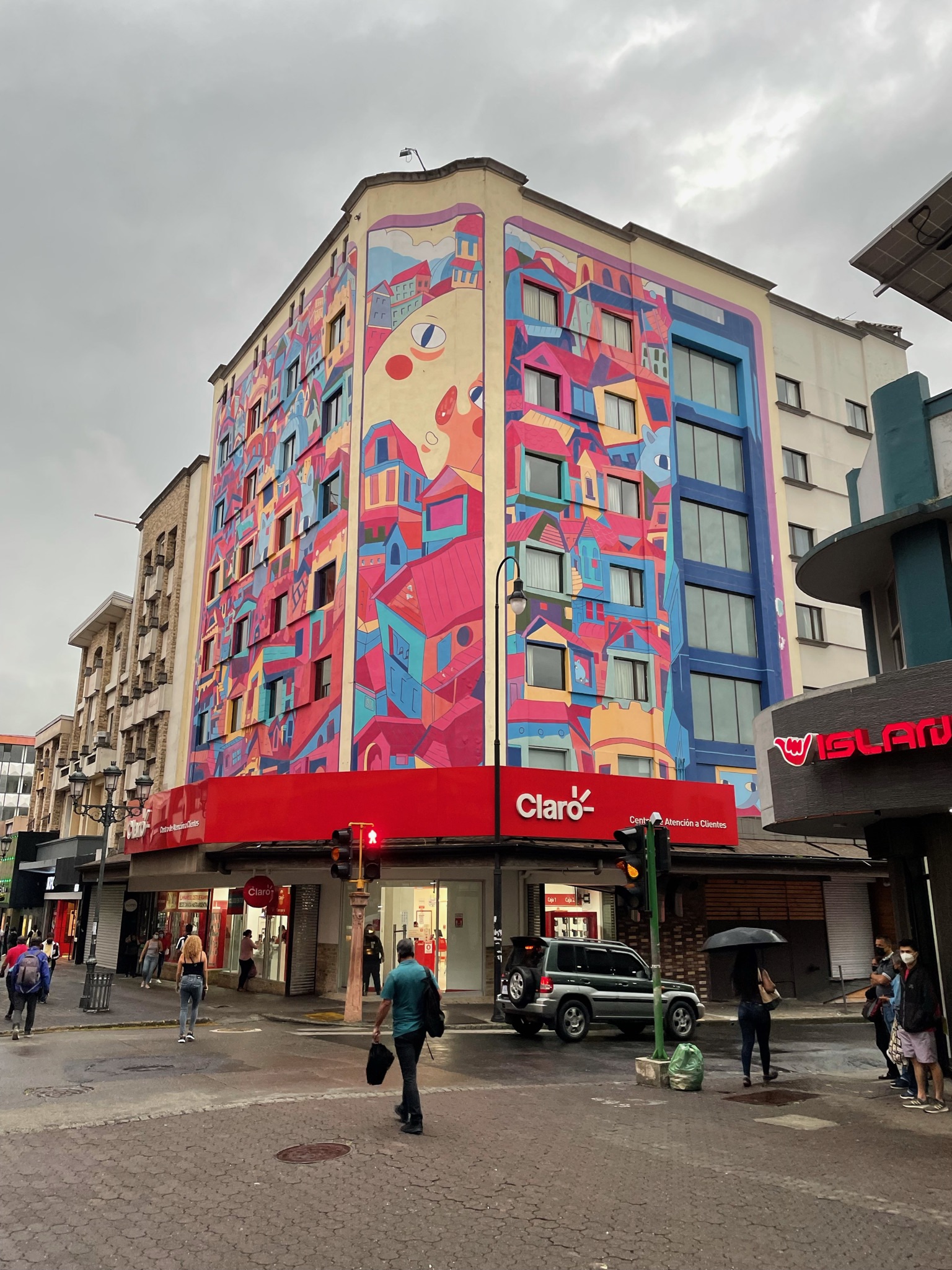
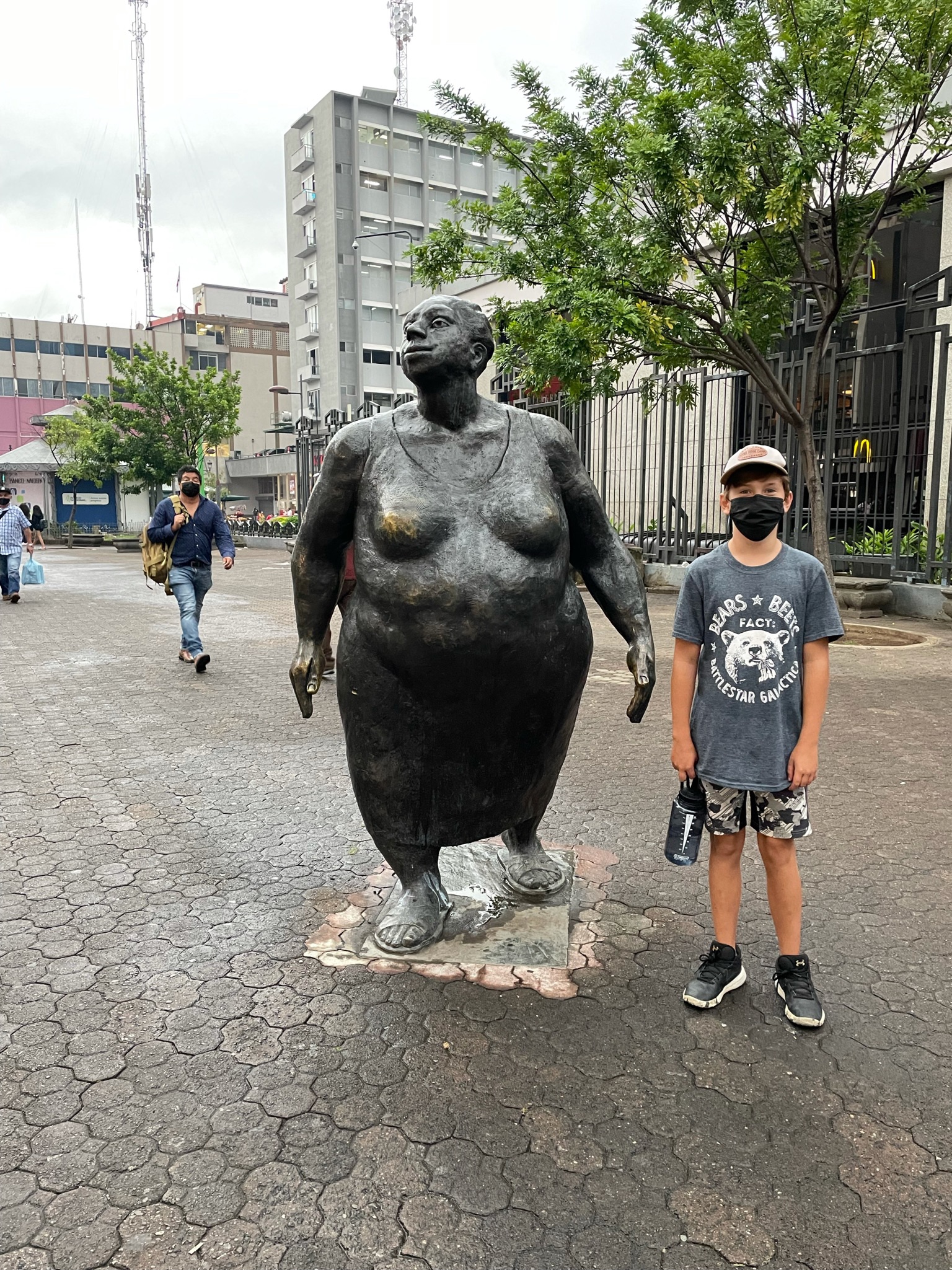
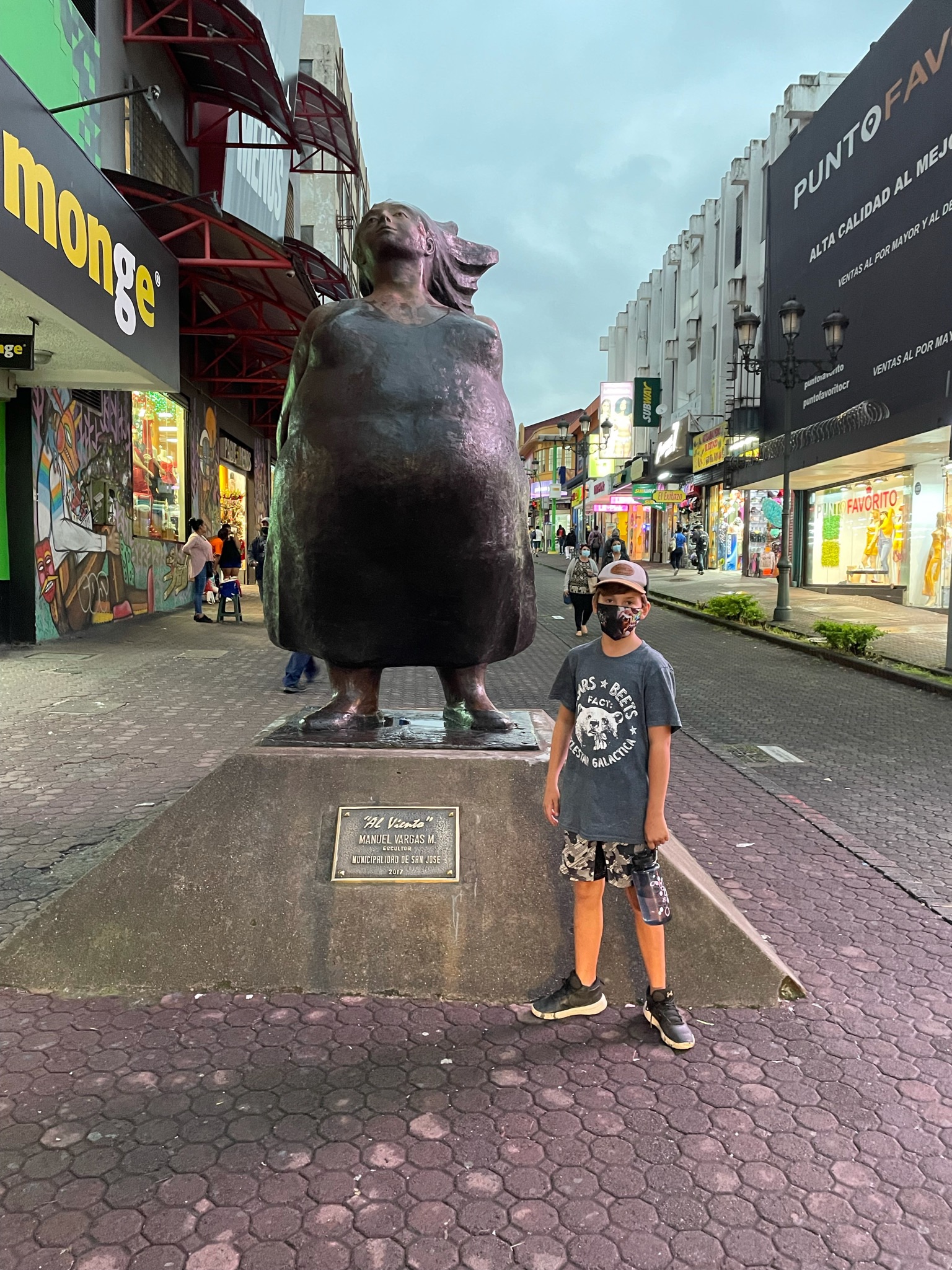
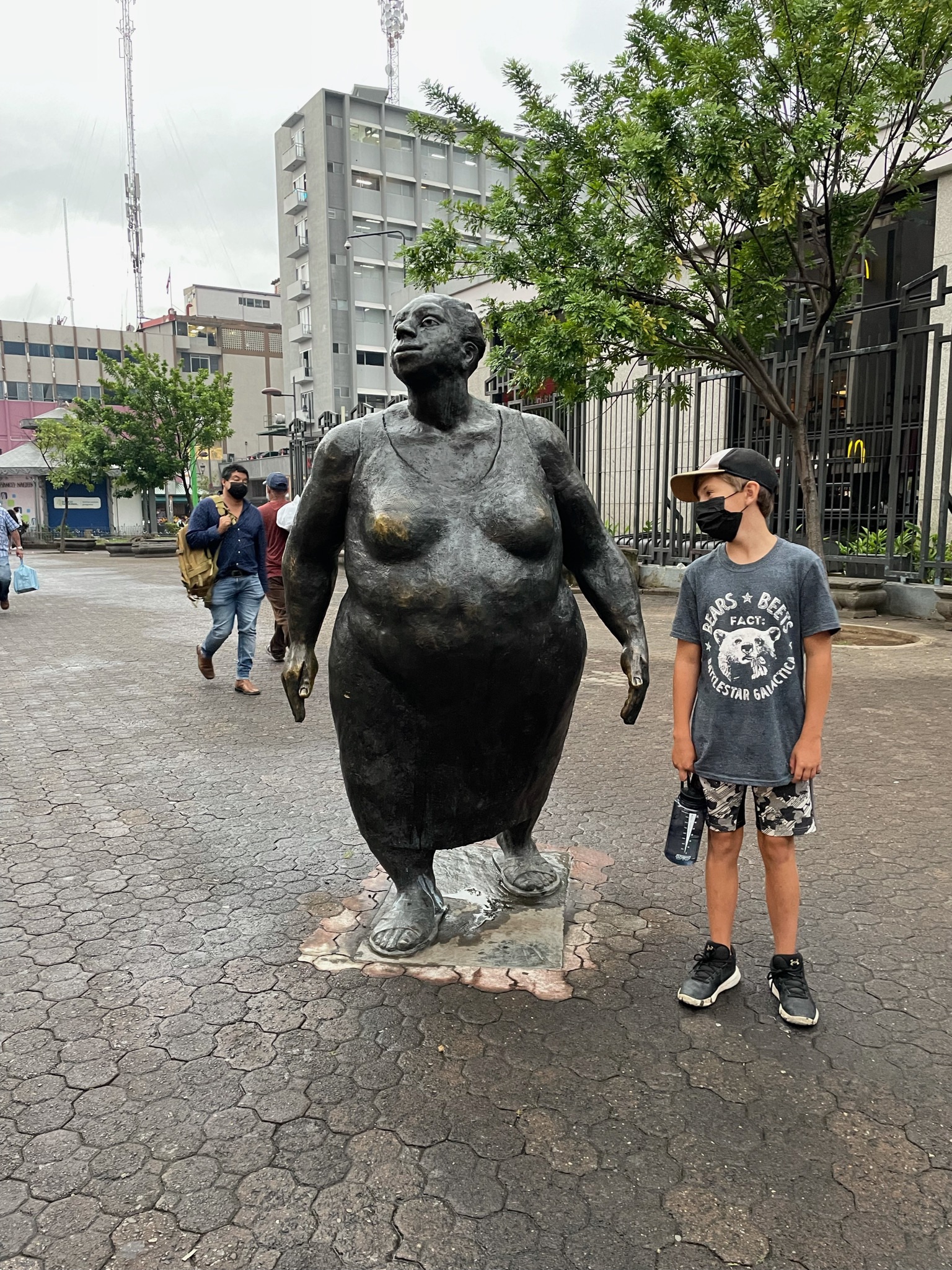
The next two days were very low key as we caught up on rest and school. We explored more of Alajuela, the suburb we were staying in, on one day, and we visited Avenida Central in San Jose on another. Avenida Central is a main road in San Jose, and the city has marked off about a mile long stretch for pedestrians only. There are literally hundreds of stores, restaurants, and banks in the area to lure in the tourists.

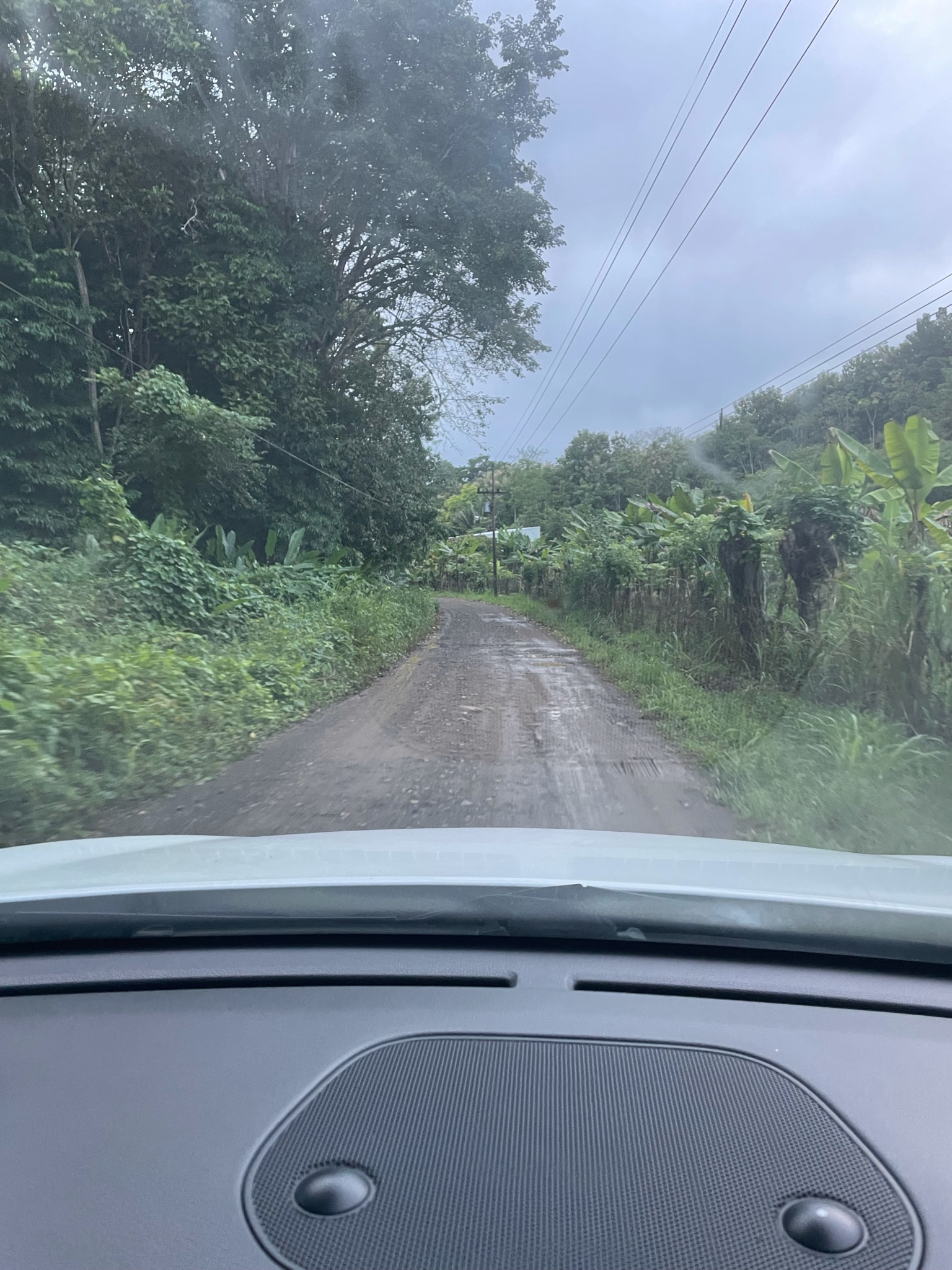
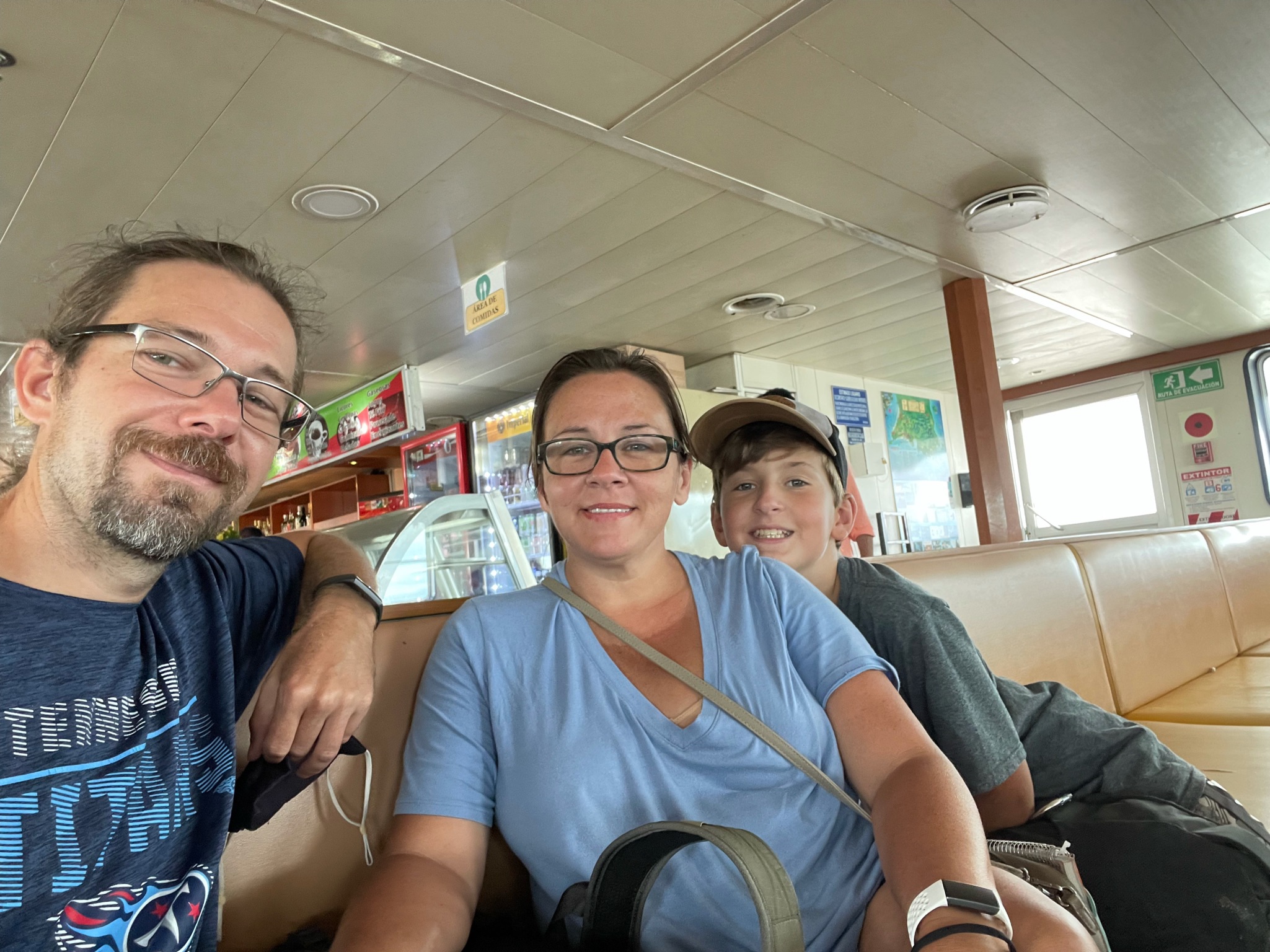
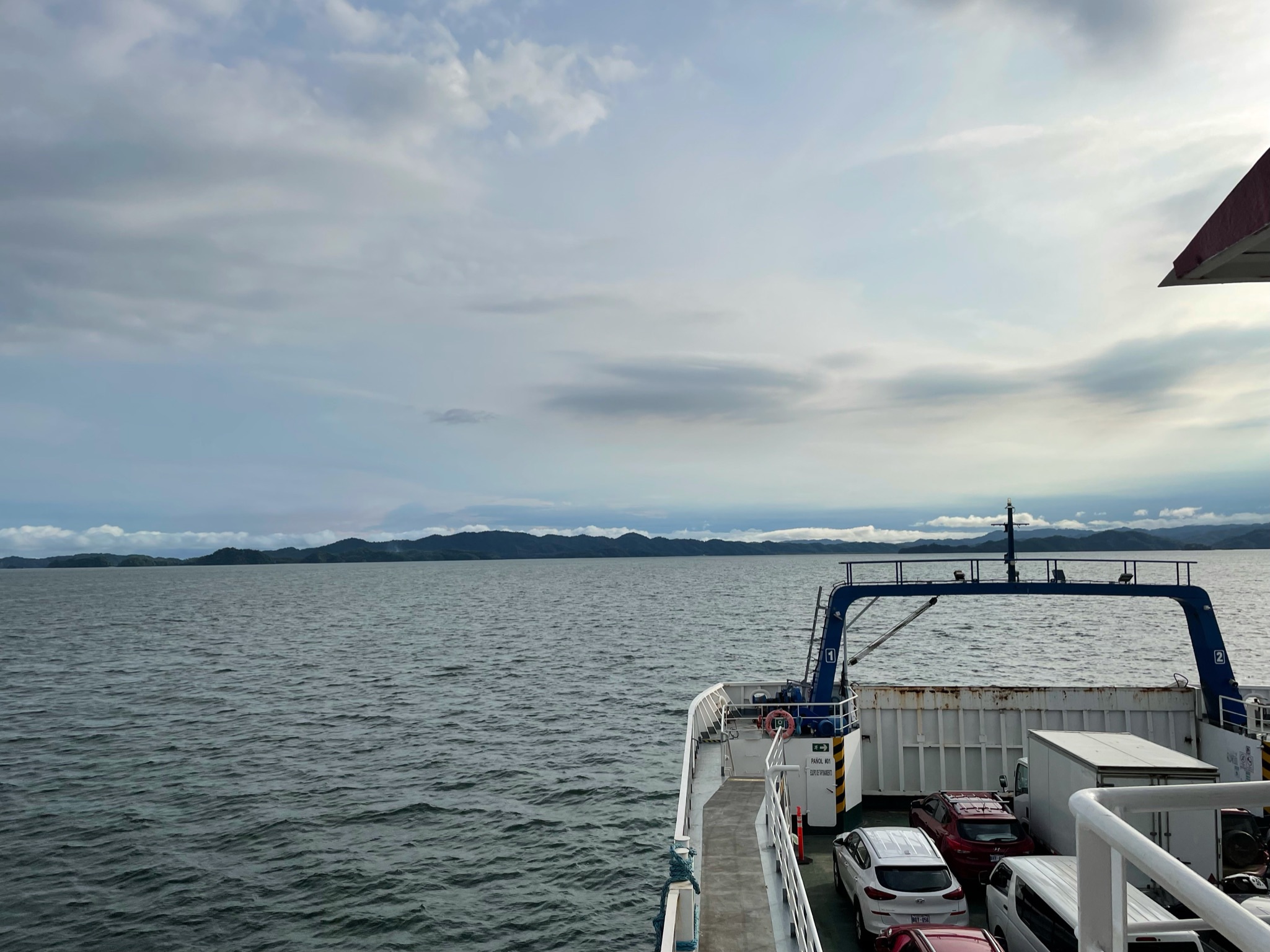
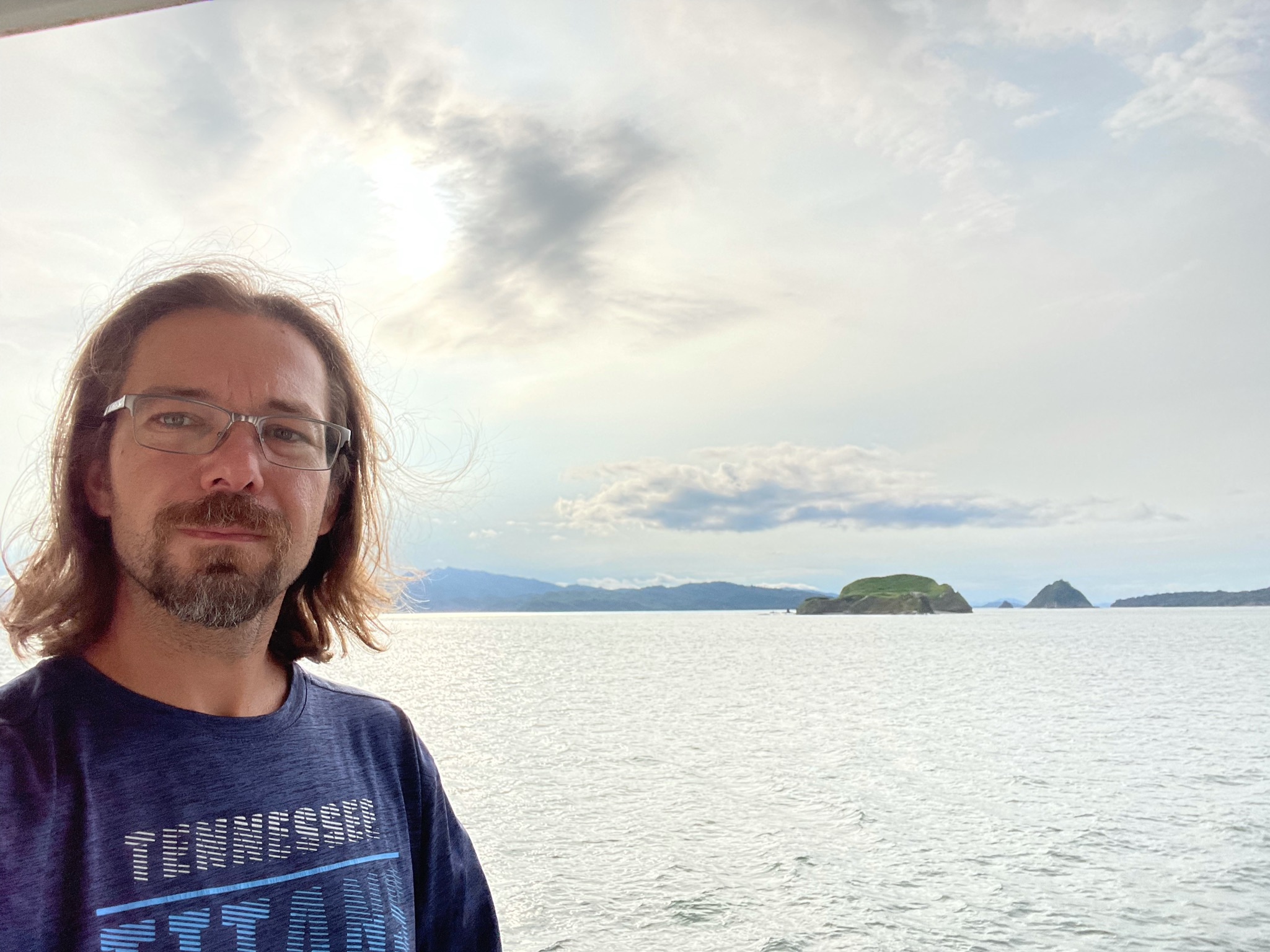
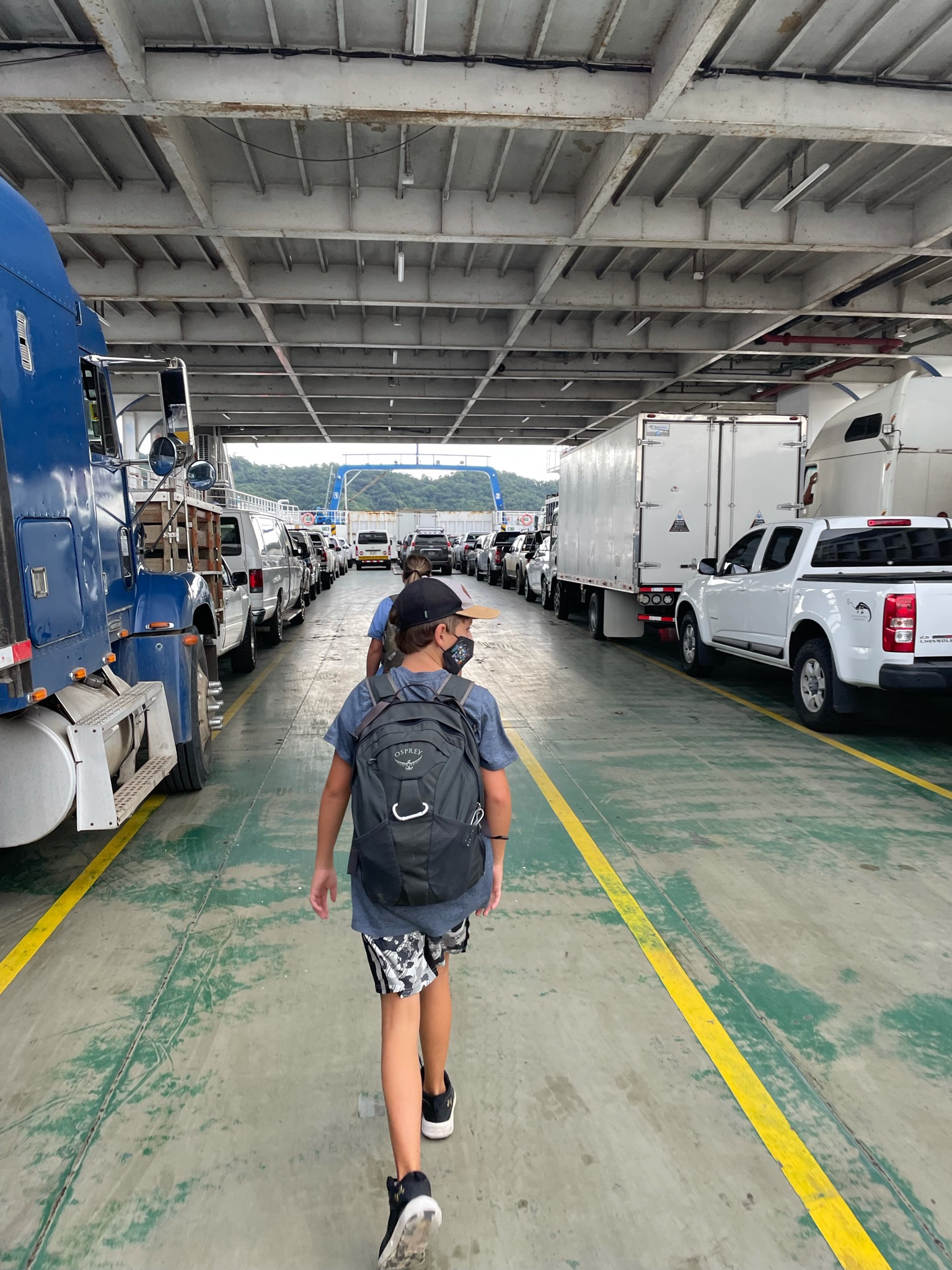
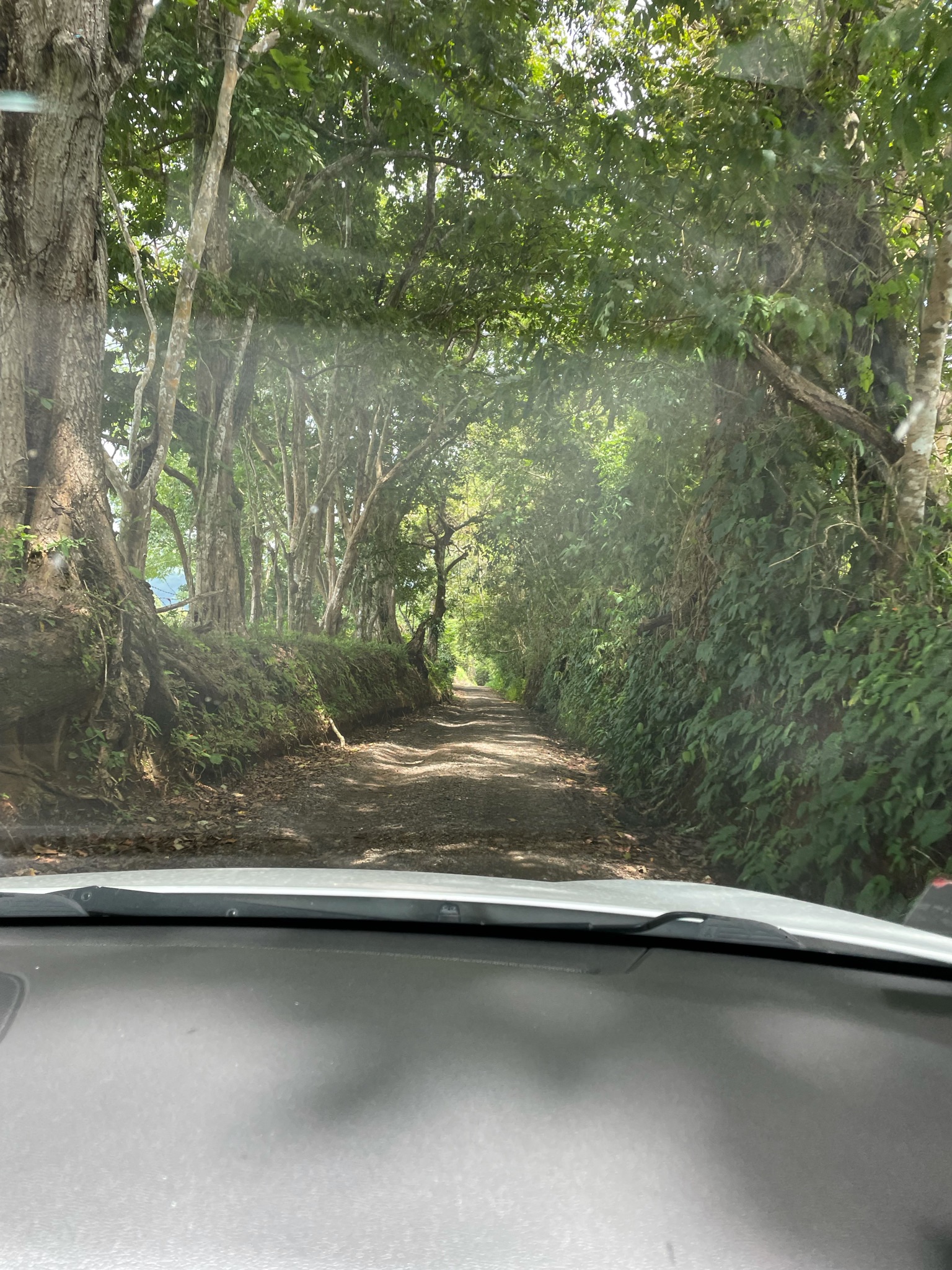
We liked San Jose and Alajuela, but we wanted to see more. We decided that the best way to really experience Costa Rica was to rent a car and head out on our own. Our rental company recommended that we get a vehicle with four wheel drive after he heard our plans, and I’m glad we did. They dropped the SUV off for us at our apartment, and we began the five hour drive to Santa Teresa. Santa Teresa is a small beach town on the Pacific coast, and it lies on the southern end of the Nicoya Peninsula. About 2.5 hours in, there is an hour and twenty minute ferry that crosses from the mainland to the peninsula and cuts a significant amount of time off the trip. After grabbing some BBQ chicken and beef kabobs from a street vendor outside the ferry station, we drove our SUV onto the boat, and then settled in on the top of the boat for an extremely comfortable and beautiful trip. Once we landed again, we worked our way through the winding roads. At one point, we drove until we stopped at the bank of a raging river. It took us a moment to put together that in the dry season, the path google maps found for us drove straight through the creek. In the rainy season, which we happened to be in the middle of, it’s just a big dead end because the river is far to high to safely cross. So with no other option, we turned around, backtracked to our last turn, and tried another road instead. Thankfully Google maps updated us with a new route, and within thirty minutes, we found the main road in Santa Teresa.

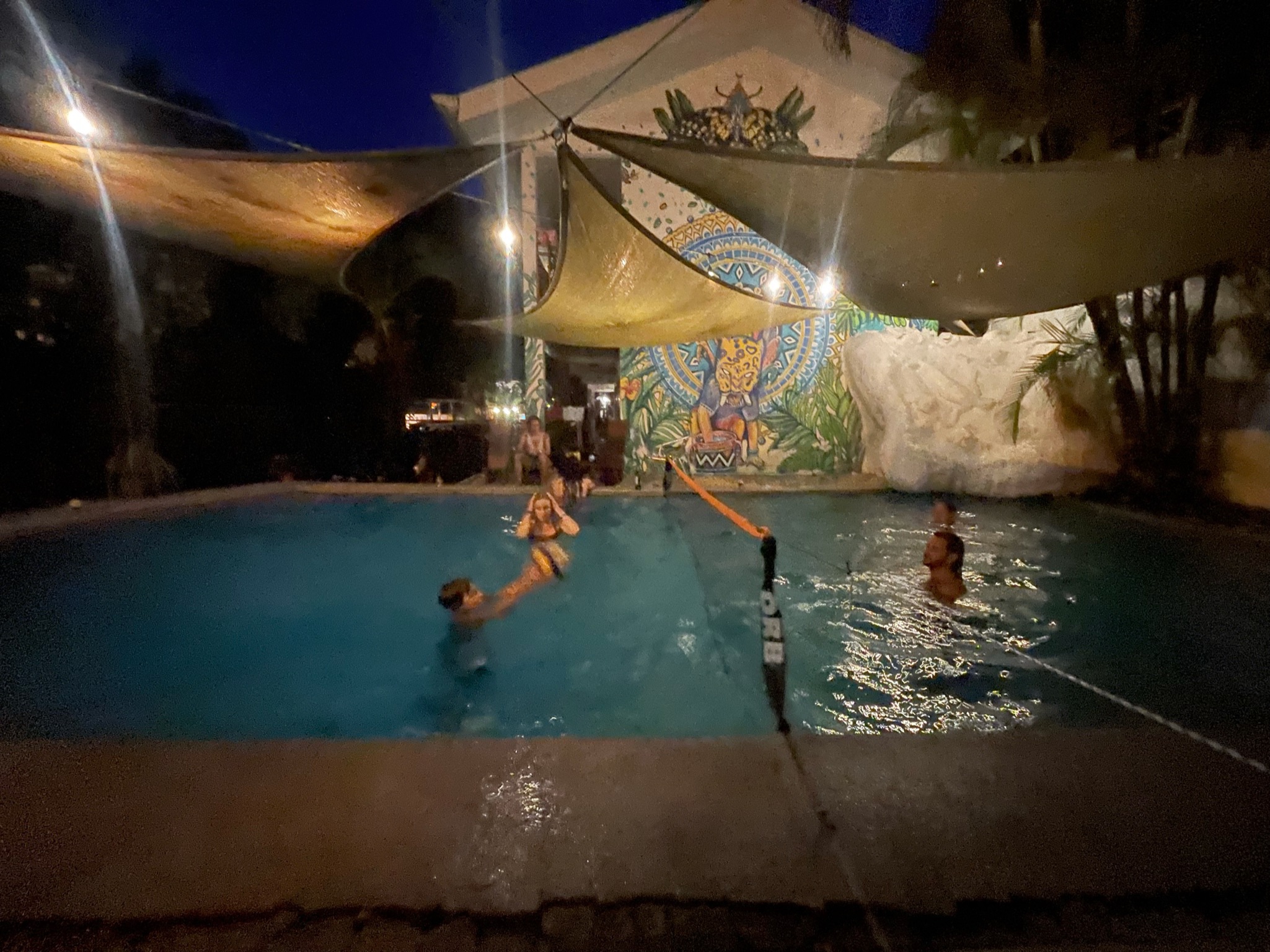
We found our hostel fairly easily and checked in with reception. There were quite a few folks hanging around the open air lounge playing pool, foosball, and cards. Henry was really excited to see that we had a pool and plenty of things to do around the hostel. We walked down the road to find some dinner, and then we were off to bed.

Around midnight, I had been sleeping really good when I heard Henry moving around the room and sounding very frustrated. I asked him what he was doing. He told me he was looking for our iPad because he wanted to do something. Brian asked him what he was needing to do so late, and in true petulant 13-year old fashion, Henry explained that he just wanted to do something, he needed the iPad to do it, and that we just wouldn’t understand. He said all he needed was to go get the iPad from the ‘main’ room in the hotel. He was very angry that we didn’t seem to understand where this main room was, and in a huff, he gave up and decided to just go to sleep. Henry has never walked or talked in his sleep, so this was new to us. But sure enough, we all had a good laugh because at breakfast the next morning, he had absolutely no memory of his little fit.

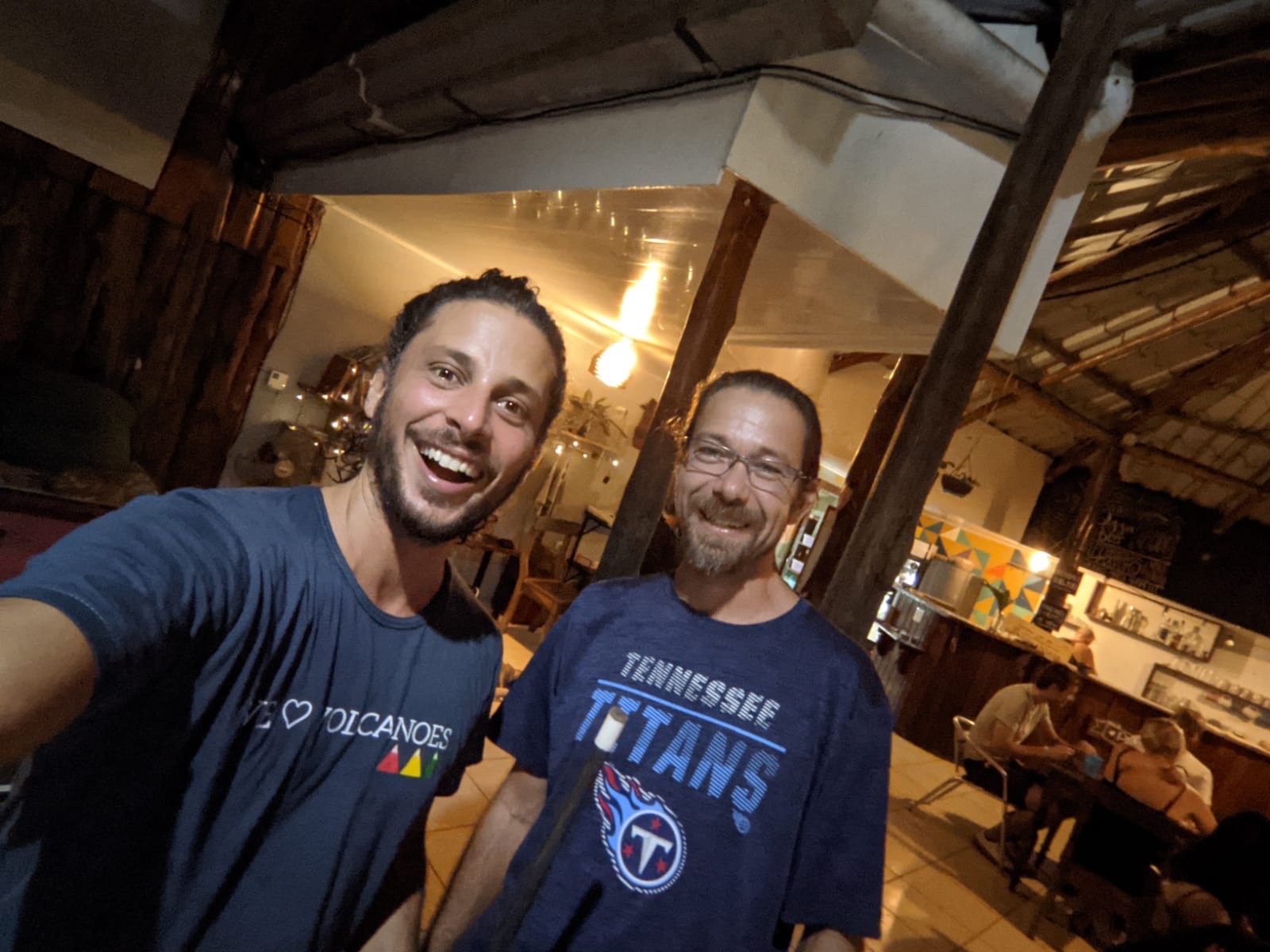
We were still sitting around the table at breakfast that morning when some guy walks up to Brian and grabs him by the shoulders. Diego, a friend Brian had made during his January trip to Mexico was staying in our hostel and had seen us when he came down for a bite. Diego and Brian had been in contact throughout our trip, with Diego graciously giving us tips and hints along the way. Neither knew that the other was in Costa Rica, let alone the same town and hostel. It was nice to meet Brian’s friend, and I know Brian was really needing a familiar face too.

We decided we’d spend our first full day in Santa Teresa exploring the area. Diego and his friends were planning to go to the Montezuma waterfalls, and we had been talking about that as well. After checking out the Playa Carmen beach, we made our way to the falls only to find that, with all the recent rains, the water was too high to safely make the climb. Dejected, we chose to go find some food instead. We saw a sign for a brewery at a fork in the road, and knowing how much Brian usually enjoys visiting craft breweries, Henry and I agreed to try it out. So we drove. And drove. And drove. We did eventually made it to the brewery, but we backed out of the driveway almost as quickly as we entered it as the brewery appeared to be two barstools and a counter under a lean-to in someone’s back yard. Thankfully we found a decent restaurant just a kilometer or so further into town instead.

When we finally made it back to Santa Teresa, we decided to continue on past our hostel and drive up the coast to check out the other beaches in town. We had made arrangements to have a surf lesson with a local surf shop the next day, and our instructor, Lalo, told us we would need to go to Playa Hermosa, about 15 minutes north of where we were staying, for the lesson. The waves near the beach by our hostel, Playa Carmen, were big and loud, and the contours of the beach make beginner surfing lessons very unsafe there. Playa Hermosa was sandy, wide, and beautiful with gentle and rolling waves. It looked like a great place for us to start.

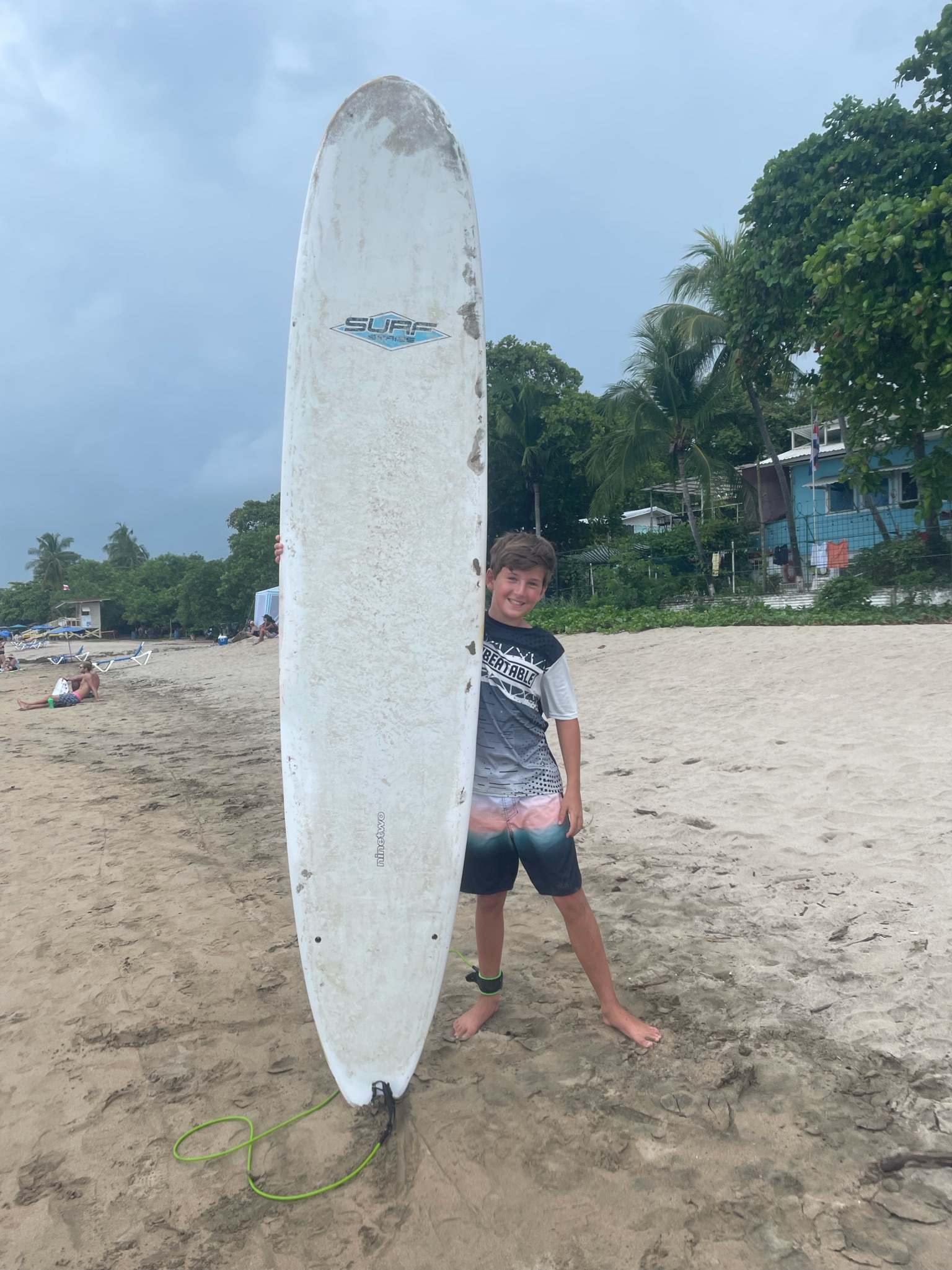
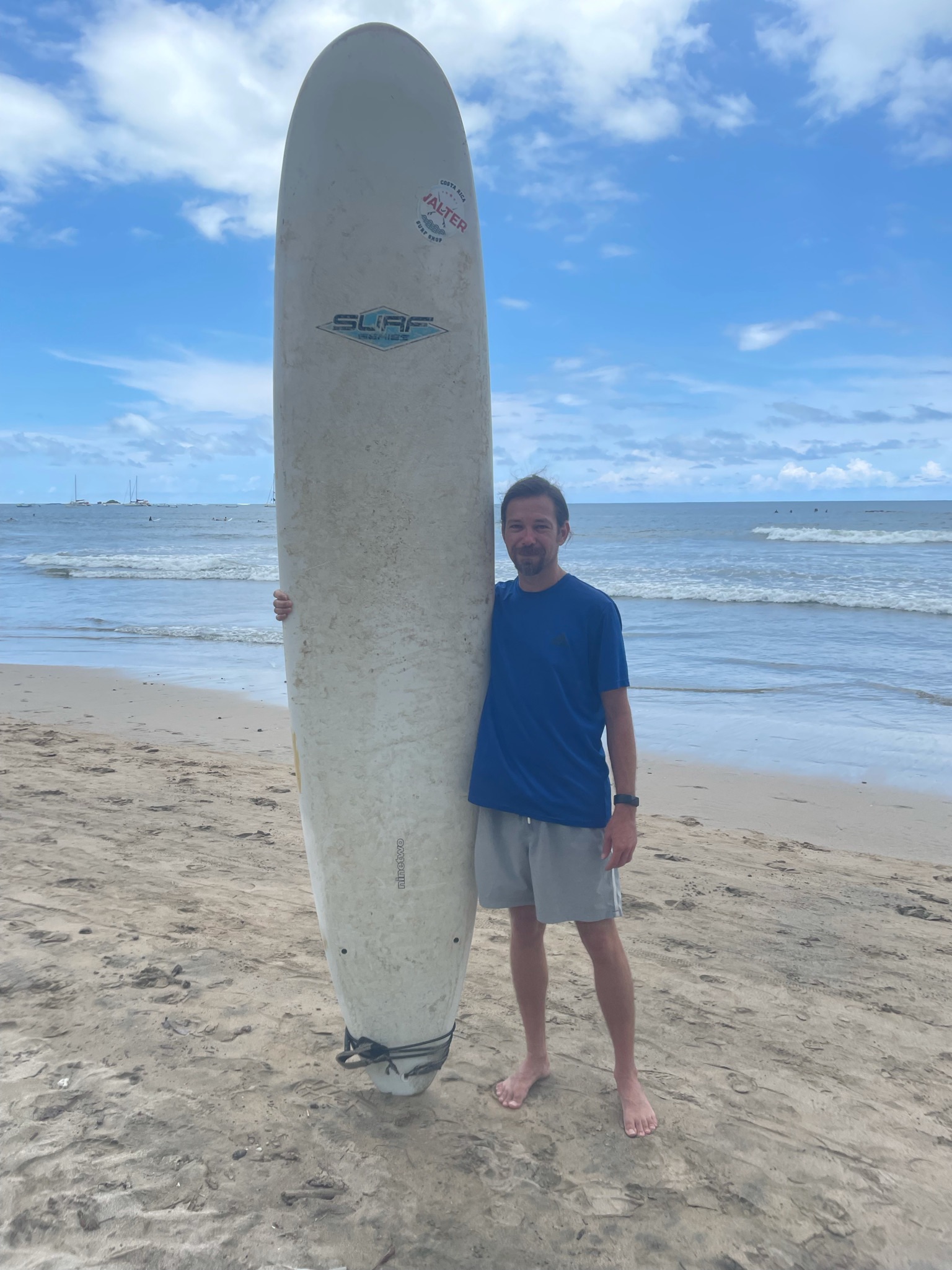
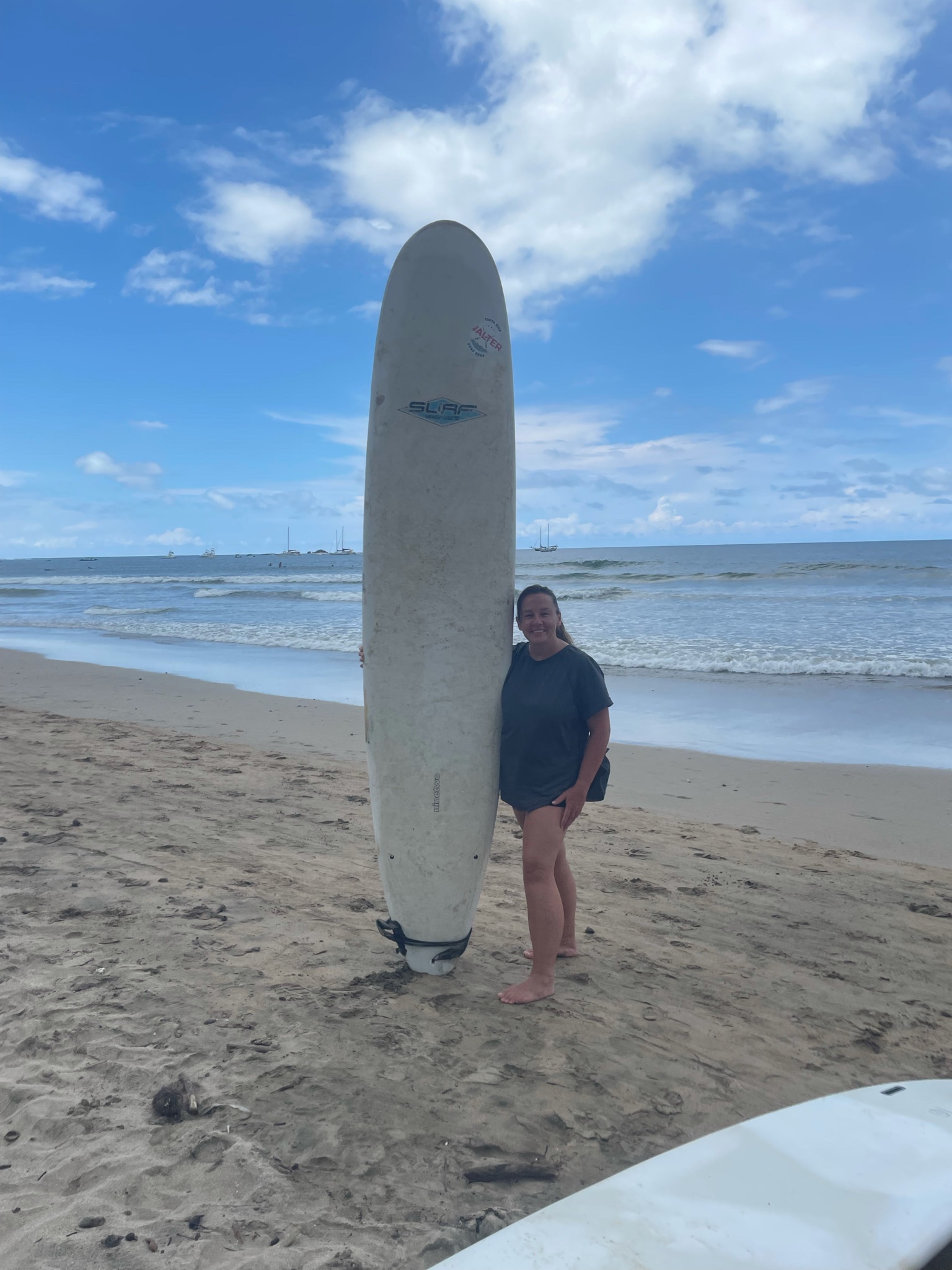
The next day, we got up and got ready for our lesson. Henry and I were nervous, but Brian seemed unfazed. Lalo was a great teacher, patient and calm. He had been surfing since he was a child, and he loved teaching. After a short lesson on the sand, we headed to the water. Brian stood up on the board on his second or third try, and Henry was just as quick. I was not. By the end of our 90-minute lesson, Brian was consistently getting up, and Henry was doing tricks. I was doing my best not to cuss or drown, but I had stood up a few times, and I really did have fun. We didn’t do much the rest of the night except rest up a bit and contemplate when we might be able to try surfing again.

We spent our last full day in Santa Teresa swimming at the beach and relaxing in the sun. We found out that Brian’s ATM card had gotten skimmed when he went to get us cash. He had gone to the ATM, and an hour later, someone in San Jose tried using a card with the same programmed electronic stripe and his pin to withdraw cash. Thankfully the bank flagged the suspicious activity, and they killed the card. We are able to use my card for now, and the bank is rushing another to us. It’s scary how quickly and easily they pulled our information, though.

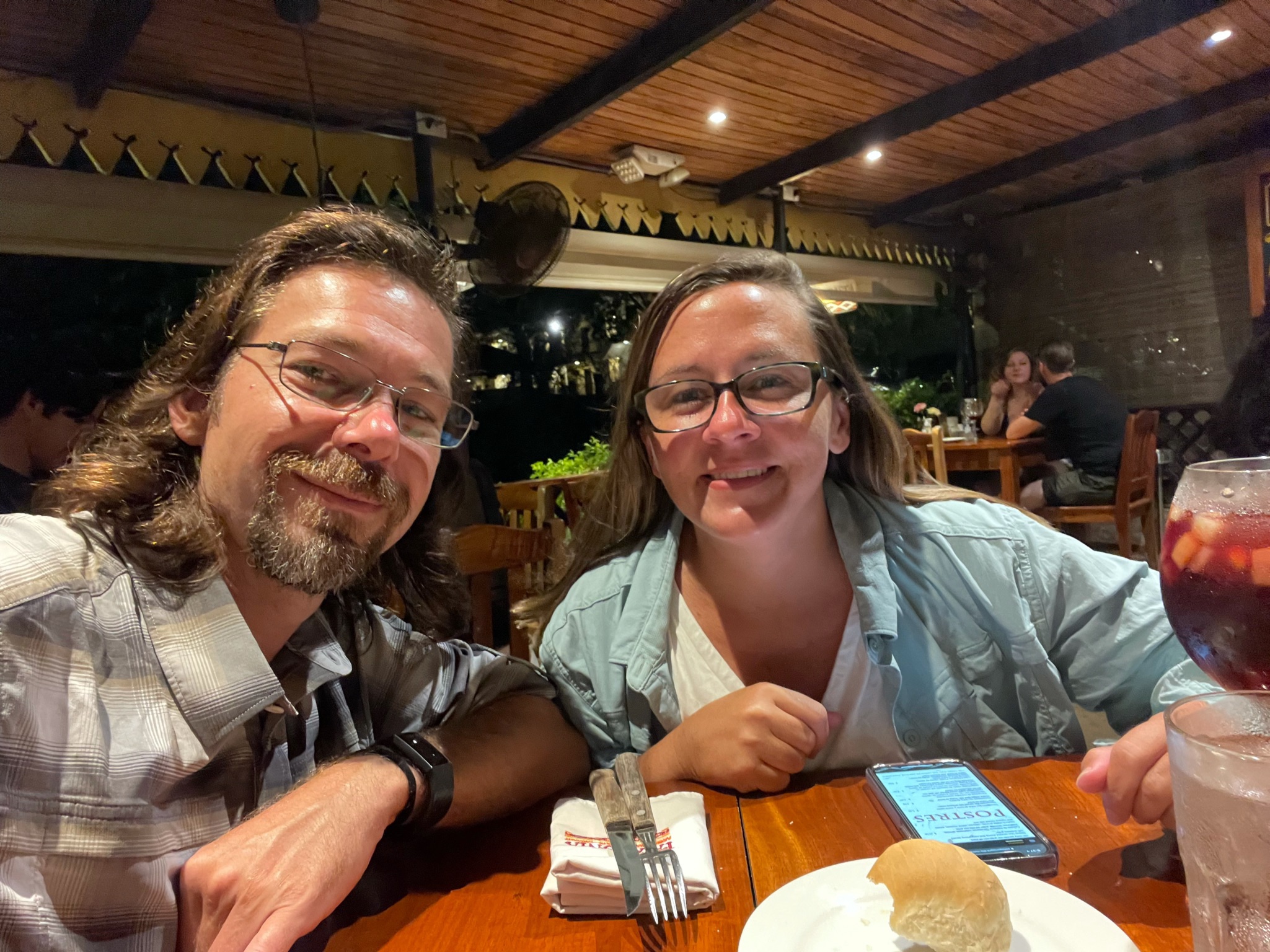
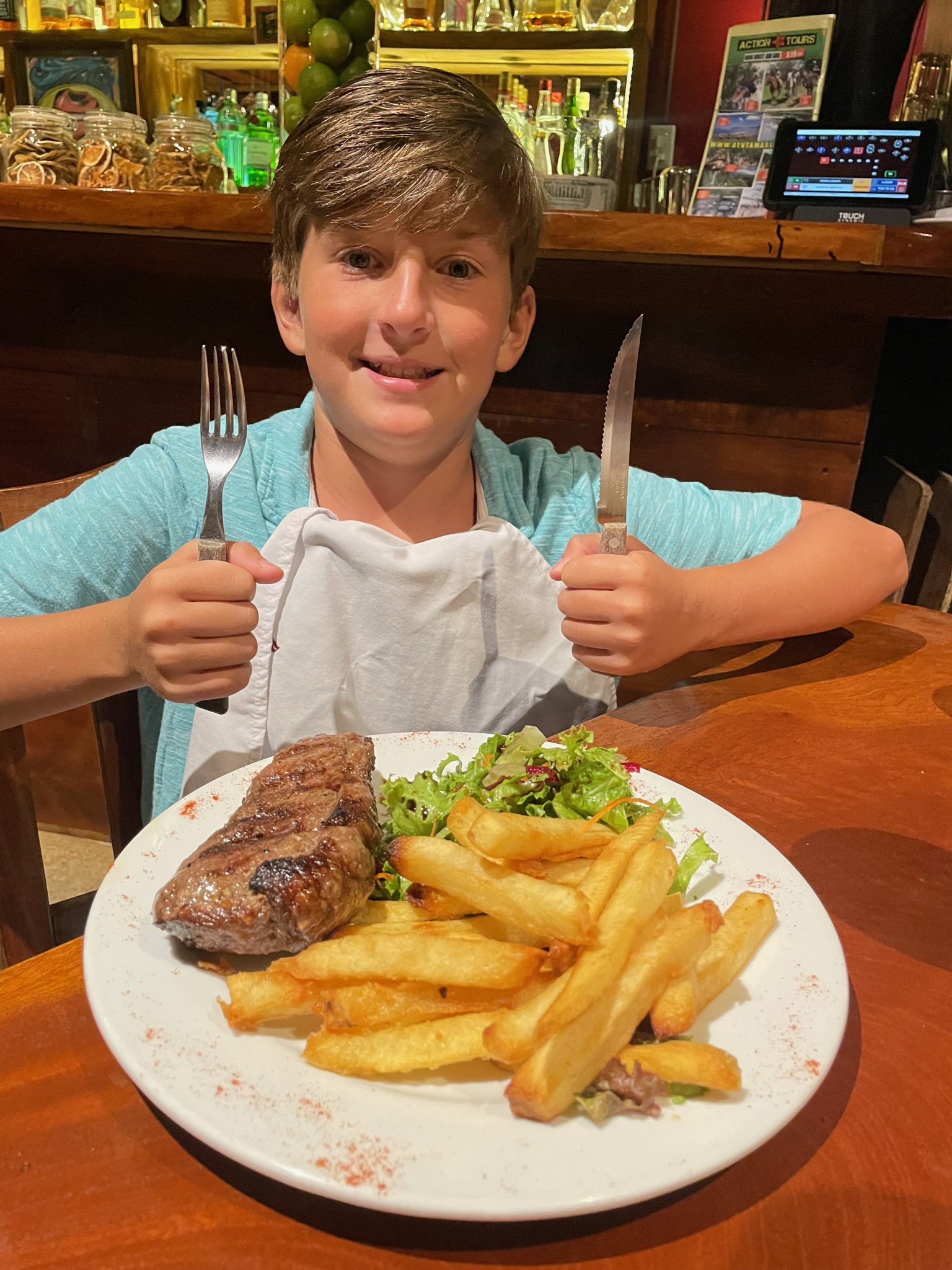
The next morning, we packed up the car and headed north to Tamarindo. We got held up for a short while when the map brought us right back to the opposite shore of the raging river shortcut, but we quickly rerouted ourselves and got back on our way. Santa Teresa is a undeveloped small town with dirt roads and a very laid back feel, but Tamarindo is busy, and loud, and while it also has a beachy/surfer vibe, it’s nothing like Santa Teresa. We stayed in an apartment just a few blocks from the beach. On our first full day in Tamarindo, my birthday, we rented surfboards from a beach-side shop and played in the waves. The tide was high when we started, and the waves were bigger than what we’d seen at Playa Hermosa. Brian and Henry did really well again. I did better, but while waiting for the waves, I started getting seasick. I was pleased with my progress and I stopped before they did which gave me time to just enjoy the sun and the sand. Later that evening, the boys took me out to a steak dinner at an Argentinian restaurant. It was phenomenally good, and afterwards, we followed that up with delicious gelato.

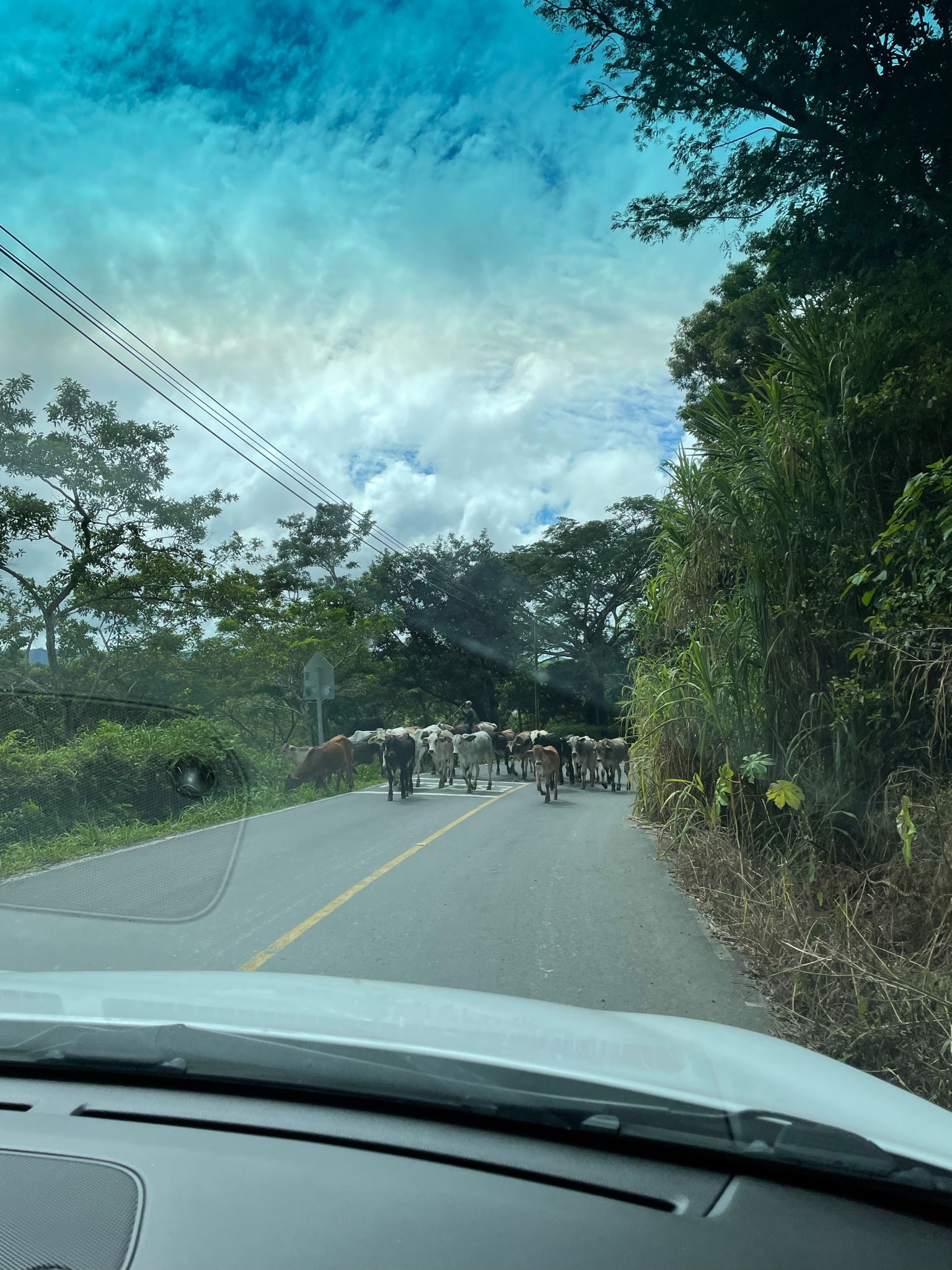
We woke up the next morning to head for a different region of the country. We wanted to visit Monteverde to enjoy the cloud forest. On the way through the countryside, we got flagged down by a police officer. He said Brian had been going 85 kilometers per hour in a 65 zone. The officer told us it was a $200 ticket and we would have to pay it in Liberia in a few weeks. He said he would make it a warning with no ticket if we could pay his fine of $100. As sickened as we were to do it, and since we didn’t really have another option, we paid him the money knowing he was just going to pocket it. From then on, we kept a very close eye on the speedometer.
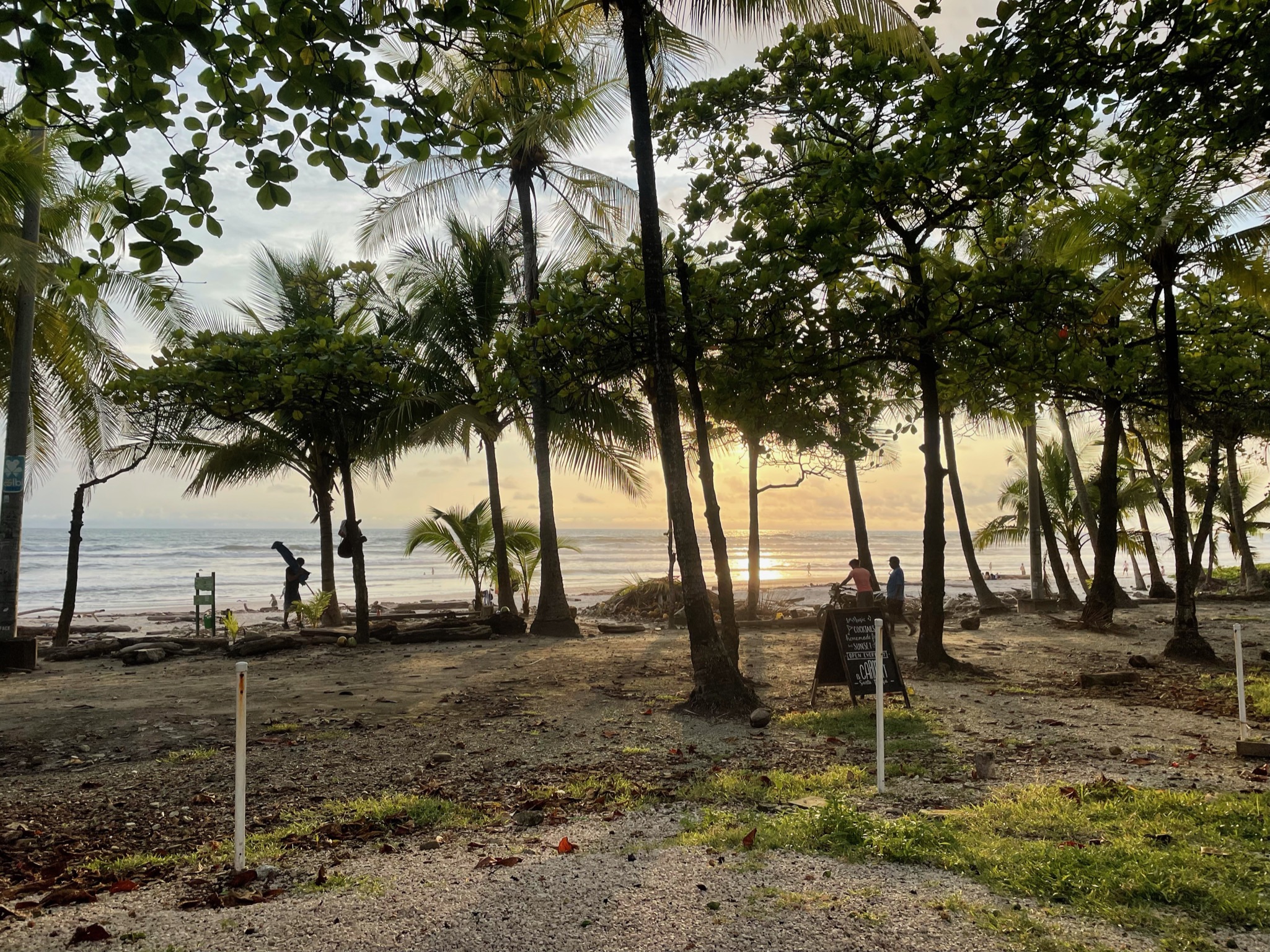
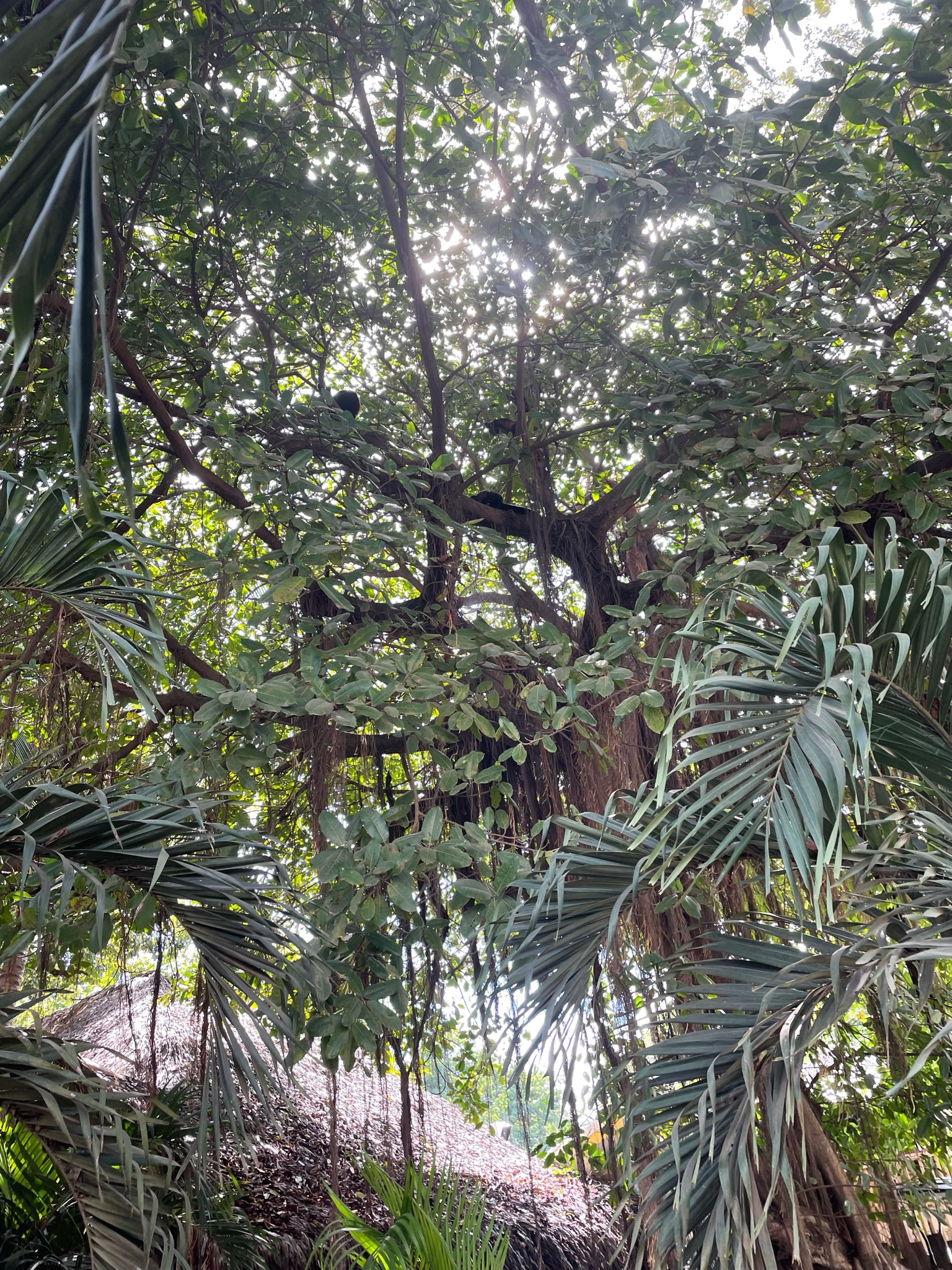
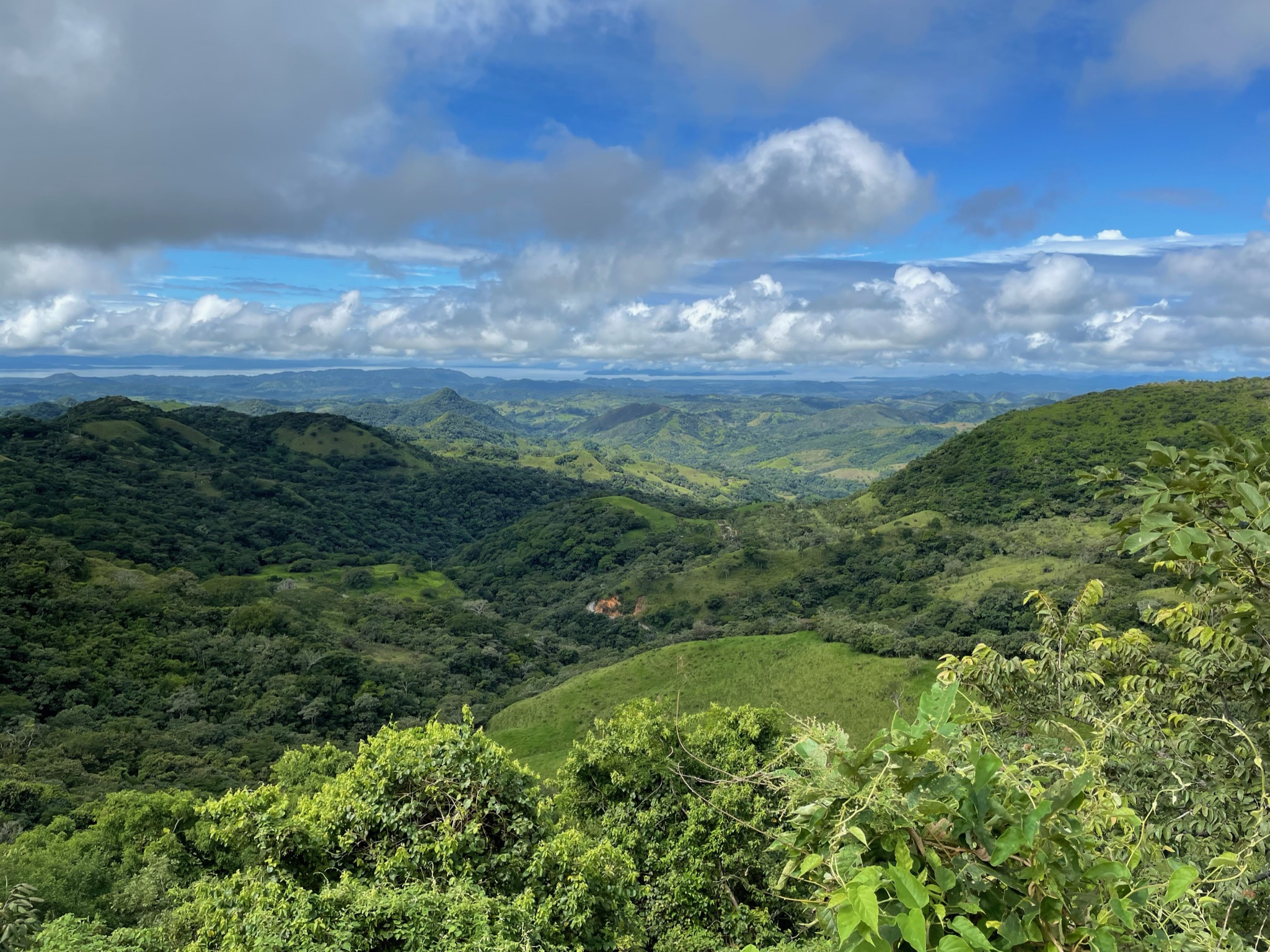
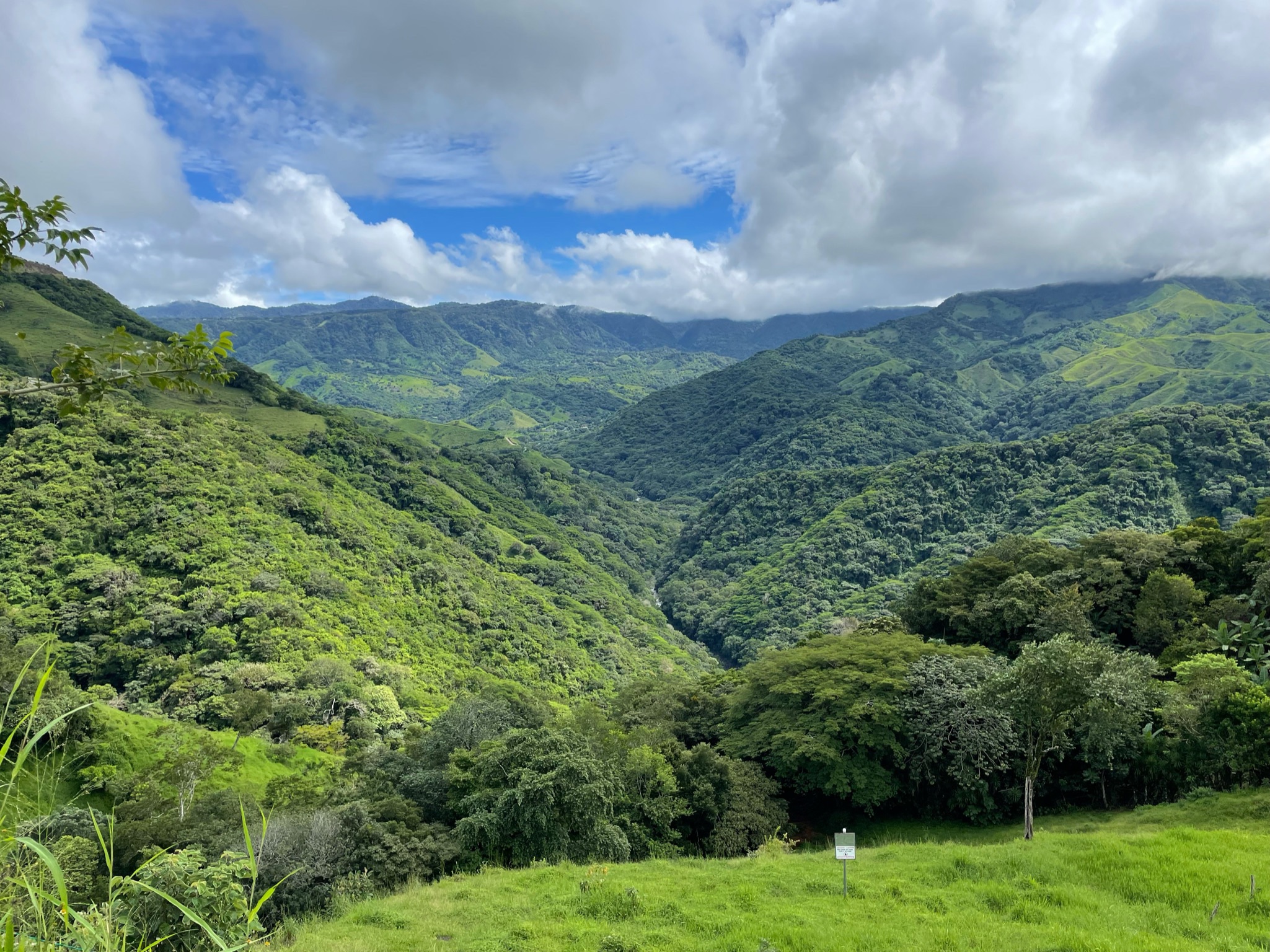
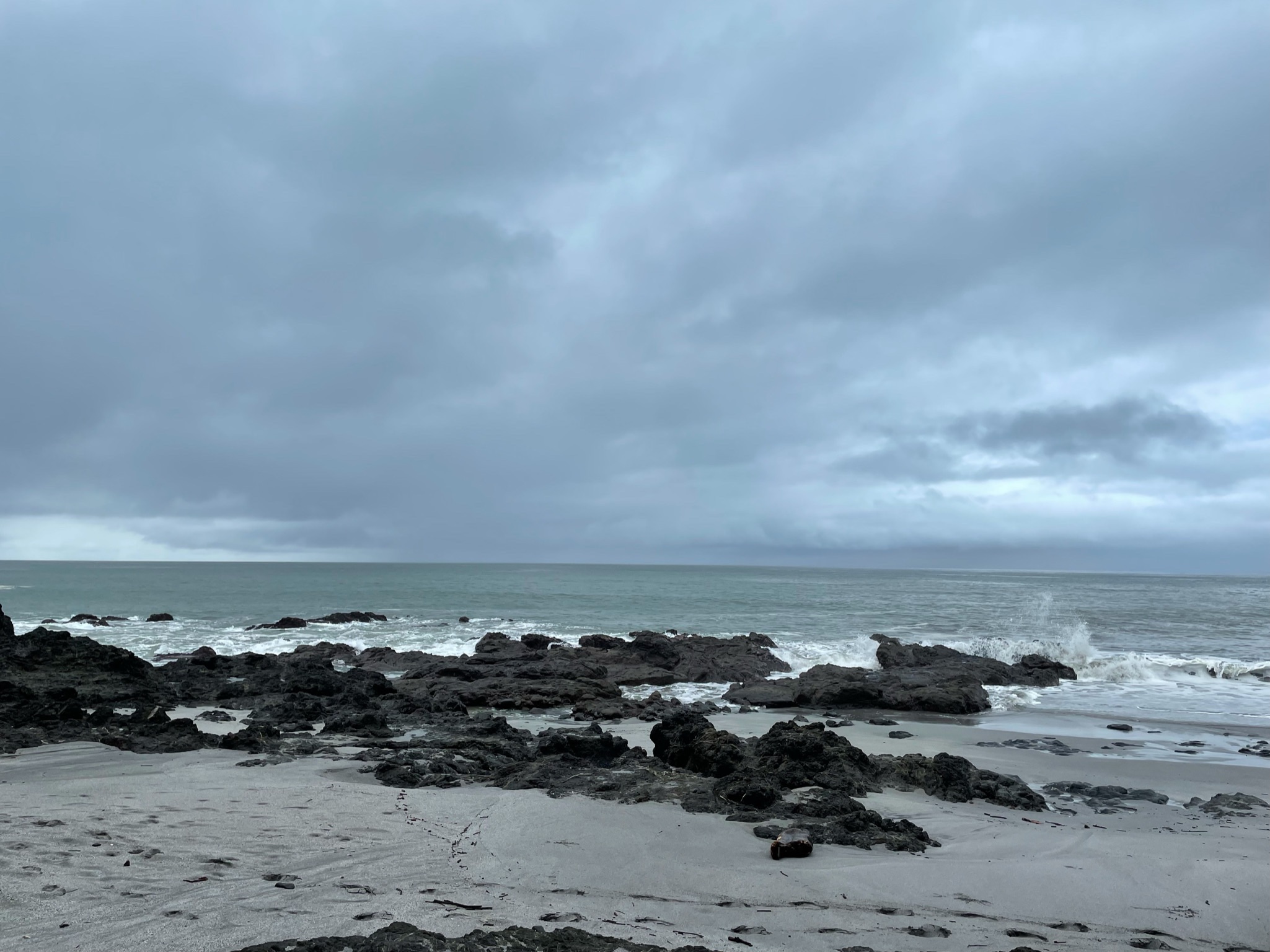
Monteverde is high in the mountains, and the lush green growth is beautiful against the backdrop of rolling mountains. From the road, you could even see the Nicoya Peninsula and the Pacific Ocean. We rolled into our hotel just before the rains came. We stepped out of the car in our shorts and t-shirts and immediately found our jackets and pants. The air was cool and misty. We found information at the front desk on a night hike to see the local wildlife. Henry really wanted to see a sloth, so we signed up for the hike and went to our room to get ready. While we were grabbing a bite to eat before the hike, the bottom fell out and it started raining cats and dogs. All through dinner, we watched the weather with increasing dread. We were already cold, and the last thing we wanted to do was stand out in the rain waiting to see animals that were probably too smart to be out in the rain.

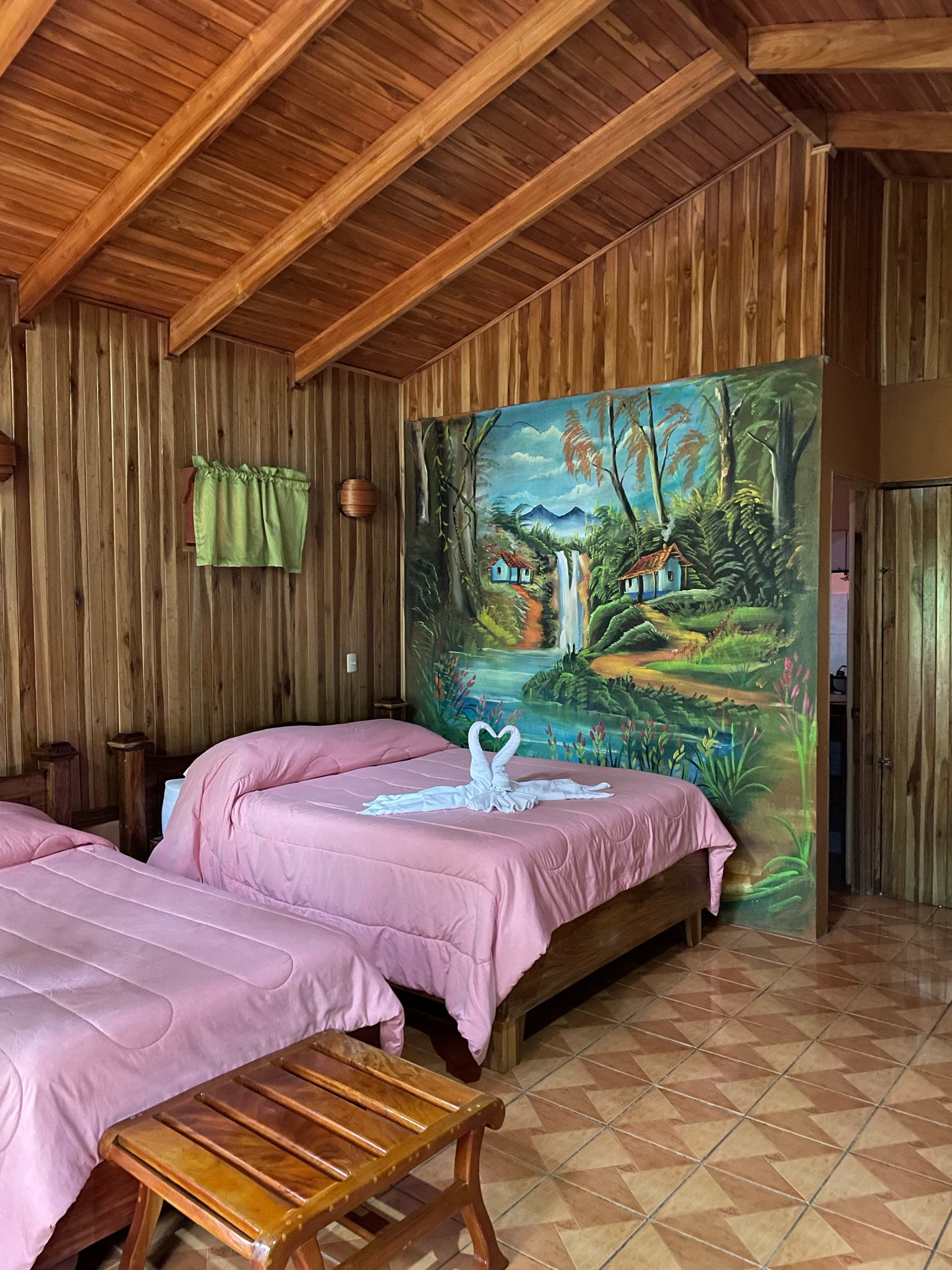
Thankfully the hotel helped us cancel our tour, and we were able to retire to our room and rest instead. Our room was more of a bungalow, woodsy and spacious, and we each had our own extremely comfortable bed to stretch out in. We laid in bed listening to the deluge of rain on the roof and were thankful that we weren’t outside in all of that.

The next morning, we packed our bags again. We would have preferred to stay another day, but the forecast showed that the rain wasn’t going to let up for at least another day or two. The rental car had to be returned, so whether we liked it or not, it was time to get moving. After stopping at a car wash on our way where for $6, a man washed the outside and inside of the car by hand, we returned to Alajuela and dropped the car off. Our plan was to catch the bus to Puerto Viejo de Limon the next morning, so we found a place to stay within walking distance of the bus terminal.

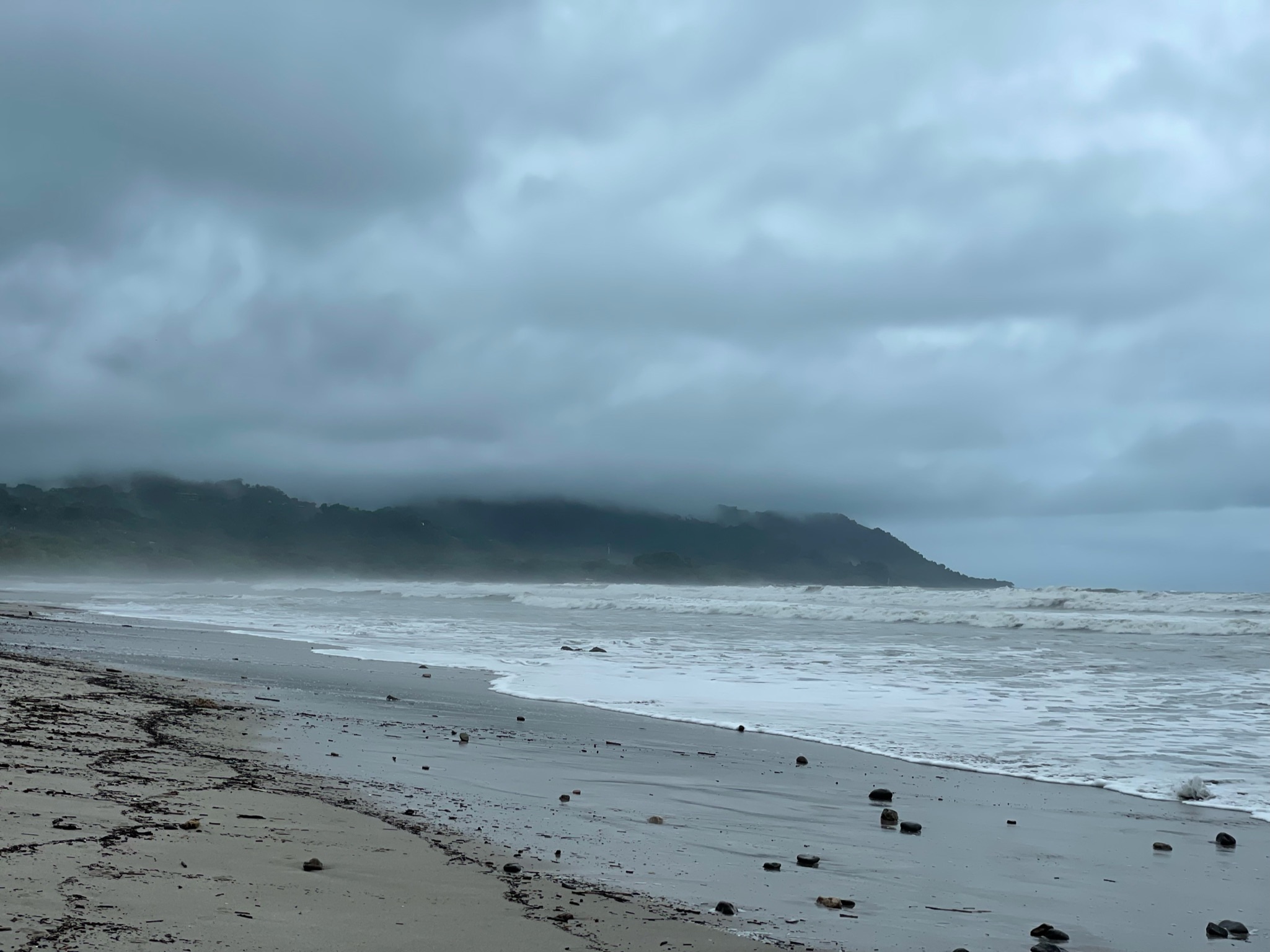
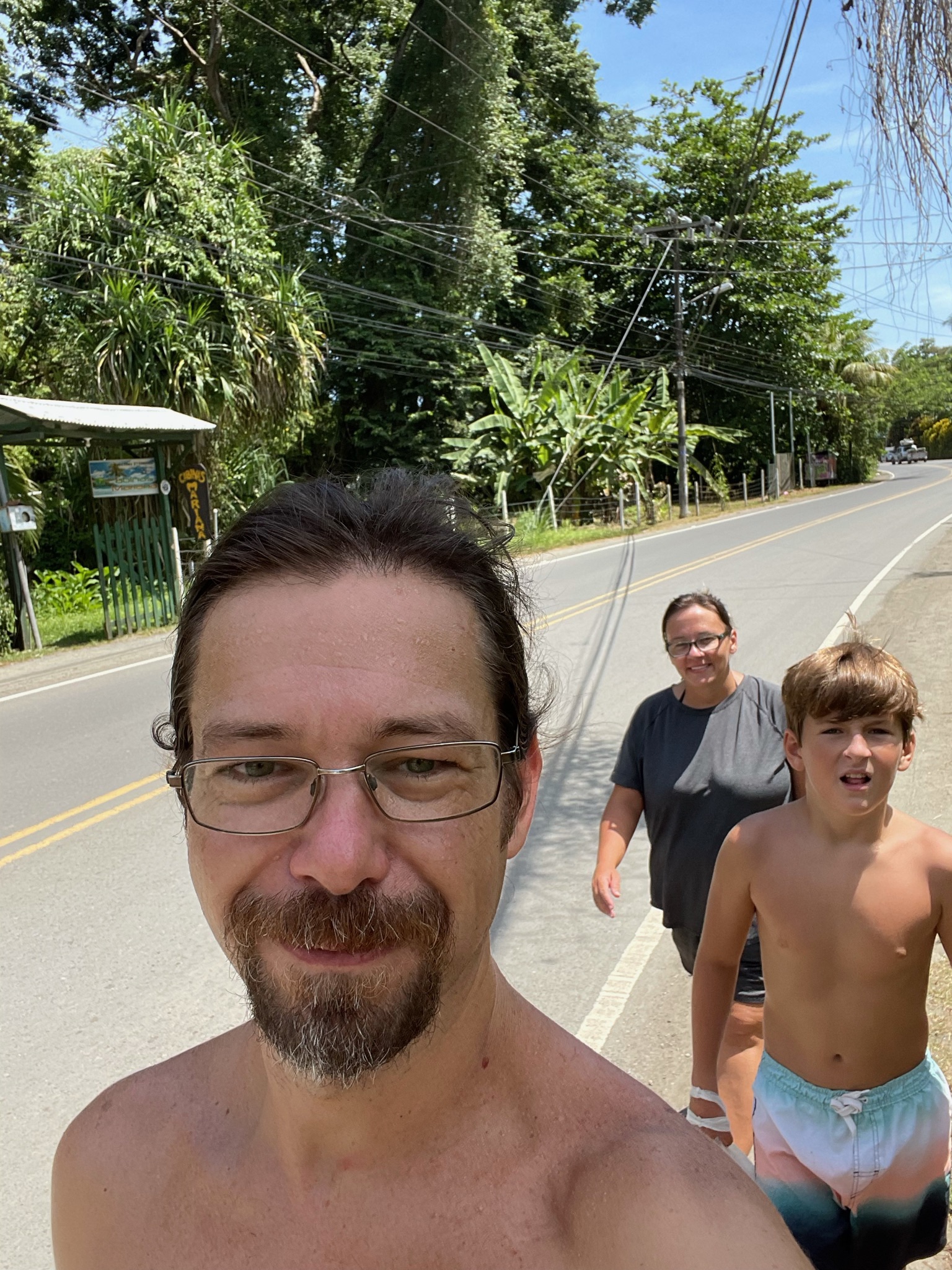
The bus ride was slow because of a lot of construction and traffic, and because it wasn’t air conditioned, it was very hot. But we made it to Puerto Viejo with no issues. Puerto Viejo is on the Atlantic side of Costa Rica, and it’s very much a tropical forest with a beach. The beach is several miles long, and the entire town sits within only a few hundred feet from the shore along the length. Our hostel was a 25 minute walk from the bus stop, and already tired, the walk seemed miserable. But once we made it, we were placed in a very large 5-bed dorm room that we had to ourselves. We joked about feeling like Goldilocks as we all tried out the beds to see which ones we might use.

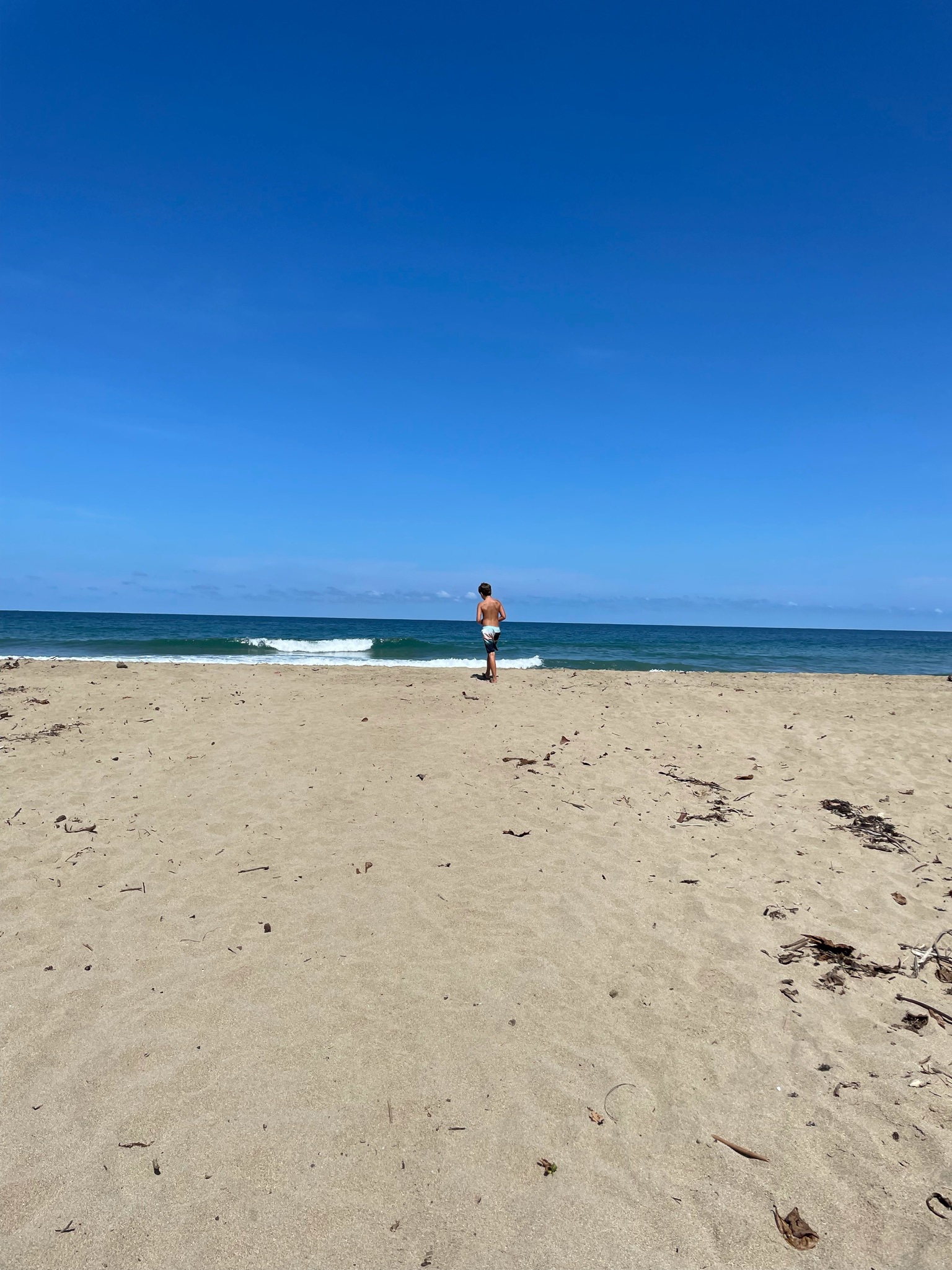
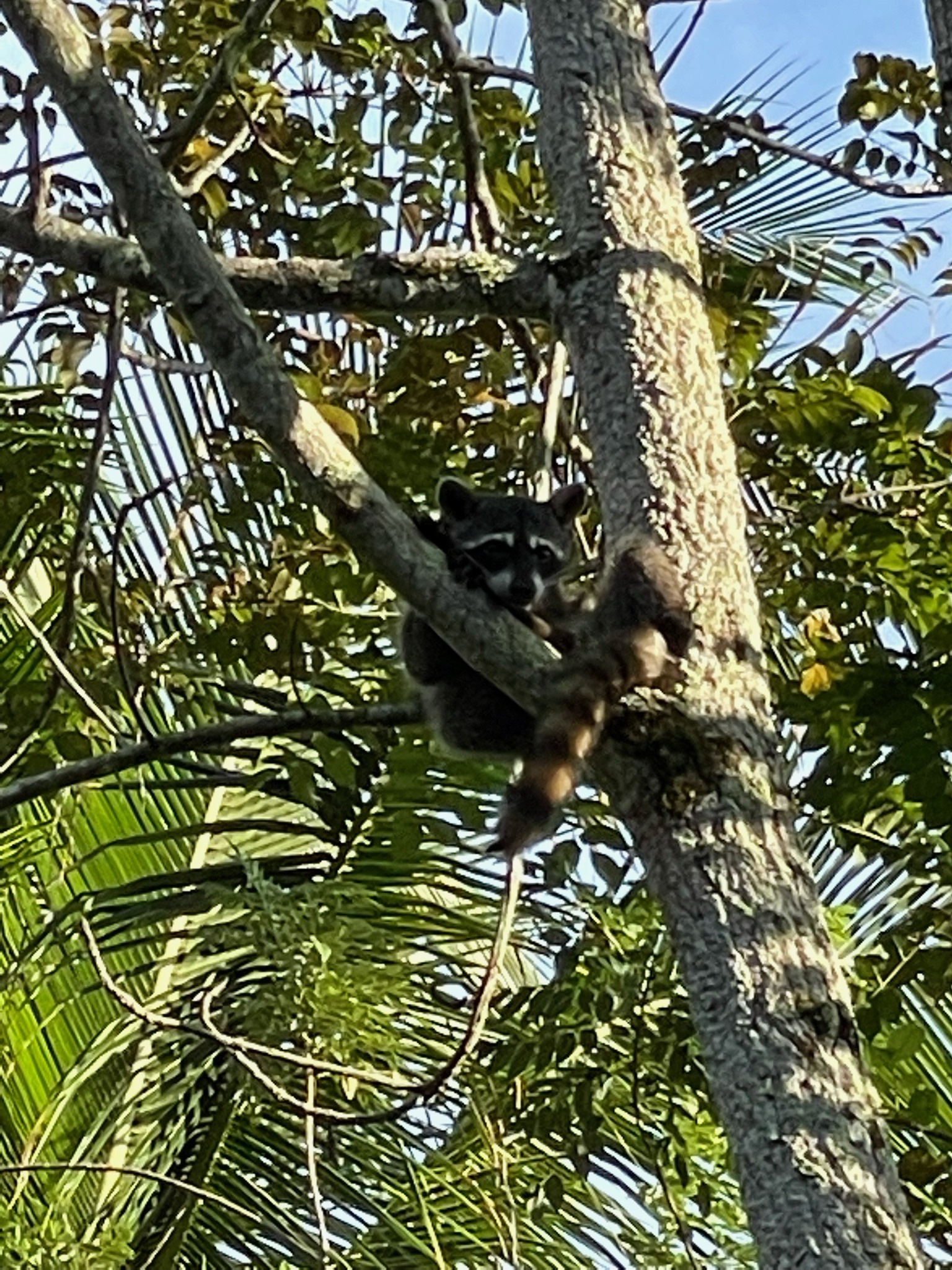
We enjoyed our stay there, but because it was only available for one night, the next morning, we packed our bags and walked about half the distance back to town to another hostel. This one was family run, and we immediately liked the warm welcome and atmosphere. Our room wasn’t ready, but we dropped our bags off and headed to the beach. It was beautiful and calm, and we had the beach nearly to ourselves. After several hours we wandered back home to find our bags delivered to our room, and our clothes that we dropped off for cleaning were freshly cleaned and folded neatly on the bed. The room we had was easily the smallest one we have stayed in, but there was room to relax on the porch, so we didn’t mind too much. Henry kept tabs on a raccoon in a tree by the porch and worked on his schoolwork as we figured out our next steps.

We really enjoyed Puerto Viejo, but we knew it was time to go and that it would be our last stop in Costa Rica. There were several more places and things we wanted to do, but we just didn’t have time to see it all.

We had heard so much about Costa Rica before we got here, and I’m so glad I got to see it for myself. It most certainly did not disappoint. I can fully understand why Americans are retiring to this country en masse. It truly is a paradise, and the atmosphere is warm and inviting. I’m thinking we will be back to this area for an extended trip one day to fully live the pura vida. Hopefully very soon.

Touring Honduras

The world is a book, and those who do not travel only read one page.

– St. Augustine

I didn’t want to go to Guatemala, but it turned out to be my favorite country. I was more than a little sad to leave it for Honduras, but I hoped Honduras would turn out to be great in the same way. We hit a few more hurdles in Honduras than we have had before, and those made visiting the country a little less enjoyable. Overall, we had fun during our stay, and we’d likely go back if we had the opportunity,
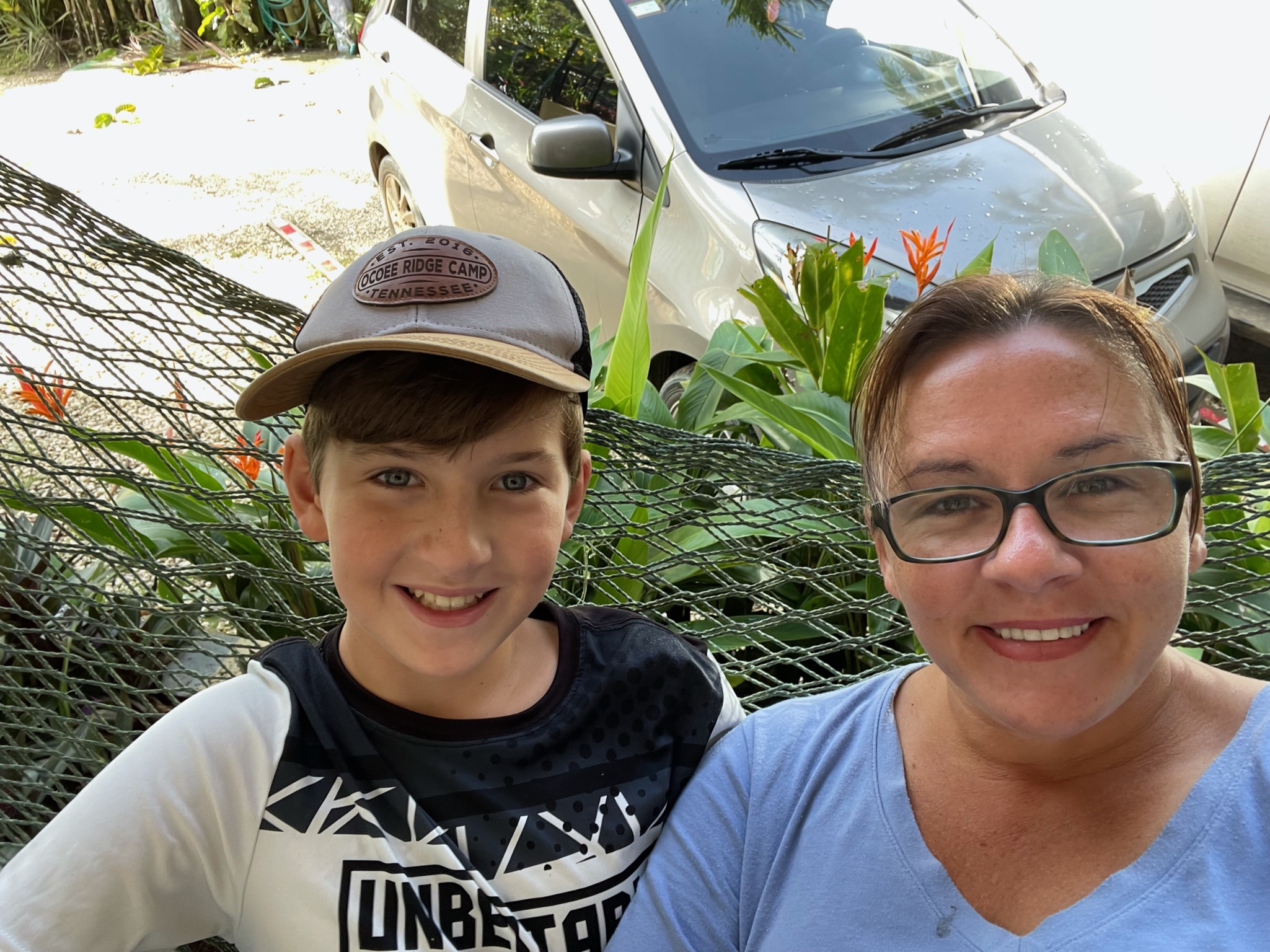
After a 7-hour ride in 7 different buses, we finally arrived in Copan Ruinas at around 4 in the afternoon. It was a beautiful day, warm and without a cloud in the sky, but we were so tired and hungry from our travels, all we wanted to do was to find our room and rest for a moment. We wandered down the street crowded with street vendors, tuk-tuks, and locals going about their business and found our hostel fairly easily. The hostel rooms were hidden behind a bar and restaurant that happened to be closed for the evening. After unloading our heavy backpacks and stretching out on the beds for a bit, we left again in search of something to eat. After spending only an hour in our room, we were surprised when we walked out to mostly deserted and dark streets. The vendors had packed up and gone home, and only a few restaurants even appeared to be open. Having been told how dangerous Honduras can be, especially at night, we quickly settled on a local restaurant just across the street from our hostel.
Copan Ruinas was a quaint little town with cobbled streets, a spacious and inviting central park, and friendly people. It is only about 8 kilometers South of the Guatemalan border. The Mayan Ruins for which it is named sit about a kilometer or so outside of town and provide the main tourist draw to the little village. Locals have learned to capitalize on this location, and there are plenty of tour guides who are happy to show you around for a small fee. We chose not to go to the ruins for a few reasons, but primarily because they were expensive to visit.

While waiting outside the bank on our first morning, we met Luis, a local tour guide. He offered to give us a personalized tour of the ruins if we wanted, or if we would rather, he could set us up for a horseback ride through the city and countryside. We were skeptical at first, but the longer we talked with him, the more he grew on us. He was a businessman out to make a little money, for sure, but he also had a passion for teaching and a strong desire to please his customers. He worked hard on helping us learn the language and the culture in the area even as we stood on the sidewalk chatting with him. We decided to take a chance and go horseback riding with him, so we made plans to meet at the central park later in the afternoon, which would give us time to find some lunch and him some time to get the horses. We gave him a $10 deposit, and as we walked away to get our food, we wondered if we’d ever see Luis or our $10 again.

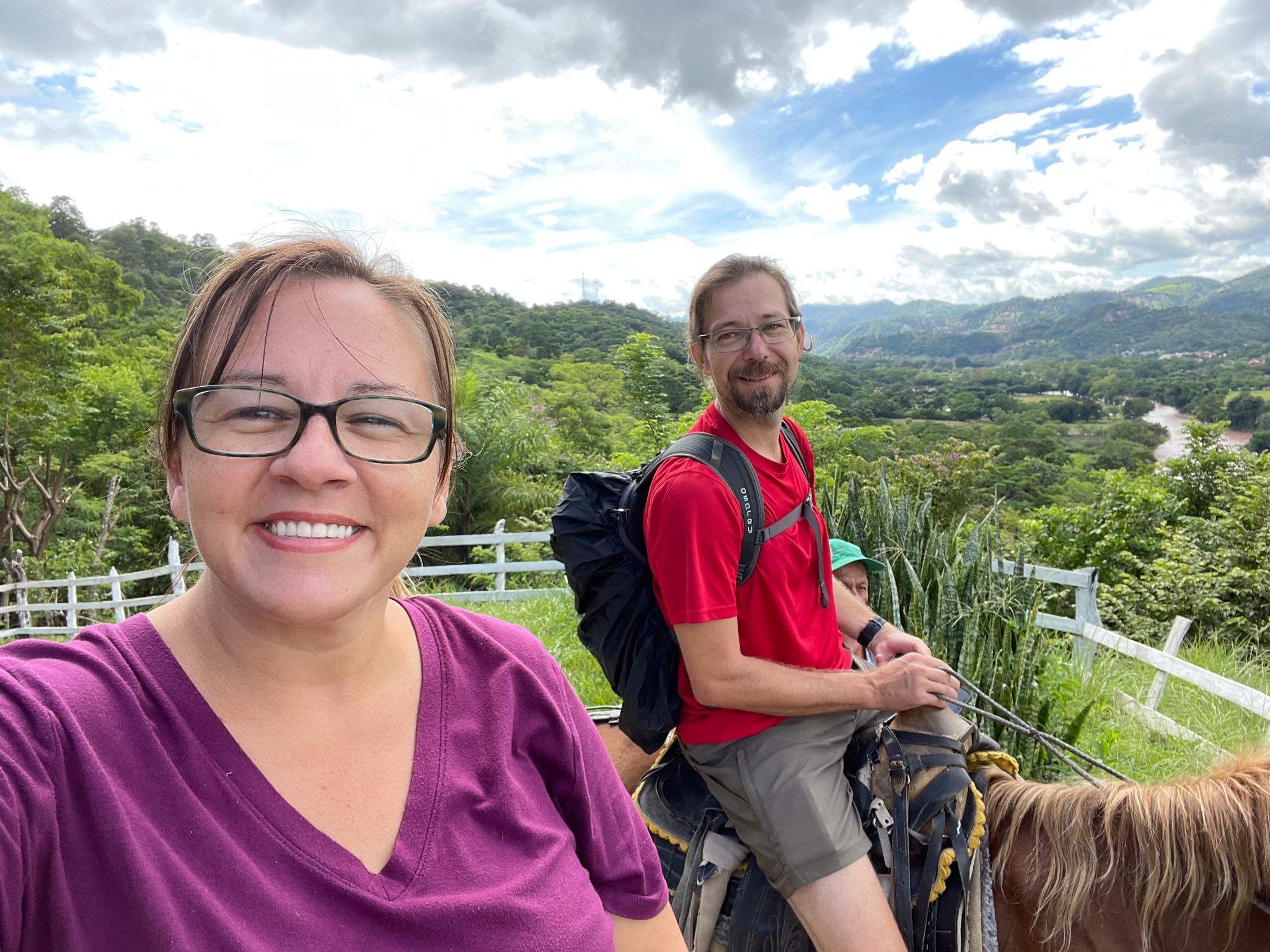
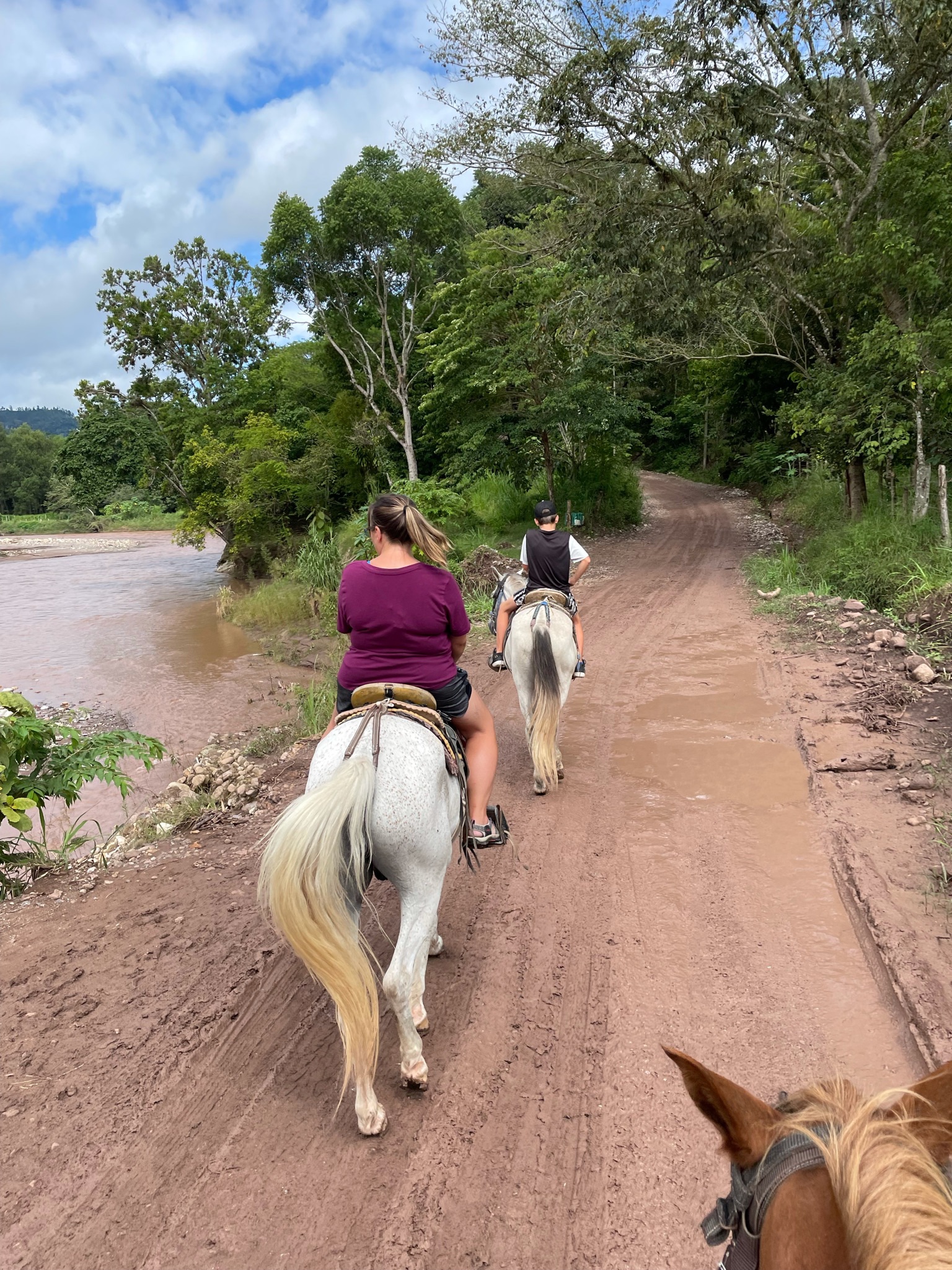
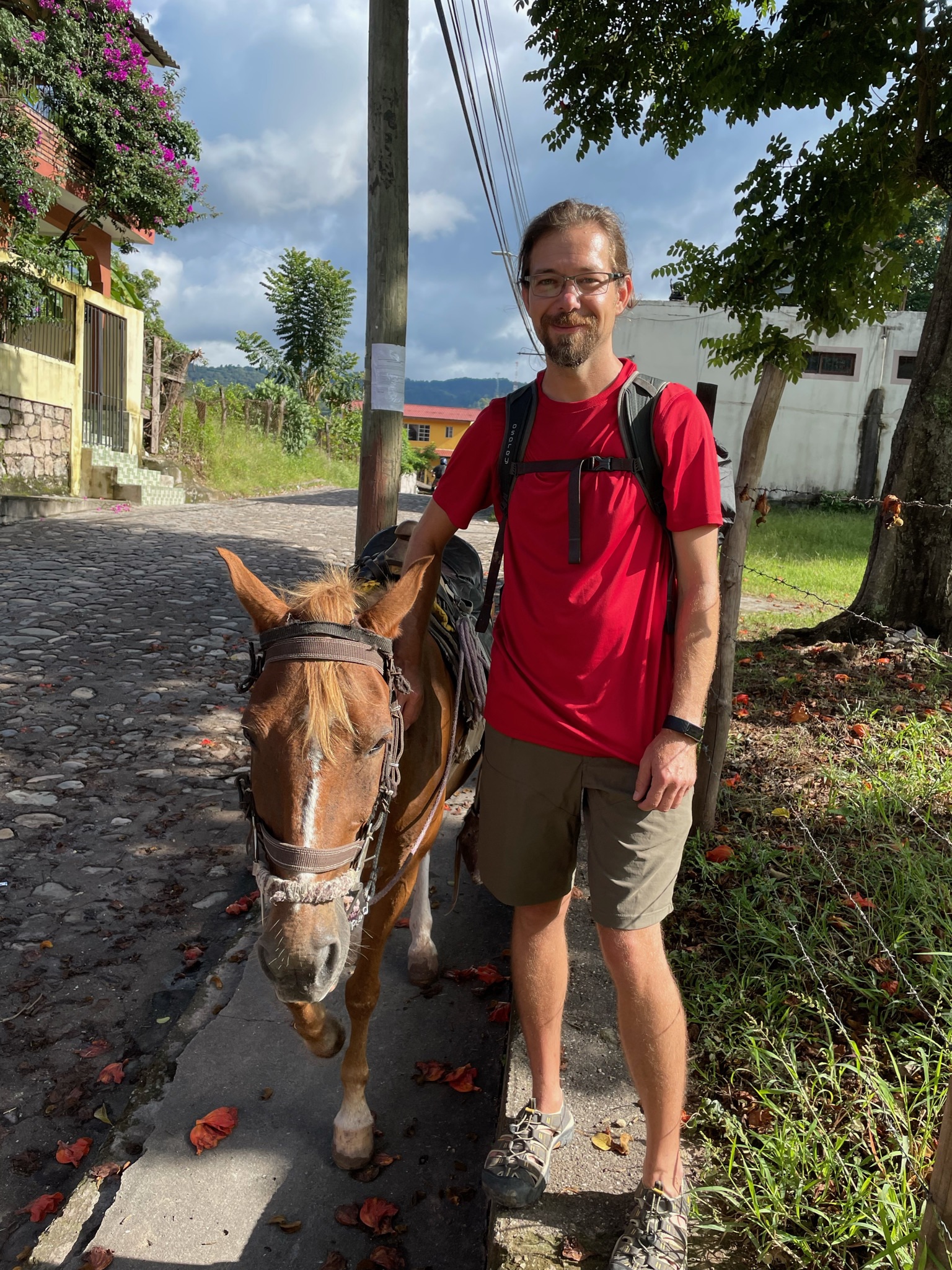
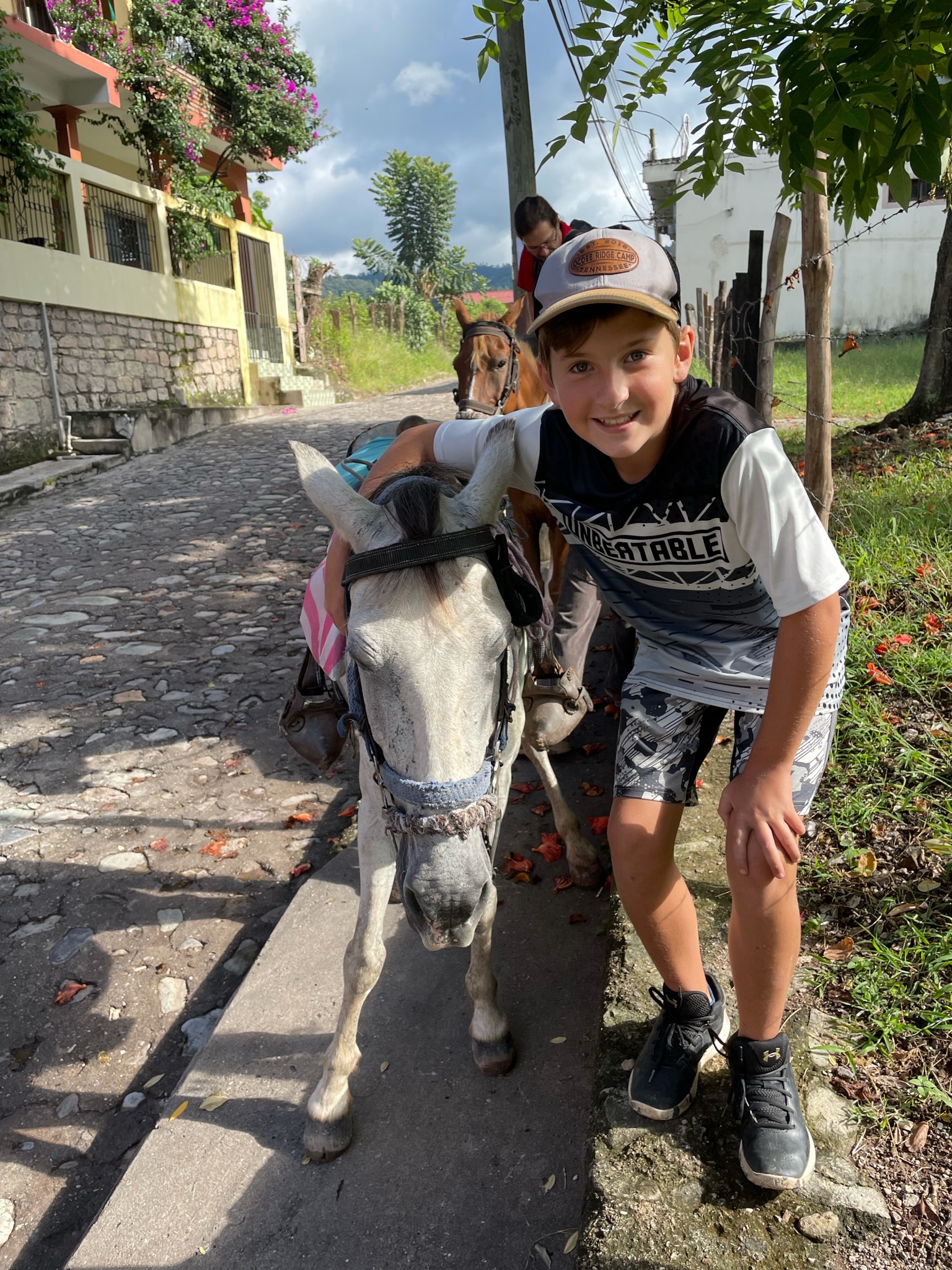
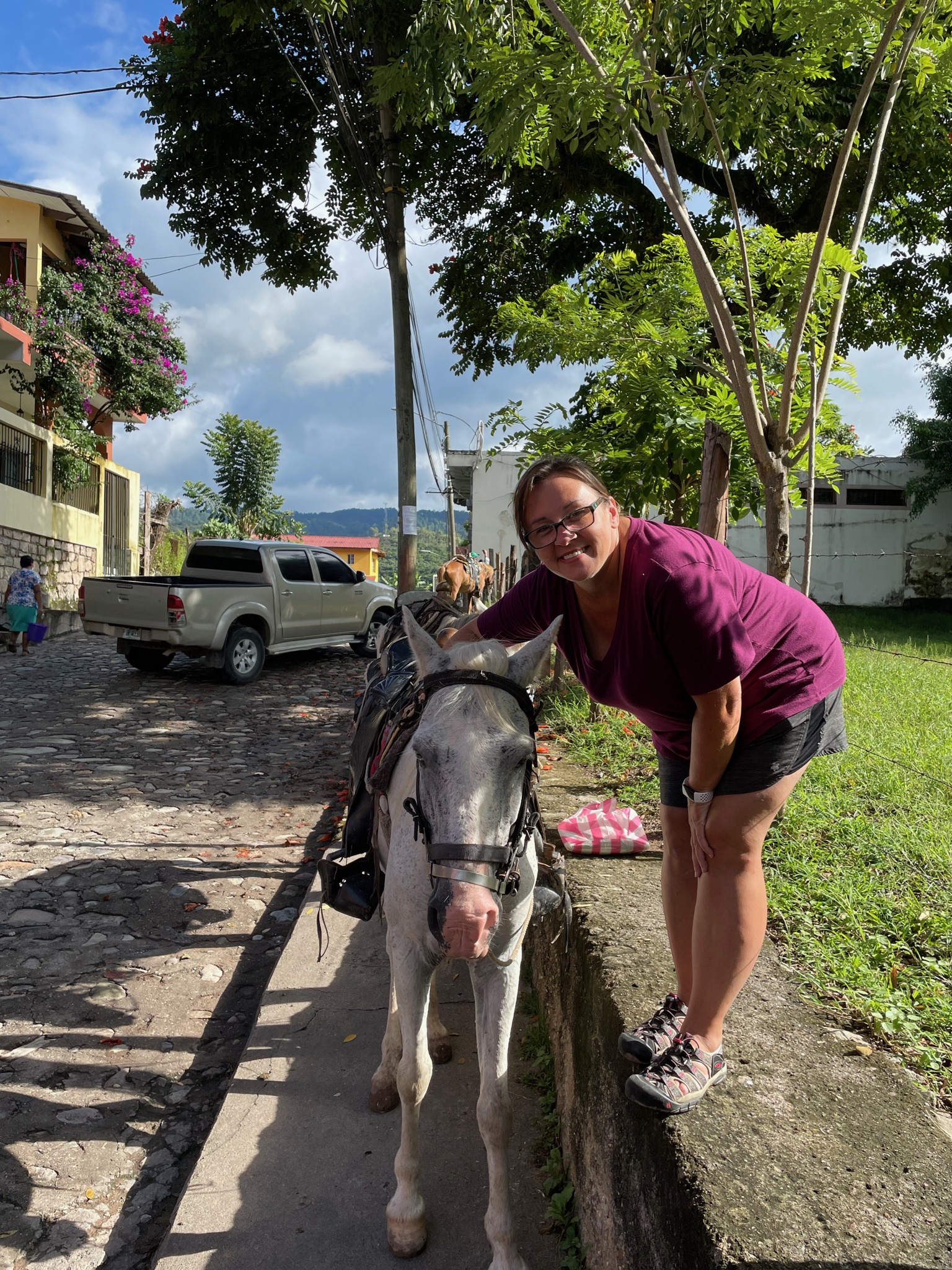
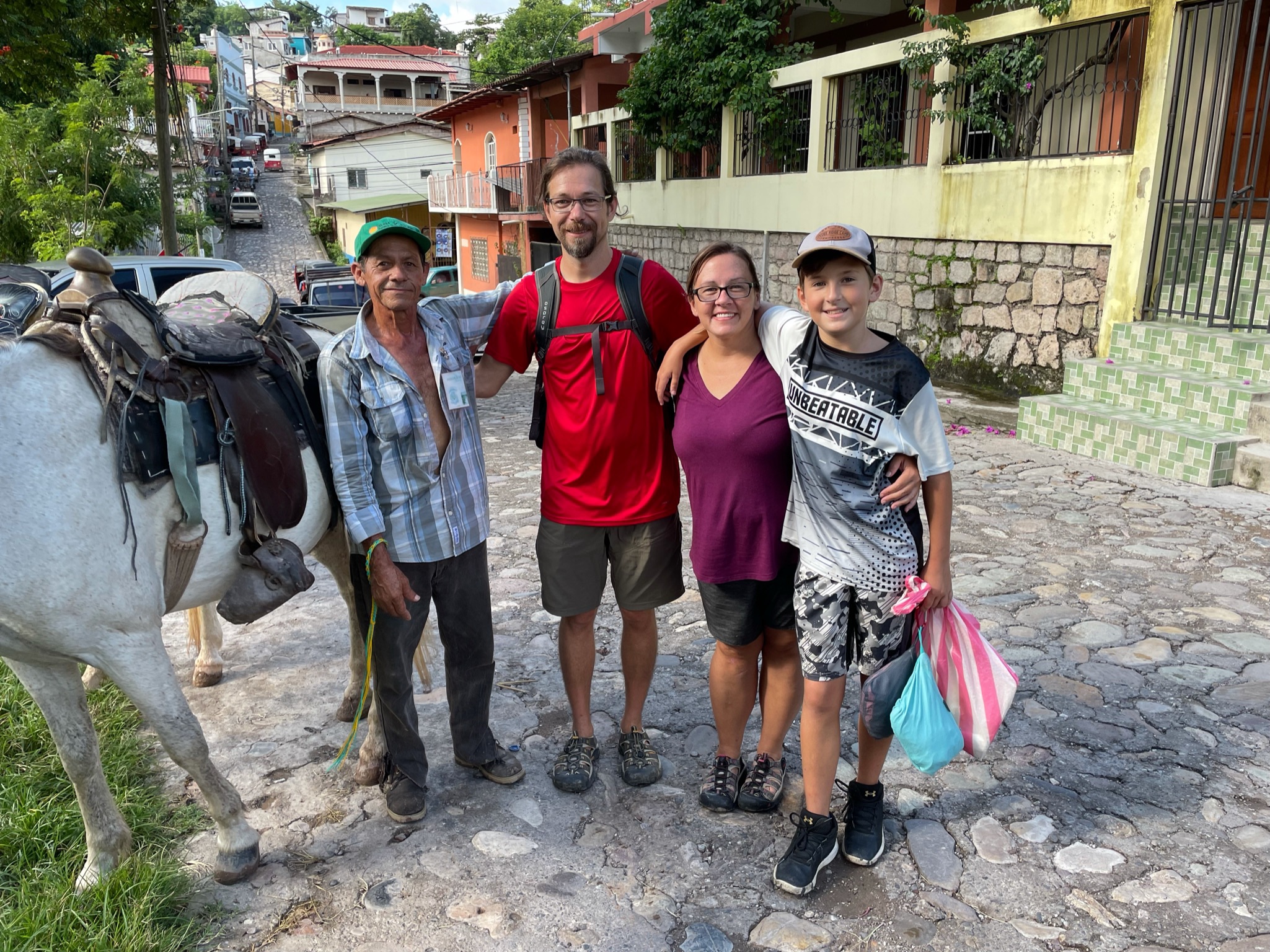
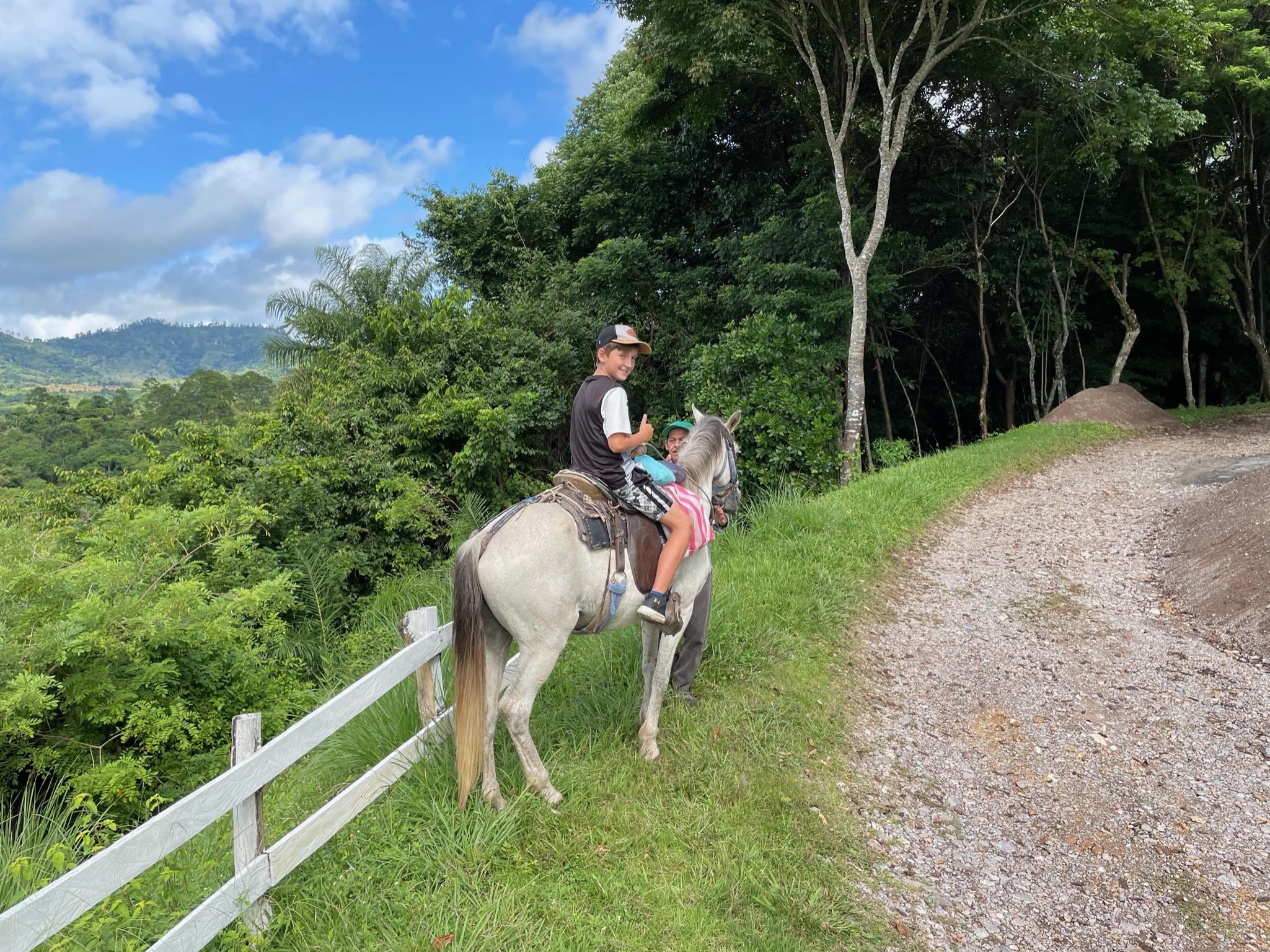
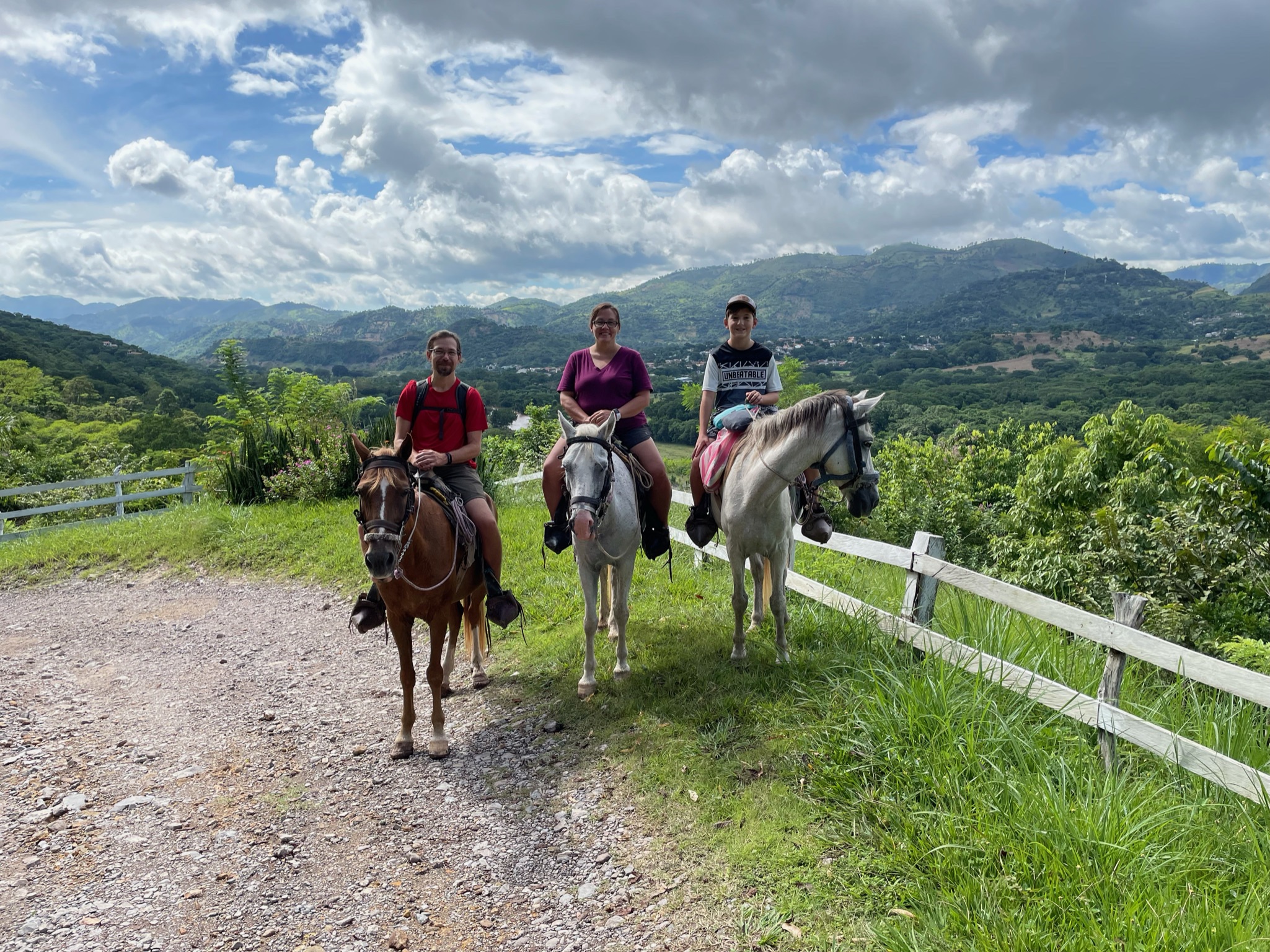
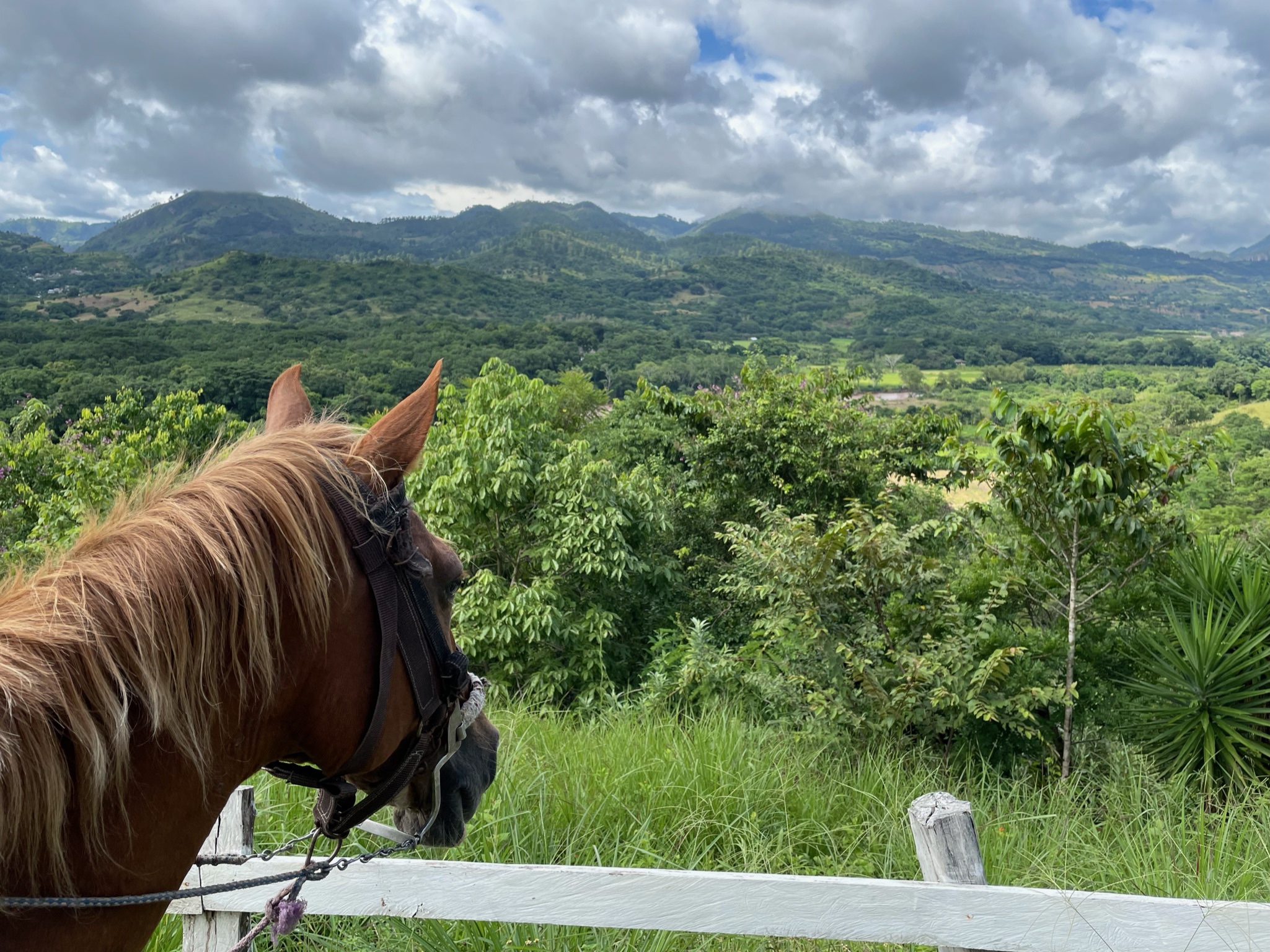
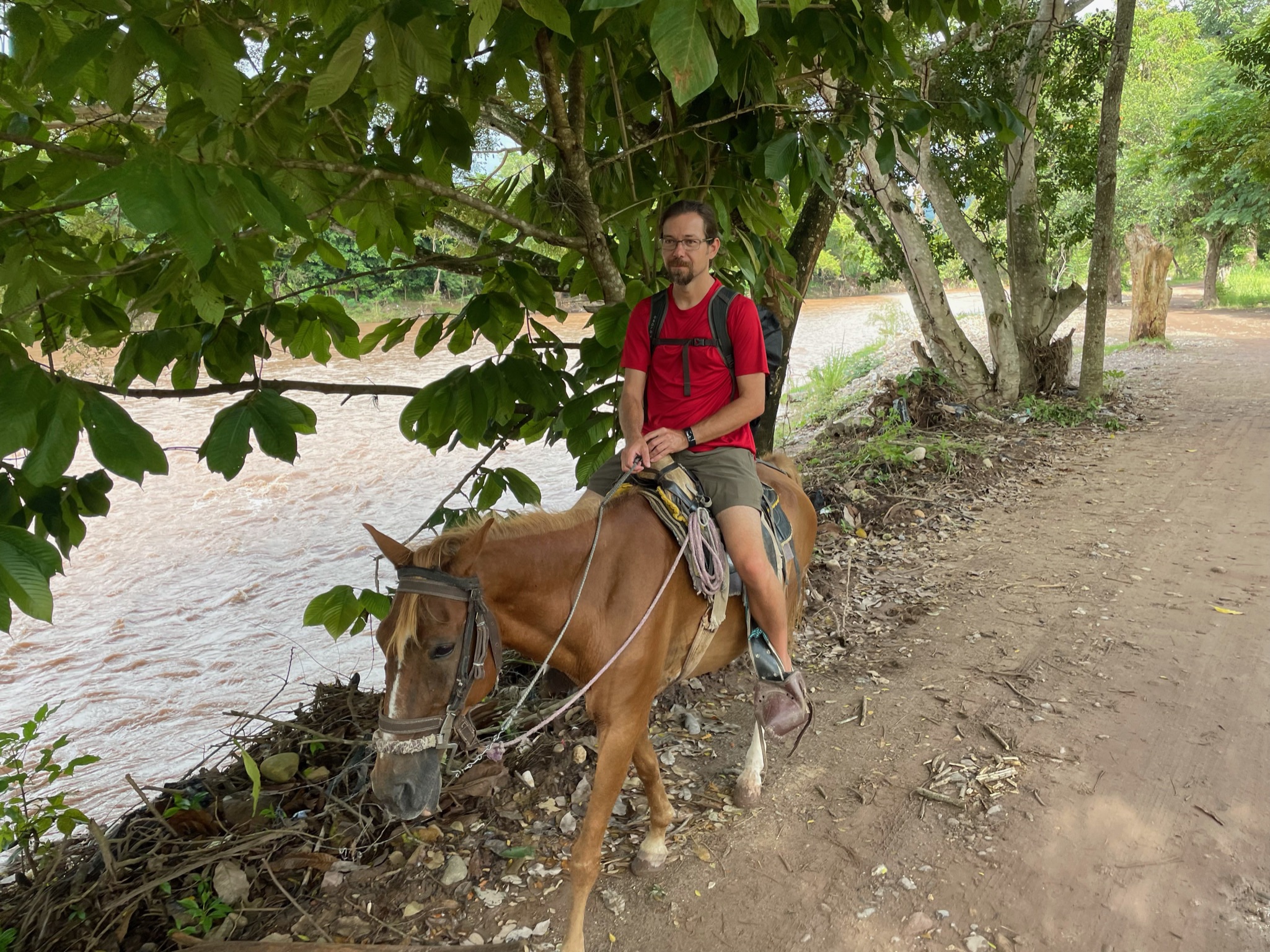
When we arrived at the park at the designated time, we were thankful and a little surprised to see Luis walking up the hill towards the park. We chatted briefly, and then we walked a few blocks with him to get the horses. Henry had never been on a horse before, and he was a little nervous about this adventure. Luis loved talking with Henry, and he spent a lot of time with him making sure he was comfortable with his ride. Once we were all mounted on our horses, Luis walked beside us and guided us through town, across a long bridge over the massive Copan River, and up to a scenic point overlooking the valley to view the green-blue mountains rolling as far as the eye could see. Throughout the two hour ride, Luis would point out various things and would teach us about them. He taught us about the local farms that were growing tomatoes, peppers, and tobacco as we passed them. He pointed out mango and avocado trees growing wild along the riverbank, and he taught us about the beautiful macaws when we saw them as well. All the while, he helped us with our pronunciation of Spanish words and phrases. When we returned to town, we helped Luis return the horses, and we parted ways never expecting to see Luis again. Throughout the next two days, we saw him several times, and every time we were greeted by name with his huge smile. Luis’ love of his town and people and his warm hospitality were easily our favorite parts of our stay at Copan Ruinas.

On our last night in town, the bar/restaurant in the hostel was having live music. Henry opted to hang out in our room and play on his phone, but Brian and I enjoyed a drink in the bar while listening to Spanish versions of some of our favorite songs along with several songs completely foreign to us. We couldn’t sing along, and we didn’t even know what some of the songs were about, but the beat was good, the enthusiasm from the crowd was infectious, and the atmosphere was fun and relaxed. We went to bed that night feeling more normal than we have in quite some time.

We left Copan Ruinas for the Atlantic coast to visit Utila, an island that several of our new friends along the way had touted. Our first bus was the Casasola Express, a local inexpensive bus that ran several times per day. We walked to the bus stop, an unmarked section of road just outside of town, and one of the gentlemen who had sang his heart out at the bar the night before turned out to be our driver. This bus, like many in the area, picked up and dropped off passengers all along it’s route. The bus was manned by two people, our driver and a doorman. The doorman stood at the door and as we approached people walking or waiting by the road, he would signal to them to find out if they were waiting for the bus. If they were, he would tell the driver to stop, would usher the new riders on board (sometimes without the bus actually stopping), and would accept their money for the fare. The bus was crowded and hot. Passengers got on the bus with machetes, packages, and even a dining table in tow. At different locations, vendors would get on the bus to sell drinks, snacks, and meals, and then they would hop off at the next stop. We even had a preacher get on and deliver a message to us as we traveled, and all of the riders respectfully gave him their attention. The bus was overcrowded, and several stood in the aisles for long portions of the ride, but four hours later, we safely arrived in San Pedro Sula’s main bus terminal.

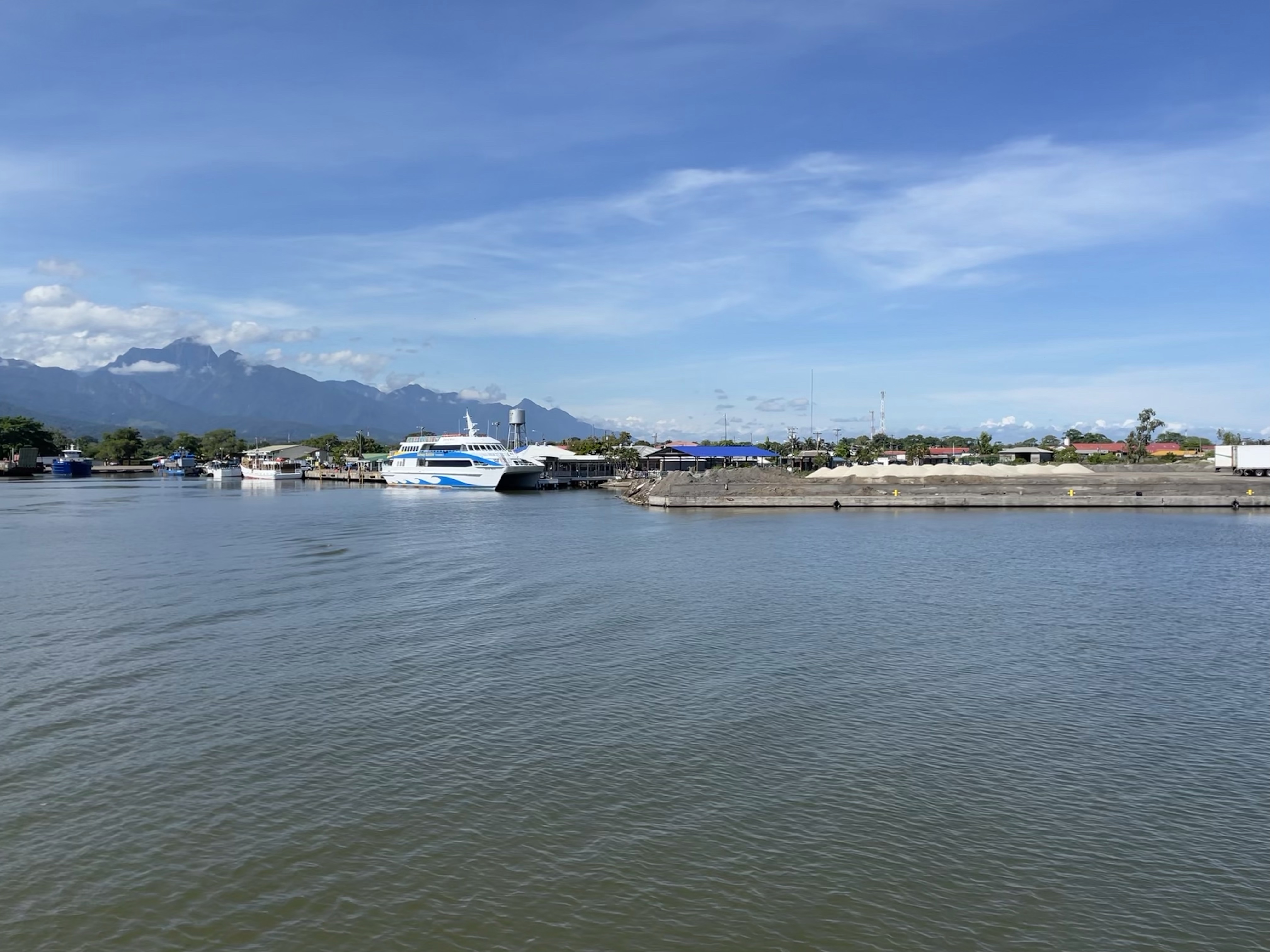
Our next bus was a much more comfortable ride with air conditioning, reclining seats, and plenty of elbow room. This bus took us from San Pedro Sula to La Ceiba. After a night in La Ceiba, we took the ferry over to Utila and found our room there. We had rented an apartment on AirBnB for three nights, and when we arrived, we walked from the ferry to our new lodgings. We weren’t thrilled when we got there; the building wasn’t much more than a run down shack. The washing machine worked, so long as you manually filled it with water for the wash and rinse cycles with the garden hose laying nearby. The stove was broken, but as long as you didn’t need the insulated door, you could heat your food. And the air conditioner would cool the room, but with the windows that were always cracked open and the cracks in the floor, walls, and ceilings, it wouldn’t hold the cool air in at all. Oh, and did I mention the dead tarantula we saw? Yeah. It was bad. We decided to make it work though, and so we carefully and reluctantly settled in.

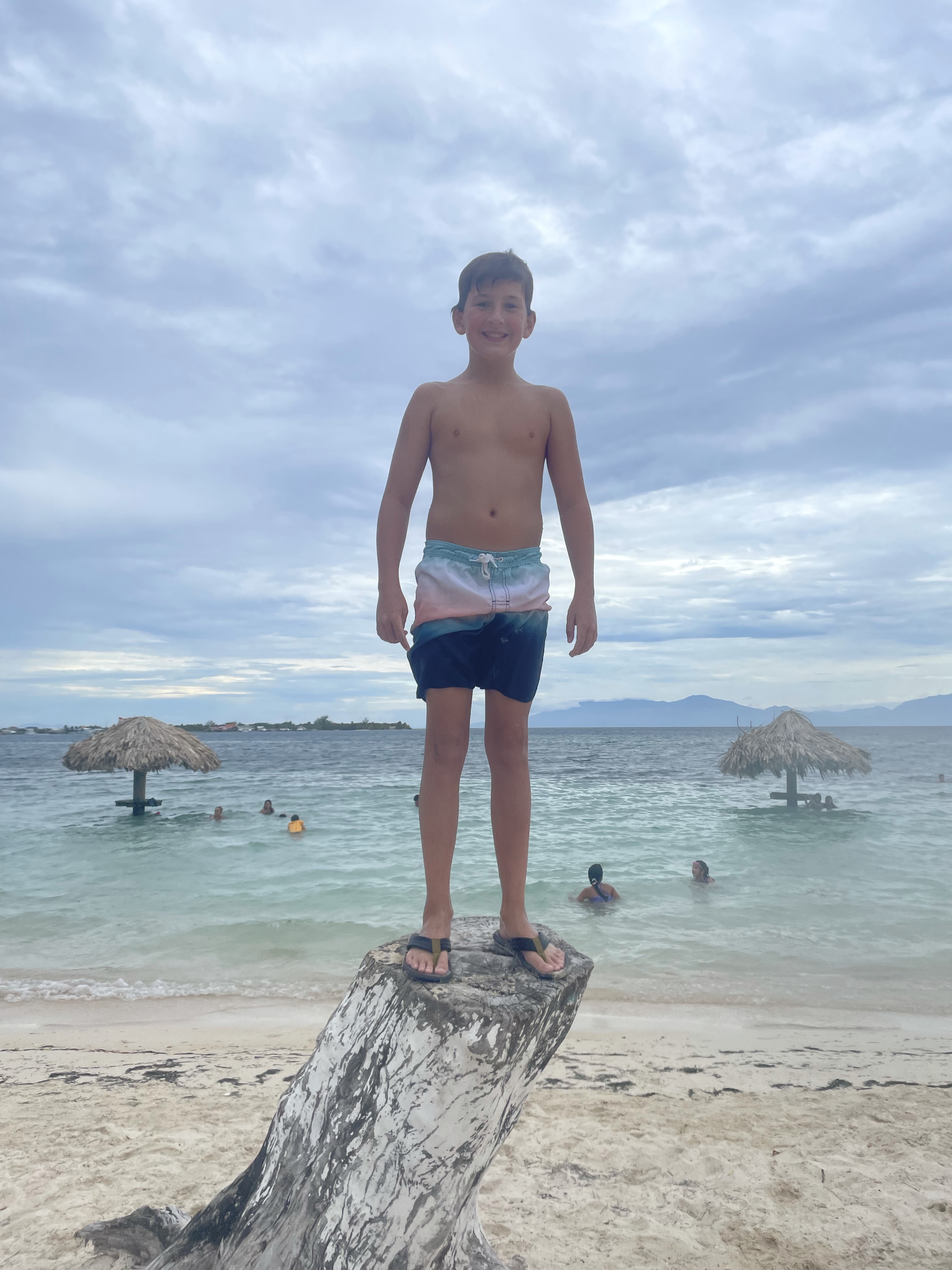
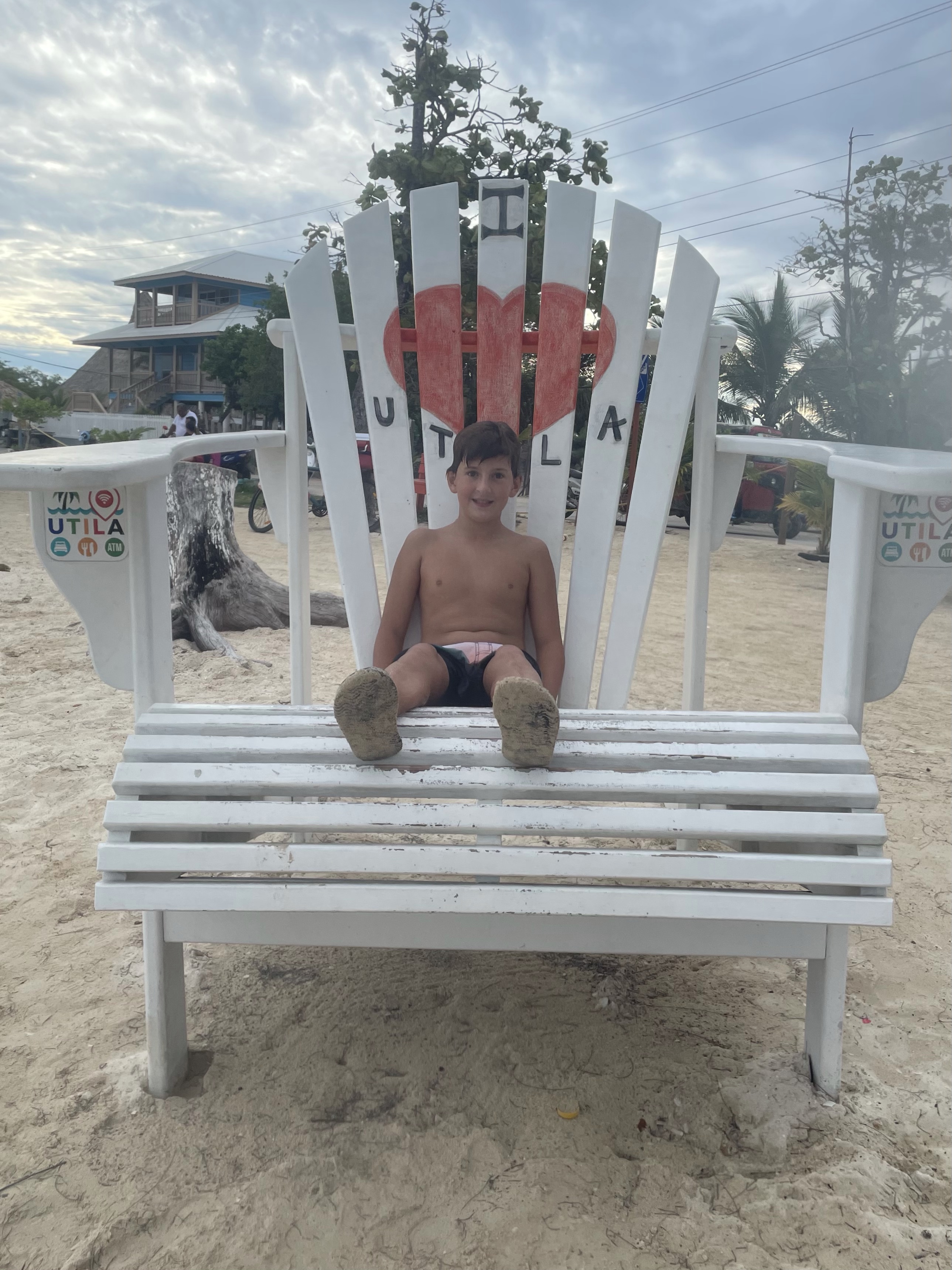
My first impression of Utila was not very good. It was hot, and I mean suffocatingly hot. The main street was overcrowded with businesses right on top of each other, people walking in every direction, and motorcycles, tuk tuks, and four wheelers driving way too fast and too close as they weaved through the crowds and narrow streets. The water was beautiful, but the town had taken over all the beach access, so you had to walk to the outskirts of town to swim. And, because it was an island, it was expensive. The first few meals we had were overpriced and not great. In addition to that, Brian and I got a stomach bug and got stuck in the shack for most of the time. We ran the air conditioner because it was insanely hot if you didn’t, and our host began telling us that we would need to buy more electricity at the rate we were using it. At this point, honestly, I was ready to leave the island far behind. We had heard that the scuba diving was great as the island sits on the second largest barrier reef in the world, and we definitely wanted to give that a shot. We were miserable though. I had really gotten to the point that I didn’t care if we dove or not, but Henry was excited about it. We decided to move on to another place after our first three nights and see if we could turn things around.

That turned out to be a great move for us, and it changed our impression of the whole island. We rented a two-bedroom apartment above the Utila Brewing Company on the main strip. In our new place, we were still a good walk from the swimming beach, but we could use air conditioning freely, and we were within easy walking distance of quite a few restaurants. The food got better, we got better, and all of a sudden, the island wasn’t quite so terrible. We liked the atmosphere here, and that made a huge difference.

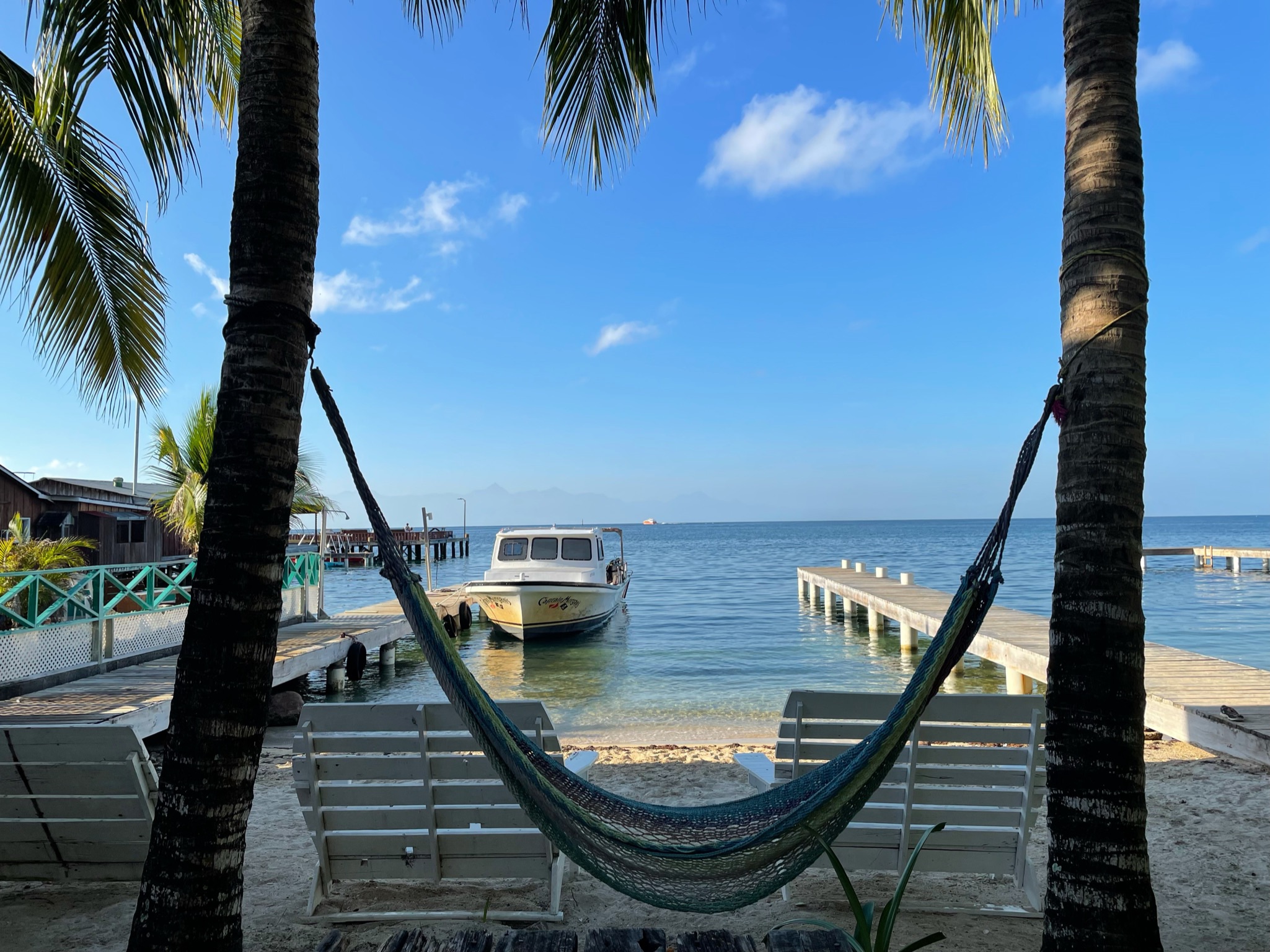
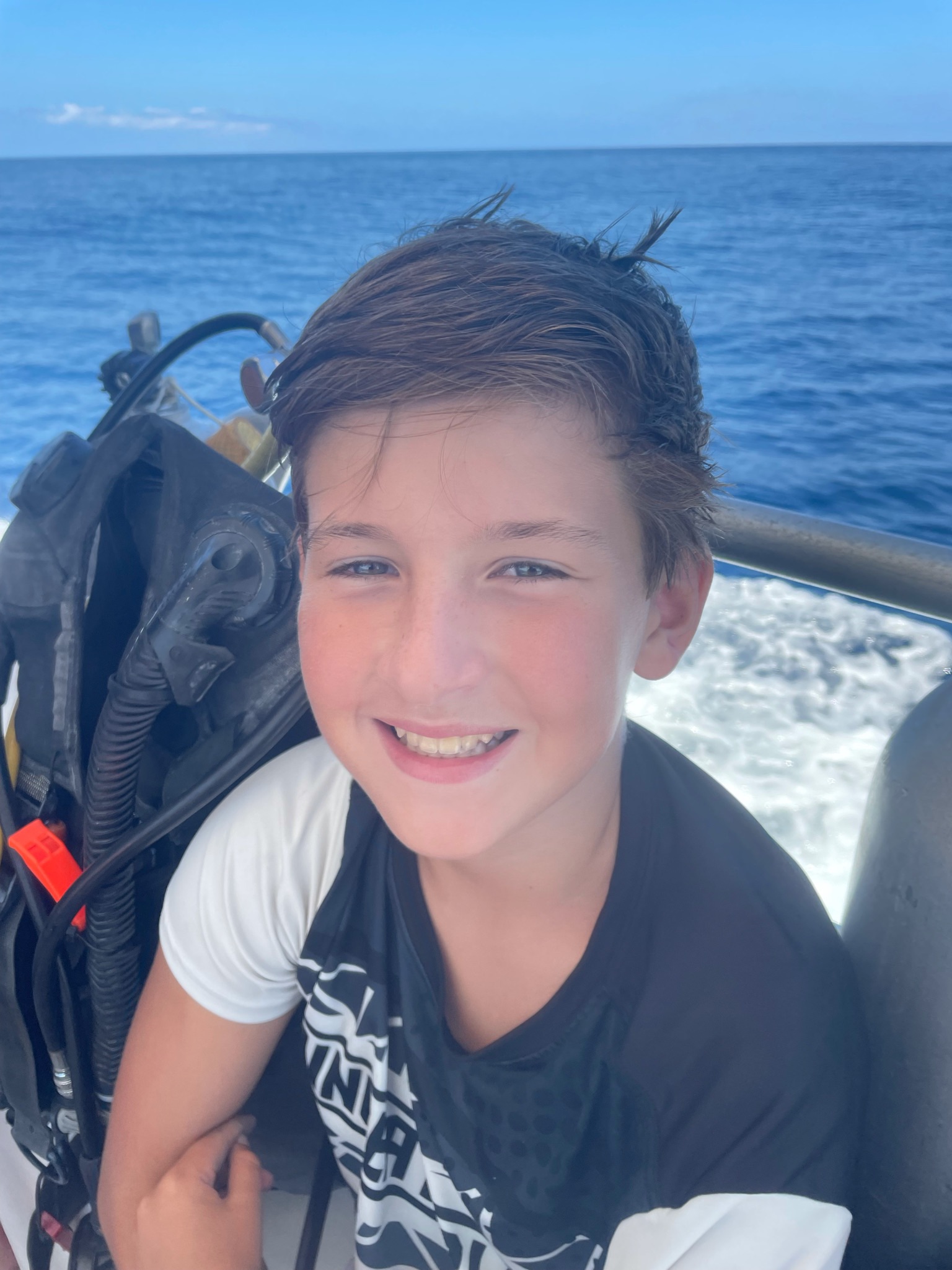
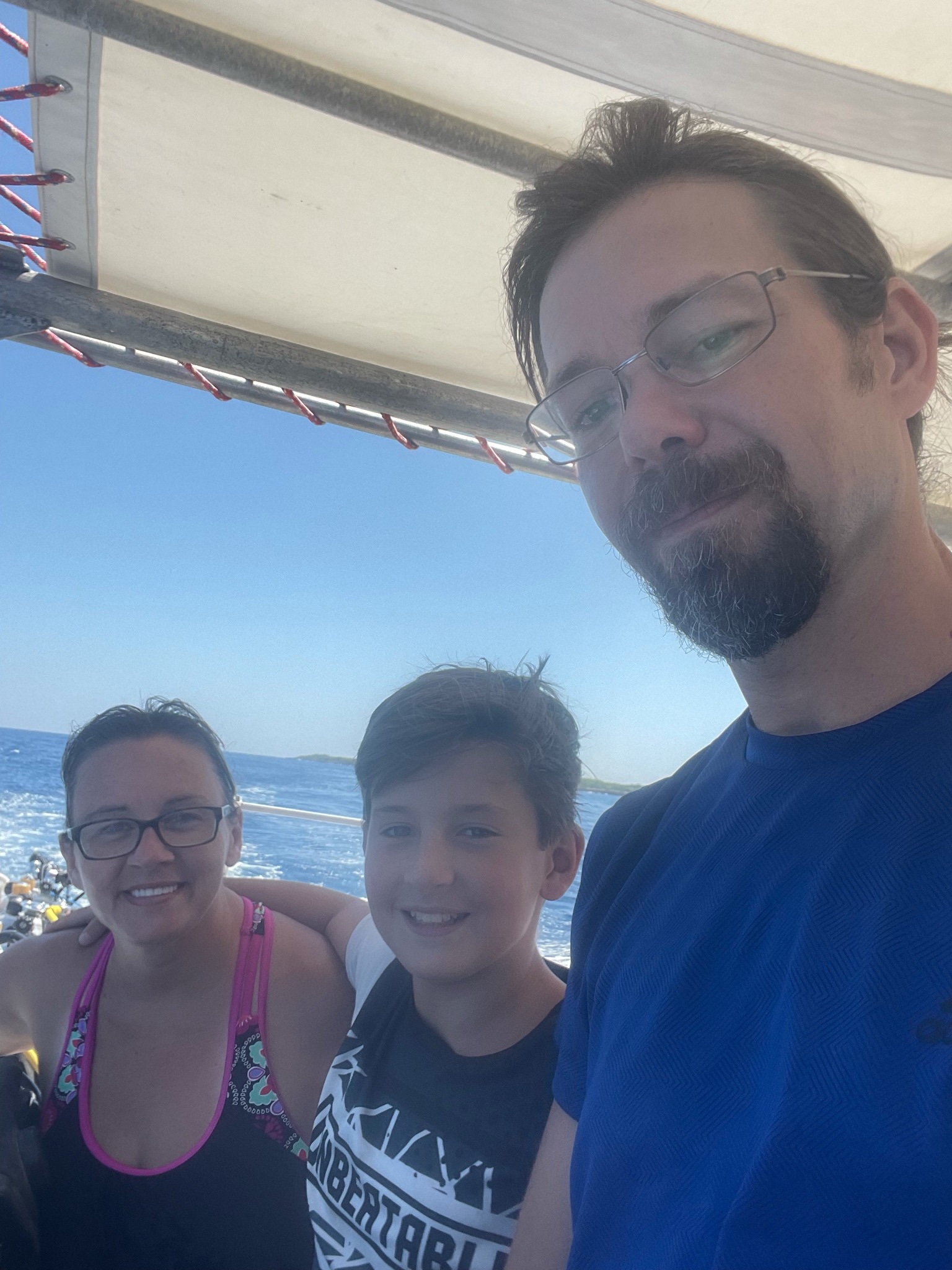
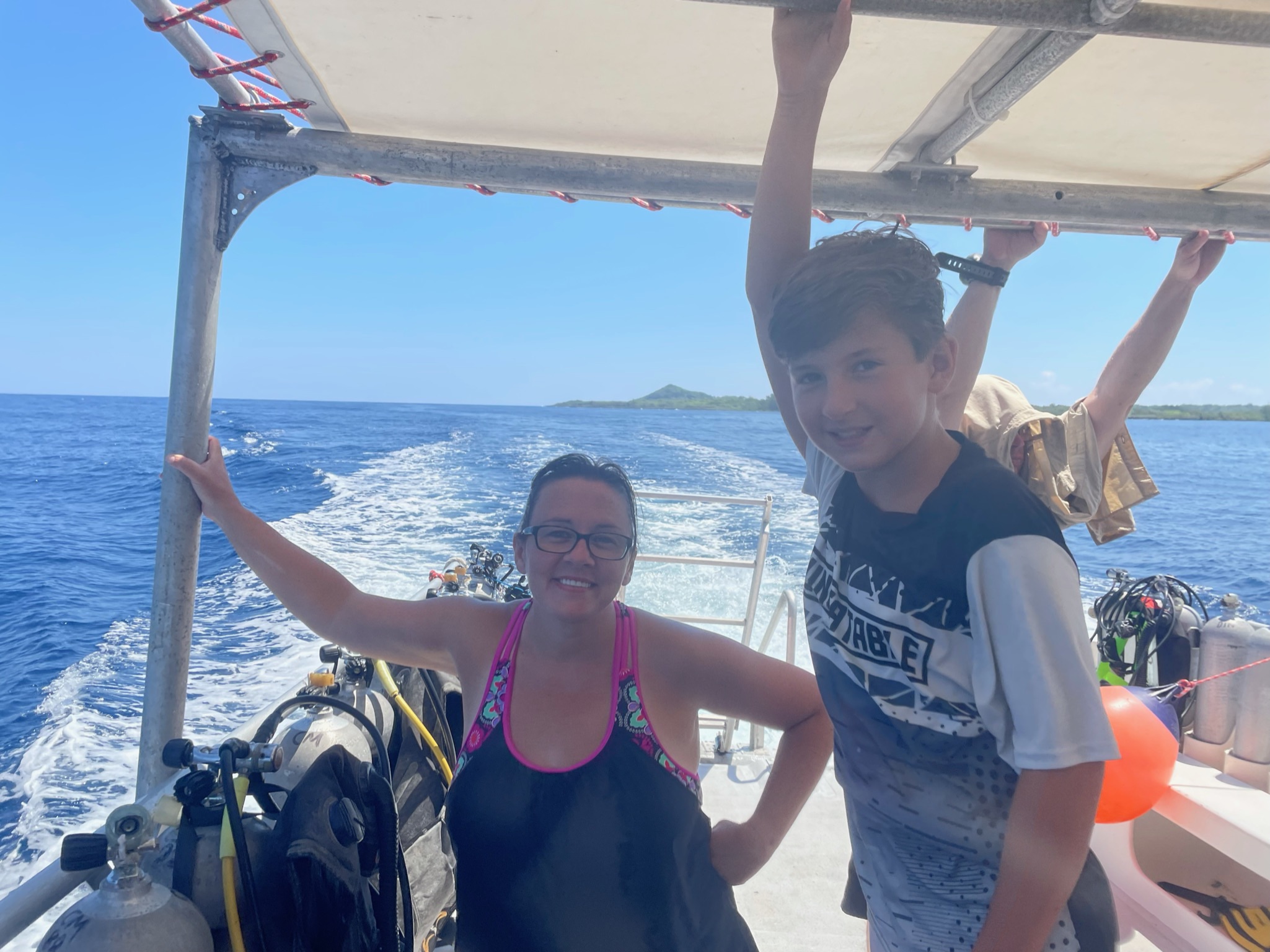
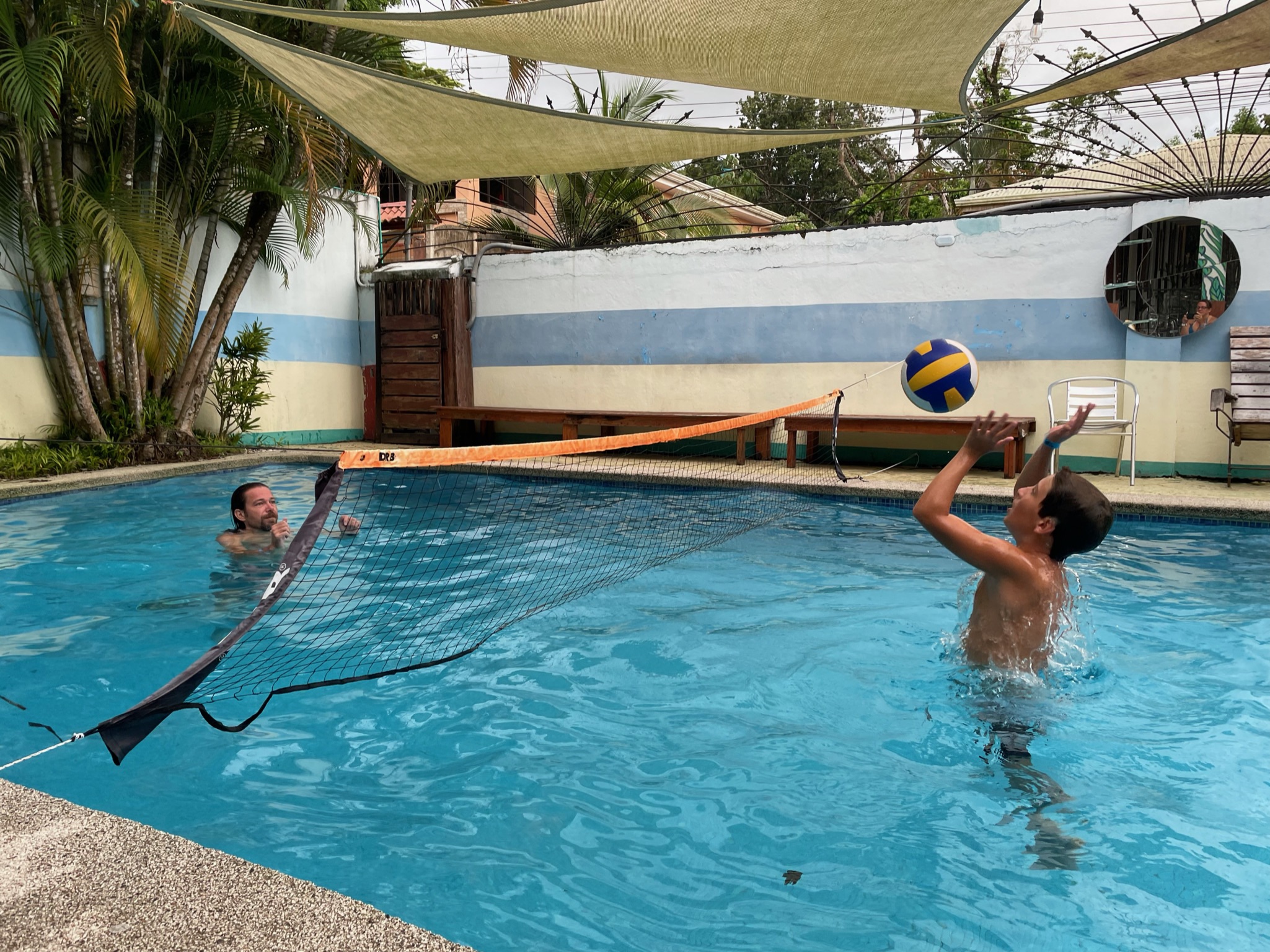
We ended up booking two days of diving with the Captain Morgan dive shop, and as a convenience for their divers, they allowed us to stay in their hotel on those nights. They had their own little private beach, so not only did we have a really nice and convenient first floor room on the main strip, but we had a perfect little swimming hole too.

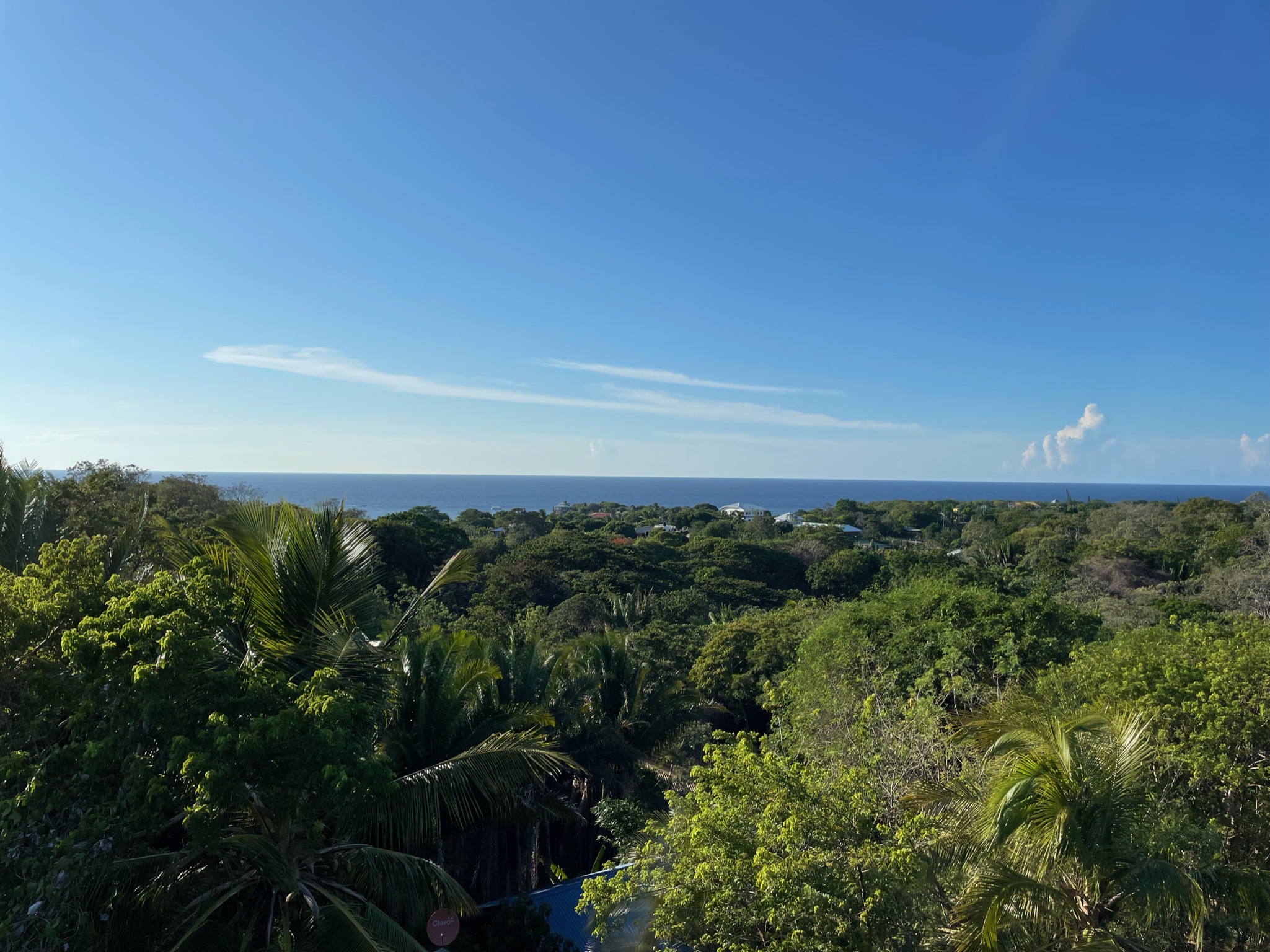
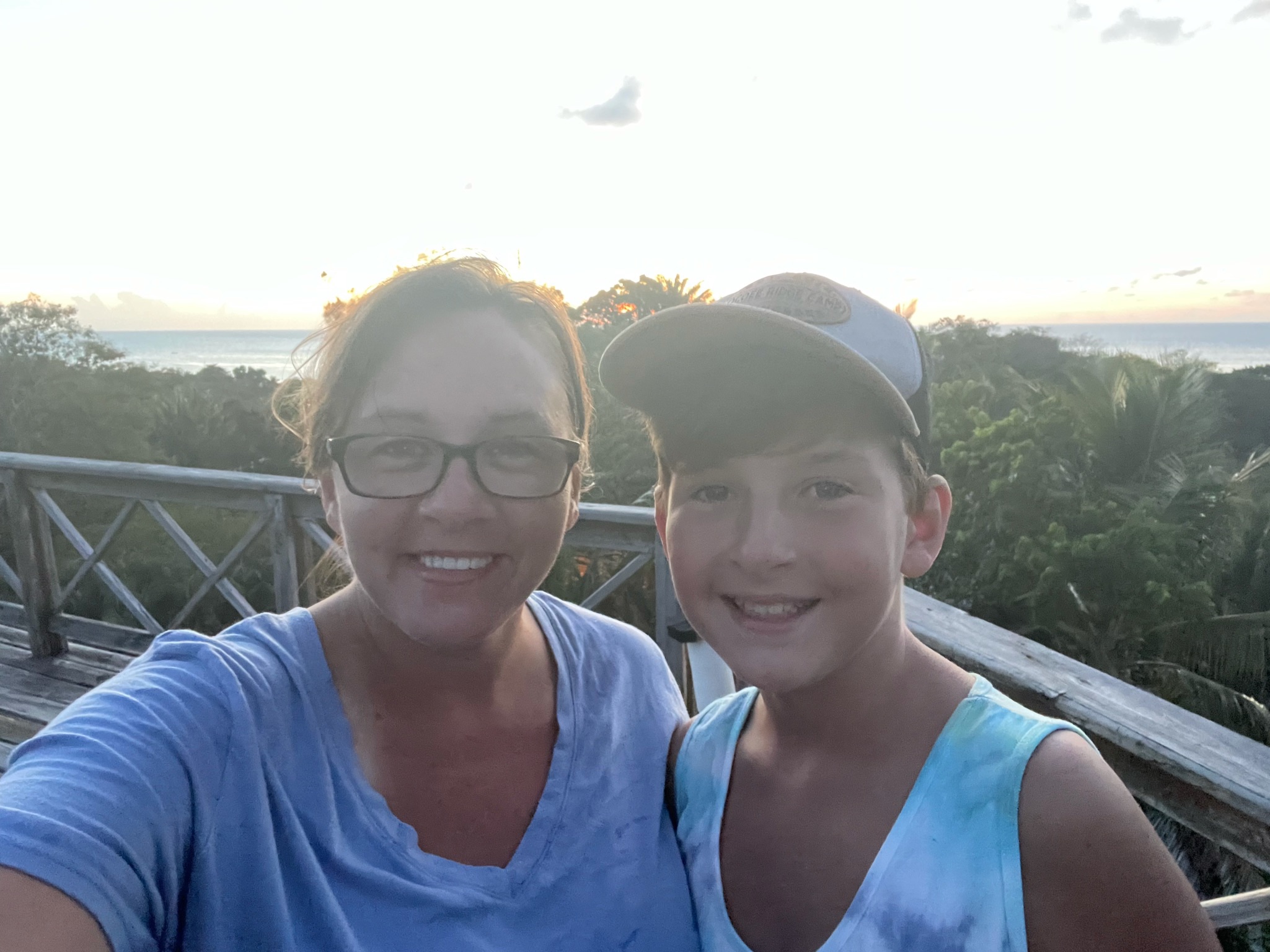
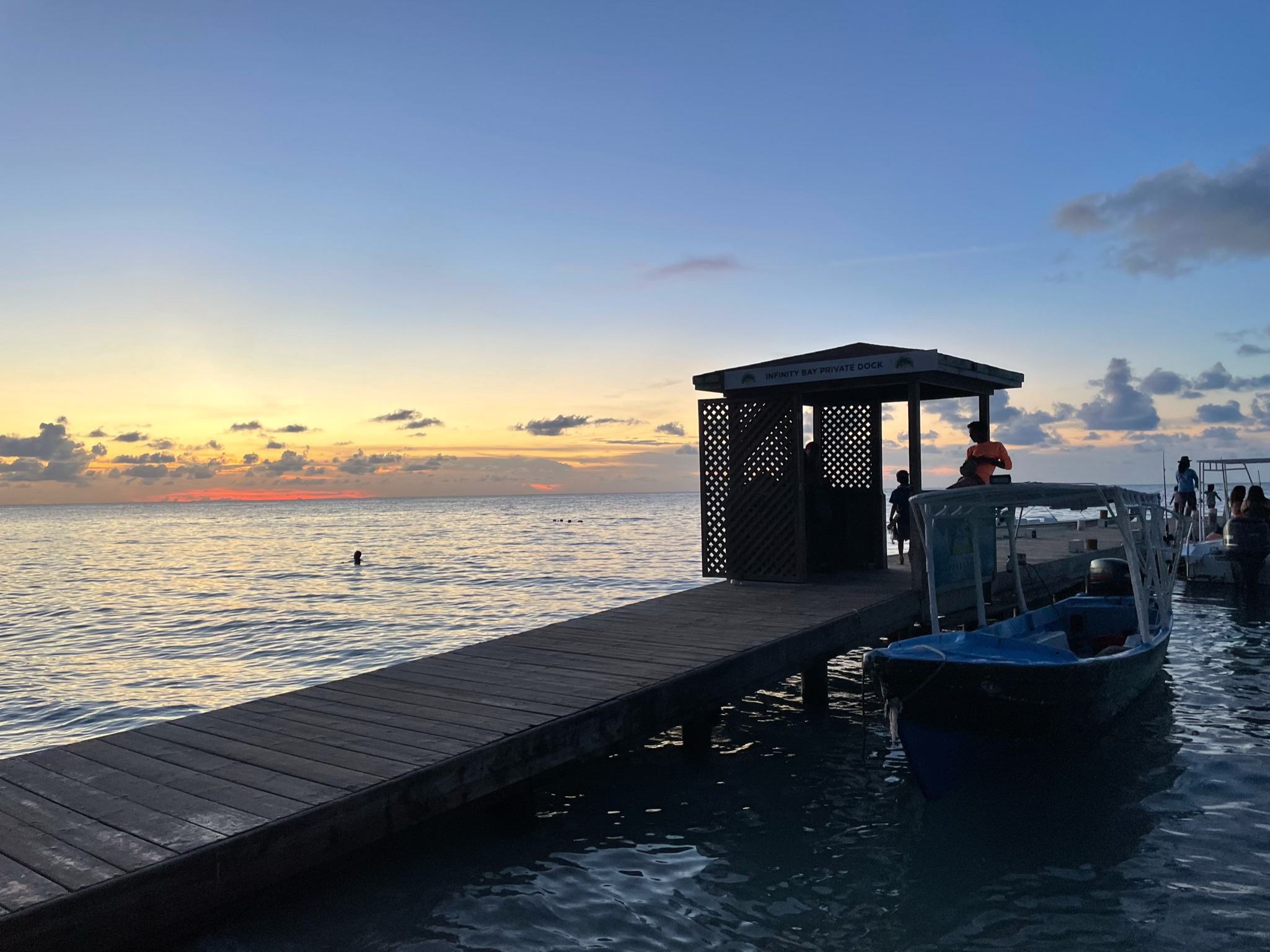
After a full week on Utila, we decided to take the ferry over to another island named Roatan. Roatan was described as the more touristy big brother to Utila. Roatan island was much bigger and with its large hotels, paved roads, and recognizable restaurants, was much more commercialized than Utila. We stayed in a beautiful bed and breakfast cabin atop a hill overlooking the West End area. Our room was on the third floor, accessed by a spiral staircase. We didn’t have air conditioning, but the constant breeze coming through the windows kept the room very comfortable. The view from the roof was gorgeous, and it was a perfect place to watch the sun set over the bay. At night, the roof provided a cool place to rest and enjoy the breeze and the stars.

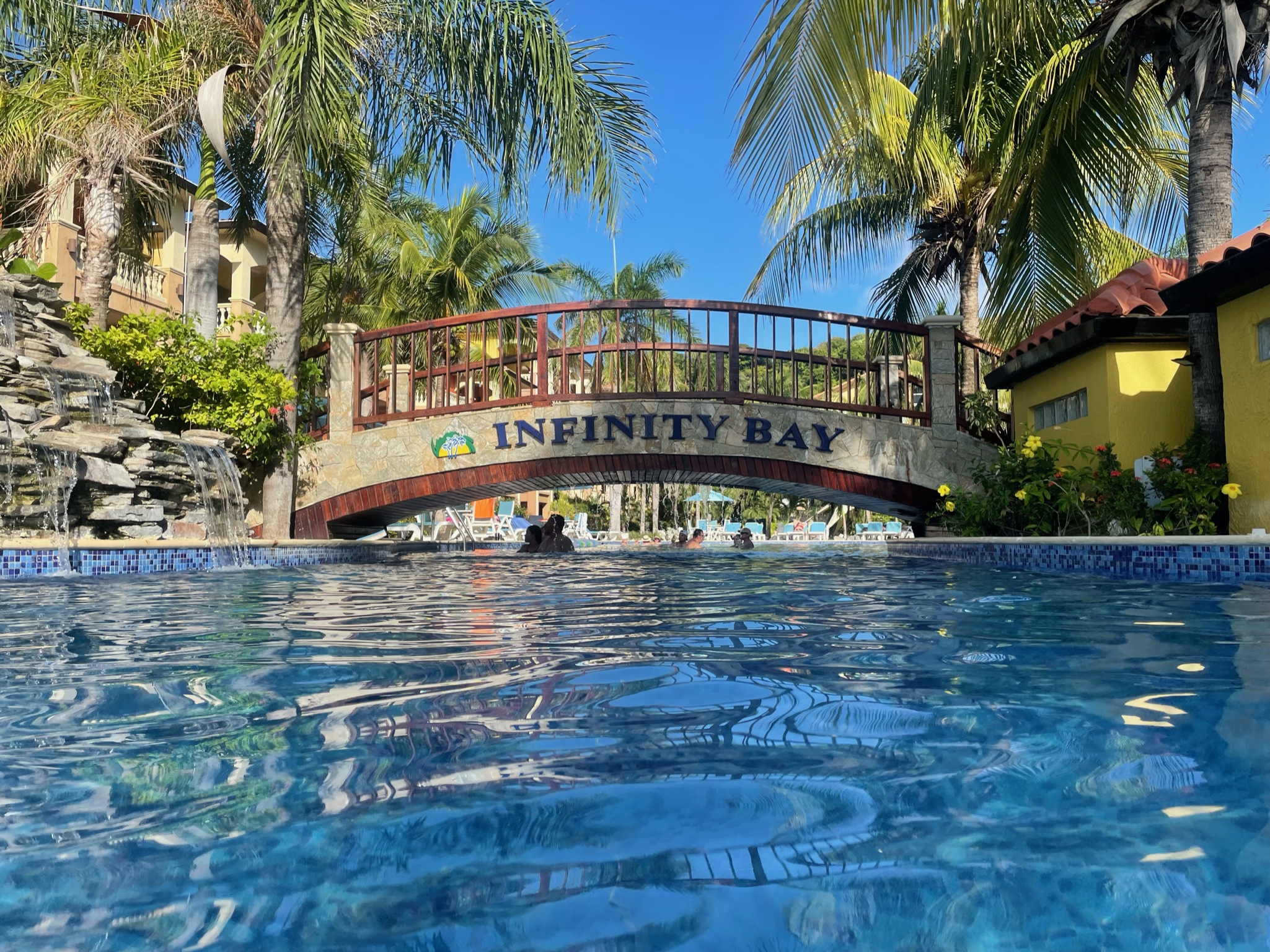
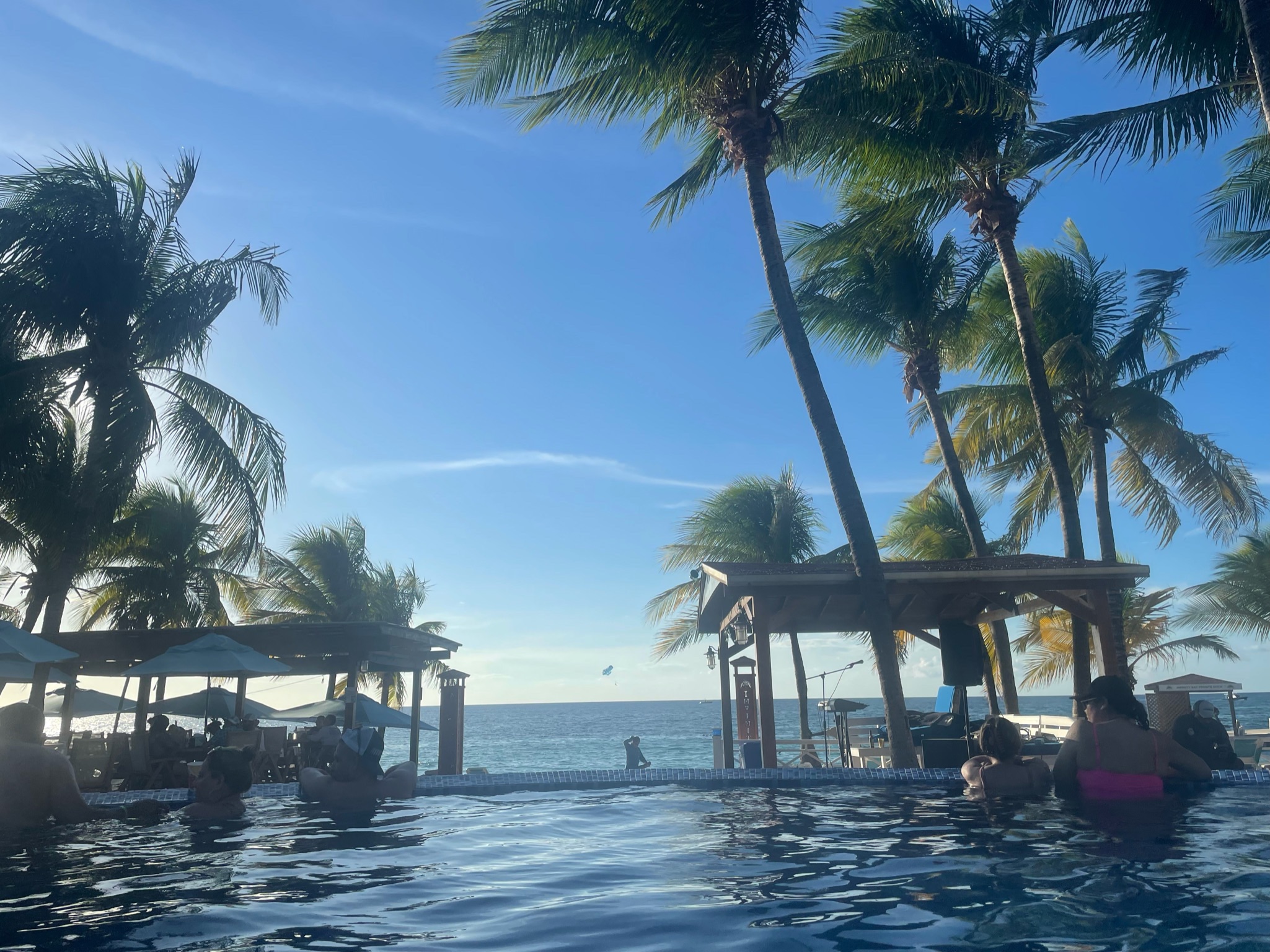
We took a water taxi from the West End area to the West Bay area. West End was a strip of restaurants, souvenir markets, and dive shops along the road that skirted the beach. West Bay was the main beach on the island, and it was absolutely filled with hotels, restaurants, and tour companies promising tourists the best the island could offer. The beach was gorgeous, but it was crowded and busy. After we ate our lunch, we took advice from one of the locals and sampled the pool at the nicest of the hotels. So admittedly, this may not have been a good parenting moment for us, but Brian, Henry, and I walked in from the beach like we owned the place, found a couple of lounge chairs, and relaxed the afternoon away in the cool clear waters of the biggest pool I’d ever been in. When it was time to go, we grabbed our bags and headed down to the hotel’s private dock to meet our water taxi driver and go back home.

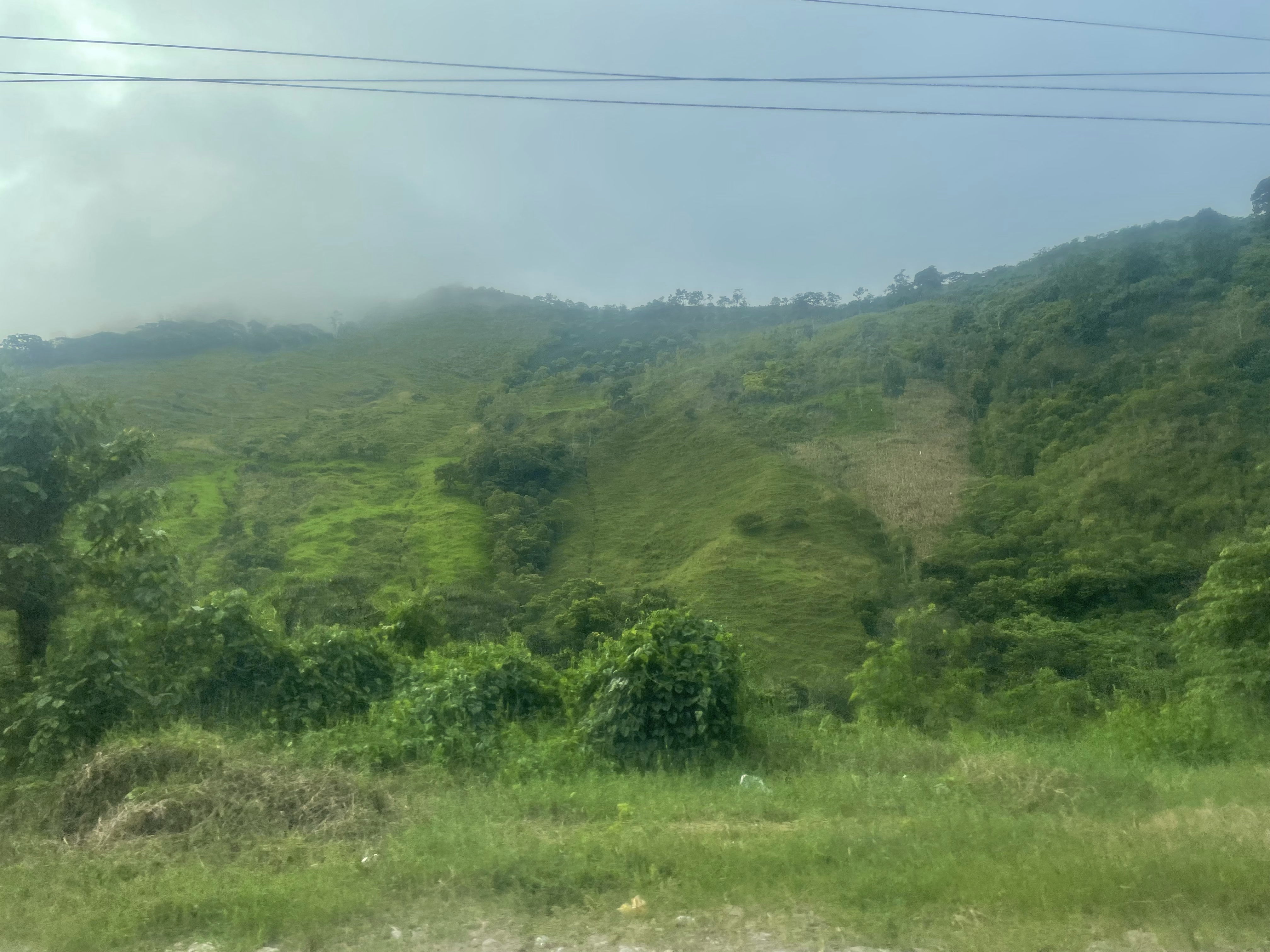
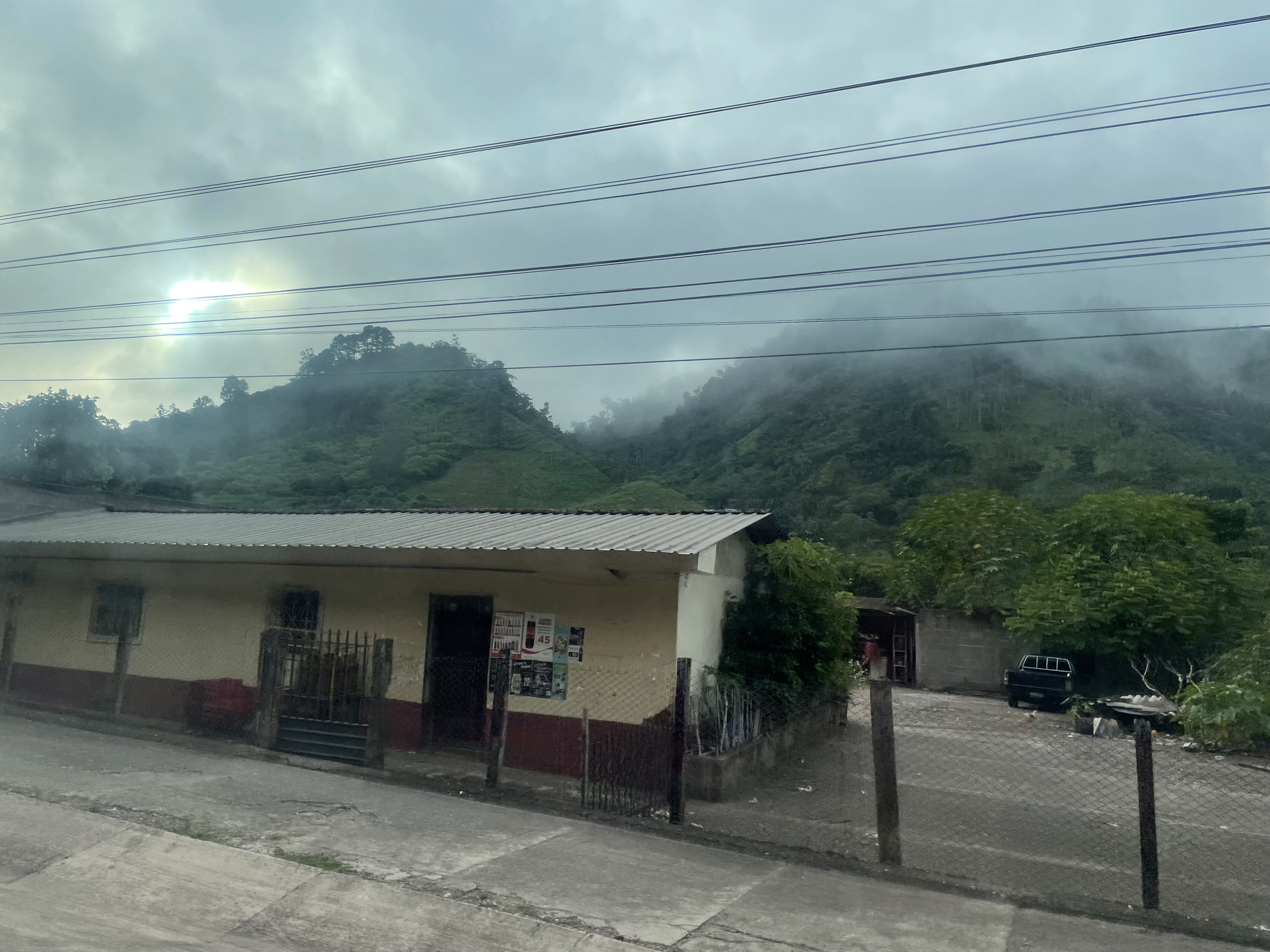
We knew it was time for us to move on, so we said adios to Honduras after Roatan. We didn’t know what to expect in Honduras, but lush green foliage rolling over the mountains and beautiful beaches with outstanding diving were both pleasant surprises for us. It was a great trip, full of ups and downs, and we will forever remember our time here fondly.