Life itself is a privilege. But to live life to the fullest – well, that is a choice.
– Andy andrews
I had never heard much about Panama before we started planning this trip. I remember learning about the Panama Canal in grade school, and I know I’d heard of the Darien Gap, even if I had long forgotten where it was or why it was important. That little bit pretty much sums up what I knew of this country two years ago. Since then, Brian and I have read several articles that touted Costa Rica and Panama as fantastic retirement options for American expats; the climate is tropical, the costs are low, the countries are relatively safe, and flights from the US are cheap and frequent. After spending two weeks relaxing in the warm sun on the breezy beaches, I am simply smitten with Panama, and I know that one day I will go back.
We left Puerto Viejo, Costa Rica on a Saturday morning. Our shuttle arrived promptly outside our hostel at 8:00, we loaded our bags in the back of the van, and we started our 45 minute long ride to Sixaola, the Costa Rican border town where we would cross over into Panama. The shuttle driver stopped short of crossing the Rio Sixaola when he sent us inside a local store to pay our exit taxes. With our proof of payment in hand, the driver walked us up to the immigration office at the bridge and waited while we quickly went through the exit processing. The Rio Sixaola marks the border between the two countries so our driver couldn’t cross the bridge. Instead, he handed us off to our next guide who was patiently waiting on the bridge for us.
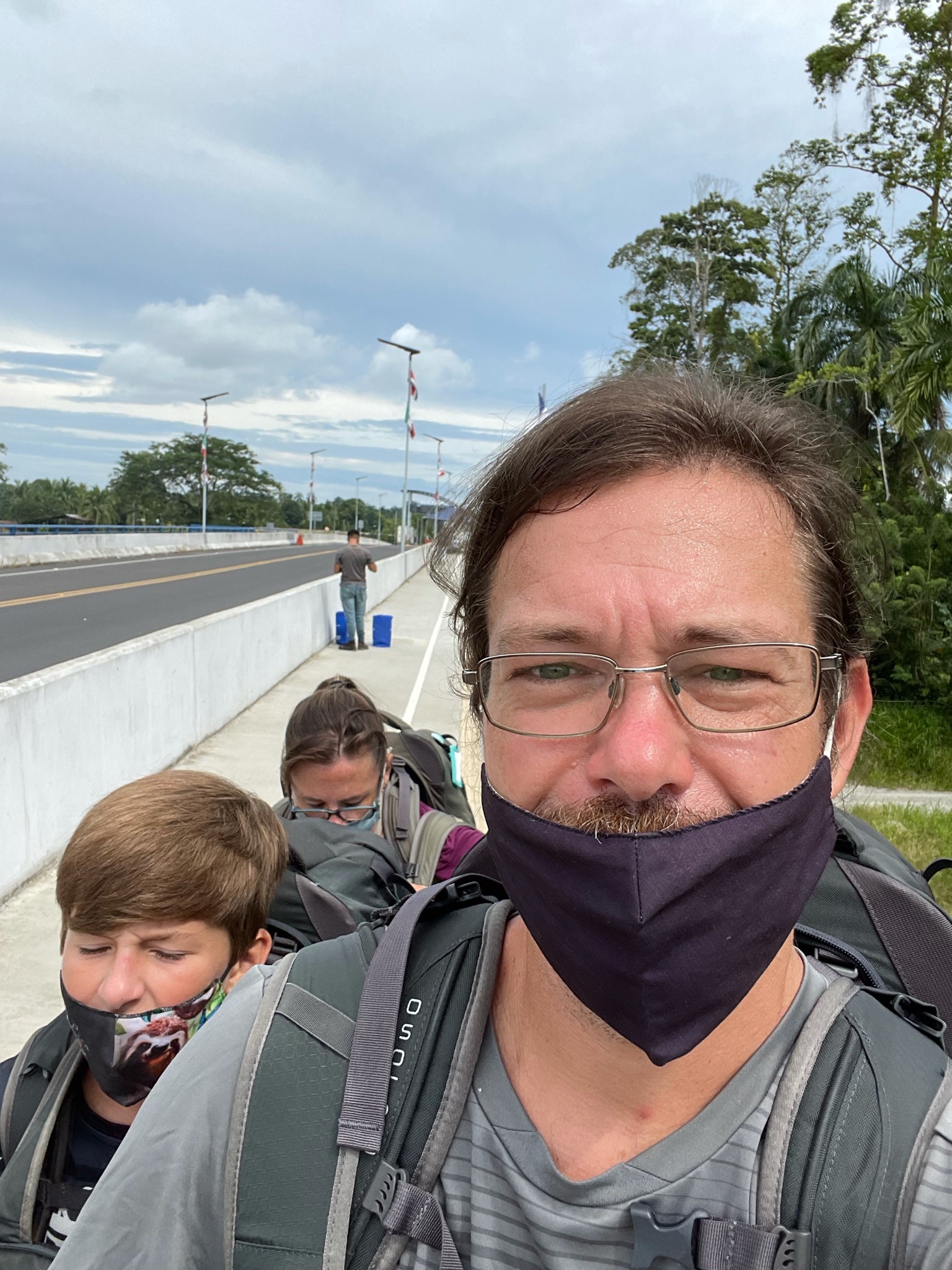
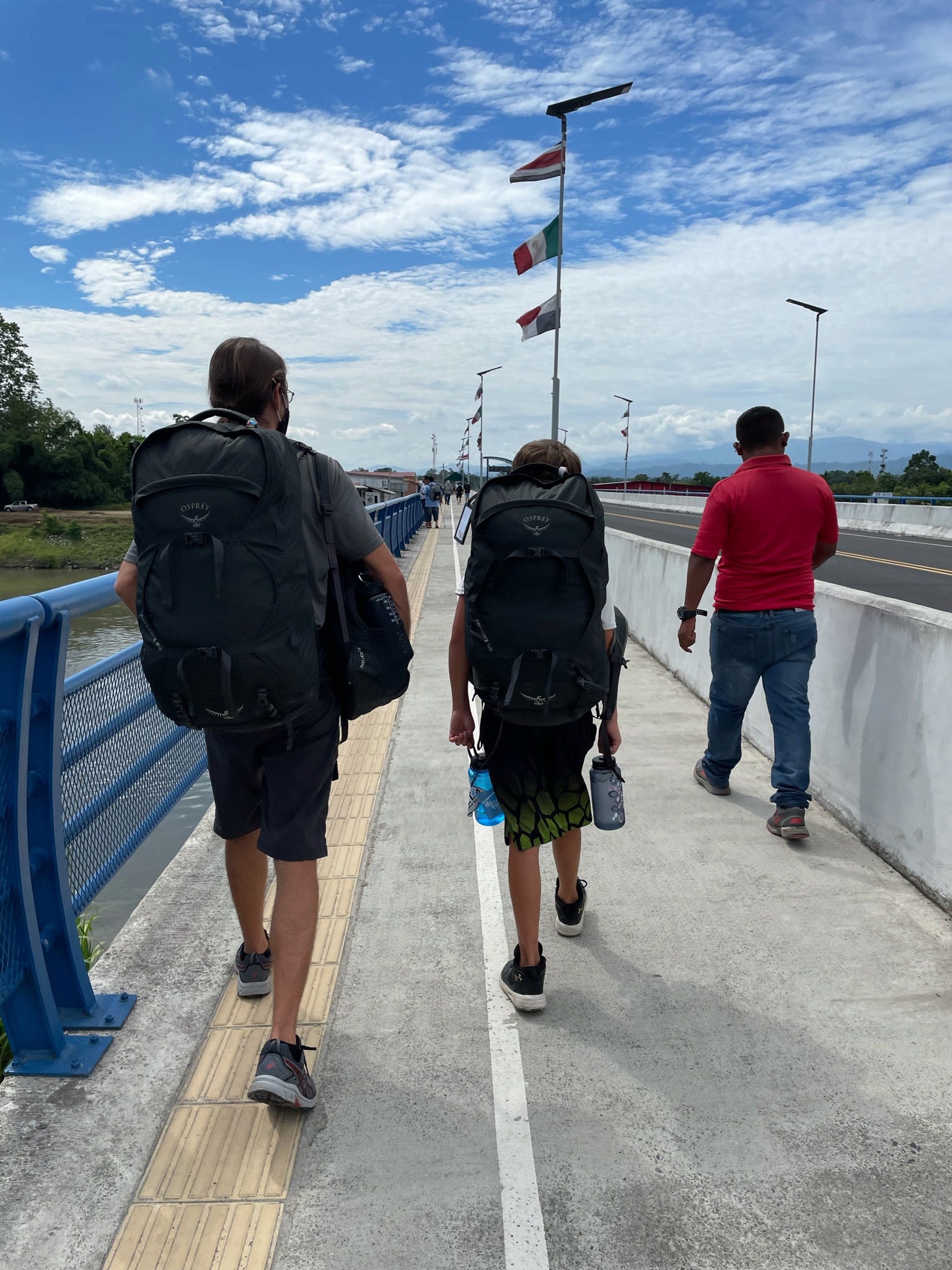
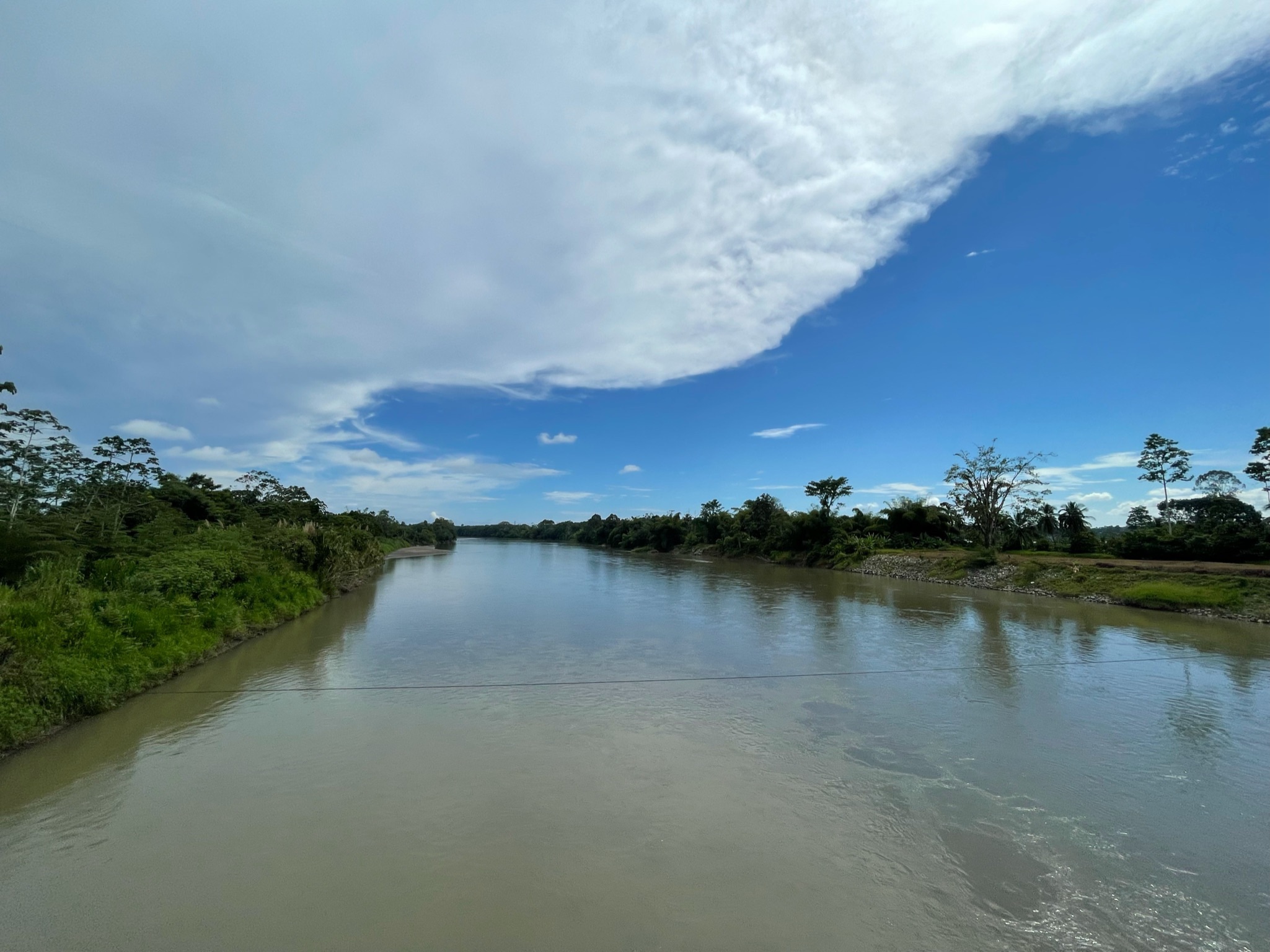
Our new guide walked us over the water and guided us down to the Panama Immigrations. Their office was tucked into a corner behind a strip of stores, and without his help, we would not have easily found it. He waited for us to process through their office and then he handed us off to a third person, a shuttle driver on the Panamanian side.
This driver did not speak English, but thankfully, we picked up another passenger who was from the US and who was fluent in both languages. We settled in for our hour long ride to Almirante. After crossing a border, it’s not unusual for there to be multiple checkpoints where police or immigrations personnel request to see your identification to make sure you legally crossed the border. These are normal, and while they are still uncomfortable, we have grown accustomed to them. On our last border check, though, the police officer didn’t like something about our driver, his vehicle, or both. We were asked to pull over out of the road so they could investigate further. As we sat in the back seat with three cops standing outside my side of the car and two on Brian’s side, I couldn’t help but wonder if we had just become unwitting passengers in some soon to be horrible nightmare. Thankfully, after about five minutes, the officers waved us forward and let us go.
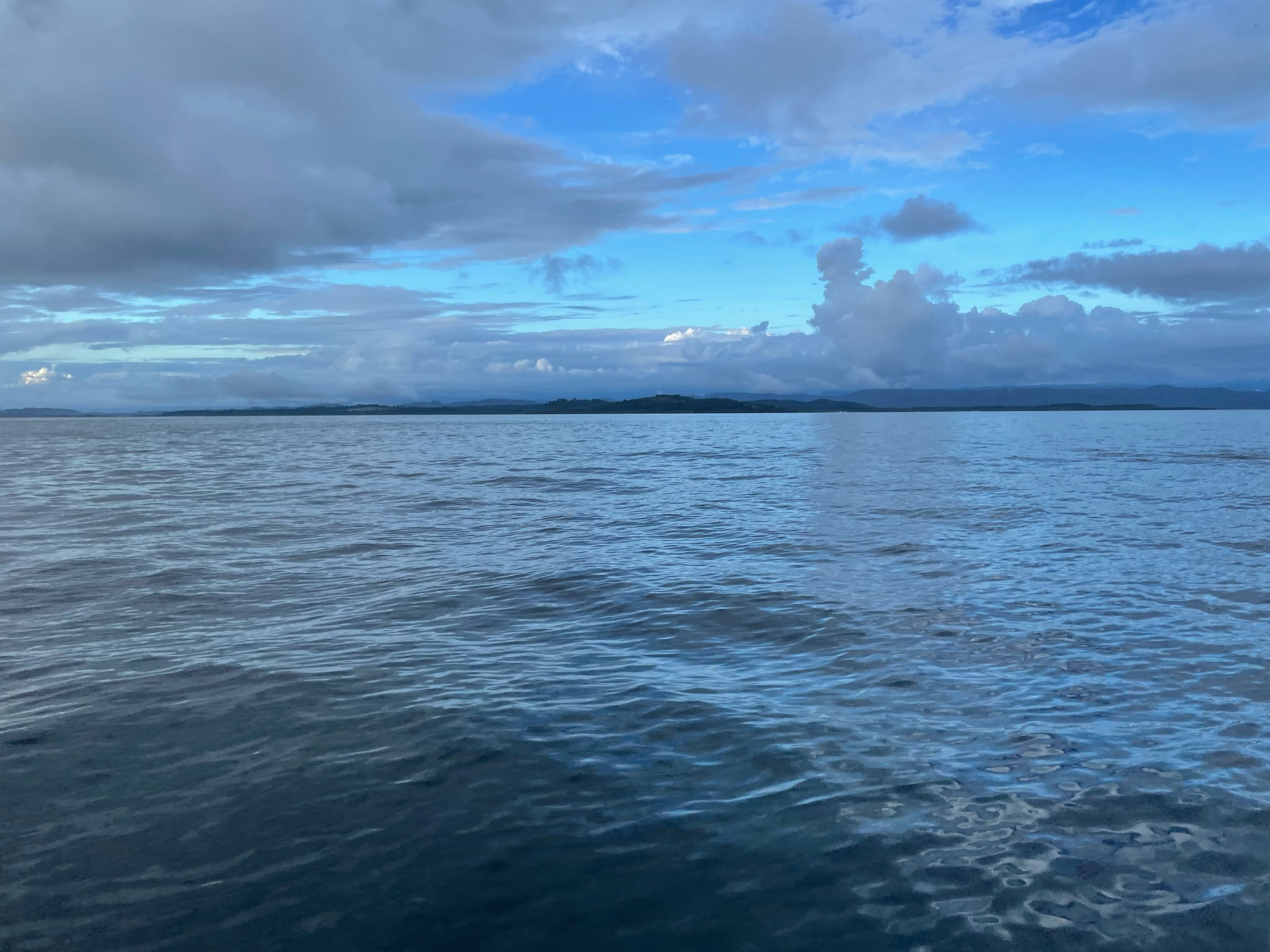
We reached Almirante with no more problems. A young, energetic dock worker grabbed our bags and hauled them from the shuttle to the water taxi dock for us while our shuttle driver arranged the next leg of our transportation. We were heading to the islands of Bocas del Toro, and we would need to take a ferry from the mainland to Bocas Town, the largest city which is located on Isla Colon. Our shuttle driver bought our tickets and pointed us towards the waiting area for our boat. Within a few short minutes, the dock workers ushered us into a 20 passenger ferry boat, and we headed off on our 45 minute ferry ride.
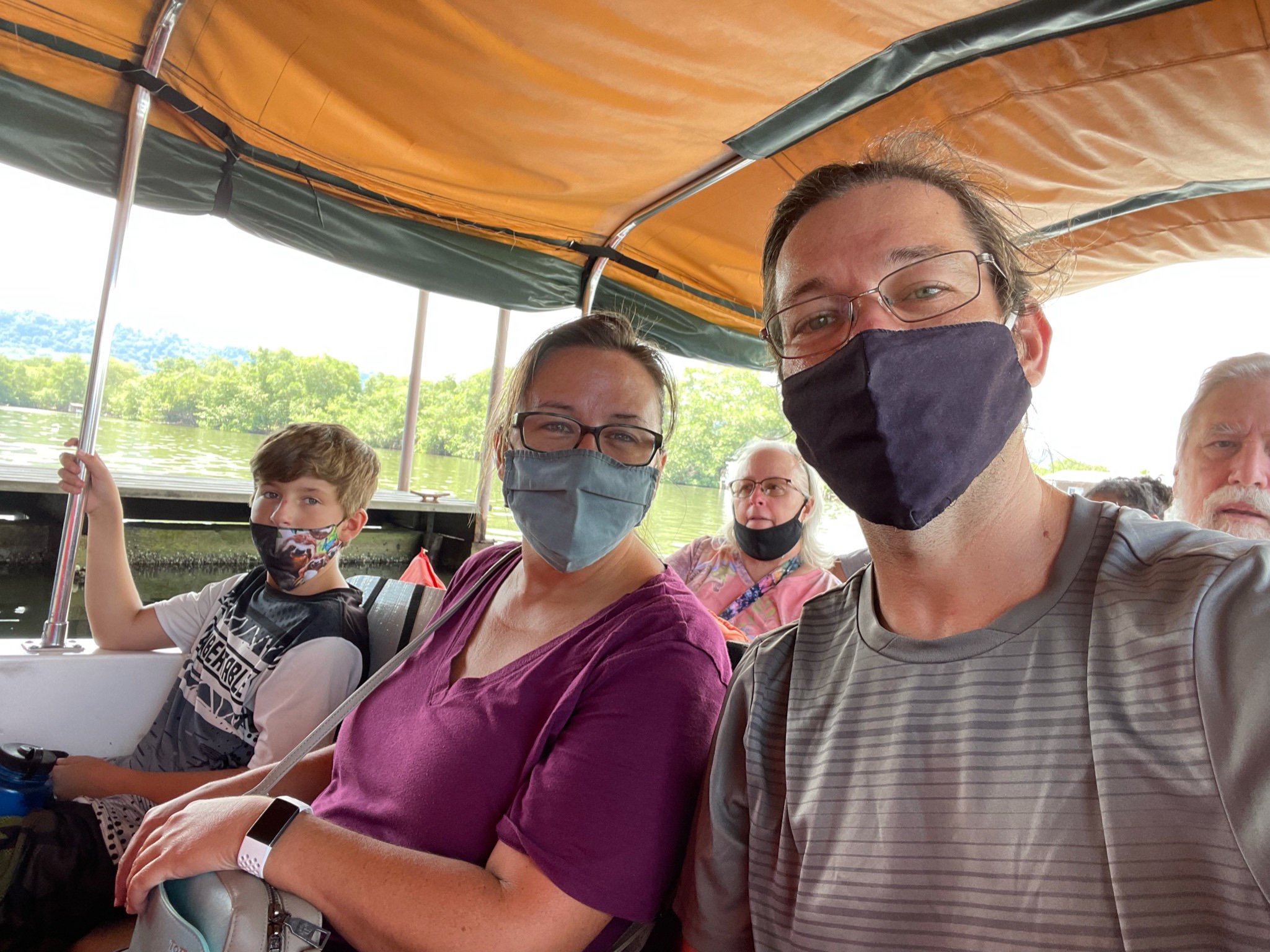
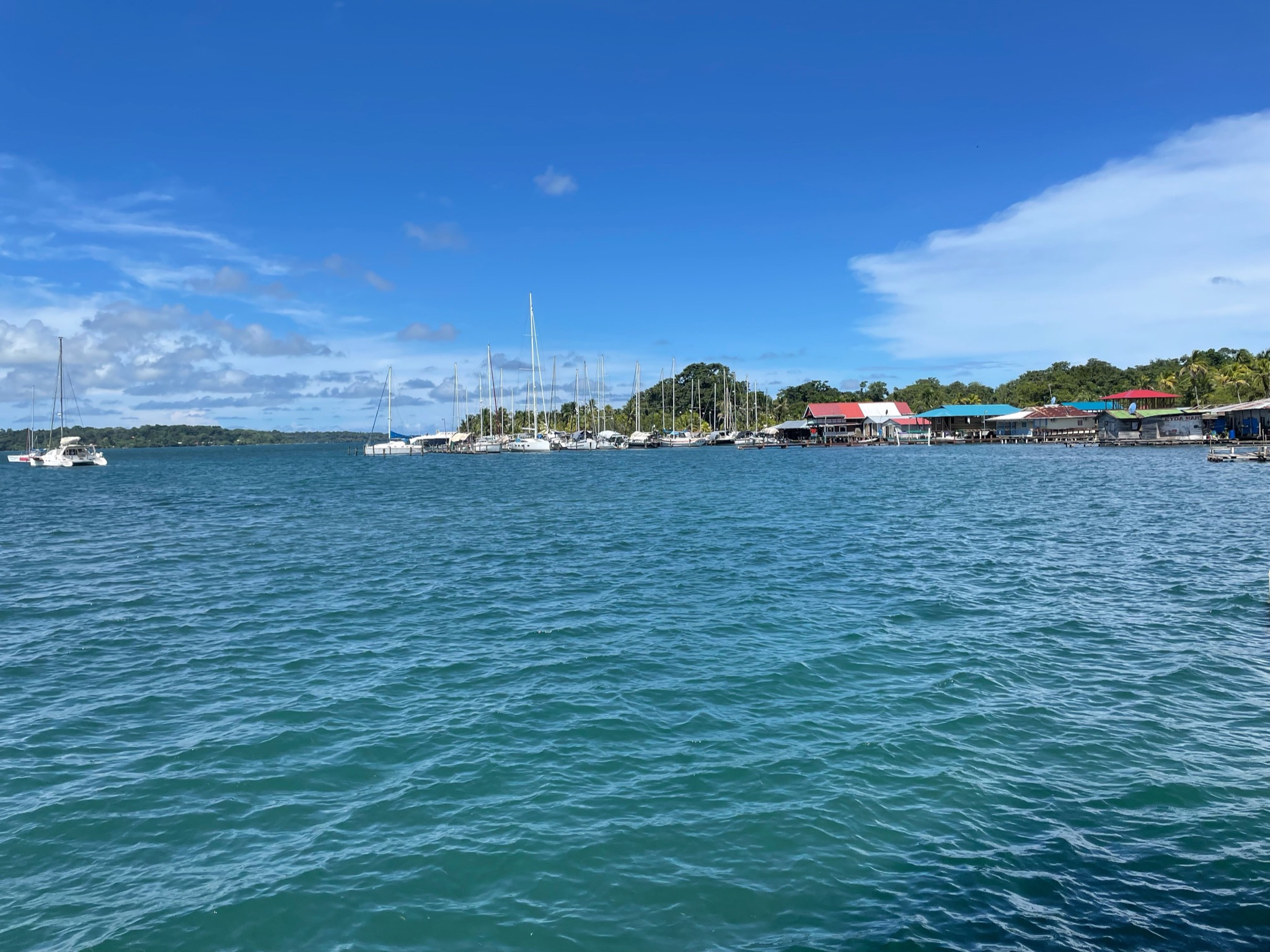
I hated the boat ride. We were going very fast, and I felt like the floor of the boat was just a few hard hits from busting apart. The waves weren’t big, but they were certainly noticeable, and after 45 minutes, I was beginning to feel more than a little queasy. I was grateful to step on solid ground again, so I gladly hopped out of the boat and donned my heavy pack again when we reached Isla Colon.
While we were gathering our bearings, a local tour operator named Bernardo came by to talk to us about his tours. He said he had a group of people going out the following day, and he had room for us to join them. For just $30 each, he’d pick us up at our hotel, take us to see dolphins, to see sloths, to snorkel, to swim at the most beautiful beach in the Bocas, and to see starfish. We thanked him, got his contact information, and politely but quickly walked away.
After grabbing a bite to eat, I began feeling better, and we decided to take our second ferry over to Isla Carenero so we could check into our hotel. Bernardo arranged our water taxi for us, and while we waited, he continued to try to talk us into his trip. We were a little over budget at this point, so I just told him that while his trip sounded fun, we just couldn’t work it into our tight budget. He offered us a deal on the package so long as we agreed to keep it to ourselves. So, I won’t tell you what we worked out, but as you’ll soon find out, we did have fun on his tour.
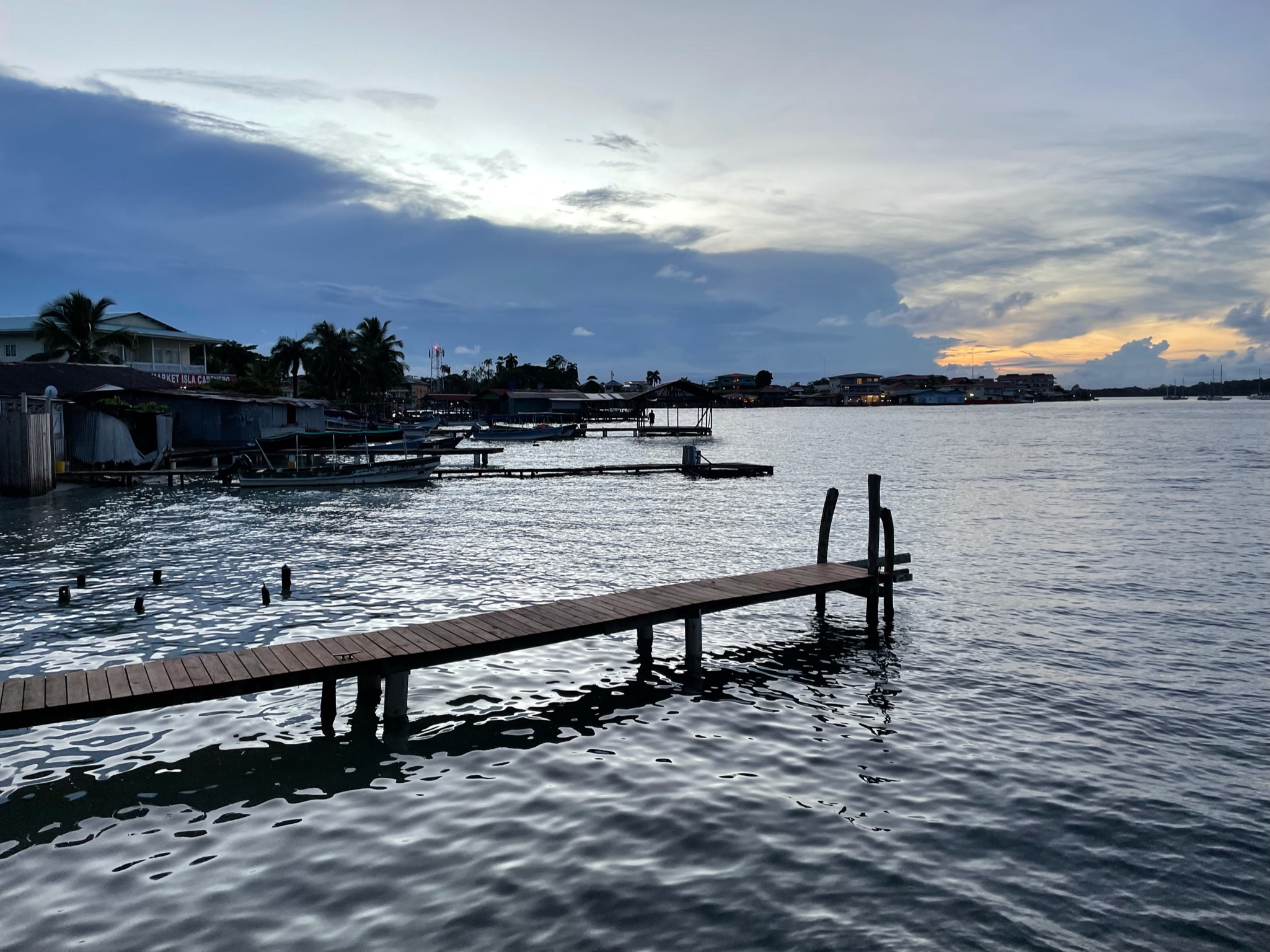
Our hotel was very nice. Like so many other places we have stayed, this one must have been quite popular at one time. It was big with a restaurant and a bar. I’m not sure if it’s because of COVID, but it, like so many others, is just an empty shell of what it was. The bar was closed. The restaurant only served breakfast anymore. Over half of the hotel was being remodeled and was inaccessible. The building was beautiful, spacious, and well located. It was right on the water facing the marina, and it was a beautiful place to take in the sunset. It was a great place with all the right amenities; they just needed more guests.
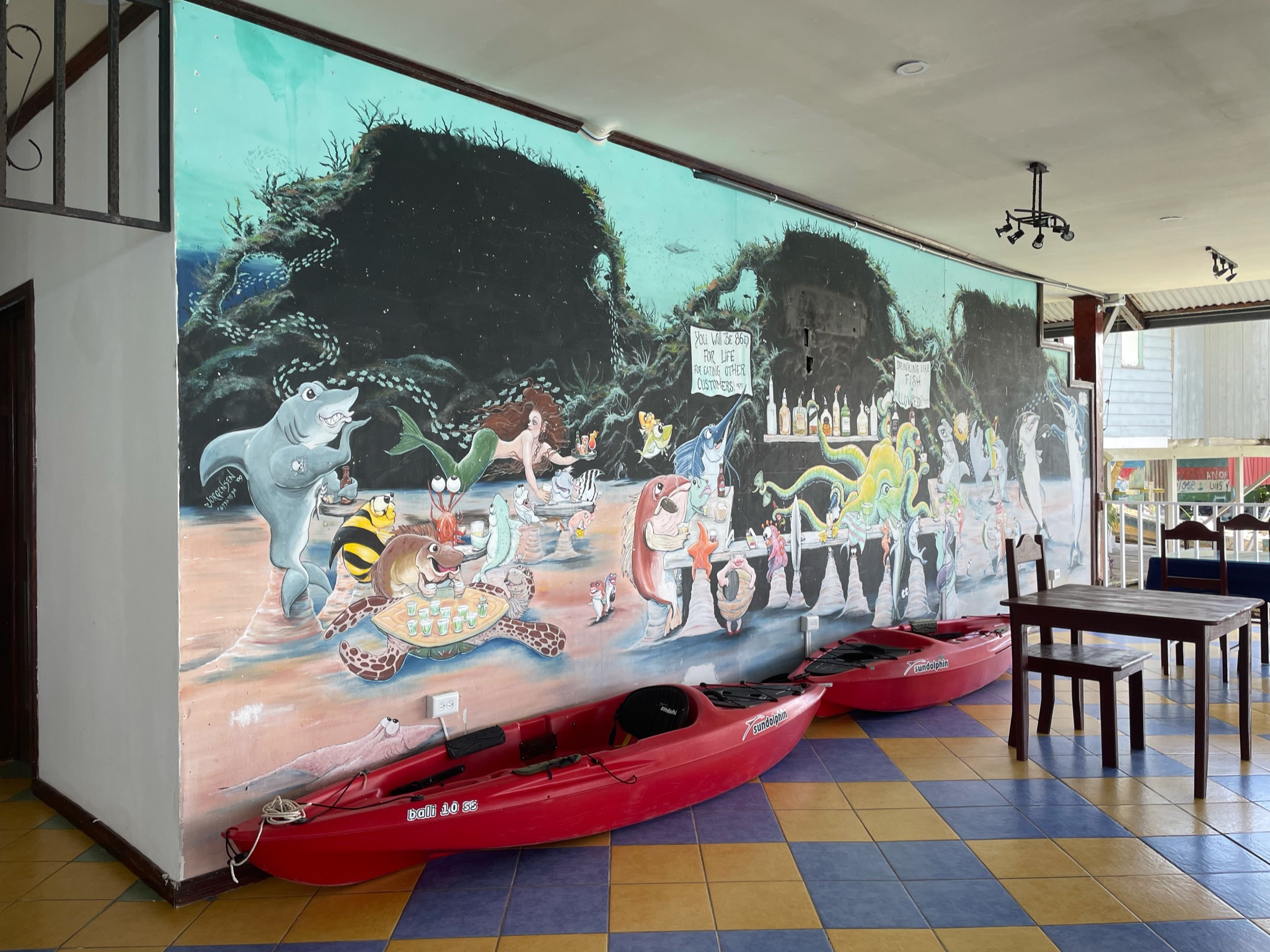
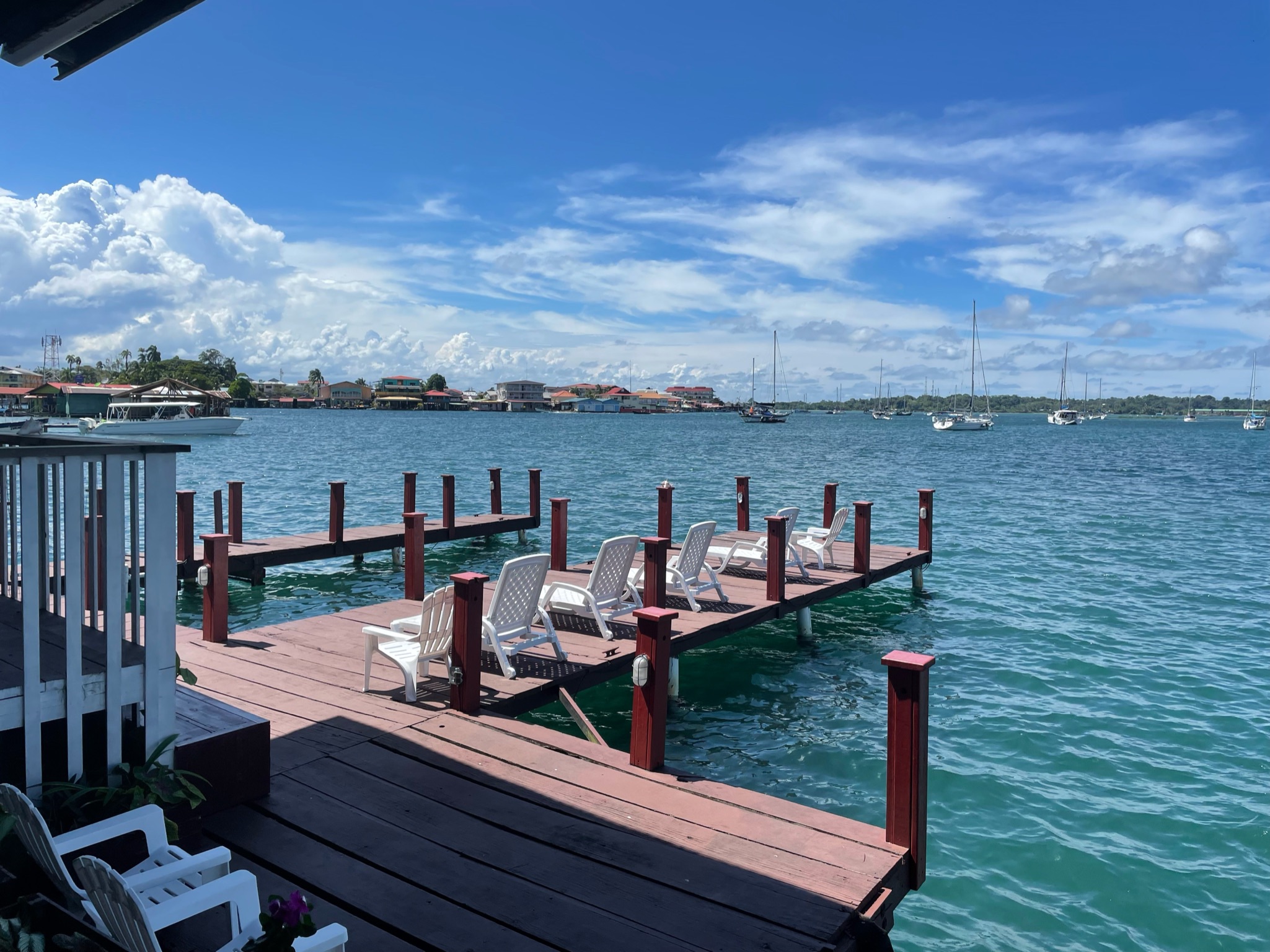
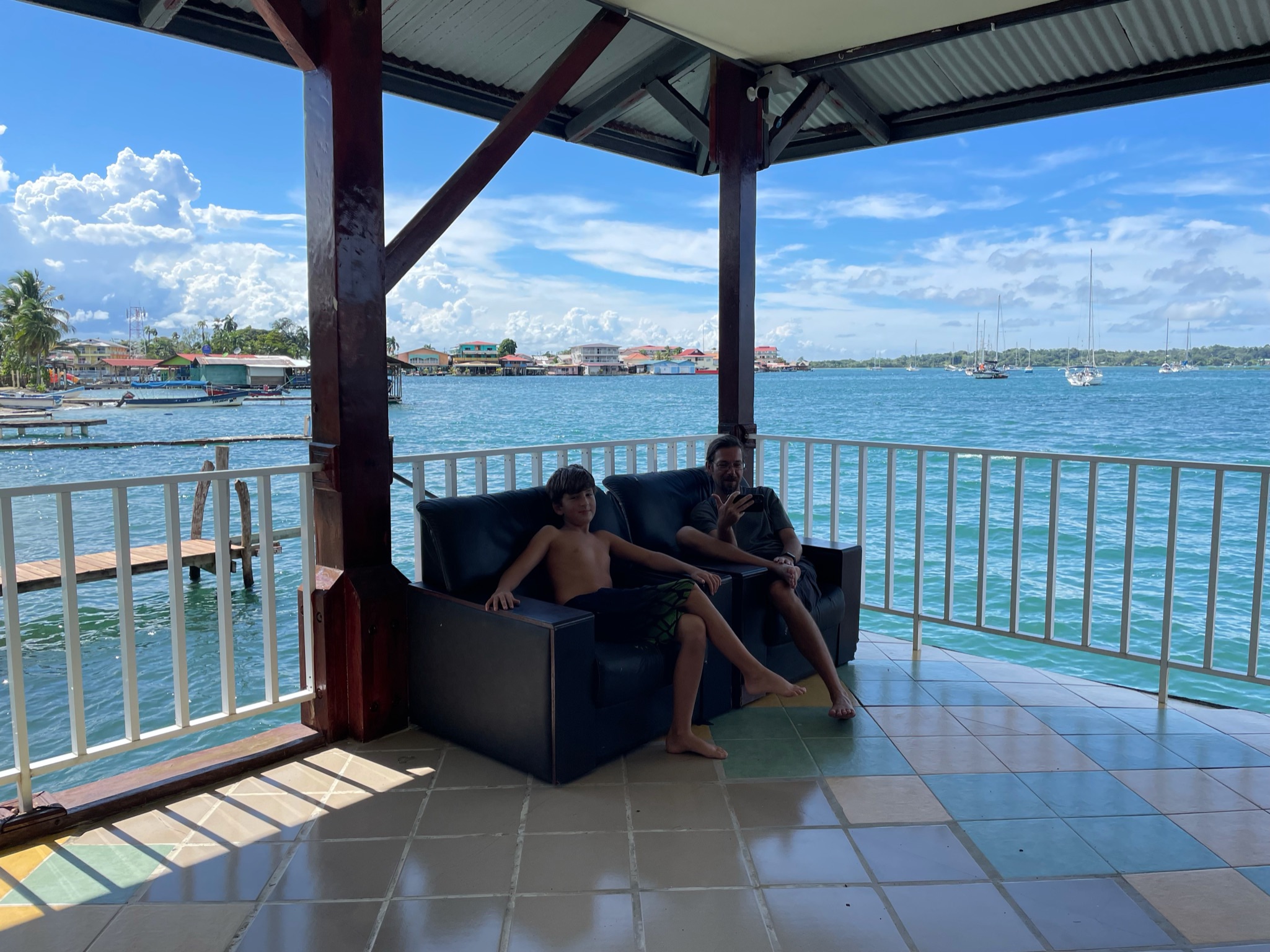
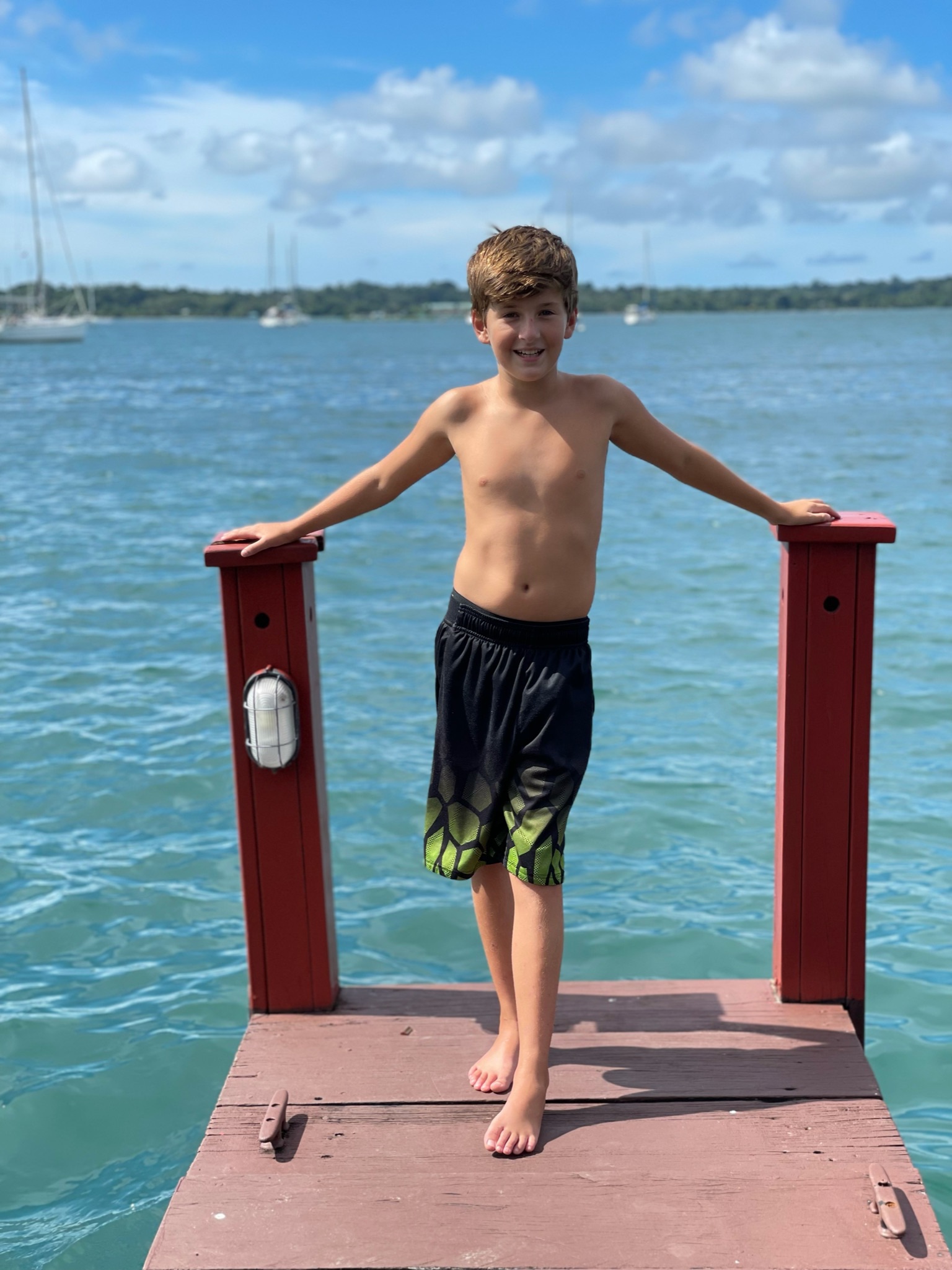
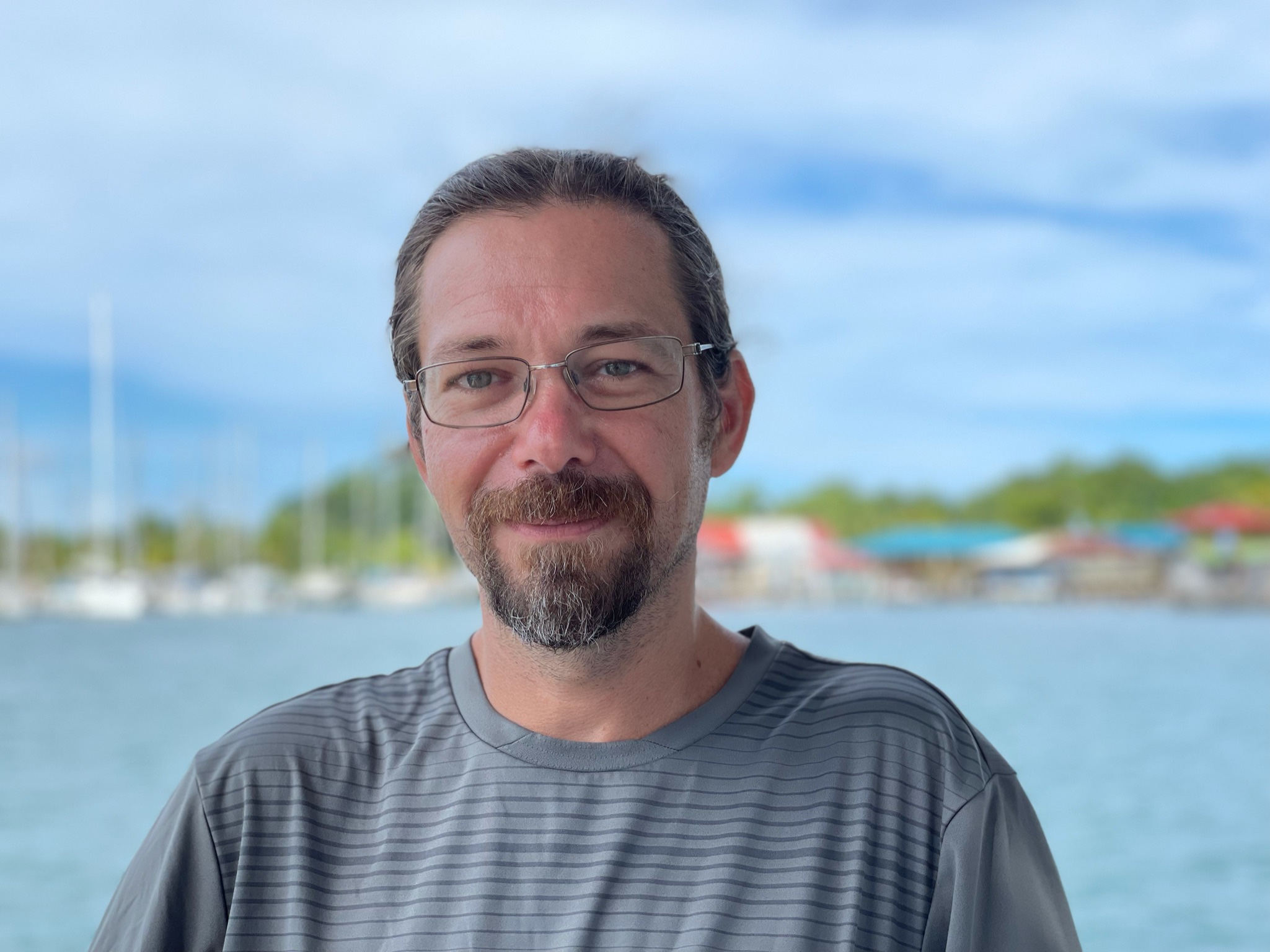
We decided to explore our little island a bit, so we wandered out the back door of our hotel and onto the concrete walkways that separated all of the buildings. Isla Carenero is a small island and there are no cars or roads. People get around by using these walkways or by boating to their destinations. The houses on the island are small, stilted buildings that are close set and run down. Dogs and children ran all over, and music can be heard coming from most of the open windows. This island was one of the poorest areas we have visited on this trip, and the living conditions broke my heart. The people didn’t have much, but they were living in paradise and everyone seemed content with what they did have. Even without the conveniences I can’t imagine living without, the families of this island laughed and played freely. It was humbling and refreshing to witness.
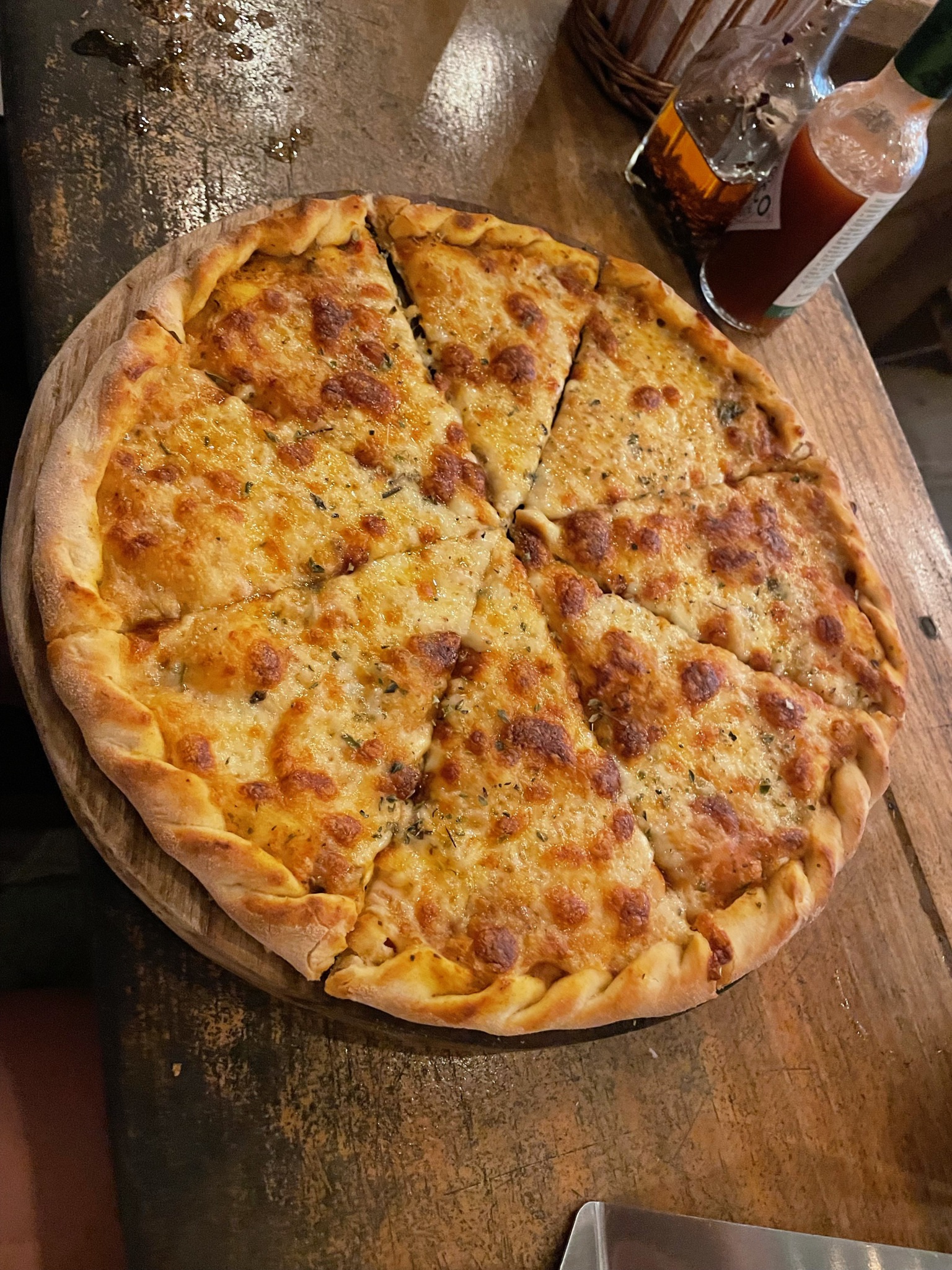
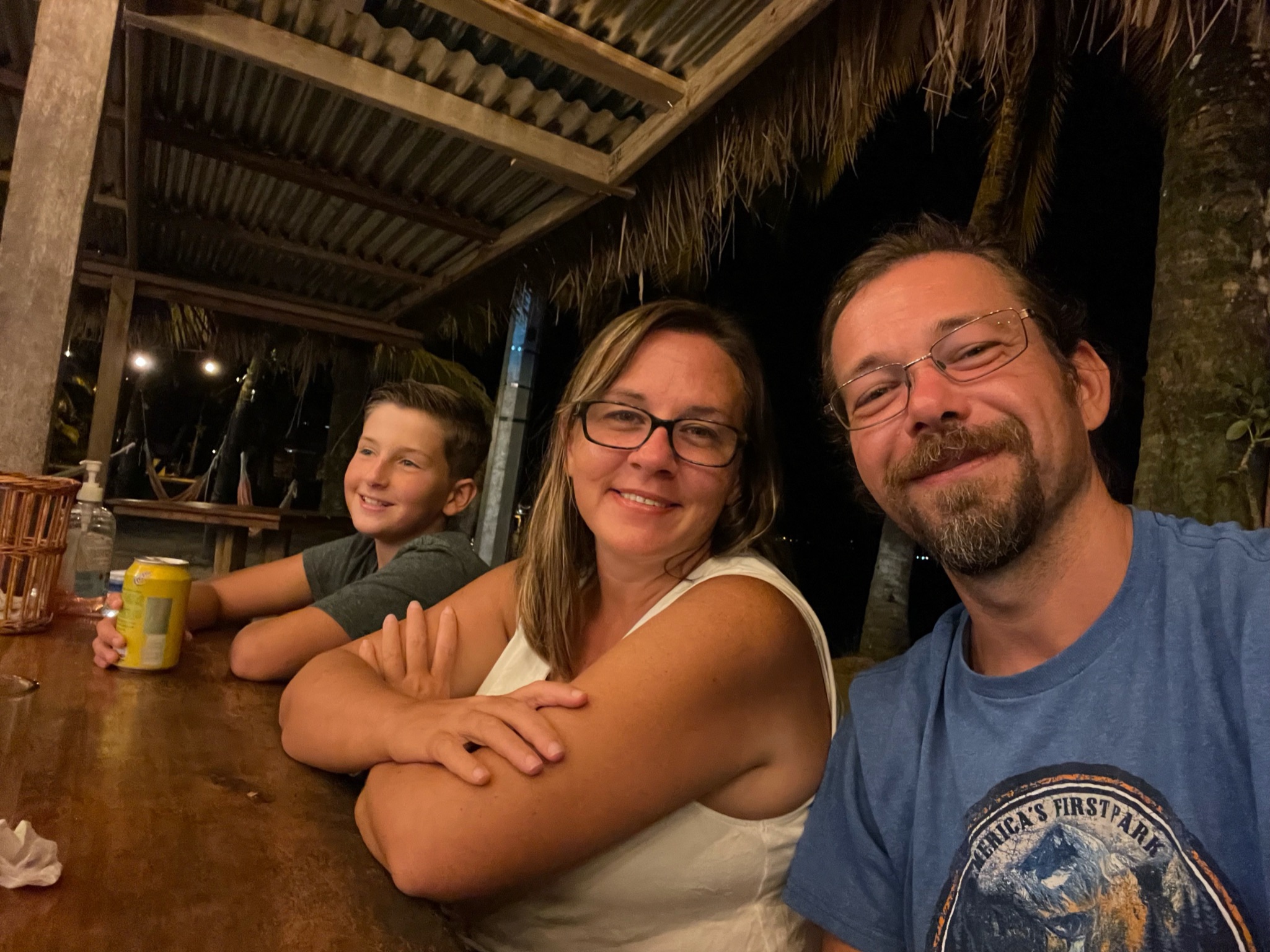
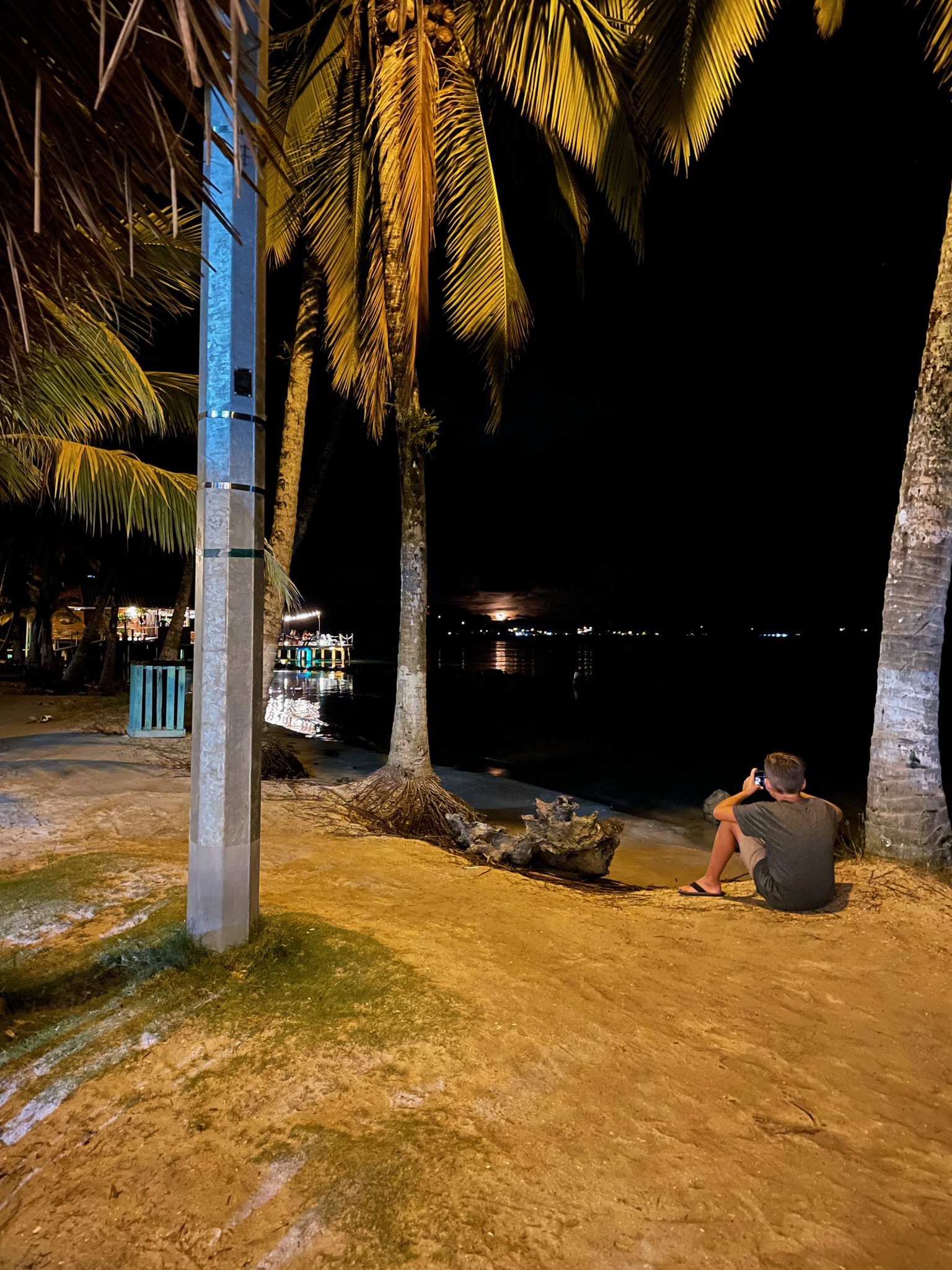
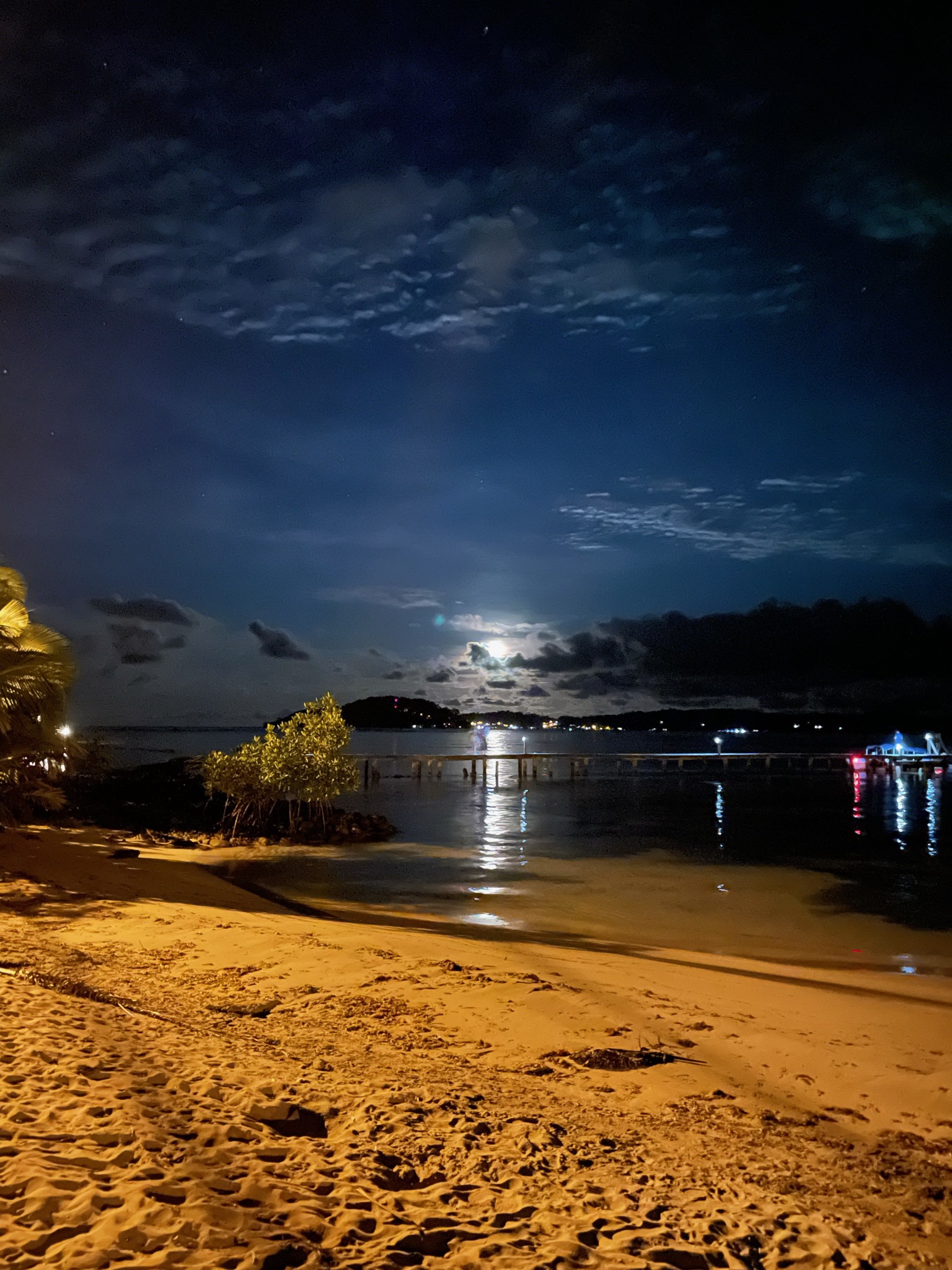
We swam at the beach for a while, but as the sun started to go down, we decided to make our way through the labyrinth of walkways back to our hotel. We went out exploring again for dinner, and this time we walked further down the beach. Our walk found us in a few darker stretches of beach where we came upon the larger land crabs as we were walking. Brian and I teased Henry by throwing rocks into the bushes and making him jump. After an enjoyable 10 minute walk, we found a cute little beach side restaurant that, because hardly anyone was there, we worried wasn’t going to be any good. The waiter was at the bar talking with three customers, and a Panamanian woman was in the kitchen preparing food as we took our seats at the bar. The waiter was from Germany and had lived on Isla Carenero for the past 6 years. We were invited into the conversation, and we learned that the couple at the bar was visiting from France and that the third man at the bar was a local. The conversation was lively and enjoyable, and when our food was ready, we continued to be entertained by the company. Another couple joined us about half way through our meal. The husband was from Switzerland, and the wife was half Mexican and half Chinese, but she was from the US. They joined in on the conversation as well, and we all quickly became friends. We enjoyed a few drinks and relaxing music under the moonlight as we ate our delicious pizzas and calzones.
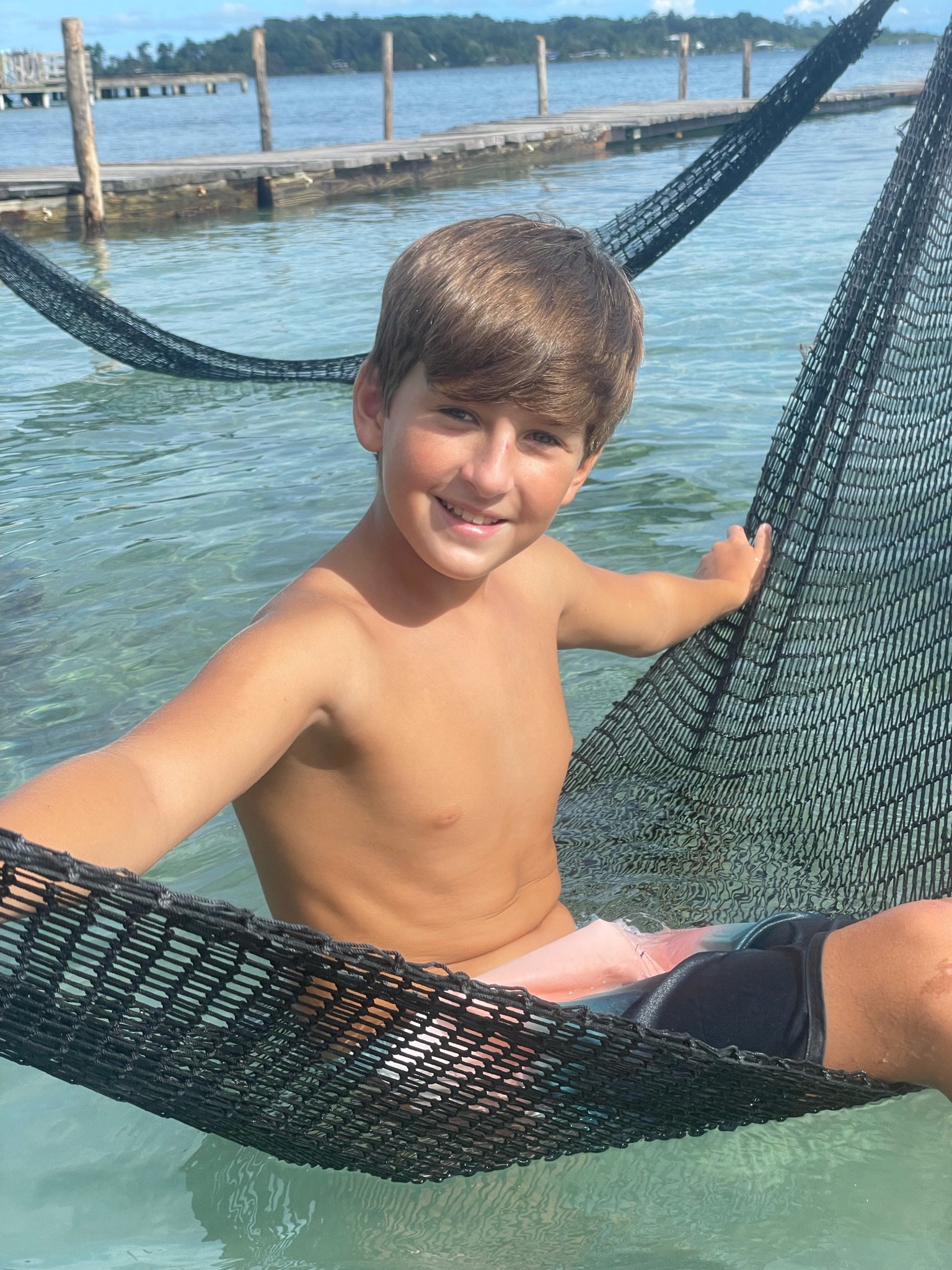
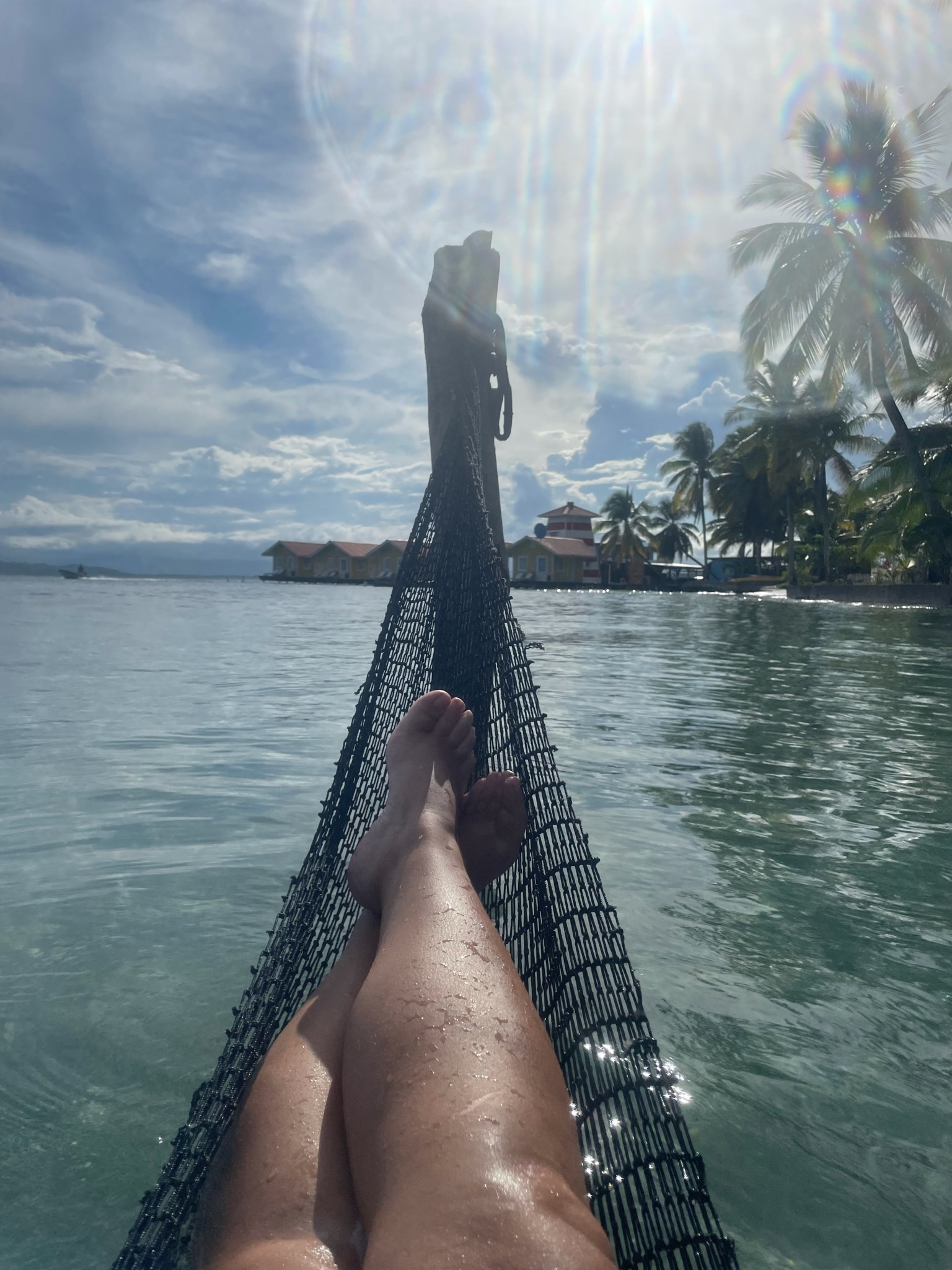
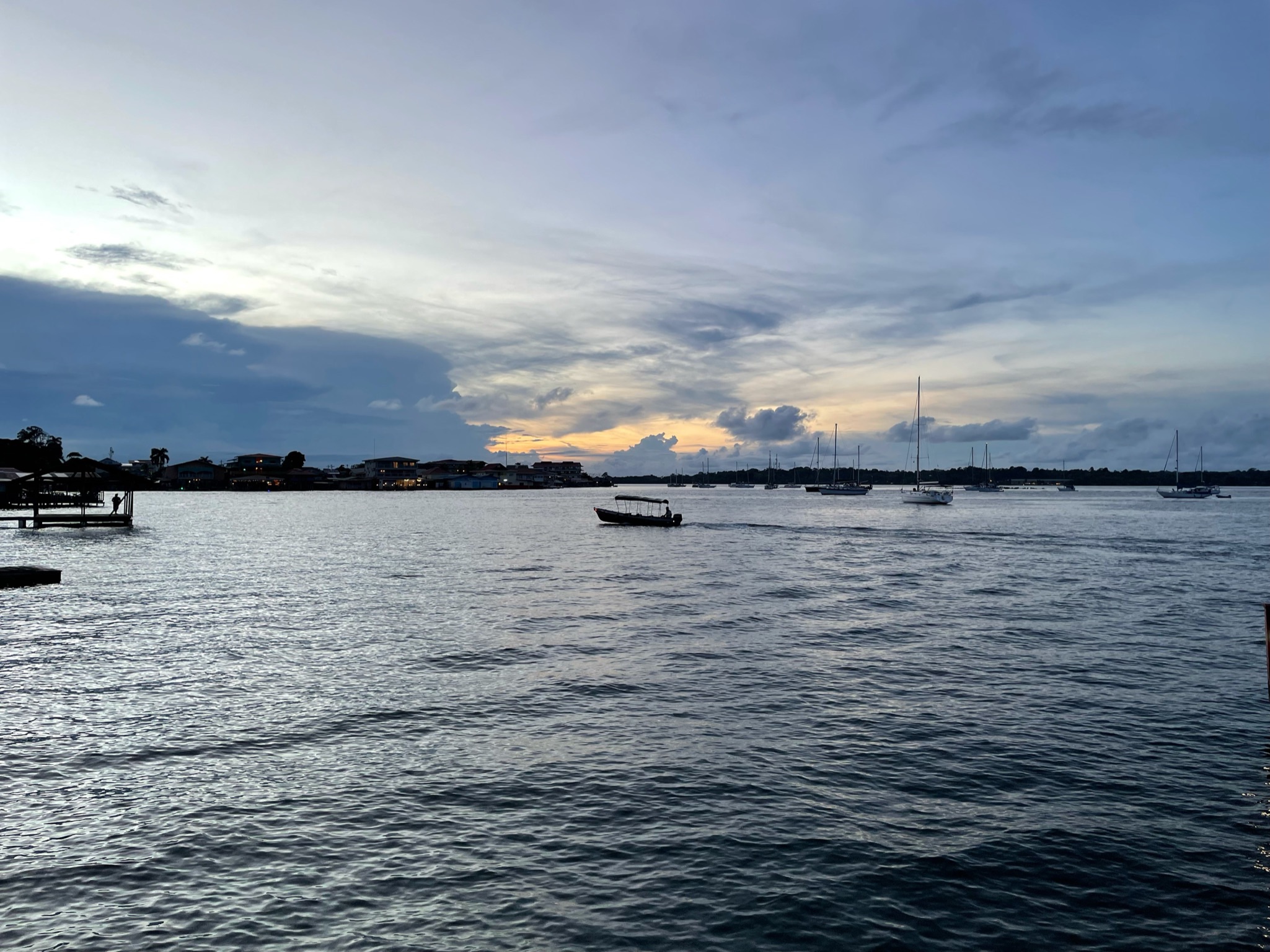

The next morning, we awoke excited to go on the tour. After a wonderful breakfast of fresh fruit and juice, toast, and eggs (ok, that part wasn’t so great), we found our way to the island market to buy a few drinks and snacks for our adventure. Our water taxi picked us up at the hotel dock, and we made our way back across the channel to Bocas Town. We joined our tour group, and after several water taxi transfers, we set off on our first destination to see dolphins.
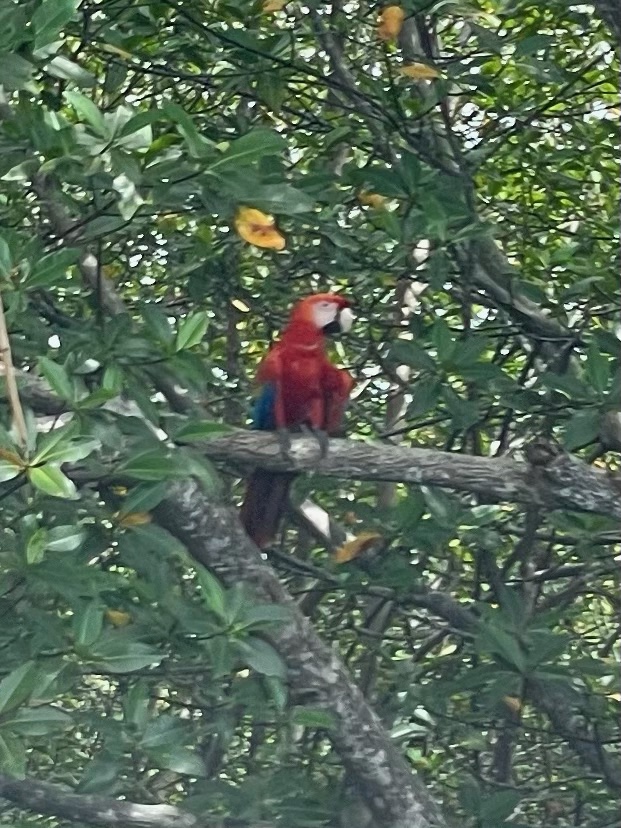
The boat sailed through the water for nearly a half hour until we came to a rather abrupt stop in Dolphin Bay. Our captain spoke very little English, but thankfully, one of our companions spoke decent Spanish and could interpret for us. We sat still in the water for a few minutes, moved on to a few other areas of the bay, and then the captain announced that there were “No dolphins today.” Now, at this point, I started to worry that our tour was going to be a waste of money. Three of our five activities were viewing wildlife. I know that the tours can never guarantee that you’ll see animals in the wild, but I couldn’t help but wonder if there was ever any wildlife to really see. Disappointed and skeptical, we began the journey to our second destination.
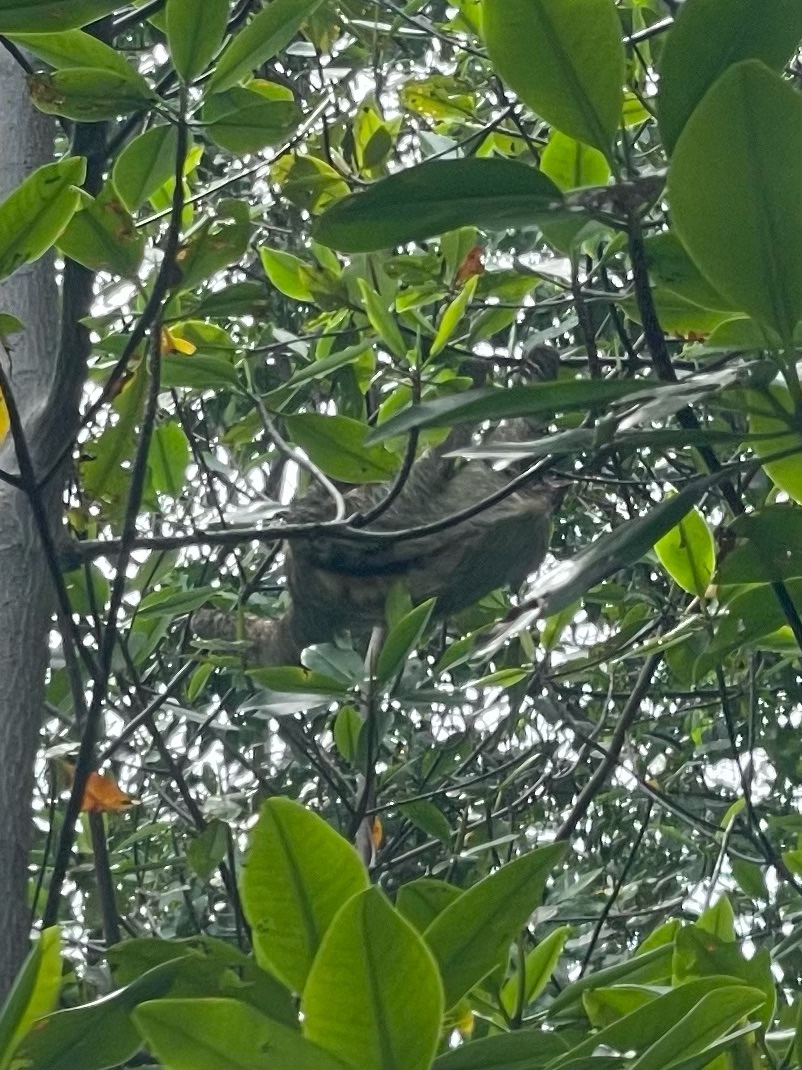
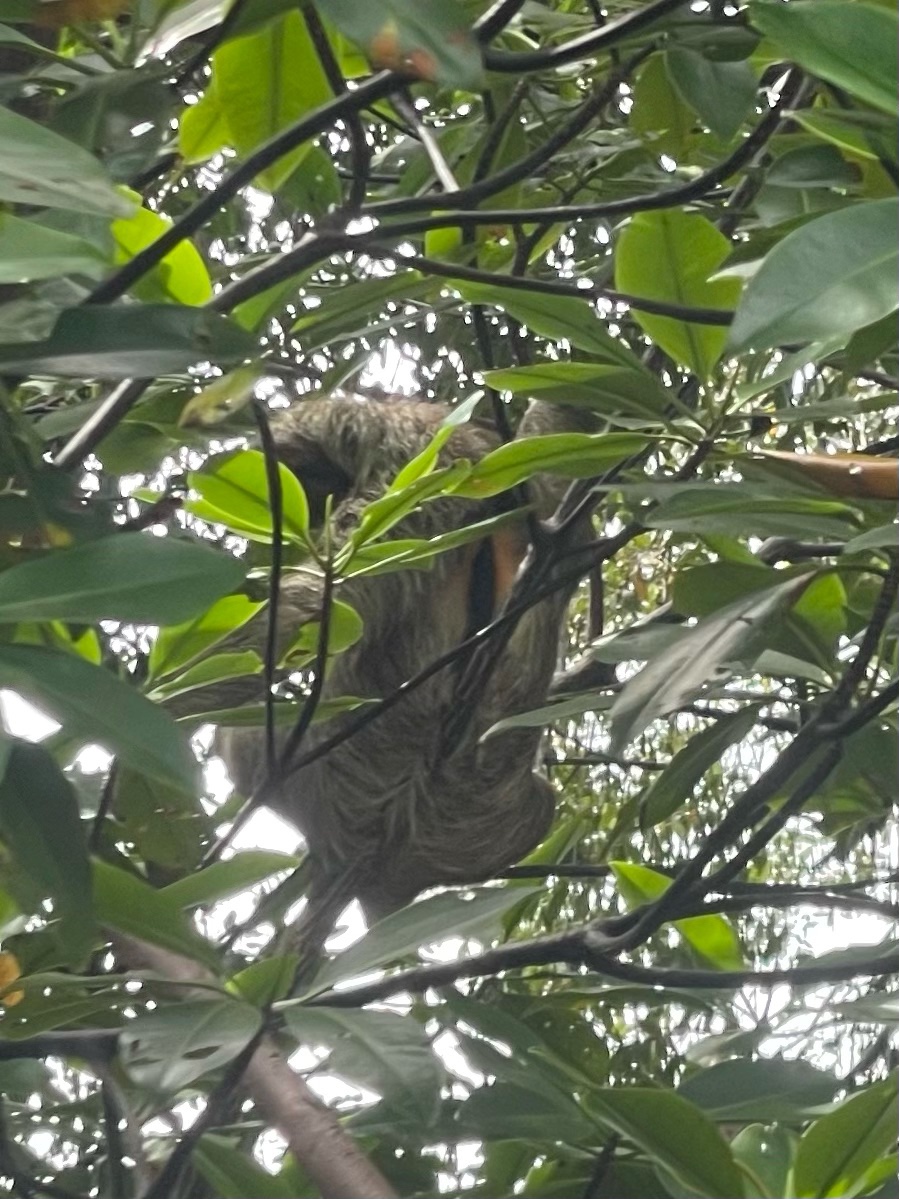
Henry has loved sloths for as long as I can remember, and he had really been wanting to see one here. All through Costa Rica, we scanned the trees with hopes of seeing one but we were never successful. Bernardo had promised us the chance to see the ‘lazy monkeys’ and that was what sold Henry on the tour. So, after seeing zero dolphins, I halfway expected to see zero sloths as well. Thankfully, I was wrong, and we did get to see them. Our boat pulled up to an island where two other boats full of tour-goers were idling. In the trees in front of us, we watched two little sloths for a few minutes. They were adorable, and watching them, we realized it made perfect sense that they were called the lazy monkeys. At their highest speeds, they can move a distance of 1 foot in about 3 seconds. Henry was beside himself when one of the sloths looked straight at him, and that was all we heard about for the next hour.
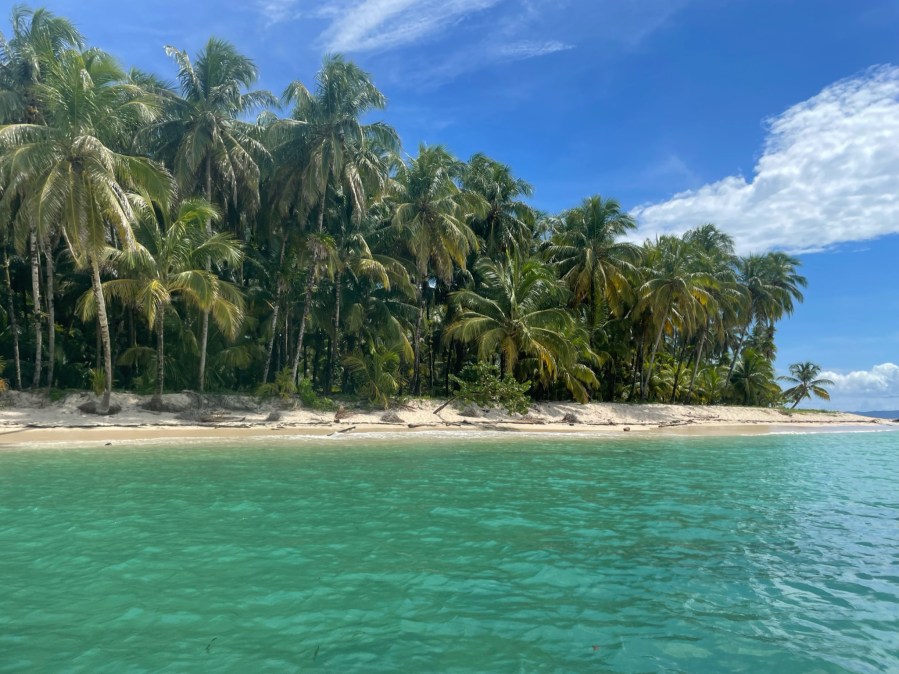
My faith was restored a little more when we reached our third destination. Bernardo had promised us the best beach in the Bocas, and he delivered. We arrived on the deserted Isla Zapatilla, unloaded our cooler of snacks, and hopped into the beautiful turquoise waters. The white sandy beaches were naturally gorgeous, and the calm waves were relaxing. Henry found a few downed bamboo logs and tried, unsuccessfully I might add, to fashion a raft out of them. Brian I were far less industrious as we just soaked up the sun. The two hours we spent on this beach were wonderful. With nothing to see or do, it was the perfect way for us to unwind and relax a little.
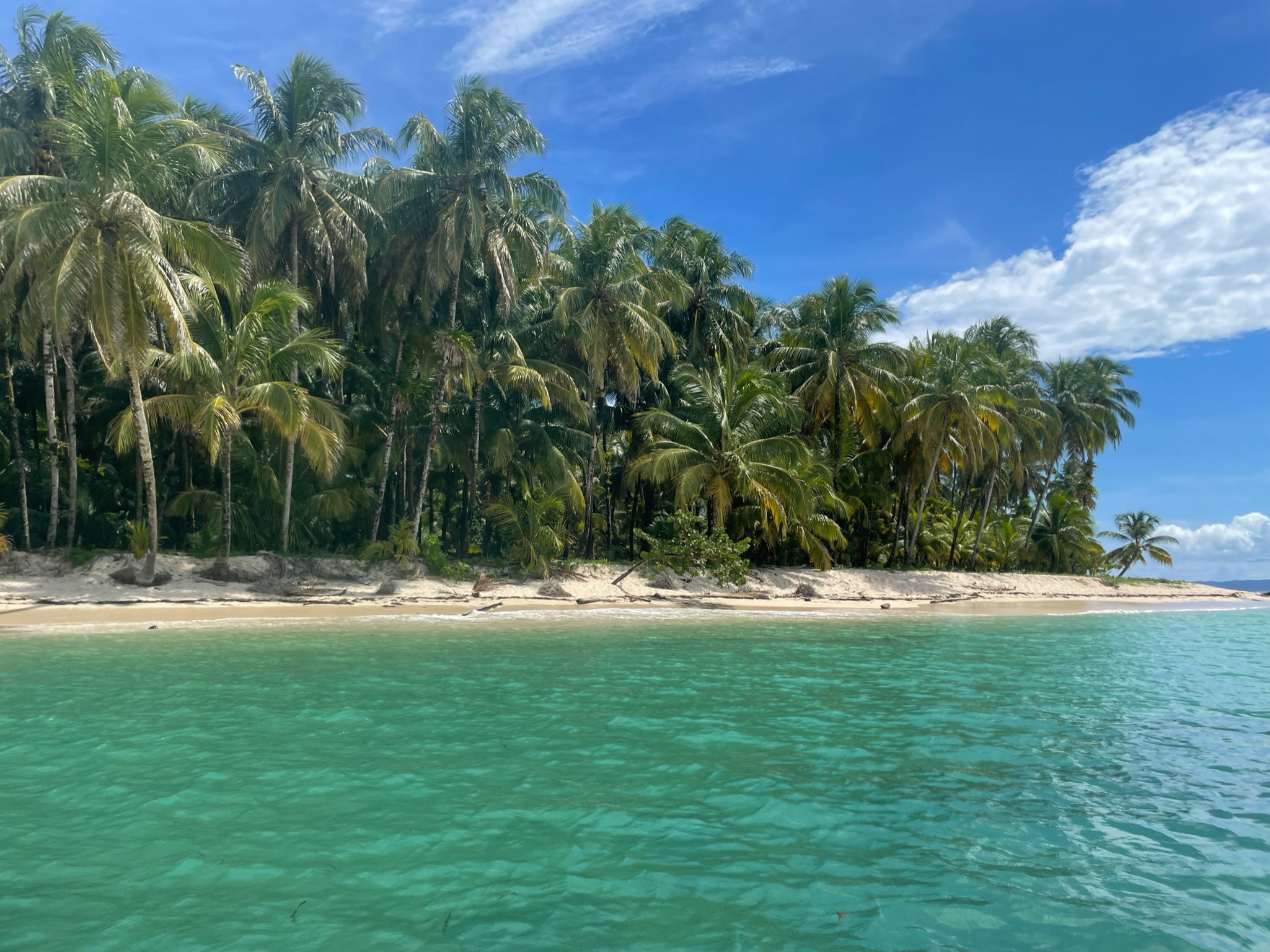
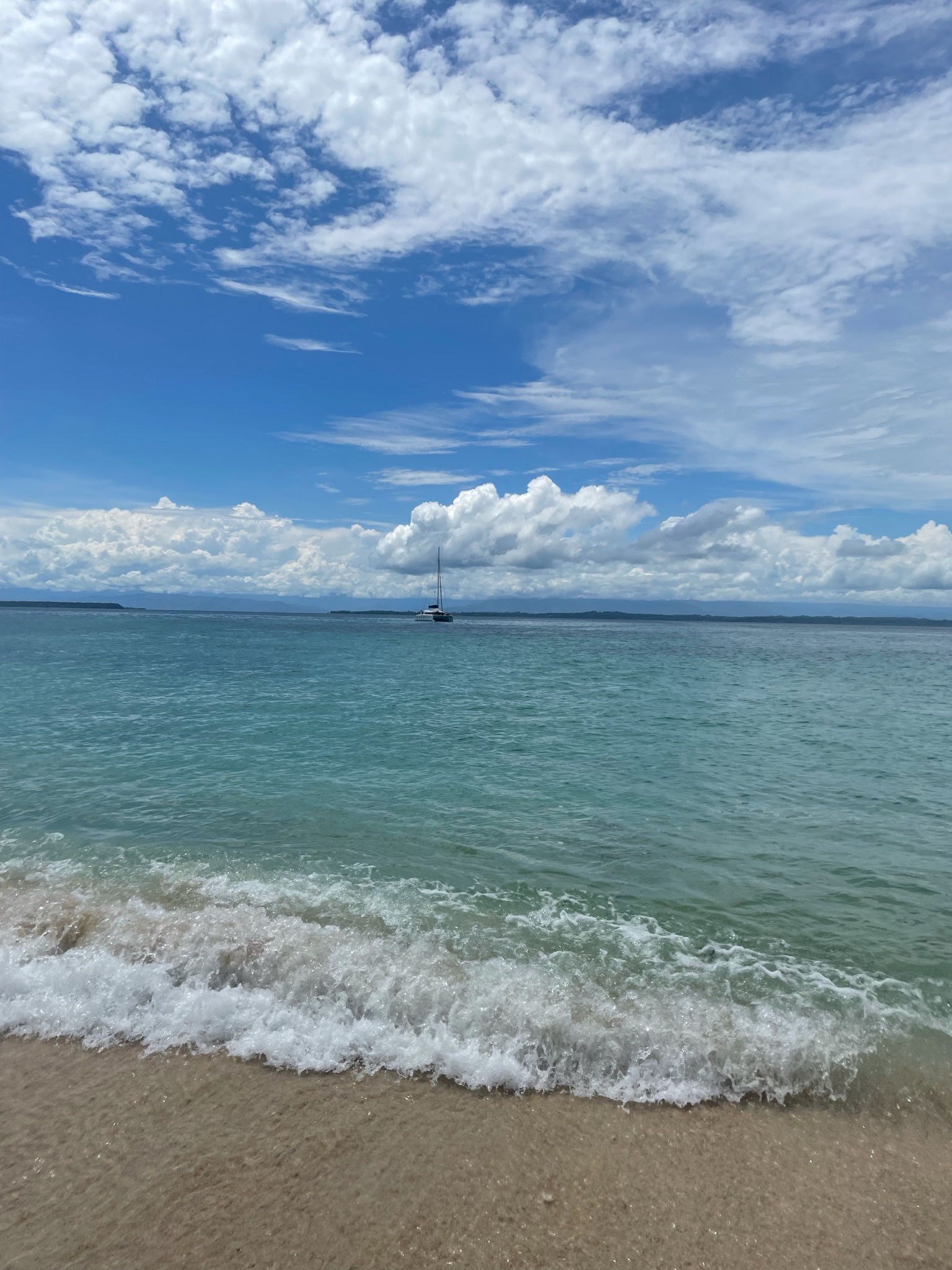
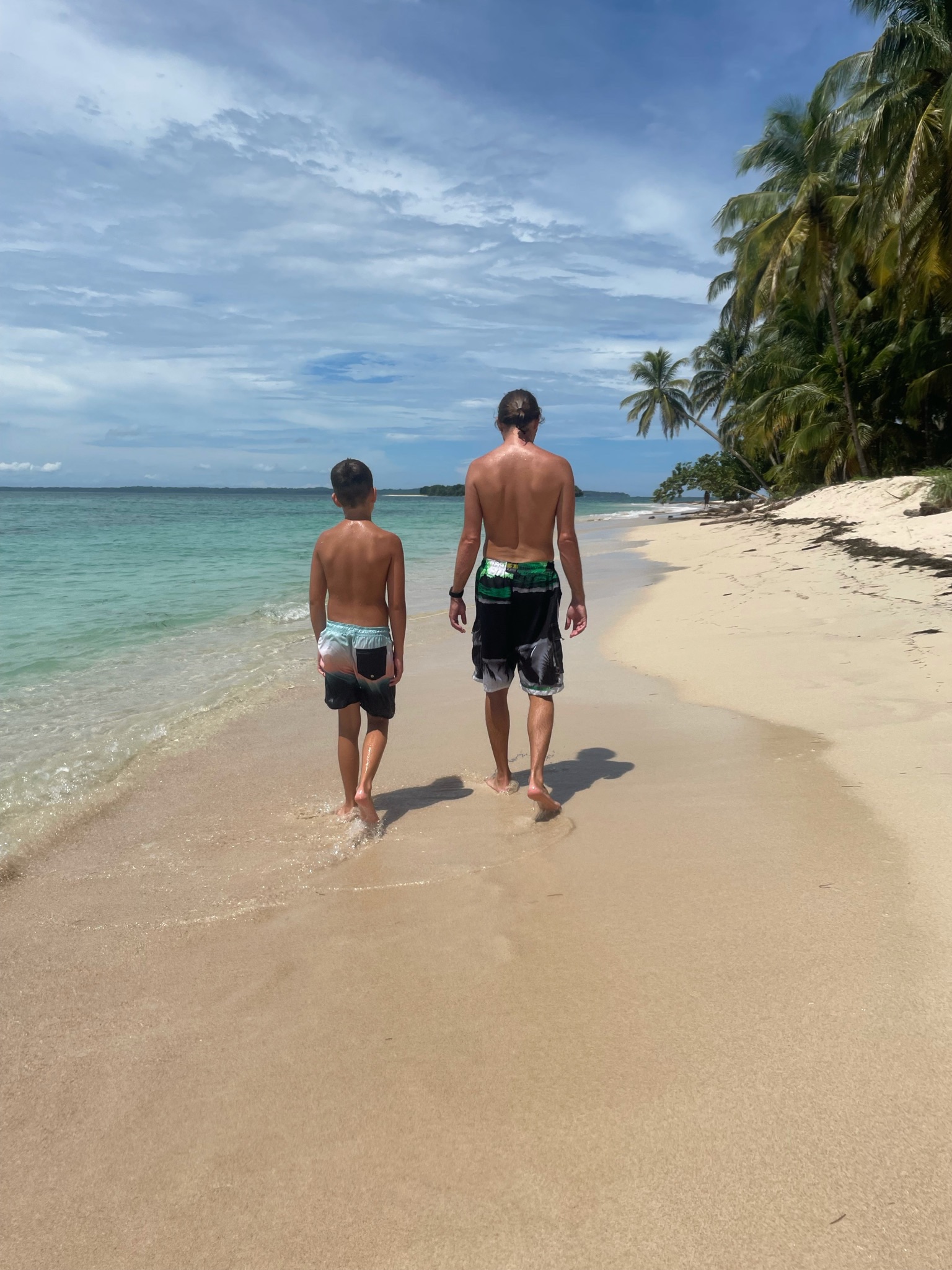
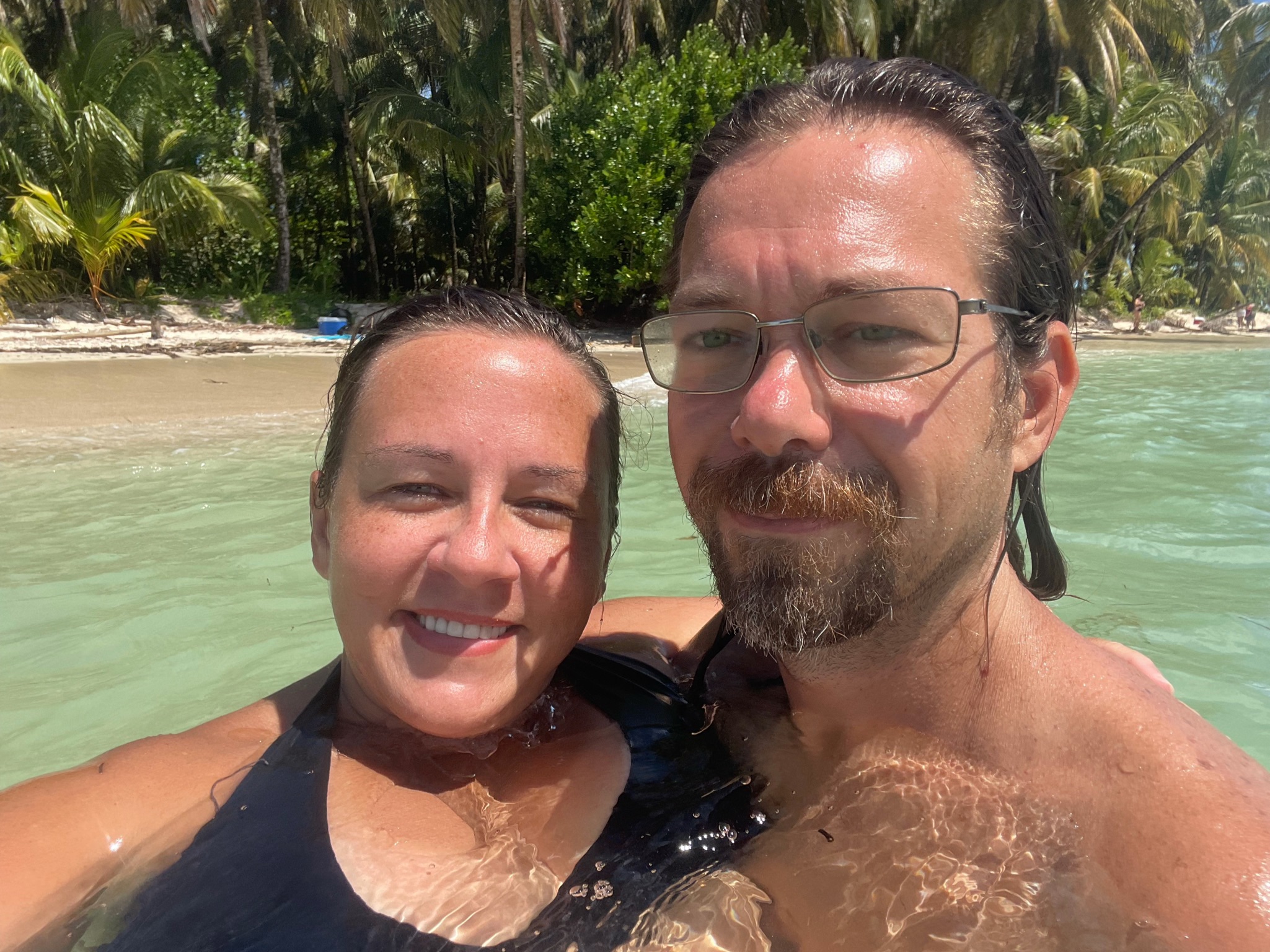
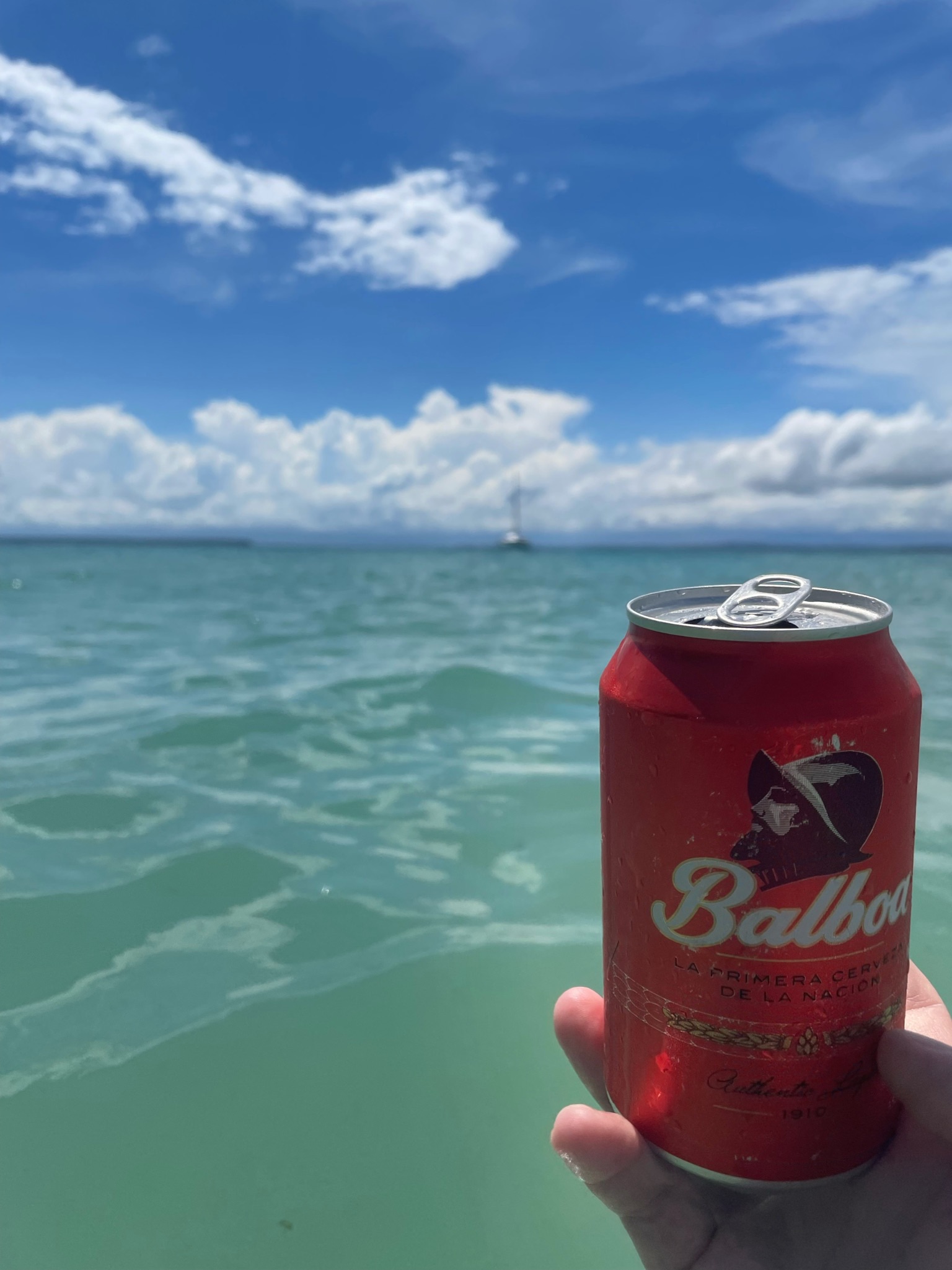
When the boat came back around, we headed out to our fourth destination to snorkel over some of the Caribbean reef. The waves were calm, and the water was crystal clear as we jumped in and explored the waters. Henry enjoyed playing with my phone in the water, and I loved looking for the little shrimp on the ocean floor.
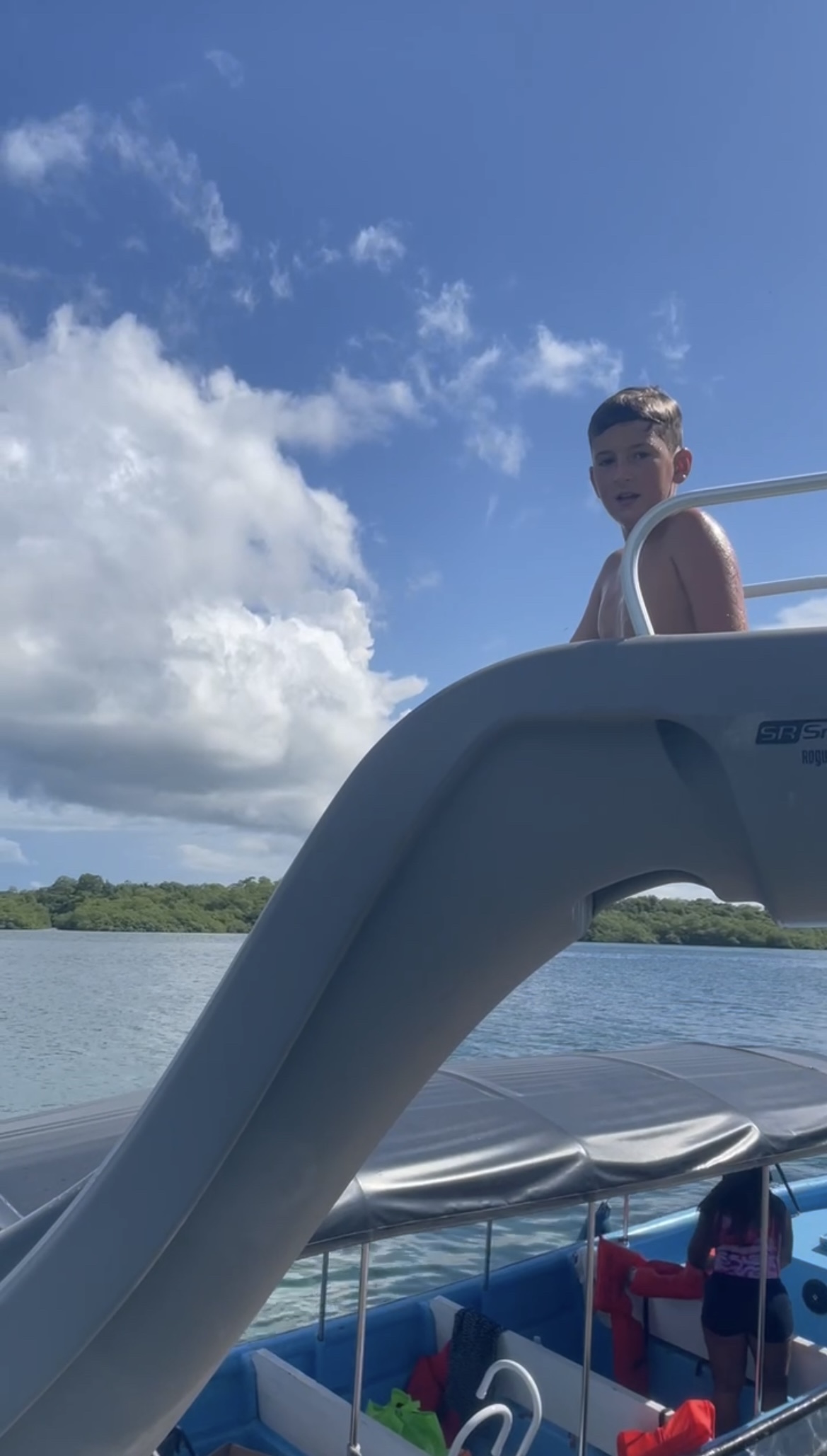
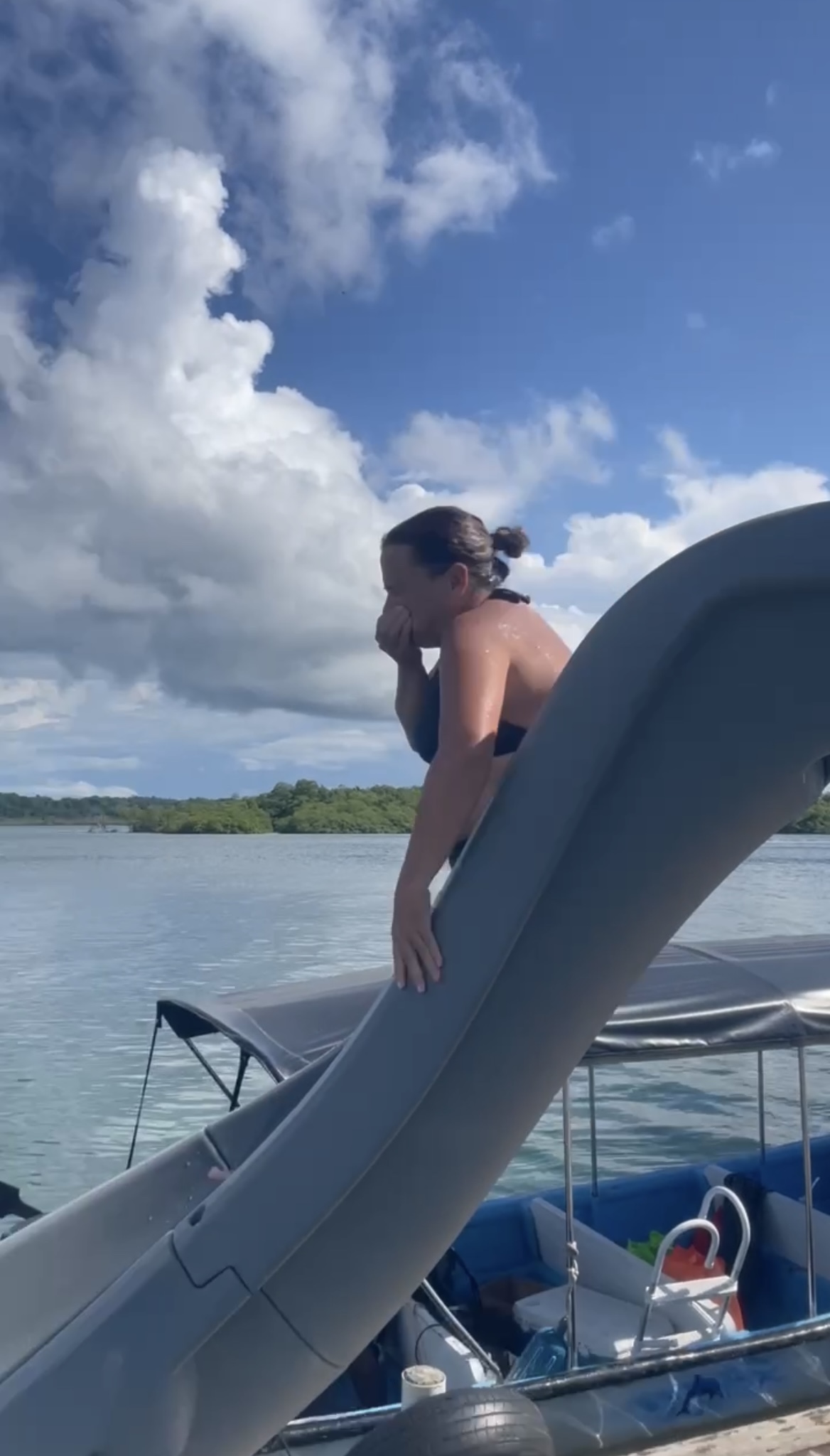
On our way back, we stopped by a restaurant and rest area to use the bathroom and grab a bite to eat. Since we weren’t yet hungry, we opted to enjoy the slide at the end of the pier instead. On our way back to the island, we stopped to see starfish that were quite plentiful in the shallow waters by one of the many islands. We finally made it back to Bocas Town and Bernardo, true to his word, got us back to our hotel safely. It had been a great day, and I’m so glad we took the time to try this.
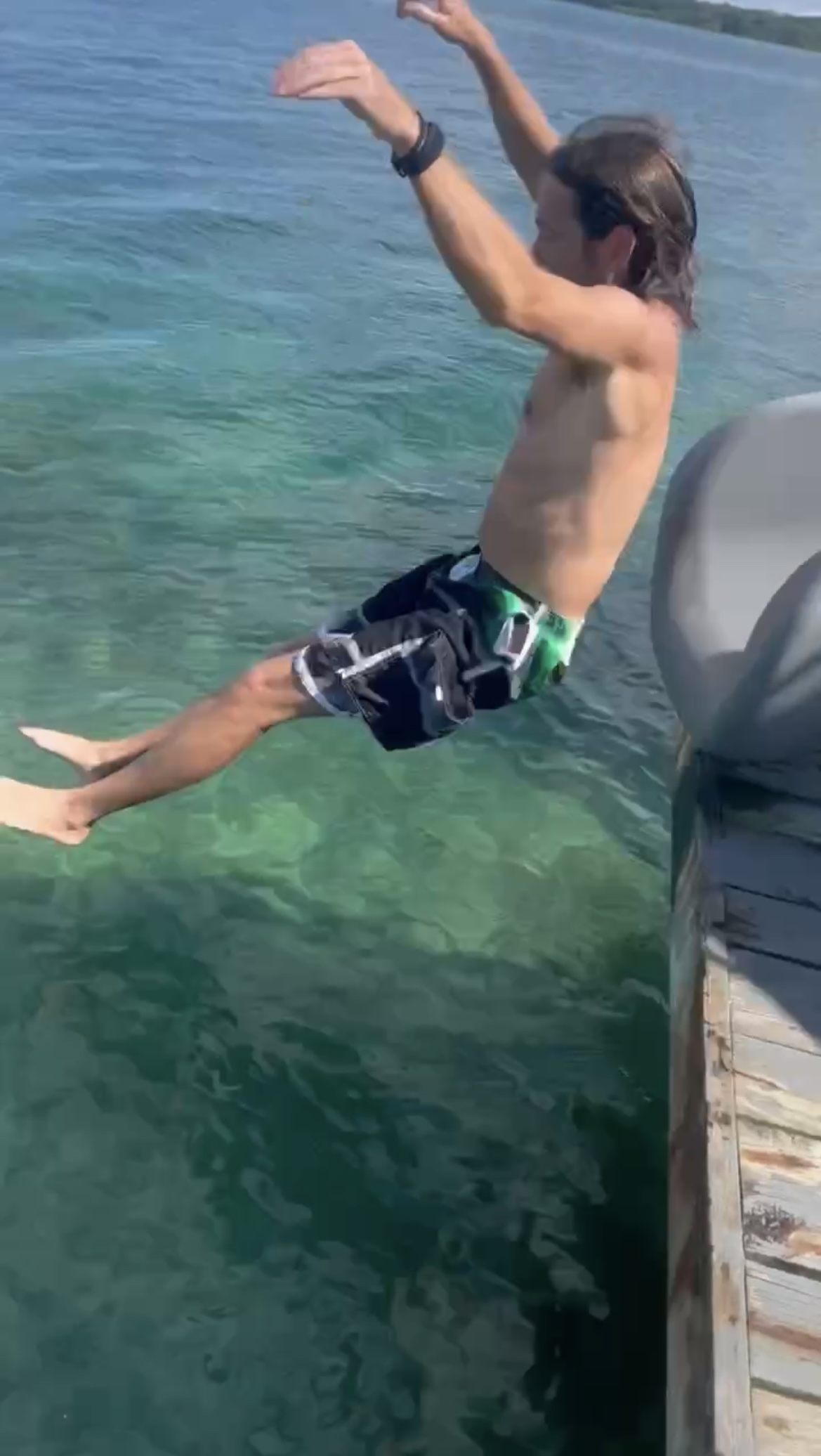
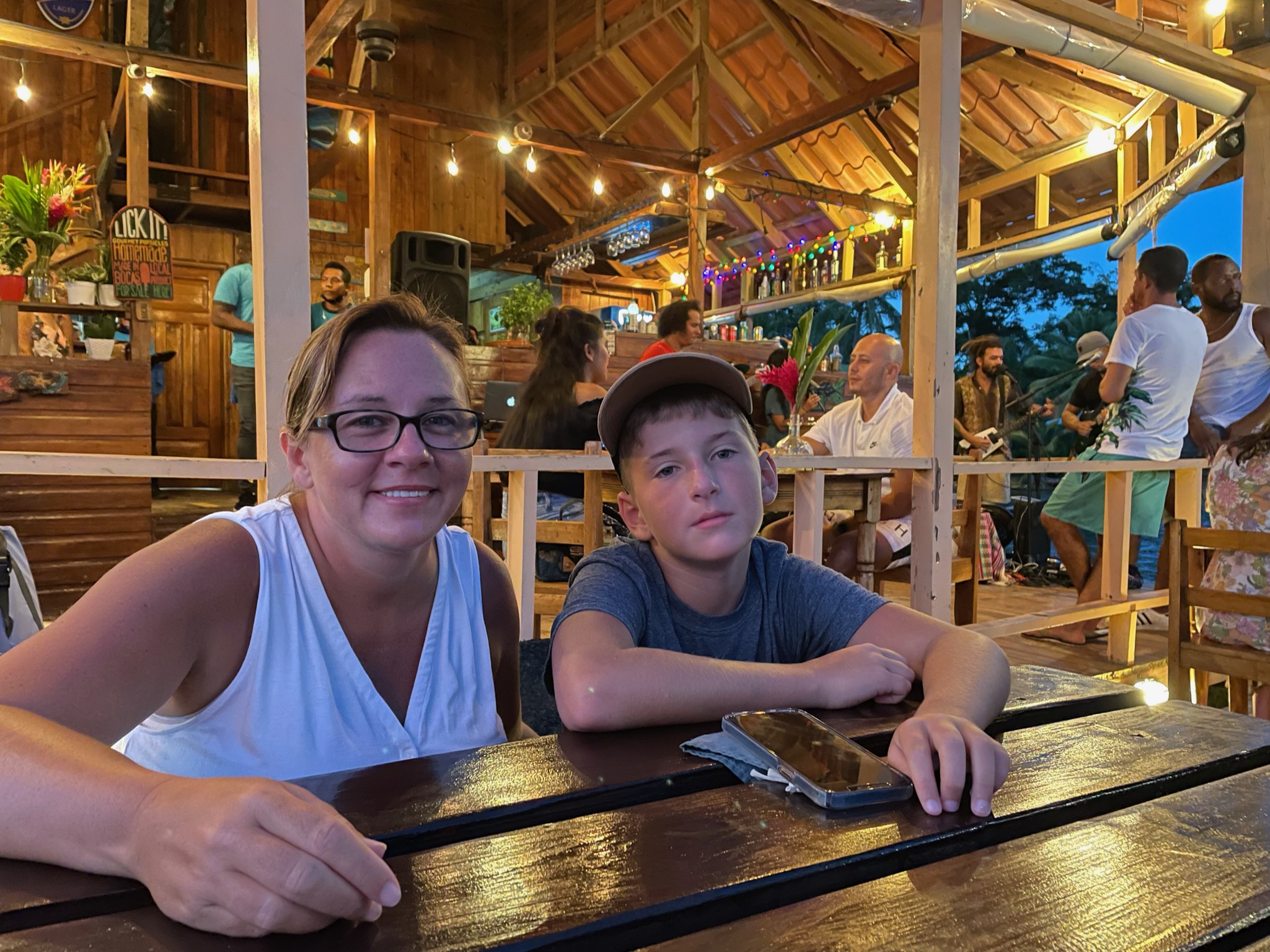
We went out exploring for dinner again that night, and this time we found ourselves at a restaurant located over the water. The place was packed, and the diners were enjoying the music from a local band. As we sat amongst all the tourists and locals, we watched everyone laughing and dancing and singing along when they knew the songs. The atmosphere was contagious, and we couldn’t help but smile and hum along where we could.
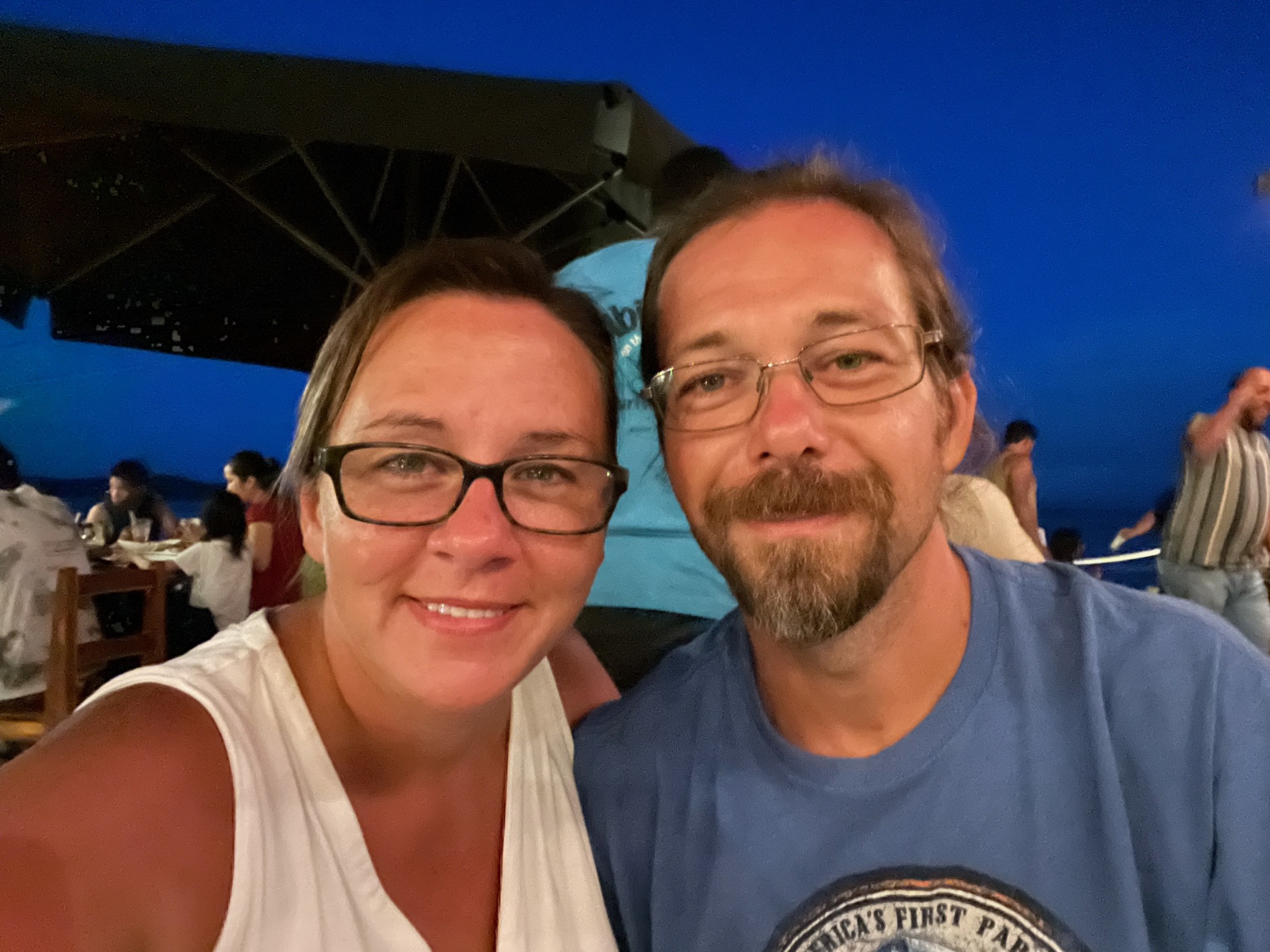
The next morning, we woke up early and caught our water taxi back to the Isla Colon. It was time to move on to our next destination, Panama City. Bernardo had helped us arrange our transportation for this trip as well. After the taxi from Isla Carenera to Bocas Town, he put us on a ferry to the mainland. When we arrived at the mainland, our taxi driver was waiting for us, and he carried us a few miles across town to the bus station where he bought our tickets for us. We boarded our bus for Panama City, and enjoyed the scenery in peace for the next 10 hours.
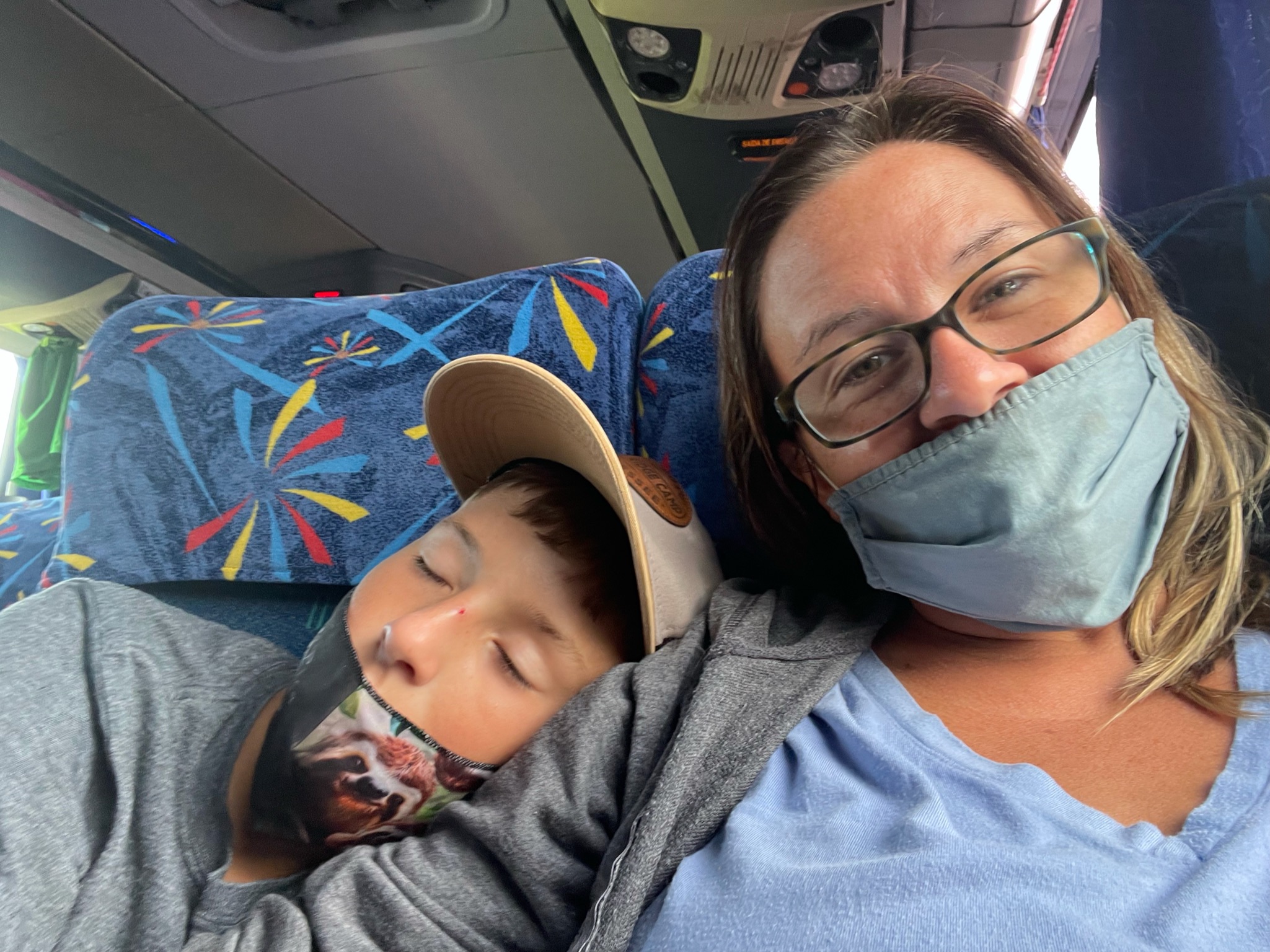

We knew that we’d be coming into the Albrook bus station in Panama City, but we didn’t know what to expect. The place was huge, and we later found out, it was connected to the Albrook Mall. We were starving by the time we rolled into the station, so we grabbed a bite in the food court before we caught our Uber to the hotel.
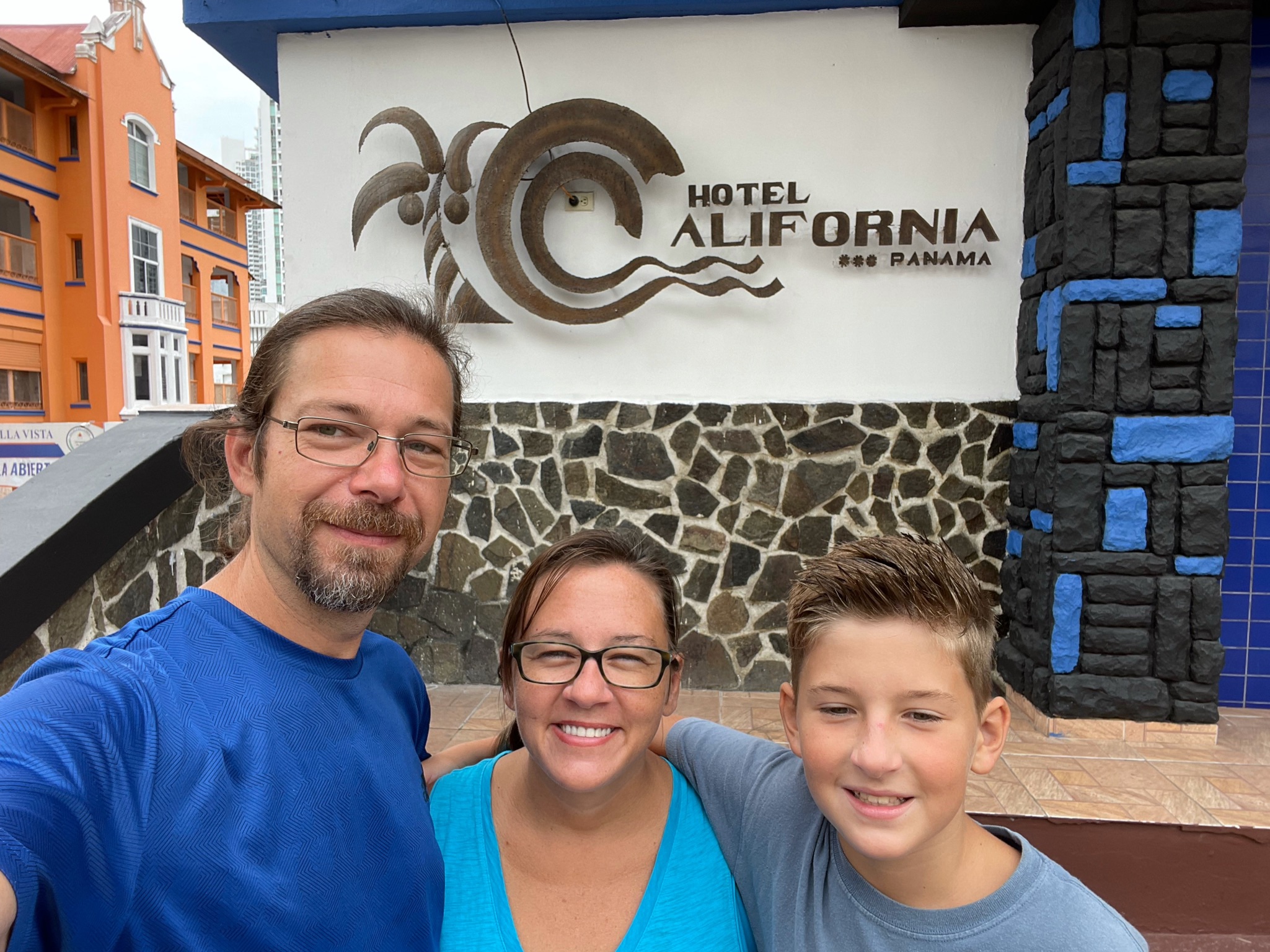
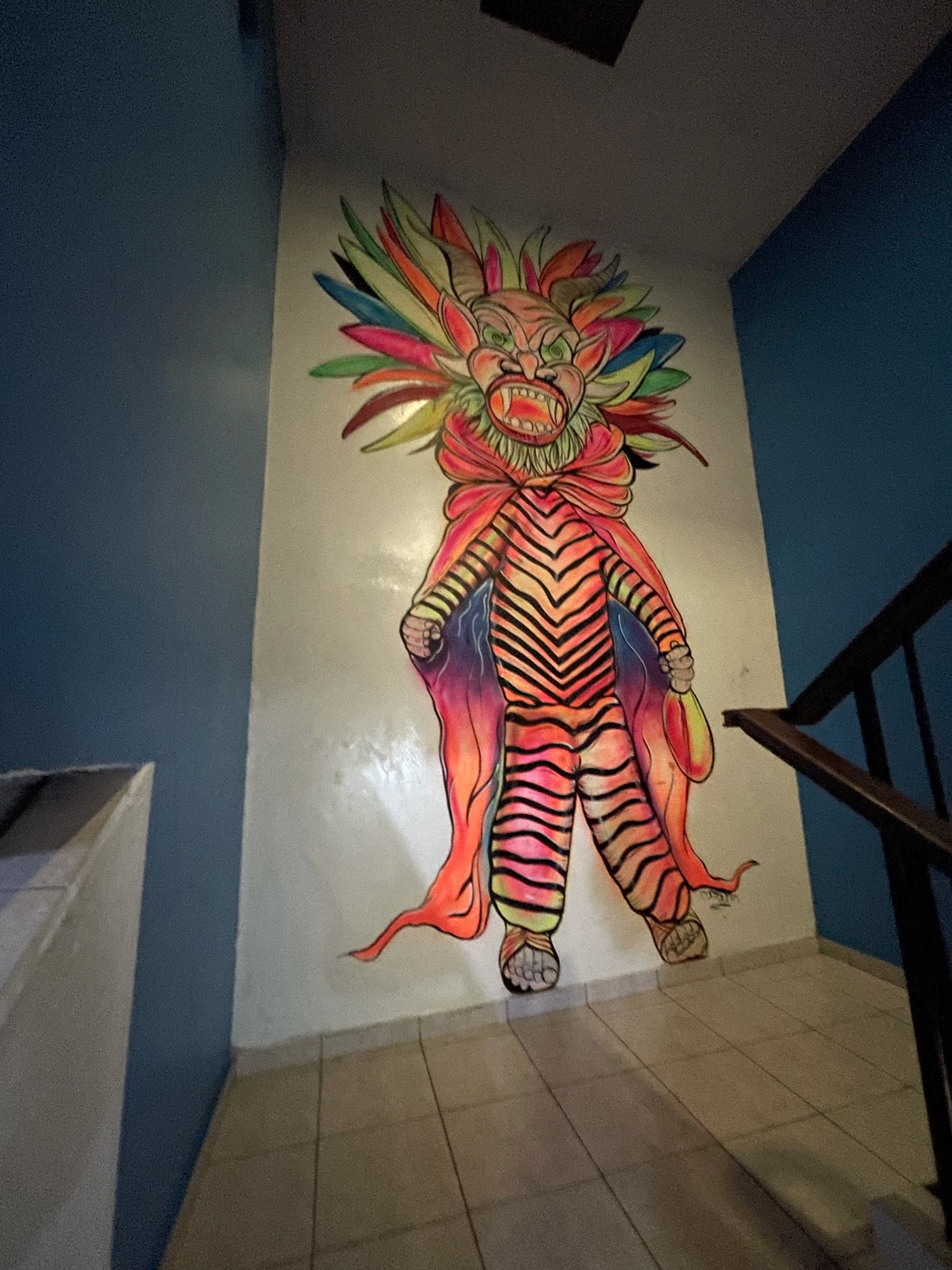
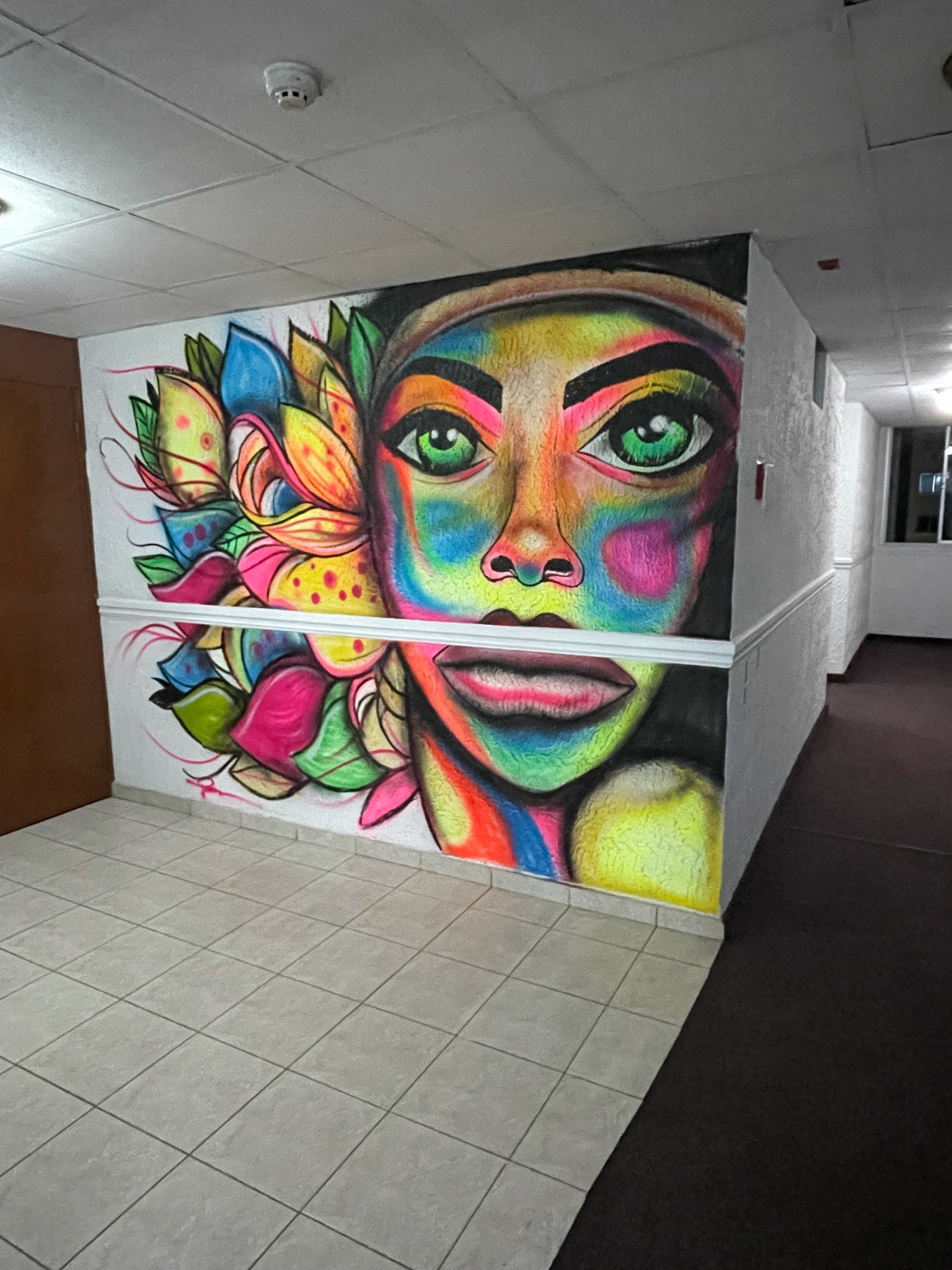
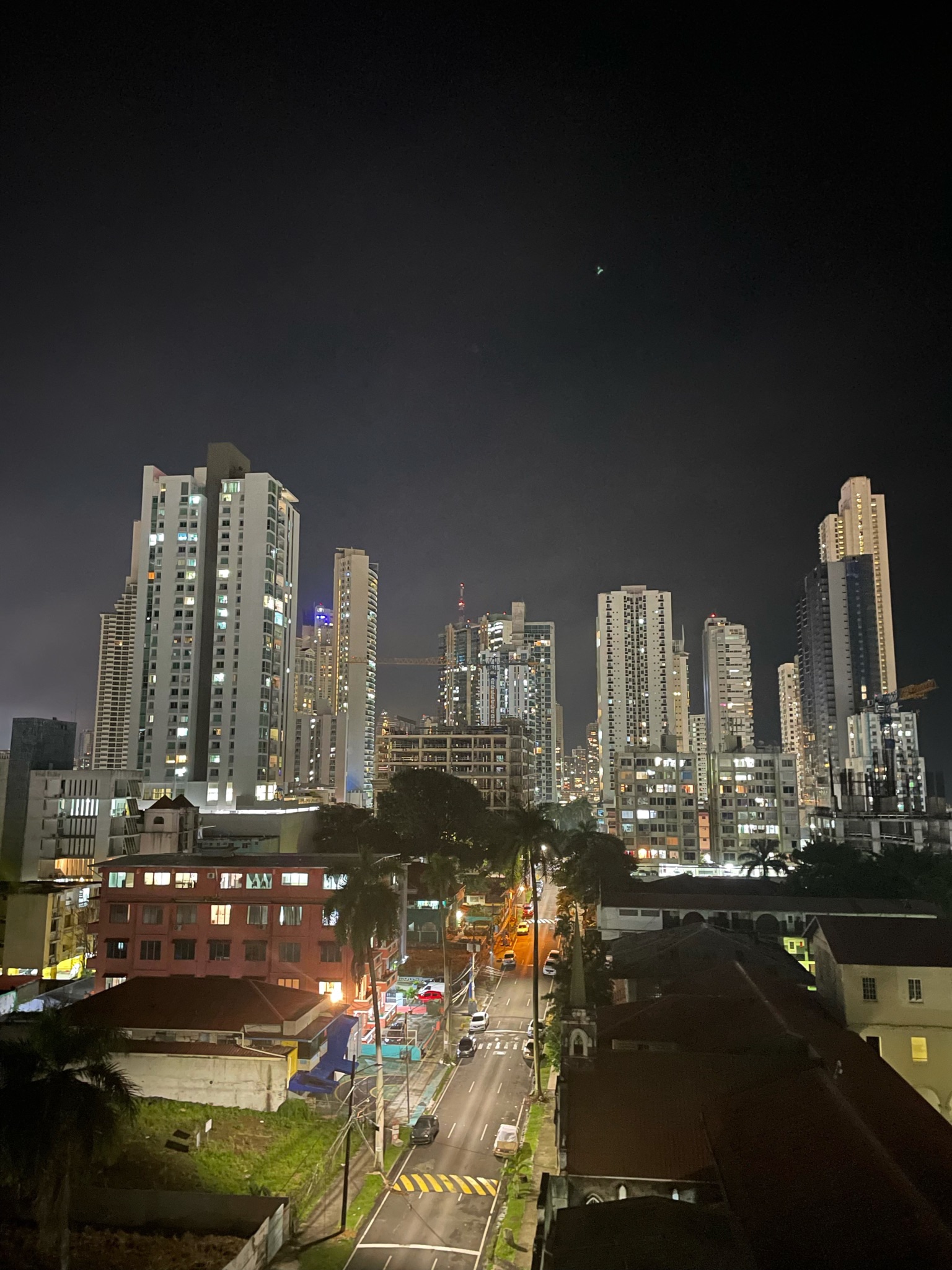
We stayed in the Hotel California. It was nice, six floors with a rooftop pool and a fantastic restaurant, and it was only a few blocks from the waterfront. From the roof you could see the skyline of the city, and from our room, you could people watch on the bustling street outside.
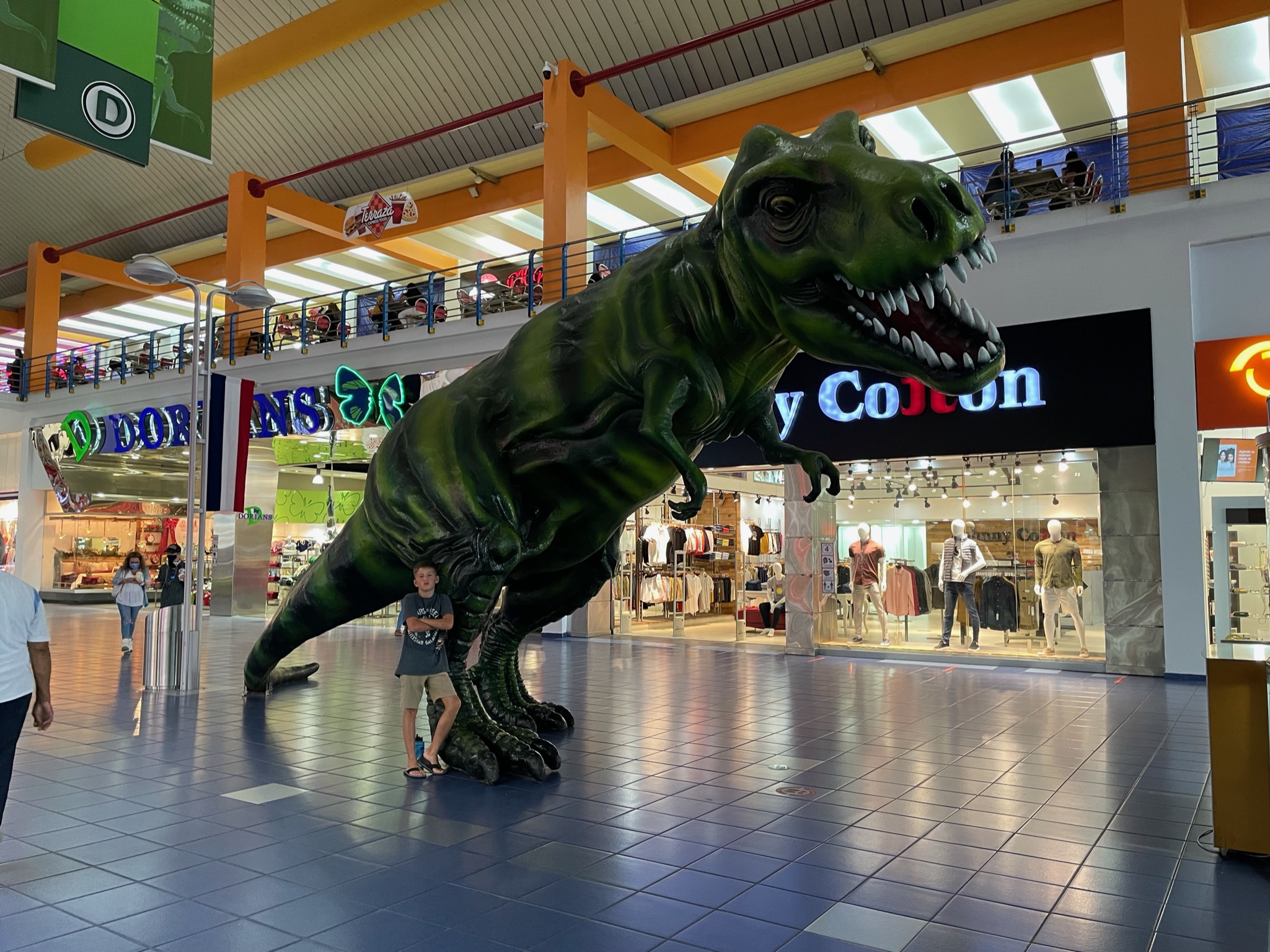
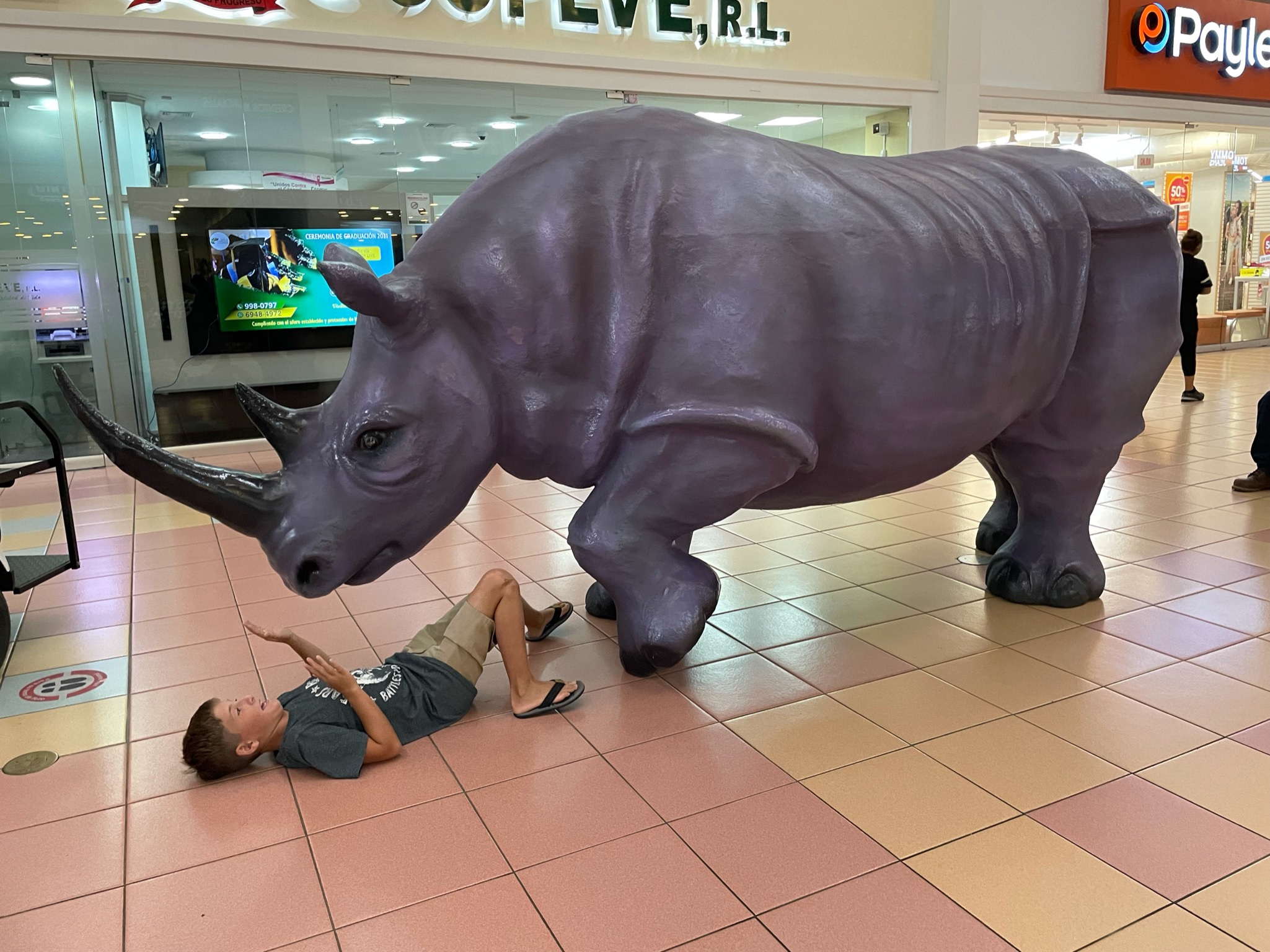
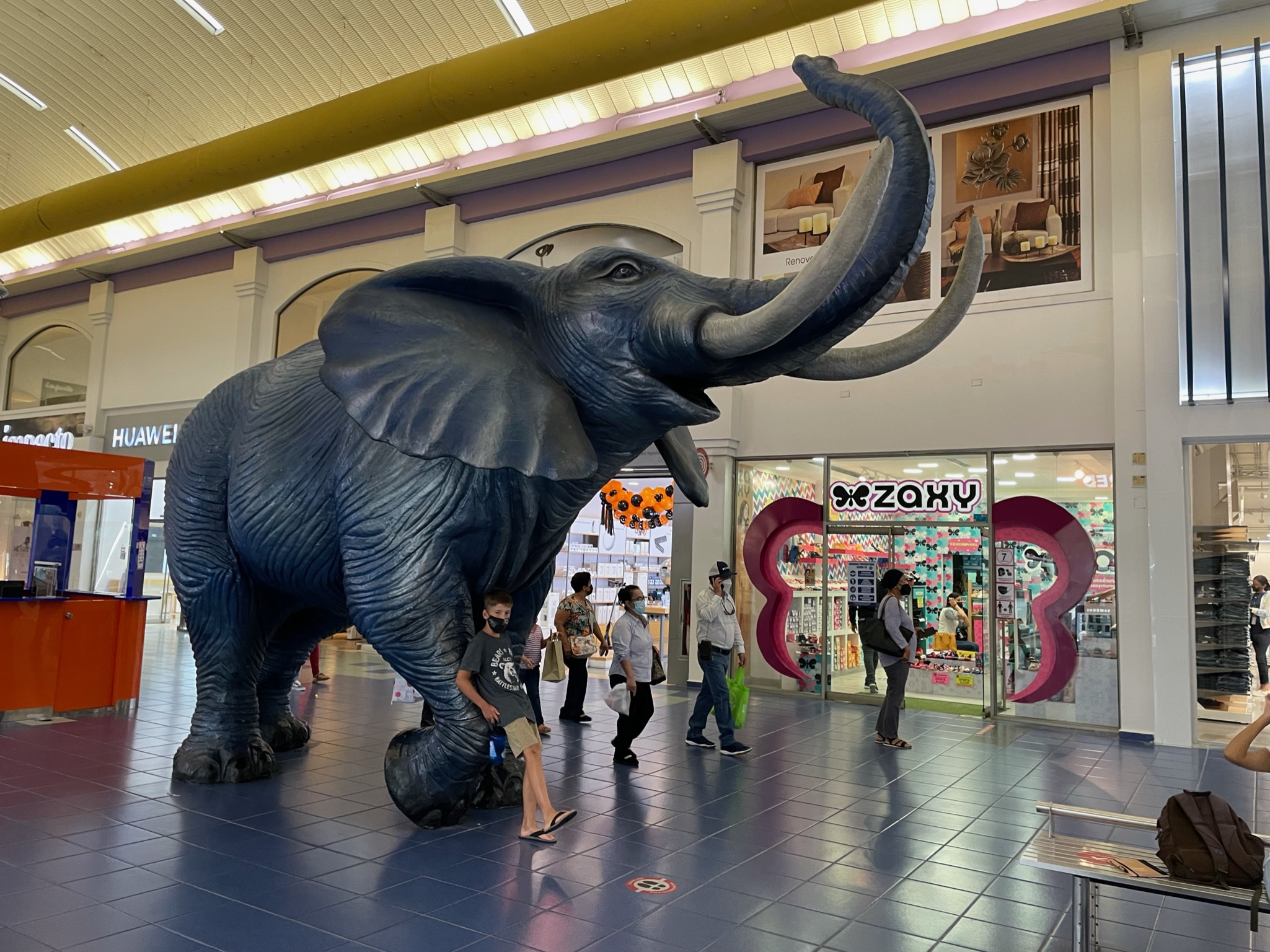
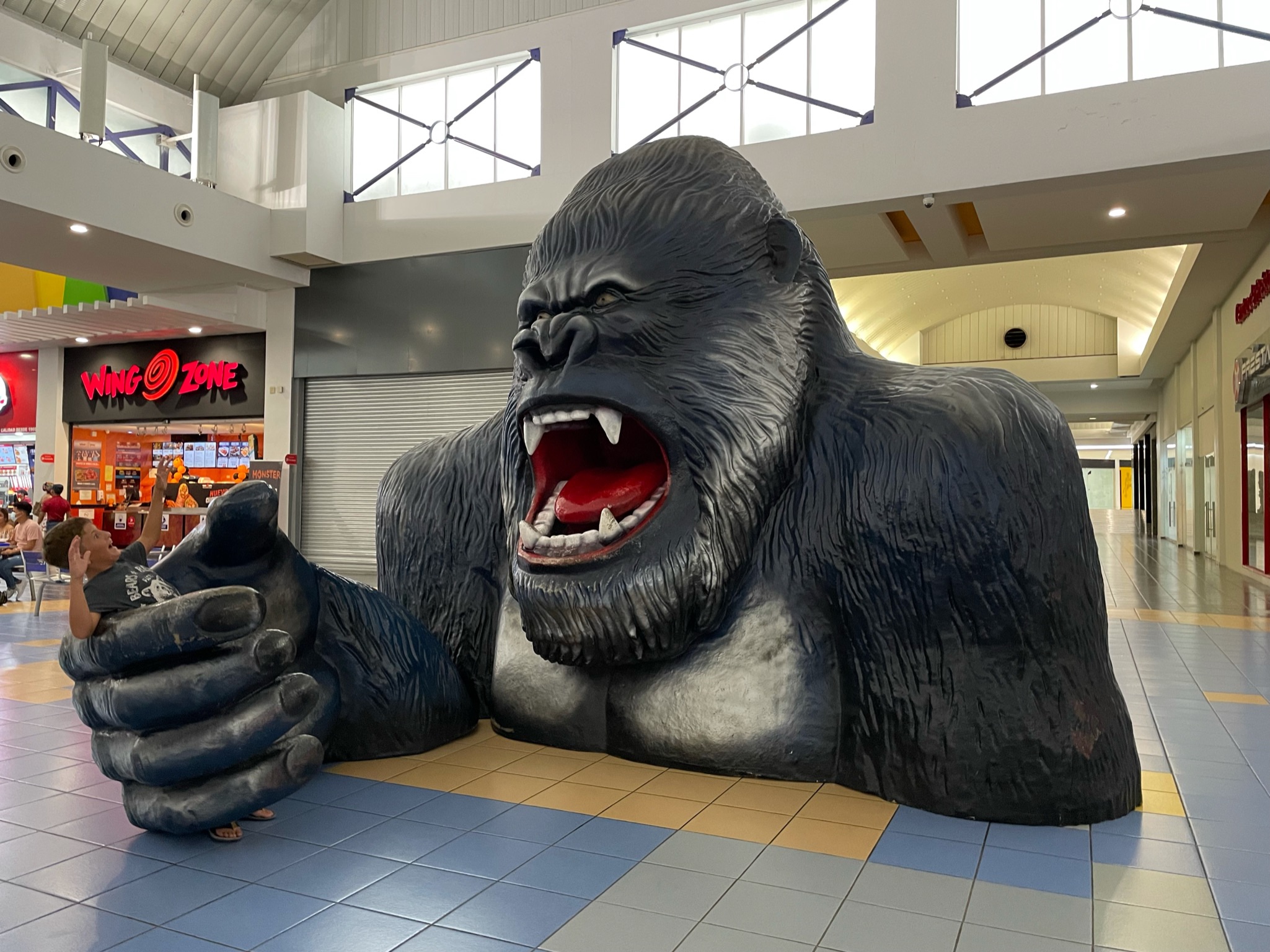
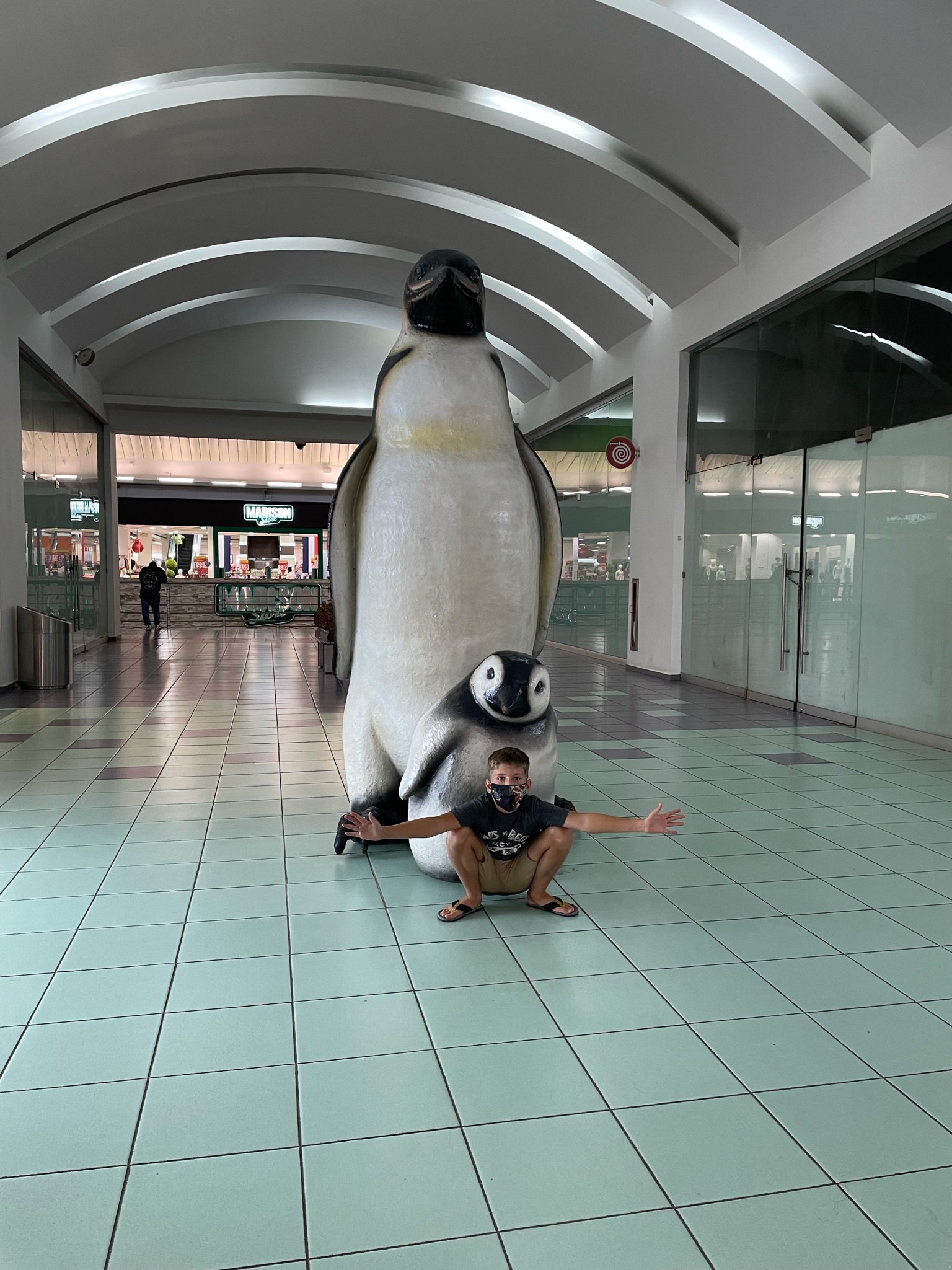
Henry loves malls, and we knew there was a good chance that there would be good restaurants there, so on our first day in Panama City, we caught an Uber to the Albrook Mall. We knew this was supposed to be a mall, but we had no idea what we were in for. We walked around for a little and admired their giant animal statues as we explored the stores, and then we found lunch at a food court. We continued to walk. And walk. And walk. The place was huge, and it took us several hours to work our way around the whole thing. Later we found out that this mall was the largest in the Americas and the 14th largest in the world. There were almost 500 stores and over 100 restaurants inside. Because of it size, the mall has dedicated sections to various animals for easier navigation. For example, when we first went to the mall, we went in the pink hippo entrance. The Hippo area has 25-50 stores in its section, and a giant hippo statue stands in the middle of the aisle. The section has pink hippo signs hanging so you easily know where you are. There are 13 of these sections and there are also 3 different very large food courts. And, as I mentioned earlier, the mall is connected to the bus station and its food court as well. We ended up back at the Albrook Mall for the second time on the next day. After hours of walking, we finally found what we were looking for; Henry was thrilled when we finally bought him a replacement camera!
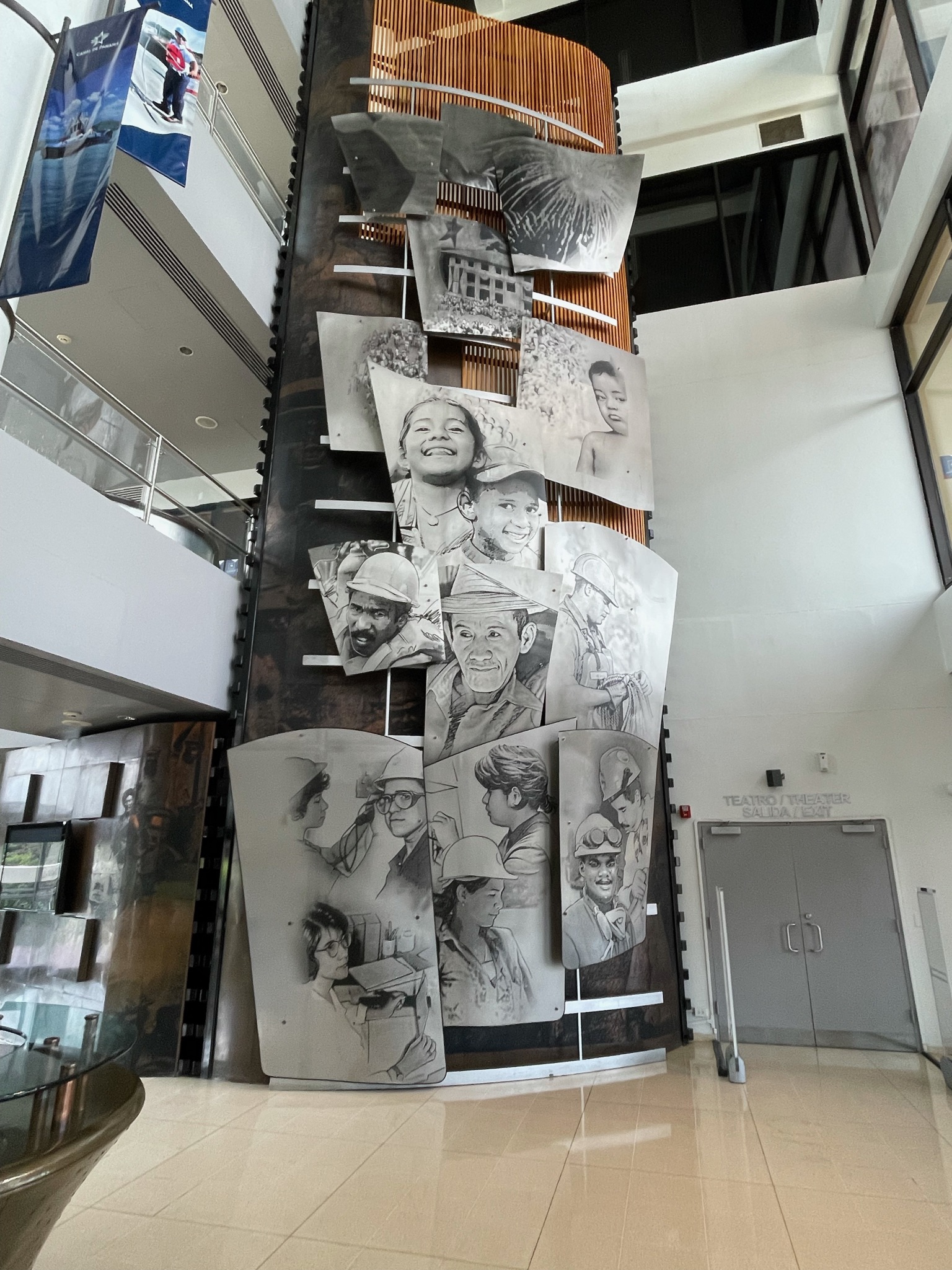
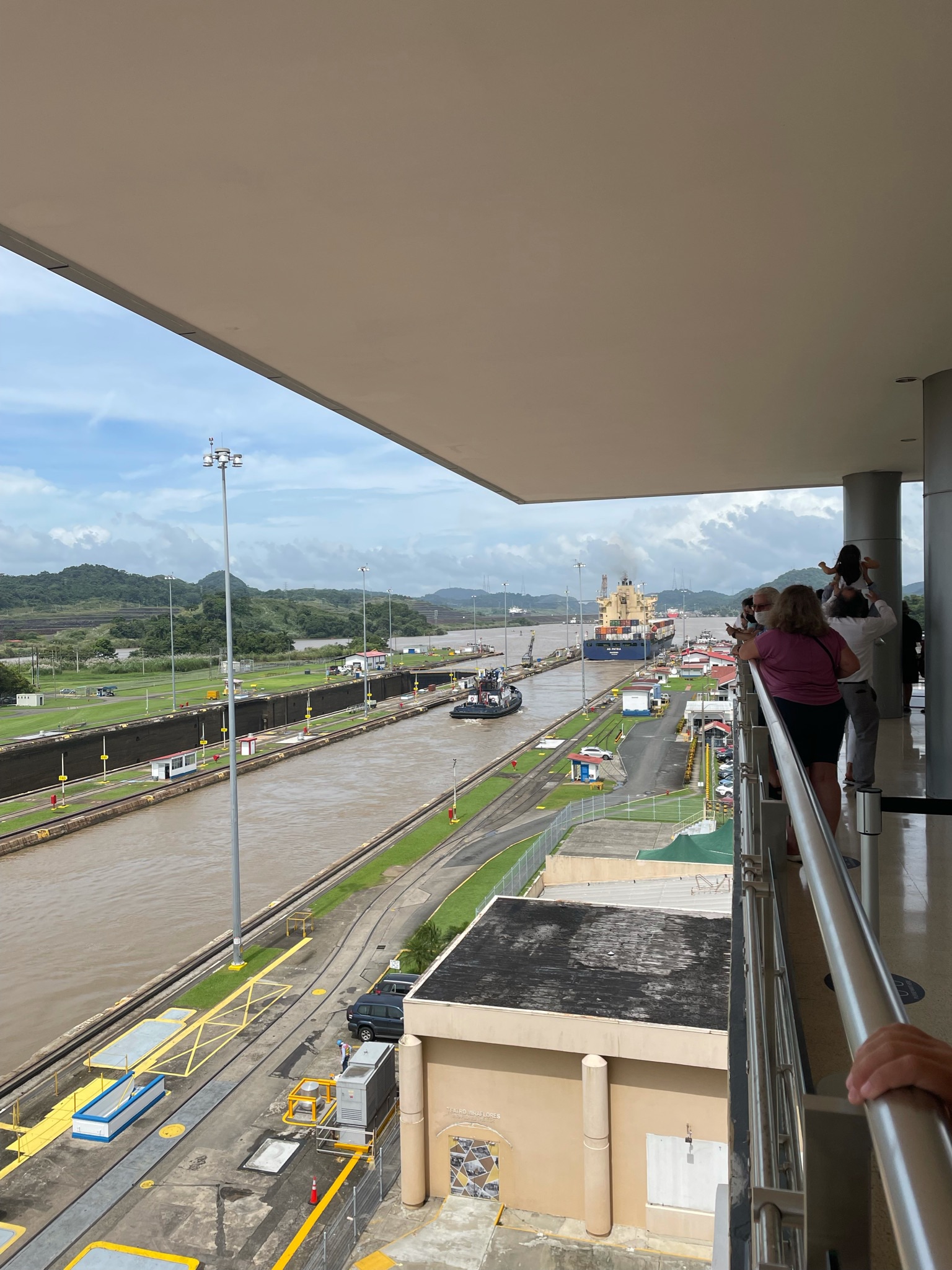
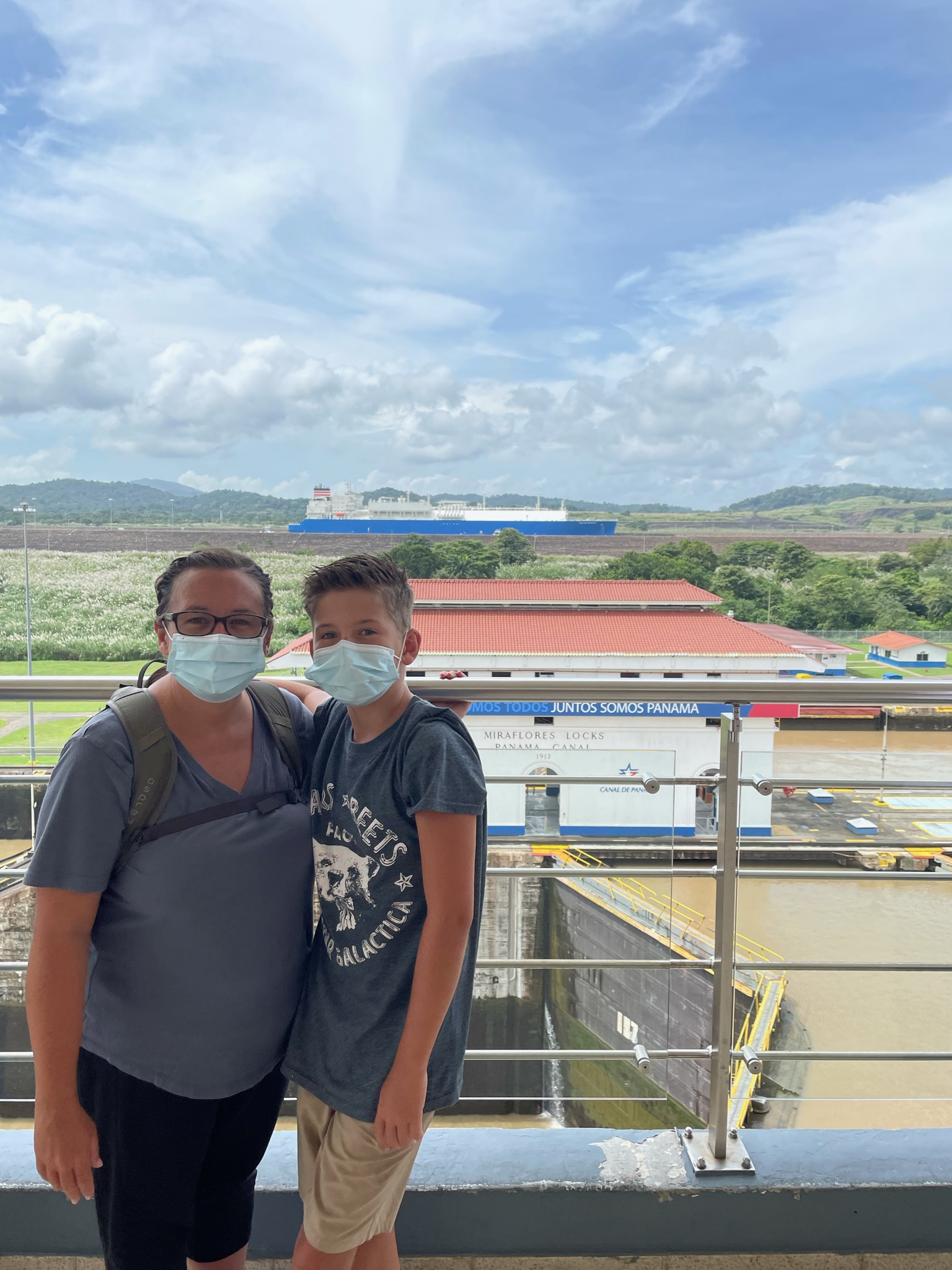
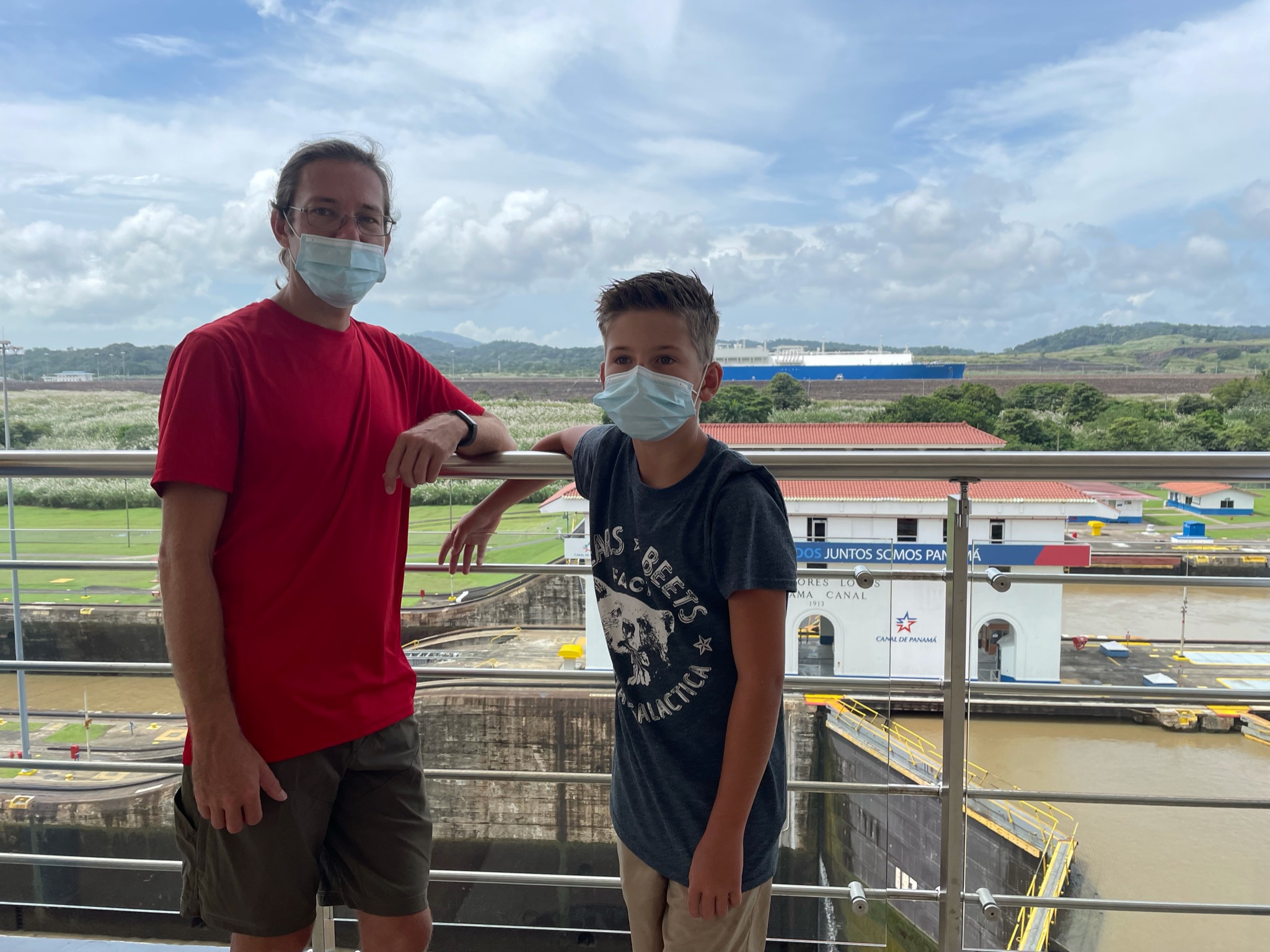
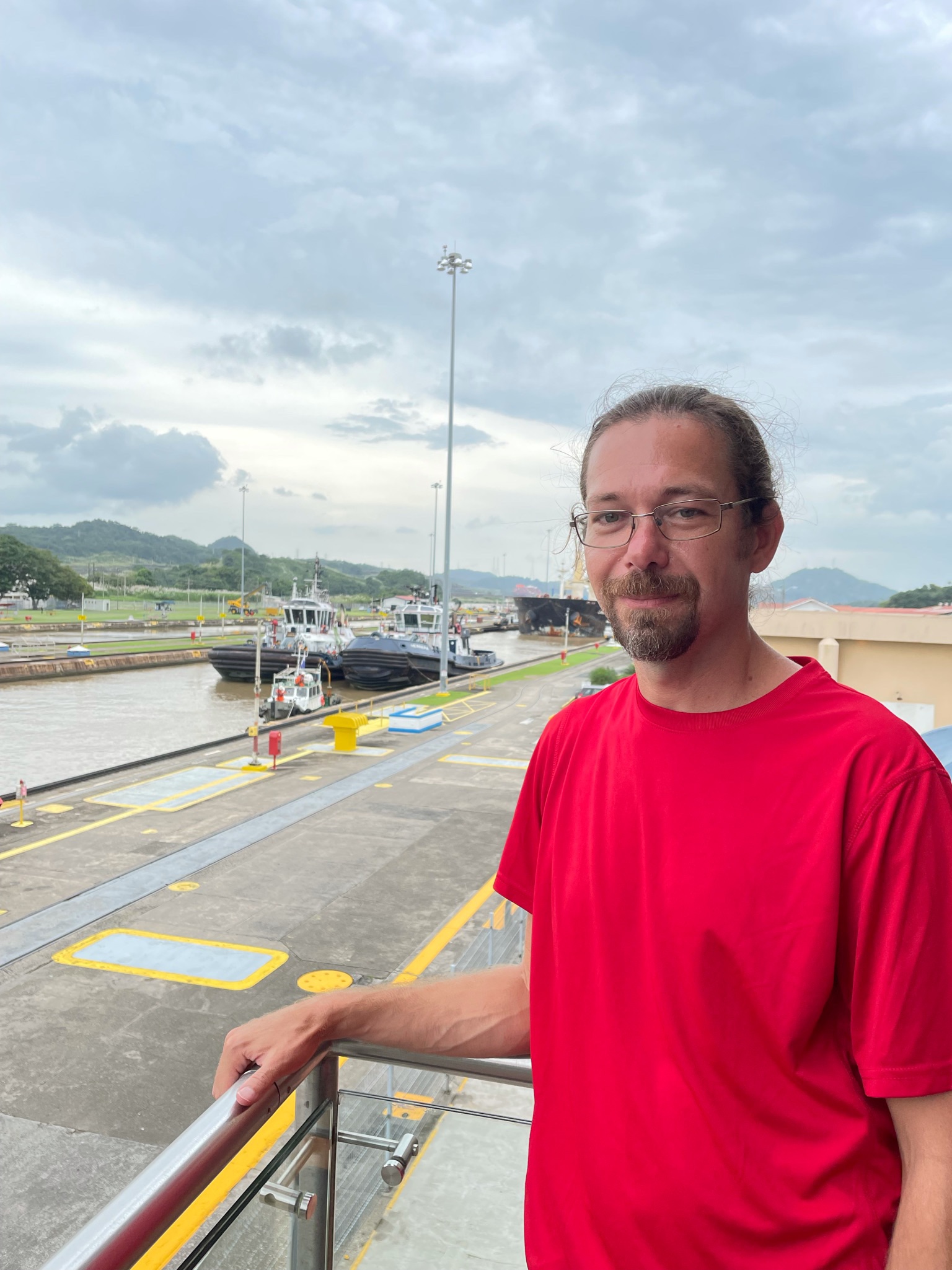
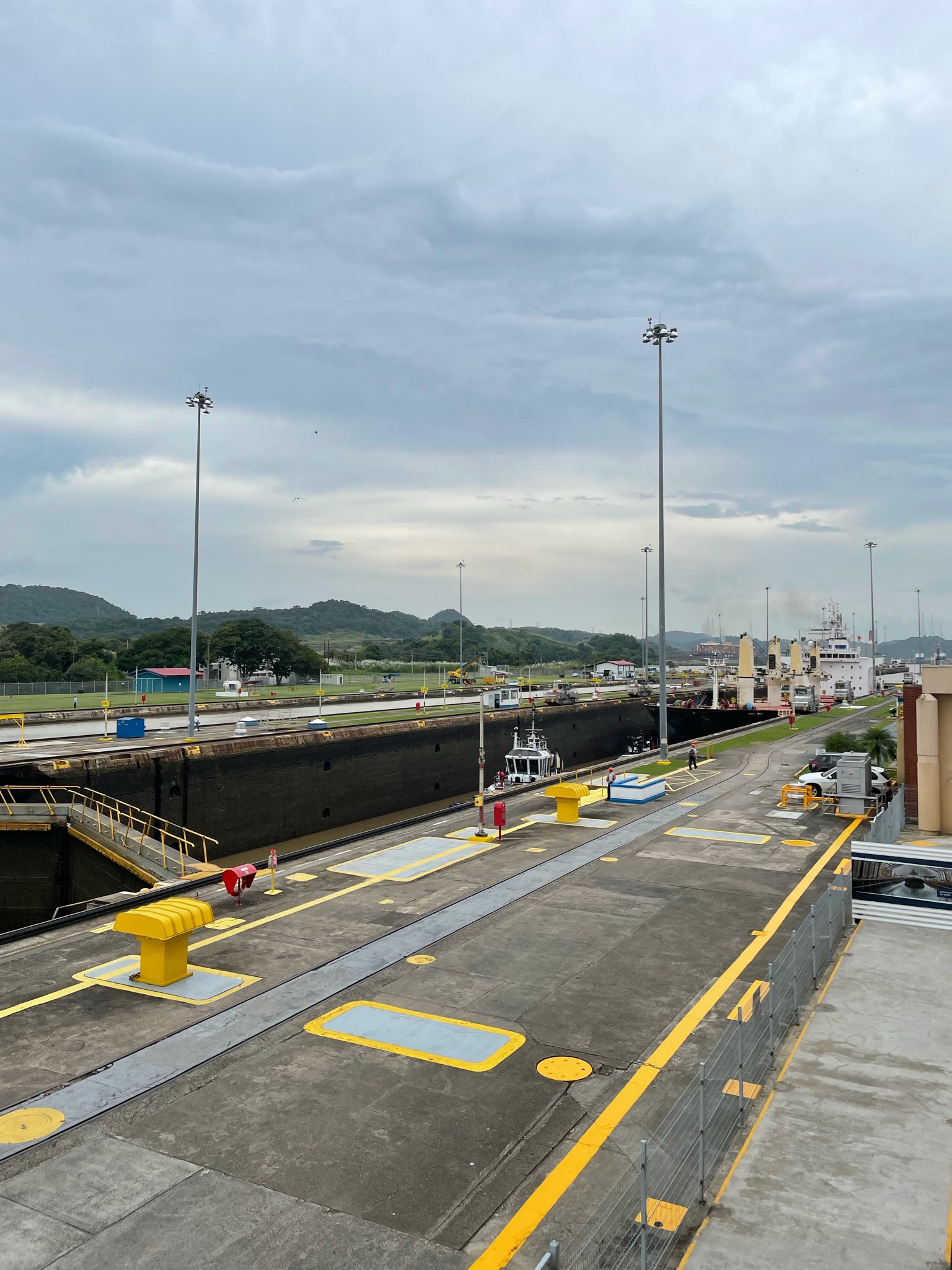
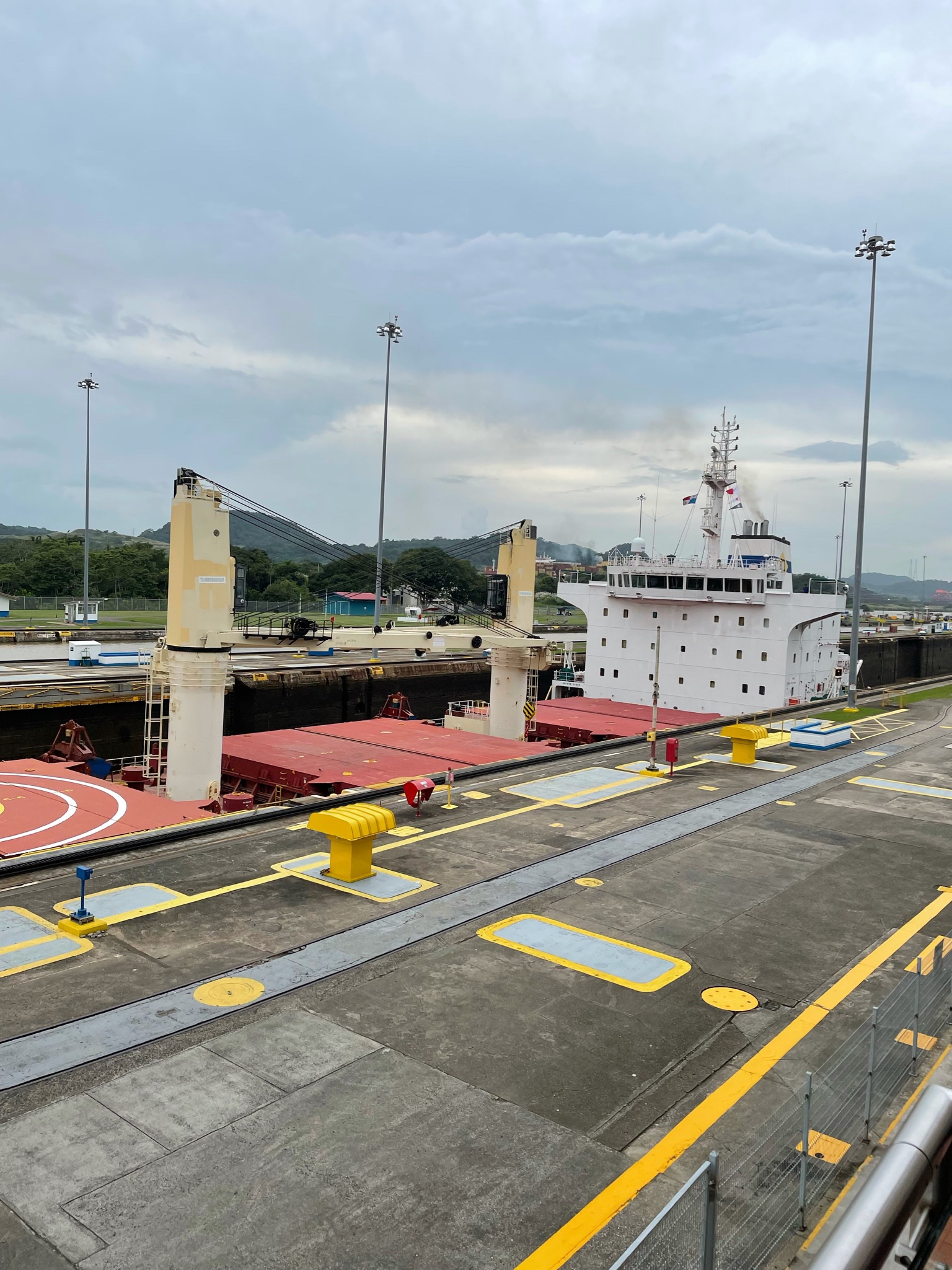
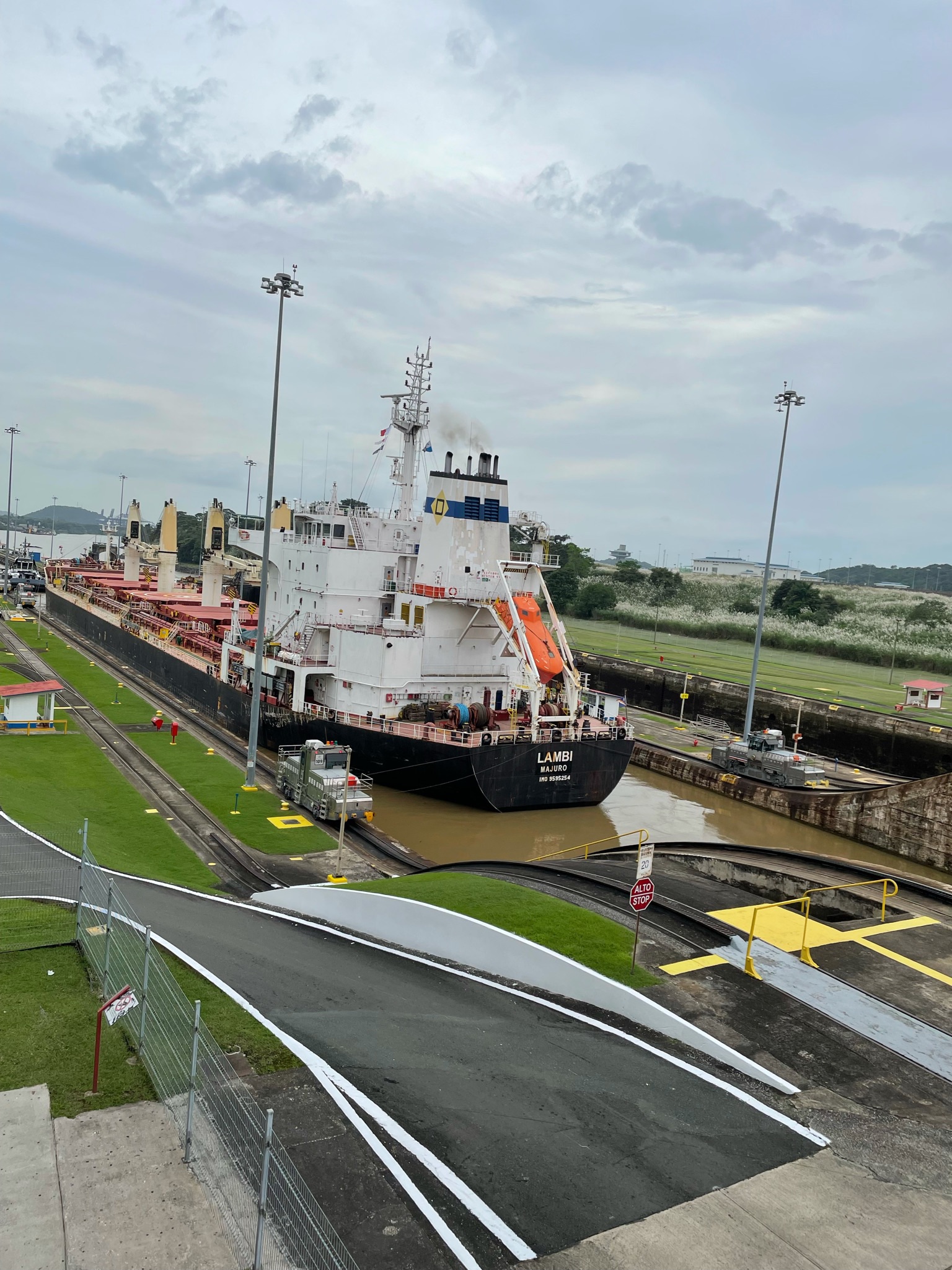
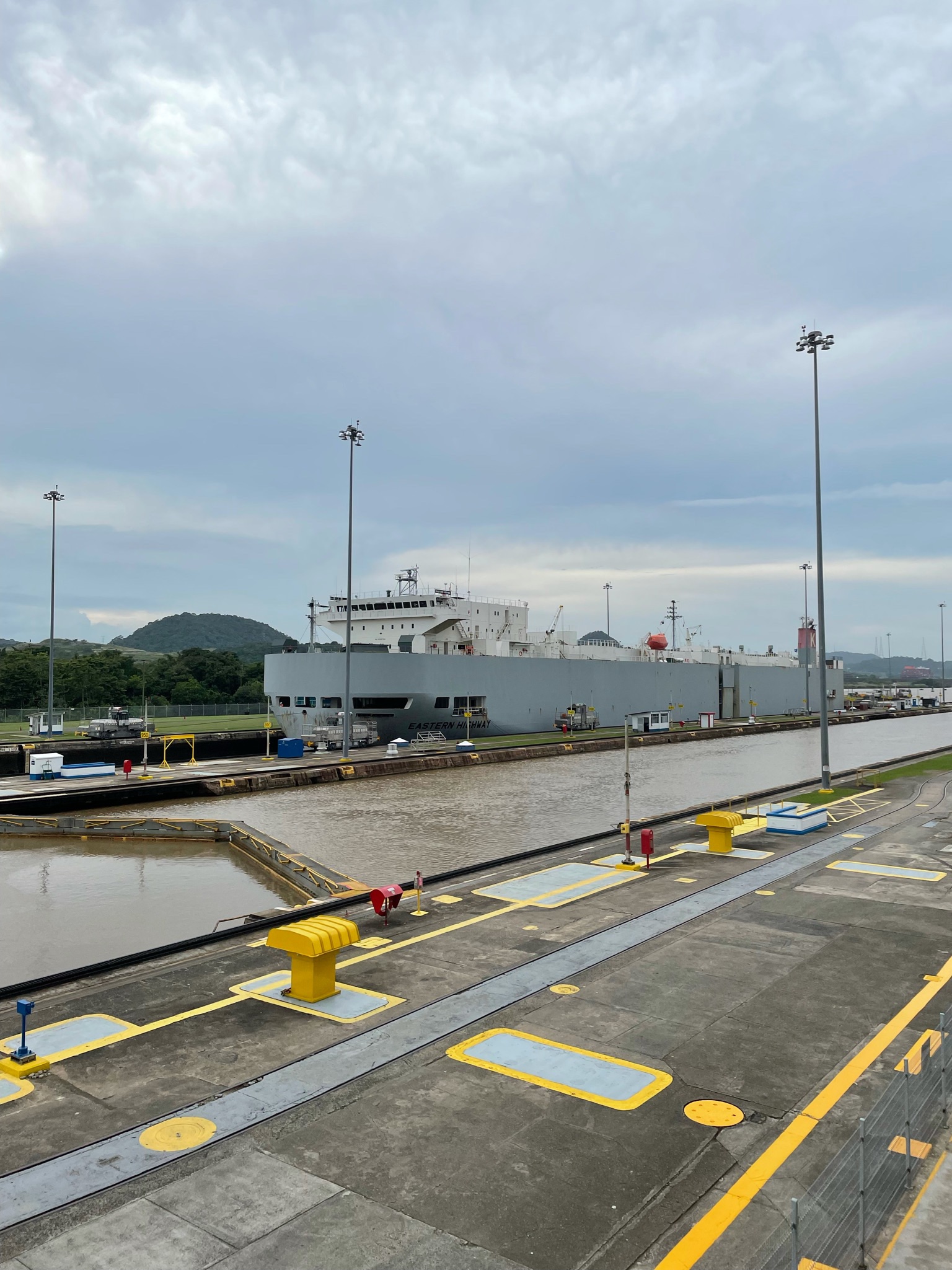
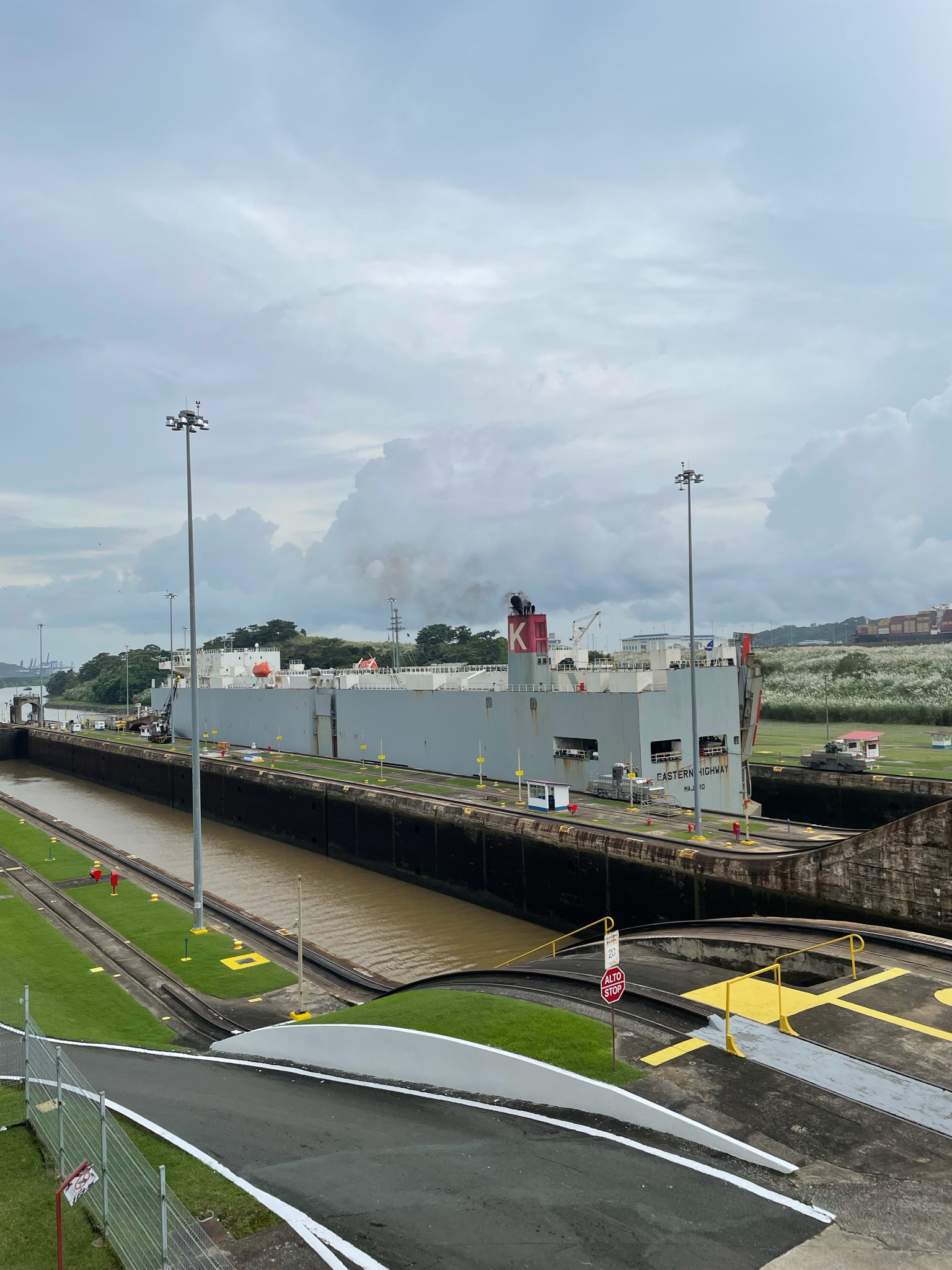
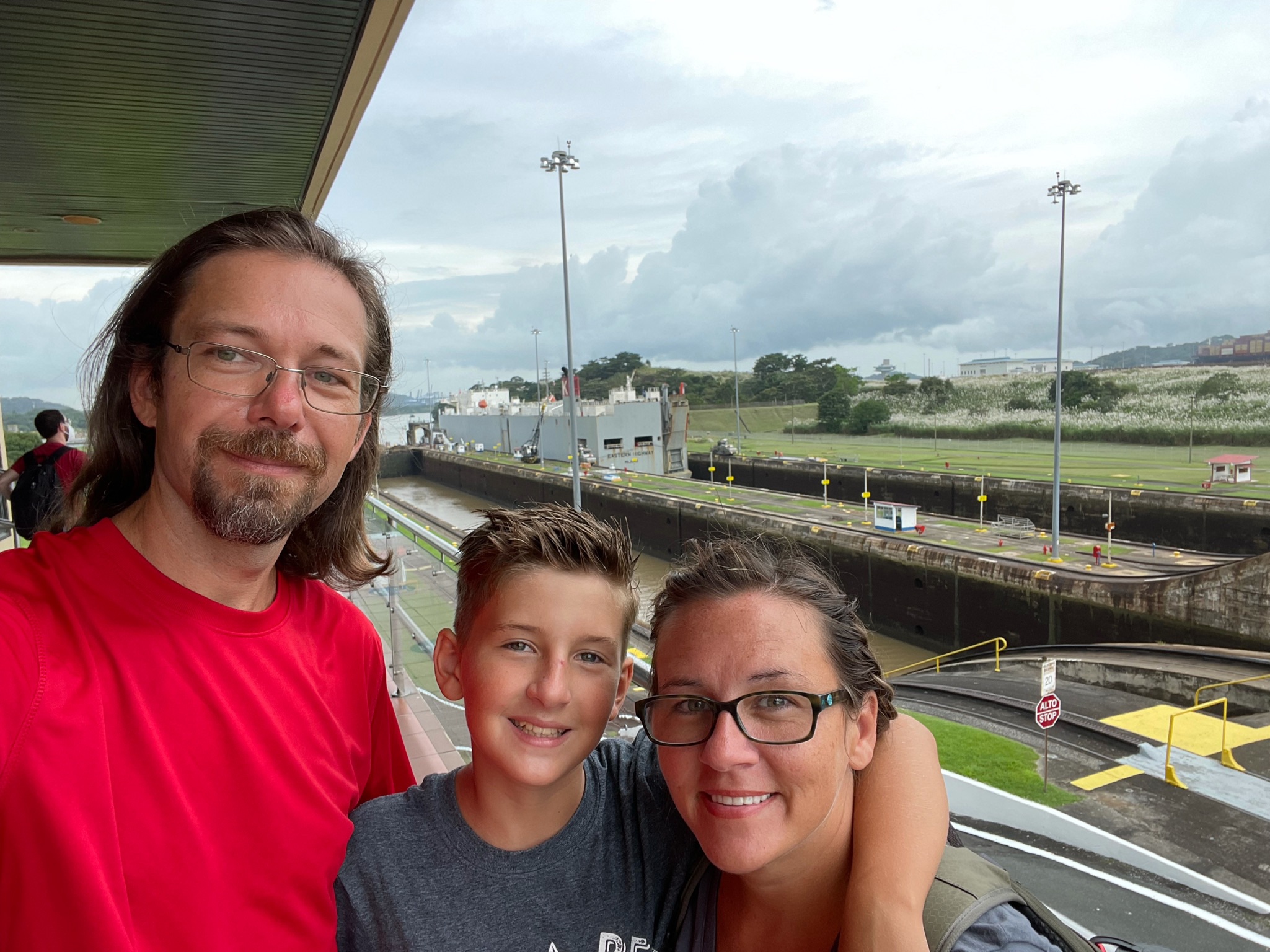
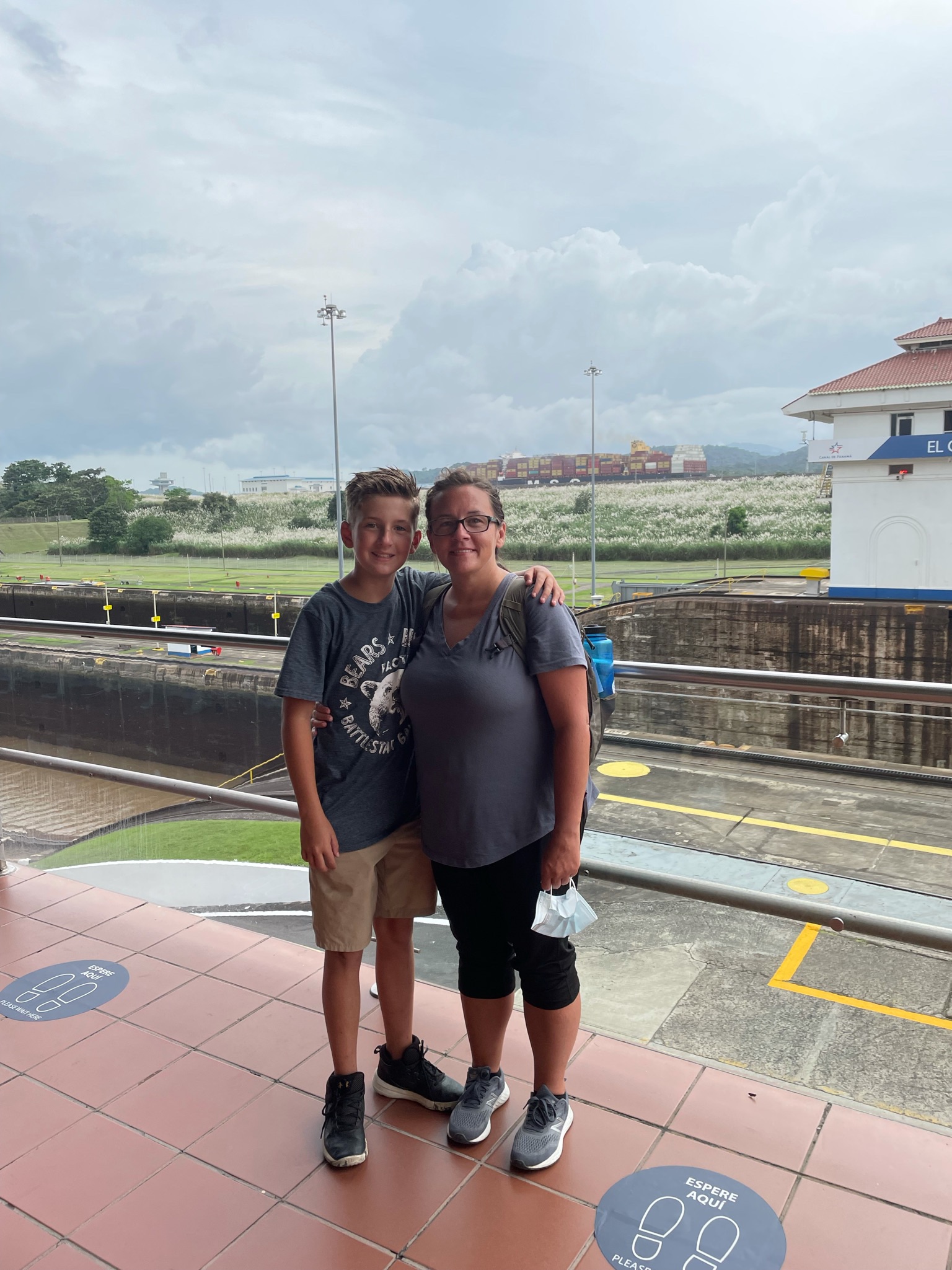
You can’t go to Panama City without going to visit the Panama Canal, so on our third day in the city, we took an Uber out to the Miraflores Visitor’s Center. The visitors center was open all day, but we had read that it was best to visit between 8 and 11 and between 3 and 5. We hadn’t gotten going like we’d hoped, so we were later getting there than we had planned. We bought our tickets, and when we got to the front of the line to go in, the agent held us there to allow the previous tour group to get a head start on us. She let us know that the last boat of the morning was going through the canals, so instead of her walking through the museum and talking us through that, we would head straight up to the observation deck to watch the boat finish it’s transit. We rushed up to the top floor and stepped out on the observation deck just in time to see the last boat slowly make its way out the far end of the canal and into the open water. Brian and I were both very disappointed to have missed it, but because we didn’t know much at this point, we thought we’d just wait around for the next boat to pass. The tour guides informed us that this would be the last boat until about 4 in the afternoon. Just to the northwest of the Miraflores locks lies a 9 mile stretch of the canal that is too narrow for boats to pass one another in. Boats enter the water from the Atlantic ocean and can wait in the manmade Gatun lake for their opportunity to transit the canal. To manage traffic, boats are allowed to travel from Atlantic to Pacific for certain hours and then when the last boats come out of the narrow stretch, traffic is alternated to allow boats to travel from the Pacific to the Atlantic side. The gap between the last boat in the morning and the first boat in the afternoon is where this traffic redirection is carried out.
So we were faced with a decision, we could hang around and see what we could over the next little bit, or we could tough it out and wait until the afternoon boats started coming through. It was 11 am. We would have to kill another 4-5 hours if we wanted to see the boats. We couldn’t leave and come back, the restaurant was closed, the museum was closed, and there was really nothing to do. Even so, we decided that if we’d come that far, we were going to see those darn boats going through. So, we found a comfortable spot on the observation deck and settled in for a long wait. We tried to sneak into the museum to see the few displays that were open, but unfortunately, we just ended up getting ourselves locked out of the observation deck. We were allowed to go to the lower observation deck, and it actually had seats for us to relax in, so it wasn’t all bad. At about 3:30, we could see the first big ships lining up to come into the locks from the Pacific side. These boats were enormous. We watched two ships go through the lock system, and we were completely fascinated watching the boats drop 80 feet in the lock right in front of us. As engineers, we are aware of the massive design and maintenance challenges that this area would demand, and it was amazing to think that it was designed and built over a hundred years ago!


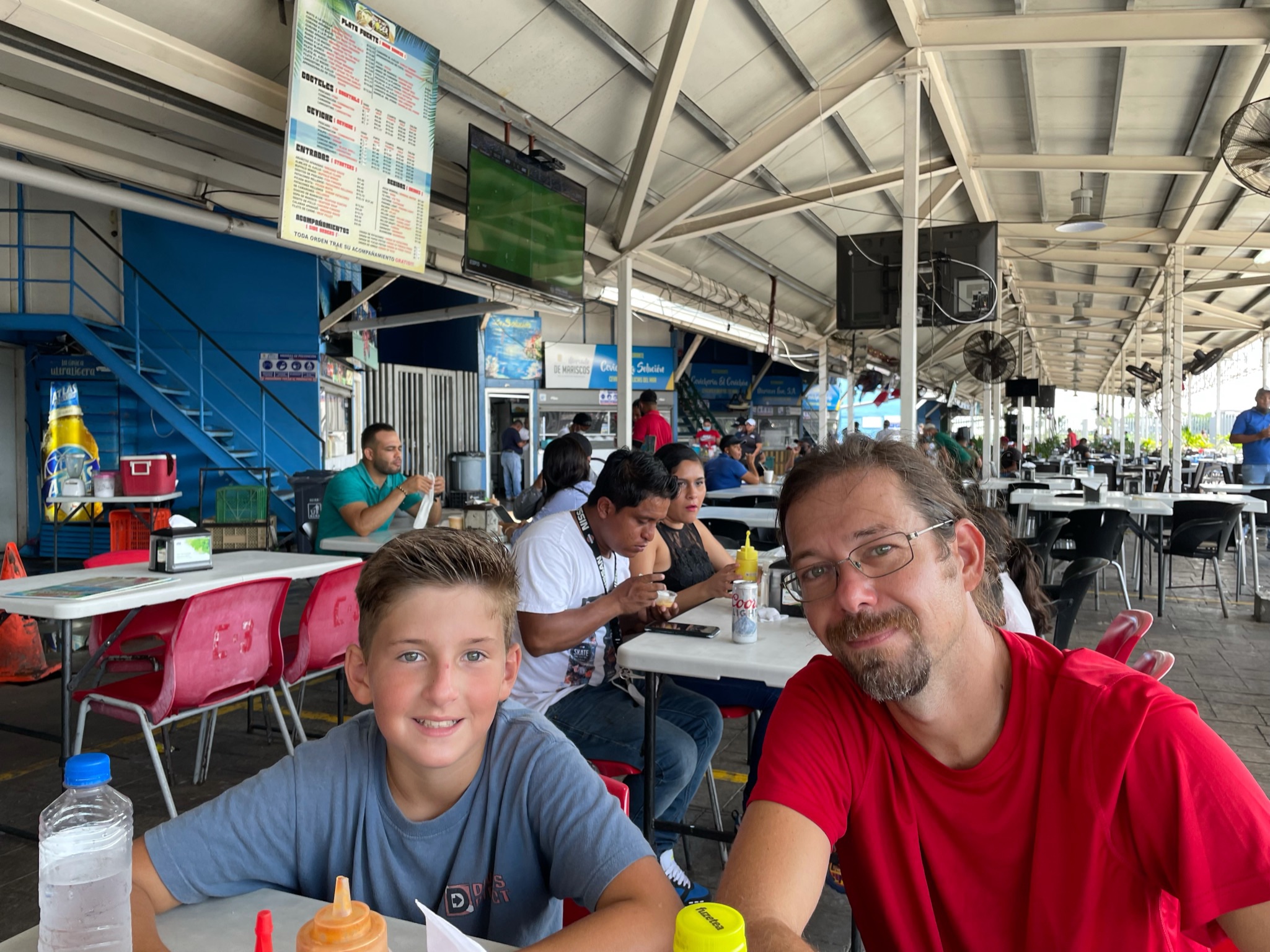
On our final day in Panama City, we walked along the waterfront. Panama City has created a very beautiful paved pathway that runs along its shoreline. There are shaded picnic tables, bathrooms, and bike rentals, and street vendors sell drinks and snacks all along the way. We walked from our hotel to the shore and after grabbing lunch at the fish market, we continued walking all the way to the old town.
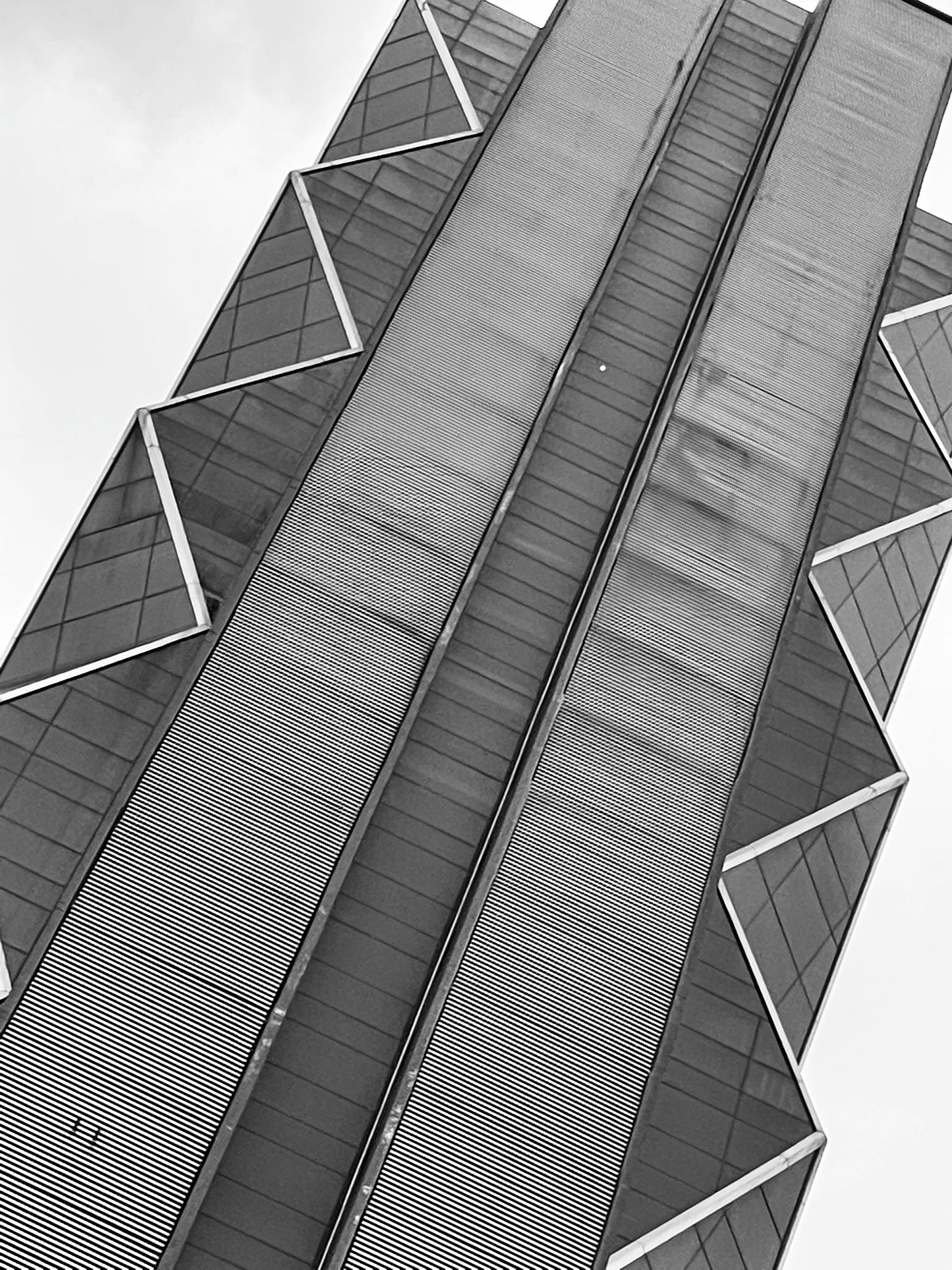
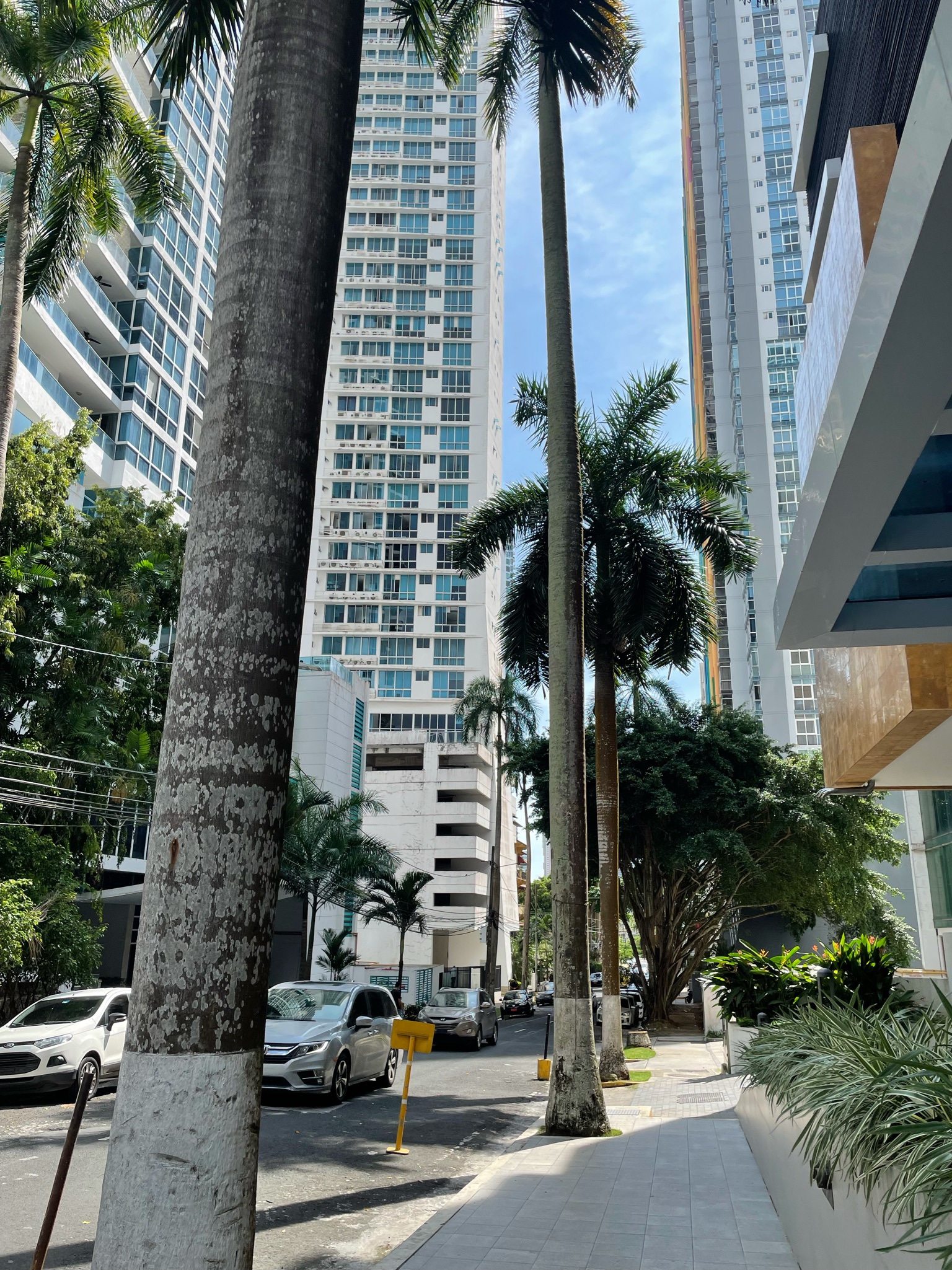
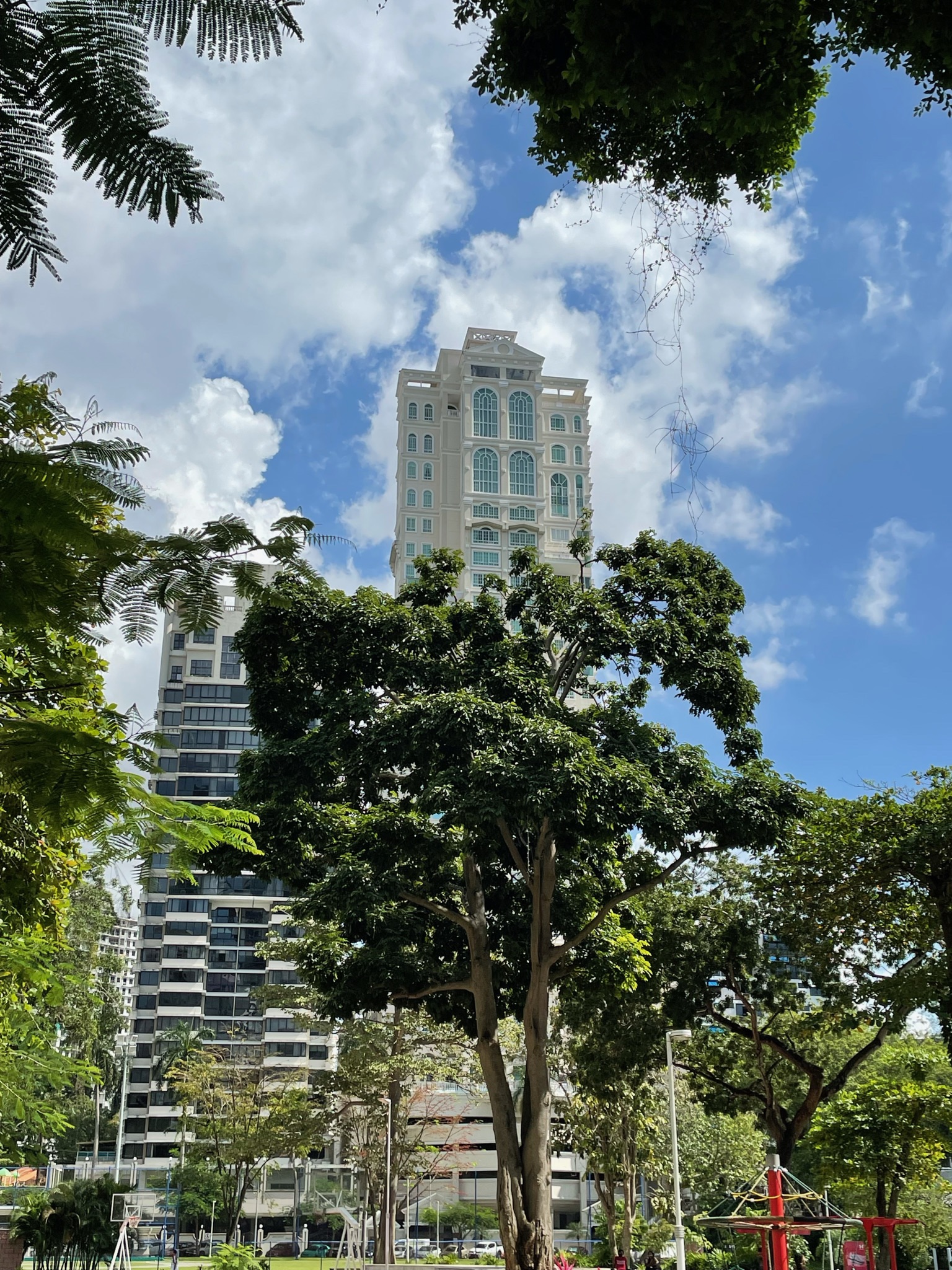
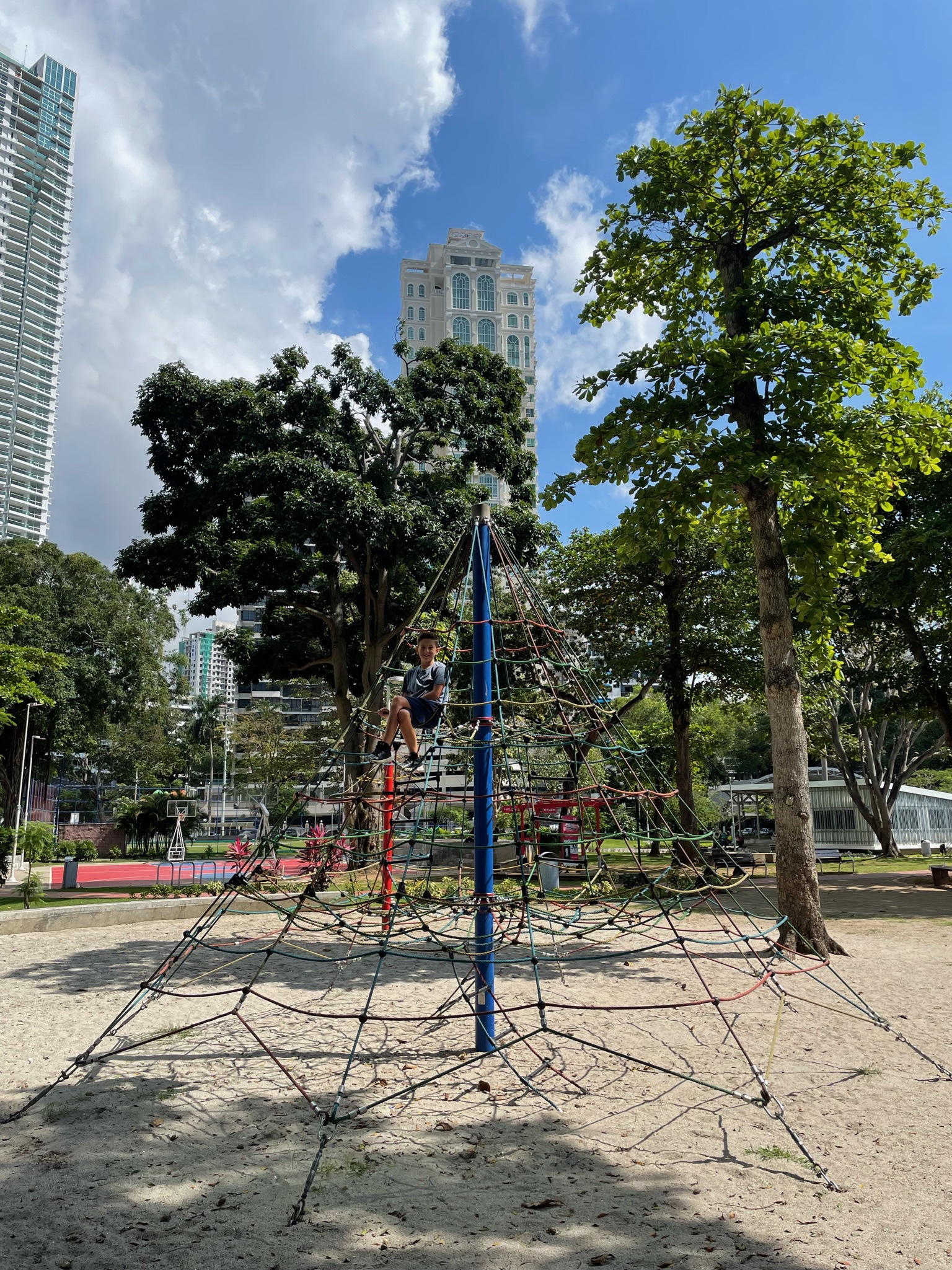
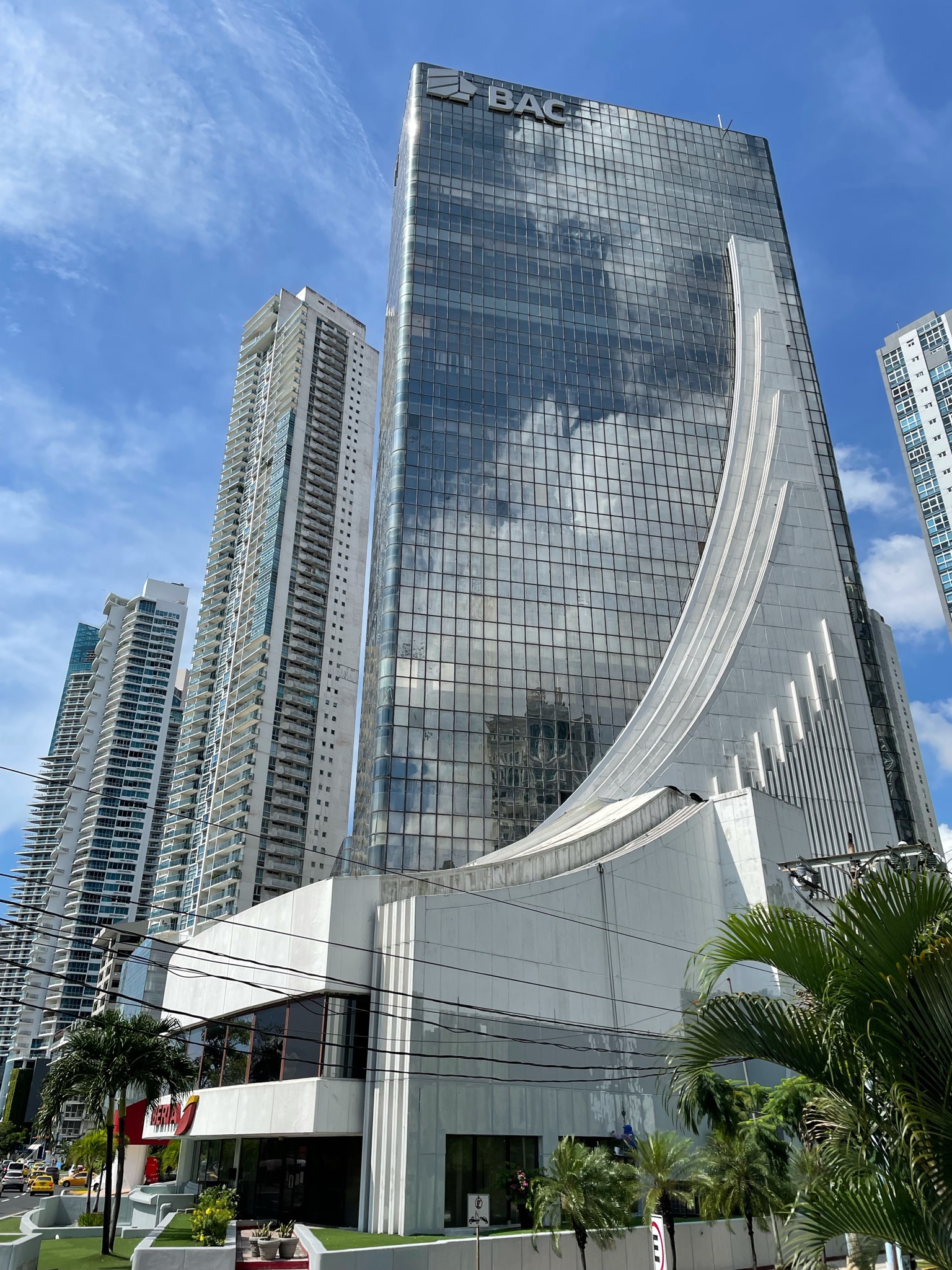
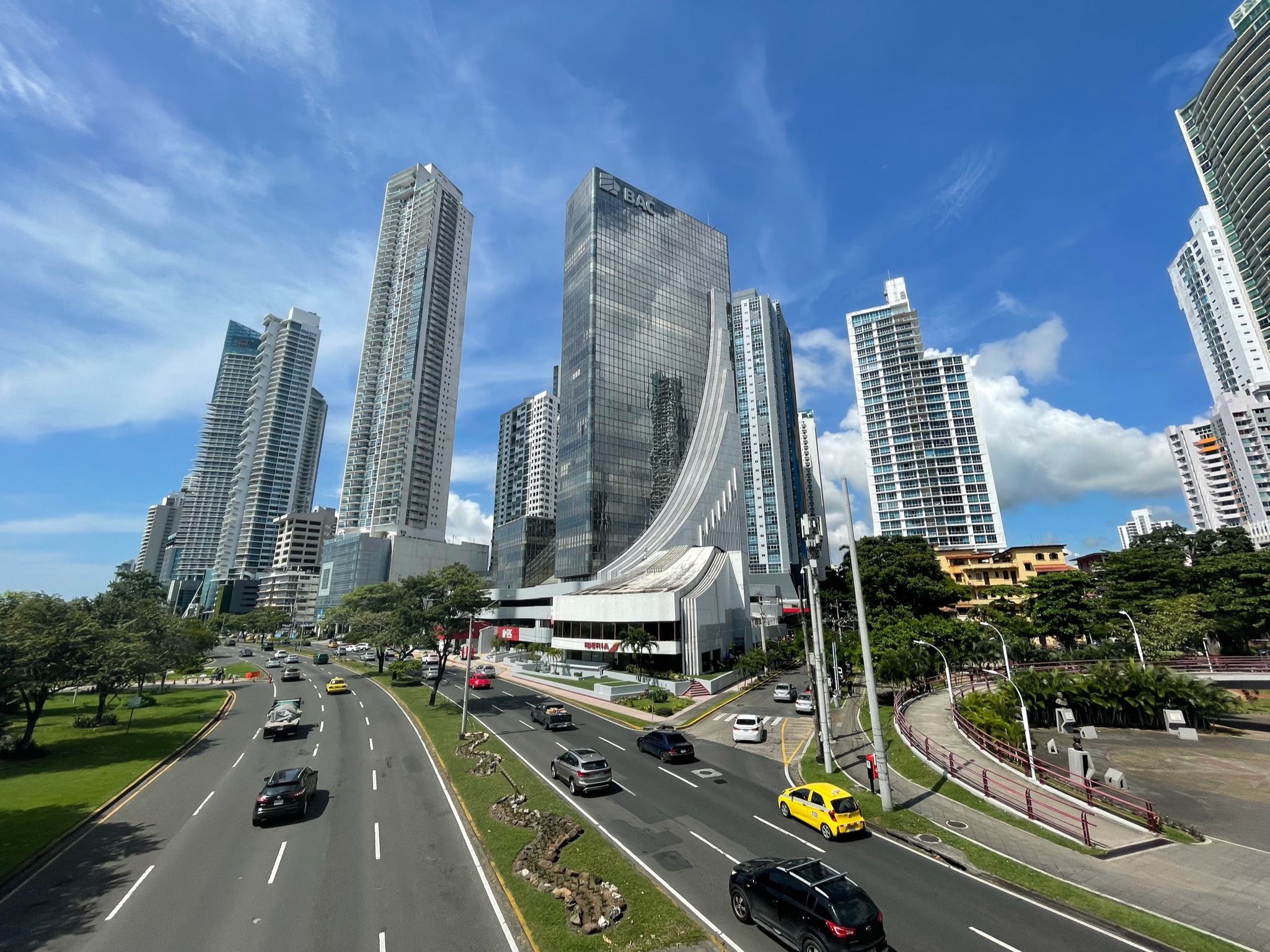
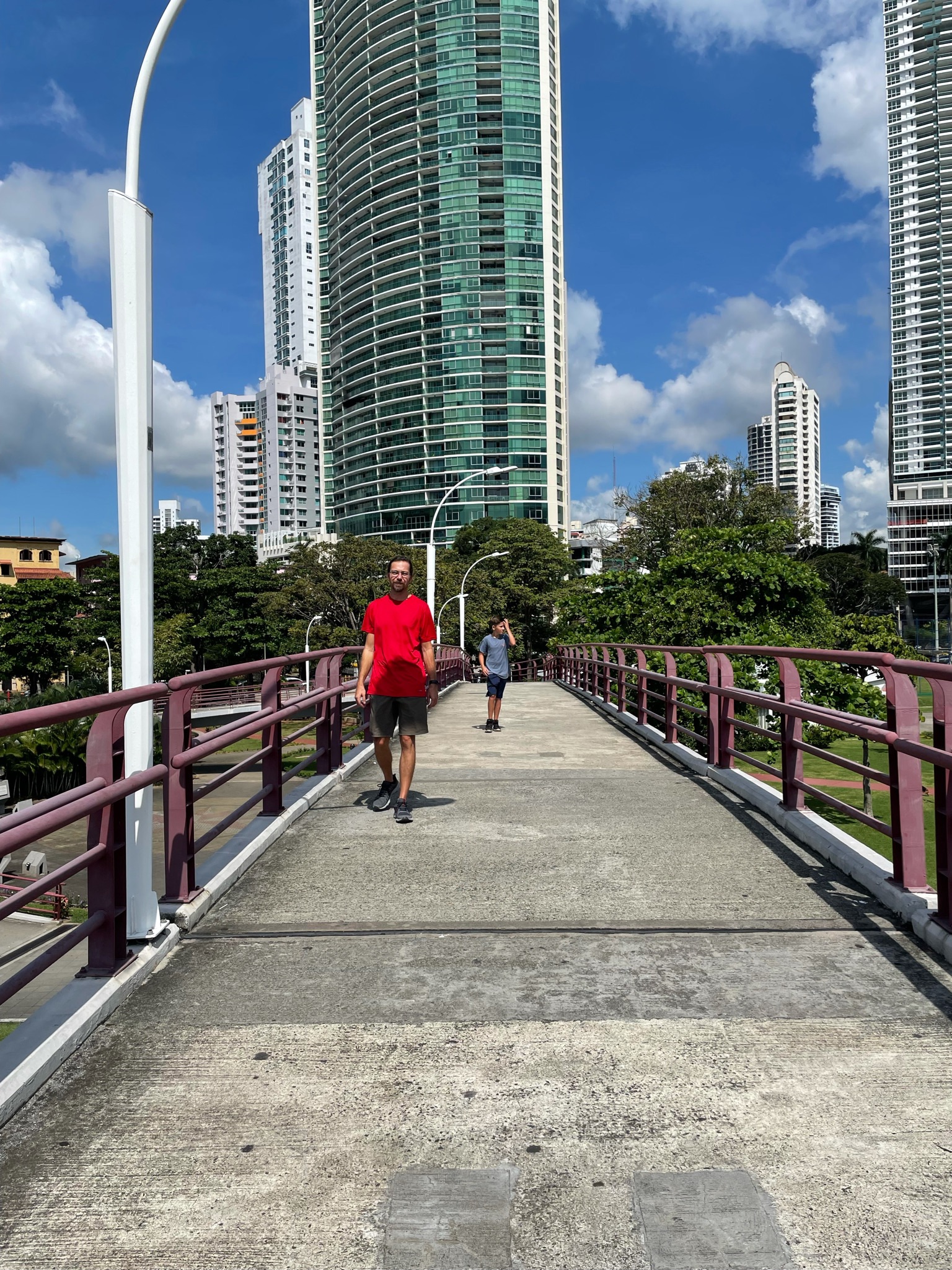
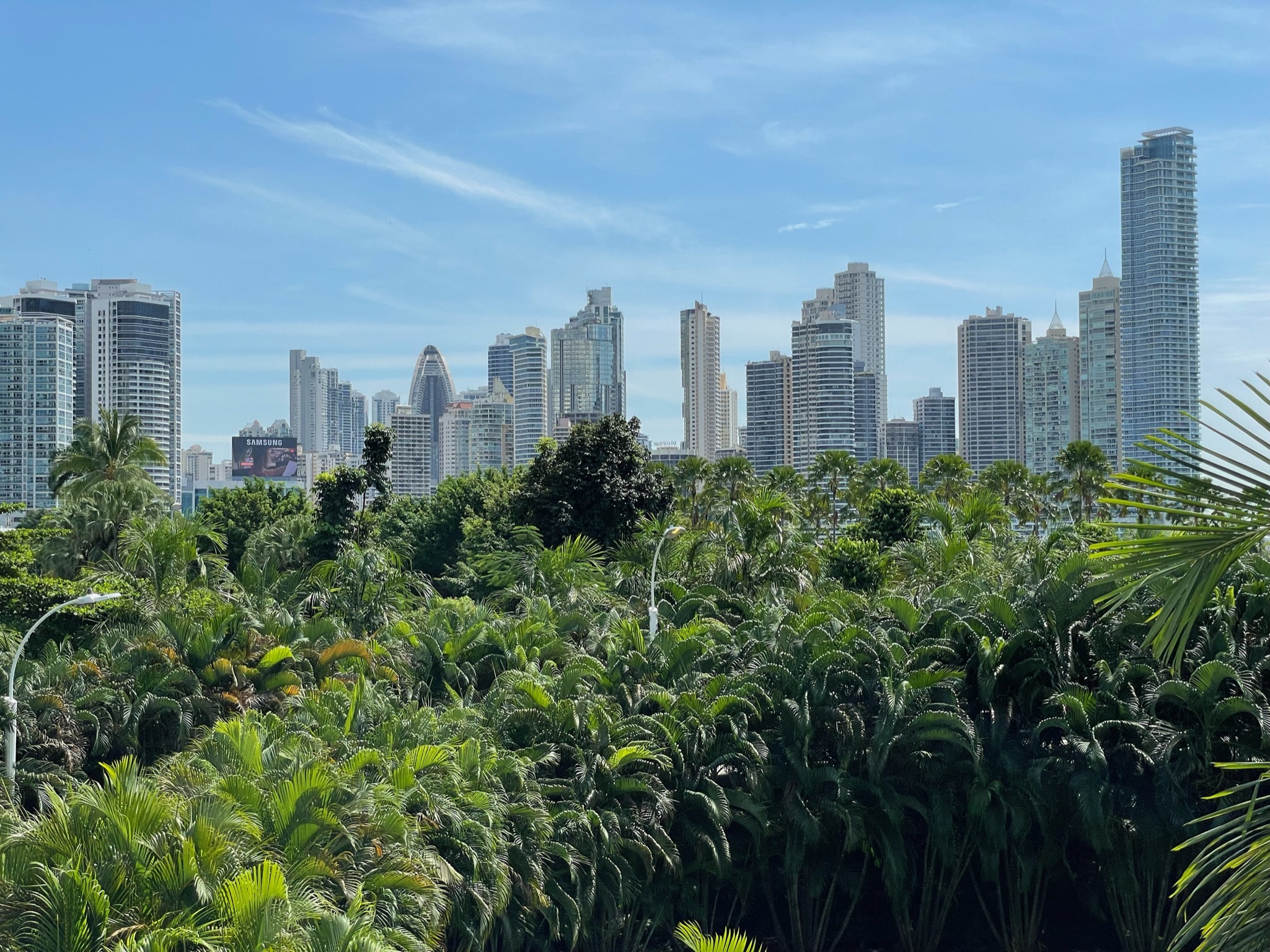
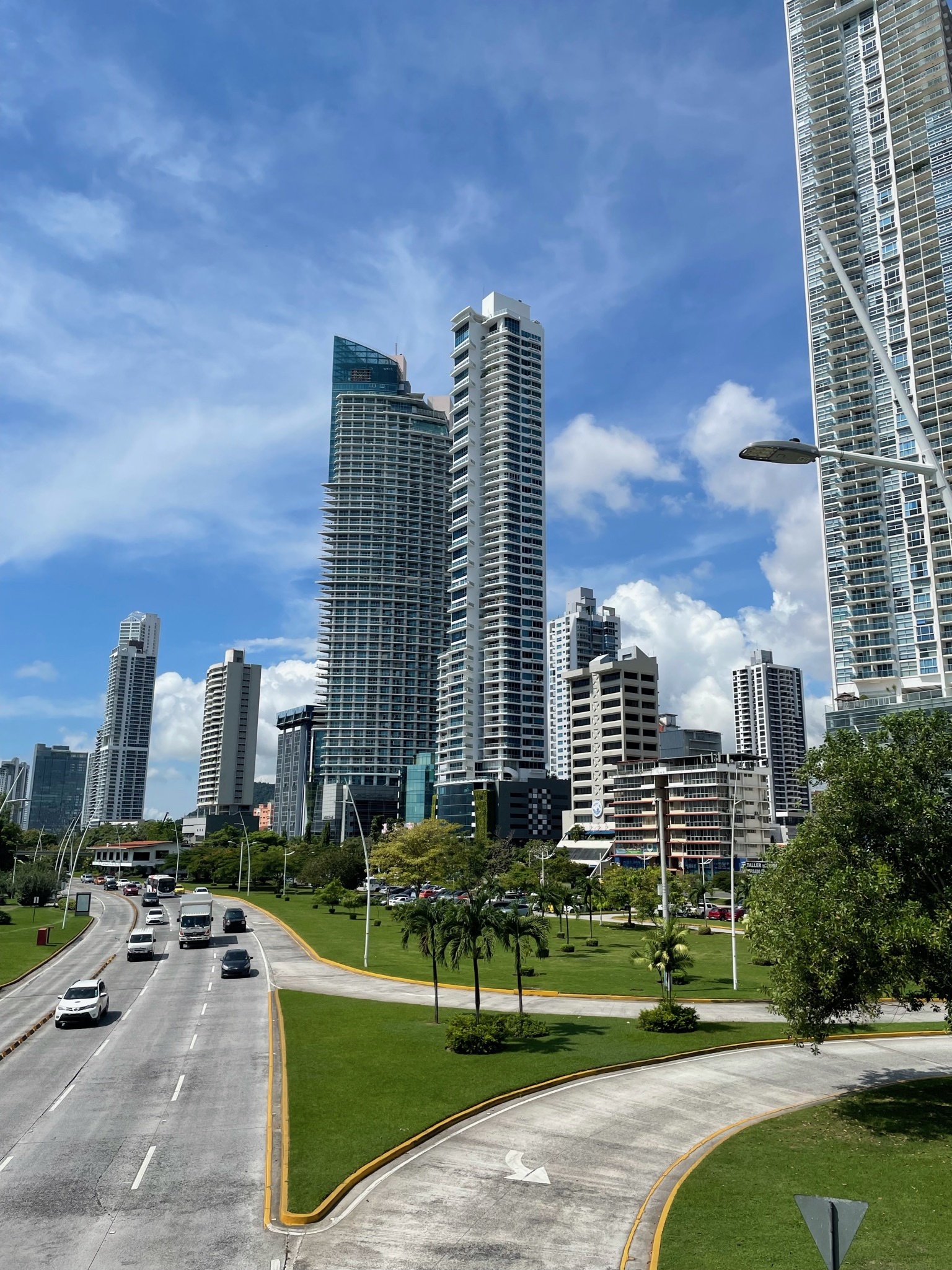
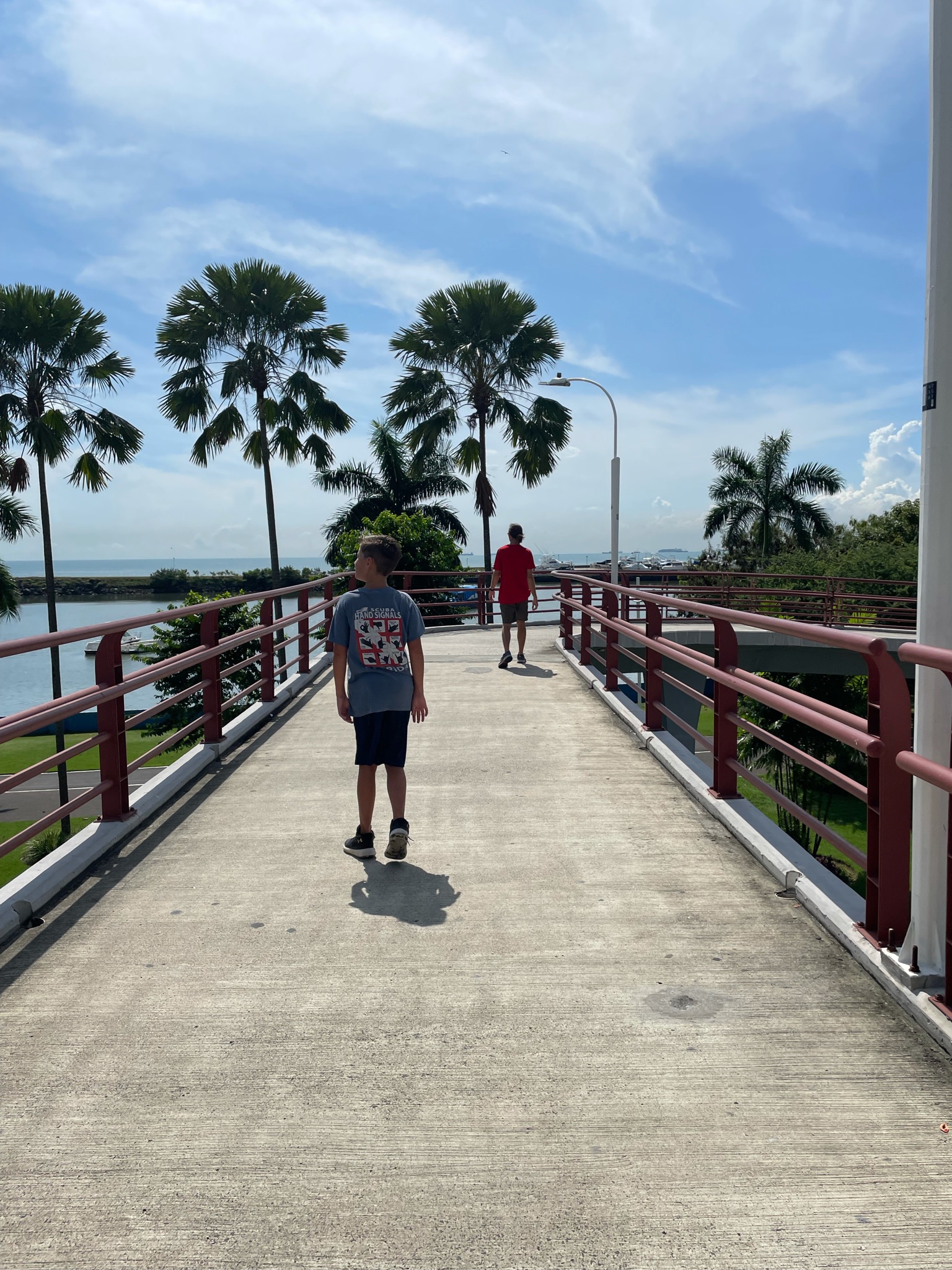
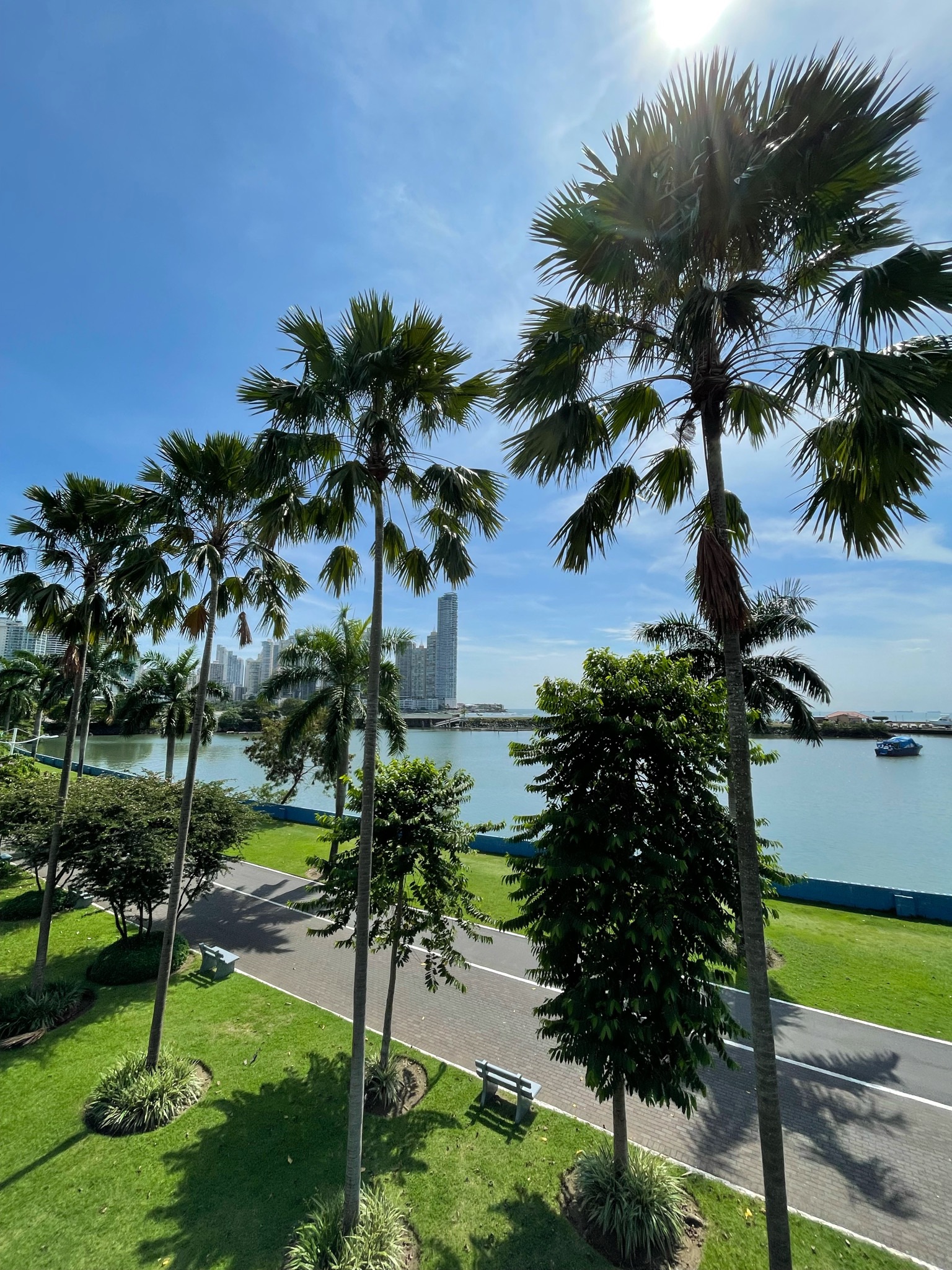
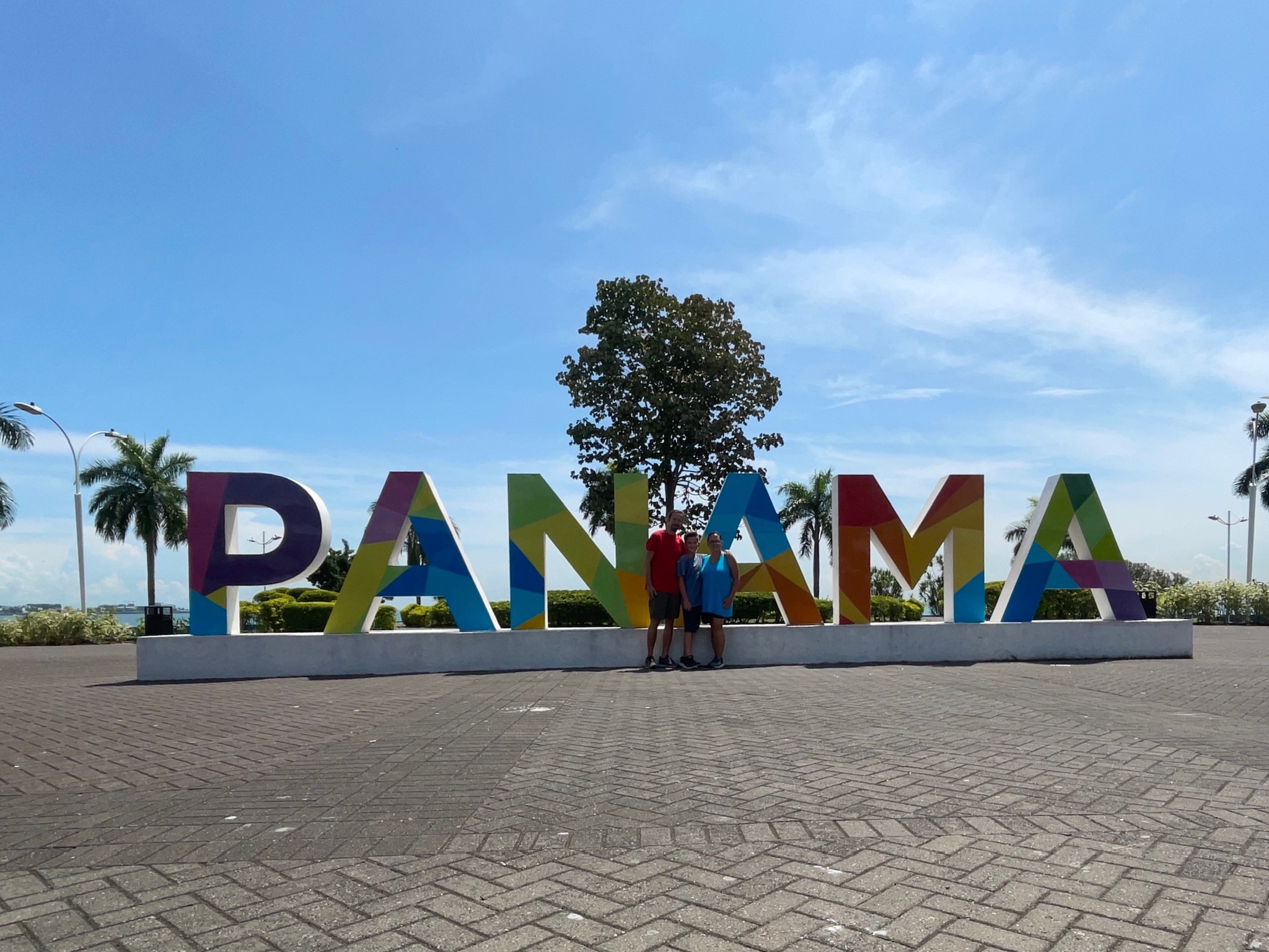
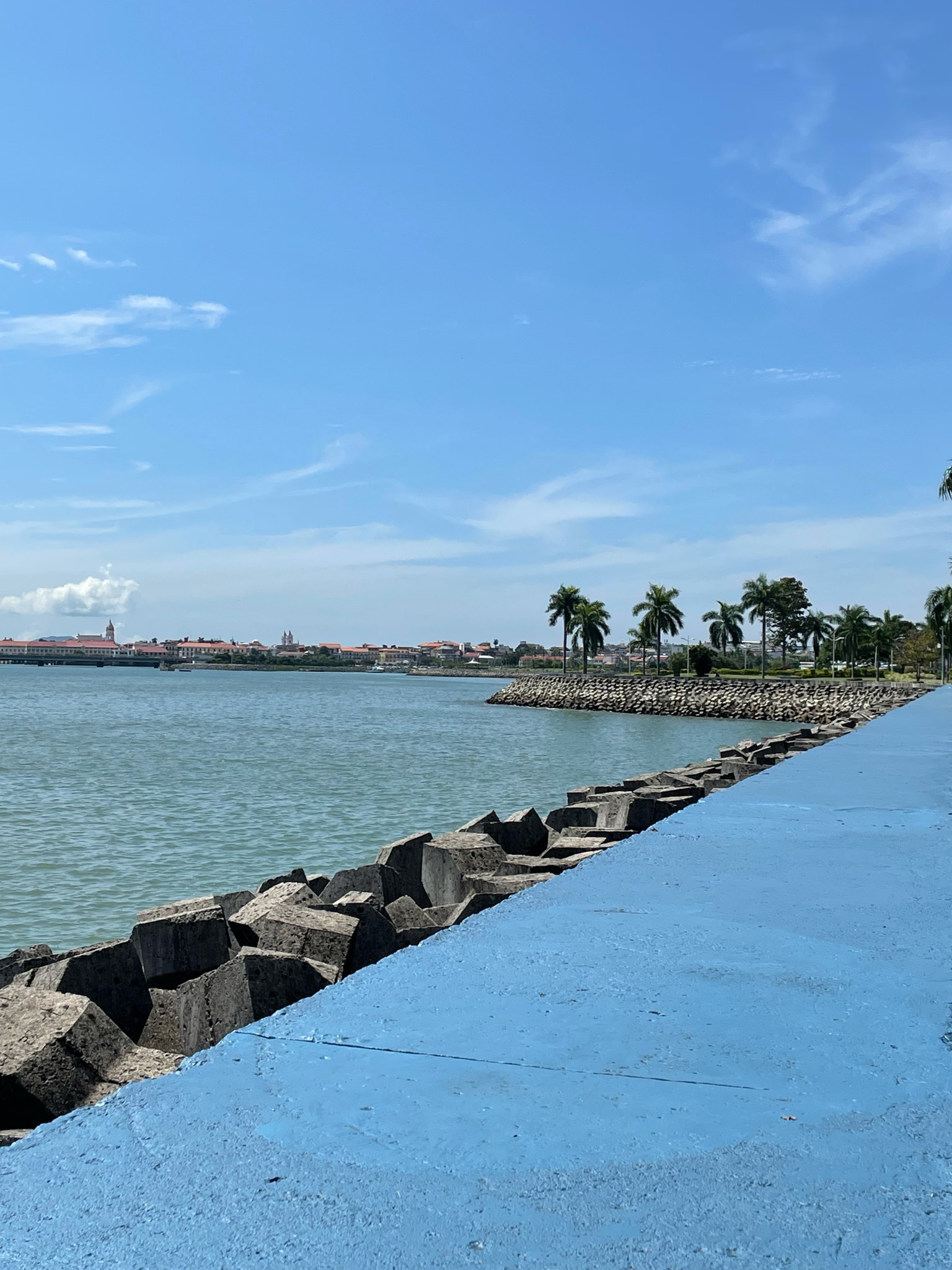
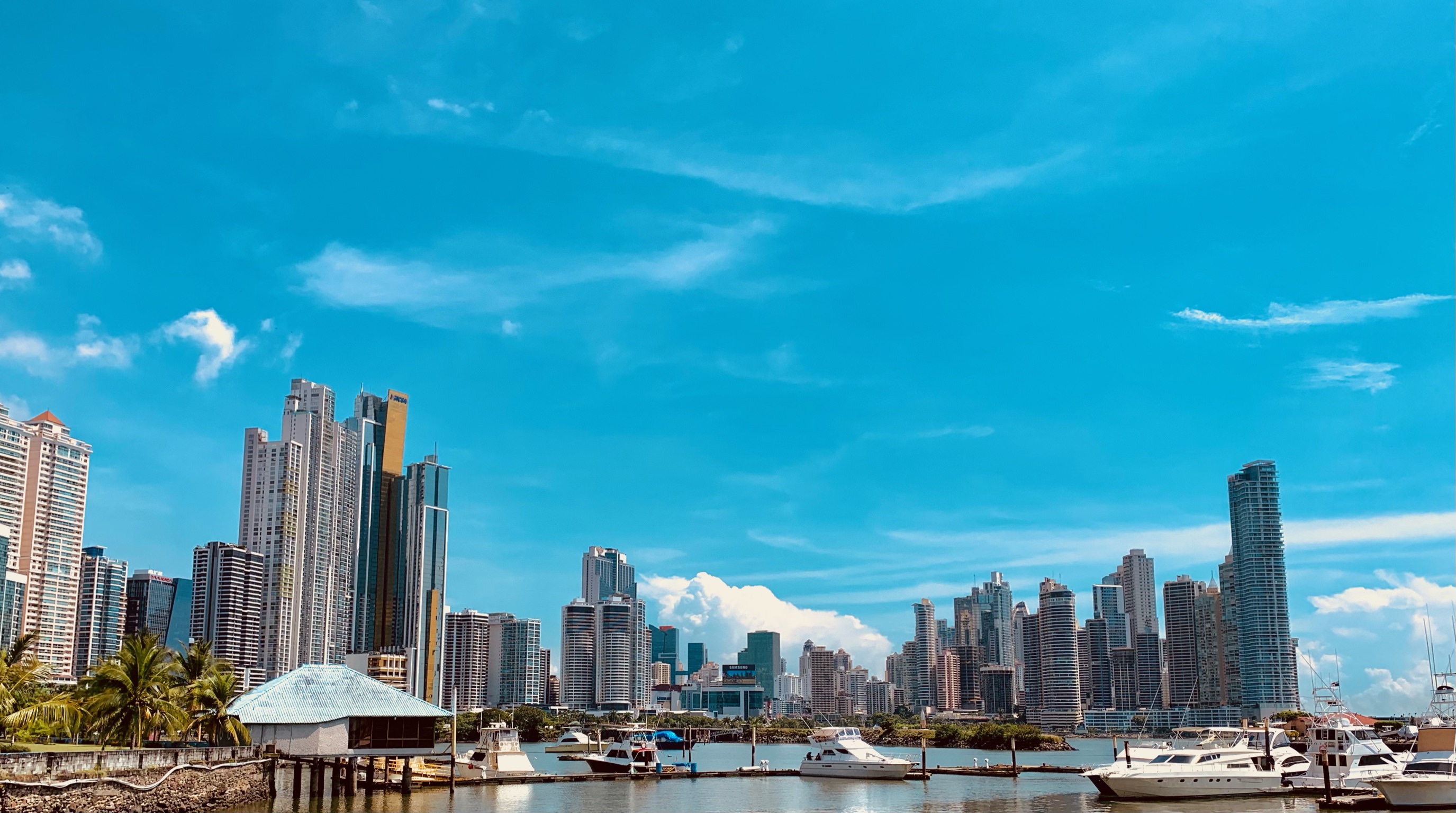

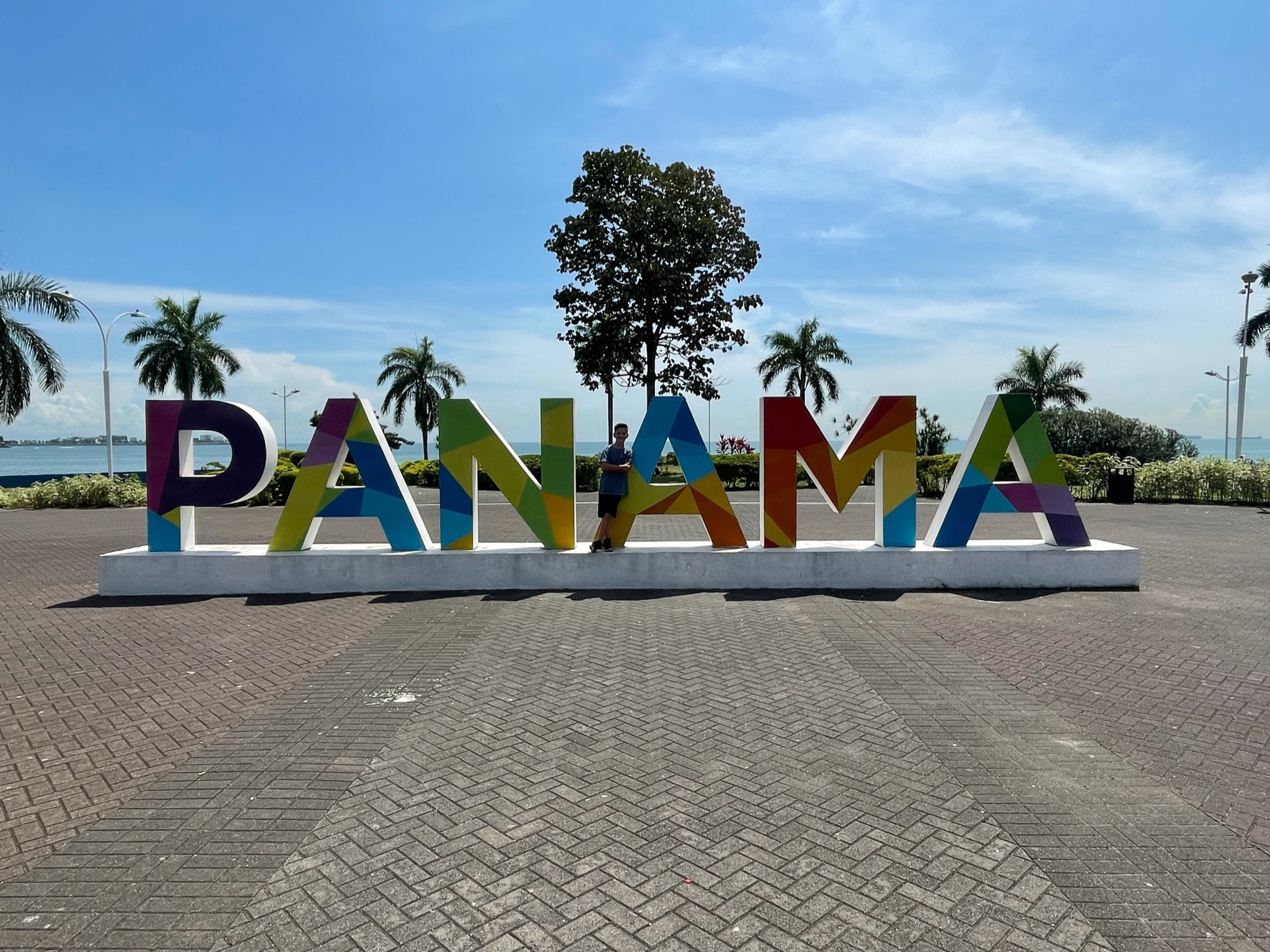

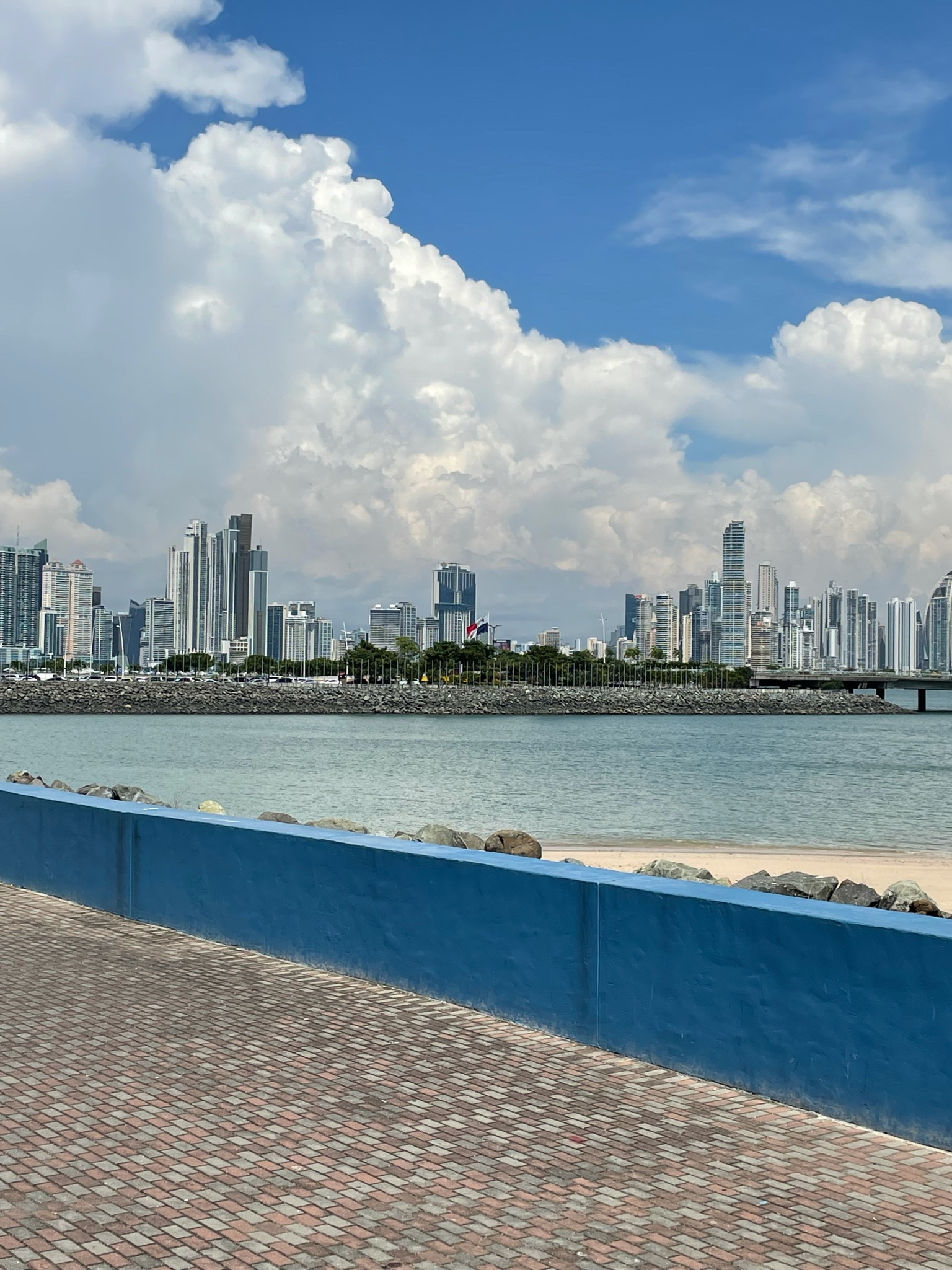
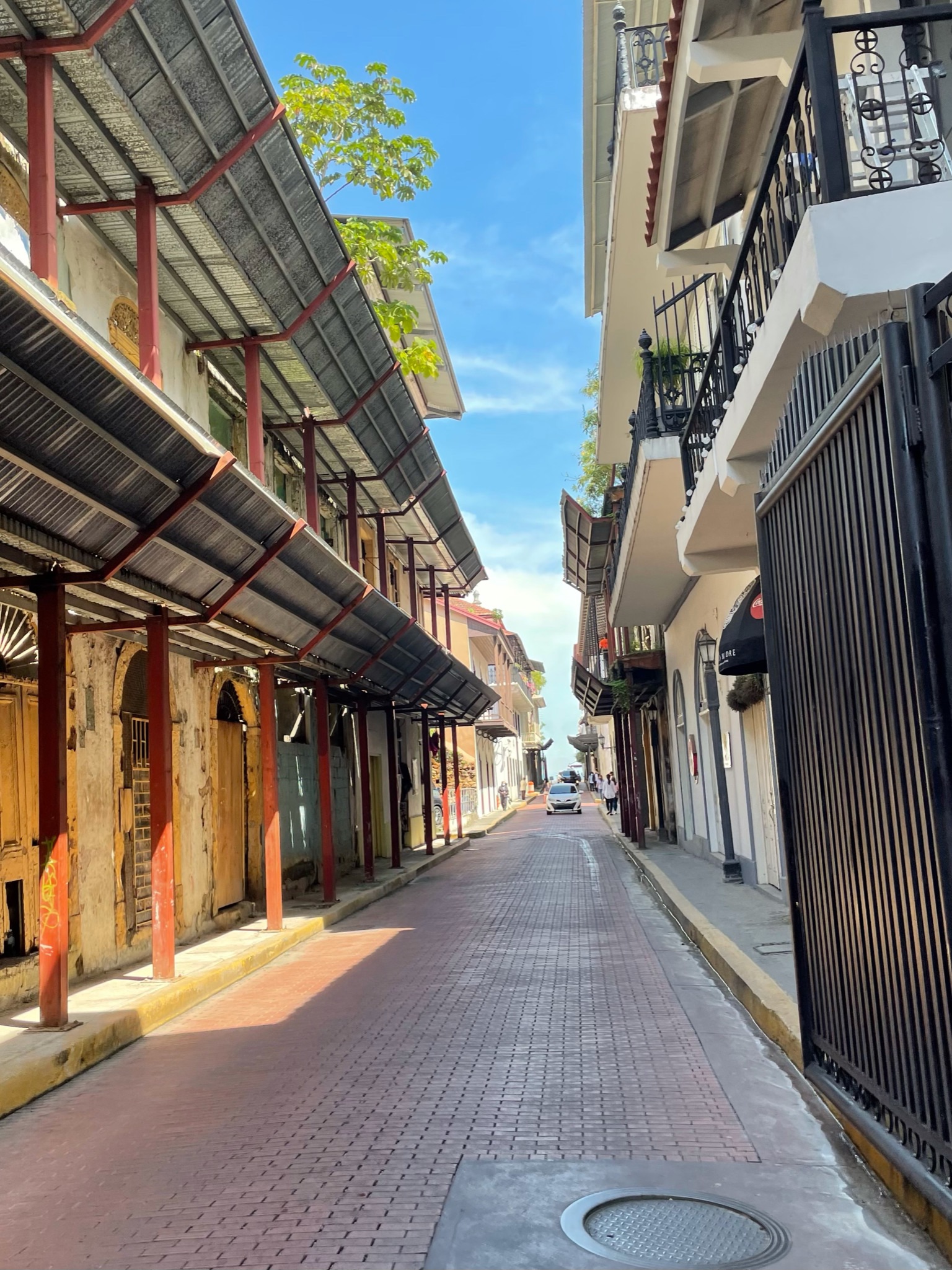
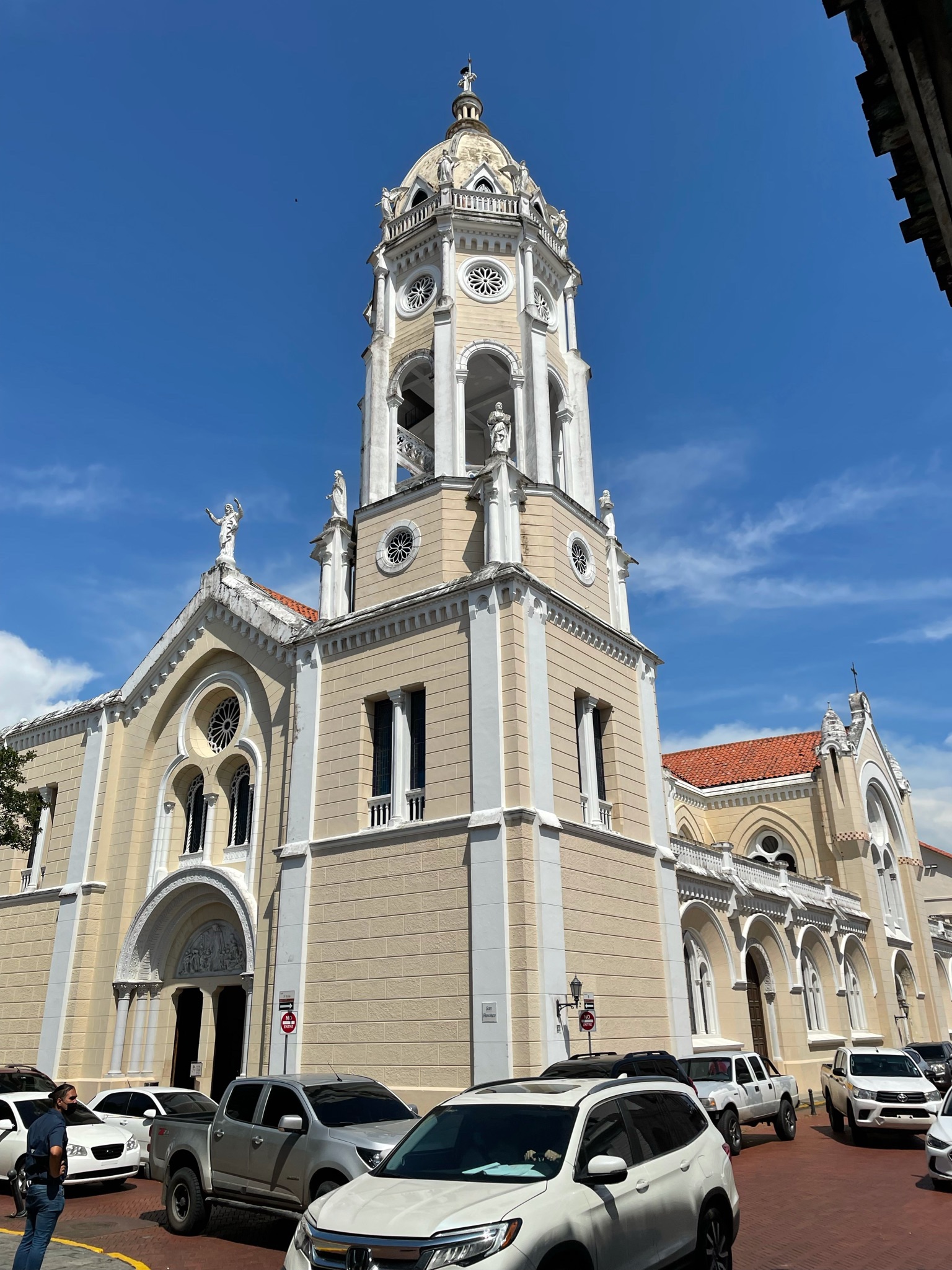
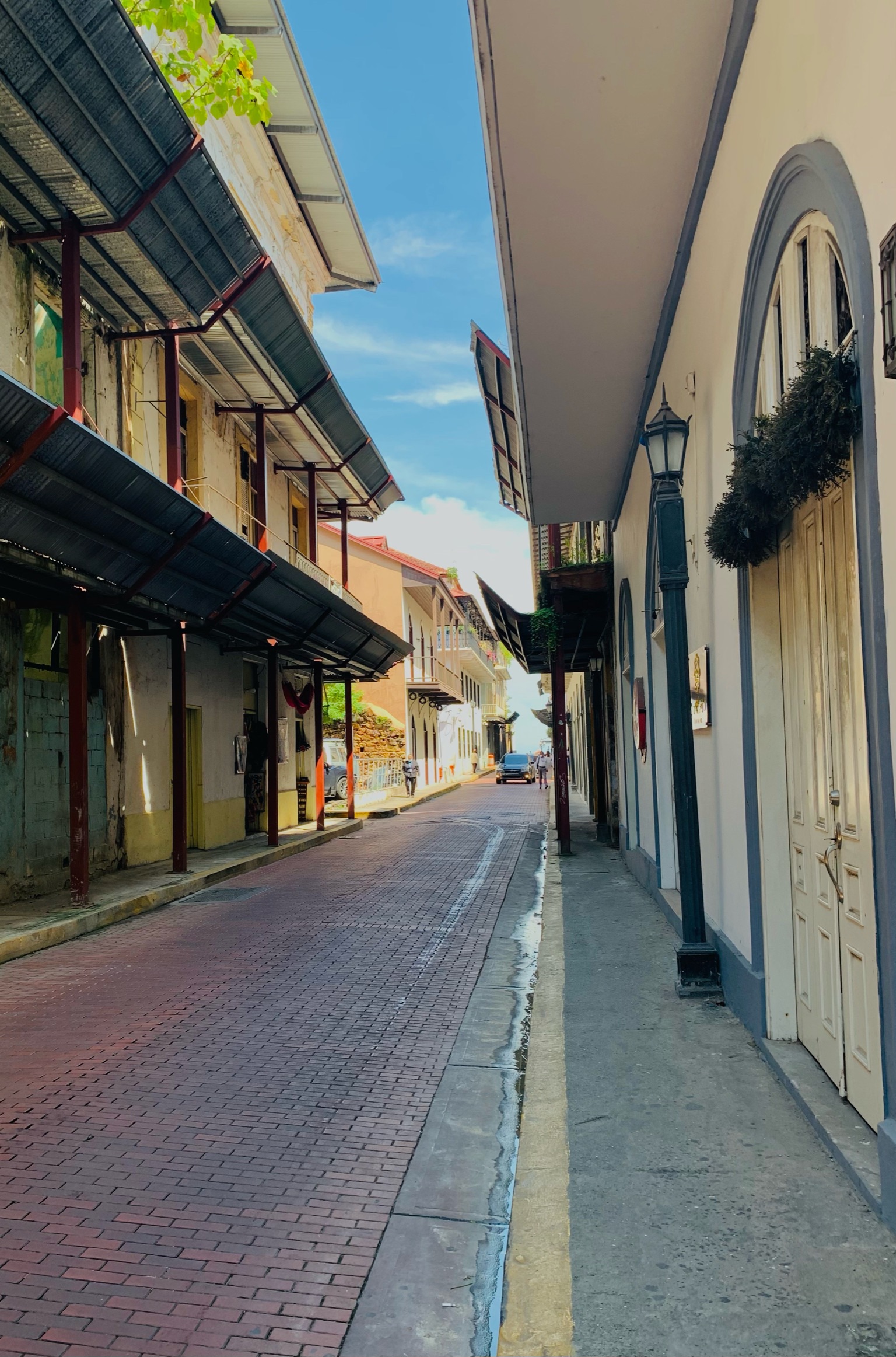
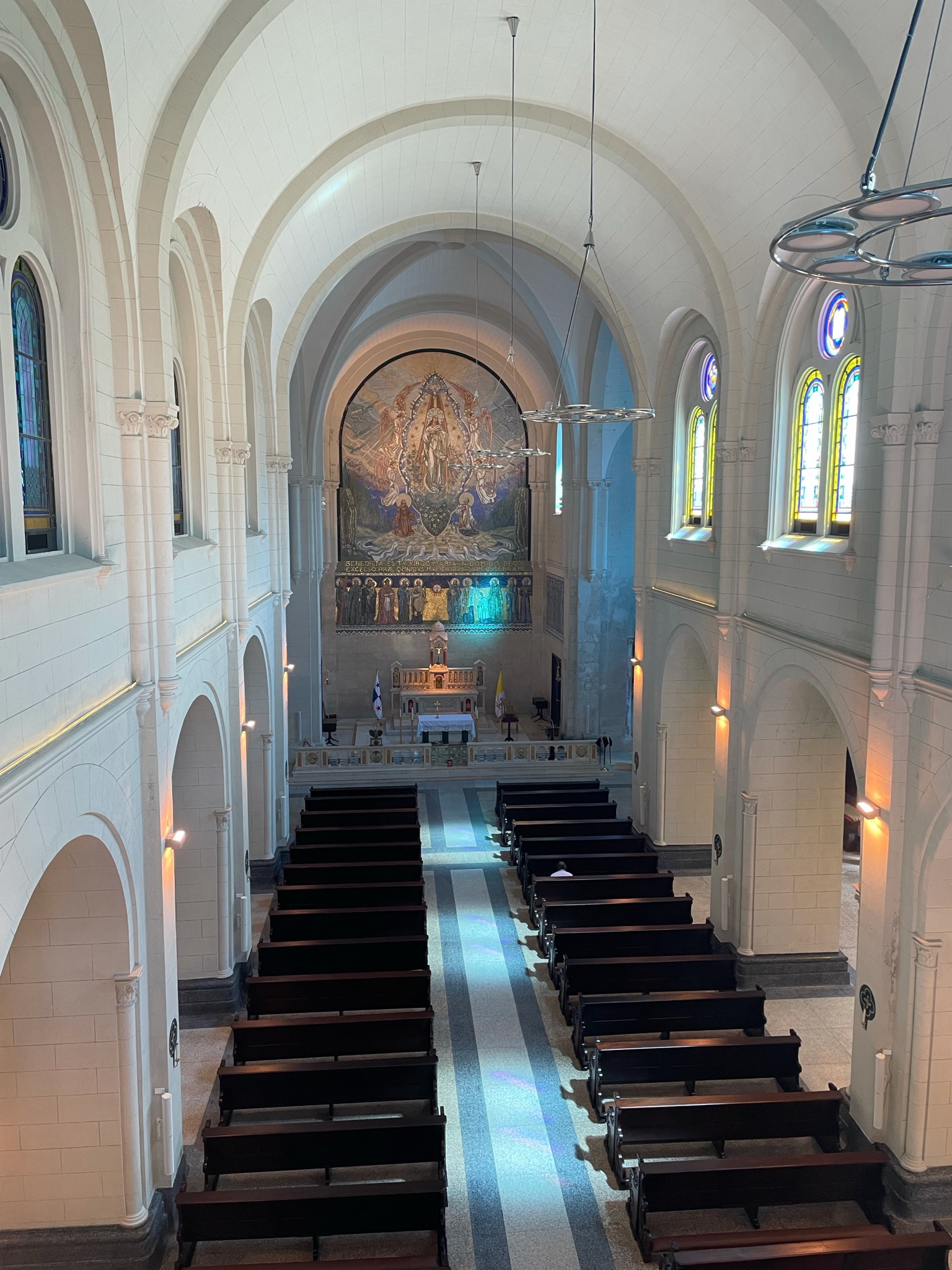
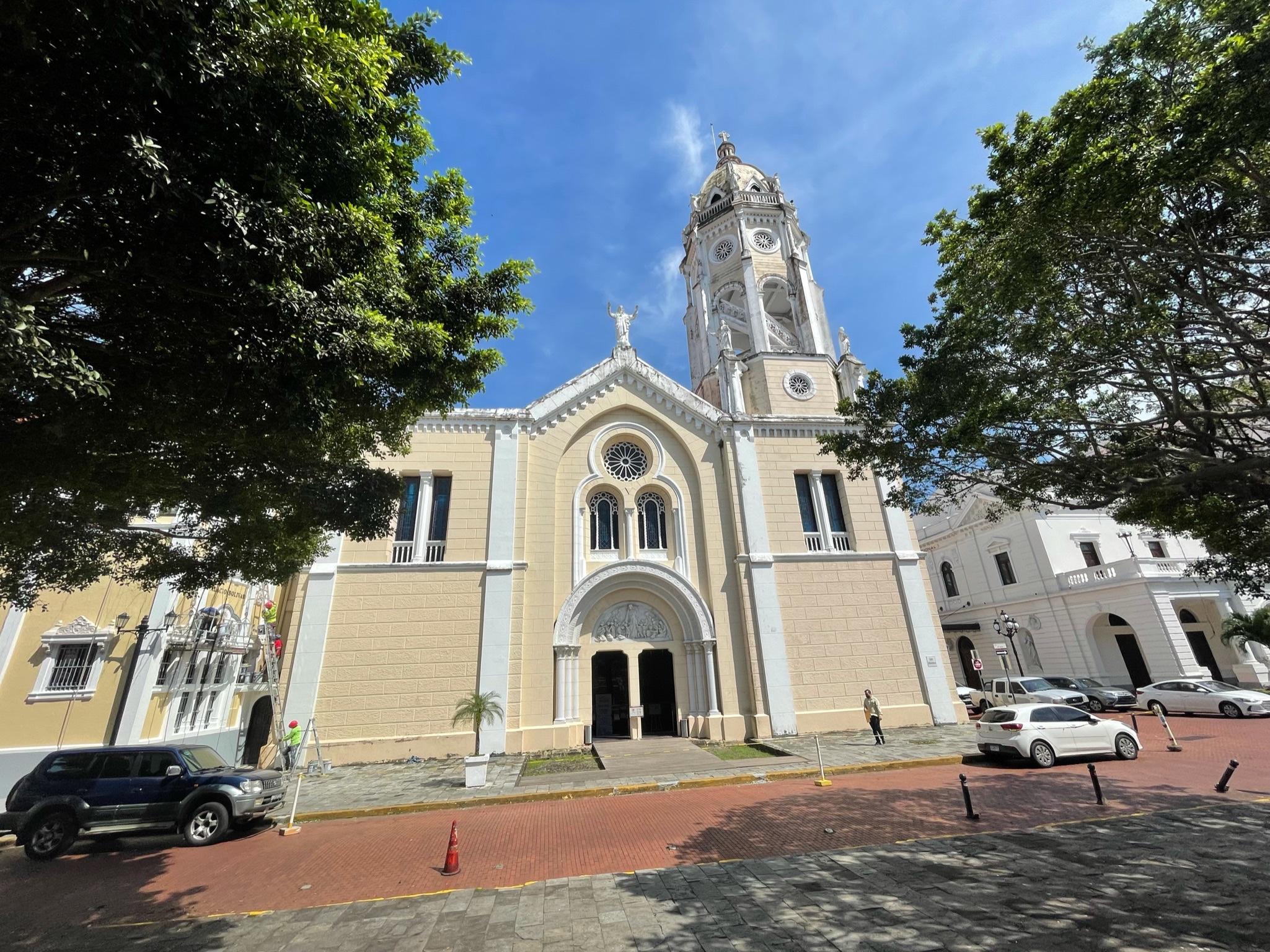
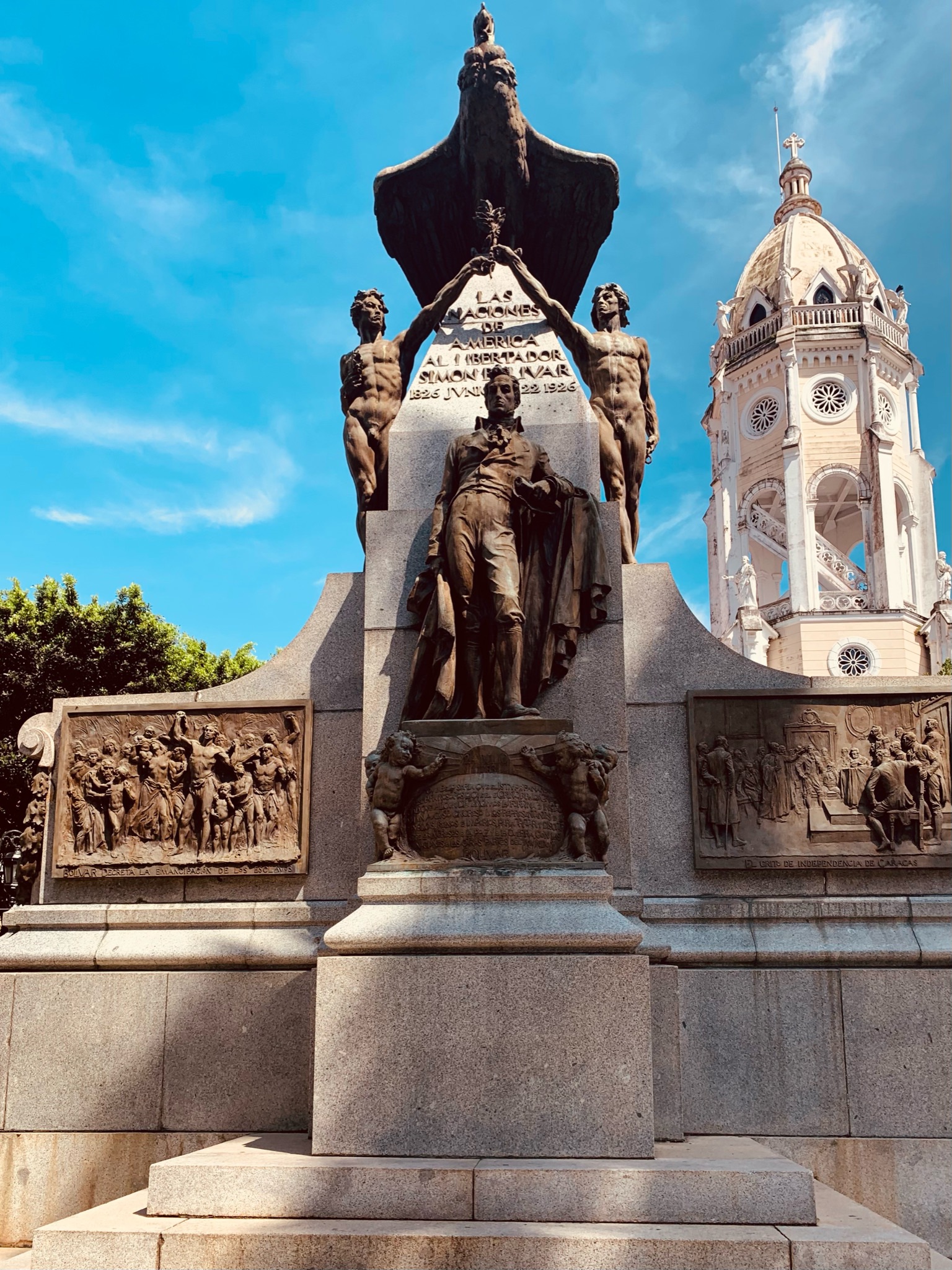
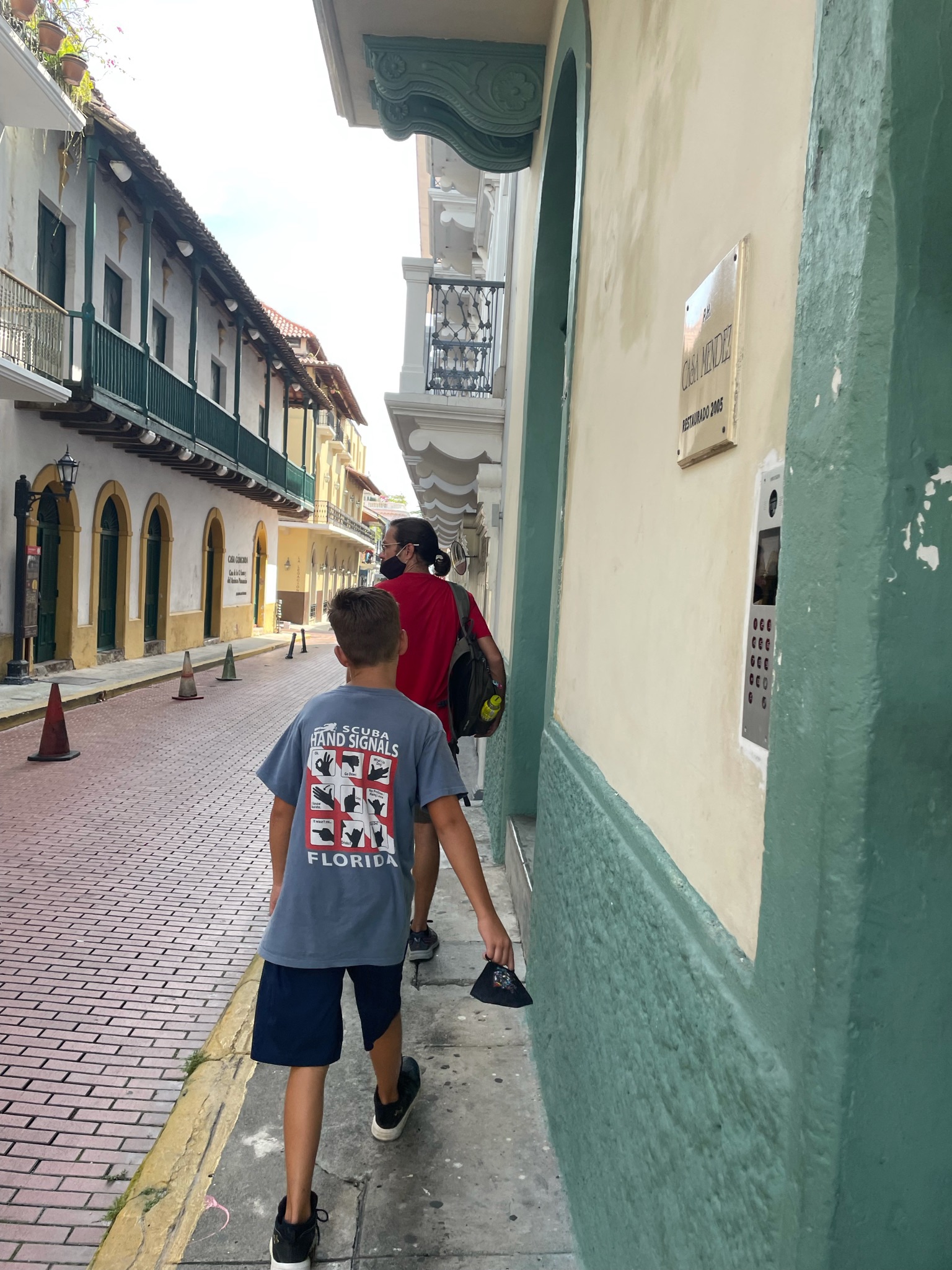
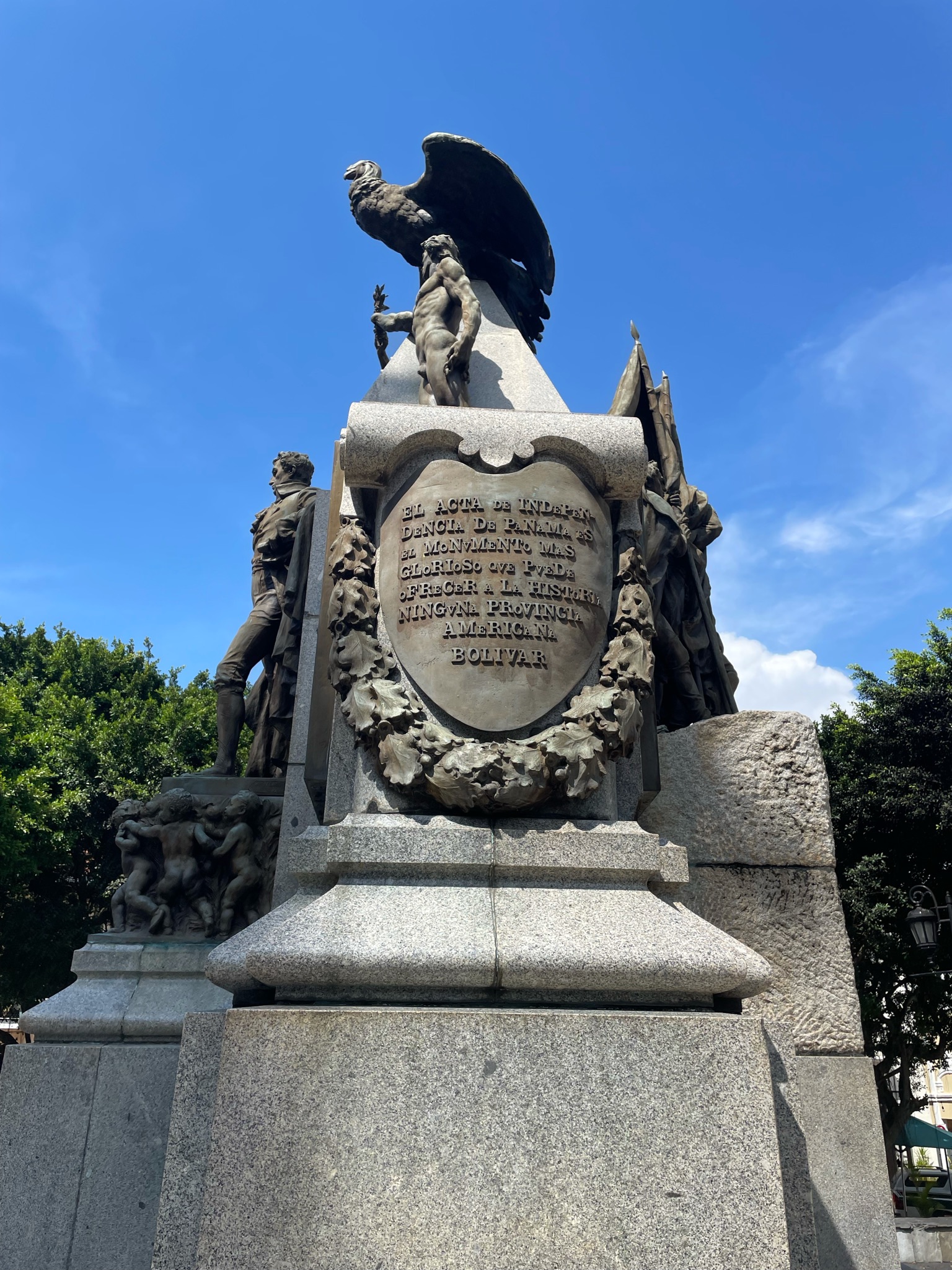
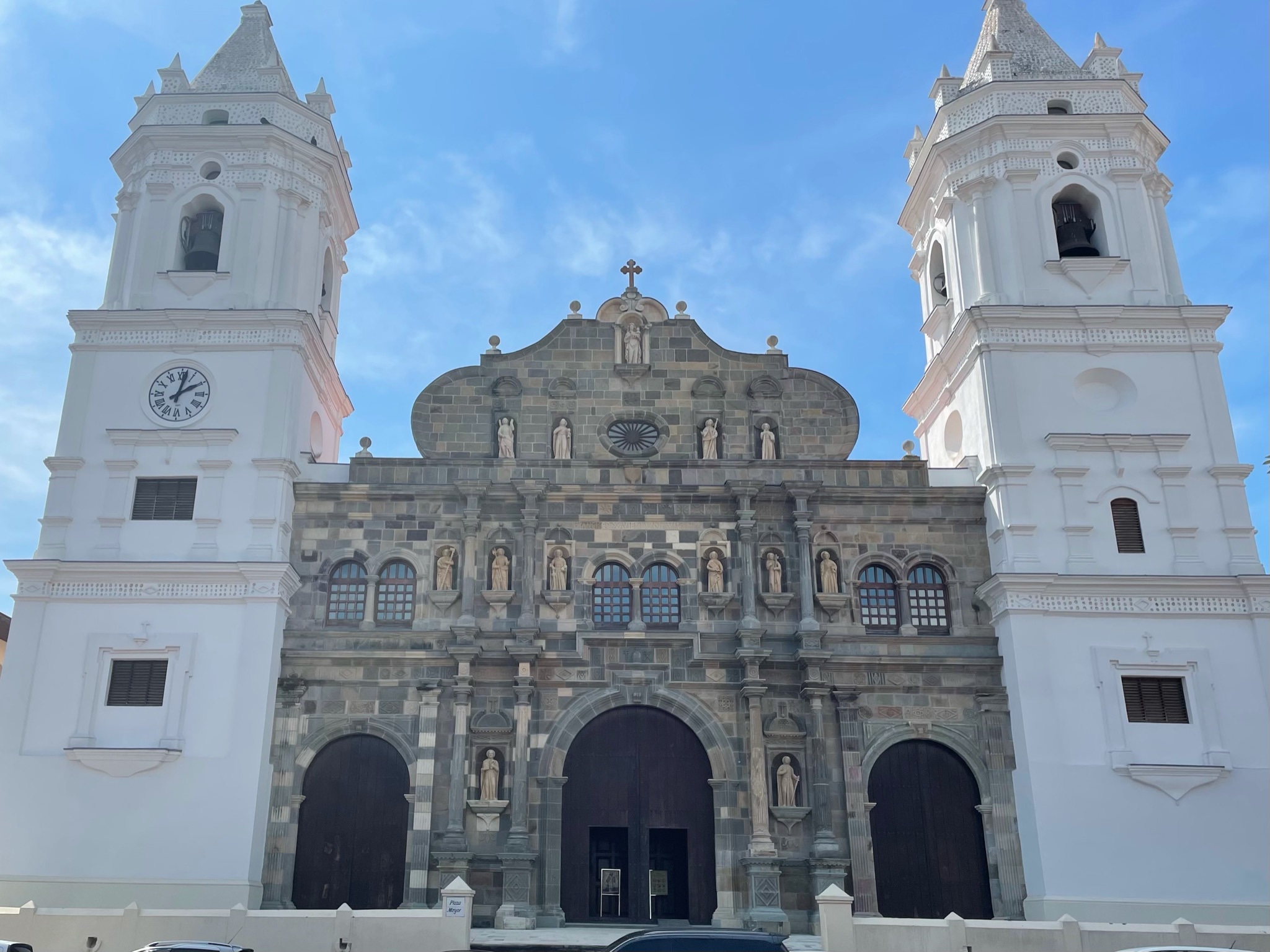
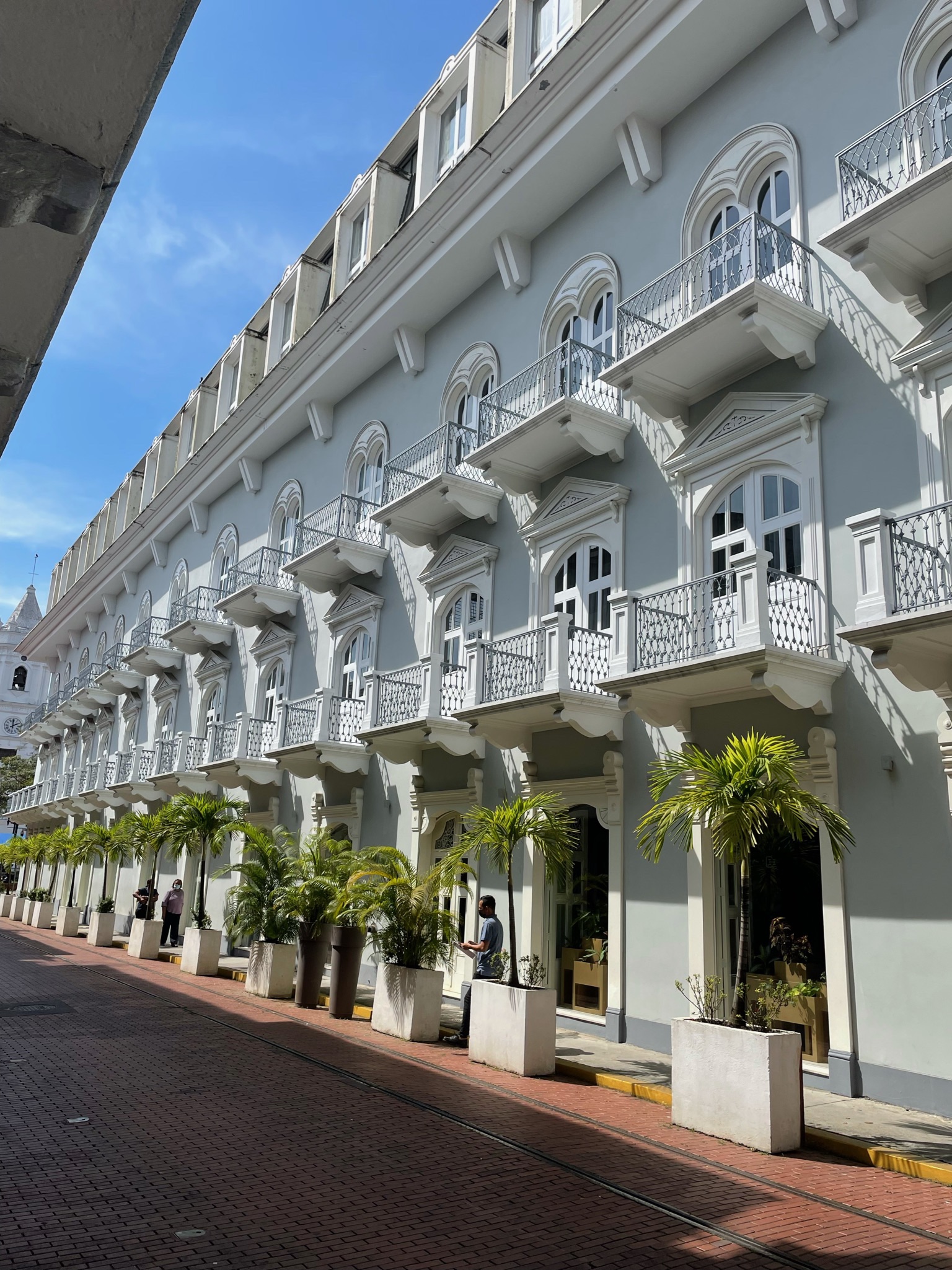
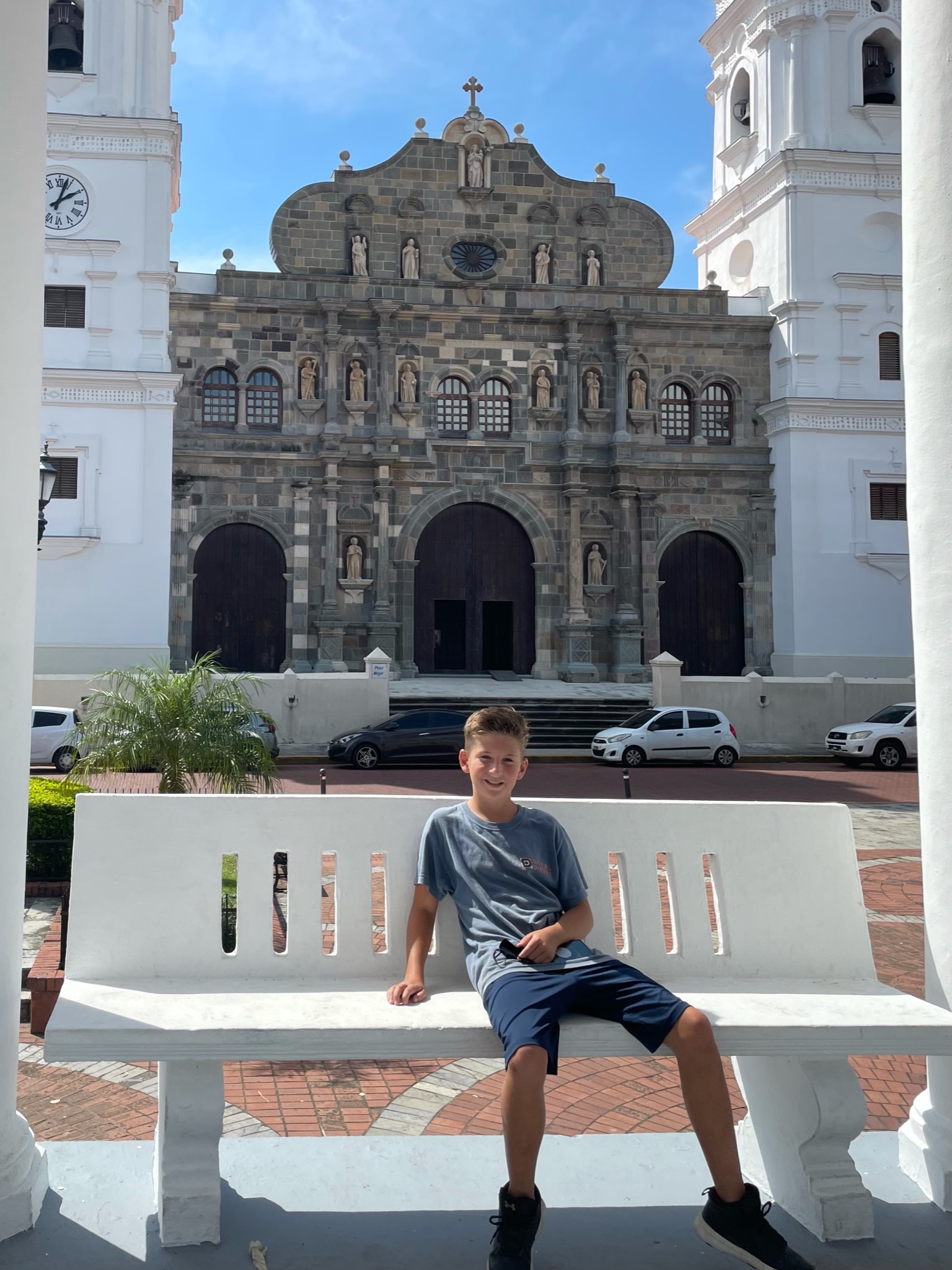
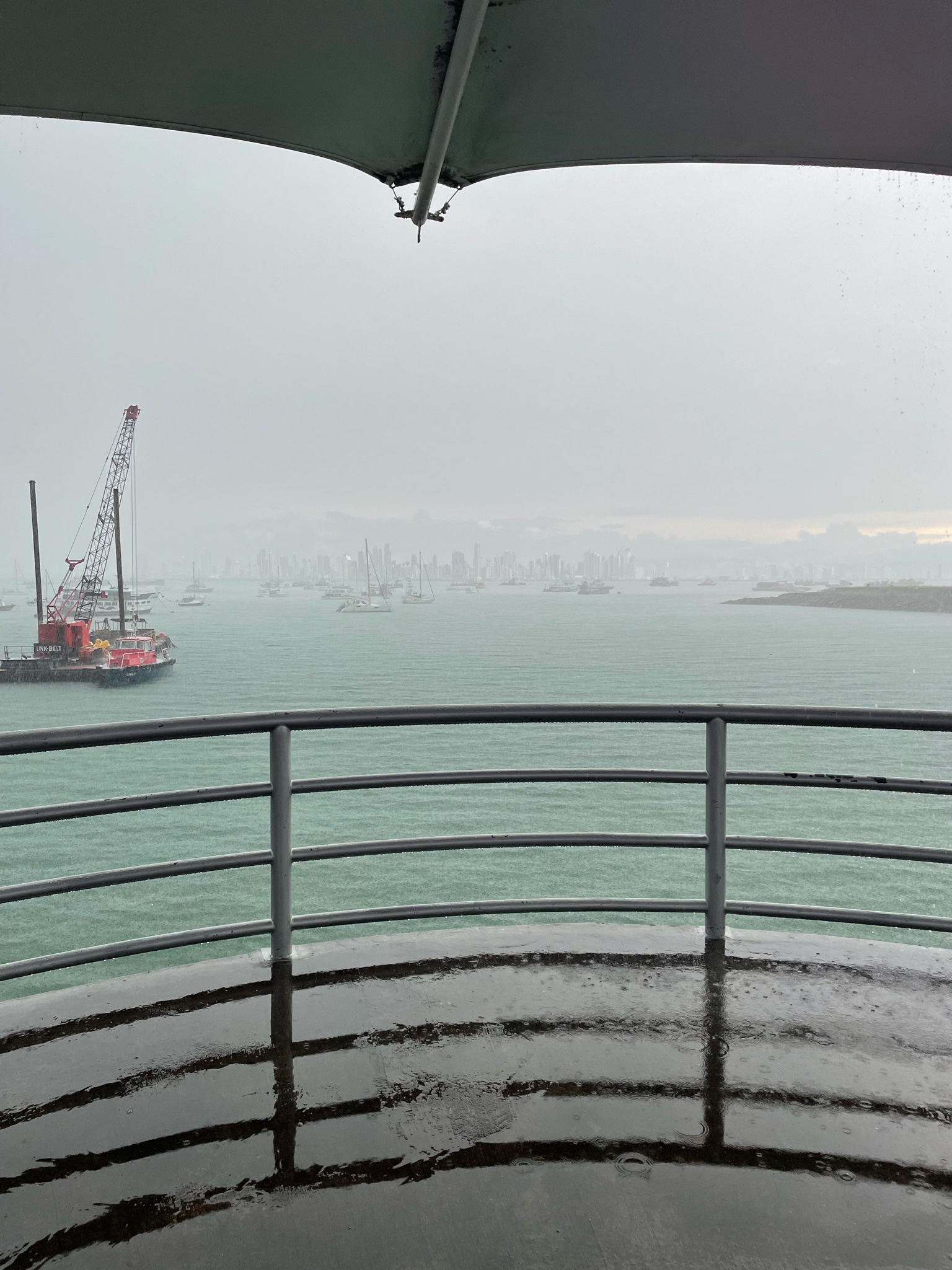
The old town was beautiful with its large colonial style buildings and cobbled streets. We explored a few old churches and parks in the area, and then we caught an Uber to the Amador Causeway because we had heard that the views were amazing. The causeway was built in 1913, just before the Panama Canal actually opened. There were four little islands off the coast, and debris from digging out the canal was used to construct the causeway in an effort to help protect the Pacific opening to the Panama Canal. The islands can now be reached from the mainland via the 4 mile causeway. Today the causeway provides a beautiful stretch where you can watch the ships waiting to transit the canal and enjoy the panoramic views of Panama City.
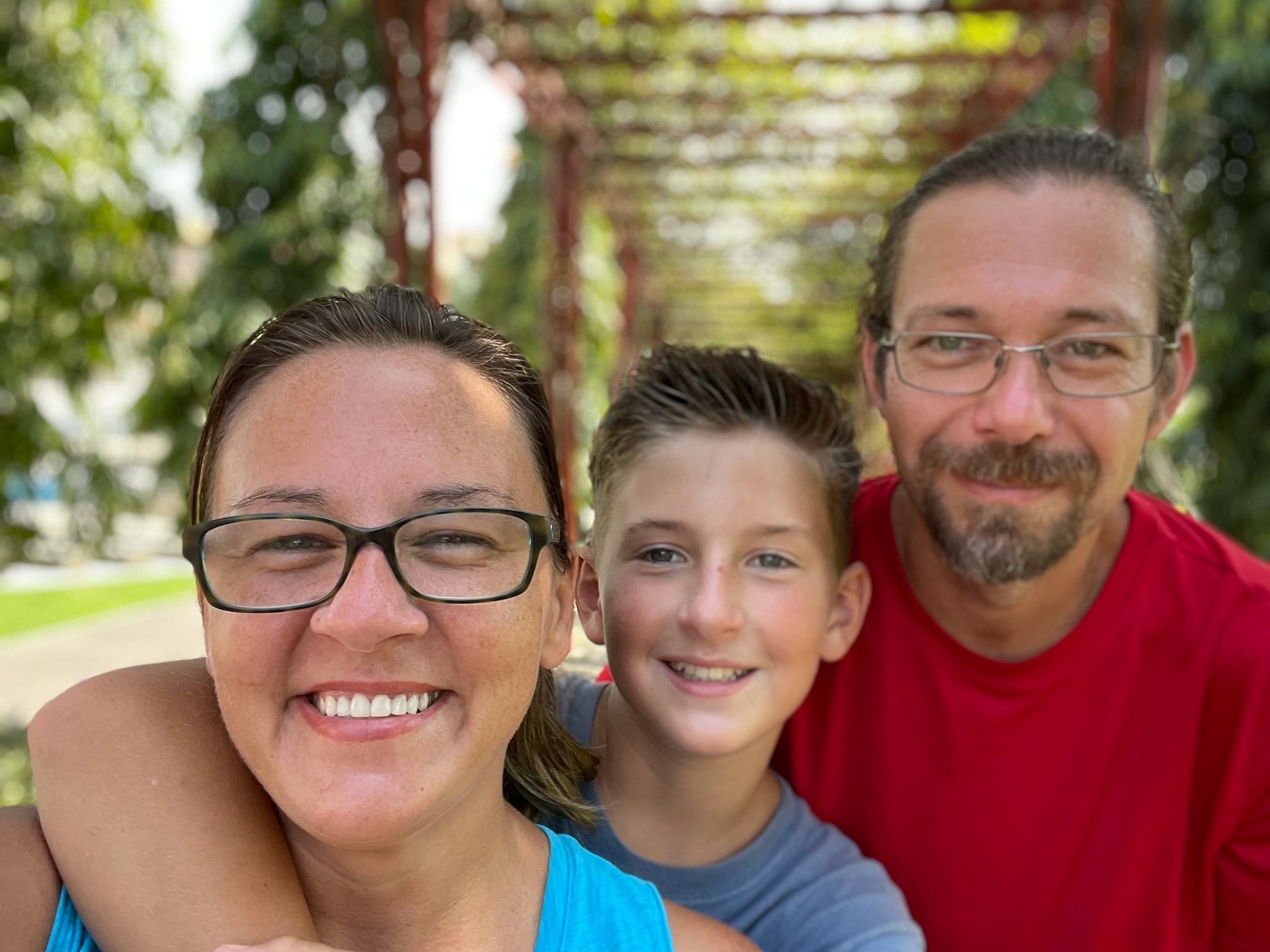
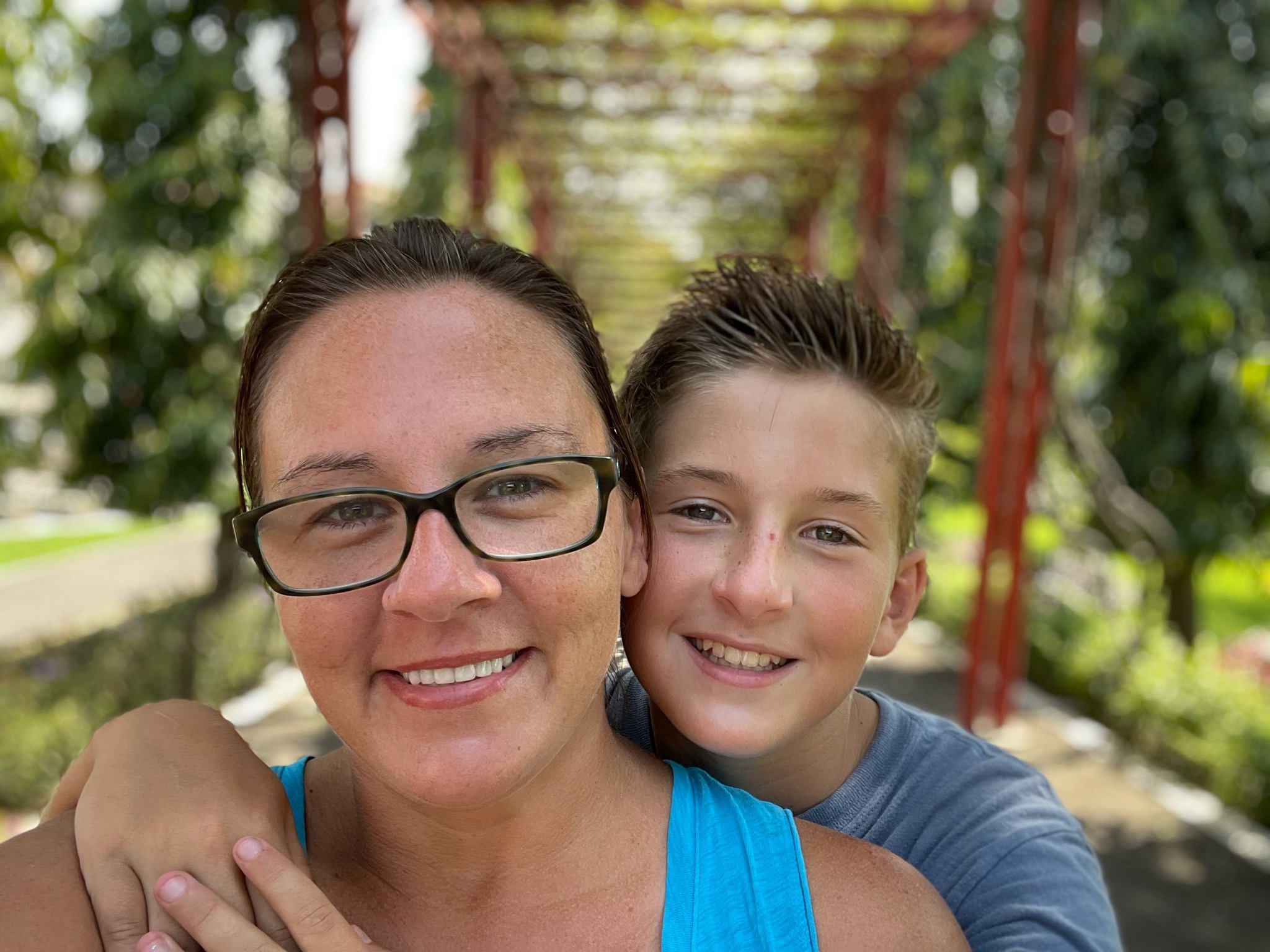
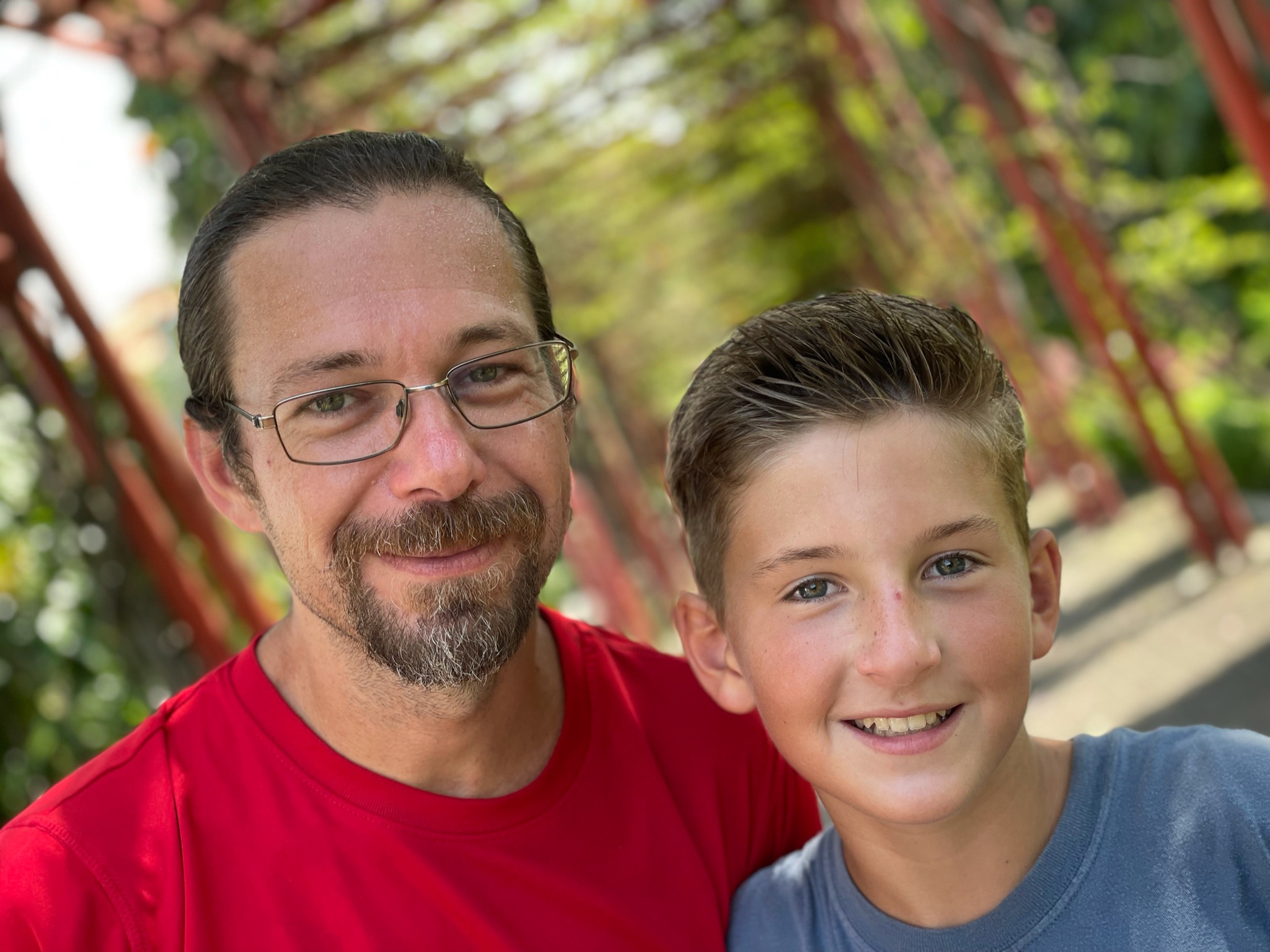

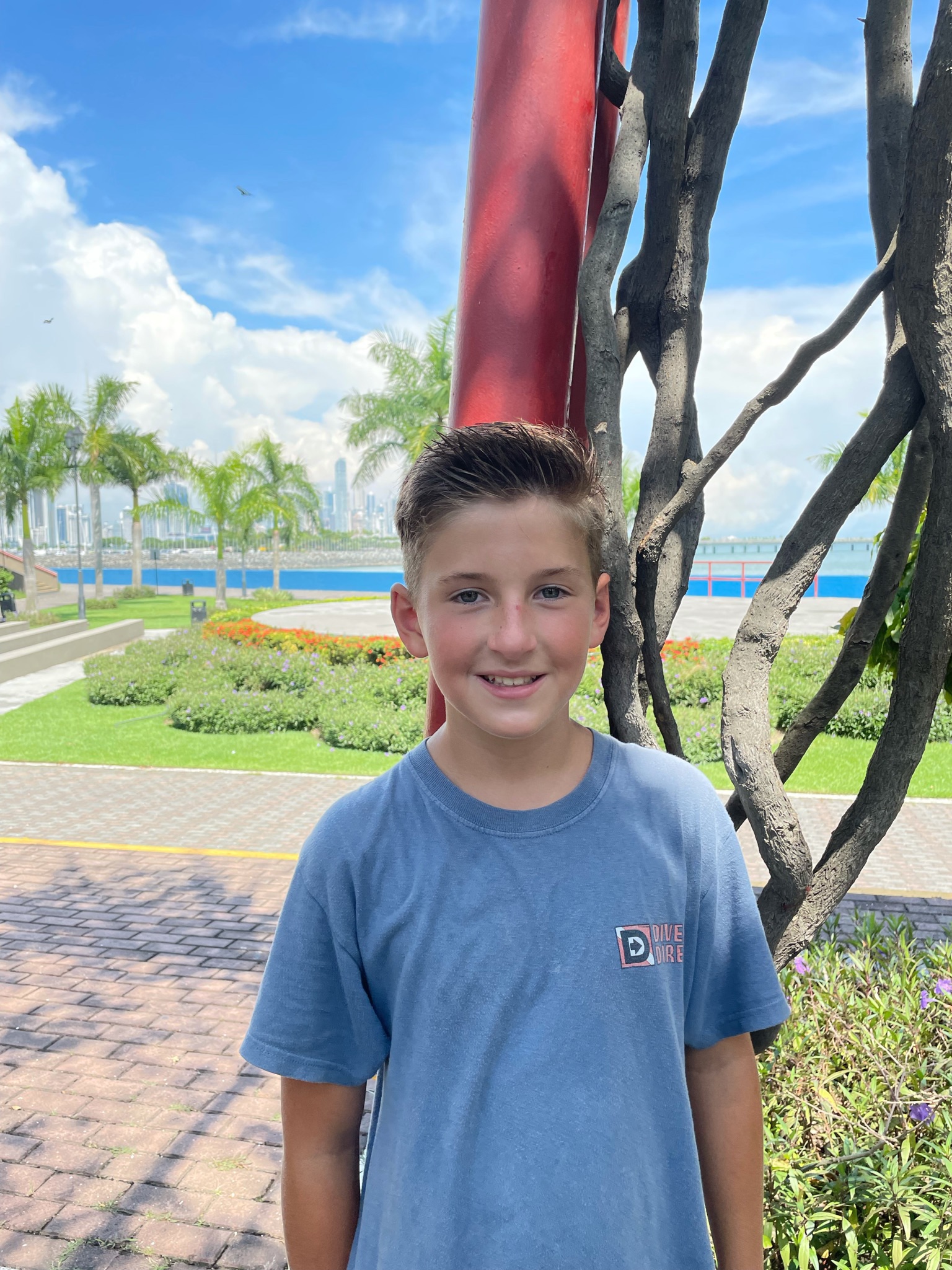
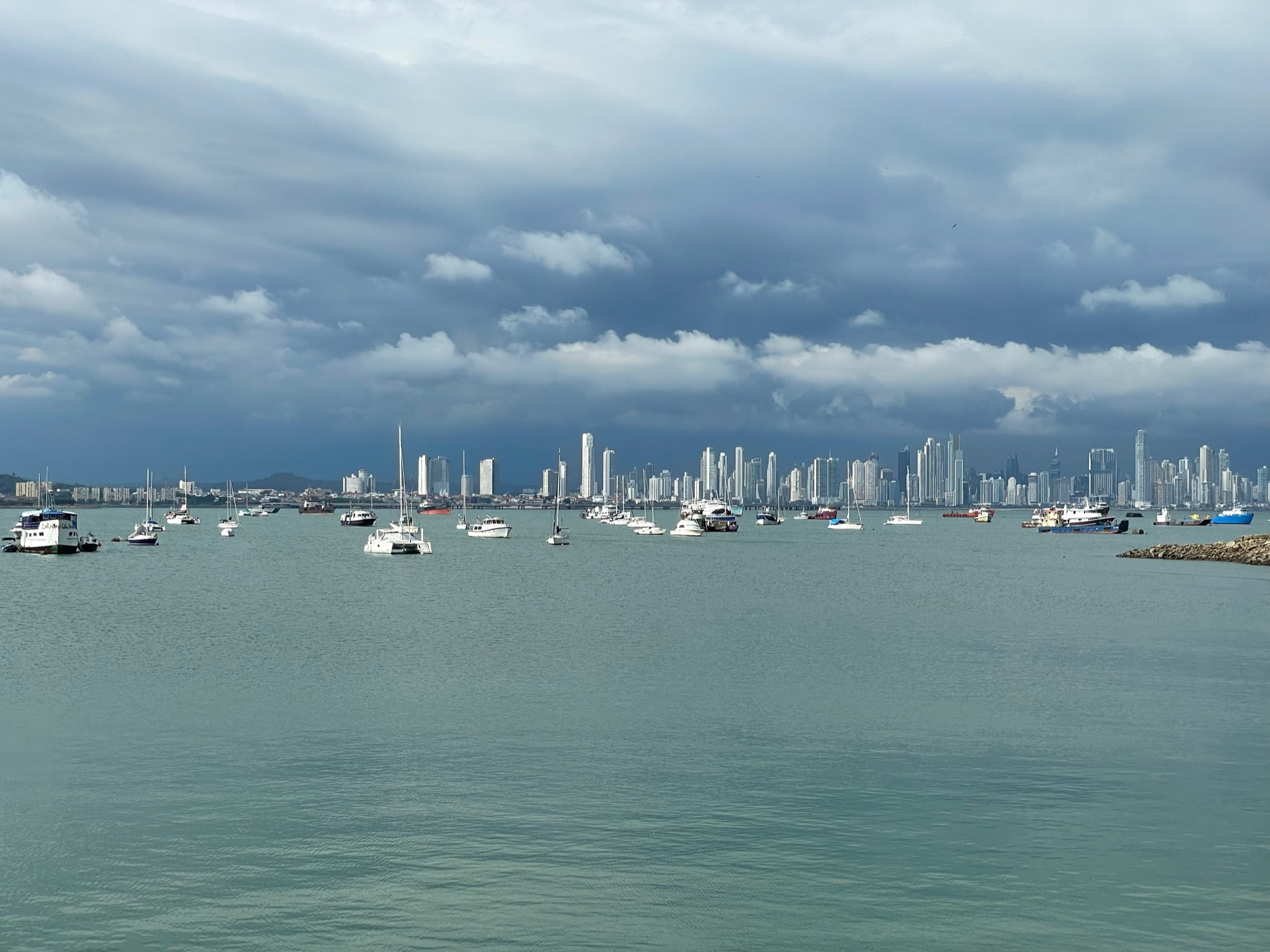
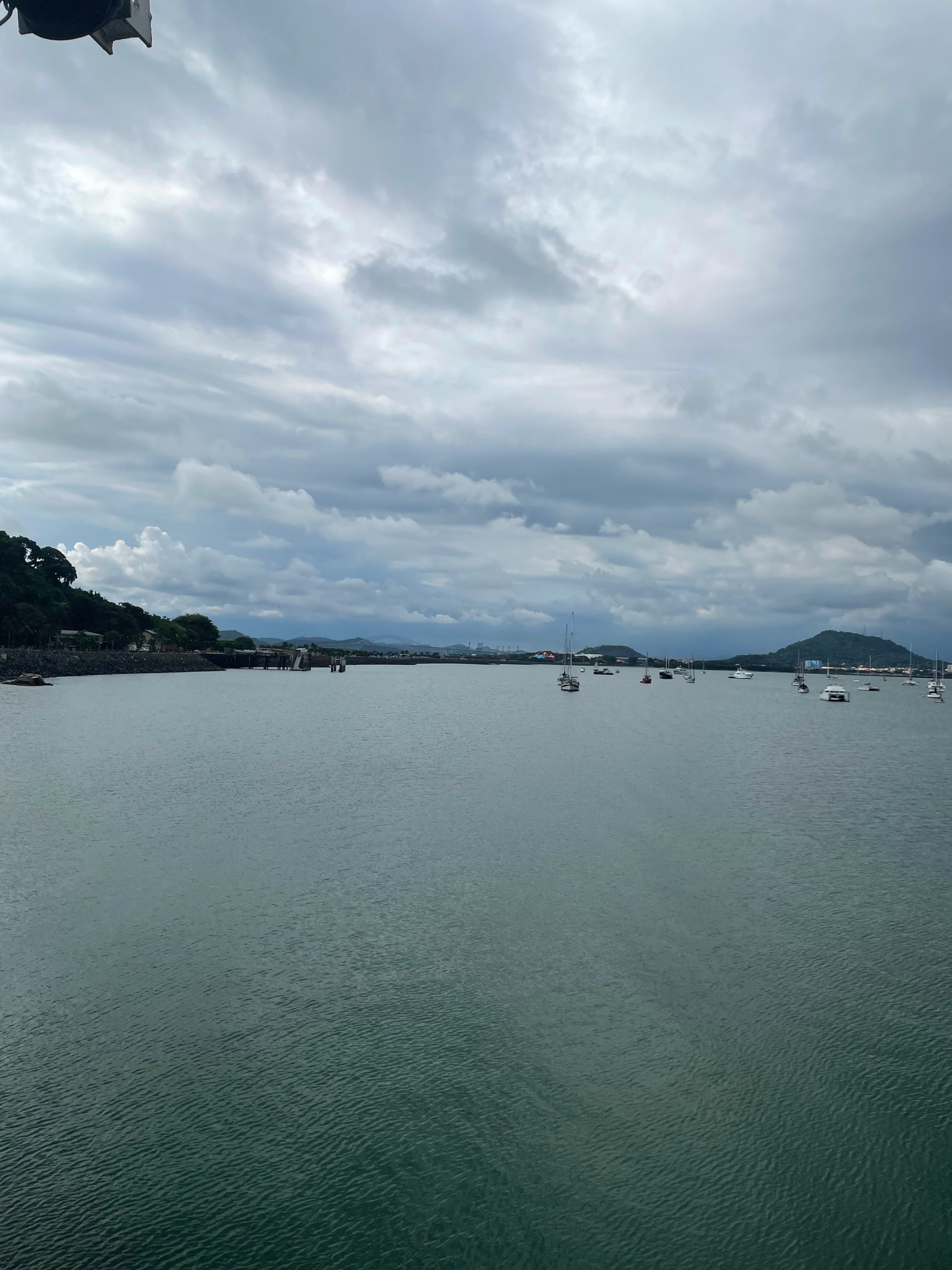
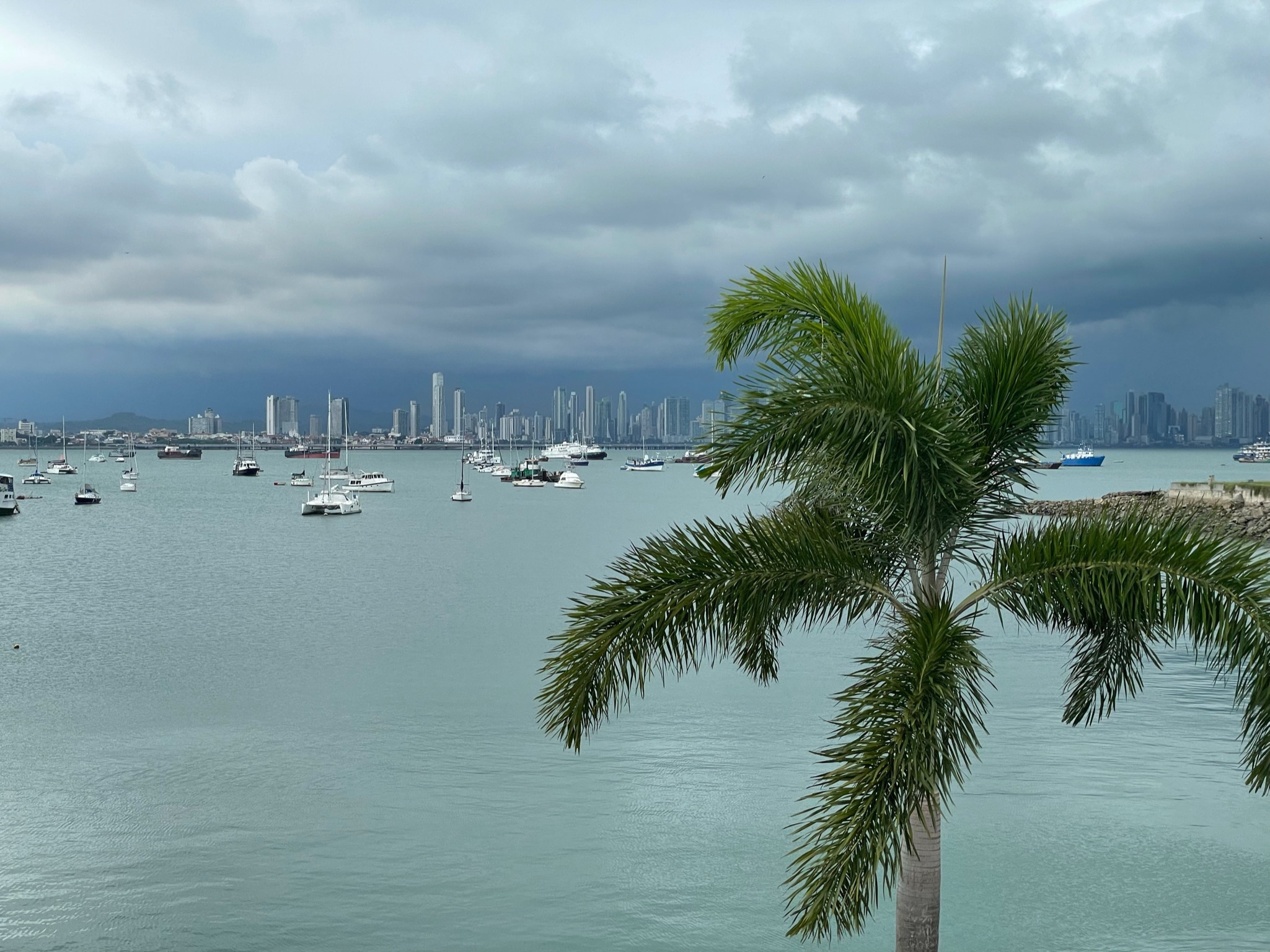
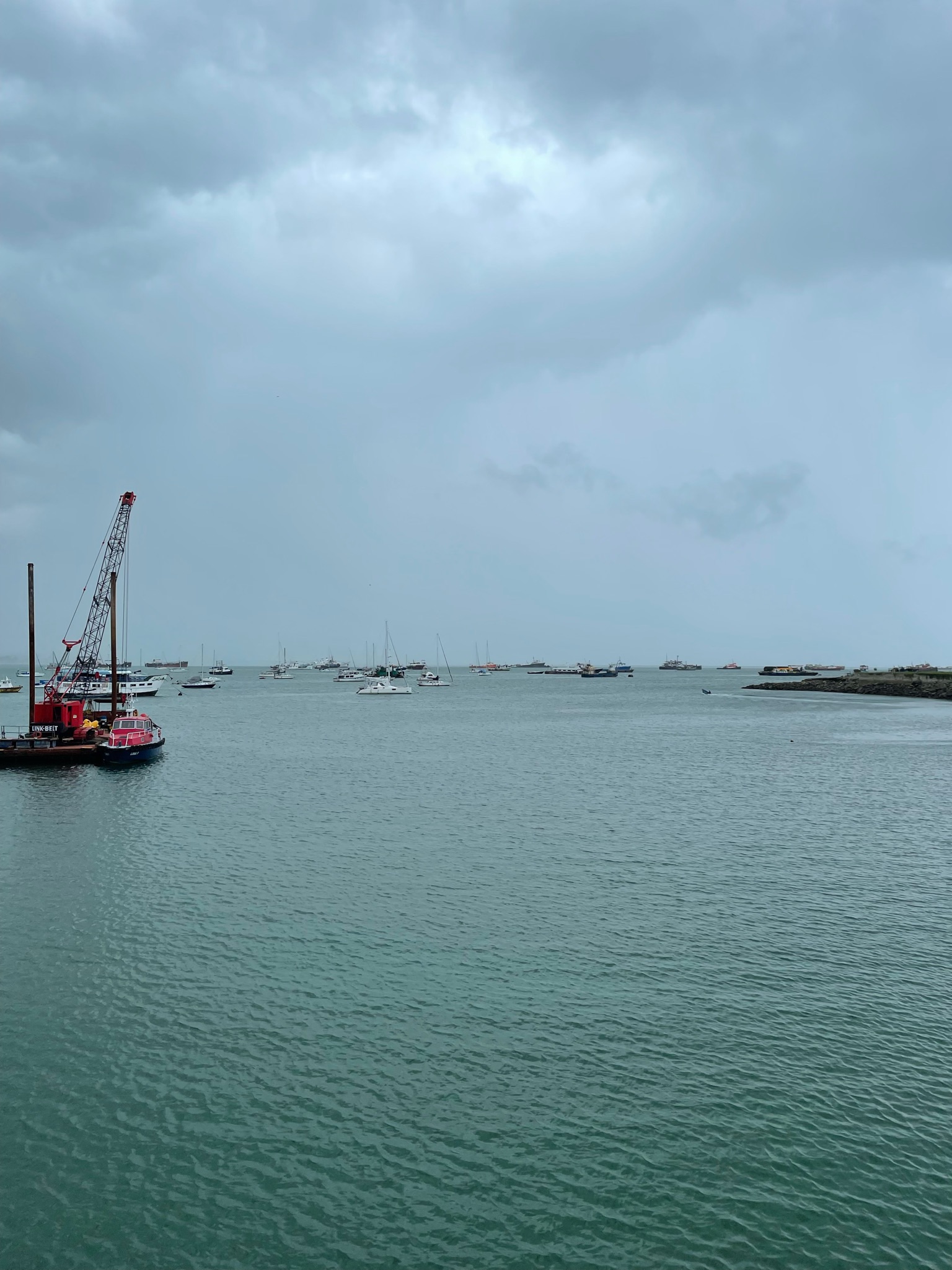

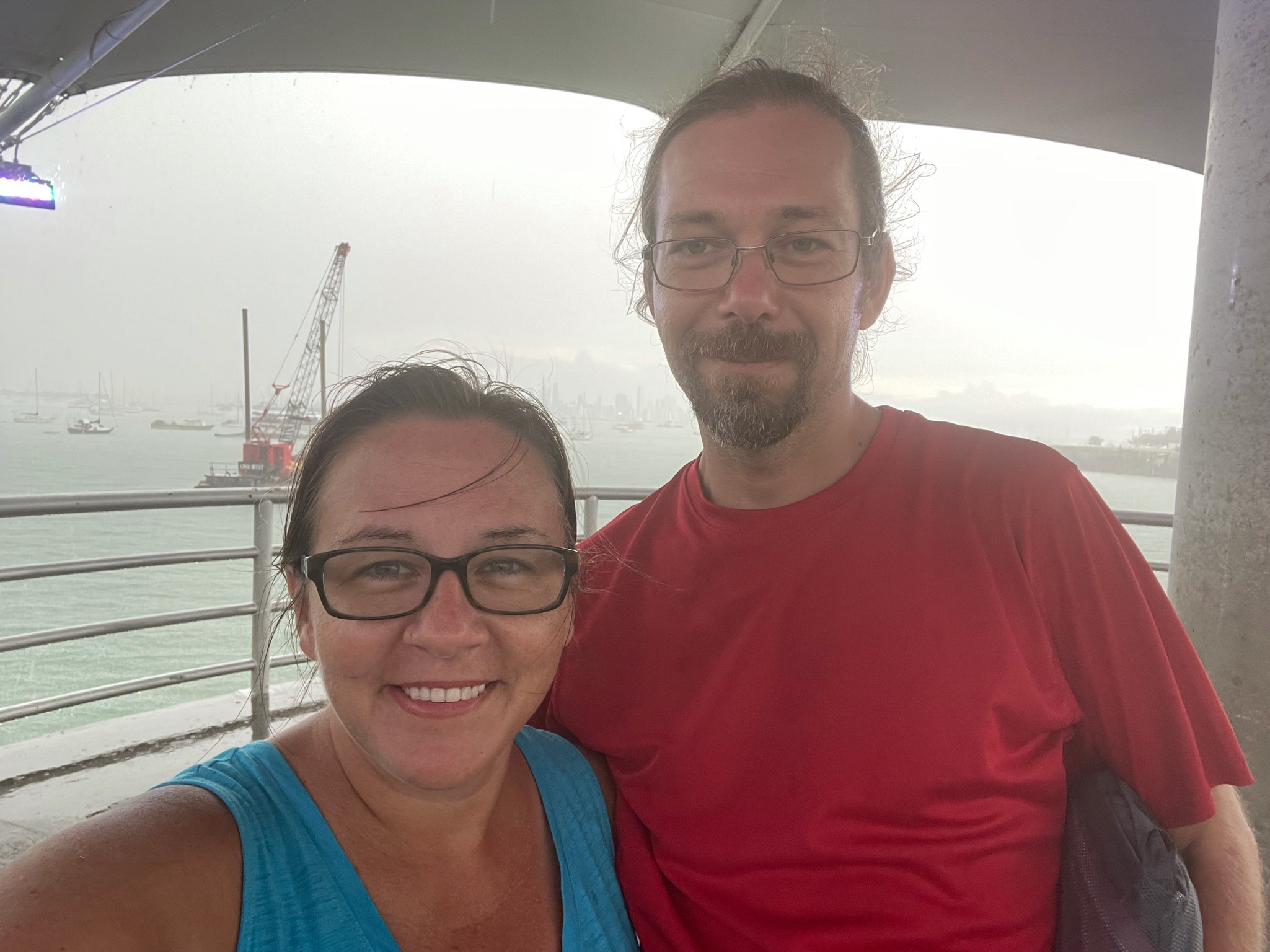
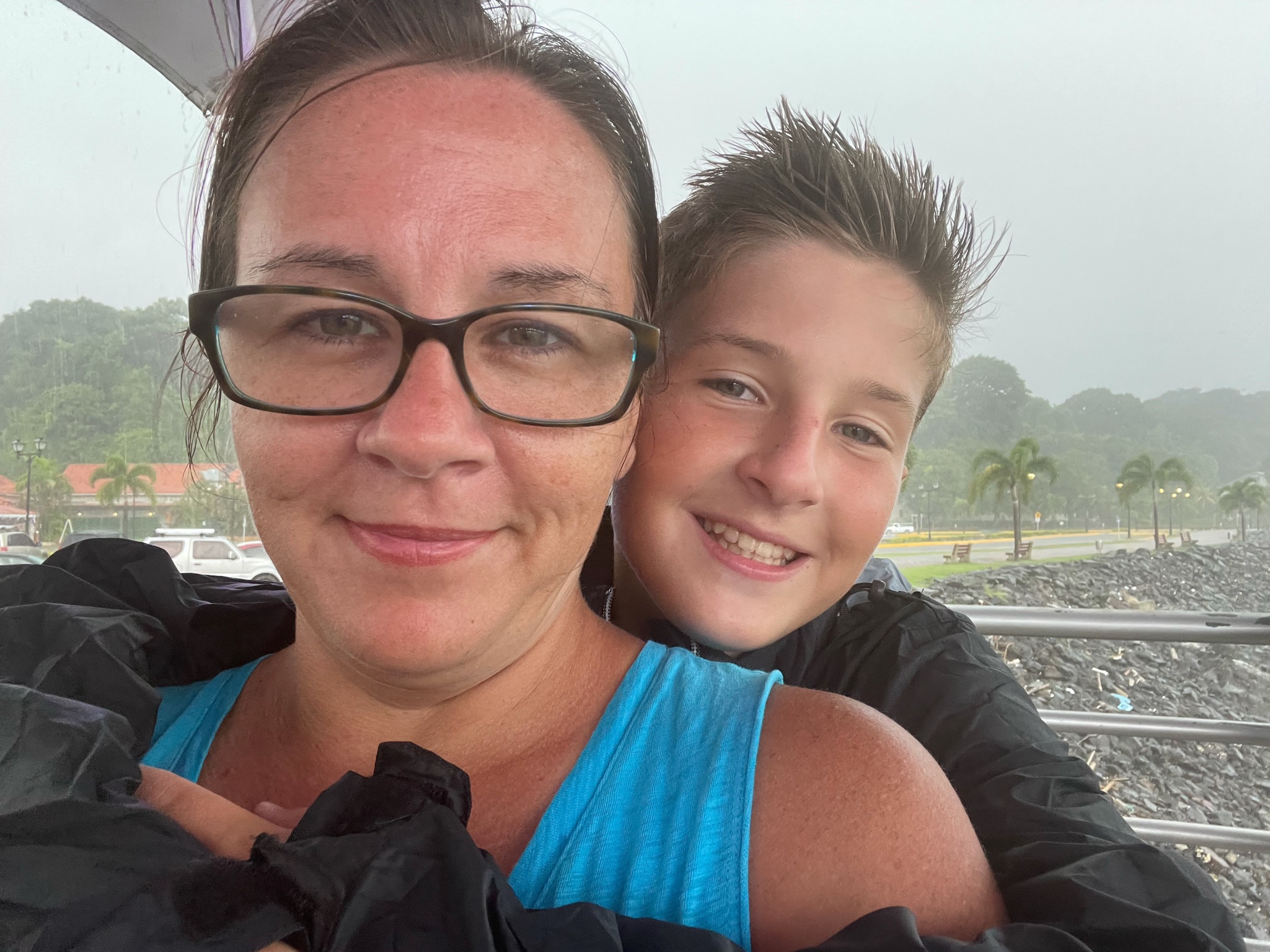
Panama has been wonderful, and it has been the closest we’ve felt to being home in the USA. The population was more diverse than anywhere else we have been. In many of the countries we’ve visited, we have been very obvious tourists. Here, there are people of every color, and we fit right in. The foods are very diverse as well, so we have been able to find lots of options to suit each of us. They even use the US dollar as their currency, so for a time, we haven’t had to worry about exchange rate math. While the US influence is obvious here, the people of Panama have a culture that is very unique. The ‘melting pot’ of Central America, just like the United States, has combined many cultures and traditions into one people, and the result is quite beautiful.
We really enjoyed our time in Panama, but there was so much more we wanted to see and do here than we could work into our trip. We wanted to snorkel in the the San Blas Islands. We wanted to walk the streets of Colon, a beautiful Caribbean city. And, we wanted to climb Volcan Baru, the only spot in the Americas where you can see both the Atlantic and the Pacific oceans. For now, we will just keep those things on our list, and hopefully soon, we can plan our second trip this wonderful little country.
 Expedition Fresh Start