Expect the unexpected. Life is full of wonderful things just waiting to surprise you.
– Unknown
In the interest of full disclosure, I have to start out by telling you that I absolutely loved my time in Sri Lanka. I am very, very biased. We spent 4 full weeks in paradise, and it was amazing. I met so many wonderful people, and I loved the experience of staying in a guesthouse and getting to know the families there. Even after travelling for quite some time, we found that we had to rely on the kindness of strangers much more than ever before, and while that was very scary, it was also an incredibly rewarding experience. Oh, how I already wish I was back there, but my next trip will have to wait for a while.
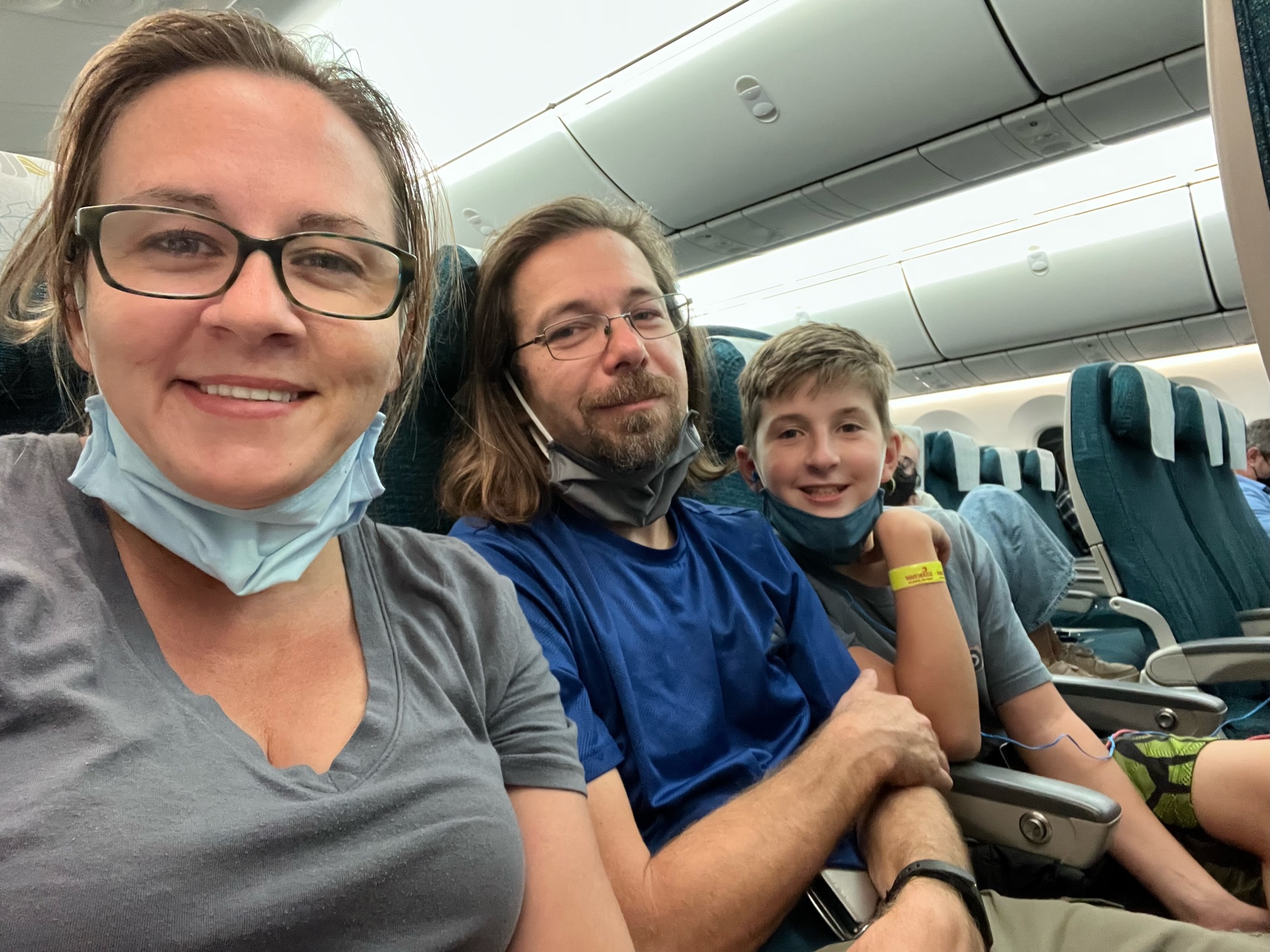
We flew into Colombo on a red-eye flight, and we arrived at about 8:30 am on January 26th. After getting our visas upon arrival, we grabbed our luggage and went through customs. We tried to kill a little time because we knew our room wouldn’t be ready yet, but there wasn’t much to do at the tiny arrivals area. After wasting an hour or so, we hauled our bags through the health screening area and loaded into a taxi. After twenty minutes of white knuckled riding, weaving crazily through traffic with no apparent regards to lanes or other vehicles, we finally pulled up to The Panorama, our guesthouse for the next few days.
We had picked this guesthouse because it was in Negombo which is very close to the airport. Admittedly, there isn’t much to do in Negombo, but the city is very near the beach and is easy to use as a base for any trips to the area. We figured that we could stay for a few days there until we could figure out how we’d spend our time, and worse case, we could work on getting our tans back.
Our guesthouse was very nice. Our room had two king sized beds and a nice sized bathroom, and it was gloriously air conditioned. The weather was very warm in Sri Lanka, and having come from the cool, winter weather in Dubai, we were all a little warmer than we liked. We broke out our shorts and flip flops, though, and it didn’t take too long to get comfortable again.
A guesthouse in Sri Lanka is a little different than anything we’d experienced before. Most areas don’t have a lot nearby, so the guesthouse is more like a combination of a hotel and a restaurant. The owner of the guesthouse usually lives on or right at the property, and he/she and their family took care of you while you stay with them. They generally provide you with breakfast, and in some cases, they can prepare a lunch and dinner as well. They are also very good at helping you plan your sightseeing and transportation from one town to another.
Our host at the Panorama was very kind. He spoke some English, and we got to know him a little while we were there. He was a Sri Lankan man who had been living in South Korea for the last several years. He had recently moved back and had only been working at the hotel for about a month. He worked hard to make sure we were comfortable, and he and the other staff at the guesthouse were extraordinarily nice to us.
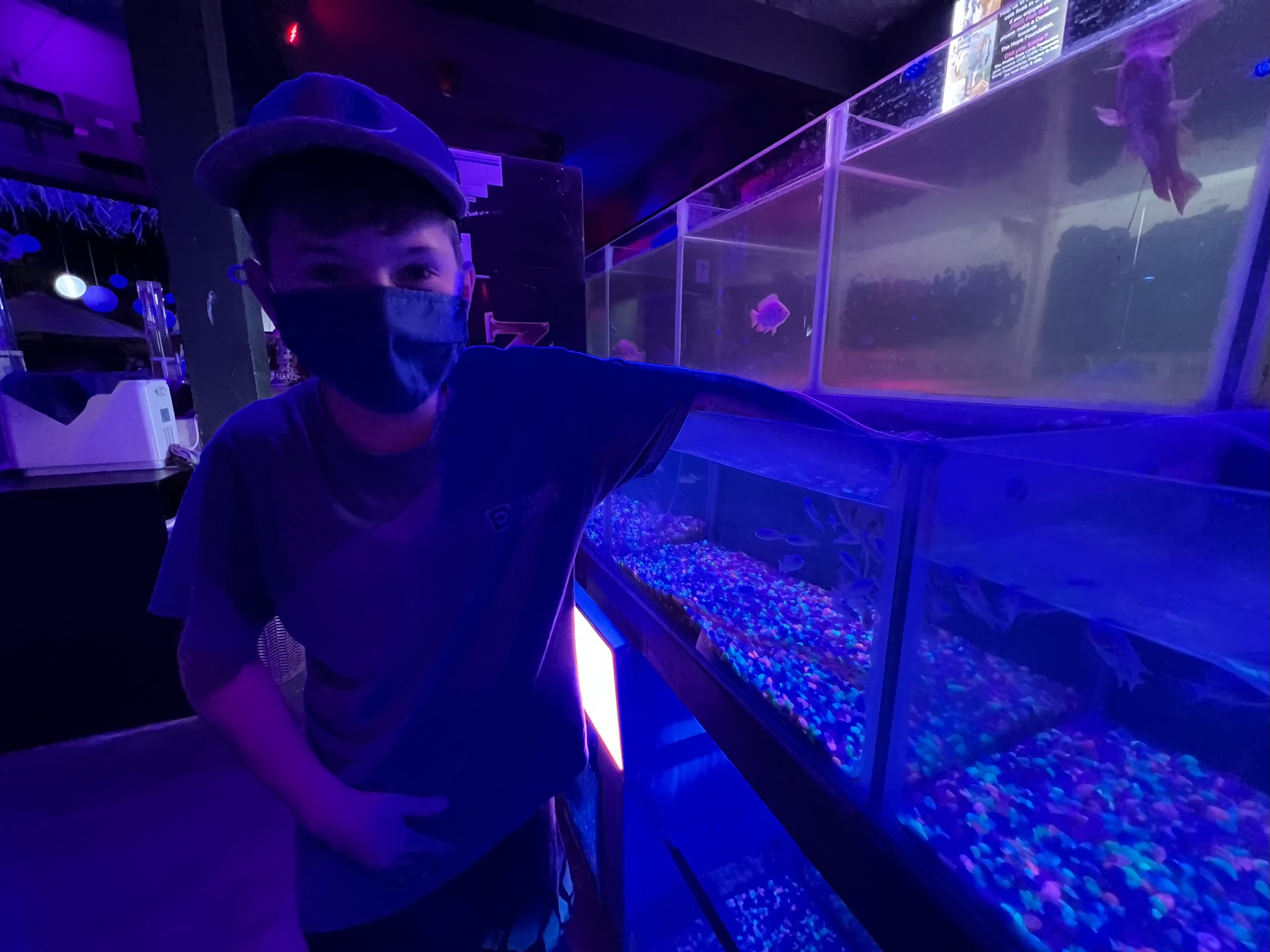
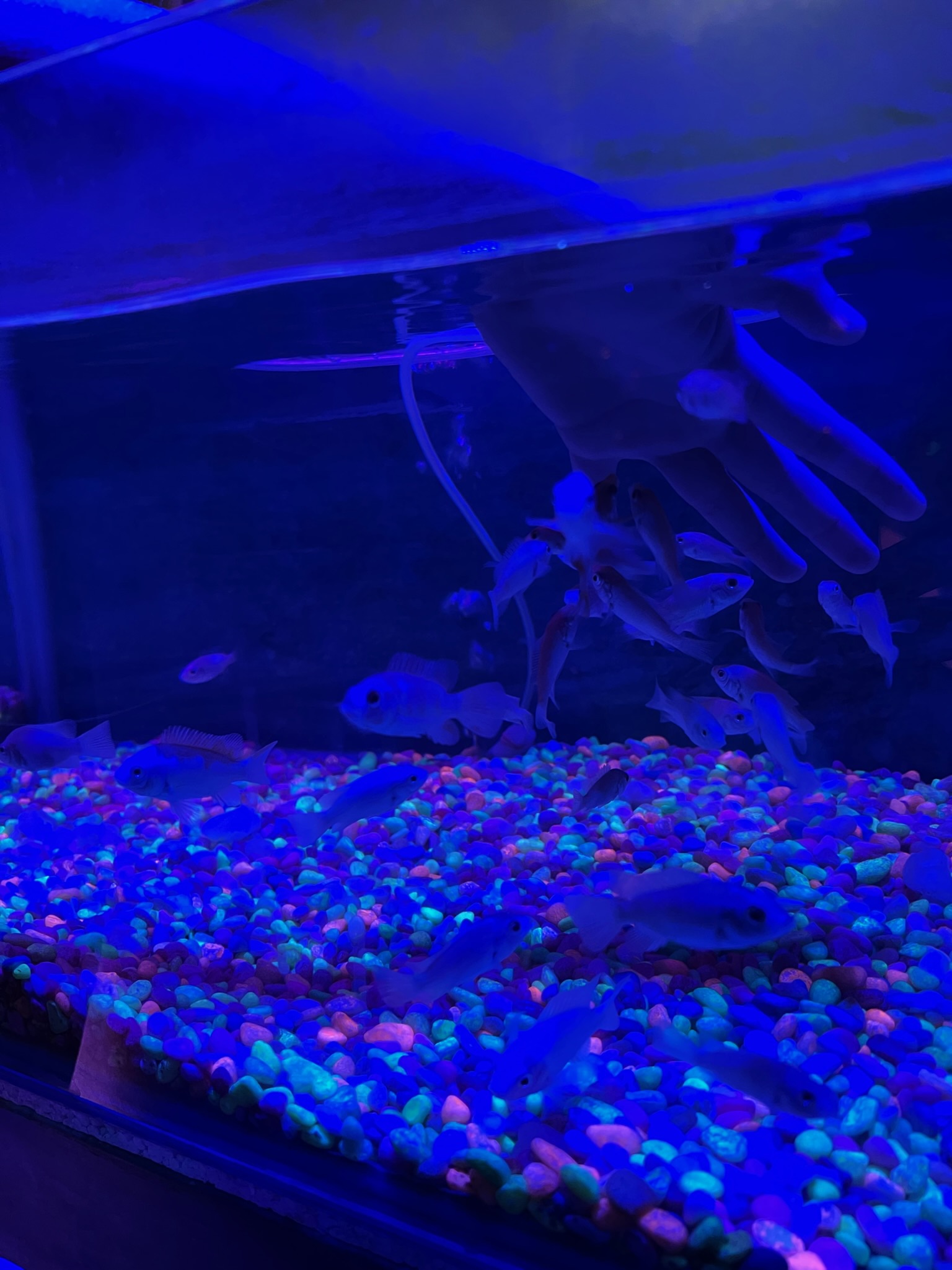
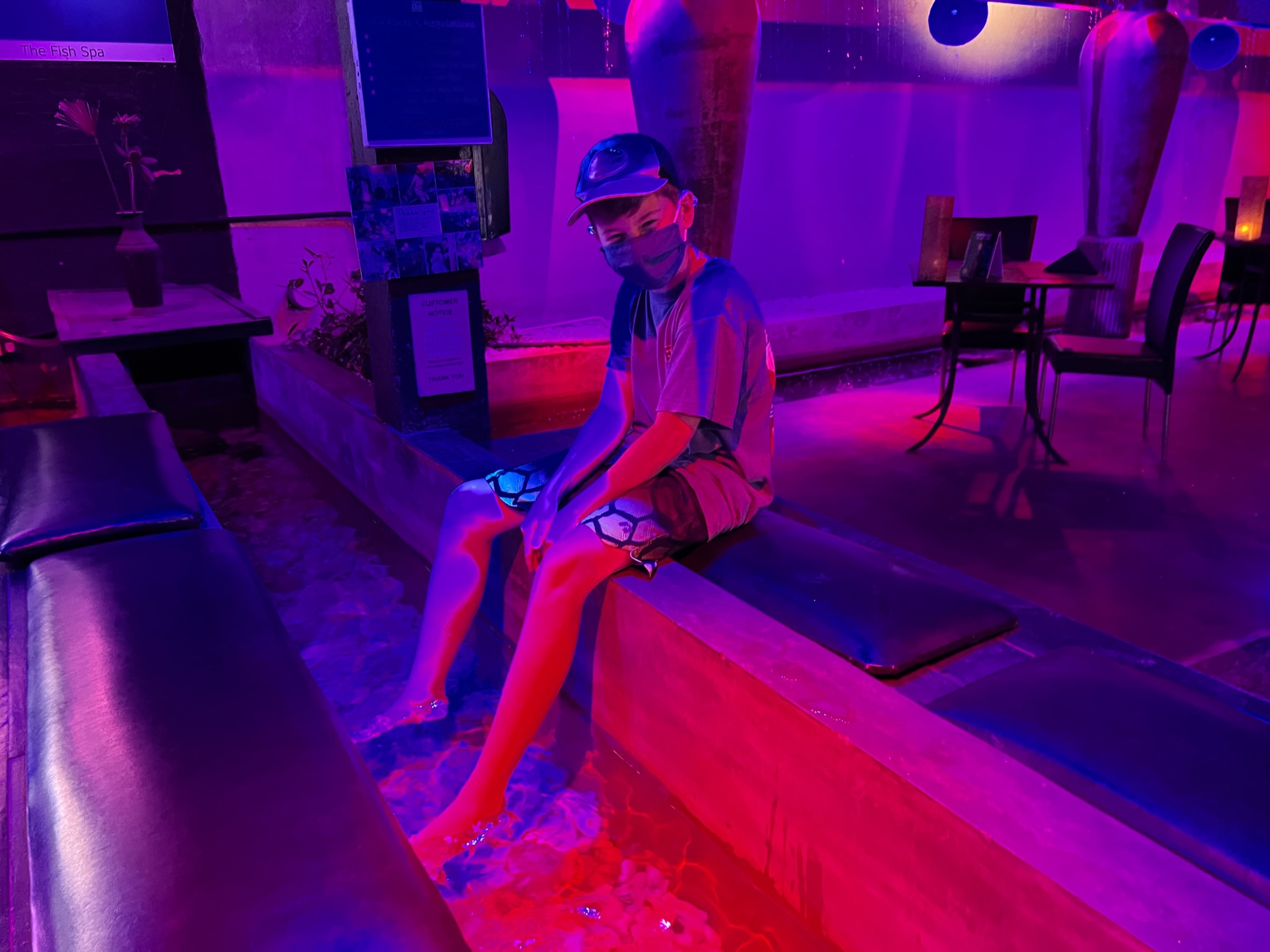
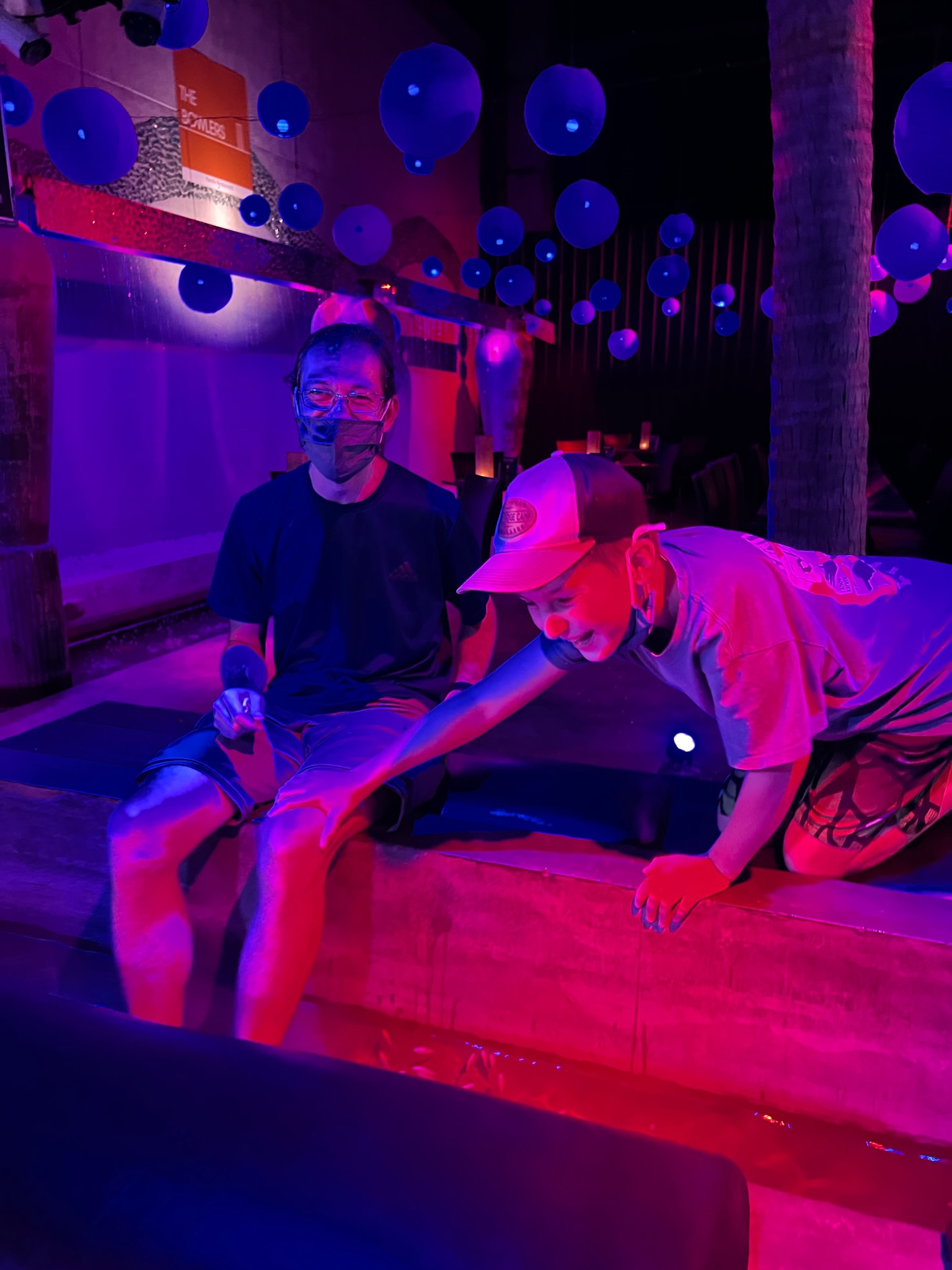
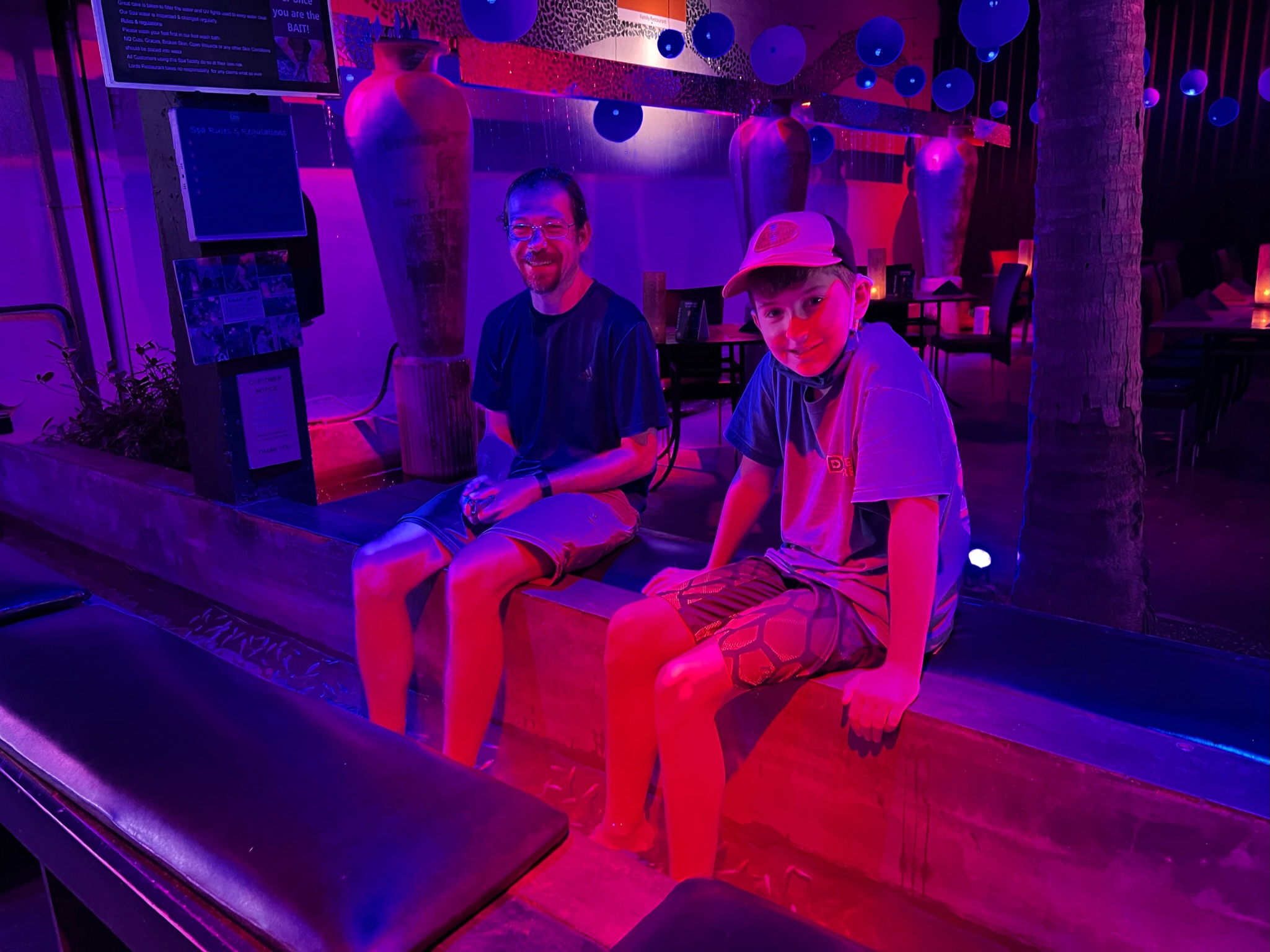
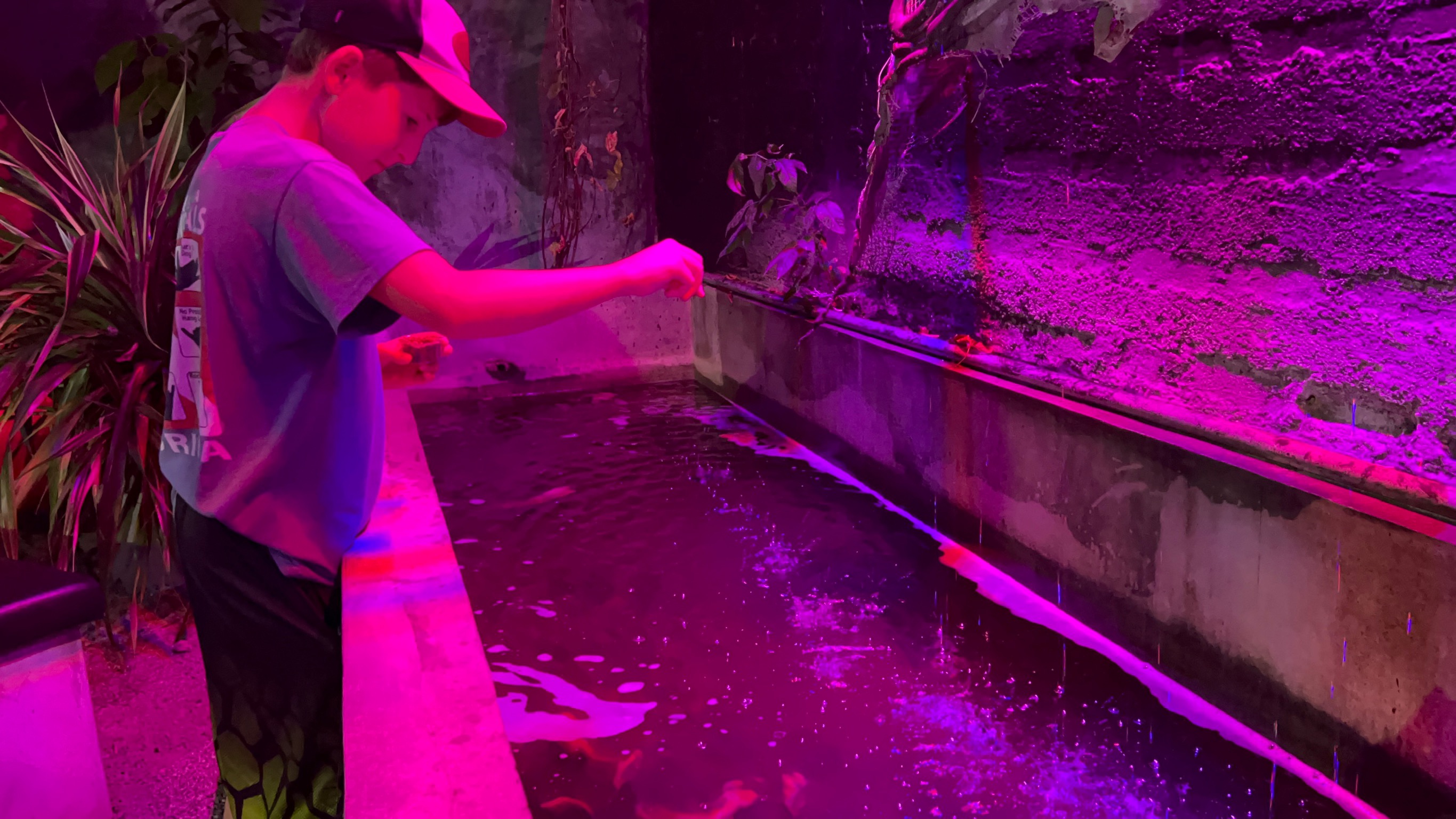
We enjoyed the local restaurants, but we ate several of our meals at our guesthouse. We loved the food, and we didn’t have a bad meal the whole time we were there. Our favorite restaurant was Lord’s Restaurant. They had live music, which we very much enjoyed, but the highlight of the evening was the fish spa. While waiting for our food, we entertained ourselves by allowing the fish to eat the dead skin off of our hands and feet. Hygienic? Probably not. But we laughed so hard it hurt. We also really liked the owner. He used a portion of his profits to take in some of the many animals he’d seen starving and roaming the streets; on the night we came, he said he was taking care of 48 dogs and 5 cats at home. His food was delicious, his mission was noble, and being bait for his fish was way more entertaining than you might ever believe.
Most of the time we spent in Negombo was trying to figure out what we were going to do in Sri Lanka. The gem-shaped island nation is quite small, but there is quite a lot to see and do. We had several tour guides trying to talk us into working with them. One of the common vacation strategies here is to hire a car and driver for a few days to tour you around. Typically, you’d be expected to pay all of your own food, lodging, and entertainment and you’d pay a set amount to hire the driver and car to tour you around. The advantage here is that the drivers know where all of the good sights are and how to get there. By handling your logistics for you, you can enjoy a comfortable ride wherever and whenever you want. We seriously considered these options, as the cost was much lower than you might expect. In the end, though, we opted to go a completely different route.
We’d read about people renting tuk tuks for their adventure, and as crazy as it sounded, we thought it might be a lot of fun. The tuk tuk is a three wheeled vehicle, and it’s considered the poor man’s vehicle. Locals buy them and use them quite frequently, but if you have money, you’d probably upgrade to a car with doors, windows, and air conditioning instead. While locals are used to the tuk tuks, they aren’t used to foreigners driving them. But to experience Sri Lanka like a local, we’d read that there was no better way than to travel like one. We debated on it for a few days, but we figured this might be a neat way to see the island and meet people. And since we liked the concept of the tuk tuk rental company, we signed up, submitted the fees for our Sri Lankan drivers’ licenses, and scheduled our tuk tuk pickup.
On Saturday afternoon, we took an Uber to the TukTukRental.com location in Negombo, and we met our driving instructor. After reviewing their safety information, we stepped out to the lot with our instructor to get our first glimpse of our new ride. The rental company doesn’t actually own any tuk tuks. They help local people rent theirs out as a way to earn extra money. We had a really nice, shiny red tuk tuk, the newest of their entire fleet with only 6000 kilometers on the odometer. We spent the next two hours driving through a residential area in the city trying to get a feel for how to handle it. We circled the same block hundreds of times, but eventually, we both got the hang of driving it. Brian was a natural. He’d ridden enough ATVs to feel very comfortable driving it. I was less so. The gear shifting wasn’t natural or intuitive, and I was scared to death. Did I mention that they also drive on the opposite side of the road as we do in the US? I was terrified that I was going to forget and get us killed in a head-on crash. But the guy said we did great, and when we got back to the shop, we signed our final papers on the tuk tuk, and said goodbye.
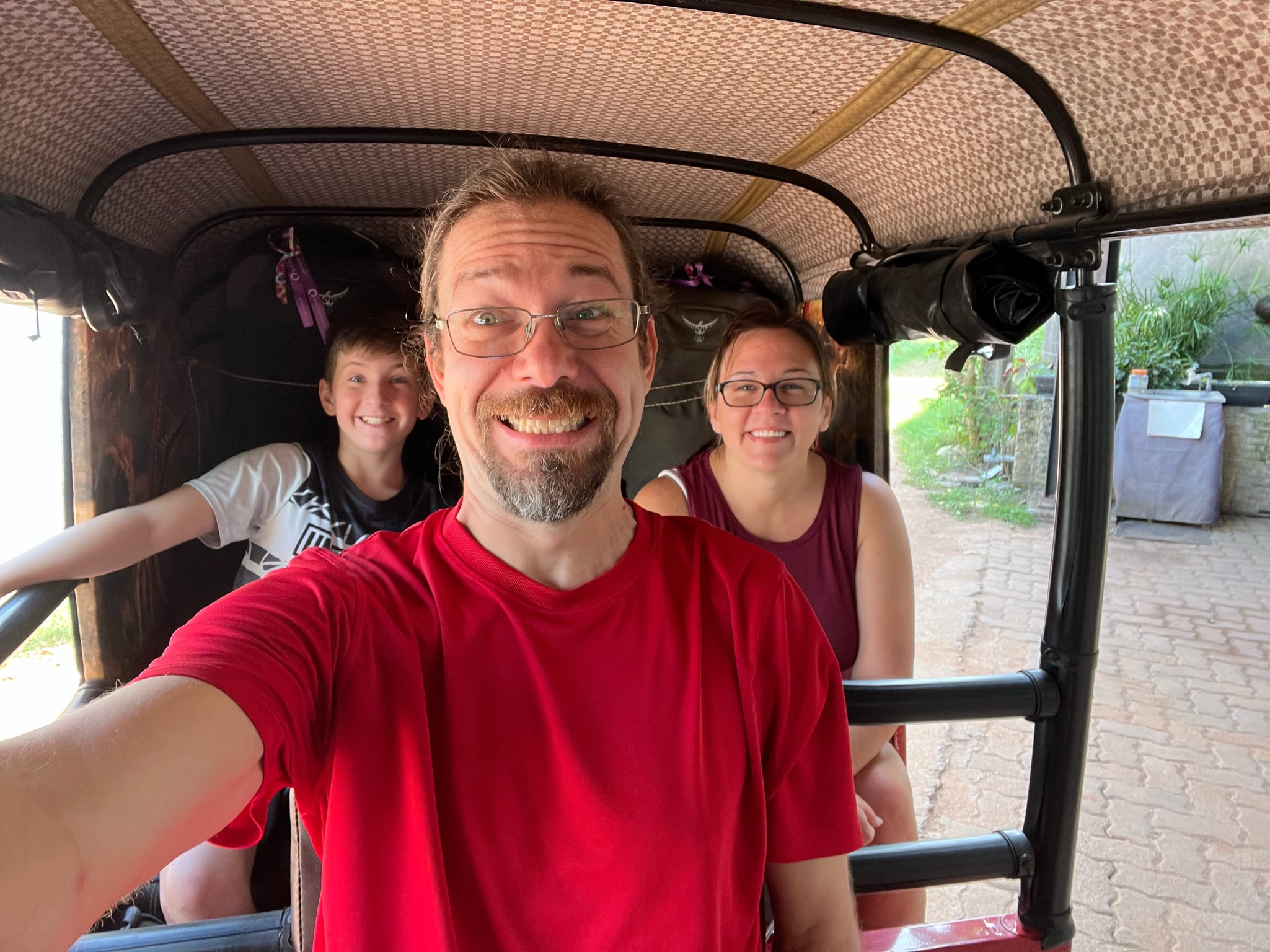
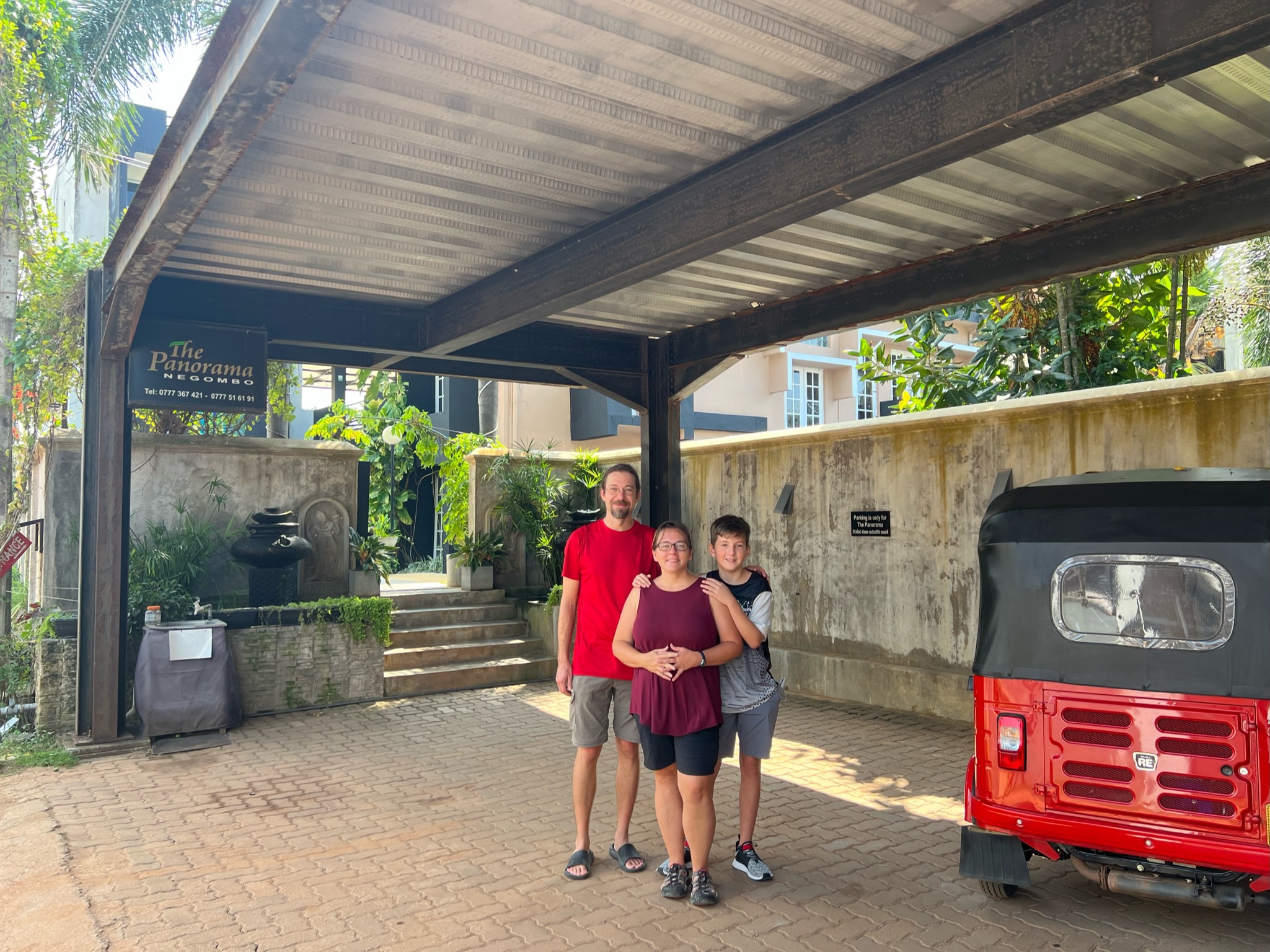
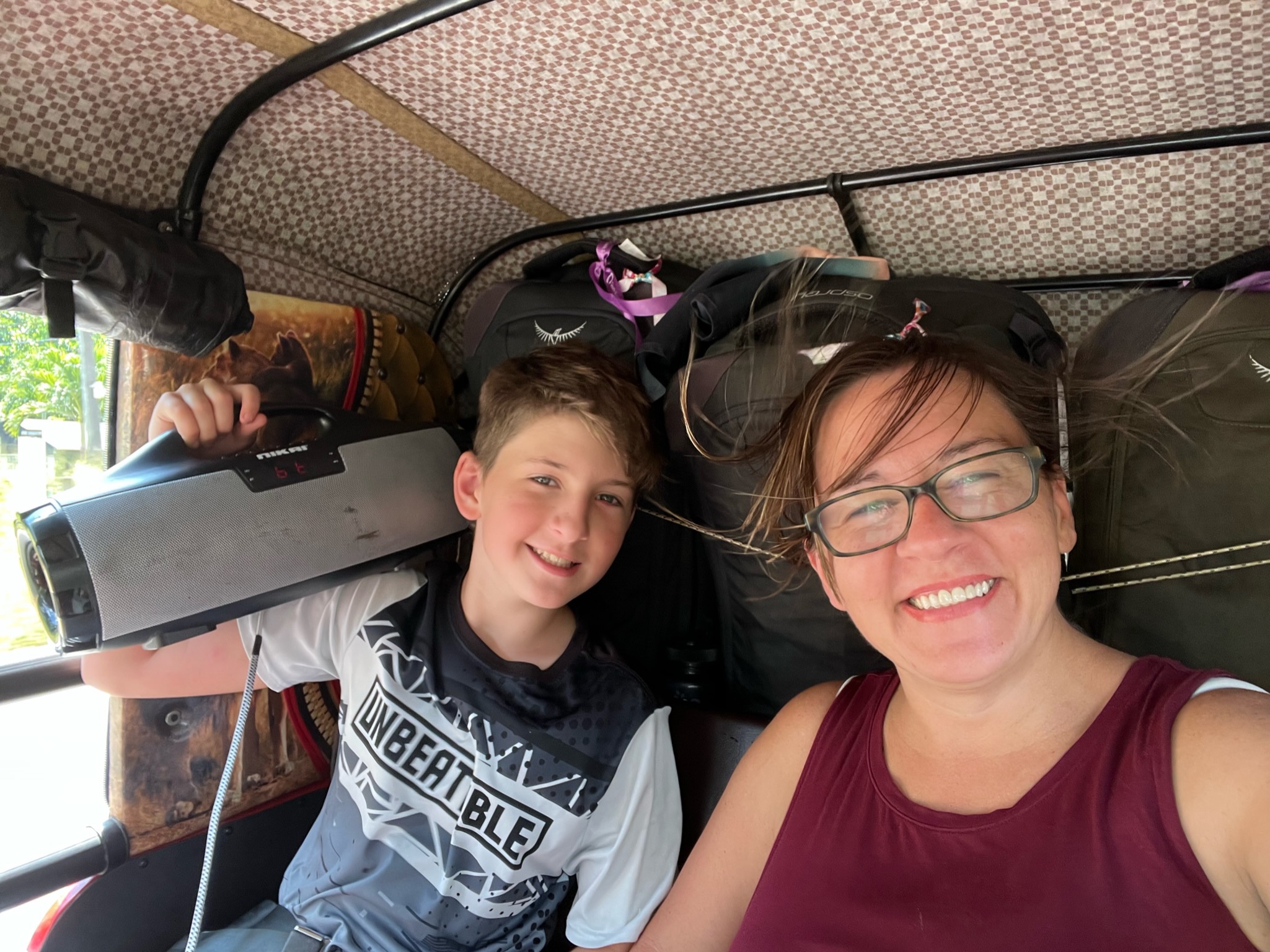
Brian drove us back to the Panorama so we could relax there overnight; we planned to leave the next morning. It was a bit scary, but he did so well! Henry and I enjoyed the wind in our hair, and he and I spent the trip back trying to figure out how we would ever get all our bags to fit inside and us still sit comfortably. We got a few interested looks from the local people as we drove, but we enjoyed the ride very much. All of us were very excited about heading out on our adventure early the next morning.
Because tuk tuks are very popular, and the parts are very interchangeable, it’s apparently a fairly common thing for people to take the newer, nicer wheels and other parts off of tuk tuks that are parked near the street and replace them with their more worn-out parts. To help protect our ride, our host allowed us to open the gates into the hotel grounds and push the tuk tuk into the locked area. We lovingly put down the leather doors and locked it up for the night safely inside the fence.
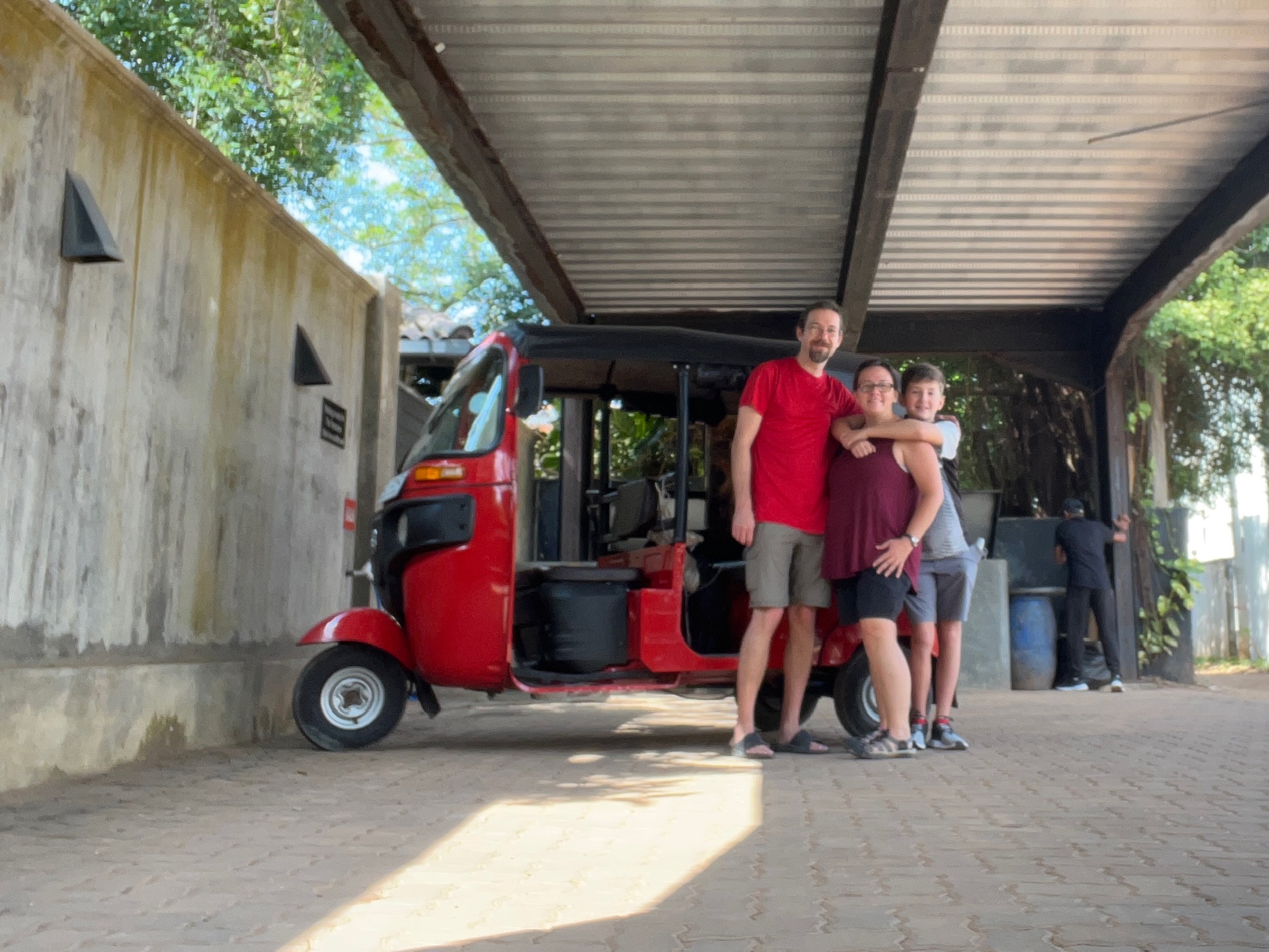
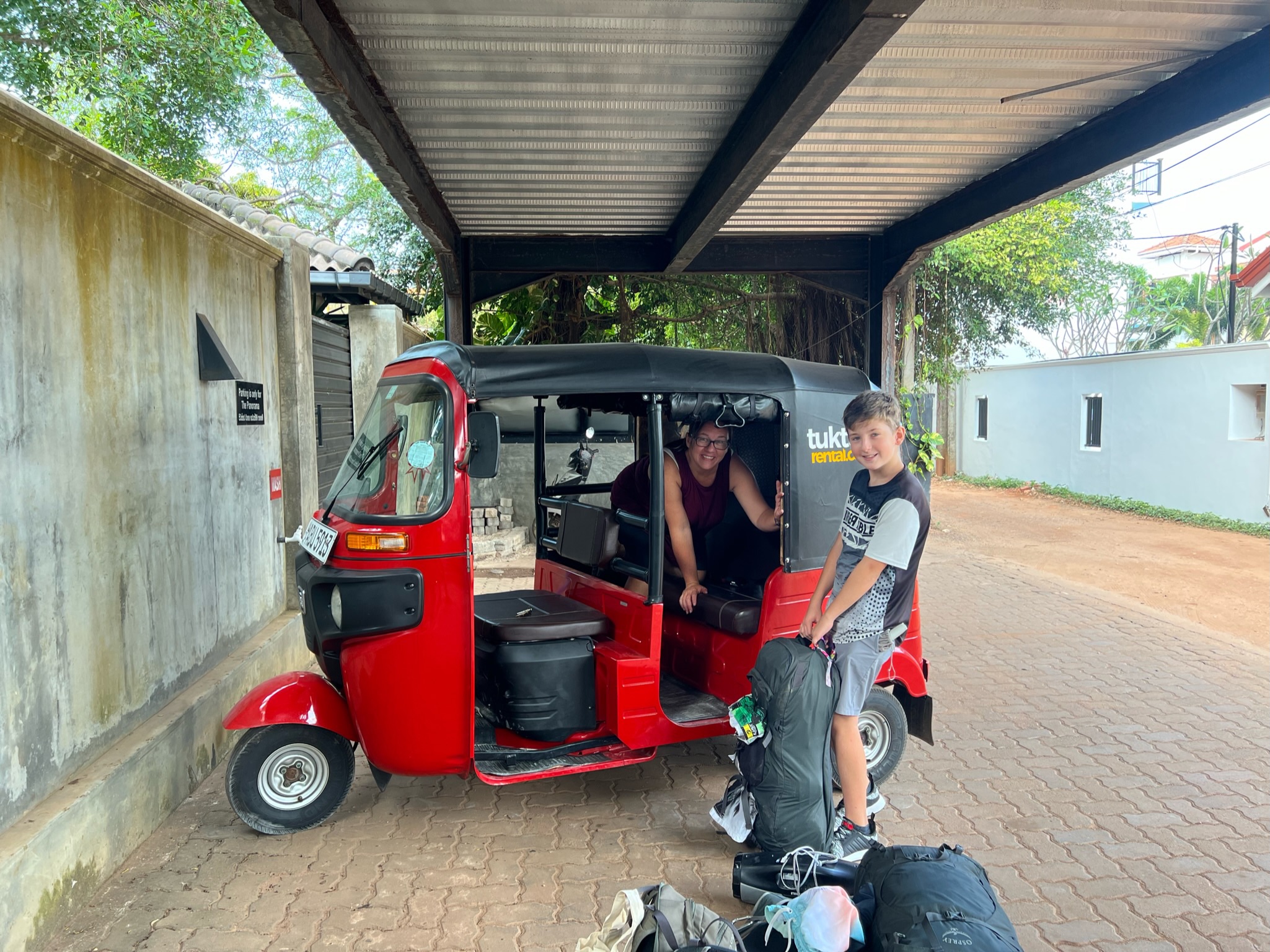
The next morning, we brought all our bags down and set them in a pile by the tuk tuk. We still really didn’t have a plan for how to load it up, but we had to start somewhere. It seemed like a laughably big pile next to the little vehicle, but once we got in and started putting things in their place, it worked out nicely. Our host thought we were crazy for not using an air-conditioned ride, but he came out and took photos of us in front of our ride before we left the guesthouse.
As we started down the road, we were all almost giddy. Brian was a little nervous, but we knew that once he got out on the road and drove for a bit, it would get easier. It was Sunday, a weekend in Sri Lanka, and traffic would be somewhat quieter than we’d experienced. On top of that, we were getting out of the city. Our instructor told us it would be a breeze once we were past the edge of town. We needed to buy a Sri Lankan sim card for one of our cell phones, but after that, our next stop was Dambulla, a small town near the center of the island.
We stopped at a little market to buy some snacks, and after an hour long stop at a different local convenience store, we had a sim card as well. The men at the store were incredibly kind to Brian. Henry and I waited outside with our stuff while Brian tried to get the cell phone working. The shop-owner didn’t speak much English, but another customer that had come in took the time to help him communicate with Brian. This new customer was very friendly, and he even gave us his phone number in case we had any issues on the road; he was happy to help us.
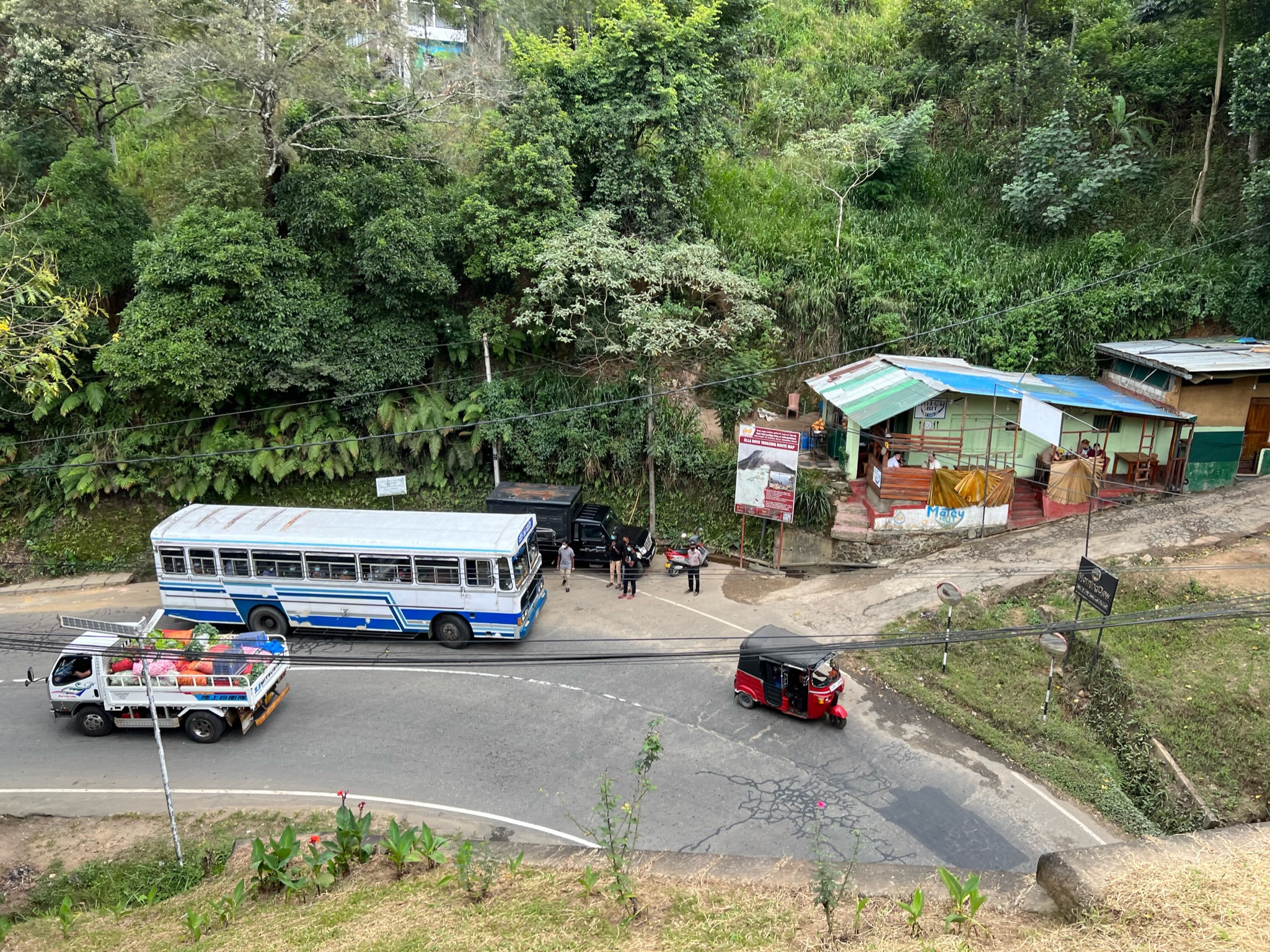
I should mention that traffic in Sri Lanka doesn’t work the same way as it does in the US. Lanes are merely suggestions, and on a two-lane highway, traffic could easily be 3-5 vehicles wide in places. Its also interesting that there are multiple speed limits based on the vehicle type. A tuk tuk, for example, can only go a max of 40 kilometers/hour while a car or bus can go up to 80. The general rule here is that the bigger you are, the more right of way you have; tuk tuks are on the small end of the scale, with only motorbikes and bicycles being smaller than them. All vehicles ride towards the outer edge of the road, and if someone wants in front of you, they honk to let you know they are there and then they go around. Oncoming traffic just watches out and stays out of the way the best they can. There are dotted and solid lines on the road to help you know when to safely pass, but by all appearances, people do not follow them.
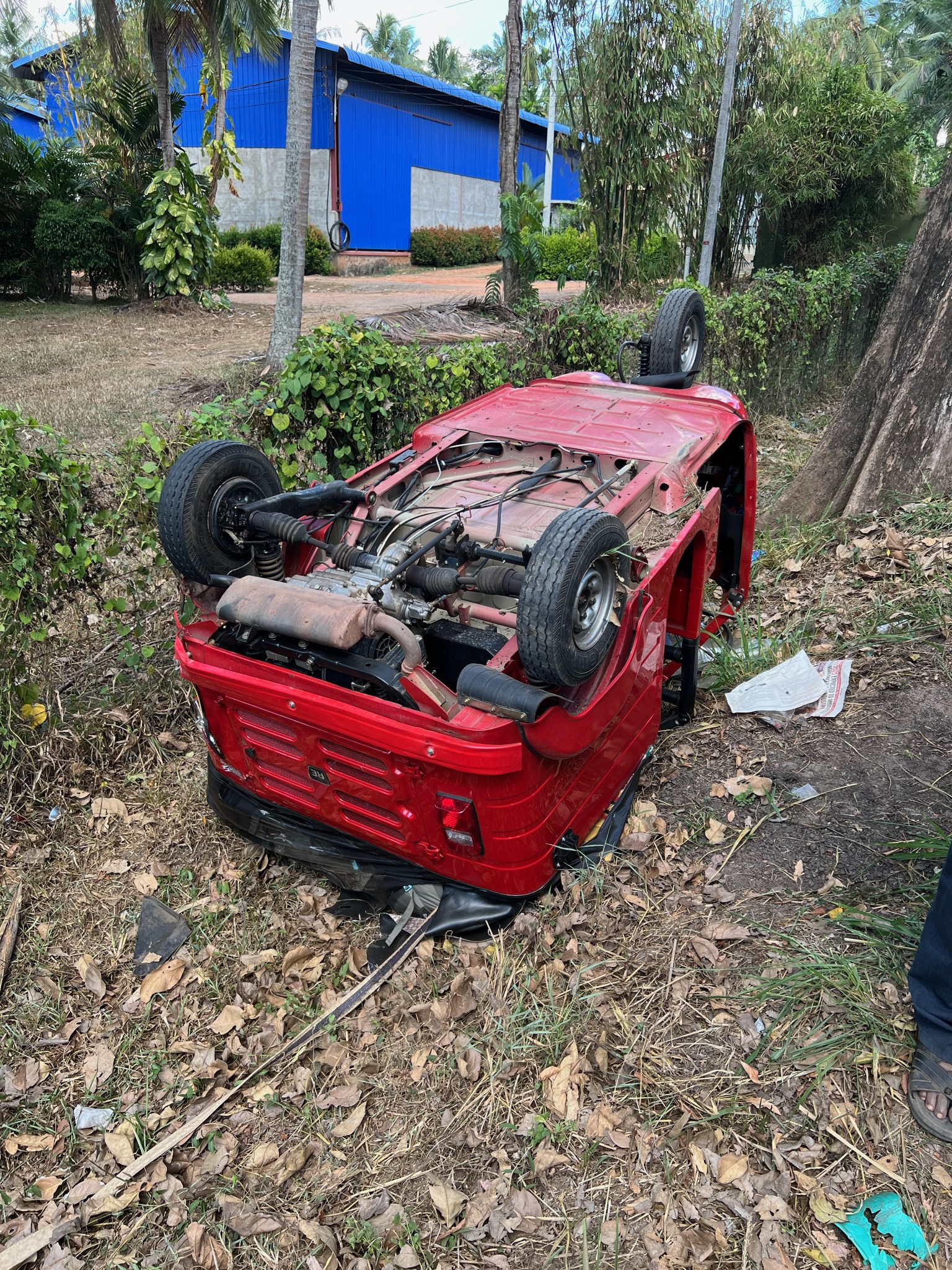
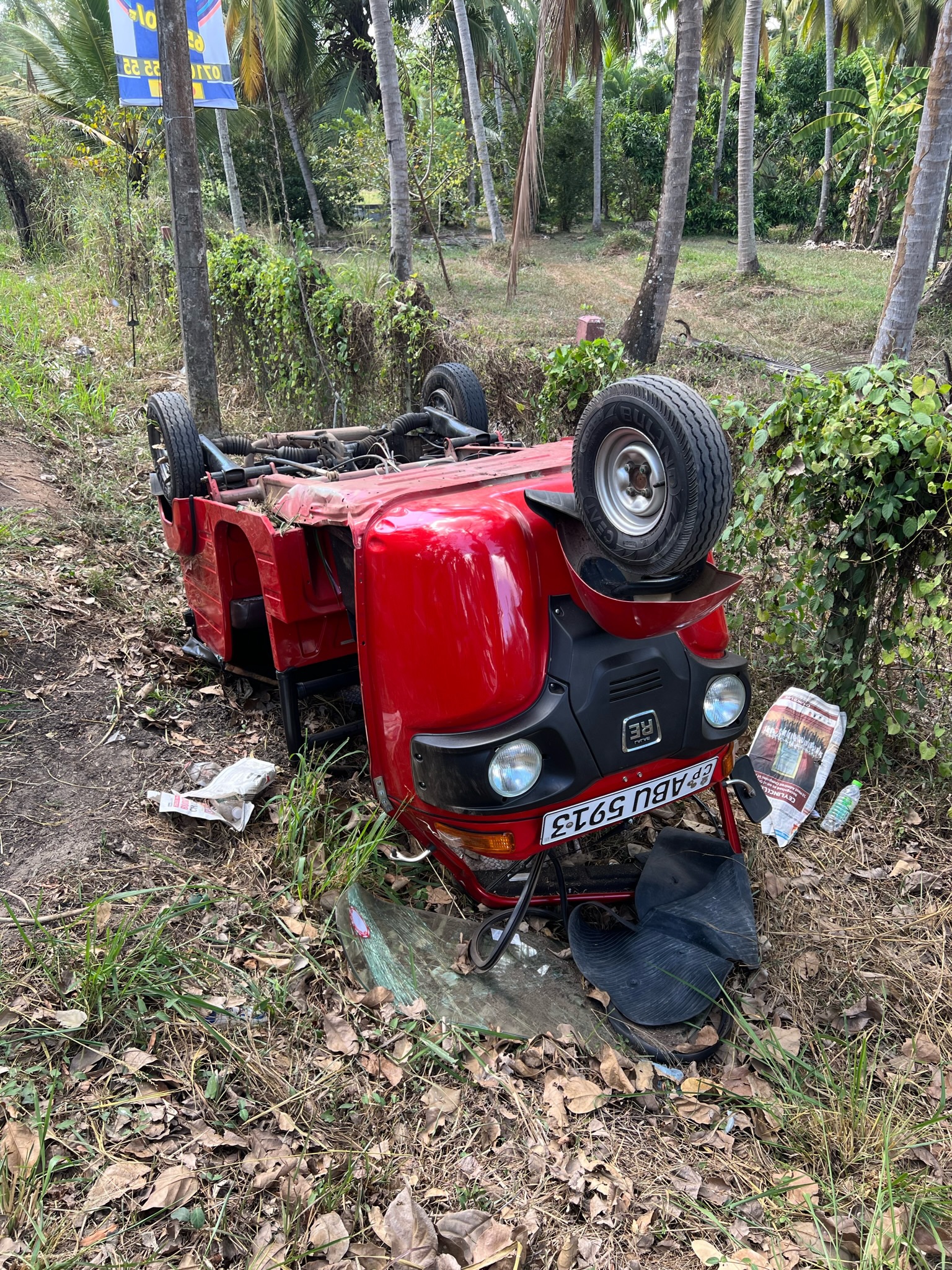
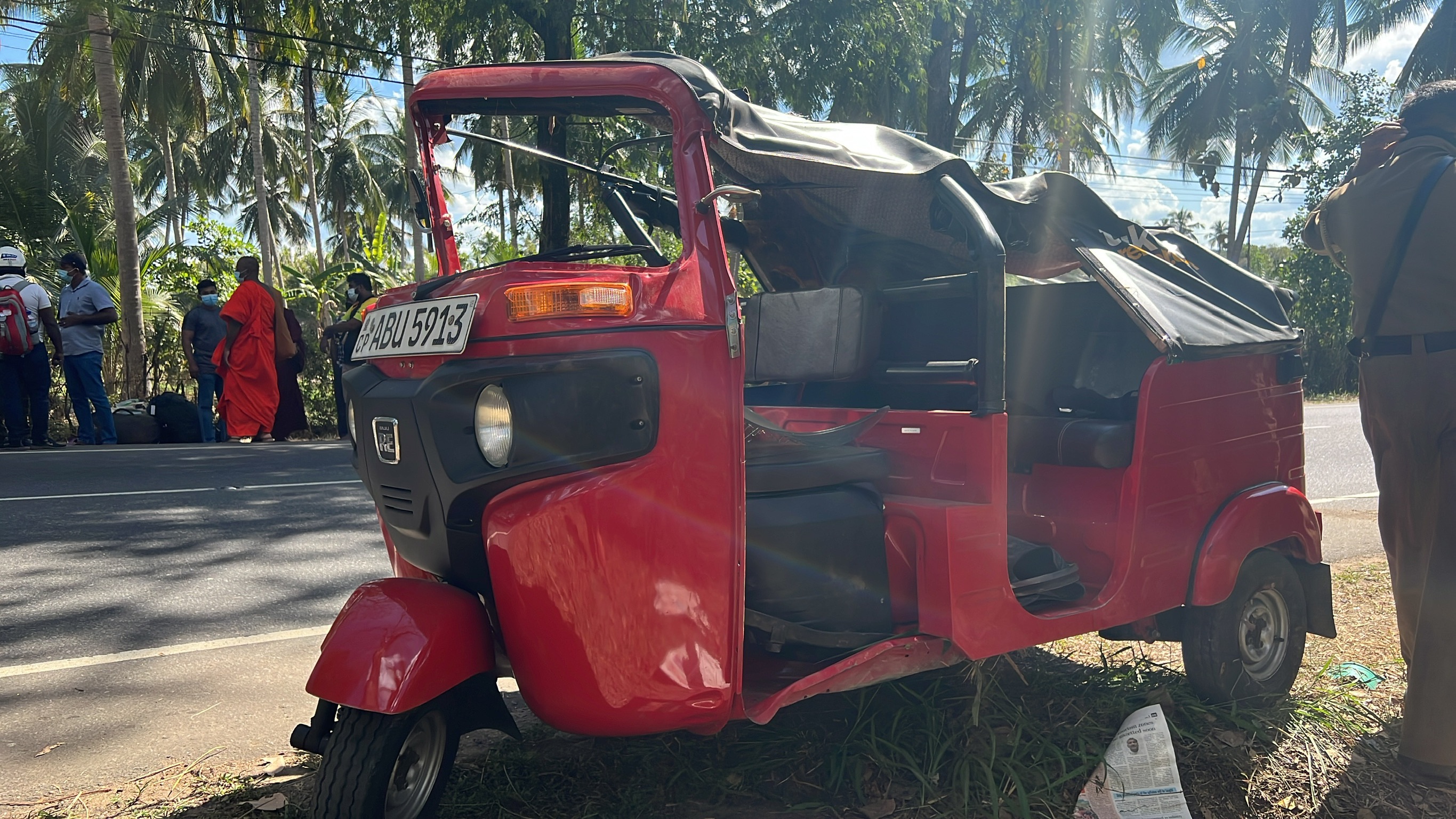
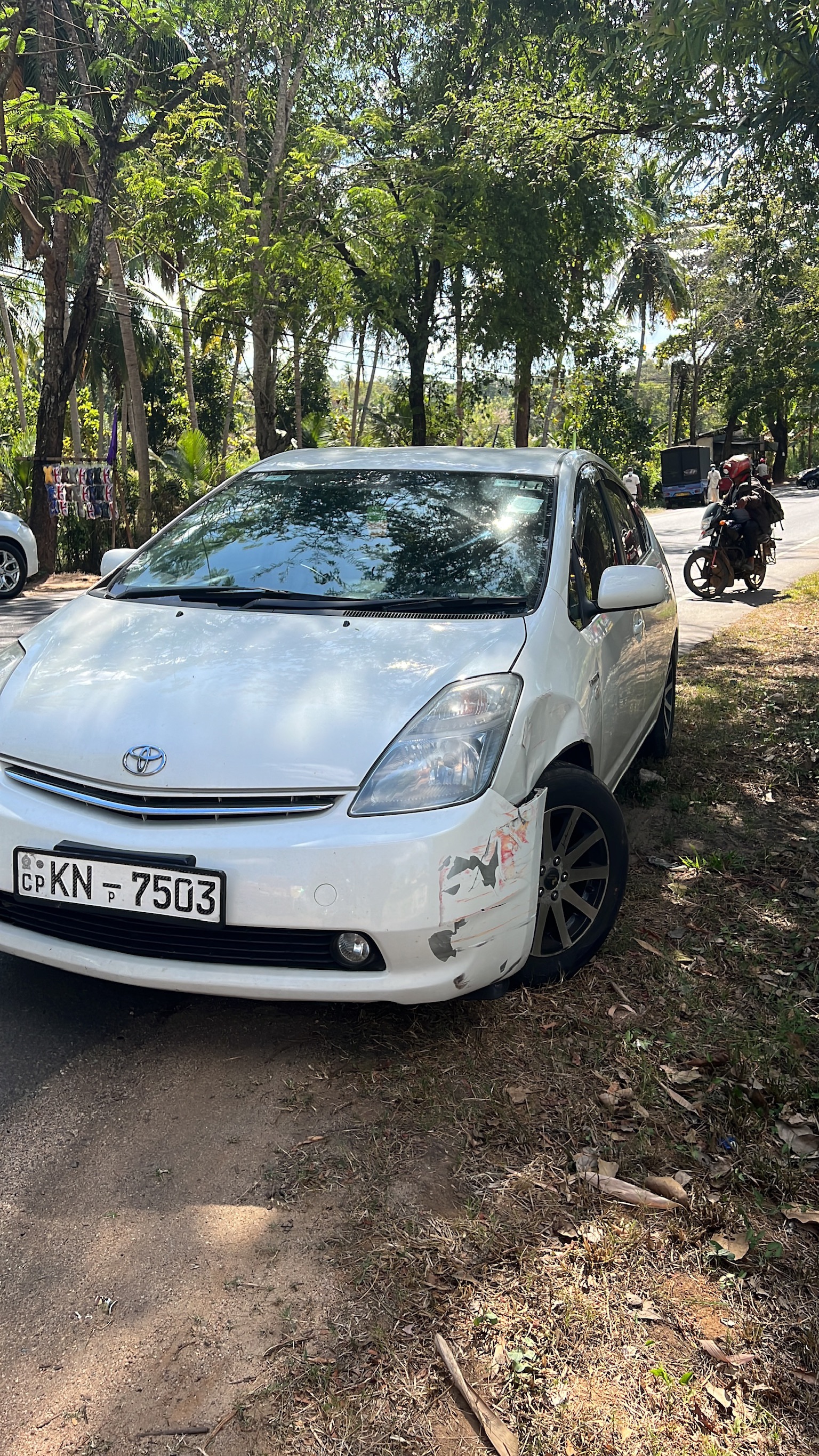
About 65 kilometers down the road, our tuk tuk fun ended rather abruptly. We were driving at about 40 kilometers per hour, as near to the white line as we felt safe to, when a white car behind us started to pull out in order to go around us. The car started to work its way around us, but about that time, two cars topped the hill in front of us with the one on the inside trying to overtake the other. The white car was forced to very quickly scoot back into our lane of traffic. He tried, but as he squeezed in, he ended up hitting the back right end of the tuk tuk and sending us off into the ditch. Brian heard the brakes on the car locking up just in time to grab onto the handlebar as tightly as he could. Henry and I had on our seatbelts in the back seat, and Henry had been dozing off a bit. Because of the design of the tuk tuk, even though I could hear the brakes, I couldn’t see what was happening. I remember saying a quick prayer when I heard them and hoping that it wouldn’t involve us. But it did.
Seconds later we were at a dead stop, upside down in the ditch. I’ve never flipped over in a vehicle, but hanging there suspended by the seatbelt was terrifying. I could hear Brian calling for us, and Henry was crying. I was most worried about Brian at the moment because I knew he didn’t have a seatbelt, and I imagined him being thrown out of the ride. I unbuckled my seatbelt and fell a few inches to the ground. Henry couldn’t get his seatbelt undone, but after just a moment, we were able to get it unbuckled. We could smell gas, and that was scaring me, so I encouraged Henry to crawl out as quickly as he could. Brian was kneeling outside the vehicle helping to pull him out, so I could see that he was at least mostly okay. I remember Brian telling me to crawl out through the front, but all I could think was to get out as quickly as possible, so instead of listening to him, I crawled through a very small, crushed section of the support bars.
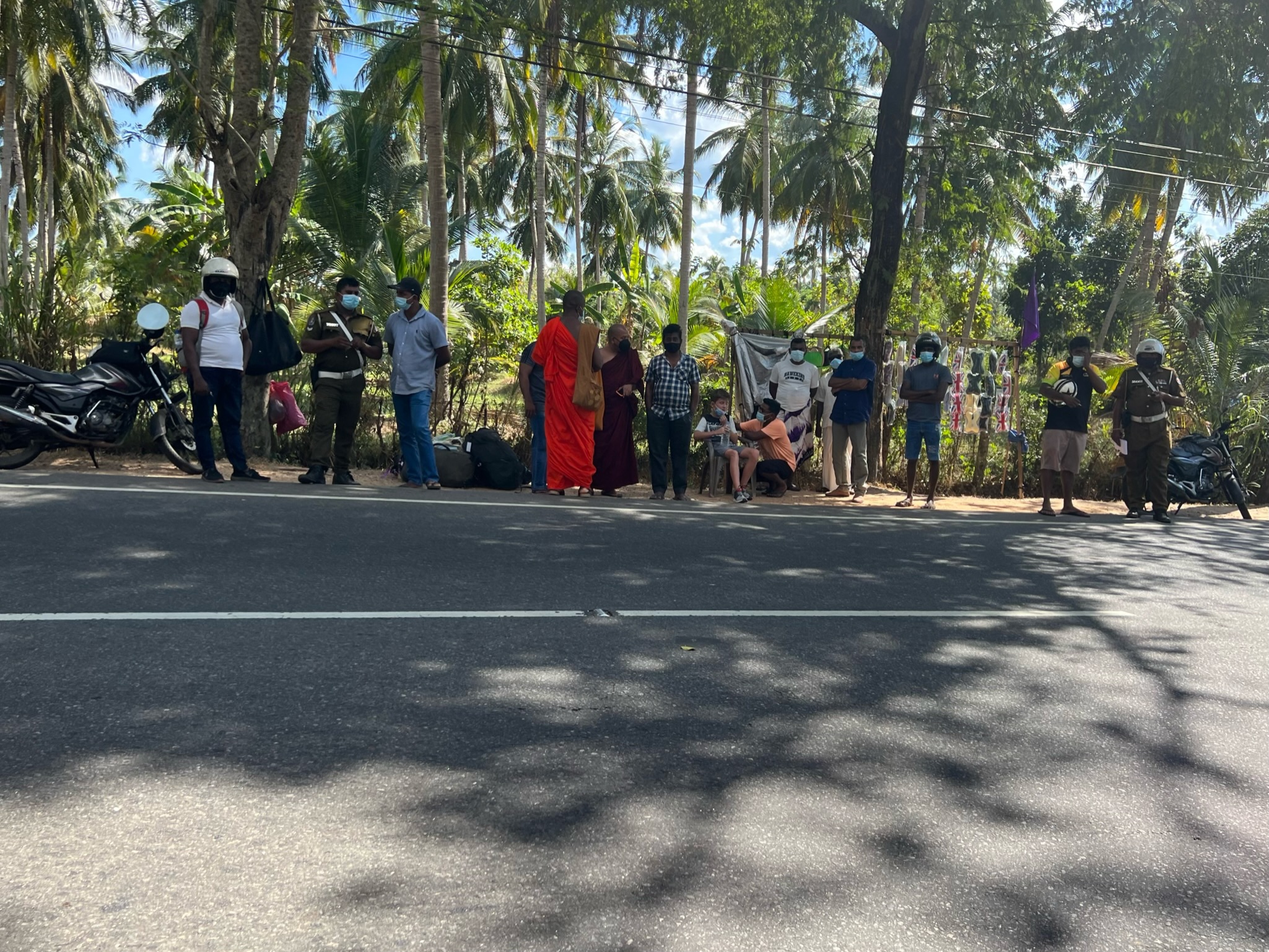
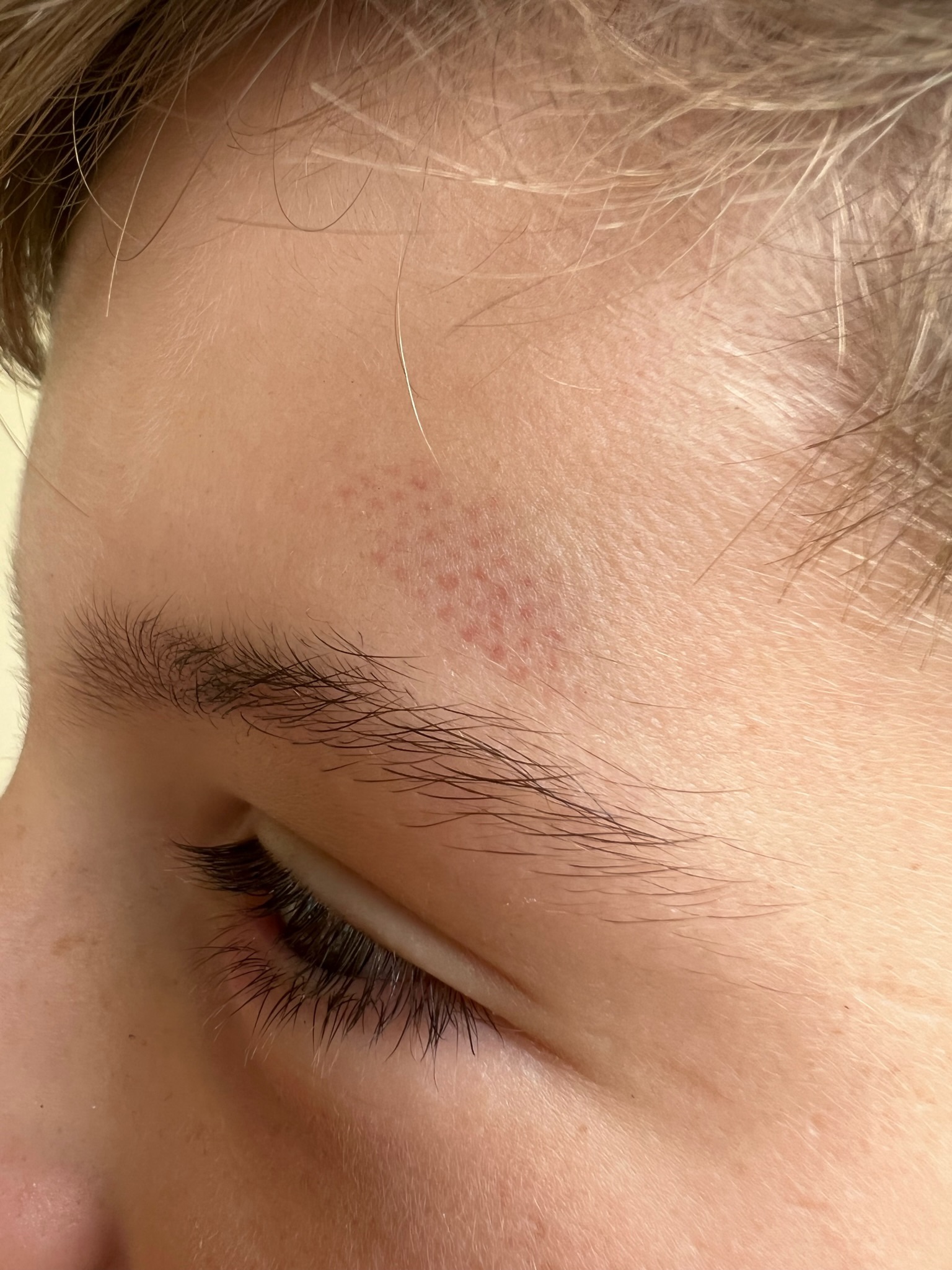
There were at least 10 people standing on the side of the road when I stood up. They were all worried for us, and they were checking us out as we were doing the same. Henry was very scared, but he was okay. He had a knot on his head where he and I bumped heads. He also had an imprint over his eye from the Bluetooth speaker we had with us in the backseat. I had a bump as well, but aside from a few very minor scrapes, I was physically okay. Brian definitely had the worst of it. He had a large bump on his head and several large scrapes. Amazingly though, he had been able to stay inside during our flip.
The driver of the white car was one of the first to check on us. We were obviously extremely shaken up, but he was too. I firmly believe he thought he’d just killed someone when he saw the tuk tuk flip in the ditch. He immediately took responsibility, apologized profusely, and continued checking on us over and over.
There were quite a few other men who hung around to help us out. A group of monks were traveling behind us, and they stopped to see if they could help. One of them was a man from Pennsylvania, and because he spoke both English and Sinhala very well, he helped us communicate with both the police and the insurance agent. While we were making phone calls and dealing with the business end of things, he and another man, a local farmer, never left Henry’s side. They talked to him the whole time and asked him all sorts of questions to help him calm down. A third man, a vendor who had been working at his stand on the side of the road just opposite of the accident, found Henry some water and a cold pack for his head.
The men also helped us get all of our gear back together. Most everything we had was packed tightly in our backpacks, but we’d had one bag of snacks and supplies that got emptied in the accident. With the tuk tuk upside-down, our backpacks were directly under the engine, so as the gas was leaking, it leaked out and puddled around the bags, soaking into the bags and all of our clothes inside. The men helped us pull them out of the tuk tuk, and they helped us roll it back over so we could make sure that everything else was out of it.
Auto accidents are handled a little differently in Sri Lanka than in the US also. Here, they settle the accident on the spot. If it’s a small accident, the two parties agree to a settlement right then and there. Cash is exchanged, and then everyone goes their way. In a larger accident, the police and both insurance agents are called to the scene. Both do their investigations, and then a settlement is made right there on the spot. Once the settlement is agreed to, the parties can go their separate ways.
In our case, we were lucky in a few ways. First, the other driver clearly recognized he was at fault and took the blame. Second, both the driver of the white car and the tuk tuk rental company used the same insurance company. The tuk tuk company was able to talk with the insurance and police over the phone on our behalf, and they came to a settlement very quickly. The owner of the tuk tuk would be reimbursed for the ride, and they would get some agreed-upon settlement for the time that they were without their vehicle. A few hours after the accident, the tuk tuk company was able to send us a ride to take us the rest of the way to Dambulla, and we were thankfully back on our way.
It is a terrifying thing to be in a car accident anywhere, but during those first few moments after we were hit, all I wanted was to go home and hug my family tightly. It was awful to be in a foreign country, halfway around the world, surrounded by people who don’t speak English and writing in a language that we can’t even read. The men who helped us could have kept going. They had places to go and things to do. It would have been easier for them to not deal with the distraction of us, but they chose us instead. They went out of their way to ensure we were okay and that we had everything that we needed. We even got several phone calls over the next few days from our new monk friend to make sure we were all okay and to see if we needed anything. The people who helped us were incredibly kind and I will always be grateful for them.
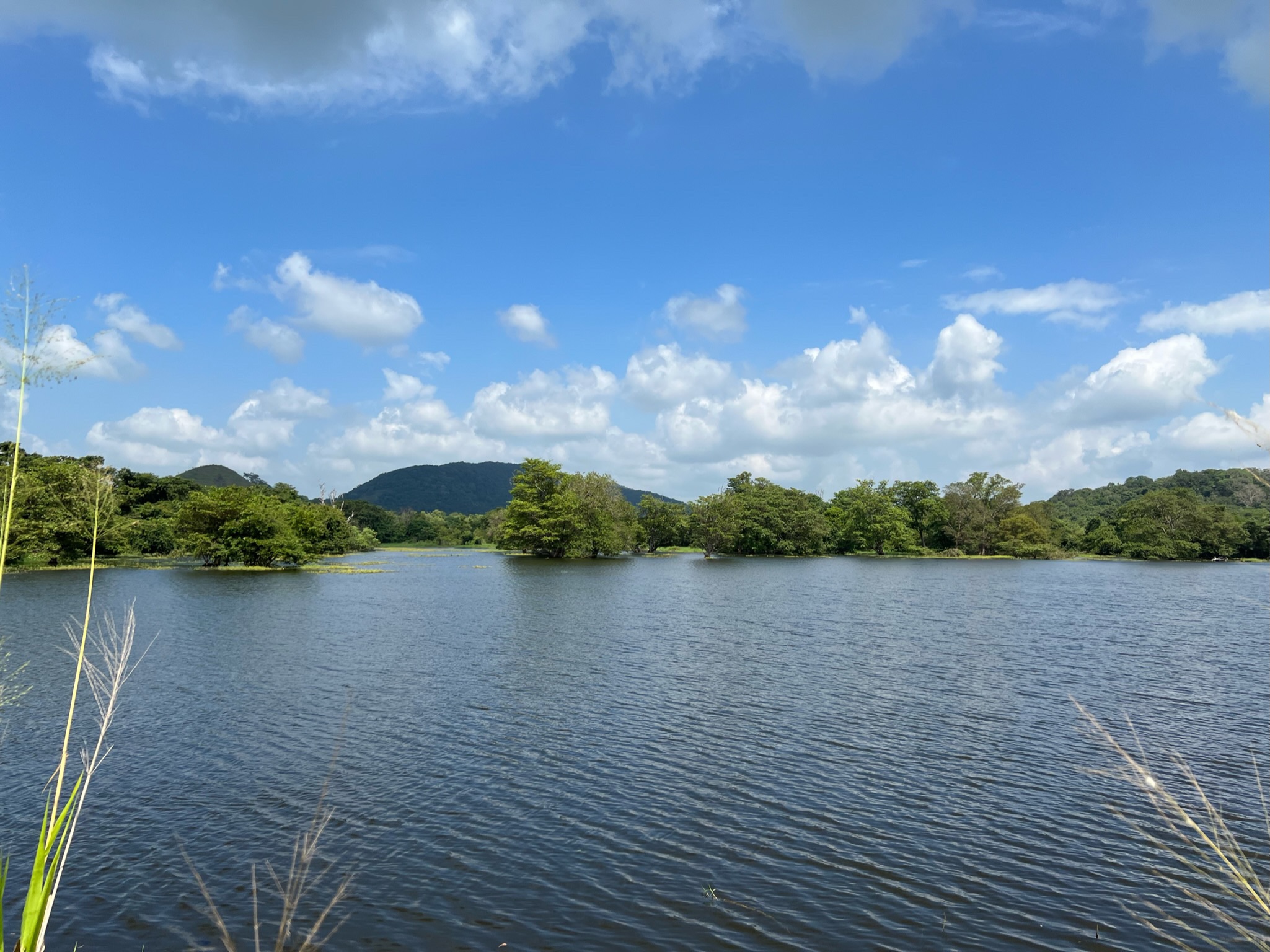
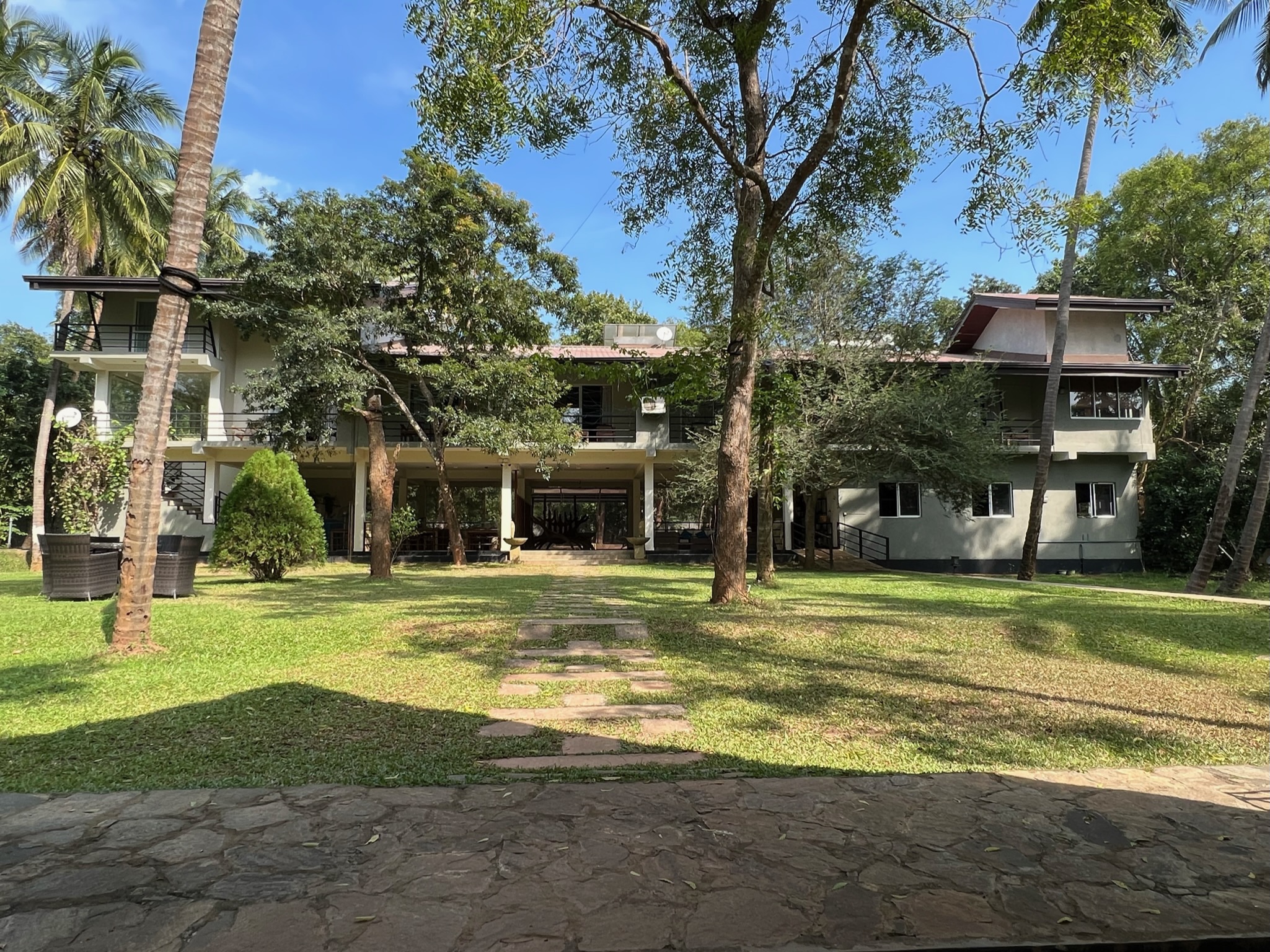
We made it to Dambulla with no other issues. I felt sorry for our poor driver as his car absolutely reeked of gas, and I know that had to take a while to go away. Our new guesthouse felt like it was way out in the middle of nowhere, and we had to stop to ask if we were going the right way several times before we found it. The Lake Bliss guesthouse was beautifully situated by the lake and in the middle of several beautiful palm trees. The owner’s son, Anjuna, met us and brought us fresh juice to drink as we made ourselves at home. Our room was one of two that the family managed, and a short walk away from the room was a very nice kitchen and dining room where we would eat our meals. The room itself was spacious and well furnished. Brian and I had a gloriously comfortable king-sized bed, and Henry had his own twin bed as well. Outside the room, we had a beautiful little porch that overlooked the palm trees and a field where the wild peacocks would roam each day.
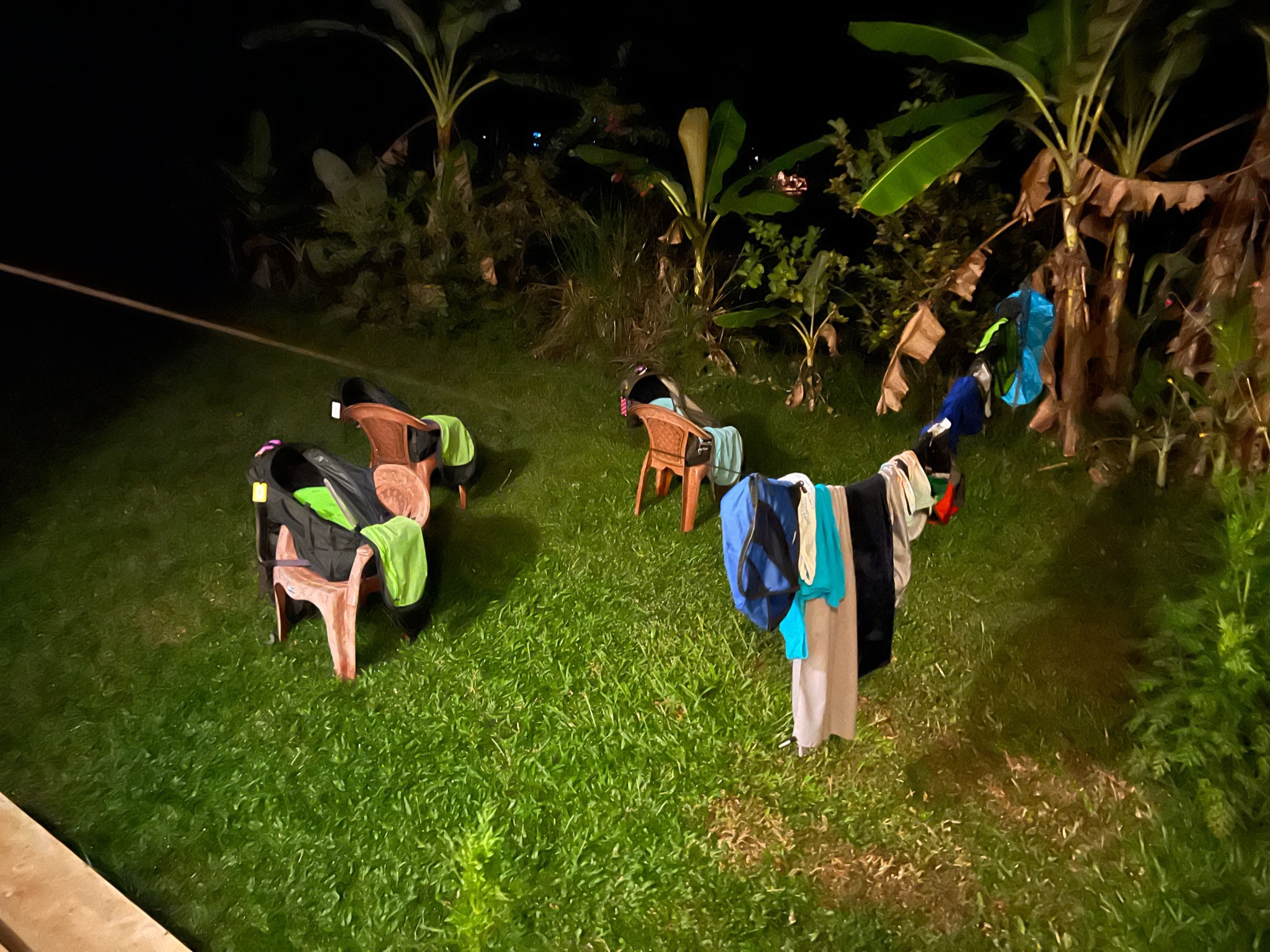
After checking in, we got our stuff settled as best we could, and we quickly decided that all of our stuff had to stay outside because it smelled horribly. Our room had become noxious just in the few minutes we had set our stuff down while we were unpacking. While Anjuna fixed us a fantastic rice and curry dinner, we worked on washing our bags in the trash can in the shower and laying out as many items as we could. After dinner, he offered to take our laundry and wash it for us, and we gladly handed it over. We continued washing our bags, packing cubes, and other non-clothing items late into the night, but it seemed like no matter what we did, we couldn’t get the gas smell out.
We stayed in Dambulla for three nights, and we had a lovely time. Each morning, we’d enjoy a delicious breakfast served by our host Ranjith and his family. Most evenings, we had a great meal as well, and we would go to bed stuffed miserably full. Ranjith helped us coordinate a few activities while we were in town also. He would contact their driver to pick us up, give him instructions for us, and negotiate a fair rate for both parties. It worked out incredibly well.
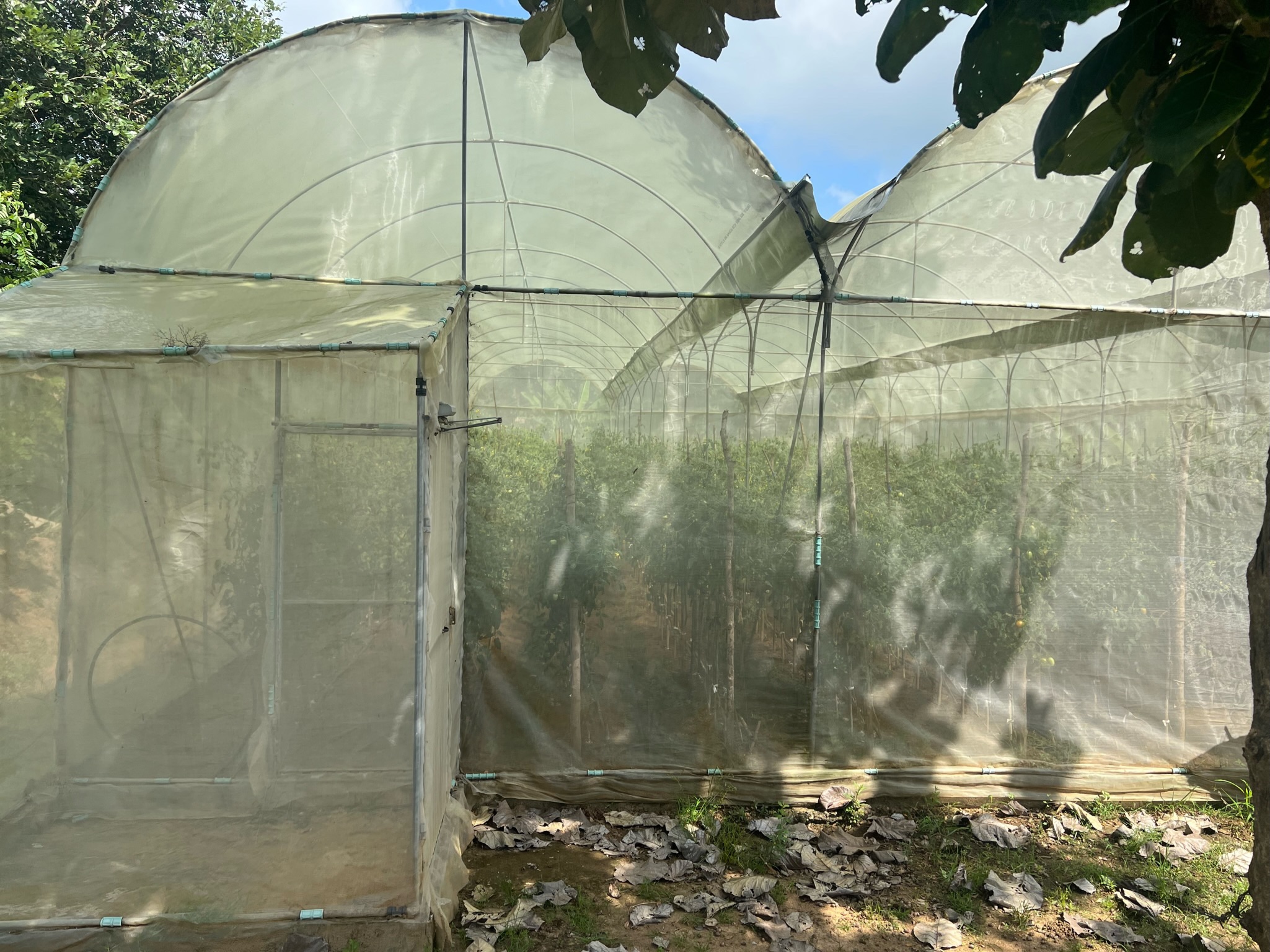
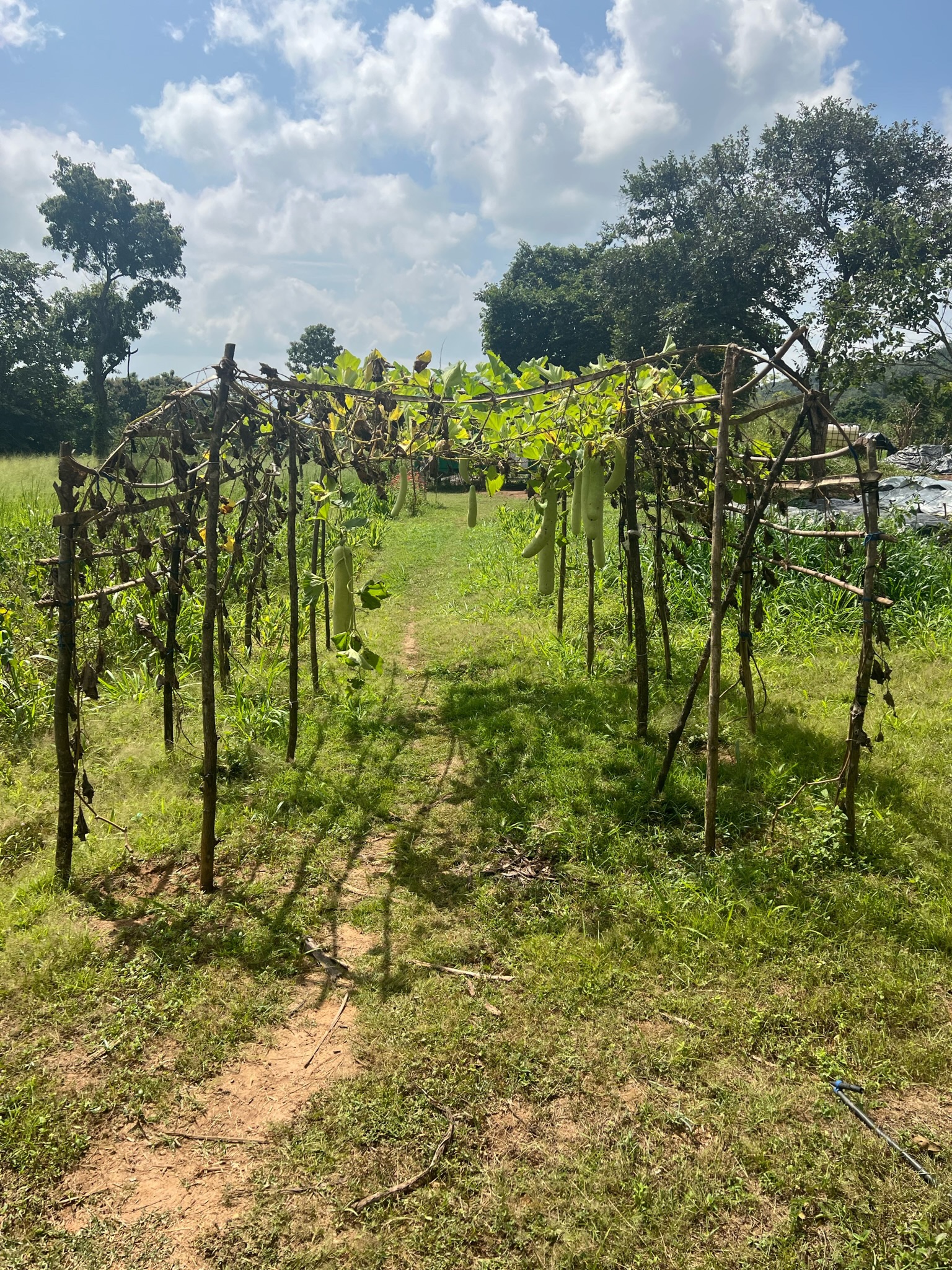
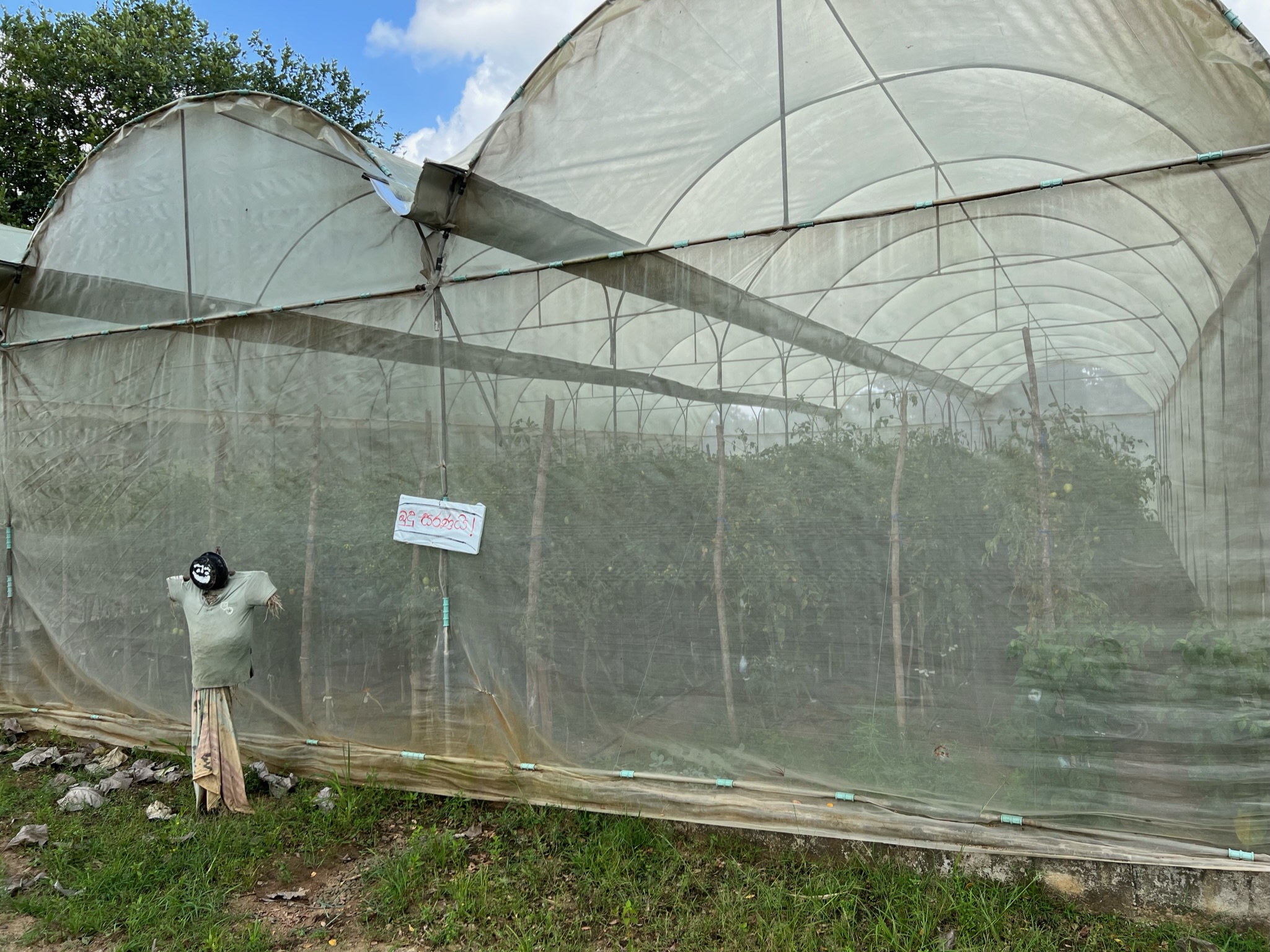
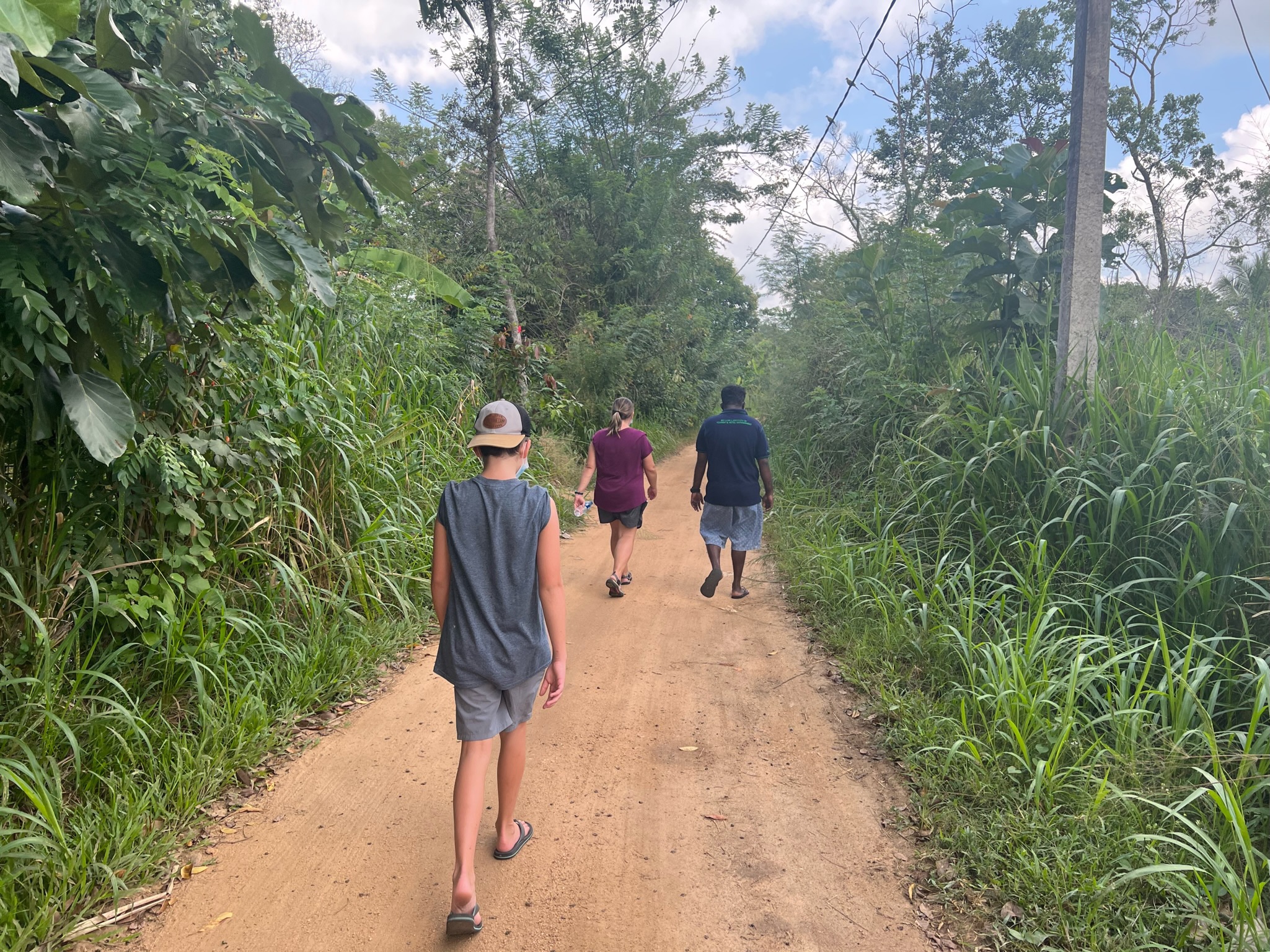
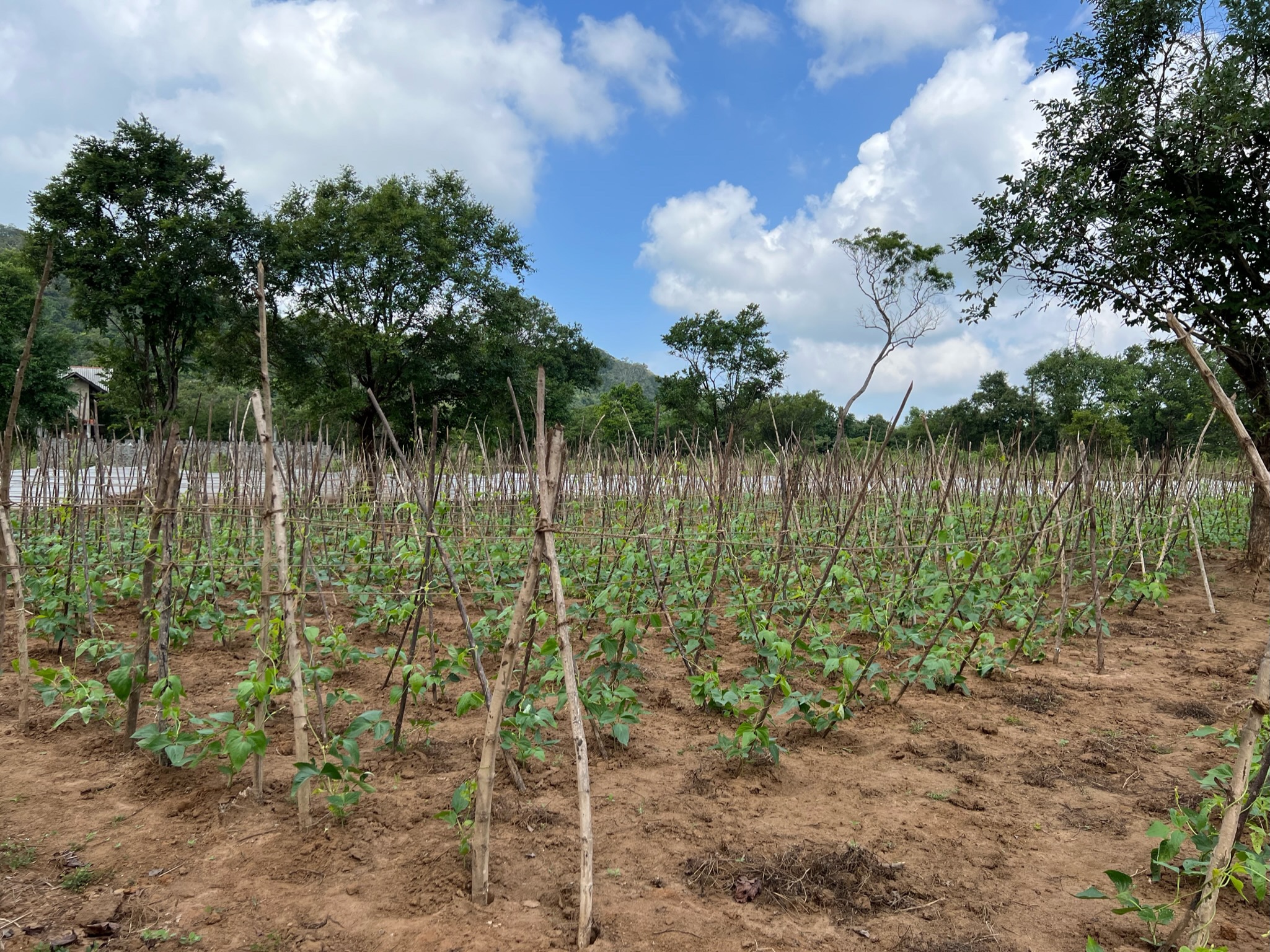
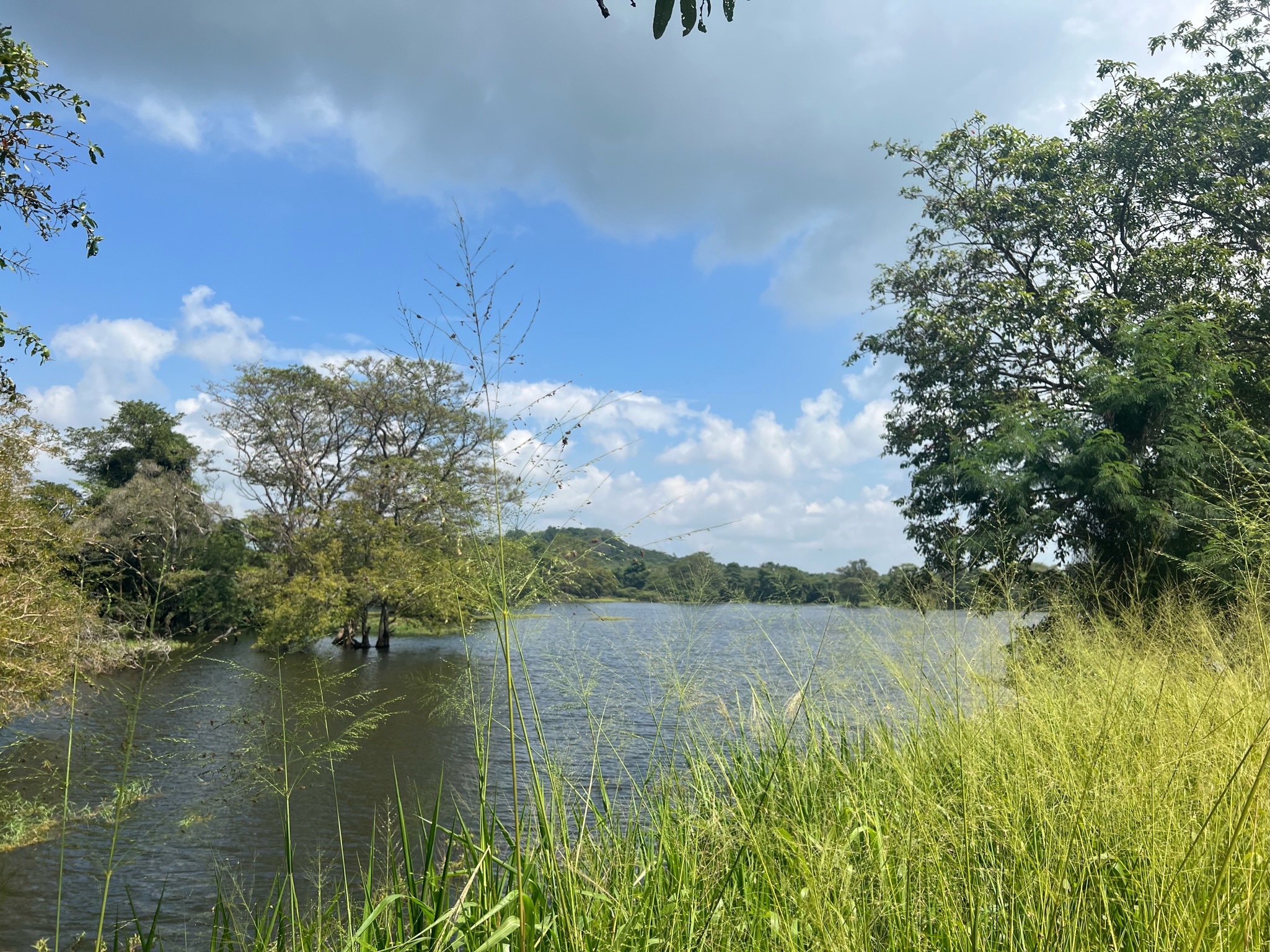
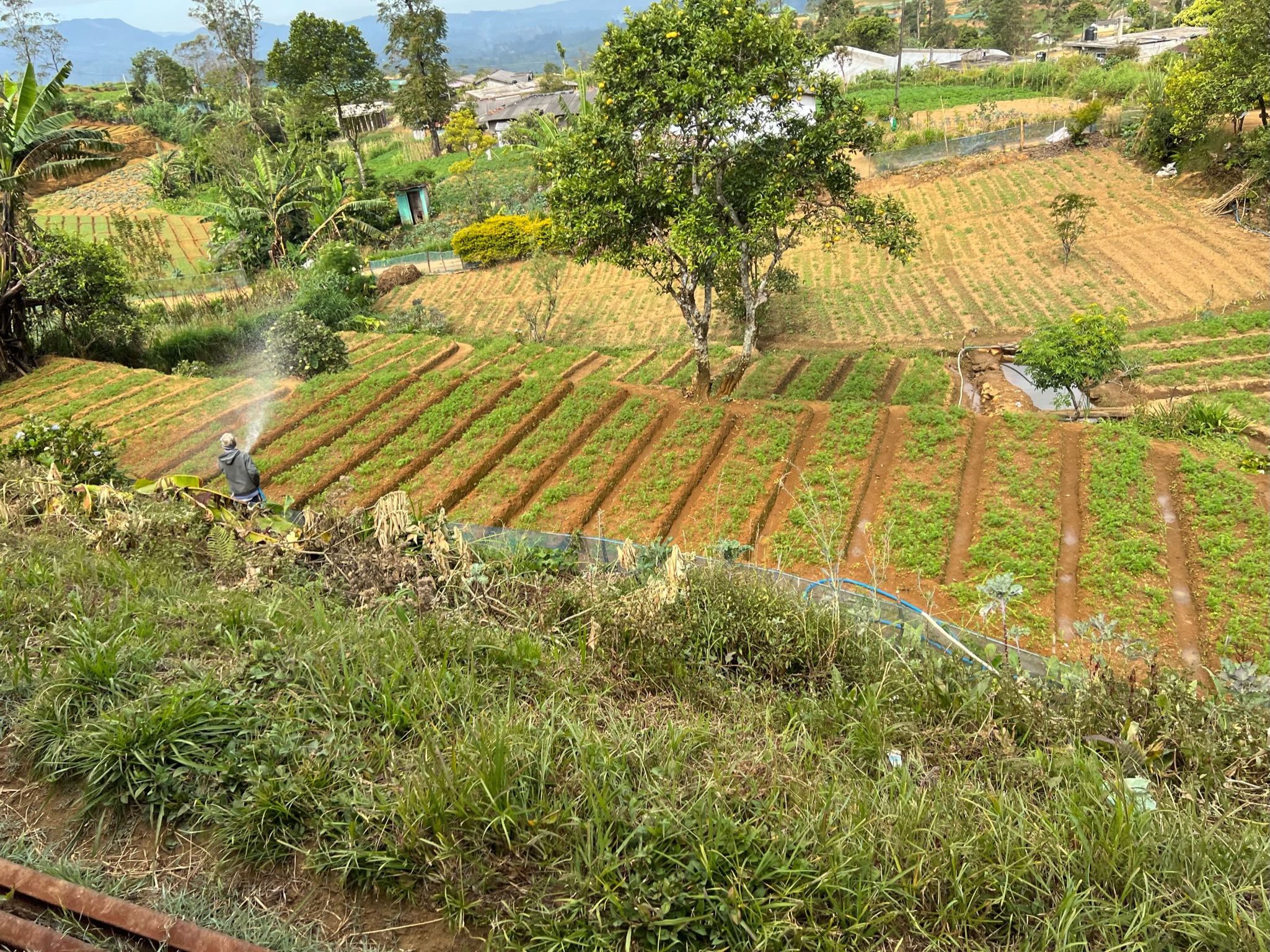
On the morning of our first day, Anjuna came by and took us on a walk in the area. He led us up to the dam that the Dambulla people had put in to help with irrigation. There were other dams in the area that the government had created, but this one was built by the people for the people. He also walked us to a local farm and toured us around their property. We were able to see how they grew different fruits and vegetables, how they tested out various soils to determine what crops might grow best there, and how they managed their compost business that sold compost to the surrounding community.
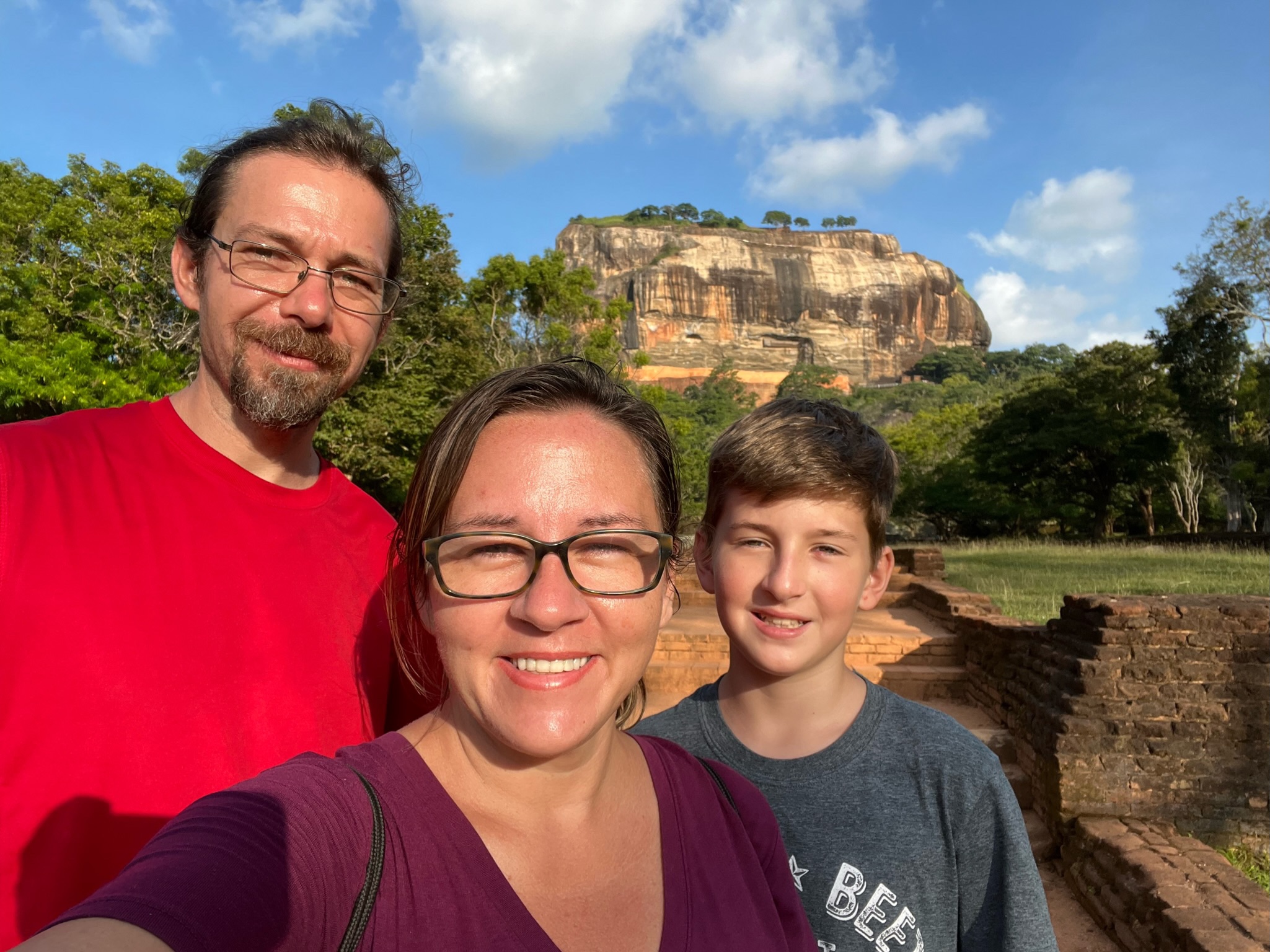
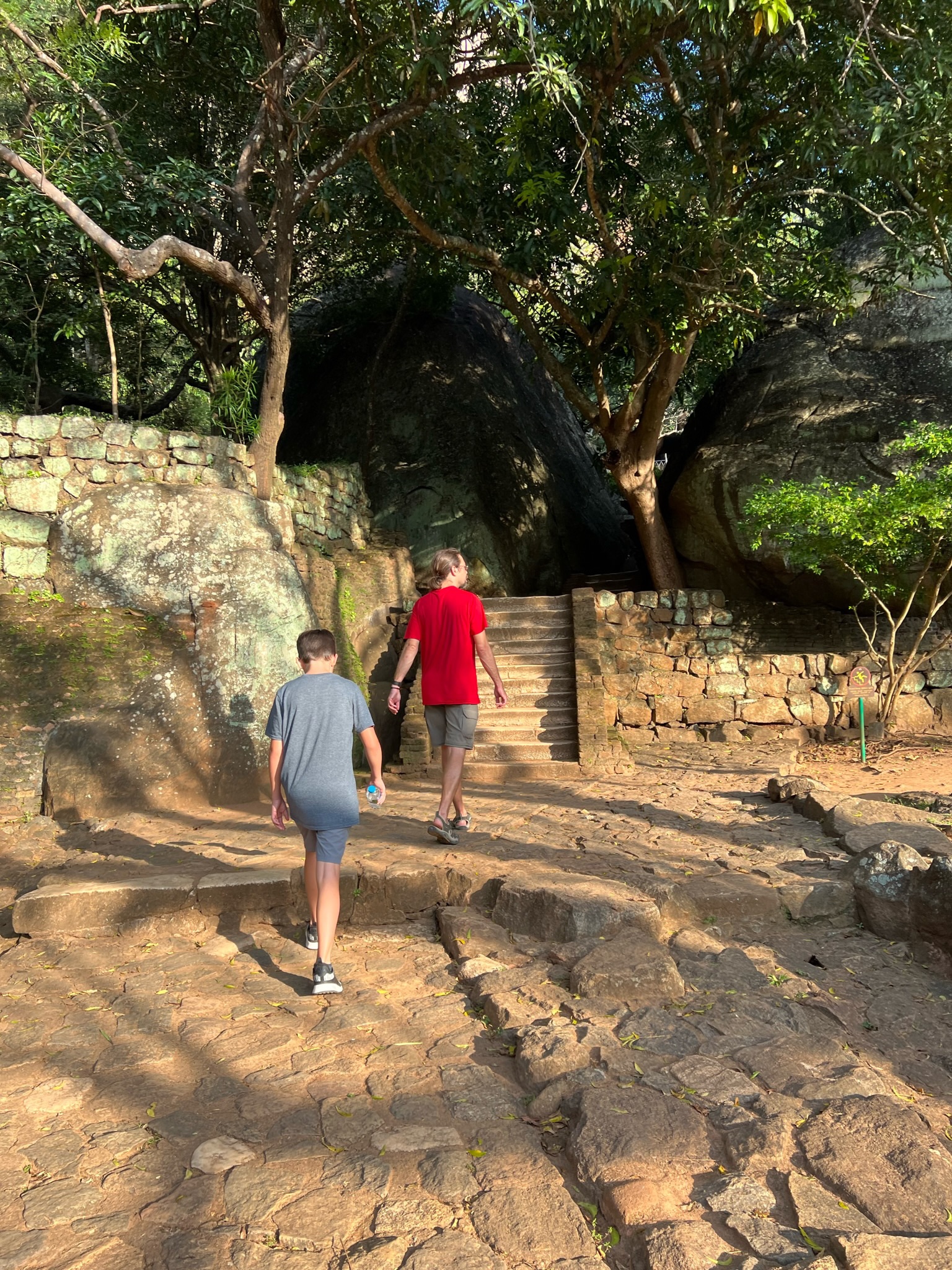
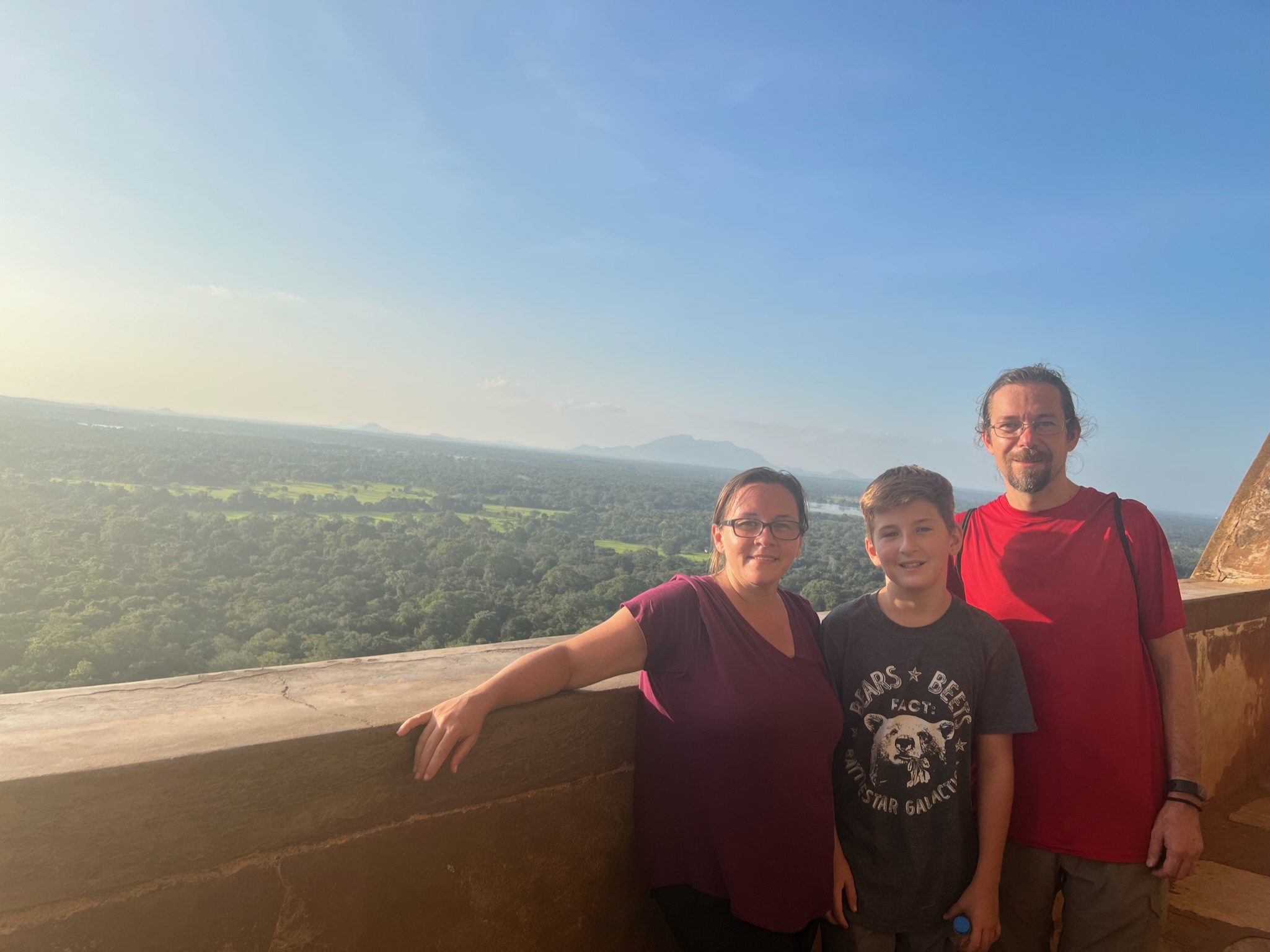
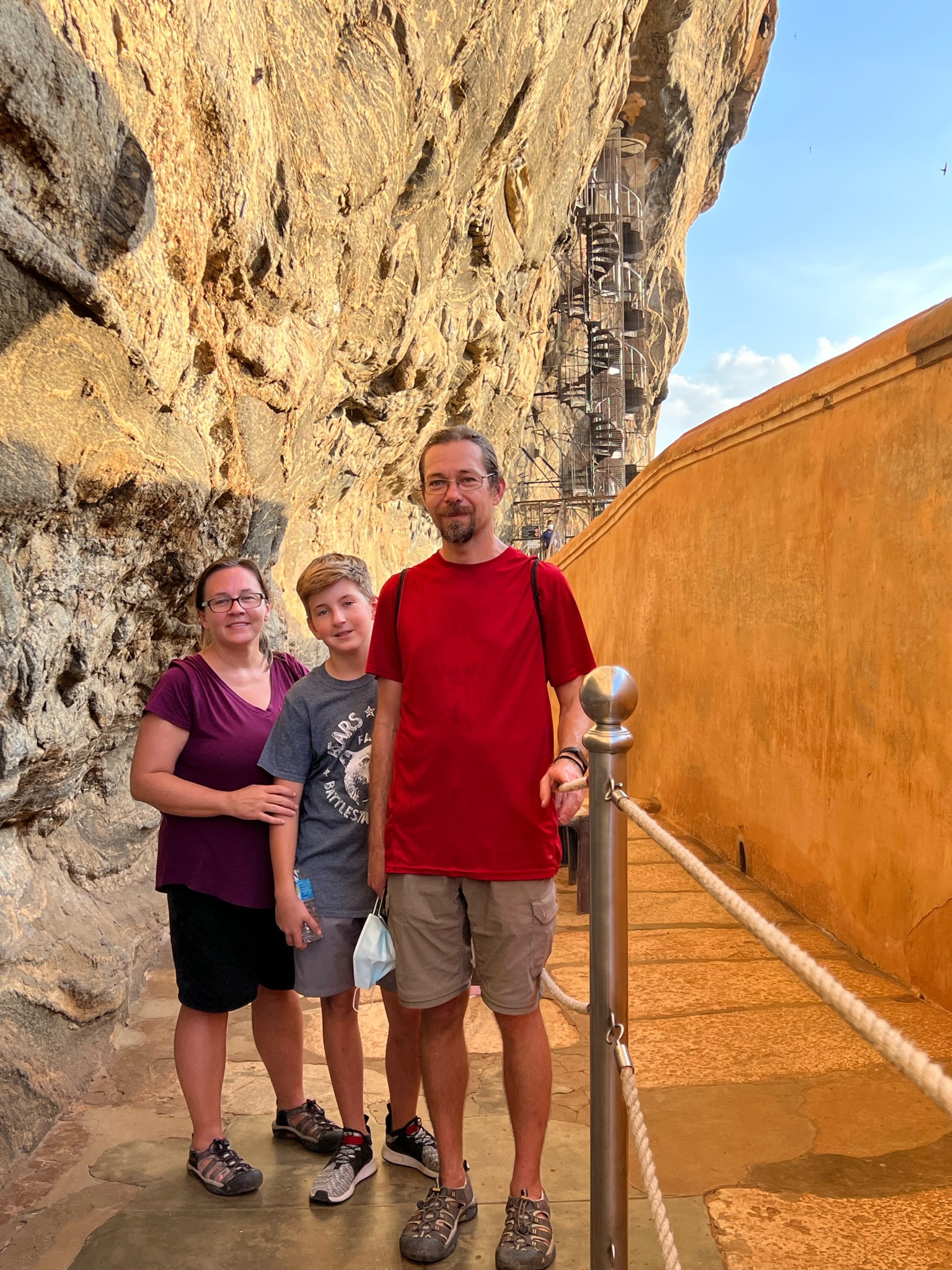
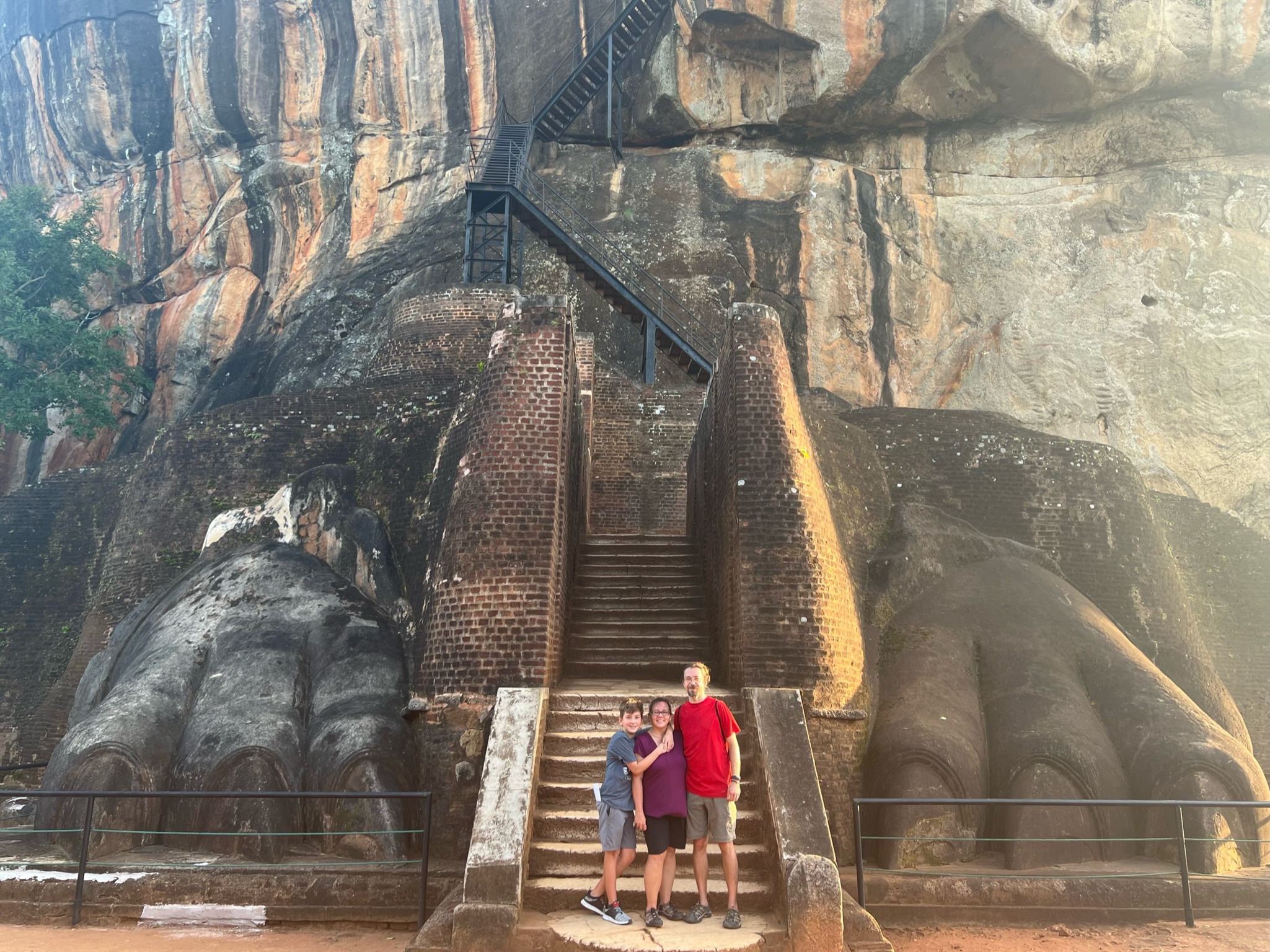
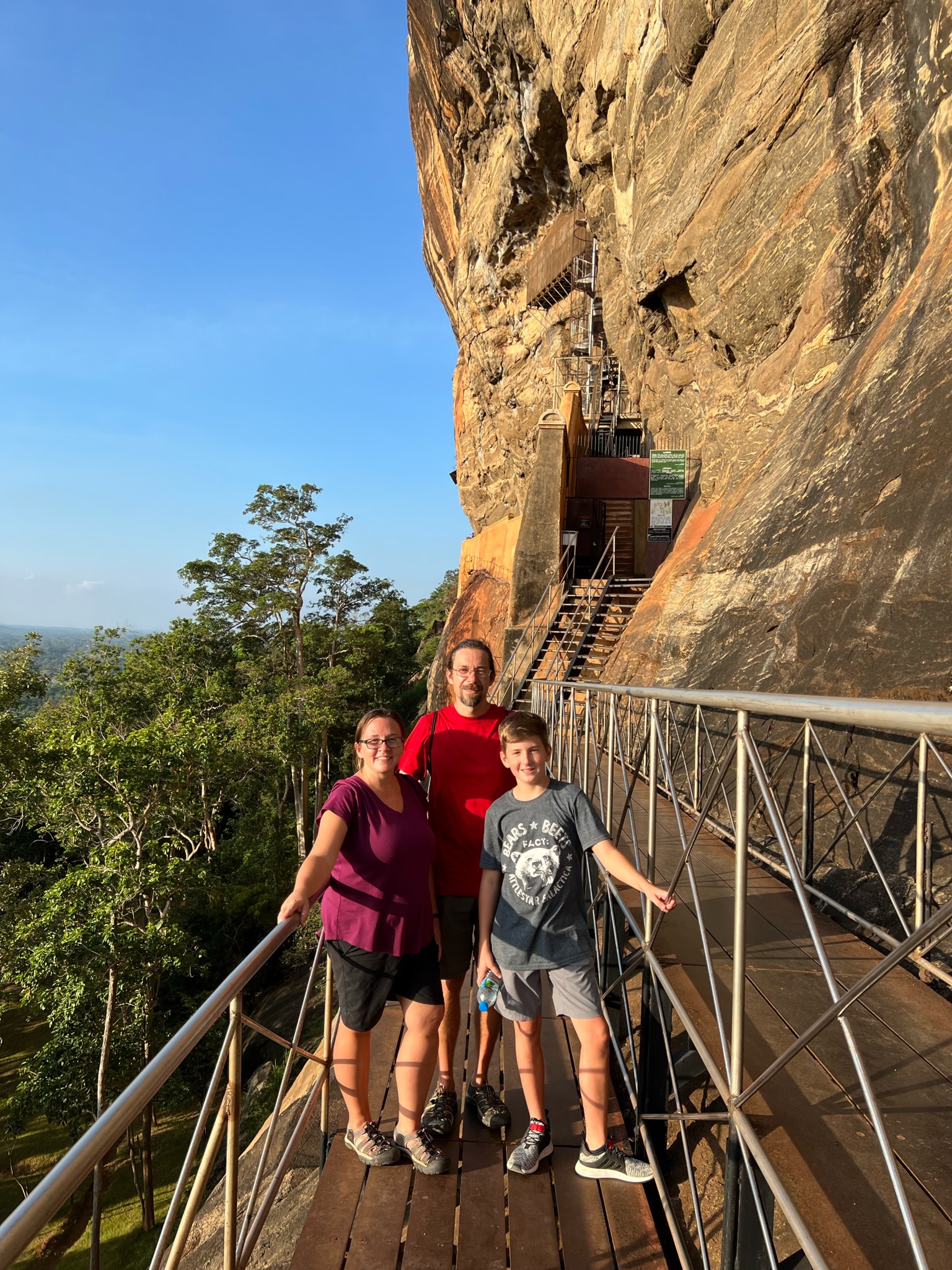
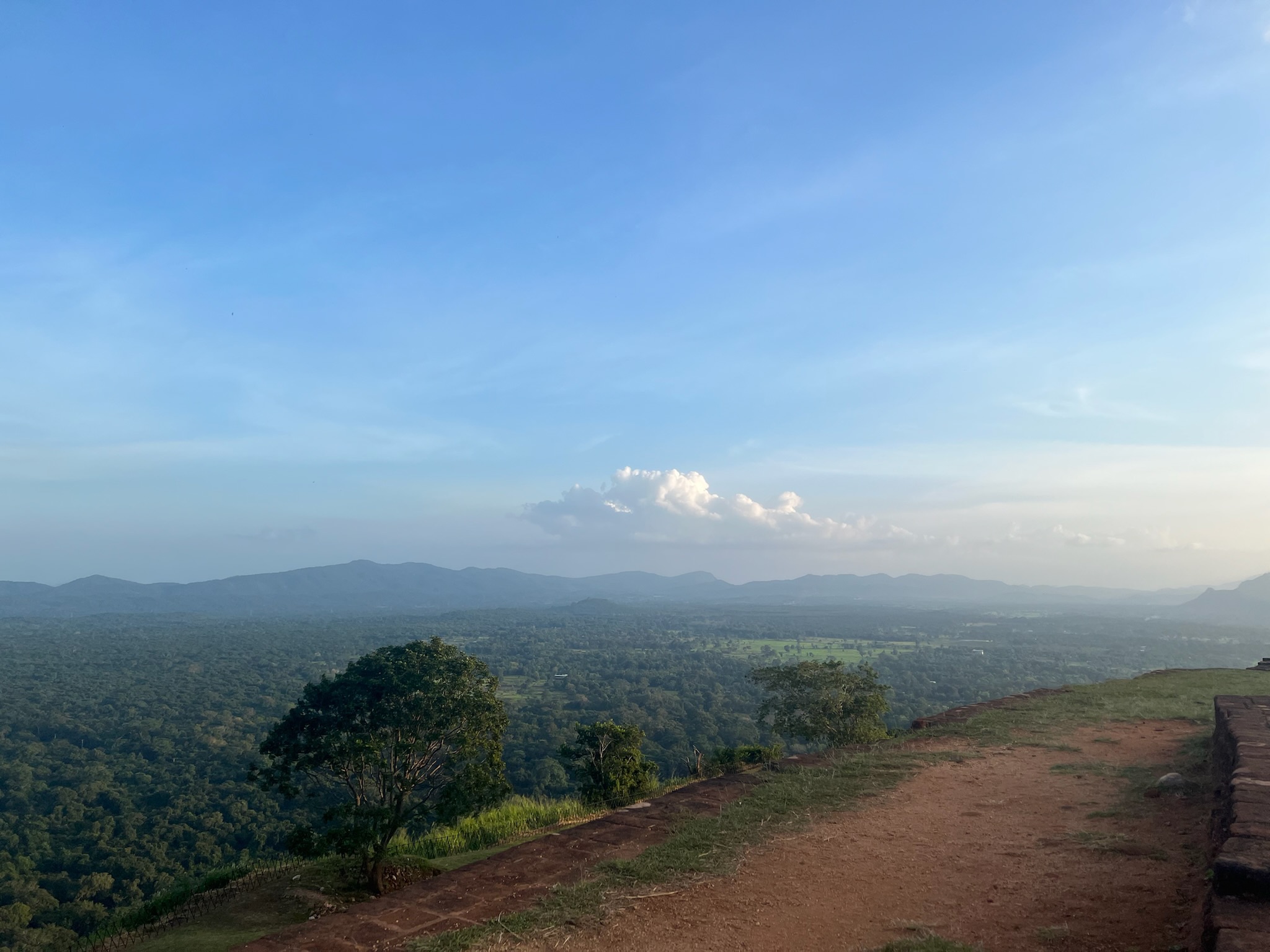
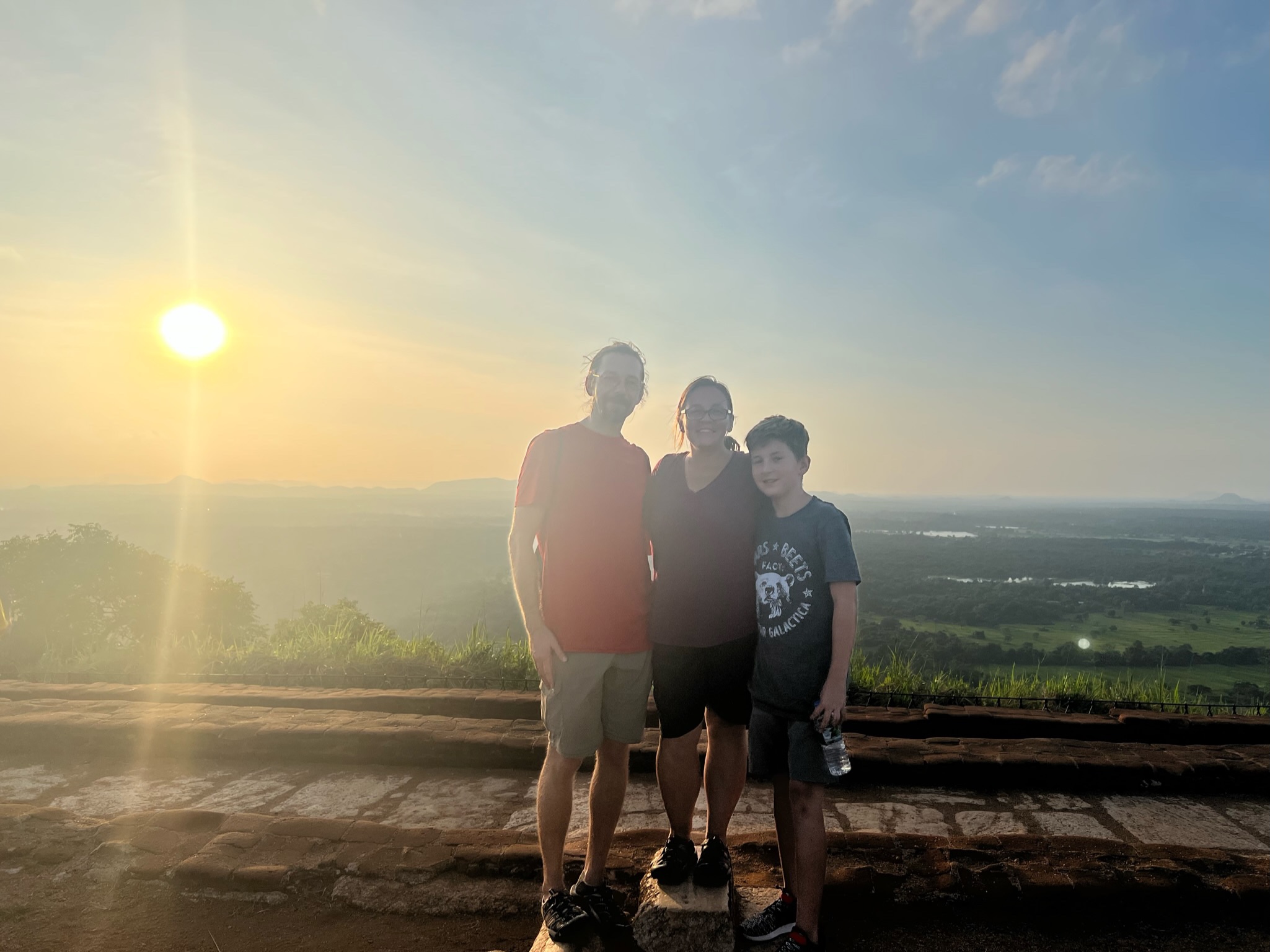
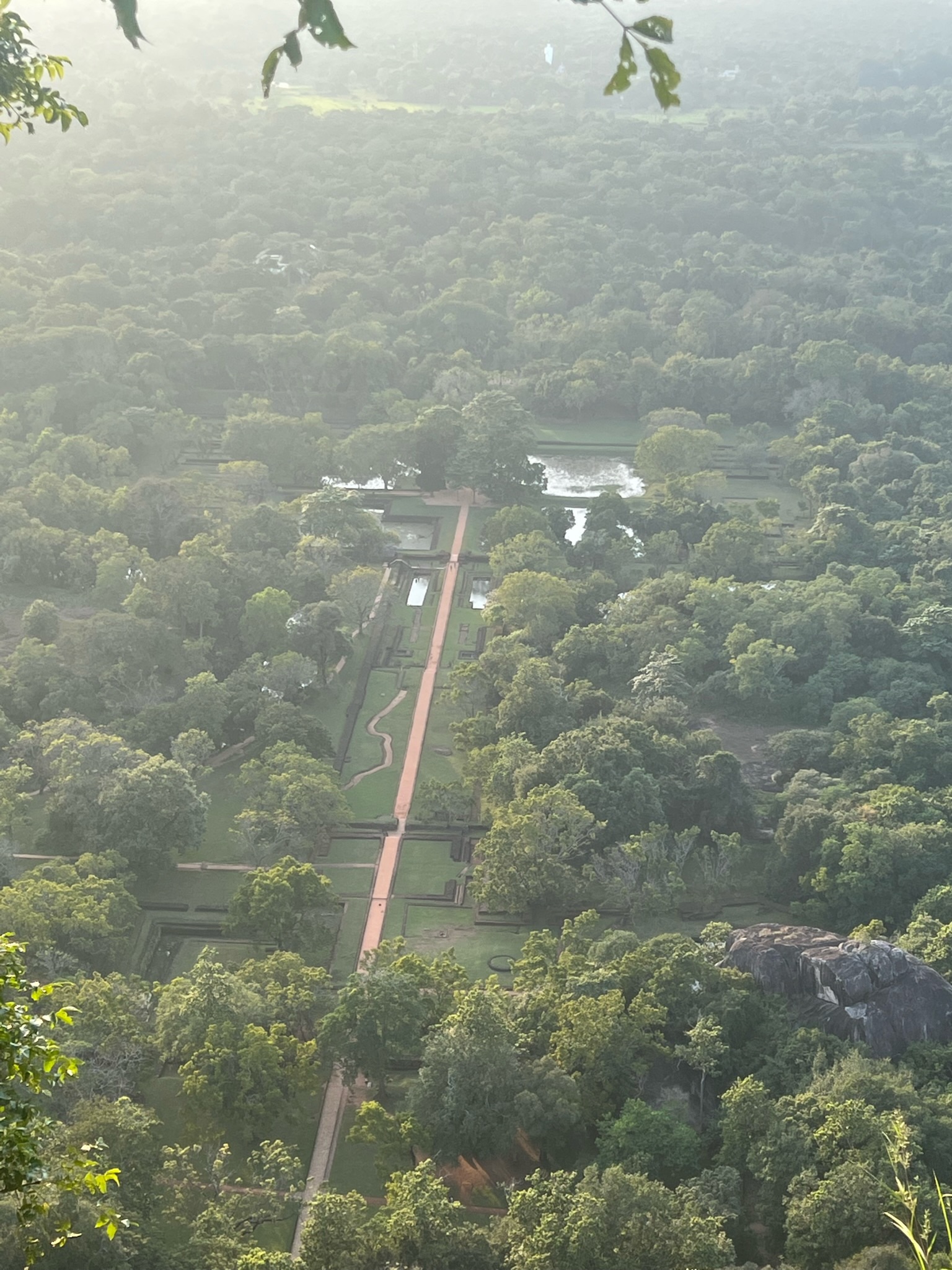
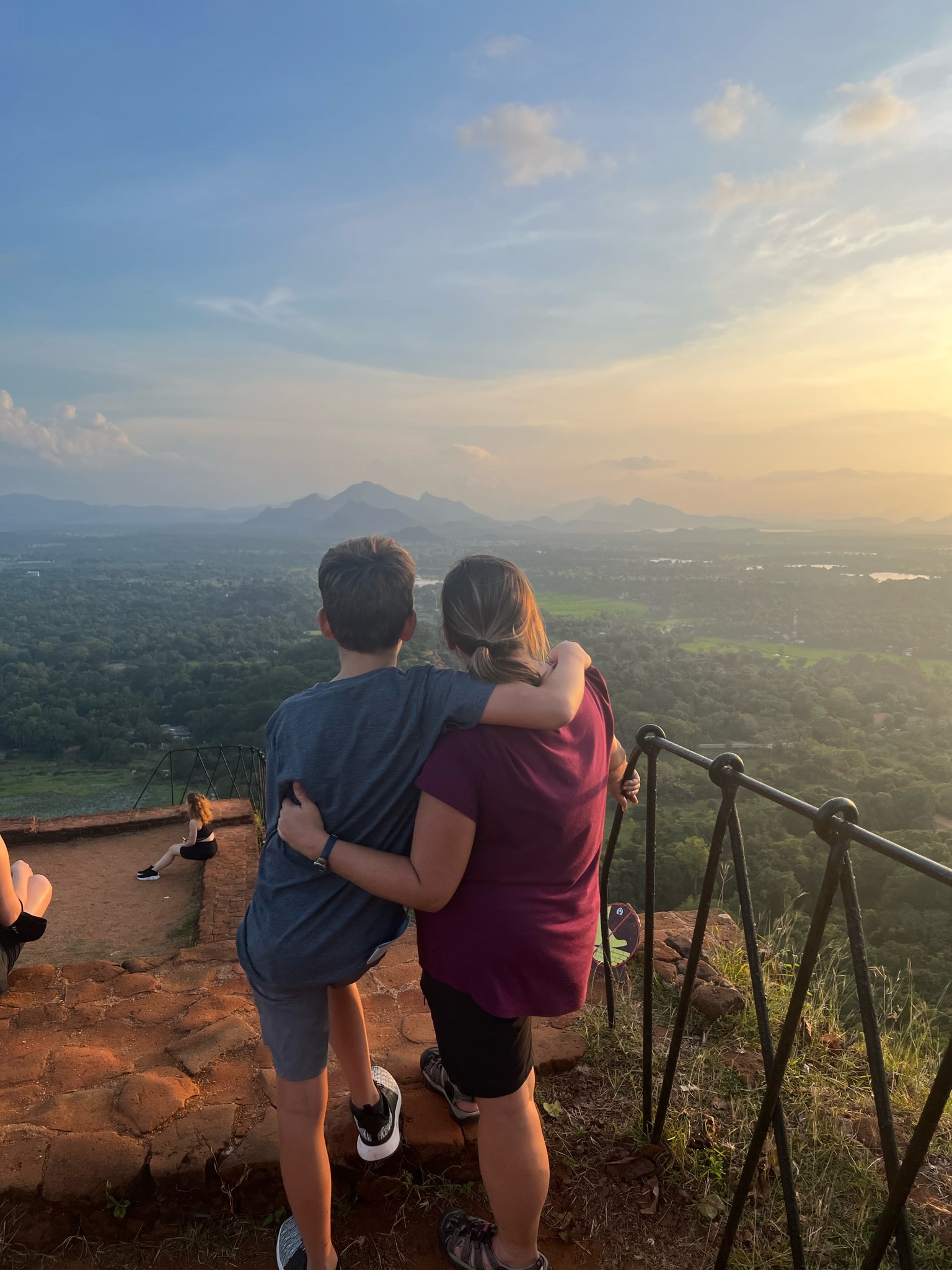
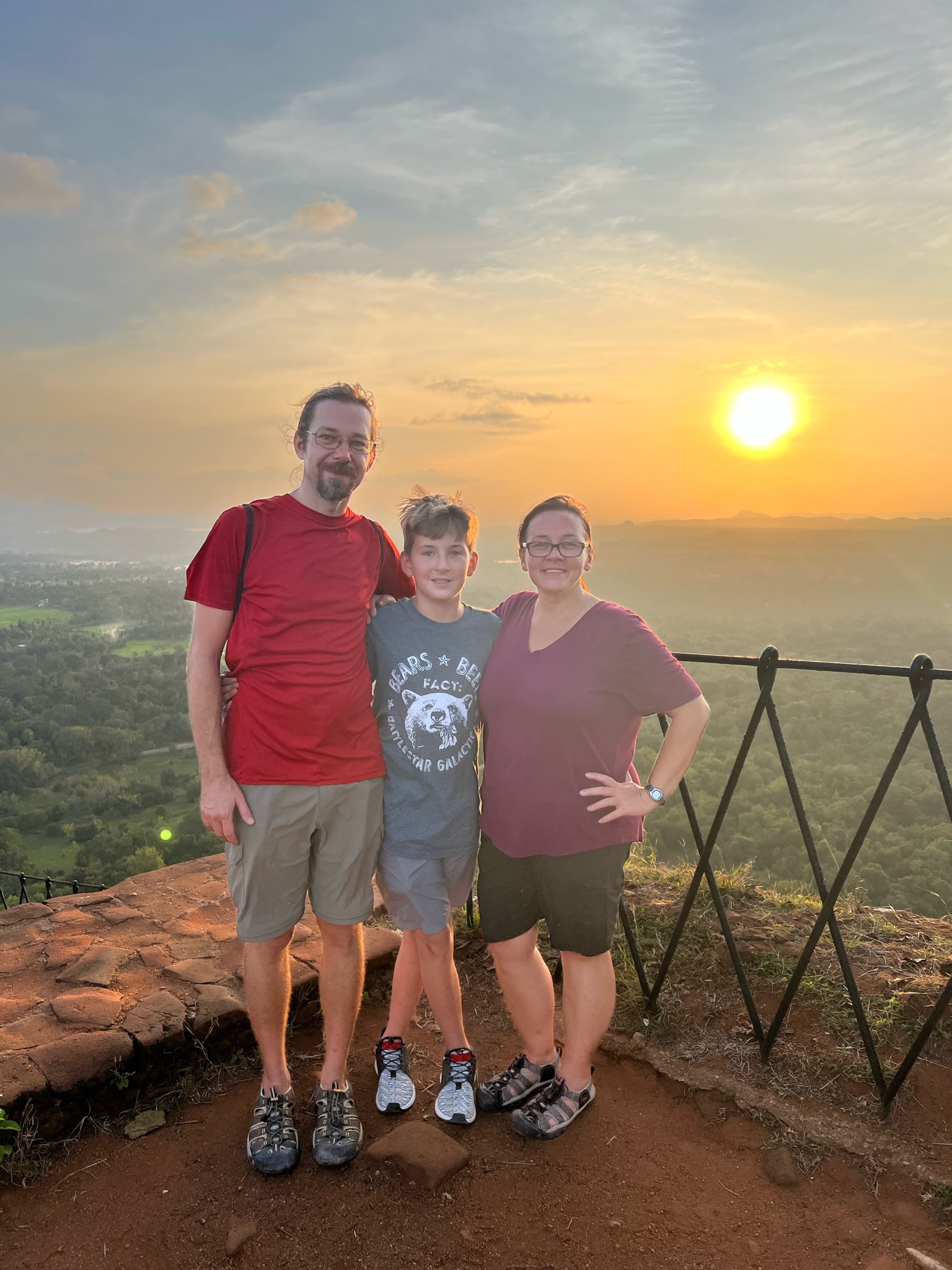
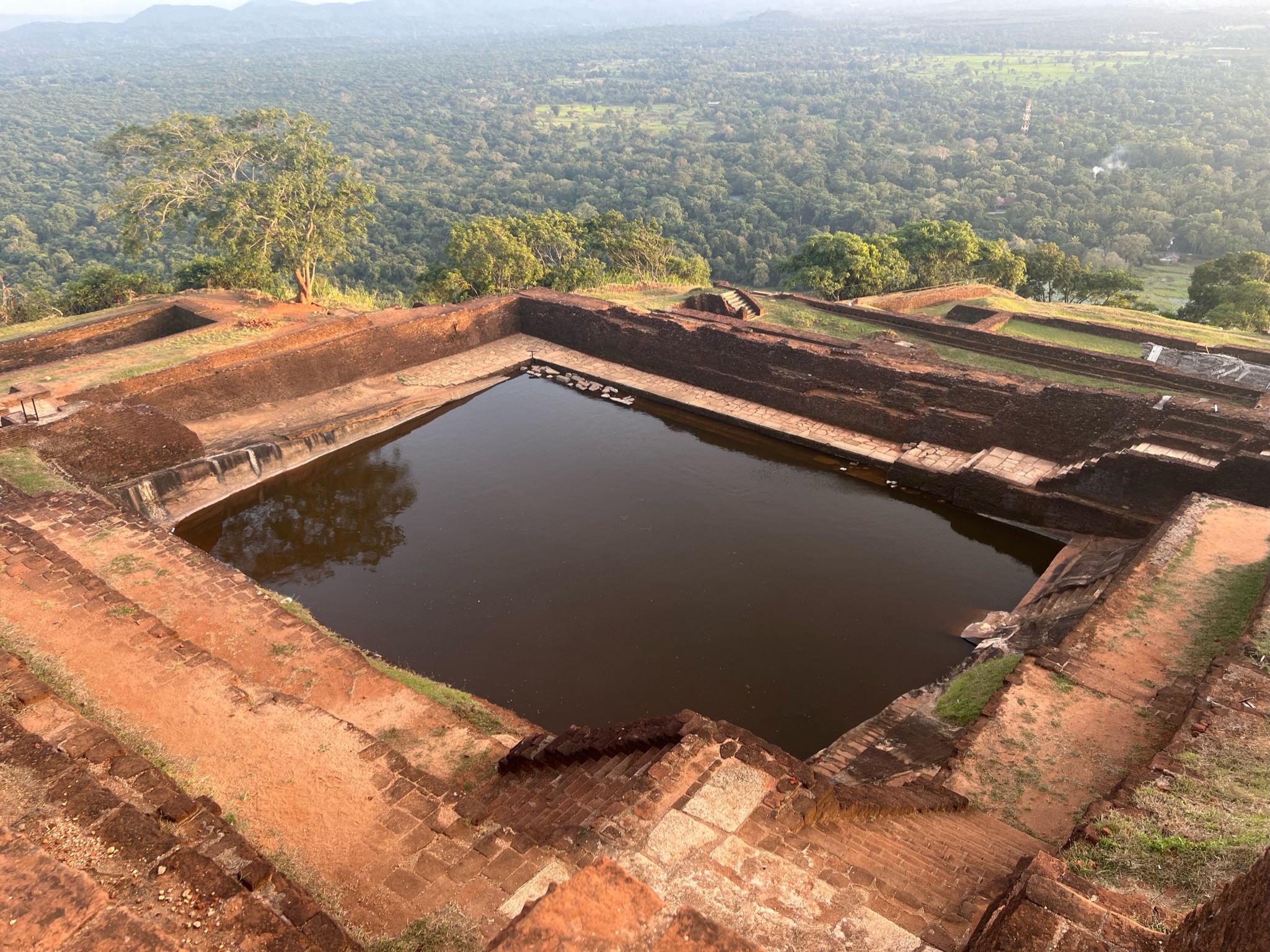
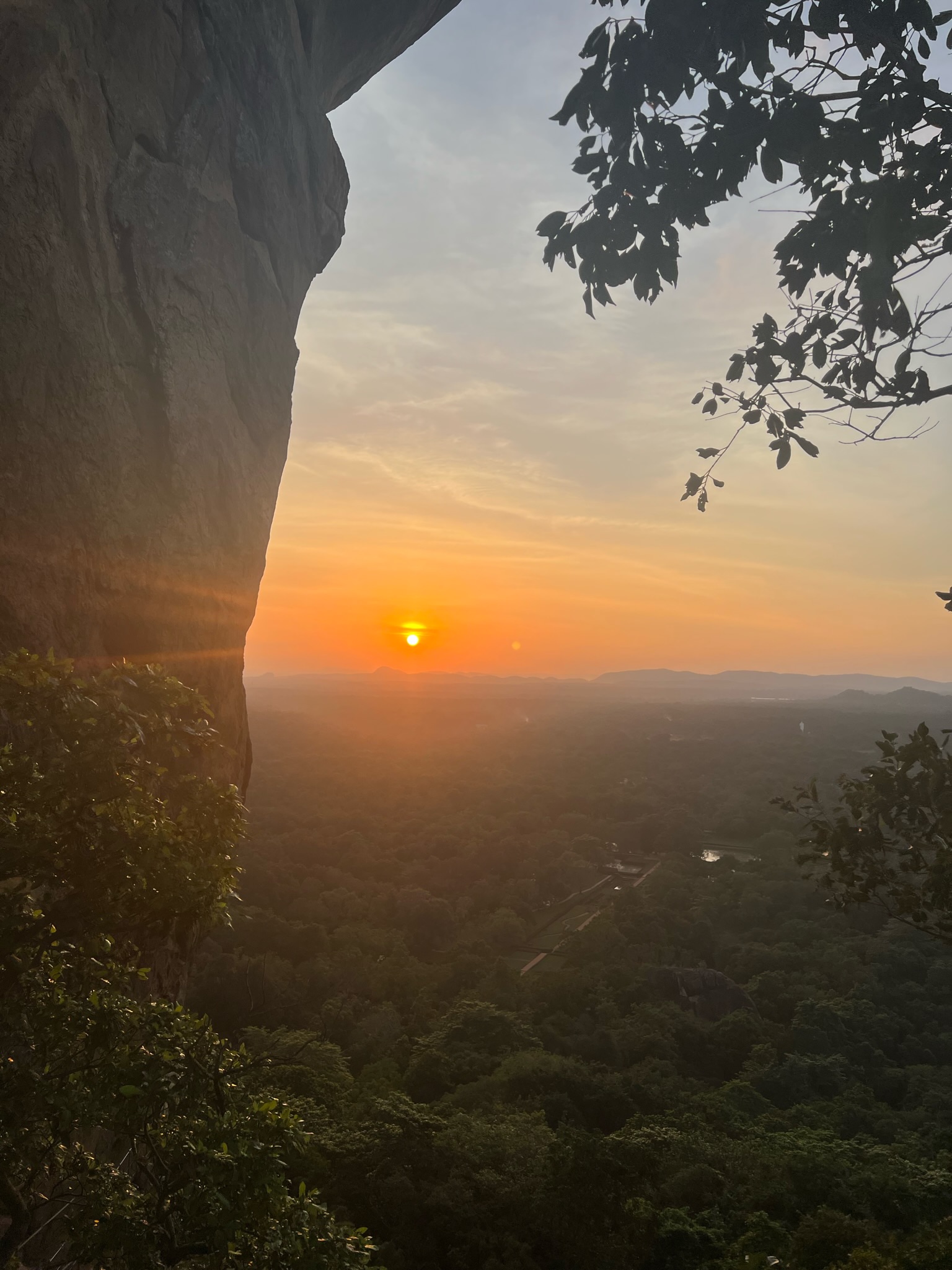
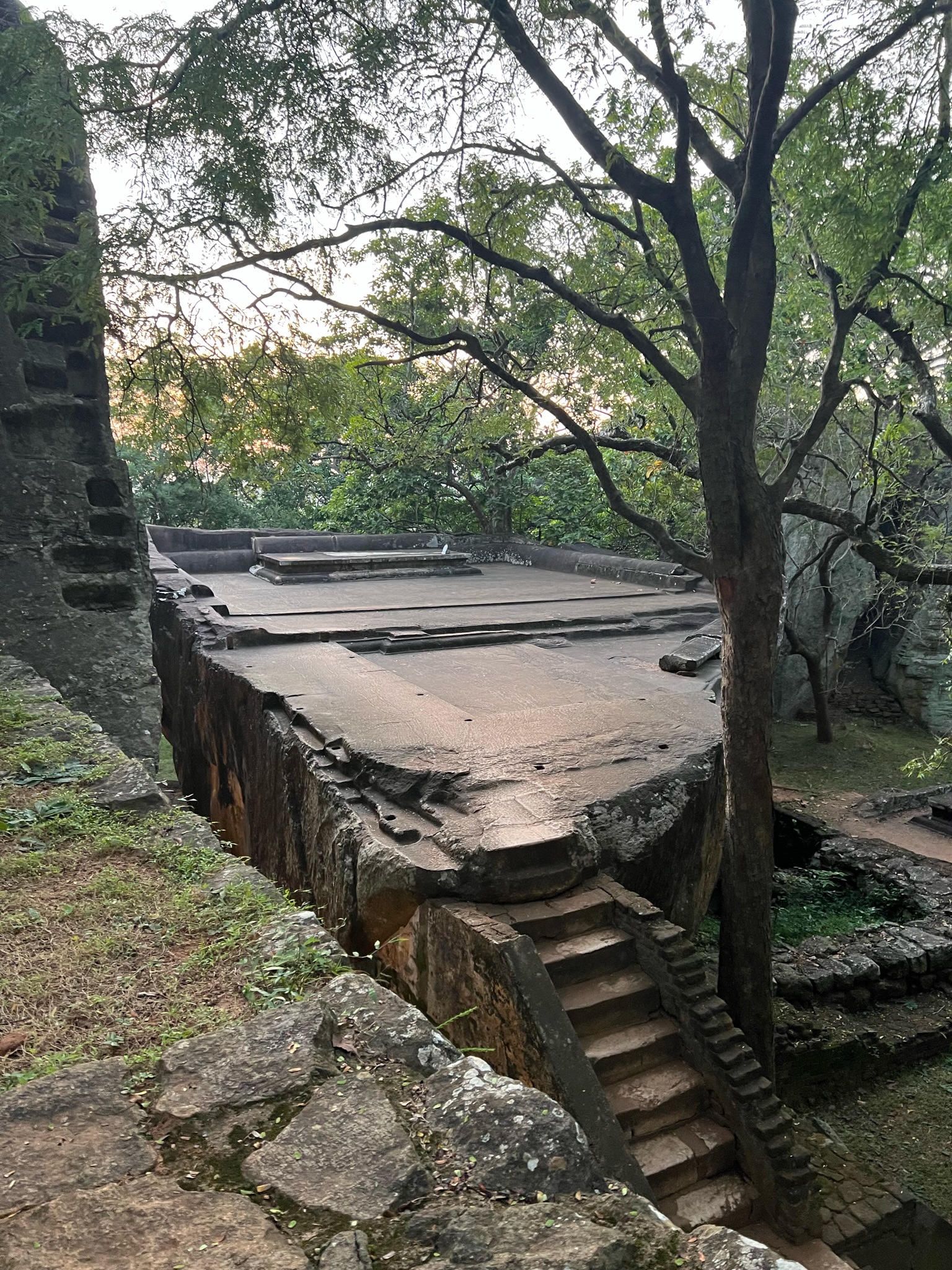
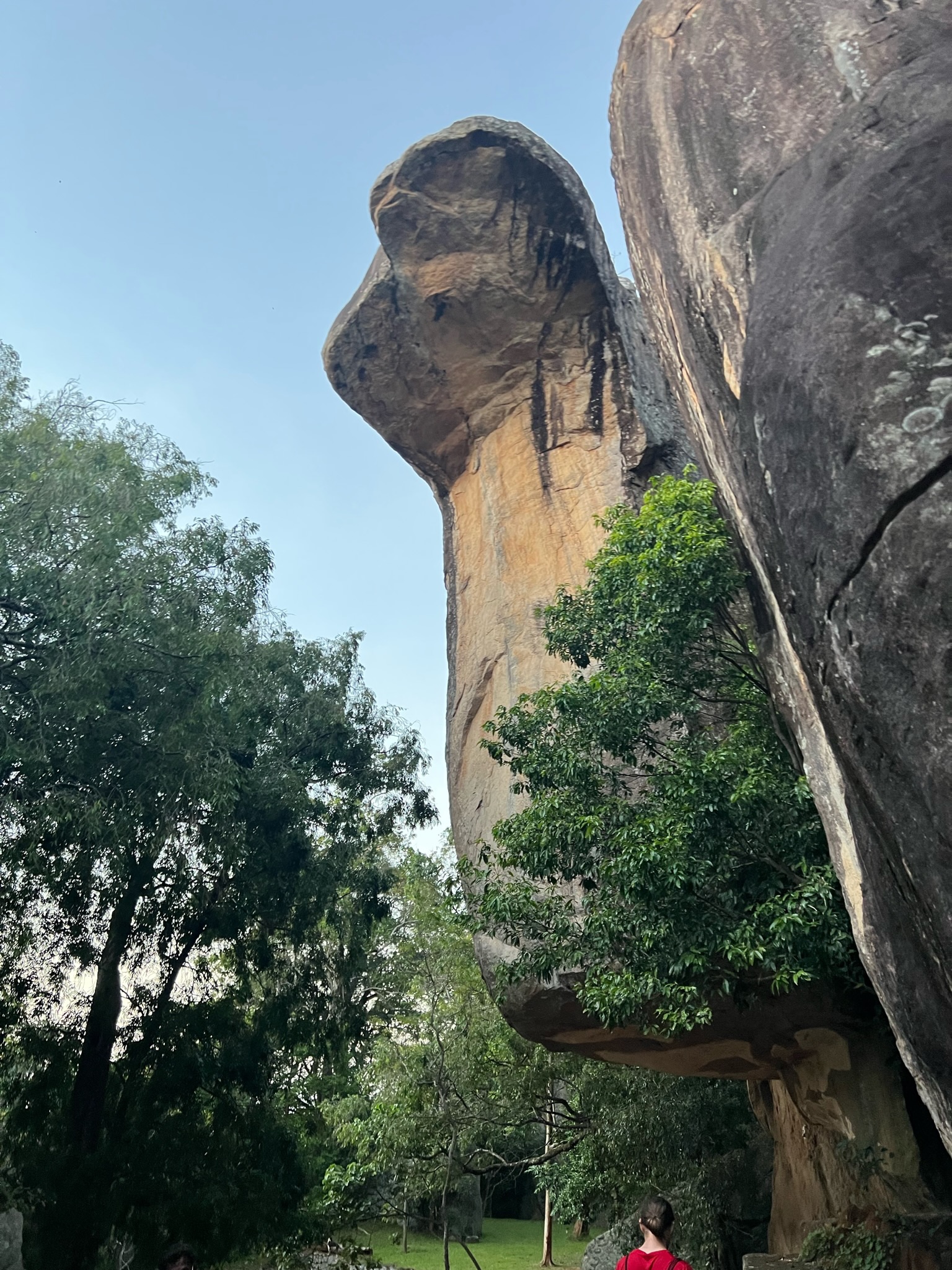
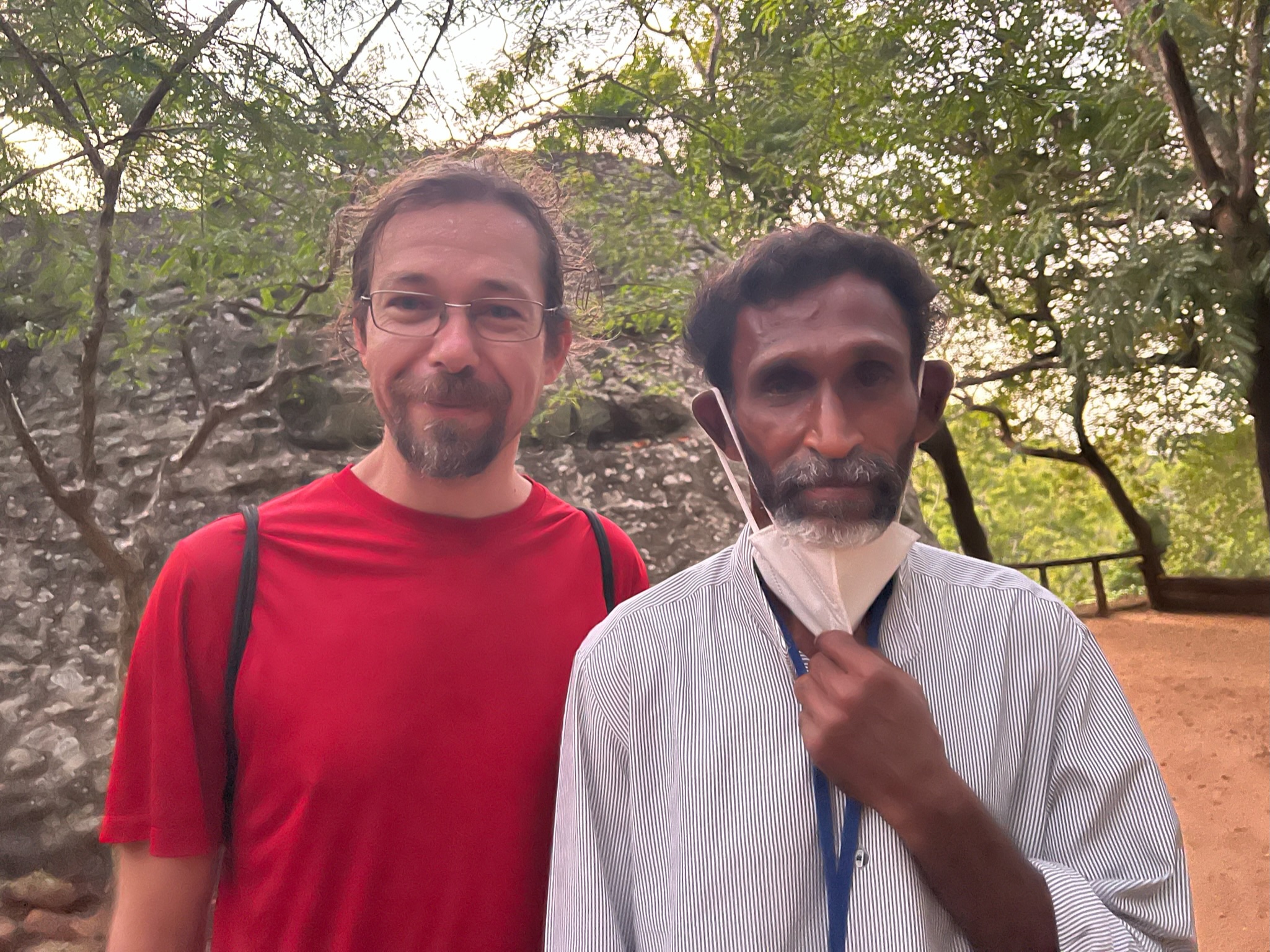
Our next outing was to go see Sigiriya, the ruins of an ancient city that sits atop a large boulder and is surrounded by acre upon acre of gorgeous gardens. We’d planned to go the morning of our first day in town, but with us trying to get back on our feet after the accident, we had to change our plans. Instead, at Ranjith’s suggestion, we chose to go in the late afternoon. We arrived at the rock with only a short time before the site closed for the night. A tour guide named Gayathri walked with us most of the way, and knowing we didn’t have much time left, he helped me push through the climb so we’d make it before the park closed. We made it to the top just in time to watch a beautiful sunset over the surrounding area. Looking down at the land, I was in awe; it was absolutely gorgeous with rich green rice paddies, tropical jungle foliage, and blue mountain peaks in the distance. The gardens below were immaculate, and the soft light from the sun made everything look heavenly. I could easily understand why Sri Lankan kings chose to rule their kingdom from here. The city on top was amazing, but the land down below was absolutely breathtaking.
One of the things we found very endearing in Sri Lanka we had started picking up on when we were in Dambulla. When people would ask us anything about Henry, they would call him Baby. So, they might ask us “Baby hungry?” or “Baby tired?” It didn’t register with us at first, but then we noticed that everyone called him that, and from then on, he became Baby to us too. As Gayathri walked with me, he told me about his 4 babies at home ranging in age from 6-17. I tried to assure Henry that just because they called him Baby didn’t mean that they thought he was one. We thought it was really sweet.
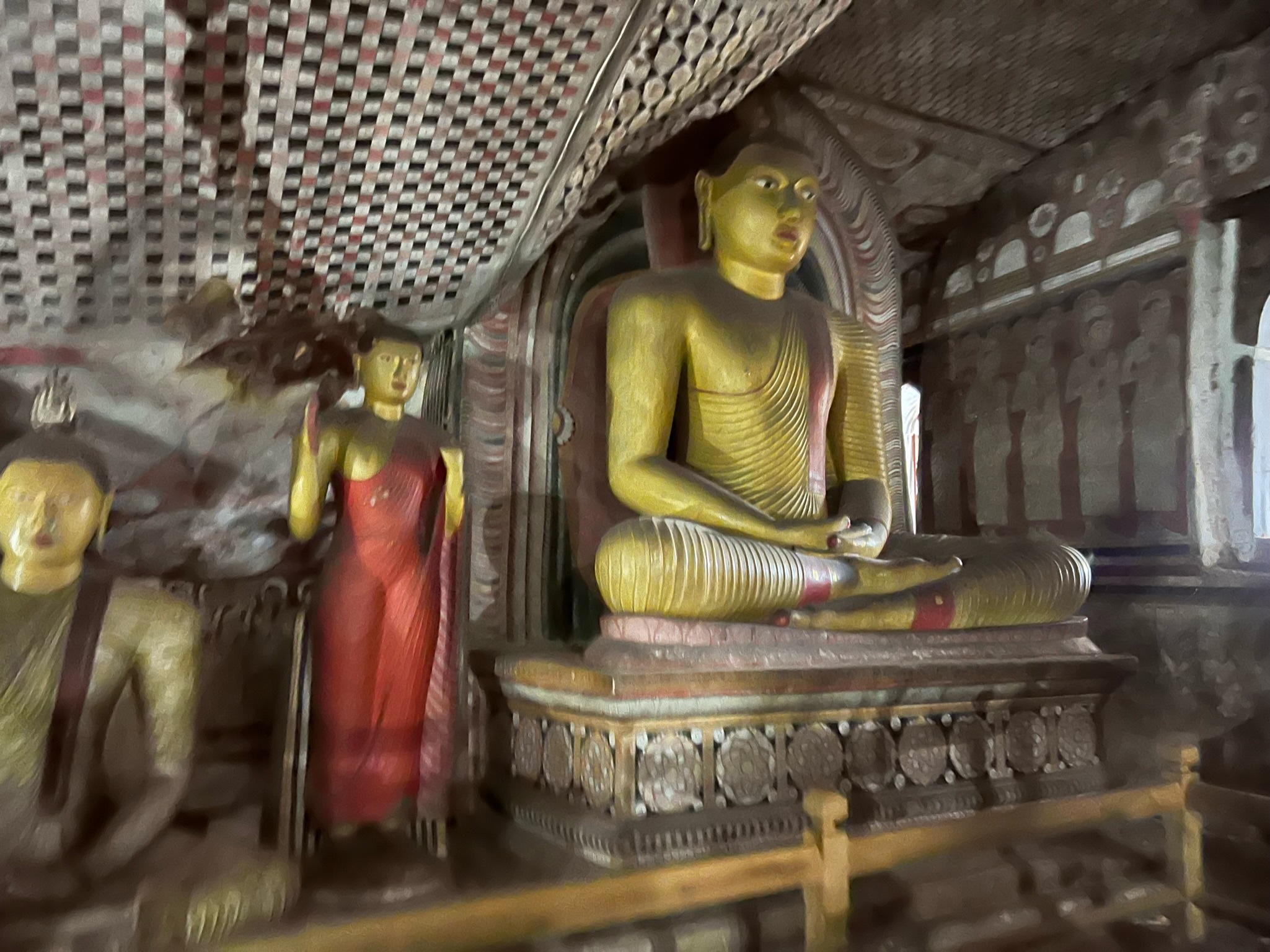
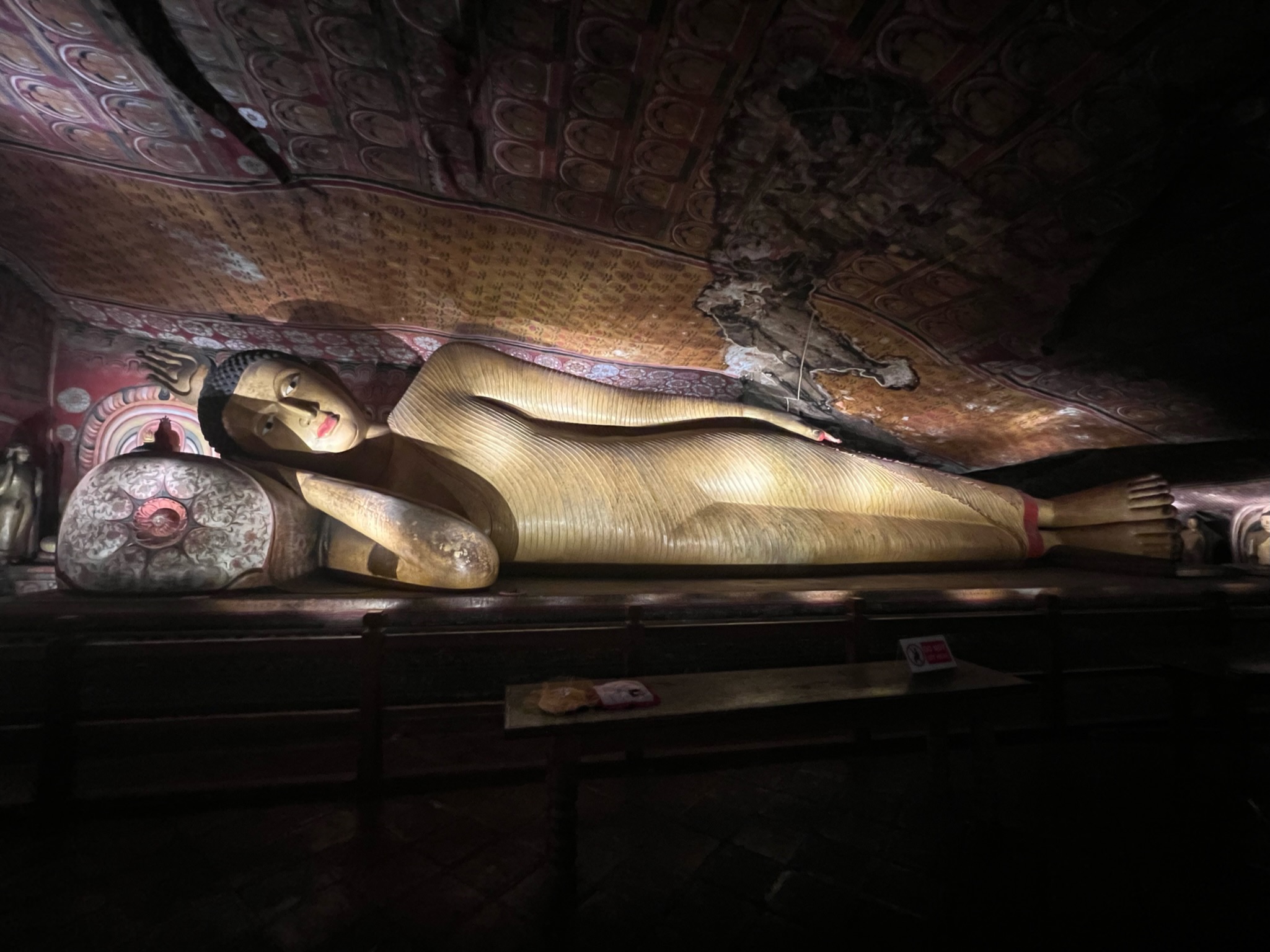
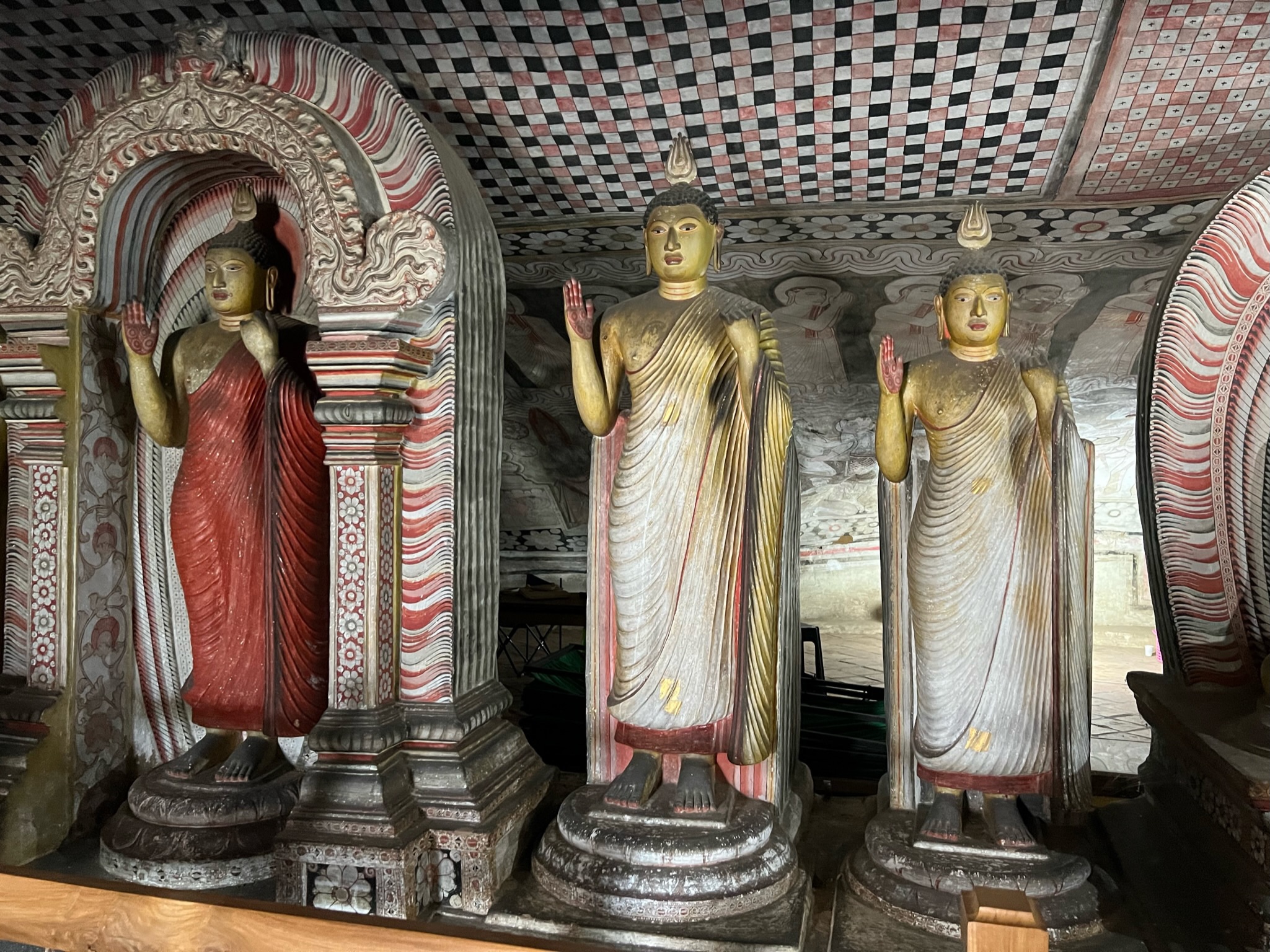
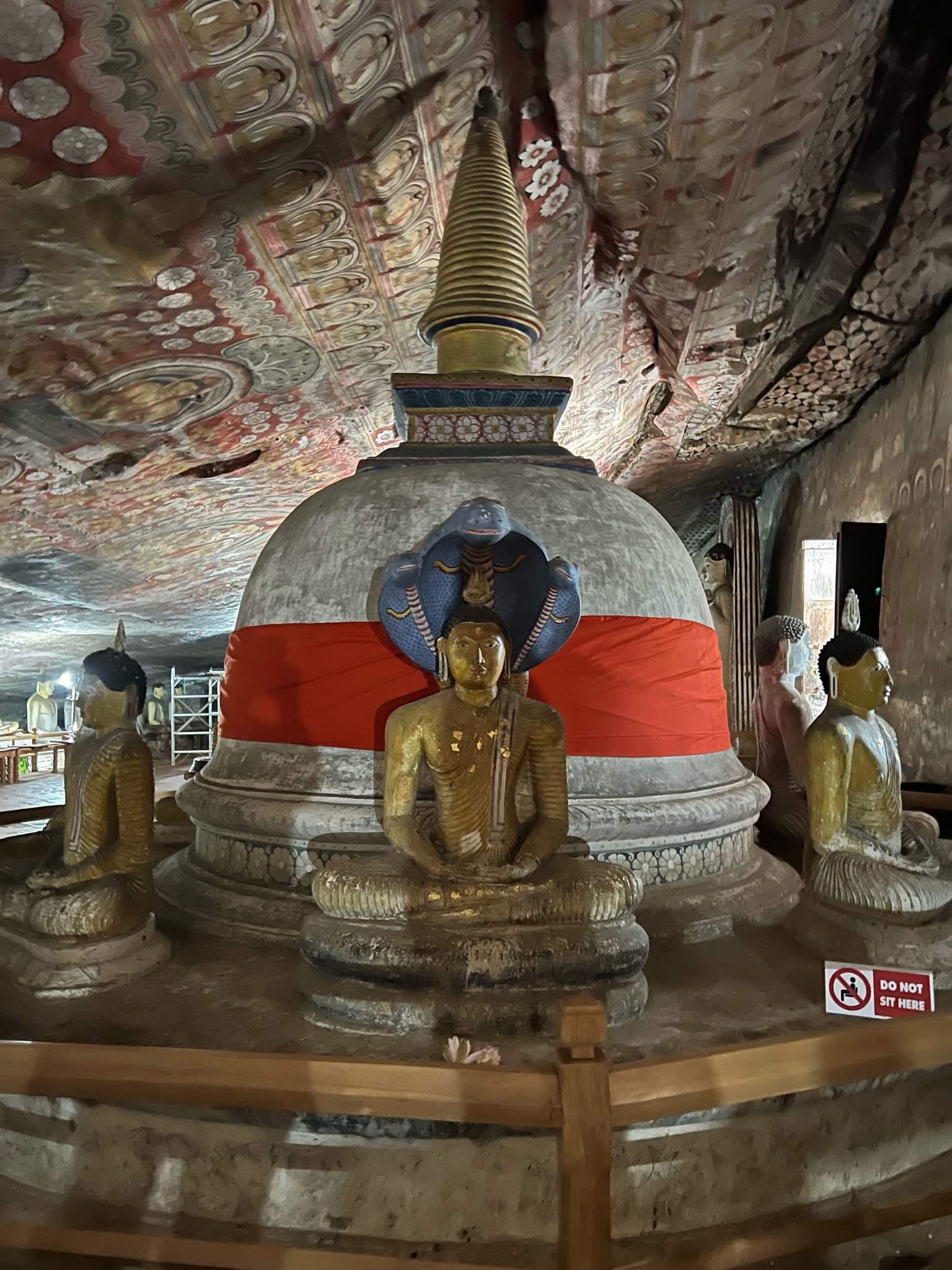
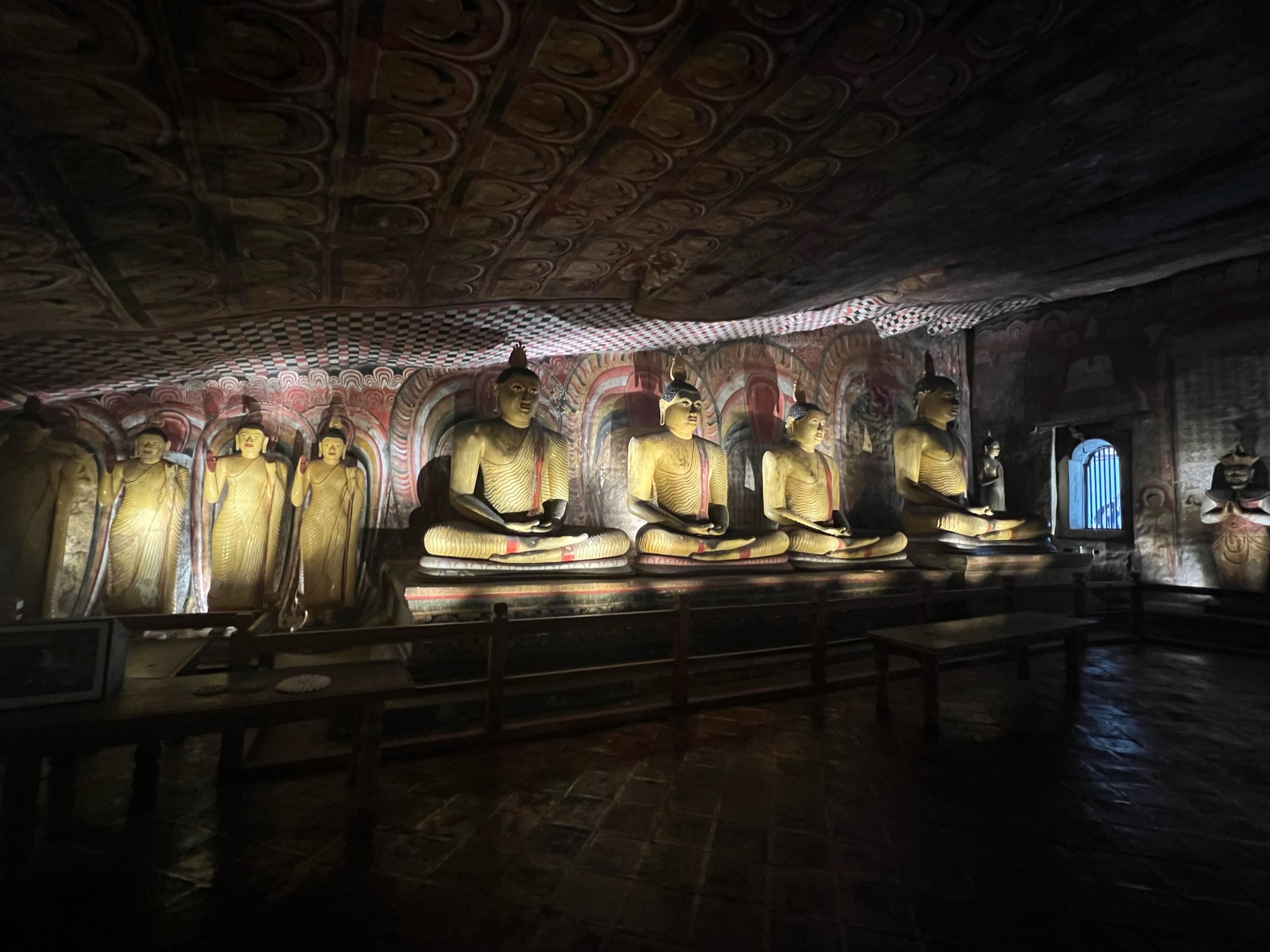
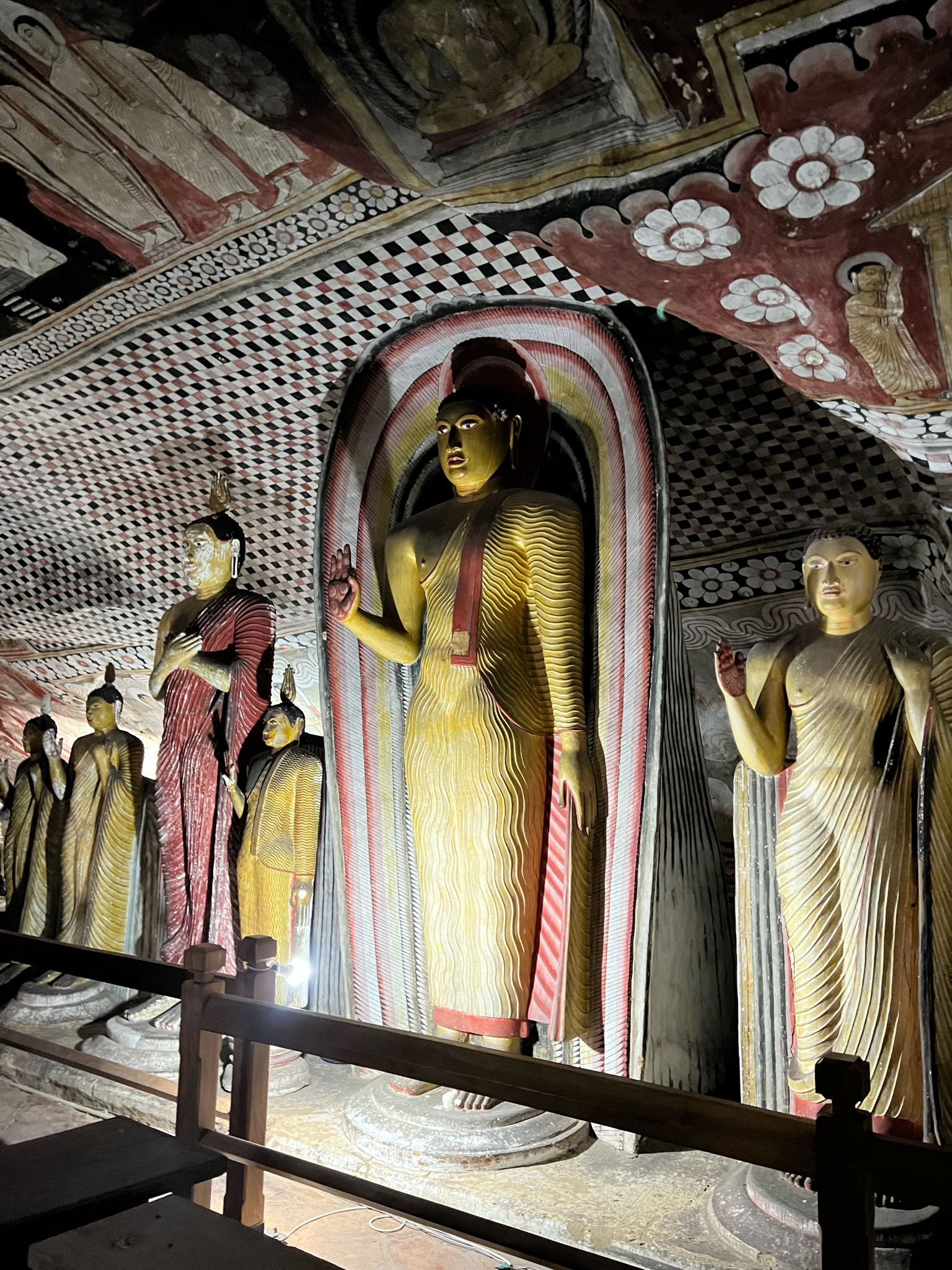
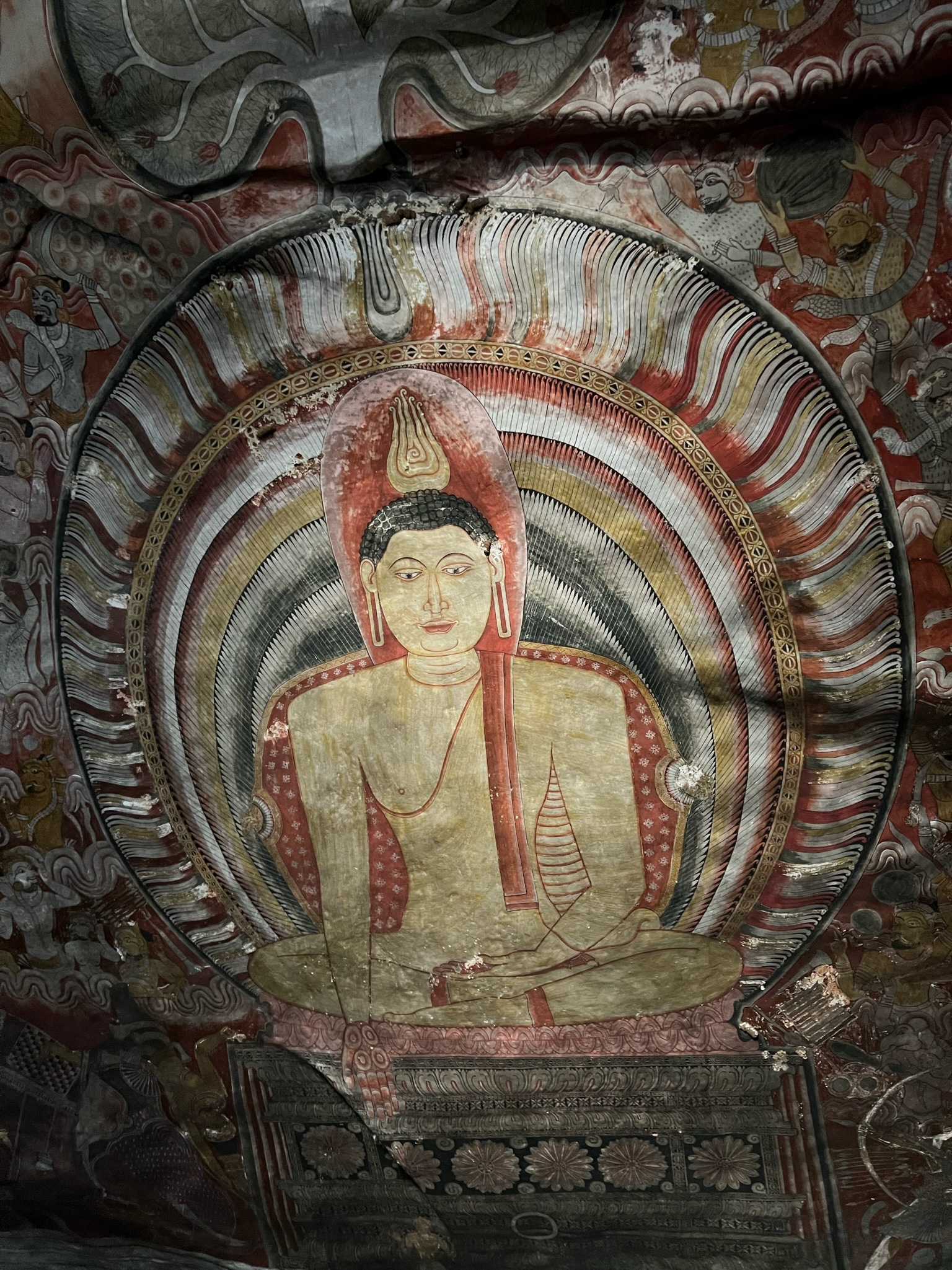
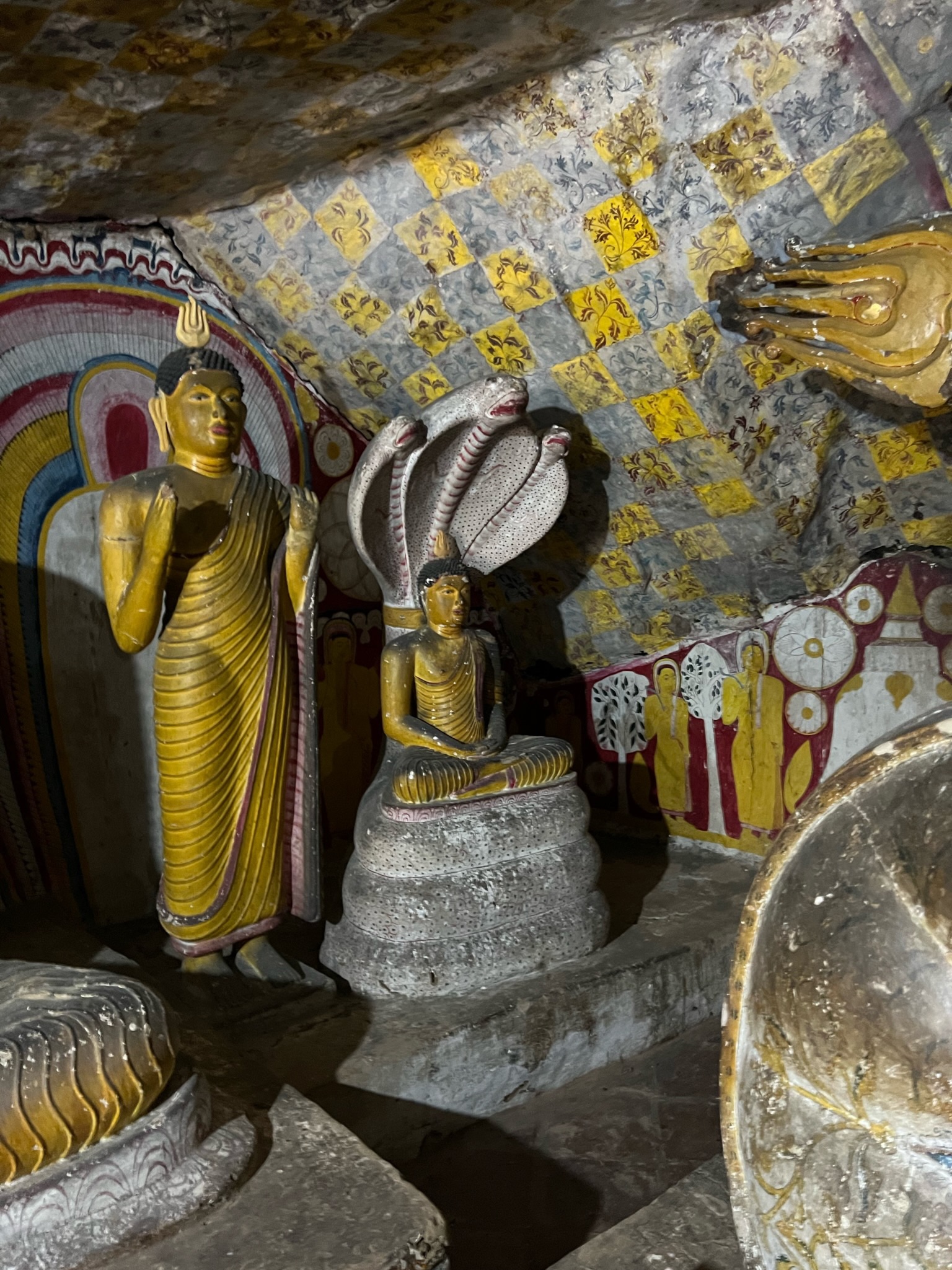
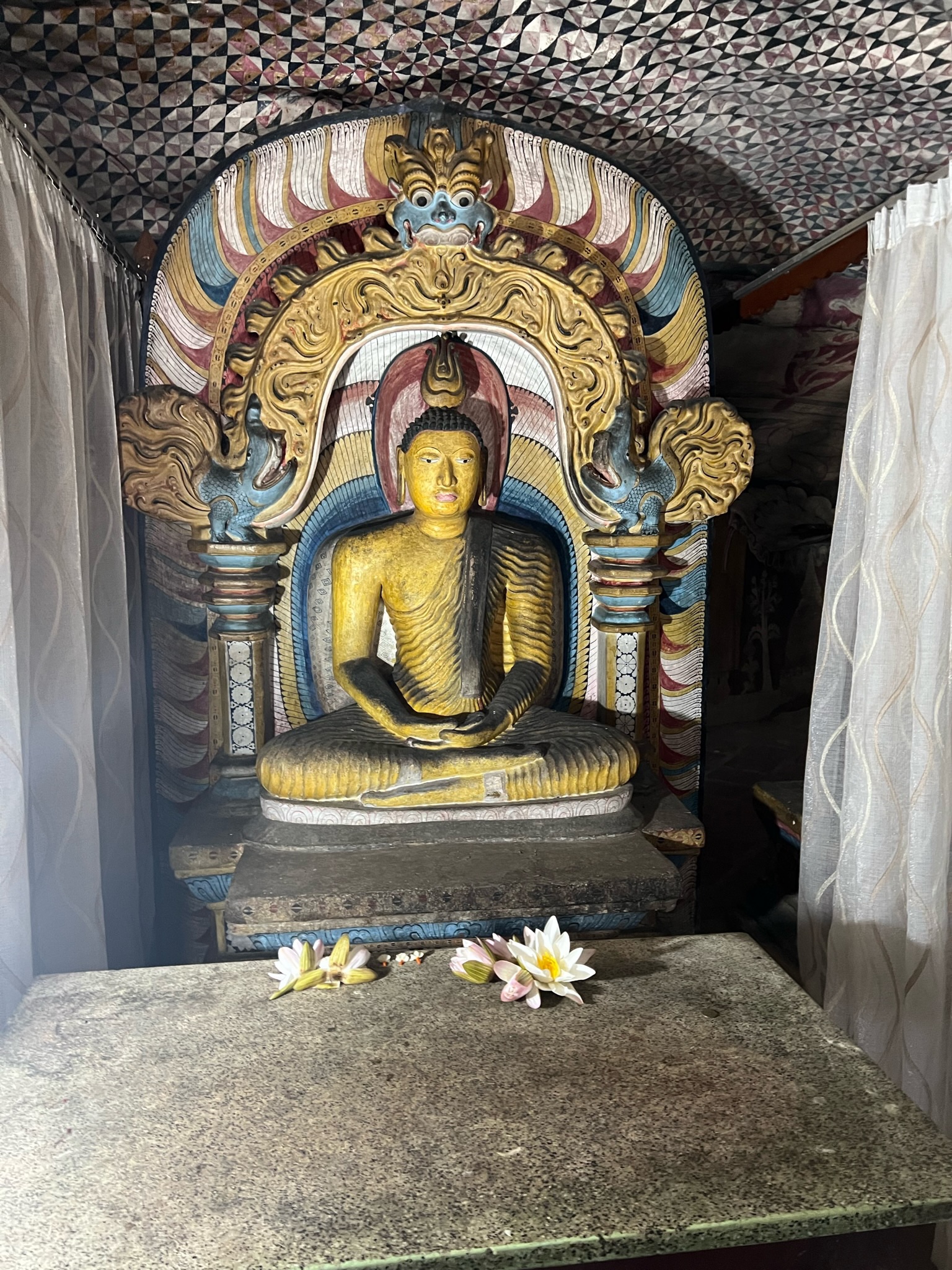
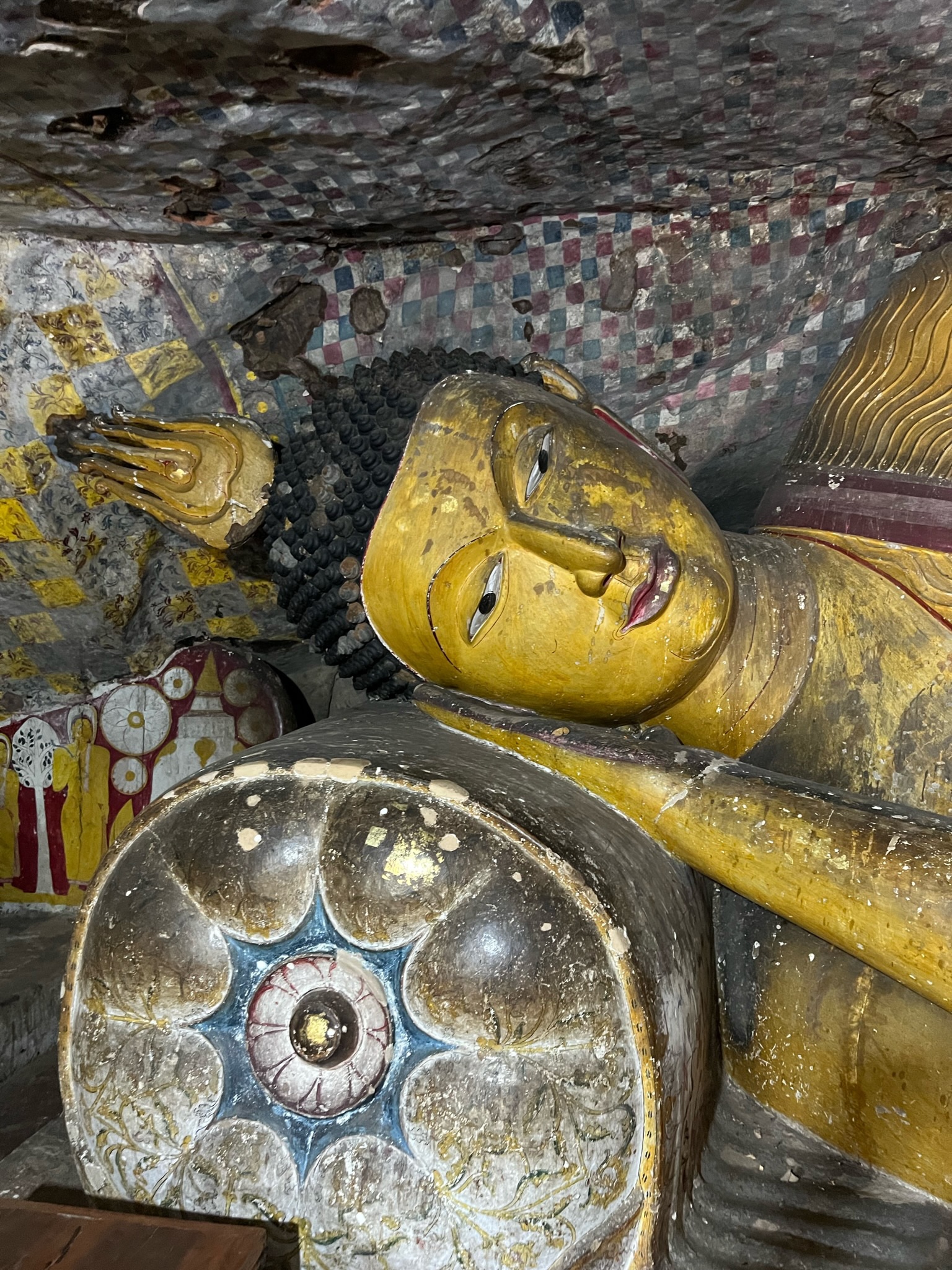
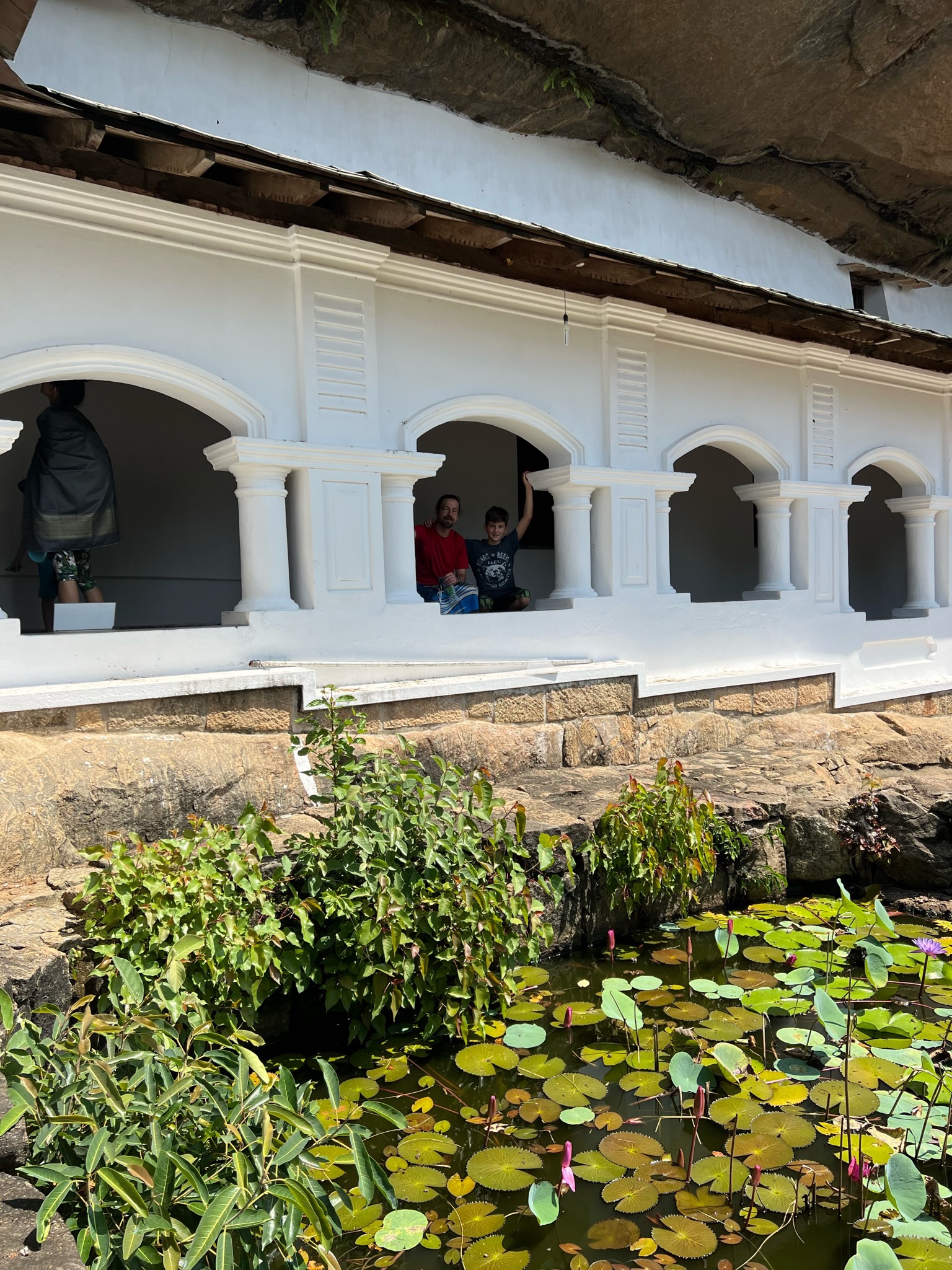
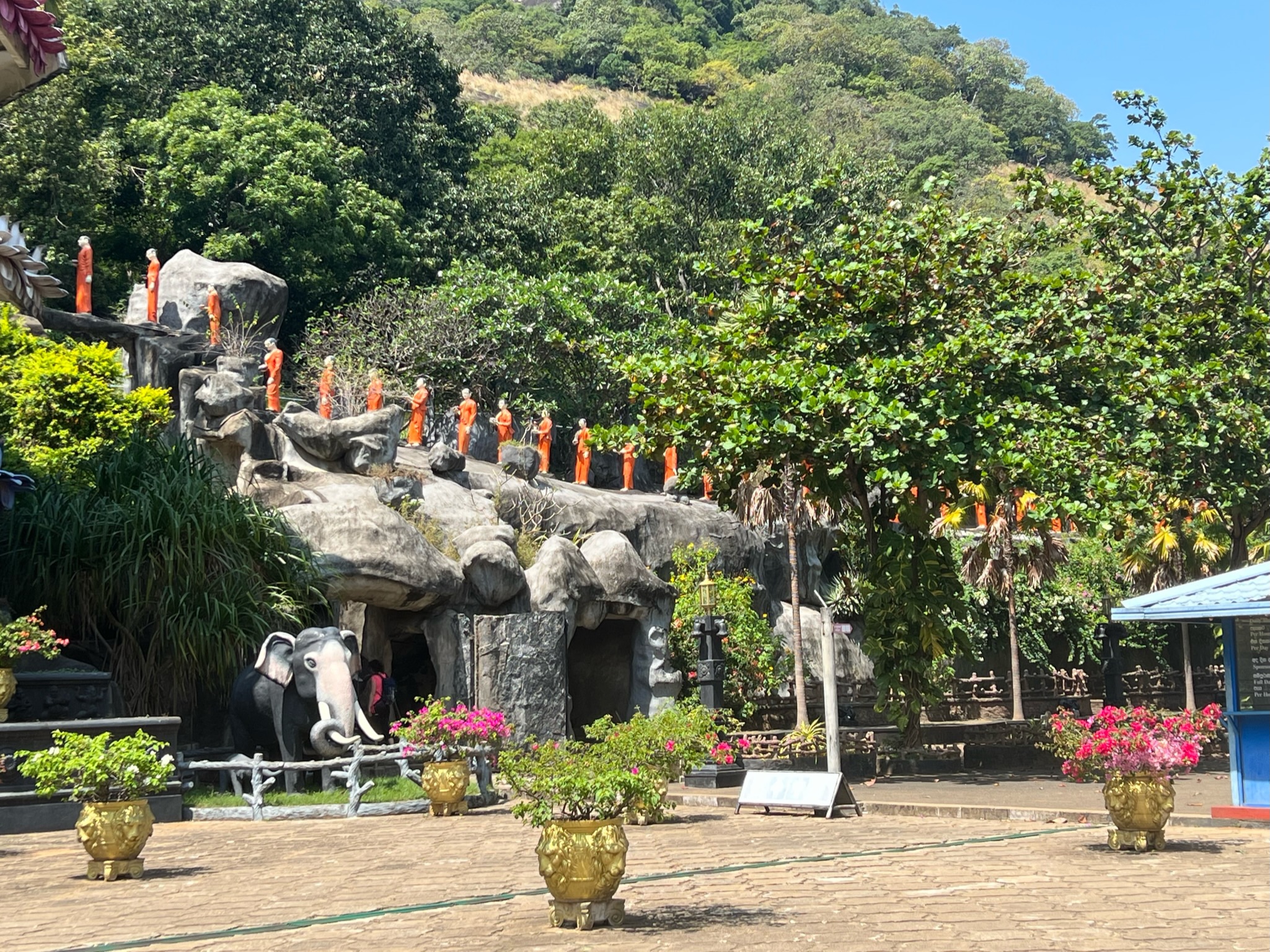
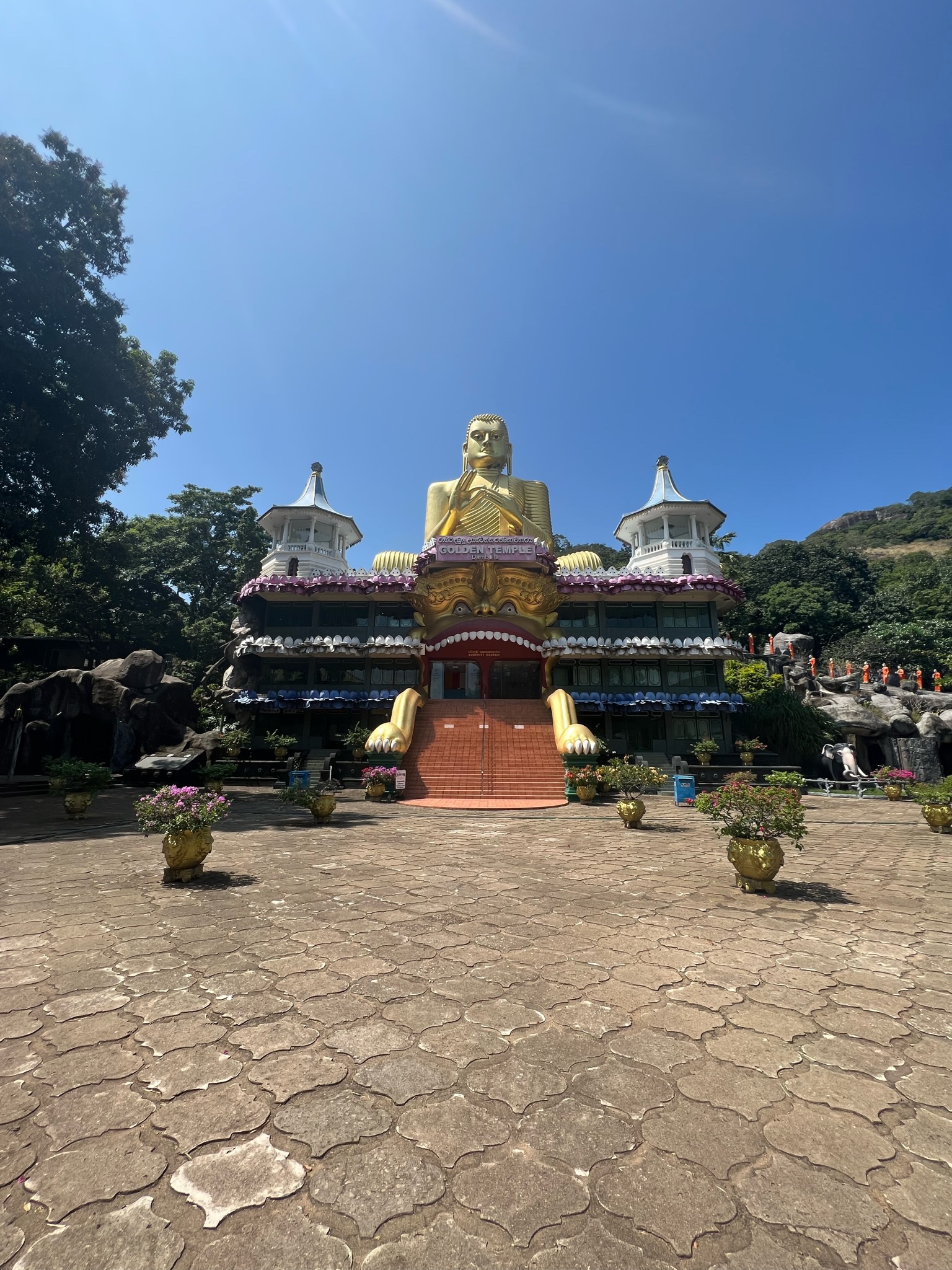
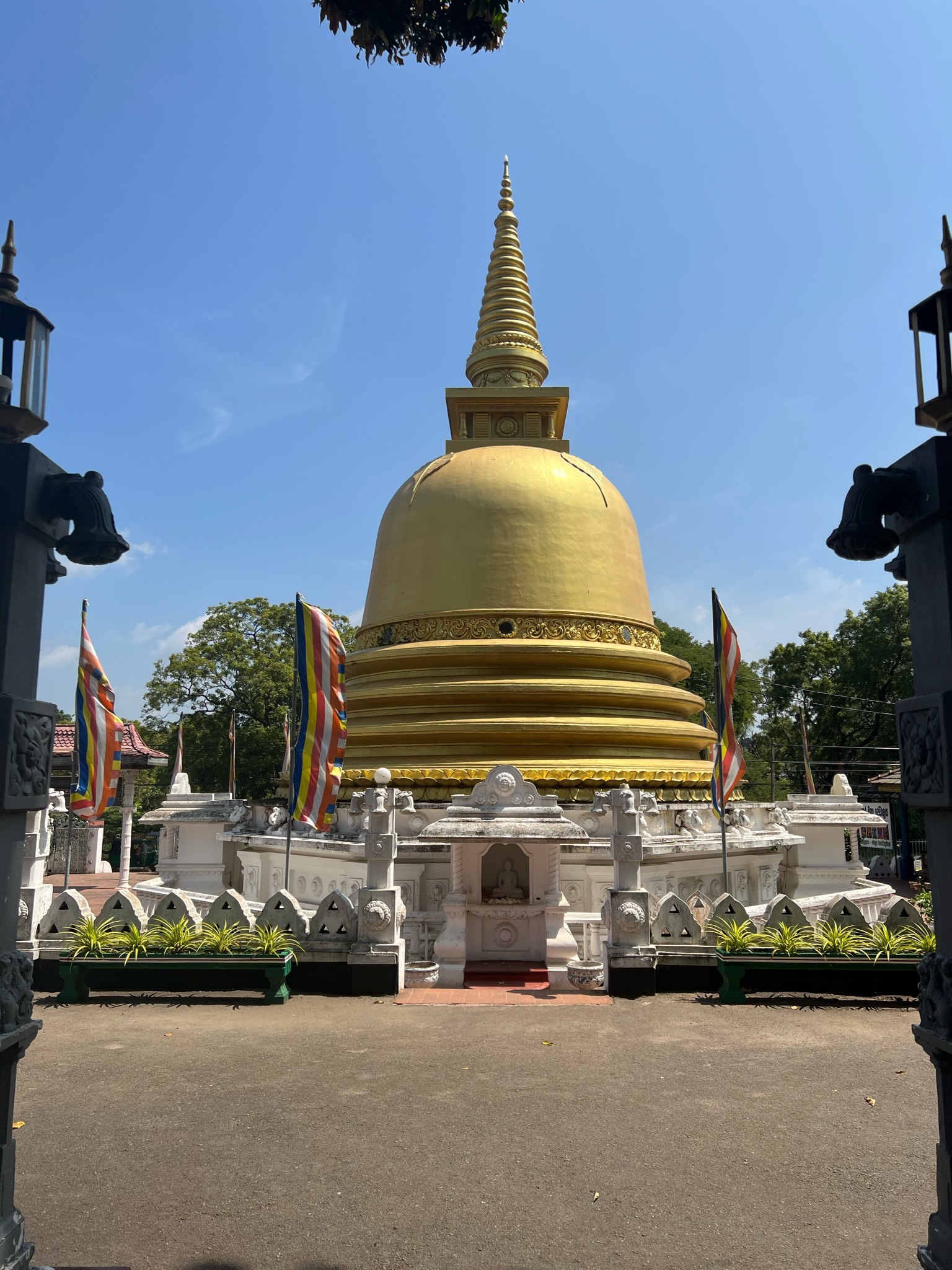
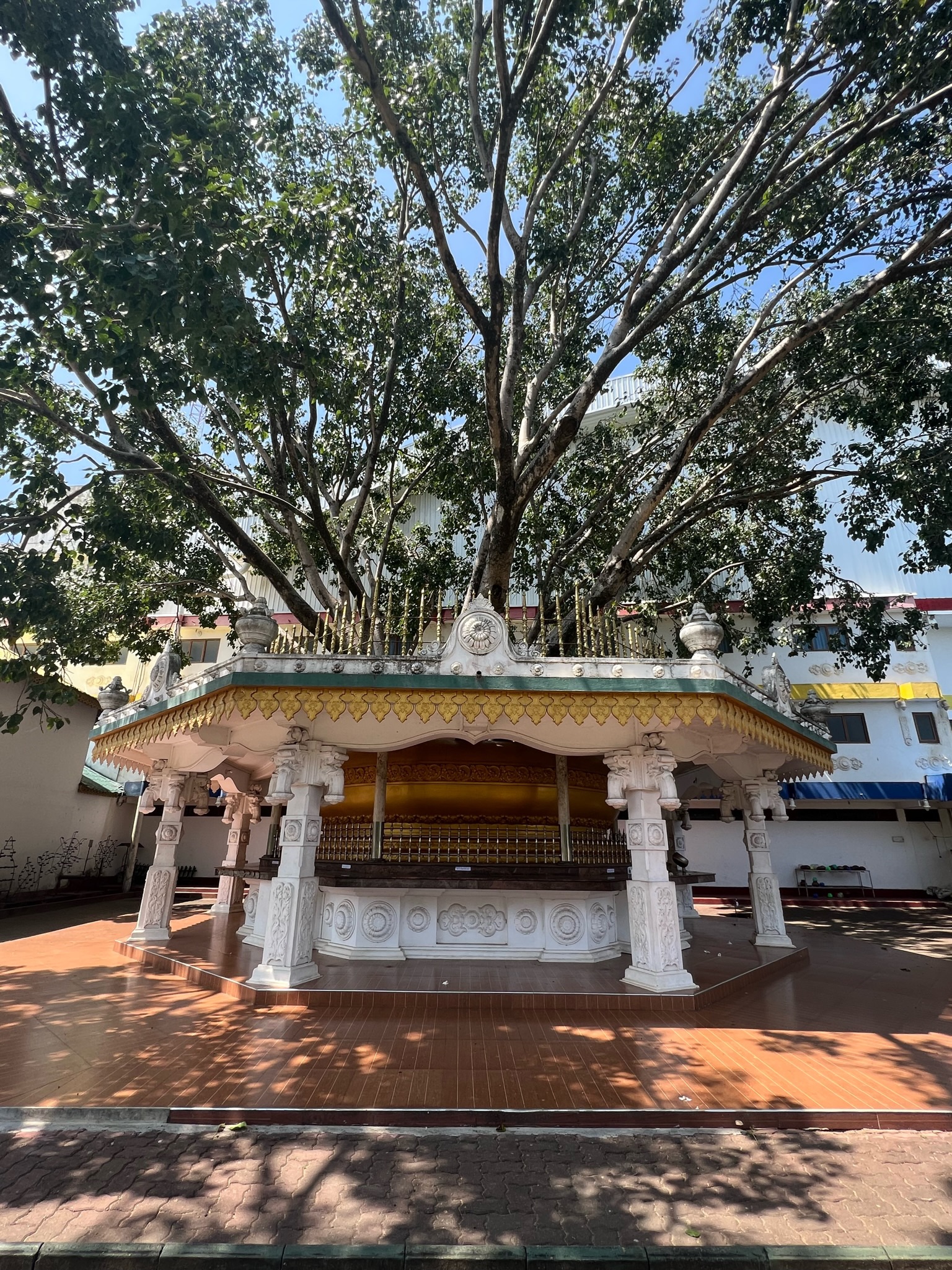
On another day, we went to the Dambulla Cave Temple and did some sightseeing with our driver. The Cave Temples were interesting. The natural cave was first used as a temple over 2000 years ago. There were hundreds of statues and even more paintings of Buddha throughout the complex. Our tour guide taught us that you’ll generally see figures of Siddhārtha Gautama Buddha in one of 5 different positions – teaching, meditating, blessing, sleeping, or dead, and we had some fun trying to pick them out on our own.
Several members of the staff were working on scaffolding inside the temple perfectly documenting all of the paintings so that if they were damaged, they could be recreated. We watched them for a bit, but we tried not to disturb them. The complex is still in use by local monks, and while we were there, we got to witness Buddhist followers bringing their offerings to the temple as well.
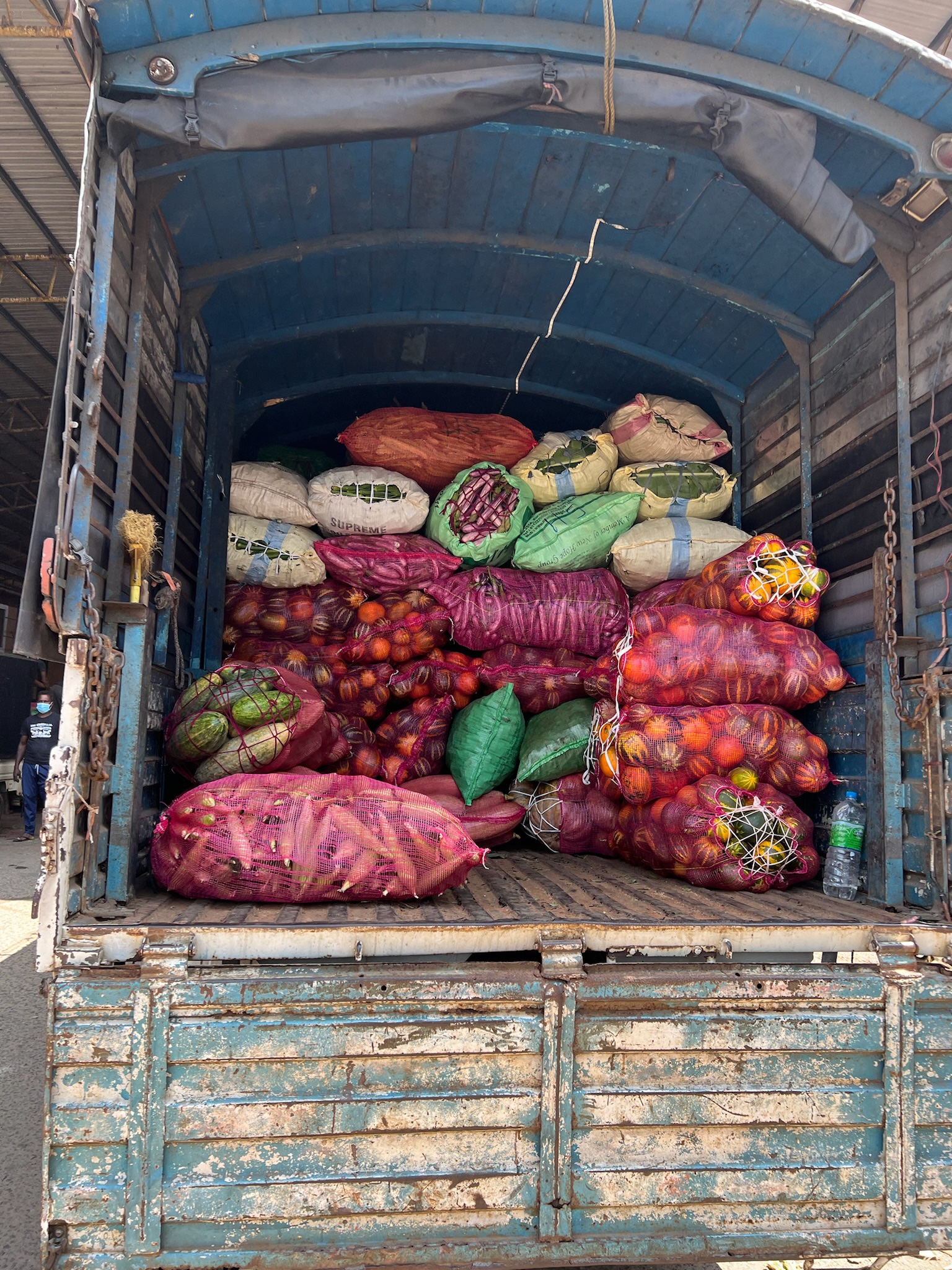
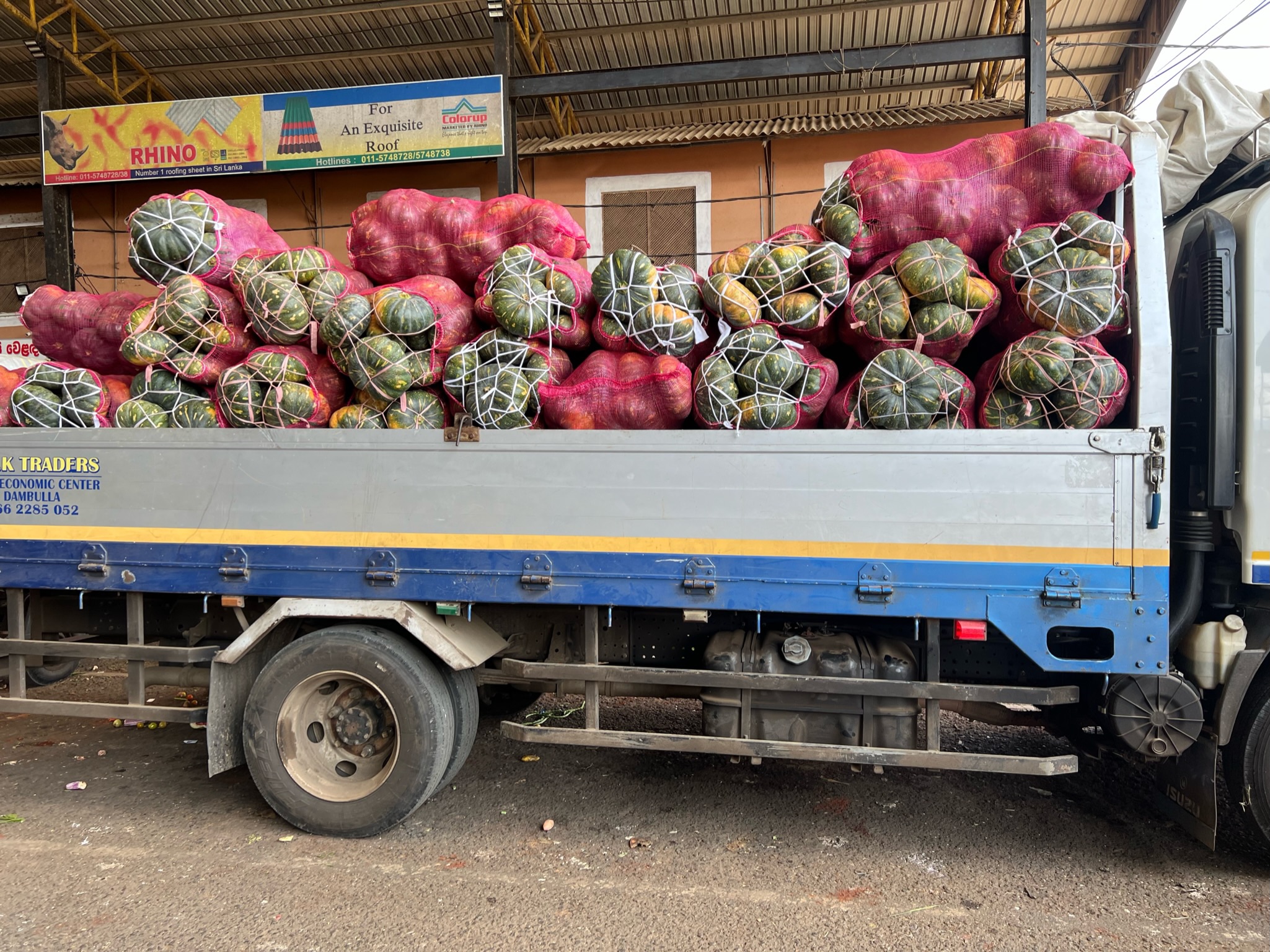
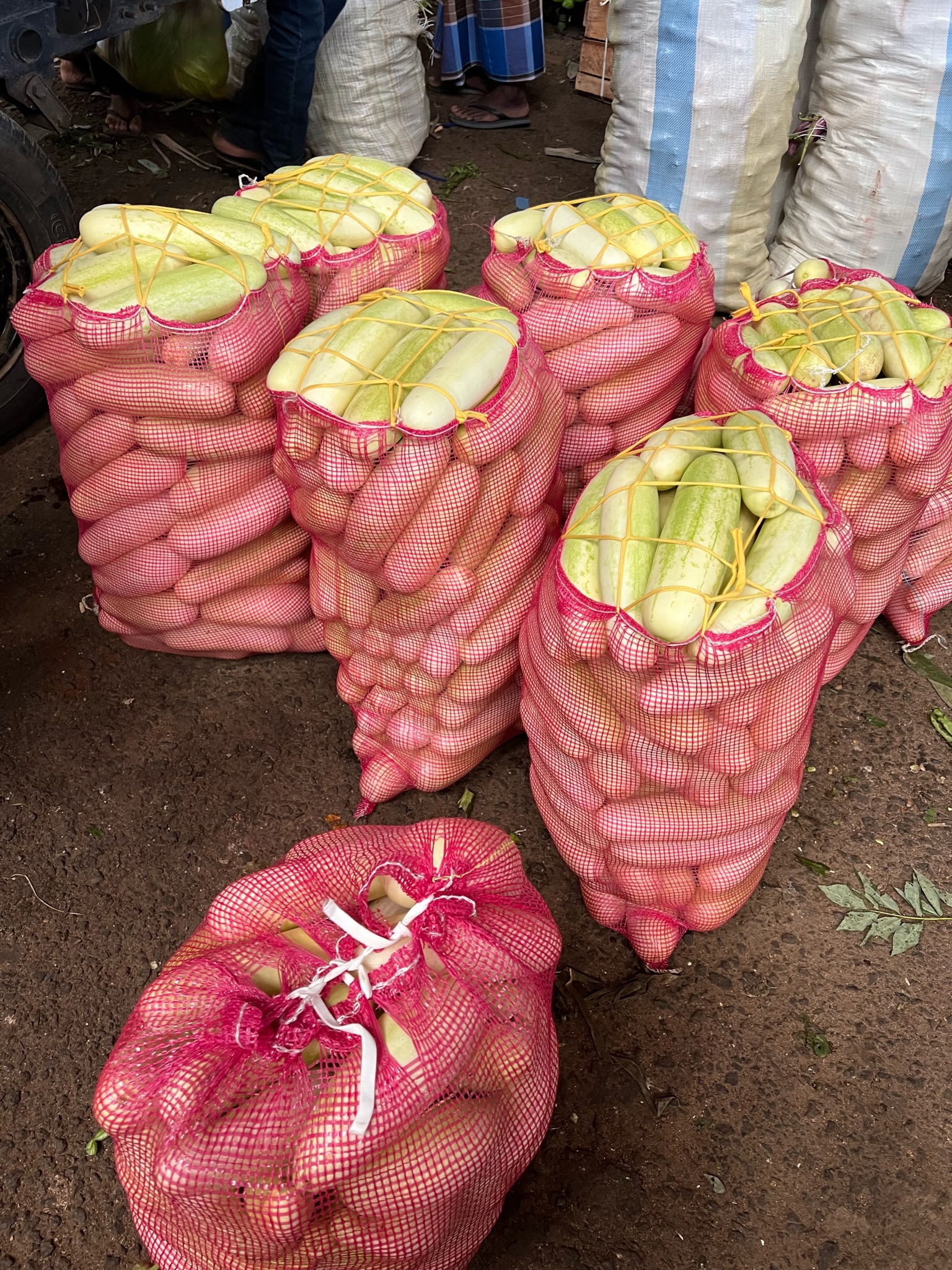
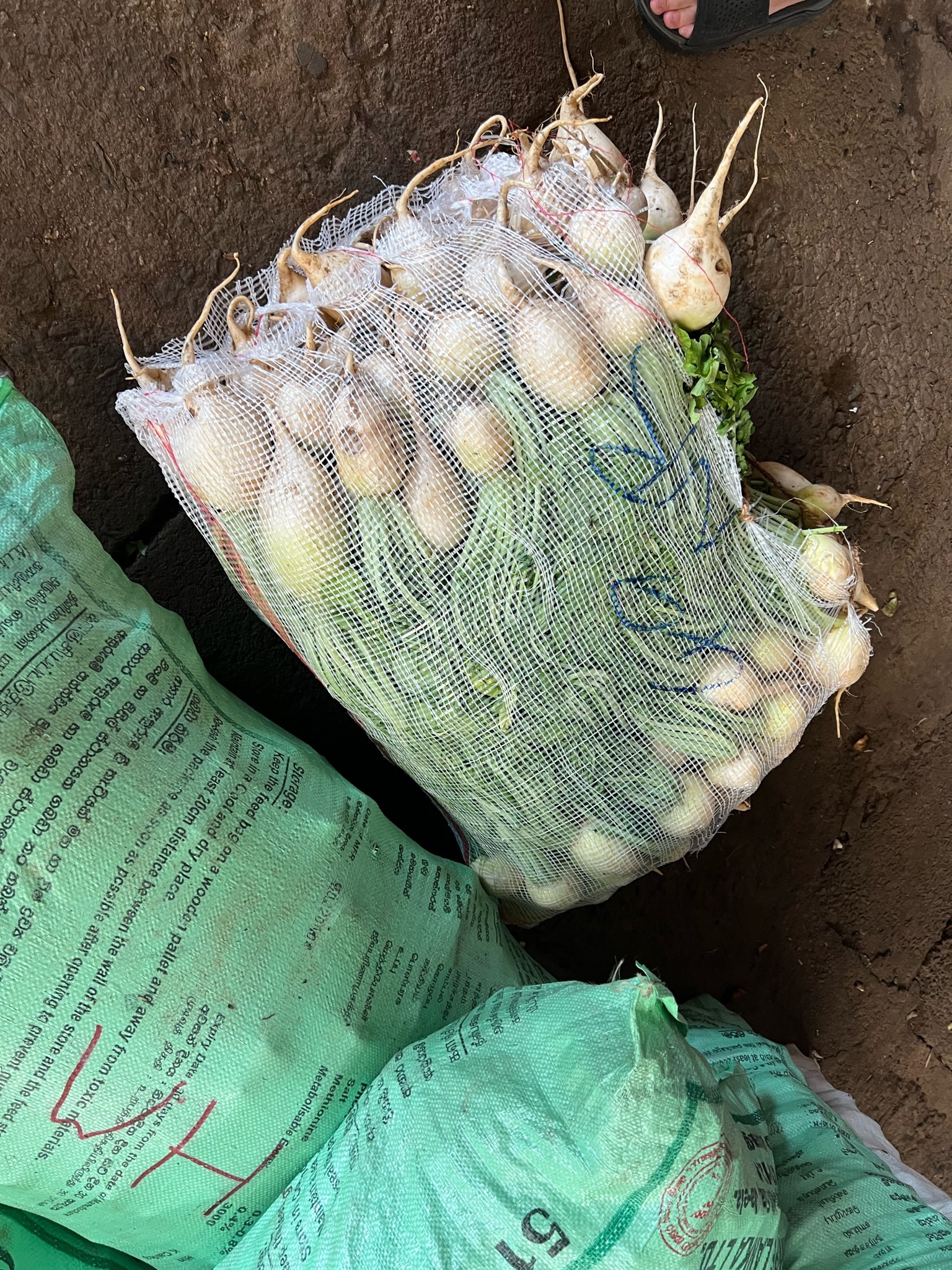
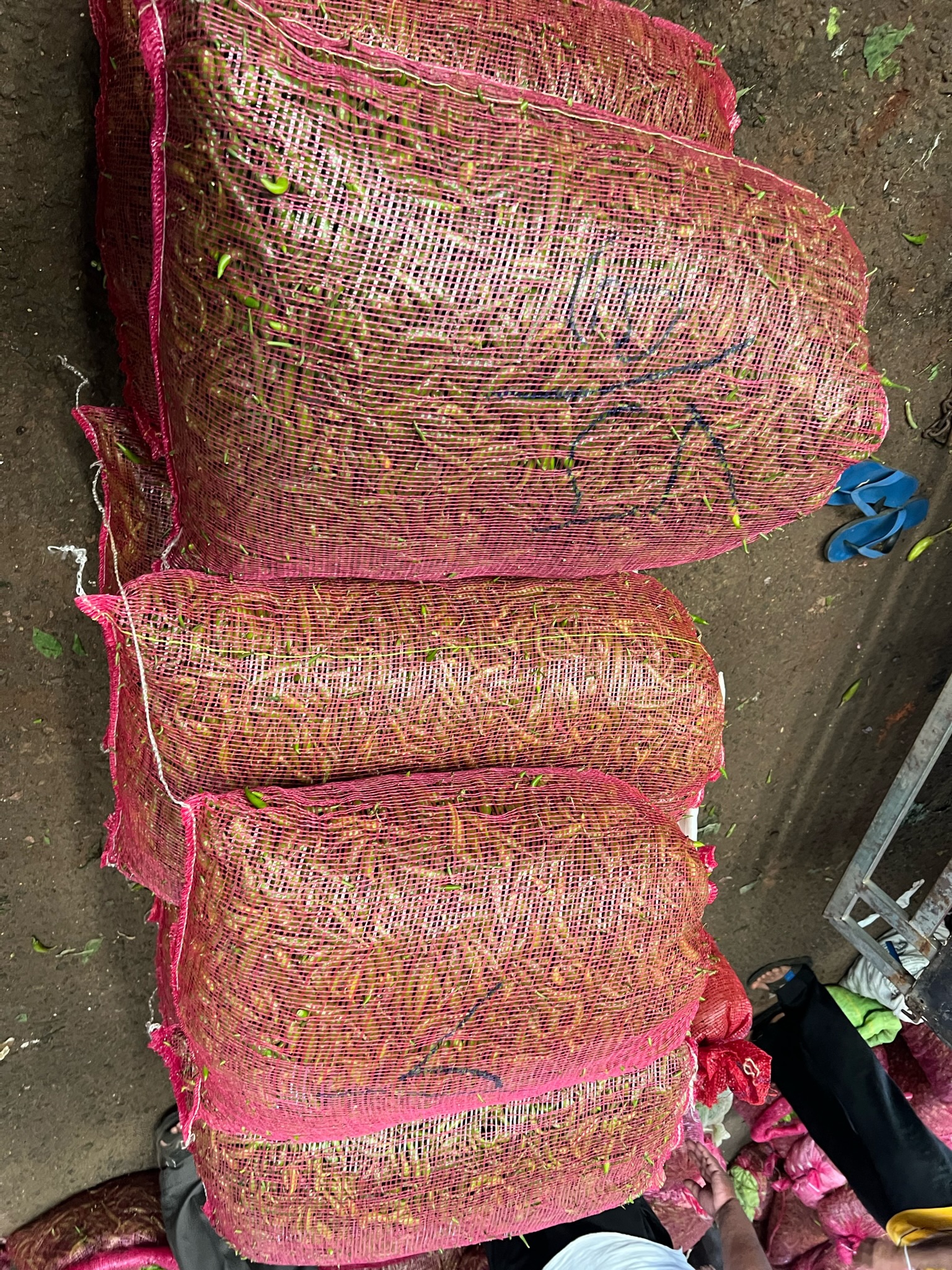
After the Dambulla Cave Temple, our driver took us to the Sri Lanka Fruit and Vegetable Market. This market is used by people on the whole island to buy their produce for restaurants and guesthouses. We were amazed by the sheer quantity of food, and we were overwhelmed by the mass chaos. Men were going every which way; some were negotiating, some were loading and unloading, and some were standing around waiting. Trucks were parked three deep and loaded as full as they could possibly be. It was difficult to even find a path for us to snake through inside the market, much less to try to drive through or carry a load through.
Having worked up an appetite, we grabbed a bite to eat with our driver, and then we wandered around Dambulla for a bit looking into stores and exploring the city.
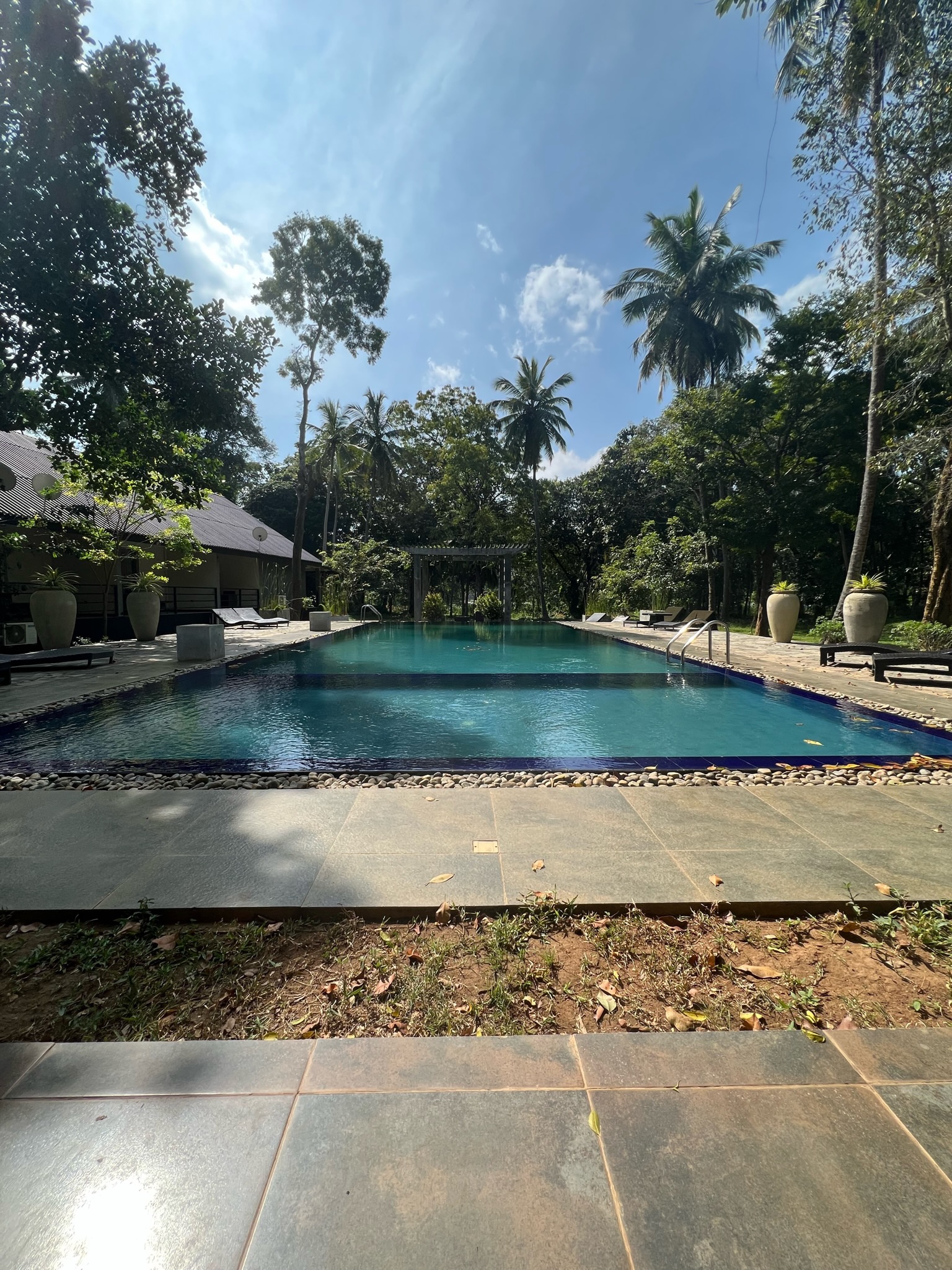
Afterwards, per Ranjith’s invitation, we rode out to the Athena Lake Hotel. Ranjith helped to manage that property, and as a treat to us, he allowed us to come out and swim in their gorgeous pool. We were treated like valued guests, and we enjoyed a tea service with wonderful biscuits in the idyllic setting. Henry had such a great time splashing around, and we enjoyed a few hours of just relaxing in the sun.
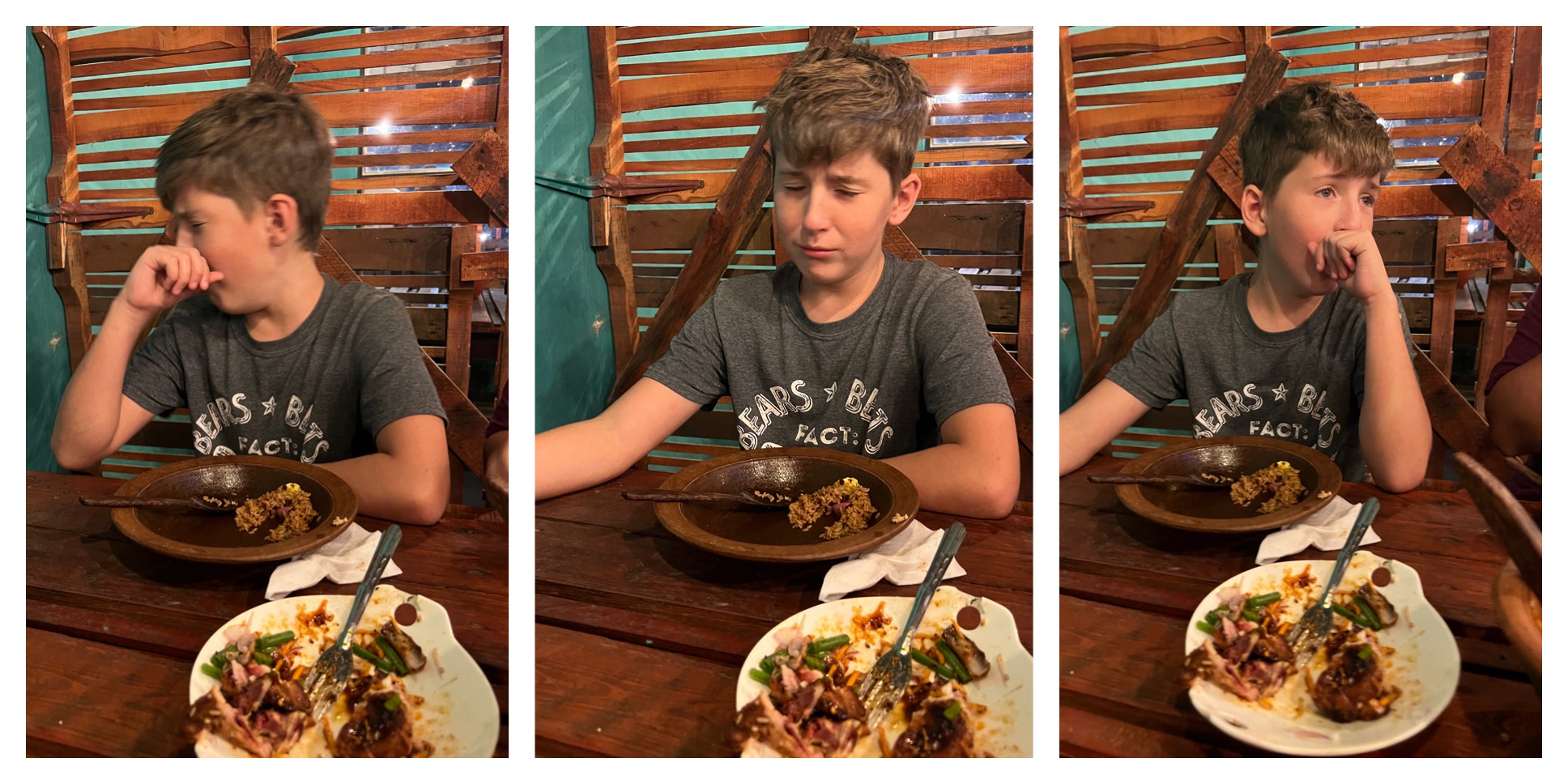
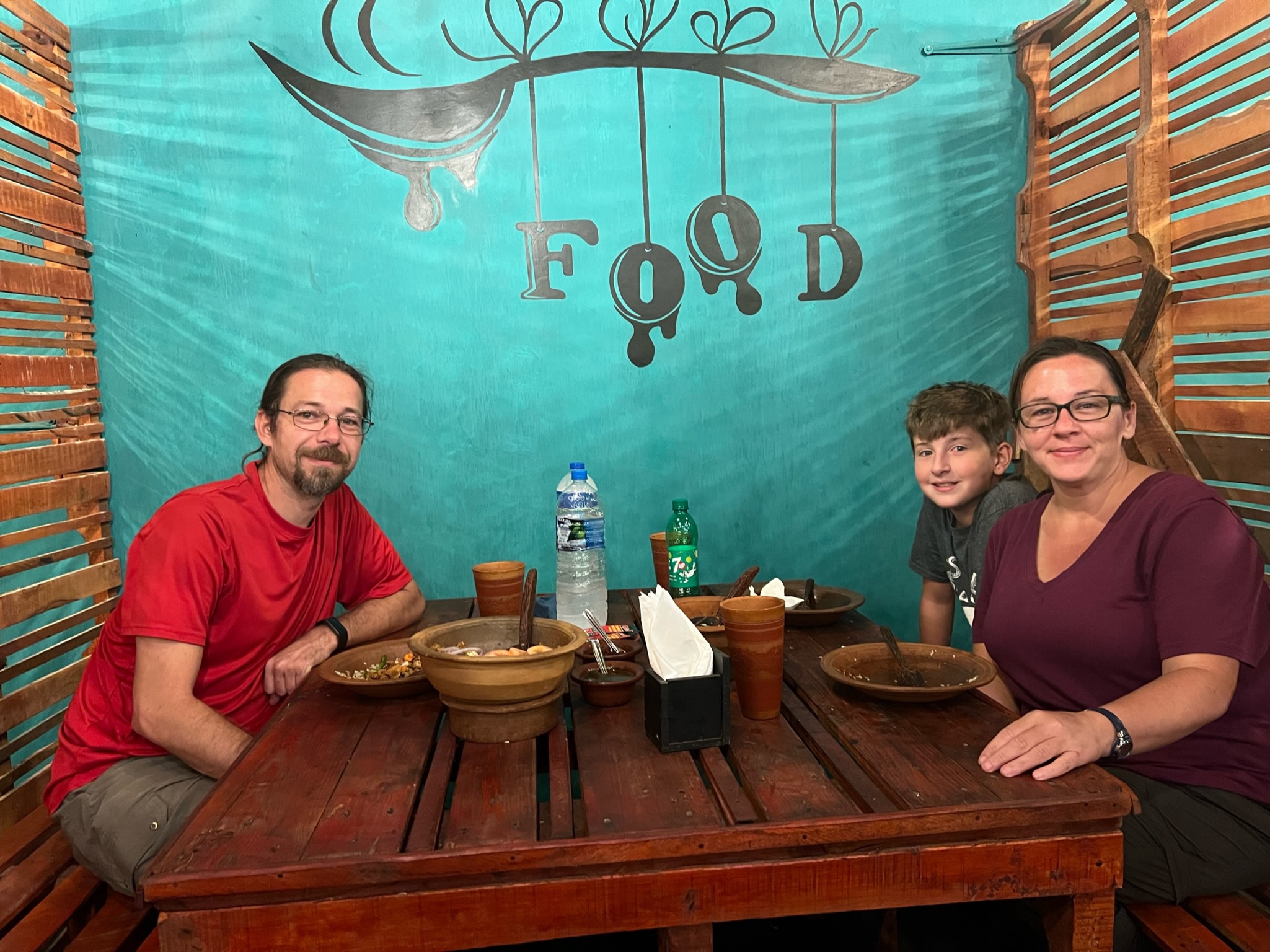
That evening, we went to dinner at a local restaurant, and we had such a good time. Our host had recommended the Kokiya Café, and we were thankful for it when we pulled up in our taxi. There was some chicken cooking on the grill that looked and smelled amazing, and we couldn’t wait to try that. The meal was fantastic, even if it was a little too spicy for me and Henry. And while we were there, we had the pleasure of getting to talk with the restaurant owner a bit. He was a nice guy, and he was very proud of his restaurant. He had reason to be, as the food was probably one of the best meals we’d eaten.
We had debated for days on how we would get to our next destination from Dambulla. The tuk tuk rental company had offered to deliver to us a new ride, but we were still a little nervous about it. We all agreed that it would make for a more interesting trip, and we all really enjoyed the freedom of going where we wanted when we wanted. On the other hand, we knew what the traffic was like, and after the accident, I knew that I wouldn’t be comfortable driving to give Brian any relief. We all trusted Brian, but we couldn’t control any of the other drivers; if anything else happened, which would be highly unlikely, we’d never forgive ourselves. In the end, we decided that we would just take public transportation to get around, and while we’d still have to deal with traffic, we could do it from the comfort of our passenger seats.
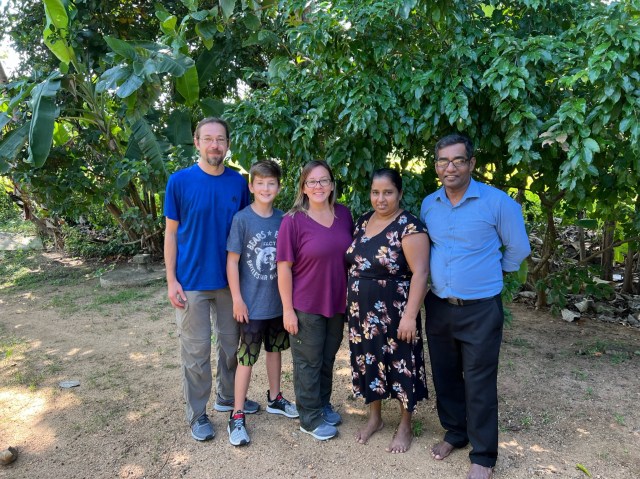
On our last day, we got our laundry back all clean and smelling wonderful again. I don’t know how many times they washed it, but I know that it took quite a lot of work to get the odor out. After we finished breakfast and packed our freshly washed everything, Ranjith helped us arrange for bus tickets to get us to Kandy. Our driver picked us up, helped us take a few photos with Ranjith and his sweet wife, and then carried us to the bus station. We quickly loaded on board, and a few hours later, we arrived at our next stop, Kandy.
Kandy is the second biggest city in Sri Lanka, and we were only planning to stay there for one night. We found the Café Aroma Inn, and instantly decided that two nights would be better. The hotel was comfortable and roomy, and the café served a delicious breakfast. Kandy has quite a lot to see on its own, but even with two days, we weren’t there long enough to see very much of it at all.
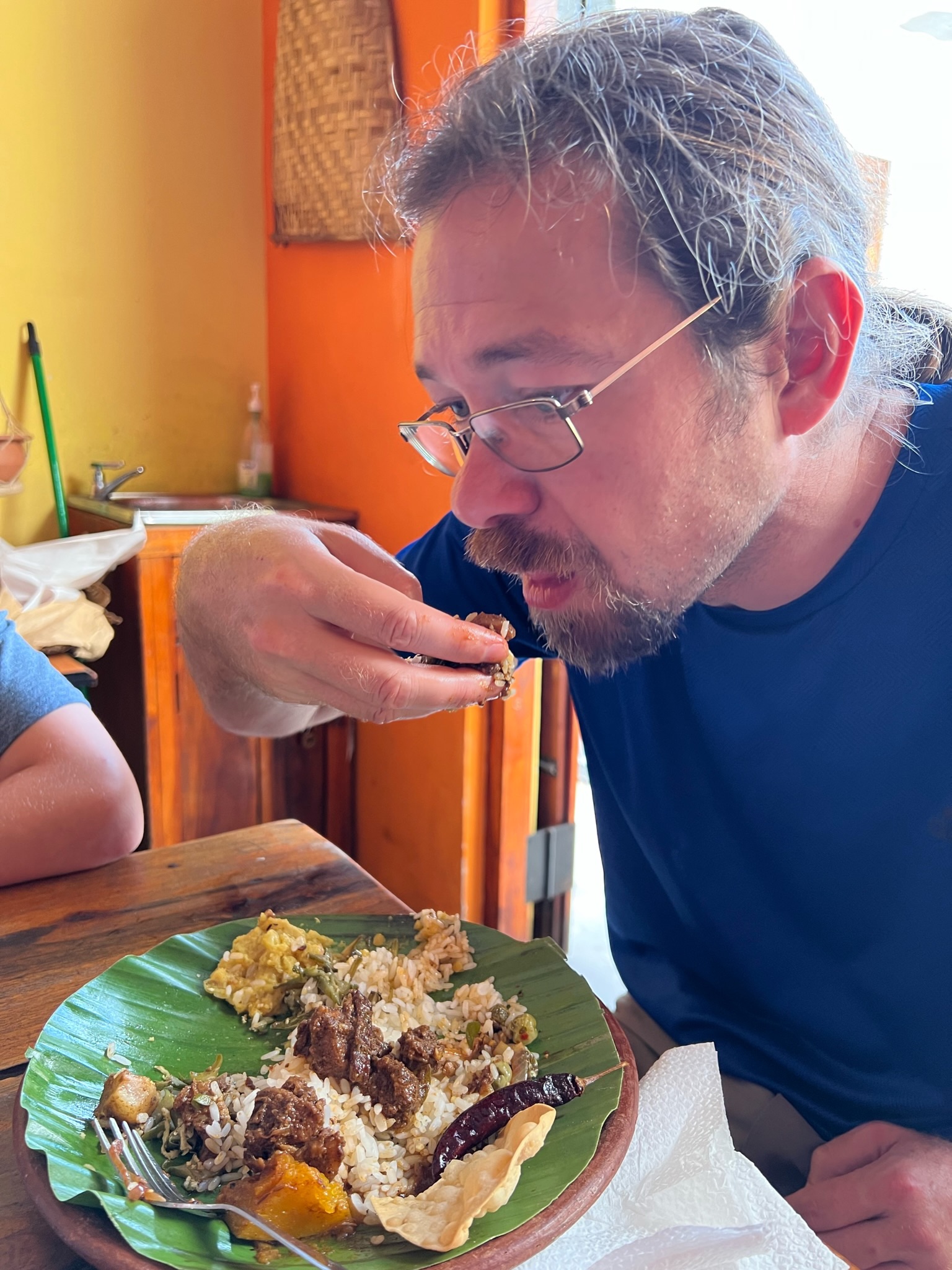
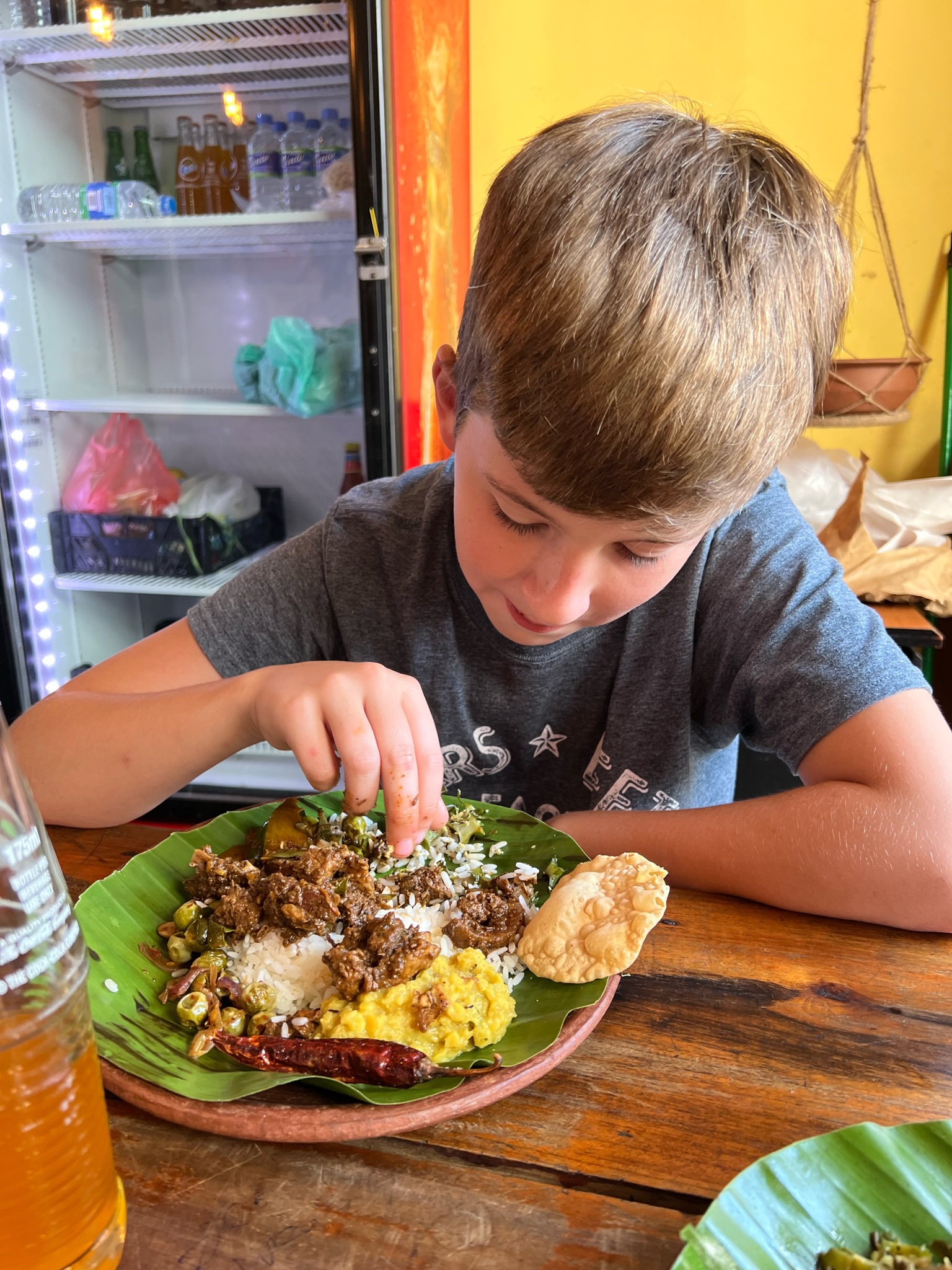
We ate lunch at the very small Mandiya Restaurant because it had an impressive number of 5-star reviews. We’d read it was difficult to find, so we did the best we could to follow the reviewers’ instructions. We walked through a small mall, and when we exited out the back door of the mall, we came across this little bitty place. There were only three or four small tables inside, and even at the odd hour, there were several locals enjoying their lunch. We picked our seats and ordered the rice and curry. As we were eating, the owner of the restaurant came in and introduced himself. He taught Henry the ‘right’ way to eat rice and curry – with your hands! Oh, and we added another 5-star review. It was fantastic.
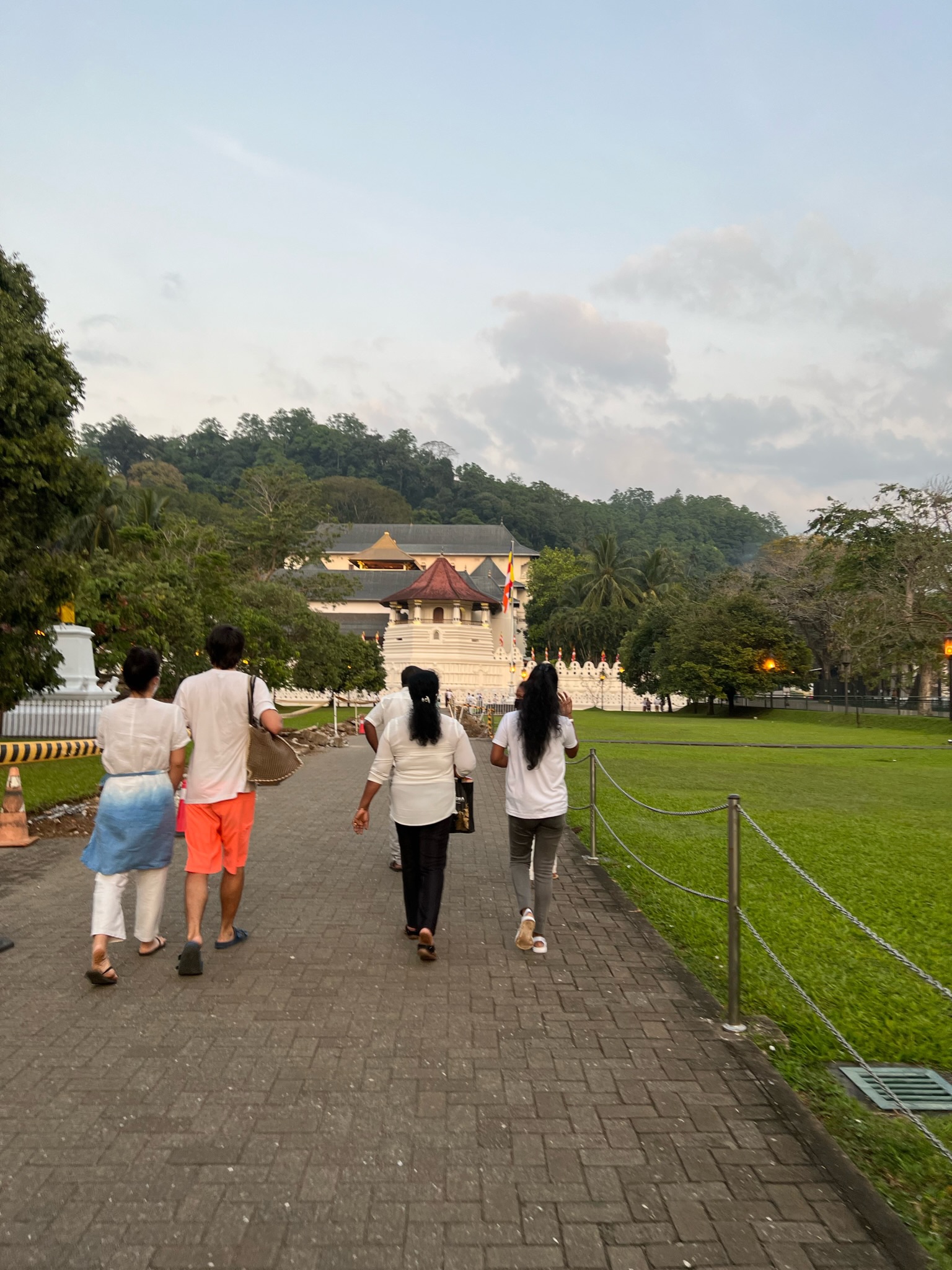
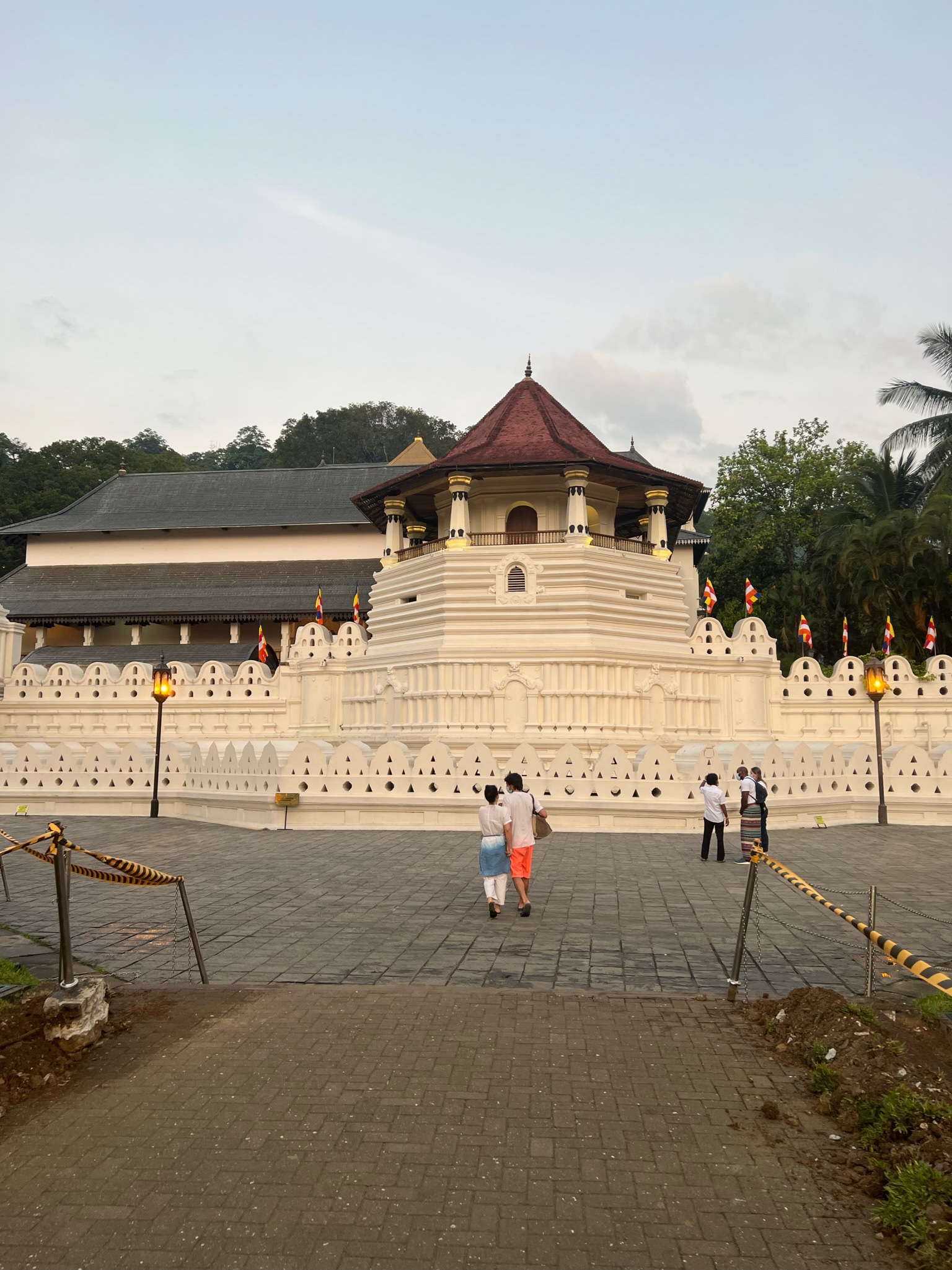
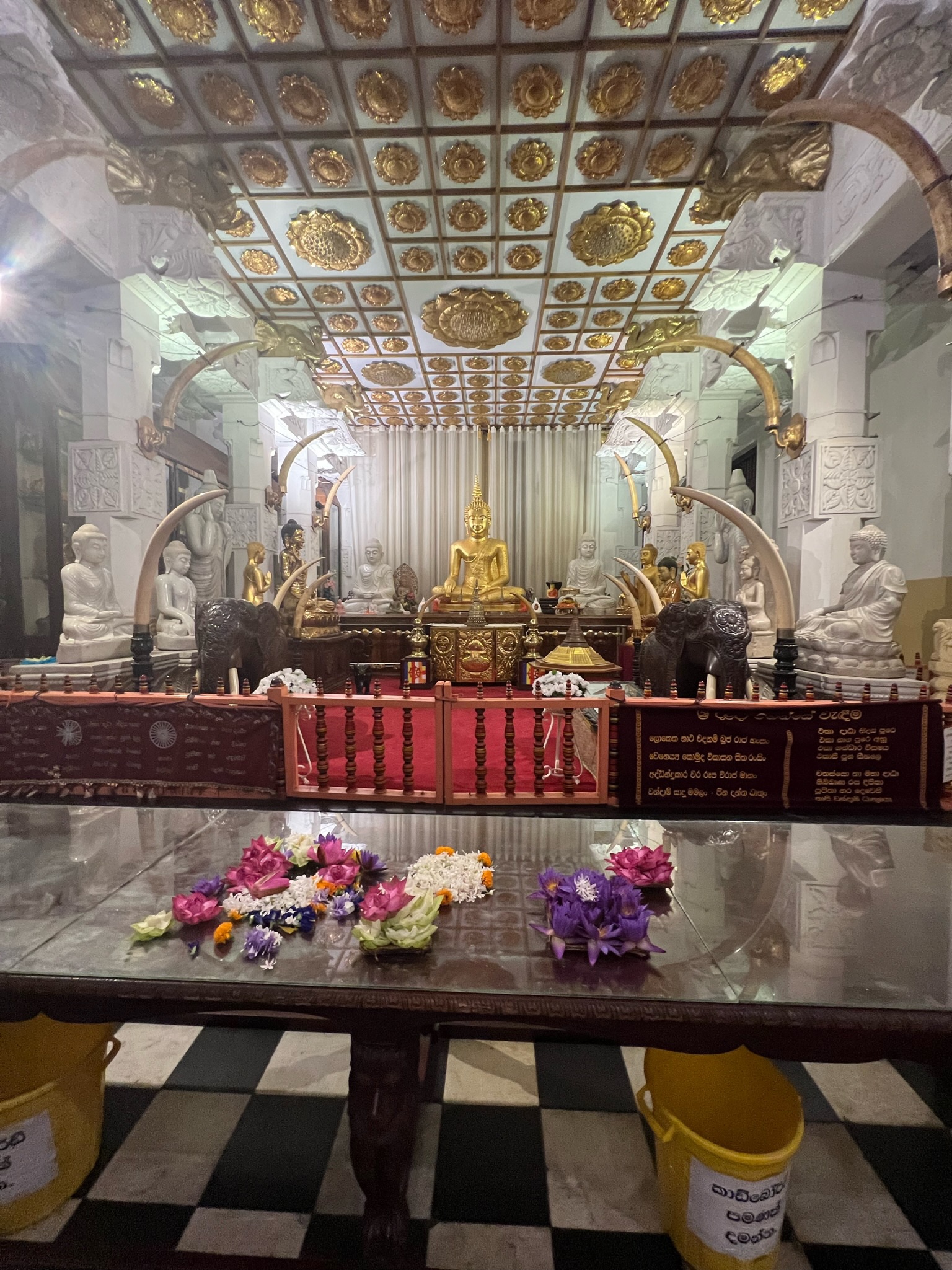
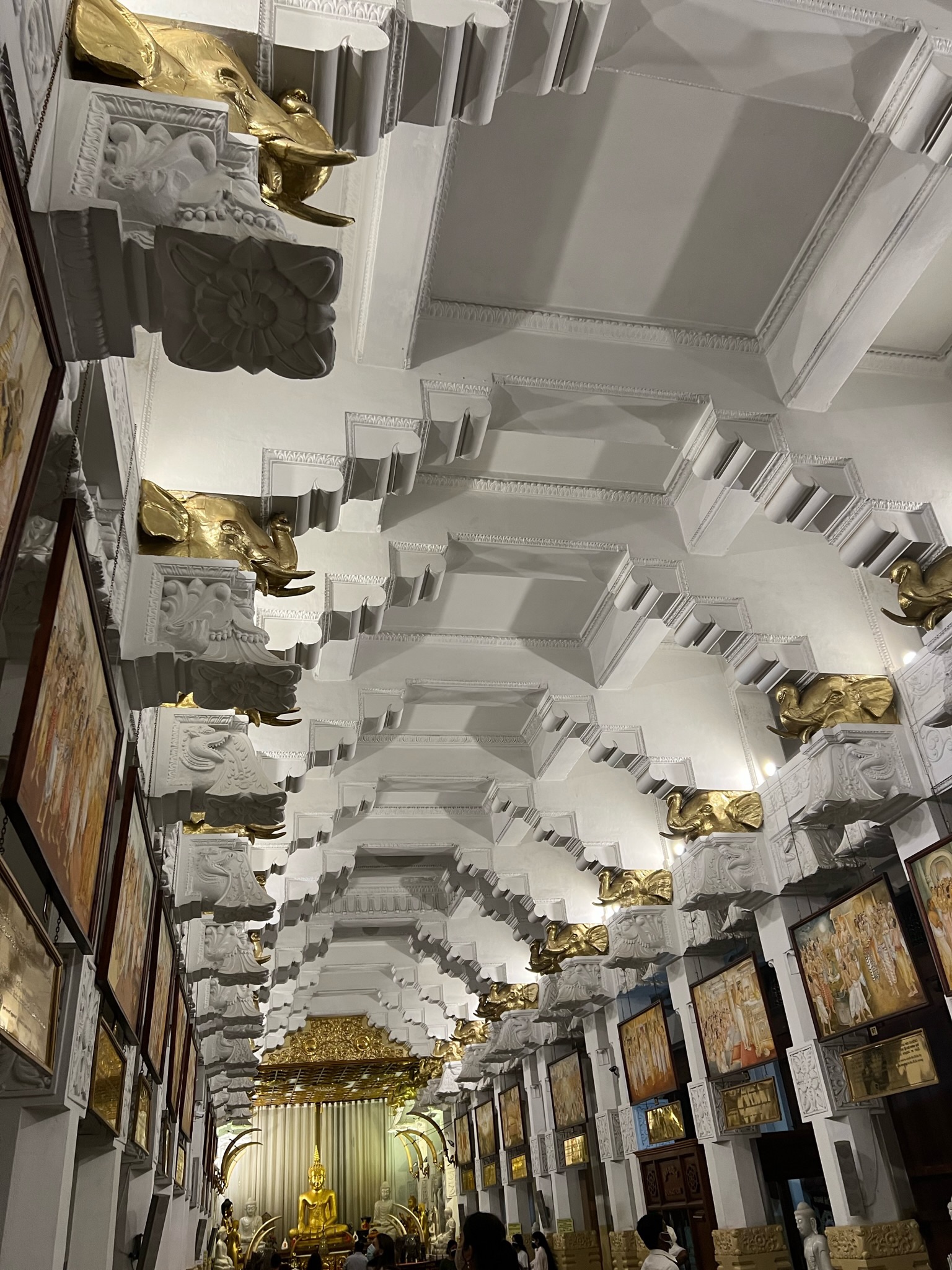
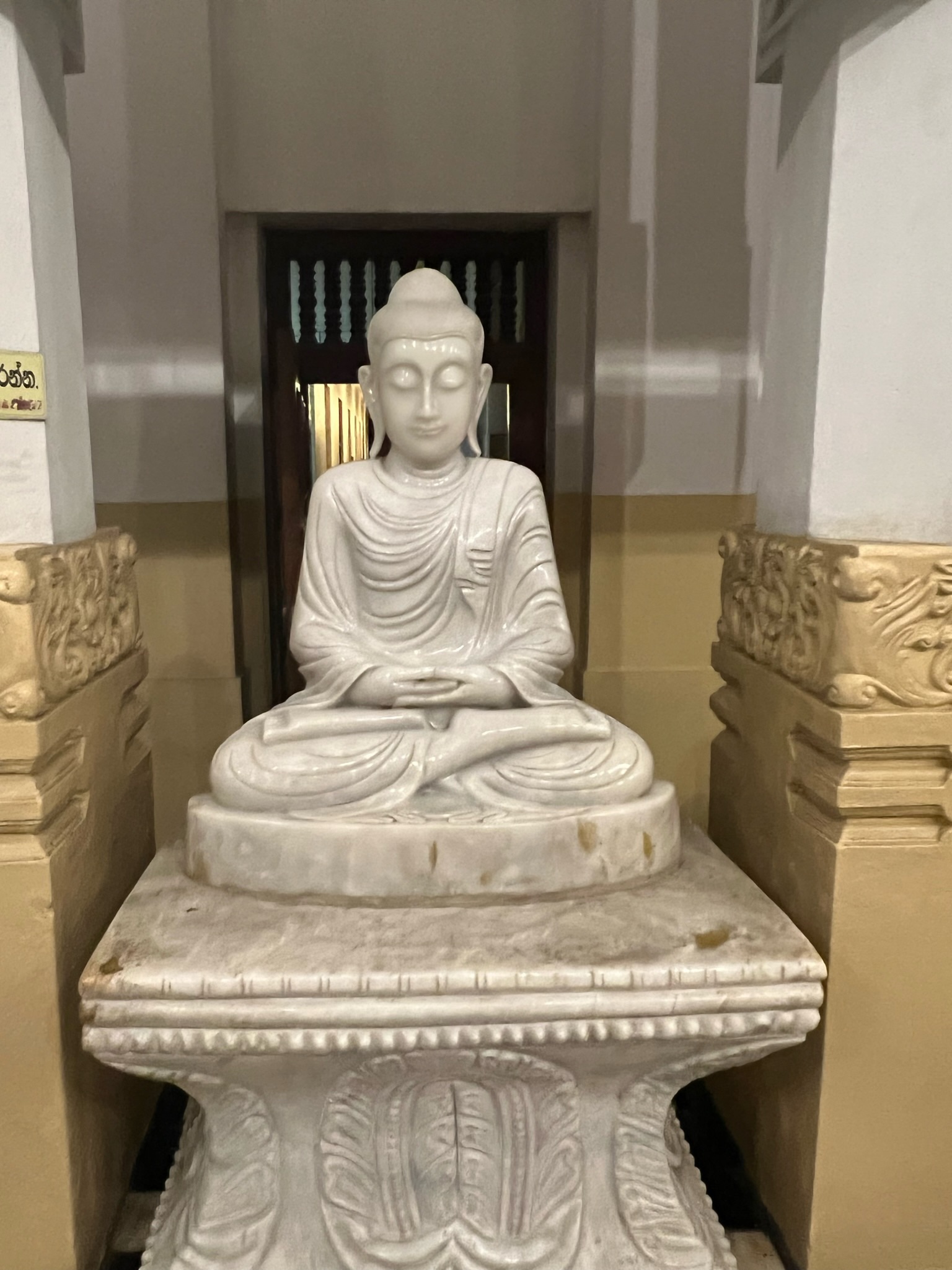
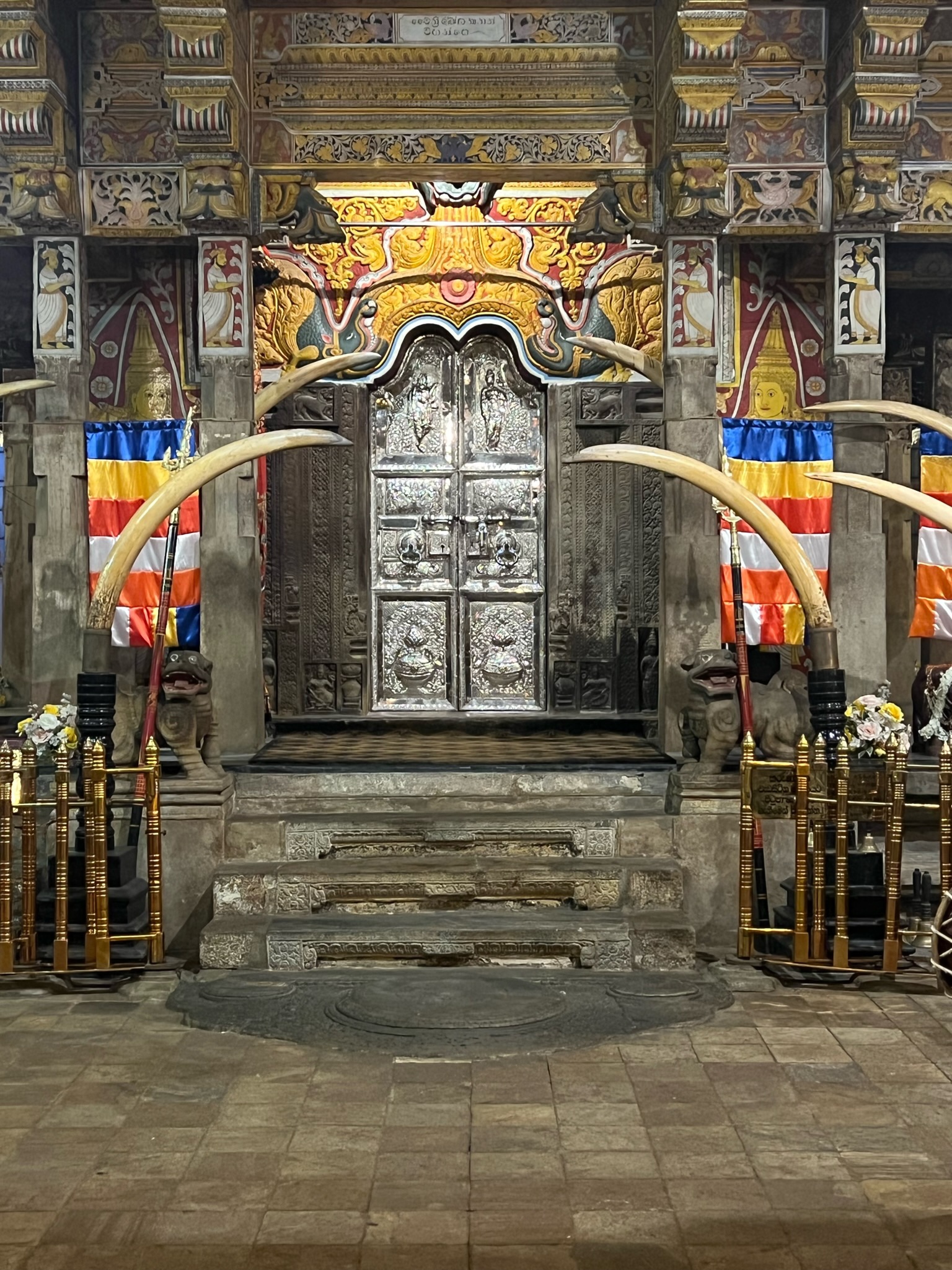
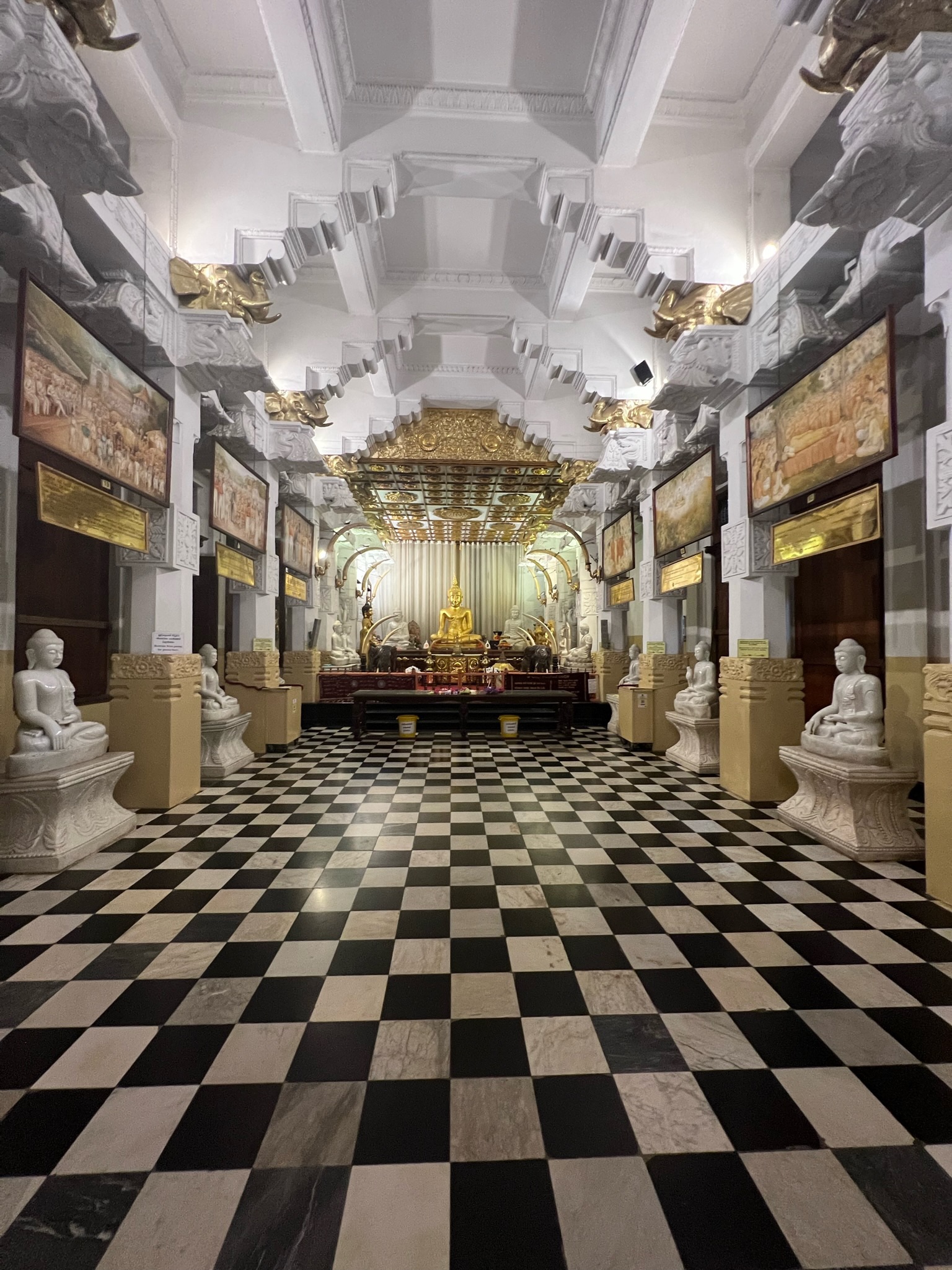
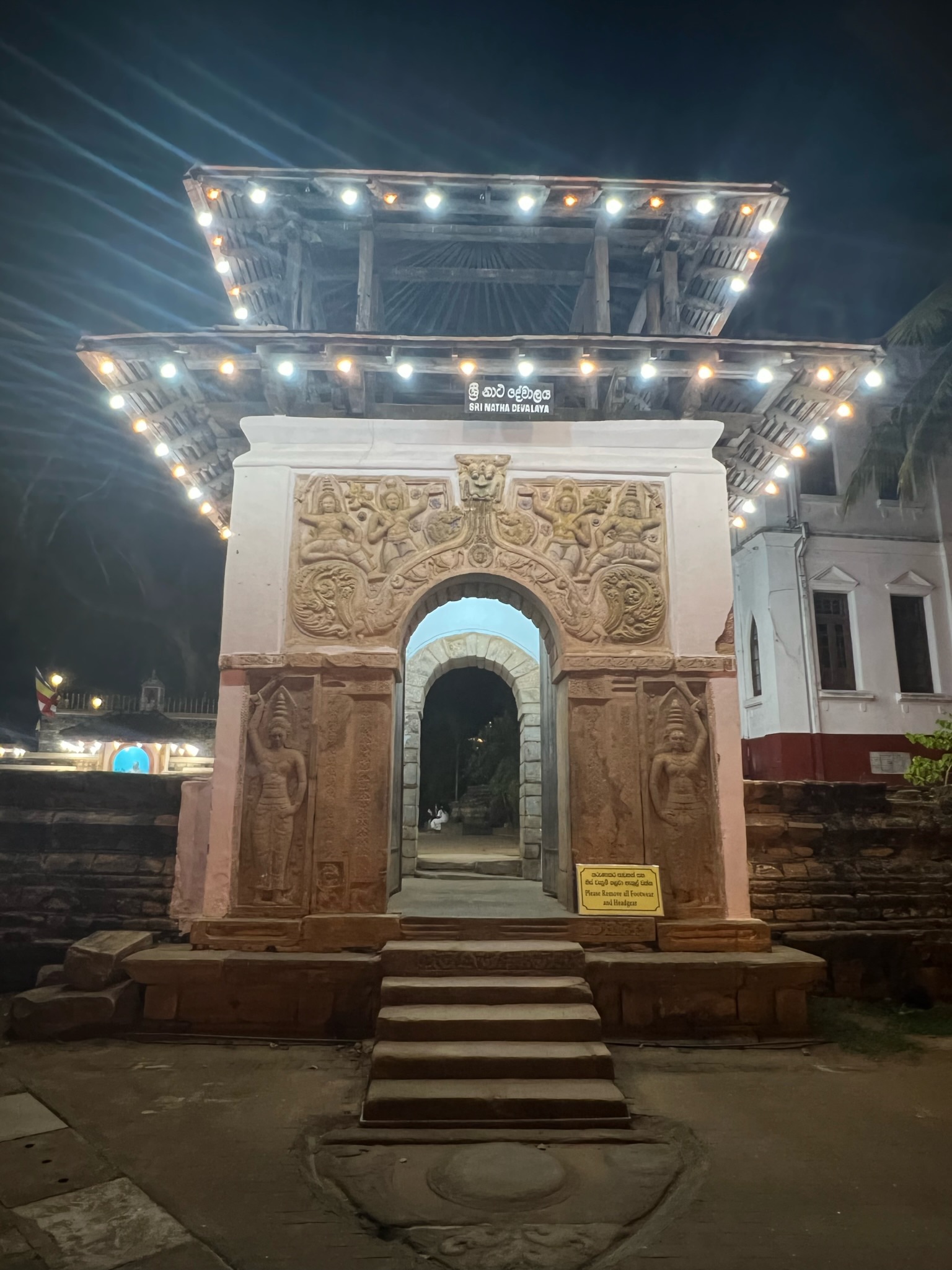
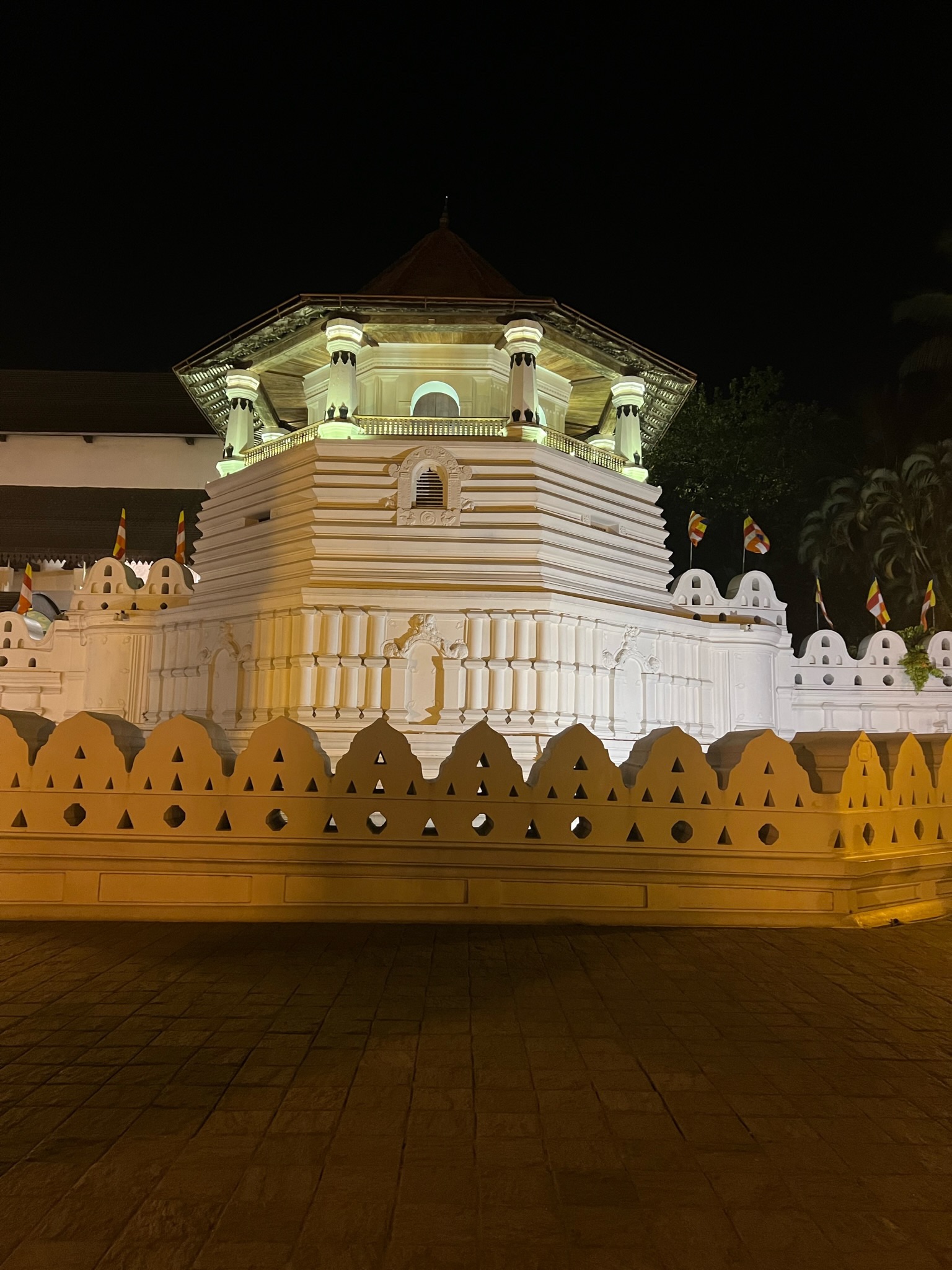
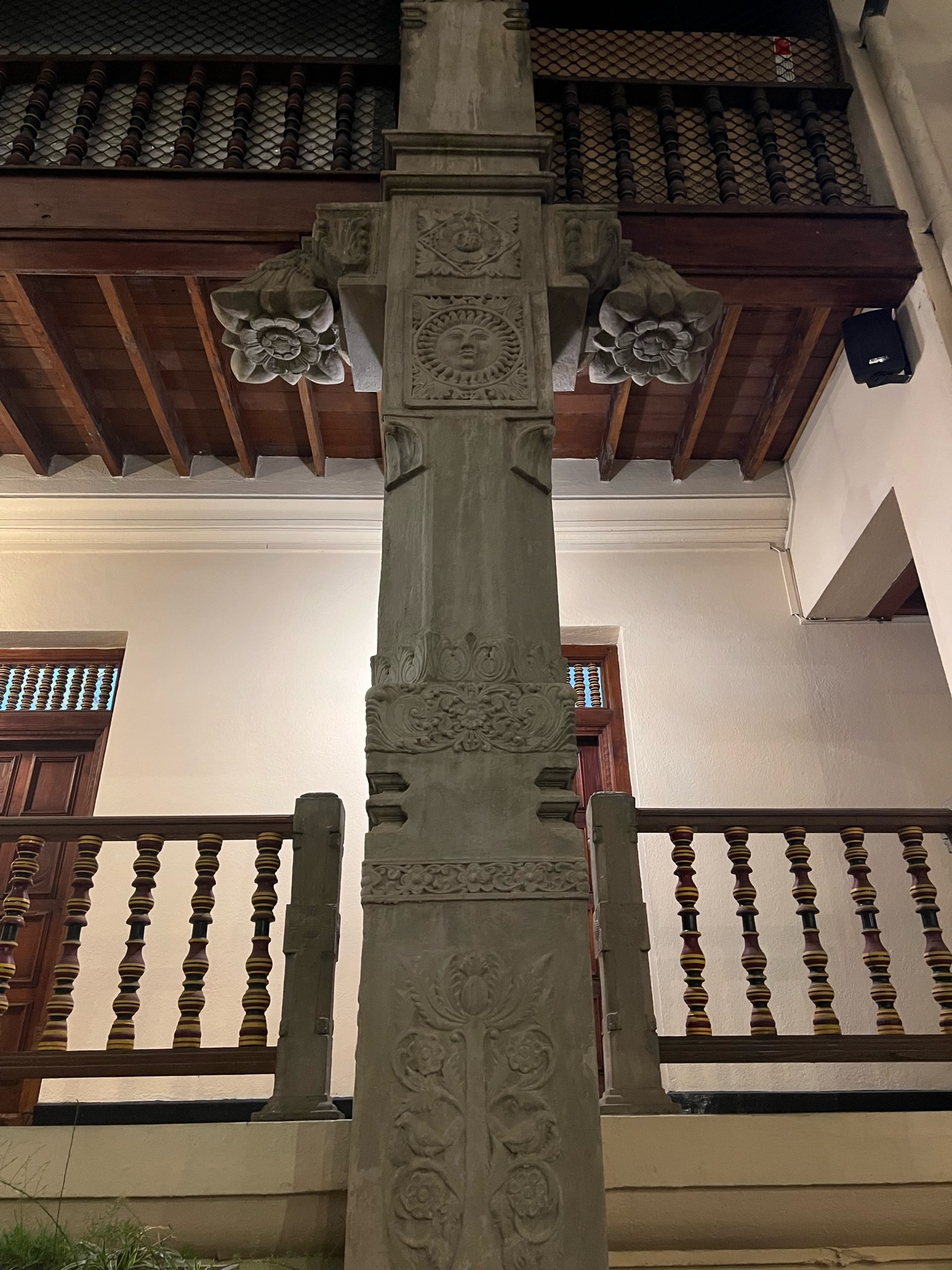
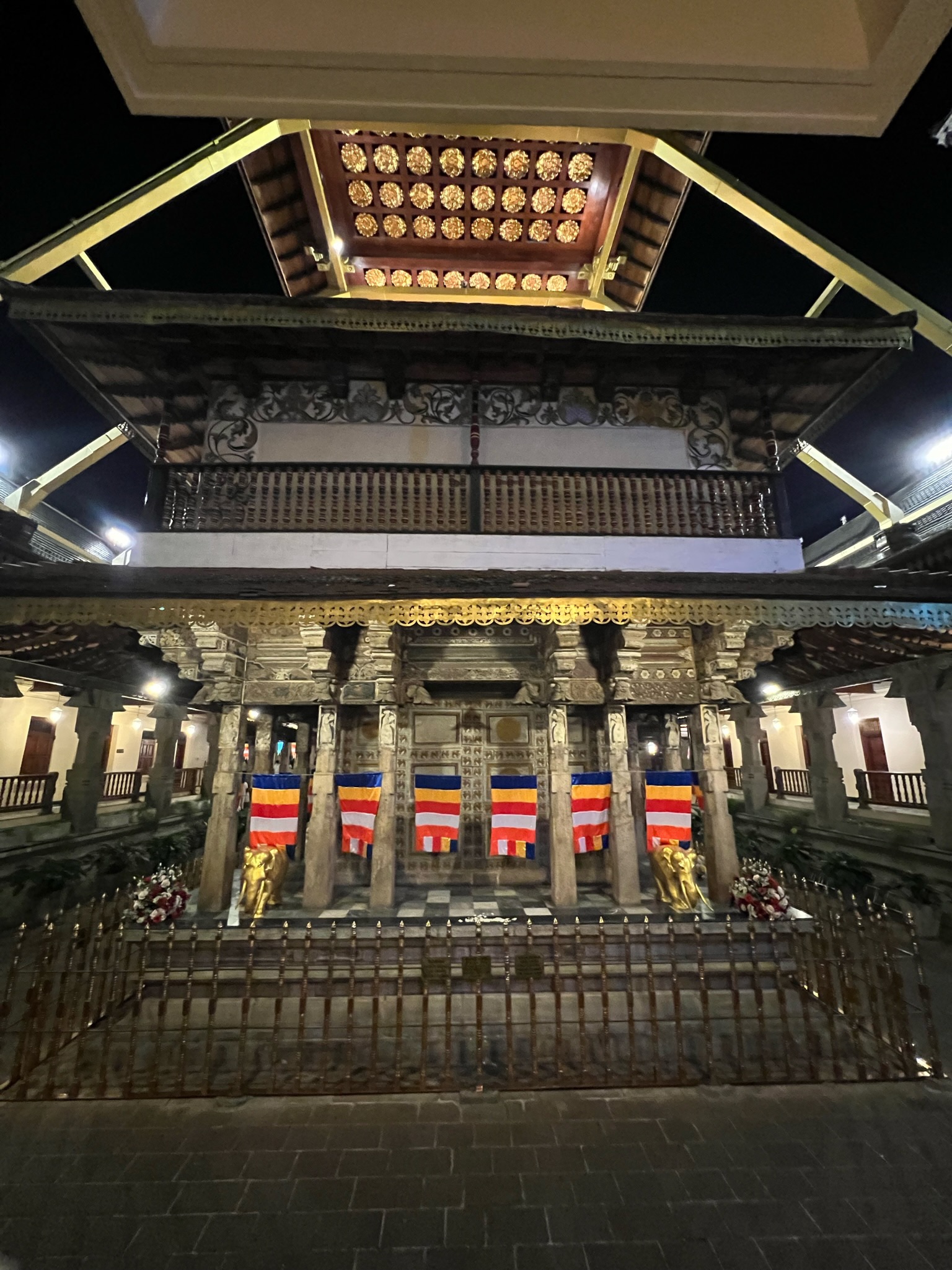
We went to The Temple of the Tooth, a large Buddhist temple in Kandy. In 543 when he died, Siddhārtha Gautama (Buddha) was cremated, and his followers found and recovered his left canine tooth from the funerary pyre afterwards. The tooth made its way from India to Sri Lanka, and the temple was built to house it. Per our hotel’s recommendation, we waited until the evening to go see it, so that we would be able to witness the evening service. We watched in silence as their ceremony unfolded. Hundreds of people brought their offerings while the temple priests performed their rituals.
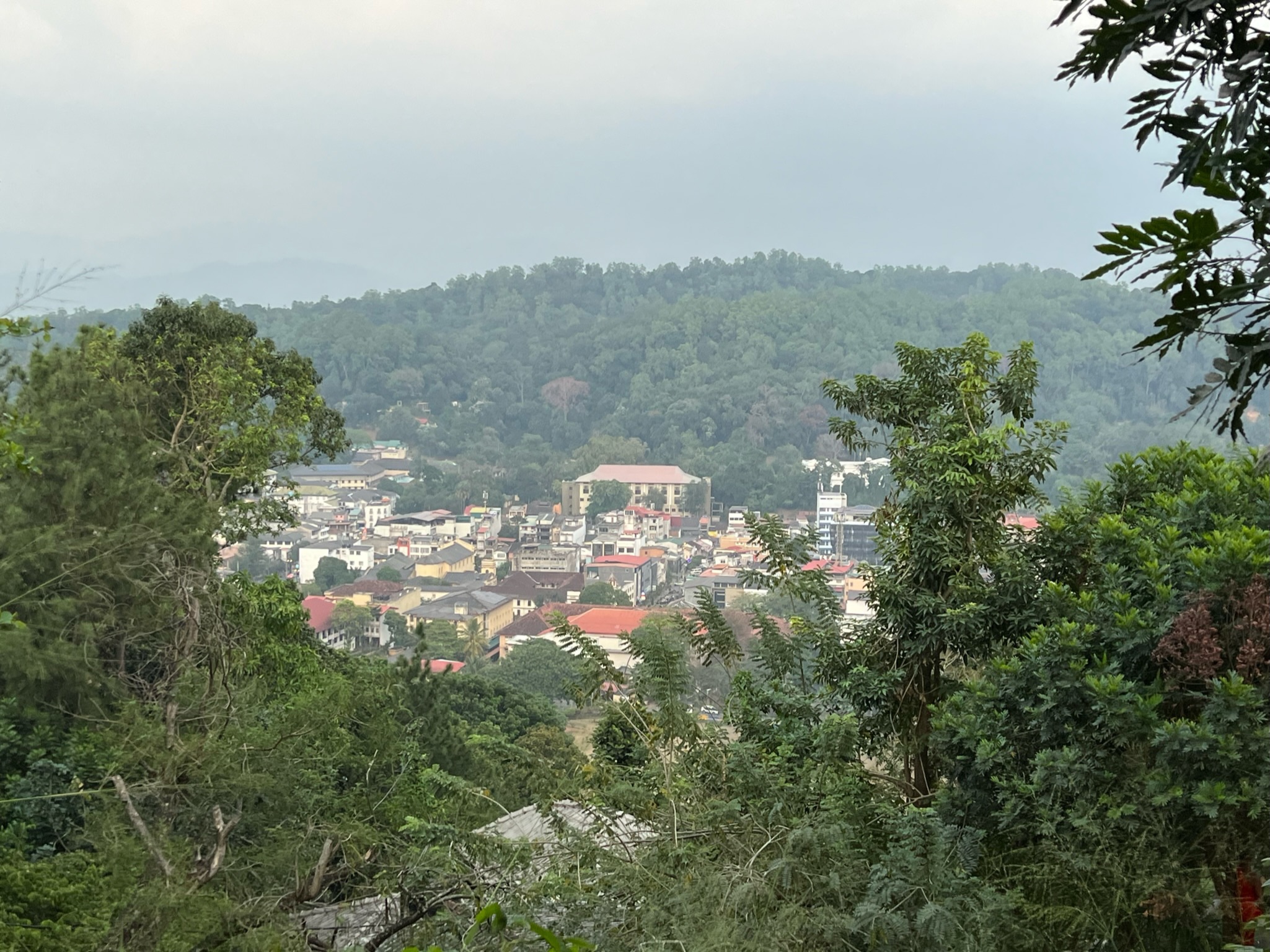
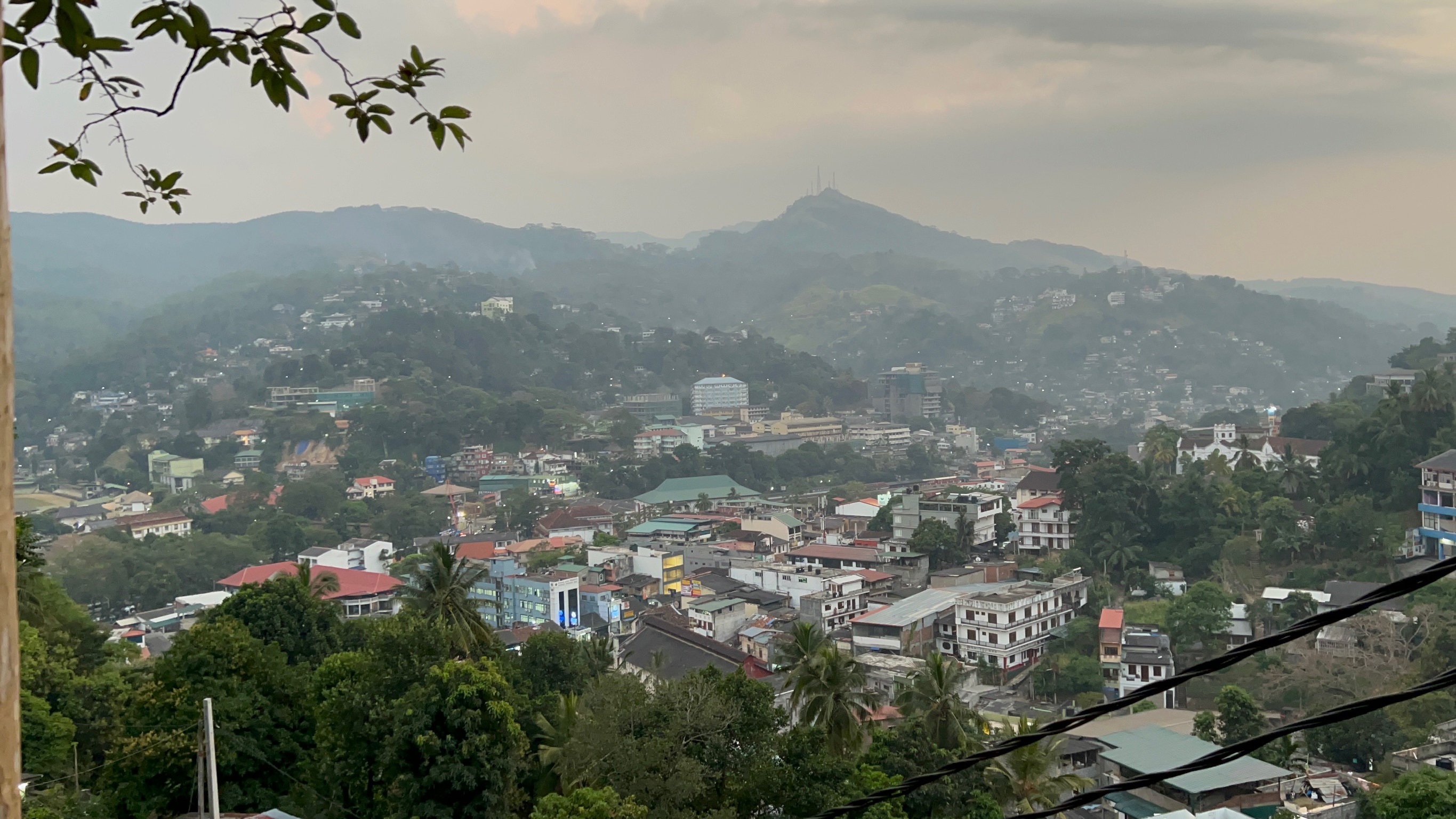
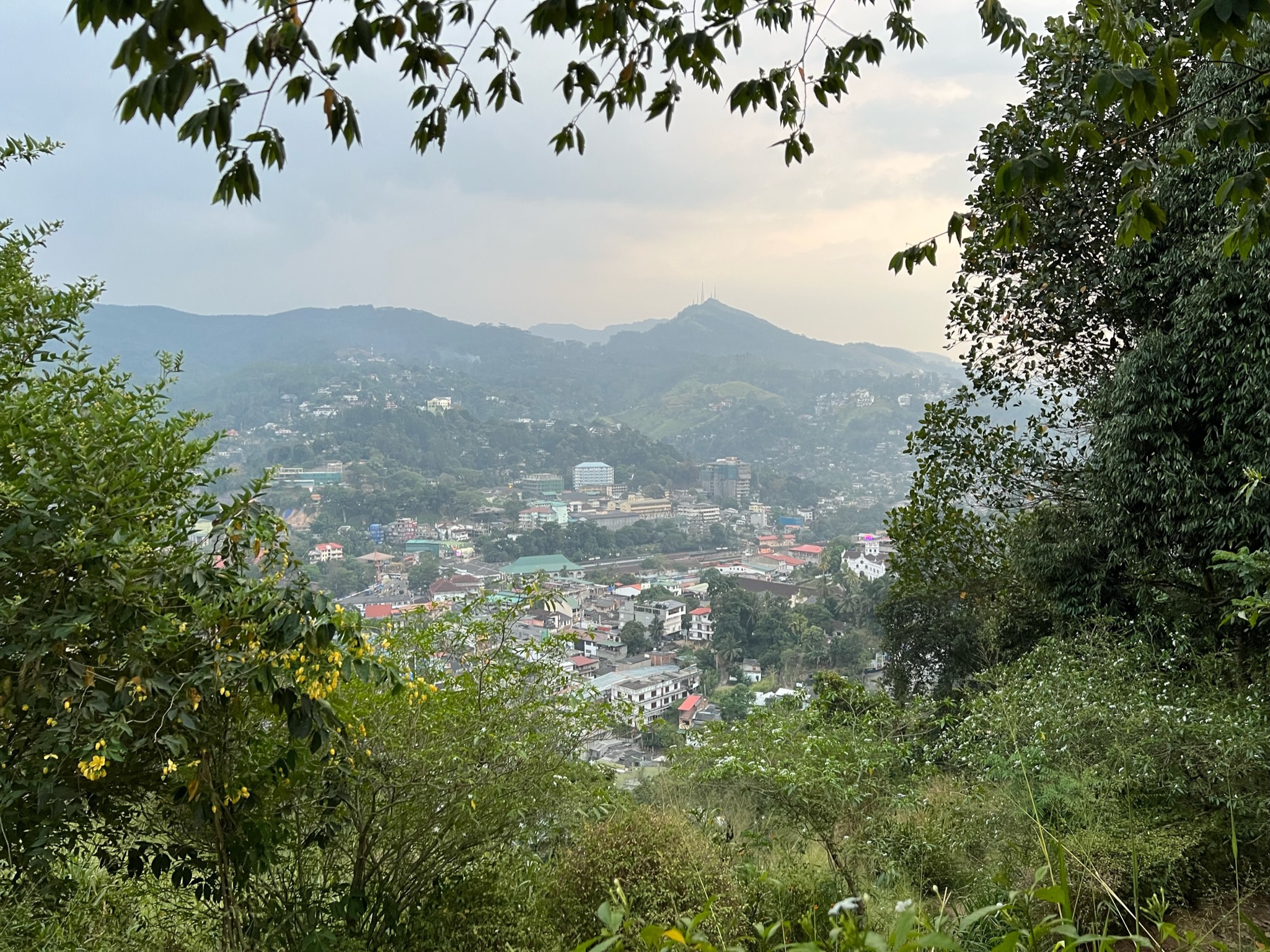
We also walked up a large hill overlooking town to the ‘Big Buddha’ statue. We chose not to go in because it required an entry fee, and we had already seen several temples. Instead, we took in the view from the hilltop. On our way back down the hill, we listened to the beating of the drums in the Buddhist temples mixing with the Hindu call to prayer. It was interesting to hear, even if we couldn’t understand anything they said.
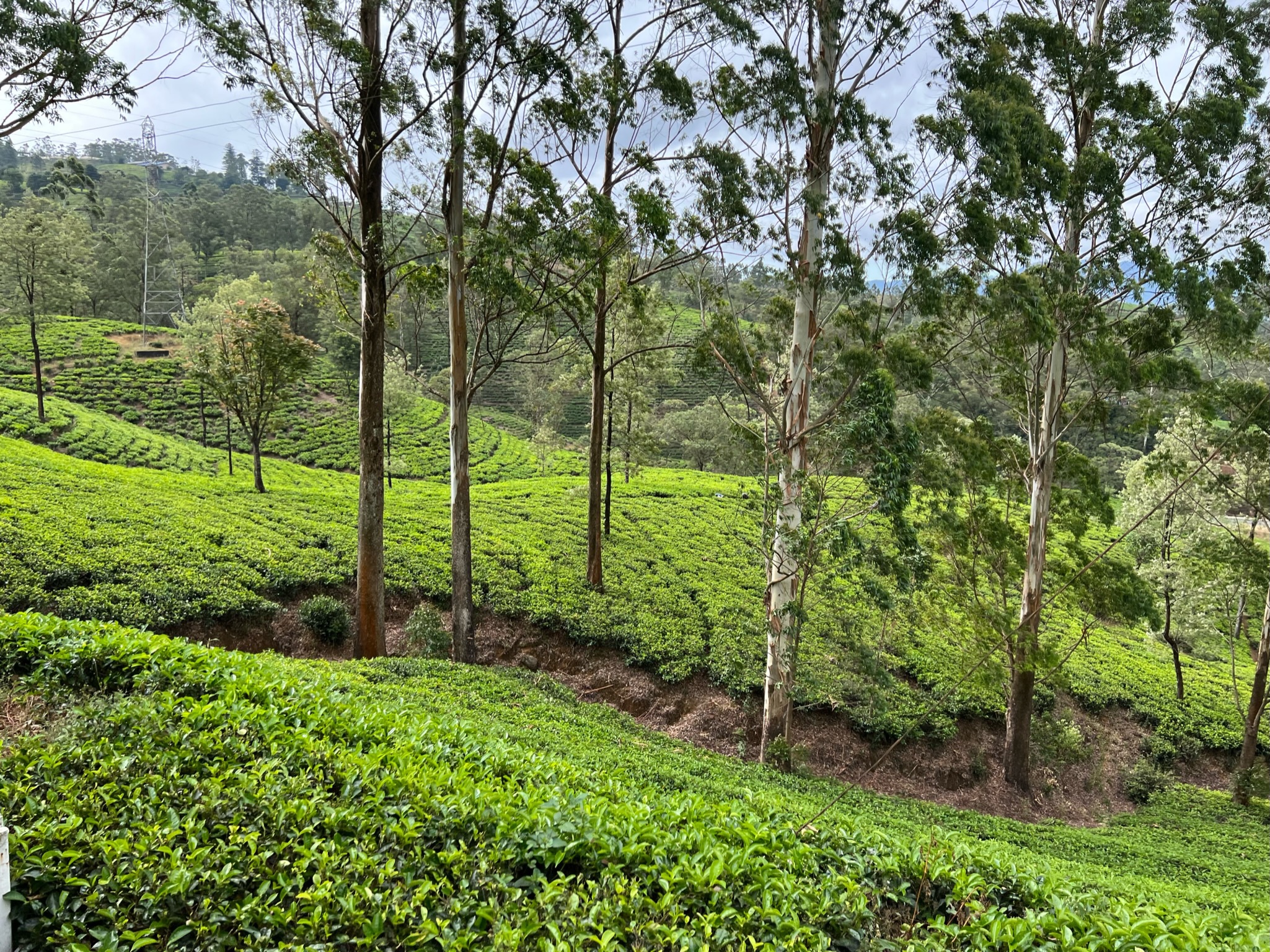
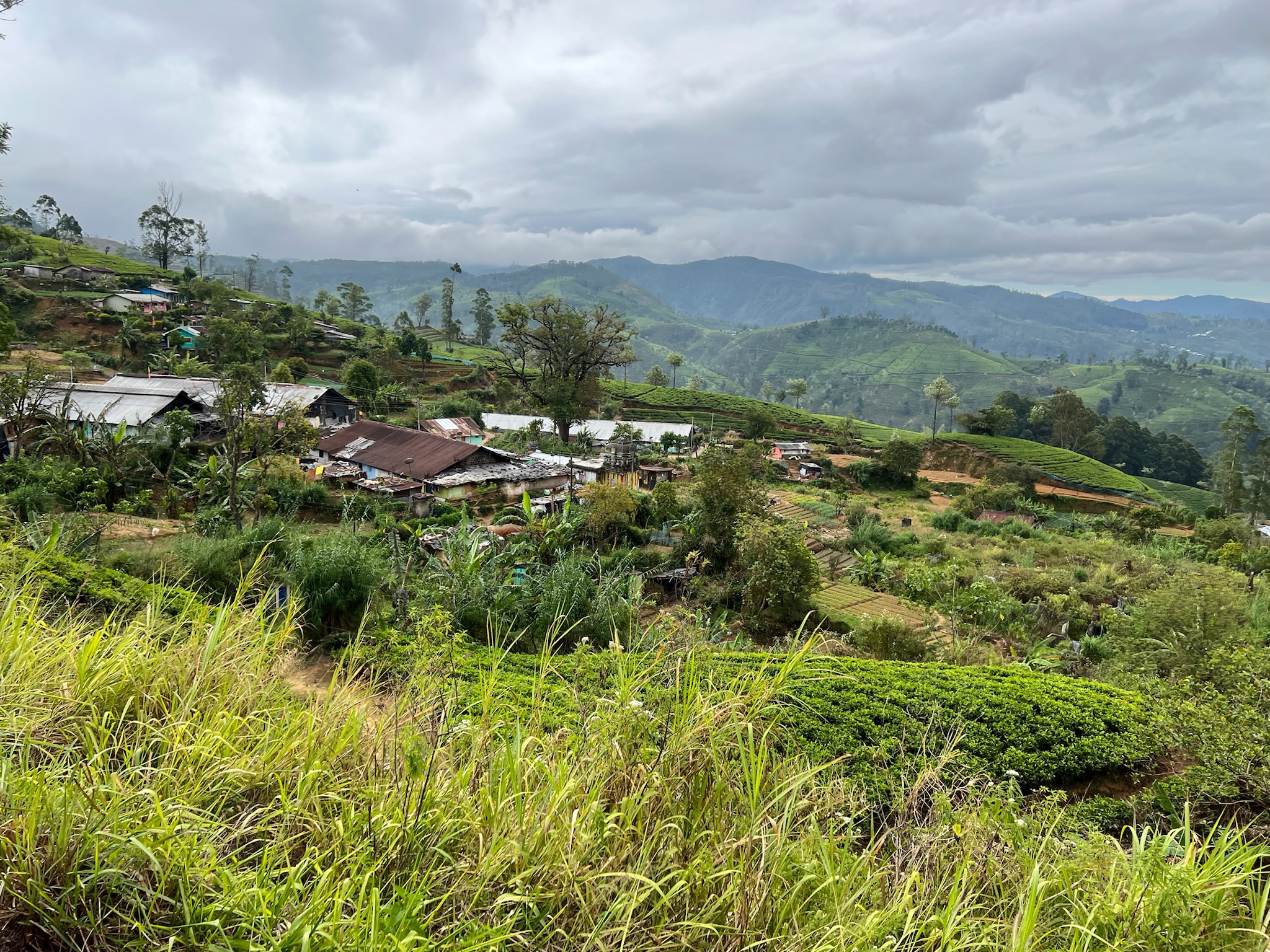
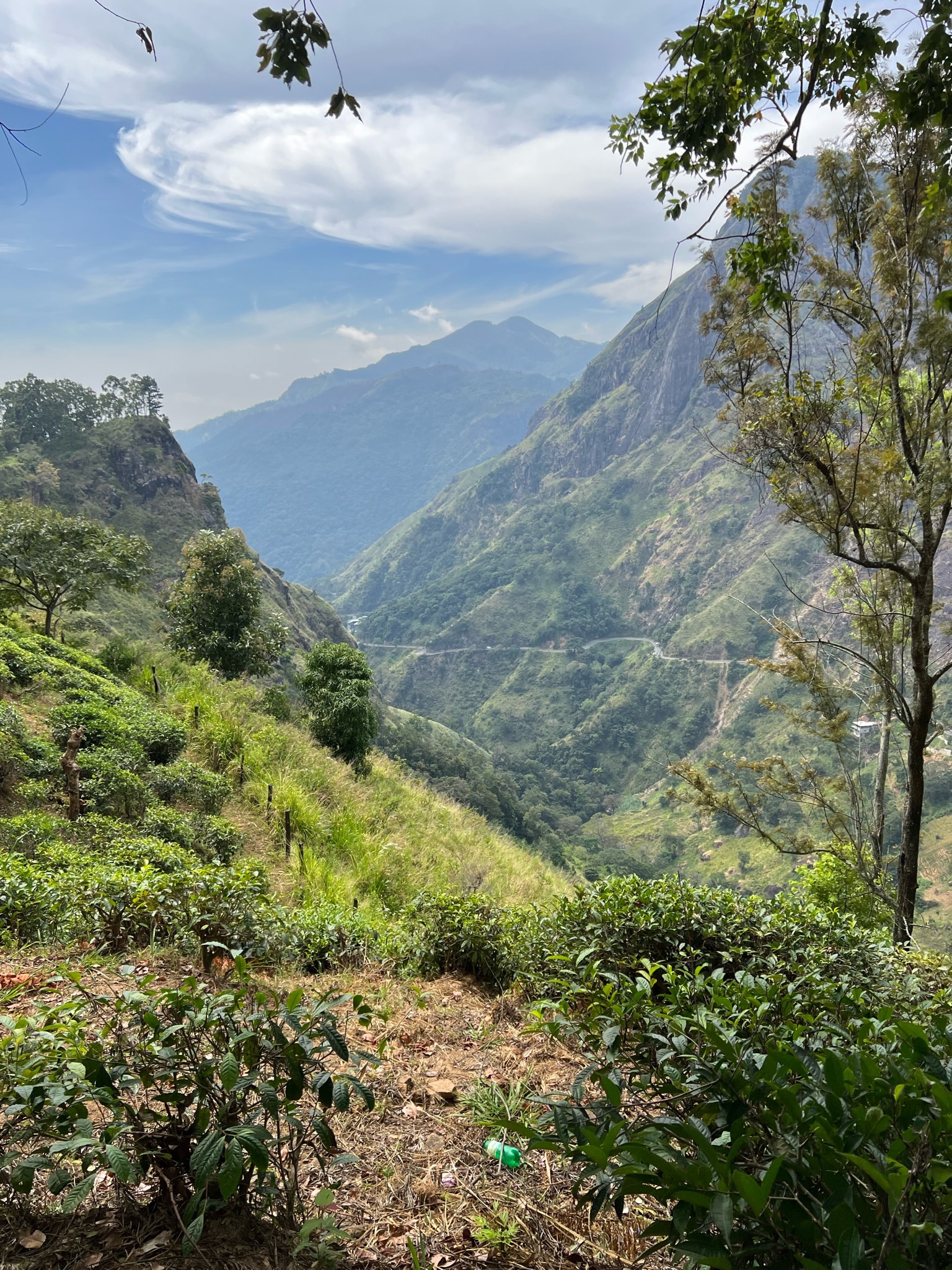
In Sri Lanka, one of the most iconic things to do is to ride the train between Kandy and Ella. The mountainous region of the island sits primarily between these two cities, and it is simply wonderful to behold. Tea plantations line the steep hillsides, and the train gives you the perfect vantage point to admire all of it. The train ride is about 7-8 hours long, but because we wanted to go to Adam’s Peak as our next stop, we’d have to detour a bit. We decided to ride the bus down to Adam’s Peak. From there, we would catch the train in Nuwara Eliya, another town that sits much closer to Ella. The section of the tracks between Nuwara Eliya and Ella is supposed to be the best part of the ride, and by starting closer, we would cut the ride down to 4 hours instead.
The issue is that the train tickets for the 1st and 2nd class reserved cars sell out very quickly. With these cars, you get a guaranteed seat all to yourself for the entire ride. There are also 2nd, and 3rd class unreserved seats that are only for sale at the station, and these seats never sell out. With these tickets, you can get on the train, but you aren’t guaranteed a seat. The cars can get very, very full; they are called cattle cars for a reason. We would go this way if we had to, but because we’d have all of our luggage, we really didn’t want to.
We hadn’t been able to get any reserved tickets but we thought that maybe we could buy them at the station. On our last day in Kandy, our taxi driver dropped us off at the station so we could try to get them in advance. We struck out, unfortunately, but we were determined to figure out some way to get on that train.
We made our way over to the bus station to get our real tickets for the day. We were heading to Adam’s Peak, and riding the bus or hiring a taxi are the easiest ways to get there. On our way, a tuk tuk driver stopped us and said the bus station was already closed. Now, we’ve heard of people lying to tourists with something like that so that they can steer them in the direction that is more profitable for them. Dubious, we said thank you and went over to check out the bus station for ourselves.
The station was actually closed, as it was the Sri Lankan Independence Day. We stood on the corner evaluating our options, and the tuk tuk driver came back to us with another man in tow. This man, Ajantha, was a taxi driver who was driving a tuk tuk for extra money on the holiday. He struck a deal with us for getting us to Adam’s Peak. We were nervous about it, but not seeing too many other options available to us, we decided to trust our gut. He asked us if we would go with him to his house so he could drop off the tuk tuk and get his car. Nervously, we agreed, and then we texted our family back home to let them know where we were in case we came up missing.
About 10 minutes later, we arrived a very modest but very warm home. There were several kids in the driveway, and the women of the house were watching out the door as we pulled up. We had stopped along the way to pick up Ajantha’s oldest daughter, so when we were safely parked, the 5 of us climbed out of the tuk tuk. The family was very friendly with us, and they seemed to feel honored that we were there. They even brought us Sri Lankan pancakes for a treat on the road. Before we left, they asked if we would take pictures with them. All of my reservations about Ajantha disappeared when I saw that he was just a working man, trying his best to support his family.
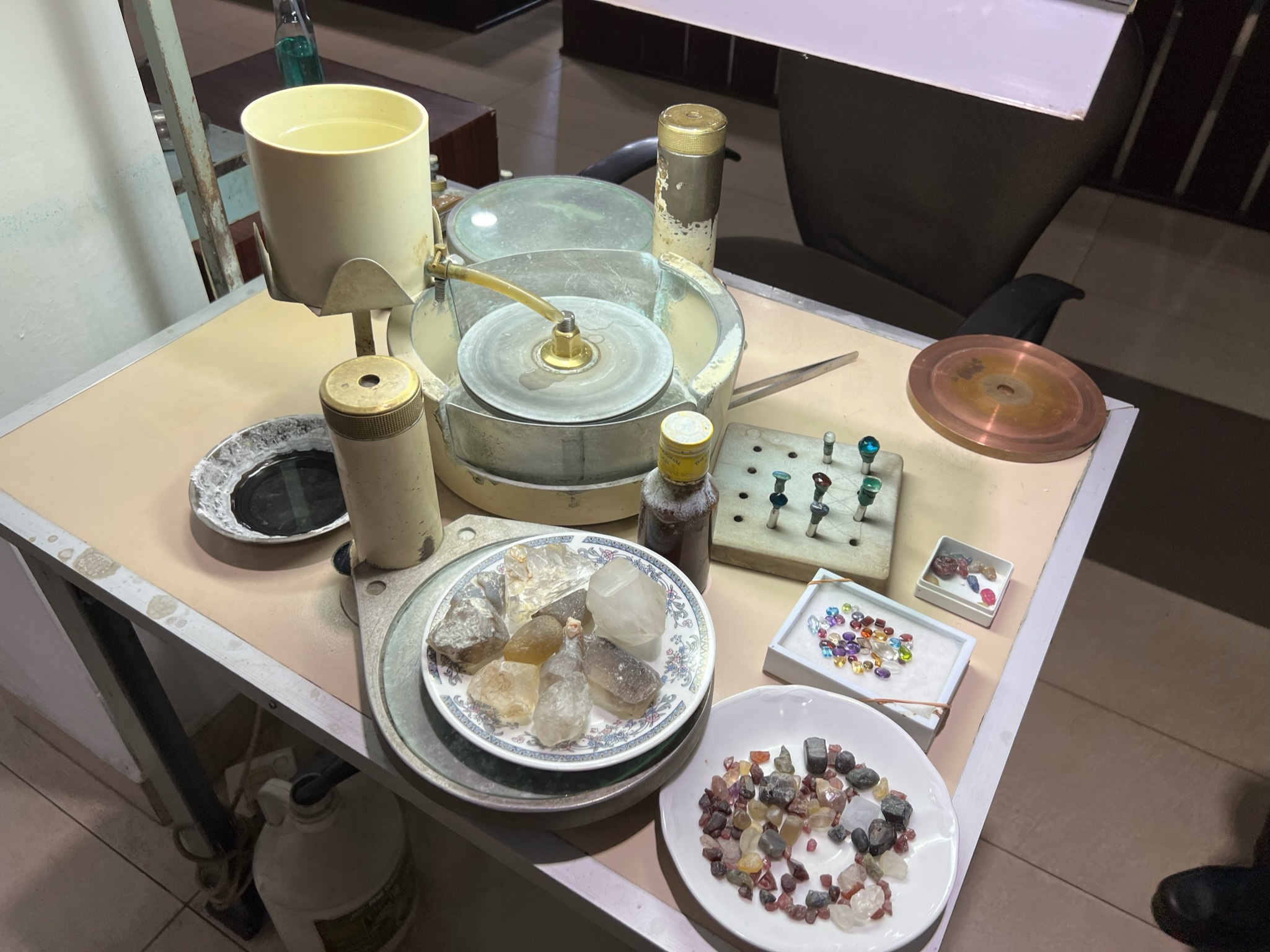
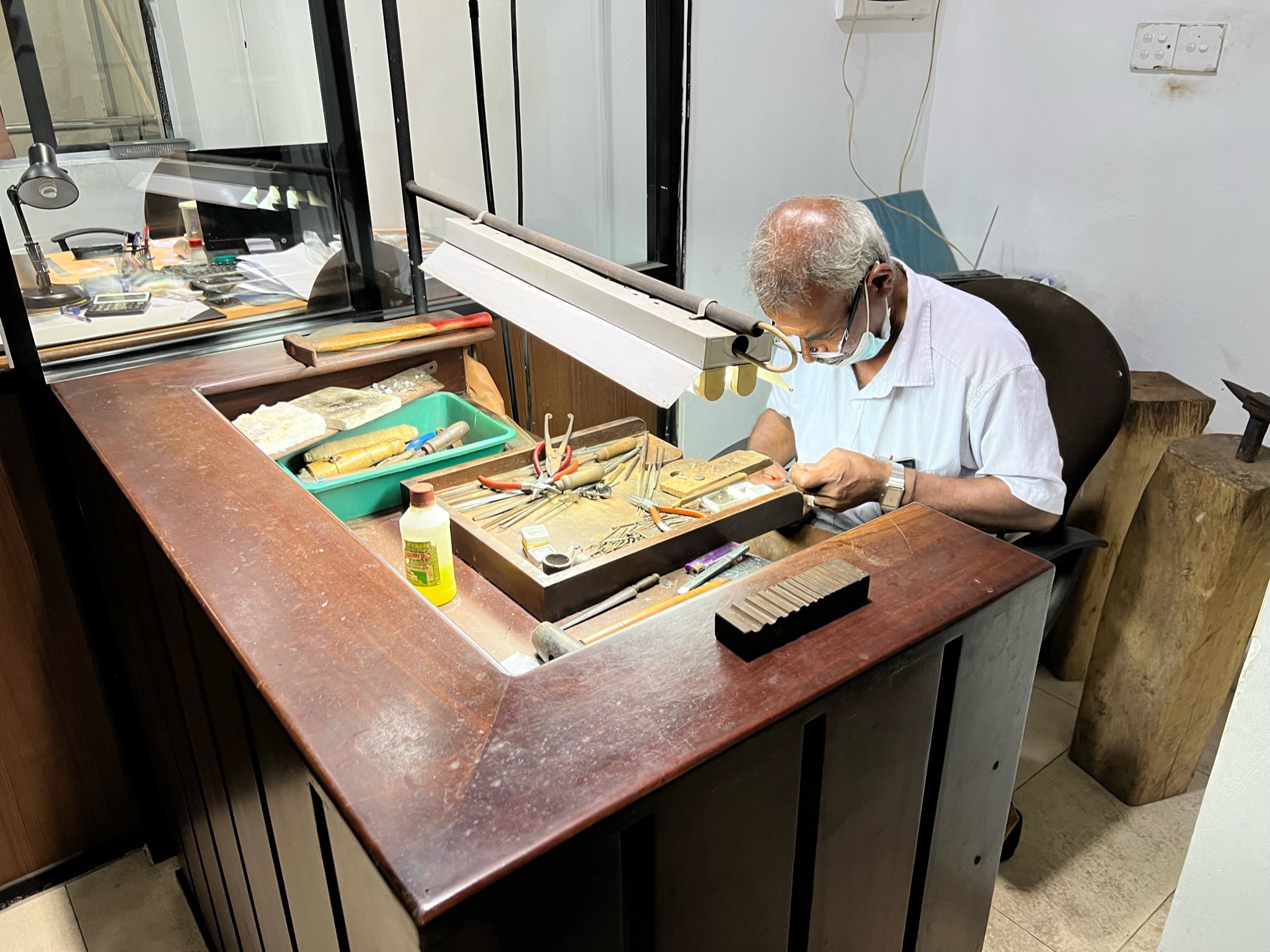
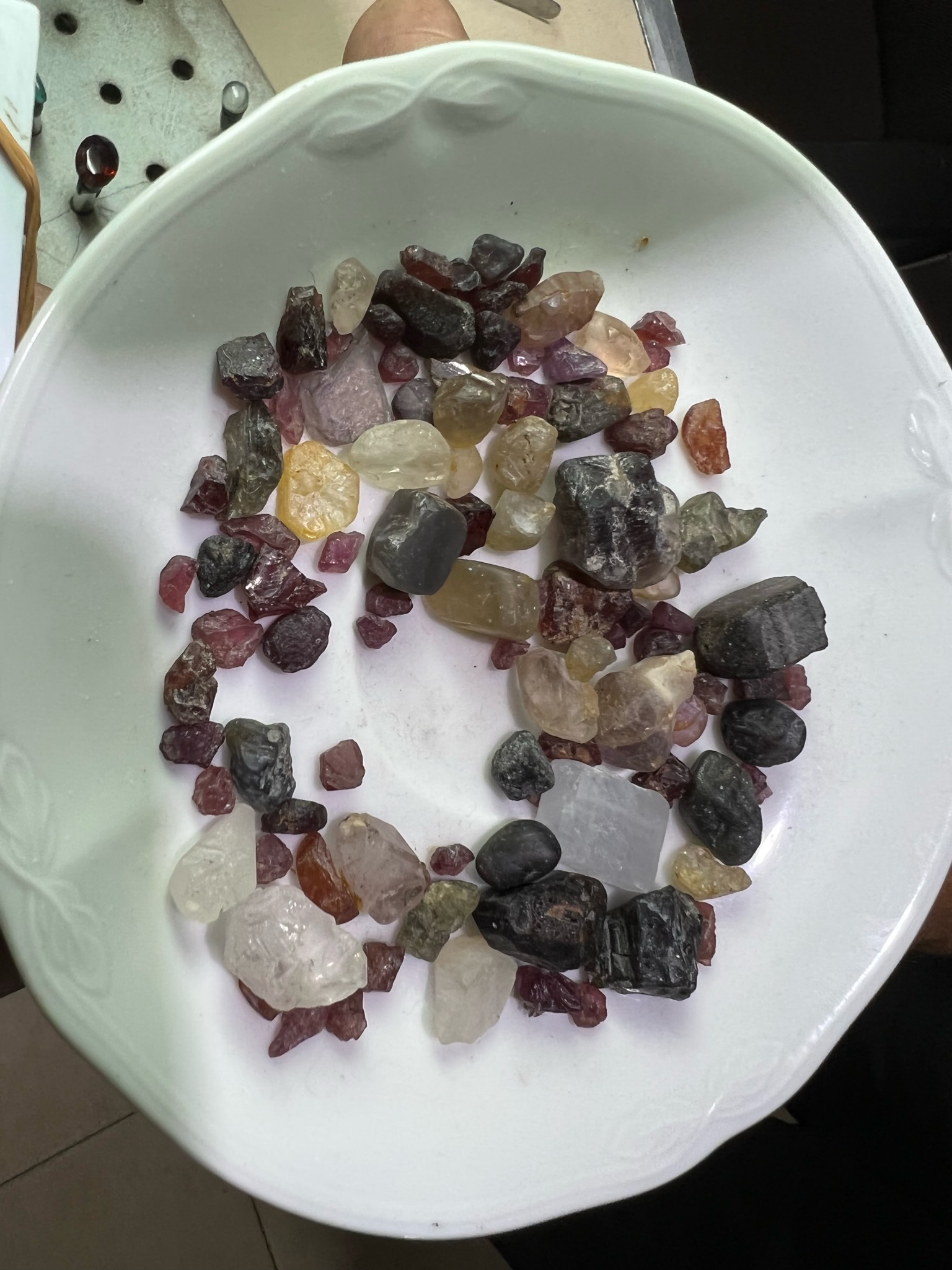
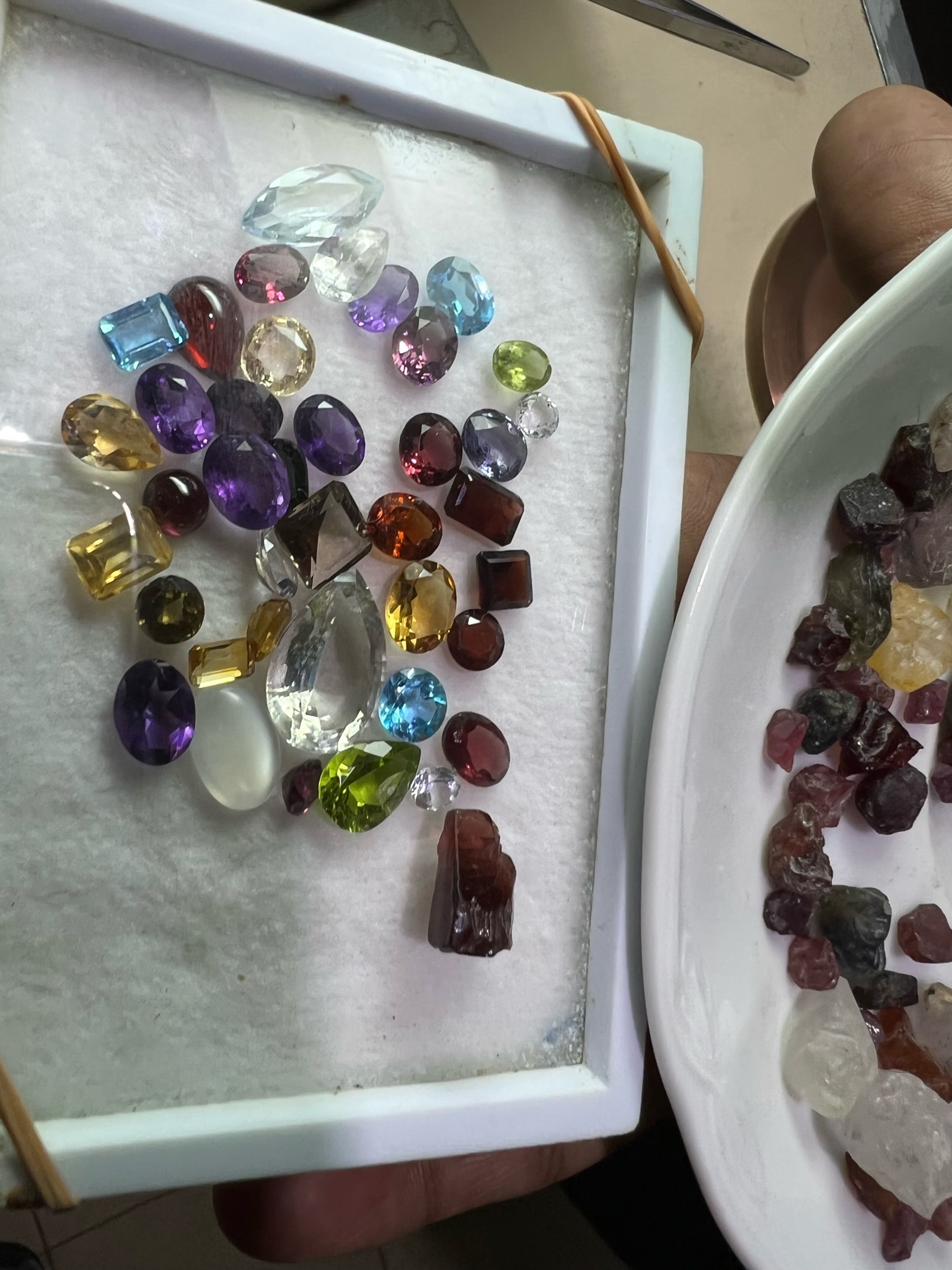
Ajantha had offered to take us to see a few different sightseeing places along the way, and our first stop was the Handuni’s Gem Store and Museum. After he introduced us to the family who ran the museum, he waited for us in the lobby. We watched a video on how the gem mines were and still are built and how the stones are recovered. Afterwards, we were able to visit their factory where they were shaping and polishing the stones as well as designing and creating the jewelry to hold them. It wasn’t a place we’d ever have stopped on our own, but it was quite fascinating to see. After a short push to sell us some gems, we said our goodbyes, and we were admittedly relieved to find Ajantha still waiting in the lobby for us.
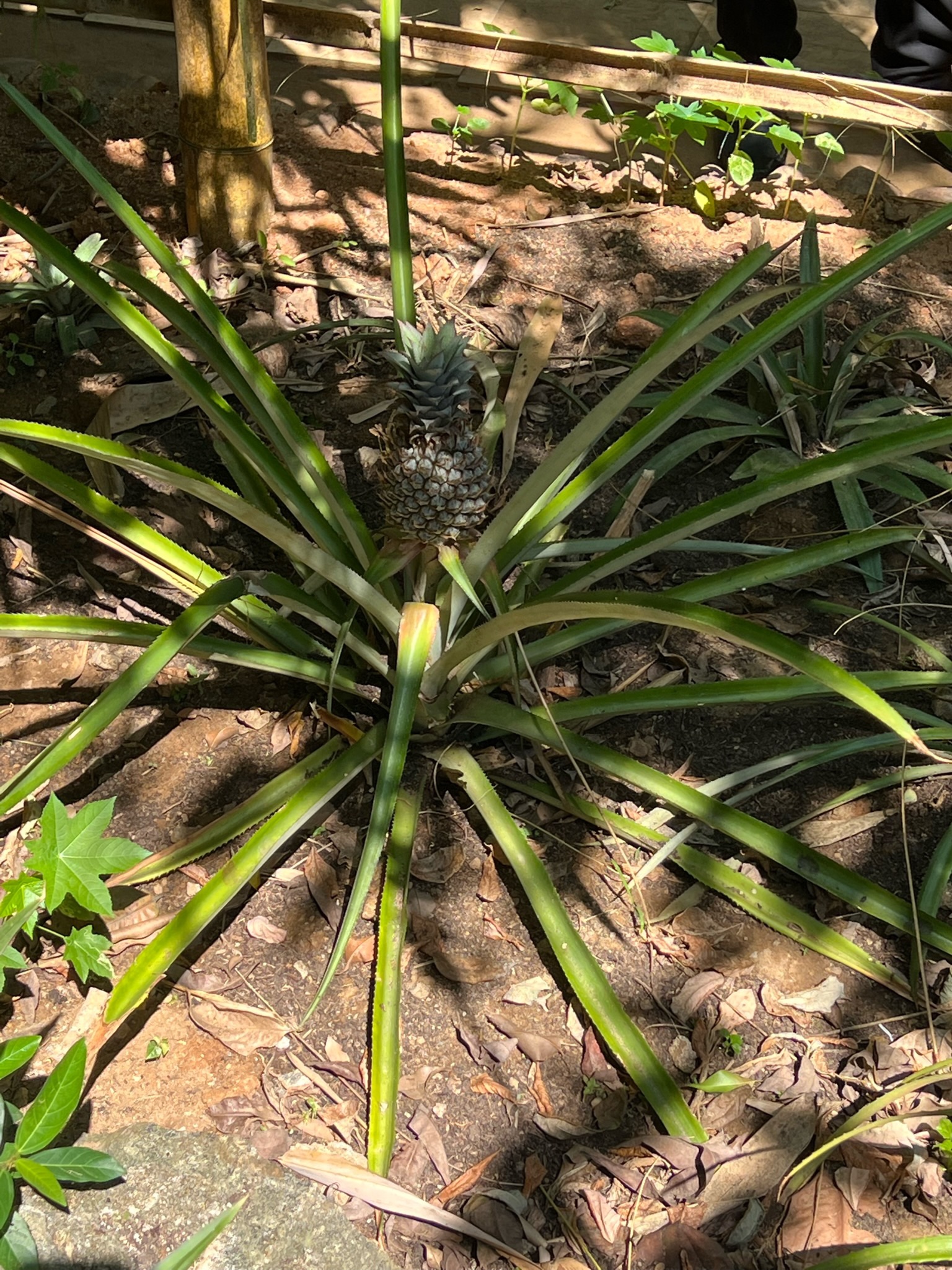
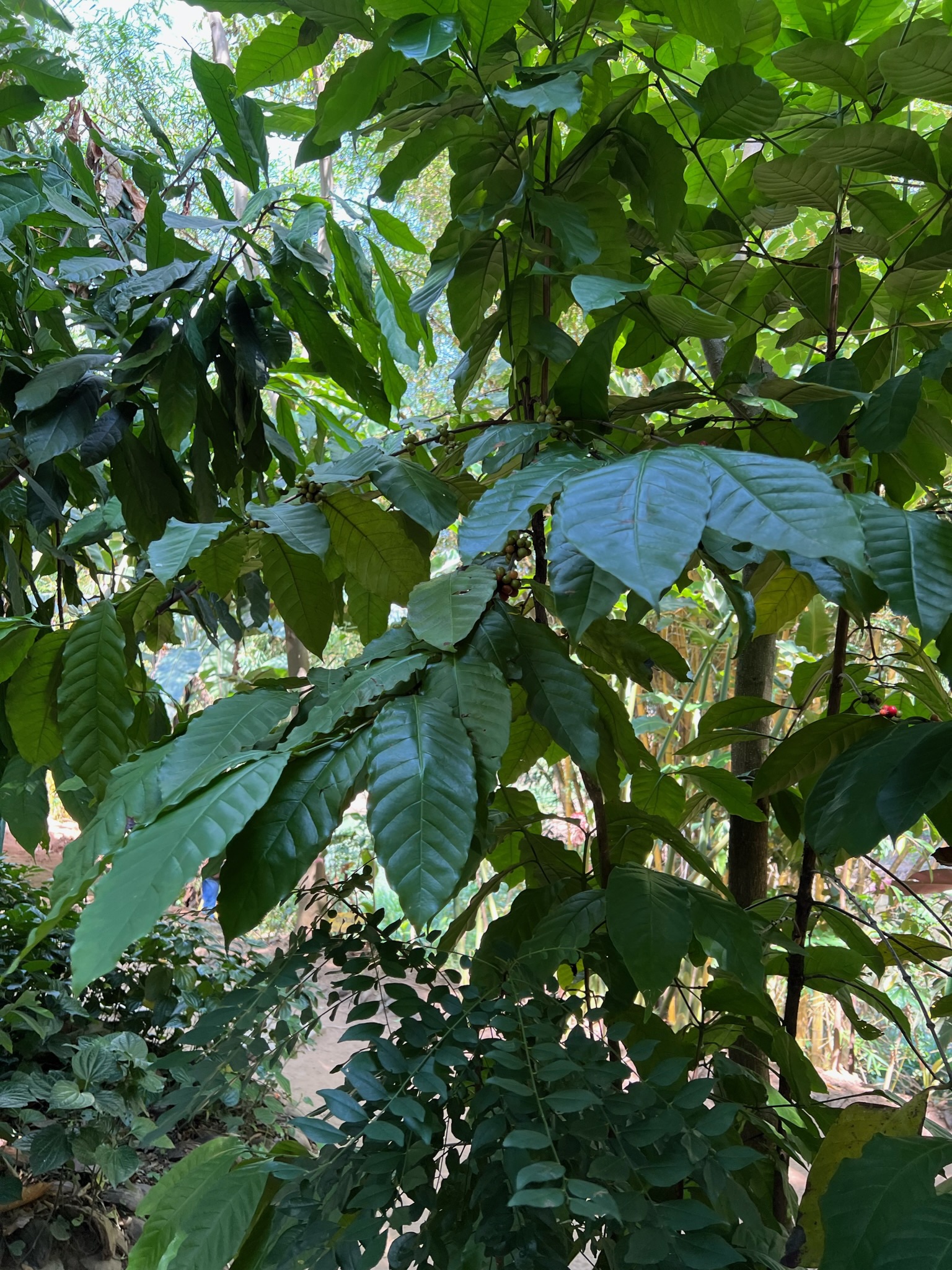
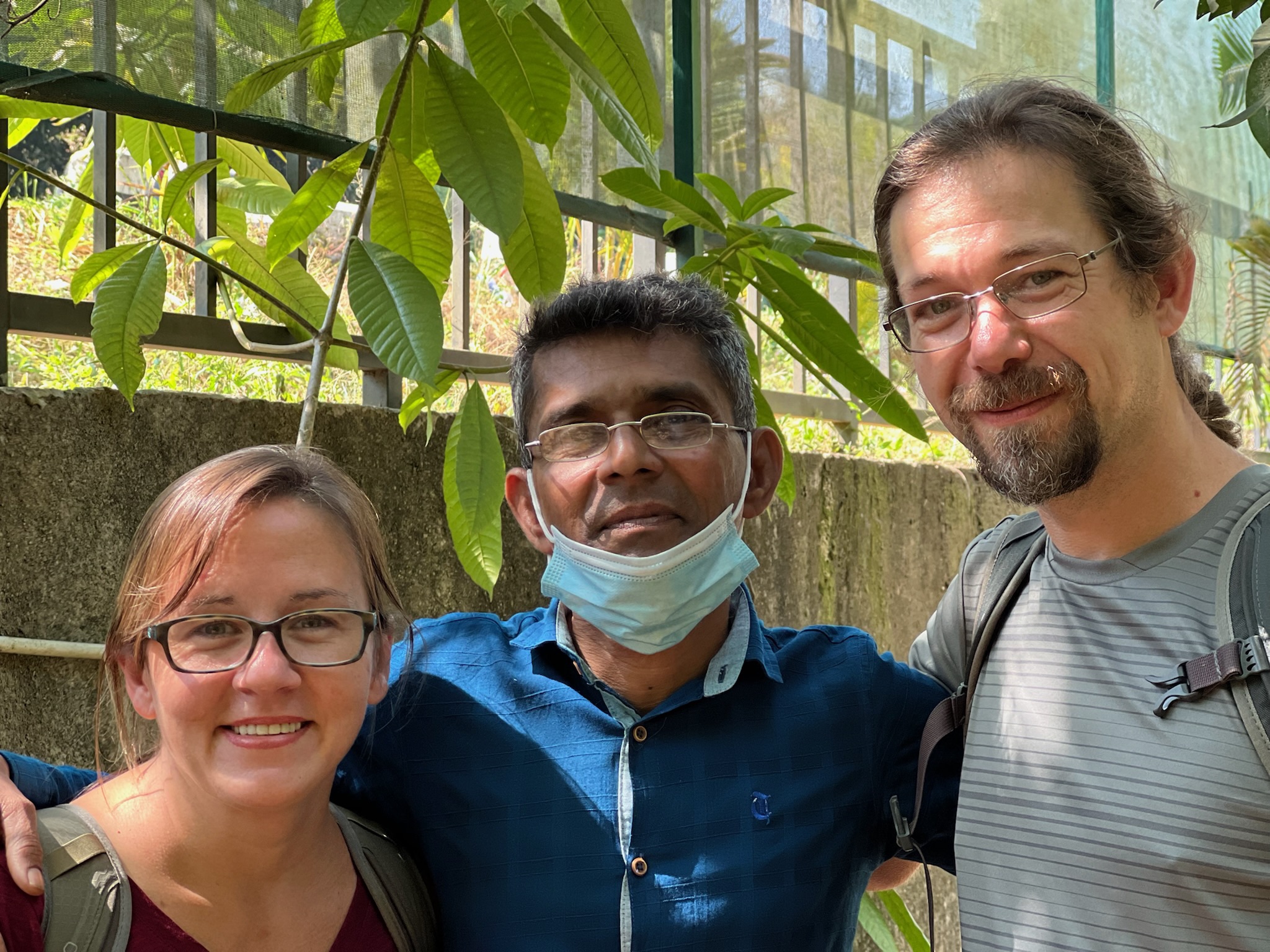
Our second stop was at a government run spice garden. We’d heard that they had spice gardens, and we had hoped to visit one. I don’t know what I’d expected a spice garden to be, but this wasn’t it. In Sri Lanka, the locals are big on Ayurvedic medicine, a homeopathic approach to medicine. In this spice garden, our tour guide was an Ayurvedic doctor, and he spent about 45 minutes walking us around from plant to plant and telling us how they used each one to treat all sorts of ailments from varicose veins to insomnia and from hair loss to acid reflux. At the end of our tour, we had the opportunity to purchase their medicines from their shop. We enjoyed our visit here much more than I ever would have anticipated. We aren’t big proponents of modern medicine because we believe it treats the symptoms more often than the causes, and it was interesting to learn about their approach to healing. Our guide was fun to talk with as well. He said that we were only the second ever Americans that spent time talking with him, and that made us both sad and angry. He was such a nice man, and I hated that our countrymen he’d met were so rude to him.
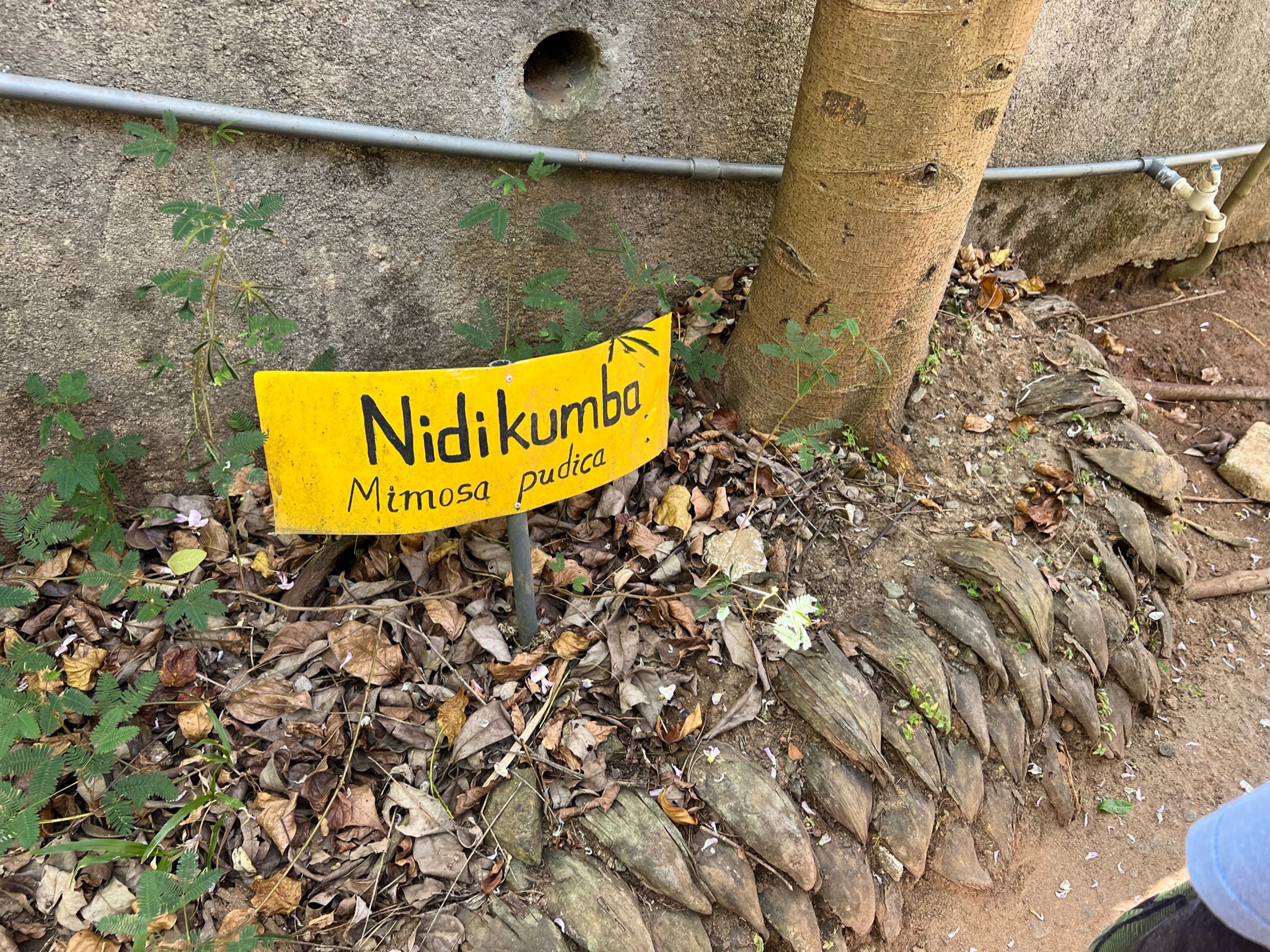
Oh, and I’d be remiss if I didn’t mention Nidikumba, Henry’s favorite plant. If you thump a branch of this plant, the entire branch will wither and appear dead for a few minutes. After 5 minutes or so, it comes back to life and is perfectly fine. Henry had a lot of fun with this, and he thumped every branch he could find.
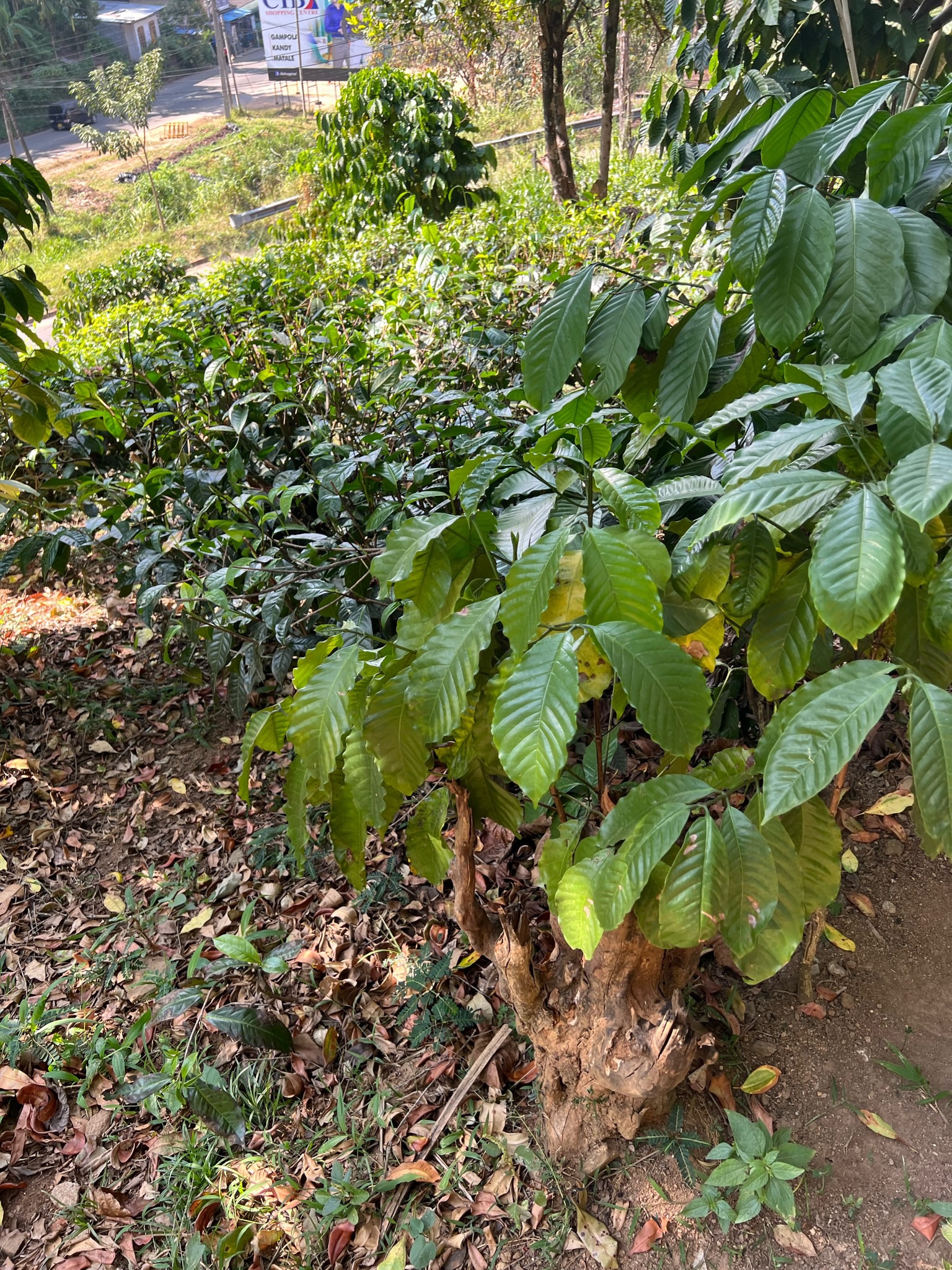
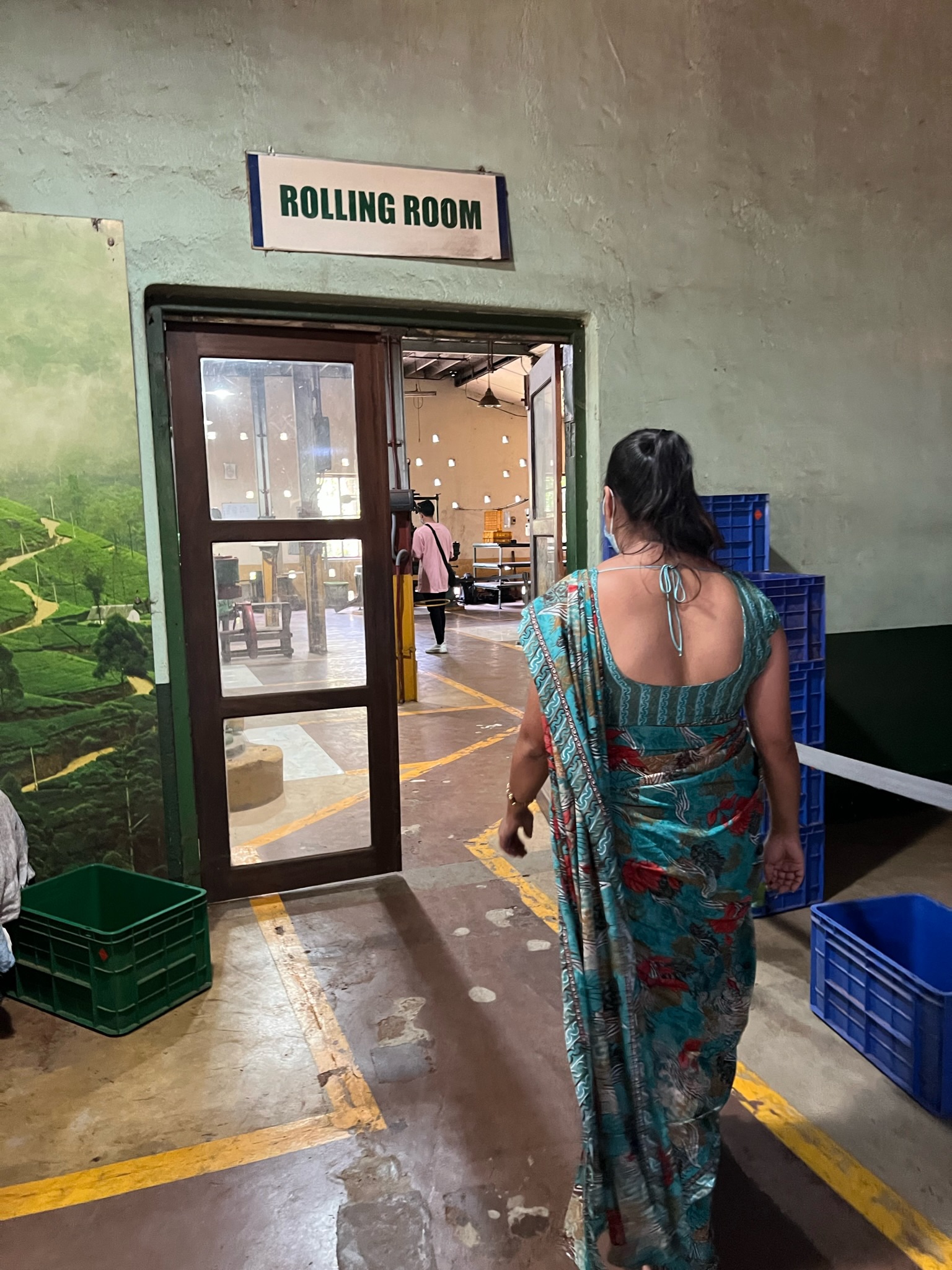
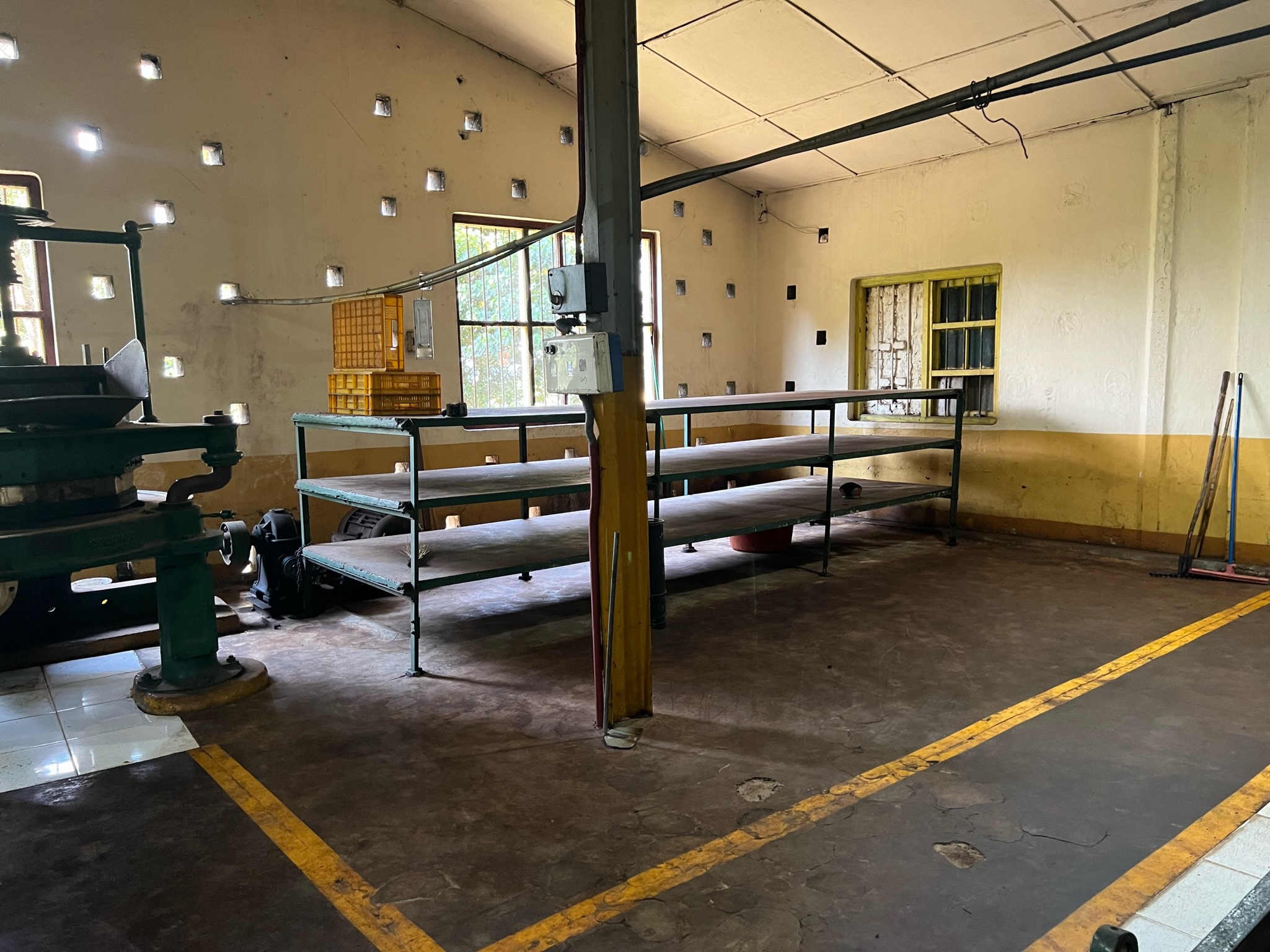
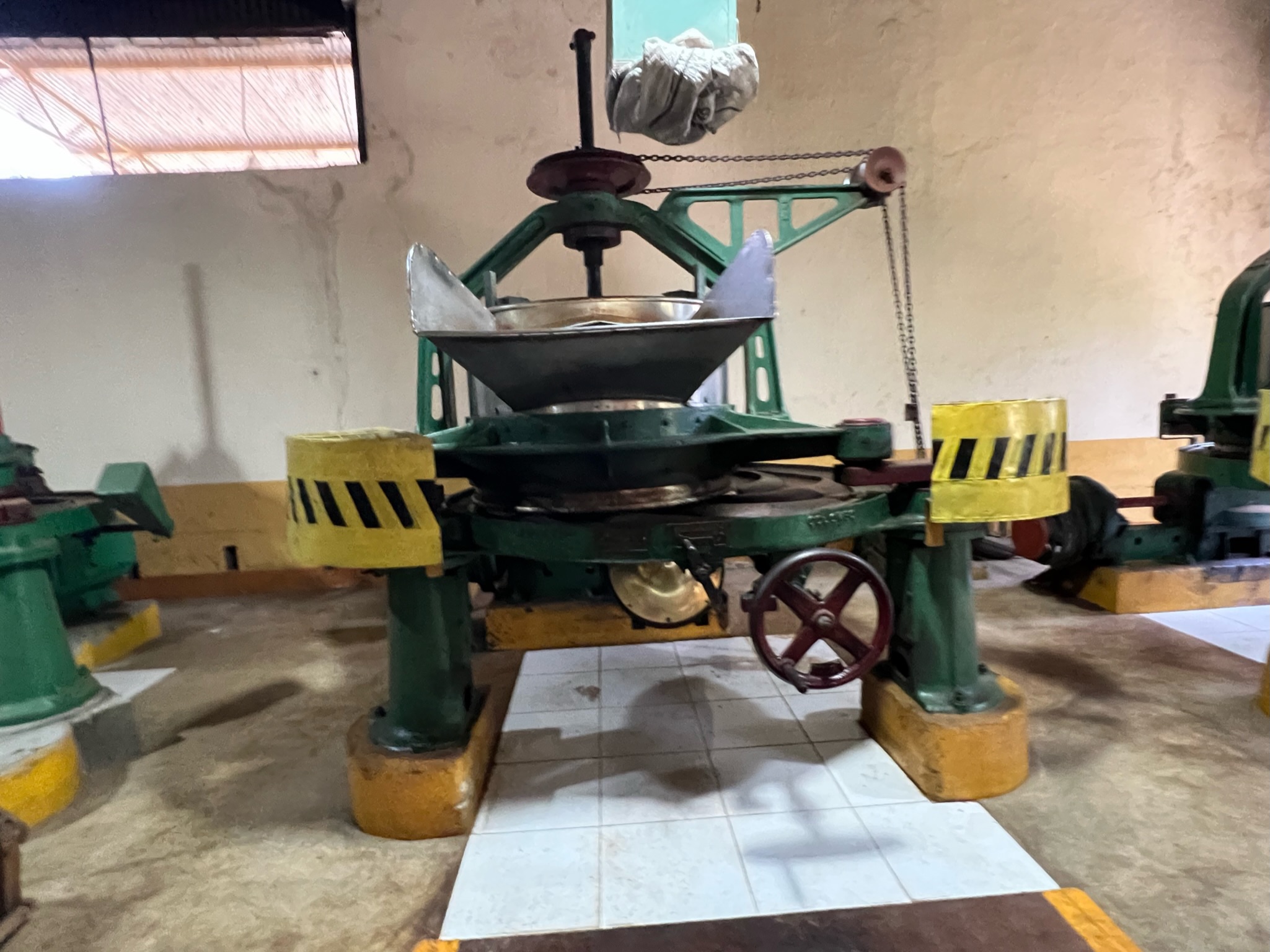
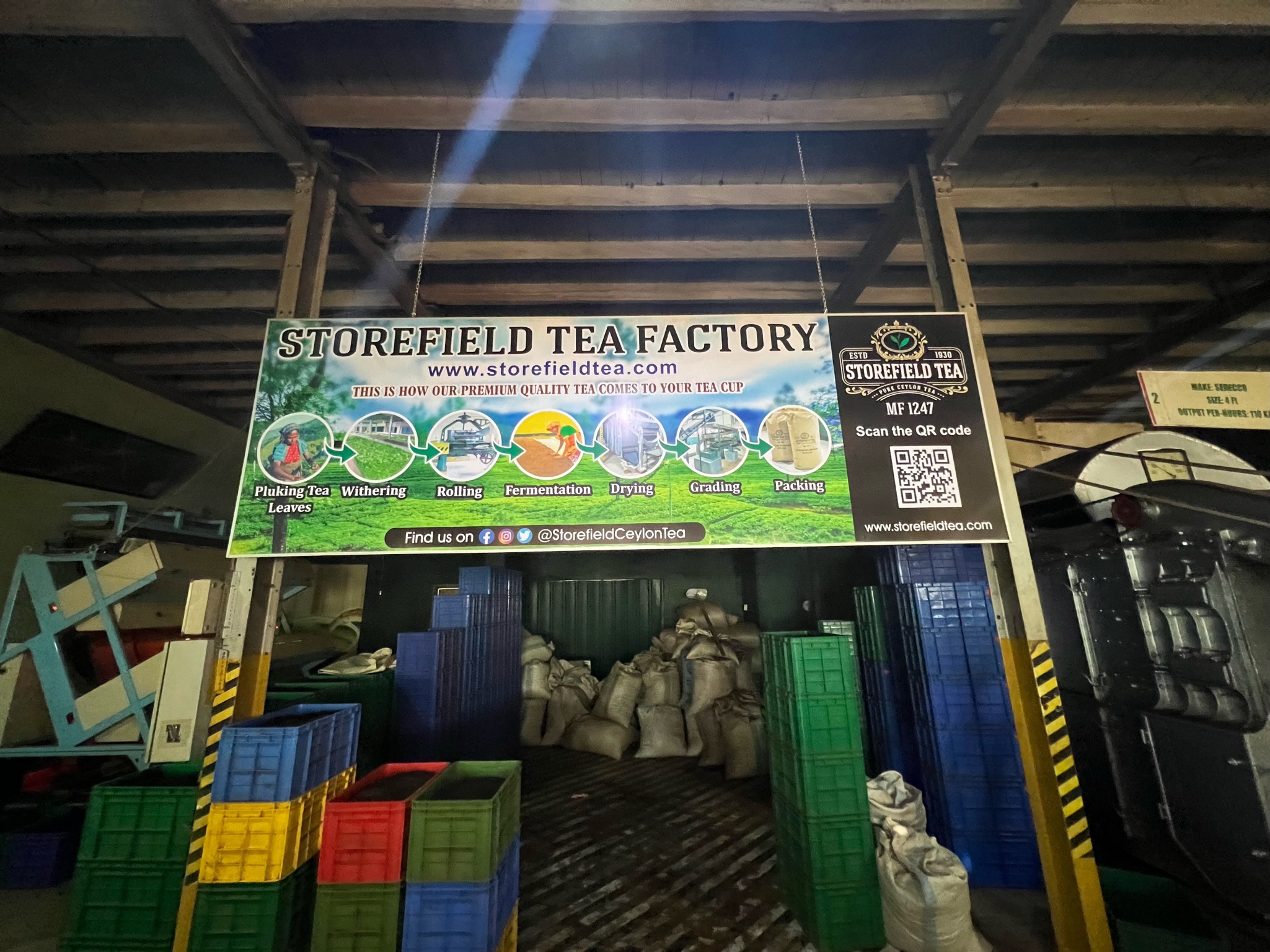
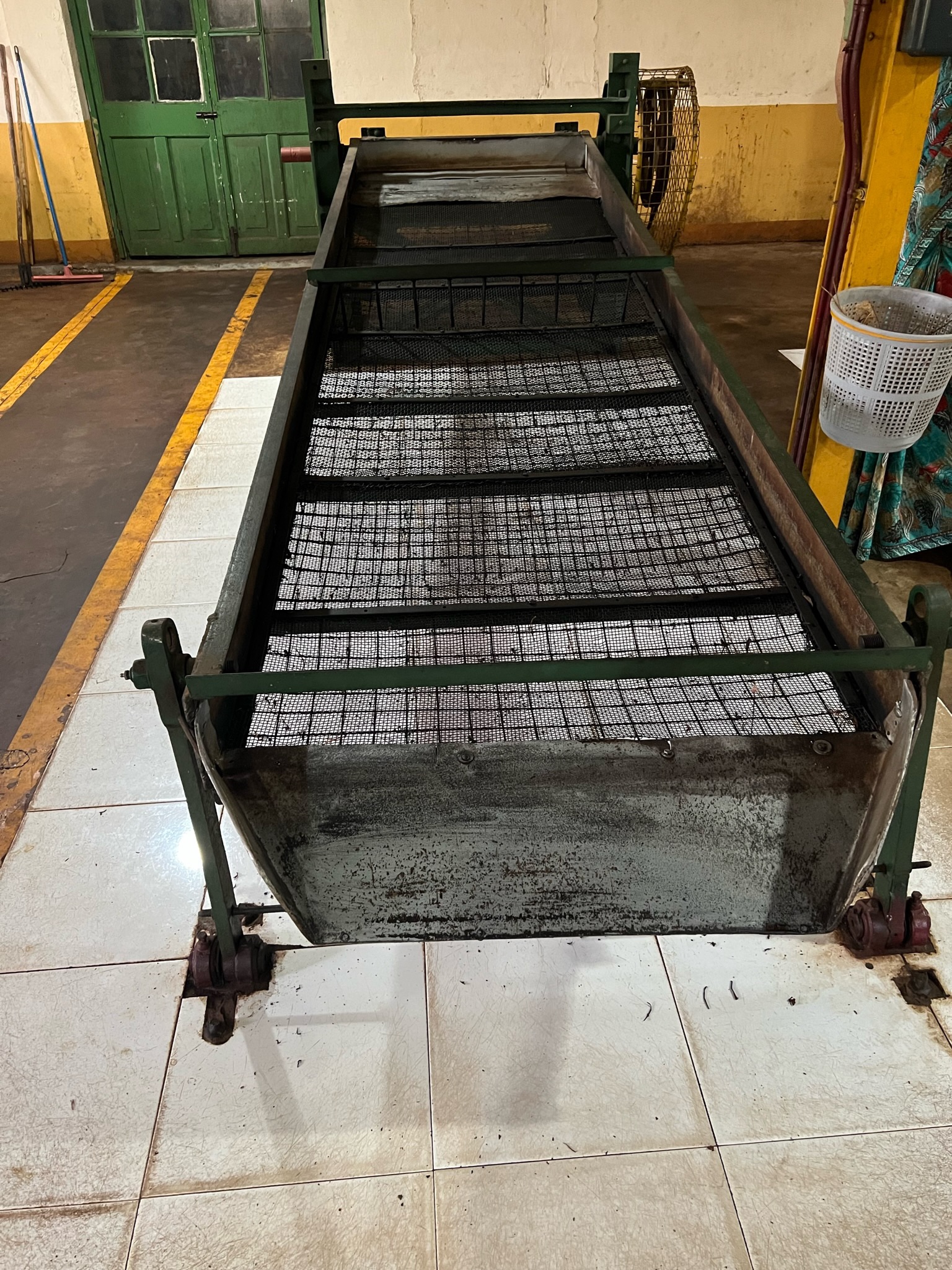
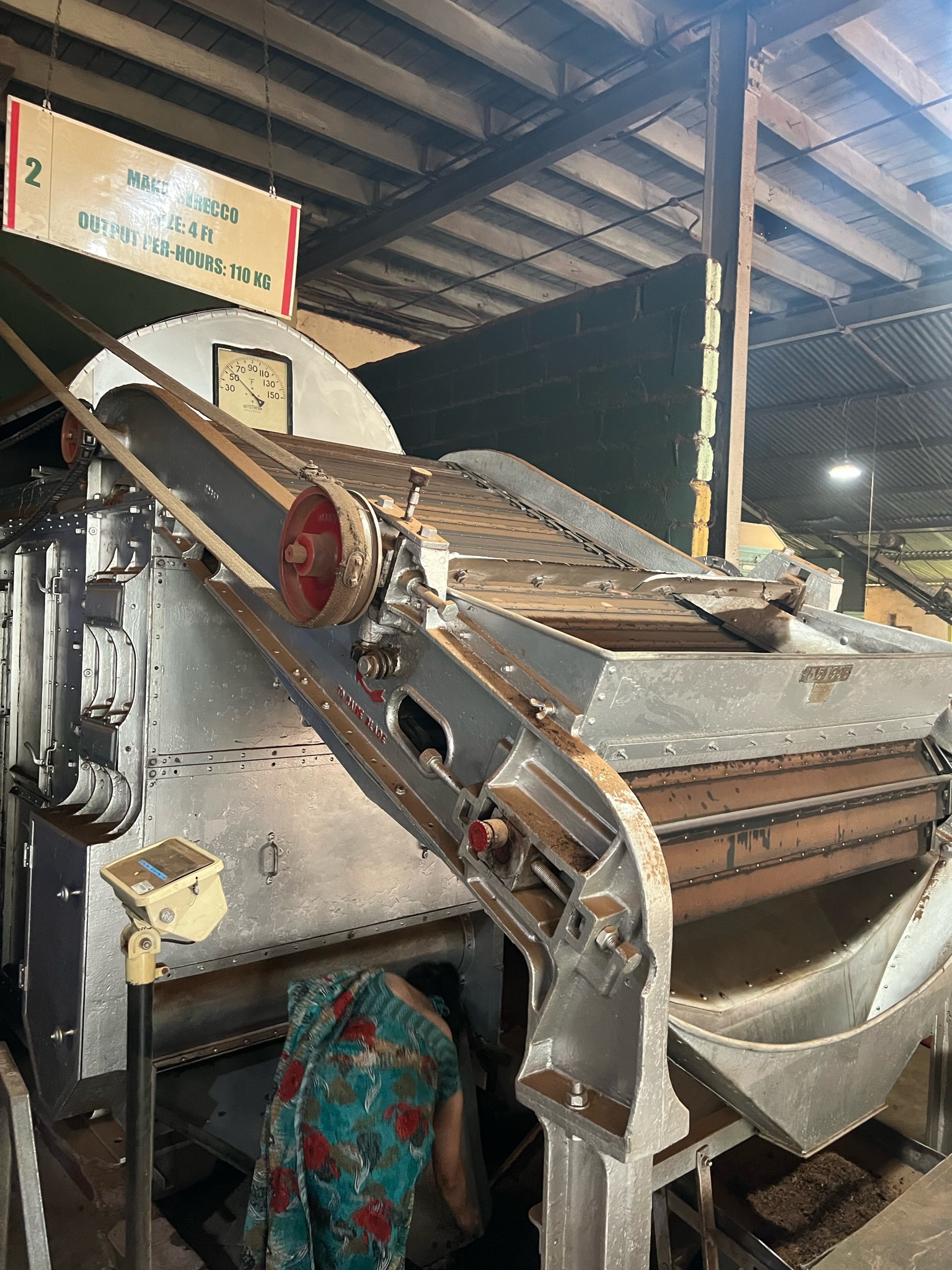
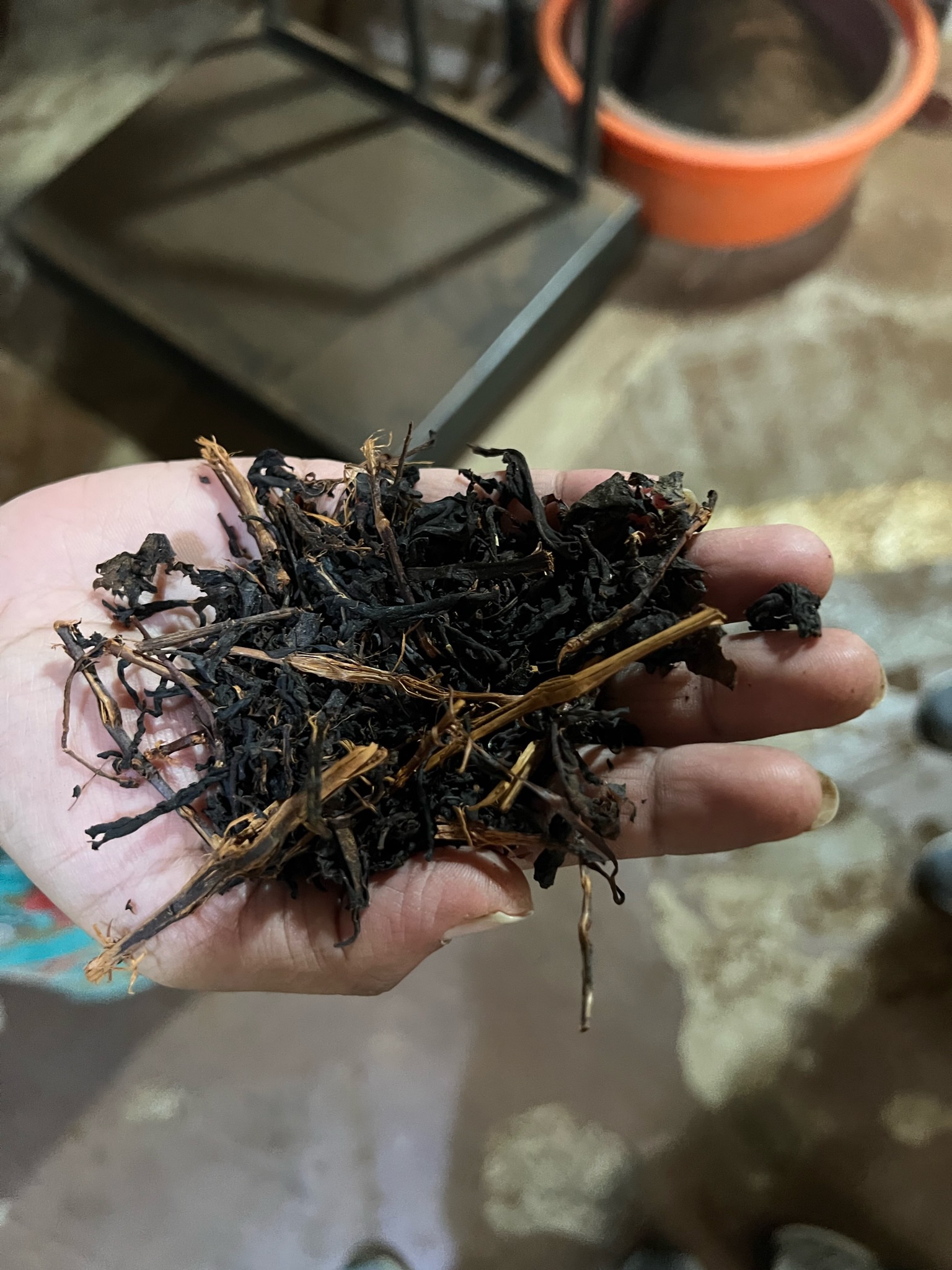
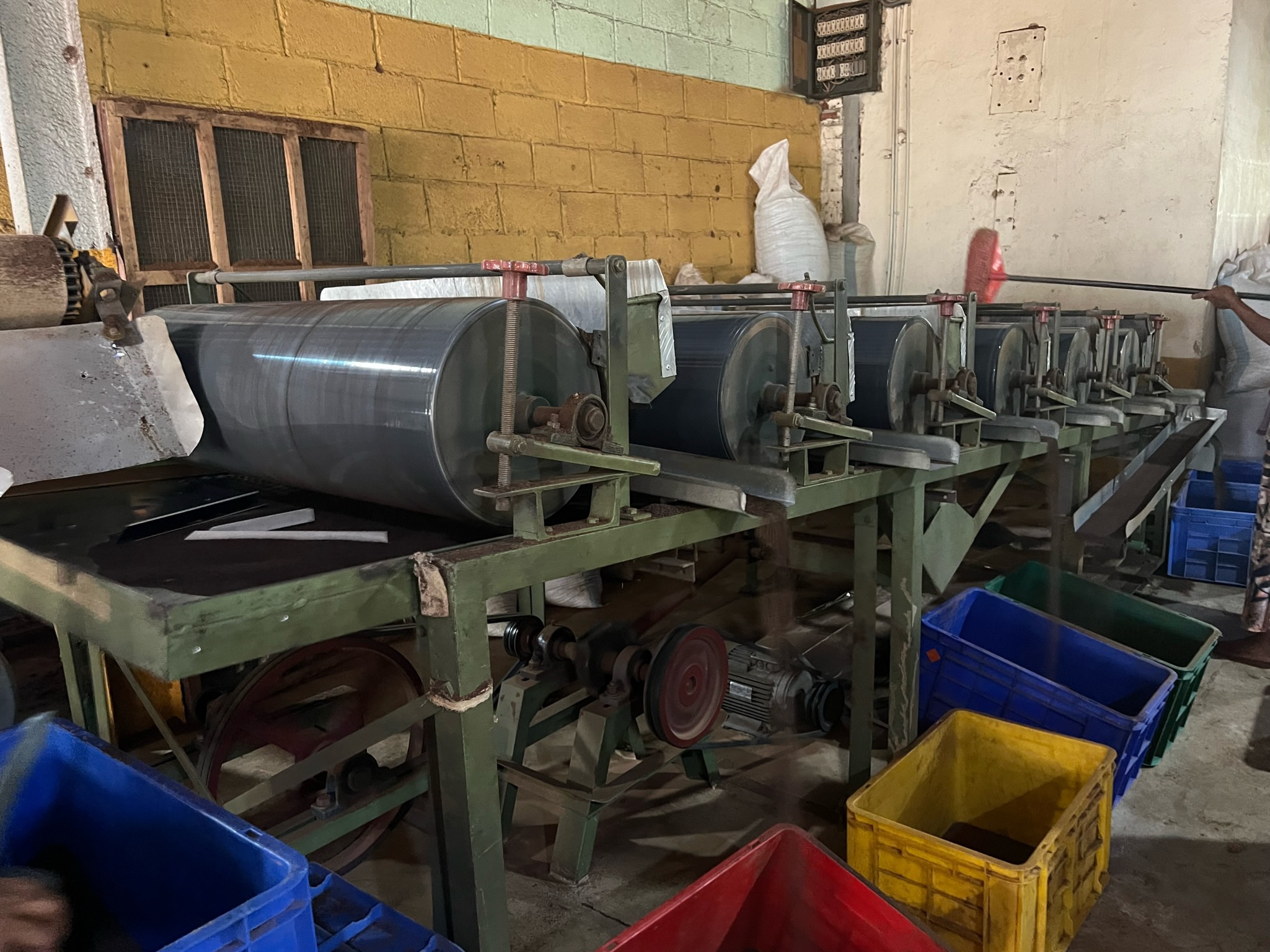
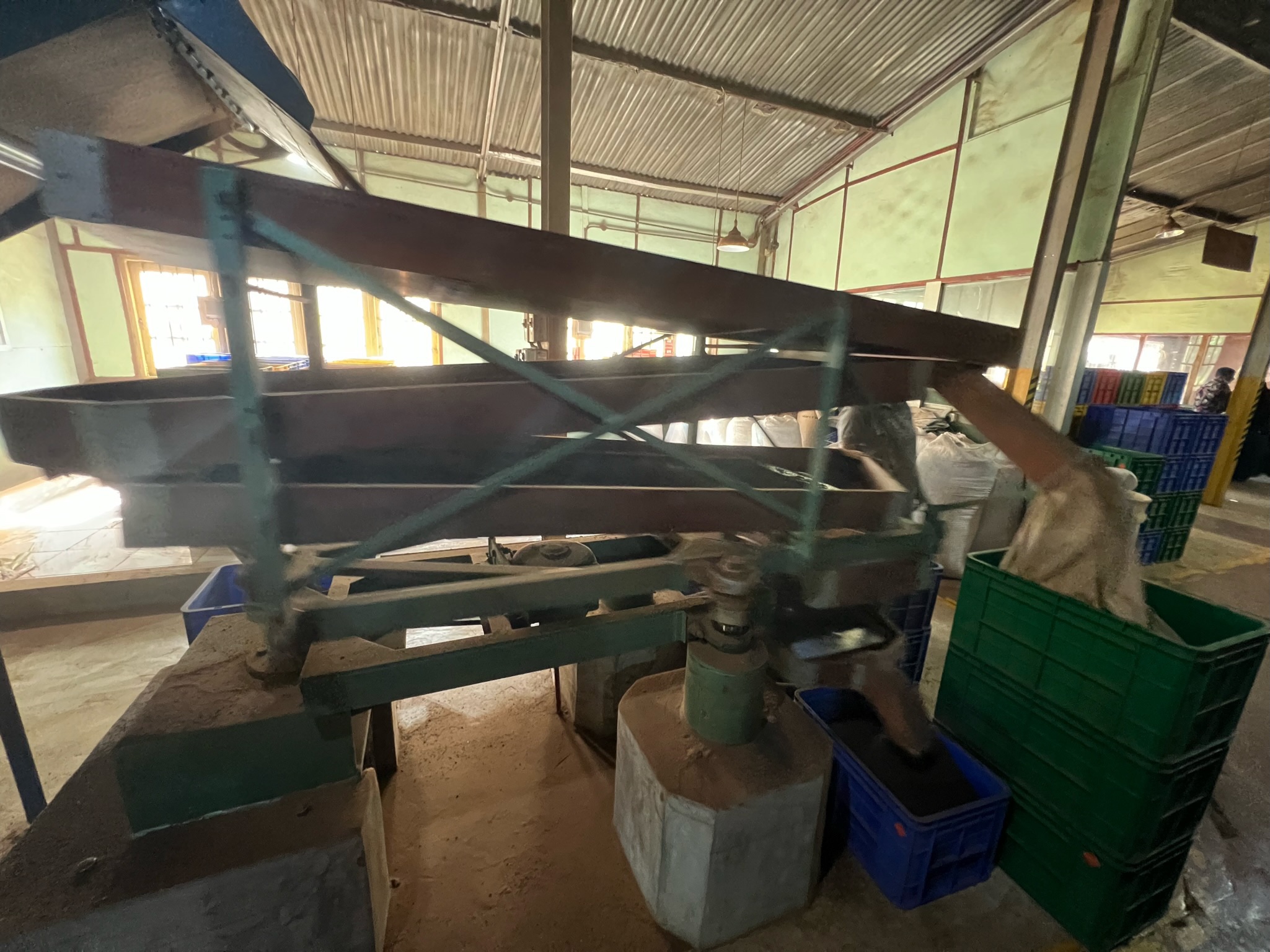
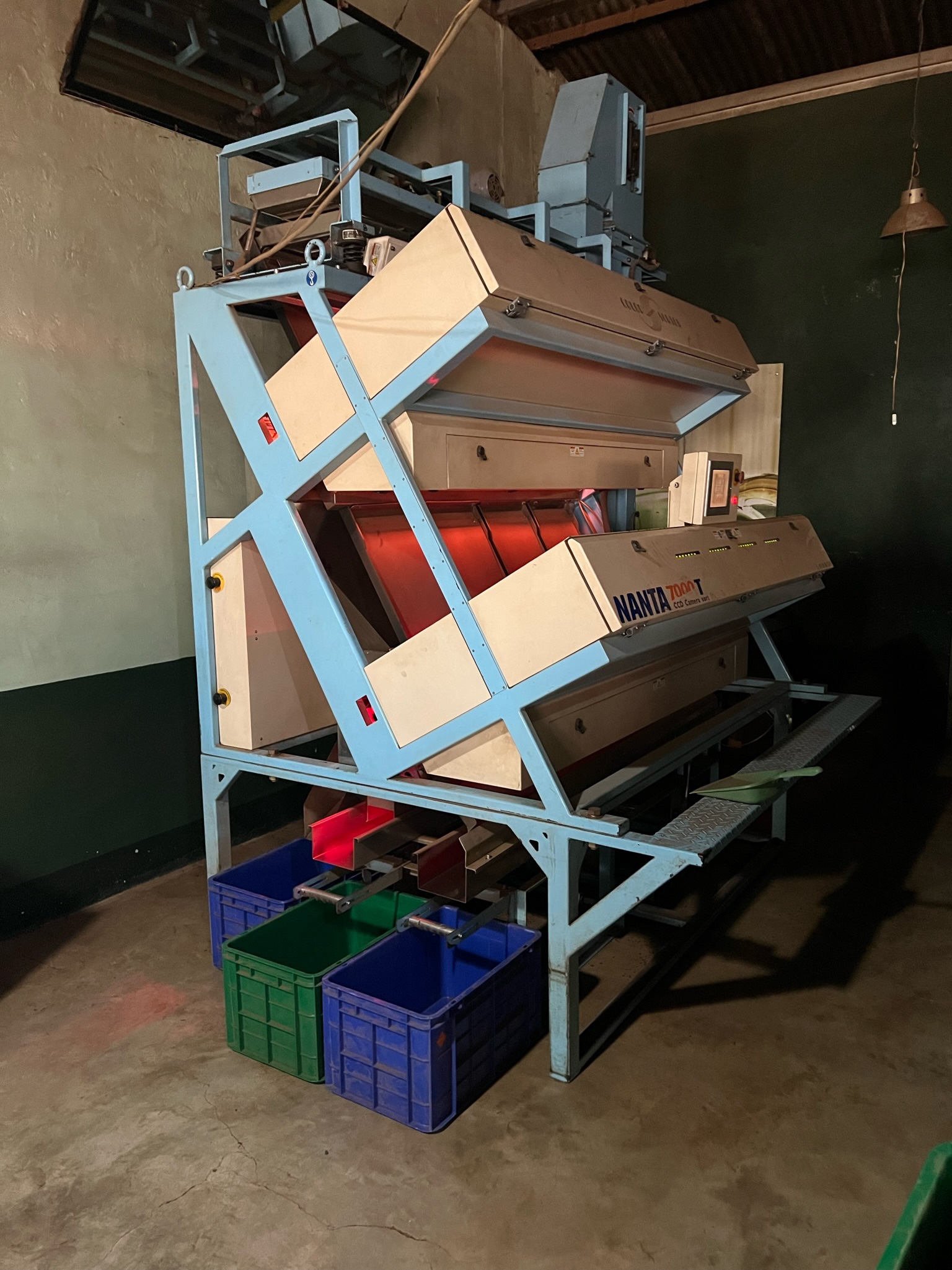
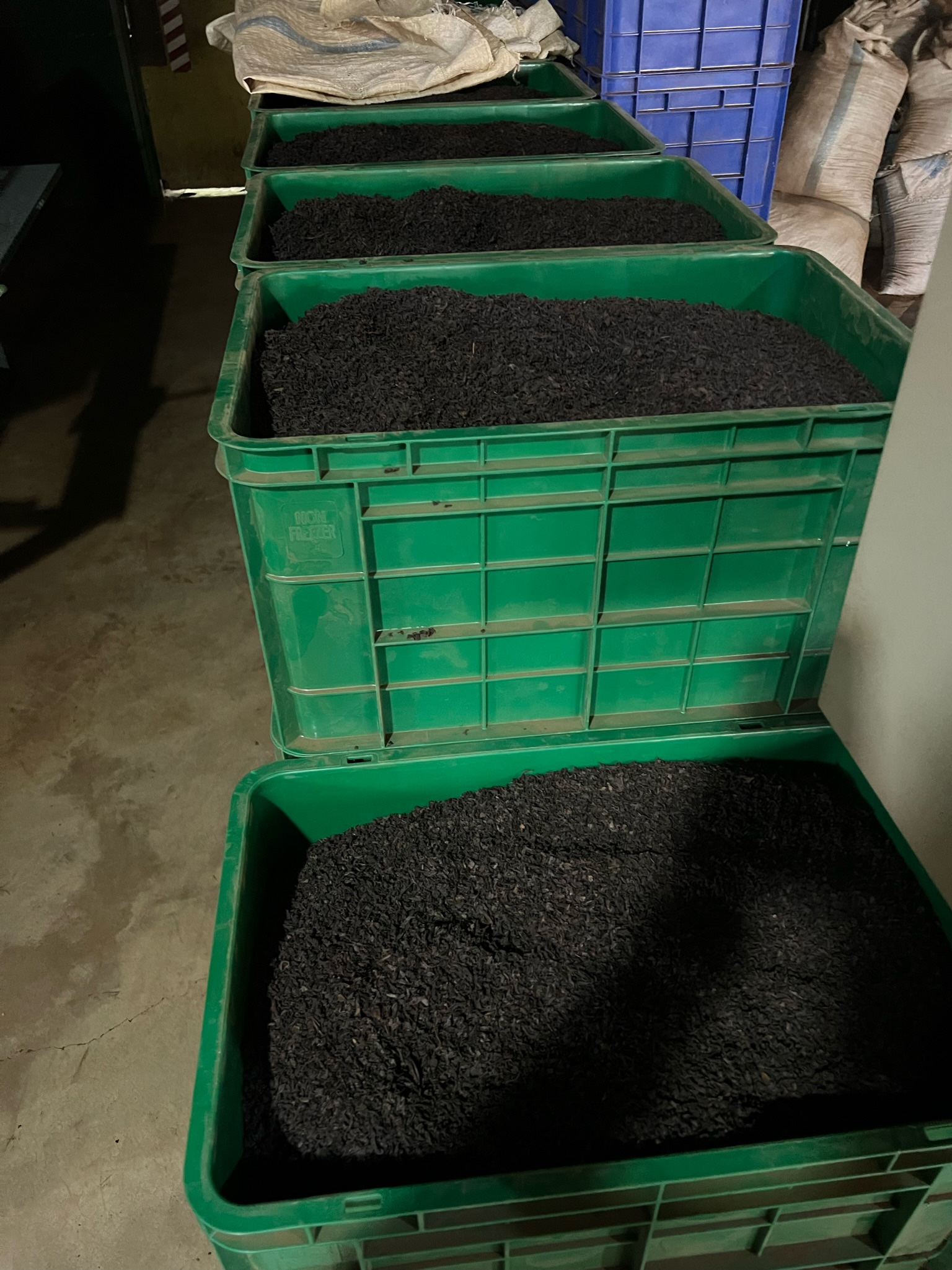
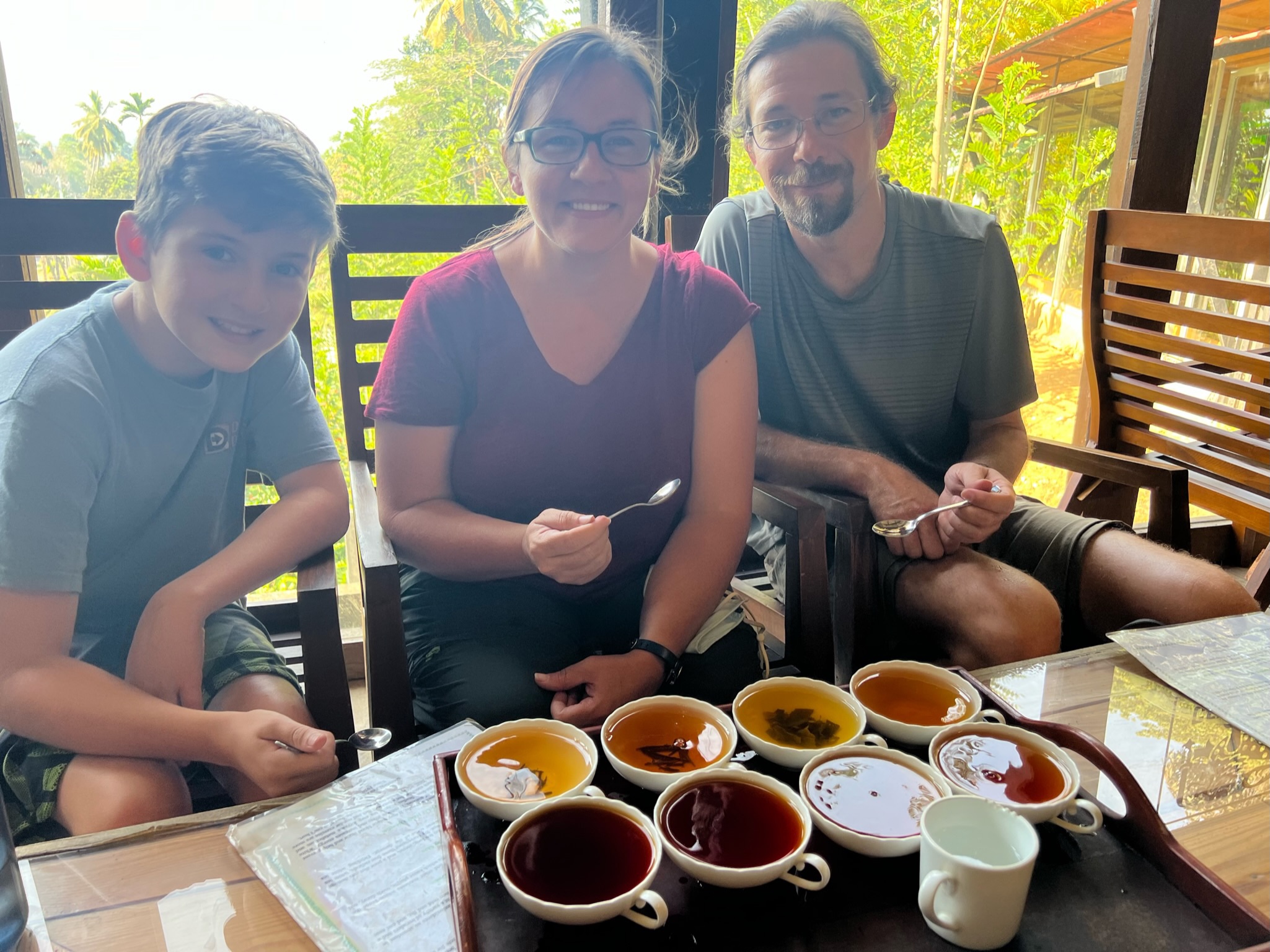
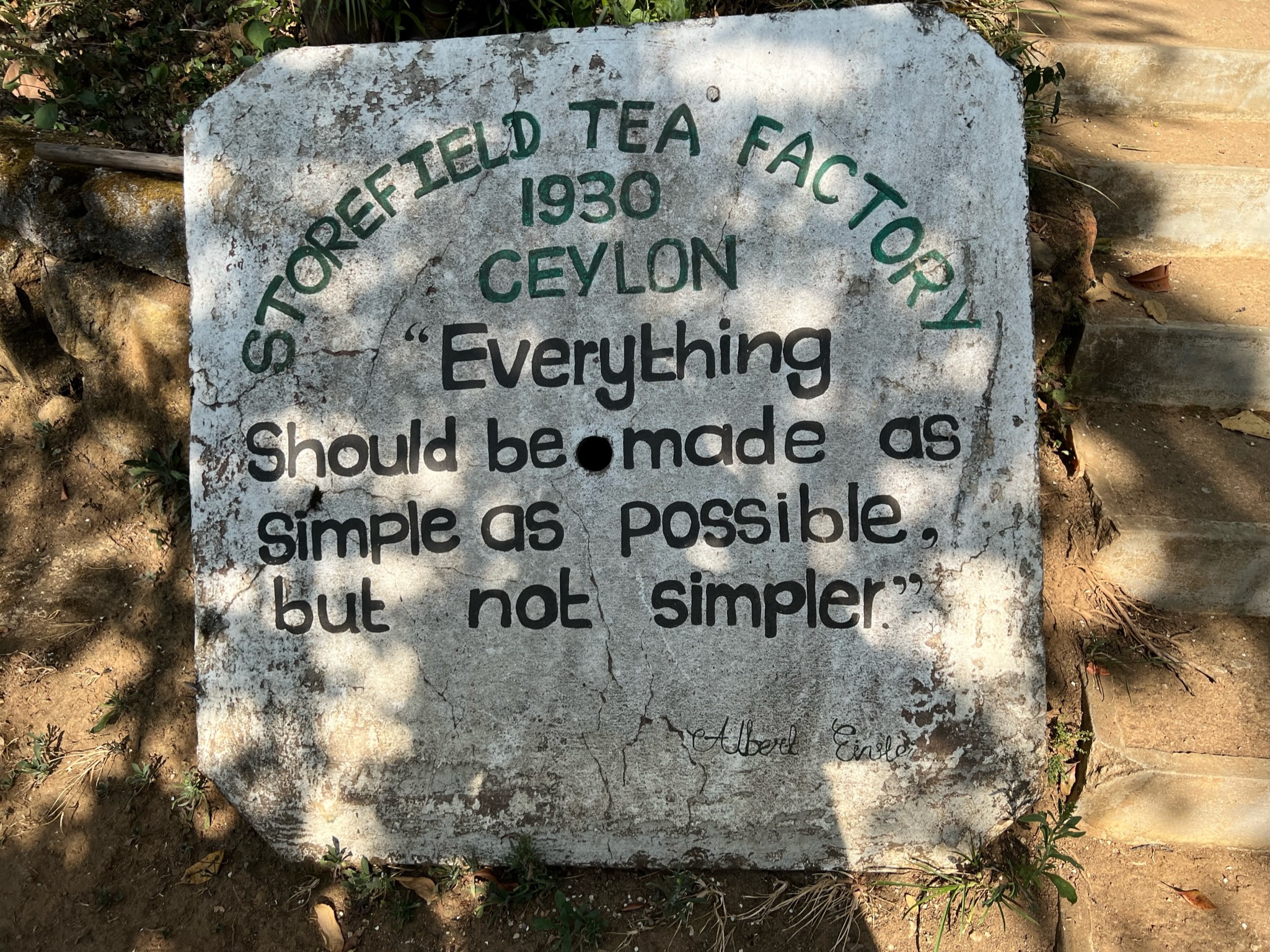
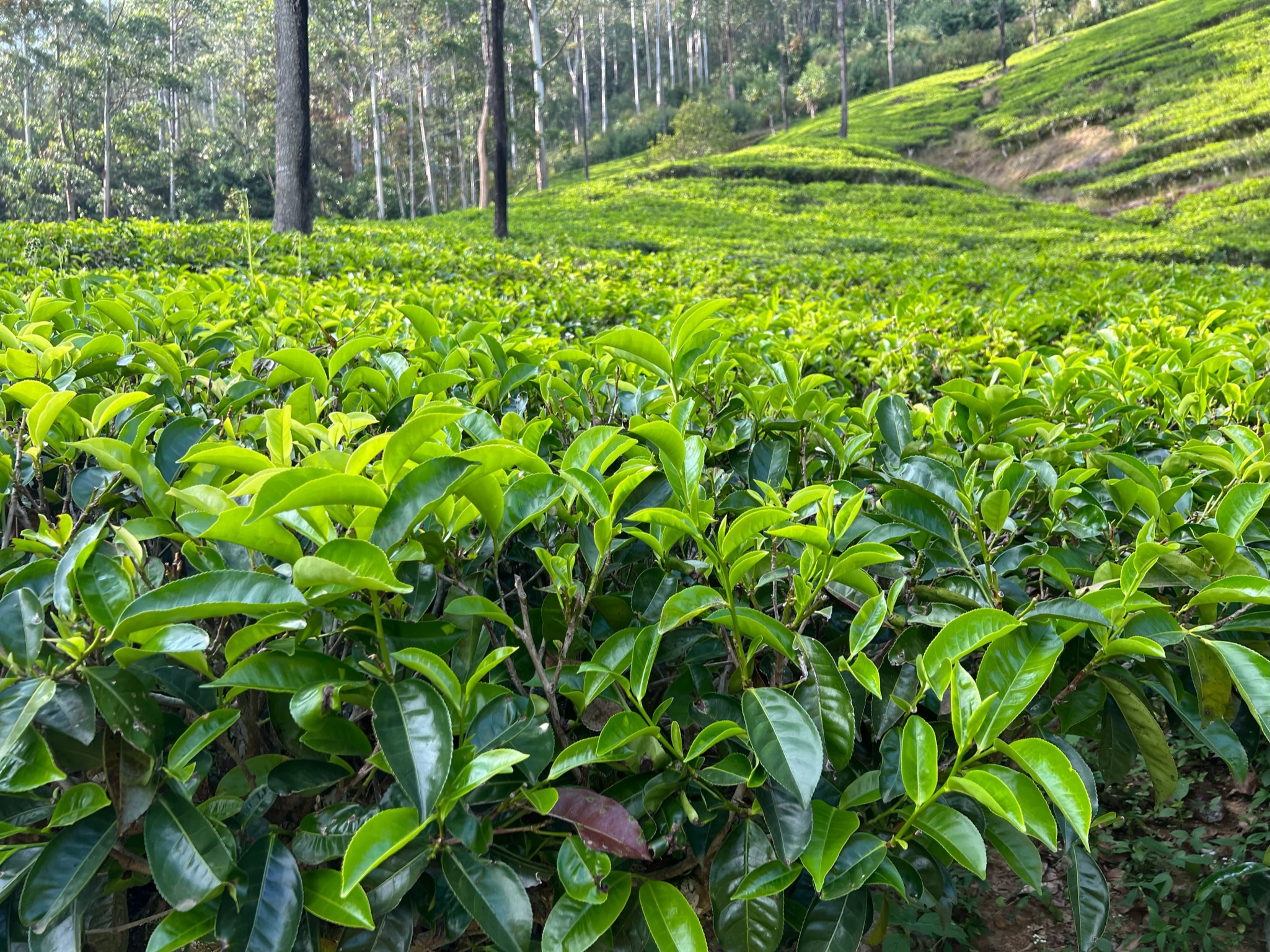
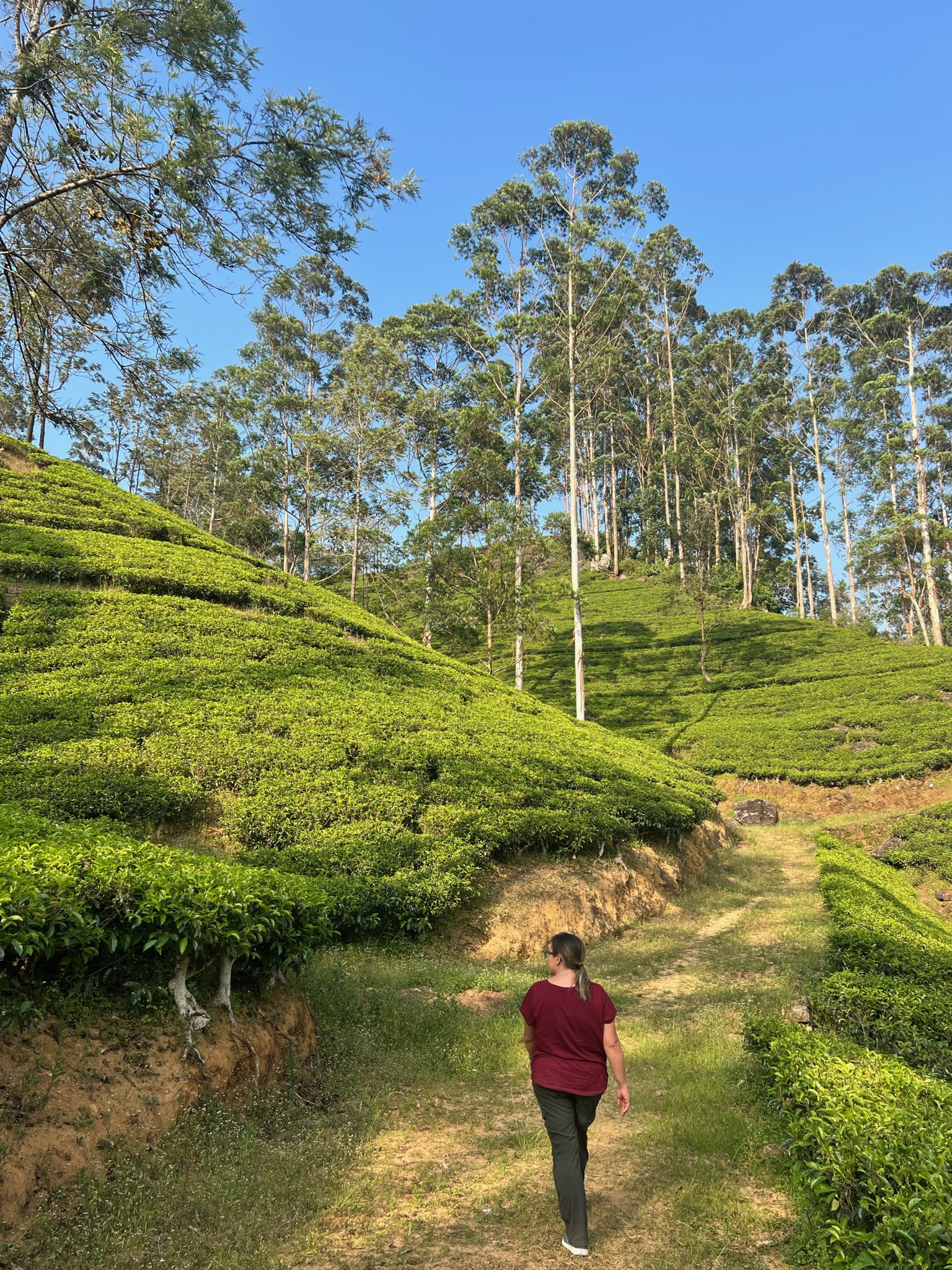
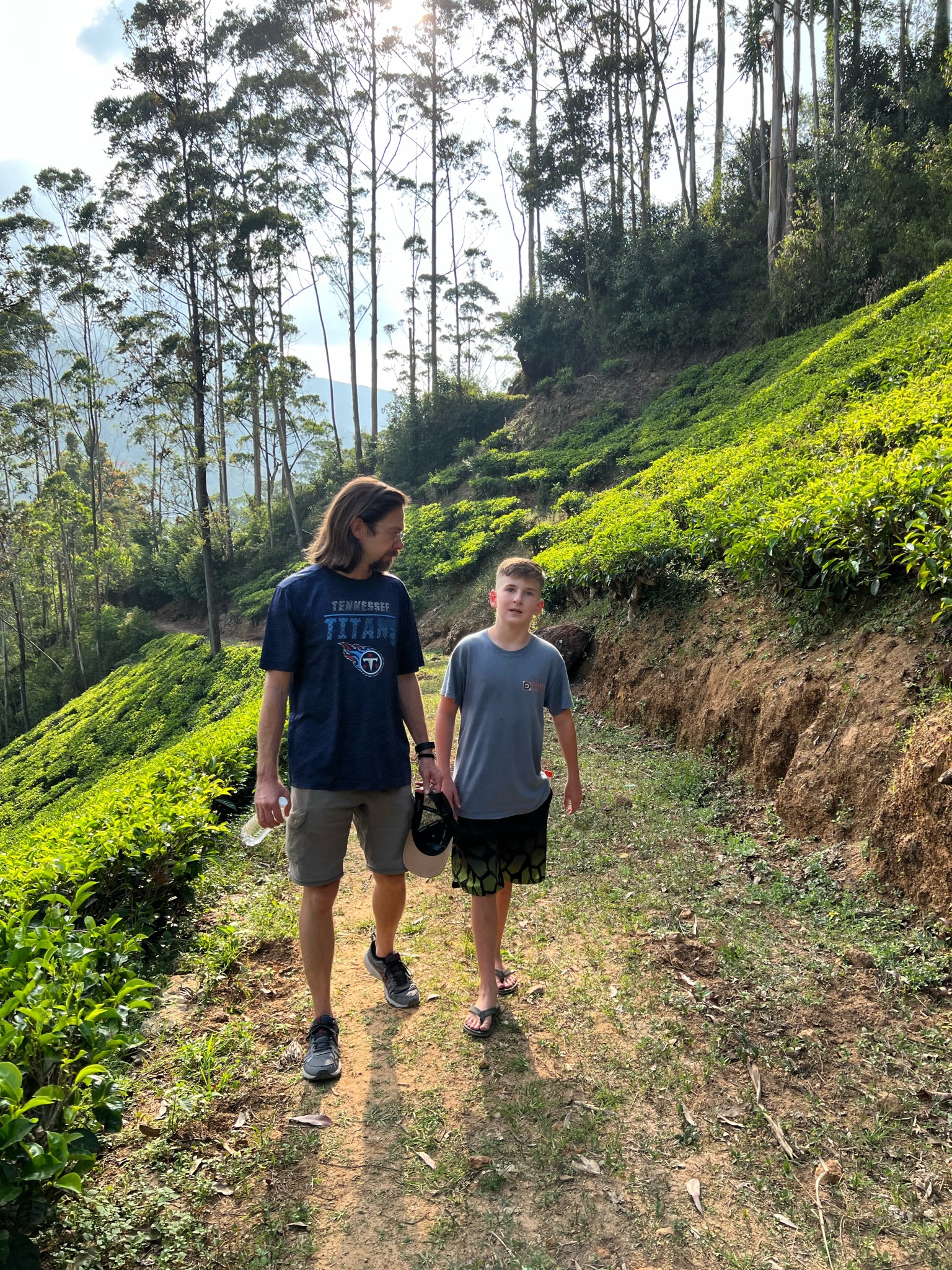
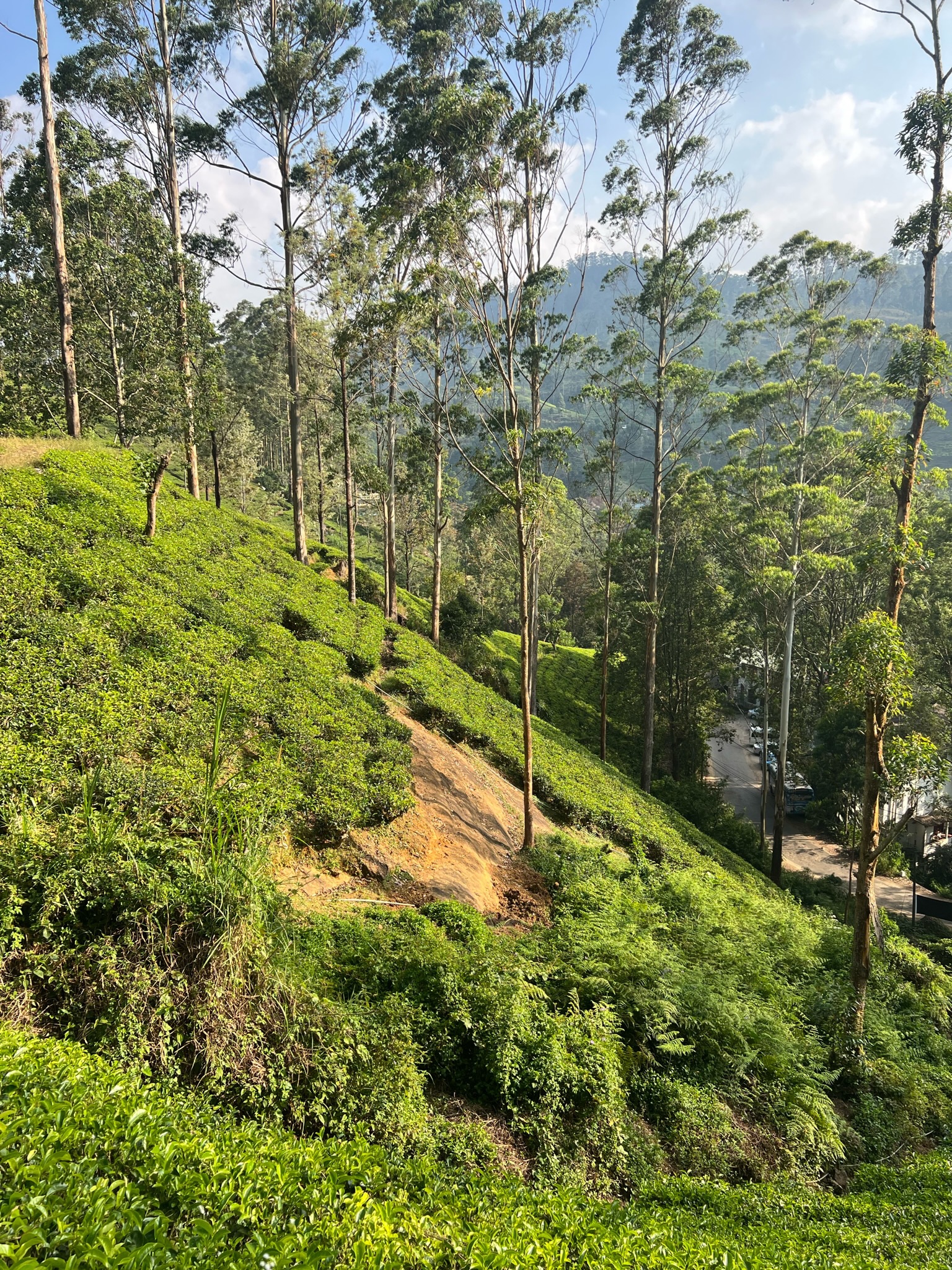
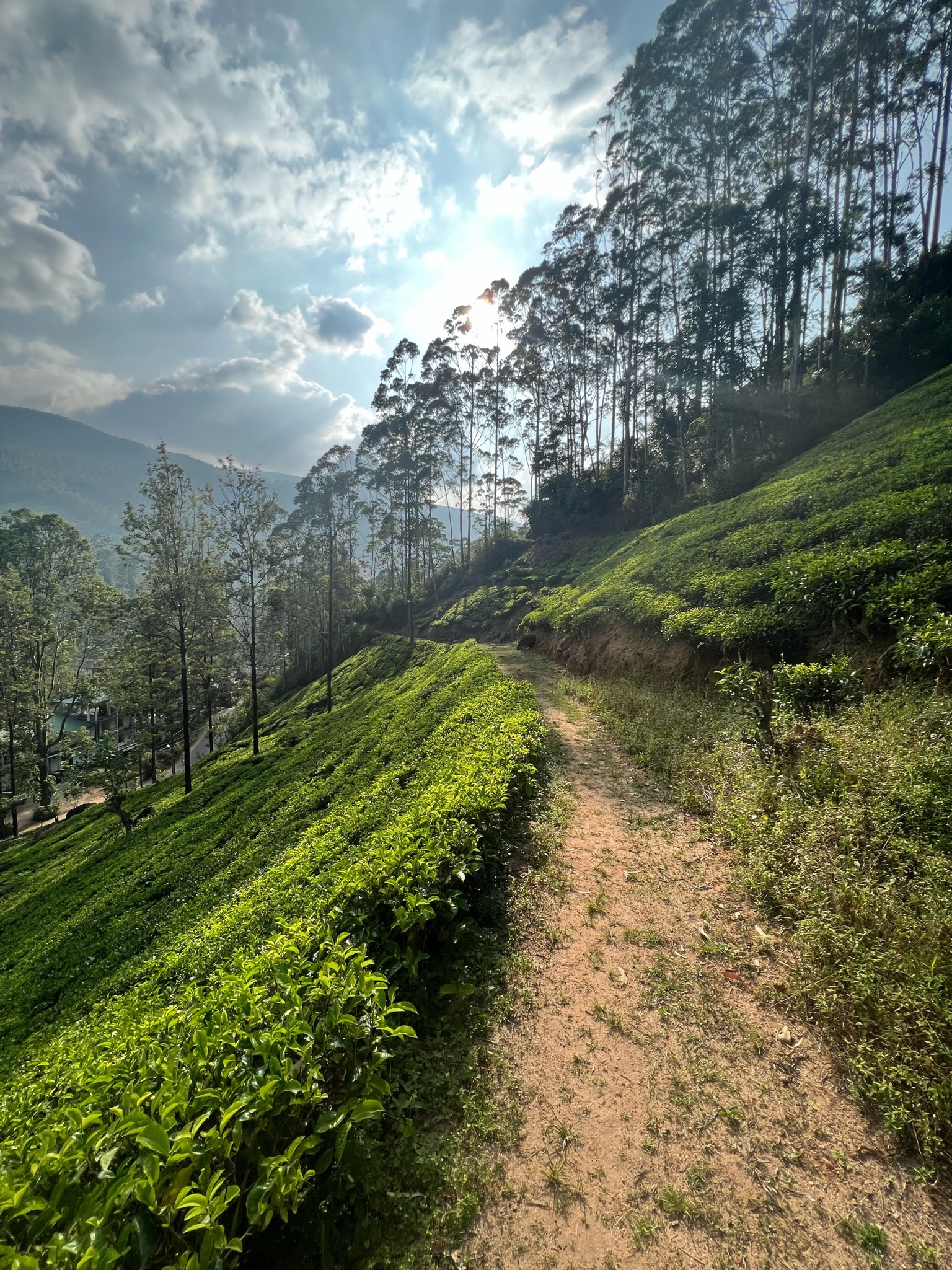
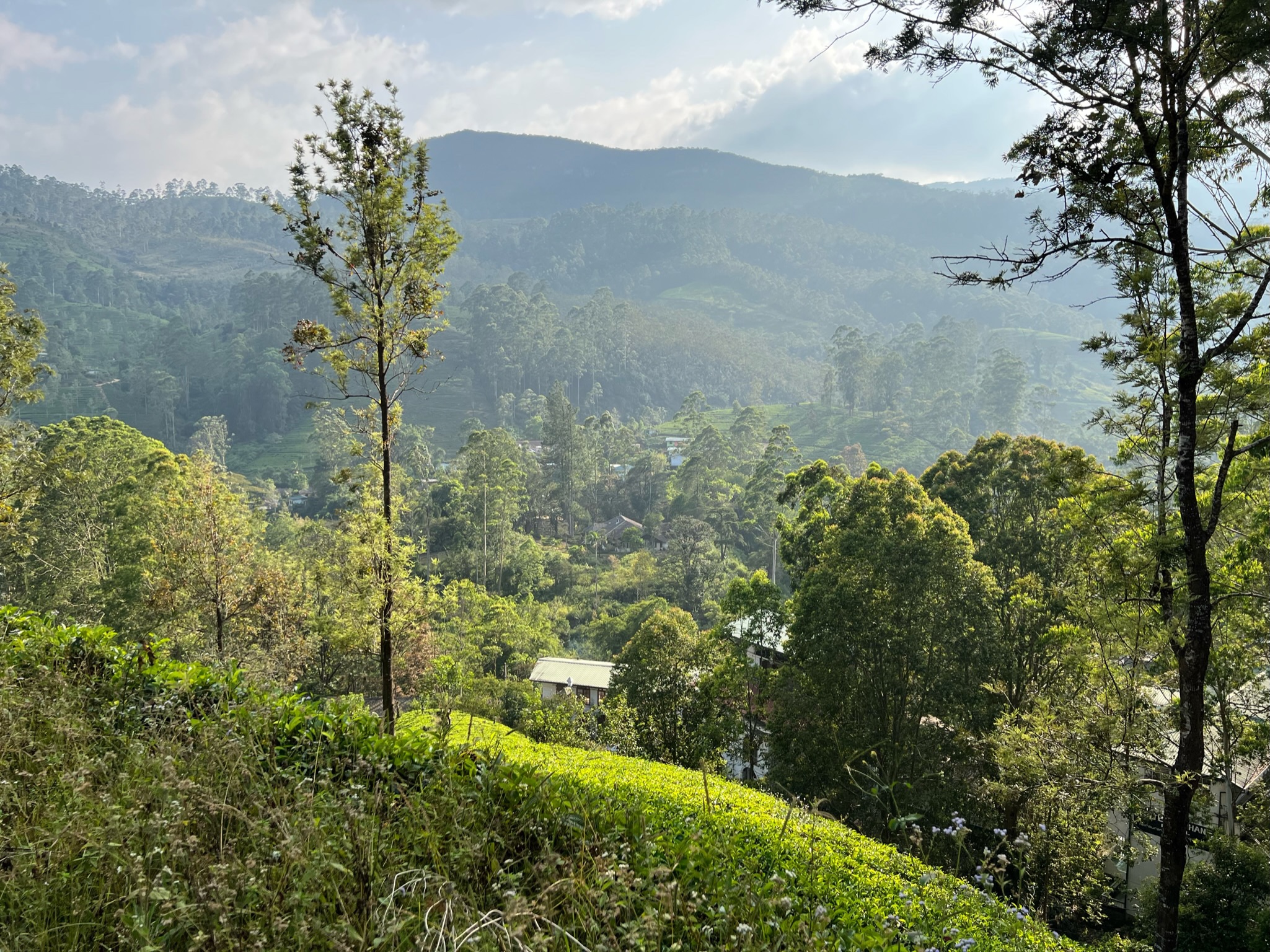
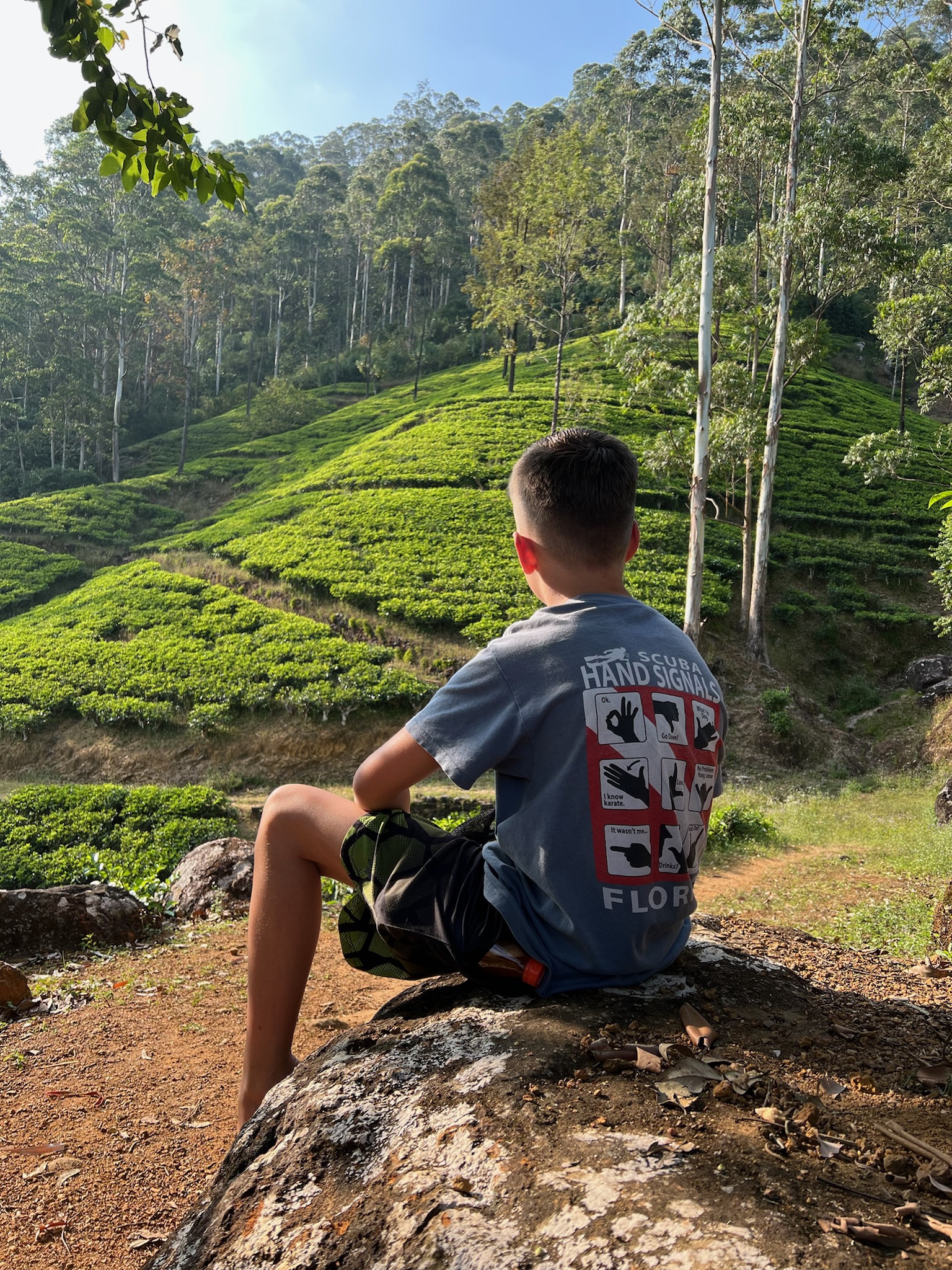
Our third stop was at the Storefield Tea Factory. We walked up the hill to meet our guide, a very kind Sri Lankan woman. She walked us through a small section of the tea plantation to show us the difference in several different tea types and different harvesting techniques. From there, we walked into the factory with her. Brian and I are both engineers, so we always enjoy a good factory tour. We looked quizzically at each other and laughed as the guide left her shoes at the door (a common Sri Lankan thing) and walked into the factory bare footed. Never have I ever seen that before. In her traditional dress, she explained the process of harvesting, drying, rolling, and sorting the tea leaves. Her factory had been open and making tea since the 1930s, and while they had upgraded a piece or two, they were generally still using the same equipment they started with. After the tour, she walked us to the tea shop where we were able to sit and try 8 different varieties of tea side by side. Henry really enjoyed the white and gold teas, decaffeinated versions that have all the health benefits of tea without the caffeine or taste; they tasted more like water. Brian and I liked the breakfast teas the best.
After the tour, we got back on the road to continue our journey to Adam’s Peak. The roads through this region are very narrow and terribly crooked. There are cliffs on both sides, and in many of the areas, it is difficult for two vehicles to pass one another. With the holiday, traffic was very heavy, and we had to stop several different times to allow buses through since the road was too narrow for them to make the curves. As it began to get dark, we also started noticing that in the wider stretches of the road, cars were pulled over to the edge, and the families in them were gathering around fires and grills to prepare their evening meals. It was very hectic, and we were grateful to not be driving at this point.
It was about 9 pm when we finally got within 2 kilometers of our guesthouse. We were staying at the WaterSide Residences Guest House, and there were so many people and cars out on the narrow road, that no one could move anywhere. Ajantha’s patience must have been wearing thin too, because it seemed like he was more than ready to get out of the craziness as well. It took us almost an hour to go that last bit to the guesthouse, and when we finally pulled in, we were starving and exhausted. I felt so terrible for Ajantha, because I know he had to be tired. He had to drive home still, and I hoped the return trip would be much easier for him.
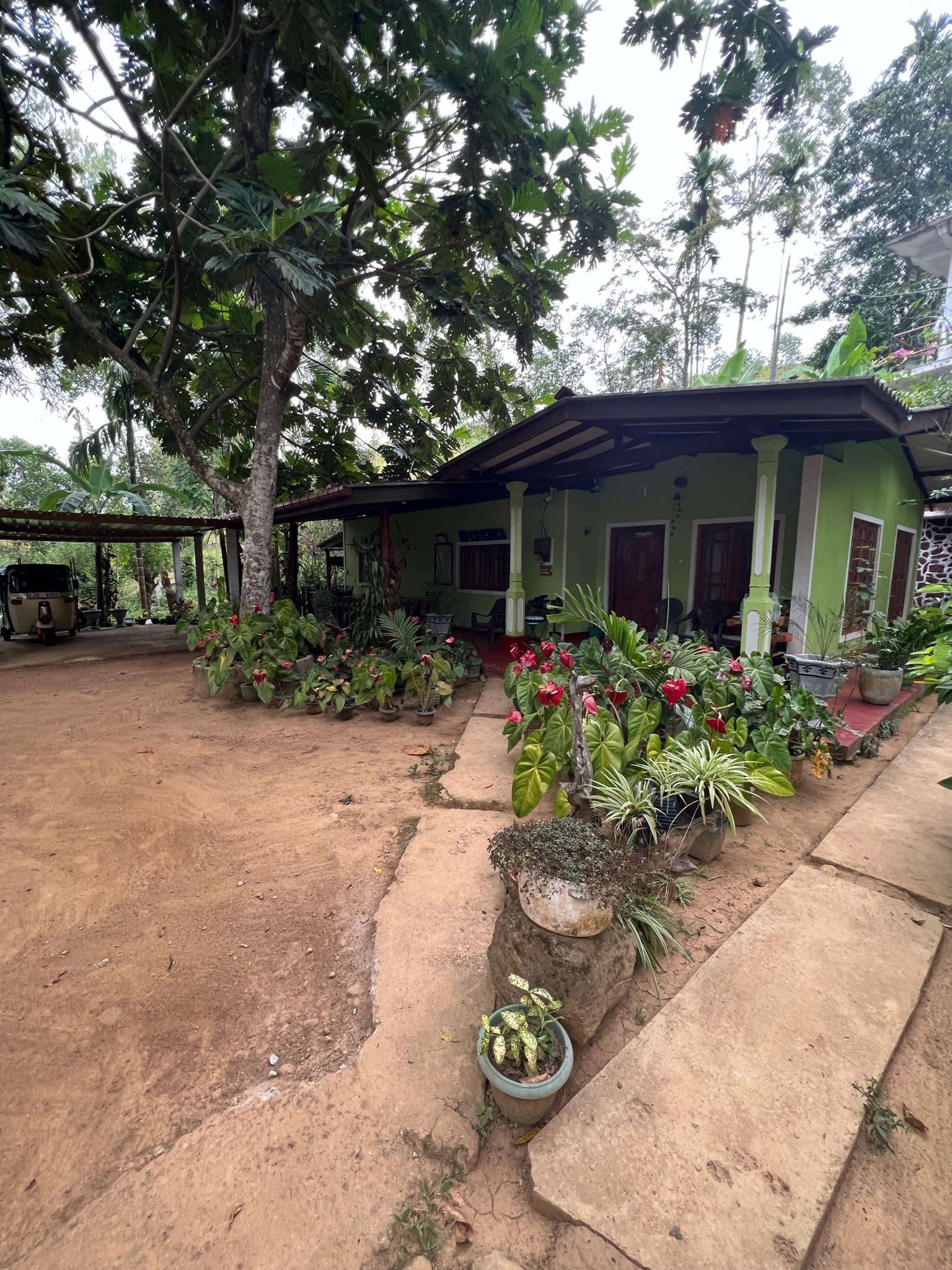
Our guest house was very nice, and we were greeted warmly by our host Ruwan. He and his family live in a house on the property and run a restaurant as well. Our room was very nice, and our dinner that they prepared for us was even better. We had planned to check in, get a few hours sleep, and then head up to Adam’s Peak at around 2 am. Having seen the incredibly massive crowd, Ruwan recommended that we wait a day instead. I was disappointed to wait, but I figured if he was telling us to wait, we should probably listen to him as he knew the area much better than us.
The next morning, we found out he was right. We were in the restaurant eating breakfast when a couple came in from climbing to the peak. I don’t know how far they made it, but they said that they gave up because the last hour that they were climbing, they hadn’t gone but about 20-meters. Even with all of the stairs, 20 meters should take you less than a minute or two to climb. The holiday crowds were huge though, and the paths up to the top were narrow.
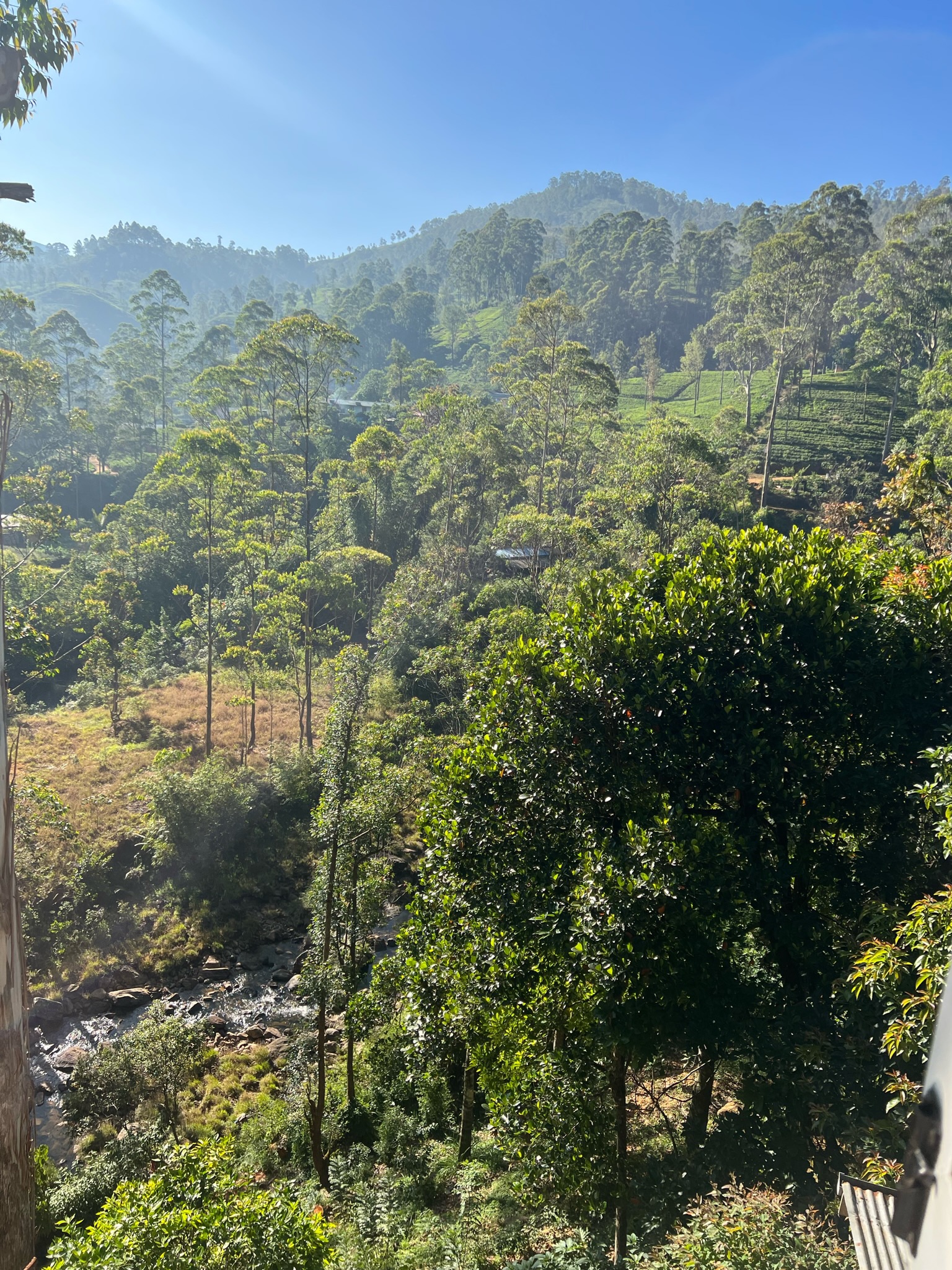
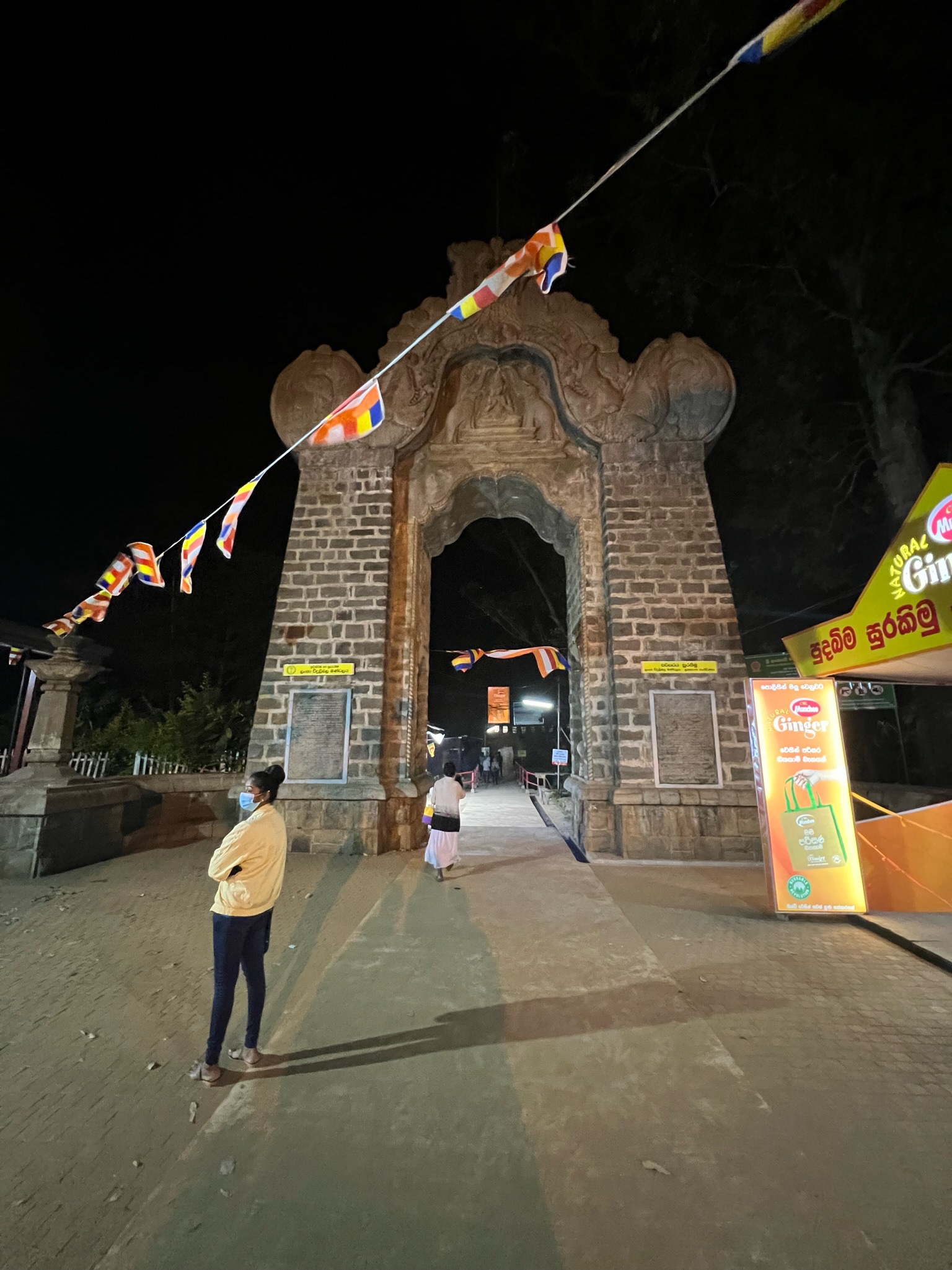
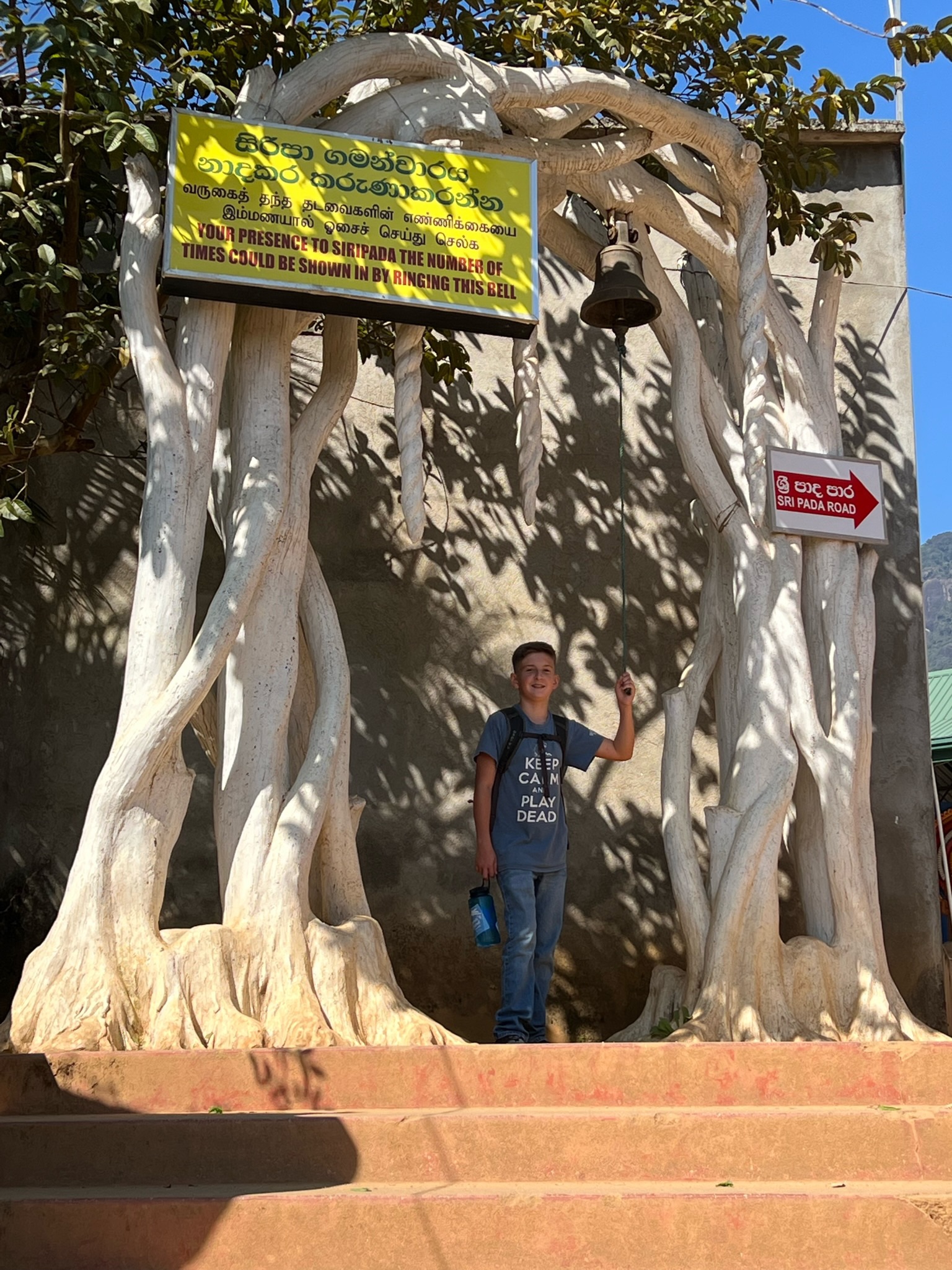
We were thankful that we had decided to spend the day enjoying the area instead. We walked up to the entrance to the peak just to see where it was and what it looked like. The crowd didn’t look too bad from there, but we wanted to be able to see the sunrise, so we didn’t start up it yet. Instead, we explored a tea plantation just across the street from our guest house, and we got Henry a much-needed haircut.
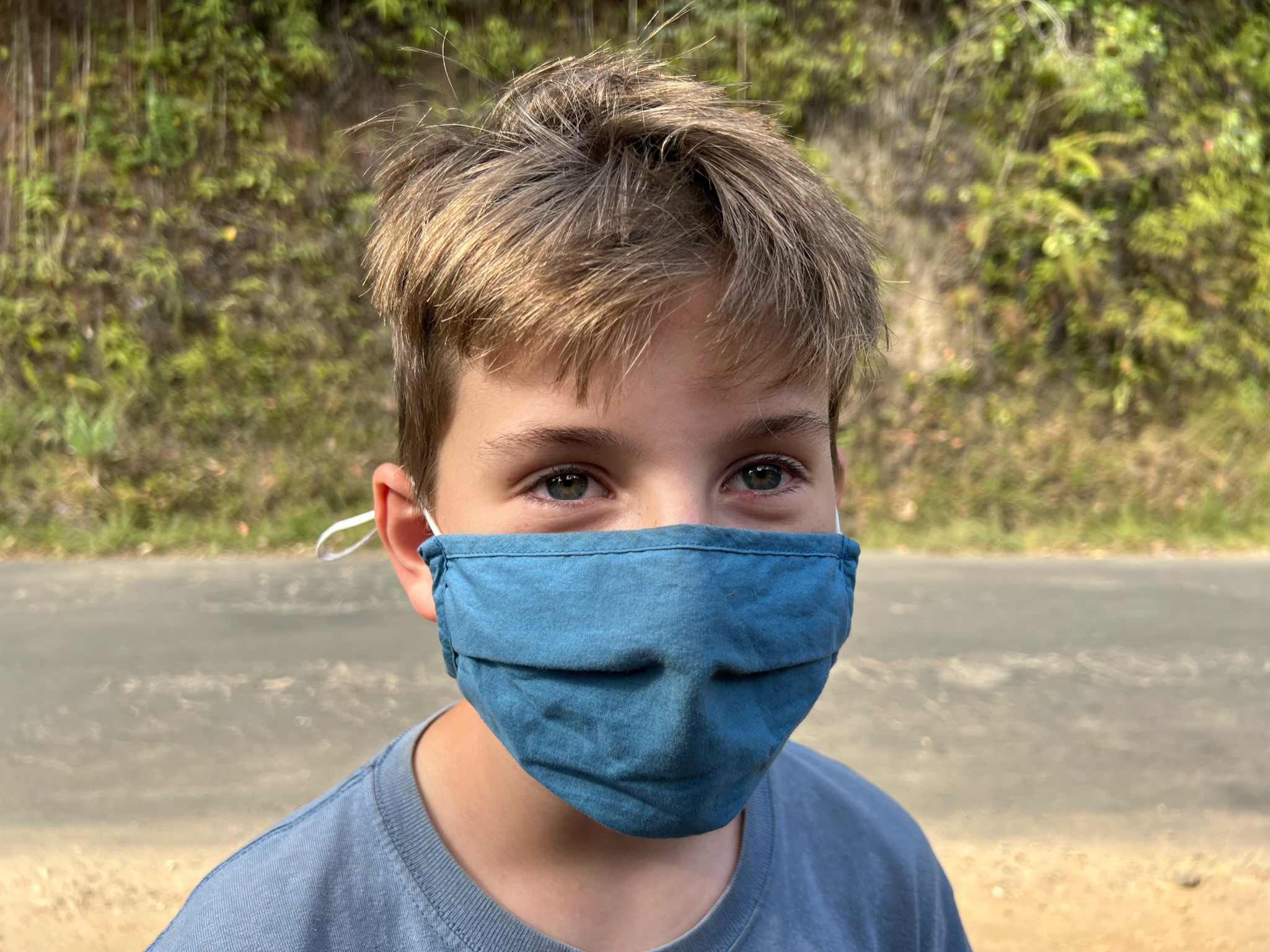
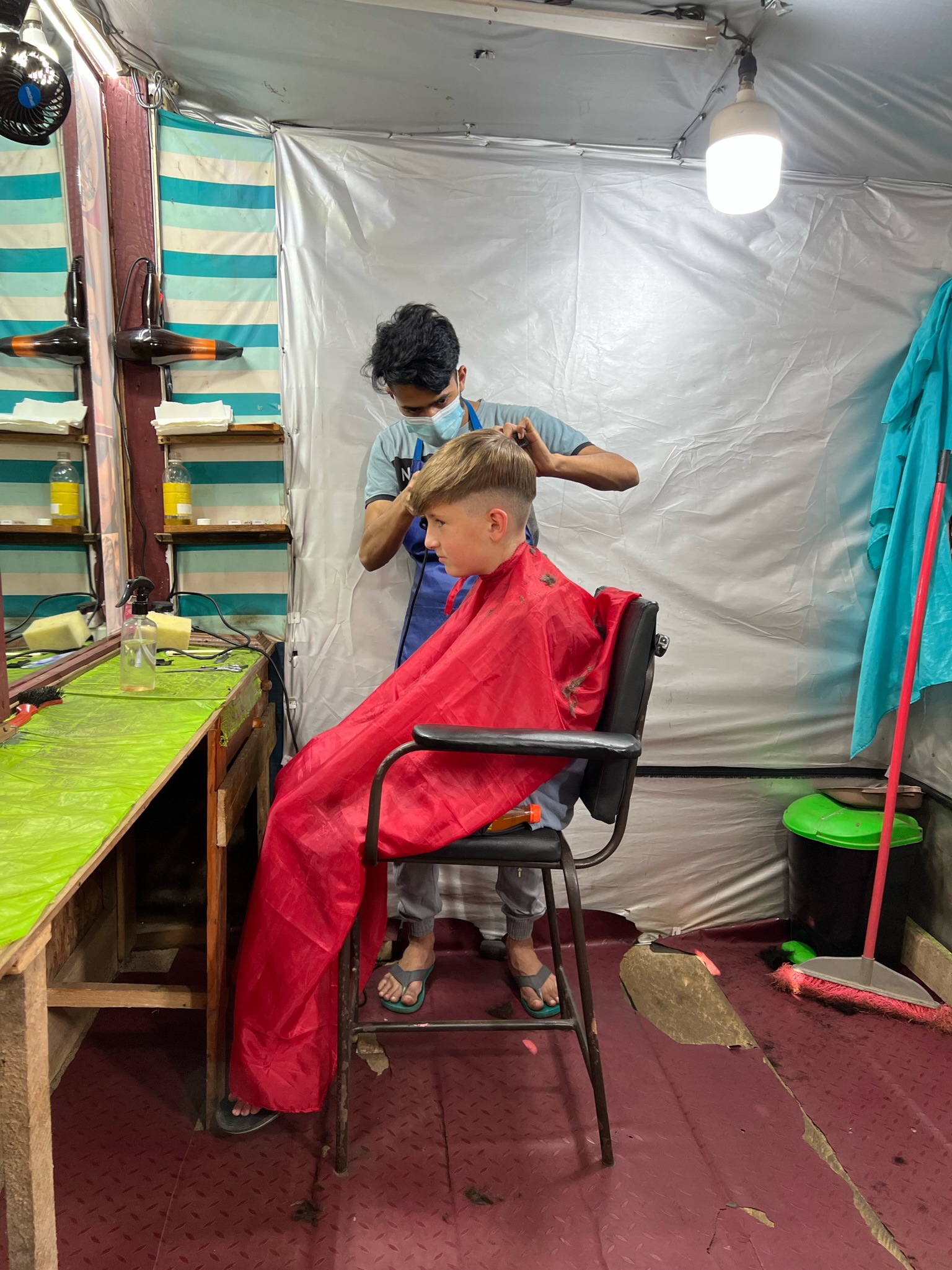
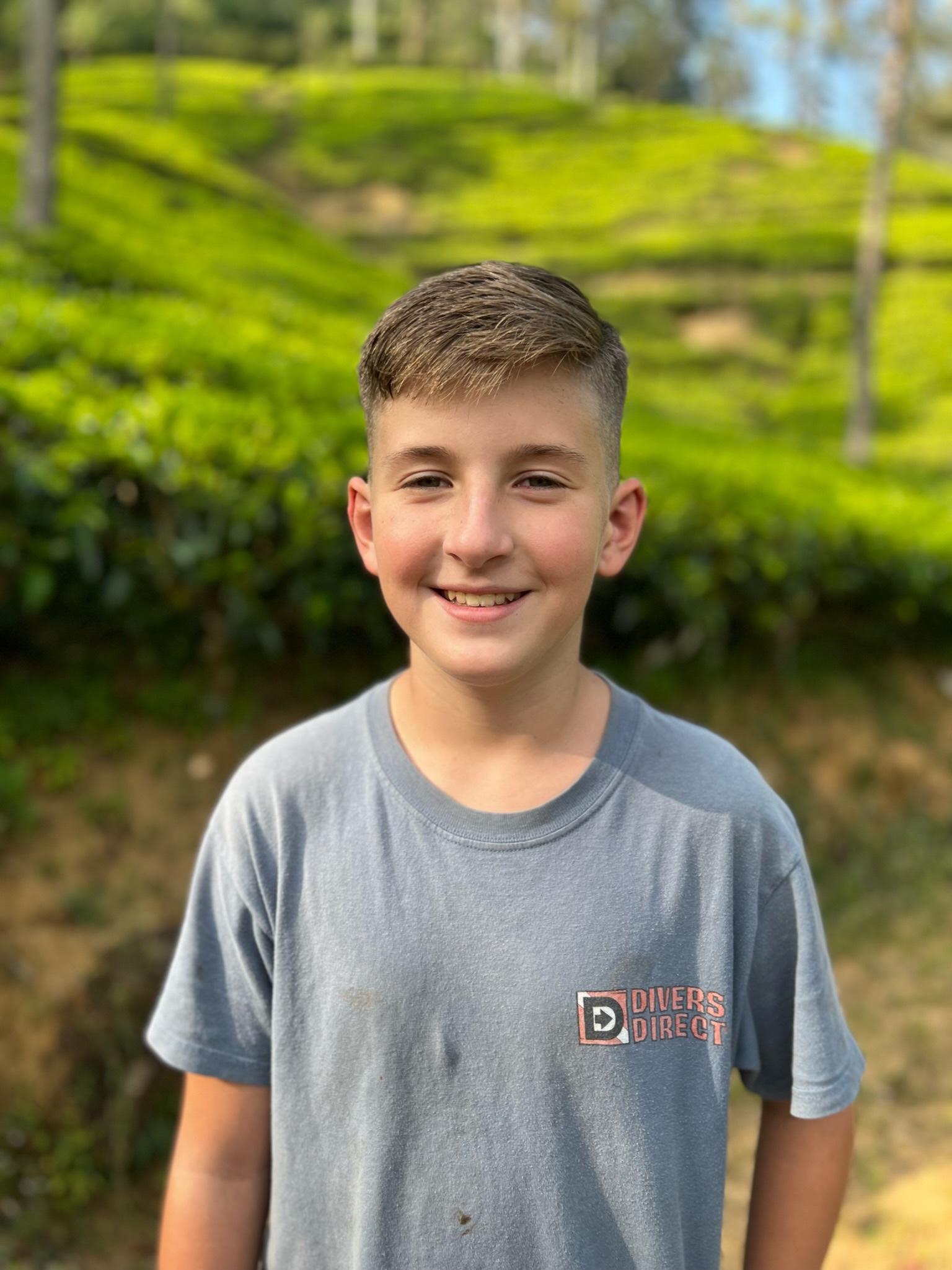
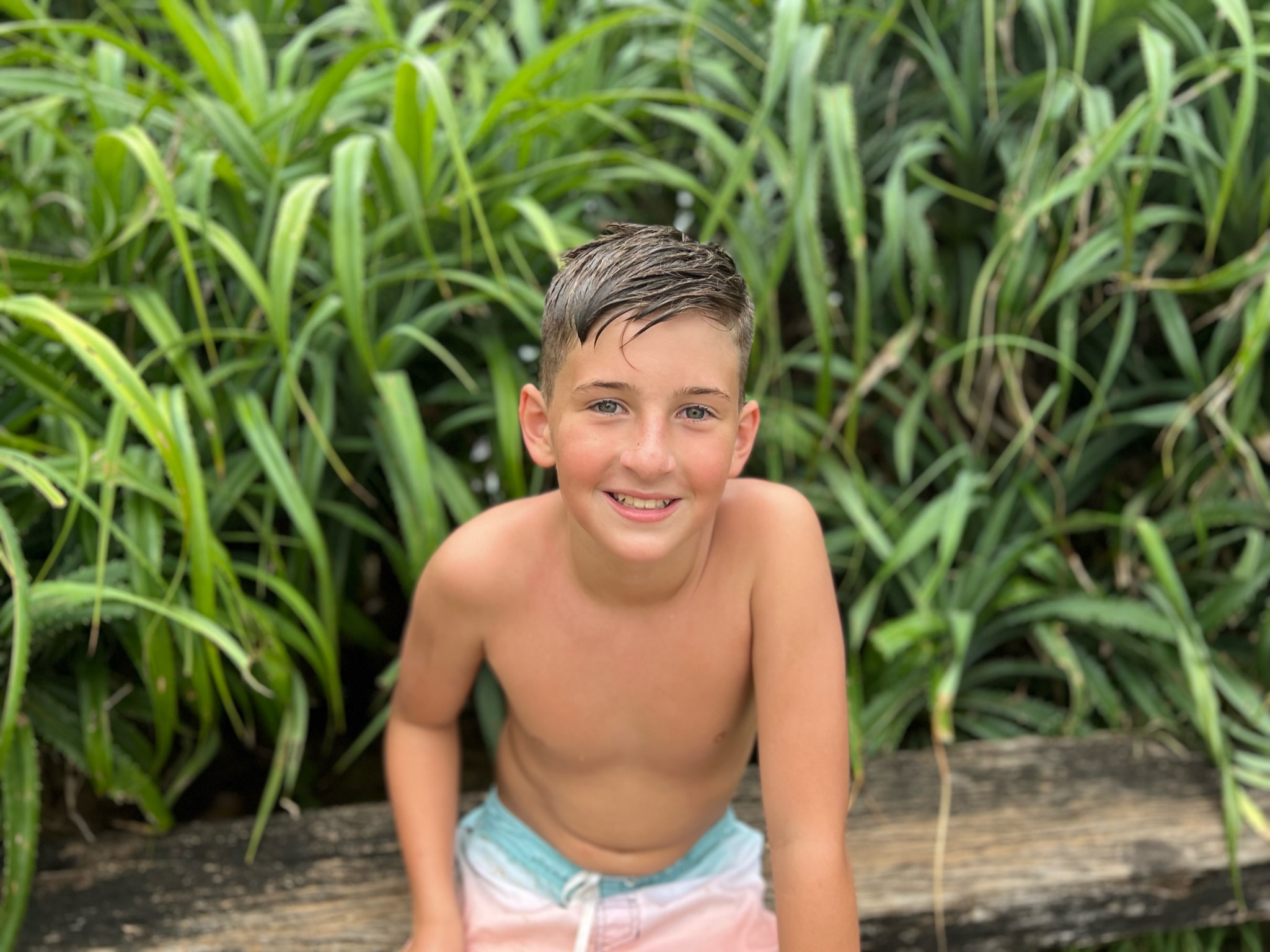
Henry was nervous about getting his hair cut since it was difficult to communicate what he wanted. He was desperate, though, and so was I. We found a picture on the shop’s window that was similar to Henry’s style, though, and the barber seemed to understand what we were saying. Henry sat in the chair, and I sat down in the only nearby chair to watch. Now, I’ve never been one to help Henry get out of a mess, but as I watched this young man start to cut Henry’s hair, I did have the thought that I might need to come up with an excuse to end this little adventure. As I watched him give Henry a horrendous bowl cut, I really began questioning if the barber understood us at all, and while I usually can cut Henry’s hair, I wasn’t sure that I could fix what he was doing to him. I decided to bite my tongue for another moment more, and I’m so glad I did. The kid did a great job on Henry’s hair. Within 30 seconds of my questioning his skills, he showed me that he knew exactly what he was doing. Henry walked out with the best $2 haircut I’ve ever seen.
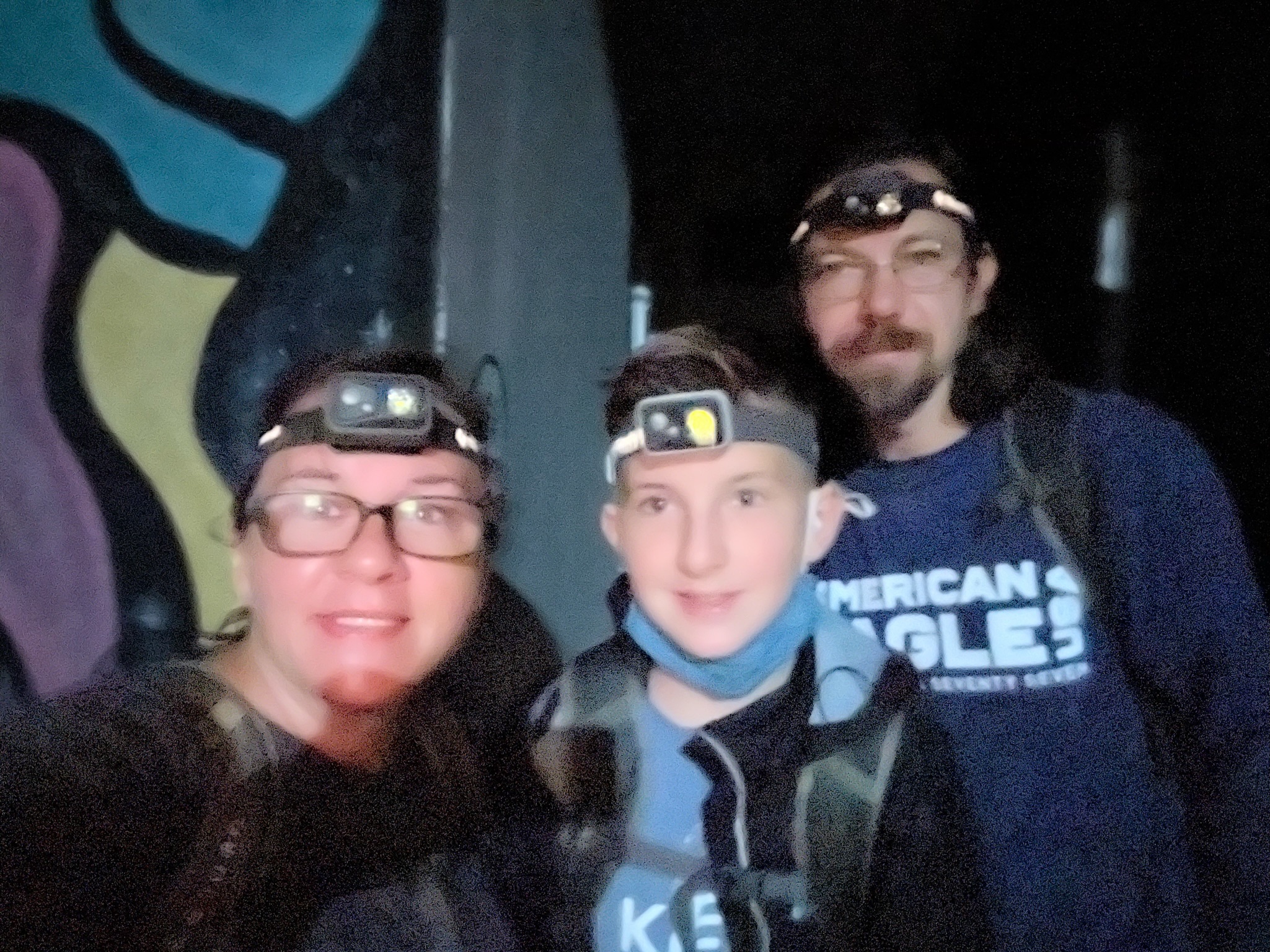
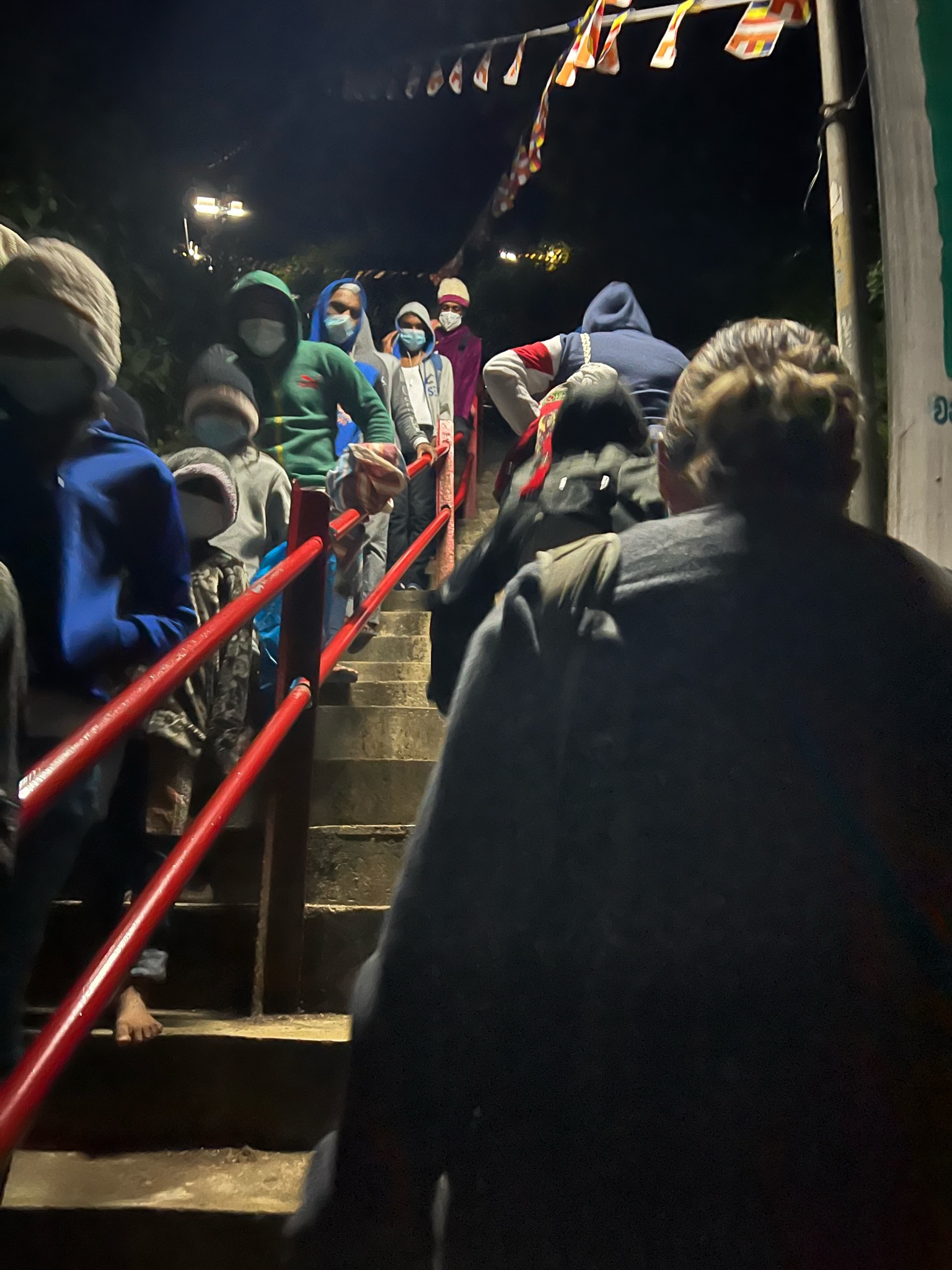
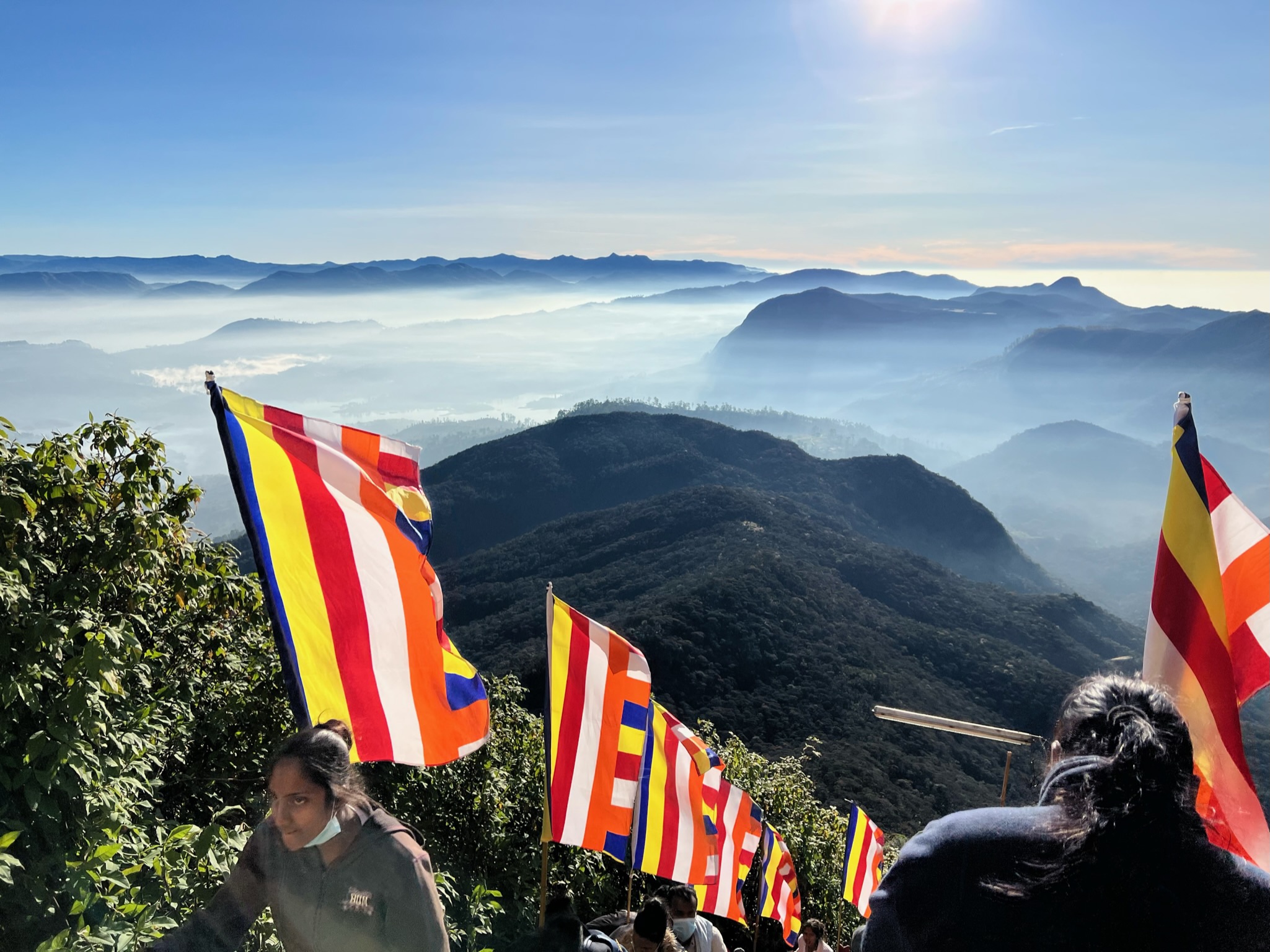
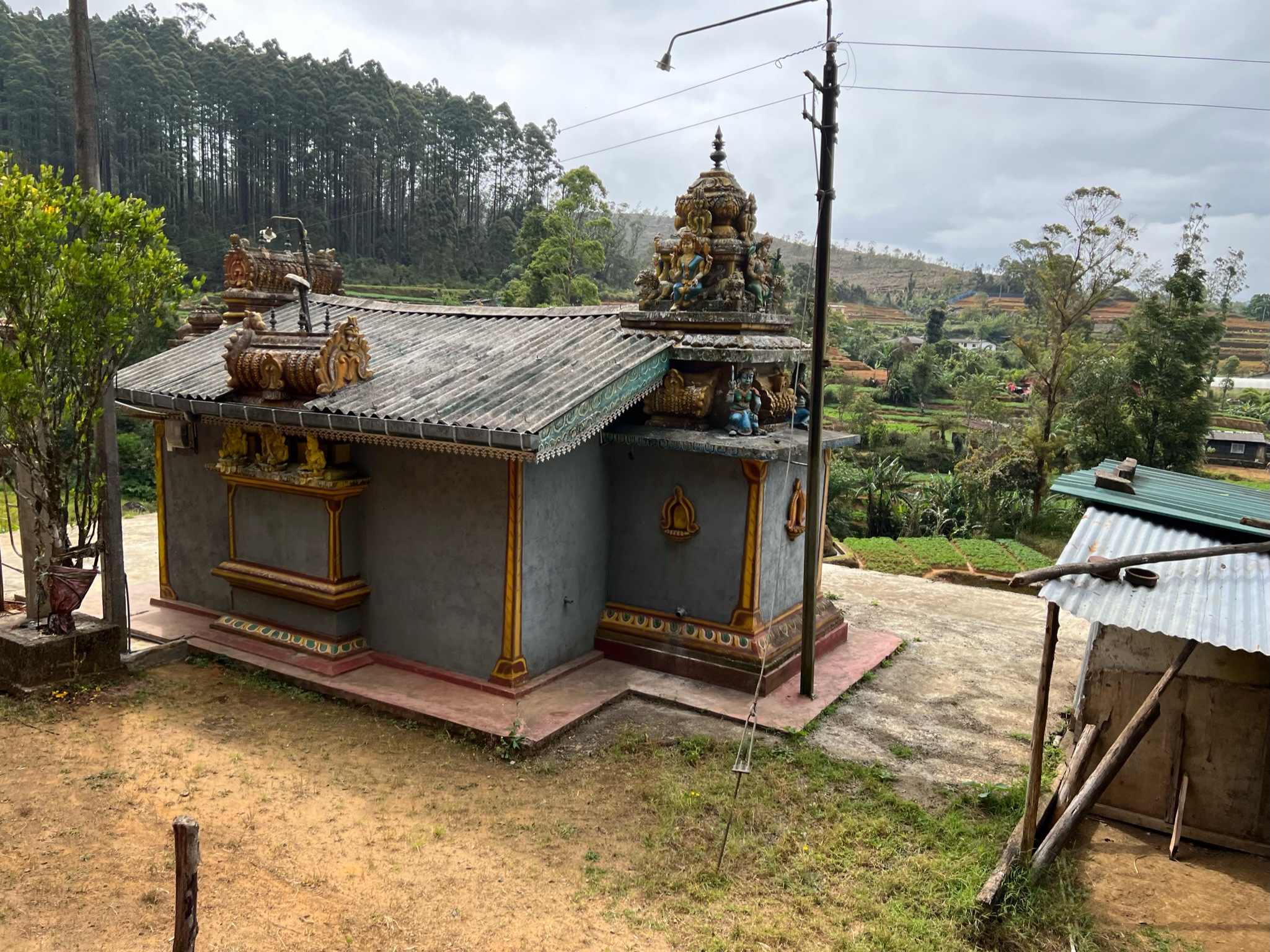
The next morning, we woke up at 1:30 am, and in a sleepy daze, we began making our way up to the peak. I had never heard of Adam’s Peak before we arrived in Sri Lanka, but it’s a sacred site to many. At the top of the mountain, there is an impression in the rock that resembles a footprint, albeit a 5’ long one from what I’ve read. The Buddhists believe that it is a footprint left by Buddha. The Hindus believe that it is an impression left by Shiva, one of their gods. And I’ve read that some Christians and Muslims believe that it was the first step made by Adam after he was removed from Eden. Believe what you will about it, but many of the local people make the trek to the top as a type of pilgrimage (hence the huge crowds on the holiday weekend). We went up there for the sunrise.
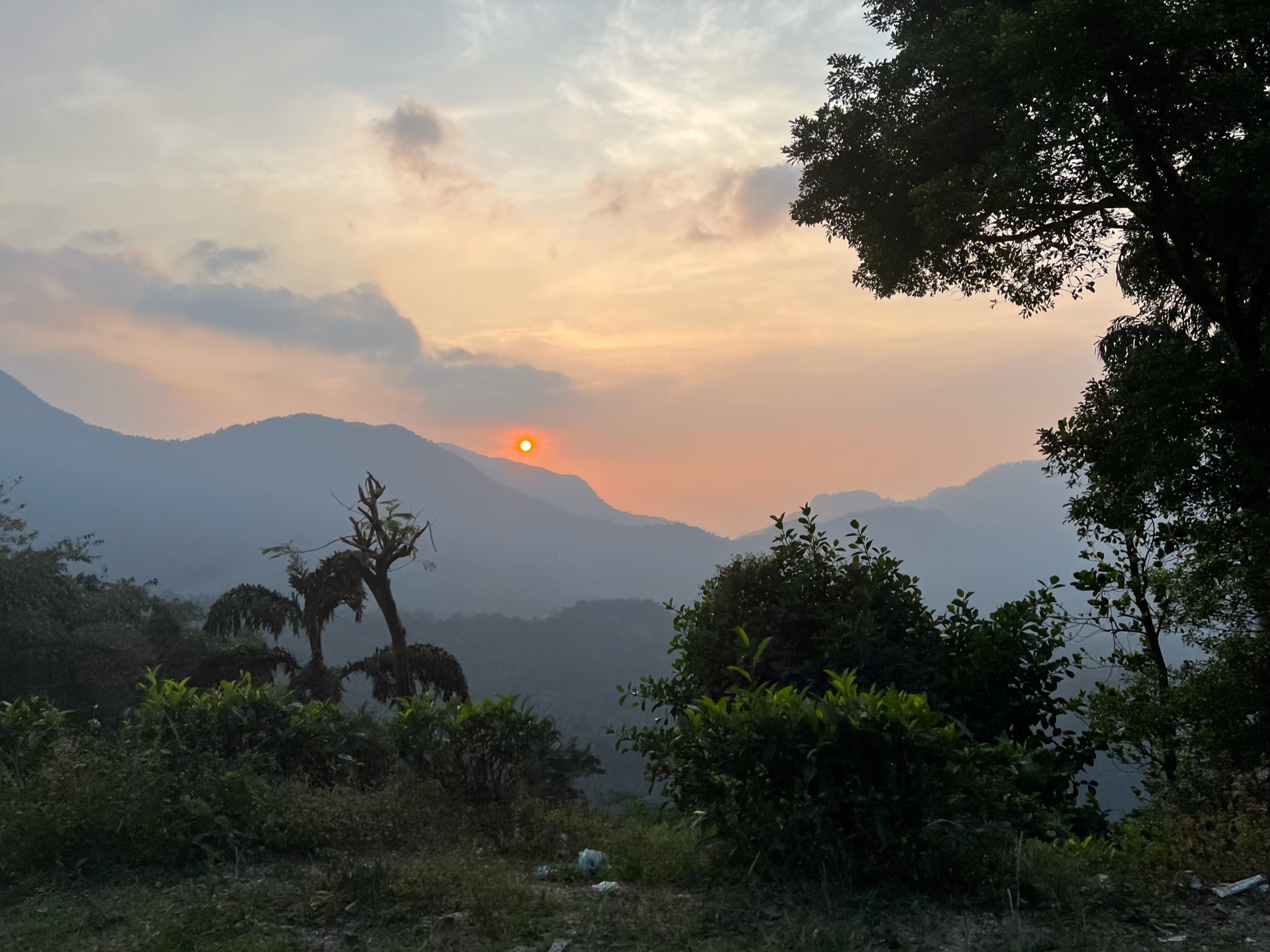
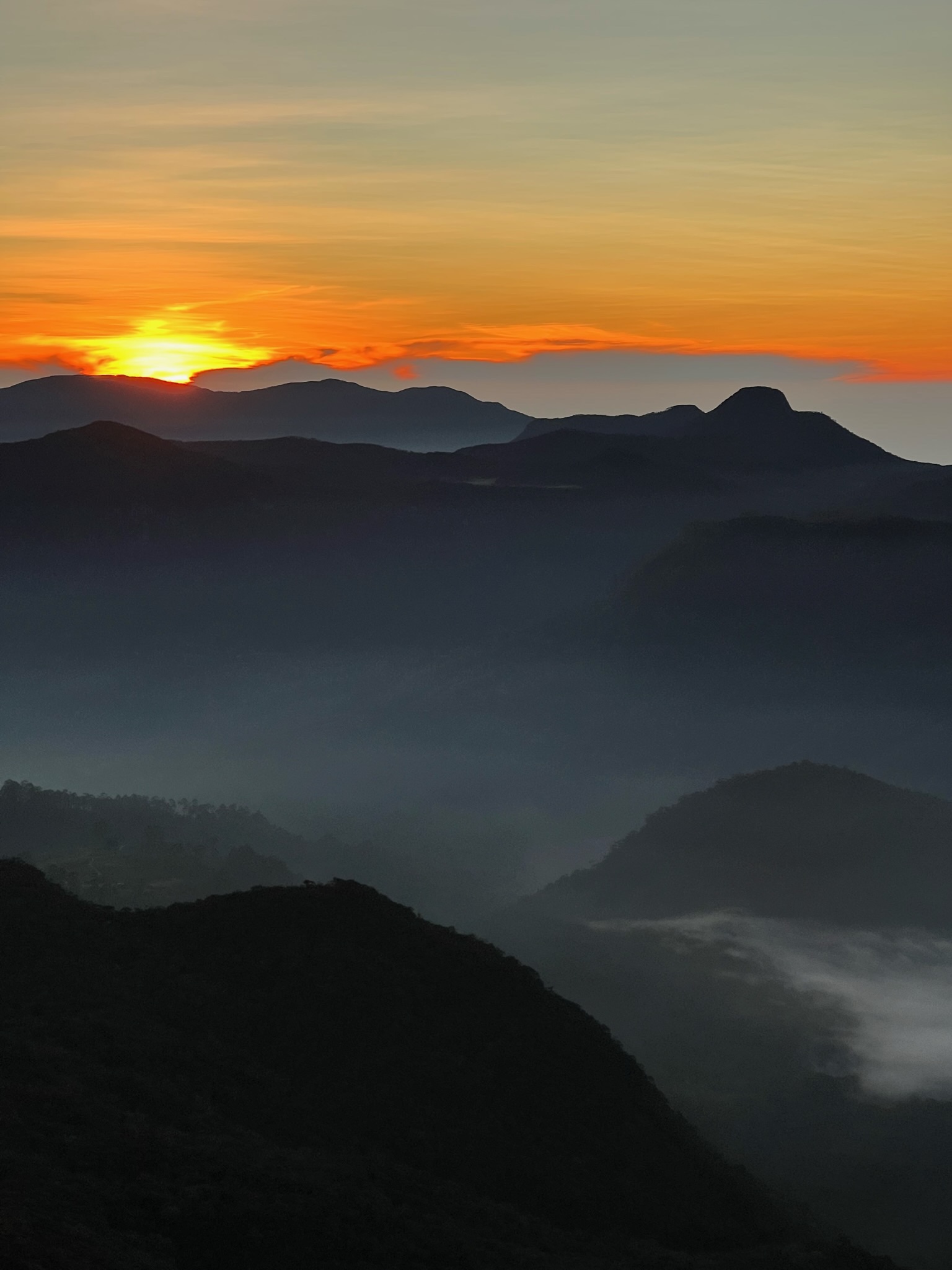
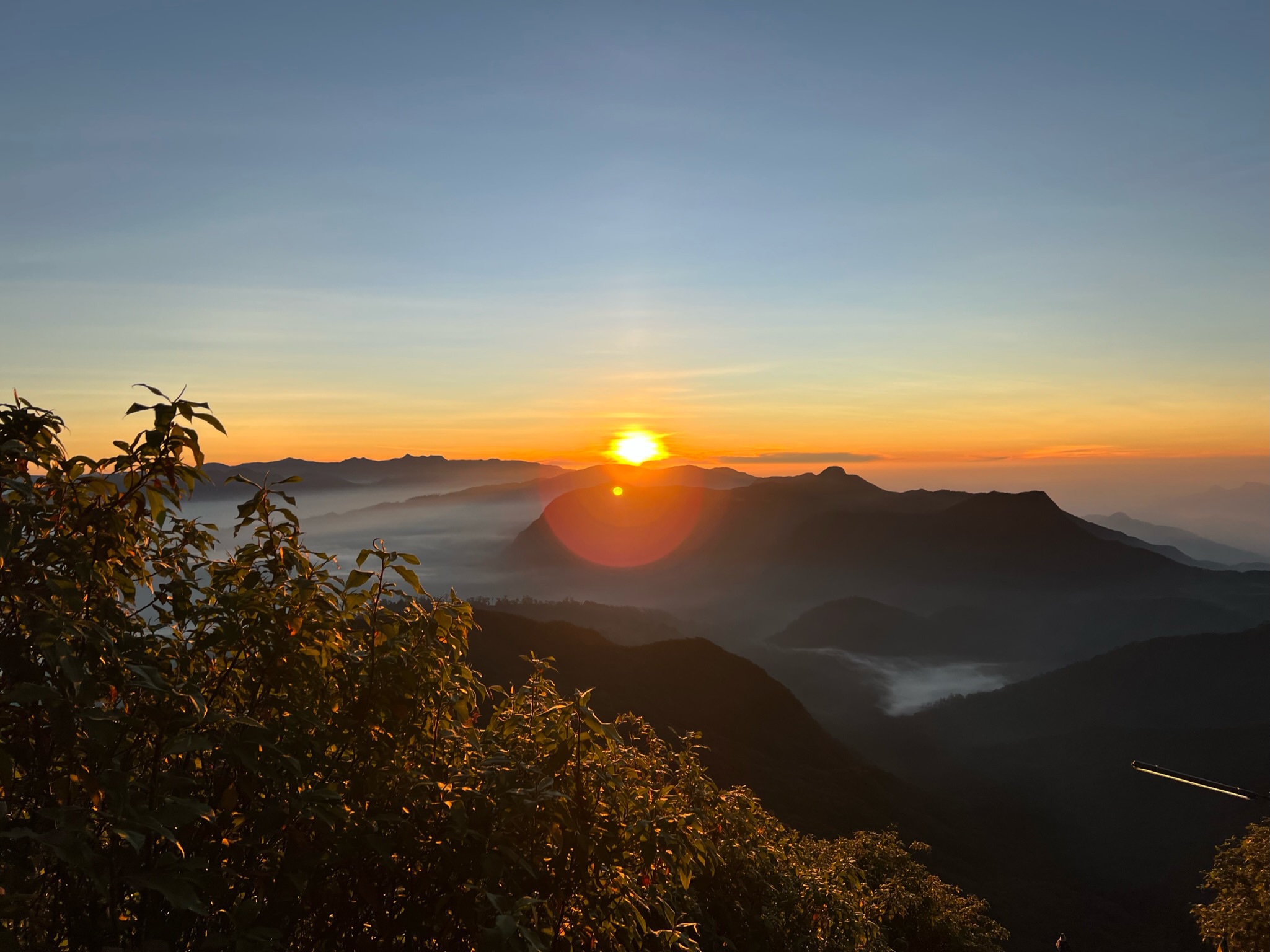
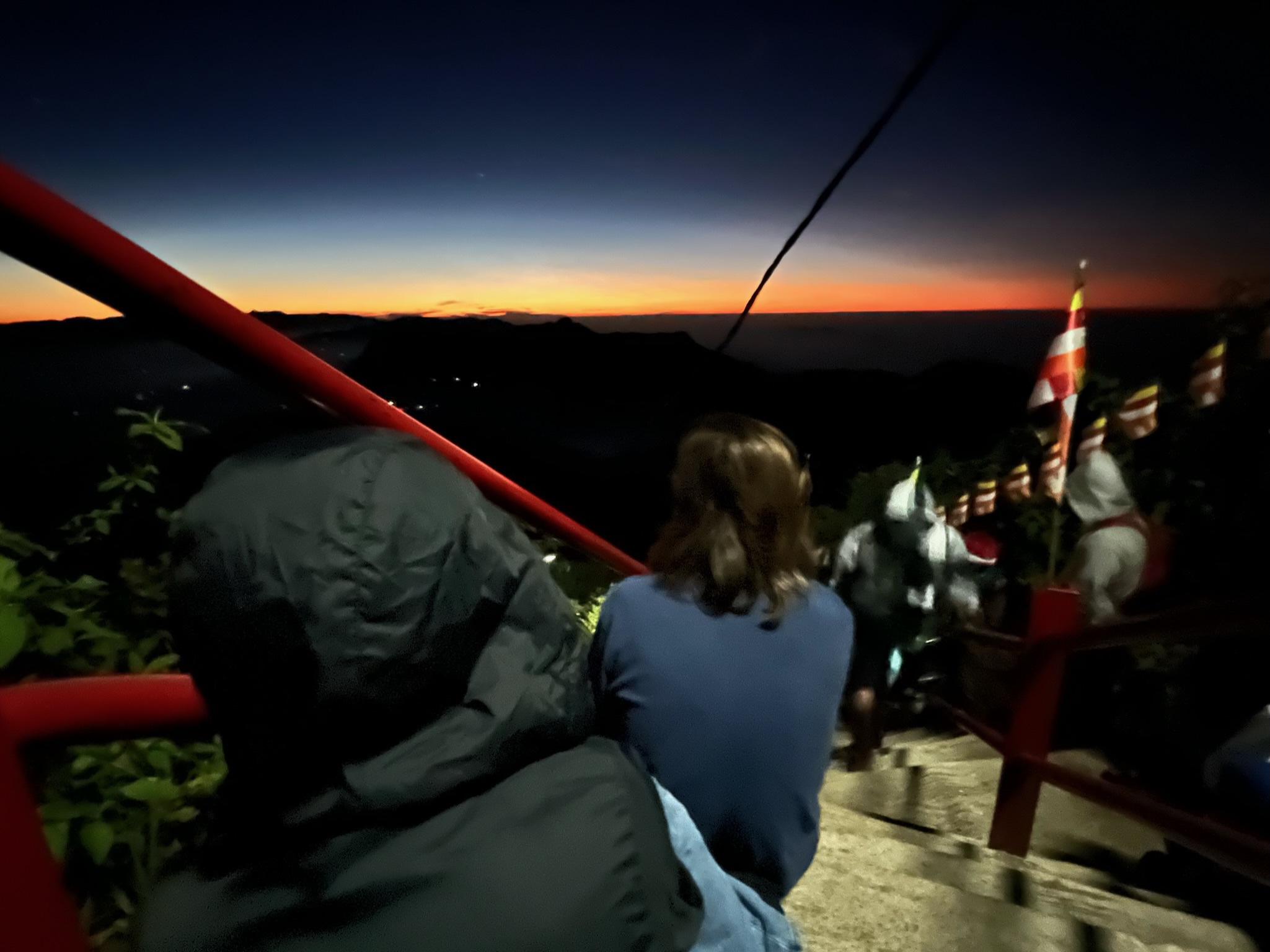
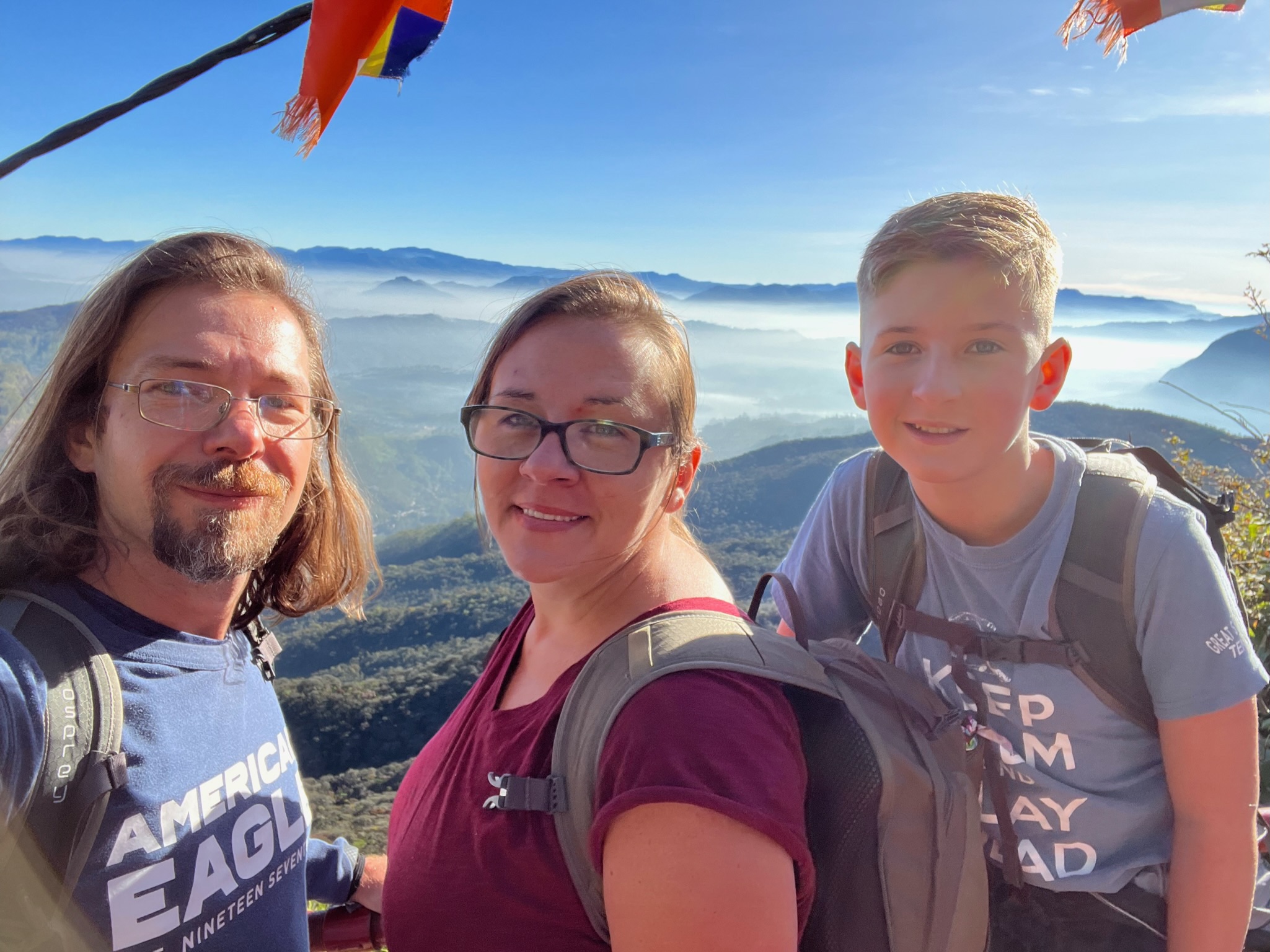
The hike is roughly 4 kilometers one way, and there are more than 5,000 steps to get to the top. It’s a very hard climb. The beginning isn’t too bad because you alternate stairs with level sections, but once you get closer to the top, it’s nothing but steps. We left the hotel just before 2 am, and at 5:50, we found a seat on the stairs near the peak to stop and watch the sunrise. It was breathtaking. The sun came up, and we watched in near silence with the hundreds of people huddled in around us as the soft dawn light slowly begin to light up the tea plantations and lakes in the valleys.
Old and young climbed the mountain for their chance to pay homage to the footprint, and while we were merely tourists to it, we respected their conviction. Along the way, we saw mothers and fathers carrying their sleeping kids up and down. We watched babies breastfeed as their mothers took quick breaks. We passed and were passed by more than a few elderly men and women who made the climb as well. At one point, we spoke with a 70-year old woman who was on her 6th trip up the mountain. Her elderly sister had made this trip 15 times already. She patiently waited for her grandchildren to catch their breath, and then she continued walking up in her dress and bare feet.
After the sun rose, we stood up to continue our trek to the top. It took well over an hour to go the last 30 meters. The very hospitable and kind Sri Lankans became a little aggressive as we started making our way into the final gates at the top. The shrine administrators encouraged this push and shove mentality as they had us move up and fill in all the empty spaces between us as we waited to get through the narrow gates; I felt like cattle being herded through two very narrow gates. When we finally made it to the very top, we walked through a small hallway with a shrine in it. We couldn’t see the footprint as the shrine was covering it. I was exhausted from the climb, and I was irritated by all of the pushing and shoving over the last section, and only seeing a shrine at the top was disappointing. I tried to remember that the sunrise was spectacular, and that made the climb worthwhile, but honestly, I struggled with that.
The climb up was one of the hardest I’ve ever done, but the trip down was even harder. At first, it wasn’t so bad, but after a very short time, we were worn out. Our legs trembled with every step, and all three of us were worried that our knees and ankles were going to buckle if we stepped wrong. Tired from not getting much sleep and hungry from missing breakfast, we were all getting a little testy by the time we reached the bottom. It took us about 3 hours longer to make the round trip than we’d expected, and we were worn out when we reached the guesthouse again. For the next three days, we all struggled to walk. I never wanted to go up or down stairs again.
After a hearty breakfast, Ruwan arranged for a taxi to take us to Nuwara Eliya. Henry and I slept in the backseat, but Brian somehow managed to stay awake through the two-hour drive. It was a beautiful drive, but the little we saw of Nuwara Eliya was very nice. It is a British town, fondly called Little England, and is a hill country village complete with pubs and colonial-style buildings. We really wanted to see more of it, but we were happy to make it to our room for the night. After a quick shower, we found some dinner at a British pub, and then crashed hard in our beds.
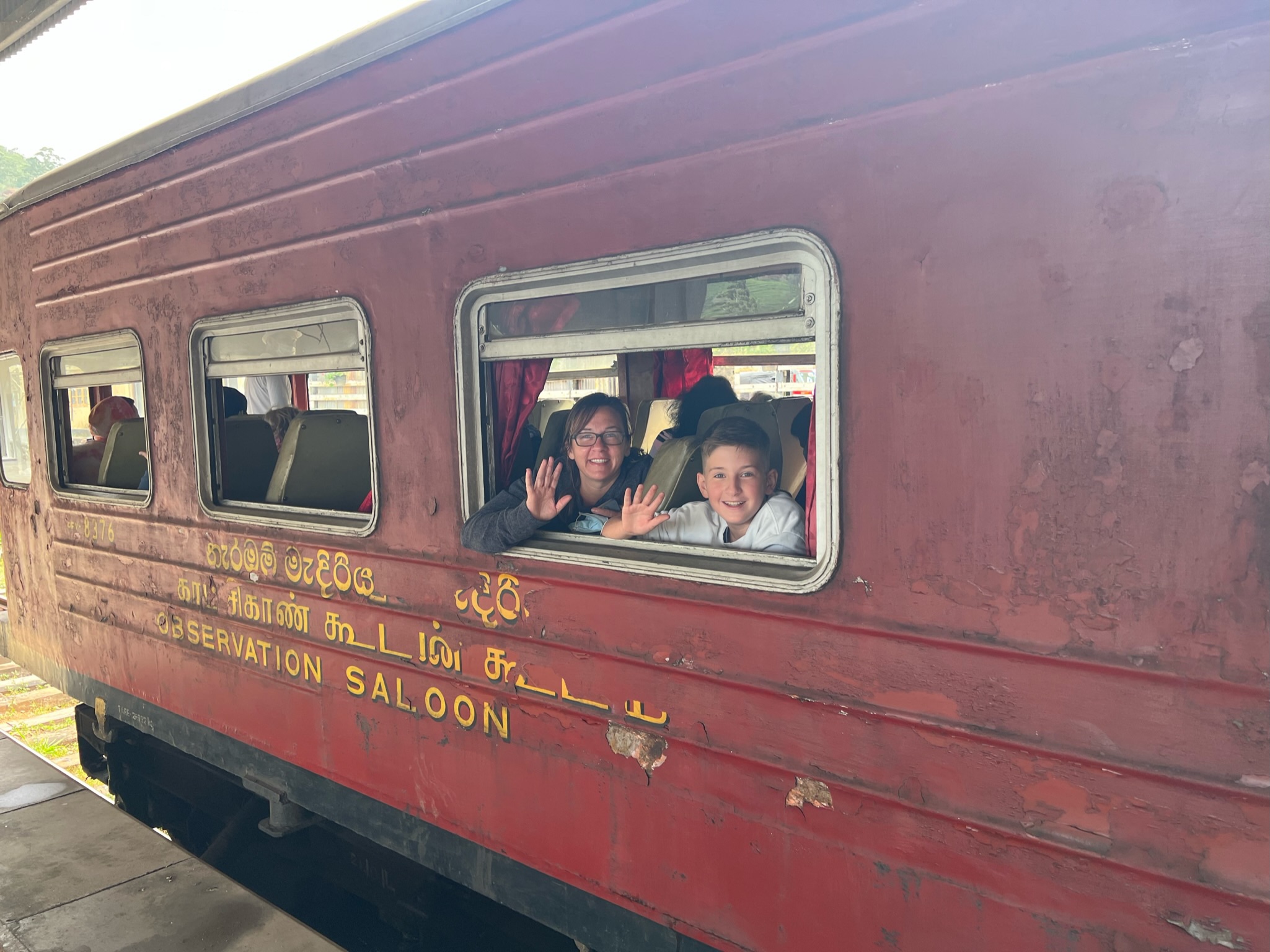
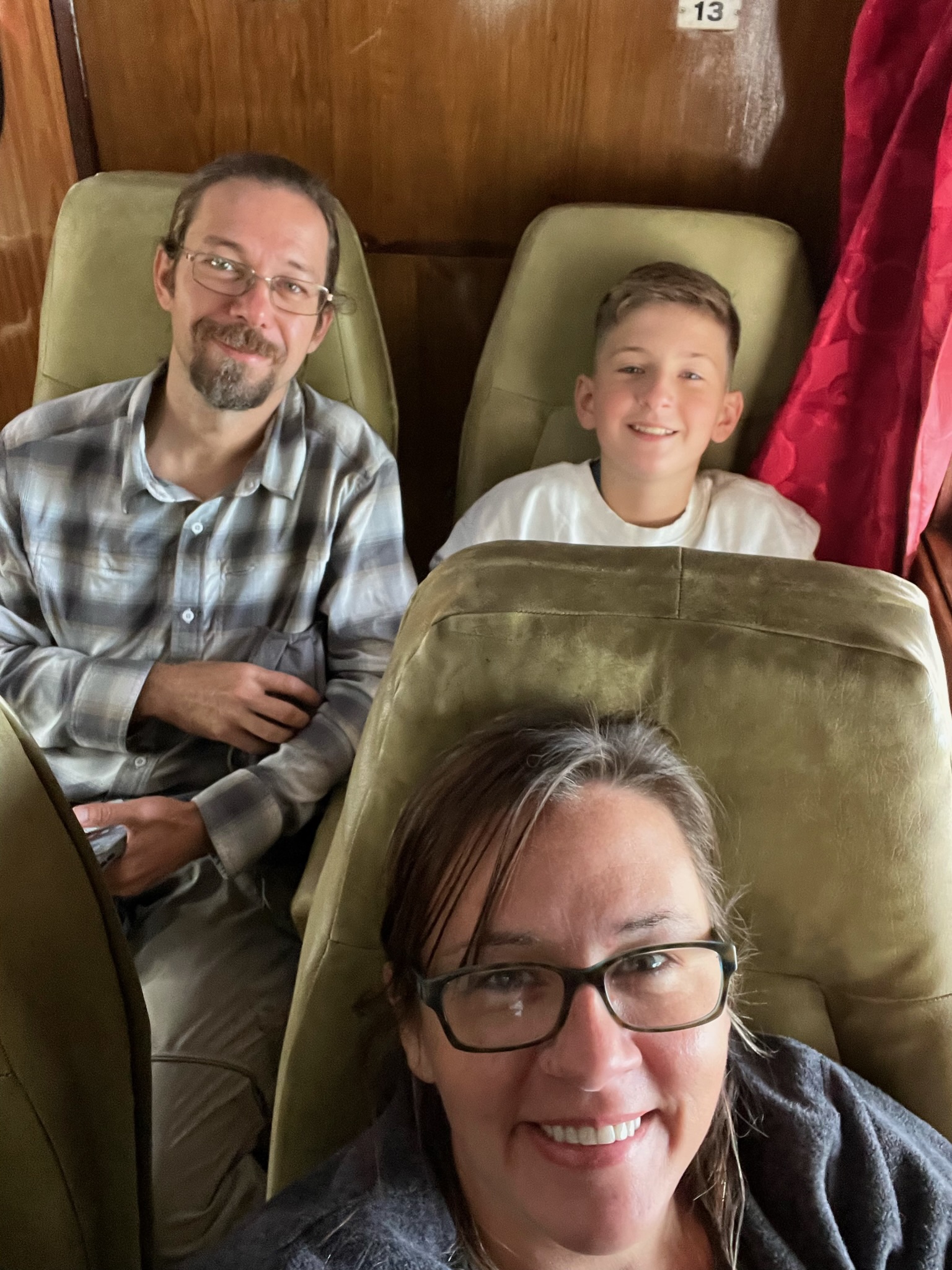
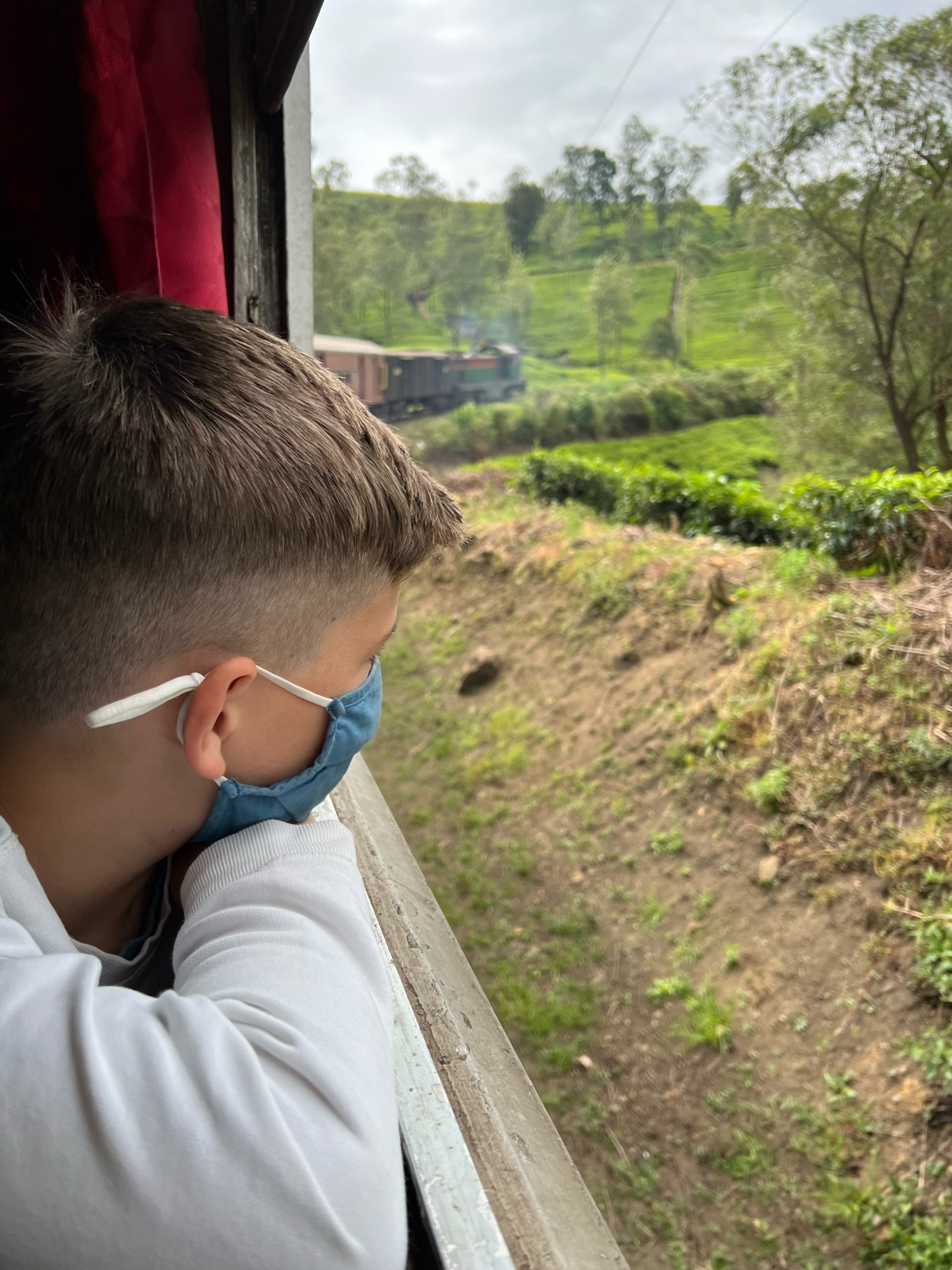
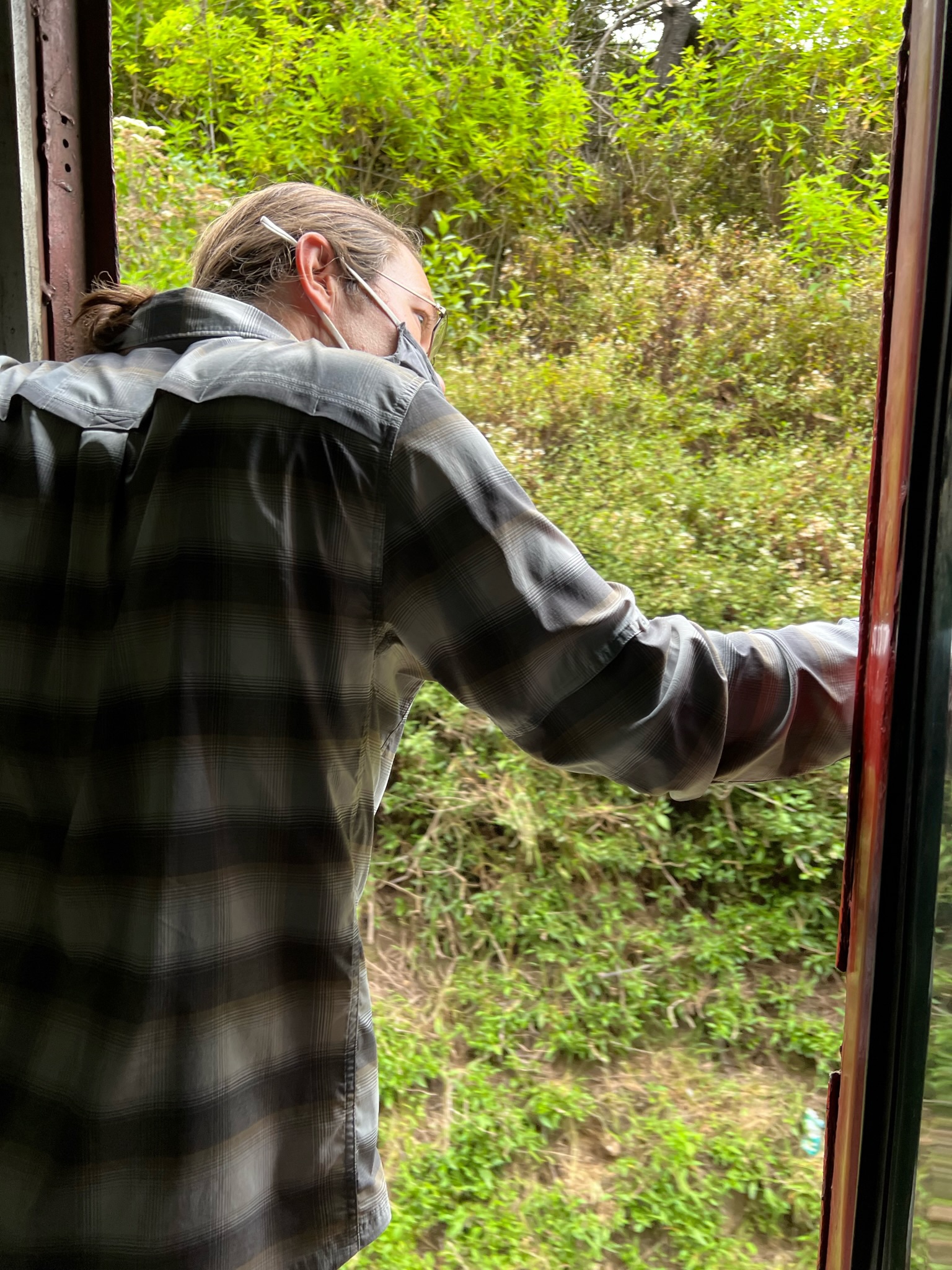
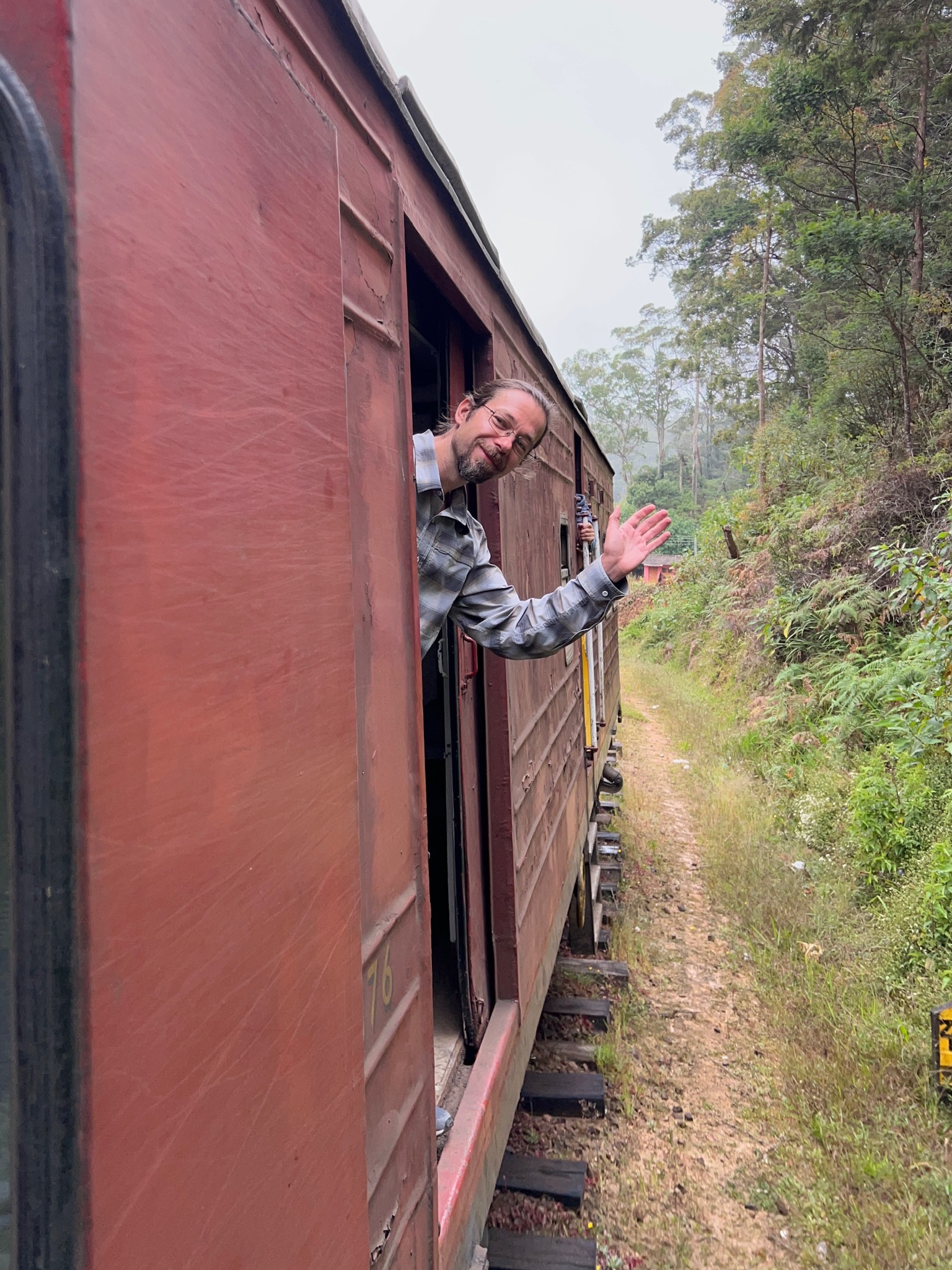
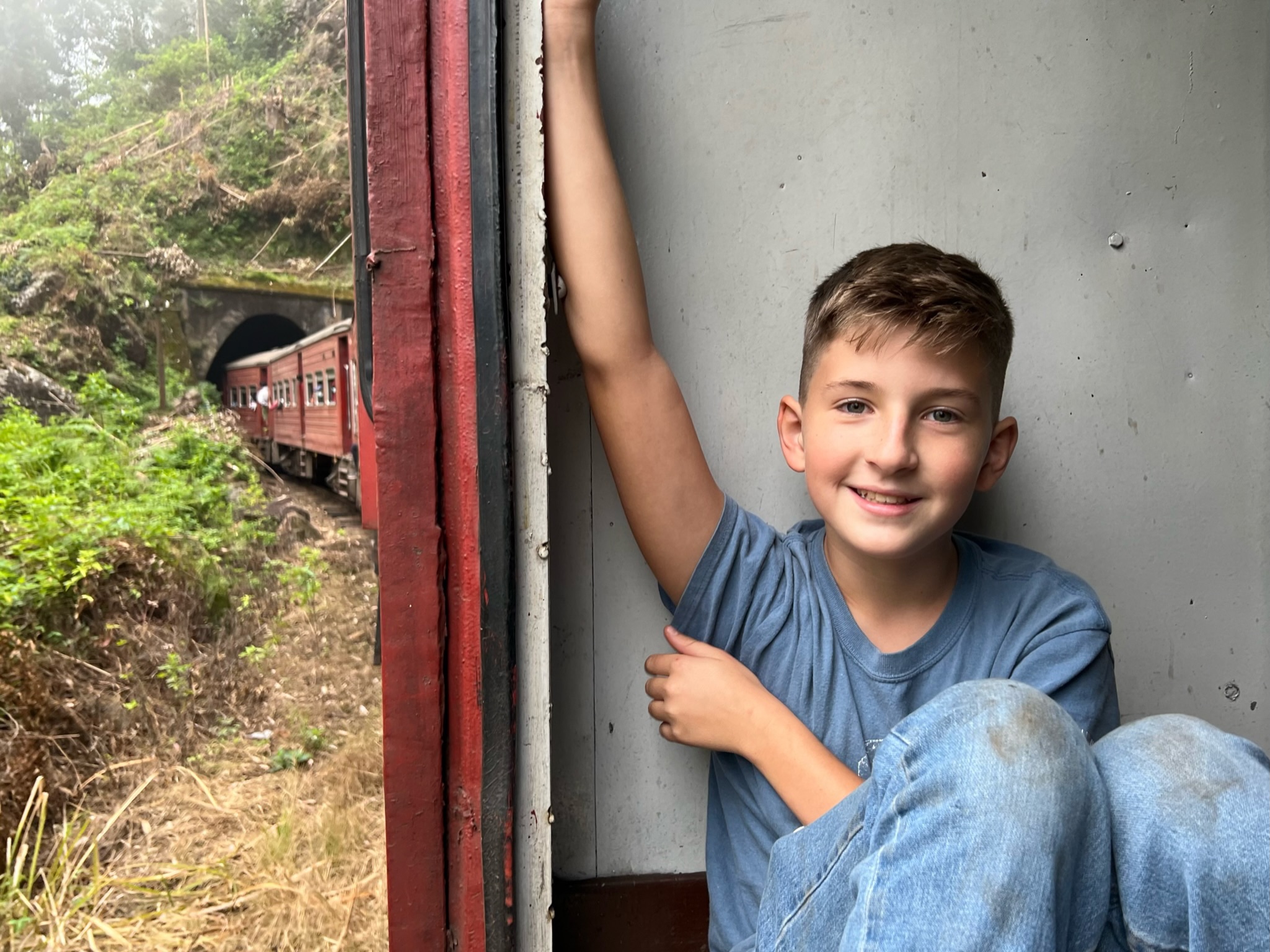
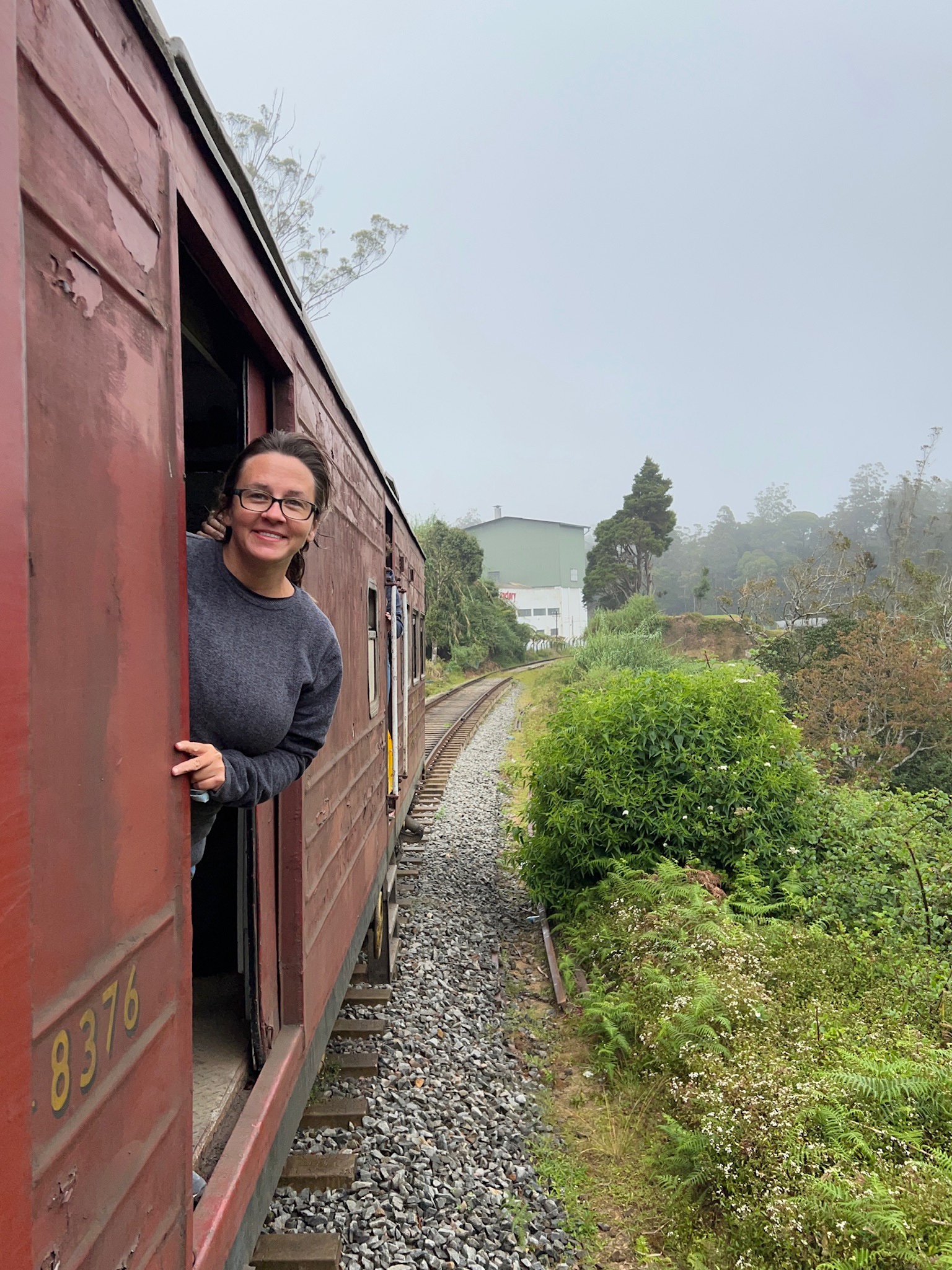
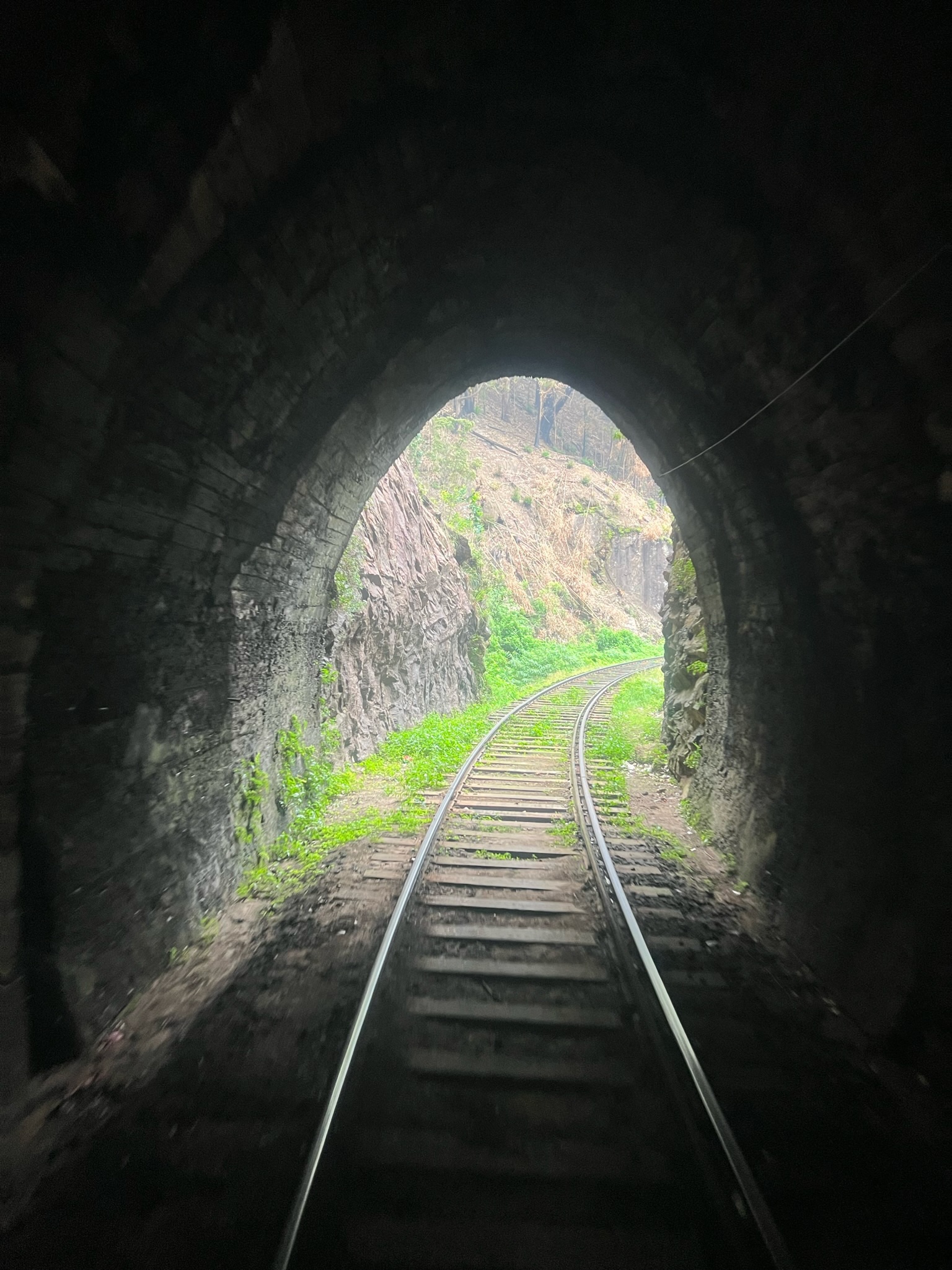
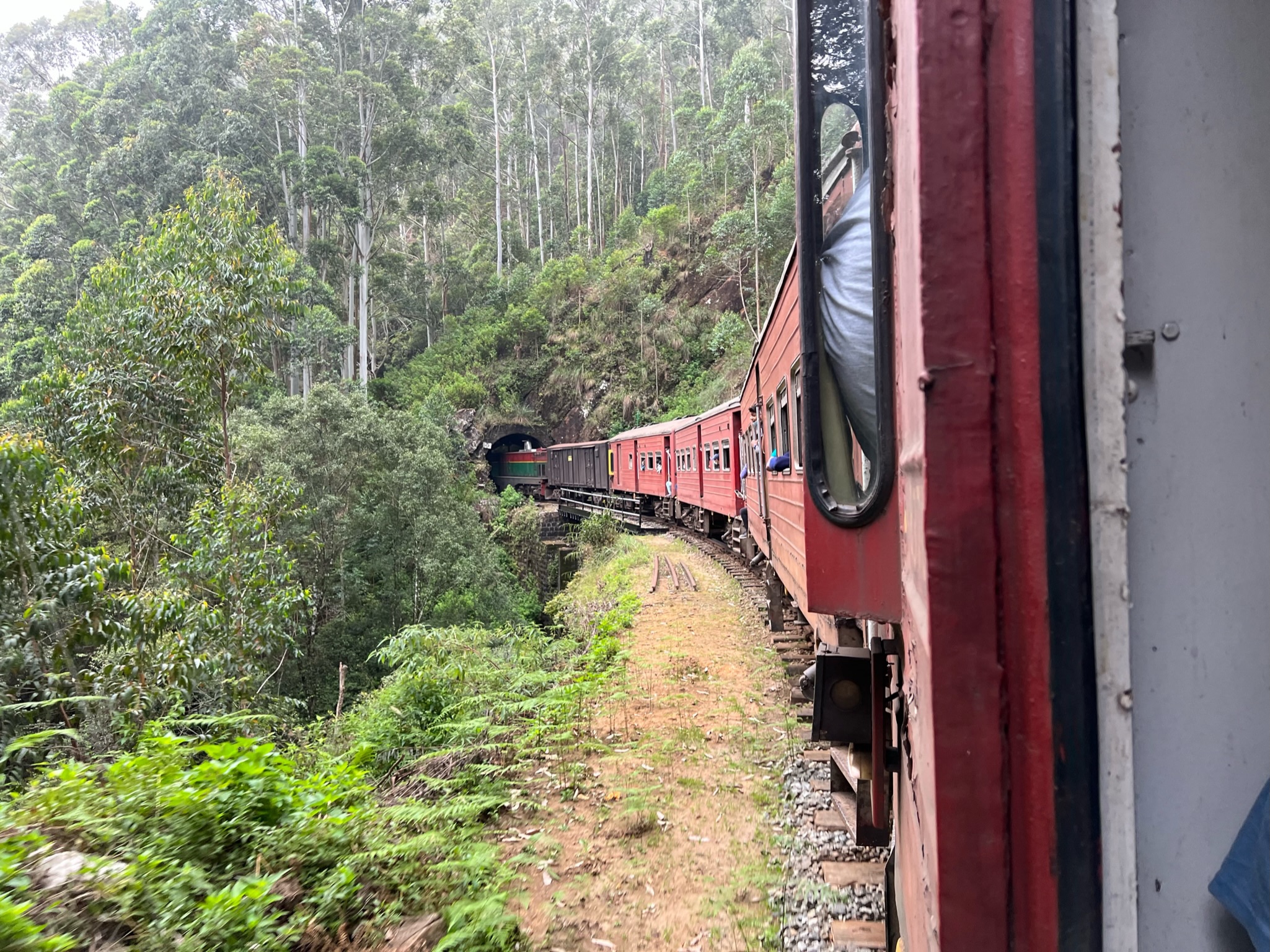
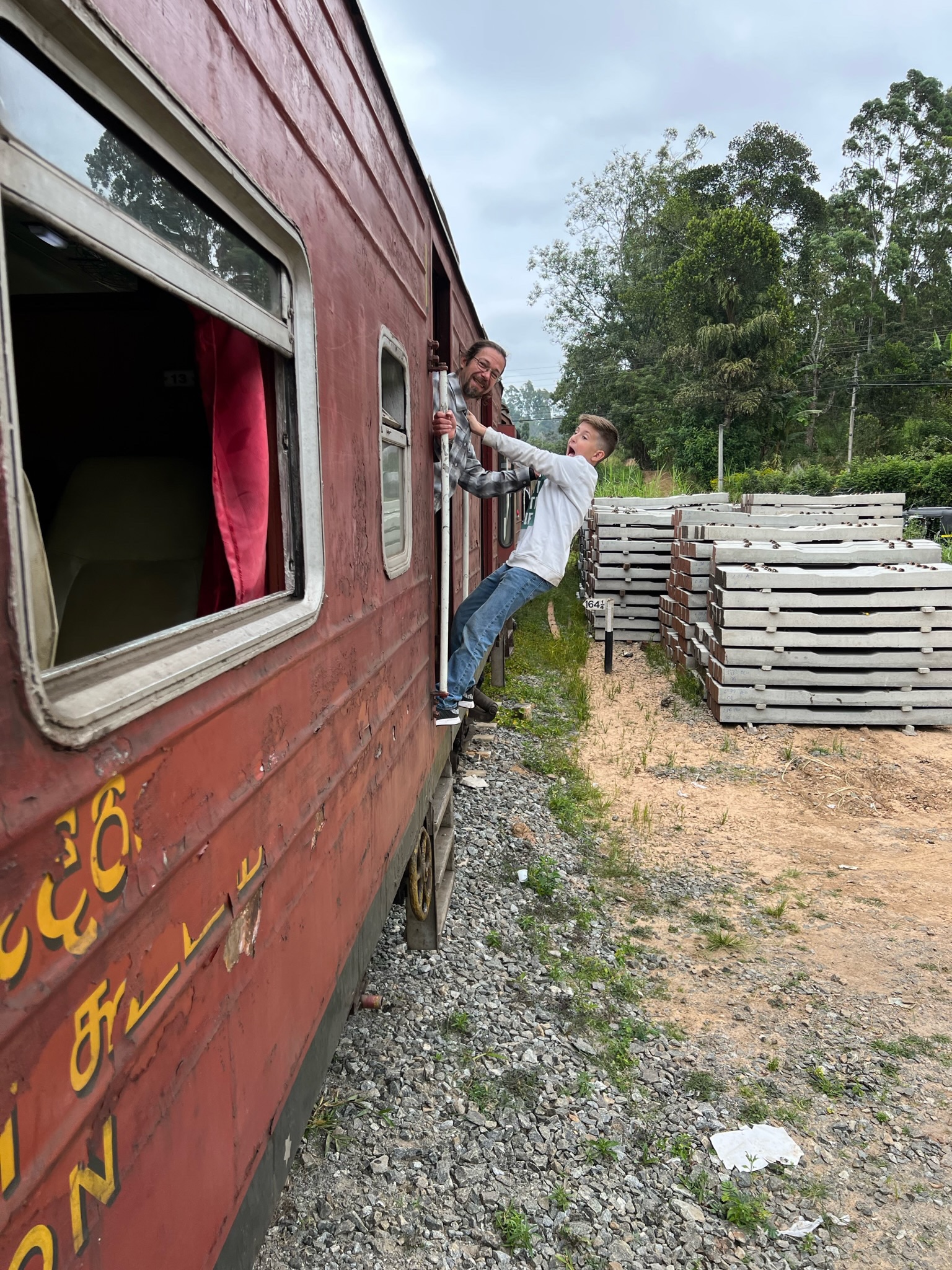
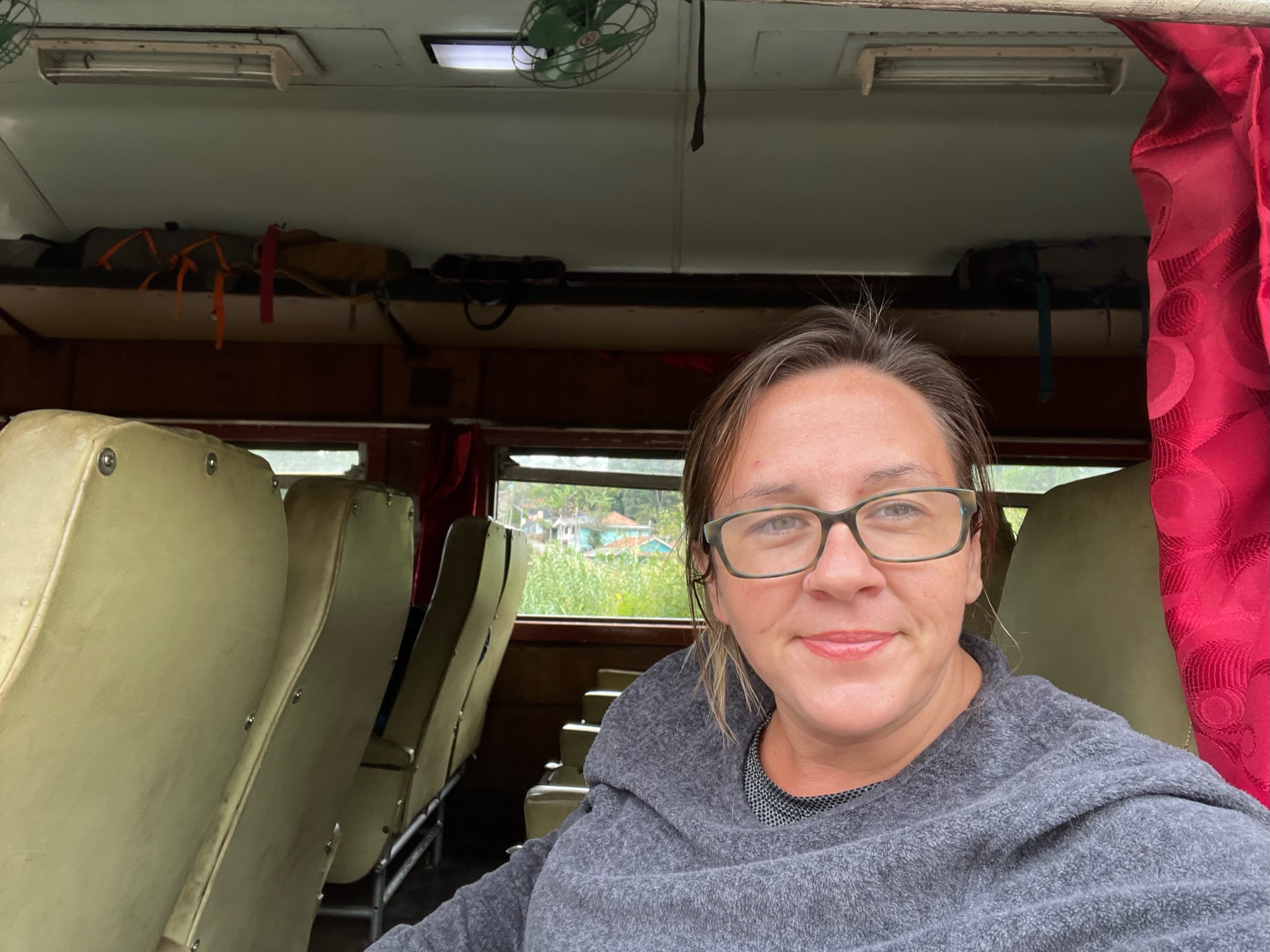
The next day we caught the train from Nuwara Eliya to Ella. We had finally found some tickets in the observation car, and we found our seats with no problem. The car had seen better days, but we were there for the experience, and not the luxury of it. The car was the last on the train, and there were enormous picture windows to look out at the tracks as you travelled along. This car wasn’t air conditioned, so we could open up the windows and get a great view of the passing sights.
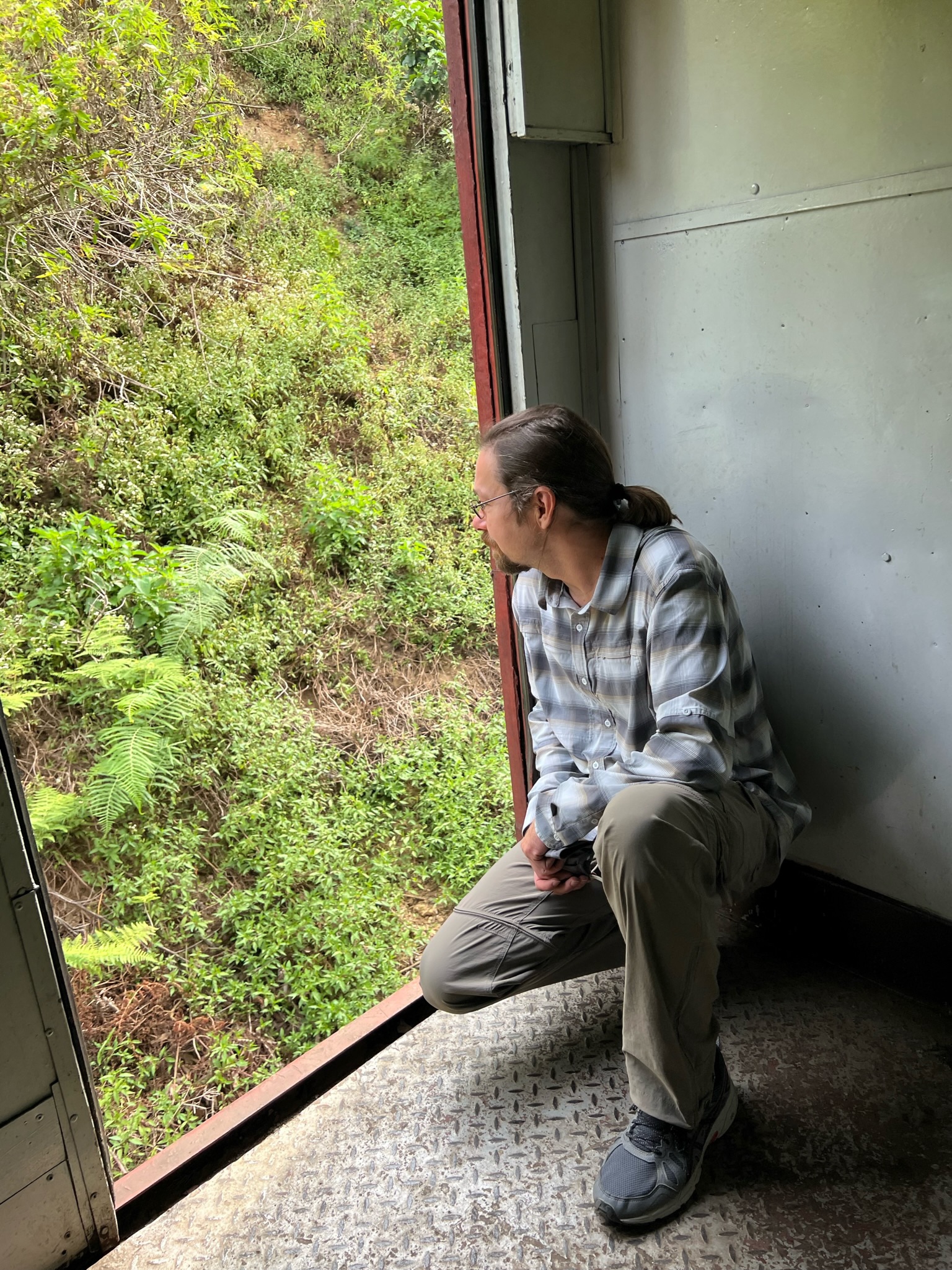
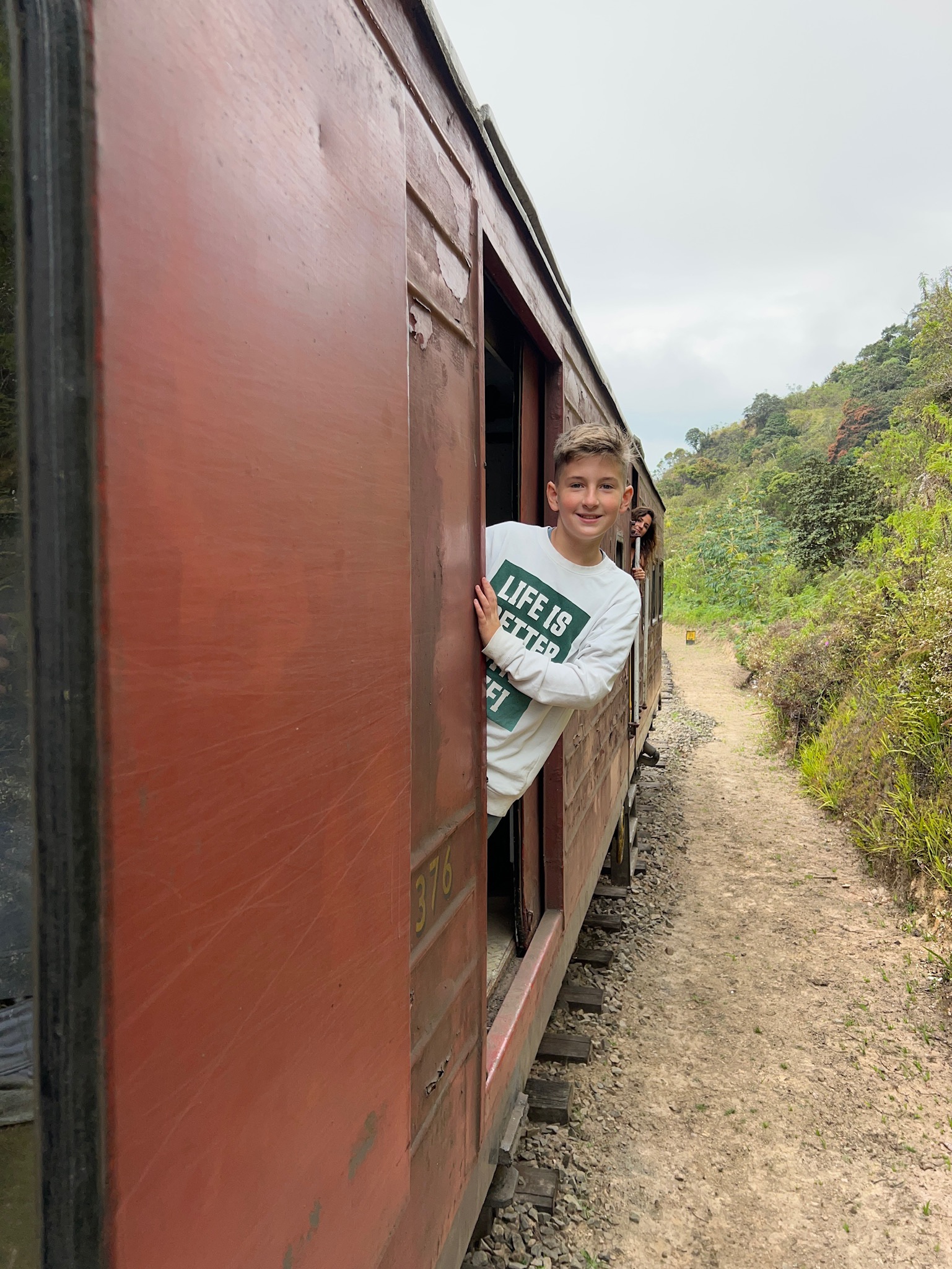
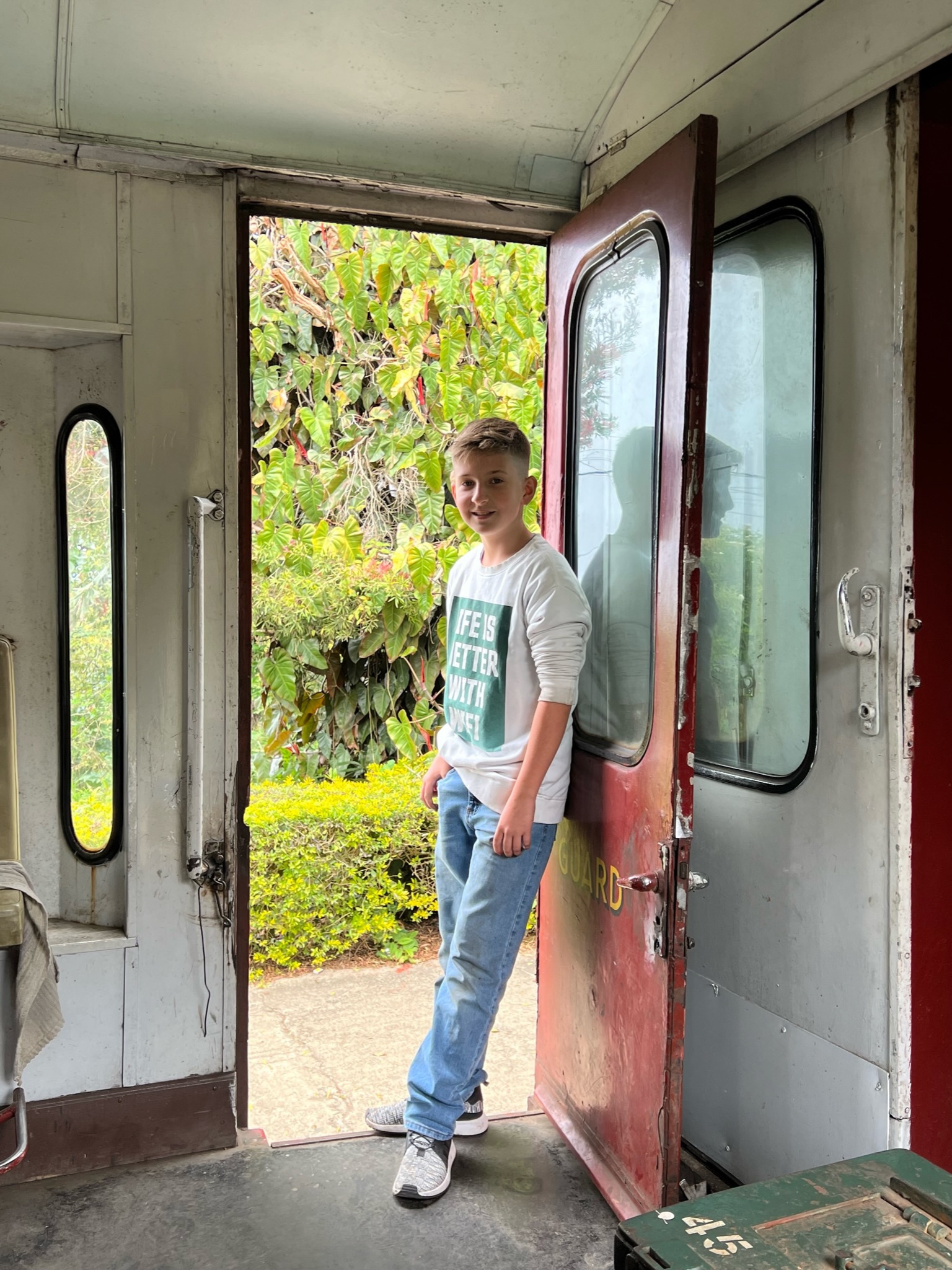
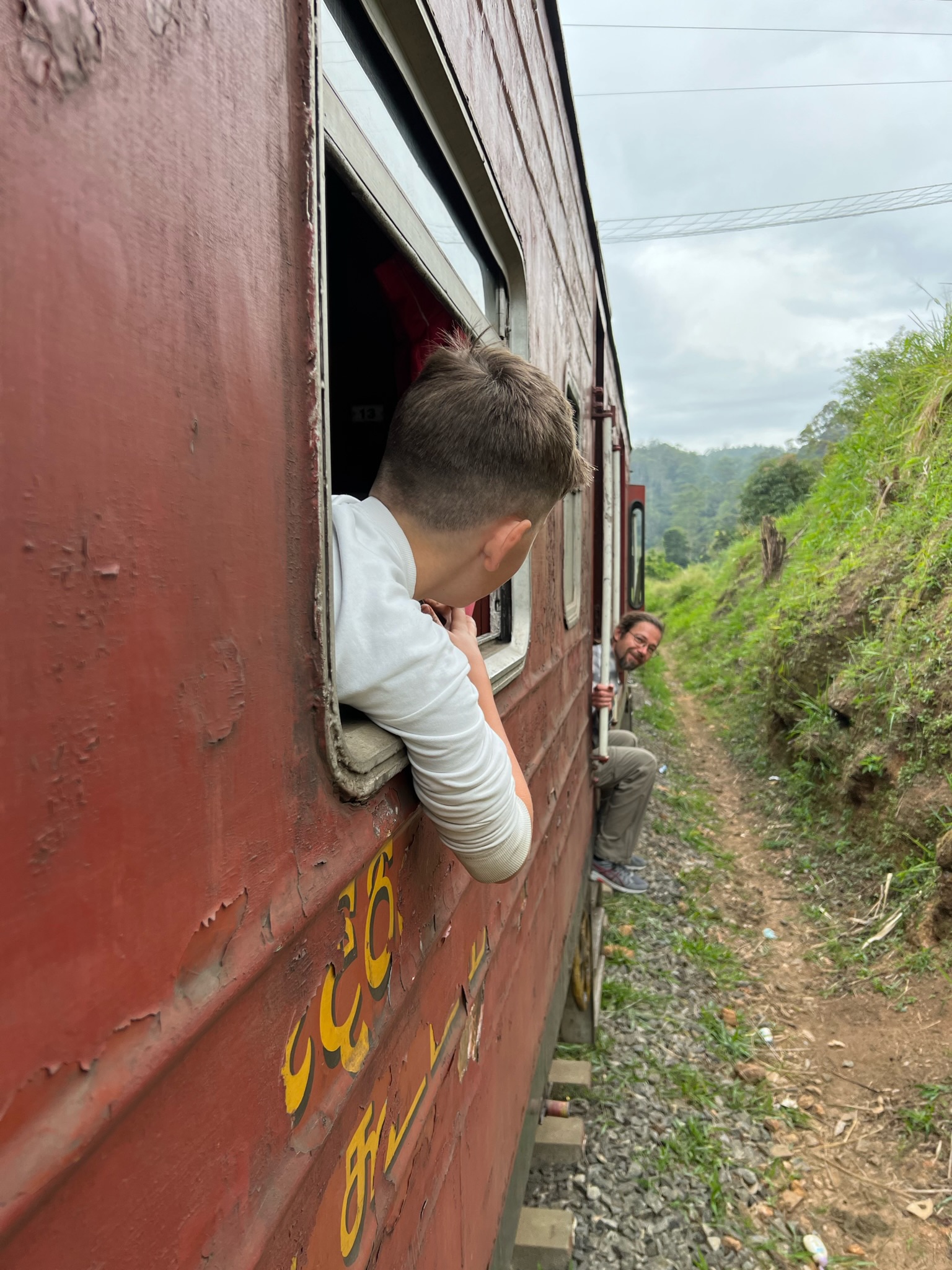
The train doesn’t go all that far, and it doesn’t go fast at all. It is an open-air train, though, and because it goes slow enough, you can comfortably stick your head out the window and enjoy the fresh mountain air as you pass through some of the most picturesque scenery in the world. We rode in our seats for a few minutes, but it didn’t take long for us to find our way to the luggage car so we could get a better look out the big doors as we traveled down the tracks.
We took lots of photos on the train. Pictures of the landscapes. Pictures of us on the train. Pictures of Instagrammers getting their pictures. It was quite a lot of fun. We spent a lot of time talking to a young couple from Slovakia and sharing travel stories with them. They thought Henry was a hoot, and they enjoyed hearing his perspective on our travels.
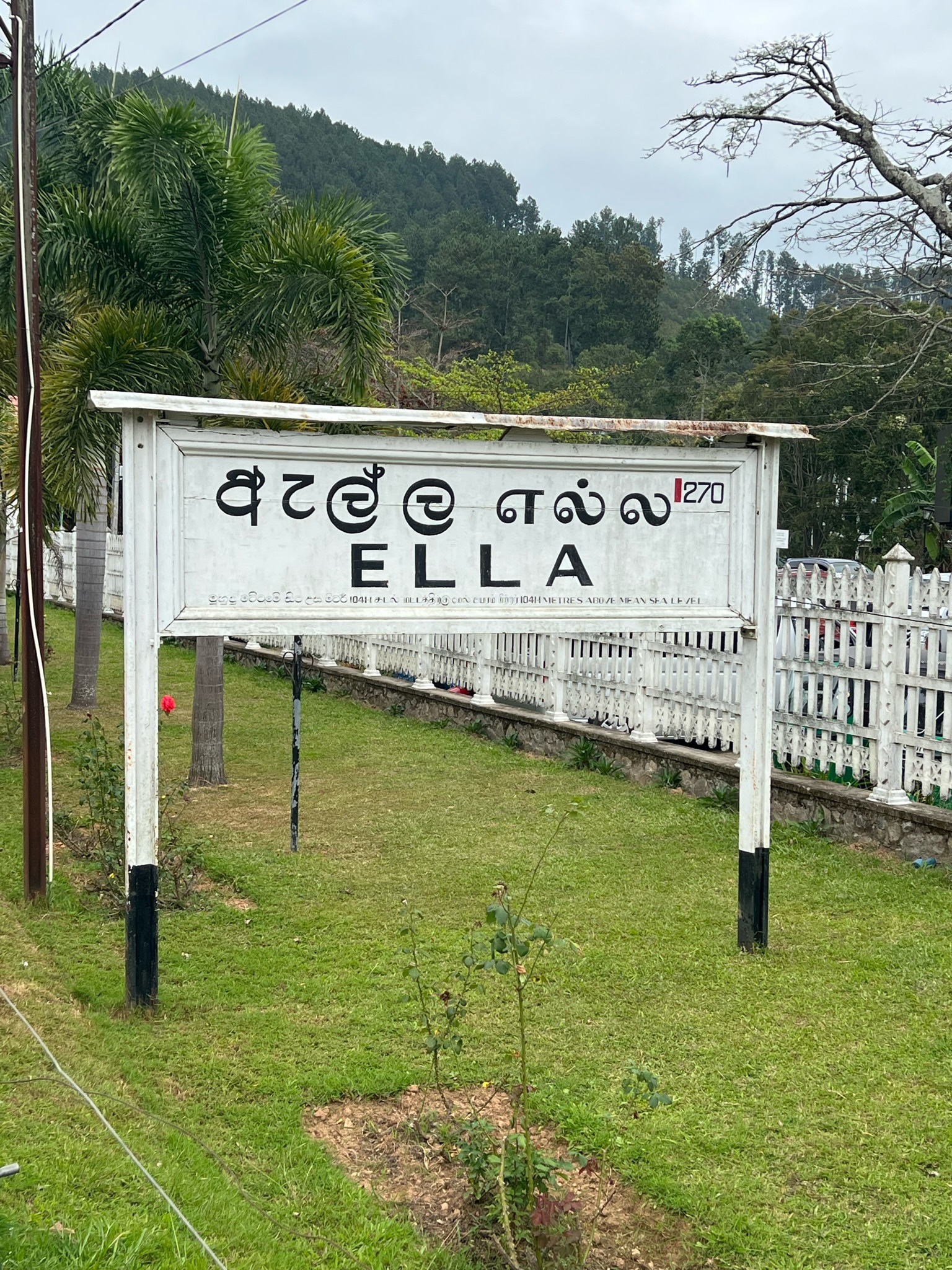
In Ella, we stayed with a sweet family at the Restful Homestay. Our room was behind their house in a lovely two room building. We had bunk beds, and even though his legs ached every time he climbed in or out of the bed, Henry loved sleeping in the top bunk. Ella was a small town, but it was the base point for several beautiful hikes.
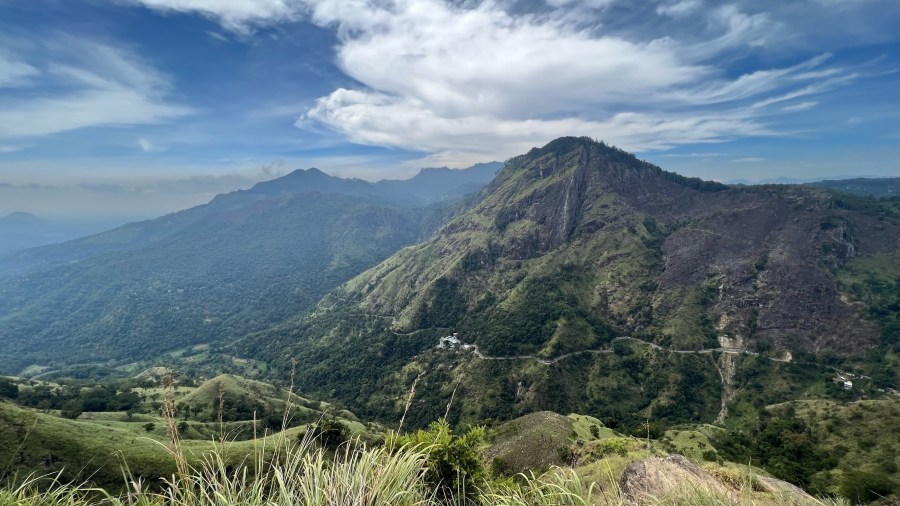
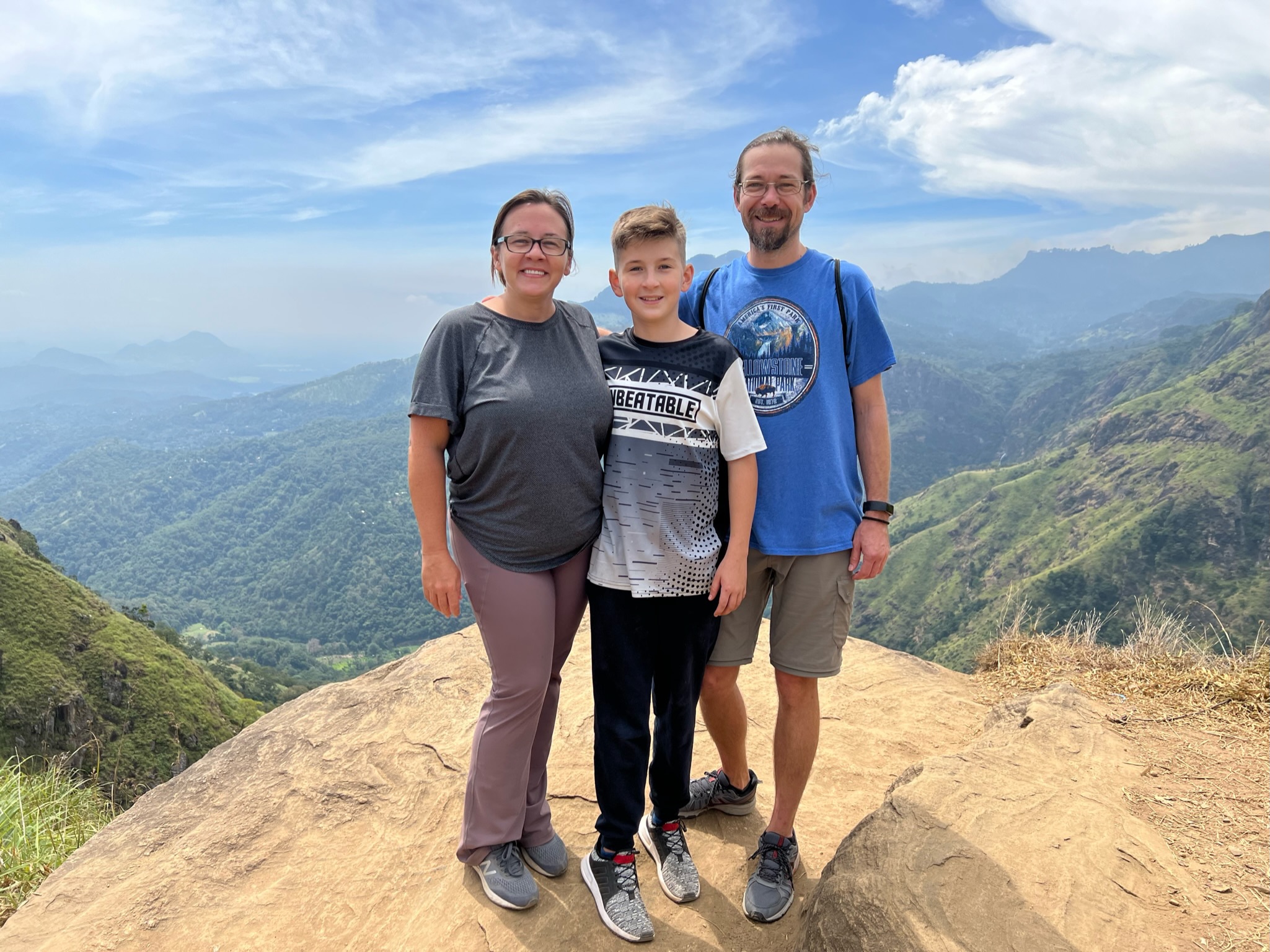
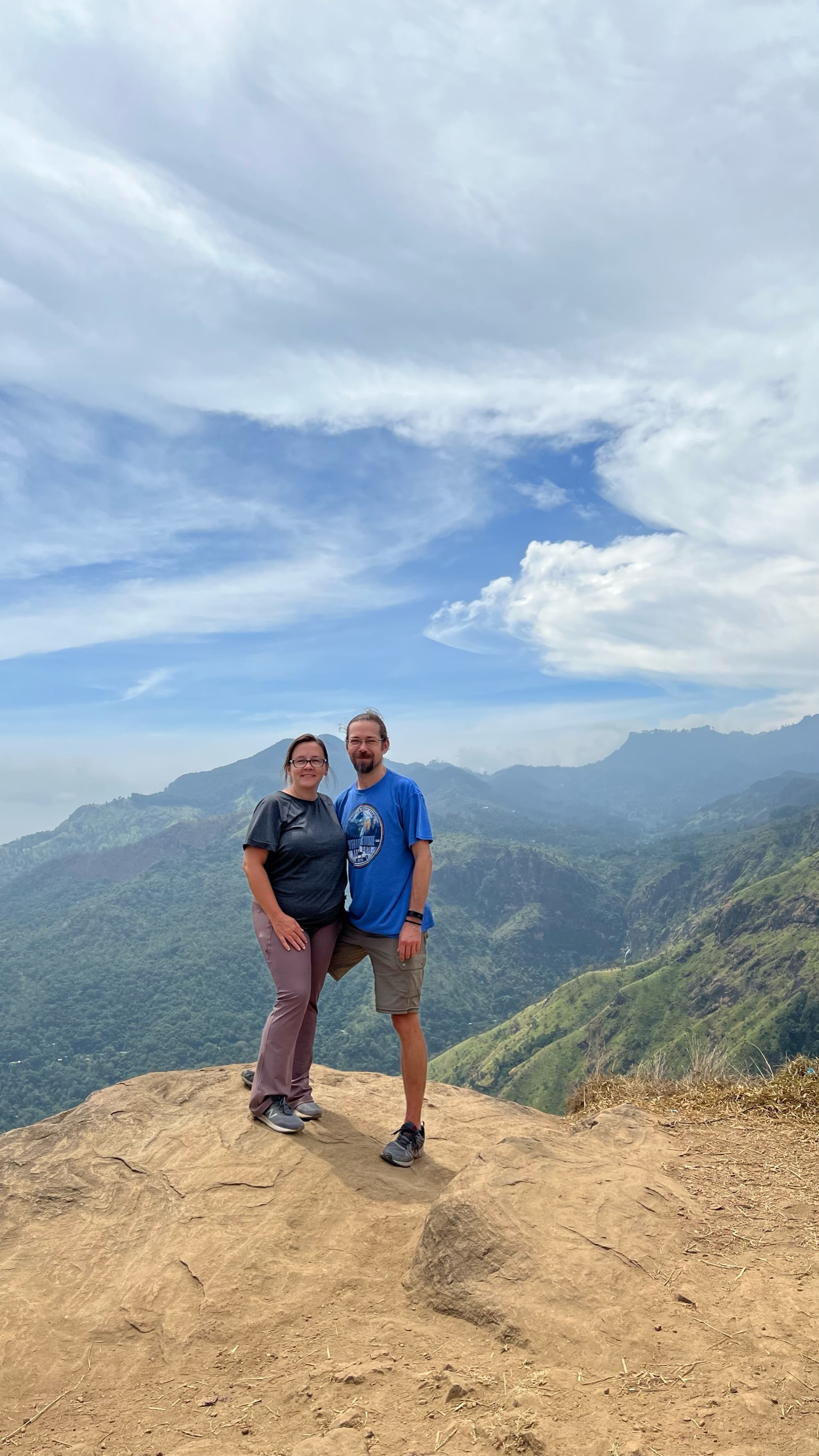
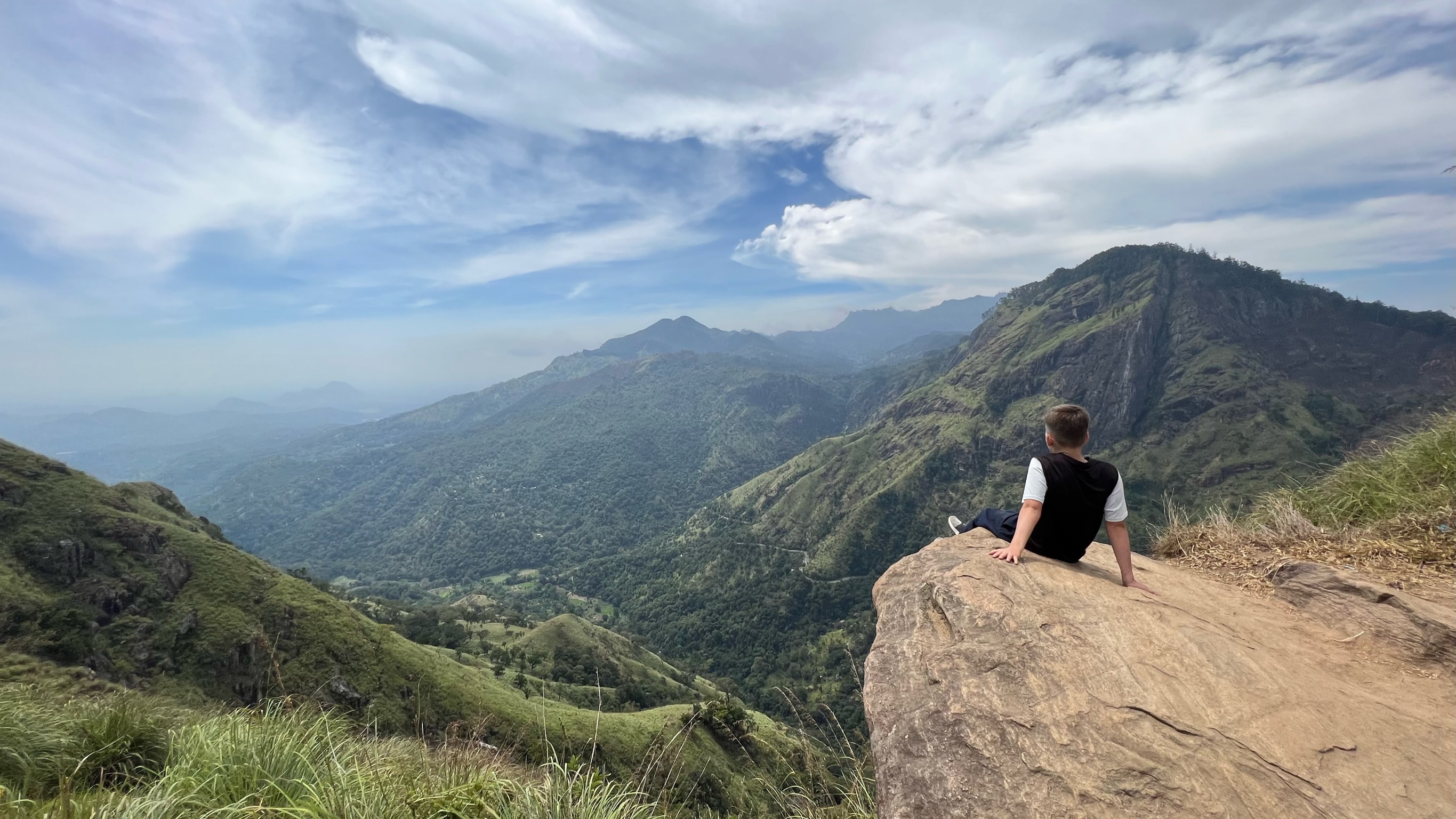
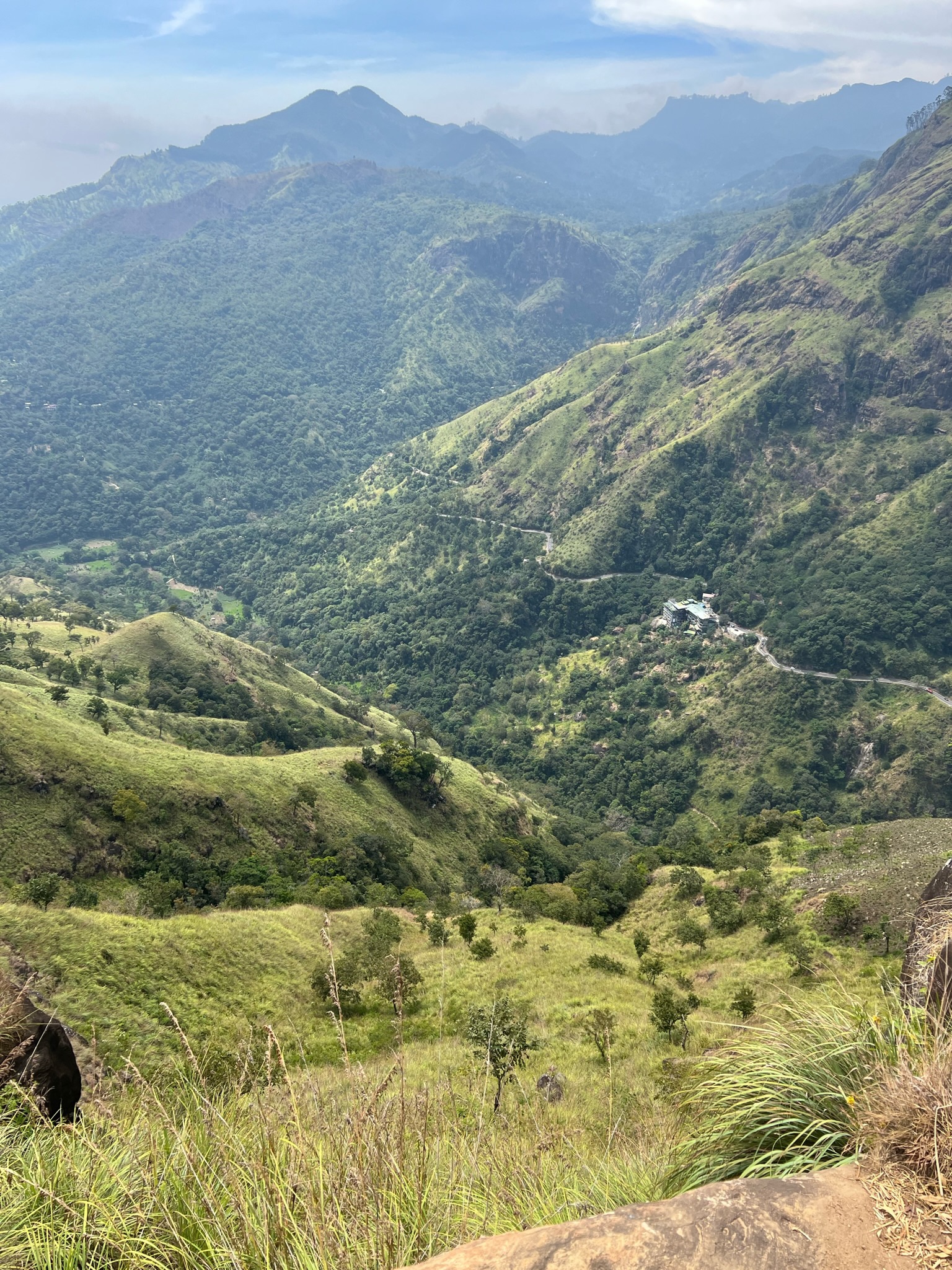
We decided to do an easy one and hike up to the Little Adam’s Peak. Little Adam’s Peak is nowhere near as tall or as difficult as Adam’s Peak was, but the views are beautiful there as well.
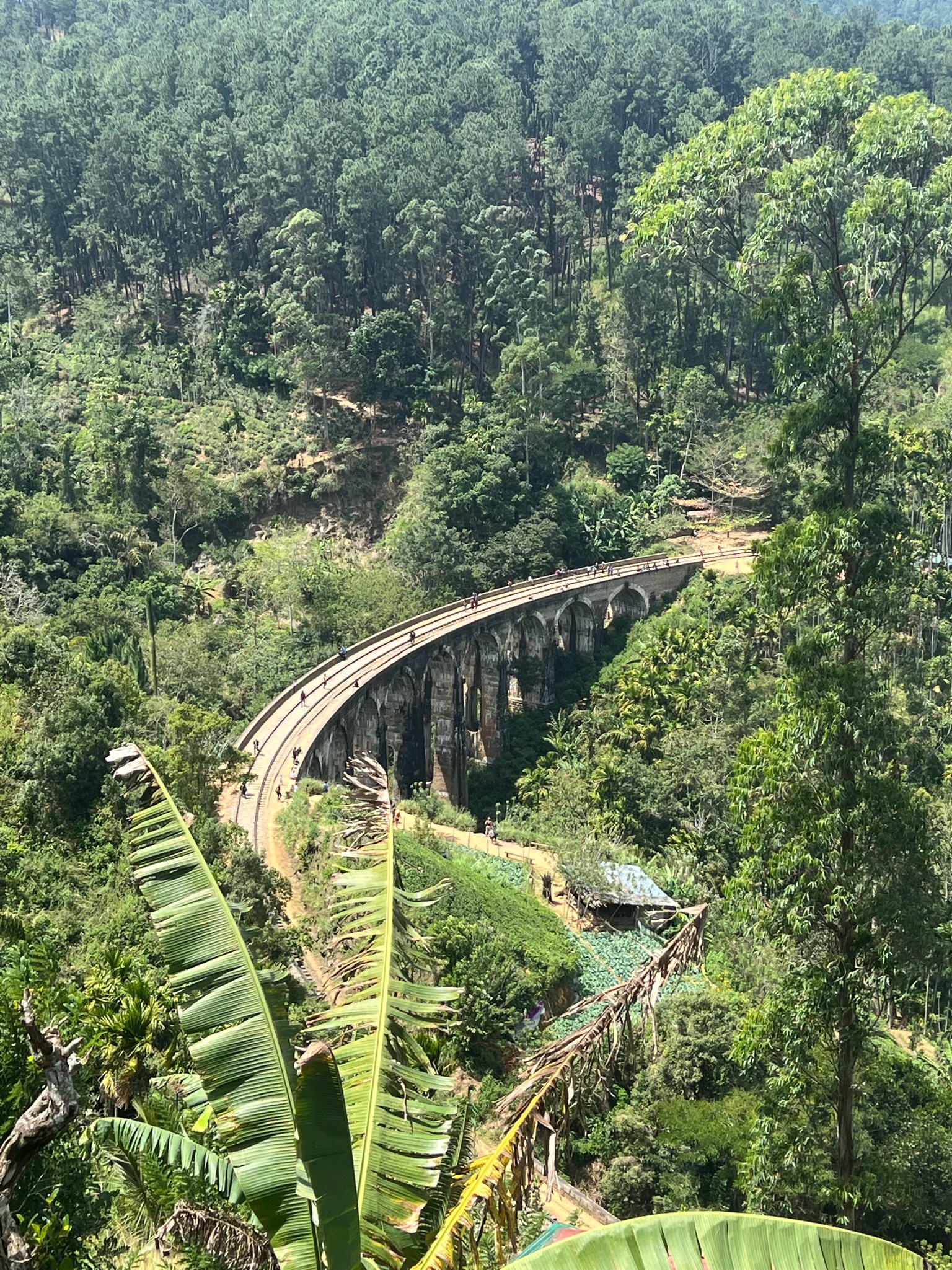
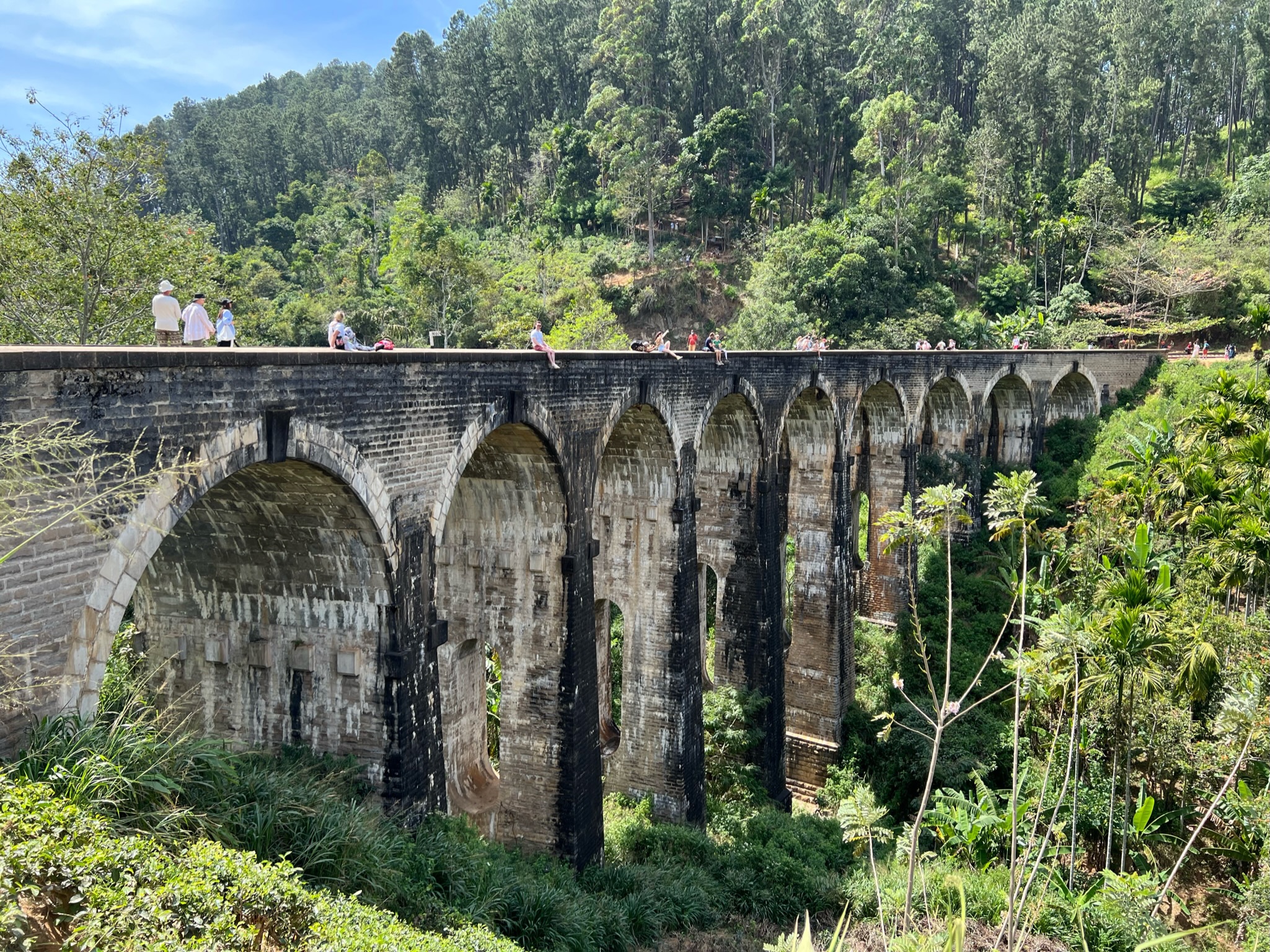
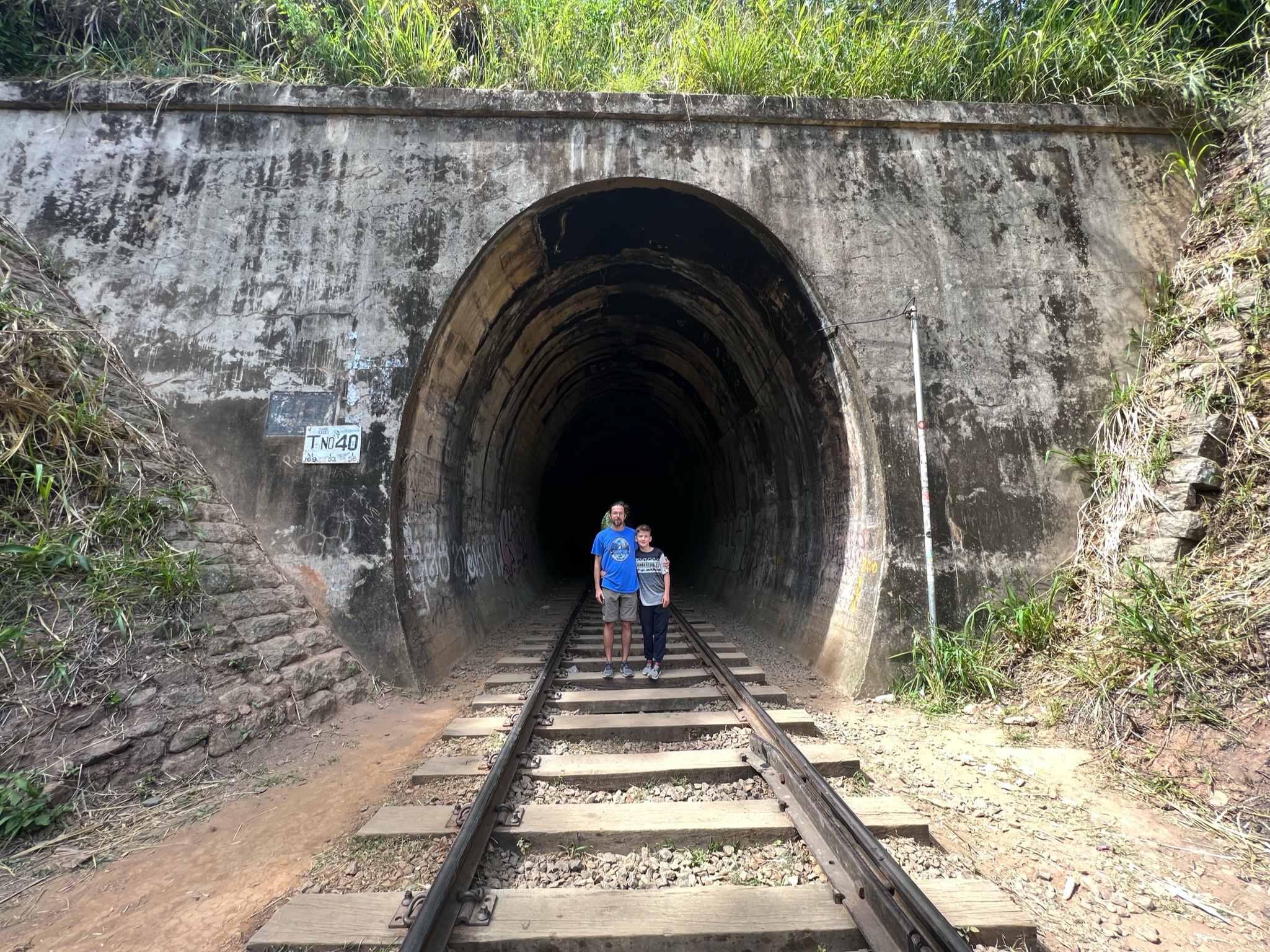
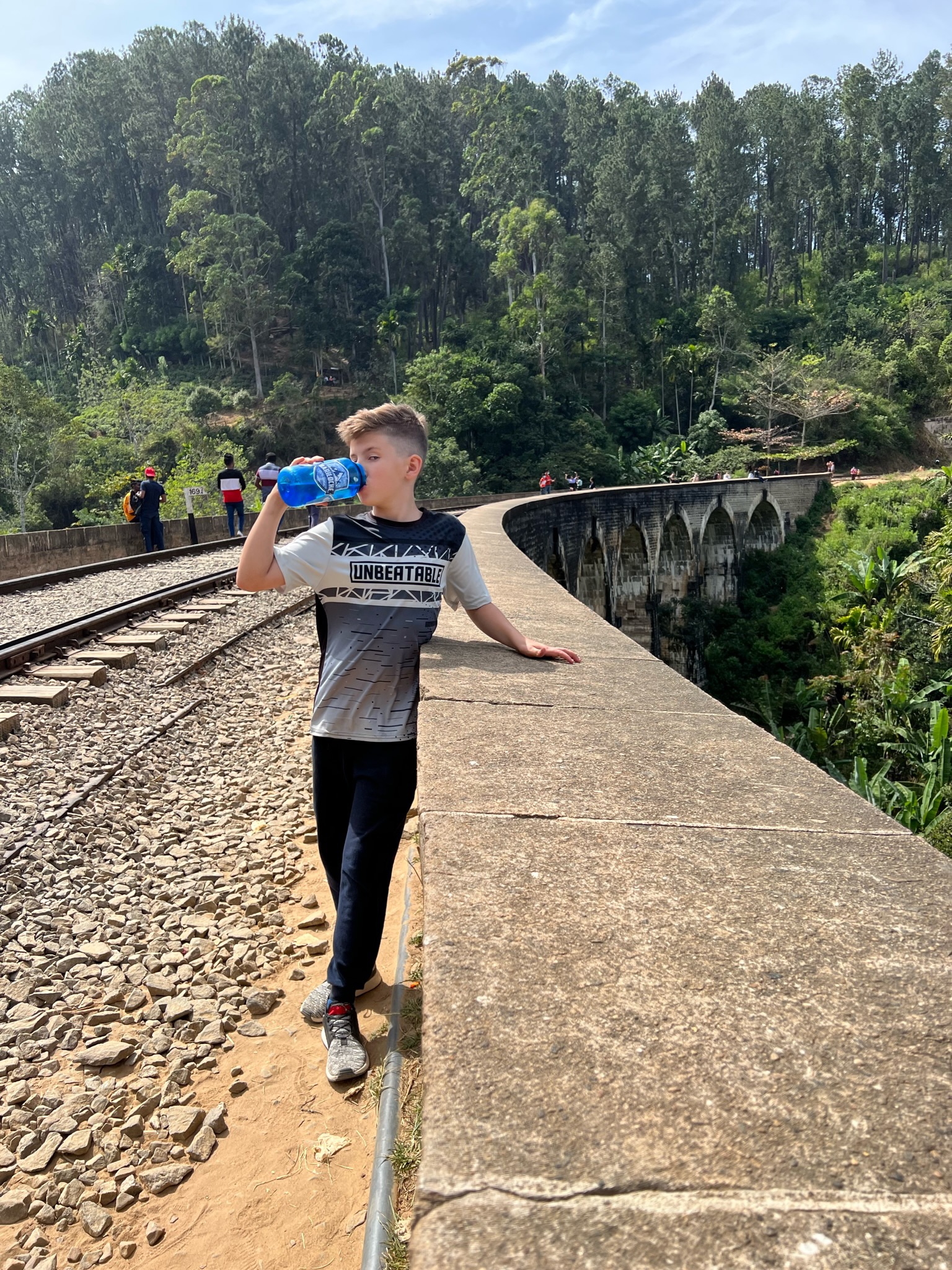
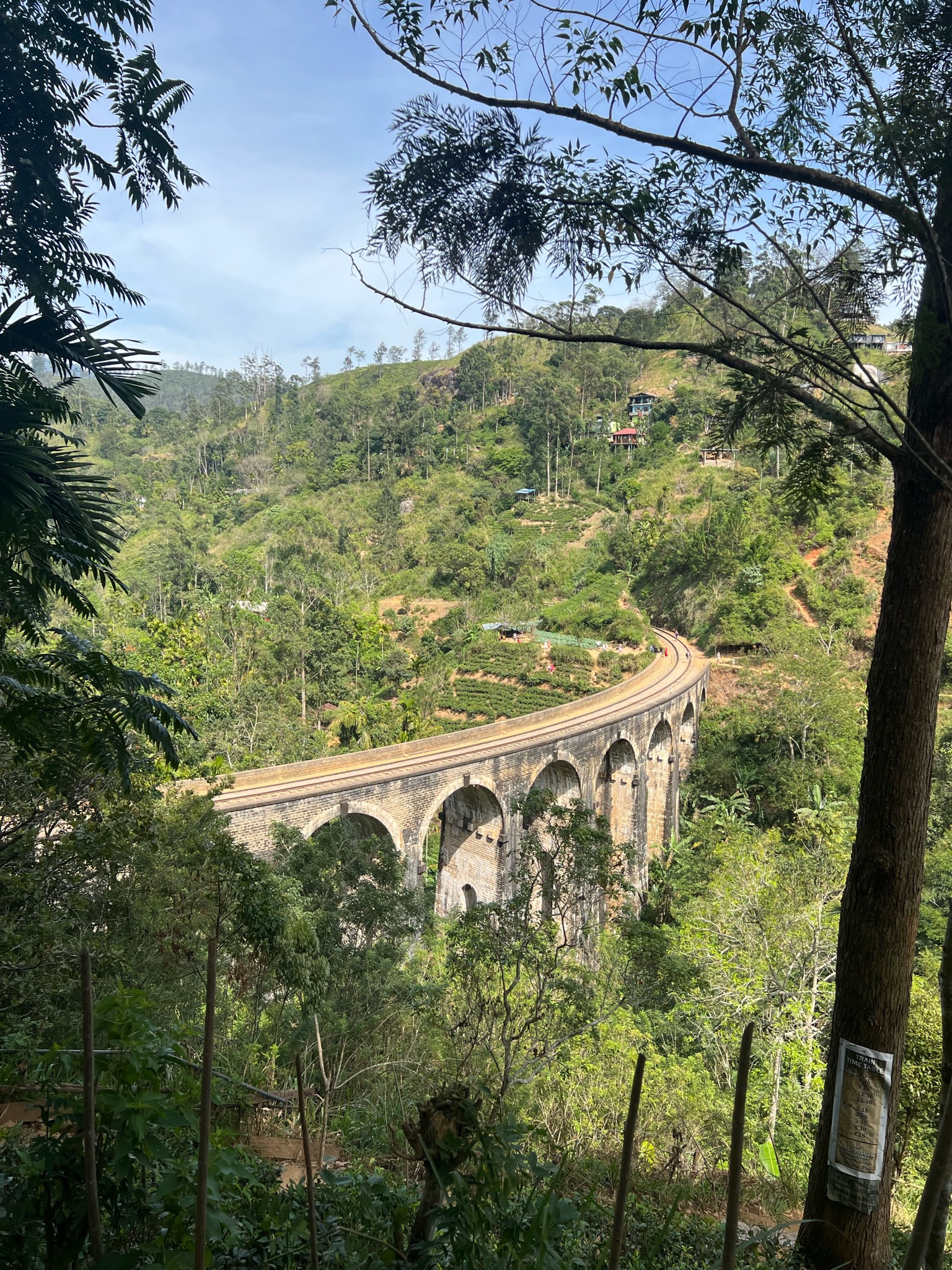
From there we walked down to the Nine Arch Bridge, a 300-foot railway bridge that spans over a valley. The Nine Arch Bridge was completed in 1921, and it is impressive in that it was built completely of brick and cement, and with no steel supports. We timed our visit with the train coming through town, and so from the safety of the edge of the viaduct, we got to see the train pass over the bridge. Afterwards, we ate boiled corn on the cob from a local seller, and then we hiked our way back to our room.
After a few days in Ella, our host arranged a taxi to take us on to Tangalle, our next destination. Tangalle is a beach town, but most tourists don’t visit here. This is a locals’ city and beach, and since we aren’t big on touristy things, we decided that this might be a good place for us as well. We were right; it was heaven.
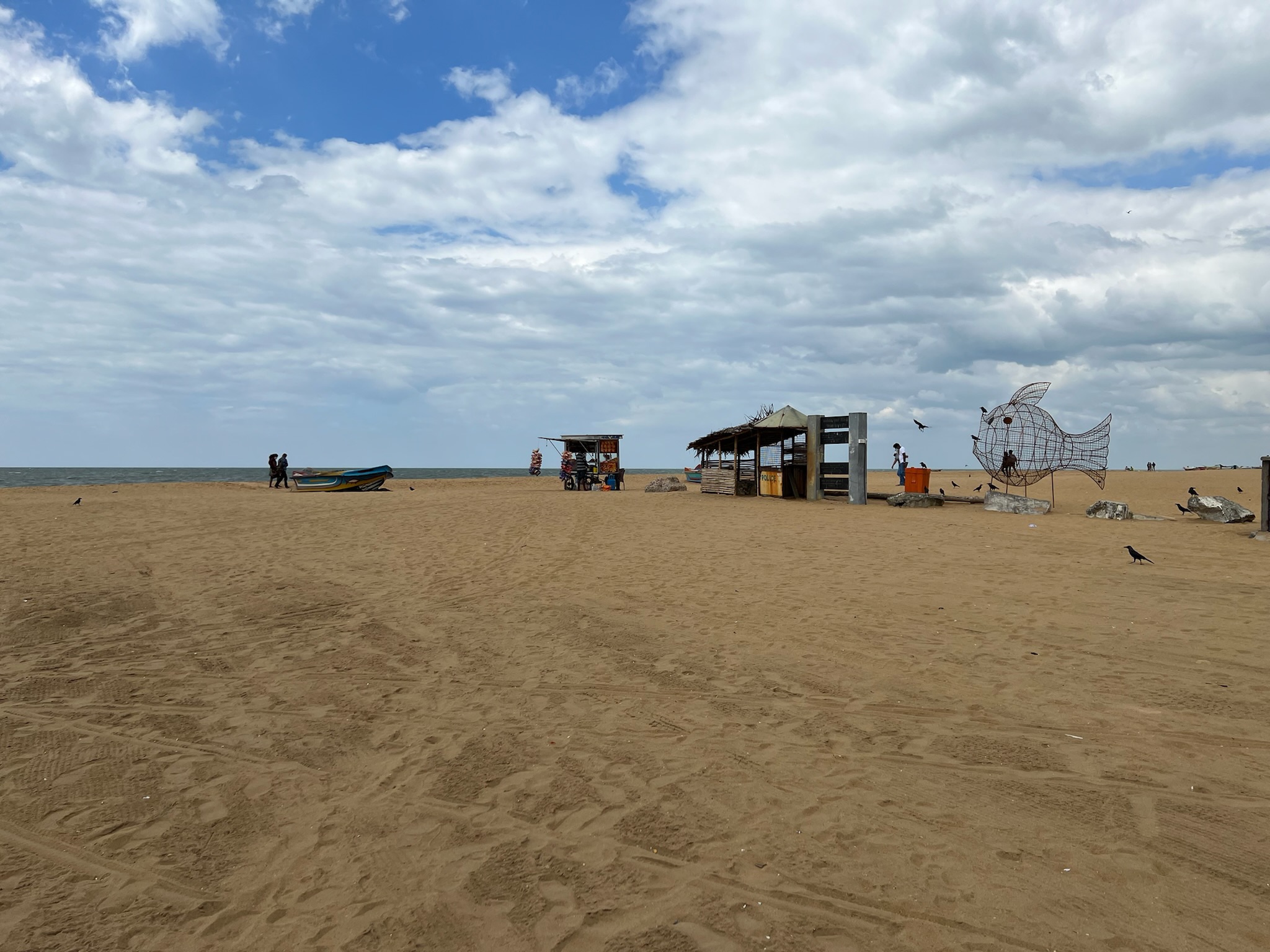
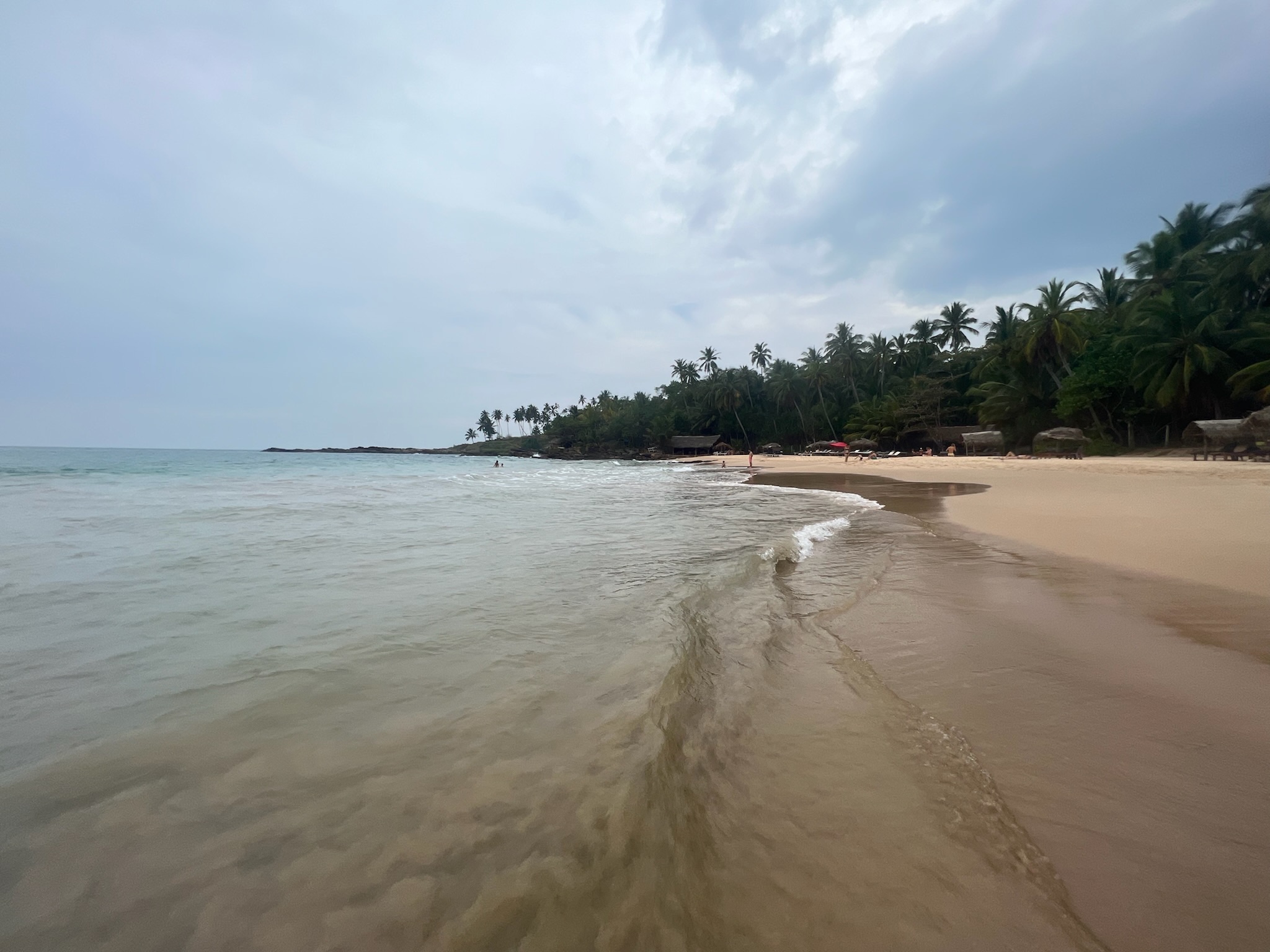
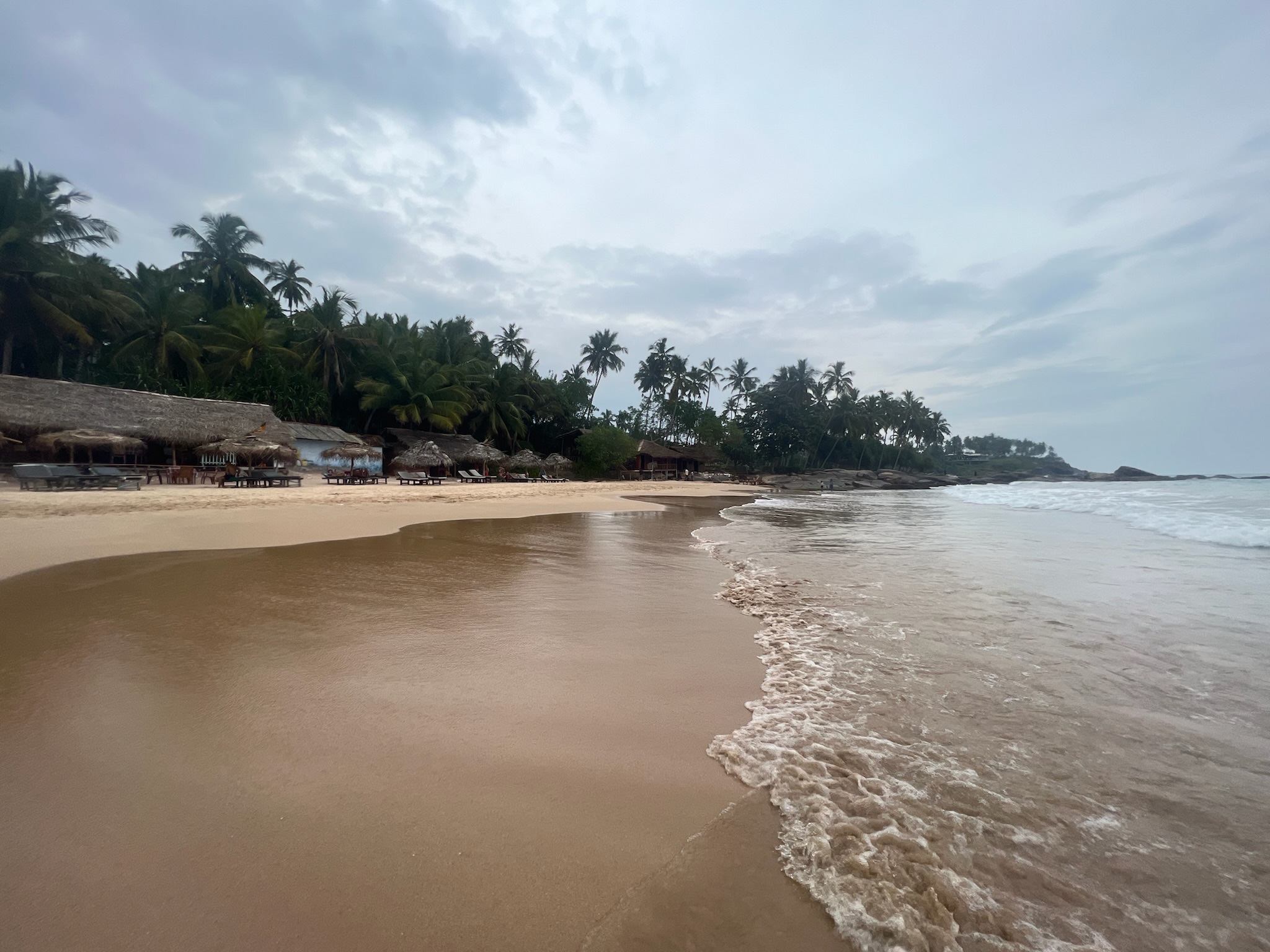
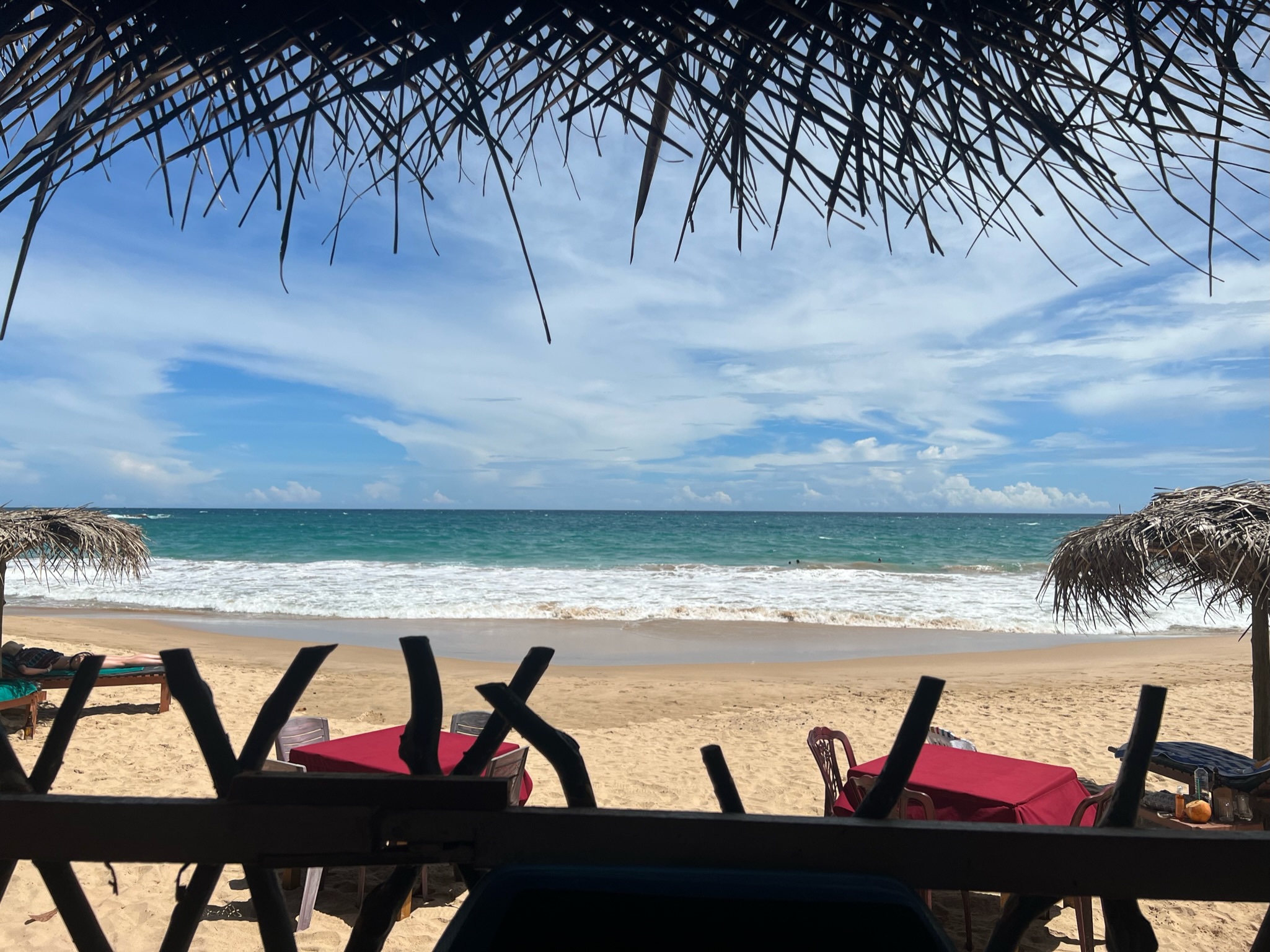
Our guest house in Tangalle was the Golden Beach Rest, and it was located about 100 meters from the Goyambokka beach. Our driver let us out, and we immediately fell in love with the place. The home was beautiful, surrounded by a garden, and it was near to town but far from the noise. After checking in and getting settled, we walked down to the beach to get a feel for it, and Henry was instantly excited. It was a beautiful beach with clean, tan sand, and it wasn’t crowded. The water rolled in on decent waves, big enough for him to play in, but calm enough to just swim in also. We all wanted to go on into the water, but we were hungry, and we had to take care of that first.
There weren’t many restaurants where we were, though. We walked up to the main road and decided to go to the right, thinking we’d seen more on the map that way. We walked and walked and walked. Finally, we found something that was open, so we grabbed a table at one of the beachside tables. The owner introduced himself and tried to sell us a fresh seafood platter for about $95, but since Brian is the only seafood eater (and we’d never spend $95 on one platter), we politely declined. Instead, we found much more reasonable and delicious entrees, and then made our way back to our guesthouse.
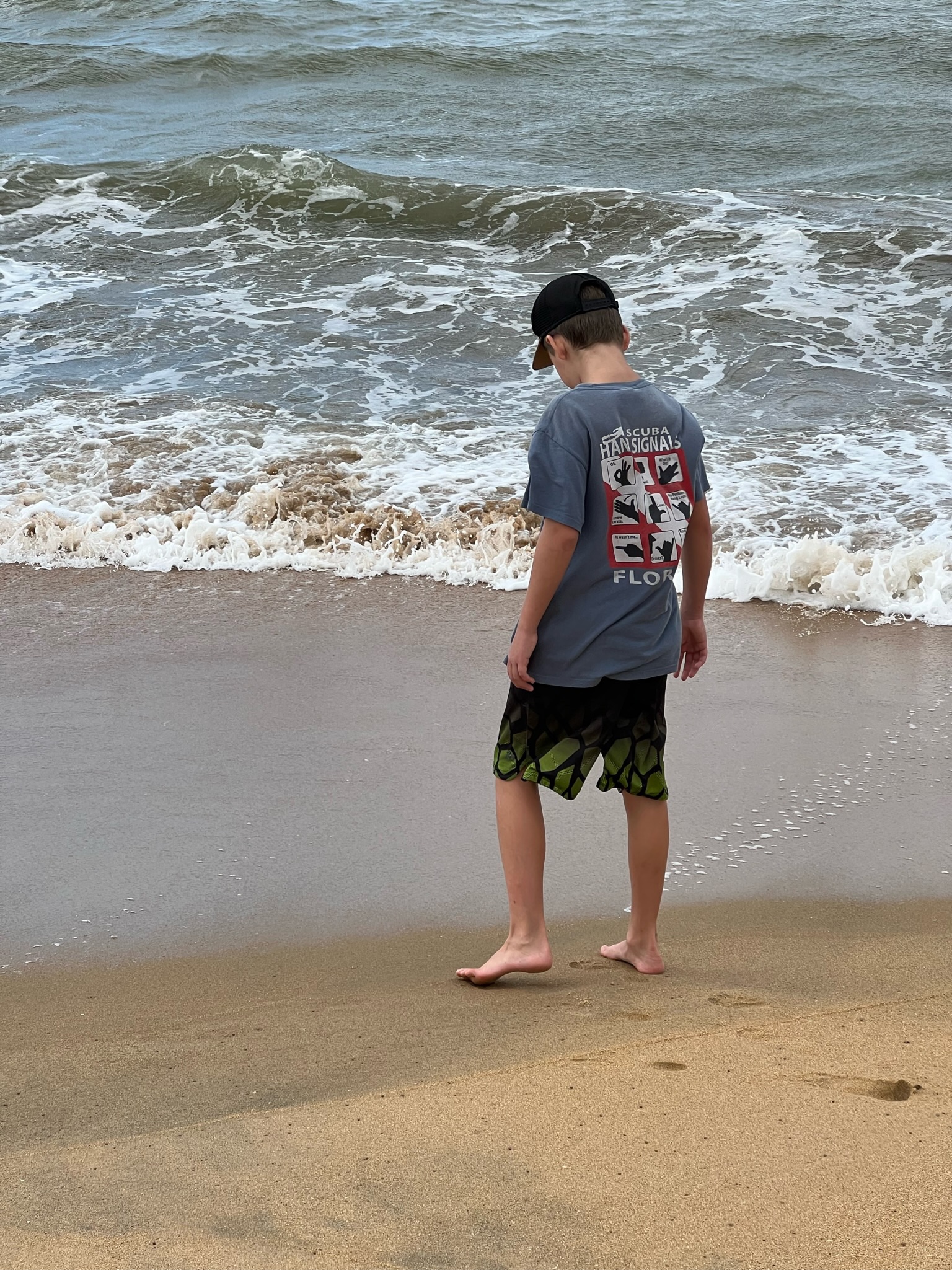
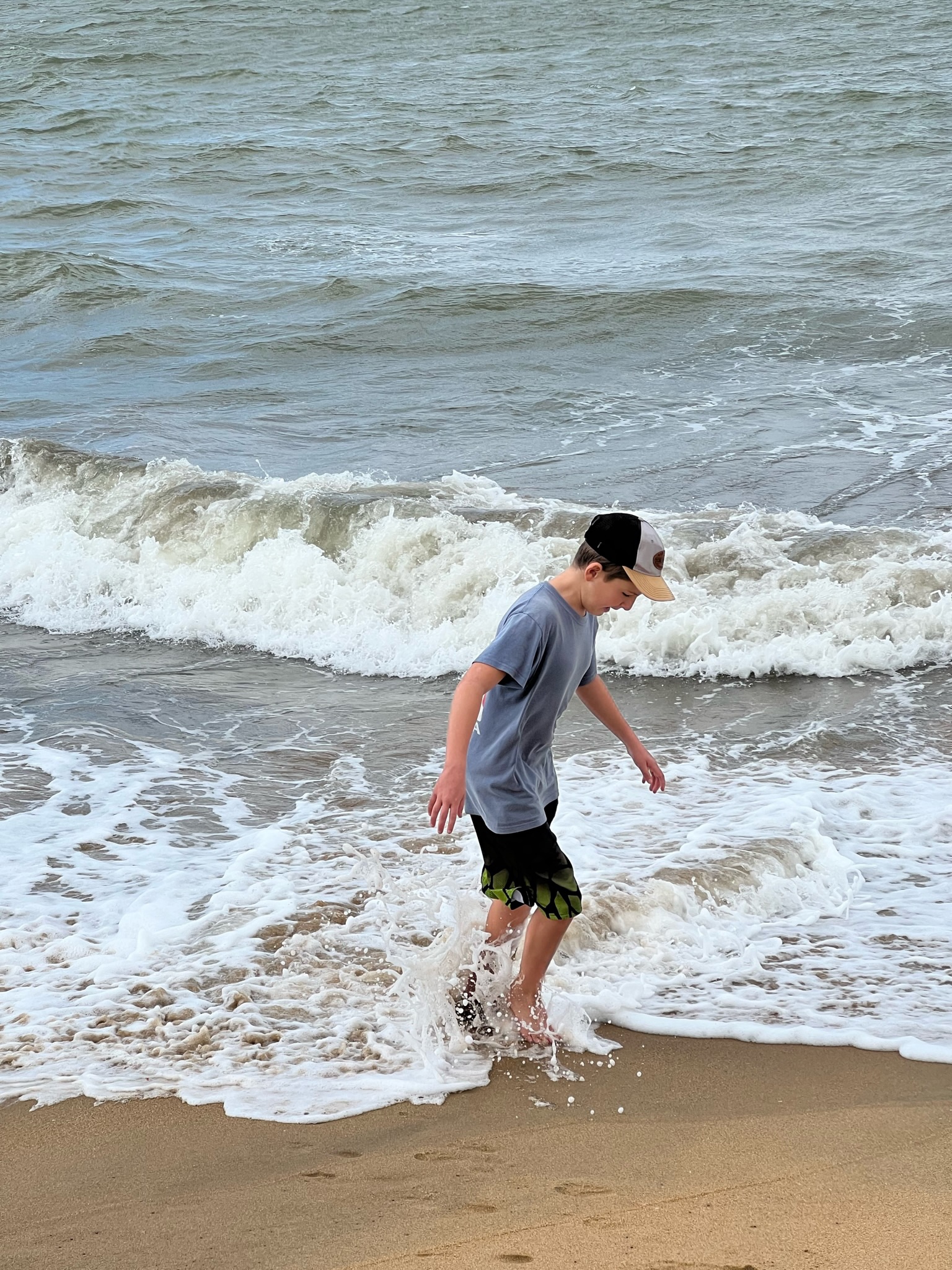
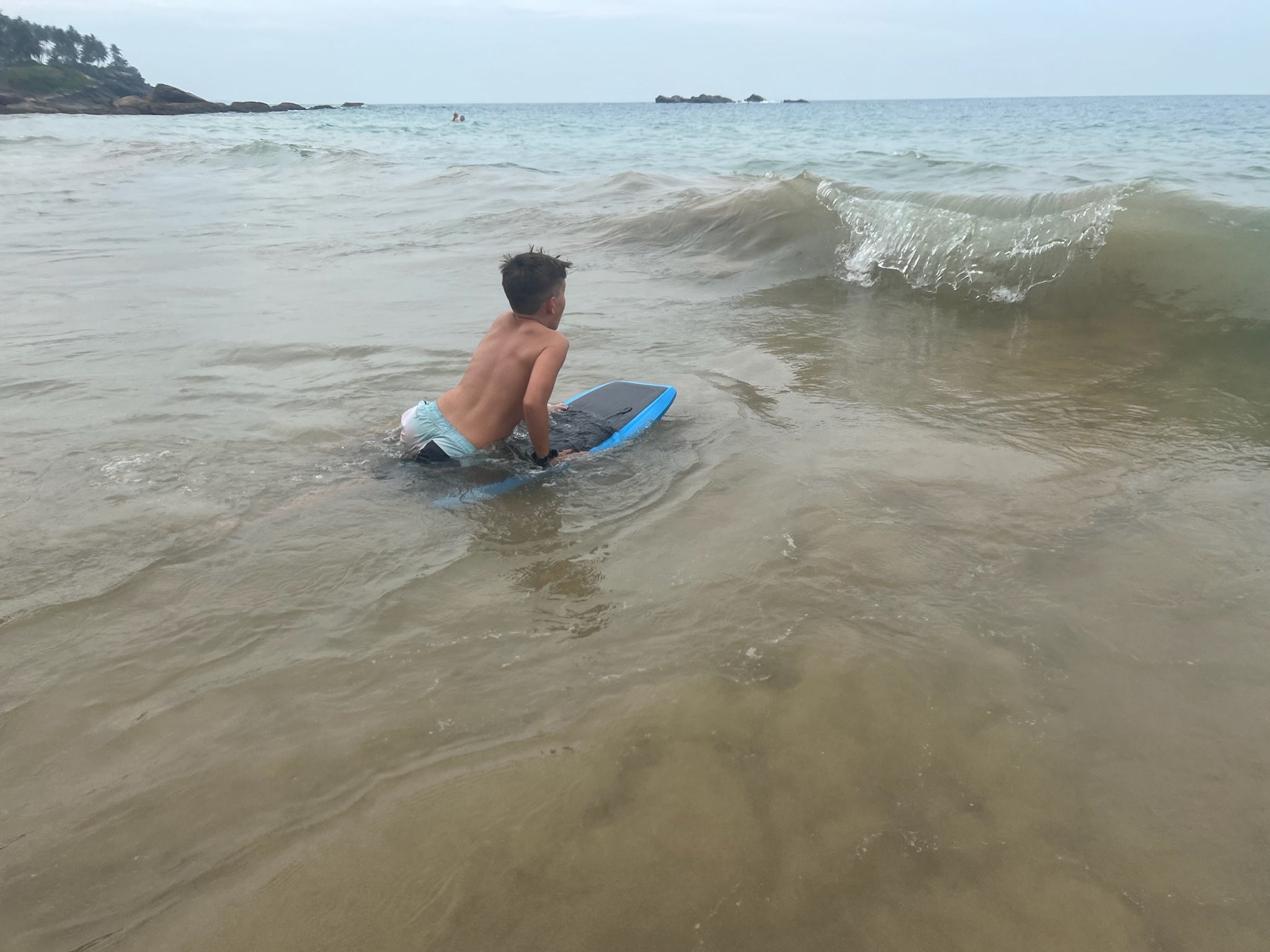
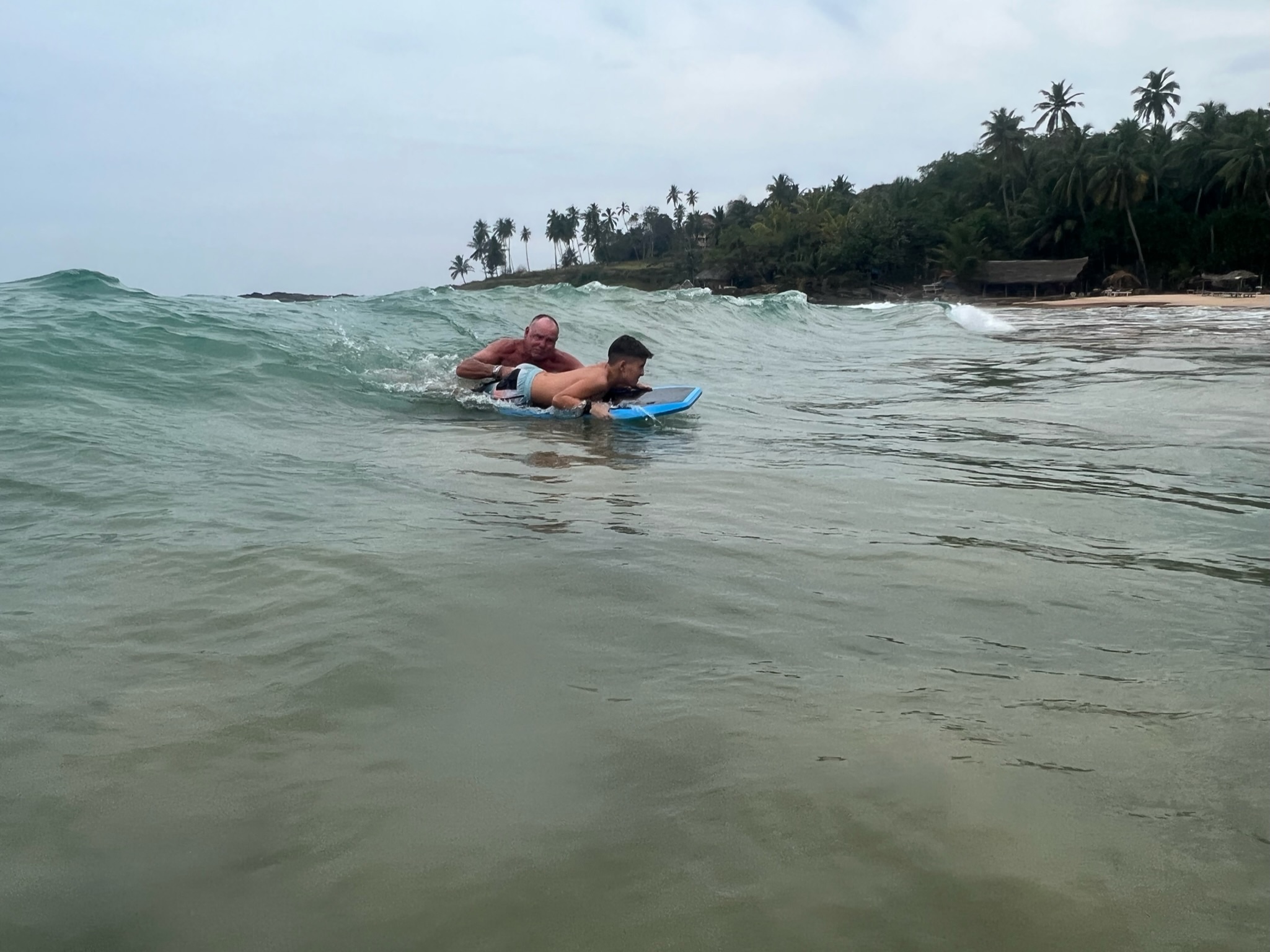
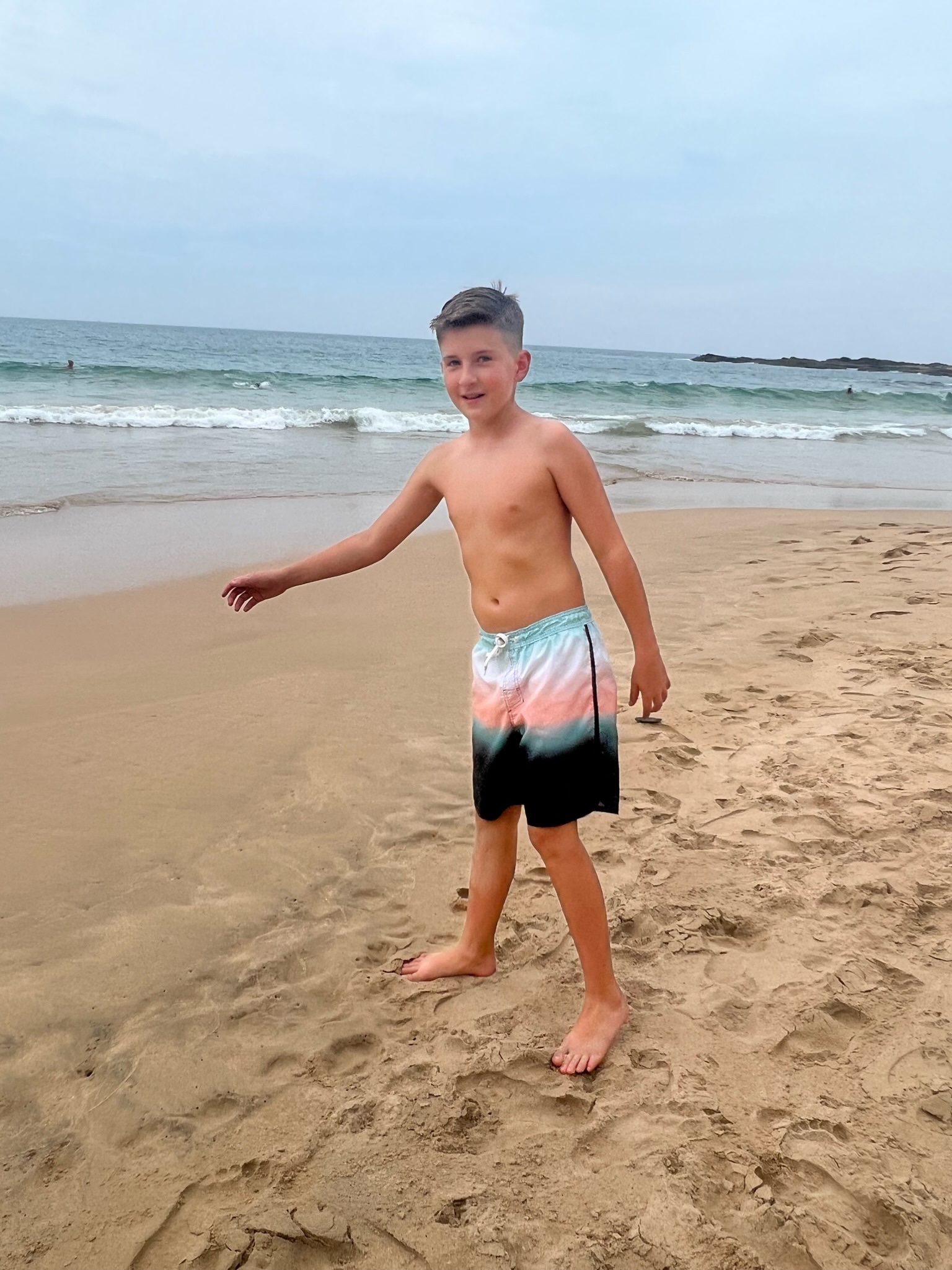
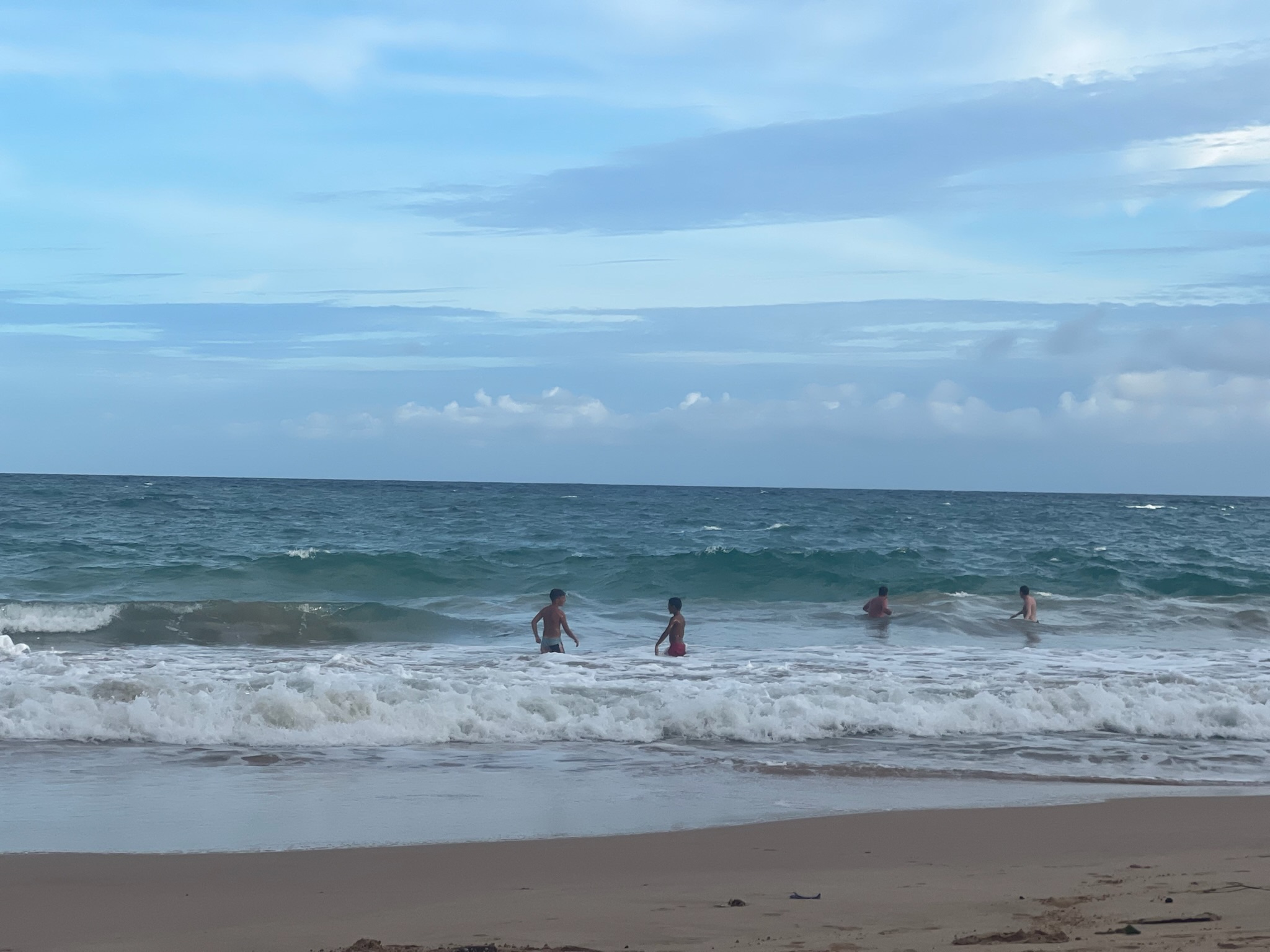
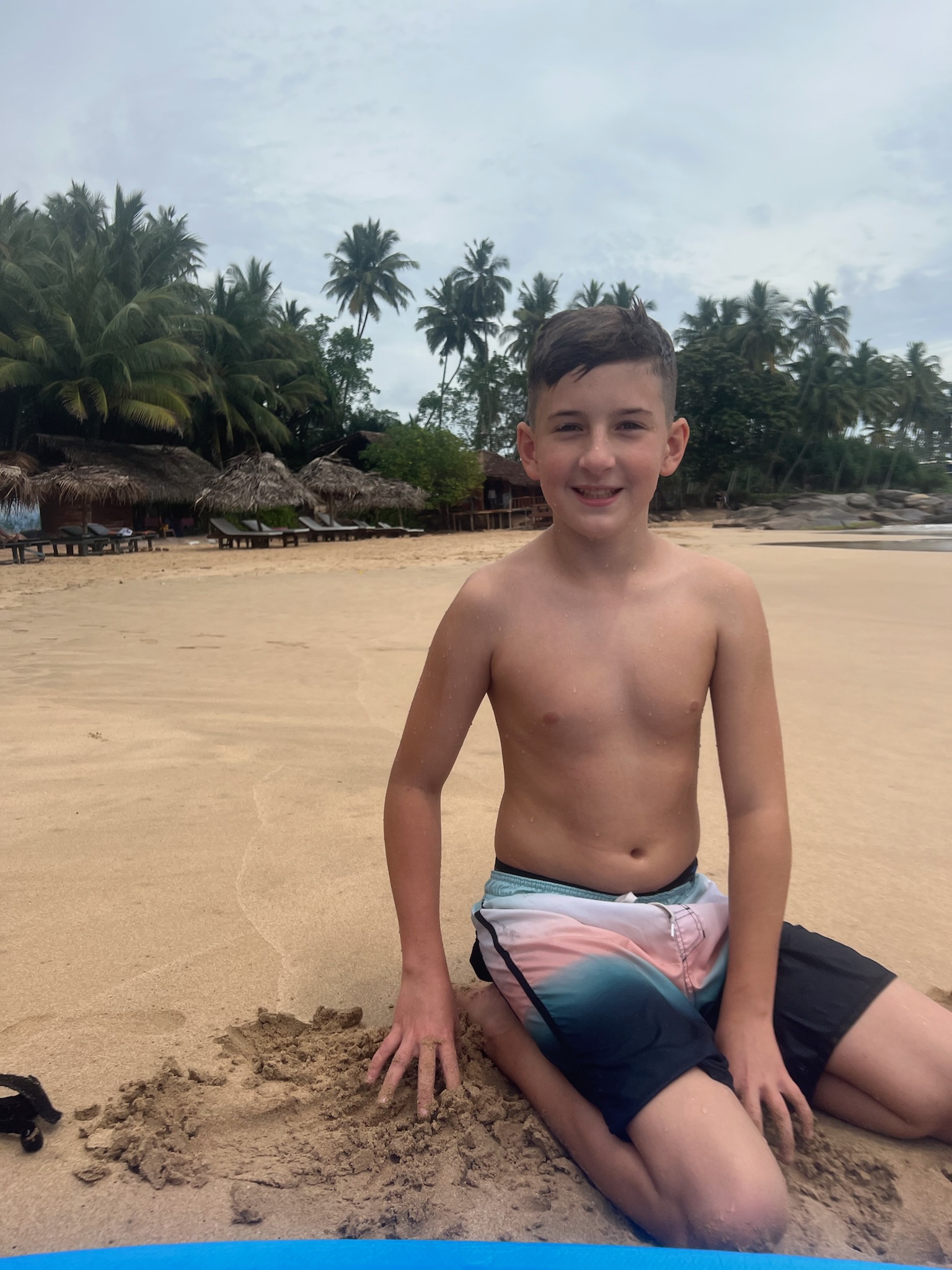
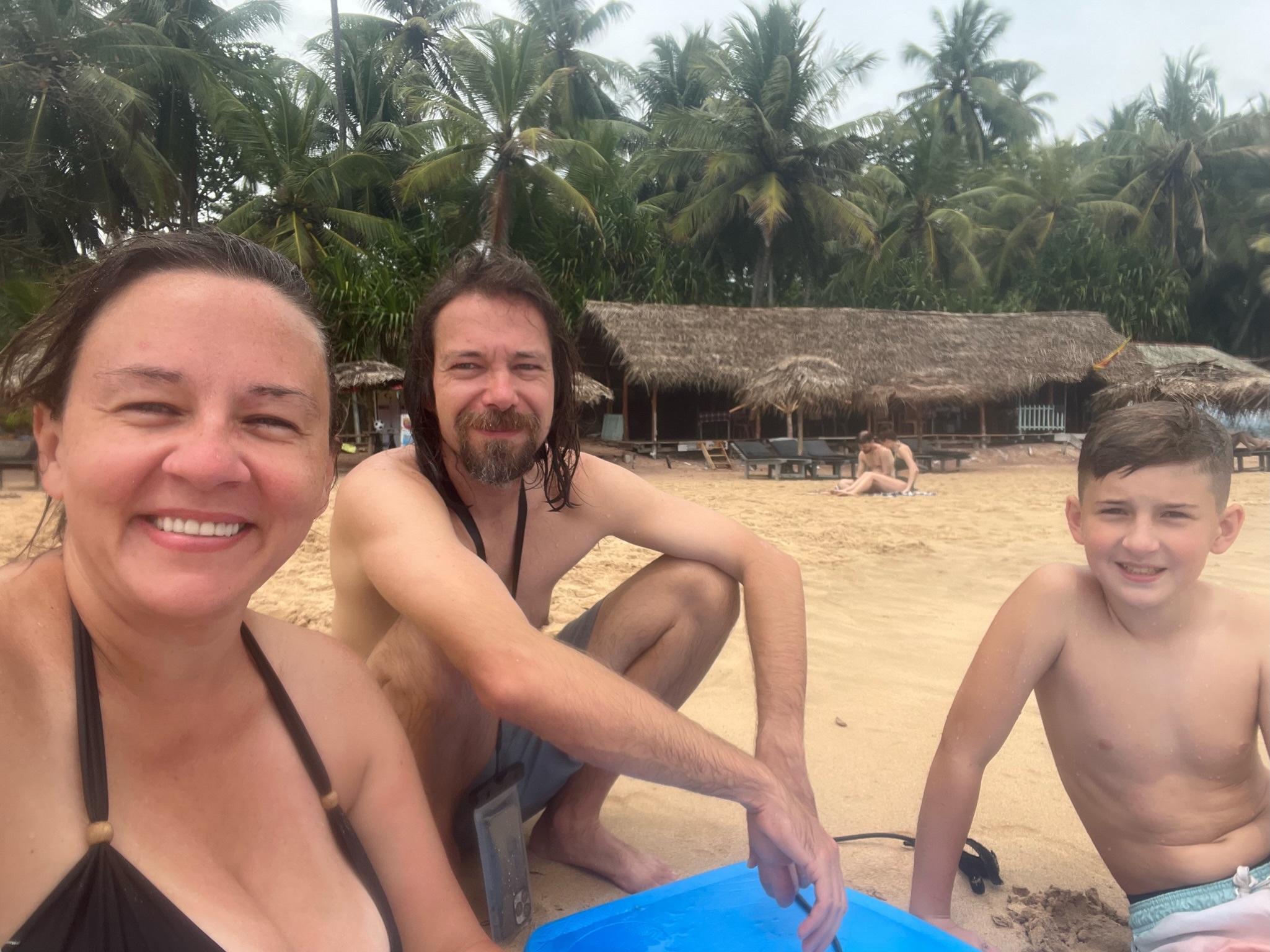
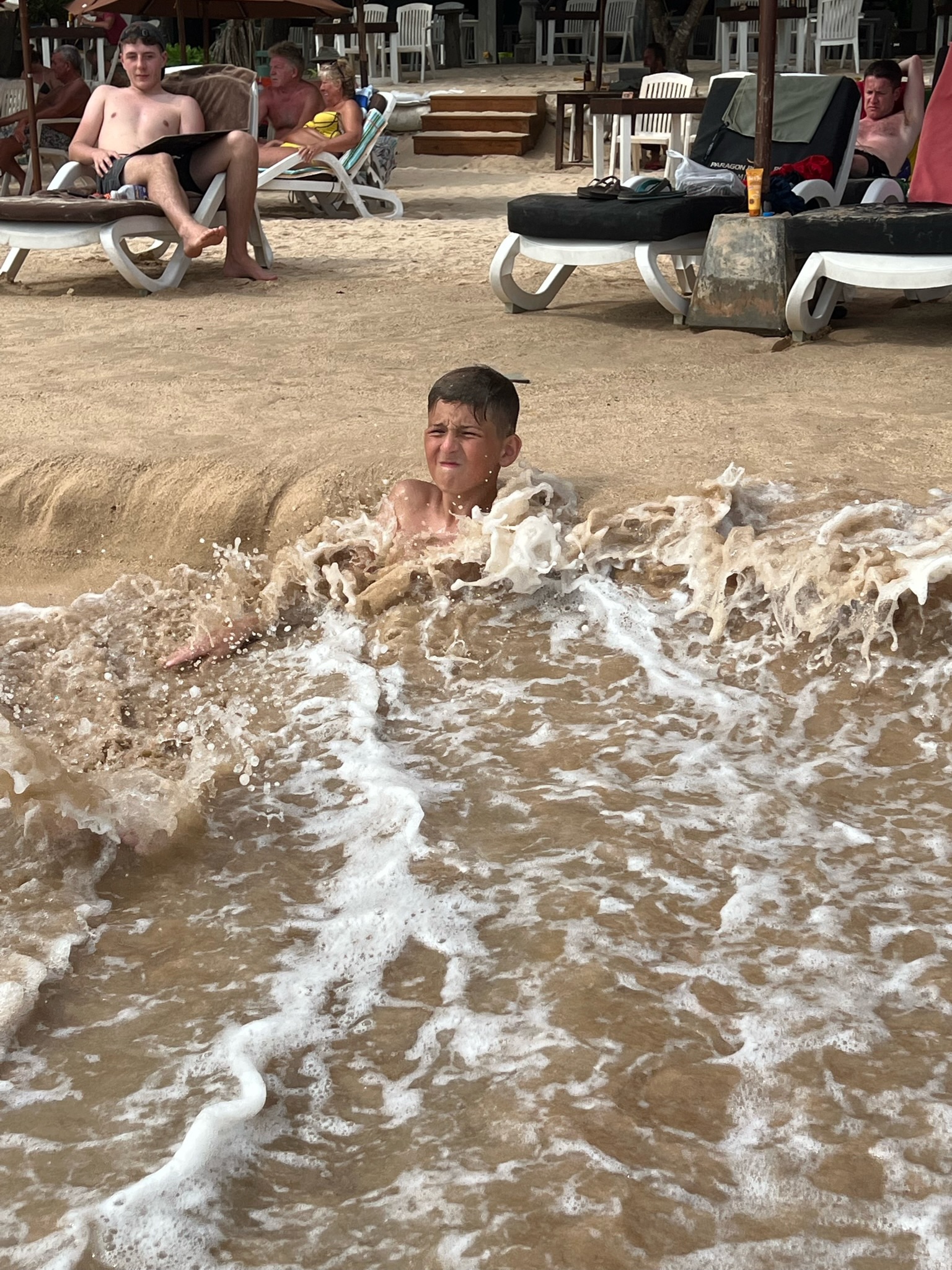
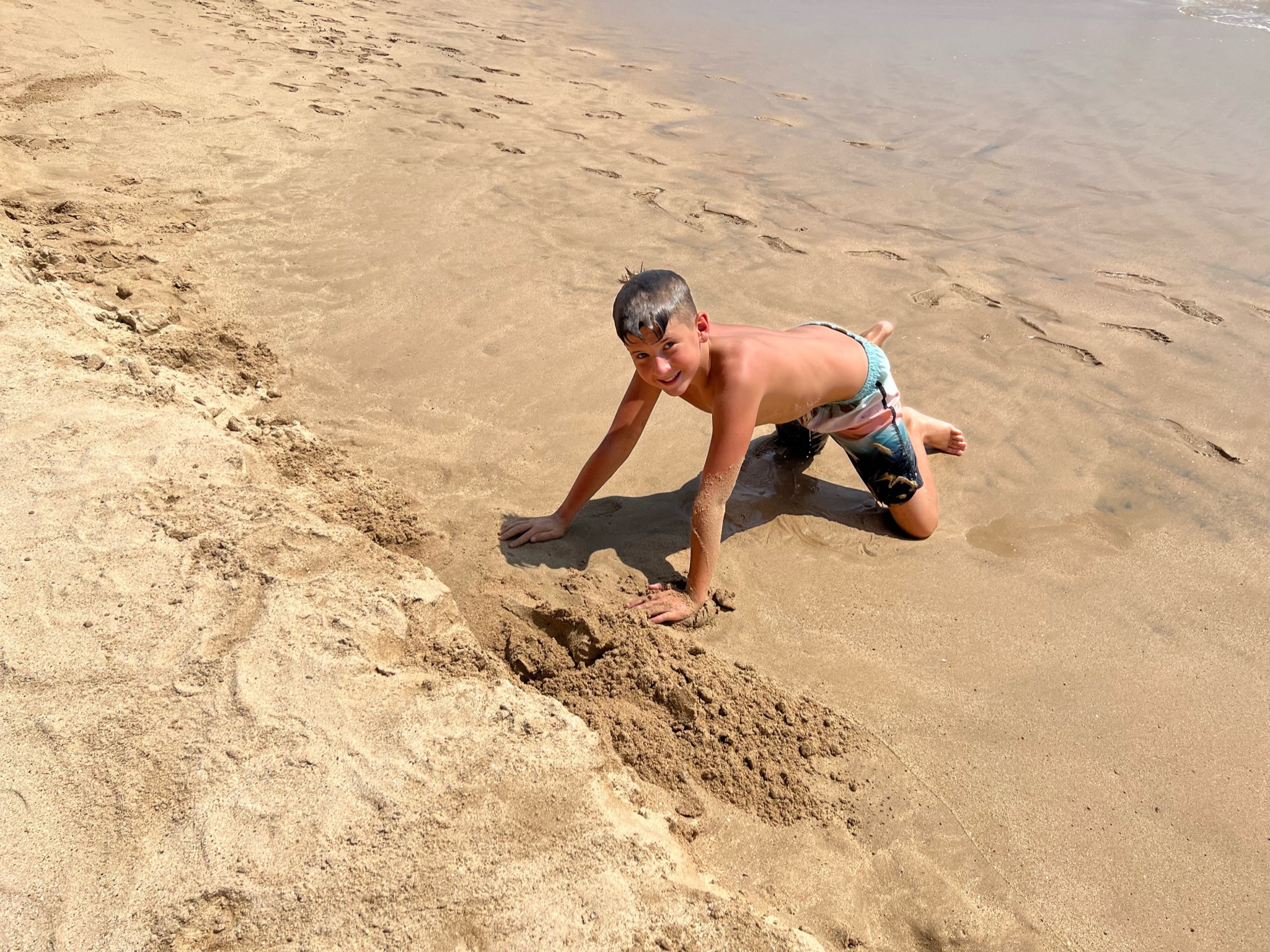
We really enjoyed the next three days in Tangalle. Our host family allowed us to borrow their boogie board, and Henry wore it out on the beach every chance he got. On our first day at the beach, an older British man introduced himself to us and gave Henry a few pointers on the board. He said he’d been working to teach his grandkids to surf, and this beach was great for it. Henry instantly became concerned thinking that by surfing, everyone here meant using the boogie board. We didn’t really know, so we just told him to enjoy whatever we could while we could. He had a ball with it, and the man’s pointers really helped. Henry was really happy to teach Brian and I how to use it as well.
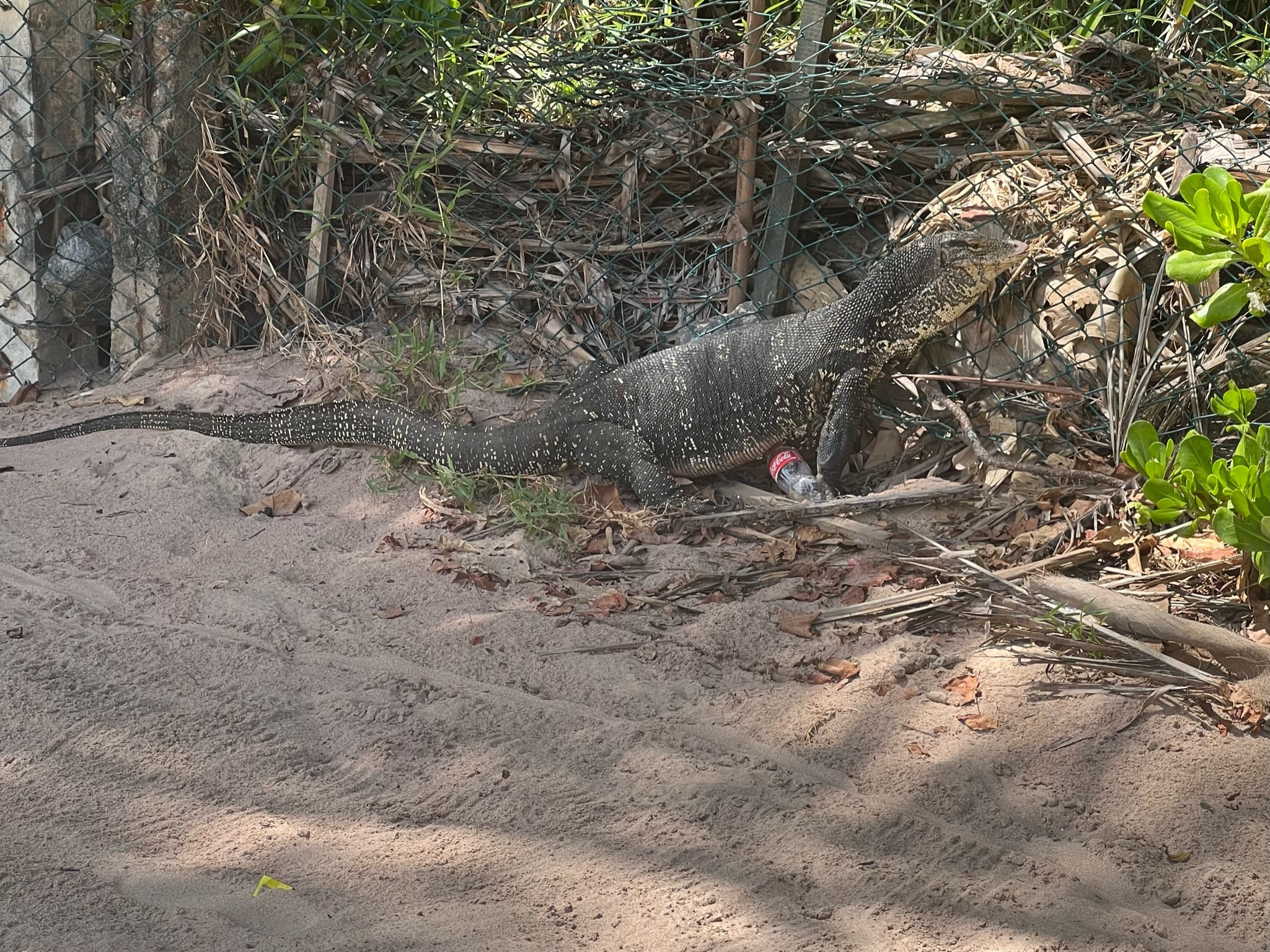
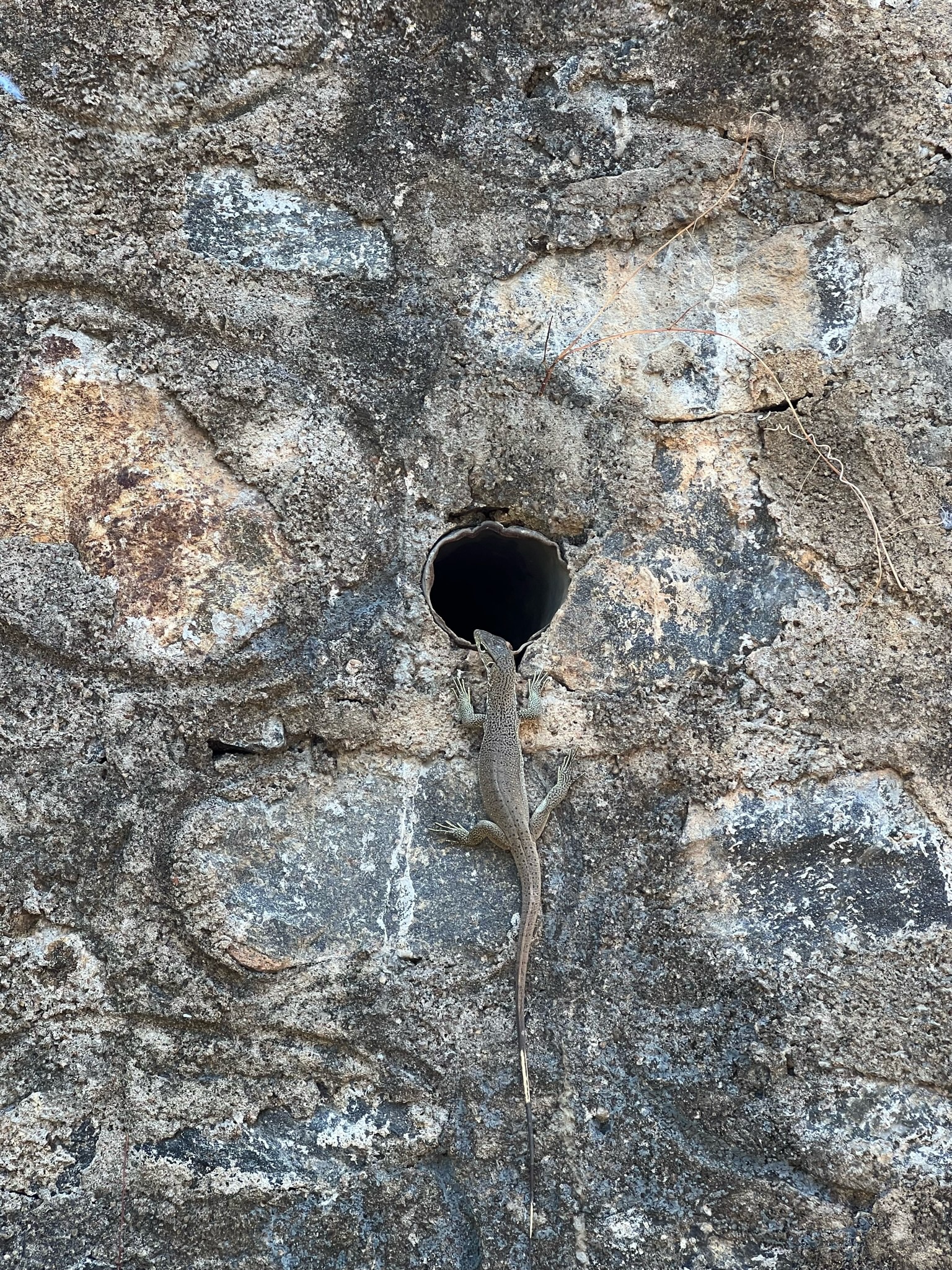
One day on the way to the beach, we were surprised to see a giant monitor sitting on a pile of rubbish that had been cleared out of the area. It was obviously trying to figure out how to get away from us, too. As soon as he saw him, Henry was ready to pack it up and call it a day. It was colored just like a komodo dragon, and while they don’t go looking to hurt people, they are quite fast and quite capable of doing so. The lizard made its way down the fence line trying to figure out how to get away, and we walked warily behind it until we could get clear of it. Henry was a little more than freaked out, but the locals didn’t seem overly concerned. They just gave it plenty of distance, and we figured we should too. Turns out that the island has many very large monitor lizards, and this was just the first, and scariest, one we would see.
The Goyambokka beach was fantastic, though. It was very unpopulated, and there were 3-4 restaurants for us to choose from. If you ordered food or drinks at one of the restaurants, you could snag their lounge chairs to use also. It was relaxing and easy, and we spent quite a lot of time soaking in the sun there. We had considered staying here for much longer, as we really enjoyed it, but we felt like we needed to move on down the coast and see what the rest of Sri Lanka had to offer as well. Our host drove us to our next destination of Mirissa Beach.
During the drive, our host told us about the devastating damage that was done by the tsunami of 2004. We drove through one of the towns that was completely wiped out by the waves, and he shared with us how the town has rebuilt. I remember hearing about the tsunami almost 20 years ago, and I remember how quickly and unexpectedly the water destroyed the coastal towns. They’d never experienced a tsunami before, and in just a few minutes with very little warning, they lost 35,000 people. It was heartbreaking to imagine, and driving through the coastline, we couldn’t help to wonder what that would have been like.
Mirissa Beach is a tourist beach, and we had reservations about going here. The main section of town is quite busy with lots of hotels and hostels, restaurants and cafes, souvenir shops, and travel companies lining the streets. We checked in to the ExtremeHost Hostel, and while we thought the place was nice, we felt a pang of regret for having left Tangalle. We walked to a nearby restaurant to grab some lunch, and we sat, surrounded by the noise and constant picture taking of the backpackers and European tourists. The area was beautiful, and there were certainly more options to pick from, but we missed the peace and solitude we’d just left behind.
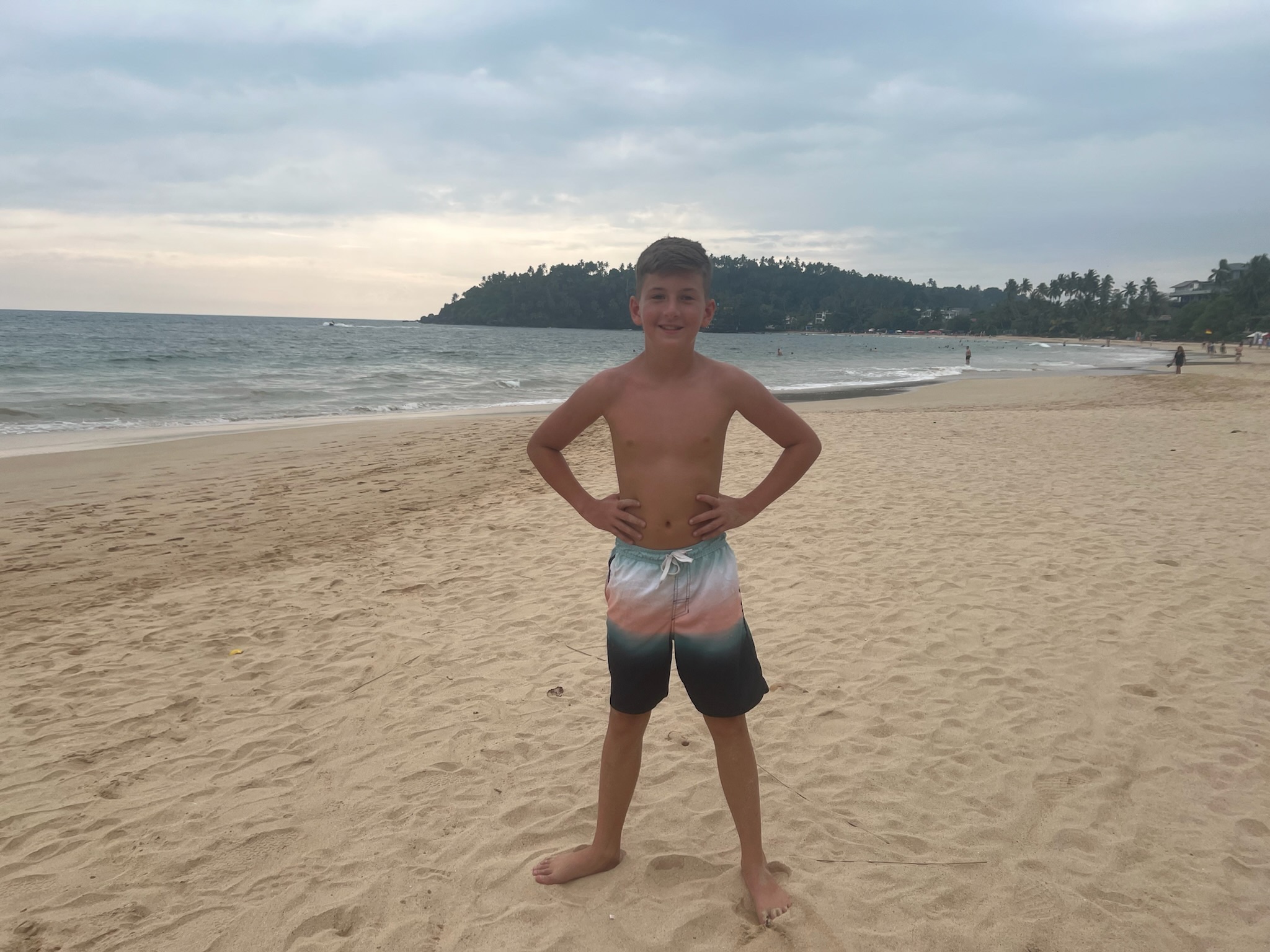
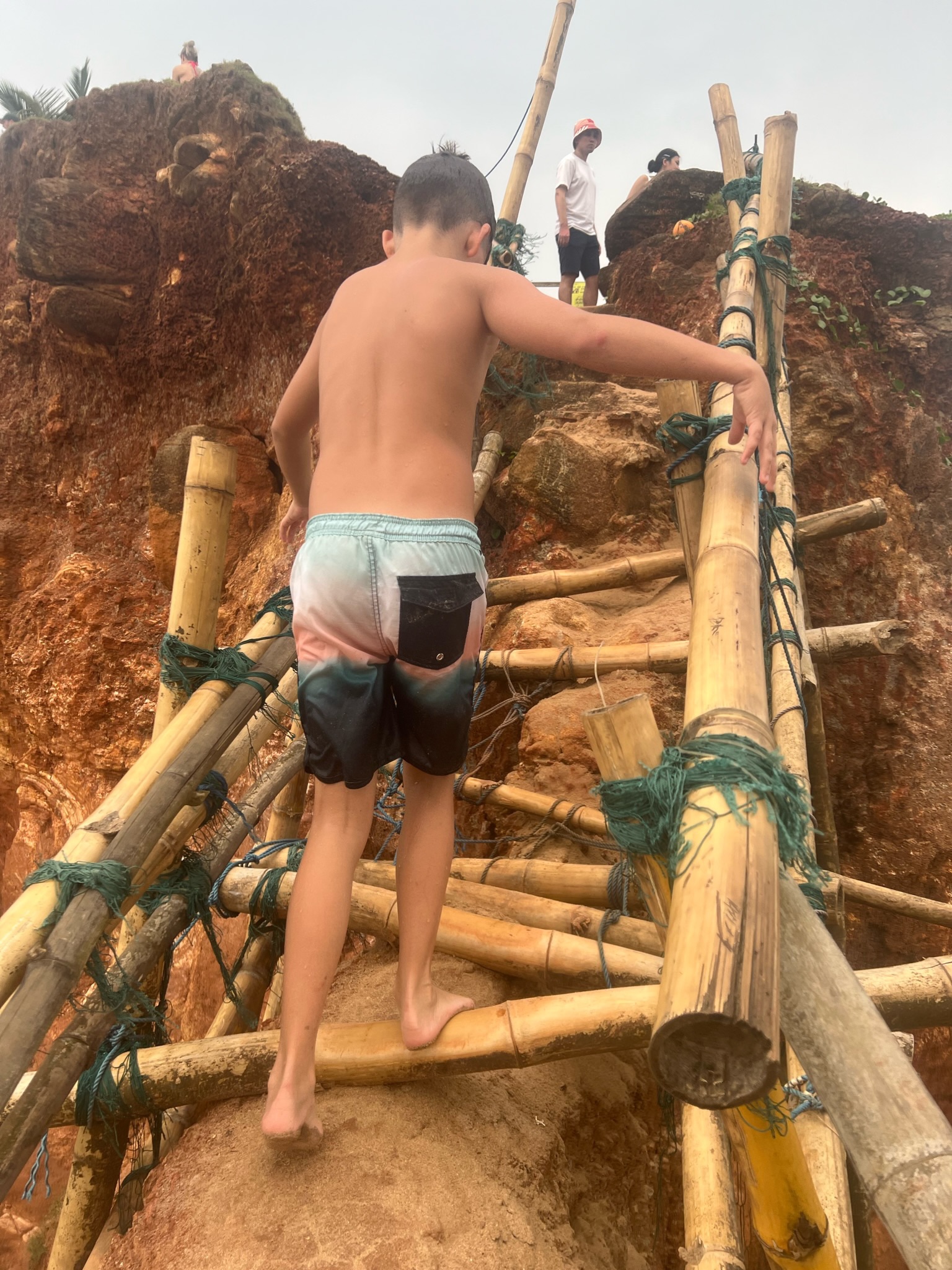
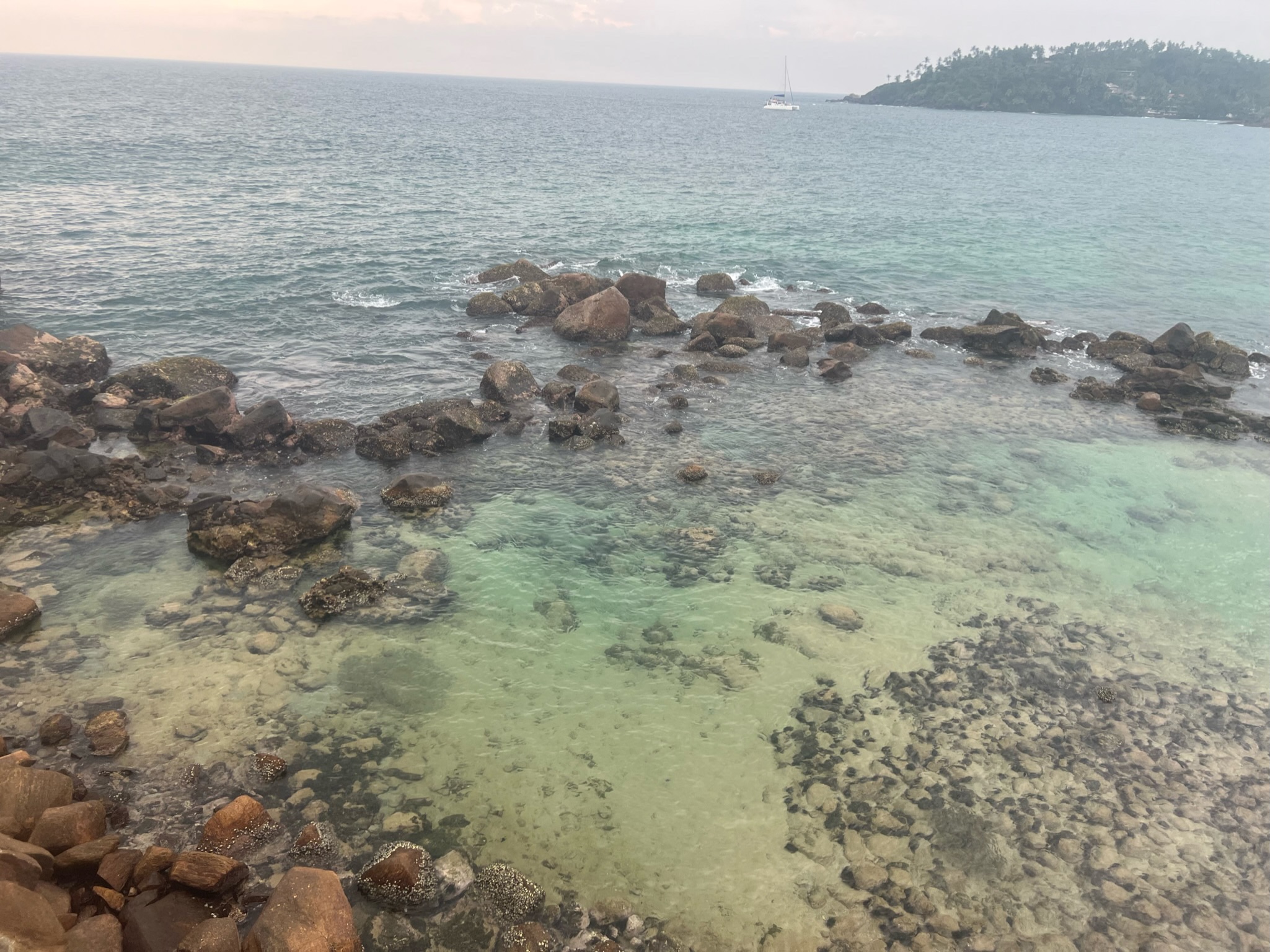
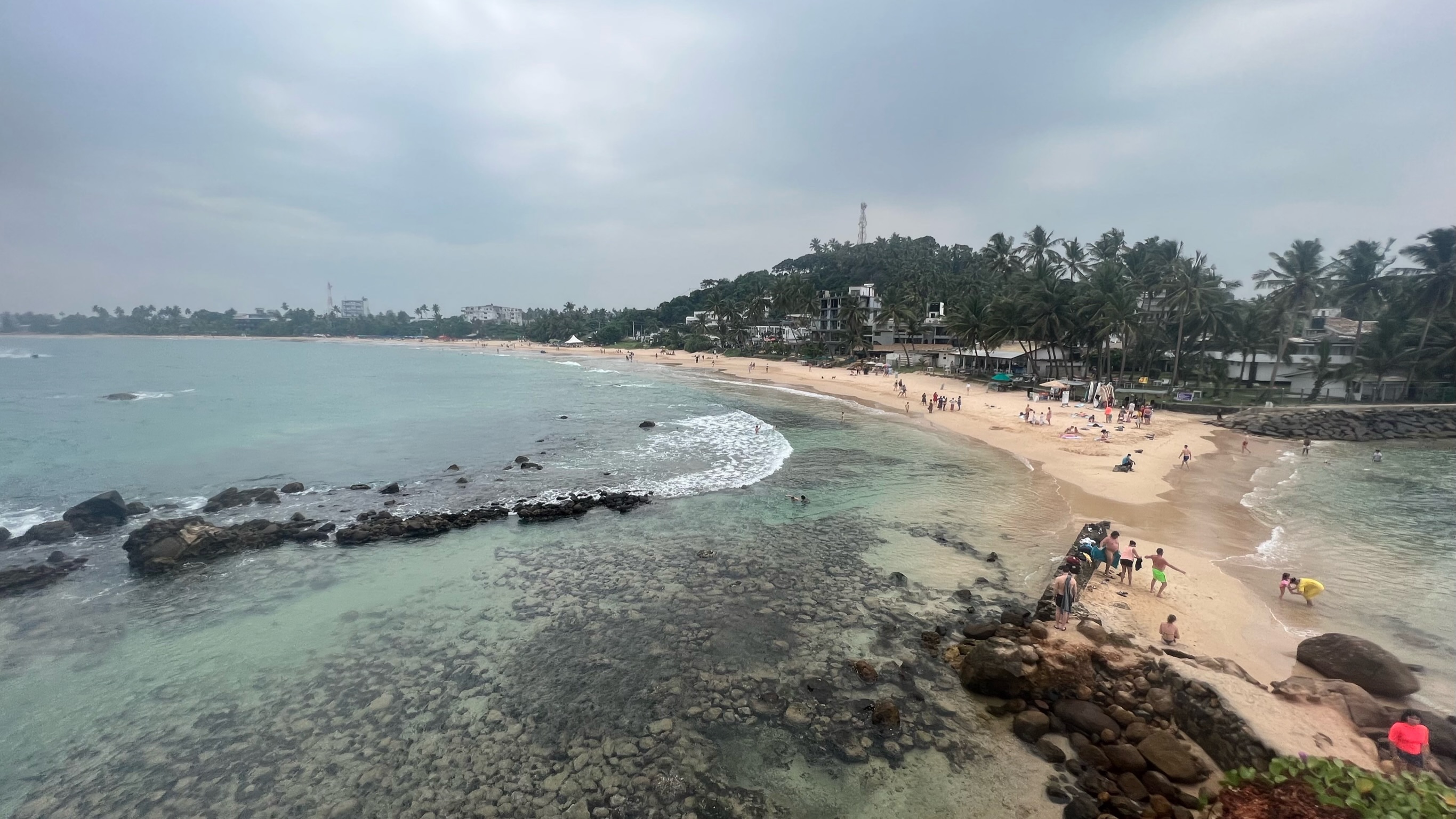
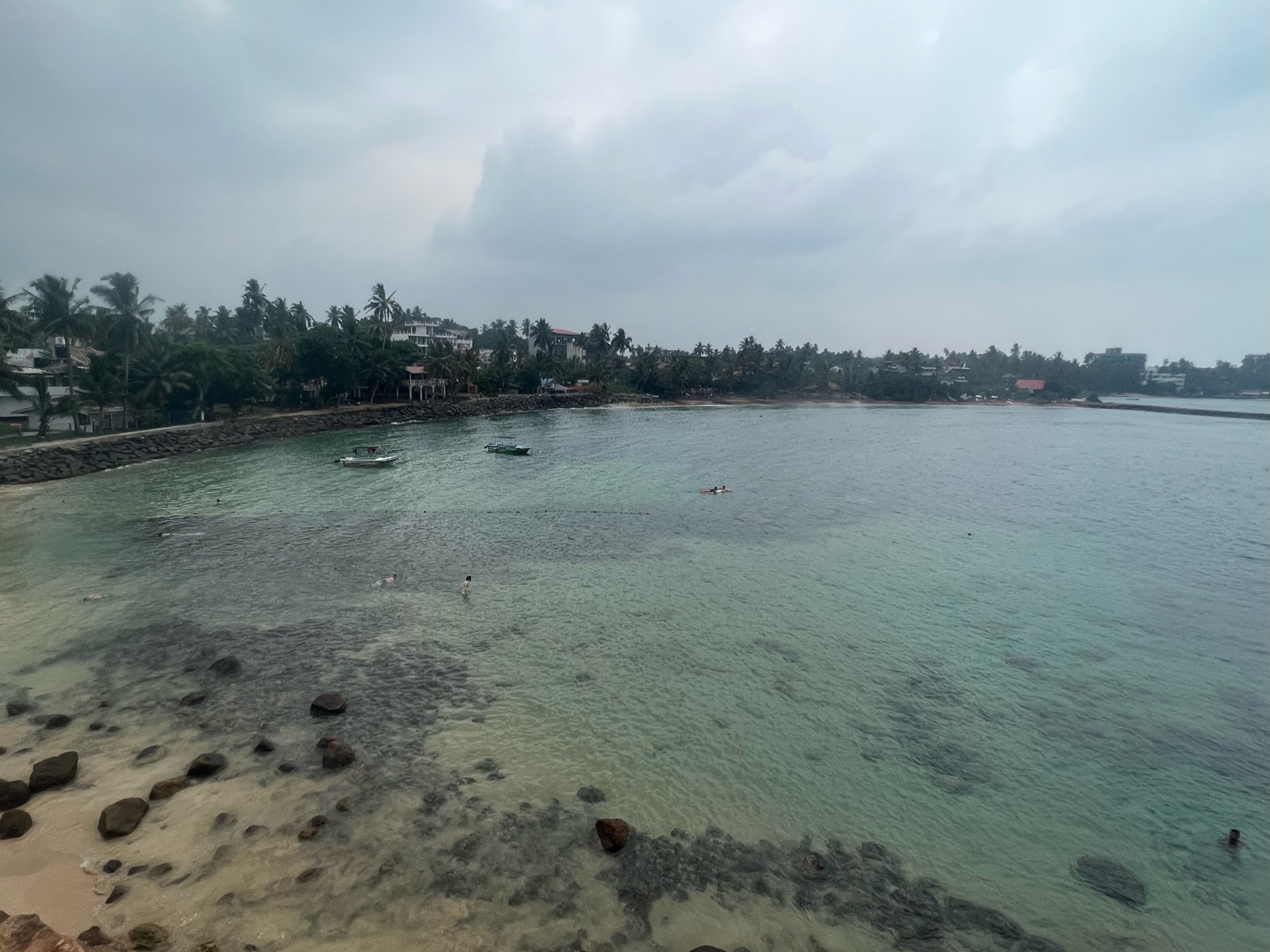
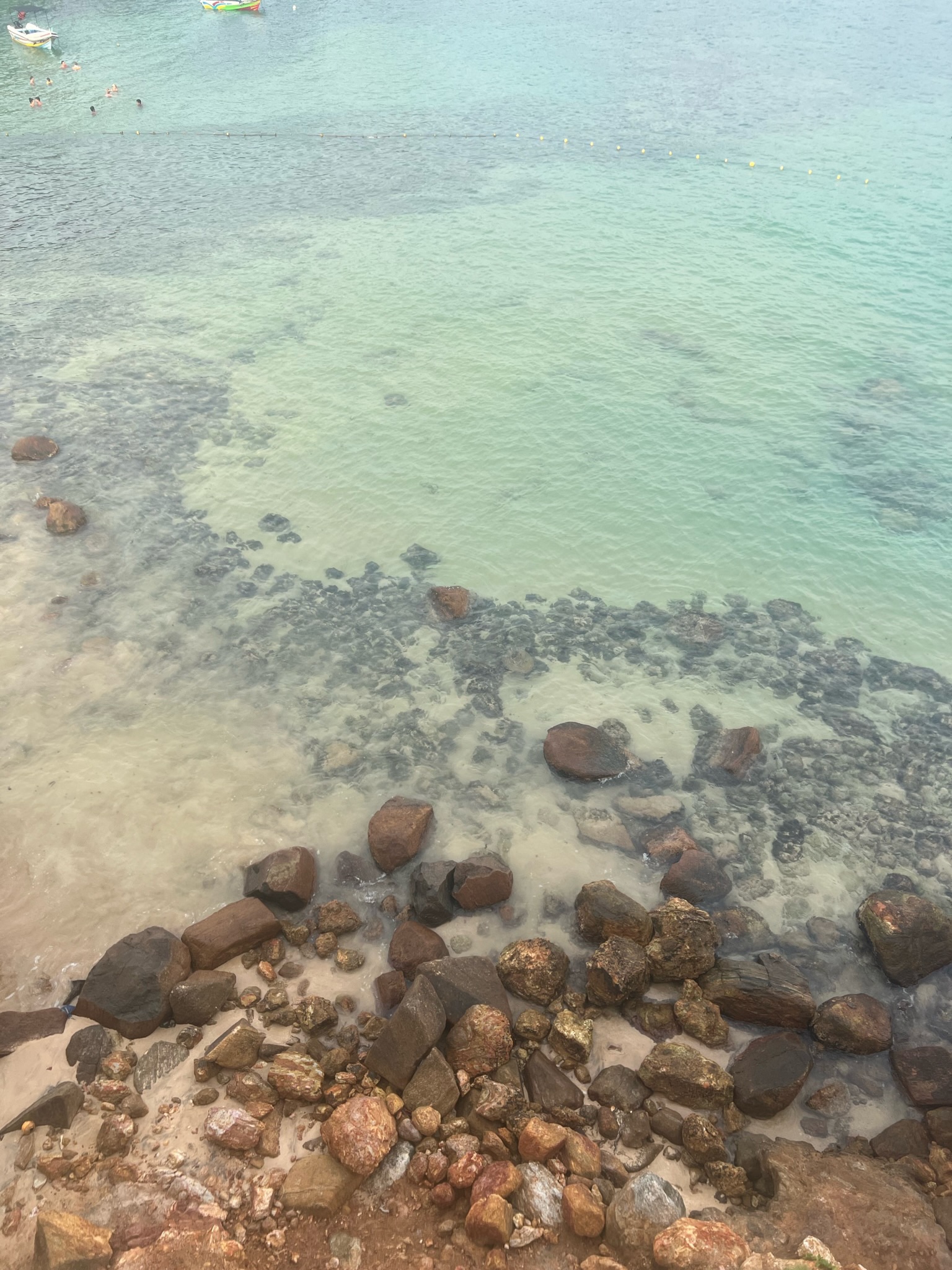
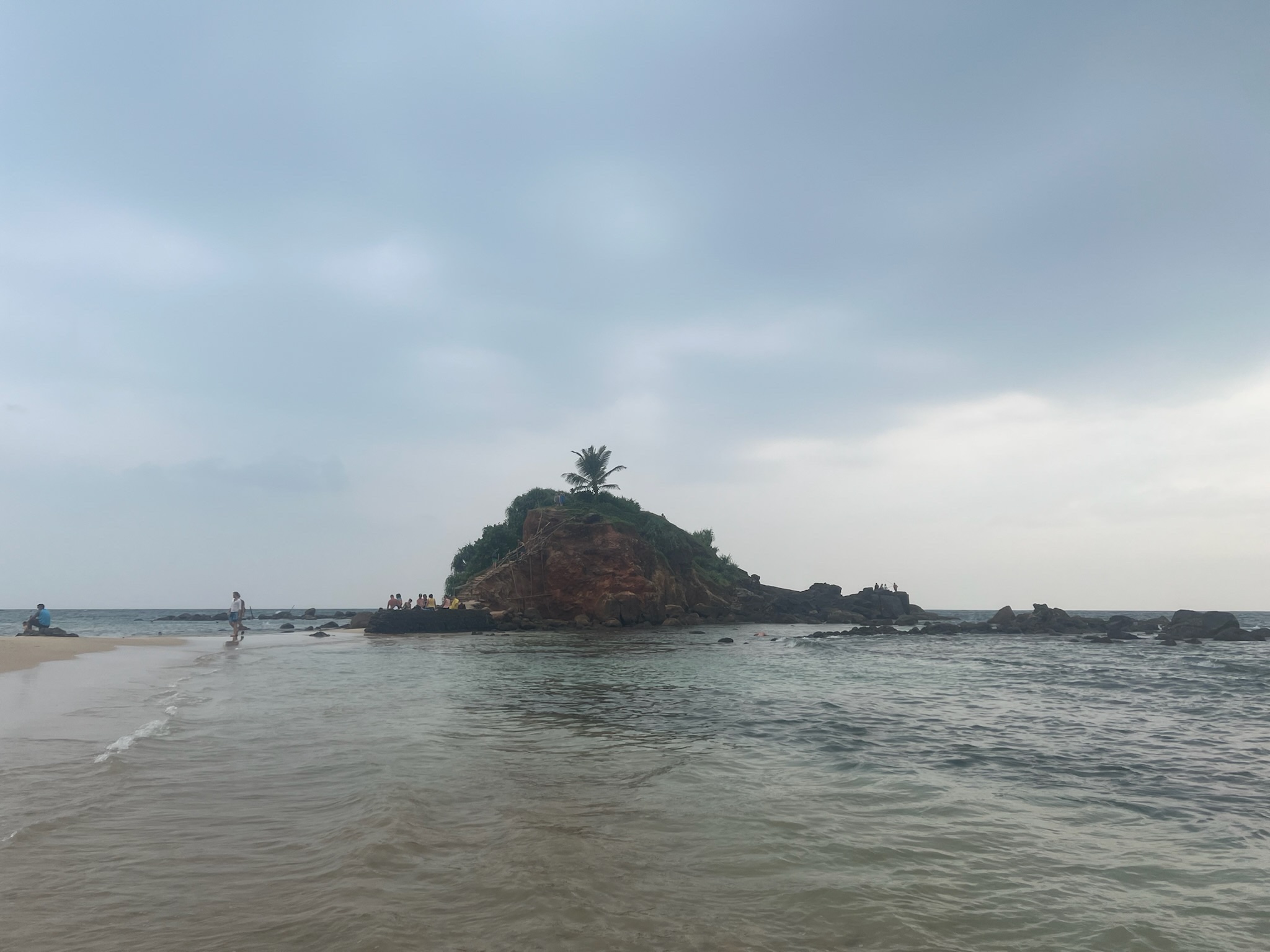
We decided to make the best of it, and we found the Mirissa Beach after a short walk. The beach was very nice with beautiful sands, calm waves, and a good breeze off of the ocean. There were restaurants with tables and beach chairs lining one end of the beach, and on the other, there was a rocky promontory that you could climb. We climbed up to see the view, and it was beautiful. On one side, you could watch all the crabs scurrying around the rocks as the waves crashed on them. On the other, you could watch the sea turtles swimming through the larger boulders.
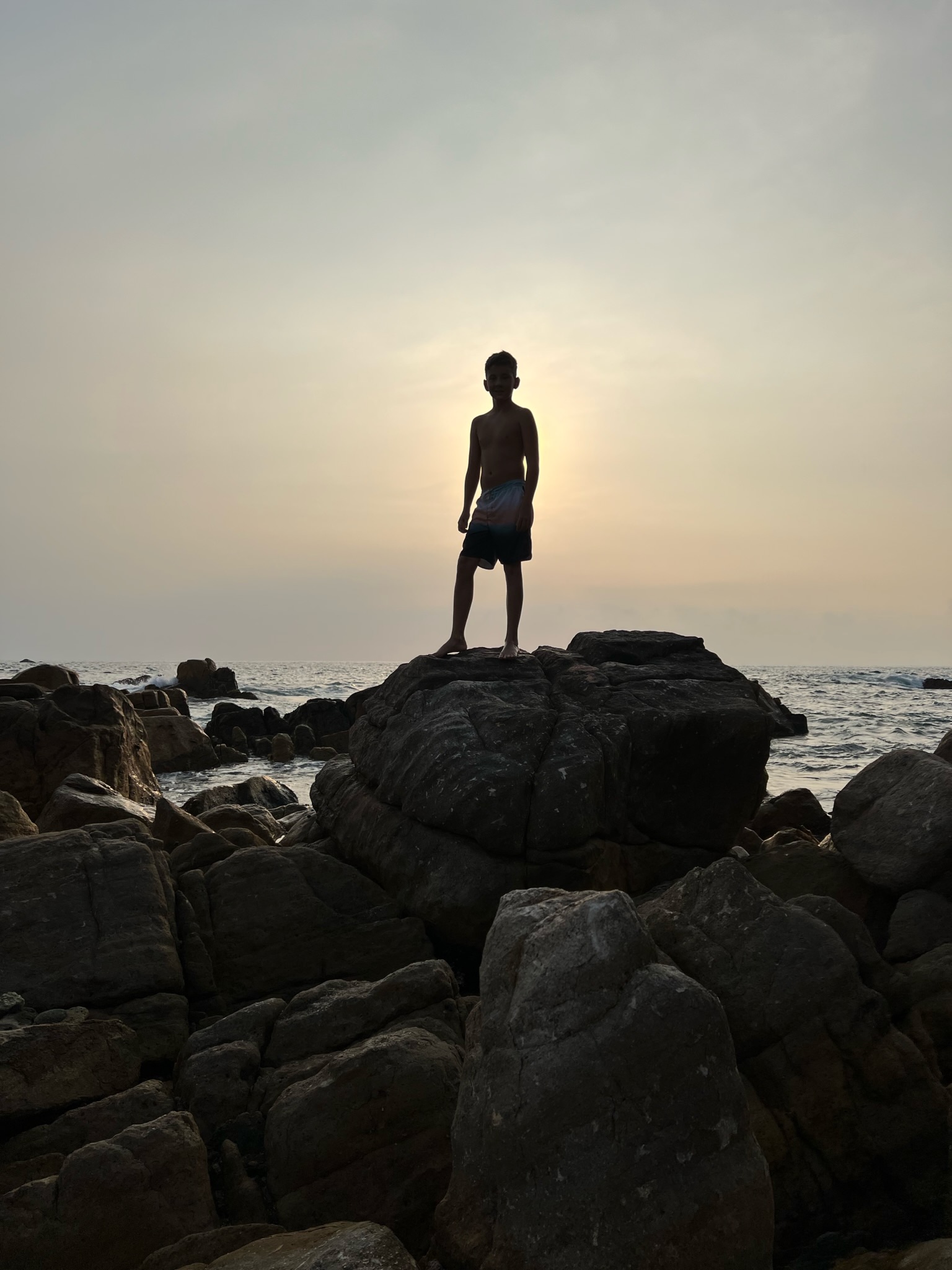
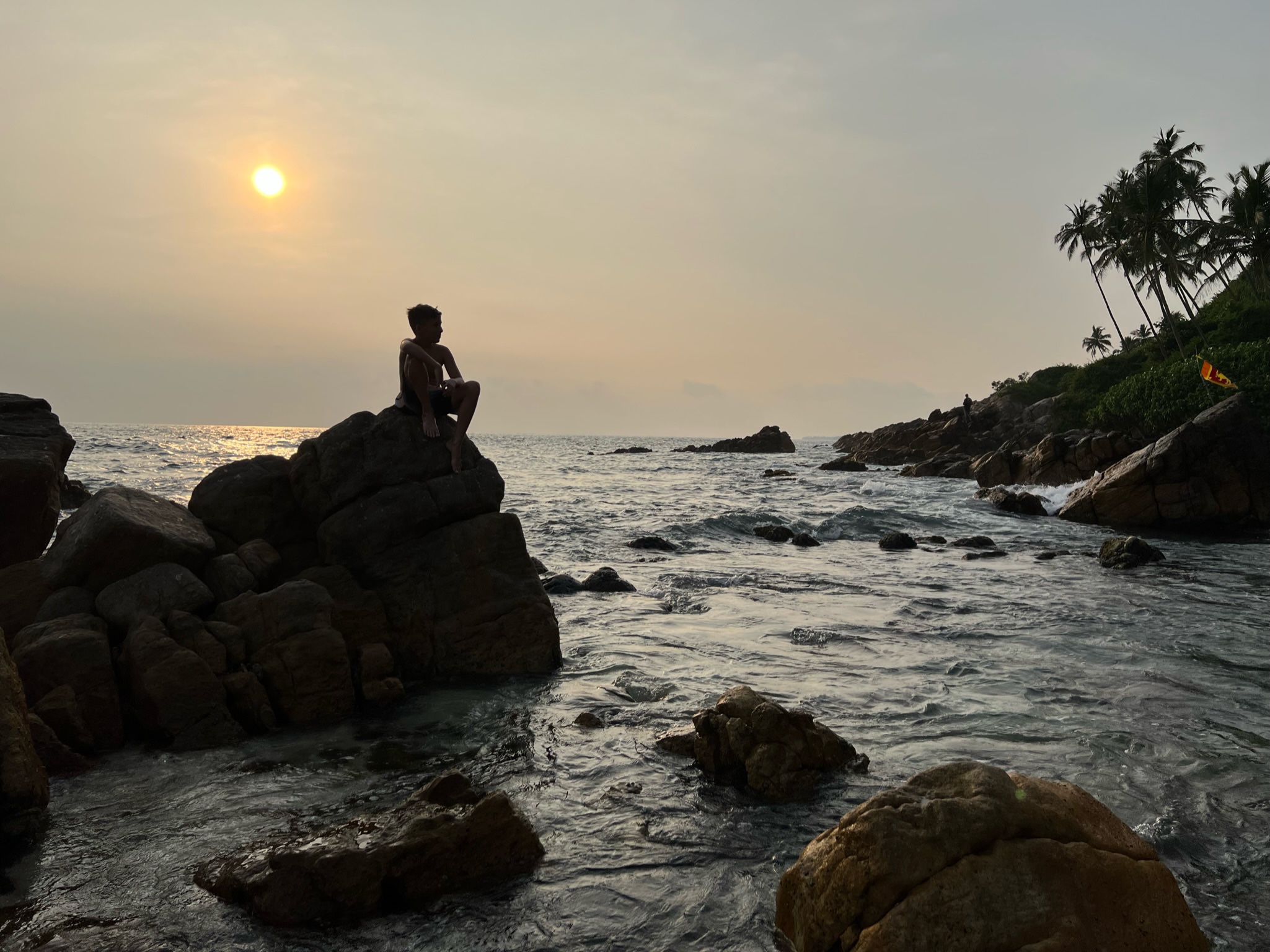
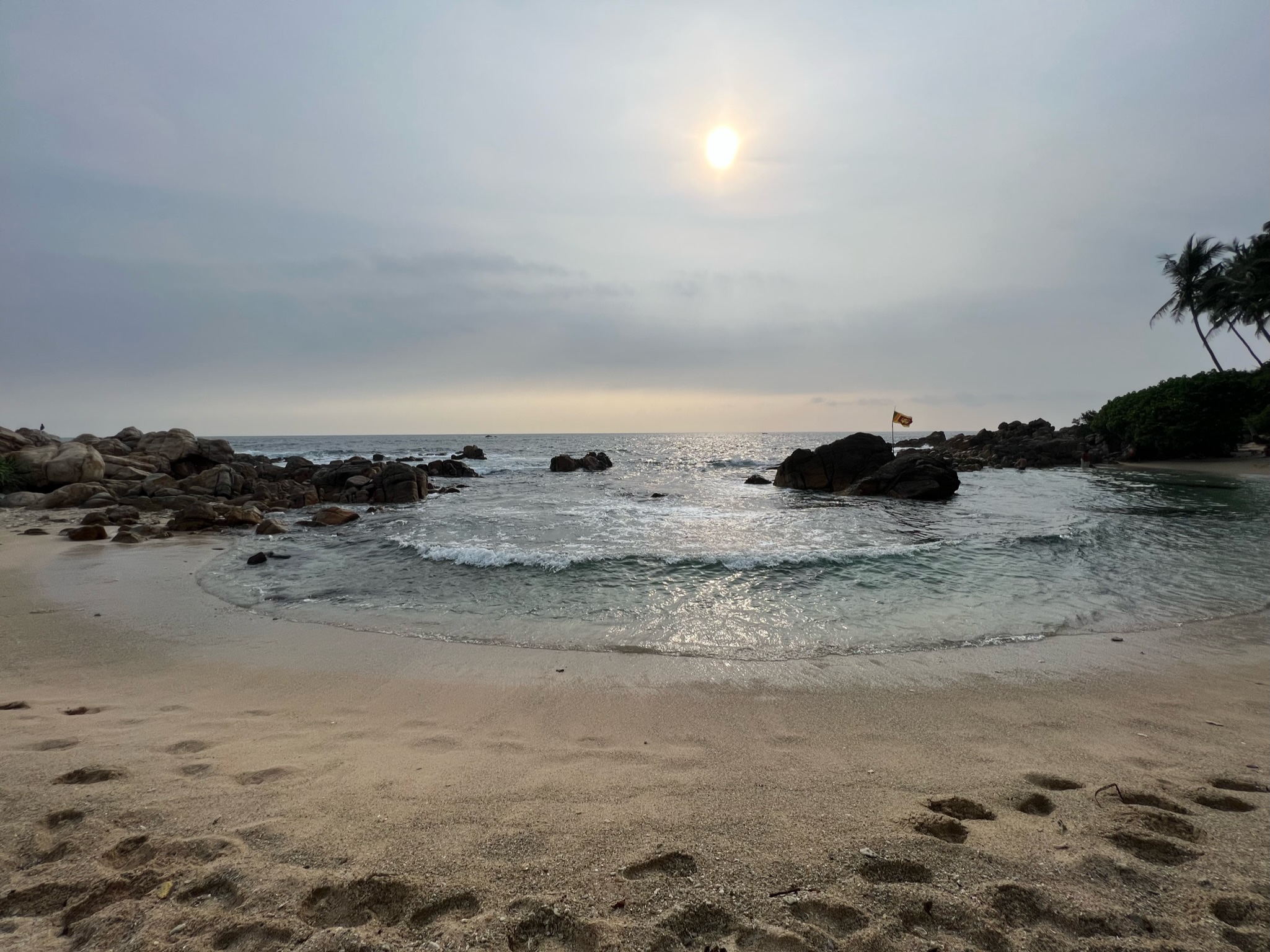
While in Mirissa, we also made a day trip to the Secret Beach, a not-so-secret area of the beach that requires a bit of a hike to reach. We had moved over to the Resort of Happiness after our first two nights, and this guesthouse was much easier to hike from. We followed our map and the locals helped us along the way until we walked up to the rocky beach hidden from the main Mirissa beachfront. It was nearing sunset, and the little cove was perfectly situated to watch the sun go down. Henry played in the waves as best he could, but with the rocky bottom and the rough waves, he could only go in to about knee high in the water. This beach was less sand and more shell remnants, so it was less comfortable to walk or sit on. We stayed and enjoyed it for a while, but it wasn’t quite our kind of place.
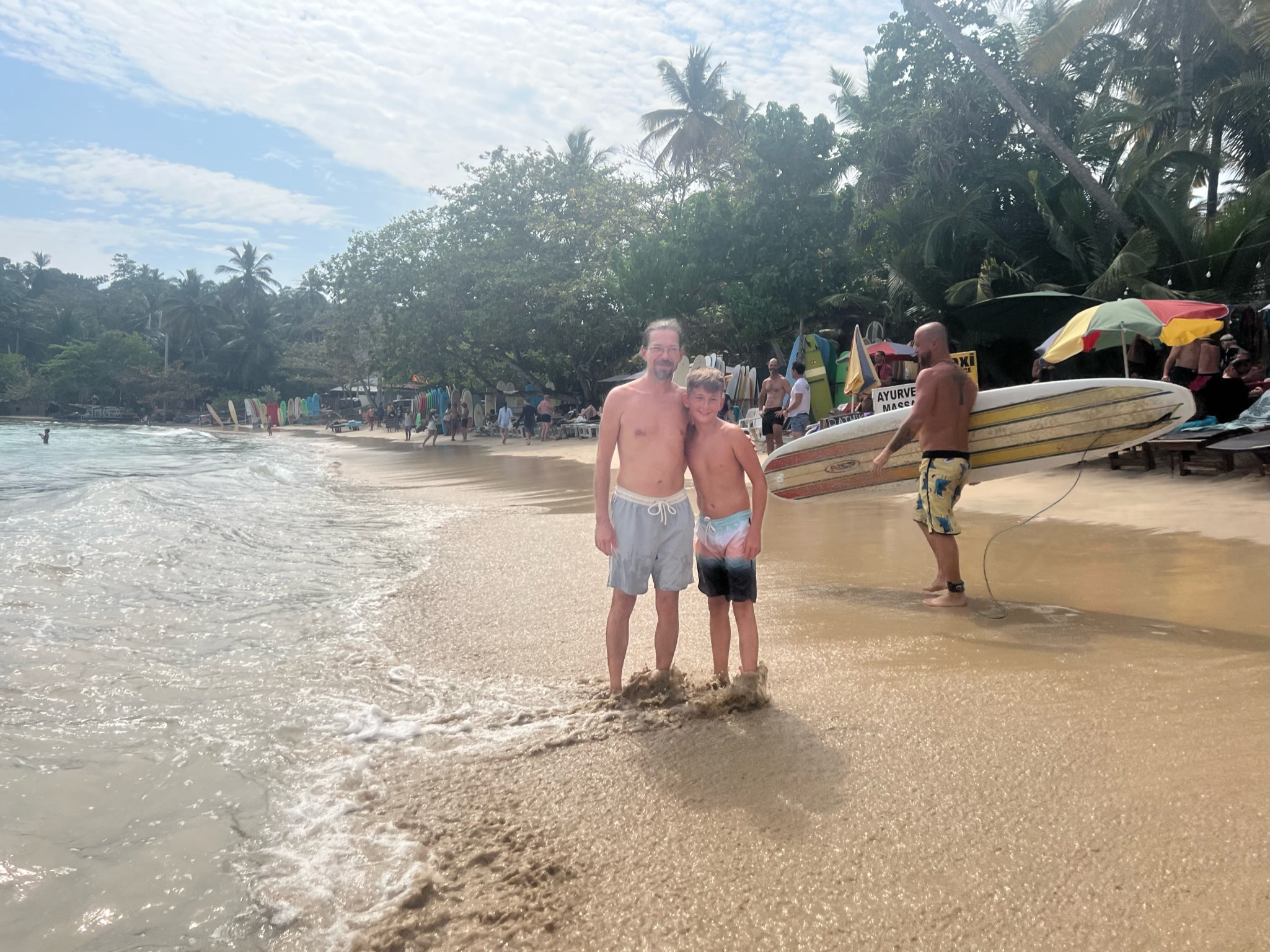
On another day, we took a trip over to the Weligama Beach. We had heard that this was a great beach for surfing, and sure enough, the shores were lined with surfboard rentals and surf schools. We grabbed a bite to eat at a local restaurant, and while Brian and Henry paid $2.50 to rent a surfboard for an hour, I paid $2.50 to rent a beach chair for the afternoon. Henry and Brian had a great time getting thoroughly beat up by the waves, and I watched with amusement from the comfort of my lounger. A good time was had by all, but I’d like to think that I got the better end of that one.
After several days in Mirissa, we decided we needed to move on again, and this time, we were moving to Hikkaduwa Beach. Brian had made a friend in Mexico the previous January, and she happened to be in Sri Lanka as well, so we were heading here to meet up with her. We got into town a few days before she would arrive, and we found a room at the Mount House Hotel in Dikwella.
The Mount House was an apartment building, and it was gorgeous. Pulling up to it, even our taxi driver was impressed. The house was large and well kept, and Kumari, the caretaker, was very helpful. One evening, Kumari helped us light his BBQ grill and we were able to grill some chicken. It was such a normal thing for us to do that at home, but on the road, we haven’t been able to enjoy that at all. It felt nice to prepare our own meal and eat in the privacy of our ‘home.’
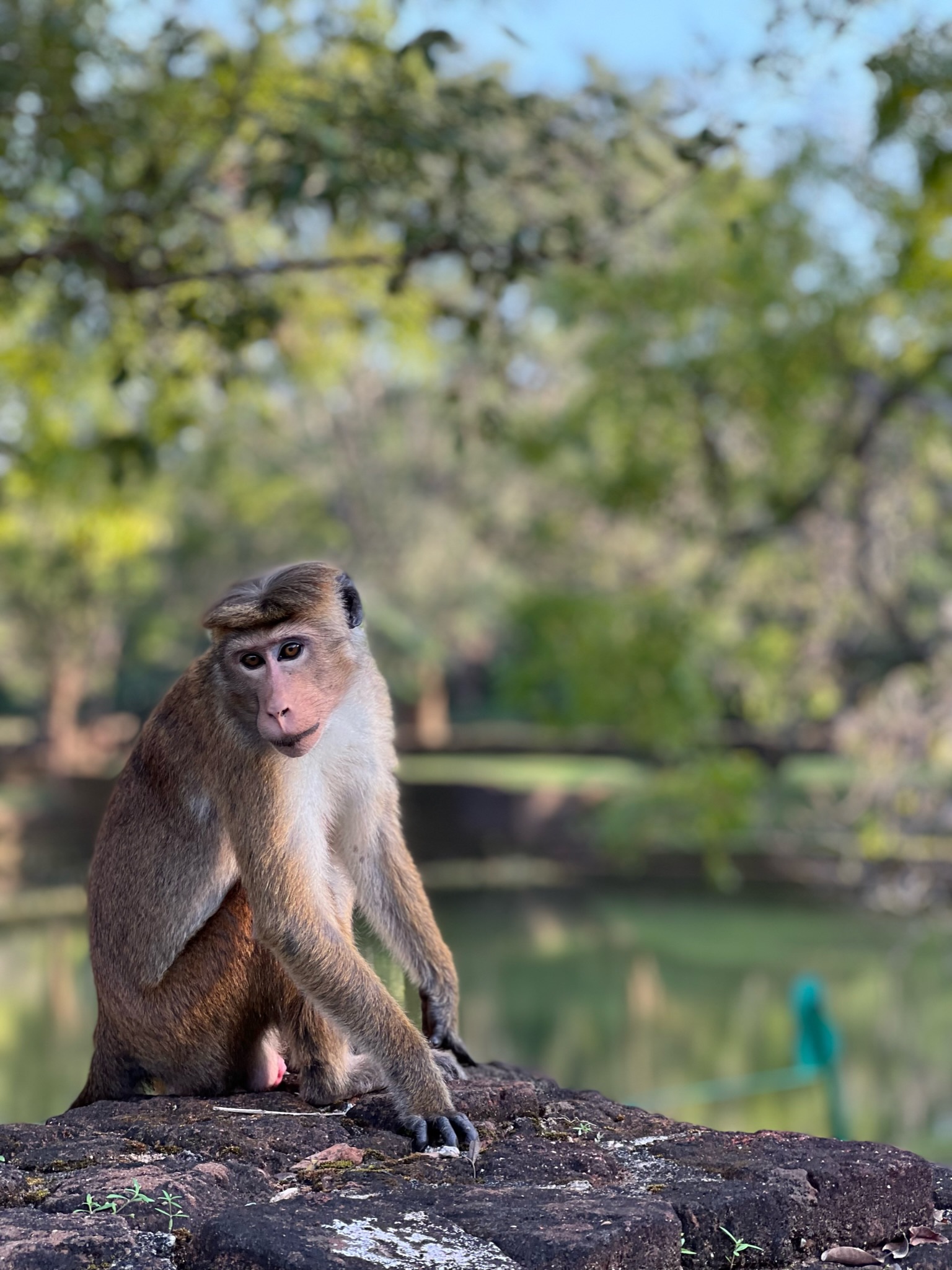
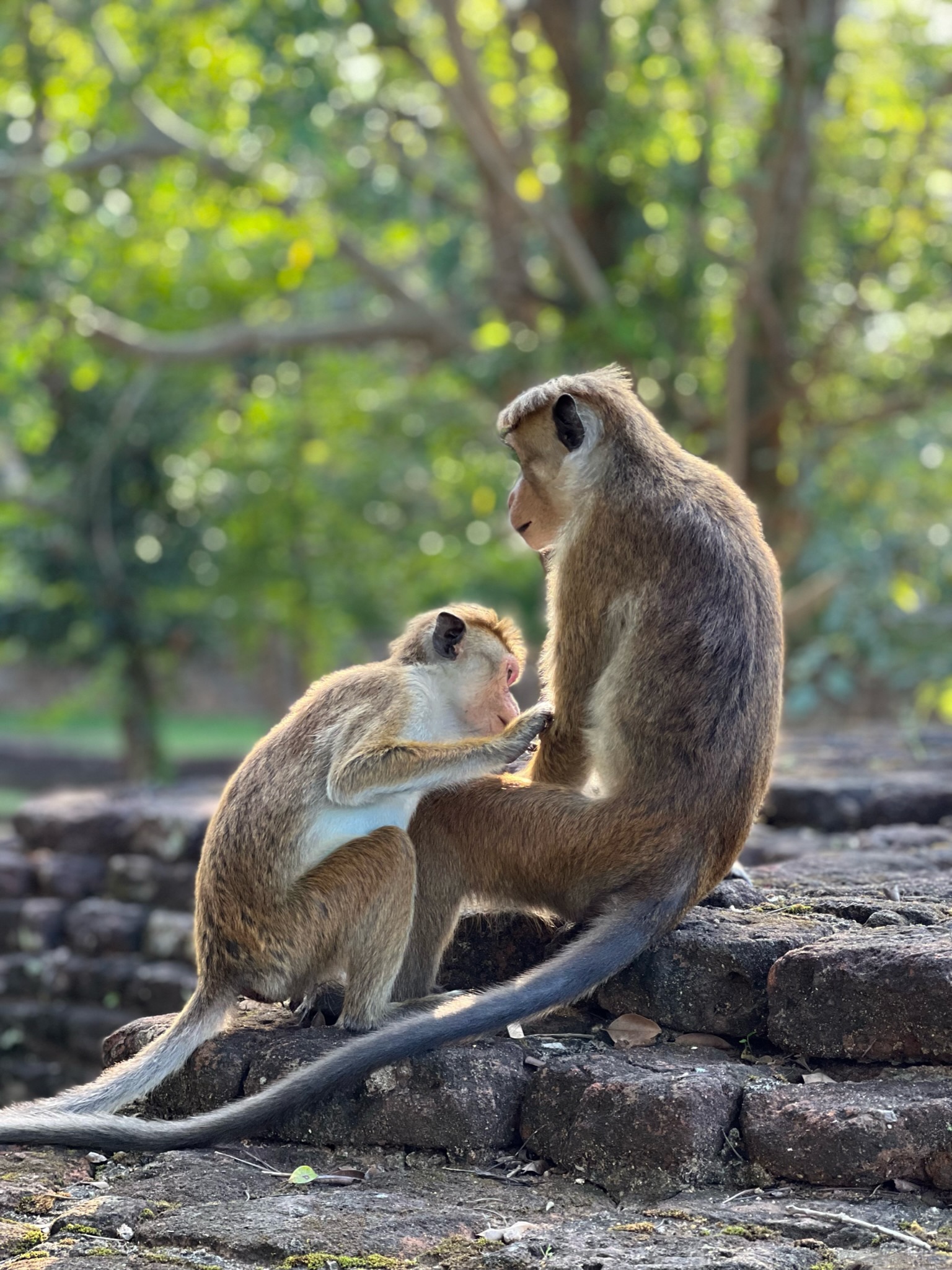
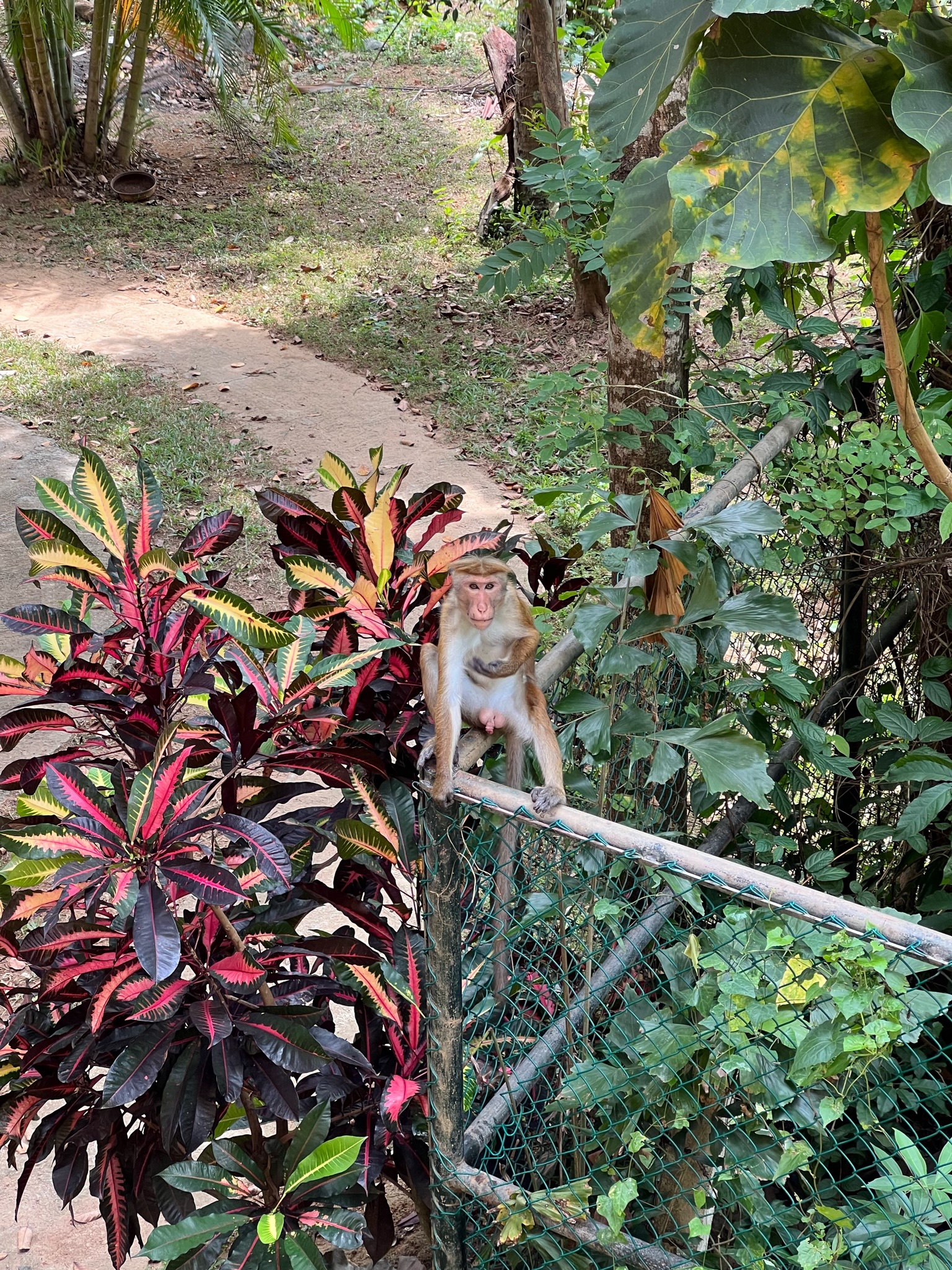
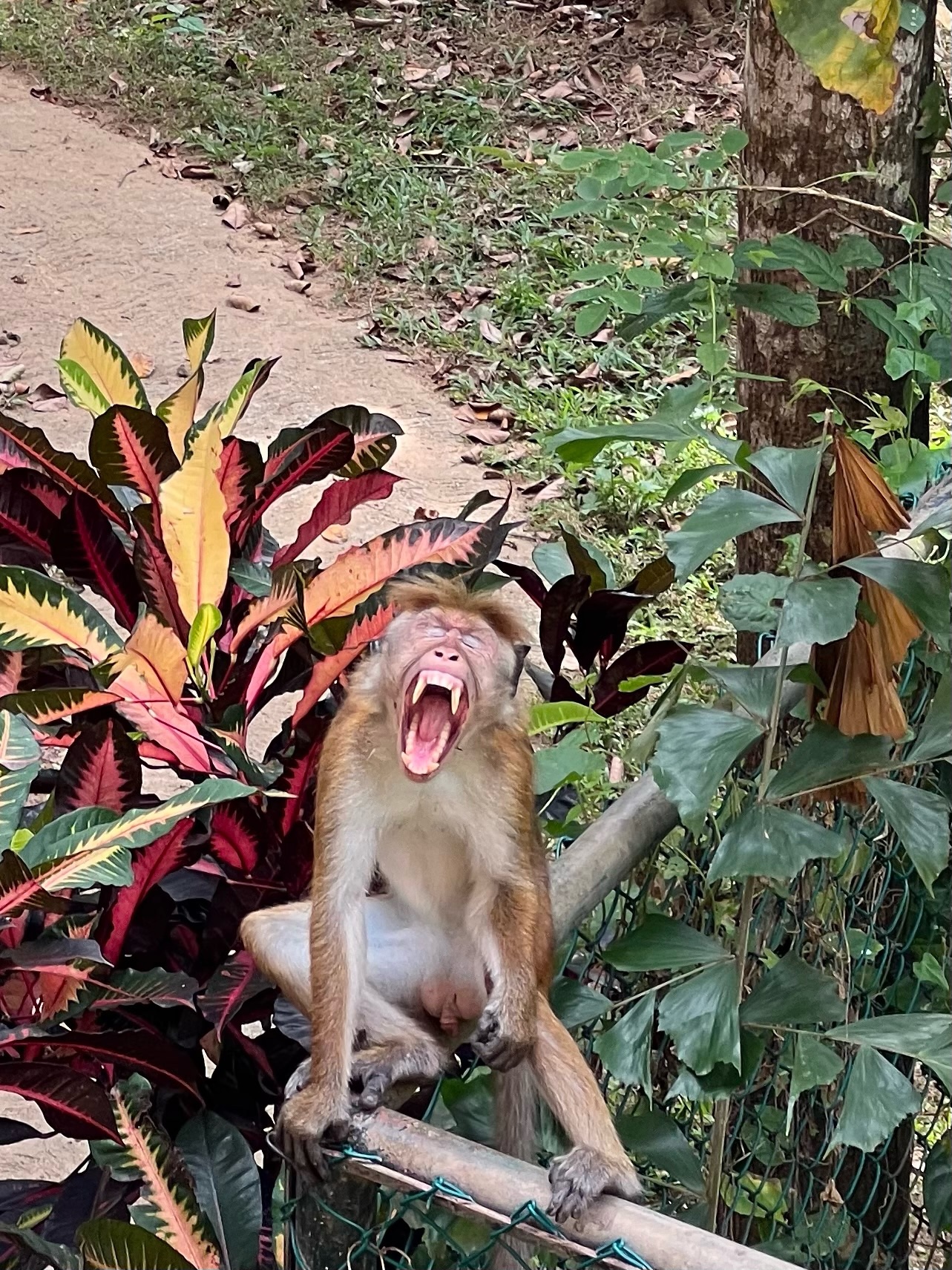
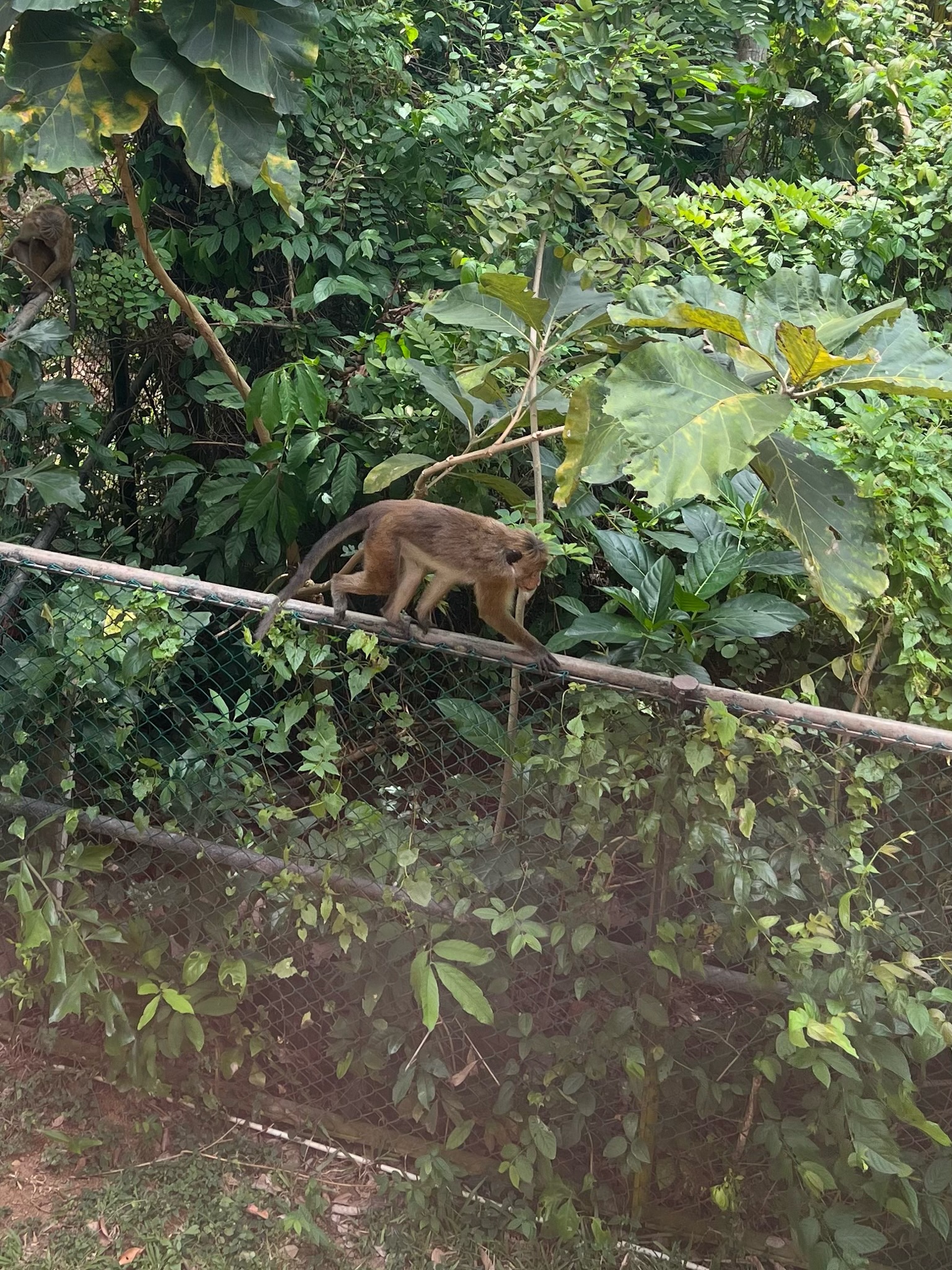
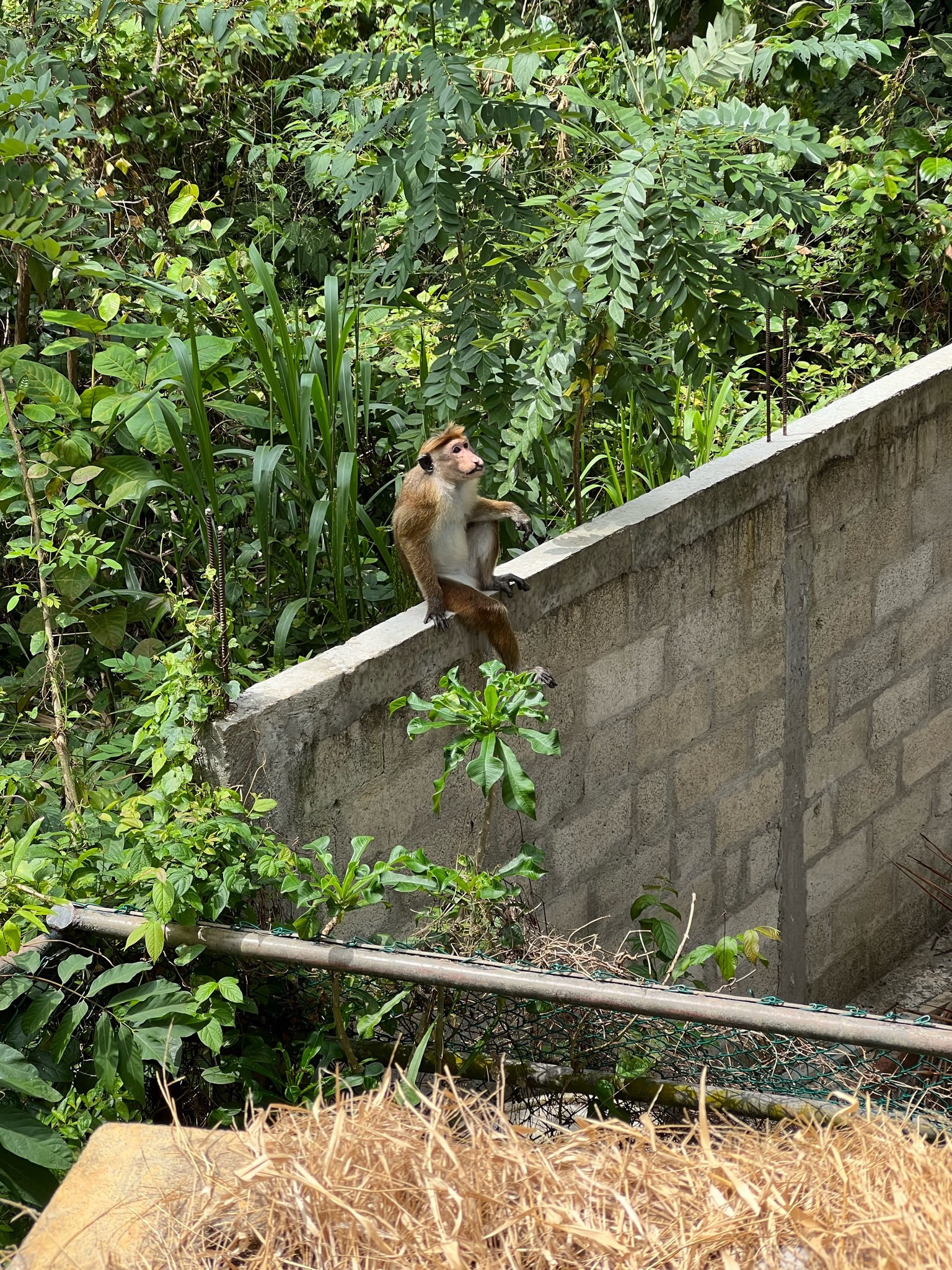
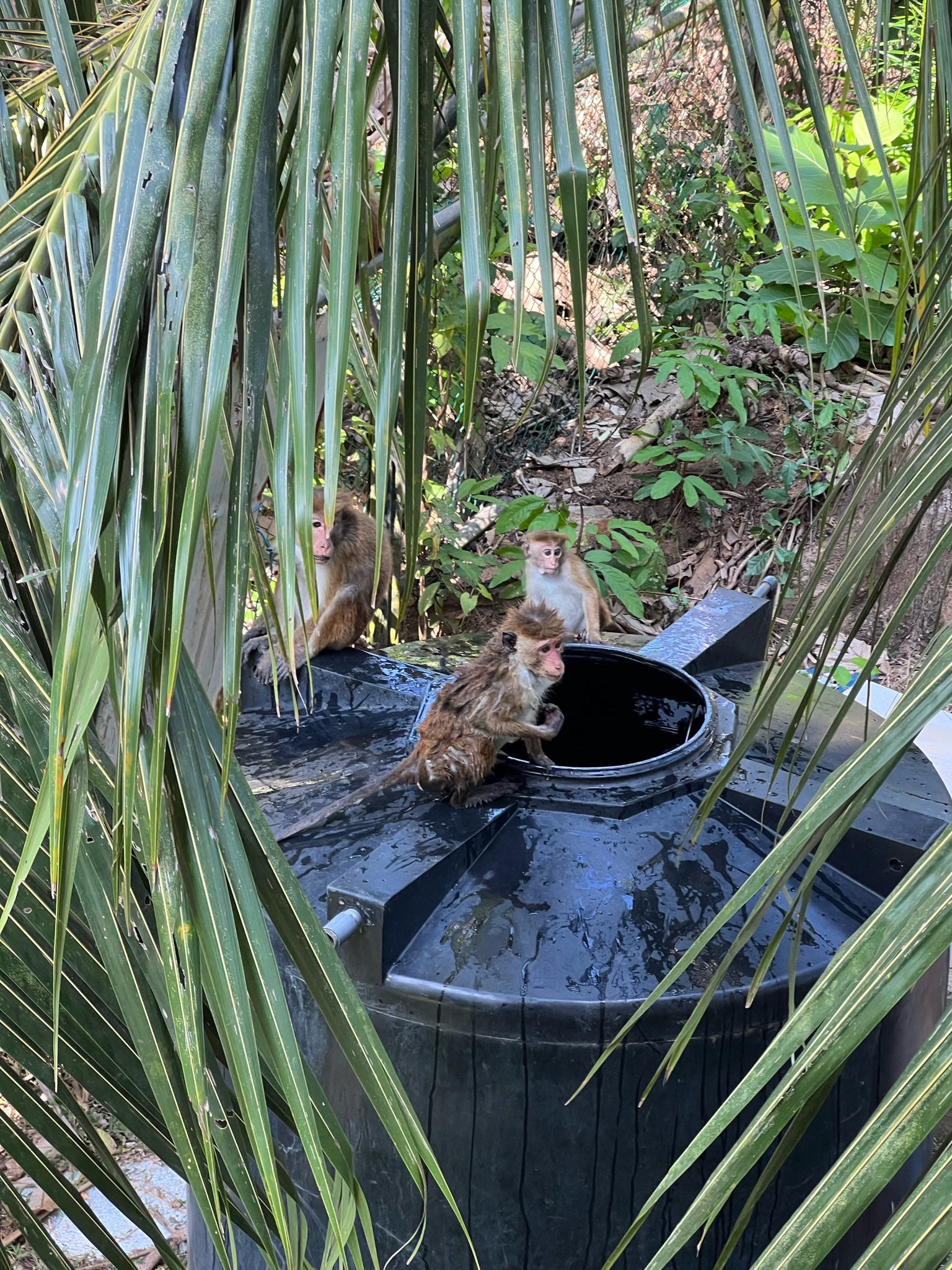
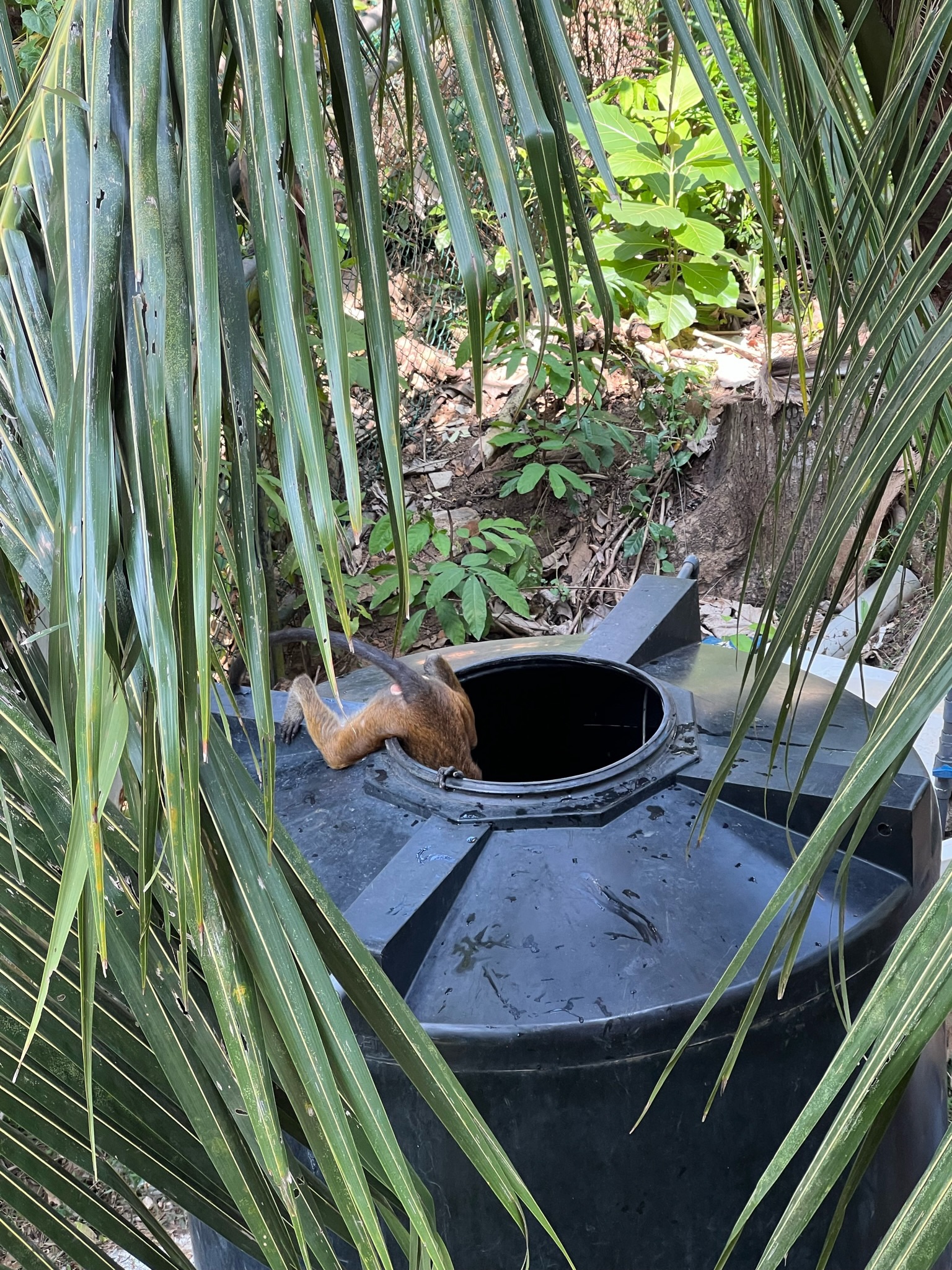
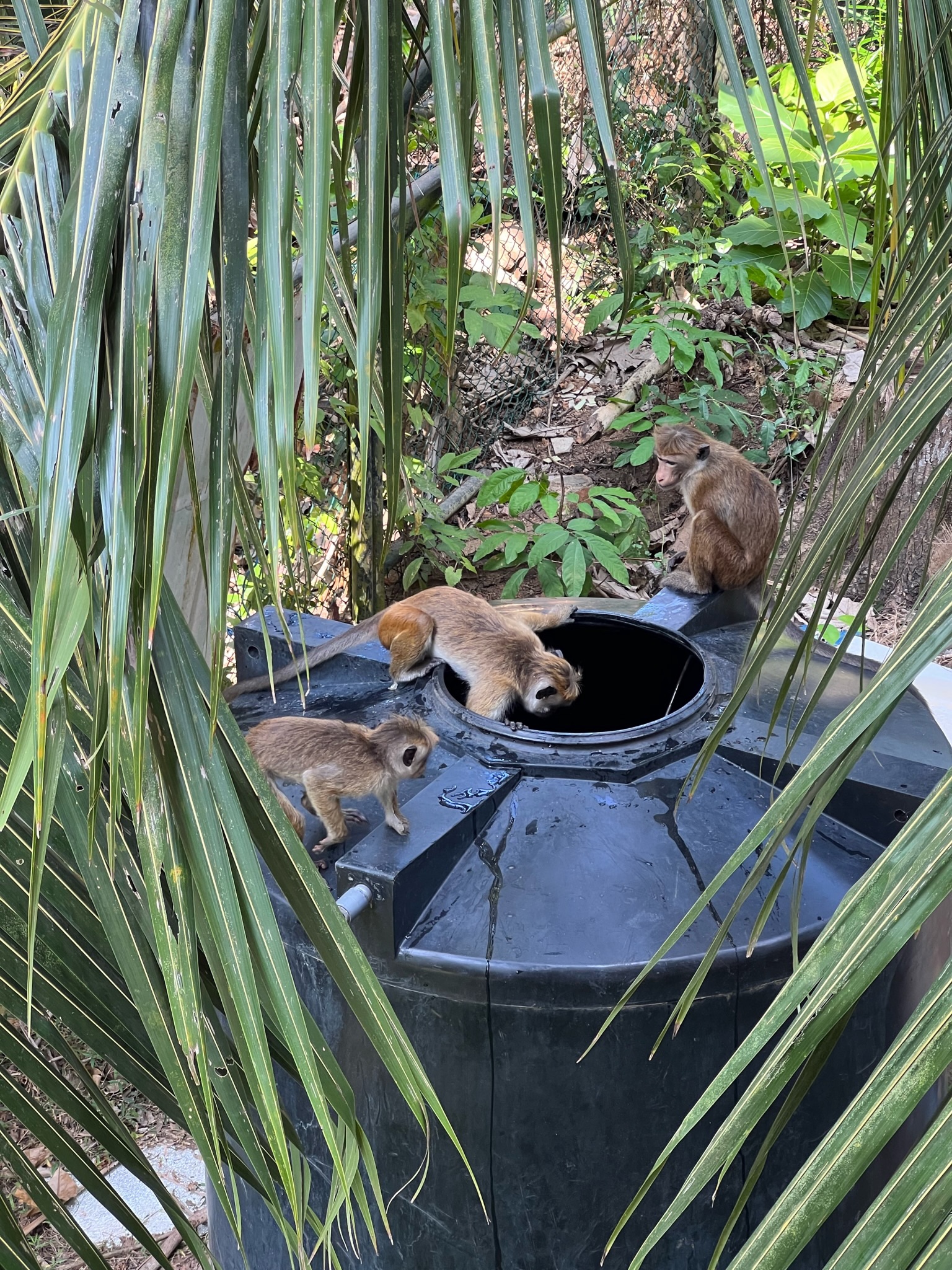
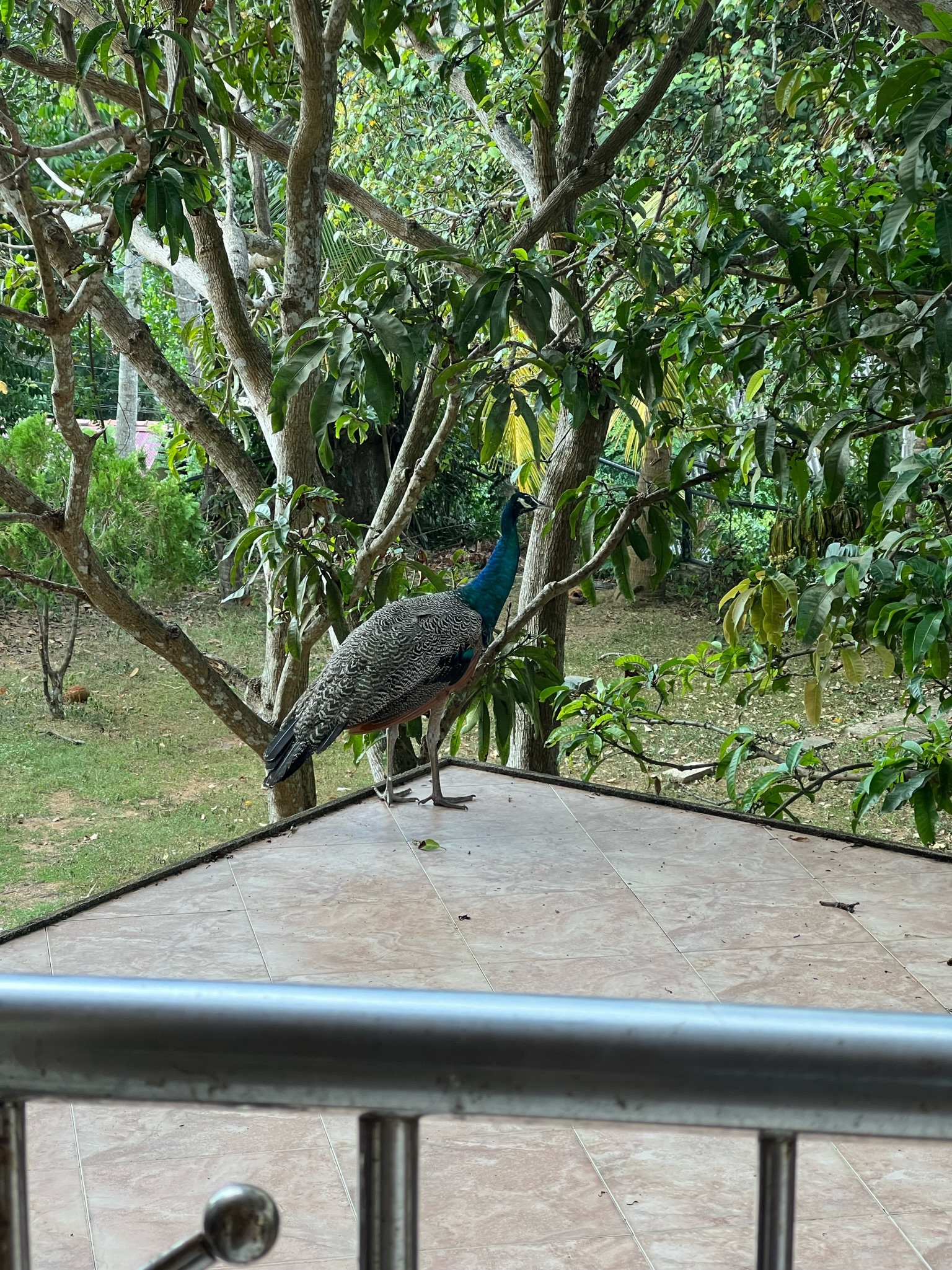
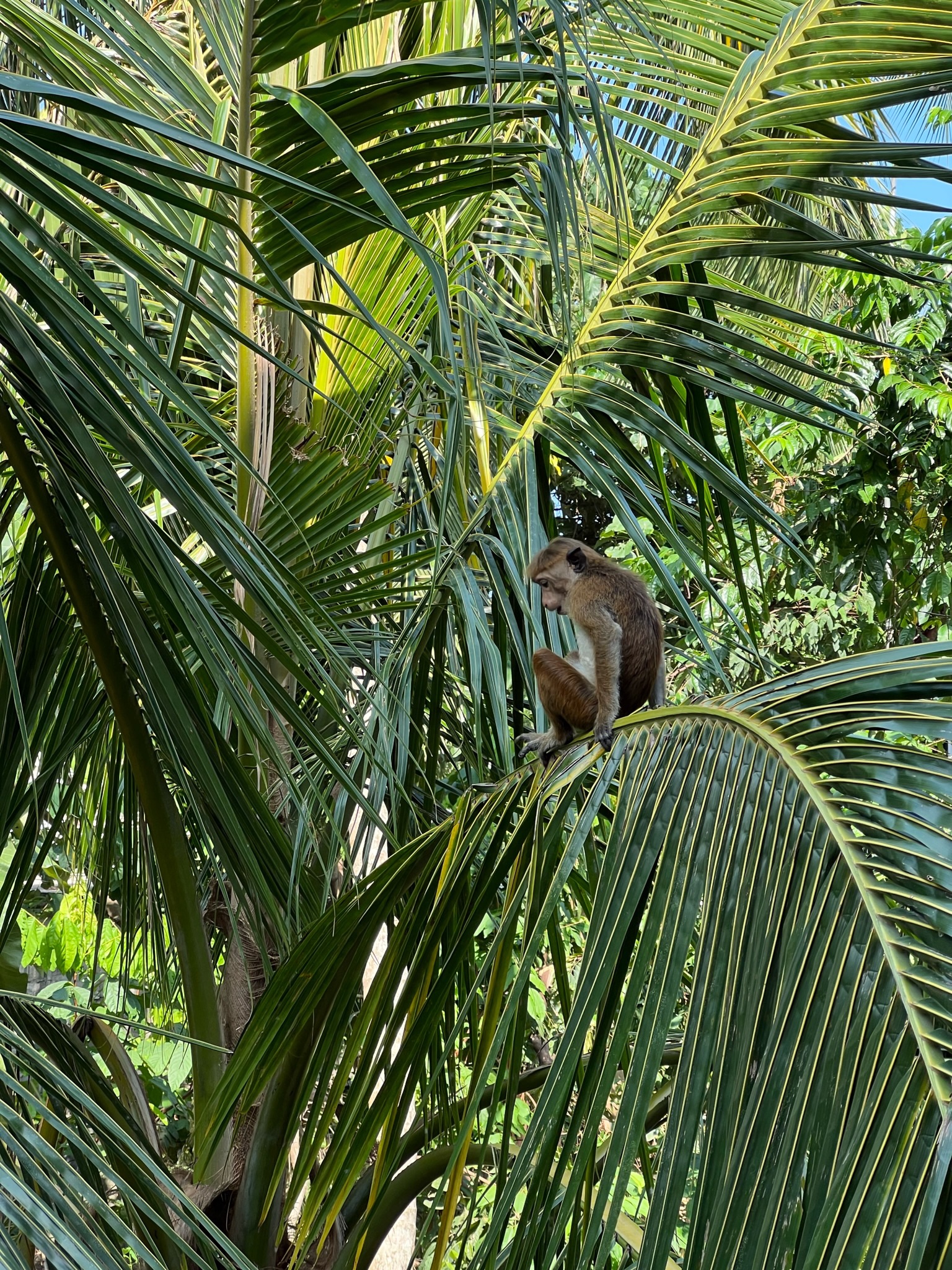
Our favorite thing about the Mount House though was the wildlife. We saw another giant monitor, several monkeys, and a peacock. The monkeys were my favorite, though. We’d been warned that they were mean, and while they look really cute, they like to fight. We watched them from behind the safety of our balcony each time they came around. Several of the bigger ones had babies, and mean or not, there’s nothing cuter than a baby monkey. One afternoon we were visited by 20-30 monkeys who were climbing and playing in the trees surrounding the building. They would wrestle on the deck and race up and down the trees, and they seemed to be particularly amused by the giant water tank in the back yard. They must have figured out how to get the top off of the tank, and once they did, they spent hours taking turns dipping down into the water, climbing in and out, and occasionally, going for a swim inside. When I told Kumari about it, he immediately closed the tank back up so that they couldn’t get in there. I’m not exactly sure what the water in the tank was used for, but my guess is that this is one of the many reasons you don’t drink water from the tap.
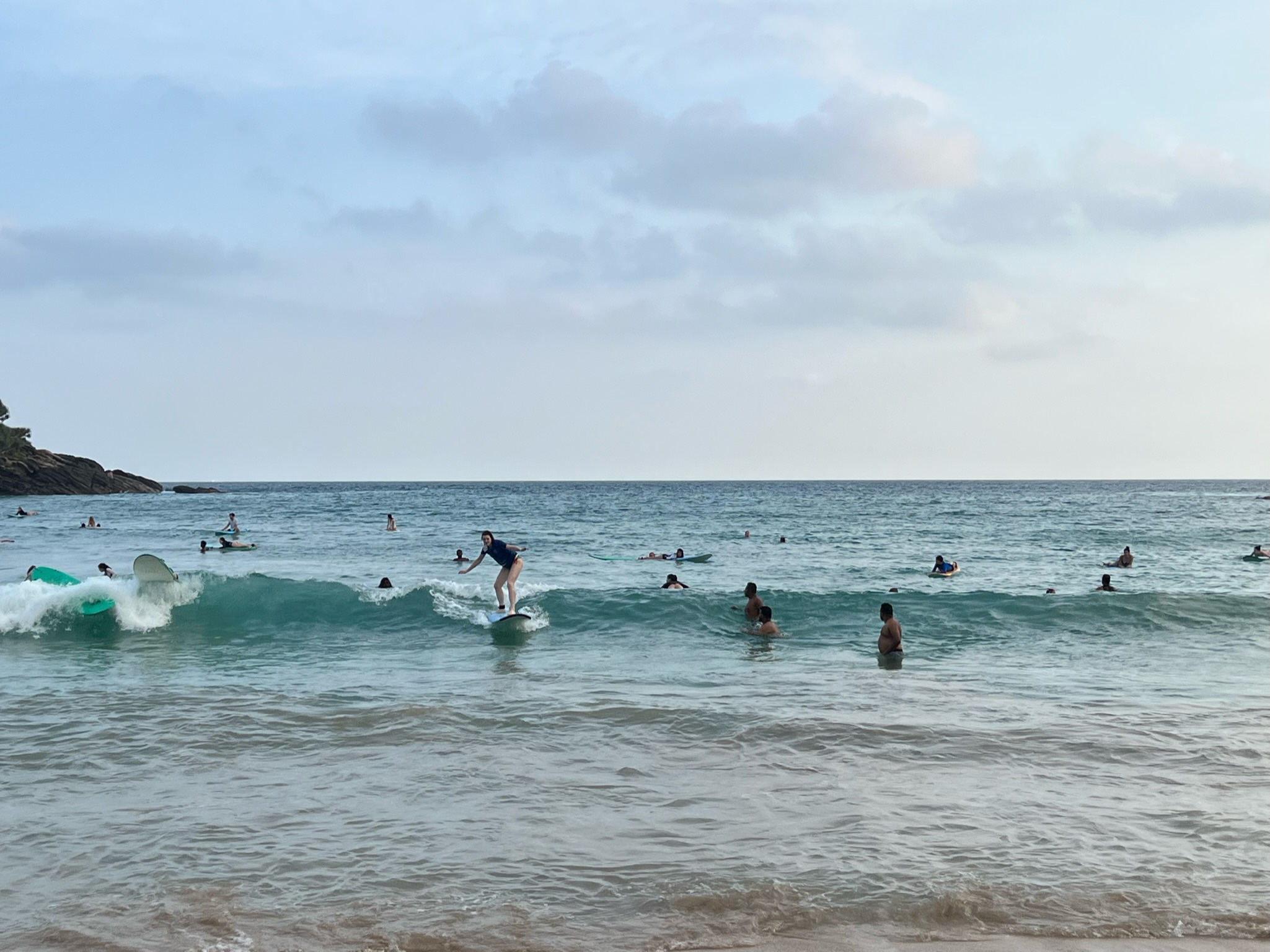
Of course, we checked out the beach while we were there too. The Hikkaduwa beach is a small cove that is perfect for surfing as well. On the right side of the cove, the waters tend to be calm, and swimmers can enjoy playing in the clear turquoise waters. On the left side, though, intermediate surfers can catch some rather large waves. Unfortunately, in the middle, you get a very large group of beginner surfers who have no idea what they are doing.
Henry and Brian decided to rent a board and try the waves for a bit, but they didn’t have much luck. The waves were a little unpredictable. You’d have two or three good ones, and then nothing for a time. Then out of nowhere, you’d get a big one. And did I mention that there were a lot of people who didn’t know what they were doing? It was very crowded. Surfers were lined up very close to one another, and swimmers were out in the water doing their own thing. When a good wave would come along, all the surfers would give it a go, and most would wipe out precariously close to every one else. The few surfers who made it further in would do their best to not run down the swimmers on their way.
And so we should have known better to try to be out there, but it was beautiful, and we just couldn’t resist it. About 45-minutes into their first rental hour, Henry was trying to catch a wave, and he and another surfer got too close. Her board flew up and came crashing down right on Henry’s cheek. Brian went out to get him, and he tried to be brave and shake it off, but he was hurting. We returned the board and decided to play in the shallow waves instead. We’d had enough surfing for now.
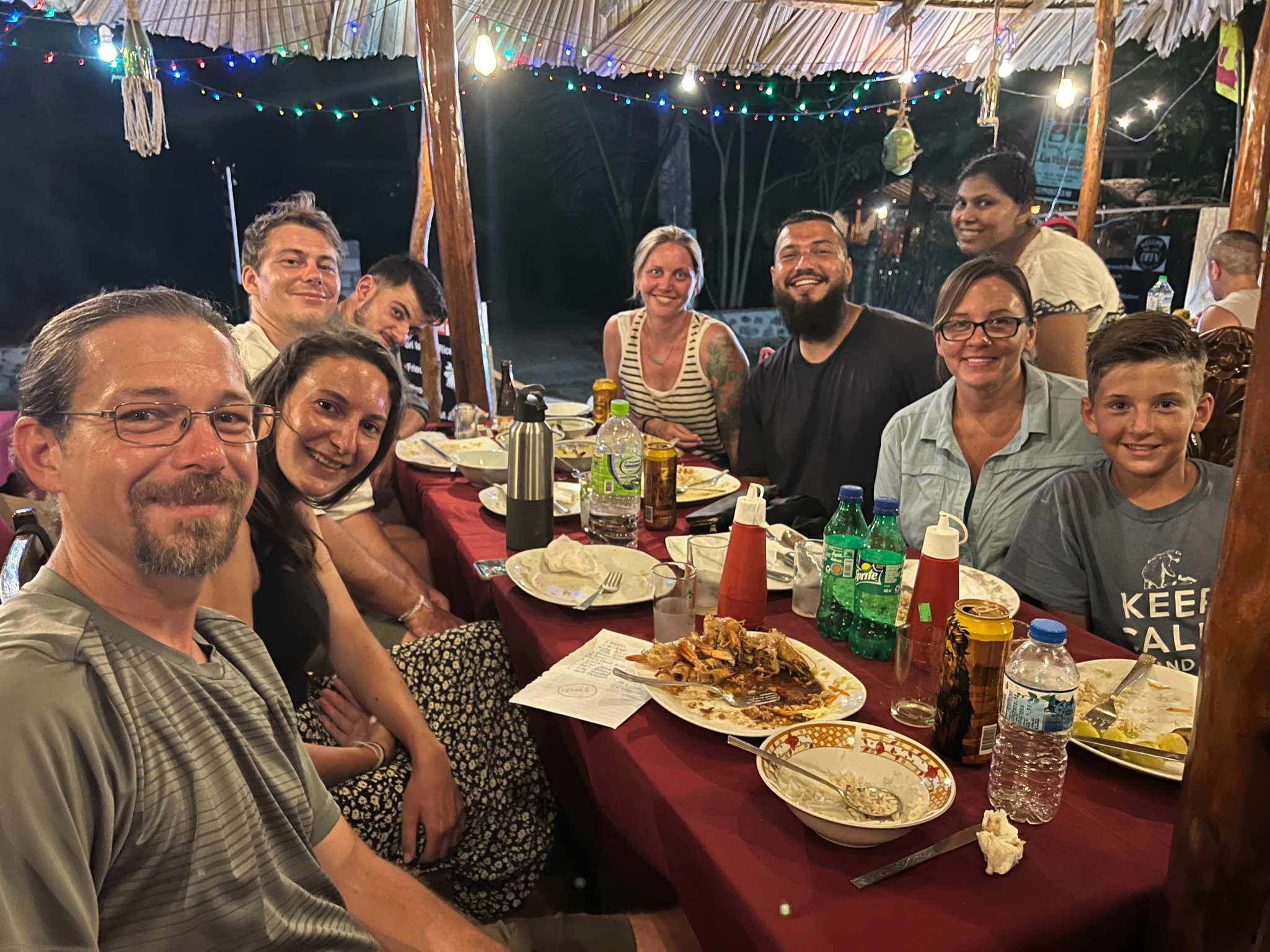
While we were in Hikkaduwa, we were able to catch up with Brian’s friend Pauline. Pauline is from France, and she is traveling round a bit until she starts her new job in the travel industry very soon. We met Pauline and some of her friends for dinner at a local restaurant near the beach. We had a great time chatting with everyone about their adventures and learning how these people were living out their dreams.
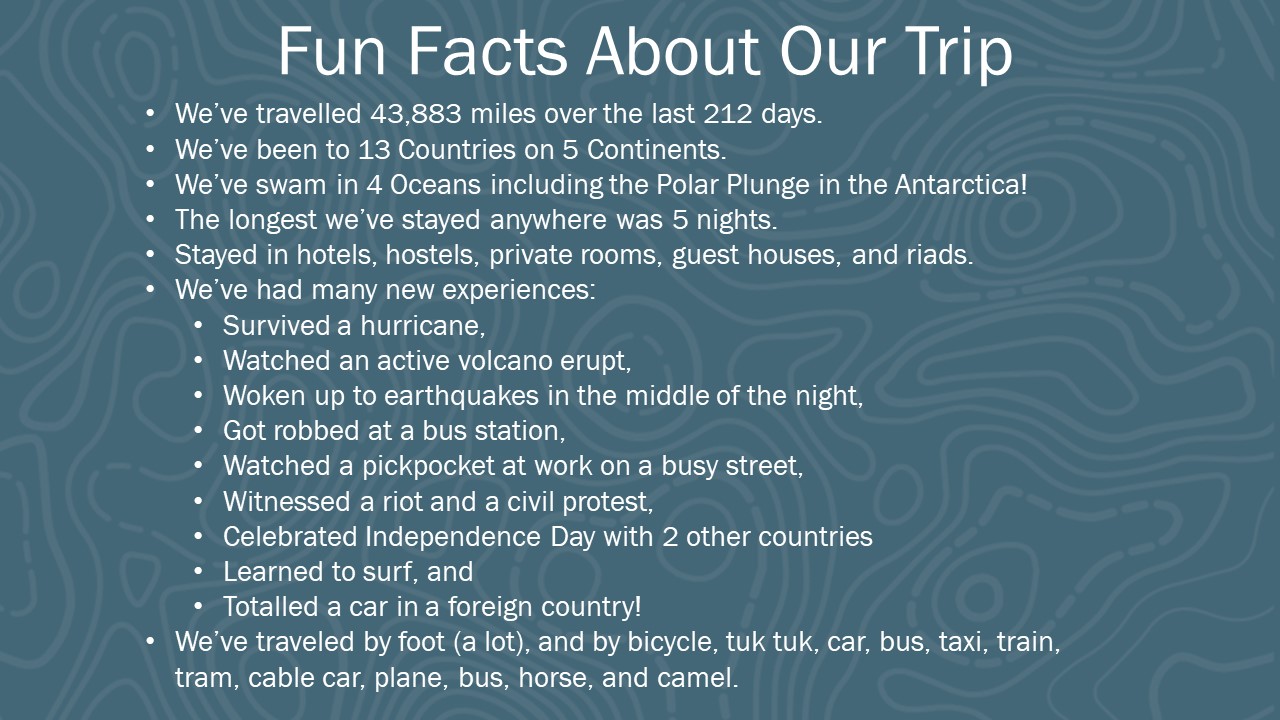
After almost 4 weeks in Sri Lanka, it was time for us to begin a new chapter in this adventure, so after we got our COVID tests for traveling, Kumari set us up with a taxi ride to the airport. We’d experienced so much in a short time, and we had met so many wonderful people along our way. I touched on this earlier, but Brian and I just could not get over how kind and warm the Sri Lankan people were. They went out of their way to be friendly to us, and when we needed help, there was always someone there and willing to do whatever they could for us. During the tuk tuk incident, those men who stood with us on the side of the road made an impact on us that they probably aren’t even aware of. Several of our hosts checked on us for the days following our leaving their homes. And everywhere we went, people would walk up to us for no other reason except to just say hello and welcome us to their land. Of all the places we’ve been, I’ve never felt more welcome than here. The Sri Lankans seemed truly grateful for us coming to visit their country, and they have left an impression on us that we will remember for a very long time. Coming here, I expected to see beautiful beaches, breathtaking mountains, and all sorts of paradise in between. I never expected that the most beautiful memory I’d take away with me would be of the people.





























































































 Expedition Fresh Start