The biggest adventure you can take is to live the life you dream of.
– Oprah Winfrey
We flew into Athens on our route to Singapore and Australia, and going into it, we knew we wouldn’t have much time to spend in the country to make our timeline work. We had a lengthy list of places we were wanting to explore, but most of those would have to wait for our next trip. Henry and Brian really wanted to check out some of the beaches on the 6,000 islands that make up Greece. I also wanted to go check out some of the historic sites I’ve read about in the Bible for years like Corinth, Thessalonika, and Philippi, but we chose to hold off on all of those for now. Instead we decided to dedicate this trip to exploring Athens. We only had spend 5 days to wander through Athens, and frankly, that just wasn’t enough. We did our best to take it all in, but there is just so much to see and do in this tiny bit of heaven. The little we saw was wonderful. We were all very impressed by the friendly and kind people, the fantastic foods, the idyllic weather, and the amazing historical ruins. I mean, really, what’s not to love about Greece?
We had found a cute little apartment for us to stay in just a short walk away from the Acropolis, and after landing at the airport and making our way through customs, we met our driver in the arrivals area. It was a 50-minute drive to our apartment, so we had plenty of time to sit back and take in the city. It was so lovely outside. In the warm spring air, everything was beginning to green up and bloom, and the city had a magical feel to it. Our driver double parked on a busy street just outside the apartment building and helped us get our bags to the stoop. He handed us our key to get inside, and we walked inside to settle into our 5-night home.
The apartment was spacious and perfect for our stay. Brian and I had a nice room, and Henry would be sleeping on the sofa bed in the living room. We agreed to make that ‘his’ room so he could close the doors to the room and have a bit of privacy too. There was also a small bathroom with a washing machine and a decent kitchen and dining room as well. To keep our costs down, it helps if we can prepare breakfast at least, and being somewhere for a few days gives us the ability to buy more groceries in better bulk. It doesn’t always work out for us, but this time it did.
It was dinner time, and we were all pretty worn out from the flight, but we decided to wander down the road a bit and try the Tarantino’s hamburger joint we’d found on the map. It was only a few blocks from our apartment, and when we walked in, we wondered if it was even open. There were four men working behind the counter, but no one was eating inside. Starving and desperate, we grabbed a table and placed our order anyway. The food was delicious, and we were so glad we’d tried it. They were great burgers like we’d find at home. We found out later that they had just opened up during the pandemic. They filled quite a lot of take-out orders in the time that we were there, but no one else joined us in the dining room.
Afterwards we found a supermarket to get some breakfast for the following morning. We decided that we really wanted some biscuits. Biscuits are a truly American thing, and we haven’t found them since we left the US. Henry requested biscuits with fried pork tenderloin for breakfast, so we tried to come up with that. After 10 minutes of trying to figure out what the word ‘flour’ looked like in the Greek alphabet, we found what we needed to make the biscuits. The meat was harder to come by, but we found a bag of frozen pork gyro meat that we agreed might be a good substitute.
We crashed pretty hard when we returned to the room that night, but the next morning, we were up bright and early and ready to go explore the city. We were at the very edge of the off-season, and the peak-season pricing would be going into effect during our stay. We mapped out a plan for our time where we could see the more expensive sights before the pricing changed, and that meant that on this date, we would be touring the National Archeological Museum.
We wandered through the streets taking in the sights and letting our noses lead us to some lunch. Brian had wanted to go to the Falafel Guys restaurant he’d found down on this pedestrian street, but Henry and I couldn’t pass up this cute little pizza shop across the way from it. We picked out our slices from several that were already made, and Brian gave in and ordered one too. The lady at the counter cooked our individual slices for us while we waited, and then we sat down to enjoy our delicious food.
After lunch, we walked a little further until we found the museum. It was very large, the largest in Greece, and it held hundreds of items on exhibit dating back to ancient times. There were many old statues and grave markers dating back 2000 years, and we walked through the exhibits trying to take them all in. The Greeks loved the human body, and there were many examples of anatomically correct models in each room. We really enjoyed the exhibit on time where we could see the first mechanical devices that kept astronomical time.
Walking through town, Brian and I were surprised by how many sexually explicit souvenirs were for sale right out on the street. At every stand, there were erotic playing cards, postcards, magnets, and more with graphic images showing two or more people obviously in the act. There were also hundreds of very colorful, almost decorative phallus-shaped bottle openers, key chains, and magnets for sale. Sex was everywhere, but thankfully, Henry didn’t seem to notice most of it.
We ate our dinner at a traditional Greek restaurant not too far from the apartment. Brian loves a good gyro, so we picked this restaurant so he could have an authentic one. Interestingly enough, gyros are quite different in Greece from those at home. In the US, the gyro shops typically have the processed lamb or chicken kebabs, but here, it is made of shaved pork meat. Also at home, the meat and vegetables come inside a pita to make a sandwich. In Greece, the meat and vegetables are brought out on a tray with slices of pita. You just kind of make your sandwich as you go. It was quite delicious even if it was different.
We got up early the next morning to trek up to the Acropolis. The Acropolis is a very tall plateau in the middle of the city that used to house the most important buildings of the ancient times. We began our hike up the hill, and still near the bottom, we were able to see through the gates to the stage level of the Odeon of Herodes Atticus. We bought our tickets at the nearby ticket booth, and we had the place nearly to ourselves when we began our slow trek up.
We saw the Odeon of Herodes Atticus again once we climbed nearly to the top, this time from the upper levels. This venue was completed in 161 AD, and I find it amazing to think that concerts are still held here. Performances have been given from Frank Sinatra, Elton John, Sting, Diana Ross, Foo Fighters, and many more. Although not much is left of the former glory, I imagine hearing live music in this ancient setting would be quite interesting.
There are quite a lot of buildings on the summit of this hill.
The Parthenon was an incredible sight to see. Outside of the main structure, there were informational signs showing how much things had changed around this former temple over the past 40 years. For many years, there was nothing here but massive piles of rubble. Throughout history, other generations and societies have tried to reconstruct and repair these buildings, but in many cases, the people did more damage than anything else. Archeologists have been working for 45 years to try to put the pieces back together again. They have sorted and cataloged the thousands of pieces of enormous rock, and they have been working to identify where each one fits in the puzzle and building replacements to fill the gaps. The buildings you see in my pictures are the result of those years of tedious labor.
After visiting the Acropolis, we decided to walk over to Areopagus Hill. This area is not much more than a litter-strewn rock patch that overlooks some of the surrounding valley, but in ancient times, this was a bustling shopping and market area. Paul, as recounted in Acts 17:16-34, preached here to the crowds. It was hard for me to stand on the hill as it is today and imagine anything like that actually happening. I couldn’t help but wonder if that was similar to what archeologists first saw when they began excavating many of these other ruins. I cannot help but find it amazing that people have the vision and tenacity to dig in and recreate what time and weather have destroyed.
We moved on to check out the Panathenaic Theater. We had seen this one from the car on the way in from the airport. For a fee, you could go in and take a tour of it, but from the sidewalk, you could get a really nice view for free. This multi-purpose stadium is built entirely out of marble and was completed in 144 AD with a seating capacity of 50,000 spectators. Eventually it fell into ruin, but the stadium was excavated and refurbished in 1869. It was used for the Olympics ceremonies and events in 1870 and 1875. It has been used for various events since then, including as an Olympic venue in the 2004 Olympic games.
We decided to explore the more modern side of Athens the next day. We found a local market and walked around it for a bit. The markets are so foreign to me, even though I have been amazed to find them in almost every country we’ve visited. This one had vendors selling everything from clothing to meat under the same roof. We’ve gotten accustomed to seeing chicken and pig parts that we aren’t used to in the US, but this market introduced us to lambs as well. They were a bit harder to look at, and Henry really struggled with it. We didn’t stay at the market long because of them.
We found our way over to a toy store instead. This was a massive three-story store full of every toy you can imagine. Easter isn’t far away, and it was interesting to see the different customs related to the holiday here. Apparently the lambada is a traditional Easter candle that people in Greece hold on the evening of the Holy Saturday. These candles were everywhere! In the toy store, there were common US toys like Legos and Barbies that all came with their own special Easter candles in the packaging. We enjoyed looking around, and we found it funny how many toys are the exact same even on the other side of the world.
On our way back home, we happened upon Hadrian’s Library. Hadrian became the emperor of Rome, but he was a fan of Greece, and Athens in particular, long before that. He donated this building to the people of Athens in 132 AD. Originally it was 400 ft long by 260 feet wide and it housed many historic papyri and several lecture rooms. It was destroyed in 267 AD when Athens was sacked by the Germanic Heluri people, though.
On our last morning, our driver picked us up promptly at 11 just outside our apartment and drove us to the airport over the next hour. She was very friendly, and we loved our conversation with her. She was from Greece, and she obviously loved her country very much. She had always lived in Athens, but she dreamed of one day buying a camper and moving out to one of the islands. She said she knew it sounded crazy, but one day she was going to do it. We never her told her about our own level of crazy, but we did encourage her to follow her dream. After all, the biggest adventure you can take is to live the life you dream of.
If you change the way you look at things, the things you look at change.
– Dr. Wayne Dyer
I don’t know a nicer way to say this, so I’ll just say it. I didn’t want to go to Morocco. We’d originally planned to go there in January when we left Argentina, but because of some COVID/border closing issues, we decided to hold off on it. I was excited about it back then. We’d watched a few videos highlighting beautiful areas of the country, and I was happy to go check them out. Then in February we had the opportunity to go to Egypt, and we were able to spend 10 days there. By that point, I figured that Morocco would be very similar to Egypt, and if that was the case, I wanted to just move on to somewhere new. I really enjoyed Egypt, but I was eager to go see something different too. Brian kept insisting on us going there, and in the spirit of compromise, I agreed we could go for a little while. After 9 days of wandering through the walled cities and narrow alleyways, I have to admit that Brian was right. I’m really sorry to be leaving this beautiful place.
We left Cairo on an early morning flight to Casablanca. Our flight plan had been modified by the airline after we booked it, and so instead of the 1-hour layover we had originally planned, we now had a 12-hour layover instead. Our first flight was good, and we arrived in Casablanca at 8 in the morning a bit tired and hungry. We only had about a 5-minute walk to get to our new terminal, and when we rounded the last corner to walk in, we were shocked. It should have tipped us off when we went through security as we entered the hallway; we were literally the only three travelers in the room. The two bored looking security guards chatted idly with us as we put all our bags on the x-ray conveyor and walked through the scanners. When we had regathered our things, we walked into a gymnasium-sized room with 8 small gates leading out to a very unglamorous parking lot. There were a handful of people milling about, and there was one small café that served coffee, pastries, and light sandwiches. The only place you could go for a change of scenery was the bathroom. That was it. We would be stuck here in this little room with hardly any food options for the next 12 hours.
We waited a bit before we went to get our first meal at the café but our bellies were rumbling already. The sandwiches were good with fresh meats and cheeses on crunchy baguette breads – much better than most airport sandwiches – and we ate them in our cramped waiting room seats at the far end of the room. We all played on our phones and kept ourselves busy until three hours in, we found out that the wifi was only good for three hours and could not be renewed. We had to spend the next 9 hours entertaining ourselves without the benefit of the web. I slept. We ate the same sandwiches again. Henry complained. Brian fussed at us. I got cold and grumpy, so I slept some more. They watched reruns of their downloaded Netflix shows, and they complained some more. It was awful.
It finally came time to board our flight, and the gate attendants loaded us onto a bus and drove us out to the plane. At 10 pm, we finally got buckled into our little propeller plane for the last leg in this little adventure. Henry had fought the good fight, and he’d managed to stay awake all day long. Less than 2 minutes after he buckled his seatbelt, he was out cold. The poor kid didn’t feel anything else until we woke him up and made him exit the plane after we’d landed.
We stumbled off the plane and into immigration like zombies before we walked out of the airport and into the cool Marrakech air. Our riad was sending a driver to pick us up, and he would be waiting just outside the arrivals area for us with a sign with our name on it. We walked outside and there was a group of 40-60 people standing around. Many of the people had signs, but we couldn’t find our name on any of them. After searching quite thoroughly for our guy, we gave up and contacted our host to see if something might have happened to him. Mahjoub, our host, assured me he was there, and I assured him that there was no one with our name out there. While Brian and Henry did one more thorough scan of the crowd, I found a travel agency sign and stood by it, thinking that our guy could at least identify us that way. Within a minute or two, our driver came up and introduced himself. He seemed a bit winded, and we guessed that he’d just arrived. He didn’t have any signs with him, by the way, but he did call me by my name when he first introduced himself. I would have been irritated by his being late, but honestly, I was just so happy he showed up at all by that point.
After a fifteen minute drive through the beautiful city of Marrakech, we stopped unexpectedly at an intersection in the road. At first, we thought the driver was stopping to allow a pedestrian to push his wheelbarrow out of the way so he could turn past him. That wasn’t the case, though. The man moved his wheeled cart up to our car, and then he opened the back hatch and started loading our bags inside. He must have registered our confusion, because the driver quickly let us know that we would be going with the older man the rest of the way; he was using the cart to help us get to the riad for the night.
Now, had I been better prepared, I might have known what was going on. Remember, I wasn’t really on board with going here, so I hadn’t done any research to know what we were going into. I didn’t know that there aren’t any cars in the old city. For that matter, I didn’t know we were staying in an old city either. Our driver had stopped at the city gate because he couldn’t physically drive his car inside, but we were so tired we hadn’t registered that either. We didn’t really know what was going on, but like with all travel to new and unknown places, we had to have a bit of trust for the people who were helping to lead us through it.
After loading up the cart, we took off on a third of a mile hike through dimly lit, deserted, and narrow cobbled alleyways. The man leading us couldn’t speak much English, but he tried to be friendly to us. He tried to point out a few areas that we might want to go back and look at in the morning light, but honestly, we had no idea what he was saying. We smiled and nodded, and we did our best to keep up with his brisk pace. We wound our way through several alleys until we reached a very narrow one on the right. Our guide rang the bell, and Mahjoub answered the door. He thanked the guide and payed him for his help, and then he welcomed us inside his beautiful riad.
We had never heard of a riad before, but there are lots of them around Morocco. Riads were once homes that extended families would live in. A couple would buy or build the property and as their kids grew up, their childrens’ families would come to live with them in their own rooms/floors. The property would grow as the family did. In cities like Marrakesh, the buildings are built right up beside one another, often sharing walls. Because of this, there are very few, if any, windows on the outside of the building to let in the sun. Instead, the homes were built around a courtyard of sorts, and above the courtyard, there would often be a large opening in the roof with a removable cover. The opening over the courtyard allowed the home to have natural light from the sun during the day, and the cover provided protection from the rain when it was needed. The bedrooms and living rooms had windows that opened up to the courtyard so that they were well lit. The roofs were used also, as they provided ample space to hang laundry, dine, or enjoy a cool breeze on a warm evening.
Over hundreds of years, the kids began growing up and moving into their own homes instead of staying with the family, so these large stately mansions began to take on a new role; many families converted the homes into guesthouses like ours instead. The Riad Jenan Adam was absolutely beautiful. Outside the door, the building didn’t look very distinguishable from any of the others nearby. But inside, it was gorgeous. The center room was lined with couches, beautiful tiled floors, and intricate woodwork, but with the cool night air seeping in, it was a bit too cold to enjoy. Mahjoub led us into a smaller room off to the right that was comfortably lined with orange couches, and he brought us warm mint tea to sip on while he checked us in. After chatting briefly with us about our time in Morocco, he walked us to our room on the second floor, where we immediately found our beds and fell fast asleep.
We woke up to the blare of our alarm, and groggily, we forced ourselves out of bed. Our room was pitch black, and if not for the alarm, we’d likely have slept for several more hours. We figured out how to open the solid wood window panels, and that allowed the light to pour in and us to wake up a little easier. The rain was pouring down outside, but inside, the house was bright and welcoming. Mahjoub fixed us a lovely breakfast of eggs, several different breads with honey, jam, butter, nut butter, and oil, coffee, tea, and freshly squeezed orange juice. After giving us some time to unpack and work out a plan for the day, he escorted us to a restaurant a very short distance from our riad. As with most of the restaurants in this town, the restaurant sat on the third and fourth floors of the building, so entering through the narrow doorway, we climbed an even narrower staircase to the top floor. The space was packed tightly with tables and chairs, but we found a nice comfortable seat overlooking the edge of the roof.
One of the dishes Mahjoub had recommended was a tagine, and other than knowing it was a meal cooked in a special type of dish, we really didn’t know much about it. We ordered our meals trusting the wonderful smells in the air would lead to something good, and we anxiously awaited for them to be prepared. The tagine is a ceramic dish with a cone shaped lid. The chef places well seasoned meats and vegetables to roast inside, and the result is delicious. Henry and I had the beef tagine, and it was very similar to a beef pot roast with vegetables. Brian tried the couscous that Moroccans are famous for as well, and he said it was also very delicious.
We explored the old medina for a few hours to get a feel for our new environment. A medina is an old, historic portion of a city. The medina of Marrakesh is almost 1,000 years old, and the 2700 acre city is surrounded by 11 miles of walls. Inside these city walls, homes and businesses are built upon one another, usually sharing outer walls and leaving only very tight alleyways to walk through between them. The streets are far too narrow for cars, but many streets are just large enough that motorcyclists and bicyclists will ride through them. Shopkeepers open their doors each morning and place their wares out for display in their doorways and into the alleys to attract sales, but this further constricts traffic. It’s possible to find almost anything as you walk about. On a short walk, it is quite easy to pass fruit and vegetable stands, meat markets, bakeries, clothing stores, souvenir shops, cleaning supplies, shoes, lamps and decorative metalworks, brightly colored ceramics, and leather goods stores. Outside the businesses, shoppers mill about looking for good deals. To walk down the street, you are are constantly weaving between shops and around shoppers, and for your own protection, doing your best to stay to the right so that you are not run over. Its crazy, chaotic, and beautiful all at the same time.
On that first day, we found our way down to the Jemaa el-Fna Square. This area is a very lively section of the medina where anyone and everyone comes to eat and play. There are hundreds of food and fresh juice stalls lining one section of the square. All of the juice stalls have gorgeous displays of fruits for you to choose from, and for about $1, they’ll make you a fresh squeezed juice that is phenomenal. The food vendors are preparing their dishes as you order them, and the food is so inexpensive that it makes you wonder how they could sell it at those prices. Pass these vendors, and you move out to the more open section of the square where you’ll hear the snake charmers entertaining passing tourists. There are performers dancing and singing traditional music, monkeys almost begging for you to hold them, donkeys waiting to be ridden, and henna artists itching to help you decorate your hands and arms. All of this is surrounded by more vendors selling their wares, ice cream stands, more juice sellers, and restaurants boasting the best rooftops in town. It’s a lot to take in; the sights and sounds of it all were so different from anywhere else, and they were all so perfect together.
As we were walking around that first day, a kid who was about 10-12 years old eagerly let us know that we should head towards the tanneries today because there were some women from the Sahara that were in town, and this was the last day you could see them. He said it was incredible and rare to see them working the leather like they do, and he gave us instructions on how to find them. He told us that they would only be there for about another hour, so we should hurry. We politely said thank you and continued walking on our way when another young man, this one in his early twenties, stopped us to say hello. He also let us know about the women, and he insisted on walking with us a little further so he could point us in the right direction. As we walked, he kept up a friendly banter. We weren’t sold on going to see them, but so long as we felt safe, we were okay with walking with him to see where they were. As we walked on, the streets got a little more desolate, and we began to get uncomfortable. About the time we decided we were ready to turn around and go back, an older man came out to introduce us to the tanneries. He claimed he was the manager of the tannery. He offered to give us a tour of the facility, and he gave us some mint to use as a ‘face mask’ to help cover the stench from the tanning process. He was probably nice enough, but we’d already decided to go back, so we politely said goodbye and returned to our part of town.
Later on in our room, we were reading about the tanneries, and we learned that this is a common ploy to lure tourists into them. After a quick tour, the tourists are often guilted or intimidated into purchasing leather goods or paying an outrageous price for the ‘free’ tour. The person who delivers the tourists to the tannery insists on a generous tip for getting you there as well, even if you didn’t really want to go. You get to see the tanneries, and they get a little well-coordinated extra money as well. Thankfully we got out of there just in time.
Incidentally, in our next few days, we had several other people stop us and offer to help us find the tanneries as well. Each time the story was a little different. Every time we heard it though, today was the last day, and they would be closing up and leaving in about an hour. Every time. We tried several different lines to deflect them, but the most effective was to tell them we had already been there. Once we said that, the helpful local would simply fade away or go back to what he was doing.
We enjoyed the atmosphere so much that we found ourselves at the square on another afternoon, and we dined on the juice and food stalls like locals. Henry had strawberry juice while Brian and I drank a fresh glass of delicious pomegranate juice. We ate minced beef kabobs at the #34 food stall, and it was fabulous. After months of not having a good hamburger, their kafta (minced meat) kabobs tasted extraordinarily good. If we’d only had a bun to put them on, they would have been perfect.
One afternoon we were walking through the markets trying to get a new sim card for Brian, and the crowd was very thick. We’d already been keenly aware that this environment would be perfect venue for pickpockets, so we’d been extremely careful about what we had with us and where our belongings were stored on us. Brian was talking to the shopkeeper in a very busy alley while Henry and I leaned up against a nearby wall to stay out of the way of the of the crowd traveling through. All of a sudden, there was a ruckus behind Brian. I pulled Henry closer to me, and Brian quickly grabbed up his phone from the counter as well. We all turned to figure out what was going on, and while we stayed as far away from the commotion as possible, we watched a middle-aged man get off the motorcycle that he and his wife were riding and begin punching a younger man in the face. We gathered from the shopkeeper afterwards that the younger man and his buddy had tried pickpocketing something out of the wife’s pocket as they slowly rode through the crowd. She had felt him and told her husband to stop driving immediately. There were no police called; they settled this for themselves. The husband beat the snot out of the kid, and then he and his wife went on their way. It was unnerving to watch, but it was a good reminder for us to continue to be vigilant.
On another afternoon, we found our way out of the medina and walked over to a shopping mall in the new part of town. After a quick lunch at our favorite Chili’s Bar & Grill, we explored the area for a few hours. We never found the garden we were looking for, but we did find an awesome grocery store which was almost as good. They had everything we needed to make homemade quesadillas, and Mahjoub agreed to allow us to use the kitchen, so we were excited for that. Back at the hostel, Brian cooked up our quesadillas while I finished up a few things I needed to do upstairs, and then we shared one of our favorite dinners with Mahjoub. He seemed to enjoy it as much as we did.
We loved Marrakech, but it was time for us to move on. The beautiful red city, as it is known, was wonderful to visit, and the riad we stayed at was simply beautiful. We were eager to see what the rest of Morocco had in store for us, though. Mahjoub really wanted us to check out the Sahara and Southern Morocco, but we didn’t feel like we had enough time to see it the way we really would have liked to. Instead, we chose to take the train from Marrakech to Fes, another even older town, and see what was there. Mahjoub arranged a ride for us to the train station, and after grabbing a bucket of KFC to enjoy on the train, we hopped on board.
The train was comfortable and smooth. The car was divided into several different cabins that each seated 8 people. When we arrived to our cabin, there were four people already there, so we put our bags on the overhead racks and settled into the vacant seats for the six hour ride. We were able to take in the sights as we traveled through the country, and except for the car getting very warm at one point, we actually enjoyed the ride. Henry spent most of the time working on his Algebra and getting mad at me in the process. He, Algebra, and I are not a good combination, and it’s one of the reasons we’ll both be glad when he returns to normal school.
We made it to Fes with no issues aside from being hot and tired. Mahjoub had been kind enough to arrange a friend of his, Ayoub, to meet us at the station and escort us to a riad that he knew. At the station, I heard him call my name before I ever saw him. Ayoub was an enthusiastic young man who was quickly bounding over to meet us. He had the biggest smile on his face as introduced himself, welcomed us exuberantly, and then escorted us to a taxi. He took a second taxi because the cars weren’t big enough to hold all of us, and our taxi followed his to the edge of the medina.
Our first views of the medina let us know that this one would be very different from Marrekech. Marrekech is flat, and the entire medina is easily walkable because of its size and topography. Fes is much larger, boasting more than 9400 cobbled streets and 300 mosques. At over 1,200 years old, it is the oldest and largest medina in Morocco, and while it sees far fewer tourists than Marrakech, we were told the town had a lot to offer as well.
We walked down a large hill, and after winding through several different streets, we found ourselves at the door of the Riad Sanaa Rose. Abdel, our new host, opened the door to the riad and welcomed us inside. After unloading our bags, we sat with him and Ayoub at the dining table in the lovely home enjoying freshly baked cookies and mint tea while we learned more about Fes. We found out that this Riad was at least 300-400 years old, and that all of the tilework inside was handmade. The dining table sat in the center of the courtyard area, and the three-story building loomed around us as we rested. Off to one side of the room was a beautiful fountain where the family would have gotten their water. Another side yielded a plush seating area lined with couches and big, fluffy pillows. And a narrow spiral staircase with insanely steep steps was inset into a third wall. After setting up dinner plans with Ayoub, Abdel showed us to our room on the third floor. Our room was large and spacious, and after traveling all day, we were eager to stretch out on our beds for a short while. Henry and I couldn’t help but open every window and wood window panel to see the different views first, though.
Ayoub and Abdel both warned us about walking through the medina alone. With over 9000 very narrow streets, it is very easy to get lost. Everyone gets lost, so its more of a question of when than if. Also, there are people in Fes who will try to lead you to places you don’t want to go (sounds familiar) and will try to help you in order to get a tip. To help us avoid that, Ayoub agreed to pick us up for dinner and escort us to a nearby restaurant so that we could try some tagines there. The restaurant was very expensive, so we opted to split two entrees instead of each of us having our own. The food was delicious, but there wasn’t very much of it to go around. Thankfully we were too tired to care very much, and we made our way back to the riad and quickly found the warmth of our beds.
We arranged a tour with Ayoub for the next day. We don’t typically do tours, but Ayoub was a friend of Mahjoub, and he seemed helpful. He agreed to take us to several local sights, and since we would be a little pressed for time in Fes, we thought it would be helpful to have someone help us get to them all quickly. We felt like the few interactions we’d had in Marrakech had helped us prepare for the people in Fes, but leaning on the side of being overly cautious, we felt like it might be good to have a local with us too.
Abdel provided us with a delicious breakfast the next morning, and shortly afterwards, Ayoub and his friend arrived to pick us up. We spent most of the morning walking through the city from site to site admiring the complexity of the alleyways and taking in the environment. Ayoub took us to a metalworking shop where we met the owner and viewed several floors of his beautiful lamps, mirrors, ashtrays, jewelry, and decorations. Some were embellished with camel bone accents and various gems as well. Many of the pieces were very beautiful, and although they were happy to ship things home for us, we wouldn’t purchase any to take with us.
Ayoub also took us to a tannery. We were a little nervous about this one, honestly, but it turned out to be a good visit. We went to the roof of a nearby building with one of the tannery employees so we could get a birds eye view of the dying pots and drying racks. Below us, the hides were being stained to their eventual colors. The smell wasn’t bad from this vantage point. The guide told us that they actually use pigeon poop to soften the leather; the acid in the poop helps treat the leather, but it is also what causes the noxious smell. He explained to us and let us feel the difference in goat, camel, and cow leather, and he helped us understand the main uses for each. Camel leather, for example, is very thick and tough, and it is best used in shoes, belts, or bags while goat leather is very supple and makes for beautiful clothing, bags, and gloves. It was a good tour, and we enjoyed looking at all of the leather goods his group had made. We really wanted to purchase a new jacket each, and I would have loved a new purse, but we did the right thing for our budget and chose not to. I will say this, though, if I ever make it back to Morocco with an income, I know exactly where I’ll be going.
We went to a few other tanneries through the morning, and we got to see different sides to the process. In one area, for example, a man was standing down in one of the pits pulling out the hides to move them on to the next process. It looked like grueling work, and I can’t imagine the physical strain this work puts on the people that do it. Even worse were the men who worked upstairs with sharp blades who were shaving the leather. They stood behind the leather and ran their knives down the front, cutting and smoothing the leather. Each pass required the worker who was starting standing upright to bend fully at his hips to the point he was nearly touching his toes, and these men were making many multiple passes per hide.
We also saw a few stables along the way. The streets of Fes are very narrow, and no vehicles are allowed on them. They use donkeys in a few places as taxis or for hauling heavy items, so at different intervals in the city, they have stables to house them.
Ayoub also took us up on a hill near the wall for a great view of the city. We could see where the medina and the new city meet, and it was pretty neat to look at the tangle of buildings and spot our hotel from the overlook.
We had to return to our riad for a few hours in the middle of the day because we had an experience of a completely different sort awaiting us. When Brian and I were in college, we met Amy through Brian’s friend Blake. Blake was in Brian’s fraternity, and although I didn’t know either of them very well, Brian thought a lot of them. Through the years, we’ve been able to keep in touch through Facebook. A few weeks earlier, Amy had texted me to let me know that her 6th grade ELA class was beginning a unit on exploration, and they had been reading up on our blog as they were studying this unit. We talked a bit, and Amy asked me if we’d be willing to do a Zoom meeting with her kids. Brian and I were really excited about it, and Henry was too, although he was far more nervous about it than we were.
We found the best spot in the riad for getting good wifi, and we got our computer set up to do the call. We were able to get connected with no problem, but they had a few technical issues on their end. One of the coolest parts of this experience for us was while we were waiting for them to get everything set up. Apparently, they had gotten the display working, because we heard one of the kids exclaim, “That’s them!” It made us all feel a little like we were celebrities.
We found out then that we’d be talking to four different classes of kids and not just one. They were all so polite, and we loved talking with them. We got to tell them about our trip, and they got to ask us a few questions. They loved the penguins in Antarctica, and they loved hearing about some of our misadventures. Henry told the classes all about penguin poop, and the kids loved it. I wouldn’t have mentioned that part, but he knew just what it would take to entertain them. It was really nice to get to see and talk with Amy as well, even if it was very brief; I think it must be hard for anyone to understand how good it feels for us to see a familiar face when it happens so rarely these days. This has to be one of my favorite experiences of this whole trip.
After our call, we met Ayoub again, and he escorted us to his home. He was going to teach us to make tagine from scratch, and then we’d get to eat it with him and his family. His home was on the second floor of a building overlooking a little courtyard near the edge of town. We sat in a small but warmly furnished living area and watched television while he fixed us some mint tea to share. His sister was babysitting a neighbor’s young child, and they sat with us for a while also; after a bit, the child decided he was bored with us, so they went outside instead. We sat inside and talked with Ayoub about his family and his work. I enjoyed how passionately Ayoub talked about his job and getting to show people around. He has worked in the tourism industry for several years, and he’s made a lot of friends along the way. He’s also a lover of languages, and he speaks several fluently. Because of this and his knowledge of the area, he’s able to show visitors a side of Morocco that few others can. He worked hard to help us be comfortable and enjoy our visit to Fes, and the love he has for his work is infectious; you can’t help but enjoy Morocco more because of him.
After tea, we began the meal prep. He made space for us to work in the kitchen, and then he put us all to work. We peeled and sliced potatoes, carrots, peppers, and zucchini as he mixed in the seasonings and prepped the chicken for the meal. After all the meat and vegetables were placed inside, he added a little liquid to the pot, and then he used a plastic sack to seal the top. Finally, he placed the pot onto a propane burner, and it began to cook.
It took between 45 minutes to an hour to cook completely. The smells that wafted into the room as the food neared doneness was heavenly. At some point while we waited, we were joined by Ayoub’s father. He didn’t speak any English, but he sat beside us watching television for a bit while the food finished up. When everything was ready, Ayoub set the table and brought in a delicious smelling pot of roasted chicken and vegetables. We enjoyed the meal at the family’s table, doing our best to mind our manners. Henry was having issues getting the chicken meat off of the bone with his fork, and Ayoub’s father kept encouraging Henry to just pick it up and eat it with his hands. He finally did, and that seemed to make him very happy. After we had our fill of the tagine, Ayoub fed us a very tasty desert of oranges and bananas, and then he walked us back to our riad.
We relaxed mostly the next day. Ayoub’s friend escorted us to another rooftop restaurant where we found a delicious meal, and we found our way back to the riad with no problems. Later on in the day, we needed to go to the ATM to get some cash so we could pay for our riad. Brian memorized the directions to it, and then we set off on our own for the first time. We got to the ATM with no issues, but we weren’t crazy about the environment around it. The ATM was located directly on the street, and across the street, there were 8-10 men who were milling about. Henry and I tried to discreetly keep an eye on them while Brian got some cash out. While we were by the ATM, one of the men brought over a very large tagine, and all the men completely ignored us and started diving into it; apparently they were just waiting on their food. Just to be cautious, though, we decided to walk into a large ceramic shop nearby and kill some time with the hopes that they would leave before we left the store. The ceramic shop was beautiful, and I wanted to buy some new dishes for home, but of course we couldn’t. The owner said he had an Etsy shop, so maybe when I get home I can look into that a little further. Either way, when we exited the shop, the men had dispersed, and we made it back to our room with no issues.
On our last morning in Fes, Ayoub met us bright and early at the riad, and he escorted us out of the medina. We walked for half a mile or better before he was able to hail a taxi for us, and then he gave instructions to our driver. We said our goodbyes, hopped in the car, and headed to the bus station.
The bus was comfortable and roomy, and we made it to Chefchaouen in about 4 hours. Chefchaouen is called the blue city, and we’d heard it was beautiful. We had only planned to stay there for one night, and then we were going to head back to Fes to catch our flight out of Morocco. After a short taxi ride from the bus station to the edge of the medina, we walked for about 5 minutes through the city and found our hotel, the Casa El Houta. We were tired and hungry, so after we settled into our spacious 2nd floor room, we asked the gentlemen at reception for any lunch suggestions. He told us a few places, and then he walked with us to one of them.
Chefchaouen is another walled city, and because of it’s history, all of the buildings in it are either blue or white. A young man we met there told us that when the Jewish people were being persecuted in Europe way back when, many of them fled to Morocco for their safety. The Jewish and Islamic people lived together, but they wanted to create something to easily tell who was who. The Jewish people painted all of their houses blue, and the Islamic people painted theirs white. From that point on, the city has made it a point to keep the paint fresh and beautiful. The city is very well maintained, and it is a photographer’s dream.
Our food on the third floor of the restaurant was delicious, and afterwards, we decided to walk to a viewpoint at a nearby chapel. The views were gorgeous, and the weather was spectacular. We didn’t have time to explore the new city, but we could see it from the hilltop. Vendors sold souvenirs, fresh juices, and clothing all up and down the medina streets, and the atmosphere with the brightly colored buildings was light and airy.
On our way back to our hotel, Henry found a vendor making cotton candy for $0.30. We got to watch our candy being made, and then we ate it up on the nearby steps as we watched the people go by.
We headed back to Fes the next morning. After we grabbed some breakfast at a nearby restaurant, we took a taxi back to the bus station. We walked in and bought the tickets for the next bus to Fes, and we didn’t really catch that the price the attendant charged us was slightly less than what we’d paid to get to Chefchaouen. He directed us to the bus, and after a short discussion with the driver about needing to change busses midway, we climbed on board.
About halfway through the trip, we pulled into a gas station, and the driver signaled for us to get off and wait. He gave us our bags, and said that our next bus would be here in about 30 minutes. Unsure and scared of being stranded in a gas station in the middle of nowhere, we dumbly stood by waiting for further direction. A very tall man in a striped shirt who appeared to work with the buses told us to have a seat; our bus was on its way. We nervously waited in the chairs by the station for some sign, any sign, of a new bus. Our old bus didn’t leave the station either, and we didn’t exactly know what was going on with that. About 30 minutes after we first stopped, the striped shirt guy started signaling for us to walk with him across the street. With a few others in tow, we walked with him to a proper bus station and waited some more. No one else seemed to be getting nervous, so we tried to entertain ourselves by watching this one fellow passenger’s turkeys. Striped shirt guy was still in the area, and he didn’t seem concerned, either, so we tried to be patient. Meanwhile Brian and I were trying to come up with a plan B if this didn’t work out. Obviously we’d gotten on the wrong bus. This one was going to Fes also, but in exchange for the lower ticket price, we got a longer, more tedious ride. While we were waiting, we actually watched as the bus we should have been on passed by.
After 10 or 15 minutes, a new bus finally pulled up in the lot, and we were told to hop on if we were going to Fes. We climbed on and took a seat, and after 6 hours, we finally made it to back to Fes.
We opted to walk from the bus station in Fes to the Cine Hotel where we’d be staying. Really we didn’t want to walk, but the taxi drivers acted like they couldn’t understand us, so we had no choice. It wasn’t a bad walk, though, and the hostel was very nice. We were staying outside the medina this time, so the hotel was newer with more modern conveniences. We grabbed a good dinner from the restaurant on the first floor, and we enjoyed our gloriously warm room upstairs.
The next morning, we met our awaiting driver at the curb to head to the airport. It was time to leave Morocco behind. Mahjoub, Ayoub, and Abdel had made a very good impression on us, and we really hated to leave them. All of them had been very good hosts to us, and they checked on us long after we left them. We really enjoyed the food and environment of Morocco as well. When I didn’t want to go to Morocco and only reluctantly agreed to go, it was because I saw Morocco as some version of Egypt with nothing new to see. It turns out that there was so much more to see and do there than I ever imagined. We explored Marrakech, Fes, and Chefchaouen, but we could have easily spent weeks relaxing on the beautiful beaches, exploring the magnificent Sahara, and checking out the modern town of Casablanca as well. The people of this nation were interesting, and their lifestyle was different from anyone else we’ve met. I am grateful that I gave Morocco a chance, and now I truly look forward to going back there again one day.
Life moves pretty fast. If you don’t stop and look around once in a while, you could miss it.
– Ferris Bueller
I was very excited about getting to go and visit Egypt. I’ve always been fascinated by the pyramids, and I truly enjoy reading and learning about ancient history. I find it amazing to learn how people lived and died thousands of years ago, and how similar and how different their lives are from ours. Egypt was one of the countries we put on our wish list back when we were in the very early planning stages for this trip. When we were in Sri Lanka trying to figure out where we would go next, we were all excited to make this our next destination. Now, to be completely open, beyond visiting the pyramids, none of us really knew what else we could do or see while we were there. But we booked our flights, and with no real plan, we boarded our plane bound for Cairo.
So, if you’ve been reading our blog, you might have picked up that Henry is a connoisseur of all things fancy and expensive. He researches them, and he’s like a walking version of Google if you get on the right subject. One of the things that he has been talking about since the beginning of this trip is that he hoped that somewhere, some way, we would get to fly business class or first class on one of our flights. Of course, we knew the budget we must keep to, so while we told him we would always be on the lookout for an opportunity, we didn’t really expect to do it anytime soon. But when Brian started looking for flights to Cairo, he found an opportunity to make Henry’s wish come true.
The cheapest economy seat tickets Brian could find were around $300 each. Then, he started looking to see what options we had if we used some of our credit card points that we had been saving. By using a combination of points and cash, he found tickets from Colombo to Cairo, on Etihad Airlines Business Class for $165 each! We decided to go for the nicer option, but before we could make it happen, we’d need to jump through a few hoops. We didn’t tell Henry about it because if this opportunity fell through, we knew that he’d be crushed, and it would make those economy seats feel that much worse. Also, Henry has a tendency to get a little overly excited, and we didn’t want him to completely tune out for the rest of our time in Sri Lanka while he was anticipating this flight. Before we could book the flight, we needed to transfer the points from the credit card company to a partner airline. Normally, this is a very easy process that can be done online, and your transferred points show up immediately in your airline rewards account. For some reason, that didn’t happen this time. We got an email saying the transfer was pending, but it could take seven days to complete. The flight we were trying to book was seven days away. If it took that long, we wouldn’t be able to take the Etihad flight, and the other flight we had found would probably be more expensive. Oh, and did I mention that our Sri Lankan visas expired the day after we were trying to leave? It took several lengthy international phone calls to both the credit card company and airline and some pleading prayers to get our credit card points moved over, but thankfully, a few days after we found them, we were finally able to reserve the flights we wanted. The plan was that we would arrive in early evening at the Sri Lankan airport, board our flight at around midnight, fly for 5 hours to Abu Dhabi, have a 4 hour layover there, and then fly 4 more hours on to Cairo. It sounded a bit miserable to me as I do love my sleep, but with upgraded lounges and lay-flat seats, I figured we would at least be moderately comfortable.
I had never heard of Etihad Airlines before this flight, but apparently, I was in the minority. They are a luxury airline based out of Abu Dhabi, and as soon as Henry found out we would be flying with them, he was thrilled. He told me all about how they had a reputation for being exceptionally luxurious, and he assured me that even in economy, it would be the nicest flight we’ve ever taken. I picked on him about his excitement and played dumb, acting like it was no big deal to me, but deep down, I was pretty excited about the flight too.
We had gotten to the airport at around 6 pm so that we could get safely inside and grab some dinner before our flight. Unbeknownst to us, the Colombo Airport has a security check point before we could get up to the check in counters, and they would not allow us to go through there until 3 hours prior to our flight time. Thankfully there were a few food vendors setup so we were able to grab a sandwich or two out there. After waiting in the lobby outside of security for a few hours, we were finally let through so we could go check in at around 9 pm.
We still hadn’t told Henry about the business class seating, and we really wanted to keep it a secret for just a little longer. Thankfully, Etihad currently has a program called “Verified to Fly.” With this program, you can upload your Covid test results and all other necessary documents ahead of time to speed up the check in process at the airport. So, instead of walking up to the business class check-in counter, we went to the Verified to Fly line. We thought we’d be able to still get through the line quickly but not give away our little secret to Henry just yet. Everything was going well until the clerk that was helping us asked for the details for our flights out of Egypt. Egypt required proof of onward travel before we could successfully check-in to our flight, and we’d forgotten to book something before we got to the airport. So, we stepped out of line to get that taken care of. Most countries we’ve been to require this, and because our travel schedule is very open and flexible, we typically only book something long enough to show the proof they need. When we get to our destination, we cancel the flights, and we ensure that we leave the country well before our visas expire.
The easiest way to manage this has been by using our points to book the flights. Our points program allows us to cancel any flight with no penalties in the first 24 hours after booking. Unfortunately, our points program had recently undergone a website change, and for some reason, we were getting an error when we tried to book the ‘onward travel’ flights. We tried over and over, using different accounts, different devices, booking the flights to different locations, but it was to no avail. We tried calling customer service, but they got nowhere either. All the while, the clock was ticking towards our flight, and we were getting more and more anxious as the minutes went by. We had been looking at a particular flight onward to Morocco already, and with nothing else working out for us, we finally decided to just book those flights directly with the airline. Best case, we would be able to cancel them once we landed in Cairo. Worst case, we had our flights out of Egypt locked in.
With flights reserved, we walked back up to the counter, and we got checked into our flights in just a few moments. While Brian was talking to the clerk, I did my best to keep Henry occupied so that if the clerk mentioned anything about our class, Henry wouldn’t overhear it. Henry was really excited though, and it took a lot of creativity to keep him away from the counter and paying attention to me instead. Finally, with boarding passes in hand, we grabbed our carryon luggage and walked through the second security check point.
We found the Araliya Lounge with no issues. This lounge is only for Business and First-Class customers, and Google-Henry had already looked that up. He had also determined Brian’s Priority Pass membership (another credit card perk) would get us access to the Lotus Lounge. When we arrived at the doors to the Araliya Lounge Henry questioned us about it and said we wouldn’t be allowed in. Brian told him that the clerk had felt sorry for us after the issues we’d had and gave us passes to get in. He was excited enough not to question it further. Inside, we grabbed some dinner and drinks, and we rested up for what was sure to be a long night ahead.
We walked to our gate when they started boarding and making sure we discretely kept the boarding passes away from Henry, we scanned them as we entered the waiting area. Once the passengers were all scanned in, we were left to wait together in a large room until the flight crew was ready to load us up. Over the intercom, the attendant announced that they were ready to begin boarding their business class customers, and we stood up. Henry corrected us and told us that they didn’t call us yet, but we told him that he must have just misheard the announcer. I started recording him on my phone so that hopefully we’d be able to get his reaction to the upgraded flights on video. As we walked past the airline attendants, they checked our passes and let us through with no issues. Henry was still dubius, but thankfully he just went with it.
Henry led the way down the corridor to the plane, and you could see the excitement all over him. We stepped on board the plane in the hallway between the business section on the left and the economy seats on the right. He told us several times that day that he was going to ask the flight attendant if he could peek in the business class section to see what it was like before going to our seats. Instead, he chickened out and turned to start walking in the economy section. Brian stopped him and sent him the opposite way towards the business class seats. Henry stepped out of his way not understanding what Brian wanted him to do, and Brian told him that they were going to check out the business section since he’d always wanted to see it. Henry went with it, and they walked a little further up the aisle. When they got a few seats in, Brian pointed to Henry’s seat and said ‘I think that’s your seat.’ Henry didn’t understand him, so Brian repeated it and showed him the boading pass. It was about that time that Henry finally got it. He stepped back in shock, and he immediately began to cry. Shaking and emotional, he climbed into his seat and buckled himself in. He was thrilled to get to fly on this plane, and he couldn’t believe that he’d actually get to fly business class in it too!
You can watch the video right here. He was so happy!
I went to my seat on the opposite side of the plane, but I watched them talking and enjoying the moment. It was gloriously luxurious, and I had so much room to myself. I drank my freshly squeezed orange juice as we waited for everyone else to get settled in. My large pillow and oversized blanket were soft and comfortable, and I was certain that my lay-flat seat was going to feel amazing too. I sat in my little cubbyhole with no one around me and no one to share the armrest with, and I was both happy and sad in the moment. It was wonderful to get to sit here and enjoy this, but it was sad that they were too far away for me to enjoy it with. I had my own window, a massaging chair, and an array of electronics to play with, so I entertained myself finding a movie and getting comfortable. I ordered a gourmet breakfast from the in-flight menu, and when it came shortly after takeoff, it was just as fabulous as Henry had promised me it would be.
When we landed, we made our way directly from the plane to the Etihad lounge where we’d spend a few hours waiting for our next flight. We grabbed some food and found a comfortable place to relax until it was time to go to the gate.
Our second flight was even better than the first because we all sat closer together. Brian and I sat in side by side pods, and Henry sat in his pod facing backwards on my right. We could talk when we wanted to, but we each had our own space. Lunch was fantastic as well, and after a month of living in Sri Lanka and not having beef to eat, I very much enjoyed my juicy and delicious beef tenderloin.
We landed in Cairo around noon, and Henry deboarded the plane carrying his coat with him in a very awkward manner. When we got to immigrations, I found out the whole story. At some point towards the end of the flight, Henry had called the flight attendant over to ask if he could take the super comfy blanket home. The attendant told him that technically he wasn’t allowed to take it. Henry was sad, but he was okay with it. However, a few minutes later, the attendant came back by and told him that as long as he didn’t see it, and as long as no one else saw it, he thought it would be okay. Henry said he wasn’t sure about taking it then, but when a few minutes later, the flight attendant came by again and gave him an exaggerated wink, he decided it was going to be his. He had wrapped the blanket up in his coat and was using that to get it off the plane. I fussed at him, told him that I didn’t want to hear any complaints about how heavy his bags were from here on out, and then I laughed at the fact that he’d even ask them about taking it. He is something.
We quickly made our way through immigrations and baggage claim, and our hotel driver picked us up outside of the arrivals area. After about a 40-minute drive, we arrived at the Cecilia Hotel in the middle of the downtown area. We chose this area because it was inexpensive, close to several things we wanted to see, and it promised to give us the best glimpse of Cairo. We knew it was going to be crazy busy and chaotic, and we had tried to prepare ourselves for it. I’ll just say right now that we did not do an adequate job with that.
Our hotel occupied the 5th and 6th floors of a 100-year old building very near Tahrir Square. There was a small sign over the door identifying it, but it would have been difficult for us to find if we had travelled there on our own. Thankfully the driver knew exactly where he was going. He circled the block trying to find parking, and when he couldn’t, he simply stopped on the side of the road to let us out. As we were exiting the car, several men started grabbing our bags and walking away with them. They were talking to us the whole time, but since we didn’t speak Arabic, we couldn’t understand what they were saying. Based on the reaction of the driver, we had to assume that this was both expected and okay, so I tried my best not to panic. I must have looked concerned, because one of the men who spoke English tried to reassure me that everything was okay as we walked in. We entered an open door on the ground floor of the hotel into what looked like an old, abandoned building, and after crossing what was once a nice foyer, one of the men opened up a door to a very small elevator. They placed our bags inside and started climbing in. My panic level rose higher because there was no way we could fit in there too, and I feared that we might never see our bags again. One of the men stopped them, and after a brief moment of discussion, they all got back out leaving only our bags inside. He then directed us into the elevator instead and he stepped in with us to show us to the reception on the 6th floor.
At reception, the hotel staff was very warm and welcoming. Kero, the man who had accompanied us up in the elevator, sent us quite a lot of information about the area so we could plan our stay. He and George, the owner, invited us to come lounge with them once we’d gotten settled in, and they gave us a tour of the common areas and the terrace before they showed us to our room. They had two lounge areas with comfy pillows lining the floor; the first was near reception and the second was out on a pretty terrace overlooking the city. Our room was nice, albeit very basic. We had four twin beds with very warm blankets and a private bathroom. The building was old, but they had done some work to make it more modern. It still needed some work, but it had everything we needed for our stay.
We opened the window in our room and enjoyed watching the people go about their lives down on the street below. There were no lines painted on the road, but a mass of cars up to 6 cars wide were jostling for position as they passed by us. People seemed to drive haphazardly, meandering from left to right and back as space opened up. And everyone honked. You simply wouldn’t believe how much Egyptians in Cairo really love the sound of their car horns.
We rested in the hotel for a few hours, but at dinner time, we ventured out to a little restaurant called Oldish that was only about half a block away. We ordered our food, not knowing anything about what it was that we were getting, but it turned out to be delicious. I had a minced beef sandwich that was very similar to a patty melt. Henry had chicken fajitas, and Brian had some very flavorful chicken kabobs. We enjoyed watching the people, but our favorite activity during dinner was trying to use the Google Translate app to understand some of the Arabic writing on the menus. I’m pretty sure that it wasn’t working correctly, because my menu said “Shave me with my throat pierced me and Danny.” We were all tired enough to find that hilarious. After the meal, full and exhausted, we climbed into our individual beds very early, and we slept as hard as we have slept in a very long time.
On our first full day in Egypt, we decided to go to the Museum of Egyptian Antiquities. This downtown museum houses many of the treasures that have been removed from the pyramids, the valley of the kings, and more, and we couldn’t wait to see it. We’d read that there would be a lot to see there, and we wanted to make sure we had plenty of time to wander through all of it. So after having a delicious breakfast of falafel and potato sandwiches on the terrace of the hotel, we headed out to the museum.
Now, the museum was only about half a mile from our hotel, so we decided to walk to it. We could see it from a few blocks away, but getting to it proved to be quite a challenge. It was a Thursday, a workday, and traffic was in full swing. Tahrir square is a large roundabout, and at that time, it had 4-6 very full lanes of traffic moving in every direction. There were a few traffic lights around but not many. To get around this area, we would have to cross most streets in the traffic. At first, we tried waiting for a clear stretch where we could safely cross, but it didn’t take long to realize that was never going to happen. The only way to really get through was to take a deep breath, say a little prayer, and then walk out in whatever opening you could find. Cars would slow down (sometimes) or go around you, beeping their horn at you the whole time. Uncomfortable with this ‘taking your life in your own hands’ approach to crossing the street, we followed the locals. If they went, we went with them praying the whole time.
We met a few people that first morning. The problem with being a tourist in a foreign country is that you look like a tourist in a foreign country. We were easy to spot, despite our efforts to fit in and look like we knew what we were doing. The first man we met passed us on the street, and then turned around to talk to us. He told us that the museum is better to visit after noon when all the tour buses have left for the day; the crowds are much smaller then. We didn’t know if he was telling the truth or not, but we wanted to eat first, so we figured we could wait until noon to go with no problem. He also told us about the government run souvenir shops, and we stepped into one of those briefly to look around. These shops offer the same gifts that all the locals have in theirs, but they have them at lower, set prices. Since we’ll be travelling for another 5 months, and we have to carry whatever we buy for that whole time, we generally don’t buy many souvenirs. But we browsed for a moment before continuing on our way.
A short while later, a second man stopped to help us find our way to the museum. He also told us about the tour buses leaving the museum at noon, but then he quickly went on his way again. By this point, we were en route to the Chili’s Bar and Grill we’d found on the map in the Zamalek neighborhood to get a bite to eat.
A third man stopped us and told us that the route we were going wouldn’t work because we couldn’t cross the bridge we were heading for as pedestrians. He told us to go a different route, and then insisted on walking with us. He said he was from Detroit, that he was a history professor, and that he was visiting his family in Cairo this week because his sister was getting married on the weekend. As we walked to the street we needed to get to, he asked us to stop by his family’s shop so he could get his business card for us.
We shouldn’t have gone in, but we did. His family’s business was a papyrus shop where they created beautiful art on papyrus sheets, and he was very proud of it. He took one of the small sheets of papyrus out and wrote Henry’s name on it, and we knew we were in trouble. We’d read about people pulling these kinds of scams, but we’d underestimated how difficult it would be to get out of it. He kept pulling out sheets and writing on them as a ‘gift’ for us, and then afterwards he used the guise of hospitality and friendliness to guilt us into purchasing the papyrus. We gave him a little money for it, and then we left as quickly as we could. We felt frustrated and cheated when we left, and as childish as it sounds, I decided right then and there that I didn’t like Egypt anymore.
I hated this one experience almost as much as when we were robbed in Colombia. We try to be nice people, but these types of people prey on that. The worst part about it, for me at least, is that because of people like this guy, it feels like I can’t trust anyone anymore. And when you’re traveling in an area of the world that you don’t know, you have to trust a little bit or you’ll drive yourself crazy. I hate being rude and cold to people, but unfortunately, to protect ourselves from this type of scam, I know we’ve had to act that way to people who were genuinely good along the way too.
We continued down the street and found the Chili’s on an anchored boat in the Nile River. It was a pretty good meal, considering we were on the other side of the world. Our food tasted just like the food at home, so that helped a little. Henry had really been missing home, and the only reason we’d come was to give him a few minutes of normalcy. It was nice for all of us, really, even if you don’t get the normal perks of free refills and free chips in salsa (in the bar). We had drinks with ice, and that was like a little slice of paradise for me.
After lunch, we made our way through the stream of traffic, Frogger style, and over to the museum. It was a very large building, and we only had about 4 hours to go through everything before they closed. Many of the exhibits didn’t have tags or markers on them, so while we could see what they were, we couldn’t learn much about them or where they’d come from. There were tour guides who would show you around for a fee, but already feeling like we’d been ripped off, we didn’t want to add that expense too. We walked around learning what we could from what we saw. It was amazing seeing real life artifacts like I’ve seen in books – hieroglyphics, tombs, statues, and mummies. I was very interested in learning more about all of this, and over the next few days, I read as much information as I could find on it.
I also felt incredibly sorry for these ancient people. They went to great effort to ensure their remains were being stored in the best way possible to ensure a fantastic afterlife. Now, here they were with their tombs robbed, and all their personal effects (and in some cases, themselves too) were out on display for the general public to view in a museum. It felt like an extreme invasion of their privacy.
We walked through the museum until they made us leave at closing time. I really enjoyed all of it, and so did Brian. Henry lost interest about halfway through, but he enjoyed seeing the mummies in the last section of it. We found our way back to the hotel and settled in for the night with our unwanted papyrus souvenirs to remind us about the day.
We woke up the next morning to a text message from Brian’s sister. She wanted to talk to us before we went out for the day, and she would be up waiting for him to call. We knew that couldn’t be good, so we called as soon as we saw it. There was a medical emergency back at home with Brian’s dad. His mom and sister were with him, and they’d update us as soon as they knew more. We were scared and emotional at that point, and we began trying to figure out what options we had. Since we couldn’t do anything until we heard more from the doctors, we decided to go forward with our plans for the day, and then hopefully by the afternoon, we’d know more.
So, at 8 am, Isra, our hotel recommended tour guide, picked us up for our trip out to see the pyramids. She was an incredibly nice and friendly woman who had been doing these tours for several years. She instantly made friends with Henry, and we laughed as she kept reminding him that she was single. We started out the day by heading to Saqqara, the location of the very first pyramid in Egypt. This oldest one is a stepped pyramid, and it is called the Pyramid of Djoser. Archeologists date it back to 27th century BC, and some say it was designed by Imhotep, the high priest and chancellor to Pharoah Djoser.
We pulled up at the entrance to the pyramid complex to find that they were having some type of 5K race there. Runners were everywhere, and the traffic directors told Isra that we were going to have to walk from there, a lengthy distance to the pyramid. She bargained with them to get them to let us drive up, and after a 5 Egyptian pound fee ($0.30), we were allowed to drive up. She let us out, gave us a few pointers, and told us where to meet her when we were done.
As soon as we walked in, an older man began trying to show us around and tell us about the place. He insisted that he wasn’t interested in our money, that he worked there, and that he was just happy to help us, but we made it a point to get away from him as quickly as we could. Unfortunately, here like in many other countries, people will be helpful to you even if you don’t need or ask for their help, in order to get a generous tip. Those that don’t want tips are typically working with someone else who happens to be at just the right place at just the right moment to sell you something else. Since the man had us moving quickly towards the camels, we assumed that was probably his intention. There’s a joke we’d heard about how in Egypt it costs 5 pounds to get on the camel and 150 pounds to get back off of it; we didn’t want any part of that.
It’s a shame, though. Again, I don’t want to be rude to anyone, but here we were being as cold and deliberately uninterested as we could be to this man. One of the hardest parts about traveling anywhere is trying to decipher who is being genuinely kind and helpful to you and who is just setting you up. Egypt is not really worse than anywhere else for this, but after leaving people that we felt were genuinely good to us in Sri Lanka, it felt that much worse.
We walked around the pyramid, taking lots of photos and admiring the site. Other than having to fend off several other people, we really enjoyed it. Isra had moved her car when we got down to the parking area, and for just a brief moment, we all kind of freaked out when we couldn’t find her. She didn’t really leave us, did she? She wouldn’t do that, would she? How in the heck are we supposed to get back to our hotel an hour away? Could we really be stuck in the middle of the desert? But, just as I was beginning to get my blood pressure up, we saw her standing in line to buy some overpriced coffee from one of the 5K vendors.
Our next leg of the trip was to head to Memphis. Memphis was once the capital of Egypt, and there are quite a lot of relics there as well. We pulled up to the museum, and before we got out of the car Isra told us to walk up and look inside before we bought our tickets. She said that two of the exhibits were in really good shape and that they were great to see, but she said that most of the others were pretty rough, and if we were going to go visit other Egyptian historic sites, we might get a better view of similar artifacts there. We walked up, and from the very quick glimpse we had, we decided that she was probably right. It might have been a wonderful experience that we missed out on, but if our guide was not vouching for it being a fantastic experience, it probably wasn’t going to be worth the money. We climbed back in the car and headed down the road to our next stop.
Isra had coordinated a visit for us to a local carpet making factory where we were able to get a personalized tour of the carpet making process. The owner of the business taught us about their different materials, and we were able to watch his workers hand-tie their carpets one string at a time. The first person we watched was a lady working with silk, and she was knotting the silk strands so quickly you couldn’t follow the movement of her fingers. She was working by a pattern, and with her design and materials, it would take her about three months to produce one square meter of carpet. The second worker we watched was a man who was using wool. His process was very different from hers. He didn’t have a pattern, so instead, he was designing the carpet with his imagination as he went. Because of the different processes and the different materials, he could make one square meter of carpet in about a month. We looked over their showroom which was full of beautiful designs in various sizes and colors. If we had been heading home, I would have loved to purchase one; they really were quite exquisite.
Our next stop was to a tourist-centric restaurant on our way back towards Cairo. The food was delicious, and we enjoyed relaxing with Isra and getting to know her a little better. She was a lovely woman with a contagious laugh. We talked about everything from religion and politics to peculiar or interesting traits of the different nationalities that she’d worked with. She loved her job, and it showed.
Once we were back on the road again, Isra took us to a papyrus seller. Our guide in the store showed us the papyrus plants and explained where they grew and how they were harvested. Papyrus only grows in Egypt, and it used to grow abundantly in the waters of the Nile. The shoots come up through the water, and the plant emerges at the surface. The stalks of the plant are triangular shaped and very pulpy, and they are the part that gets used in making the paper. She demonstrated the manufacturing process for us by first peeling the green surface off the plant stalk. She then used a hammer to flatten the stalk into very thin layers. The stalk is very brittle when it is whole, but once it is flattened, it becomes very strong and pliable. After soaking the flat strips for several days, papyrus manufacturers will then lay them out in a crisscross pattern to the size of the sheet they want to create. Once the strips are assembled, they are placed under a press and pressure is applied for a few days until they are good and dry. She also showed us how to spot fake papyrus. If you hold real papyrus up to a light, you can see the horizontal and vertical strips running in the paper. Paper made with banana leaves or another similar material won’t have grains in both directions. Also, you can wet papyrus, disassemble it, and then later reassemble it which was pretty neat. Armed with that bit of information, we suddenly couldn’t wait to get back to our room to see if our unwanted papyrus souvenirs were actually the real thing. To our surprise, it was.
Our last stop was the one we had been waiting for. We drove into Giza, and over the tops of the buildings you could see the peaks of the Pyramids. There are actually 9 pyramids in this region. The largest was built for King Khufu, and each side of the base of the pyramid is roughly 755 feet long. The two smaller ones were built for King Khafre, Khufu’s son (707 feet), and King Menkaure, Khafre’s son (356 ft). These pyramids were plundered both inside and outside a long time ago. Inside they are all empty, and the Khafre pyramid is the only one that has any of its original outer limestone coating; you can see this in the pictures near the top of the structure. There are six smaller pyramids in the complex, and they were used for members of the royal families as well.
There are many other tombs, buildings, and structures in the area, but time has reduced most of them to mere foundations. There is also the Great Sphinx. It has the facial features of a man, but the body of a lion. It is 240 feet long and 66 feet high, and it is made of limestone. Ancient Egyptians thought the Sphinx was a spiritual guardian, and figures of the creature were included in tomb and temple complexes. Though the purpose of the Sphinx is unknown, it is assumed that it somehow helped the kings in their afterlife.
Isra introduced us to her tour guide friend in his shop just outside the pyramid complex. We sat with him for a few minutes as he explained his services, and after negotiating with him to get a deal we could work with, we took off with his guide Mohammed to find our camels. We each mounted a camel, and we started our slow and quite rough ride up and around the complex. We were taking the long tour, which meant that we would begin by riding the camels up to a panoramic viewpoint where we could see all nine pyramids in one spot. After stopping briefly for photos, we rode the camels down to the pyramids and took pictures right beside Khafre’s pyramid while we admired their immense size. I knew they were big, but until you’re standing beside one of them, you just can’t comprehend the magnitude.
From there, we mounted the camels again and walked towards the Sphinx. I hated this part of the trip. My camel was almost as graceful as I am, and his hooves kept slipping on the sand covered limestone. If you’ve never been on a camel, let me tell you that they are very tall – way too tall to comfortably fall from. And going down a sand covered limestone mountain on the back of a clumsy camel isn’t very fun. It took a while, and I was white knuckled the whole time, but he got me there in one piece, thankfully. The Sphinx was impressive to look at as well. I wish I understood more about its purpose, though. I’m certain it took an immense amount of effort to build, and they wouldn’t have done that if it wasn’t worth it to them.
We returned to Isra after the ride and hopped back in the car. The camel ride was fun, but my legs were already a little sore from holding on with my death grip. It had been a very good day, but we were anxious to get back to our room and see if there was any news on Brian’s dad. Isra offered to take us to a factory where they extract oil from the lotus flowers, but we declined so we could get back sooner.
Isra was a great tour guide, and we had a lot of fun hanging out with her. She talked to herself a lot, and she would talk to the other drivers as if they could hear her. I really wish I spoke Arabic, because I’d like to know exactly what she said them. Many Egyptians, Isra included, speak with a tone of voice that makes you think they are upset even if they aren’t. She may have been having a friendly conversation, or she may have been biting their heads off; I’m not really sure, but there were several other drivers that I got the impression she didn’t really care for. On second thought, maybe it’s better that I don’t know what she said.
At about 3 pm, she dropped us at our room, and after taking a photo with her, we parted ways. Up at the room, we got news that Brian’s dad was making some slight improvements, and we all began to feel some bit of relief. We grabbed some dinner, and we spent the rest of the night in our room figuring out what are plan would be for the coming days. We still weren’t sure if we needed to go home, or if we would be better off sticking to our original plans for the time being. We talked about going home, but even if we went home, there was nothing we could do to help. We talked about staying in Egypt, but we were uncertain about that too. We didn’t want to get out to the middle of nowhere and then need to rush back. We knew that no matter what we decided to do, if we needed to get home quickly, we could and certainly would.
We didn’t really care for the big city. If you know us, you know that Brian and I kind of like to do our own thing. We don’t like being in the very touristy areas, and we hate crowds. Cairo felt claustrophobic to us. It was loud and chaotic, and everywhere we went, we felt like we were targets for people to try to take advantage of. We were cold, tired, worried, and a little miserable. We had talked about following the typical tourist path and visiting Luxor and Aswan. These areas are supposed to be beautiful and full of interesting historical artifacts, but they are also full of tourists and the vultures that pounce on them. We also talked about going the opposite direction towards Alexandria on the Mediterranean Sea, but it was even colder weather there. We weren’t excited about either of those options, and we had several days left before we would fly on to our next destination if we stayed on course. After a few hours of discussion, we decided not to do either of those. We found an apartment to rent in Hurghada, a small town on the shores of the Red Sea and a few hours outside of Cairo, and we found our bus to go there the next morning.
We woke up early and ate our breakfast sandwiches while we watched the doves on the terrace tend to their baby chick. The hotel had these two beautiful doves, and they had a brand new baby chick in the nest. The mama dove was still sitting on her nest waiting for her second egg to hatch, and the dad appeared to be bored as he paced back and forth the whole time we were there. We had a little time until we’d need to head to the station, so we piddled around and tried to rest up. The employees of the hotel called Henry up to hang out with them at the reception desk, and he nervously went up to join them. I came to check on him about 15 minutes later, and they were having a ball, picking on one of the other employees.
We decided that we wanted to take an Uber to the bus station, even though it wasn’t very far at all from the hotel. We didn’t want to be bothered by anyone, especially with us having all our stuff with us. The Uber driver pulled up and asked where we were going before he would let us in the car. When we told him the bus station that was less than a mile away, he shook his head saying no and drove away. The second one we called got hung up and was taking far too long to get to us. We were getting a little tight on time by that point, so we ended up walking to the station anyway. We decided that we’d walk with purpose and just be downright rude if people wouldn’t leave us alone. It worked, and no one even said a word to us. We got to the station with not much time to spare, but we were able to purchase our tickets and board the bus in time.
The bus ride was smooth and comfortable. We laid back in our reclining seats and watched movies or played games through most of the trip. I stared out the window watching the desert go by for a good while. I was trying to image what life would have been like here all those years ago when the local people built the pyramids and all the fantastically large monuments we see today. I also thought of the Biblical narrative of the Israelites’ exodus out of Egypt. The stories about Moses and the Israelites didn’t happen in the particular area we were traveling through, but it wasn’t hard to imagine the land looking very similar to this. The landscape was extremely harsh outside my window. There were a handful of bushes, but beyond that, it was all dry and hard and barren. I cannot imagine surviving out there for more than a few days. The Israelites wandered through similar terrain for 40 years, and during that time, the Bible says that God supplied them with water to drink and manna from heaven to eat. I get why now. There was absolutely nothing else. Barren doesn’t even begin to describe it, and the only way a million plus people could survive this horrendous landscape was by the grace and mercy of God.
We made it into Hurghada by about 6:30 that evening after a 7-hour ride. As we were grabbing our bags from the bus, a local man offered us a taxi ride. We were negotiating a rate, but before we’d agreed, he grabbed my big backpack and started walking out the back exit to his parked car. Brian and Henry were doing their best to keep up with him while I was contacting our host; it felt a little sketchy. When we got to his car, he admitted he wasn’t a taxi driver; he said he was a bus driver that was trying to make a little money on the side. Being unsure of the area, we politely declined, grabbed my bag from his car, and walked away. He may have been a super guy, but we didn’t want to take the chance. Unfortunately, it was already dark outside, and the area we were in behind the station was not well lit or populated, so we decided to take a longer route and walk up to the main road so we could at least be seen. At the main road, we were relieved to find that there were plenty of marked taxis on the street. We hailed one of those, and within only a few minutes, we met Mohamed, our host at our rented apartment.
We’d found several nice places to stay in the Hurghada area, but we’d picked this apartment because in the pictures, it looked like it might feel more like a home. We were all a little homesick, and we needed a bit of time to relax and unwind together after our stressful few days in Cairo. After registering with security downstairs, Mohamed showed us the apartment which was in the very nice Florenza compound. The resort had apartments for sale and rent, and the area had restaurants, markets, and spas all around. Typically, there was resort only access to the Red Sea beach as well, but during our stay, that area was under construction. While we started getting settled in, Mohamed, knowing that we were hungry, was kind enough to bring us some snacks, water, and juice to share.
While we were visiting Hurghada, Mohamed helped us set up a trip out to the Red Sea to dive, snorkel, fish, and visit an island for the day. He picked us up from the complex at around 8:30 in the morning and drove us out to the beautiful Mellow Yellow boat that was moored at the marina. He waited with us to make sure we were okay until Kareem, his friend who would be going with us, joined us, and then he headed on to his real job for the day.
There were a few other guests on board when we arrived, and by the time we pulled away from the dock, there were probably 20 passengers and 8 or so crew. We signed our activity waivers, and the dive masters were surprised to learn that we were certified divers. After a few minutes of confusion, we realized that this was a trip that was geared towards an introduction to diving; each guest would get to go down with full scuba gear with an instructor and dive for about 15 minutes to see if they were interested in taking a course afterwards. Since we were already certified, that would be a disappointing experience for us. They let us know that we were welcome to go on a regular dive with Kareem, our dive master, instead. I had never heard of this kind of introductory course, but it was a very neat concept. Being the control freak I am, I don’t know that I would have liked it myself, but I’m sure that many people do.
We did our dive at a site near the most beautiful coral reef I’d ever seen. It was cold, and we had to have wetsuits to be even moderately comfortable. Because of the introductory course, the crew on the boat set up our gear completely for us; we just sat down at the edge of the boat while they mounted everything on us and dropped us in the water. I can understand and appreciate why they’d do this for all the beginners, but as an experienced diver, I prefer to check all my own gear before getting in. It wasn’t a big deal, but it was a little unnerving to trust someone I don’t know that completely. It was a shallow water dive, so I wasn’t overly concerned. Once Kareem, Brian, Henry, and I were all in the water, we went down together. It took a few minutes to get used to that bitterly cold water washing into the wetsuit, but once we got moving a bit, it wasn’t too uncomfortable. Unfortunately, Brian had an issue where he couldn’t seem to get his breathing right, and he chose to abort the dive only a few minutes into it. He was able to communicate underwater well enough with Kareem, and Kareem swam us back towards the boat to make his ascent easier. Henry and I continued with the dive at Brian’s encouragement, and we both had a great time.
I’d always heard that the Red Sea had some of the world’s best diving, and it certainly deserves that reputation. I have seen more fish in other regions, but the reef was by far, the healthiest one I’ve ever seen. The corals were enormous, and there was life everywhere. I was completely mesmerized by it. After about 45 minutes of diving, though, Henry and I had had all we could take of the cold, and we let our diver master know we were ready to go back. At the surface, the crew had us remove all our gear in the water so we could climb the ladders on the back of the boat unimpeded. I’m not used to this either, but it was pretty awesome. It’s always extremely difficult to climb up on a boat when you’re worn out and wearing another 70-pounds of equipment on your back.
We could have gone on a second dive, but we elected not to. Brian wasn’t sure what had gone wrong for him, and he didn’t know if he’d have issues on another dive too. Henry was very cold and couldn’t get warm. I would have gone with him if Brian wanted to try again, but I was pretty happy to go inside the salon and get warm too.
Some of the passengers went snorkeling, but we hung out in the salon of the boat warming up a bit. The crew was fixing us a meal, so we just enjoyed watching them work. The lunch was delicious, and we all ate more than we needed. There was baked chicken patties, prawns, fried fish, pasta, beans, and eggplant.
After lunch, we all tried our hand at fishing. They didn’t use rods and reels like we are used to, but they had little wooden spools that you simply wrapped the fishing string around. I think maybe a few people caught fish, but in typical Swain fashion, we came up empty-handed. Honestly, I’m not sure that we have actually ever caught a fish.
Our last stop for the day was at Orange Bay, a touristy but beautiful spot on one of the islands in the sea. The water was a beautiful clear turquoise blue, and there were comfortable lounging seats lining the entire beach. The water, however, was frigidly cold. I may be a little dramatic, but if felt insanely cold. You’d put your feet in, and within seconds, they’d become completely numb. It took us a while, but eventually we were able to get to thigh deep water so we could take some pictures at a swing beautifully positioned over the water. Henry had gotten down in the water completely, which I don’t understand how, but right after we were done with the pictures, we were all done with the water too.
Henry had made a friend though. There was a Russian boy named Roma on the boat that was about his age. He spoke some English, and he and Henry seemed to get along pretty well. He liked splashing around in the cold water too, so that gave them something in common. Their favorite activity, though, was once we got back on the boat. The crew brought around fresh strawberries and juicy orange slices as a treat to everyone, and these two boys devoured them. I don’t know how many they ate, but they weren’t going to let any go to waste.
We met some really nice people in Hurghada. Each day we bought snacks at the market across the street from the complex. Snacks were incredibly inexpensive there, and the two brothers who ran the market were awesome. Each time we went into the store, we would spend 5-10 minutes talking to them. They were funny and more than a little sarcastic, which of course we loved. One day, Brian was trying to pay for our food when a local man cut in front of him to pay for his stuff first. The clerk looked at Brian and and smiled as he said “Egyptians have no appreciation for waiting in lines. Welcome to Egypt.” Henry would talk to the cats that roamed the street and market while we talked with them about the area, Egyptian culture, and the United States. We were actually a little sad to go to the market for the last time on our last day in town.
We also met a lovely young lady at one of the local restaurants. She was Egyptian, but she spoke English with a better accent than me. She said she loved Americans, and she watched American television to learn the language. One of the waiters in another restaurant also became a friend to us. He waited on us the first day, and we tried to eat at his restaurant several other times during our stay. Unfortunately, something was going on with their chef, so while they could serve plenty of drinks, they had no food. We enjoyed his warm smile and good conversation, though, and we hated to say goodbye to him as well.
And then there was Achmed at a third restaurant. He served us twice during our stay. During the first visit, he chatted up Henry. He invited us to stay for some live music they were having later in the night. We did, and we had a great time listening to their musician sing everything from I Will Survive to Gangster’s Paradise to Achy Breaky Heart. We stopped by on another evening, and Achmed greeted Henry by name as we walked through the door. I love when people include him, and Achmed made him feel like he was his honored guest.
On our last full day in town, Mohamed helped us with our PCR tests we would need for traveling on to Morocco. He set up the appointments for us, and when it was time, he had a driver pick us up at the compound. A few minutes later, the driver picked up Mohamed as well, and he escorted us to the testing center where he helped us get our fees paid and our tests completed. His driver took us back to the compound, and Mohamed took our receipt so that he could help us pick up our results. In this area, we’d take our test at the center, and then 24 hours later, we’d need to go to the hospital to physically pick up our printed results. Mohamed said he had a friend that worked at the hospital who might be able to help us get the results sooner, since 24 hours would be too long for us to comfortably wait to head back to Cairo.
When I had texted Mohamed to ask if he knew where to get COVID testing done in town, I was just hoping for a quick reply with a location or website to check. I couldn’t believe that he took the time to go with us across town, and that he would be willing to help us through it and help us get our results. We were humbled by his hospitality and willingness to go above and beyond.
While we were in town, a local businessman had been talking to us about visiting the spa inside the Florenza compound. It sounded good, and it was fairly inexpensive, but it wasn’t something I was actually considering either. Brian talked me into getting a massage, since I’d never actually gotten the one I wanted for my birthday back in October. Since we had some time to kill while we waited for our COVID results, I decided to go for it. Let’s just say it’ll be an experience I’ll never forget.
I scheduled the Cleopatra Treatment, which sounded pretty amazing. With it, I would get to spend a little time in the sauna and the steam room, and then I’d get a full body scrub, a facial, and a massage. We stopped by the spa after lunch and scheduled the appointment, and I couldn’t wait!
I arrived promptly for my 4:00 pm appointment, and Maria introduced herself to me and helped me to their changing area. I removed my clothes, locked them in a locker, and then, wrapped up in a Turkish towel and sandals, I headed out to the sauna.
The sauna was hot. For the first few minutes, it felt good. The air in Hurghada had been chilly as it was still winter, and it felt nice and cozy to sit there. After about 5 minutes, though I began to think I might actually combust. I could feel the sweat trickle down my back, and I tried to imagine the wonderful things this was doing for my pores, but all I could think about was escaping the heat. I didn’t have a clock with me, and with no one to talk to, it felt like an eternity of sitting there waiting for relief. I felt every single breath. The time ticked by so slowly I could barely stand it. When Maria stopped by the door to let me out, I pasted on a smile and calmly stepped out towards her instead of bounding out like a caged animal with a chance to flee.
Our next stop was the steam room. I had been looking forward to this one. I love a super hot and steamy shower better than just about anything else, and I was really excited. The room was small, maybe 4’ wide by 6’ long, and there was a heated granite slab on one side of the room. I knew from a tour the previous day that it would be warm, and I could rest on that while I was in there. I walked in, and Maria told me to remove my towel. Now, me being the modest person that I am, I was trying to figure out how to do that without showing her my everything, but I couldn’t come up with any way to do that. So, after awkwardly trying to hand her my towel at her eye level, I finally gave up. She was just going to have to see me naked.
The steam room was nice. It wasn’t hot, but it wasn’t cold. The granite slab was very warm, and I laid comfortably on the slab while I soaked in the steam. It began getting in my lungs and loosening up the phlegm in them, so I started coughing. And coughing. And coughing. I began to worry that she’d think I had COVID and make me leave. Maybe my time was over, or maybe she felt like she had to get me out of her steam room, but the steam began to abate, and I heard her come in with some supplies.
Now, Maria is a very sweet lady, but she doesn’t really speak English so communication is a bit difficult. She’s also about my shape and size, so 5’ tall and a bit round in the belly. She came in the room dressed in a small t-shirt and shorts with an apron on to keep her from getting soaked. I assumed she was getting ready to do the body scrub, and I was hoping that I hadn’t somehow insulted her by laying here naked, although really, I wasn’t sure what other option I could have gone with. She took my towel, after all. She didn’t seem bothered, so I just did my best to relax while she did her thing. While I was resting with my eyes closed, she did something with her supplies, and then I heard her turn the water on and get it adjusted right. About that time, I felt a massive spray of water over me. It was really warm, and it had good pressure; it felt good after the first shock of it, and I thought that it was interesting being washed off on this rock slab by a complete stranger.
She had a step stool that she used to climb up on her knees on the granite slab. And then when I was contemplating the oddness of this situation, she broke out her little scrubber sponge. I don’t know if you’ve ever been scrubbed with a coconut husk, but it feels exactly like you might expect it too. I tried my best not to cringe or cry out, but it hurt very badly. And apparently, I had underestimated Maria. For such a little woman, she was very, very strong. Now, I’ve never been to prison, but I imagine that if I were ever getting scrubbed by someone in prison, it might feel exactly like this did. It was incredibly painful, and this woman worked me over like it was nothing to her. I was grateful when she came to a stop and rinsed me off, but then she said ‘Change Please.’
I didn’t know what that meant, but after looking at her quizzically, she motioned for me to roll over on my back so she could continue to scrub my front. I tried to think of a way out of it, but trying not to be rude, I couldn’t. Reluctantly, I began rolling over, but at about that time, my body began to slide around on the slippery, soapy granite slab. I laughed out loud as I started to slide off the end and couldn’t stop myself. This woman had to think I was some kind of special because I simply couldn’t stop laughing. After what felt like an eternity of slipping around quite ungracefully, I finally slid myself back on the slab and kind-of in the right place, and then she scrubbed my front half.
We repeated this process a few times, and every time I tried to move, I slid around like a greased pig. Every time I laughed hysterically. Either she felt sorry for me or she thought it was comical too, because eventually she started laughing too.
After a final rinse, the horrific coconut scrub was over, and we moved on to the next treatment. She rubbed something all over my skin, and then she told me to lay there for 10 minutes while she left the room to do something else. I don’t know what it was, but it looked and felt like coconut oil and coconut flakes. The oil felt good, but the flakes just made me itch all over. And they were everywhere! I laid there like a good customer, and when she came back, I was eager for her to wash them off of me.
Instead, she turned on a different handheld shower and told me to wash off and come out. I sat up and very ungracefully slid off the end of the slab and onto the floor, trying not to let momentum make me hit the wall on the opposite side of the room. I don’t know what happened to the shower head she used, because the one she gave me didn’t have much pressure. I was absolutely filthy and trying to take a shower in a trickle of water. And those flakes weren’t having any part of coming off me. I washed and cleaned, and it felt like they just kept multiplying. She must have been worried about me, because she kept peeking in to check on me. I would think I was almost done, and I’d smile at her and tell her just a moment more, but then I’d find more flakes. At some point, she gave up and just stood in the door watching me. I didn’t know what else to do; I couldn’t get her to understand that there were more flakes in places the flakes shouldn’t be, and the whole time I was awkwardly trying to clean myself off, she was there watching me, and I hated that too. I finally took the least uncomfortable path and just turned the shower off, figuring I’d take another shower as soon as I got back to the privacy of my room.
When I was out, she fixed me a tea, and I sat on a comfortable chaise lounge enjoying my drink. I have learned to drink hot tea, but only under specific circumstances. I like it very weak, and I like it with a lot of sugar. I prefer tea flavored sugar water. The cup she brought me was really strong, and she might have put three granules of sugar in it. It tasted terrible, but I figured to be polite, I’d just have to drink it like a civilized person and move on. I tried really hard. I did. But while a normal person may have found it delicious, I thought it was awful. Thankfully she gave me a reprieve when she asked if I was ready for my massage. I quickly said yes and sprang up from my chair!
Now, I think it’s fair to say that I didn’t relax and enjoy the treatment until this point. The massage changed things though. It was absolutely, fantastically amazing. Maria was excellent at her job, and when I finished up my 60-minute massage, I was as loose as a goose. I have never had a back massage like the one she gave. At some point she was up on the table with me working at my shoulder blades. I knew I’d be sore the next day, but it felt heavenly.
As we wrapped things up, the spa owner tried to talk me into other treatments, but I was hungry and tired and ready to get back to my family. I couldn’t wait to regale Brian and Henry with my latest adventure. I’d spent too much extra money on the treatment already, and honestly, I wasn’t sure that I could handle anything else.
That night, we worked on packing up so we could get back on the bus the next day. I woke up early that morning to see that Mohamed was able to get our results picked up, and instantly I felt relief. I’m not exactly sure how he got them, but he delivered just like he said he would. We made arrangements to meet for breakfast at a nearby restaurant before we’d head back to the bus station.
Mohamed was delayed that morning, so when he arrived at the restaurant, our breakfasts had already arrived. He enjoyed a coffee as we ate, and we talked about our visit and how grateful we were for his help. He had surprised Henry with a tub of Egyptian candy, and Henry was excited to try it. When it was time to go, Mohamed surprised us by picking up the check too. He helped us hail a taxi, and then he rode with us to the bus station and helped us get our tickets for the bus. At the bus, he even talked with the driver to make sure he knew to let us off at the right stop. As we said goodbye, we were all sad to leave. It was nice to have made a friend, and while we would like to make it back to Hurghada one day, we also know it will be a while before that happens.
Our bus ride back to Cairo was uneventful, and we arrived at the station at about 6 pm. Our Uber driver took us to our hotel, and Henry was beside himself. We were staying at the Novotel, a large hotel perfect for conventions and weddings. It was very large and very comfortable. We’d be flying out early the next morning, and the reason we’d picked this hotel was for their airport shuttle. Since Colombia, we’ve been a little nervous about traveling late at night or very early in the morning, and we didn’t want to be flagging down a taxi or Uber at that hour. The hotel was nice, but it was very expensive. We ate a decent buffet dinner in the restaurant, but it was the most expensive meal we’ve had in months, even with Henry eating for free. And it wasn’t that good.
We woke up bright and early the next morning and caught the 3:30 shuttle for the airport with two other guests. The airport was quiet, and we made it through the check-in process with no issues. Thankfully, we also made it into the Pearl Lounge for a ‘free’ breakfast and some quiet comfort to rest in until our flight boarded.
Egypt was an interesting country to visit. We didn’t care for Cairo, but that may have been as much a product of where we were in the city as anything. We stayed downtown because it was close to the action and relatively inexpensive. There were nicer, calmer areas, and had we stayed there instead, we might have found the city to be a little more livable. I’m grateful we got off the beaten path and went to Hurghada for a while. I’m sure Luxor and Aswan were incredible, but we needed something a little different in that season.
Hurghada was a very nice area, and we really enjoyed the people we met there. I’m very grateful for the friends we made as they helped to change our opinion of Egypt, and they’ve left a very positive impact on all of us. We were there in the winter, and the weather was a little too chilly to enjoy the beautiful pools and the sea very much. In the summer, I think we would have wanted to stay for much, much longer. I cannot wait to one day go back and do more diving there!
With Brian’s Dad’s health scare, we were reminded that life is short and tomorrow is not guaranteed for any of us. Even in the traveling, we can get so busy going and doing all these amazing things that we miss out on what is most important in life. We all need friends to lean on. We all need family to hold on to when life gets tough. And we all need the reminder to slow down and take it all in. After all, life moves pretty fast. If you don’t stop and look around once in a while, you could miss it.
Expect the unexpected. Life is full of wonderful things just waiting to surprise you.
– Unknown
In the interest of full disclosure, I have to start out by telling you that I absolutely loved my time in Sri Lanka. I am very, very biased. We spent 4 full weeks in paradise, and it was amazing. I met so many wonderful people, and I loved the experience of staying in a guesthouse and getting to know the families there. Even after travelling for quite some time, we found that we had to rely on the kindness of strangers much more than ever before, and while that was very scary, it was also an incredibly rewarding experience. Oh, how I already wish I was back there, but my next trip will have to wait for a while.
We flew into Colombo on a red-eye flight, and we arrived at about 8:30 am on January 26th. After getting our visas upon arrival, we grabbed our luggage and went through customs. We tried to kill a little time because we knew our room wouldn’t be ready yet, but there wasn’t much to do at the tiny arrivals area. After wasting an hour or so, we hauled our bags through the health screening area and loaded into a taxi. After twenty minutes of white knuckled riding, weaving crazily through traffic with no apparent regards to lanes or other vehicles, we finally pulled up to The Panorama, our guesthouse for the next few days.
We had picked this guesthouse because it was in Negombo which is very close to the airport. Admittedly, there isn’t much to do in Negombo, but the city is very near the beach and is easy to use as a base for any trips to the area. We figured that we could stay for a few days there until we could figure out how we’d spend our time, and worse case, we could work on getting our tans back.
Our guesthouse was very nice. Our room had two king sized beds and a nice sized bathroom, and it was gloriously air conditioned. The weather was very warm in Sri Lanka, and having come from the cool, winter weather in Dubai, we were all a little warmer than we liked. We broke out our shorts and flip flops, though, and it didn’t take too long to get comfortable again.
A guesthouse in Sri Lanka is a little different than anything we’d experienced before. Most areas don’t have a lot nearby, so the guesthouse is more like a combination of a hotel and a restaurant. The owner of the guesthouse usually lives on or right at the property, and he/she and their family took care of you while you stay with them. They generally provide you with breakfast, and in some cases, they can prepare a lunch and dinner as well. They are also very good at helping you plan your sightseeing and transportation from one town to another.
Our host at the Panorama was very kind. He spoke some English, and we got to know him a little while we were there. He was a Sri Lankan man who had been living in South Korea for the last several years. He had recently moved back and had only been working at the hotel for about a month. He worked hard to make sure we were comfortable, and he and the other staff at the guesthouse were extraordinarily nice to us.
We enjoyed the local restaurants, but we ate several of our meals at our guesthouse. We loved the food, and we didn’t have a bad meal the whole time we were there. Our favorite restaurant was Lord’s Restaurant. They had live music, which we very much enjoyed, but the highlight of the evening was the fish spa. While waiting for our food, we entertained ourselves by allowing the fish to eat the dead skin off of our hands and feet. Hygienic? Probably not. But we laughed so hard it hurt. We also really liked the owner. He used a portion of his profits to take in some of the many animals he’d seen starving and roaming the streets; on the night we came, he said he was taking care of 48 dogs and 5 cats at home. His food was delicious, his mission was noble, and being bait for his fish was way more entertaining than you might ever believe.
Most of the time we spent in Negombo was trying to figure out what we were going to do in Sri Lanka. The gem-shaped island nation is quite small, but there is quite a lot to see and do. We had several tour guides trying to talk us into working with them. One of the common vacation strategies here is to hire a car and driver for a few days to tour you around. Typically, you’d be expected to pay all of your own food, lodging, and entertainment and you’d pay a set amount to hire the driver and car to tour you around. The advantage here is that the drivers know where all of the good sights are and how to get there. By handling your logistics for you, you can enjoy a comfortable ride wherever and whenever you want. We seriously considered these options, as the cost was much lower than you might expect. In the end, though, we opted to go a completely different route.
We’d read about people renting tuk tuks for their adventure, and as crazy as it sounded, we thought it might be a lot of fun. The tuk tuk is a three wheeled vehicle, and it’s considered the poor man’s vehicle. Locals buy them and use them quite frequently, but if you have money, you’d probably upgrade to a car with doors, windows, and air conditioning instead. While locals are used to the tuk tuks, they aren’t used to foreigners driving them. But to experience Sri Lanka like a local, we’d read that there was no better way than to travel like one. We debated on it for a few days, but we figured this might be a neat way to see the island and meet people. And since we liked the concept of the tuk tuk rental company, we signed up, submitted the fees for our Sri Lankan drivers’ licenses, and scheduled our tuk tuk pickup.
On Saturday afternoon, we took an Uber to the TukTukRental.com location in Negombo, and we met our driving instructor. After reviewing their safety information, we stepped out to the lot with our instructor to get our first glimpse of our new ride. The rental company doesn’t actually own any tuk tuks. They help local people rent theirs out as a way to earn extra money. We had a really nice, shiny red tuk tuk, the newest of their entire fleet with only 6000 kilometers on the odometer. We spent the next two hours driving through a residential area in the city trying to get a feel for how to handle it. We circled the same block hundreds of times, but eventually, we both got the hang of driving it. Brian was a natural. He’d ridden enough ATVs to feel very comfortable driving it. I was less so. The gear shifting wasn’t natural or intuitive, and I was scared to death. Did I mention that they also drive on the opposite side of the road as we do in the US? I was terrified that I was going to forget and get us killed in a head-on crash. But the guy said we did great, and when we got back to the shop, we signed our final papers on the tuk tuk, and said goodbye.
Brian drove us back to the Panorama so we could relax there overnight; we planned to leave the next morning. It was a bit scary, but he did so well! Henry and I enjoyed the wind in our hair, and he and I spent the trip back trying to figure out how we would ever get all our bags to fit inside and us still sit comfortably. We got a few interested looks from the local people as we drove, but we enjoyed the ride very much. All of us were very excited about heading out on our adventure early the next morning.
Because tuk tuks are very popular, and the parts are very interchangeable, it’s apparently a fairly common thing for people to take the newer, nicer wheels and other parts off of tuk tuks that are parked near the street and replace them with their more worn-out parts. To help protect our ride, our host allowed us to open the gates into the hotel grounds and push the tuk tuk into the locked area. We lovingly put down the leather doors and locked it up for the night safely inside the fence.
The next morning, we brought all our bags down and set them in a pile by the tuk tuk. We still really didn’t have a plan for how to load it up, but we had to start somewhere. It seemed like a laughably big pile next to the little vehicle, but once we got in and started putting things in their place, it worked out nicely. Our host thought we were crazy for not using an air-conditioned ride, but he came out and took photos of us in front of our ride before we left the guesthouse.
As we started down the road, we were all almost giddy. Brian was a little nervous, but we knew that once he got out on the road and drove for a bit, it would get easier. It was Sunday, a weekend in Sri Lanka, and traffic would be somewhat quieter than we’d experienced. On top of that, we were getting out of the city. Our instructor told us it would be a breeze once we were past the edge of town. We needed to buy a Sri Lankan sim card for one of our cell phones, but after that, our next stop was Dambulla, a small town near the center of the island.
We stopped at a little market to buy some snacks, and after an hour long stop at a different local convenience store, we had a sim card as well. The men at the store were incredibly kind to Brian. Henry and I waited outside with our stuff while Brian tried to get the cell phone working. The shop-owner didn’t speak much English, but another customer that had come in took the time to help him communicate with Brian. This new customer was very friendly, and he even gave us his phone number in case we had any issues on the road; he was happy to help us.
I should mention that traffic in Sri Lanka doesn’t work the same way as it does in the US. Lanes are merely suggestions, and on a two-lane highway, traffic could easily be 3-5 vehicles wide in places. Its also interesting that there are multiple speed limits based on the vehicle type. A tuk tuk, for example, can only go a max of 40 kilometers/hour while a car or bus can go up to 80. The general rule here is that the bigger you are, the more right of way you have; tuk tuks are on the small end of the scale, with only motorbikes and bicycles being smaller than them. All vehicles ride towards the outer edge of the road, and if someone wants in front of you, they honk to let you know they are there and then they go around. Oncoming traffic just watches out and stays out of the way the best they can. There are dotted and solid lines on the road to help you know when to safely pass, but by all appearances, people do not follow them.
About 65 kilometers down the road, our tuk tuk fun ended rather abruptly. We were driving at about 40 kilometers per hour, as near to the white line as we felt safe to, when a white car behind us started to pull out in order to go around us. The car started to work its way around us, but about that time, two cars topped the hill in front of us with the one on the inside trying to overtake the other. The white car was forced to very quickly scoot back into our lane of traffic. He tried, but as he squeezed in, he ended up hitting the back right end of the tuk tuk and sending us off into the ditch. Brian heard the brakes on the car locking up just in time to grab onto the handlebar as tightly as he could. Henry and I had on our seatbelts in the back seat, and Henry had been dozing off a bit. Because of the design of the tuk tuk, even though I could hear the brakes, I couldn’t see what was happening. I remember saying a quick prayer when I heard them and hoping that it wouldn’t involve us. But it did.
Seconds later we were at a dead stop, upside down in the ditch. I’ve never flipped over in a vehicle, but hanging there suspended by the seatbelt was terrifying. I could hear Brian calling for us, and Henry was crying. I was most worried about Brian at the moment because I knew he didn’t have a seatbelt, and I imagined him being thrown out of the ride. I unbuckled my seatbelt and fell a few inches to the ground. Henry couldn’t get his seatbelt undone, but after just a moment, we were able to get it unbuckled. We could smell gas, and that was scaring me, so I encouraged Henry to crawl out as quickly as he could. Brian was kneeling outside the vehicle helping to pull him out, so I could see that he was at least mostly okay. I remember Brian telling me to crawl out through the front, but all I could think was to get out as quickly as possible, so instead of listening to him, I crawled through a very small, crushed section of the support bars.
There were at least 10 people standing on the side of the road when I stood up. They were all worried for us, and they were checking us out as we were doing the same. Henry was very scared, but he was okay. He had a knot on his head where he and I bumped heads. He also had an imprint over his eye from the Bluetooth speaker we had with us in the backseat. I had a bump as well, but aside from a few very minor scrapes, I was physically okay. Brian definitely had the worst of it. He had a large bump on his head and several large scrapes. Amazingly though, he had been able to stay inside during our flip.
The driver of the white car was one of the first to check on us. We were obviously extremely shaken up, but he was too. I firmly believe he thought he’d just killed someone when he saw the tuk tuk flip in the ditch. He immediately took responsibility, apologized profusely, and continued checking on us over and over.
There were quite a few other men who hung around to help us out. A group of monks were traveling behind us, and they stopped to see if they could help. One of them was a man from Pennsylvania, and because he spoke both English and Sinhala very well, he helped us communicate with both the police and the insurance agent. While we were making phone calls and dealing with the business end of things, he and another man, a local farmer, never left Henry’s side. They talked to him the whole time and asked him all sorts of questions to help him calm down. A third man, a vendor who had been working at his stand on the side of the road just opposite of the accident, found Henry some water and a cold pack for his head.
The men also helped us get all of our gear back together. Most everything we had was packed tightly in our backpacks, but we’d had one bag of snacks and supplies that got emptied in the accident. With the tuk tuk upside-down, our backpacks were directly under the engine, so as the gas was leaking, it leaked out and puddled around the bags, soaking into the bags and all of our clothes inside. The men helped us pull them out of the tuk tuk, and they helped us roll it back over so we could make sure that everything else was out of it.
Auto accidents are handled a little differently in Sri Lanka than in the US also. Here, they settle the accident on the spot. If it’s a small accident, the two parties agree to a settlement right then and there. Cash is exchanged, and then everyone goes their way. In a larger accident, the police and both insurance agents are called to the scene. Both do their investigations, and then a settlement is made right there on the spot. Once the settlement is agreed to, the parties can go their separate ways.
In our case, we were lucky in a few ways. First, the other driver clearly recognized he was at fault and took the blame. Second, both the driver of the white car and the tuk tuk rental company used the same insurance company. The tuk tuk company was able to talk with the insurance and police over the phone on our behalf, and they came to a settlement very quickly. The owner of the tuk tuk would be reimbursed for the ride, and they would get some agreed-upon settlement for the time that they were without their vehicle. A few hours after the accident, the tuk tuk company was able to send us a ride to take us the rest of the way to Dambulla, and we were thankfully back on our way.
It is a terrifying thing to be in a car accident anywhere, but during those first few moments after we were hit, all I wanted was to go home and hug my family tightly. It was awful to be in a foreign country, halfway around the world, surrounded by people who don’t speak English and writing in a language that we can’t even read. The men who helped us could have kept going. They had places to go and things to do. It would have been easier for them to not deal with the distraction of us, but they chose us instead. They went out of their way to ensure we were okay and that we had everything that we needed. We even got several phone calls over the next few days from our new monk friend to make sure we were all okay and to see if we needed anything. The people who helped us were incredibly kind and I will always be grateful for them.
We made it to Dambulla with no other issues. I felt sorry for our poor driver as his car absolutely reeked of gas, and I know that had to take a while to go away. Our new guesthouse felt like it was way out in the middle of nowhere, and we had to stop to ask if we were going the right way several times before we found it. The Lake Bliss guesthouse was beautifully situated by the lake and in the middle of several beautiful palm trees. The owner’s son, Anjuna, met us and brought us fresh juice to drink as we made ourselves at home. Our room was one of two that the family managed, and a short walk away from the room was a very nice kitchen and dining room where we would eat our meals. The room itself was spacious and well furnished. Brian and I had a gloriously comfortable king-sized bed, and Henry had his own twin bed as well. Outside the room, we had a beautiful little porch that overlooked the palm trees and a field where the wild peacocks would roam each day.
After checking in, we got our stuff settled as best we could, and we quickly decided that all of our stuff had to stay outside because it smelled horribly. Our room had become noxious just in the few minutes we had set our stuff down while we were unpacking. While Anjuna fixed us a fantastic rice and curry dinner, we worked on washing our bags in the trash can in the shower and laying out as many items as we could. After dinner, he offered to take our laundry and wash it for us, and we gladly handed it over. We continued washing our bags, packing cubes, and other non-clothing items late into the night, but it seemed like no matter what we did, we couldn’t get the gas smell out.
We stayed in Dambulla for three nights, and we had a lovely time. Each morning, we’d enjoy a delicious breakfast served by our host Ranjith and his family. Most evenings, we had a great meal as well, and we would go to bed stuffed miserably full. Ranjith helped us coordinate a few activities while we were in town also. He would contact their driver to pick us up, give him instructions for us, and negotiate a fair rate for both parties. It worked out incredibly well.
On the morning of our first day, Anjuna came by and took us on a walk in the area. He led us up to the dam that the Dambulla people had put in to help with irrigation. There were other dams in the area that the government had created, but this one was built by the people for the people. He also walked us to a local farm and toured us around their property. We were able to see how they grew different fruits and vegetables, how they tested out various soils to determine what crops might grow best there, and how they managed their compost business that sold compost to the surrounding community.
Our next outing was to go see Sigiriya, the ruins of an ancient city that sits atop a large boulder and is surrounded by acre upon acre of gorgeous gardens. We’d planned to go the morning of our first day in town, but with us trying to get back on our feet after the accident, we had to change our plans. Instead, at Ranjith’s suggestion, we chose to go in the late afternoon. We arrived at the rock with only a short time before the site closed for the night. A tour guide named Gayathri walked with us most of the way, and knowing we didn’t have much time left, he helped me push through the climb so we’d make it before the park closed. We made it to the top just in time to watch a beautiful sunset over the surrounding area. Looking down at the land, I was in awe; it was absolutely gorgeous with rich green rice paddies, tropical jungle foliage, and blue mountain peaks in the distance. The gardens below were immaculate, and the soft light from the sun made everything look heavenly. I could easily understand why Sri Lankan kings chose to rule their kingdom from here. The city on top was amazing, but the land down below was absolutely breathtaking.
One of the things we found very endearing in Sri Lanka we had started picking up on when we were in Dambulla. When people would ask us anything about Henry, they would call him Baby. So, they might ask us “Baby hungry?” or “Baby tired?” It didn’t register with us at first, but then we noticed that everyone called him that, and from then on, he became Baby to us too. As Gayathri walked with me, he told me about his 4 babies at home ranging in age from 6-17. I tried to assure Henry that just because they called him Baby didn’t mean that they thought he was one. We thought it was really sweet.
On another day, we went to the Dambulla Cave Temple and did some sightseeing with our driver. The Cave Temples were interesting. The natural cave was first used as a temple over 2000 years ago. There were hundreds of statues and even more paintings of Buddha throughout the complex. Our tour guide taught us that you’ll generally see figures of Siddhārtha Gautama Buddha in one of 5 different positions – teaching, meditating, blessing, sleeping, or dead, and we had some fun trying to pick them out on our own.
Several members of the staff were working on scaffolding inside the temple perfectly documenting all of the paintings so that if they were damaged, they could be recreated. We watched them for a bit, but we tried not to disturb them. The complex is still in use by local monks, and while we were there, we got to witness Buddhist followers bringing their offerings to the temple as well.
After the Dambulla Cave Temple, our driver took us to the Sri Lanka Fruit and Vegetable Market. This market is used by people on the whole island to buy their produce for restaurants and guesthouses. We were amazed by the sheer quantity of food, and we were overwhelmed by the mass chaos. Men were going every which way; some were negotiating, some were loading and unloading, and some were standing around waiting. Trucks were parked three deep and loaded as full as they could possibly be. It was difficult to even find a path for us to snake through inside the market, much less to try to drive through or carry a load through.
Having worked up an appetite, we grabbed a bite to eat with our driver, and then we wandered around Dambulla for a bit looking into stores and exploring the city.
Afterwards, per Ranjith’s invitation, we rode out to the Athena Lake Hotel. Ranjith helped to manage that property, and as a treat to us, he allowed us to come out and swim in their gorgeous pool. We were treated like valued guests, and we enjoyed a tea service with wonderful biscuits in the idyllic setting. Henry had such a great time splashing around, and we enjoyed a few hours of just relaxing in the sun.
That evening, we went to dinner at a local restaurant, and we had such a good time. Our host had recommended the Kokiya Café, and we were thankful for it when we pulled up in our taxi. There was some chicken cooking on the grill that looked and smelled amazing, and we couldn’t wait to try that. The meal was fantastic, even if it was a little too spicy for me and Henry. And while we were there, we had the pleasure of getting to talk with the restaurant owner a bit. He was a nice guy, and he was very proud of his restaurant. He had reason to be, as the food was probably one of the best meals we’d eaten.
We had debated for days on how we would get to our next destination from Dambulla. The tuk tuk rental company had offered to deliver to us a new ride, but we were still a little nervous about it. We all agreed that it would make for a more interesting trip, and we all really enjoyed the freedom of going where we wanted when we wanted. On the other hand, we knew what the traffic was like, and after the accident, I knew that I wouldn’t be comfortable driving to give Brian any relief. We all trusted Brian, but we couldn’t control any of the other drivers; if anything else happened, which would be highly unlikely, we’d never forgive ourselves. In the end, we decided that we would just take public transportation to get around, and while we’d still have to deal with traffic, we could do it from the comfort of our passenger seats.
On our last day, we got our laundry back all clean and smelling wonderful again. I don’t know how many times they washed it, but I know that it took quite a lot of work to get the odor out. After we finished breakfast and packed our freshly washed everything, Ranjith helped us arrange for bus tickets to get us to Kandy. Our driver picked us up, helped us take a few photos with Ranjith and his sweet wife, and then carried us to the bus station. We quickly loaded on board, and a few hours later, we arrived at our next stop, Kandy.
Kandy is the second biggest city in Sri Lanka, and we were only planning to stay there for one night. We found the Café Aroma Inn, and instantly decided that two nights would be better. The hotel was comfortable and roomy, and the café served a delicious breakfast. Kandy has quite a lot to see on its own, but even with two days, we weren’t there long enough to see very much of it at all.
We ate lunch at the very small Mandiya Restaurant because it had an impressive number of 5-star reviews. We’d read it was difficult to find, so we did the best we could to follow the reviewers’ instructions. We walked through a small mall, and when we exited out the back door of the mall, we came across this little bitty place. There were only three or four small tables inside, and even at the odd hour, there were several locals enjoying their lunch. We picked our seats and ordered the rice and curry. As we were eating, the owner of the restaurant came in and introduced himself. He taught Henry the ‘right’ way to eat rice and curry – with your hands! Oh, and we added another 5-star review. It was fantastic.
We went to The Temple of the Tooth, a large Buddhist temple in Kandy. In 543 when he died, Siddhārtha Gautama (Buddha) was cremated, and his followers found and recovered his left canine tooth from the funerary pyre afterwards. The tooth made its way from India to Sri Lanka, and the temple was built to house it. Per our hotel’s recommendation, we waited until the evening to go see it, so that we would be able to witness the evening service. We watched in silence as their ceremony unfolded. Hundreds of people brought their offerings while the temple priests performed their rituals.
We also walked up a large hill overlooking town to the ‘Big Buddha’ statue. We chose not to go in because it required an entry fee, and we had already seen several temples. Instead, we took in the view from the hilltop. On our way back down the hill, we listened to the beating of the drums in the Buddhist temples mixing with the Hindu call to prayer. It was interesting to hear, even if we couldn’t understand anything they said.
In Sri Lanka, one of the most iconic things to do is to ride the train between Kandy and Ella. The mountainous region of the island sits primarily between these two cities, and it is simply wonderful to behold. Tea plantations line the steep hillsides, and the train gives you the perfect vantage point to admire all of it. The train ride is about 7-8 hours long, but because we wanted to go to Adam’s Peak as our next stop, we’d have to detour a bit. We decided to ride the bus down to Adam’s Peak. From there, we would catch the train in Nuwara Eliya, another town that sits much closer to Ella. The section of the tracks between Nuwara Eliya and Ella is supposed to be the best part of the ride, and by starting closer, we would cut the ride down to 4 hours instead.
The issue is that the train tickets for the 1st and 2nd class reserved cars sell out very quickly. With these cars, you get a guaranteed seat all to yourself for the entire ride. There are also 2nd, and 3rd class unreserved seats that are only for sale at the station, and these seats never sell out. With these tickets, you can get on the train, but you aren’t guaranteed a seat. The cars can get very, very full; they are called cattle cars for a reason. We would go this way if we had to, but because we’d have all of our luggage, we really didn’t want to.
We hadn’t been able to get any reserved tickets but we thought that maybe we could buy them at the station. On our last day in Kandy, our taxi driver dropped us off at the station so we could try to get them in advance. We struck out, unfortunately, but we were determined to figure out some way to get on that train.
We made our way over to the bus station to get our real tickets for the day. We were heading to Adam’s Peak, and riding the bus or hiring a taxi are the easiest ways to get there. On our way, a tuk tuk driver stopped us and said the bus station was already closed. Now, we’ve heard of people lying to tourists with something like that so that they can steer them in the direction that is more profitable for them. Dubious, we said thank you and went over to check out the bus station for ourselves.
The station was actually closed, as it was the Sri Lankan Independence Day. We stood on the corner evaluating our options, and the tuk tuk driver came back to us with another man in tow. This man, Ajantha, was a taxi driver who was driving a tuk tuk for extra money on the holiday. He struck a deal with us for getting us to Adam’s Peak. We were nervous about it, but not seeing too many other options available to us, we decided to trust our gut. He asked us if we would go with him to his house so he could drop off the tuk tuk and get his car. Nervously, we agreed, and then we texted our family back home to let them know where we were in case we came up missing.
About 10 minutes later, we arrived a very modest but very warm home. There were several kids in the driveway, and the women of the house were watching out the door as we pulled up. We had stopped along the way to pick up Ajantha’s oldest daughter, so when we were safely parked, the 5 of us climbed out of the tuk tuk. The family was very friendly with us, and they seemed to feel honored that we were there. They even brought us Sri Lankan pancakes for a treat on the road. Before we left, they asked if we would take pictures with them. All of my reservations about Ajantha disappeared when I saw that he was just a working man, trying his best to support his family.
Ajantha had offered to take us to see a few different sightseeing places along the way, and our first stop was the Handuni’s Gem Store and Museum. After he introduced us to the family who ran the museum, he waited for us in the lobby. We watched a video on how the gem mines were and still are built and how the stones are recovered. Afterwards, we were able to visit their factory where they were shaping and polishing the stones as well as designing and creating the jewelry to hold them. It wasn’t a place we’d ever have stopped on our own, but it was quite fascinating to see. After a short push to sell us some gems, we said our goodbyes, and we were admittedly relieved to find Ajantha still waiting in the lobby for us.
Our second stop was at a government run spice garden. We’d heard that they had spice gardens, and we had hoped to visit one. I don’t know what I’d expected a spice garden to be, but this wasn’t it. In Sri Lanka, the locals are big on Ayurvedic medicine, a homeopathic approach to medicine. In this spice garden, our tour guide was an Ayurvedic doctor, and he spent about 45 minutes walking us around from plant to plant and telling us how they used each one to treat all sorts of ailments from varicose veins to insomnia and from hair loss to acid reflux. At the end of our tour, we had the opportunity to purchase their medicines from their shop. We enjoyed our visit here much more than I ever would have anticipated. We aren’t big proponents of modern medicine because we believe it treats the symptoms more often than the causes, and it was interesting to learn about their approach to healing. Our guide was fun to talk with as well. He said that we were only the second ever Americans that spent time talking with him, and that made us both sad and angry. He was such a nice man, and I hated that our countrymen he’d met were so rude to him.
Oh, and I’d be remiss if I didn’t mention Nidikumba, Henry’s favorite plant. If you thump a branch of this plant, the entire branch will wither and appear dead for a few minutes. After 5 minutes or so, it comes back to life and is perfectly fine. Henry had a lot of fun with this, and he thumped every branch he could find.
Our third stop was at the Storefield Tea Factory. We walked up the hill to meet our guide, a very kind Sri Lankan woman. She walked us through a small section of the tea plantation to show us the difference in several different tea types and different harvesting techniques. From there, we walked into the factory with her. Brian and I are both engineers, so we always enjoy a good factory tour. We looked quizzically at each other and laughed as the guide left her shoes at the door (a common Sri Lankan thing) and walked into the factory bare footed. Never have I ever seen that before. In her traditional dress, she explained the process of harvesting, drying, rolling, and sorting the tea leaves. Her factory had been open and making tea since the 1930s, and while they had upgraded a piece or two, they were generally still using the same equipment they started with. After the tour, she walked us to the tea shop where we were able to sit and try 8 different varieties of tea side by side. Henry really enjoyed the white and gold teas, decaffeinated versions that have all the health benefits of tea without the caffeine or taste; they tasted more like water. Brian and I liked the breakfast teas the best.
After the tour, we got back on the road to continue our journey to Adam’s Peak. The roads through this region are very narrow and terribly crooked. There are cliffs on both sides, and in many of the areas, it is difficult for two vehicles to pass one another. With the holiday, traffic was very heavy, and we had to stop several different times to allow buses through since the road was too narrow for them to make the curves. As it began to get dark, we also started noticing that in the wider stretches of the road, cars were pulled over to the edge, and the families in them were gathering around fires and grills to prepare their evening meals. It was very hectic, and we were grateful to not be driving at this point.
It was about 9 pm when we finally got within 2 kilometers of our guesthouse. We were staying at the WaterSide Residences Guest House, and there were so many people and cars out on the narrow road, that no one could move anywhere. Ajantha’s patience must have been wearing thin too, because it seemed like he was more than ready to get out of the craziness as well. It took us almost an hour to go that last bit to the guesthouse, and when we finally pulled in, we were starving and exhausted. I felt so terrible for Ajantha, because I know he had to be tired. He had to drive home still, and I hoped the return trip would be much easier for him.
Our guest house was very nice, and we were greeted warmly by our host Ruwan. He and his family live in a house on the property and run a restaurant as well. Our room was very nice, and our dinner that they prepared for us was even better. We had planned to check in, get a few hours sleep, and then head up to Adam’s Peak at around 2 am. Having seen the incredibly massive crowd, Ruwan recommended that we wait a day instead. I was disappointed to wait, but I figured if he was telling us to wait, we should probably listen to him as he knew the area much better than us.
The next morning, we found out he was right. We were in the restaurant eating breakfast when a couple came in from climbing to the peak. I don’t know how far they made it, but they said that they gave up because the last hour that they were climbing, they hadn’t gone but about 20-meters. Even with all of the stairs, 20 meters should take you less than a minute or two to climb. The holiday crowds were huge though, and the paths up to the top were narrow.
We were thankful that we had decided to spend the day enjoying the area instead. We walked up to the entrance to the peak just to see where it was and what it looked like. The crowd didn’t look too bad from there, but we wanted to be able to see the sunrise, so we didn’t start up it yet. Instead, we explored a tea plantation just across the street from our guest house, and we got Henry a much-needed haircut.
Henry was nervous about getting his hair cut since it was difficult to communicate what he wanted. He was desperate, though, and so was I. We found a picture on the shop’s window that was similar to Henry’s style, though, and the barber seemed to understand what we were saying. Henry sat in the chair, and I sat down in the only nearby chair to watch. Now, I’ve never been one to help Henry get out of a mess, but as I watched this young man start to cut Henry’s hair, I did have the thought that I might need to come up with an excuse to end this little adventure. As I watched him give Henry a horrendous bowl cut, I really began questioning if the barber understood us at all, and while I usually can cut Henry’s hair, I wasn’t sure that I could fix what he was doing to him. I decided to bite my tongue for another moment more, and I’m so glad I did. The kid did a great job on Henry’s hair. Within 30 seconds of my questioning his skills, he showed me that he knew exactly what he was doing. Henry walked out with the best $2 haircut I’ve ever seen.
The next morning, we woke up at 1:30 am, and in a sleepy daze, we began making our way up to the peak. I had never heard of Adam’s Peak before we arrived in Sri Lanka, but it’s a sacred site to many. At the top of the mountain, there is an impression in the rock that resembles a footprint, albeit a 5’ long one from what I’ve read. The Buddhists believe that it is a footprint left by Buddha. The Hindus believe that it is an impression left by Shiva, one of their gods. And I’ve read that some Christians and Muslims believe that it was the first step made by Adam after he was removed from Eden. Believe what you will about it, but many of the local people make the trek to the top as a type of pilgrimage (hence the huge crowds on the holiday weekend). We went up there for the sunrise.
The hike is roughly 4 kilometers one way, and there are more than 5,000 steps to get to the top. It’s a very hard climb. The beginning isn’t too bad because you alternate stairs with level sections, but once you get closer to the top, it’s nothing but steps. We left the hotel just before 2 am, and at 5:50, we found a seat on the stairs near the peak to stop and watch the sunrise. It was breathtaking. The sun came up, and we watched in near silence with the hundreds of people huddled in around us as the soft dawn light slowly begin to light up the tea plantations and lakes in the valleys.
Old and young climbed the mountain for their chance to pay homage to the footprint, and while we were merely tourists to it, we respected their conviction. Along the way, we saw mothers and fathers carrying their sleeping kids up and down. We watched babies breastfeed as their mothers took quick breaks. We passed and were passed by more than a few elderly men and women who made the climb as well. At one point, we spoke with a 70-year old woman who was on her 6th trip up the mountain. Her elderly sister had made this trip 15 times already. She patiently waited for her grandchildren to catch their breath, and then she continued walking up in her dress and bare feet.
After the sun rose, we stood up to continue our trek to the top. It took well over an hour to go the last 30 meters. The very hospitable and kind Sri Lankans became a little aggressive as we started making our way into the final gates at the top. The shrine administrators encouraged this push and shove mentality as they had us move up and fill in all the empty spaces between us as we waited to get through the narrow gates; I felt like cattle being herded through two very narrow gates. When we finally made it to the very top, we walked through a small hallway with a shrine in it. We couldn’t see the footprint as the shrine was covering it. I was exhausted from the climb, and I was irritated by all of the pushing and shoving over the last section, and only seeing a shrine at the top was disappointing. I tried to remember that the sunrise was spectacular, and that made the climb worthwhile, but honestly, I struggled with that.
The climb up was one of the hardest I’ve ever done, but the trip down was even harder. At first, it wasn’t so bad, but after a very short time, we were worn out. Our legs trembled with every step, and all three of us were worried that our knees and ankles were going to buckle if we stepped wrong. Tired from not getting much sleep and hungry from missing breakfast, we were all getting a little testy by the time we reached the bottom. It took us about 3 hours longer to make the round trip than we’d expected, and we were worn out when we reached the guesthouse again. For the next three days, we all struggled to walk. I never wanted to go up or down stairs again.
After a hearty breakfast, Ruwan arranged for a taxi to take us to Nuwara Eliya. Henry and I slept in the backseat, but Brian somehow managed to stay awake through the two-hour drive. It was a beautiful drive, but the little we saw of Nuwara Eliya was very nice. It is a British town, fondly called Little England, and is a hill country village complete with pubs and colonial-style buildings. We really wanted to see more of it, but we were happy to make it to our room for the night. After a quick shower, we found some dinner at a British pub, and then crashed hard in our beds.
The next day we caught the train from Nuwara Eliya to Ella. We had finally found some tickets in the observation car, and we found our seats with no problem. The car had seen better days, but we were there for the experience, and not the luxury of it. The car was the last on the train, and there were enormous picture windows to look out at the tracks as you travelled along. This car wasn’t air conditioned, so we could open up the windows and get a great view of the passing sights.
The train doesn’t go all that far, and it doesn’t go fast at all. It is an open-air train, though, and because it goes slow enough, you can comfortably stick your head out the window and enjoy the fresh mountain air as you pass through some of the most picturesque scenery in the world. We rode in our seats for a few minutes, but it didn’t take long for us to find our way to the luggage car so we could get a better look out the big doors as we traveled down the tracks.
We took lots of photos on the train. Pictures of the landscapes. Pictures of us on the train. Pictures of Instagrammers getting their pictures. It was quite a lot of fun. We spent a lot of time talking to a young couple from Slovakia and sharing travel stories with them. They thought Henry was a hoot, and they enjoyed hearing his perspective on our travels.
In Ella, we stayed with a sweet family at the Restful Homestay. Our room was behind their house in a lovely two room building. We had bunk beds, and even though his legs ached every time he climbed in or out of the bed, Henry loved sleeping in the top bunk. Ella was a small town, but it was the base point for several beautiful hikes.
We decided to do an easy one and hike up to the Little Adam’s Peak. Little Adam’s Peak is nowhere near as tall or as difficult as Adam’s Peak was, but the views are beautiful there as well.
From there we walked down to the Nine Arch Bridge, a 300-foot railway bridge that spans over a valley. The Nine Arch Bridge was completed in 1921, and it is impressive in that it was built completely of brick and cement, and with no steel supports. We timed our visit with the train coming through town, and so from the safety of the edge of the viaduct, we got to see the train pass over the bridge. Afterwards, we ate boiled corn on the cob from a local seller, and then we hiked our way back to our room.
After a few days in Ella, our host arranged a taxi to take us on to Tangalle, our next destination. Tangalle is a beach town, but most tourists don’t visit here. This is a locals’ city and beach, and since we aren’t big on touristy things, we decided that this might be a good place for us as well. We were right; it was heaven.
Our guest house in Tangalle was the Golden Beach Rest, and it was located about 100 meters from the Goyambokka beach. Our driver let us out, and we immediately fell in love with the place. The home was beautiful, surrounded by a garden, and it was near to town but far from the noise. After checking in and getting settled, we walked down to the beach to get a feel for it, and Henry was instantly excited. It was a beautiful beach with clean, tan sand, and it wasn’t crowded. The water rolled in on decent waves, big enough for him to play in, but calm enough to just swim in also. We all wanted to go on into the water, but we were hungry, and we had to take care of that first.
There weren’t many restaurants where we were, though. We walked up to the main road and decided to go to the right, thinking we’d seen more on the map that way. We walked and walked and walked. Finally, we found something that was open, so we grabbed a table at one of the beachside tables. The owner introduced himself and tried to sell us a fresh seafood platter for about $95, but since Brian is the only seafood eater (and we’d never spend $95 on one platter), we politely declined. Instead, we found much more reasonable and delicious entrees, and then made our way back to our guesthouse.
We really enjoyed the next three days in Tangalle. Our host family allowed us to borrow their boogie board, and Henry wore it out on the beach every chance he got. On our first day at the beach, an older British man introduced himself to us and gave Henry a few pointers on the board. He said he’d been working to teach his grandkids to surf, and this beach was great for it. Henry instantly became concerned thinking that by surfing, everyone here meant using the boogie board. We didn’t really know, so we just told him to enjoy whatever we could while we could. He had a ball with it, and the man’s pointers really helped. Henry was really happy to teach Brian and I how to use it as well.
One day on the way to the beach, we were surprised to see a giant monitor sitting on a pile of rubbish that had been cleared out of the area. It was obviously trying to figure out how to get away from us, too. As soon as he saw him, Henry was ready to pack it up and call it a day. It was colored just like a komodo dragon, and while they don’t go looking to hurt people, they are quite fast and quite capable of doing so. The lizard made its way down the fence line trying to figure out how to get away, and we walked warily behind it until we could get clear of it. Henry was a little more than freaked out, but the locals didn’t seem overly concerned. They just gave it plenty of distance, and we figured we should too. Turns out that the island has many very large monitor lizards, and this was just the first, and scariest, one we would see.
The Goyambokka beach was fantastic, though. It was very unpopulated, and there were 3-4 restaurants for us to choose from. If you ordered food or drinks at one of the restaurants, you could snag their lounge chairs to use also. It was relaxing and easy, and we spent quite a lot of time soaking in the sun there. We had considered staying here for much longer, as we really enjoyed it, but we felt like we needed to move on down the coast and see what the rest of Sri Lanka had to offer as well. Our host drove us to our next destination of Mirissa Beach.
During the drive, our host told us about the devastating damage that was done by the tsunami of 2004. We drove through one of the towns that was completely wiped out by the waves, and he shared with us how the town has rebuilt. I remember hearing about the tsunami almost 20 years ago, and I remember how quickly and unexpectedly the water destroyed the coastal towns. They’d never experienced a tsunami before, and in just a few minutes with very little warning, they lost 35,000 people. It was heartbreaking to imagine, and driving through the coastline, we couldn’t help to wonder what that would have been like.
Mirissa Beach is a tourist beach, and we had reservations about going here. The main section of town is quite busy with lots of hotels and hostels, restaurants and cafes, souvenir shops, and travel companies lining the streets. We checked in to the ExtremeHost Hostel, and while we thought the place was nice, we felt a pang of regret for having left Tangalle. We walked to a nearby restaurant to grab some lunch, and we sat, surrounded by the noise and constant picture taking of the backpackers and European tourists. The area was beautiful, and there were certainly more options to pick from, but we missed the peace and solitude we’d just left behind.
We decided to make the best of it, and we found the Mirissa Beach after a short walk. The beach was very nice with beautiful sands, calm waves, and a good breeze off of the ocean. There were restaurants with tables and beach chairs lining one end of the beach, and on the other, there was a rocky promontory that you could climb. We climbed up to see the view, and it was beautiful. On one side, you could watch all the crabs scurrying around the rocks as the waves crashed on them. On the other, you could watch the sea turtles swimming through the larger boulders.
While in Mirissa, we also made a day trip to the Secret Beach, a not-so-secret area of the beach that requires a bit of a hike to reach. We had moved over to the Resort of Happiness after our first two nights, and this guesthouse was much easier to hike from. We followed our map and the locals helped us along the way until we walked up to the rocky beach hidden from the main Mirissa beachfront. It was nearing sunset, and the little cove was perfectly situated to watch the sun go down. Henry played in the waves as best he could, but with the rocky bottom and the rough waves, he could only go in to about knee high in the water. This beach was less sand and more shell remnants, so it was less comfortable to walk or sit on. We stayed and enjoyed it for a while, but it wasn’t quite our kind of place.
On another day, we took a trip over to the Weligama Beach. We had heard that this was a great beach for surfing, and sure enough, the shores were lined with surfboard rentals and surf schools. We grabbed a bite to eat at a local restaurant, and while Brian and Henry paid $2.50 to rent a surfboard for an hour, I paid $2.50 to rent a beach chair for the afternoon. Henry and Brian had a great time getting thoroughly beat up by the waves, and I watched with amusement from the comfort of my lounger. A good time was had by all, but I’d like to think that I got the better end of that one.
After several days in Mirissa, we decided we needed to move on again, and this time, we were moving to Hikkaduwa Beach. Brian had made a friend in Mexico the previous January, and she happened to be in Sri Lanka as well, so we were heading here to meet up with her. We got into town a few days before she would arrive, and we found a room at the Mount House Hotel in Dikwella.
The Mount House was an apartment building, and it was gorgeous. Pulling up to it, even our taxi driver was impressed. The house was large and well kept, and Kumari, the caretaker, was very helpful. One evening, Kumari helped us light his BBQ grill and we were able to grill some chicken. It was such a normal thing for us to do that at home, but on the road, we haven’t been able to enjoy that at all. It felt nice to prepare our own meal and eat in the privacy of our ‘home.’
Our favorite thing about the Mount House though was the wildlife. We saw another giant monitor, several monkeys, and a peacock. The monkeys were my favorite, though. We’d been warned that they were mean, and while they look really cute, they like to fight. We watched them from behind the safety of our balcony each time they came around. Several of the bigger ones had babies, and mean or not, there’s nothing cuter than a baby monkey. One afternoon we were visited by 20-30 monkeys who were climbing and playing in the trees surrounding the building. They would wrestle on the deck and race up and down the trees, and they seemed to be particularly amused by the giant water tank in the back yard. They must have figured out how to get the top off of the tank, and once they did, they spent hours taking turns dipping down into the water, climbing in and out, and occasionally, going for a swim inside. When I told Kumari about it, he immediately closed the tank back up so that they couldn’t get in there. I’m not exactly sure what the water in the tank was used for, but my guess is that this is one of the many reasons you don’t drink water from the tap.
Of course, we checked out the beach while we were there too. The Hikkaduwa beach is a small cove that is perfect for surfing as well. On the right side of the cove, the waters tend to be calm, and swimmers can enjoy playing in the clear turquoise waters. On the left side, though, intermediate surfers can catch some rather large waves. Unfortunately, in the middle, you get a very large group of beginner surfers who have no idea what they are doing.
Henry and Brian decided to rent a board and try the waves for a bit, but they didn’t have much luck. The waves were a little unpredictable. You’d have two or three good ones, and then nothing for a time. Then out of nowhere, you’d get a big one. And did I mention that there were a lot of people who didn’t know what they were doing? It was very crowded. Surfers were lined up very close to one another, and swimmers were out in the water doing their own thing. When a good wave would come along, all the surfers would give it a go, and most would wipe out precariously close to every one else. The few surfers who made it further in would do their best to not run down the swimmers on their way.
And so we should have known better to try to be out there, but it was beautiful, and we just couldn’t resist it. About 45-minutes into their first rental hour, Henry was trying to catch a wave, and he and another surfer got too close. Her board flew up and came crashing down right on Henry’s cheek. Brian went out to get him, and he tried to be brave and shake it off, but he was hurting. We returned the board and decided to play in the shallow waves instead. We’d had enough surfing for now.
While we were in Hikkaduwa, we were able to catch up with Brian’s friend Pauline. Pauline is from France, and she is traveling round a bit until she starts her new job in the travel industry very soon. We met Pauline and some of her friends for dinner at a local restaurant near the beach. We had a great time chatting with everyone about their adventures and learning how these people were living out their dreams.
After almost 4 weeks in Sri Lanka, it was time for us to begin a new chapter in this adventure, so after we got our COVID tests for traveling, Kumari set us up with a taxi ride to the airport. We’d experienced so much in a short time, and we had met so many wonderful people along our way. I touched on this earlier, but Brian and I just could not get over how kind and warm the Sri Lankan people were. They went out of their way to be friendly to us, and when we needed help, there was always someone there and willing to do whatever they could for us. During the tuk tuk incident, those men who stood with us on the side of the road made an impact on us that they probably aren’t even aware of. Several of our hosts checked on us for the days following our leaving their homes. And everywhere we went, people would walk up to us for no other reason except to just say hello and welcome us to their land. Of all the places we’ve been, I’ve never felt more welcome than here. The Sri Lankans seemed truly grateful for us coming to visit their country, and they have left an impression on us that we will remember for a very long time. Coming here, I expected to see beautiful beaches, breathtaking mountains, and all sorts of paradise in between. I never expected that the most beautiful memory I’d take away with me would be of the people.
One’s destination is never a place, but a new way of seeing things.
– Henry Miller
Henry had pinned Dubai as one of his absolute must-visit cities on this trip very early on. He tends to obsess about things and go on and on about them (I wonder where he gets that), and he’s talked about Dubai and the UAE for as long as I can remember. Even before we arrived, I had heard all about the Burj Khalifa, the tallest building in the world. I knew about the man-made palm shaped islands, Deep Dive Dubai (the world’s deepest pool), The Dubai Mall (the world’s biggest shopping mall), The Mall of the Emirates (a mall where you could go snow skiing inside – in the mall, in the desert), and I can’t tell you how many times I’ve heard about all of the expensive and luxurious cars that people drive there. If it can be done, Dubai can do it bigger and better. And Henry couldn’t wait for us to get there.
Brian and I were perhaps a little less eager. We both wanted to go, also, but we knew that this region would be much more expensive than any of the Central and South American countries we had visited so far. Already a little over budget, we weren’t sure what we’d be able to do or how long we’d really be able to stay there. But we booked our flights, and after a short layover in Switzerland, we arrived in Dubai at around 10 pm.
Brian and I were also very concerned about how to behave like good tourists in a culture that we didn’t understand. We are Tennesseans, raised in the Bible belt of the USA. We’ve grown up in an area where the vast majority of people practice, or at least claim to practice, Christianity. Throughout our trip so far, we’ve learned about several ancient religions, but everywhere we’ve been, Christianity was still the primary religion of the modern society. We knew that the United Arab Emirates would be a culture shock for us, so to prepare for our visit, we read up on as much as we could on the internet. Ultimately, we learned that we’d need to behave as conservatively as possible – no foul language, no public displays of affection, dress conservatively, and be polite. We learned a few other specifics for mosque visits, but aside from that, it was pretty well business as usual for us.
Going through customs, we were directed to a ‘family’ line where a young woman stamped our passports and warmly welcomed us into the country. After collecting our bags, we made our way to the airport exit. A line of men stood waiting in a row with their taxi signs as we walked through the hallway. A young Arabic man asked Brian if we needed a taxi, and he quoted us a price. The price he gave us was higher than we expected, but we were tired, we didn’t know how accurate the estimates we’d researched were, and quite frankly, we were just ready to get to our beds, so we walked with him out to the parking garage. As we waited in the well lit but unpopulated garage with him, he assured us that the car would be around for us in just a moment. We grew very uncomfortable with the situation; it just didn’t feel right, and we decided to go back into the airport instead. After politely walking away, we found the ground transportation exit again, and this time we passed by all of the men and followed the arrows to another section of the garage. Here, there were metered taxis everywhere. We quickly loaded our bags into a waiting car and took off for our hotel. Incidentally our real taxi costed more than we were expecting to pay, but less than half of the quoted rate from the man we left standing on the parking deck.
Driving through the city was a thrill. There were bright lights everywhere, and we all were on the lookout for the famous buildings and landmarks we’d learned about. We had been told that Dubai was the Las Vegas of the Middle East, and it felt very much like that. There were bright lights and beautiful examples of architecture everywhere you looked. Henry was watching for the fancy cars, and every time he saw one he’d excitedly point it out.
We made it to our hotel within 30 minutes, and our driver helped us with our bags. We were staying at the Tulip Al Barsha Hotel, very near The Mall of the Emirates. The hotel staff checked us in, and then we went up to our very spacious and nice apartment. Henry would be sleeping on the pull out sofa, but he had his own bathroom, so he was still excited. The apartment was very nice, and at check in we learned that there was a rooftop pool that we could enjoy as well. We got our belongings situated, and then we did the best we could to try to sleep through the night. We’d been traveling for 18 hours, and the time had moved 7 hours ahead while we flew. We weren’t really tired, but we knew we had to get on their schedule as quickly as possible. We all struggled to sleep, and when morning came, it hit us like a ton of bricks.
We missed breakfast because we just couldn’t get up and moving, but we made it to a really nice lunch at the restaurant next door to the hotel. I was thrilled because they had Mountain Dew! We didn’t know what much on the menu was, but thankfully the waiter was very patient with us. Brian ordered Afghani Pulao, a mutton dish, and Henry and I ordered the one picture on the menu that looked like grilled chicken kabobs. We got a tray of vegetables to enjoy, two large pieces of naan (Indian bread), and a yogurt based sauce each. We weren’t really sure how to eat all of it, but we watched those around us and improvised as best we could. We didn’t get any napkins, but there was a box of kleenex-type tissues on the table that we could use. We debated if they were really supposed to be used as tissues or napkins, but since we had no other options, we made do with them. In our opinion, these made a poor substitute for napkins, and as we spent more time in Dubai, we learned that this was indeed their intended purpose.
After a quick dip in the pool, we found some dinner nearby at The Seven Stars Hot Pot. This was a different kind of experience for us. If you aren’t familiar with it, hot pot is a Chinese meal where you are served various raw meats and vegetables, and you cook them yourself at your table in a flavorful broth served in a large pot. We were seated at our table, and from there, we got to pick two meats from their menu to begin with. We could order any of a wide selection of meats from their menu that we wanted, and we could eat all we wanted, but we were limited to pick two at a time. Trying to stick to something somewhat familiar, we chose chicken and beef to start with. We weren’t sure what we were doing yet, so we ordered a mixed pot of sauces; on one half of the pot, we had a red, spicy broth, and on the other, the broth was well seasoned but not at all spicy. Then we each went through the buffet area picking out the vegetables that we wanted as we went down the line.
Brian and I had been to The Melting Pot before, and so we kind of knew what to do. But this was different. Everything was brought out all at once, and it was up to you to figure out how to properly cook your foods and how to keep your dishes clean and sanitary. We messed up at first, and each of us put in the items that we were wanting to eat in the order we were wanting to eat them. After a few nerve-wracking minutes of trying to figure out whose chicken was whose (and more importantly, whose chicken was fully cooked), we figured out a system that worked pretty well. All in all, it was a great meal, and we enjoyed it very much. Henry discovered he loved bean sprouts, Brian ate his weight in crab, and I got my fill on sweet potatoes. And the absolute best part, no one got sick from it.
The next day, we rested up quite a lot, and we made it over to the Mall of the Emirates for the first time that evening for dinner. It was a nice mall, very nice actually, but if we’d realized that we would come to this mall every single day for the rest of the trip, we’d probably not have made this trip. It was stylish and modern, and it had every store you could imagine. We enjoyed the food court, especially, because we could all eat what we each wanted. Brian and Henry picked Chinese, and they laughed at me because I picked a hot dog for our first meal there. It just sounded so different from normal. I mean, really, I won’t eat a hot dog in too many places because I’m just never sure they’re going to be good. I figured if I was going to eat one outside of the US, Dubai would be a good place. It wasn’t really. I should have waited. In this case, they made the better choice with their standard Chinese fare.
The next morning, we woke up and found our way over to the Burj Khalifa. Henry has talked about this building for years, and he scoured the sky looking for it on our way into town. It’s the tallest building in the world, and Henry couldn’t wait to see it in person. We walked over to the Mall of the Emirates and bought our tickets from there to board the Metro, Dubai’s subway system. After a short ride, we got off at the station for the Dubai Mall, the biggest shopping mall in the world. Like the Mall of the Emirates, the Metro is connected to it via elevated walkways, so after exiting the train, we easily made our way into the mall. It took us a little while to get ourselves oriented because the place is just so unbelievably large. We passed by the ice skating rink and the world’s biggest aquarium, through one of several food courts, and then we finally found ourselves outside in an outdoor park area. American restaurants peppered the mall’s exterior, but we hardly took notice of them. Standing in front of us was the beautiful building that we’d come to see.
As we walked closer to it, we crossed a bridge and watched the water fountain show. Henry got a little teary eyed because he couldn’t believe he was actually here and seeing this in person. Of course, that made me a little teary eyed too. The show was spectacular, timed perfectly with the rhythms of the music. After the show, we made our way back into the lower level of the mall and over to the entrance of the Burj Khalifa.
We walked through a museum of sorts as we entered the building. There were displays that detailed the timeline of building it, the different milestones they hit during the construction, and the impact to the region. From an engineering perspective, I found it quite interesting. The building wasn’t initially planned to be so large, but as other countries built taller structures, the plans morphed into what it is today. After all, Dubai couldn’t build the second largest building in the world on purpose.
When we finally got in and the doors closed on the crowded elevator, we watched and listened to a multi-media presentation as we quickly made our way to the 125th floor. The view from there through the floor to ceiling glass walls was impressive. It was hazy outside, so visibility was reduced a bit, but you could still see the massive city sprawling all the way to the Persian Gulf. There were quite a few displays detailing the construction and maintenance of the building, and Brian and I really enjoyed those. There were also computerized binoculars to help you look out on the city and identify local points of interest that we found quite fun as well.
After circling the entire floor and taking plenty of photographs on the open-air deck on the 124th floor, we made our way back down to the exit. With our ticket purchase, we’d gotten a pass to go to the Sky Observatory in the Sky Views Hotel. We decided to kill a few more hours at the mall so that we could use the Sky Observatory tickets to see the night sky from there. We debated going to a Virtual Reality arcade, a movie, or go-kart racing. Instead, we ended up just walking the mall area some more. By dusk, we started making our way over to the hotel to use our ‘free’ passes.
There wasn’t a crowd there at all, and we were able to walk right in with no issues. After making our way up the elevator, we were escorted to the glass-bottomed slide on the 53rd floor. The employees helped us get on our mats, and we each took our turn sliding down to the 52nd floor over the glass that was cantilevered out past the edge of the building. The slide was quick, but I wouldn’t open my eyes and I refused to look down. When I reached the bottom, I couldn’t get off the glass quickly enough. Henry loved it though, of course.
If the slide wasn’t enough to raise my blood pressure, the see-through floor of the Sky Views Hotel certainly was. I was nauseated just by looking down. In my head, I knew that the floor is safe to walk on. I really did. But I could not make myself get out there and do it. Henry tried to get me out there. Brian tried. The sweet little lady who was working in the area even offered to hold my hand. But I just couldn’t do it. It was beautiful, but I could see the beauty from the solid floor on the side of the glass just fine.
My favorite part of the experience, though, was looking over the city at night. The twinkling lights on and around the Burj Khalifa were majestic looking. It was absolutely stunning. Traffic moved on the streets below, but somehow the head and taillights just added to the beauty. I could have stayed there staring at that all night. The Burj Khalifa was great to go see, but when you are inside, you cannot really appreciate how big and beautiful the structure really is. Standing on this observation deck, though, you could fully take the spectacle of it in. It was gorgeous.
We stopped by the Shake Shack in the Dubai Mall before we went back to our room for the night. We were still fighting the effects of jetlag, and we were all ready to crawl into our beds. Maybe we were just craving comfort foods, but we just couldn’t pass up a good greasy burger and chocolate milk shake that night.
The next day, we decided to try a new kind of adventure. Henry had really wanted to go to Deep Dive Dubai to scuba dive in the world’s deepest pool, and when we found out that for the three of us to enjoy an hour dive there would cost us 8 days on our trip budget, he was heartbroken. We just couldn’t swing that kind of expense for an hour of entertainment. We’d talked about a few different options we could enjoy, and after several days of debating the pros and cons of each one, we elected to go snow skiing instead. So after grabbing a bite to eat, we paid our fees and made our way into the Ski Dubai Resort.
In full transparency, I have to admit I was very excited about snow skiing, but I was really nervous. I went with a group of friends when I was a teenager, and I absolutely loved it. We spent a week in West Virginia, and I remember getting the hang of it and finding it loads of fun. Brian had never gone until about 15 years ago. He and I went with some other friends to ski in North Carolina. It was really warm in the day there and really cold at night, so the snow would turn to slush in the day, and freeze hard as a rock at night. It was more like trying to ski on ice, and it hurt incredibly badly if you fell. Also, it was man-made snow, so on the slope, it was great. But if you got too far off of the main slope, you’d hit grass which skis don’t slide on at all, and that was extraordinarily painful as well. Brian hated it the whole time, and while he said that one day he might consider going again, I honestly never thought he would.
So I was really surprised when Brian agreed to do this. I don’t think he expected to like it, either. Henry was just so excited about it, and after watching how hard he took the news about Deep Dive Dubai, Brian simply couldn’t say no. After getting our rental gear, we waited patiently in the skiing class waiting area for our instructor to arrive. Henry would be in the kid class, so we wouldn’t be with him. We were all in the same little bunny slope area, though, so we could see one another and cheer each other on.
Our instructors were great, and we all had a really good lesson. I was getting comfortable again, at least on the bunny slope we were practicing on, and both Brian and Henry were doing pretty great too. After our hour lesson was up, though, we had to pack up the skis and entertain ourselves with their other snow activities. We had hoped that they’d allow us to continue to practice in the practice area, or perhaps even work our way onto the bigger bunny slope, but they wouldn’t. We were disappointed, but we decided to make the best of it and enjoy all of their other activities.
They had a luge slide that Henry loved, several tube slides, a large inflated ball you could ride down the slope inside, and another larger tube ride they called the Mountain Thriller. We were free to take the ski lift as often as we’d like also. We played until we were cold and exhausted, then we left to get lunch. We played some more, and then we left to get dinner. Not ready to give up just yet, we played a little more after that. We ended up closing the place down, and we had a great time. Our only regret was that we couldn’t ski a little more, but perhaps we’ll find somewhere else on the trip to have another try at that.
We woke up the next day, and we were all surprised we weren’t more sore. We had a desert safari planned for the afternoon and evening, so we had a little time to relax during the morning. At around 2:30 pm, our safari driver picked us up for our desert adventure. He was a young Pakistani man who didn’t speak a lot of English. He was polite and kind, but our conversation was so difficult that eventually we just rode in silence. We picked up another family on the way, and they helped liven up the ride. It was a man, his wife, and their daughter’s college friend. The man, Simon, and his wife were from the UK, but they’d been living in Dubai for the last 14 years. The daughter’s friend was visiting with them for a few days and taking in the sights. The couple had been on this type of safari several times before, but they were excited to take this girl and let her experience it for herself.
After an hour ride into the desert, we stopped at a very busy parking area bustling with activity. On both sides of the road, drivers sped up and down the dunes in ATVs and on 4-wheelers. For a small fee, our driver would arrange it so that we could enjoy the activity as well, but we opted not to. At home, we could ride 4-wheelers anytime we wanted, so we didn’t feel the need to spend that extra money here. Instead, we wandered around watching all our fellow tourists get suckered in to buying souvenirs that they’d likely throw away shortly after they got back home. We bought some snacks and found a quiet corner in the chaos to scarf them down.
After our pitstop, we got back in our SUV and drove further into the desert. After 20 minutes or so, we left the main road for a beaten down trail to another parking area. Here we changed from our Nissan Armada to a bright white four-wheel drive Toyota Land Cruiser. We climbed inside not really knowing what was in store for us. This very luxurious vehicle, complete with leather seats and electronic everything, was also outfitted with a full roll cage. While it was comforting to know we’d be protected if we crashed, it was also a little disconcerting to think we might actually need it. What had we signed up for? Our driver made sure we were all buckled and ready to go, and then we took off on an incredibly fun route over and through the dunes.
I’d never heard of dune bashing until we scheduled this excursion, but I had a ball. I hadn’t laughed so hard in quite some time. We got tossed around, and there were more than a few times I thought we were about to flip over. The driver sprayed sand all over the vehicle as we slid on and over the shifting sands, and every time we did, I got to watch Henry and Brian’s faces light up with delight. It was quite a lot of fun, but the 15-20 minutes we spent going full speed on the dunes was more than enough for me. Simon, the man from the UK who was traveling with us, told us that they tried dune bashing on their own one time, and within a minute, they were stuck very deep in the sand and had to be pulled out. Apparently, it takes quite a lot of skill to maneuver the dunes well, and our driver definitely had that.
We made our way through the unmarked desert ‘road’ to a Bedouin camp just a few minutes further in. Several men greeted us formally as we exited the vehicle and they welcomed us to the camp. We had an option to ride a camel, and of course, we couldn’t pass that up.
After the camel ride, we took our turn at dune surfing. Sliding down the dune on the snowboard was a lot of fun, but the climb back up to the top was difficult enough to discourage me from doing it too many times. I never realized just how tall sand dunes could really be!
Henry simply enjoyed playing in the sand. I’ve never seen a kid who enjoys sand the way he does. He can just never get enough of it.
After we played a while, we went inside the camp. I went over to get my free henna tattoo while Brian and Henry rounded up some drinks for us. We found our seats at our assigned table and got ready for the show. In addition to a barbeque dinner, we would be treated to a show with live entertainment – belly dancers, tanoura dancers, and a fire show. Our tables were positioned so that we sat on large pillows on the ground surrounding the stage. We were near the edge of the audience in the cheap seats, but we were able to stand and see the exhibitions much better than most of the guests.
As the evening wore on, the night air turned chilly, and we were ready to be back in the warmth of our comfortable beds. At the end of the show, our driver met us at the entrance to the camp and we loaded back into his vehicle. We dropped off the other family, and around 10:30 pm, our driver finally dropped us back off at our hotel steps. It was a great night and a fun experience, but we were worn out.
The next day, we decided to explore a different section of town and learn a little more about the culture we were in. We woke up early and headed back over to the mall to catch the Metro again. We made it just in time to the Jumeirah Mosque in Old Dubai where the Shiekh Mohammad Center for Cultural Understanding was holding their morning tour and question/answer session. After a few refreshments, the hostess started the session and introduced us to the facility. We toured the mosque, and she explained the five pillars of Islam to the group. Everyone listened respectfully and attentively to her summary. It was very informative for us, and we found it interesting to hear about the beliefs of Islam from a person who actually practices it. I’d always heard that it was supposed to be a peaceful religion, but unfortunately at home, all we hear about in the news is the violence and subjugation of women by the more radical sects. From talking with these people and seeing a glimpse into their lives, we learned that the picture we see at home doesn’t tell the whole story.
It was interesting to learn more about the Call to Prayer that we heard broadcasted throughout the city; we’d been hearing this each day as we walked in and around town, and we knew it was related to prayer, but that was all. We also learned about Mecca and how all physically and financially able Muslims are required to make their pilgrimage there at least once in their lifetime. Pre-covid, over 2.5 million people made the once per year journey to Saudi Arabia to worship and pray there together. After a brief question and answer session, we took off to explore the old portion of town.
We walked through the Gold Souk, an outdoor mall with store upon store selling everything gold from small trinkets to enormous and outrageous dress-sized jewelry. We gawked and joked about actually wearing these expensive pieces in public. You’d have to be crazy. And rich. But probably both.
After a short taxi ride across the water, we found ourselves in a section of town that was more reminiscent of Aladdin than anything we’d seen before. The beautiful buildings lined the street of the outdoor mall, but at that time of day, the streets were nearly empty.
We wandered around the maze of buildings until we found ourselves standing outside the Museum of Illusion, a place we’d discussed going, but hadn’t planned to go to. Looking inside, we decided to just go on in. The place was really neat, and we had a lot of fun examining all of the different exhibits.
The streets were packed with people when we exited the museum. Local performers were getting ready to start their exhibitions, and stores were laying out their wares for tourists to browse. While we hated to miss out on the entertainment here, we were ready to head back to our section of town and call it a day.
That evening, we walked to a local restaurant called Baba Ganousch. The food was good, but our favorite moment in the meal was when Henry bravely (or stupidly) grabbed a green pepper and decided to eat the entire thing very quickly. Now, please know that Brian and I typically do everything we can to protect him from doing something that will hurt himself because we are good parents who only want the best for him. But sometimes, he just has to learn the hard way. And he did. That pepper lit him up, and while a part of us felt sorry for him, the more devious part of me couldn’t stop laughing. If you look closely at his pictures, you might even notice the poor little tears running down his cheek.
We had saved our last full day for visiting the Expo 2020. We’d only heard about the Expo a few weeks prior after we’d already booked our tickets to Dubai, but we were excited to go. The World’s Expo (better known as the World’s Fair in the US) has been held for 170 years, and on each occasion, countries from all over the world bring their best innovations and achievements to the fair to showcase for everyone to see. Dubai had been slated to host the event in 2020, but when COVID blew up, the event was put on hold. They had built an enormous site on over 1000 acres to host the event, and they connected it to their Metro for easy accessibility. The show had opened in October of 2021, and it just so happened, that we would get to go. We couldn’t wait.
We rode the metro to the Expo stop, and grabbed our tickets on the way in. It took us a bit to get oriented to the event as there was just so much to see. We walked in with a list of the ‘countries’ we really wanted to visit, but the site map was so large it was hard to plan a route to see them all. We knew from reading up on it that there were several exhibits that were different and noteworthy, so of course we wanted to go see them. We also picked a few countries that we’d visited and a few that we knew were on our wish list. We spent the day looking at the amazing exhibits, learning more about these places, and being wowed by their creativity and ambition. There were a few exhibits that made us scratch our heads in confusion, but most of them were fantastic. Our last exhibit for the day was the one for the United States. It was nice to hear people welcome us into the show with clear US English accents. While we didn’t really care for the USA exhibit, it was nice to feel like some part of the US was there with us.
We had an evening flight to get us to our next destination, so on our last morning, we moseyed out of our hotel and over to the mall once again to get on the Metro. This time, we rode to the Jumeirah Palm. We wanted to check out the palm island and get a glimpse of the Atlantis resort we had been seeing from our hotel roof. From the comfort of the front seats on the monorail, we were able to view the buildings on the islands. The homes and apartments were all very modern and very nice. There were grocery stores, day cares, and every other business that residents needed to maintain their lives.
We got off the monorail at the Atlantis resort, and we did our best to walk in like we owned the place. The resort really was very much like Vegas. Inside the hotel, there were stores and restaurants selling high end clothing and gourmet food. We found our way to a recreation area upstairs where you could bowl and play billiards, arcade games, and more. There was a multistory playground on one corner of the building, and Henry had been eyeing it very hard from the moment we walked in. We assumed that it would be rather expensive to visit, so we told him to not get his hopes up. But after walking around for a few minutes, he’d had all he could take; he walked up to the reception desk and asked how much it was to play. He lit up when she said it was free. We signed the waiver, and they gave him a wristband and let him in. He had a ball. He ran and climbed until he finally came out of there a sweaty mess. It was good to see him enjoy himself like that again.
We made it back to our hotel in time to grab our bags and walk back over to the mall for a final time. Since we would have all of our luggage with us on the train during rush hour, we decided it would be best for us split up for the ride to the airport. Henry and I climbed in the Women and Children carriage of the train hoping it would be less crowded and Brian found a spot in the regular carraige. The train was packed very tightly with rush hour traffic, and we were all hot and uncomfortable trying to keep our balance and protect our bags at the same time. A few stops before the airport, things finally started clearing out, and we were able to grab seats and relax. We made it to the airport, sweaty and hungry, but we had plenty of time before our flight.
Unfortunately, we hadn’t banked on not being able to check in. The airlines we travel with usually have quite a few check in desks, and they are staffed all day. This one was a little different. We were flying from Dubai to Oman, and then from there, we’d catch our next flight on to Sri Lanka. The Oman Air team was rather small, and the employees would shift between the check in counters and the gate as needed. We were directed to a waiting area to wait until our check in counter would open. We’d been looking forward to getting checked in and grabbing a nice bite to eat in the lounge, and with every minute that ticked by, that seemed to be less likely.
Finally, our check in counter opened up, and we moved from the waiting area to the line. One employee went down the waiting line helping guests get all of their documents ready in order to speed up the check in process. When he got to us, we told him where we were going, and he called us by name. Apparently, we were the only guests flying on to Sri Lanka, and he’d remembered our names when he was studying the passenger manifest. We showed him our documents, but when he found out that we hadn’t gotten our visas already, he became confused. Sri Lanka had only recently opened their borders again, and this airline was unclear on what we’d need to ensure we got in properly. We had tried to get the visas ahead of time, but the Sri Lankan website would not accept our credit card payment. Since that wasn’t working, I did some more research and discovered we could get the visas on arrival for a slightly higher fee. I assured the attendant repeatedly that the Sri Lanka government’s website said we’d be okay to get our visas on arrival, and after researching it for 15 minutes or so, they finally agreed.
The final paper we needed for entry was a health disclosure form that we could either fill out electronically or we could fill out a paper copy upon arrival. I’d elected to do the paper copy, but they asked that we do the electronic copy instead. So as the line continued to pass us by, we stood in front of the check in counter and I worked on filling out the documents on my phone. I completed Brian’s and then mine. I got an email with a QR code on mine, but we never got anything on Brian’s, so assuming I had bumbled something, I redid his, and eventually we got an email on his as well. When I did Henry’s, we got a confirmation with a QR code, but the email just wouldn’t come through. The attendant demanded that we have the email before we could check in, and regardless of how hard I tried to explain that the code I’d saved from the site would suffice, he wouldn’t budge. At some point, we had 3 different attendants listening to my explanation in hopes that one of them could understand well enough what I was trying to say. I don’t know if they eventually did or if they just felt sorry for us, but after arguing for over two hours, they let us go.
We checked in with no other issues, but at this point, we didn’t have much time before we would be boarding. Brian had been hungry before we left Atlantis, and by this point, he was so hungry he was developing a migraine. The gourmet lounge meal we’d hoped for was replaced by a McDonald’s burger and soft drink that we barely had time to scarf down before it was time to get on the plane. We got to our seats, and for the first time all day, we had time to reflect on Dubai and what a great time we’d had.
We had wanted to visit so much more of the UAE, but our timing didn’t allow for it. During the week we were there, militants had used a drone to explode a fueling station at the Abu Dhabi airport killing three people, and just days later, the UAE announced that they had shot down incoming missiles over Abu Dhabi. Even if our time and financial budgets had been larger, we felt like it was time for us to get out of there. I feel certain that the UAE will go to great lengths to protect its people, but the terrorist activity going on was a little too close for our comfort. We met a lot of great people during our time there and having real faces to put in the crowd makes these heinous acts even more detestable. I’m glad we will be able to rest easy soon, but I hate it for the people who live here.
The UAE was such a nice place to visit, and it was a great first country for us to explore on this side of the world. I hated that we couldn’t stay longer. The food was delicious, the people were kind, and the city of Dubai is absolutely gorgeous. We learned a lot about a group of people who live very differently than us, and while we may not agree with all of their thoughts on life or religion, we are leaving with a new understanding of who they are. After interacting with us for a very short week, my hope is that they have a slightly different perspective on who we are as well.
When we first started telling people about this idea of traveling the world, there were two questions I got asked repeatedly. The first was ‘Did you win the lottery or something?’ and the second was ‘How can you afford that?’ I tried to answer the questions the best way I could, but at the time, I didn’t really know if my answers had much truth to them or not. We’d read about people traveling the world on the cheap, but we had no idea how to make that happen. I imagined them sleeping in their cars, not showering for weeks on end, and living off of ramen noodles for every meal. If that’s what traveling cheap meant, I didn’t want any part of it.
About two years ago, we made the decision that we wanted to travel long term. At the time, we didn’t really know how we could make that work, but we knew we had to change our lives in order to make it happen. So we did what we knew to do at the time. We tightened our budget – we stopped spending money on things we didn’t really want or need and started whole-heartedly saving what we could. This helped a little, but at the rate we were going, it was still going to take forever to save up enough to travel for a year. We both had good paying jobs, but we spent enough money each month to not have much left over at the end for our savings.
We started reading blogs and watching videos on how to manage our money differently. For years, we had one checking account, one savings account, and one credit card. We put our monthly expenses on a credit card and paid it off at the end of the month, which allowed us to use the credit to live on while our money was in the bank earning interest. This strategy had worked well for us for a very long time. Several ‘travel hackers’ that we learned about advised playing the system to take advantage of extra points or bonuses that you could earn to help pay for travel. There were lots of different checking/savings accounts and credit cards out there that offered significant sign up bonuses and rewards on specific items. We took their advice and opened several strategic accounts so we could earn more on our normal every-day purchases. We weren’t spending any more money than we had been, but we became very strategic about where we put the expenses.
Dining expenses were charged to one card because we earned 3% back on those. Groceries went to another card because we earned 5% at grocery stores on that card. Gas was charged on a third card because we got 2% back on fuel charges. We also took advantage of our grocery store benefits when we could. If we had a big expense coming up at Lowe’s Home Improvement, we’d buy a gift card for Lowe’s at our grocery store and then use it to purchase our items at Lowe’s. This allowed us to earn extra fuel points through the grocery store and 5% back on the expense through the credit card (grocery stores earned 5% whereas home improvement stores only earned the standard 1%). We’d also fill up both vehicles with gas at the same time so we could max out our earned fuel discounts. To be completely honest, I thought Brian had lost his mind when he told me about his plan, and I wasn’t crazy about it. I knew he’d done the research, but it just seemed like a complicated mess to me. I’m still not loving the idea of it, really, but now those points are coming in very handy, and I’m glad we tried it. For example, our Southwest flights to Cozumel would have cost us almost $600 if we paid for them outright. Because of the travel hacking, we only ended up paying $105 for all three of us to get to Mexico. We had to use up some of our banked points, but the flights cost us only a few of the points we earned just for signing up for the cards and saved us quite a lot of money.
By the way, there is a lot of information on travel hacking available on the web. If you are interested in learning more from us, please leave us a note in the comments and we can add a more in-depth post later.
So we saved our money, and we earned a lot of bonus points in the process, but traveling is still expensive, isn’t it? Well, it is and it isn’t. Vacationing is expensive, or at least it is for us. When we would go on vacation, we would want to go everywhere and see everything while we could. We’d splurge a little every day because, well, we’re on vacation. The travel that we are doing now isn’t really a vacation, though. Neither our budgets nor our waists could afford for us to vacation for a year, no matter how much we wanted to. So we are living here more like we might live at home. For us, that means eating moderate meals and splurging only occasionally, staying in decent lodgings that may not be overly luxurious, and visiting free/inexpensive sights where we can. We are living well, but because we are in this for the long haul and not just a week’s vacation, we have to maintain on a modest budget.
Playing cards after dinner
We had read that you could travel the world on $50 per day, and while we initially thought the guy who touted that had to be crazy, we hoped he wasn’t. Fortunately, over the past 11 days, we have managed to easily keep our expenses in the same range. With travel insurance, lodging, transportation (including our flights to Mexico), food, and all our supplies, we’ve averaged $146/day. When you consider that is for 3 people, the $50/day number feels pretty real. Today, for example, we spent $35 on our hotel, $45 on our food, and $8 to have our laundry done. We have been resting by the pool and catching up on Henry’s schoolwork, so it’s been a bit of a lazy day for us. Our travel days are more expensive, but bus fare for all of us from town to town has been about $35 so even that isn’t too bad. The rest of the world won’t be like it is here in Mexico. Some areas will be much more expensive, but some will be significantly cheaper as well. We’ve found it pretty easy to live at this range here, so long as we stay out of the touristy areas mostly. We are eating very well, we’ve had nice private hotel/hostel rooms everywhere we’ve been, and we’ve gone and done quite a lot.
Money is important for traveling, but it can be an excuse that keeps you from enjoying it also. We could have worked longer and saved more, but how much is ever really enough? One day we may return to our jobs and work a while longer, but for now, this is what we need. We aren’t living in the lap of luxury, but we are well fed and happy, and we are together. I’m glad we had the courage to try something new and to invest in us. We might not be rich financially, but we have each other, and for today, that’s enough.

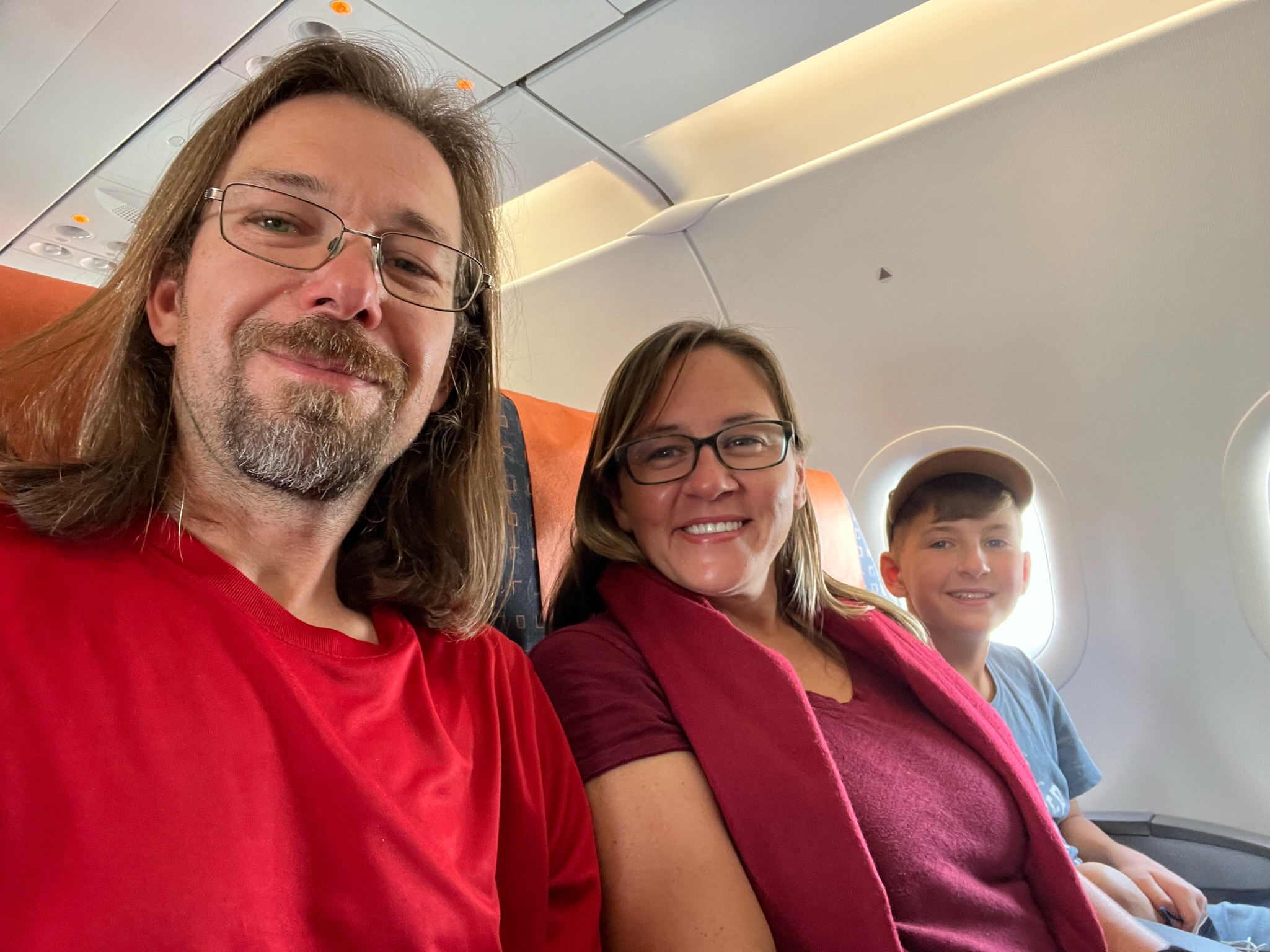
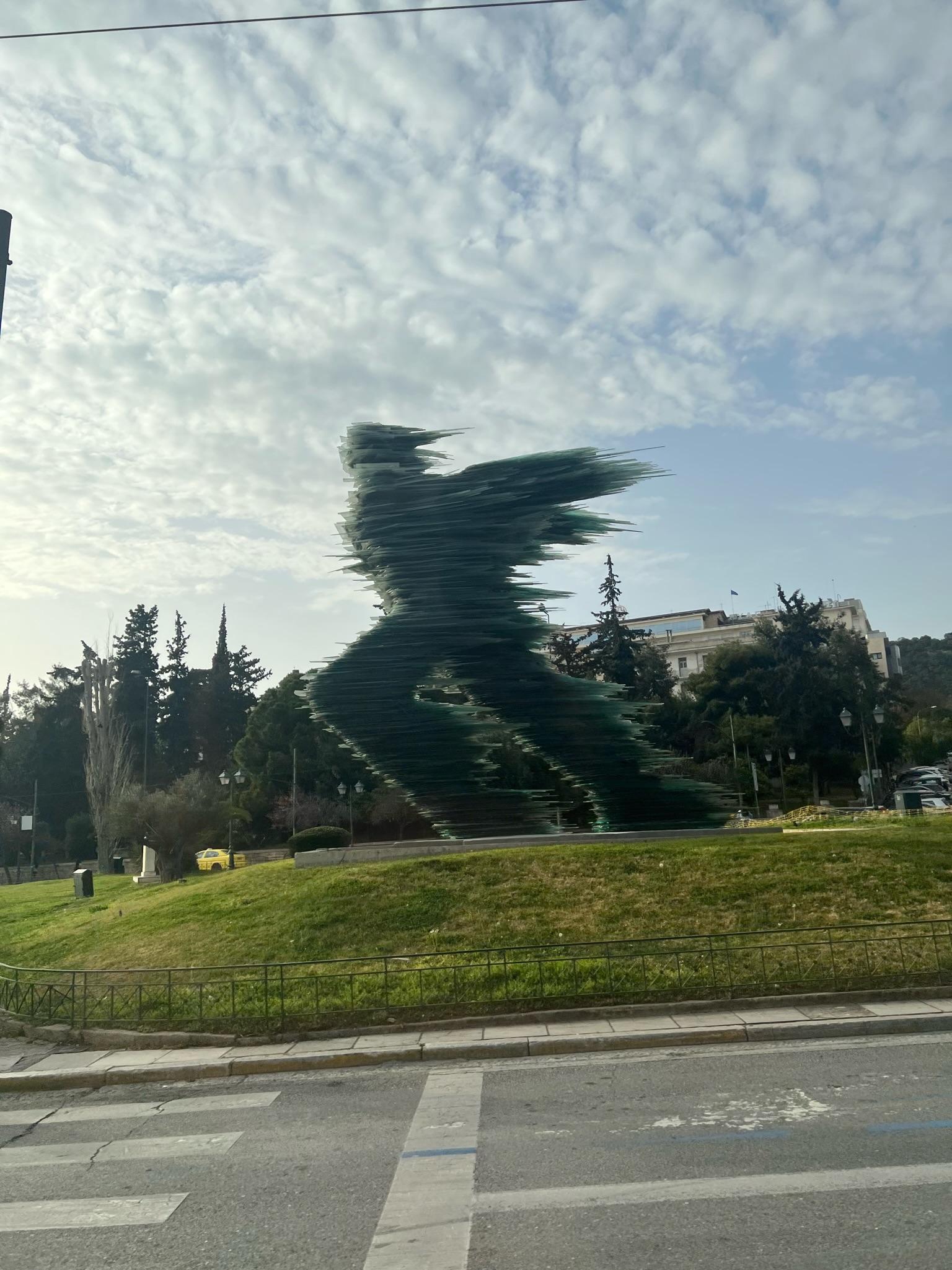
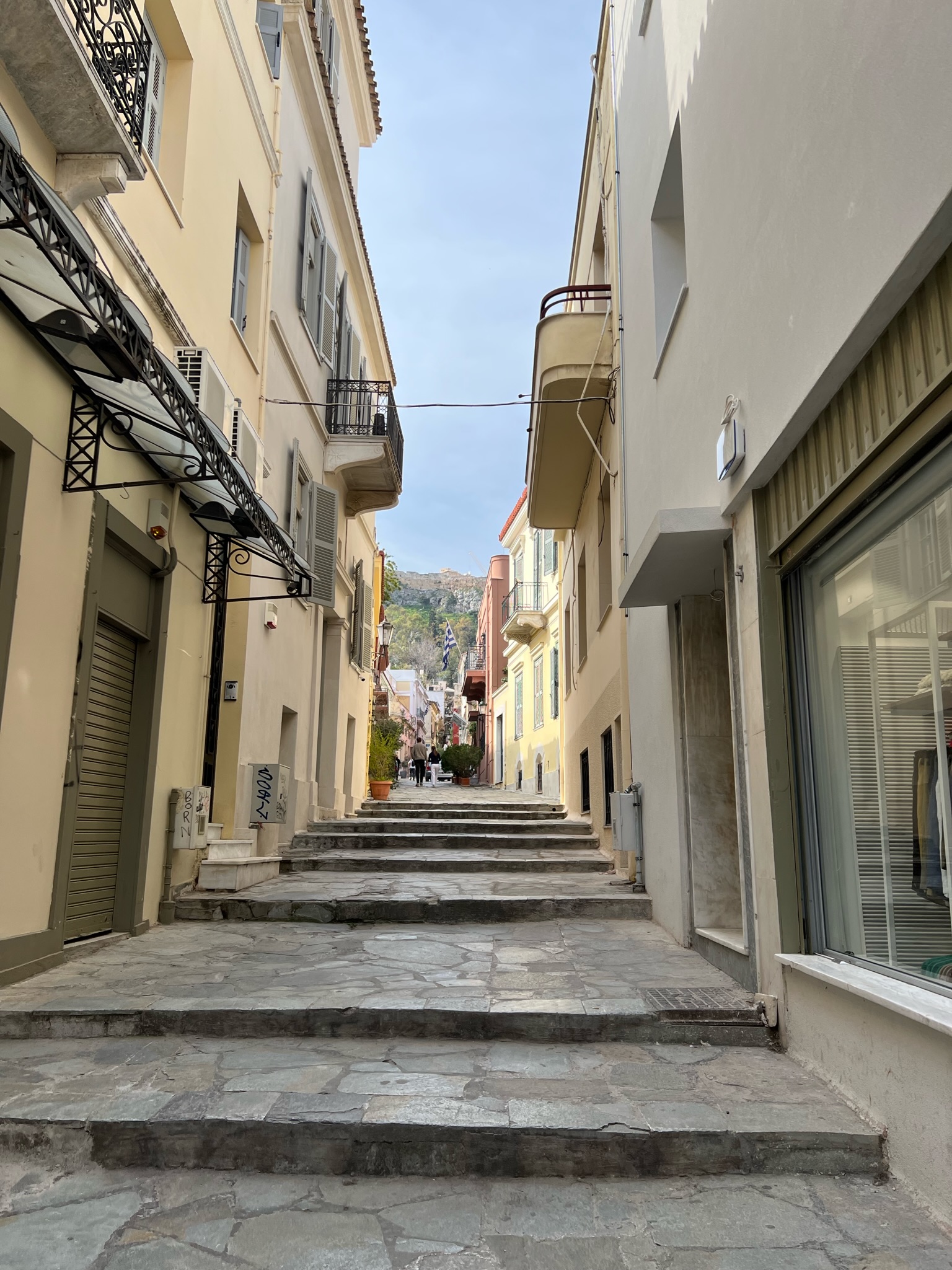
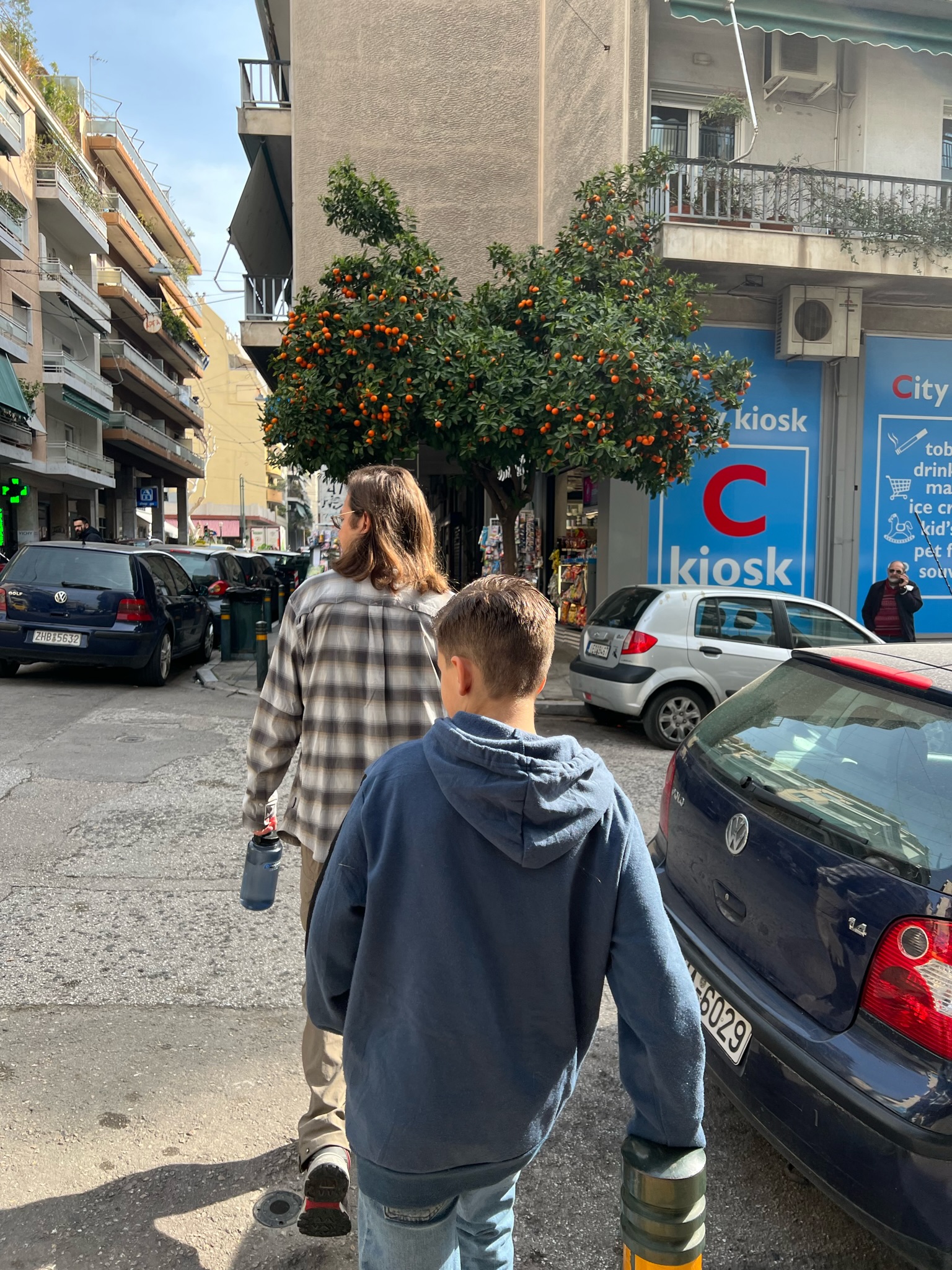

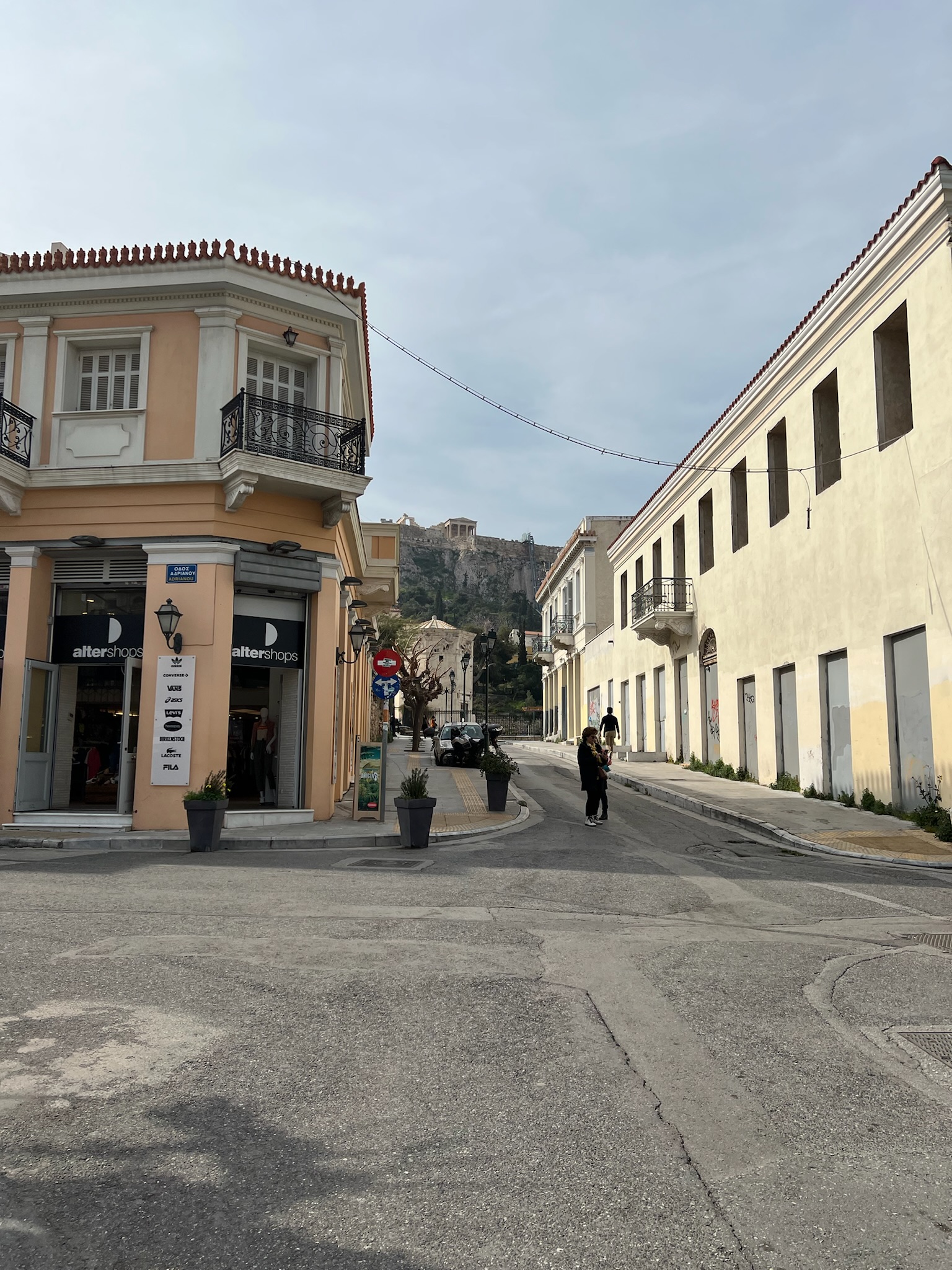
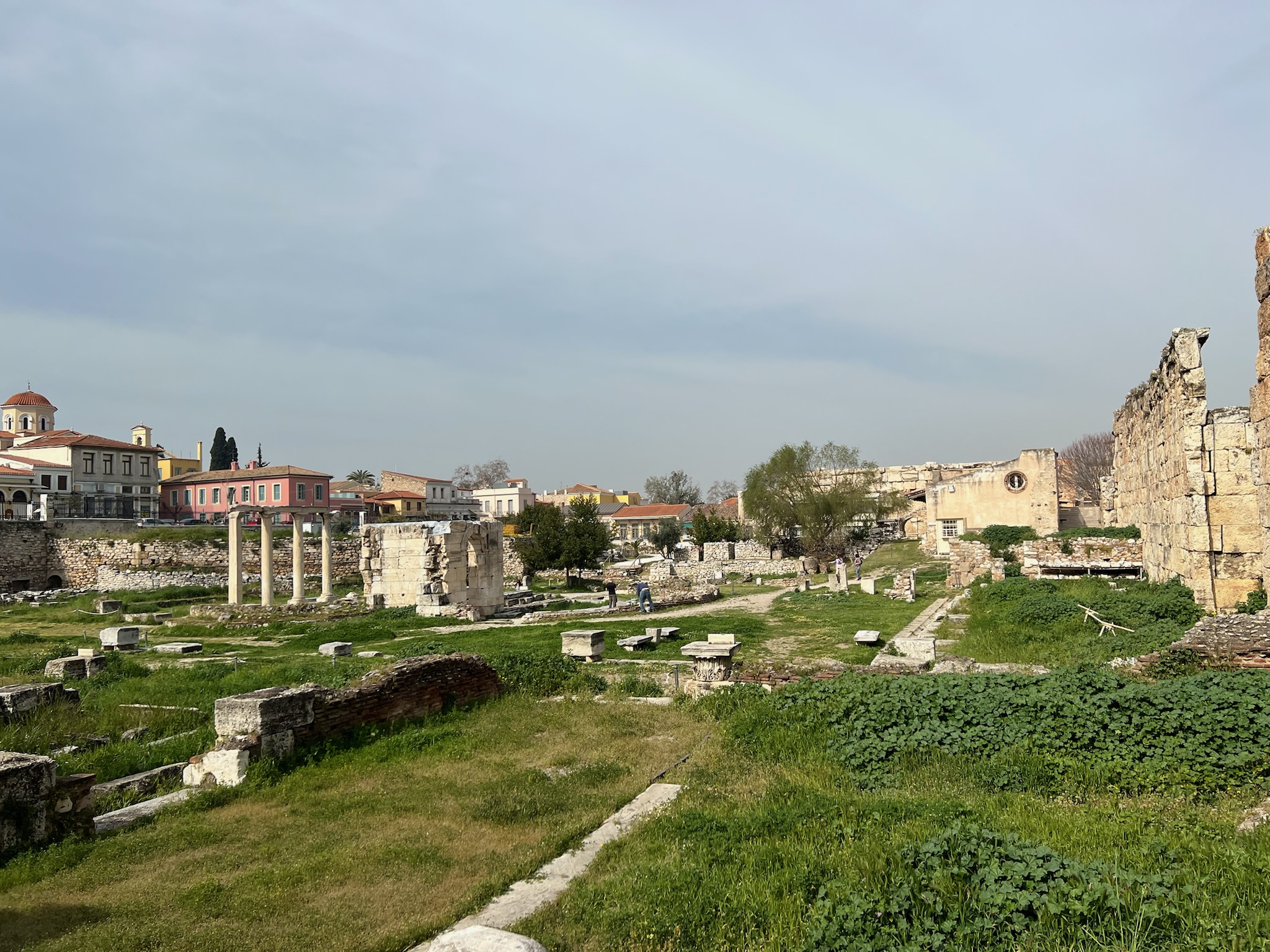
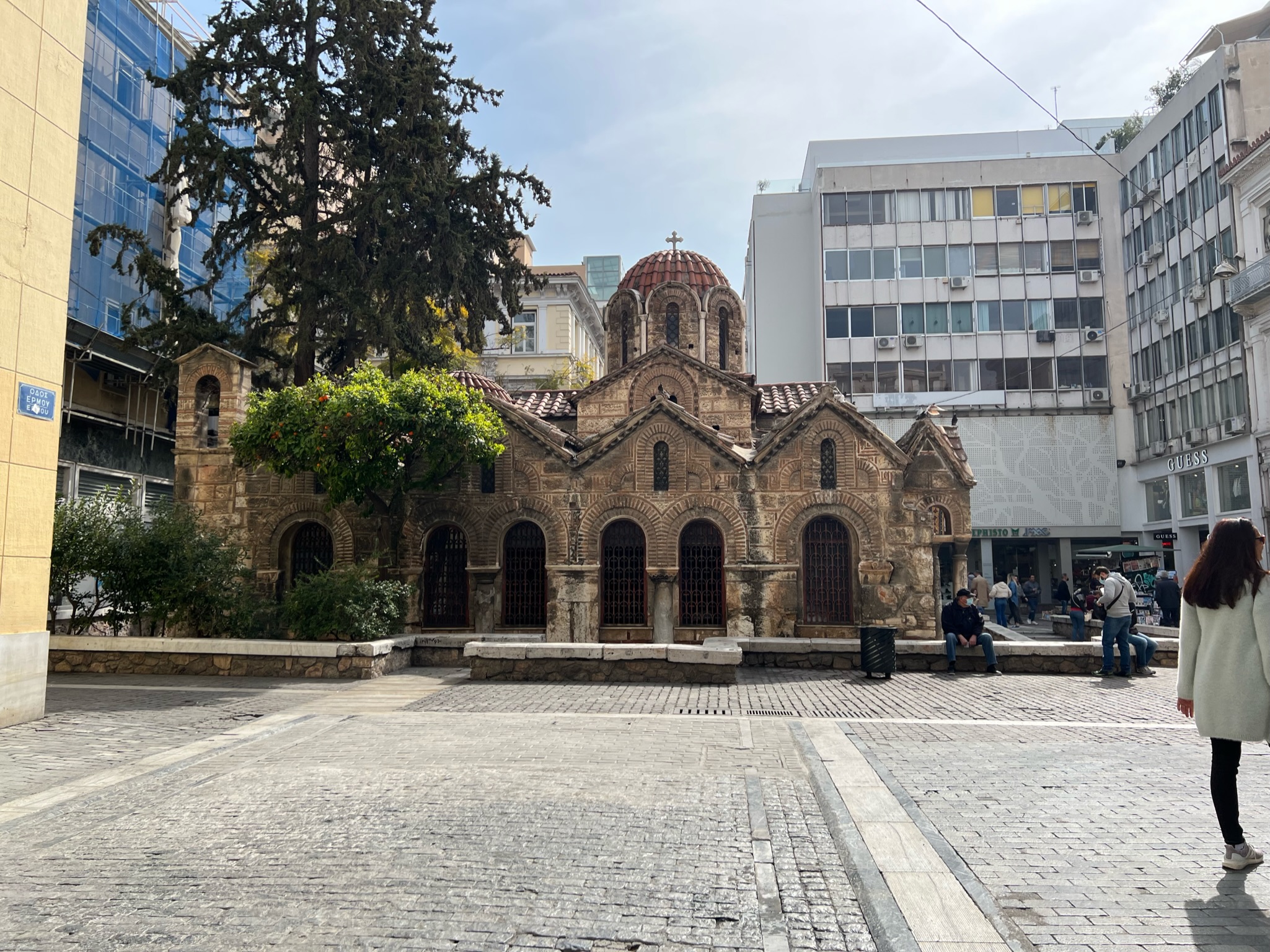

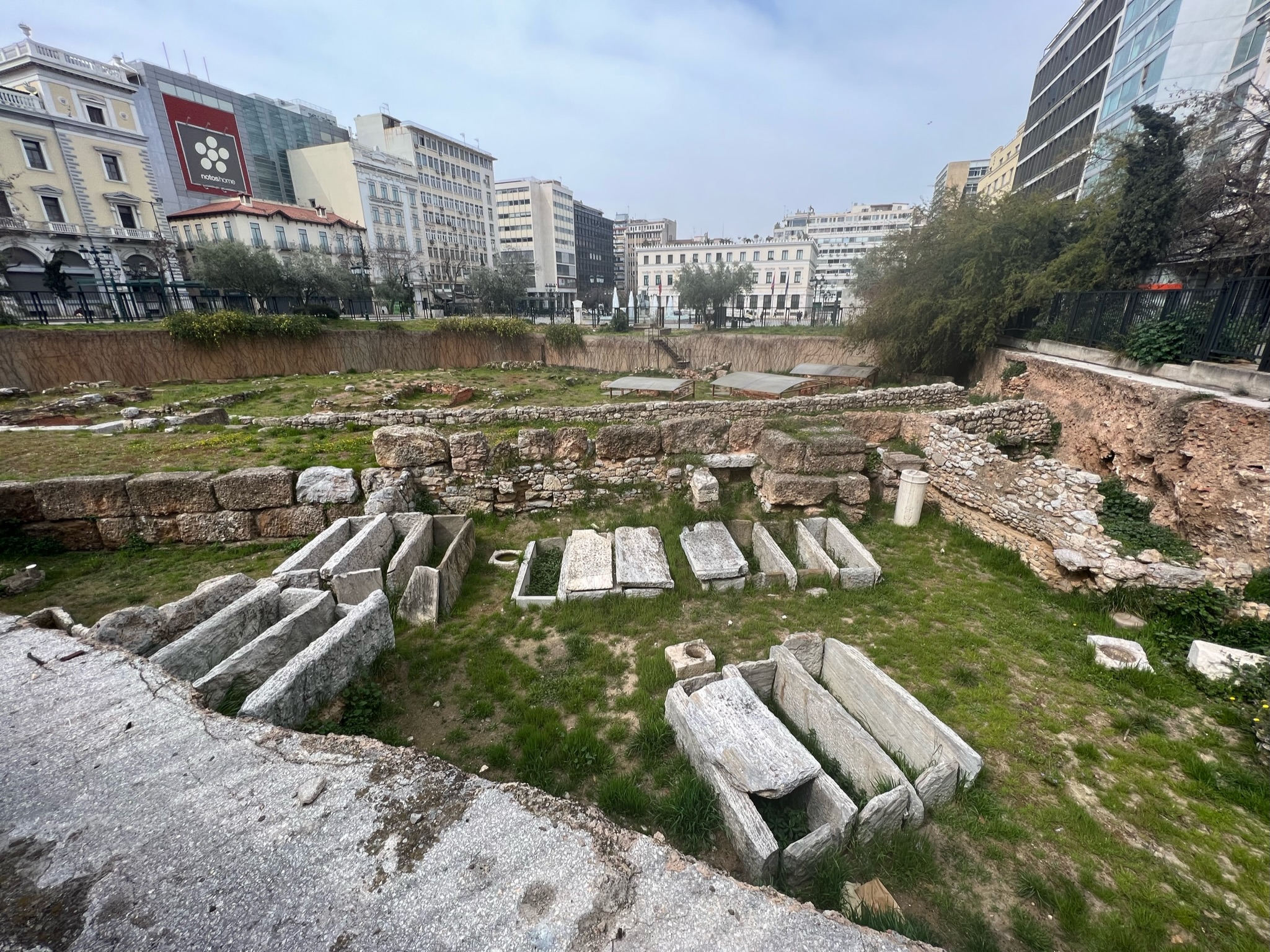
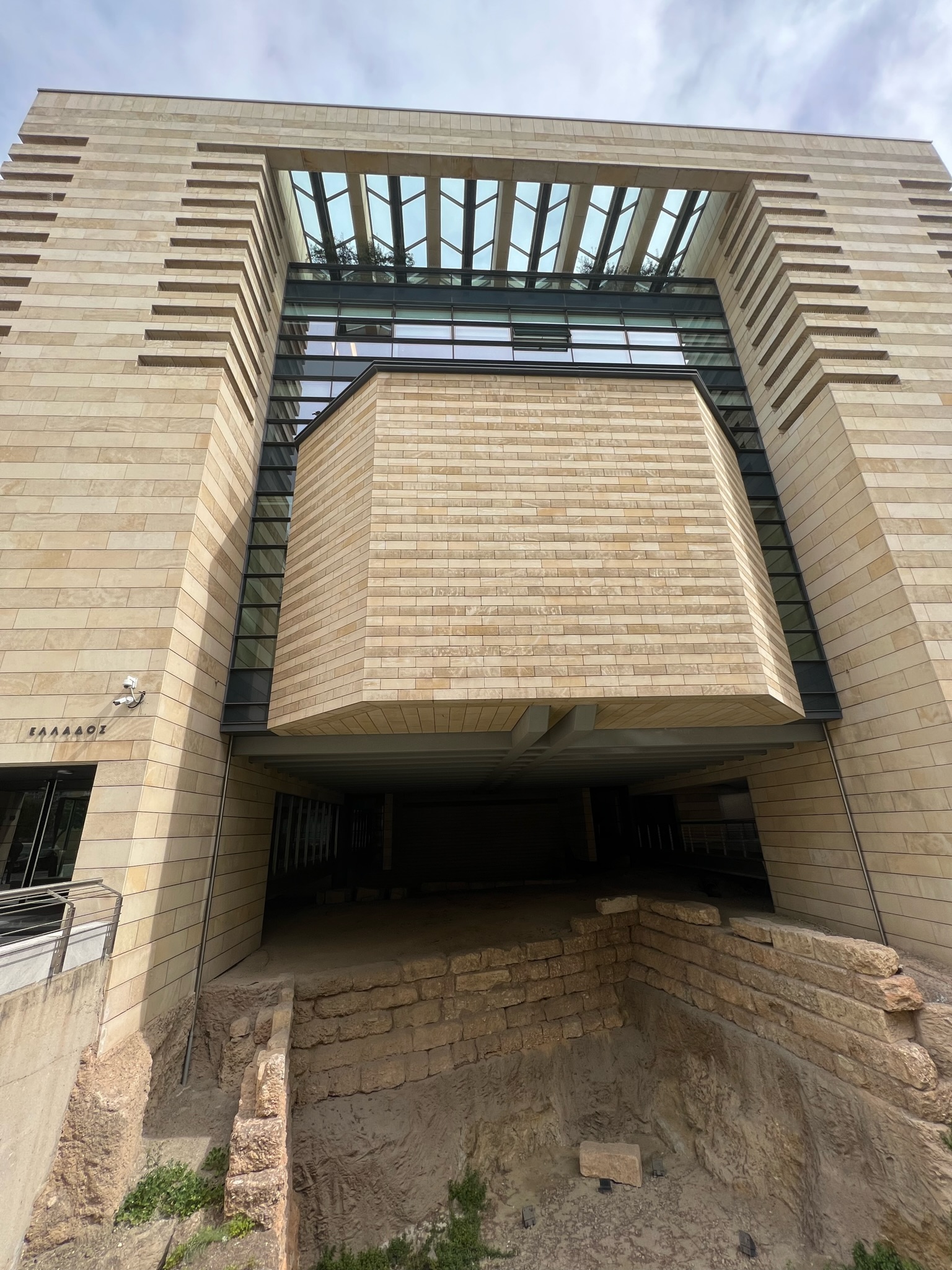
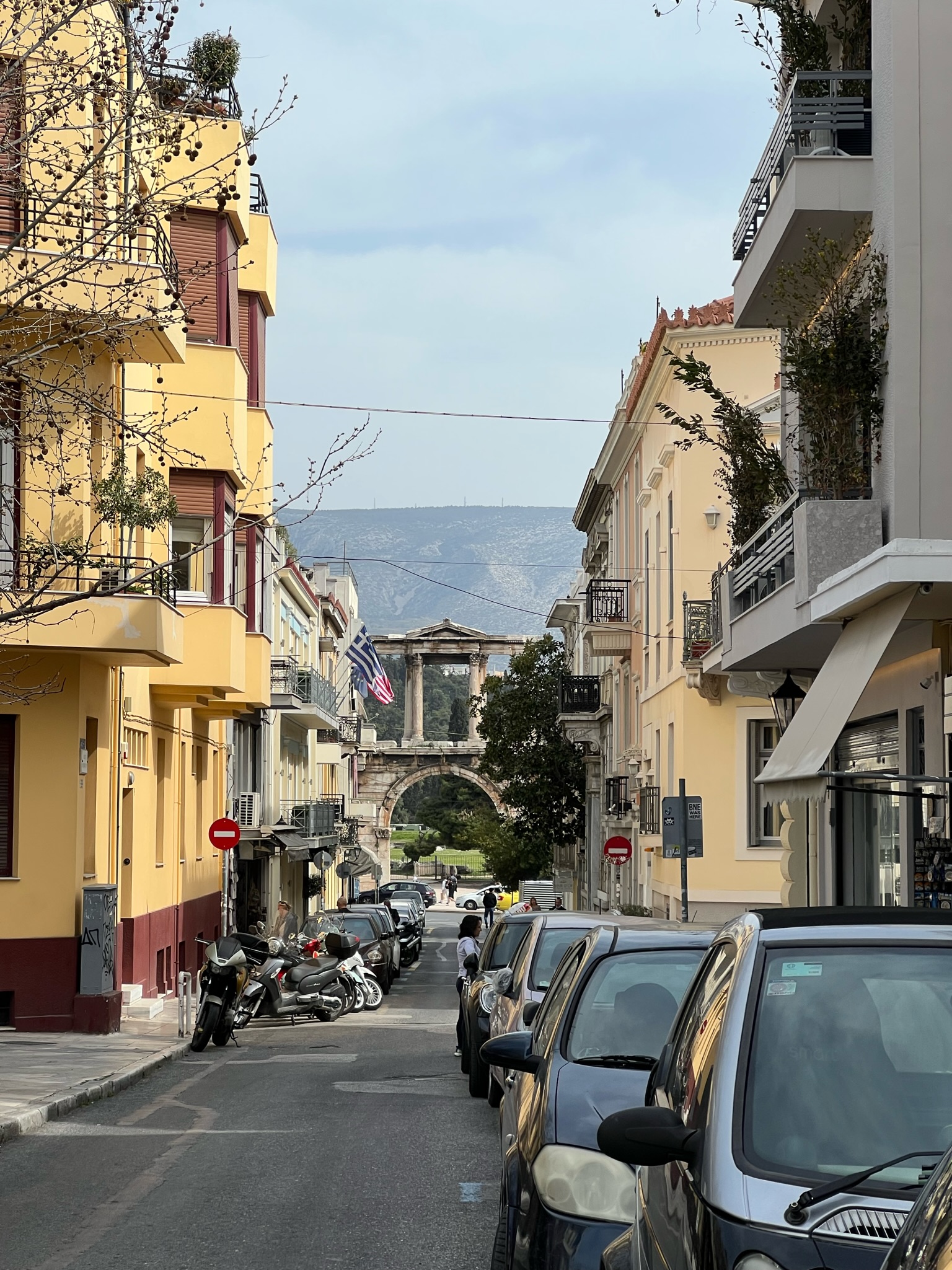
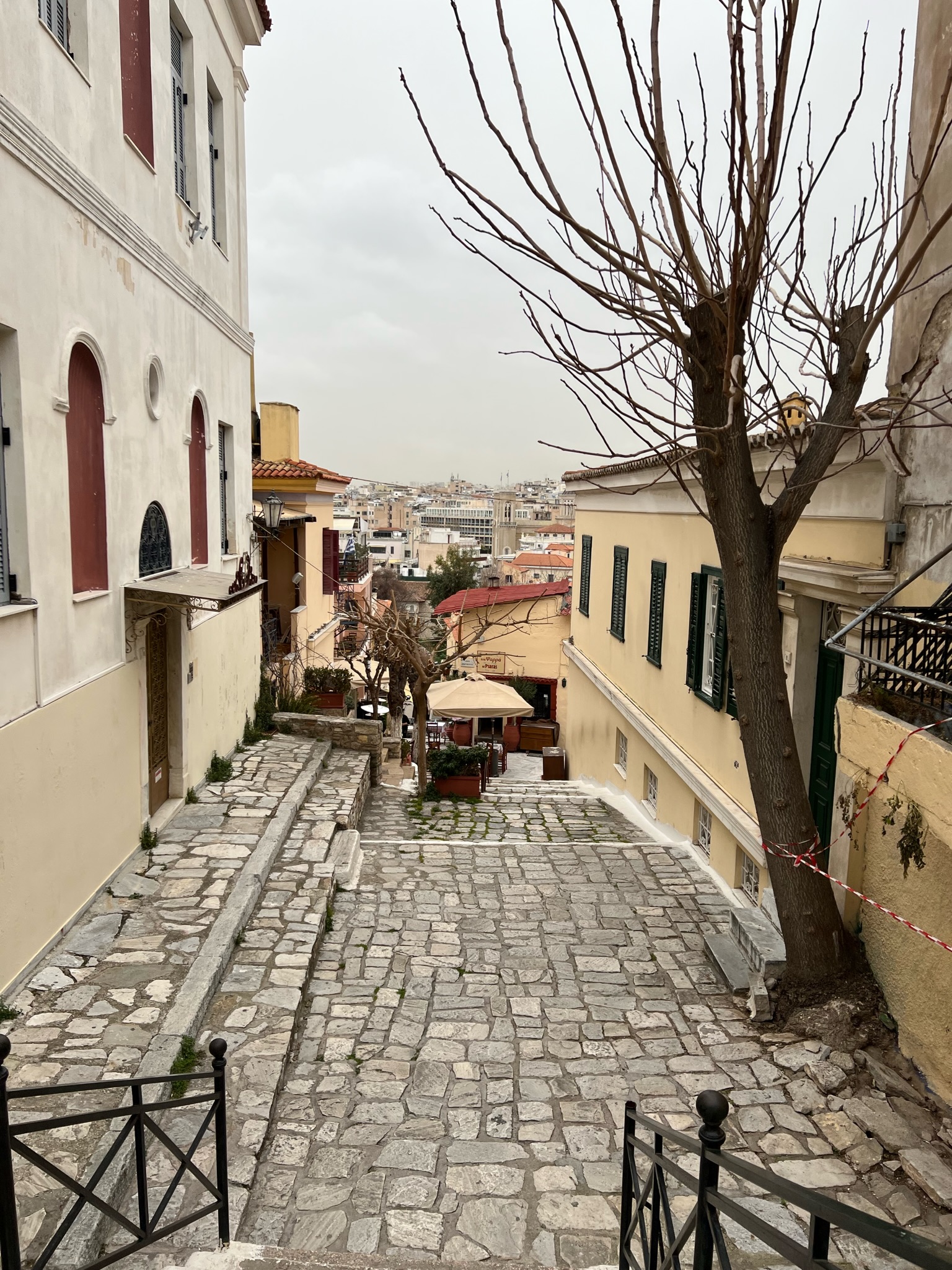
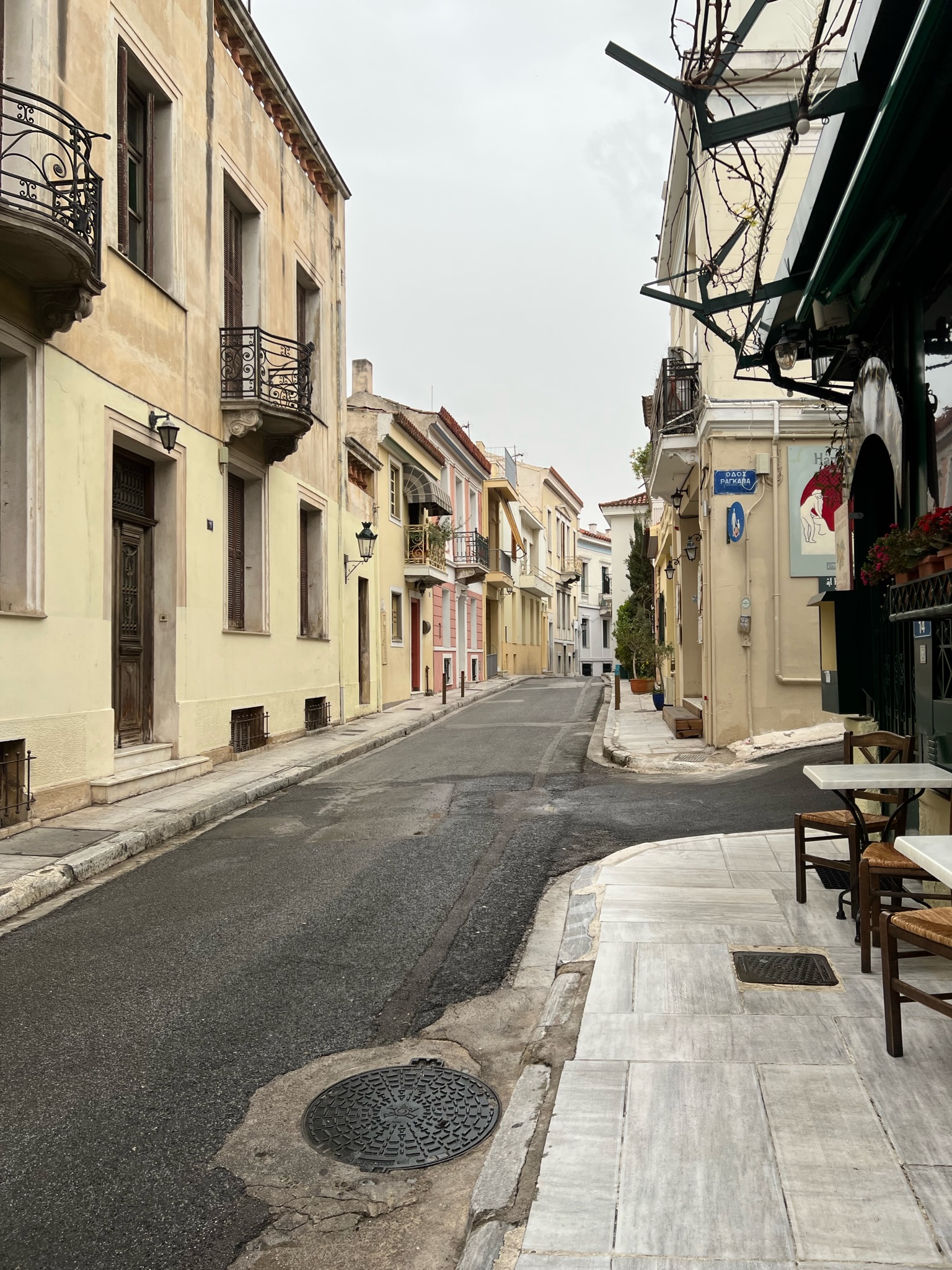
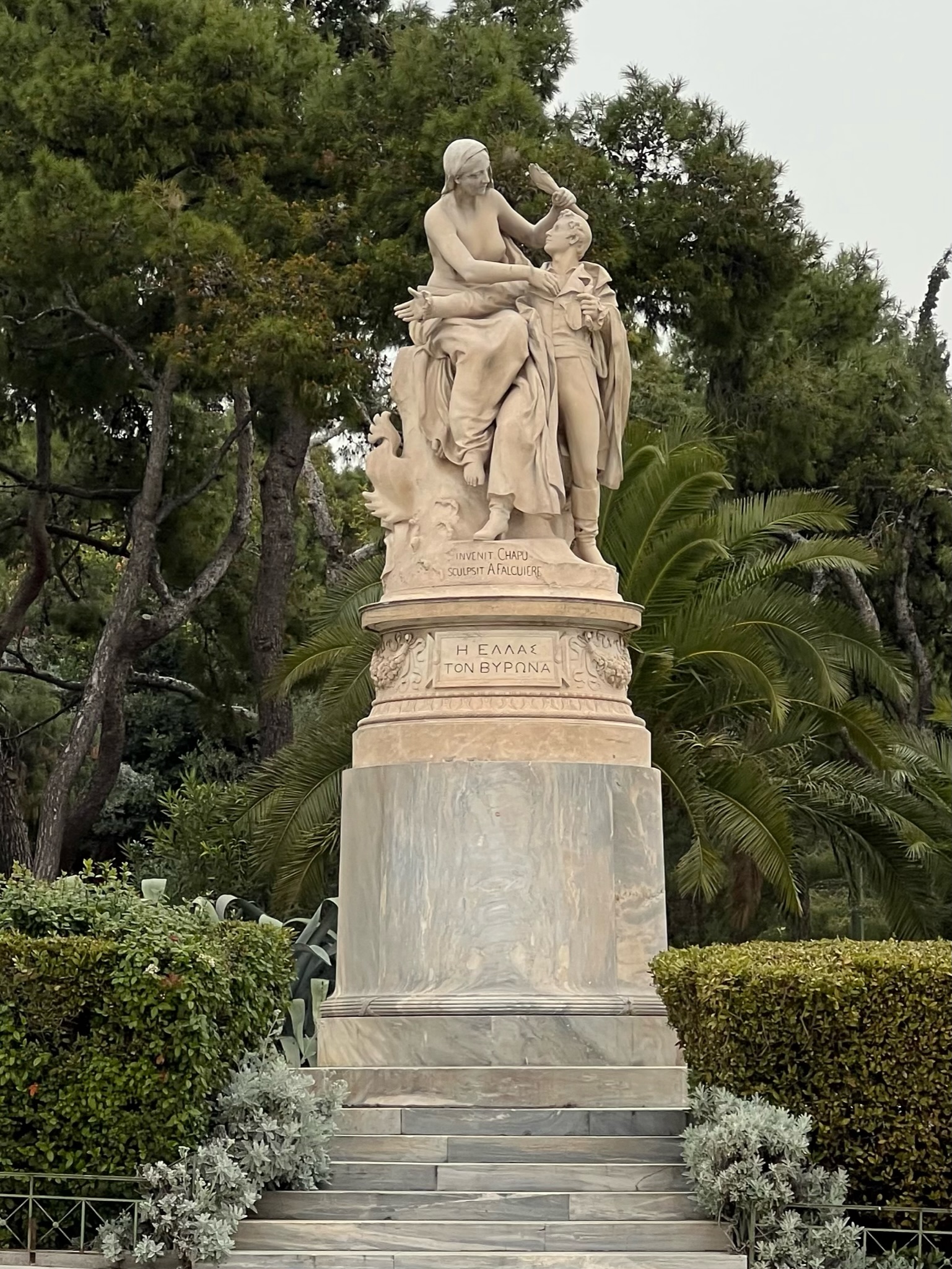
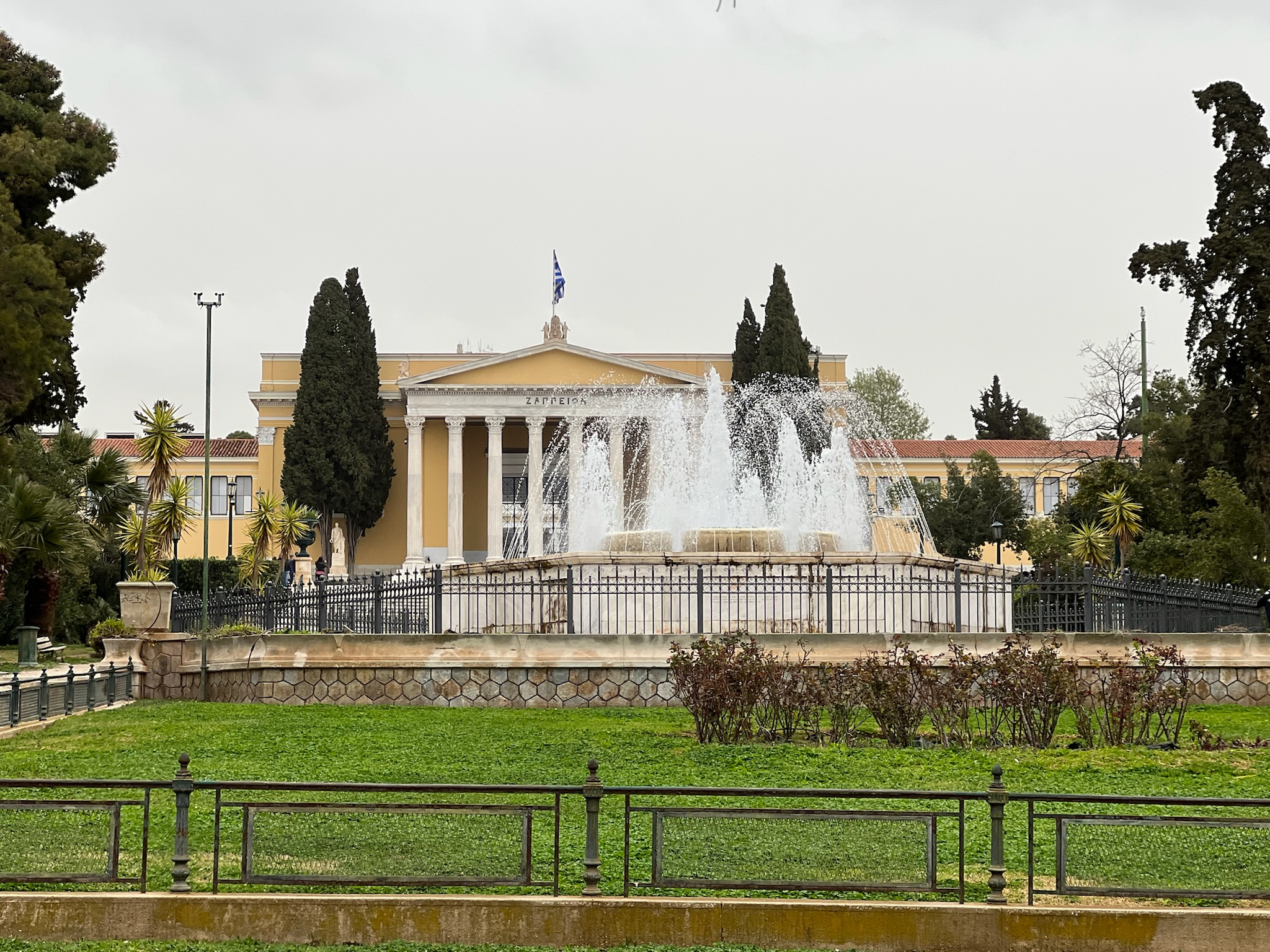

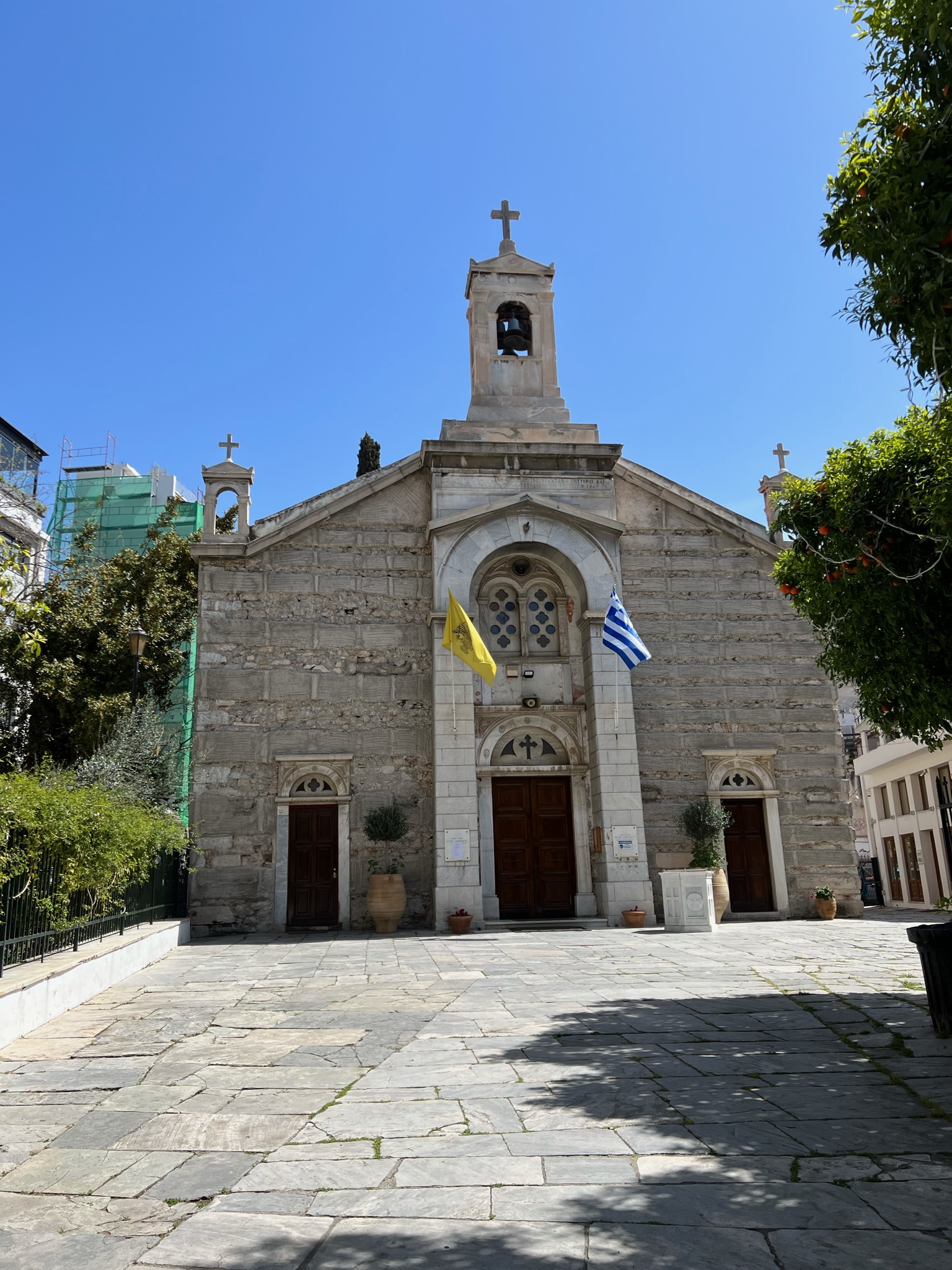
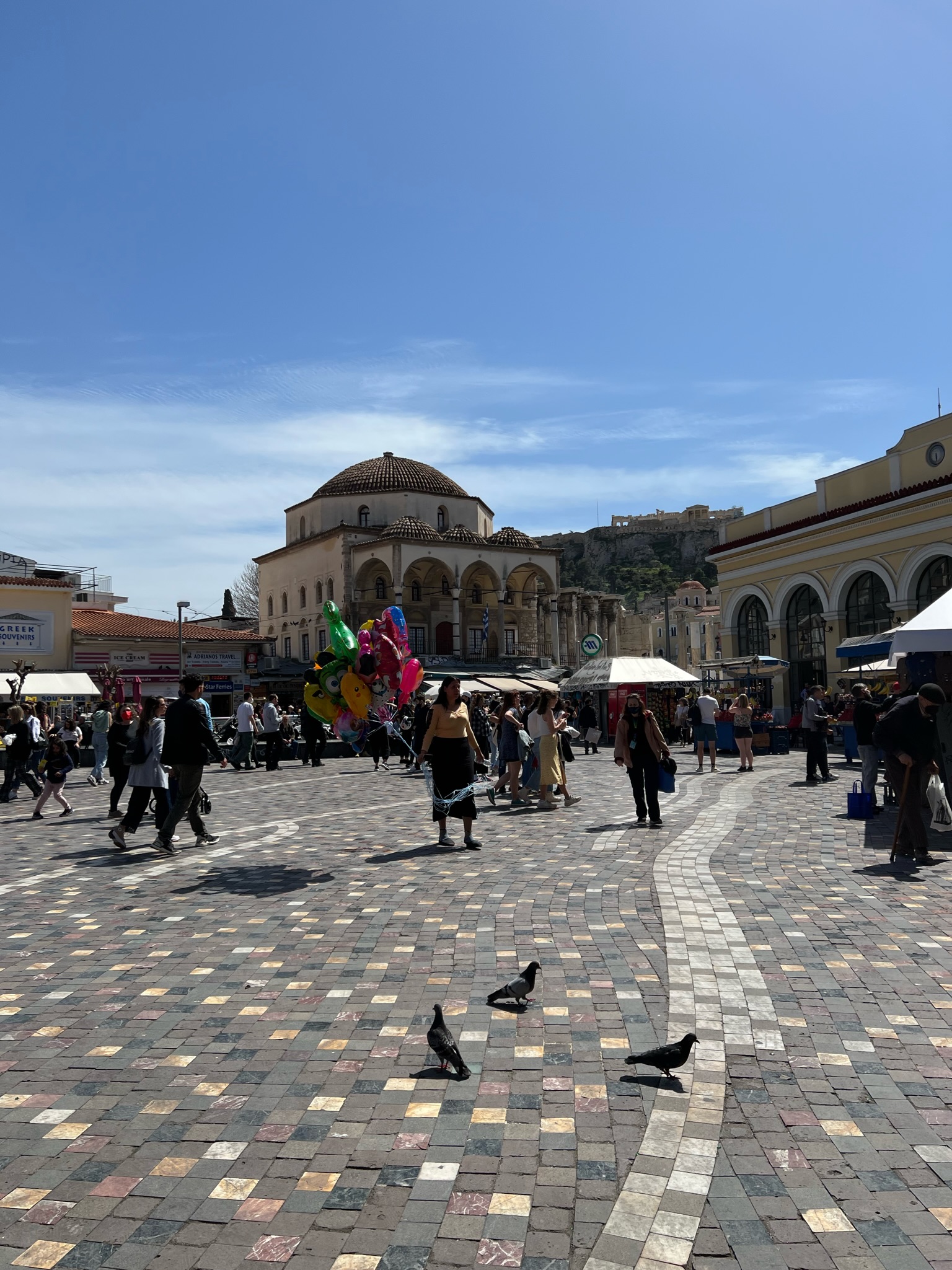
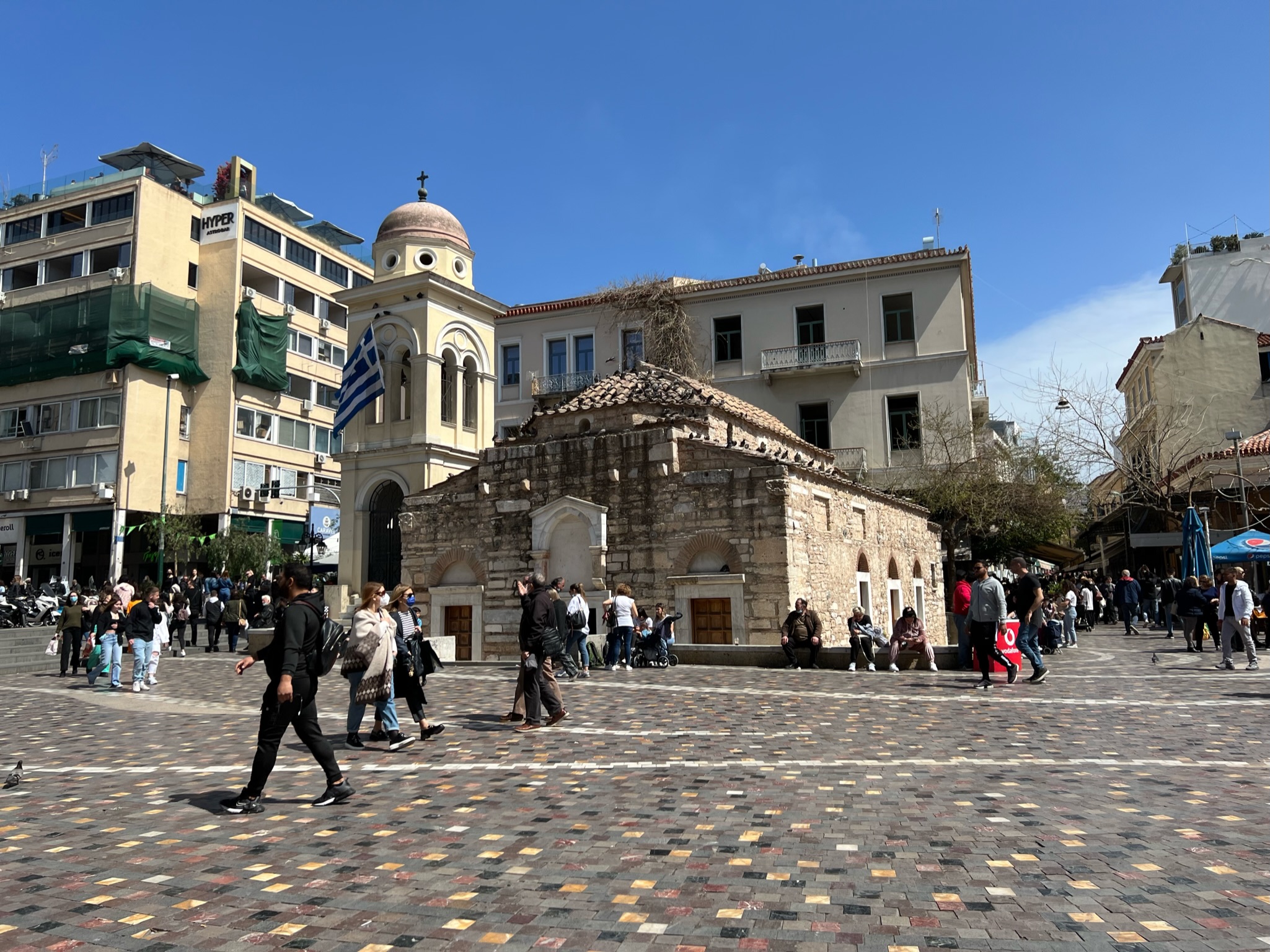
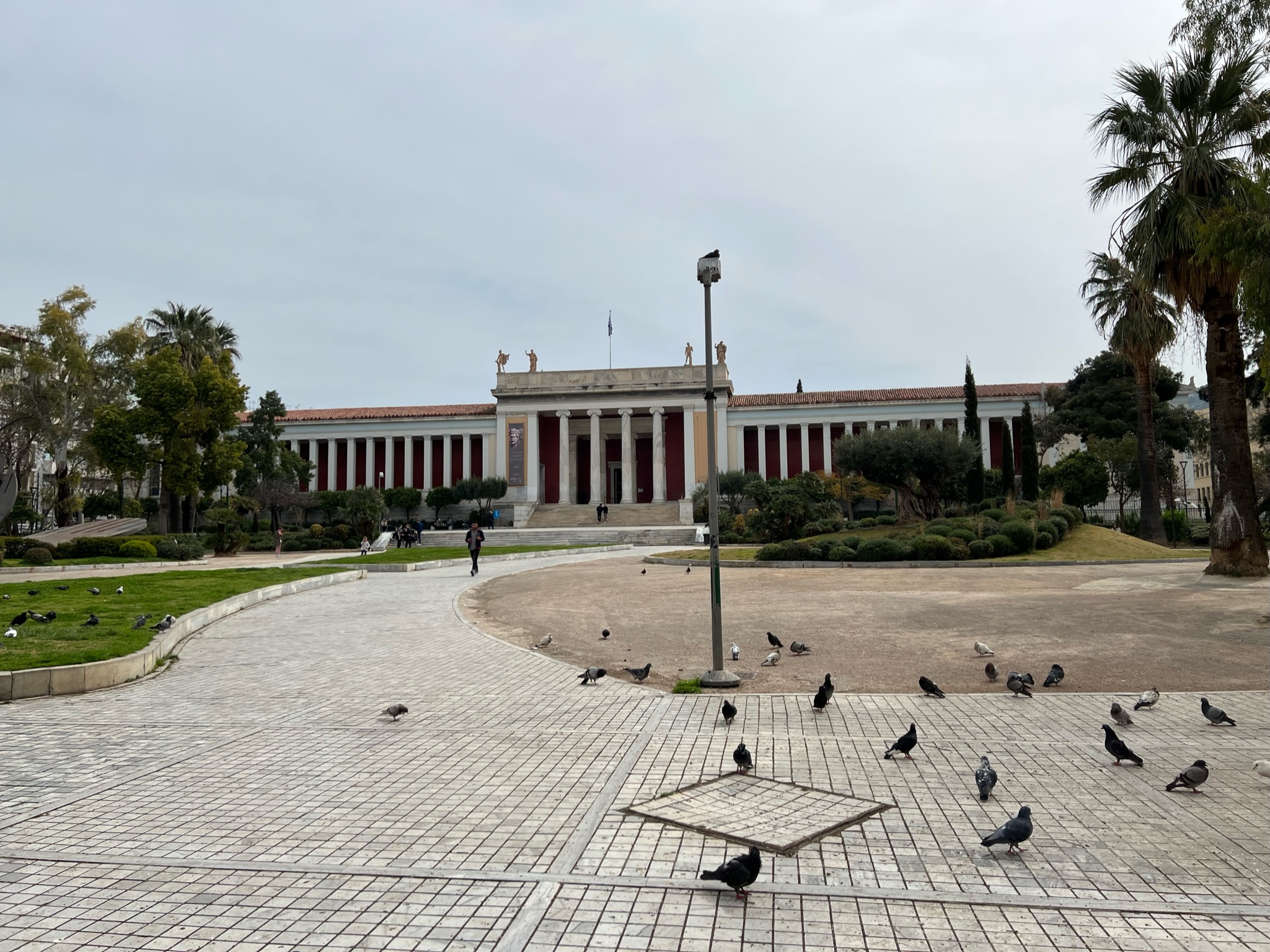
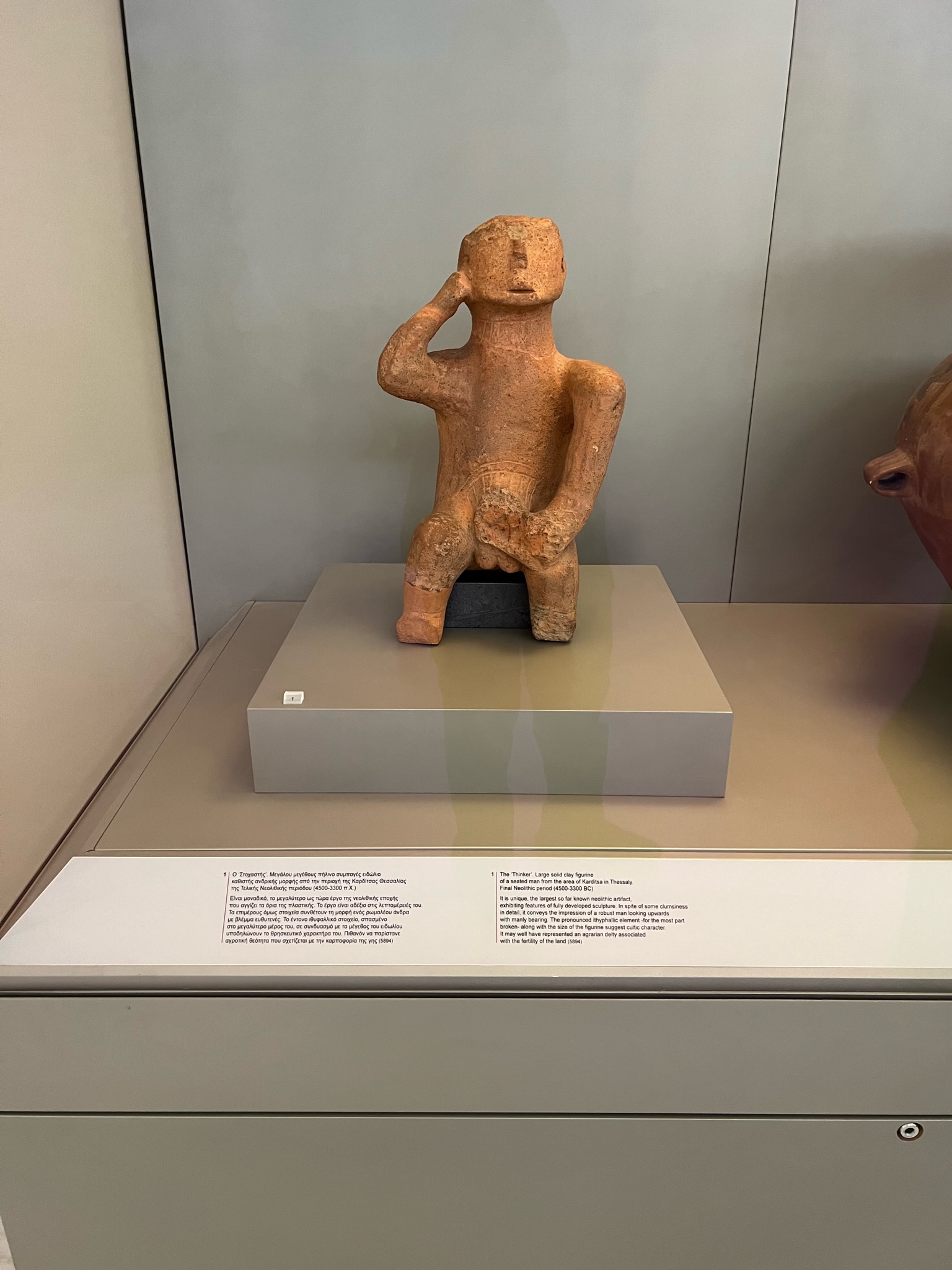
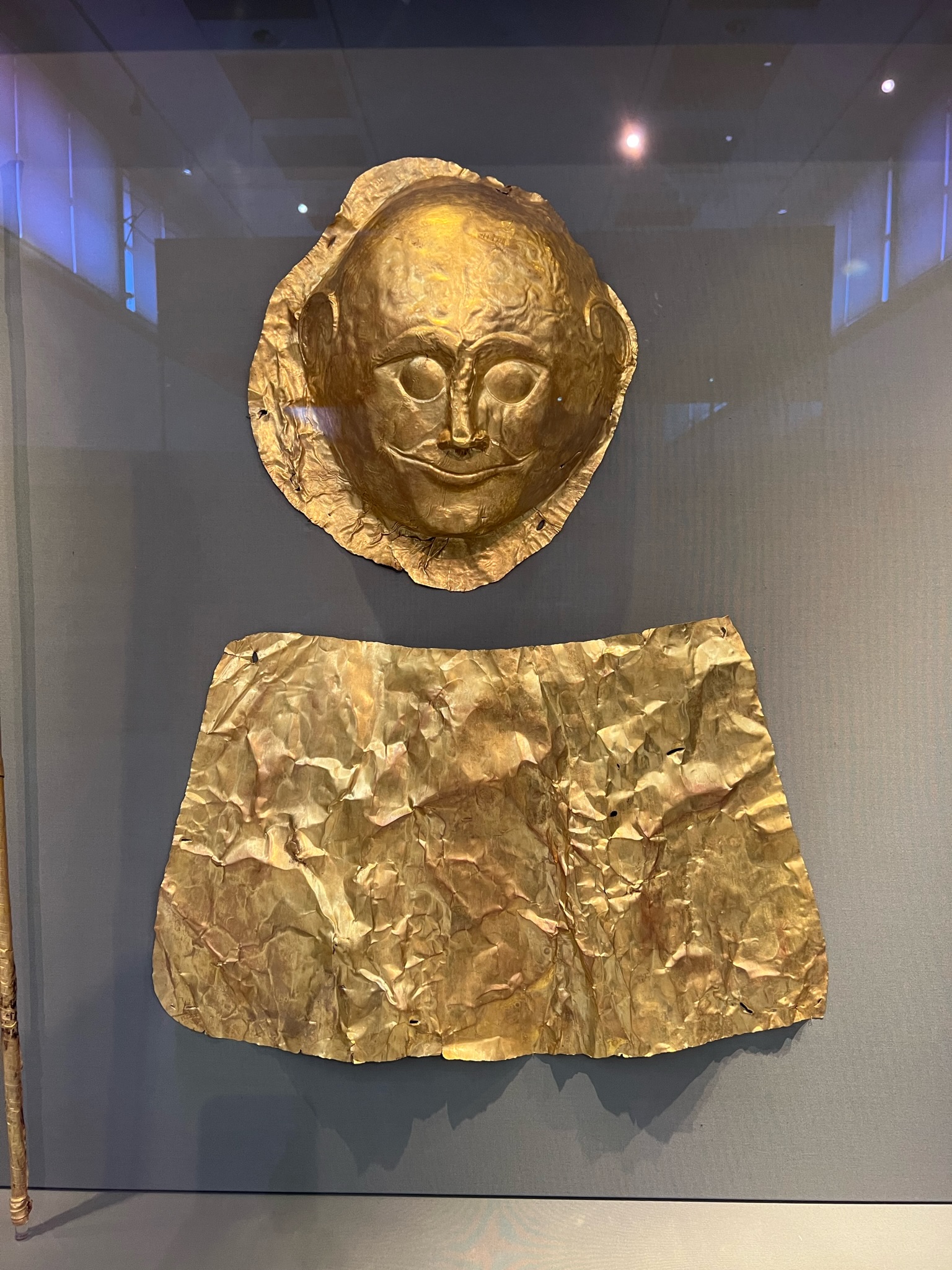
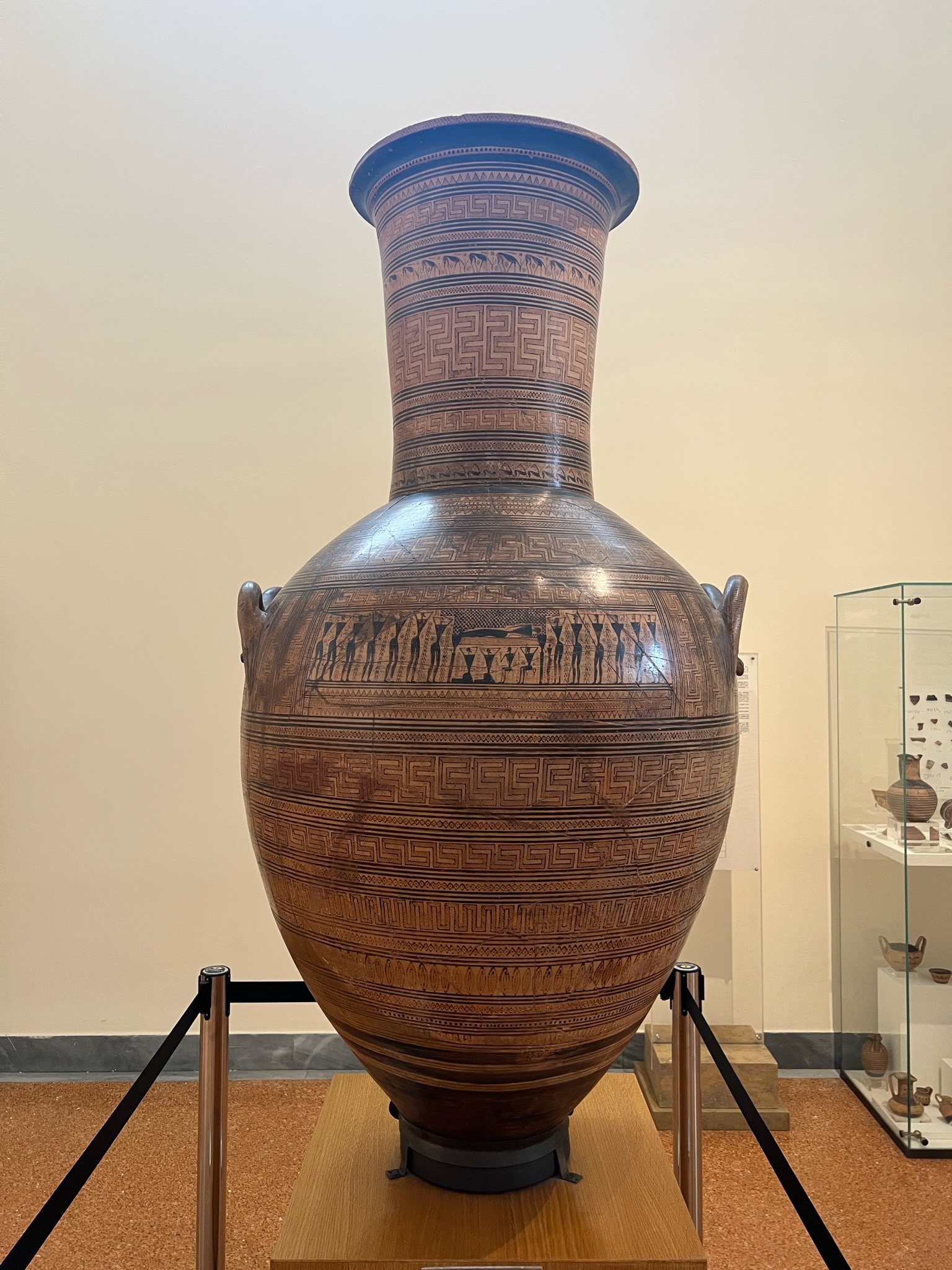

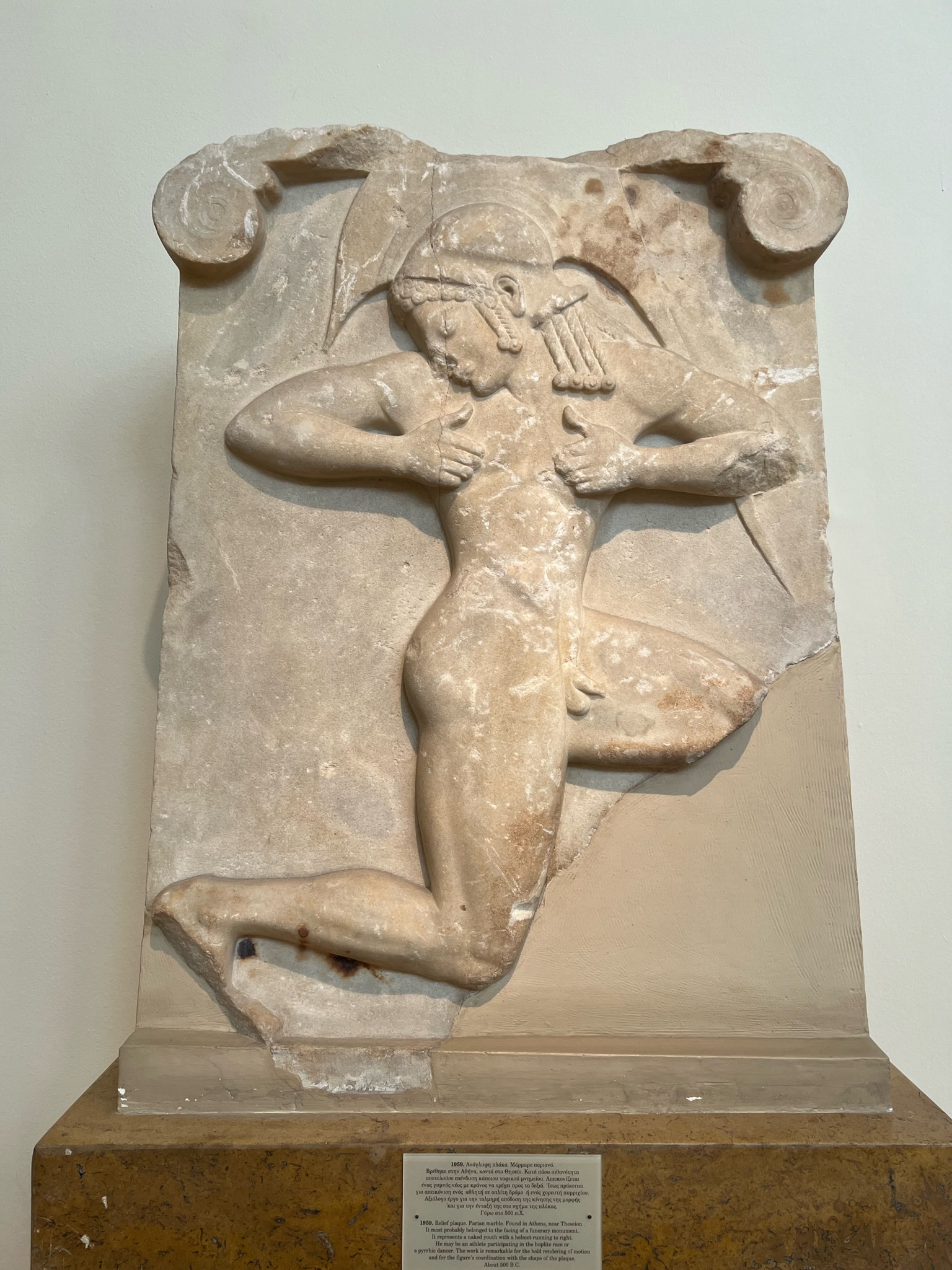

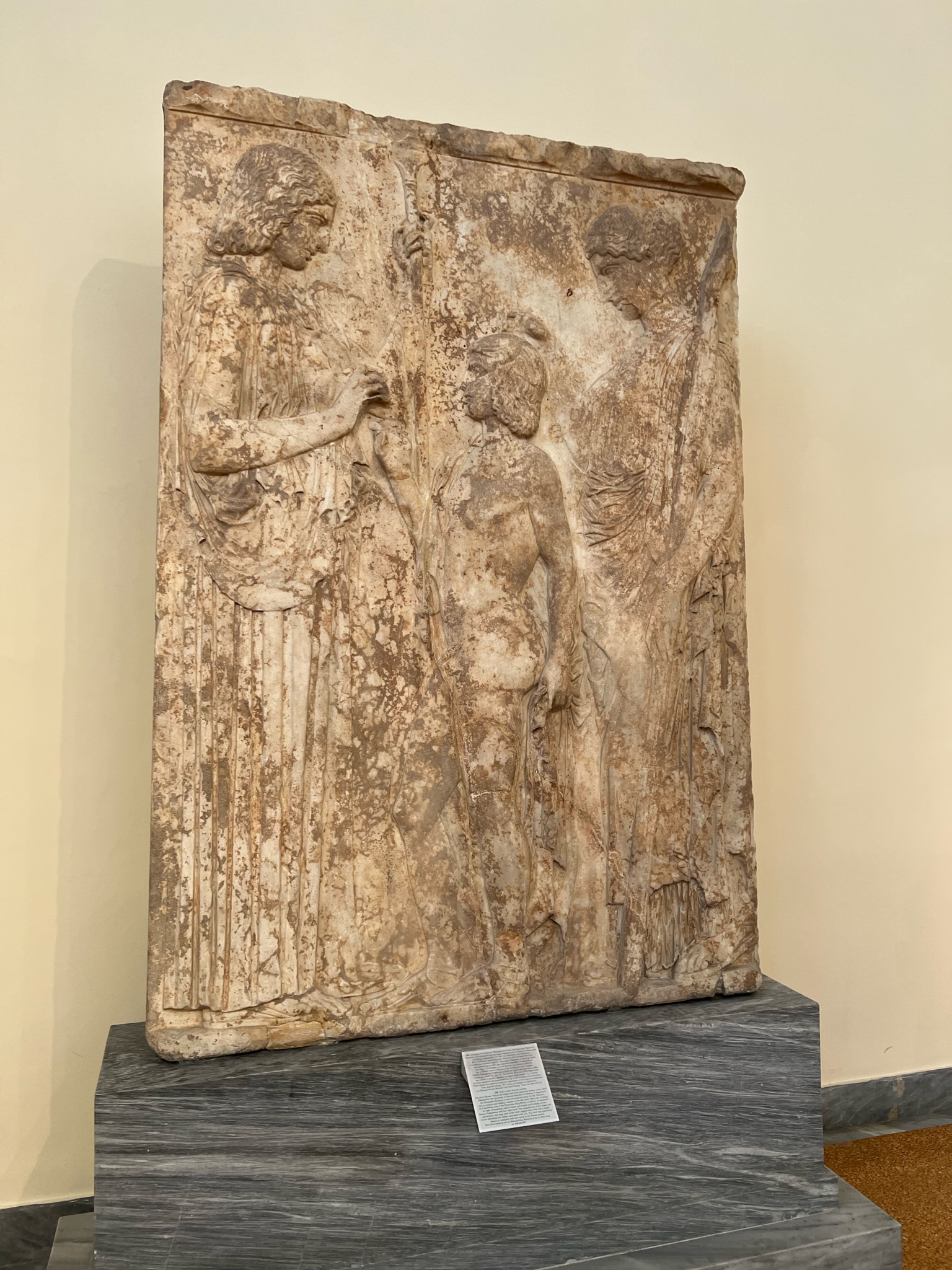
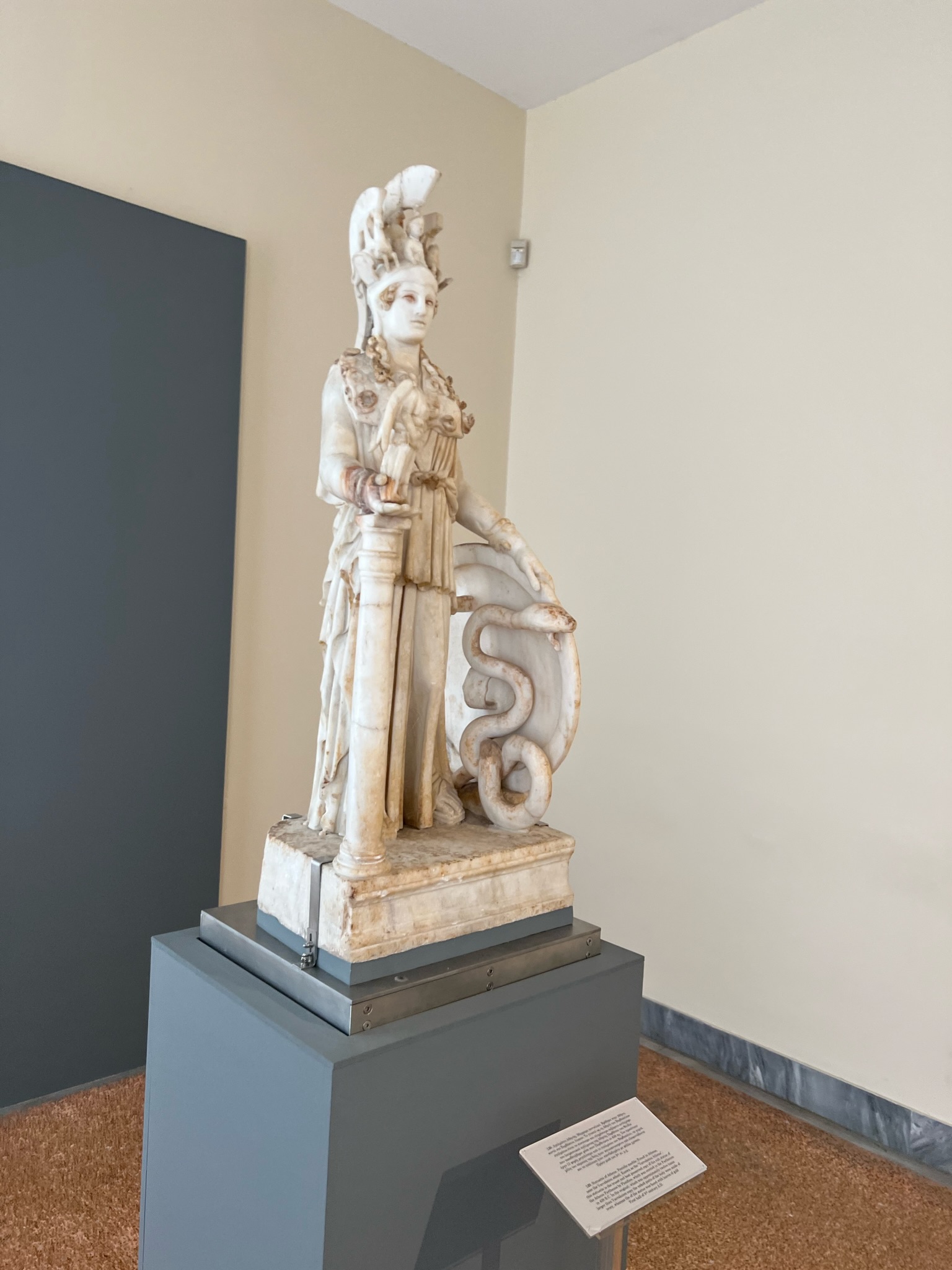
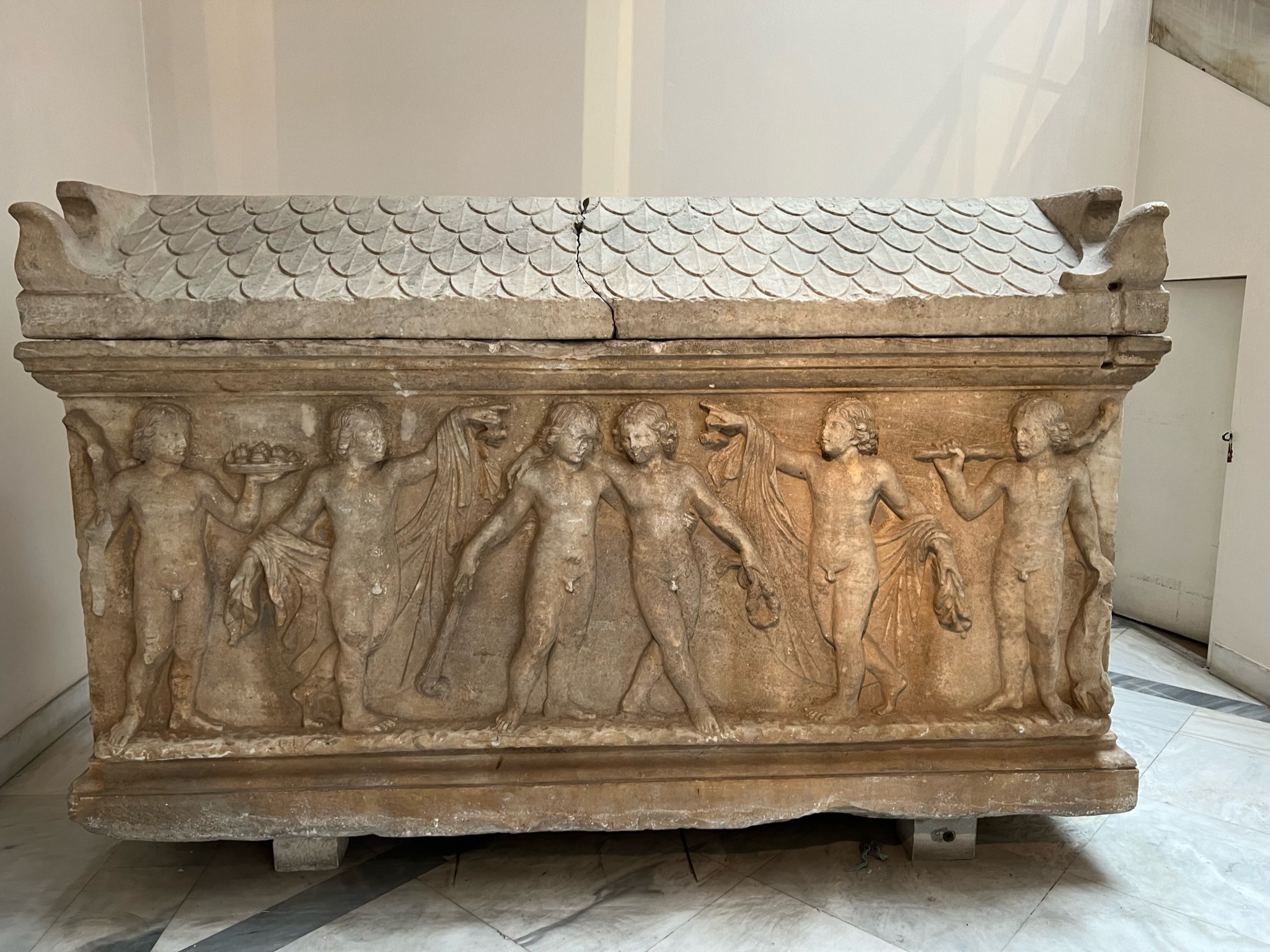
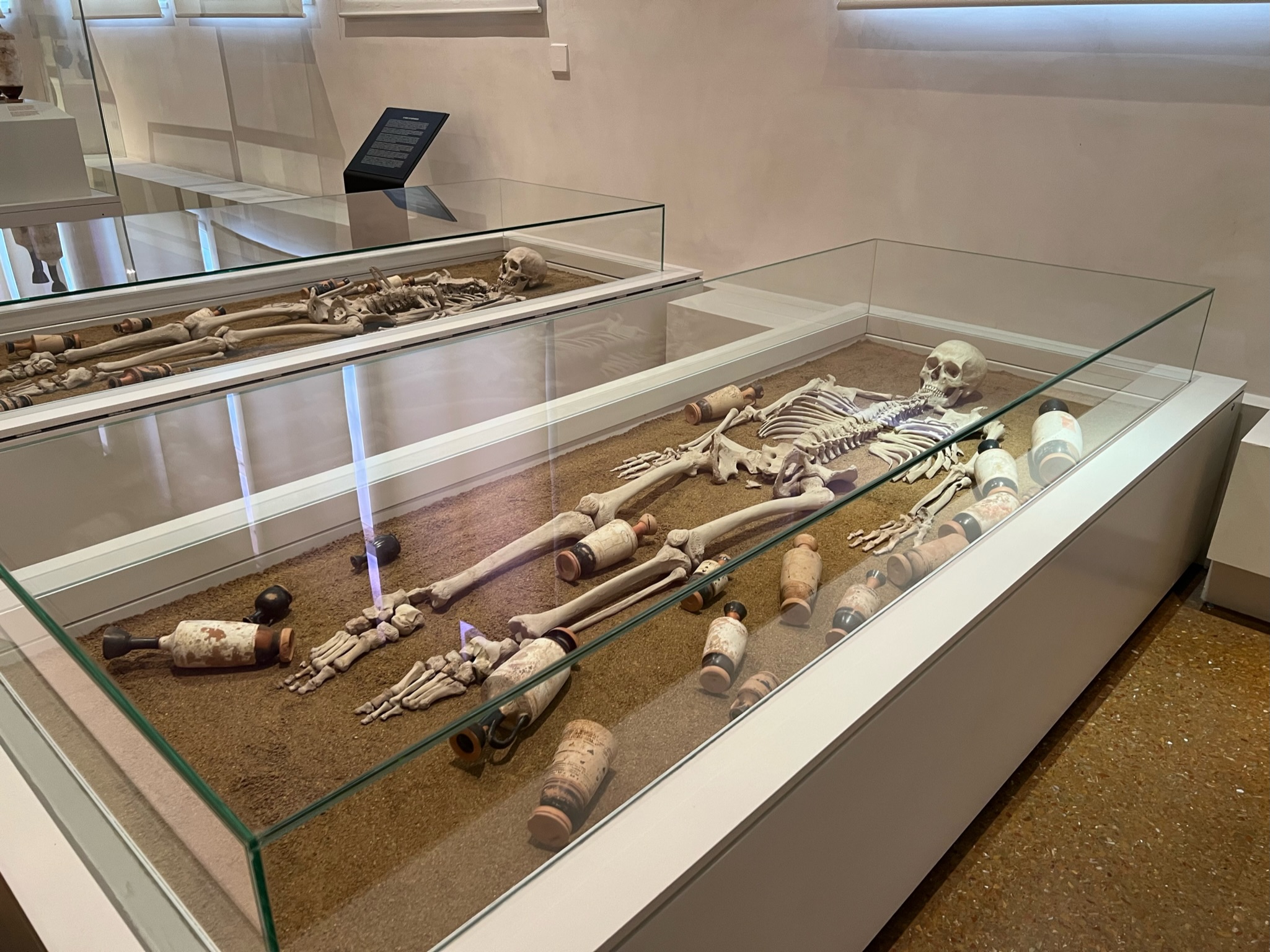
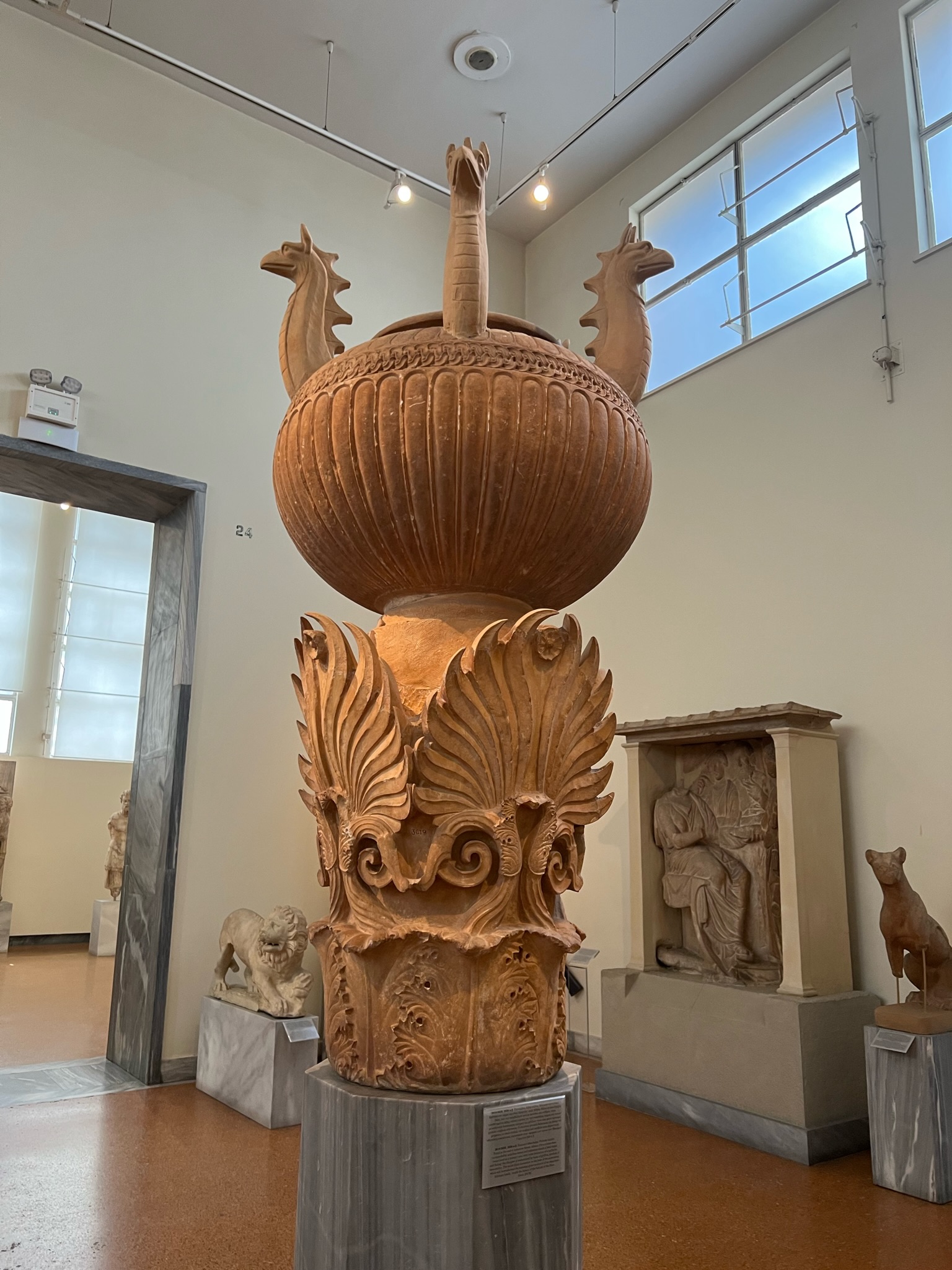
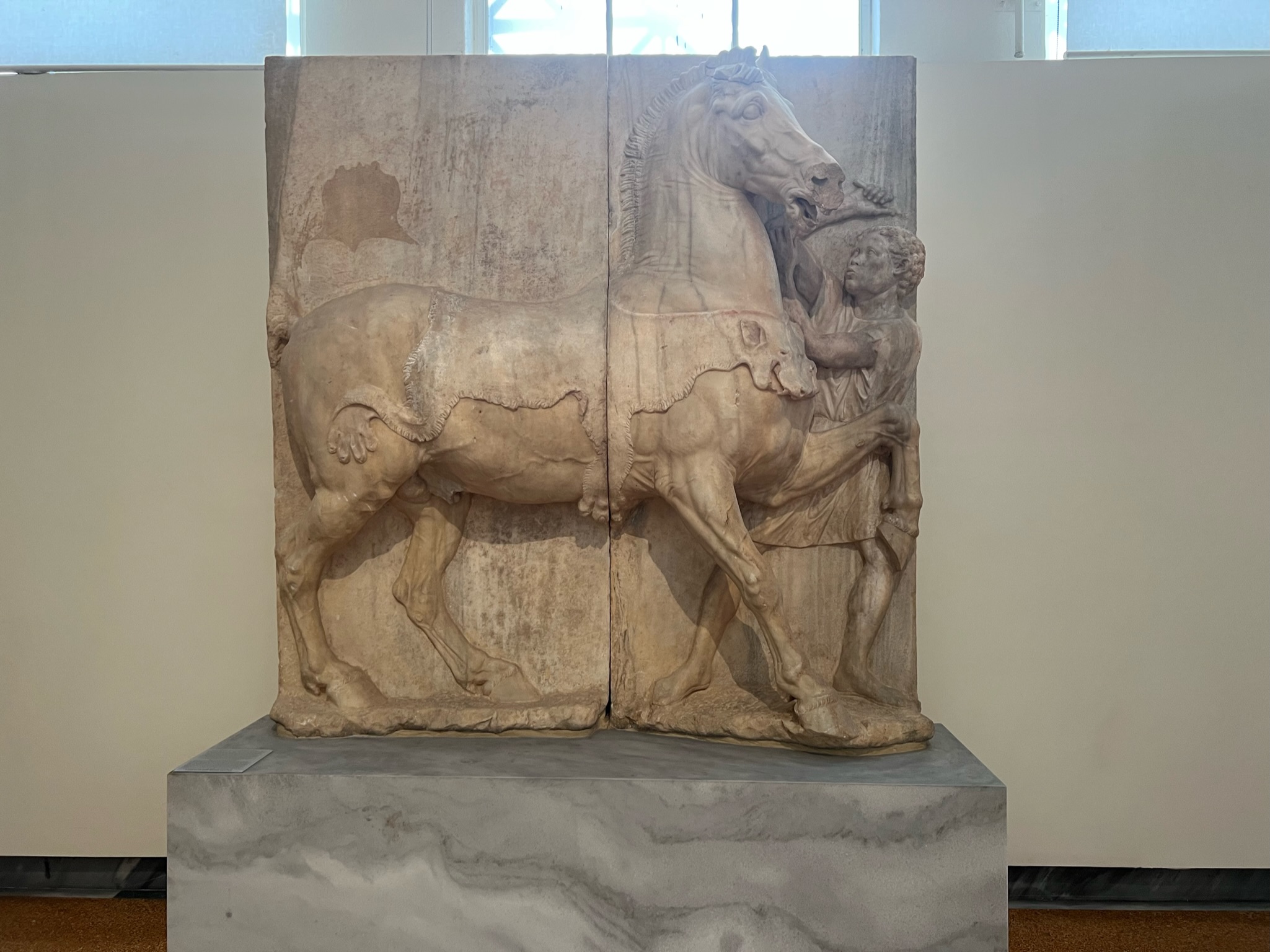
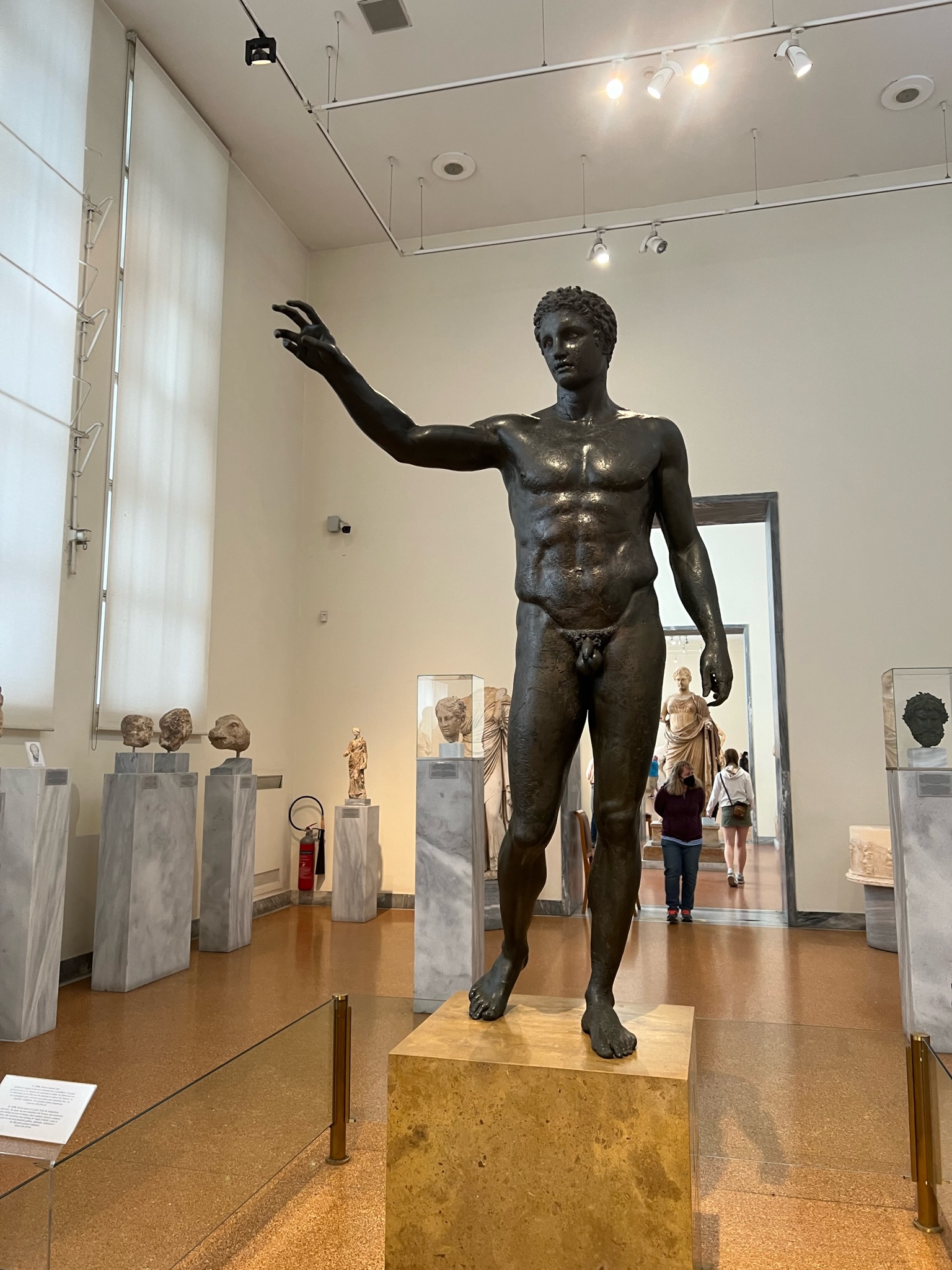


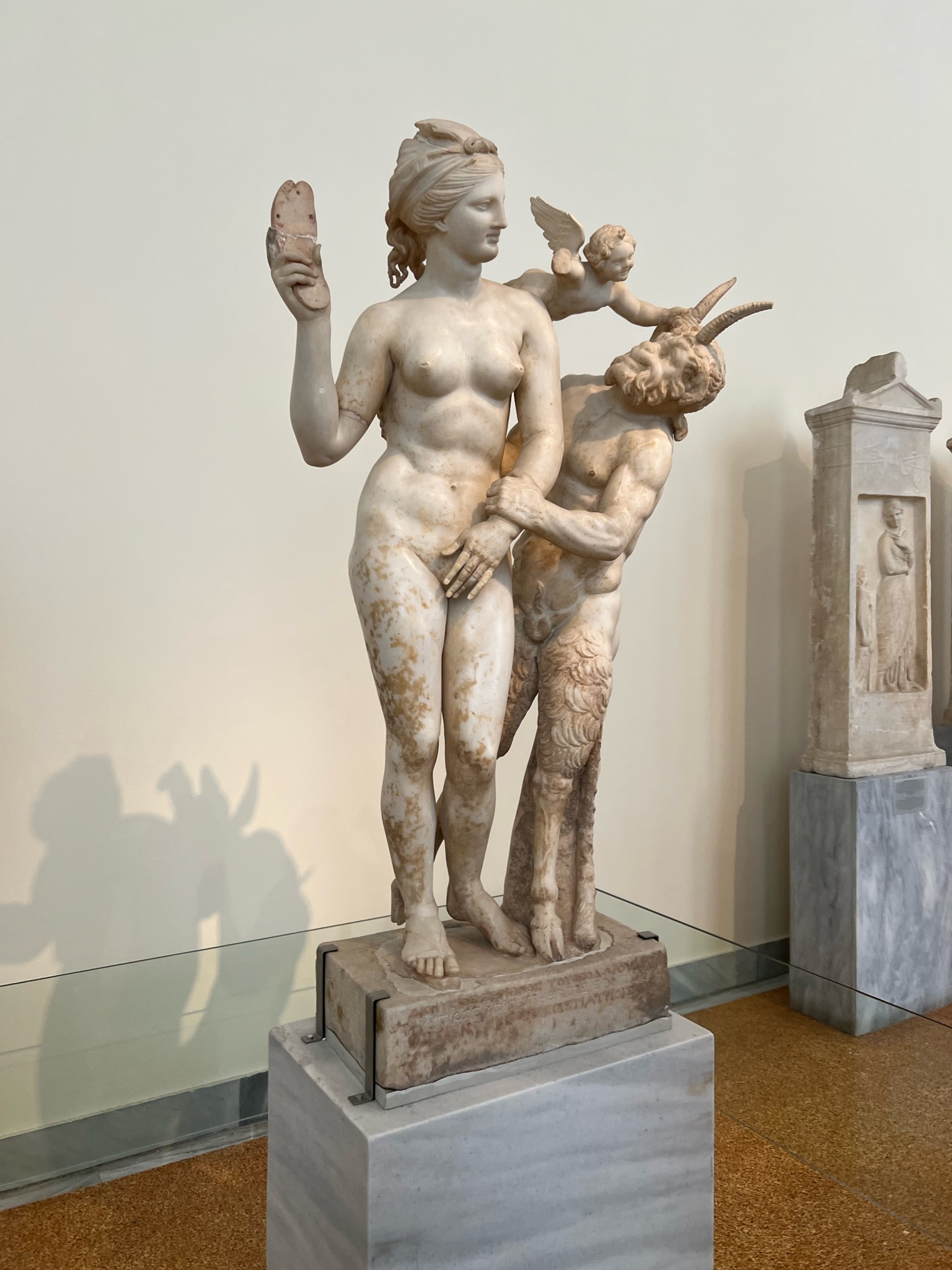

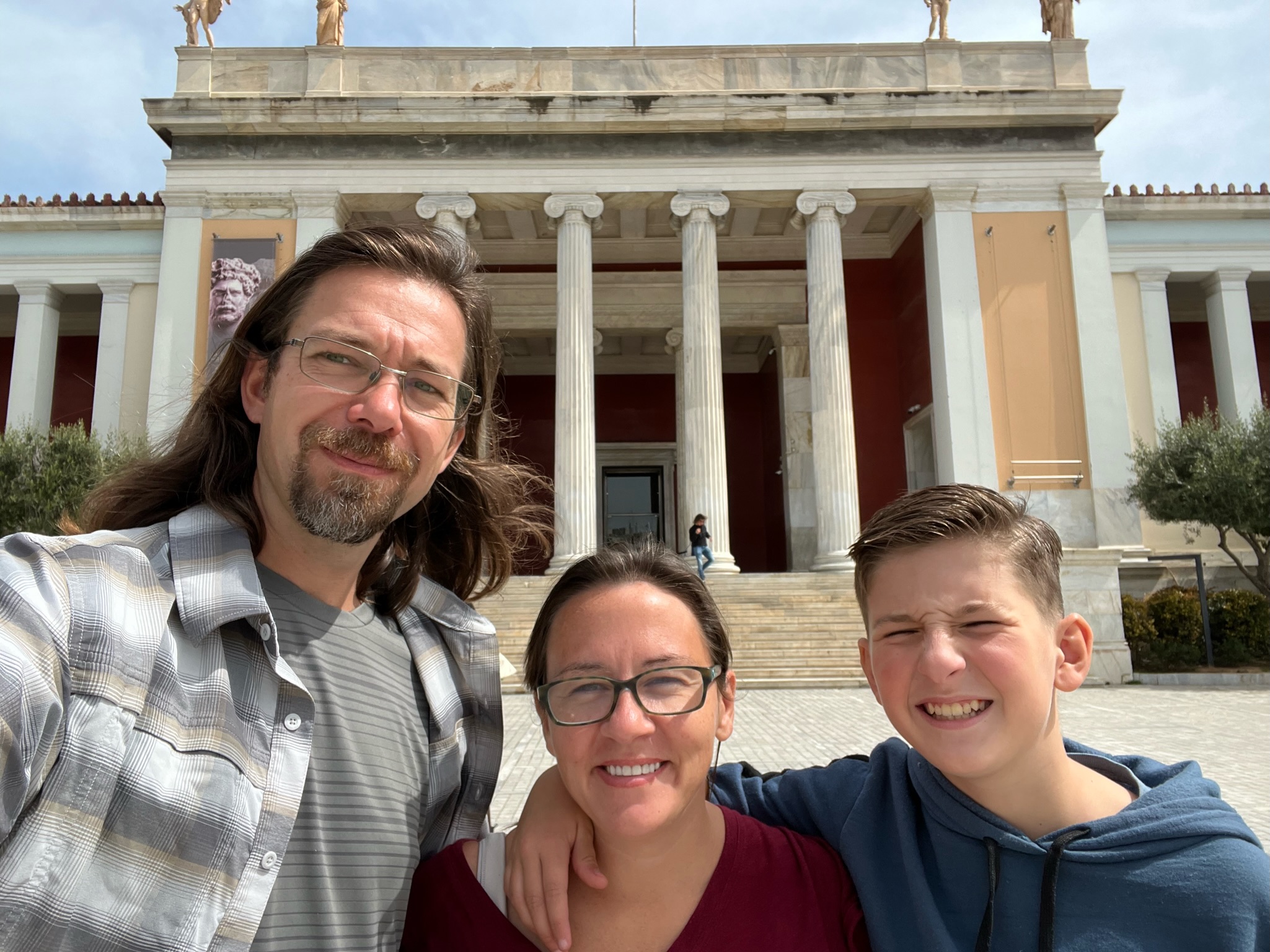
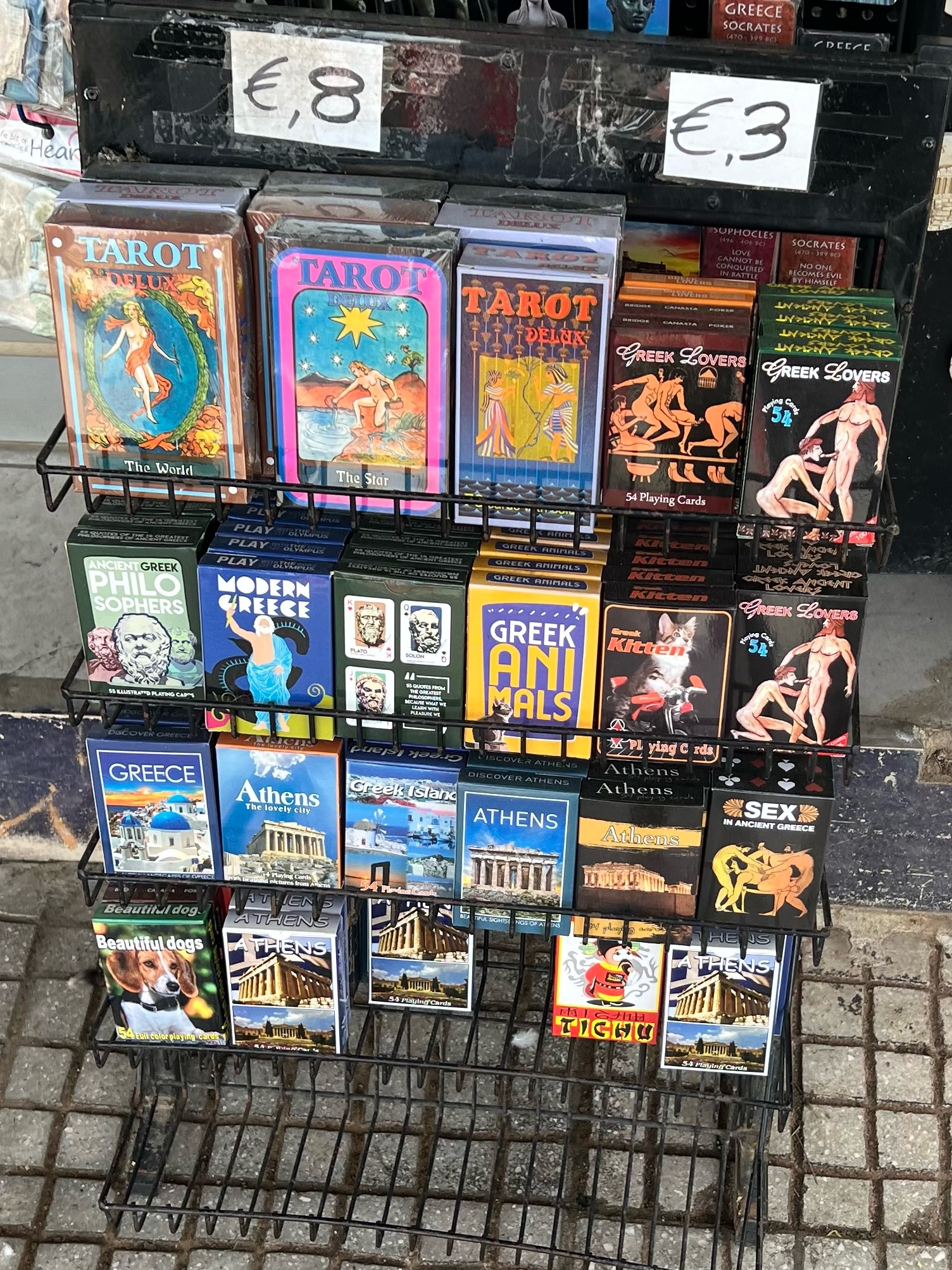
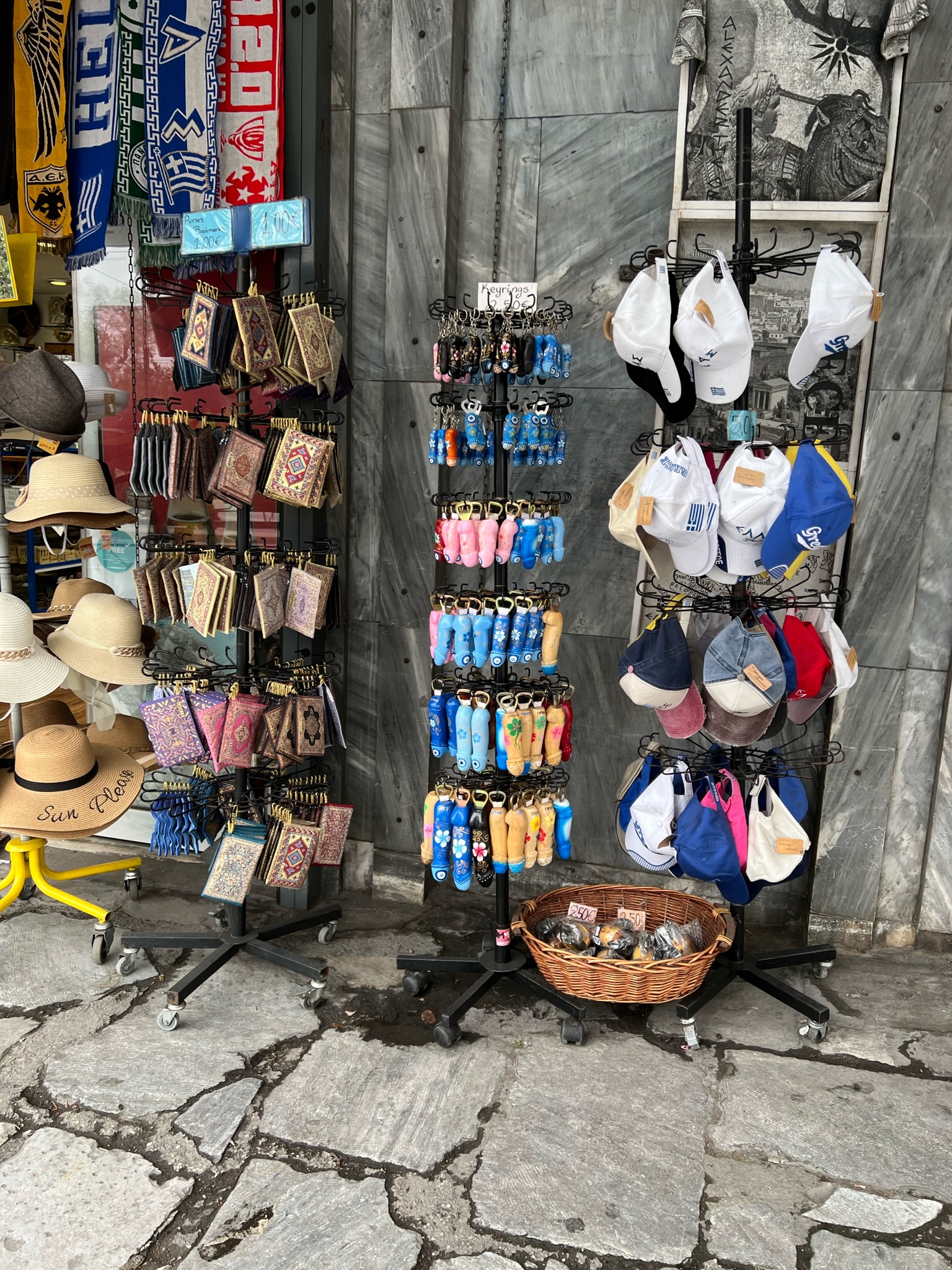
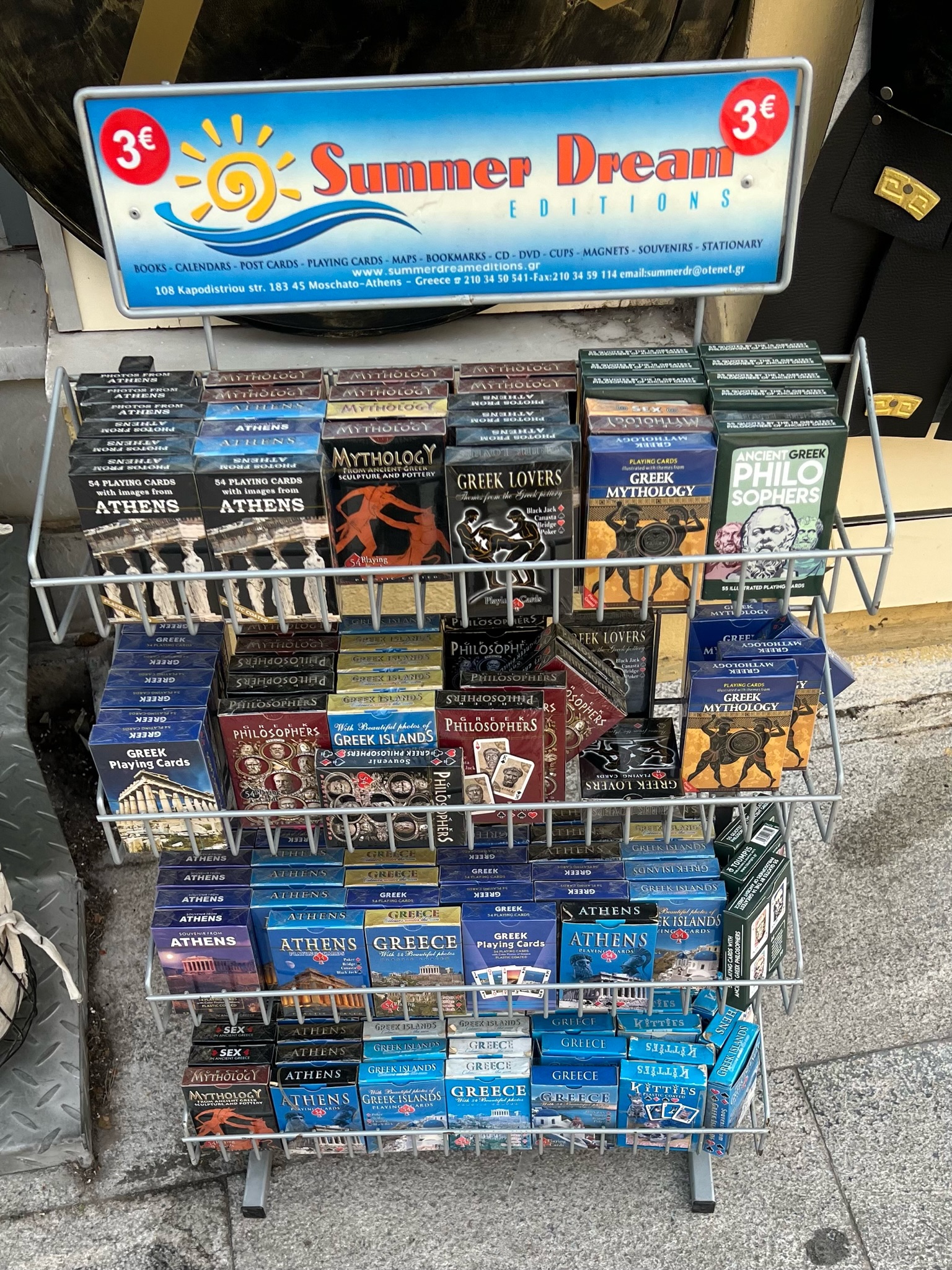
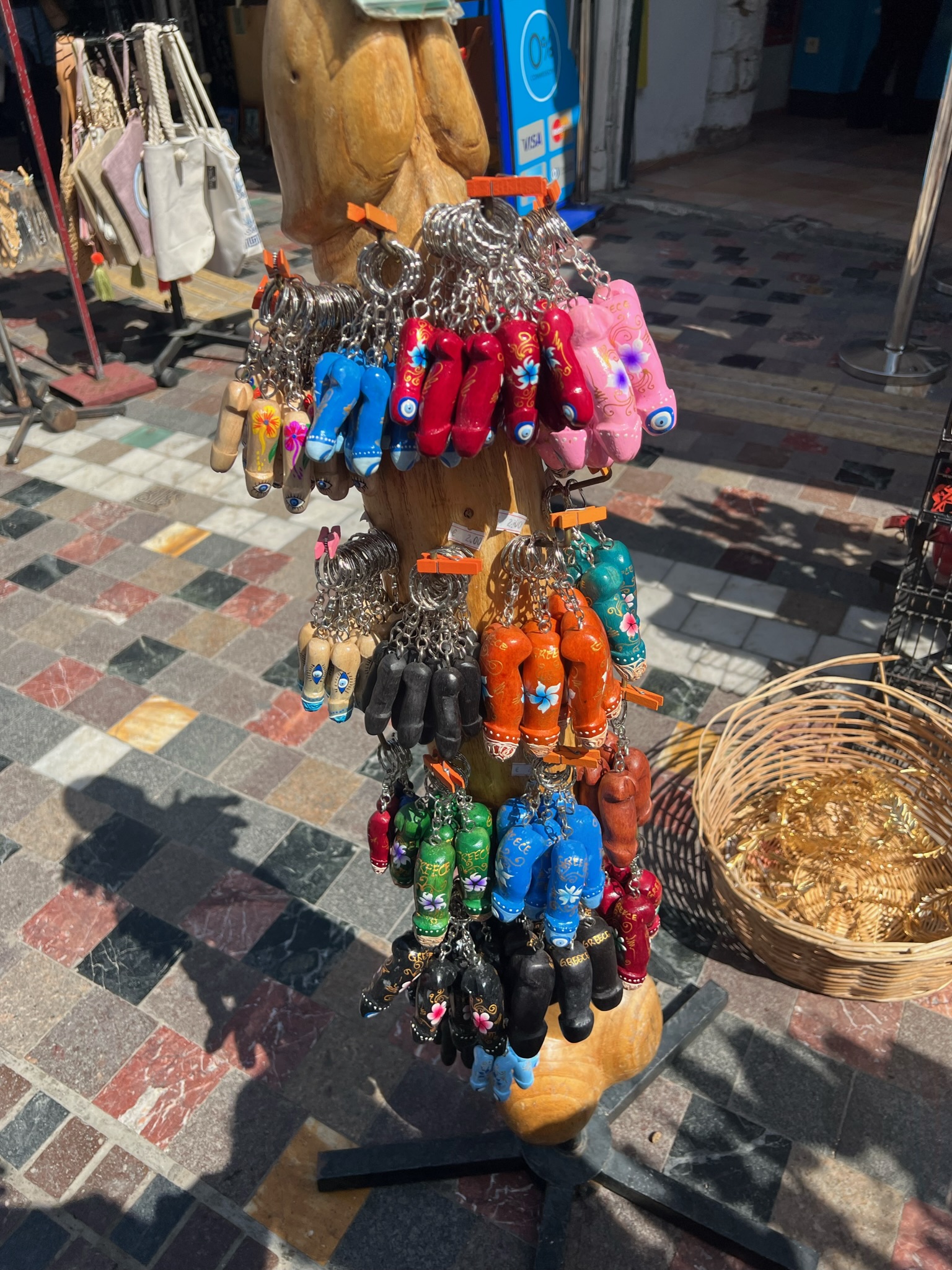
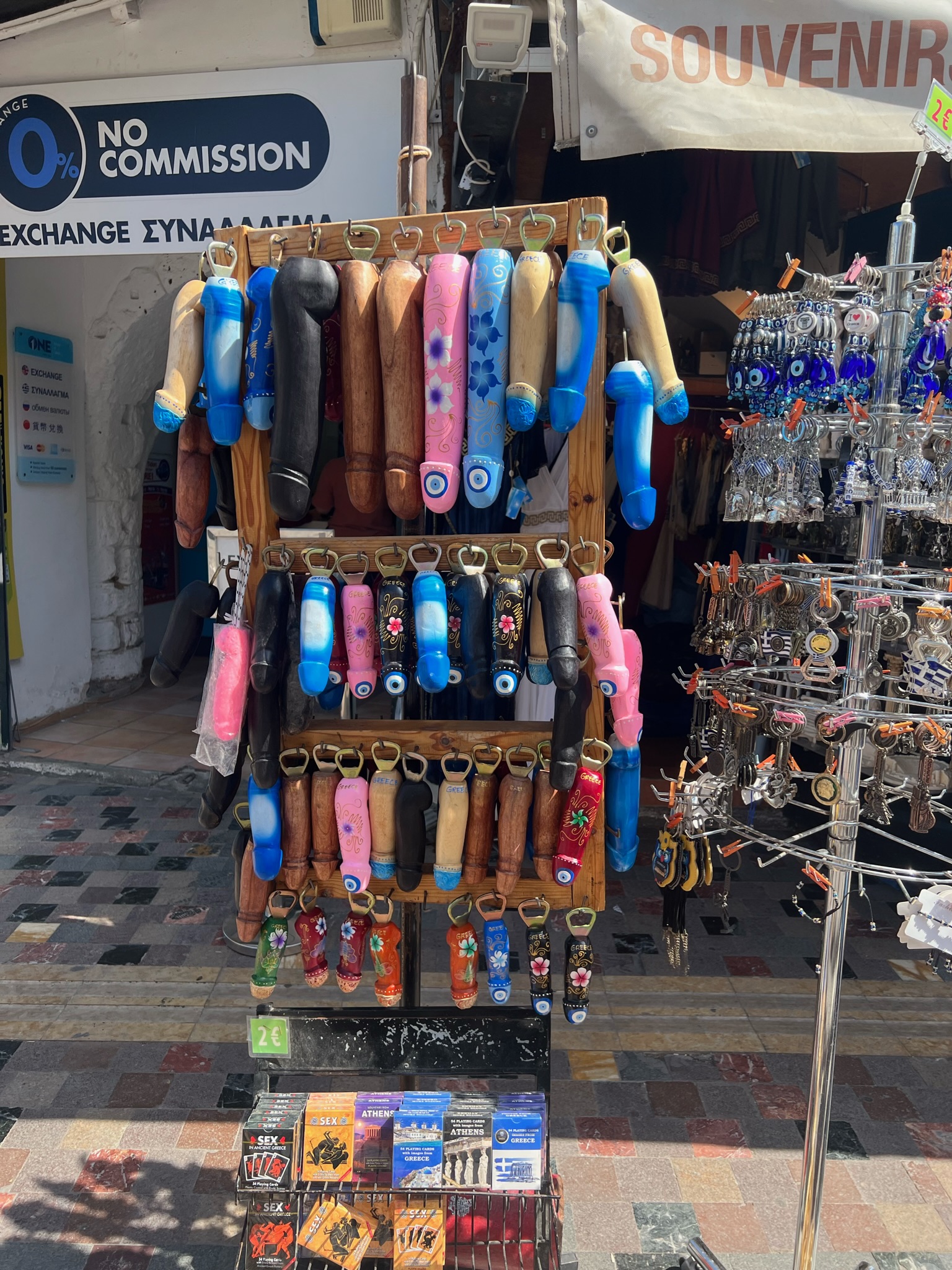
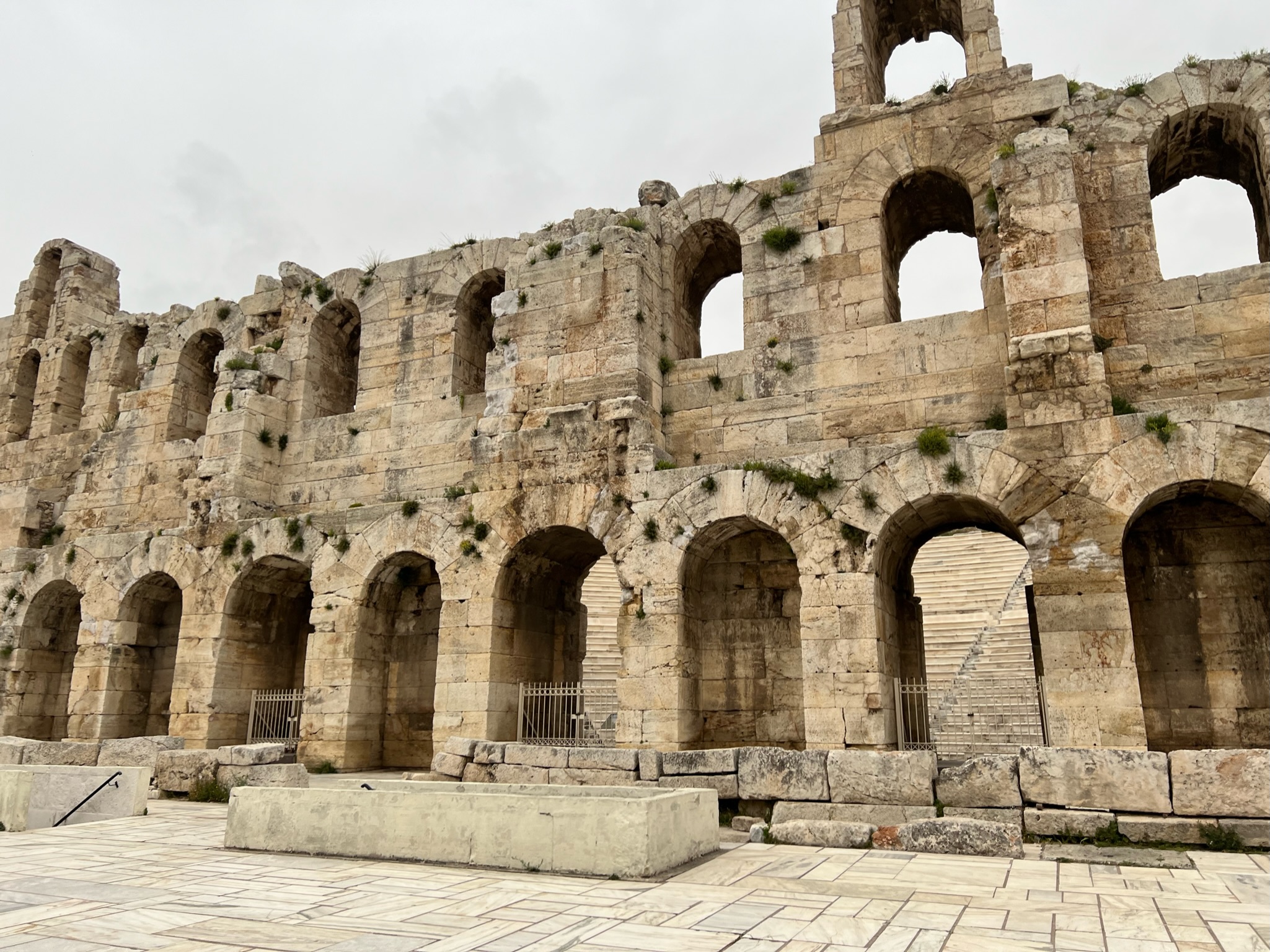
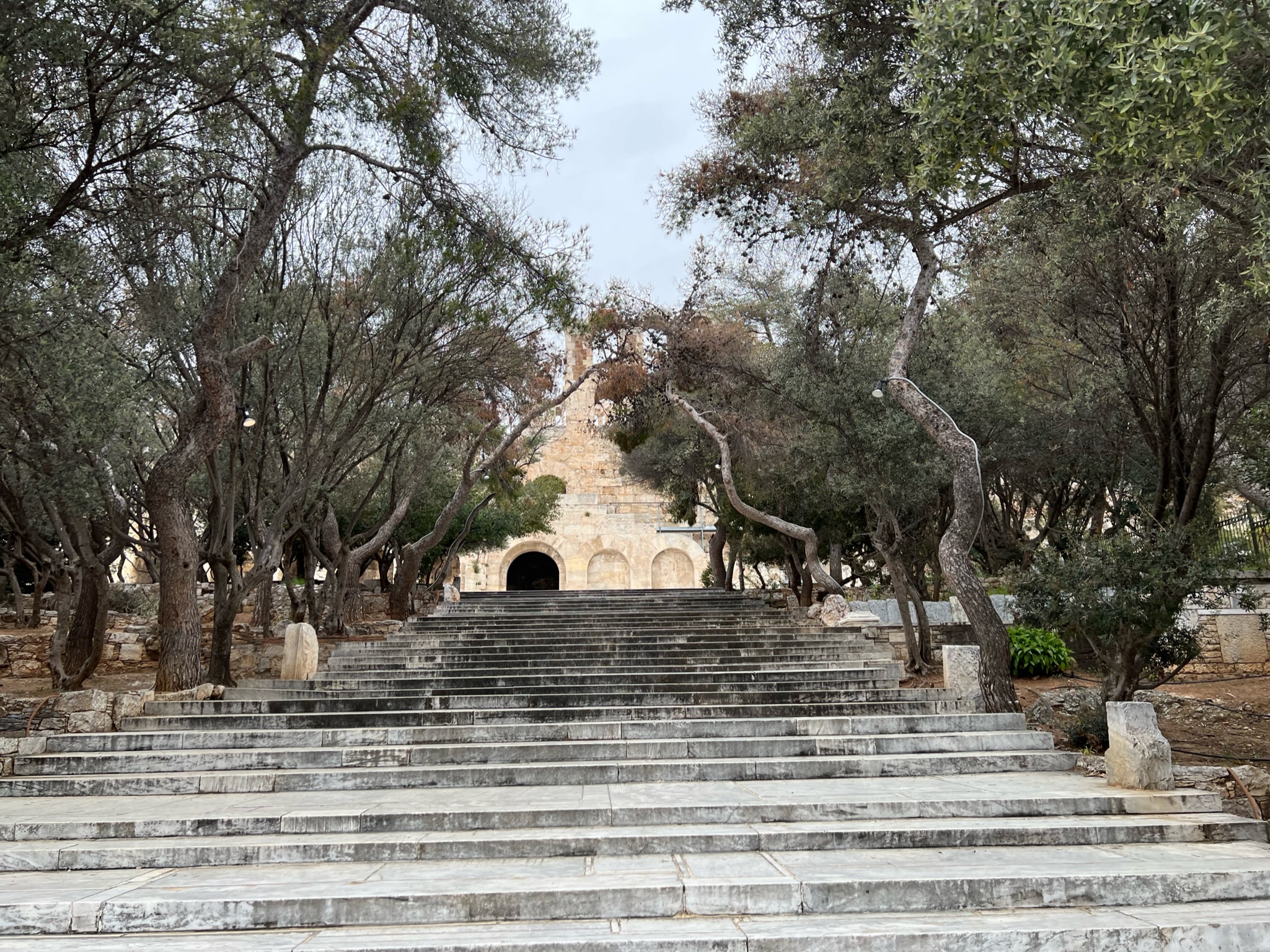
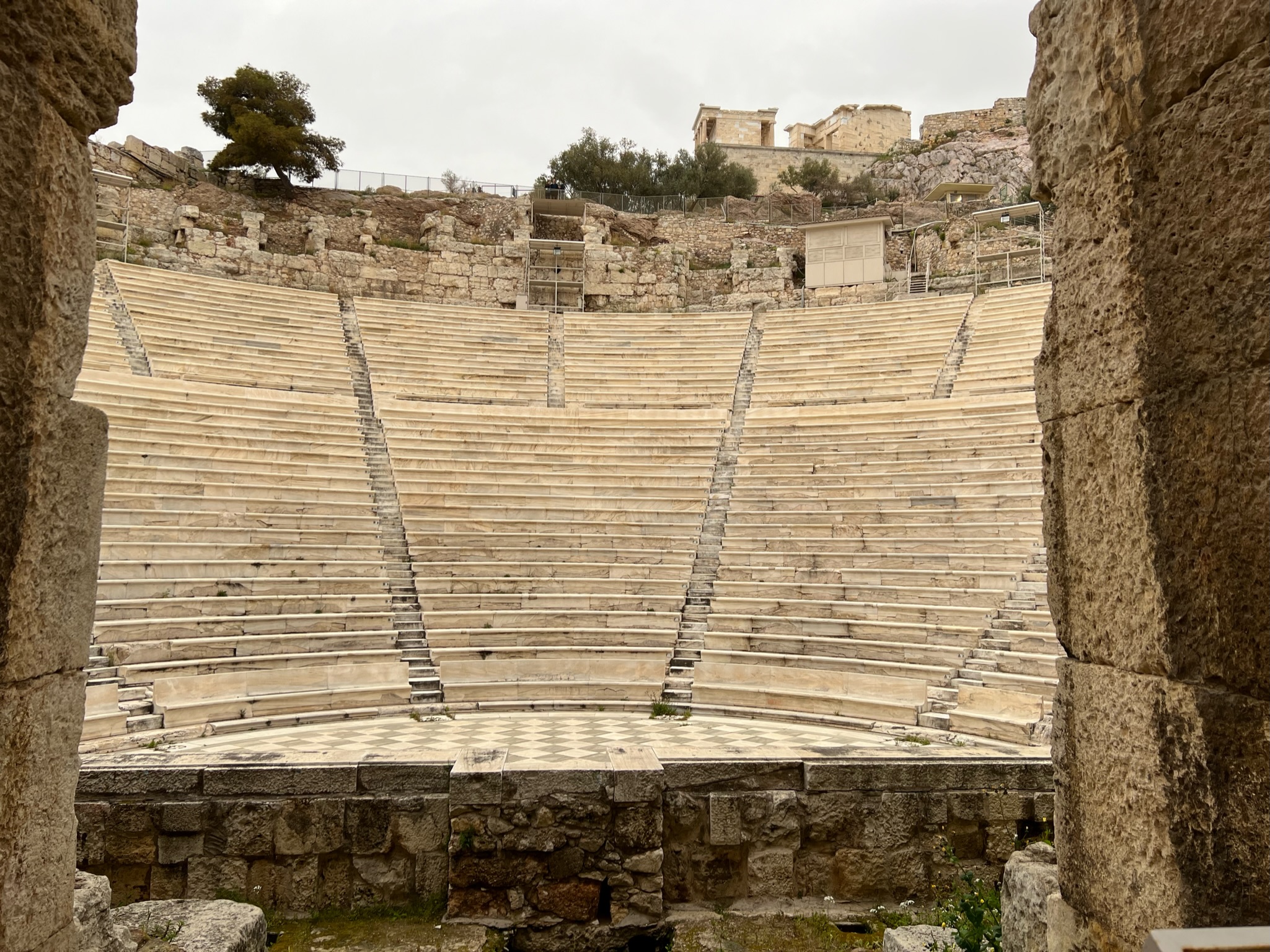
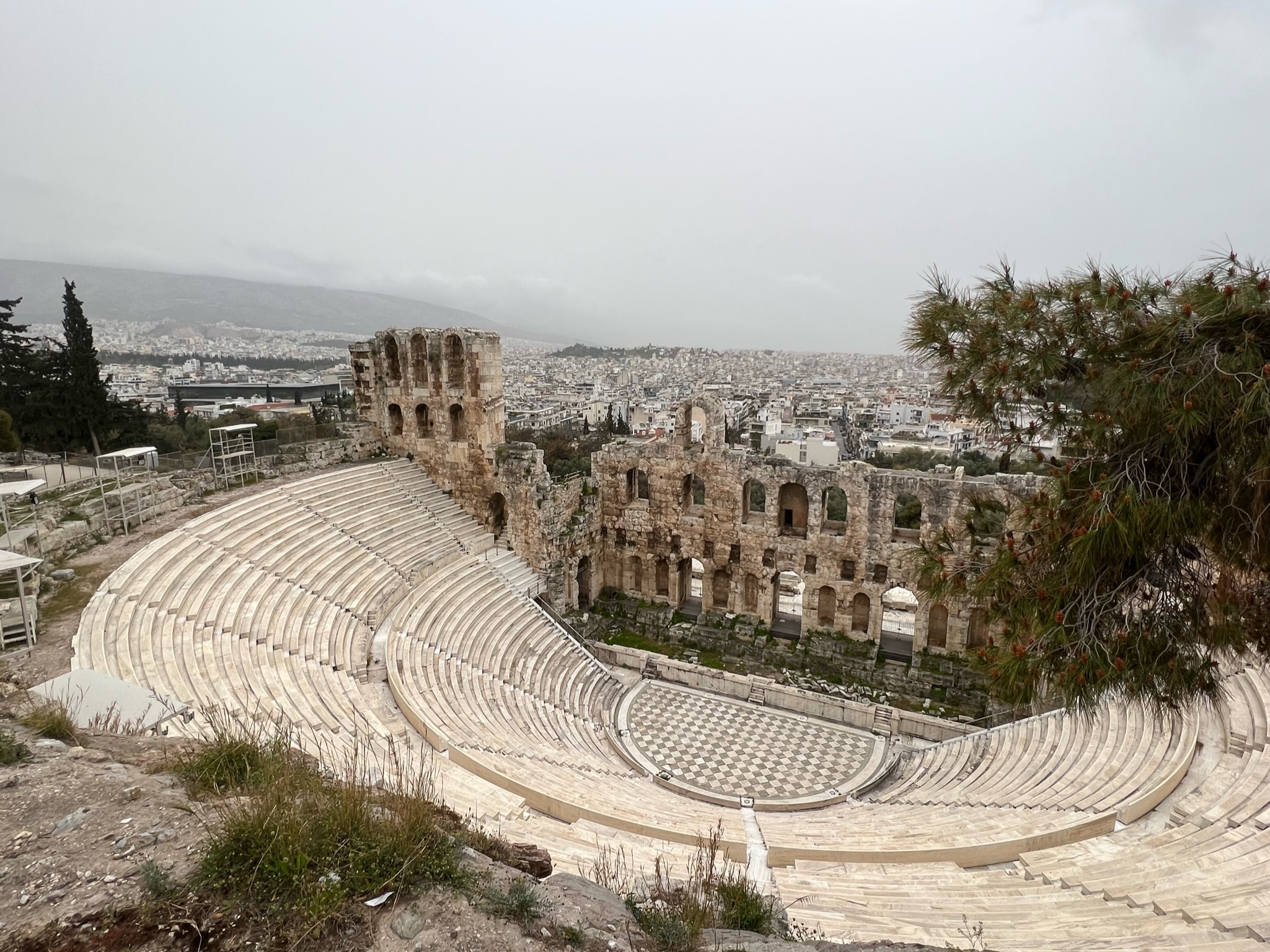
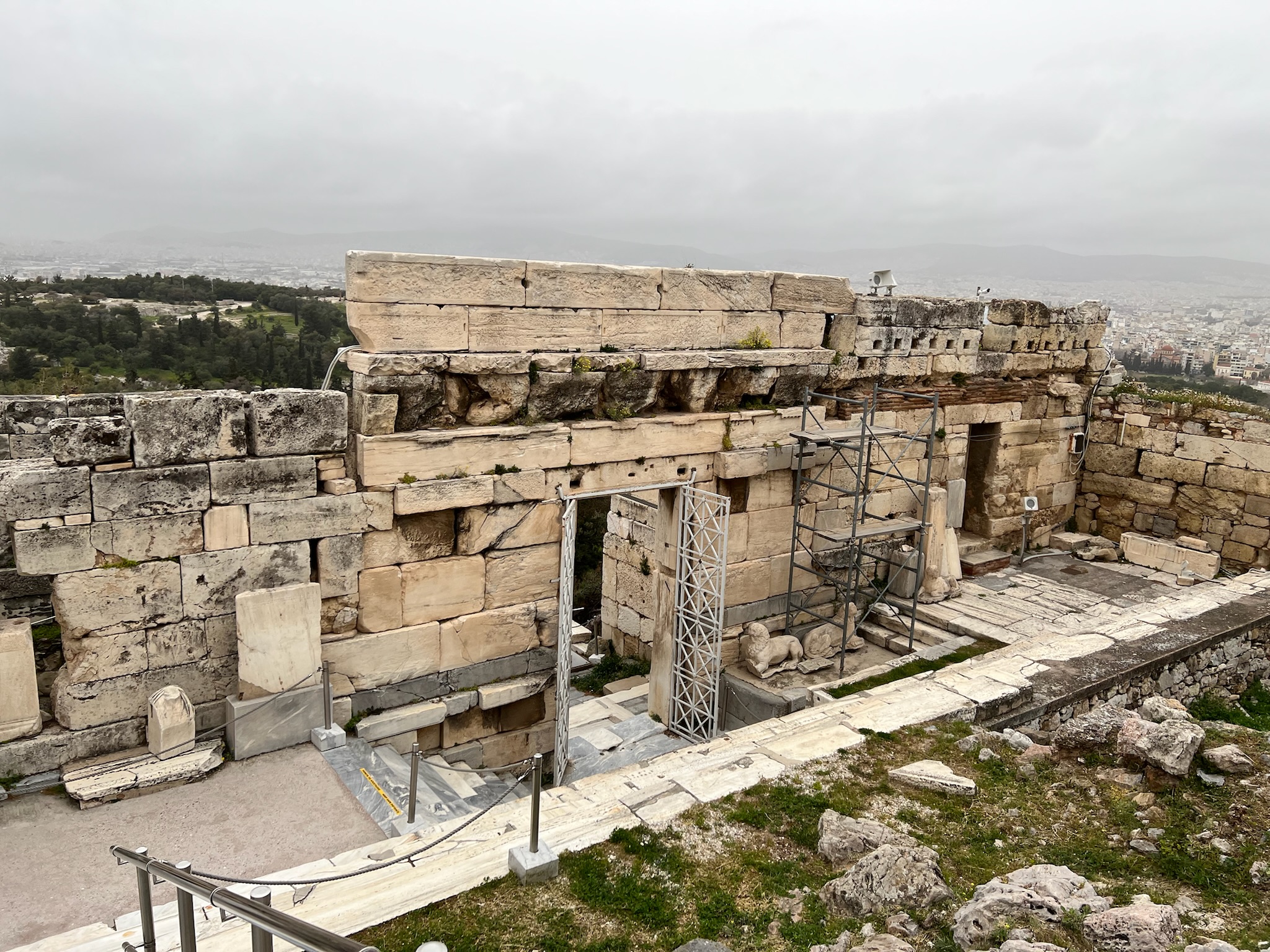
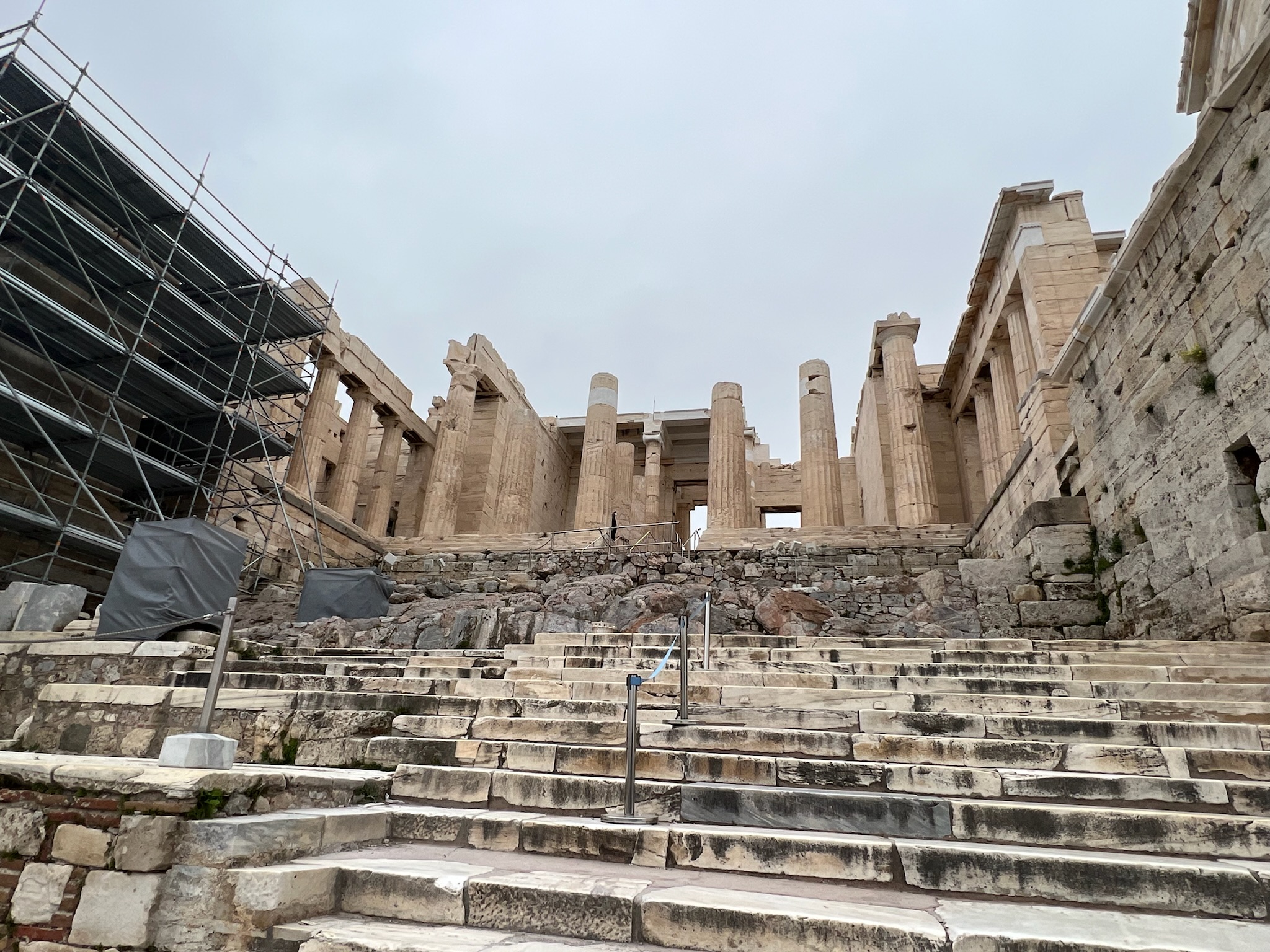
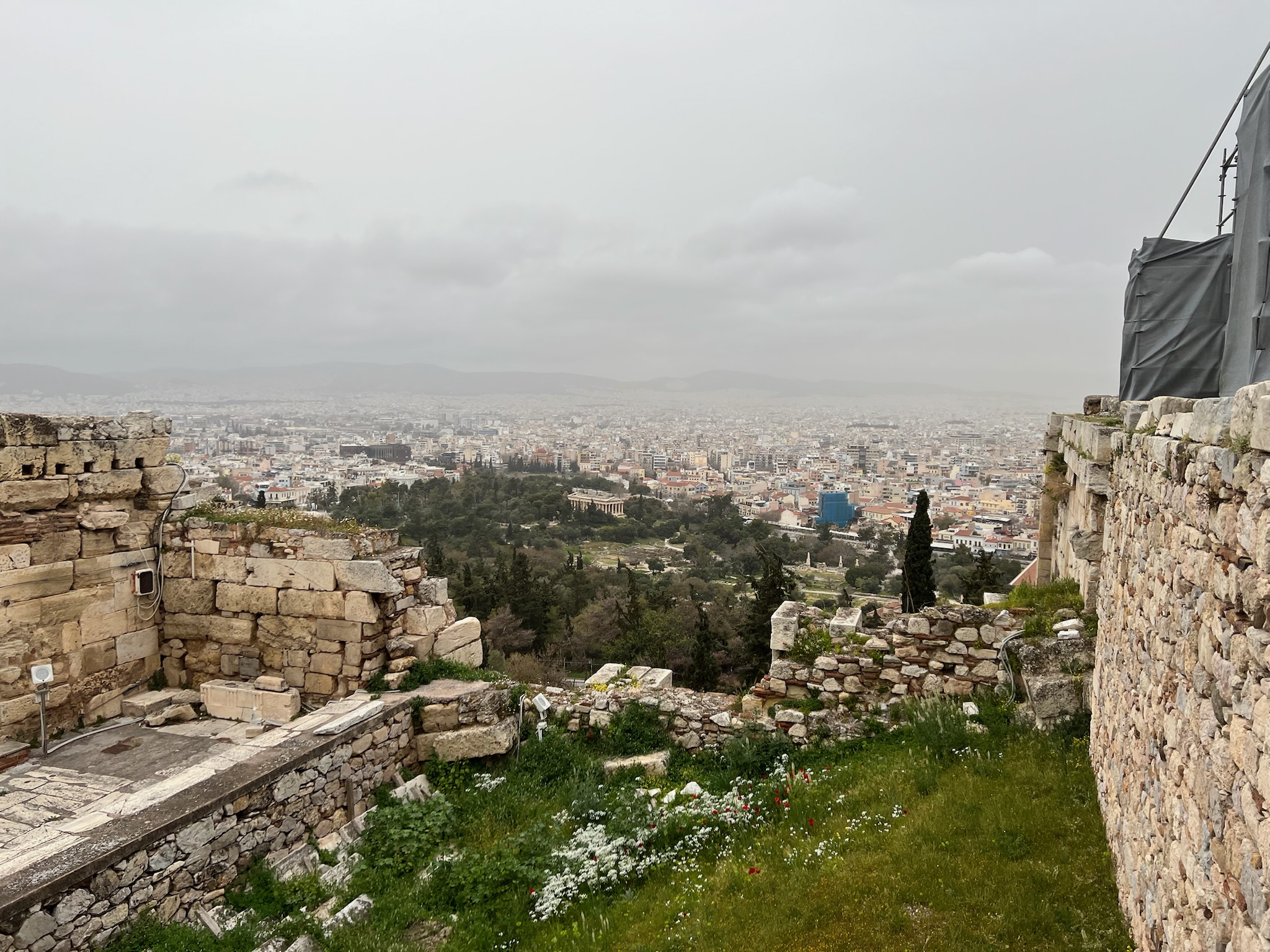
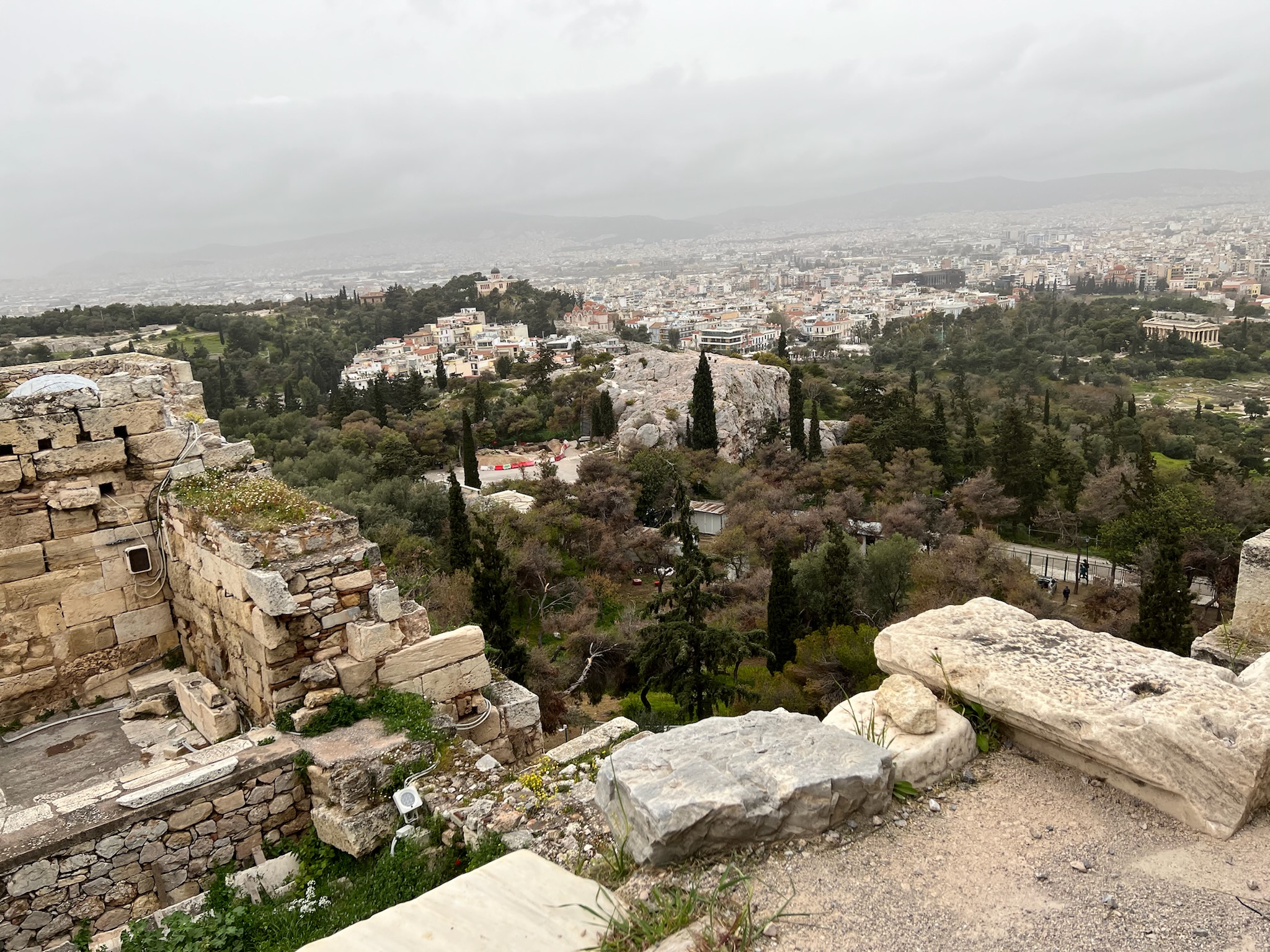
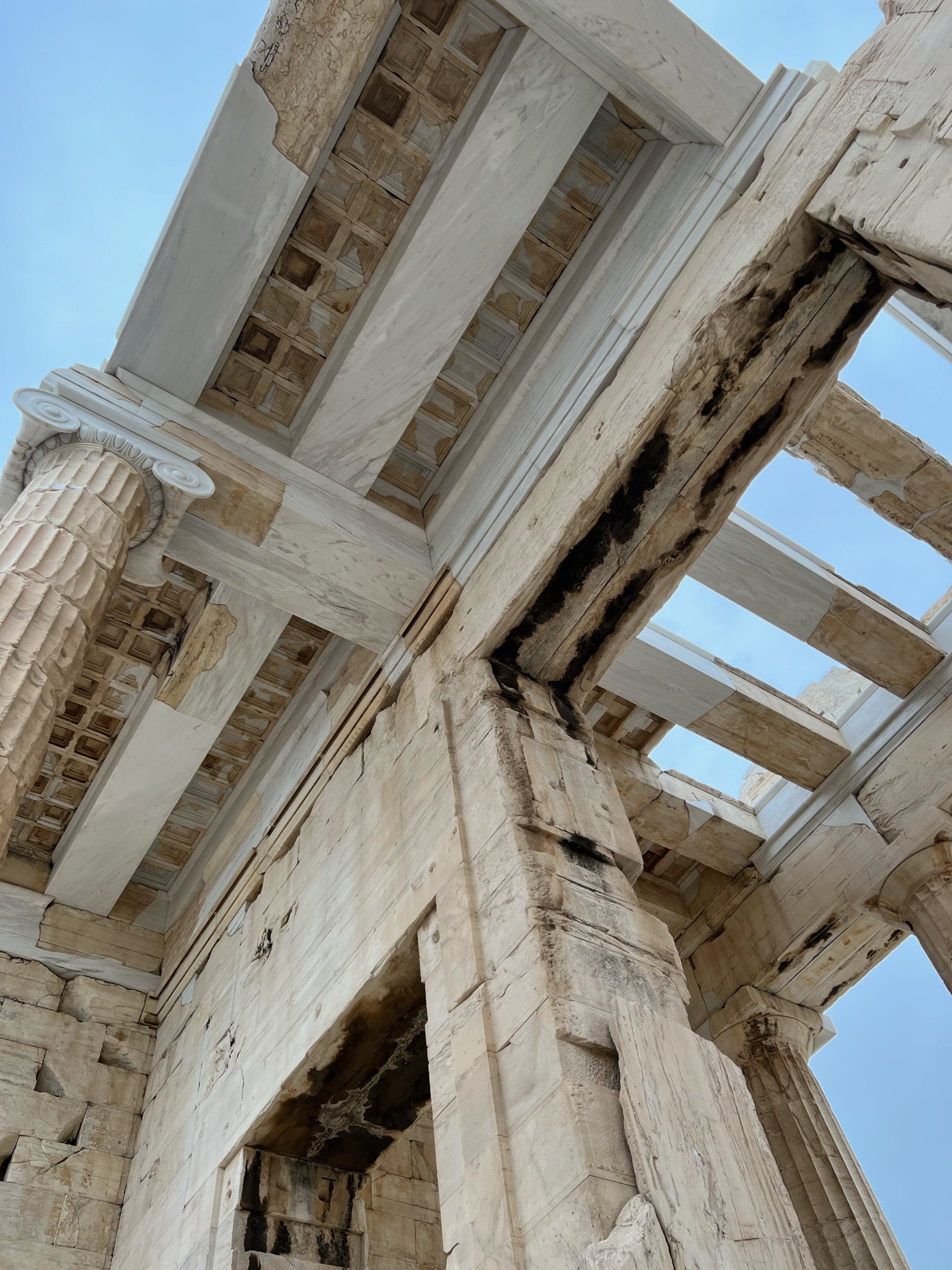

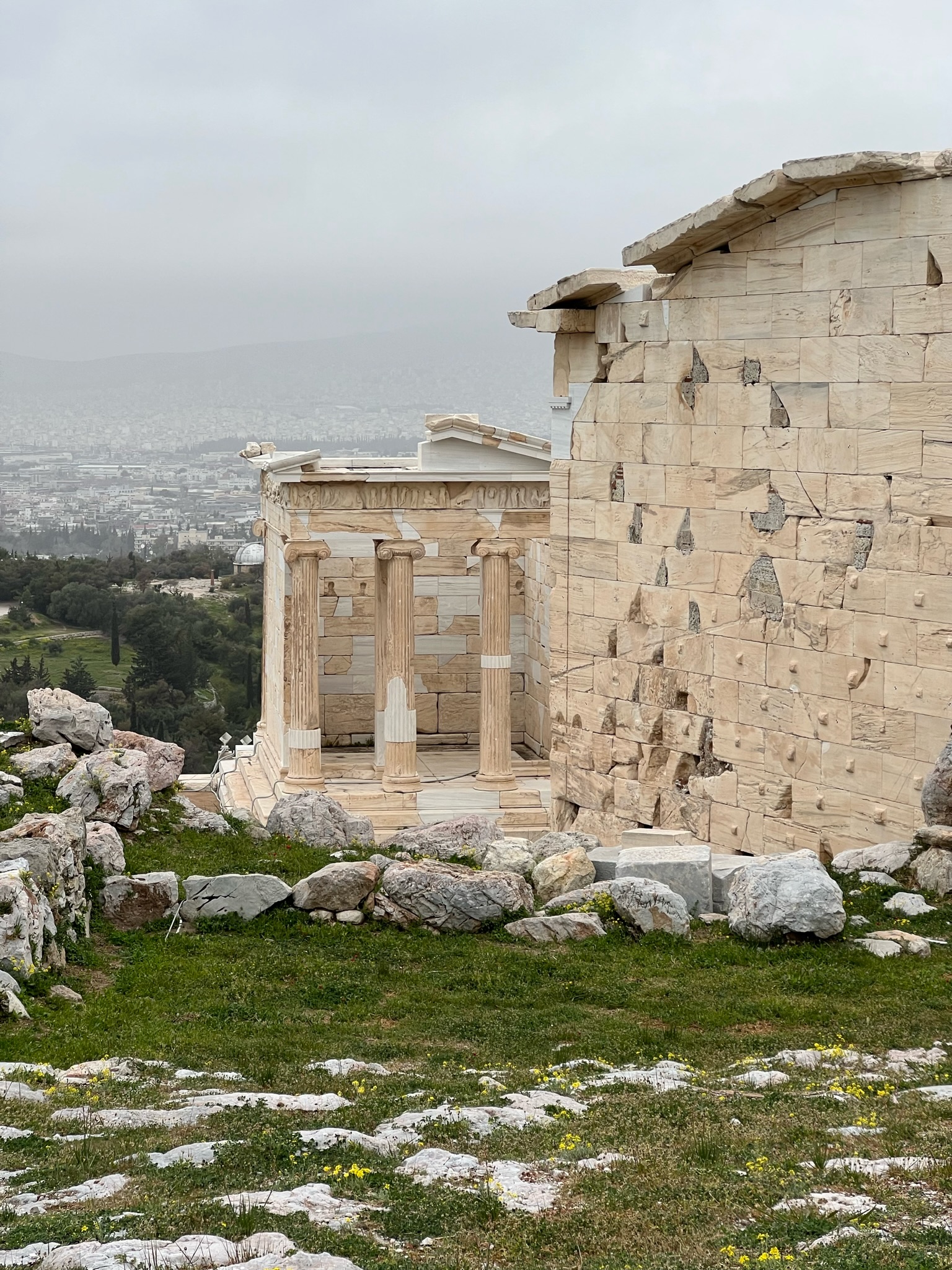
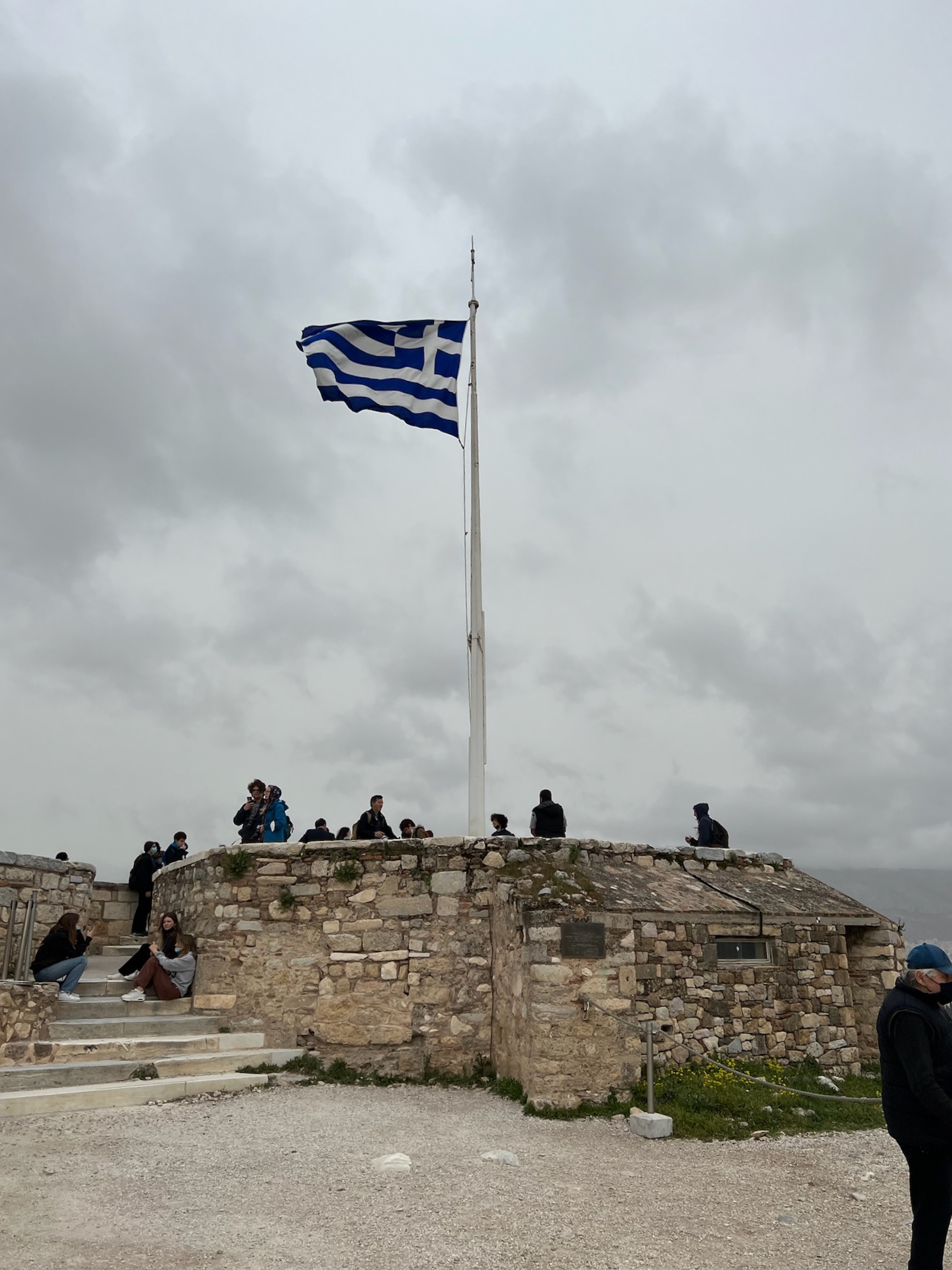
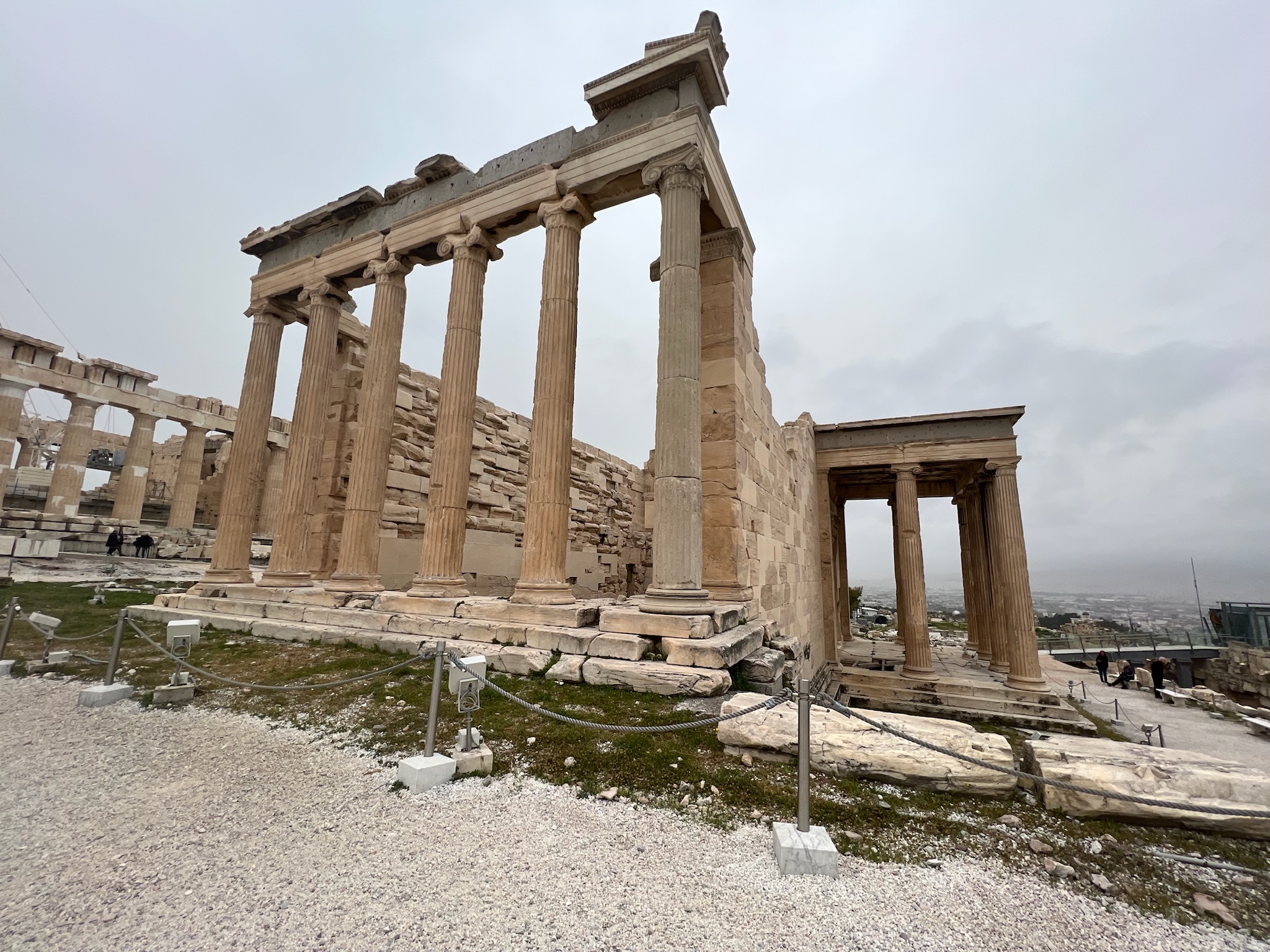
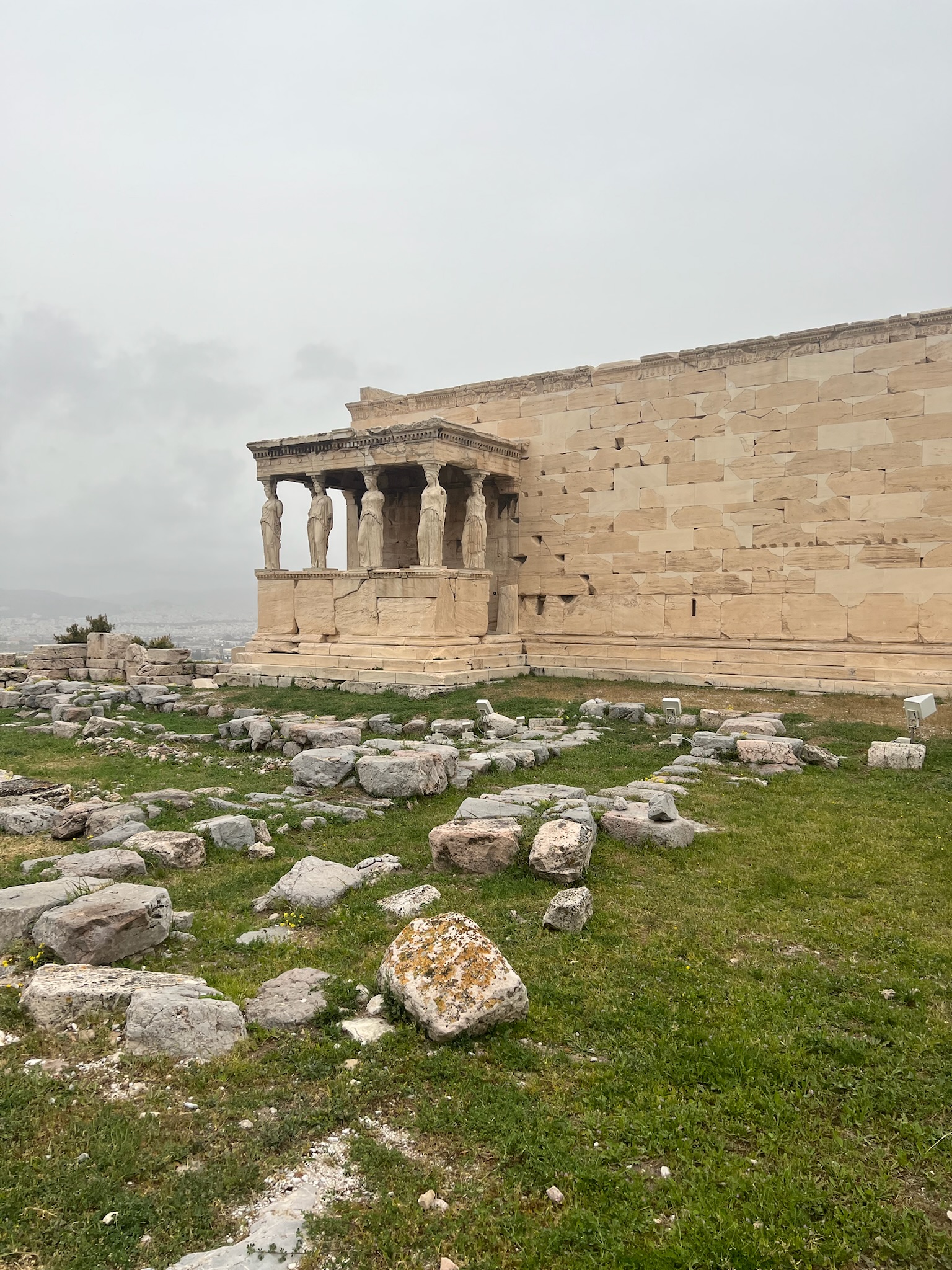
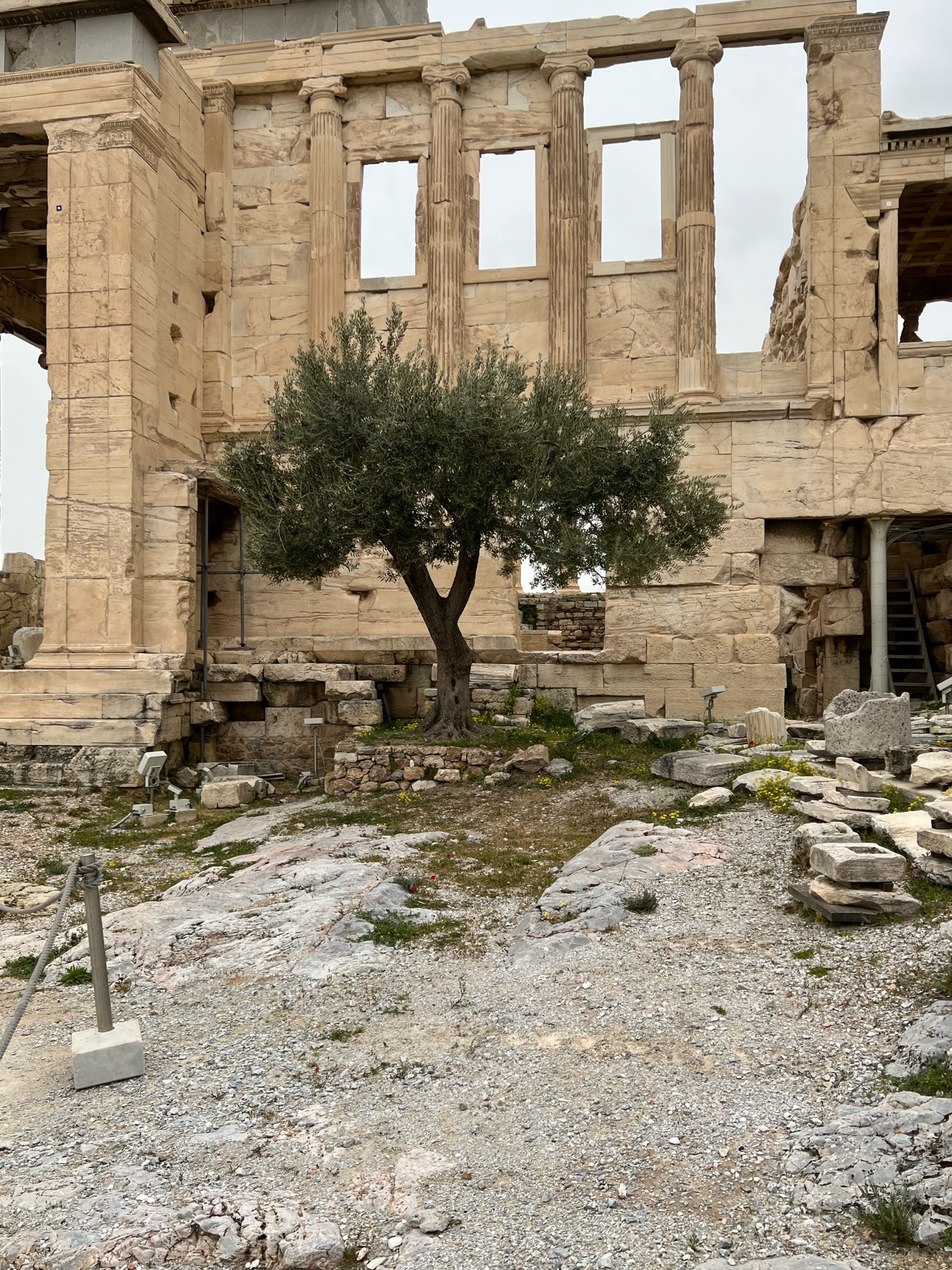
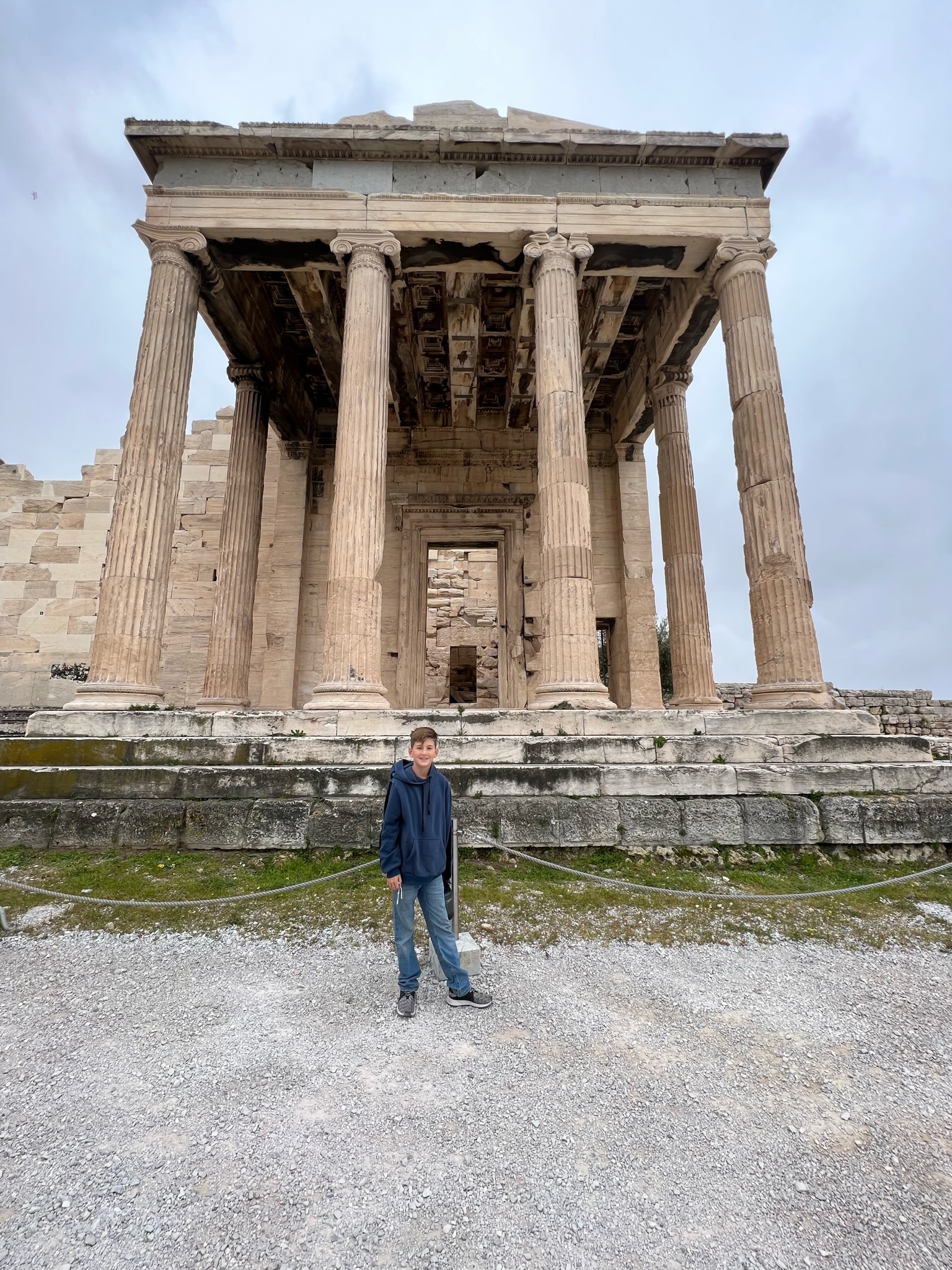
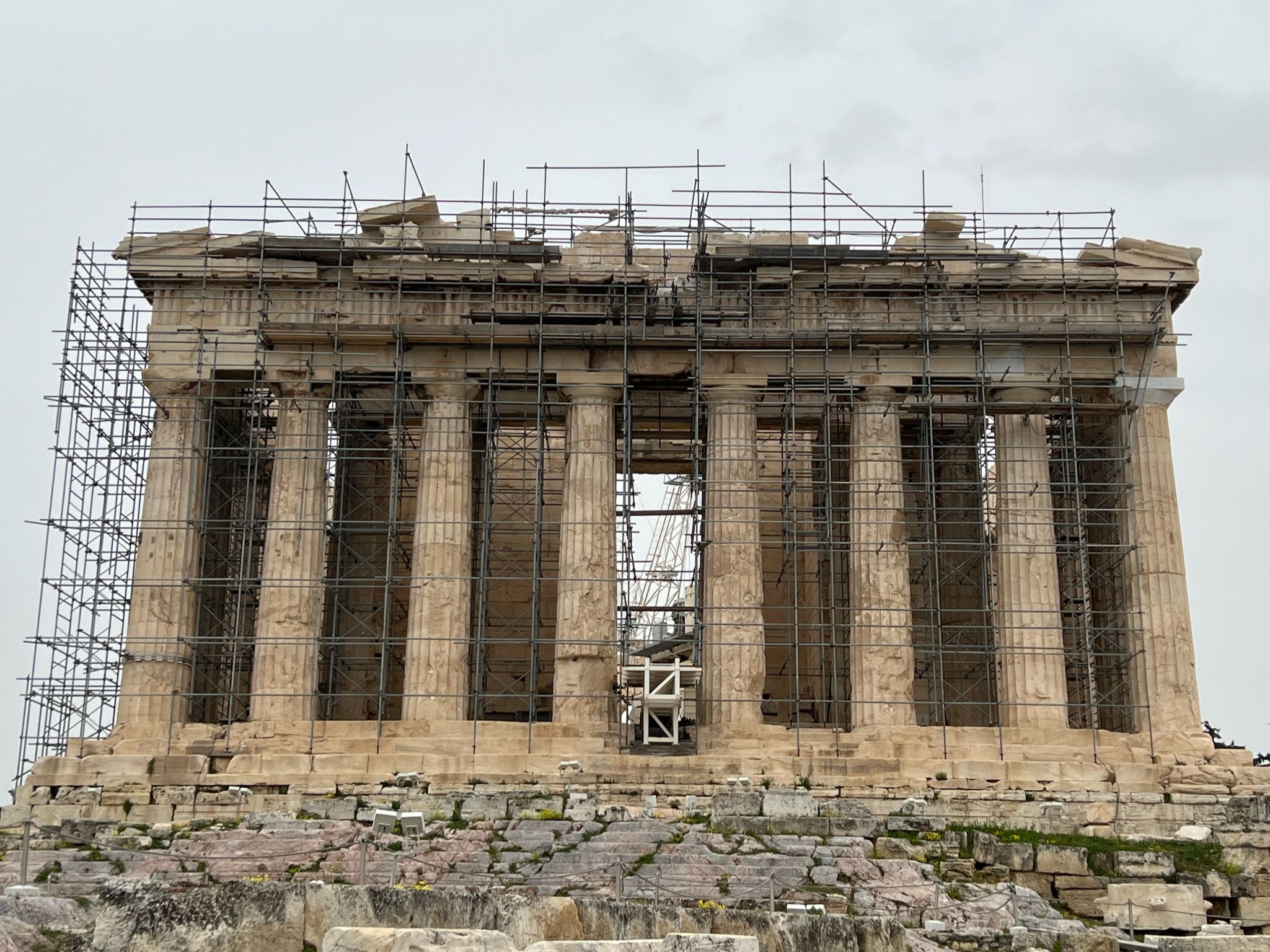
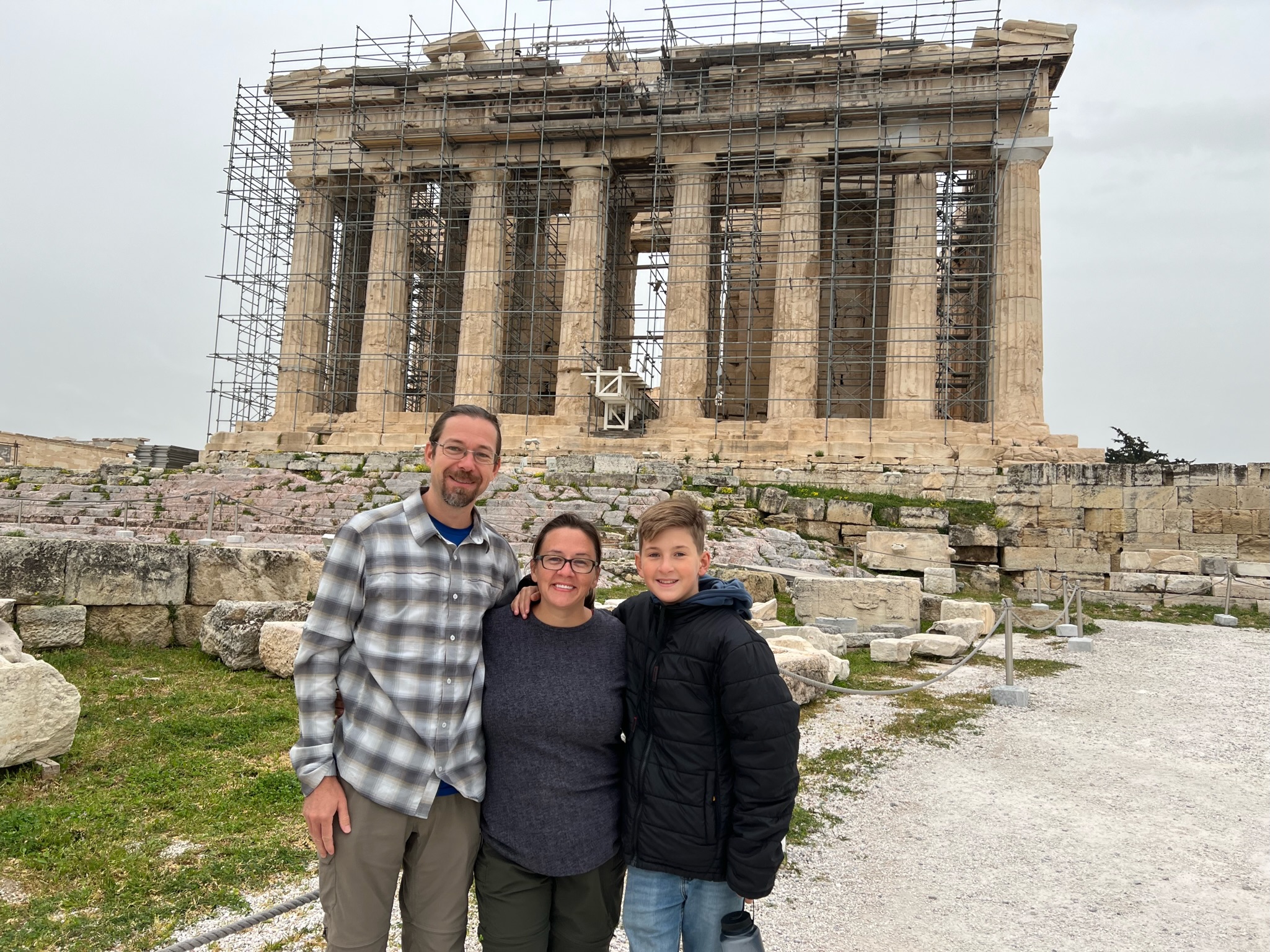
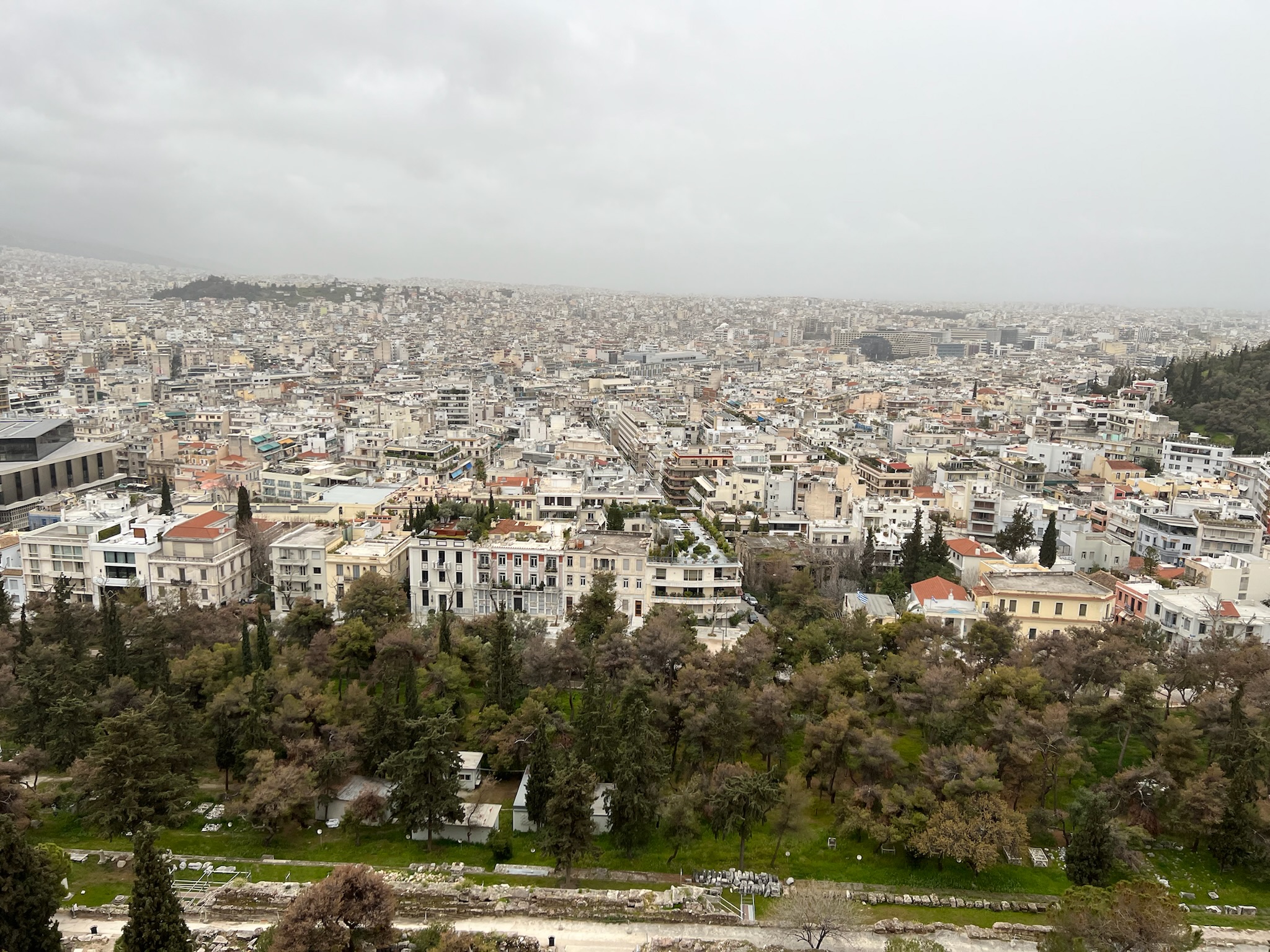
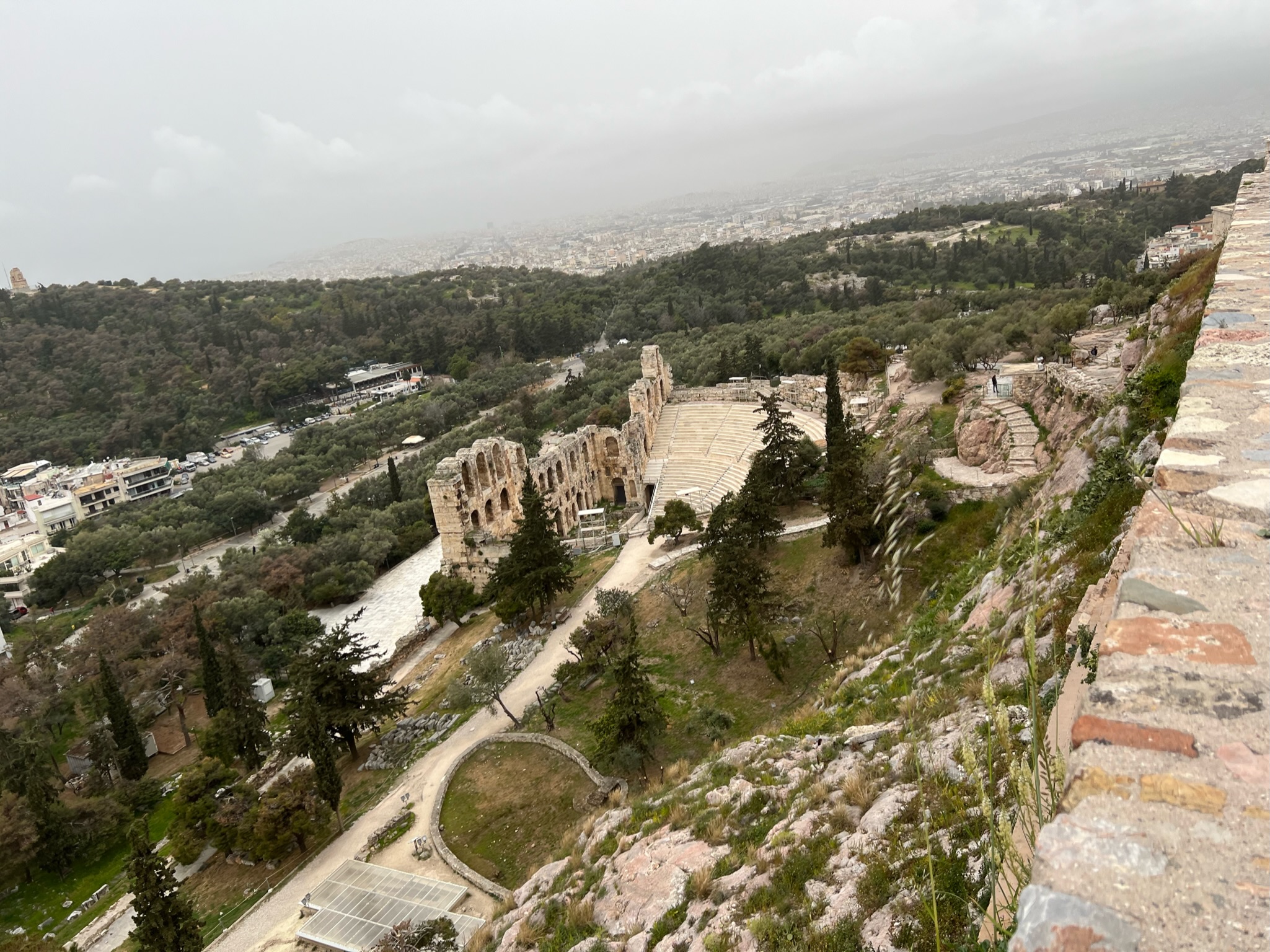
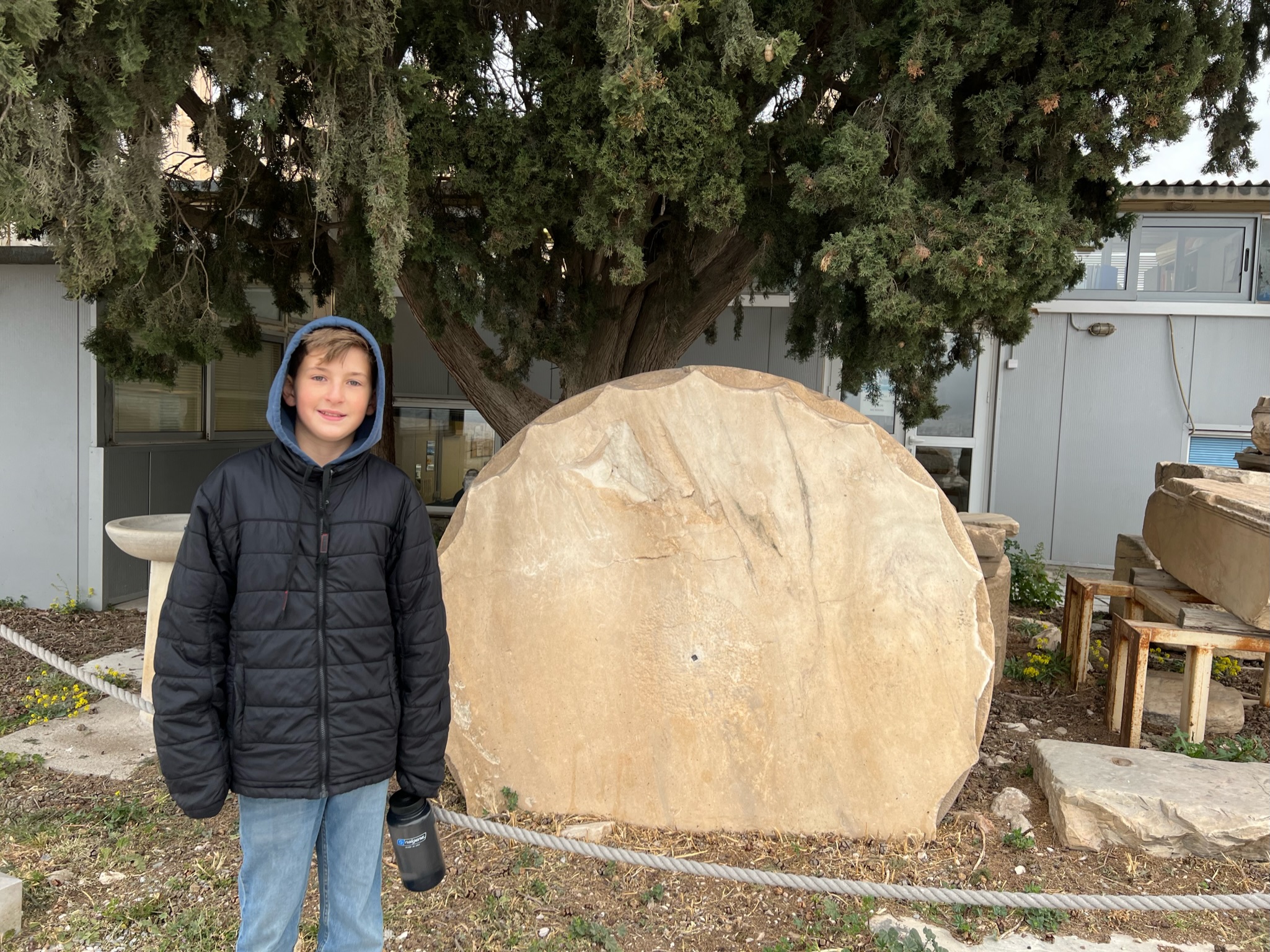
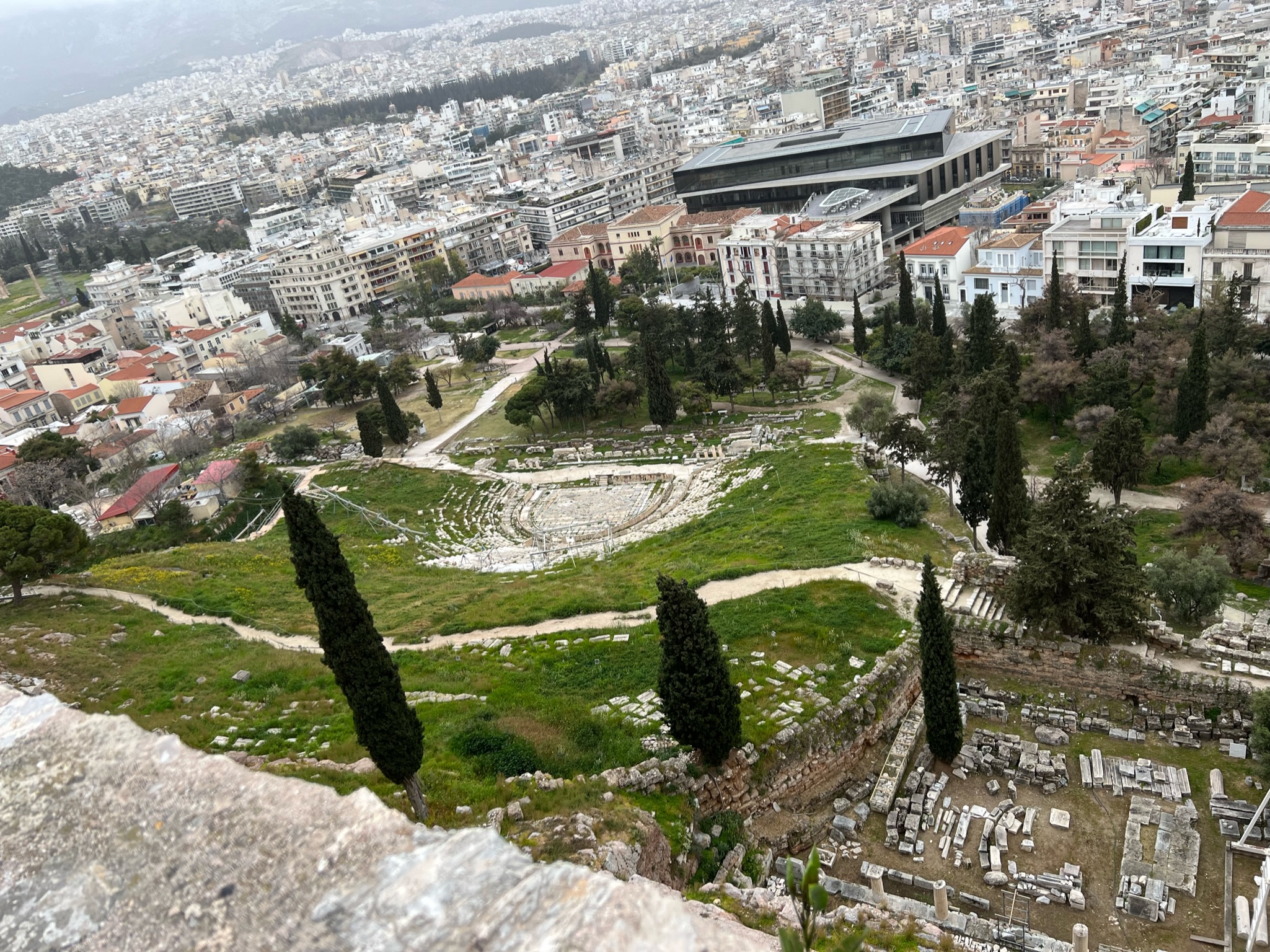
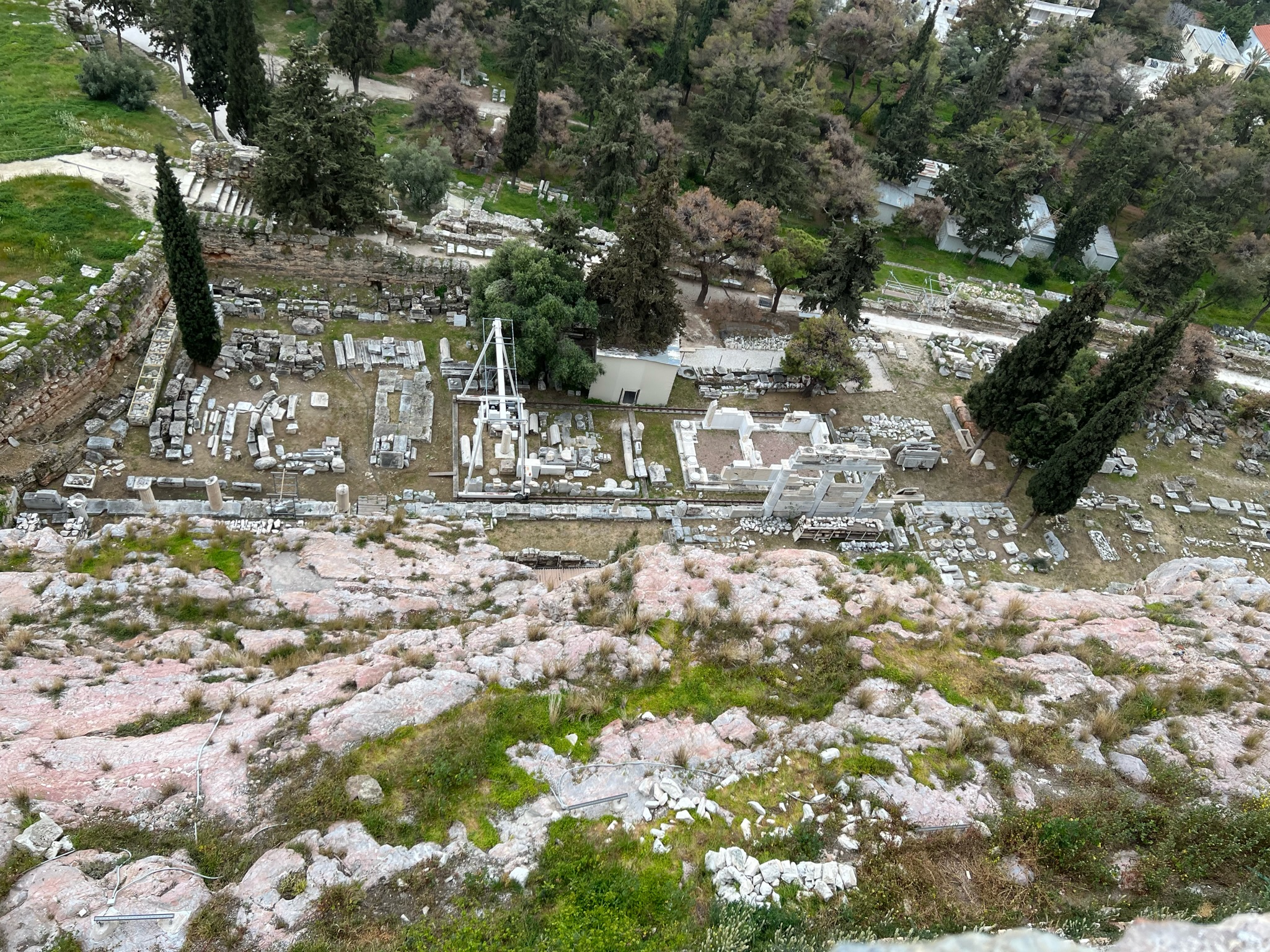
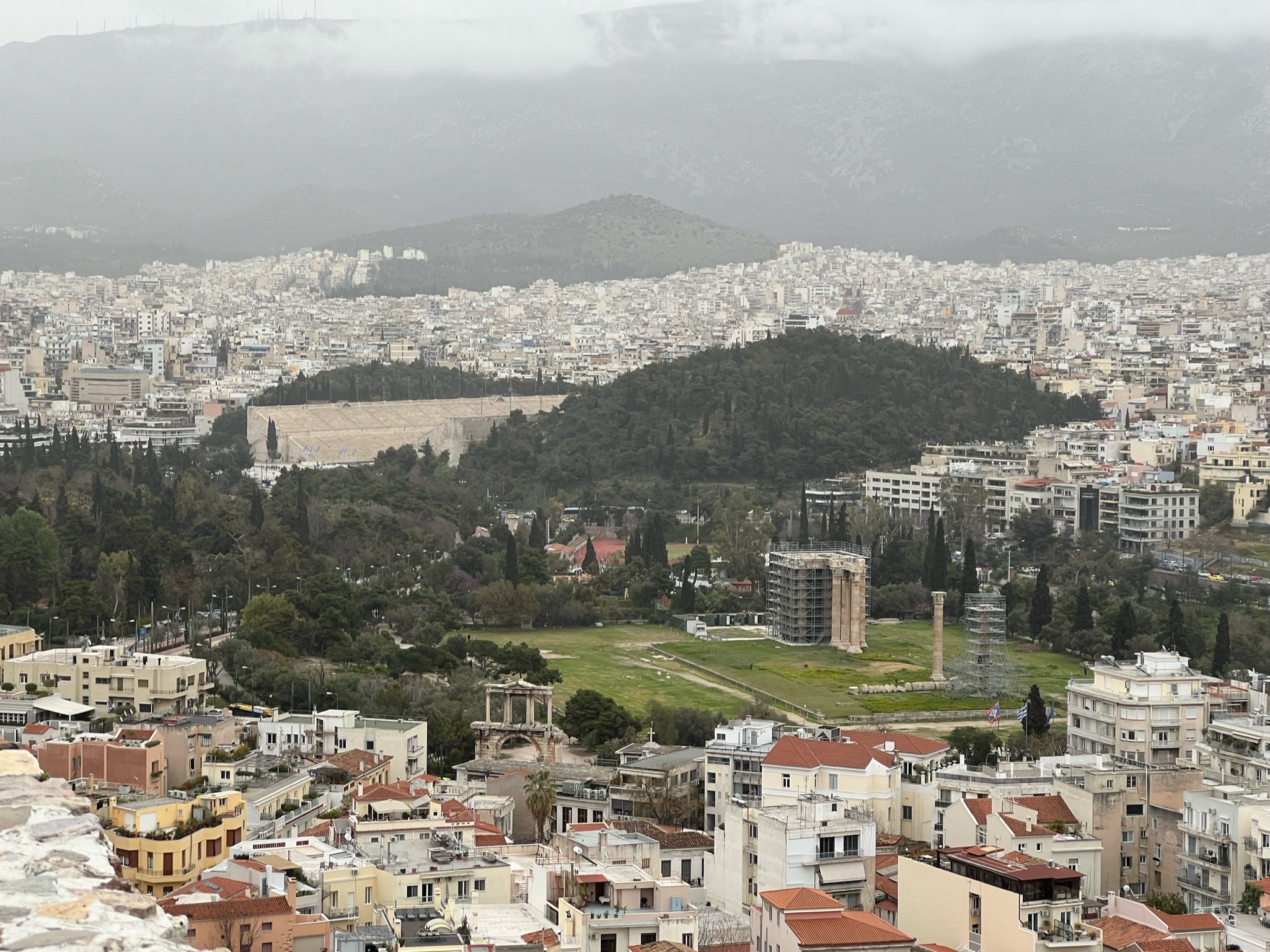
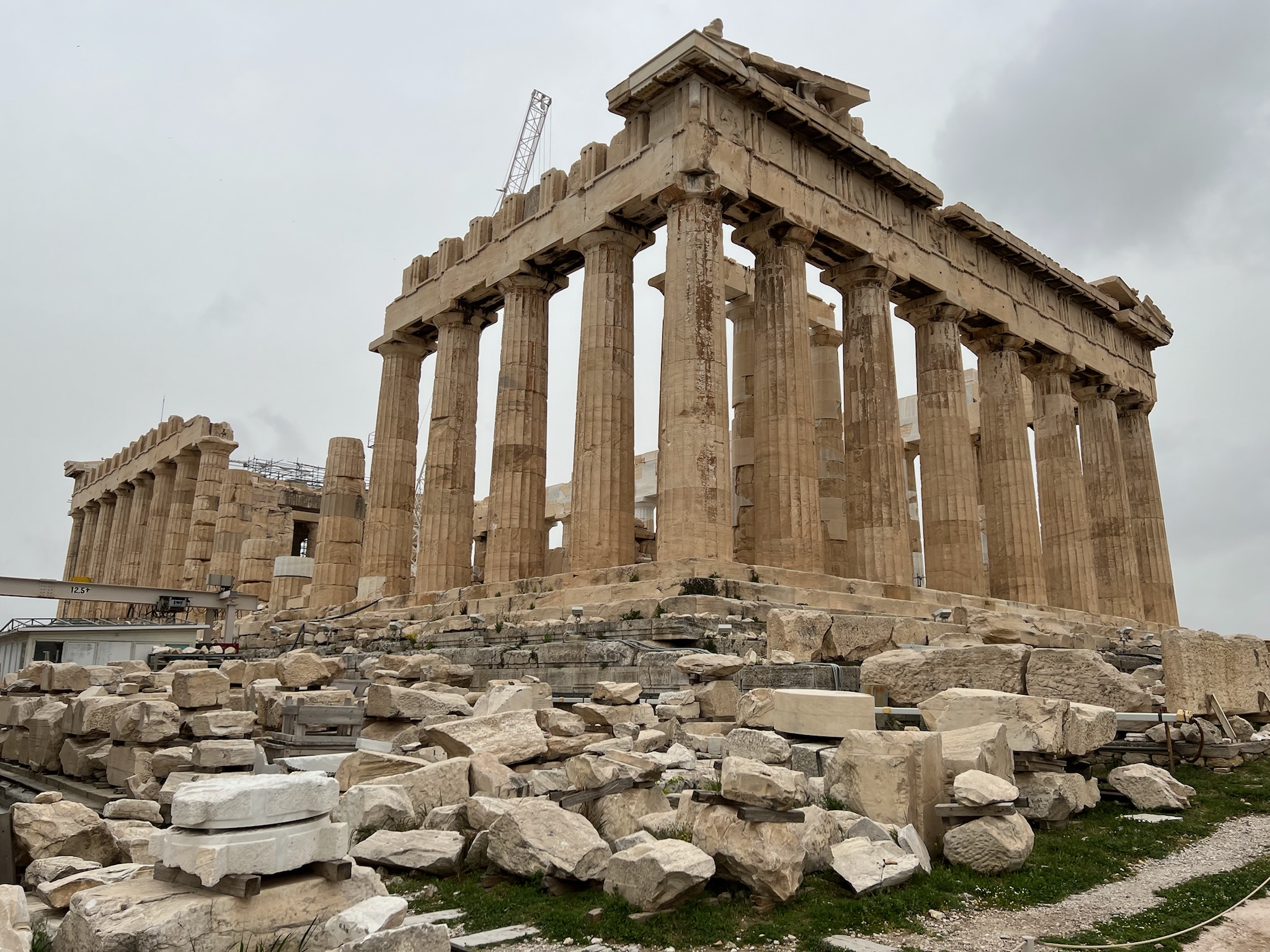
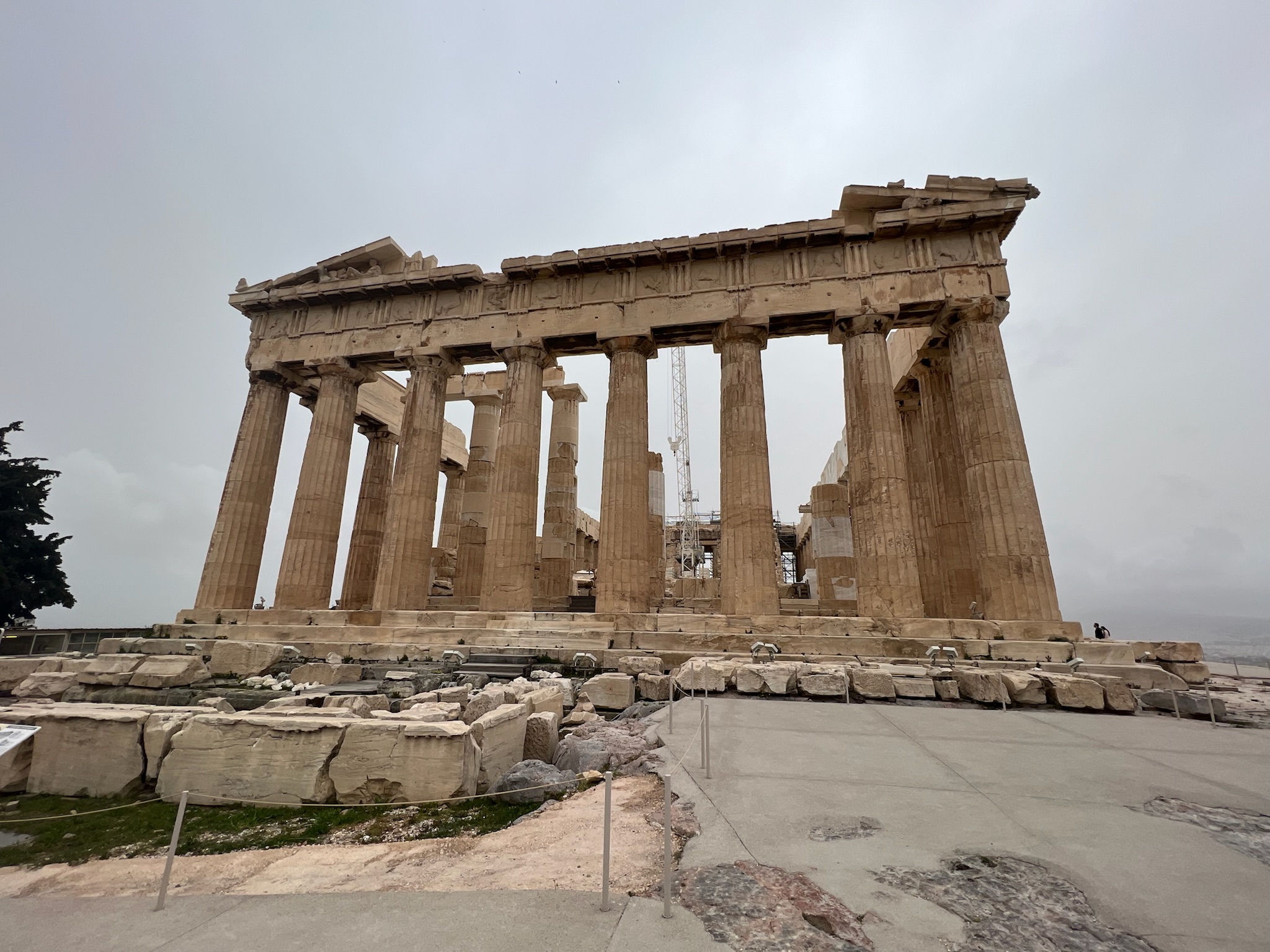
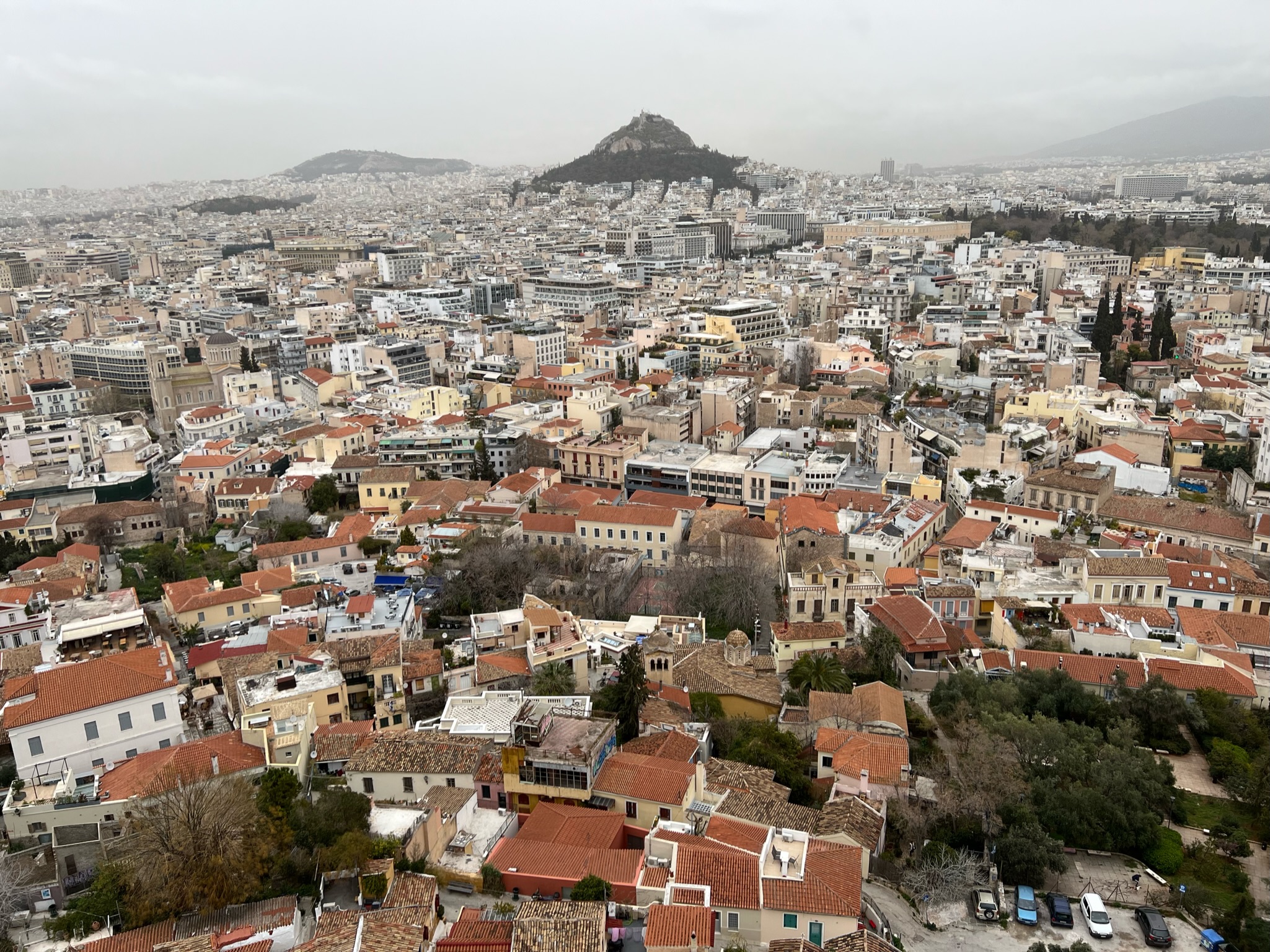
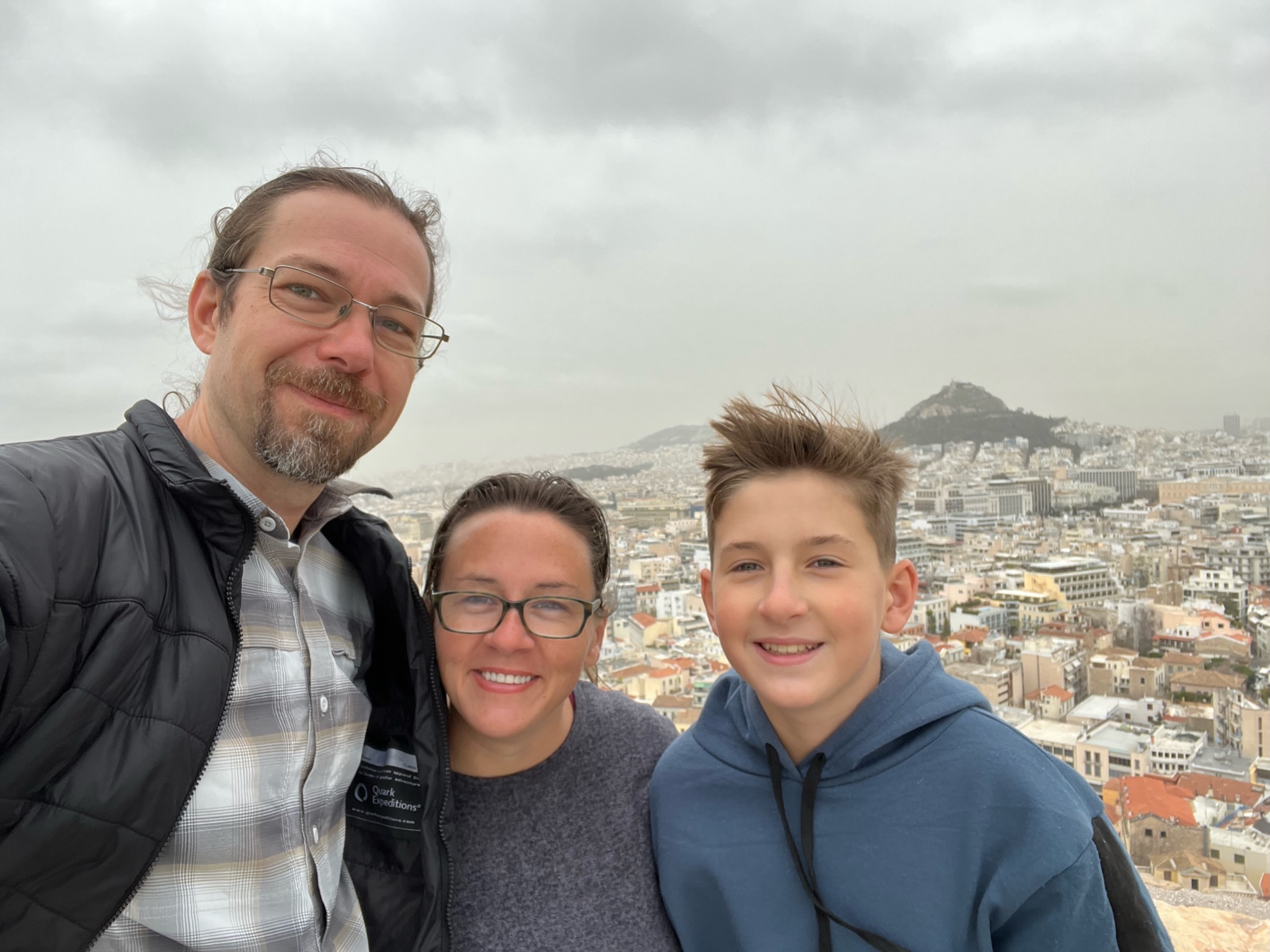
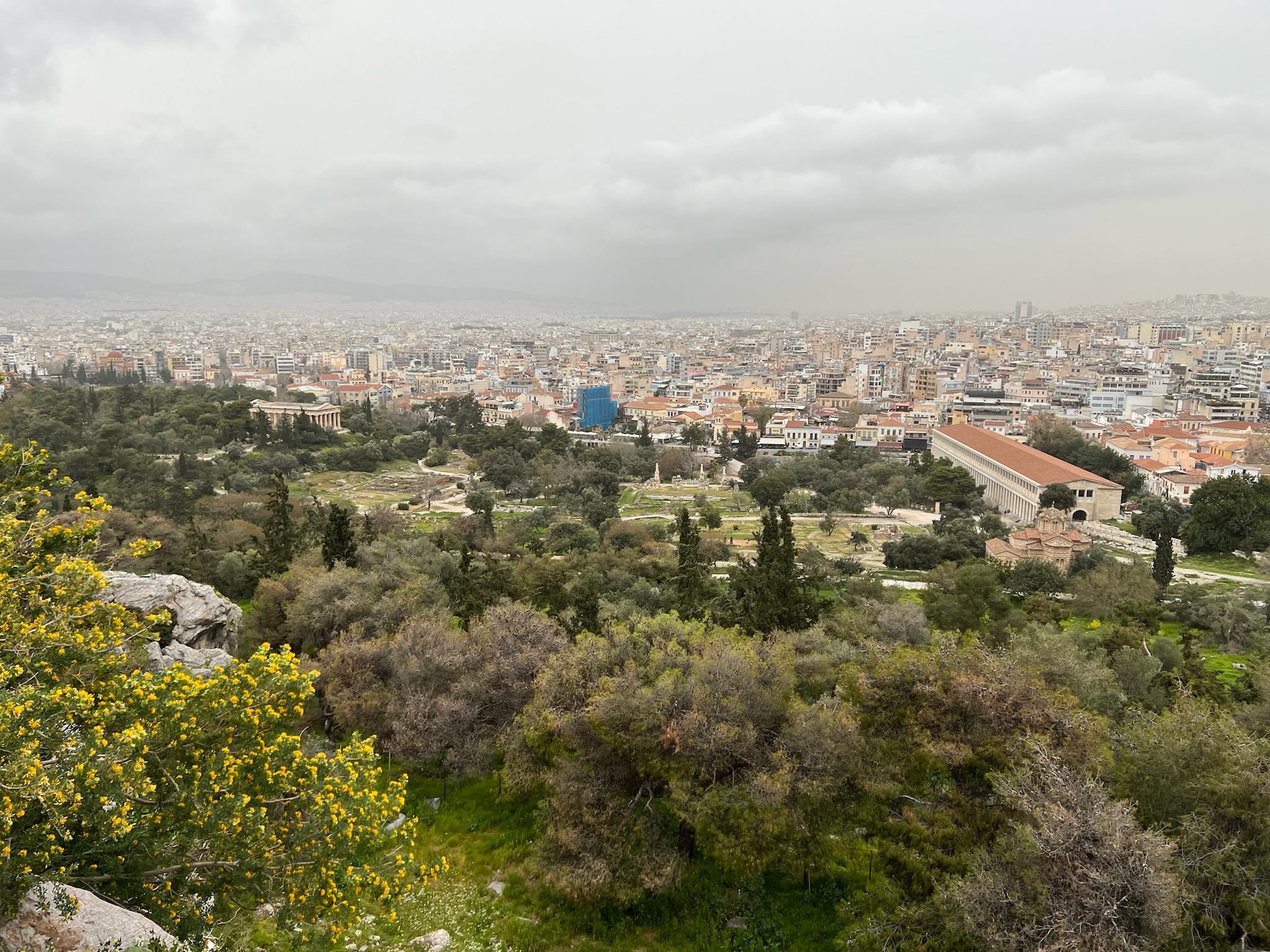


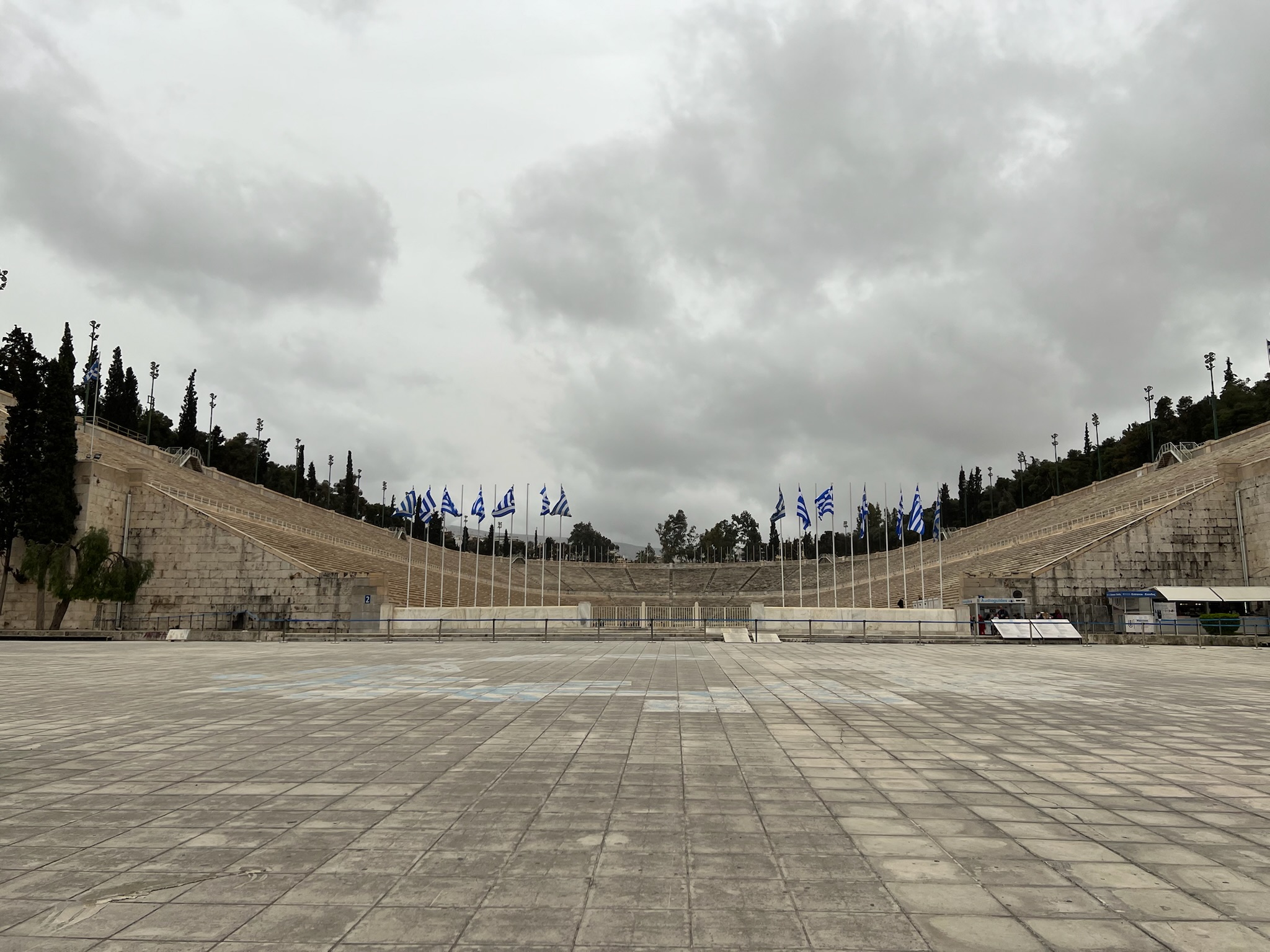
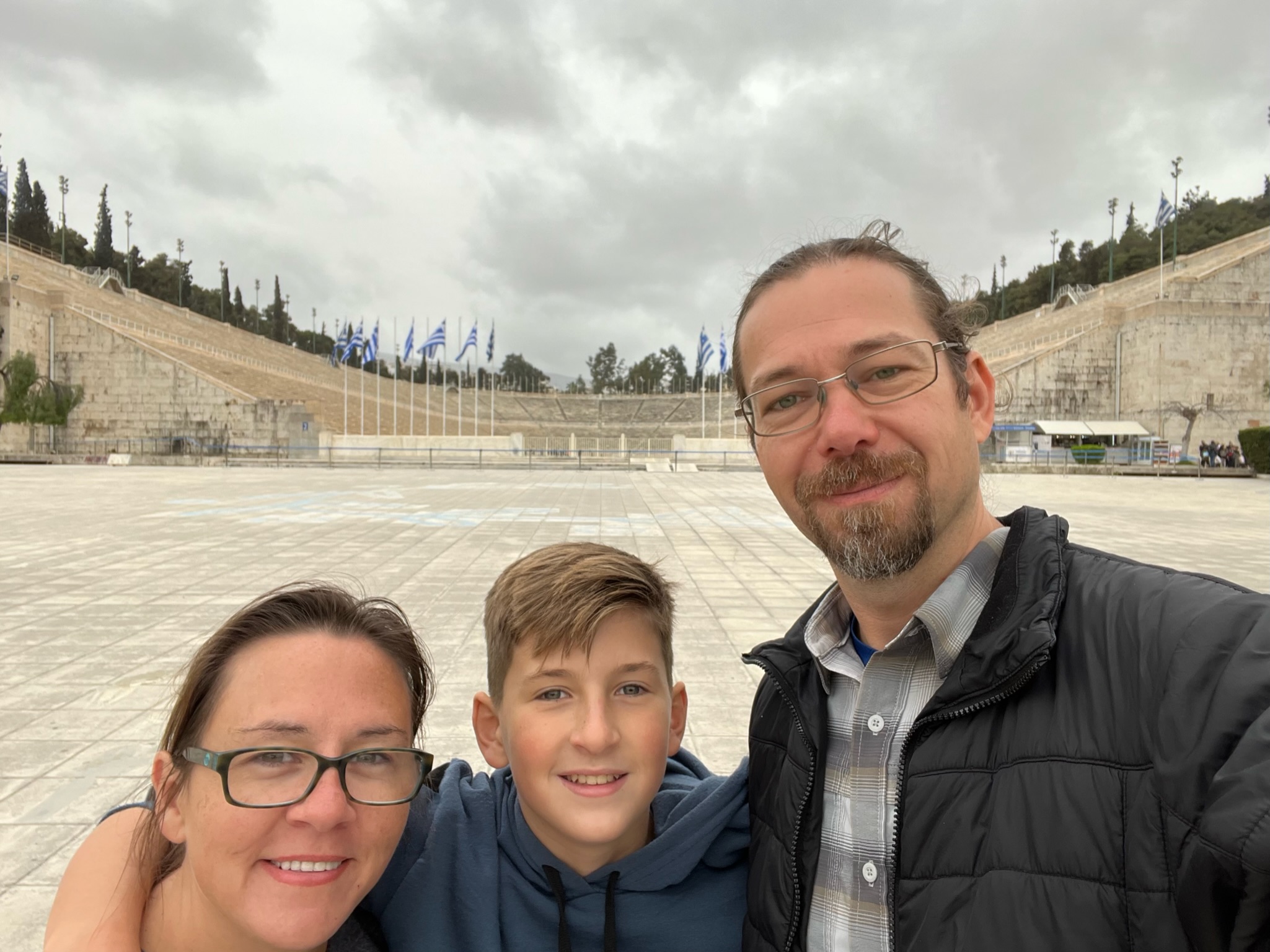

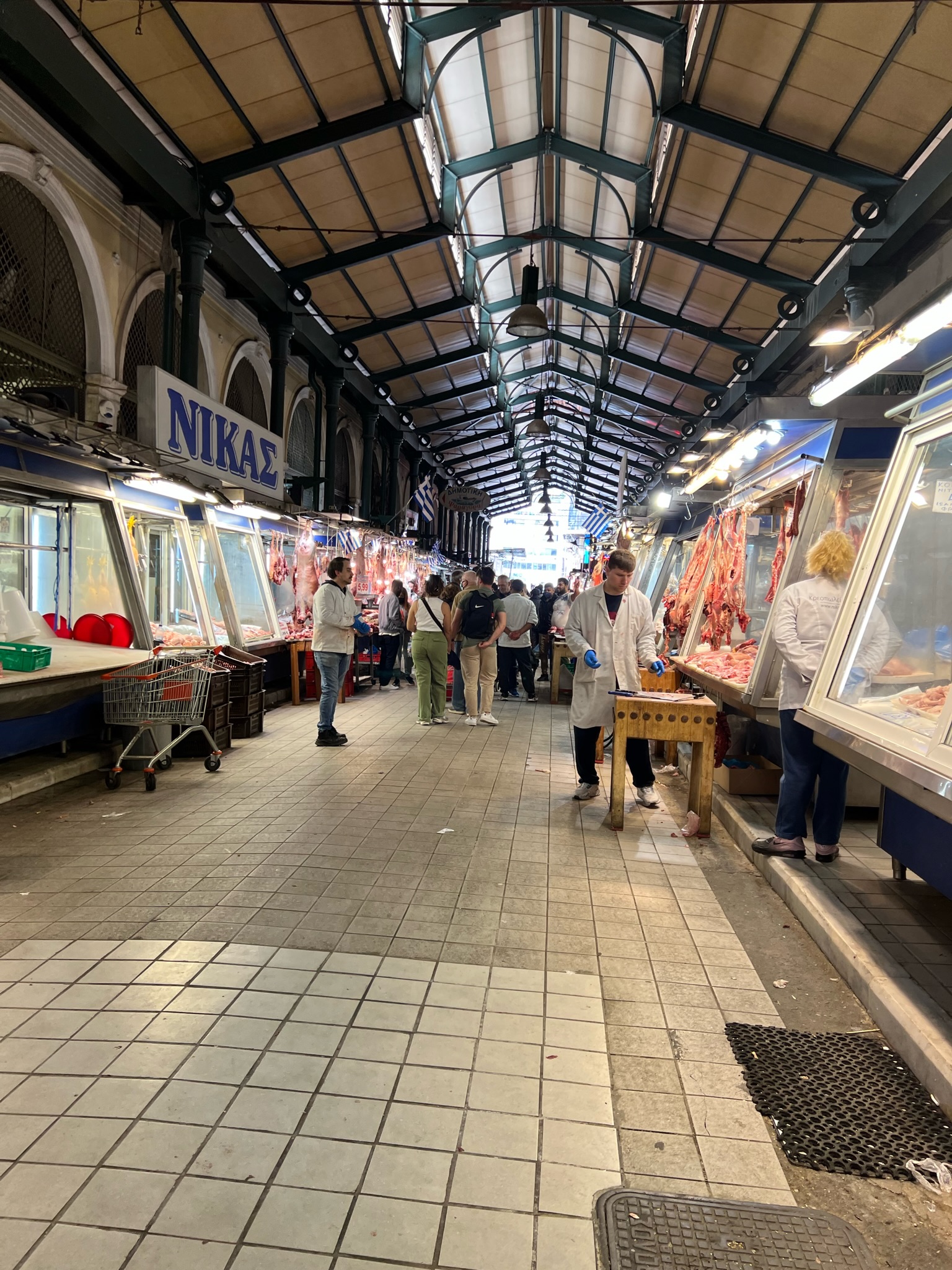
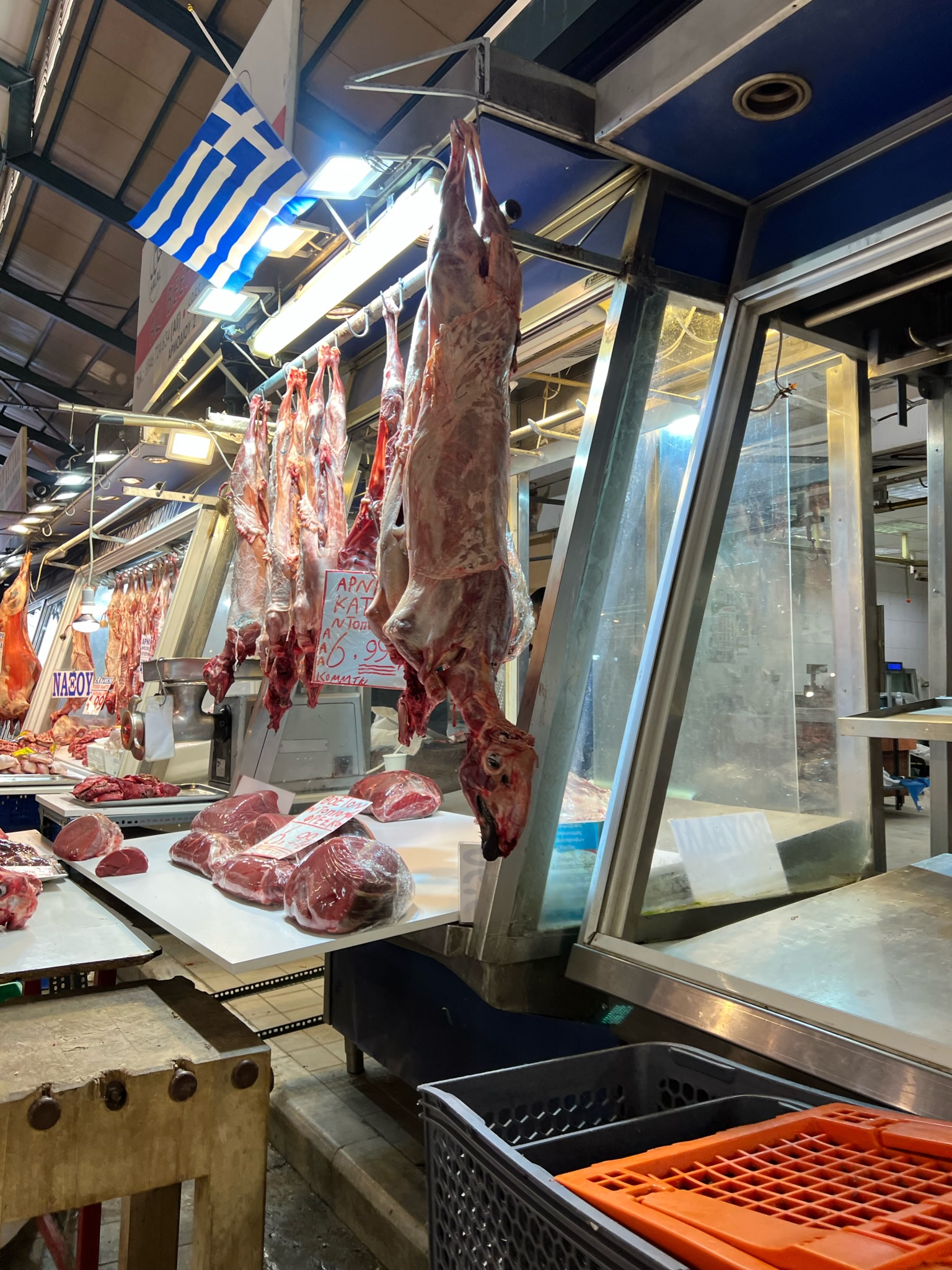
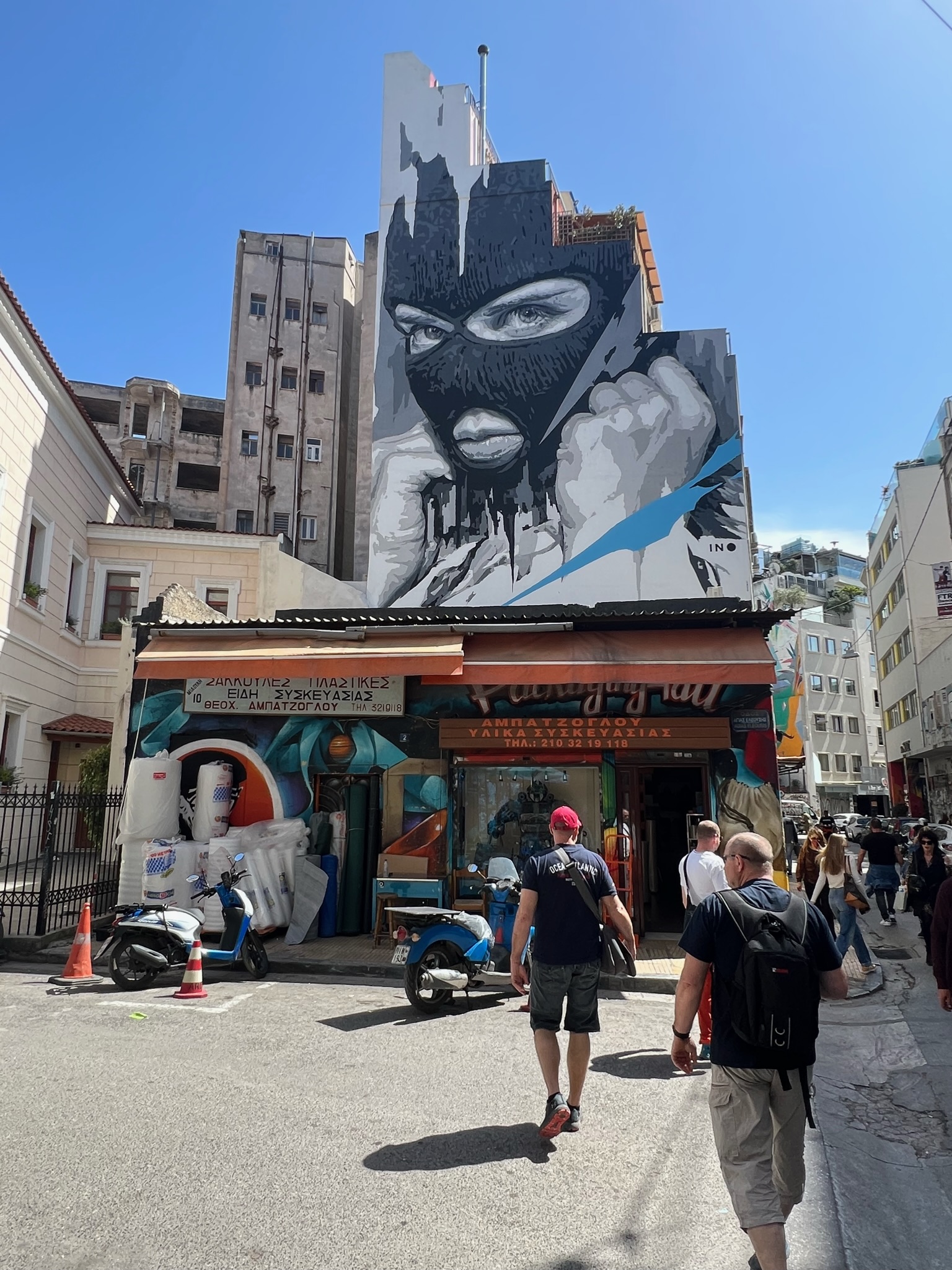
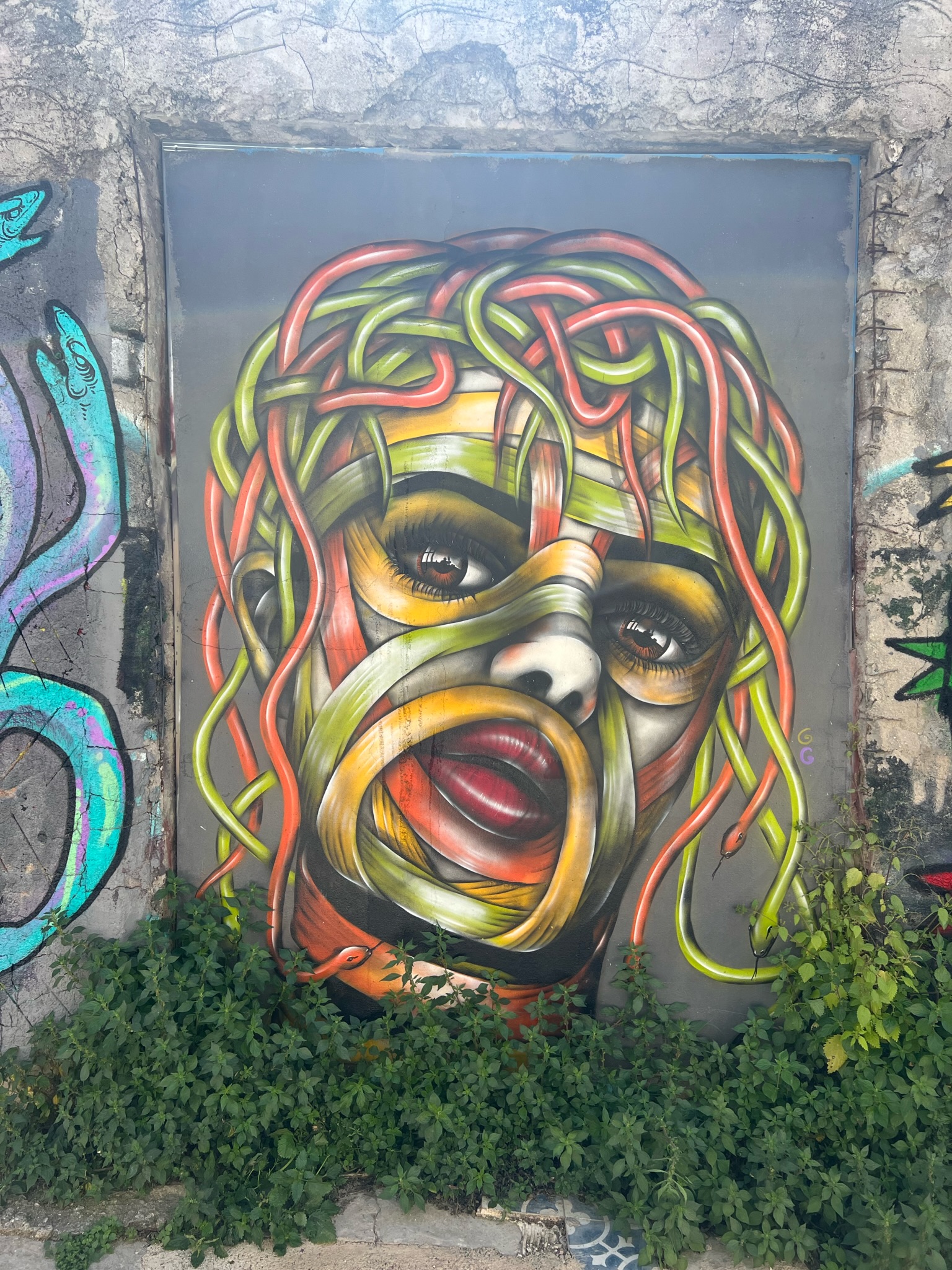
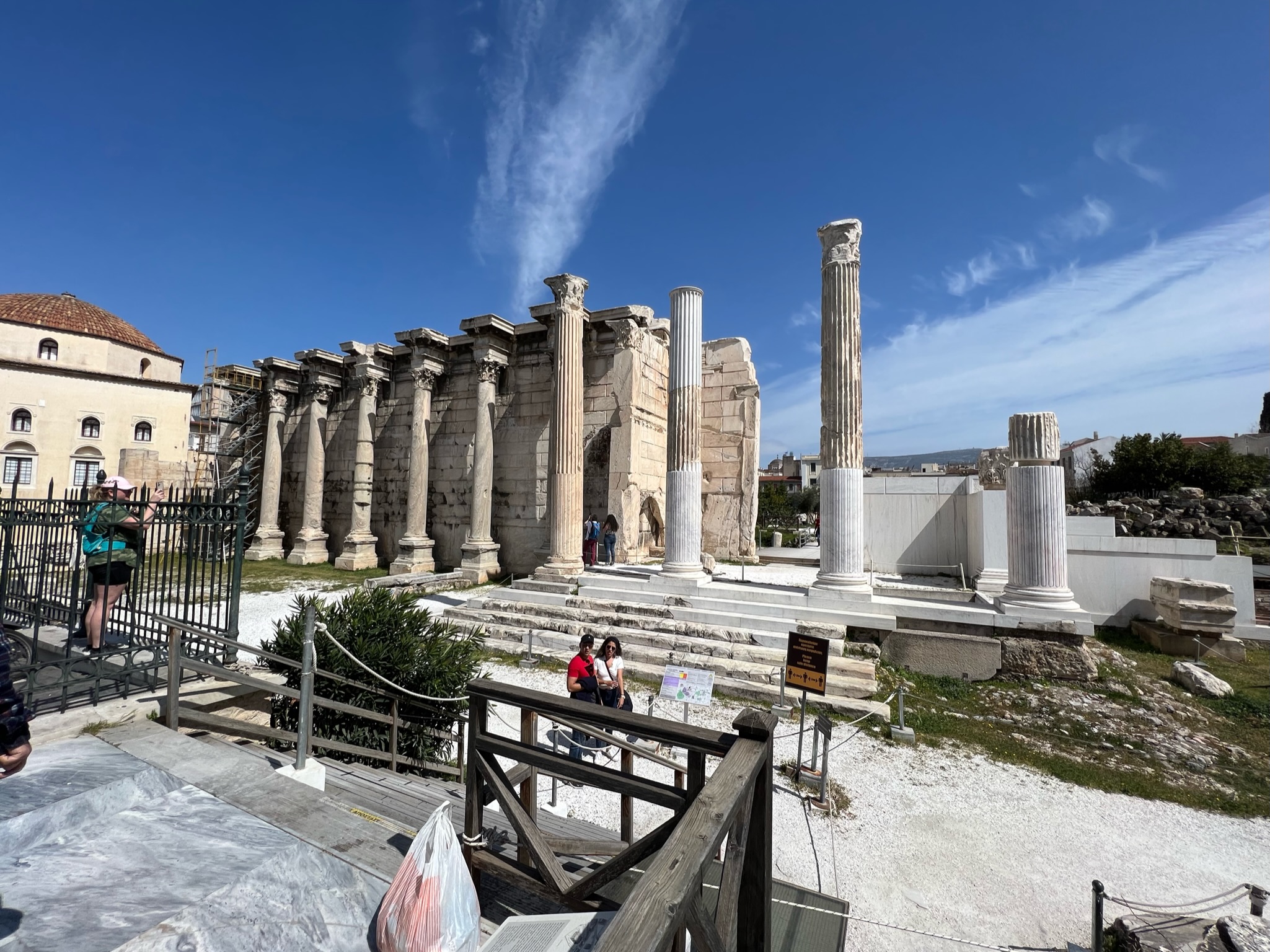
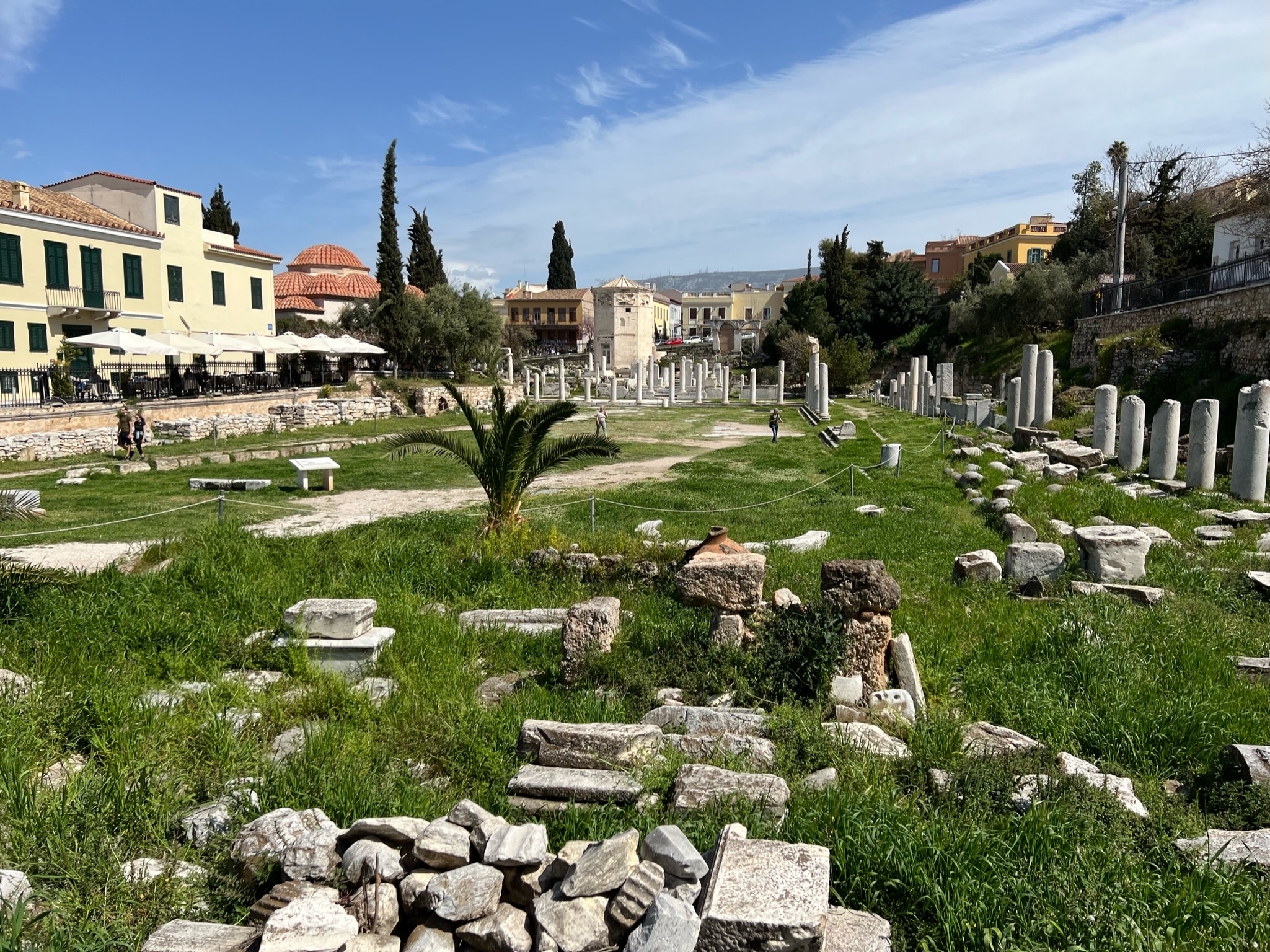
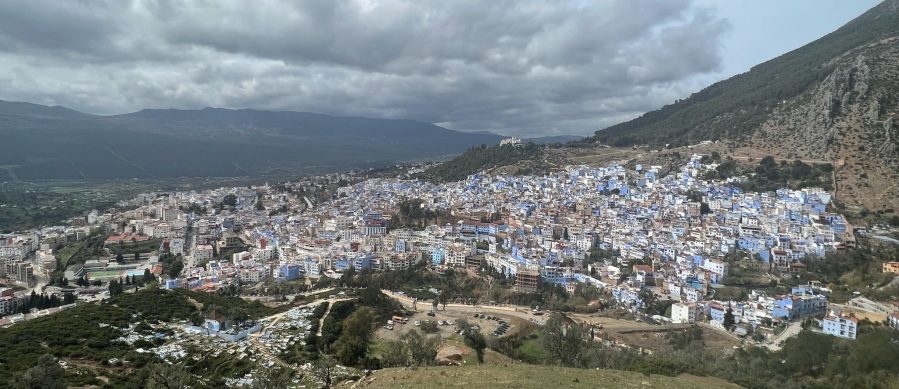
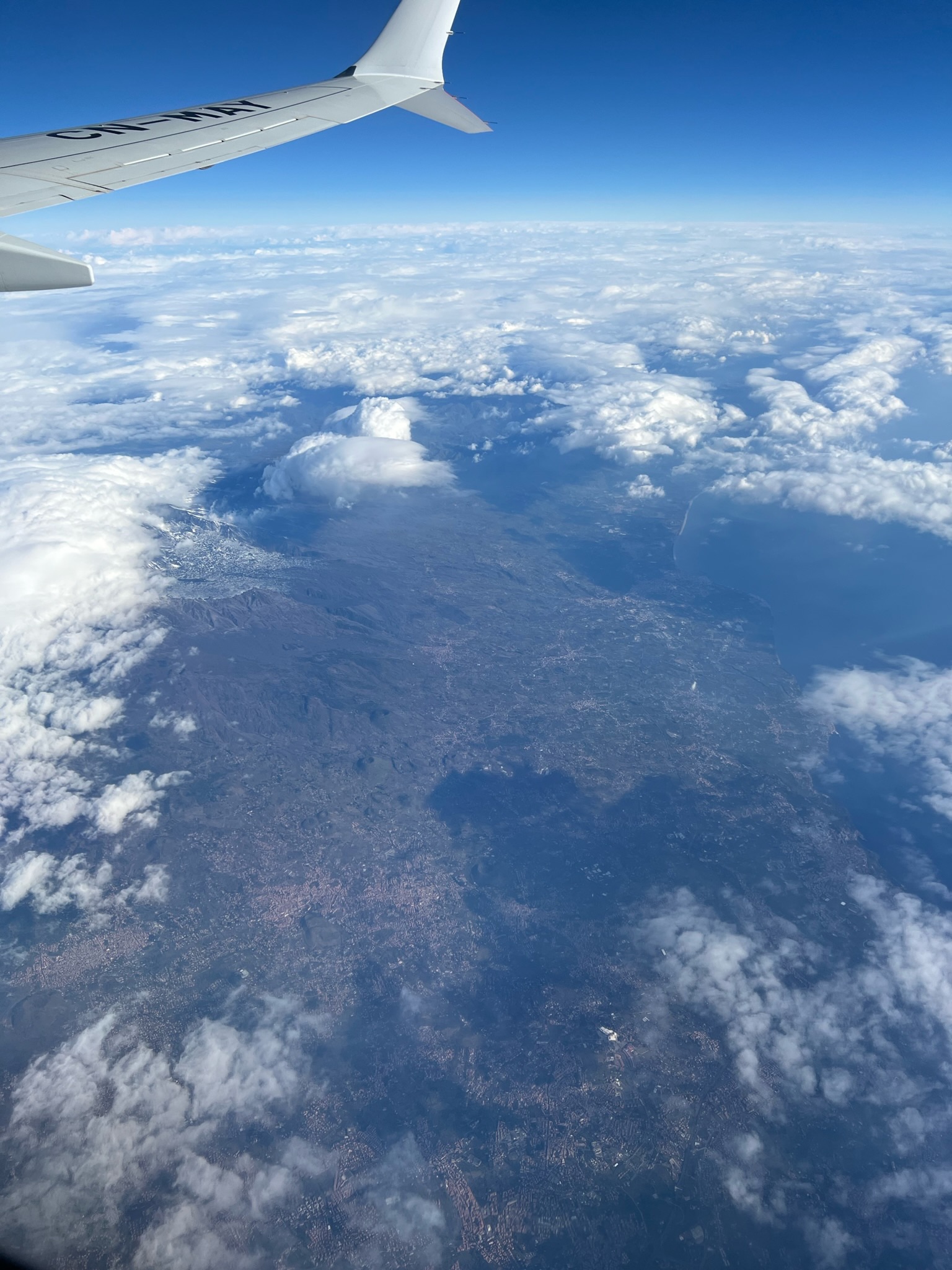
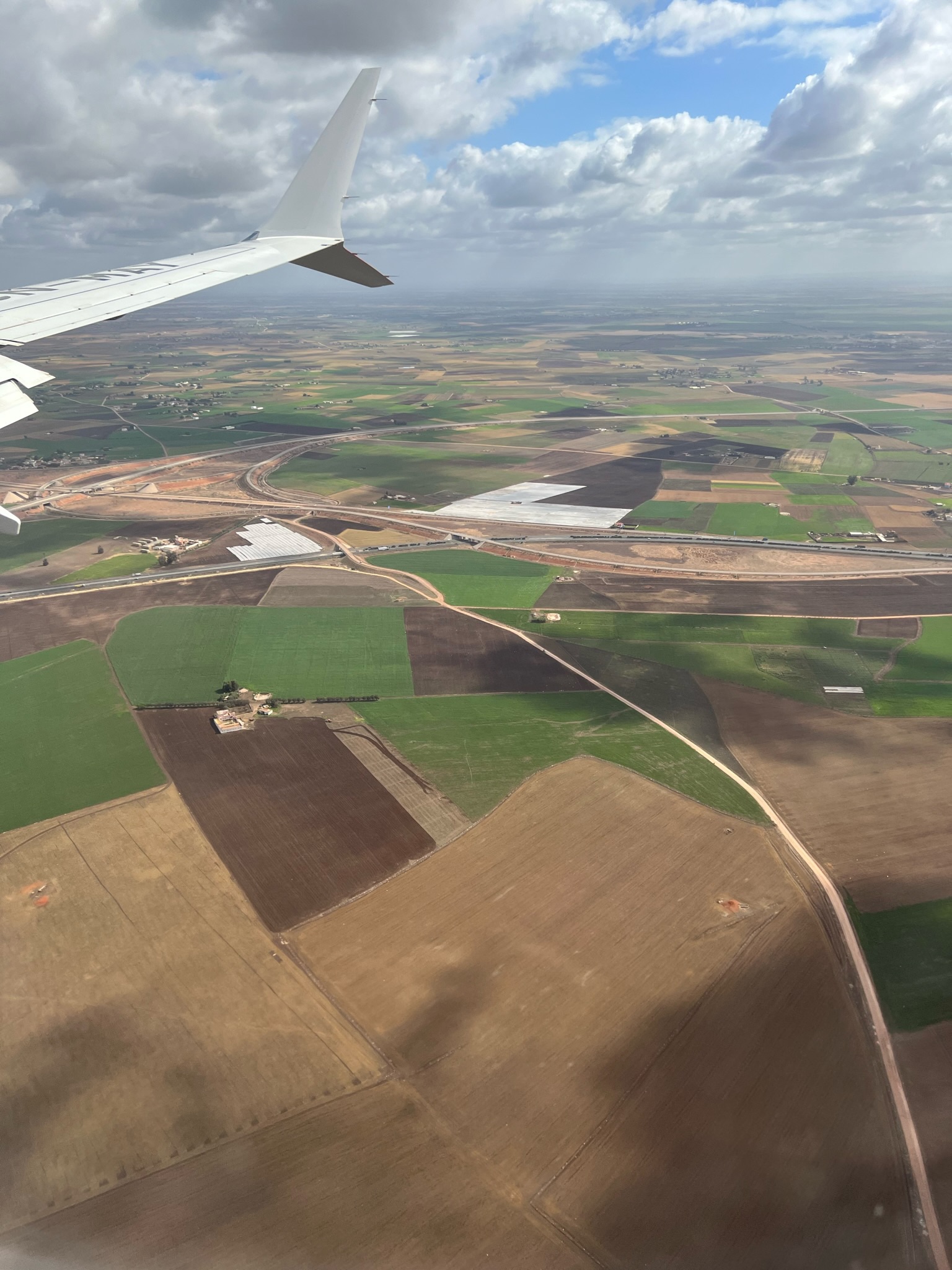
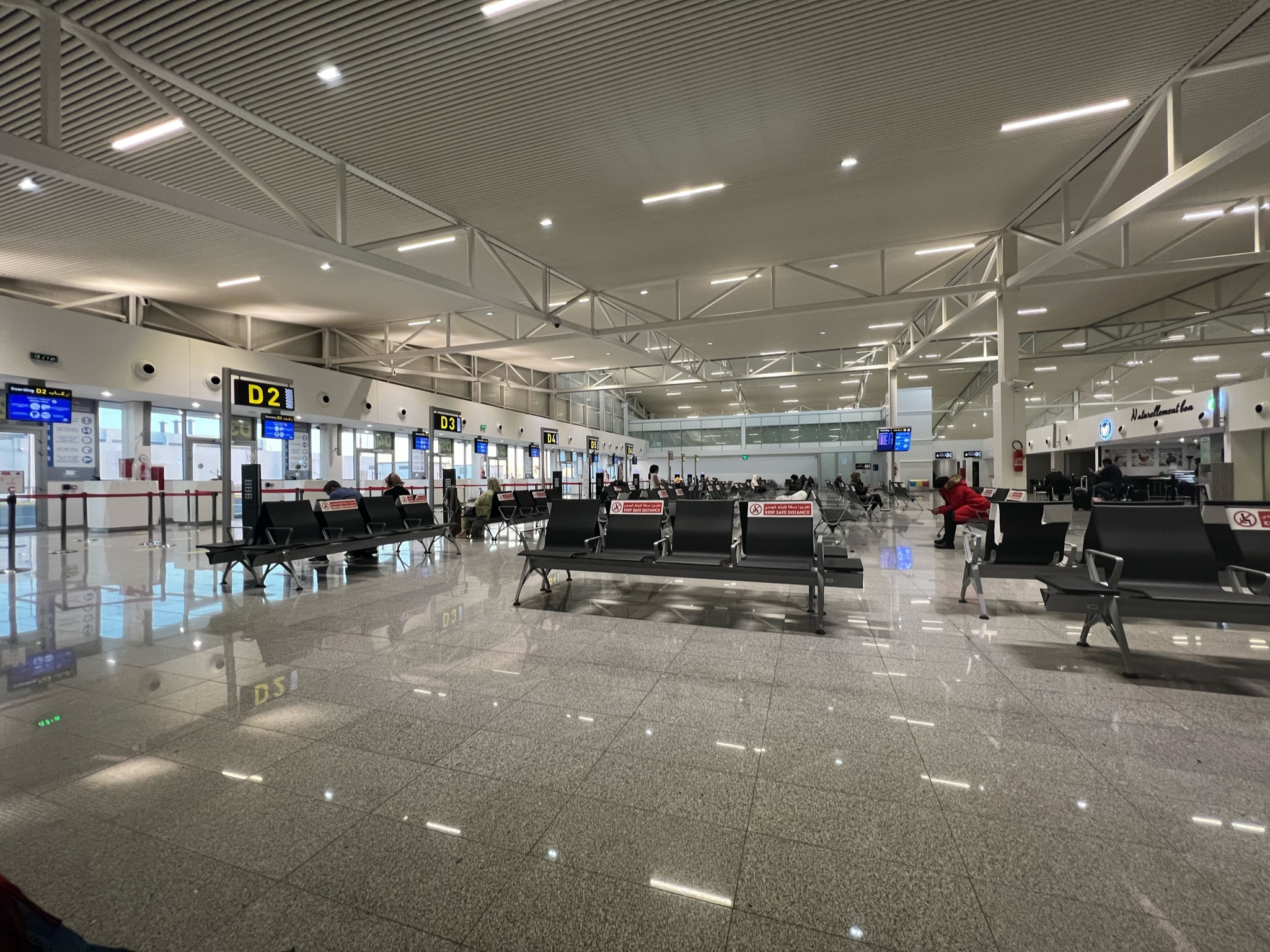


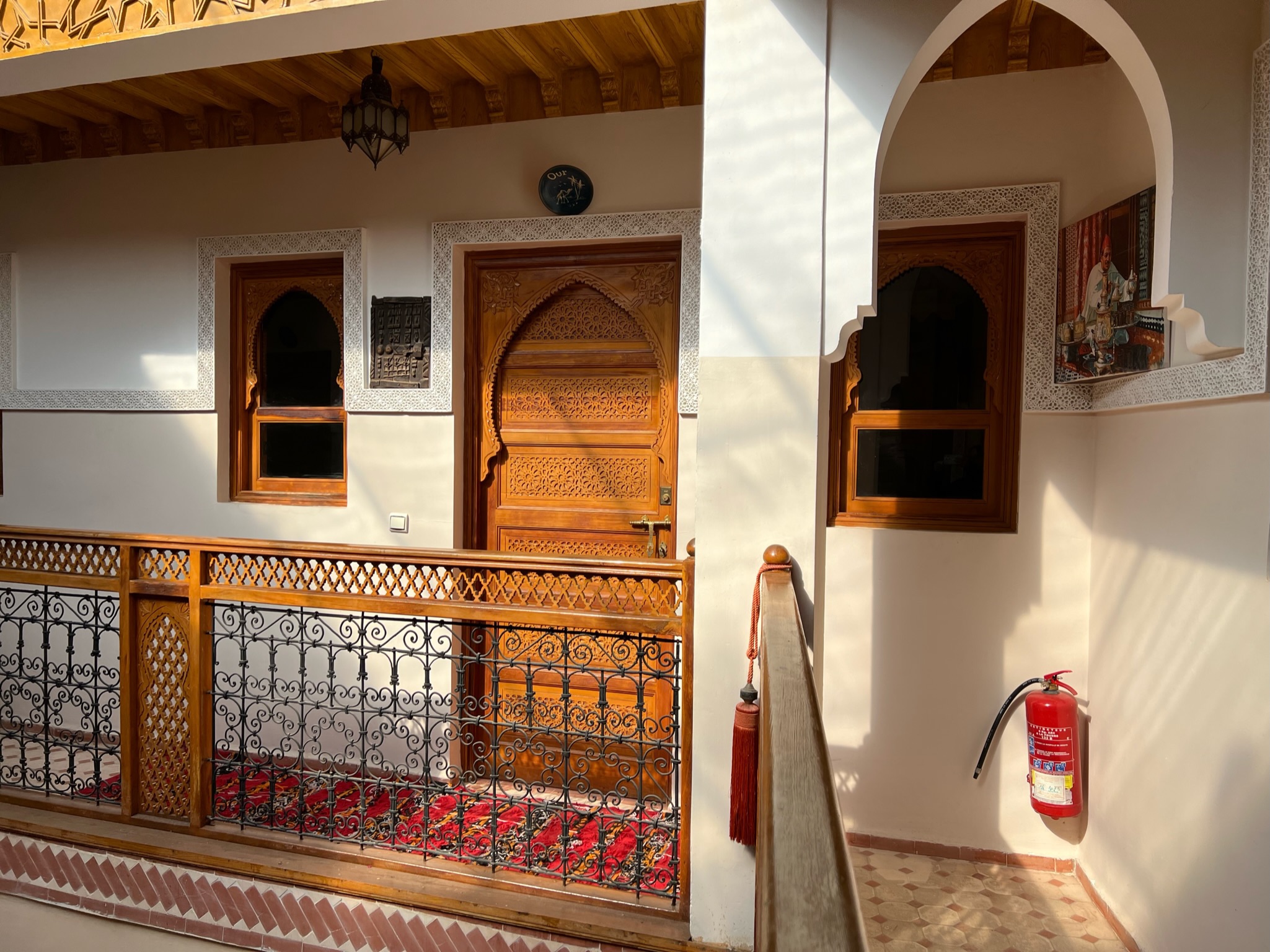
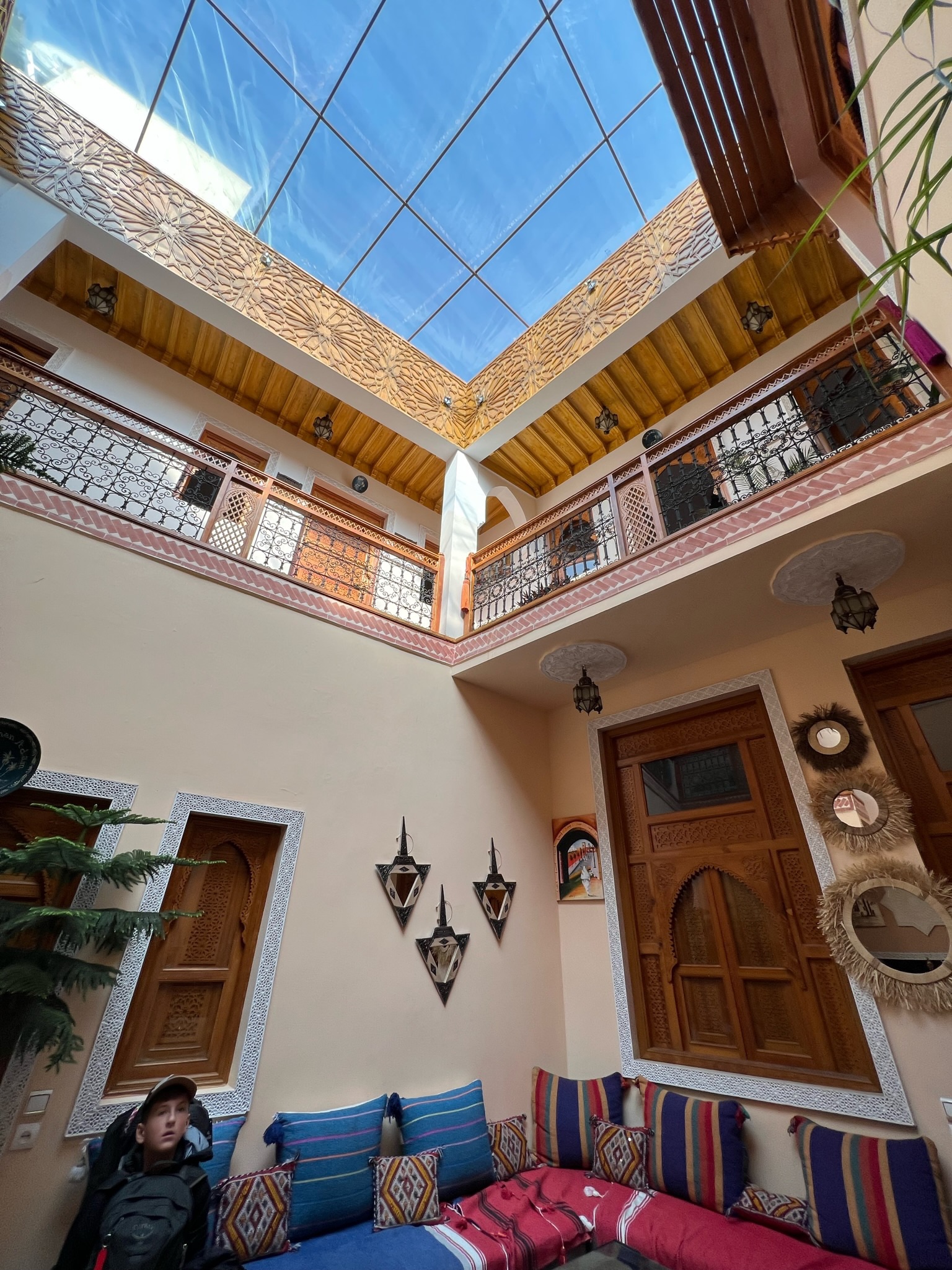
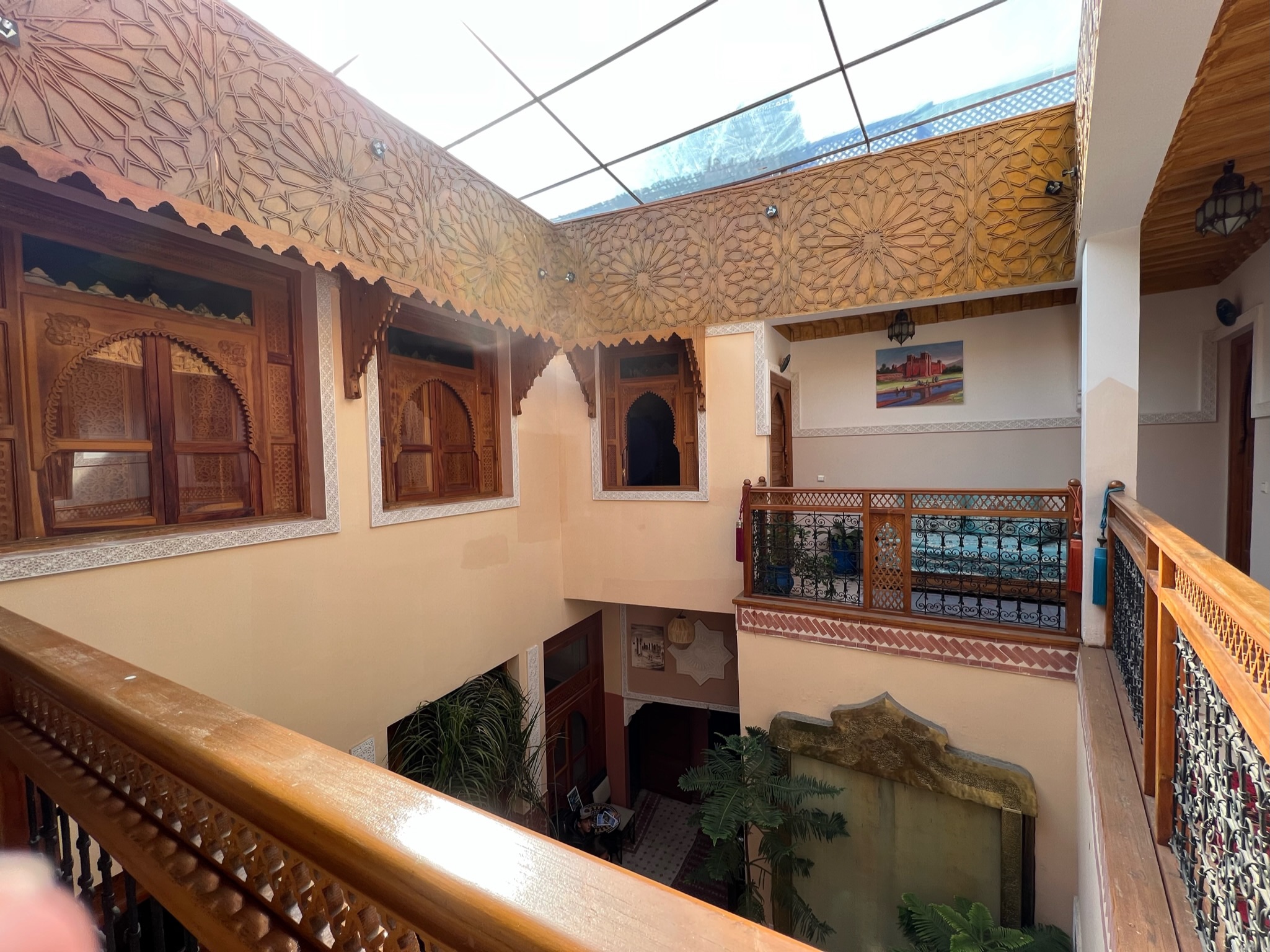

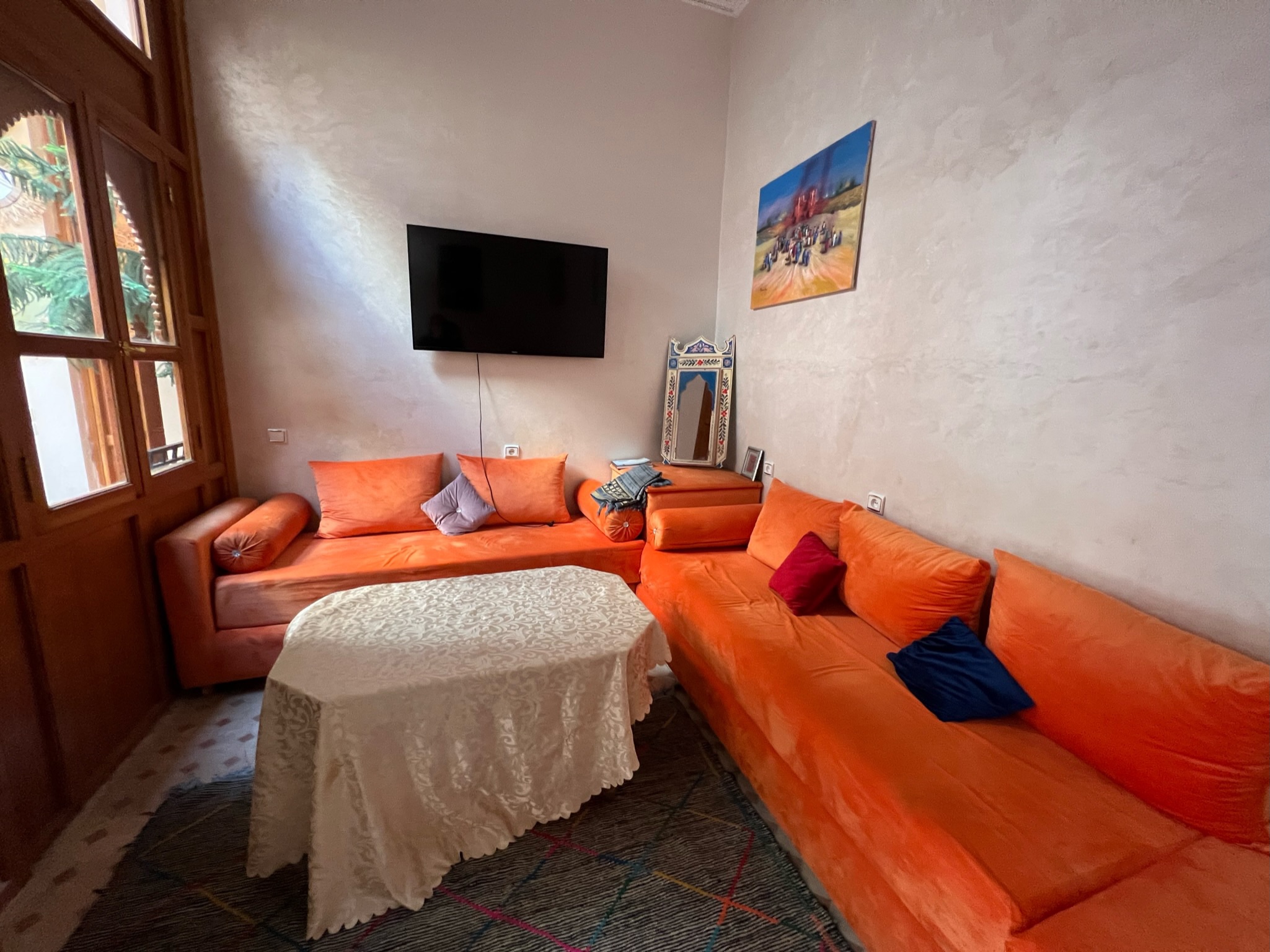
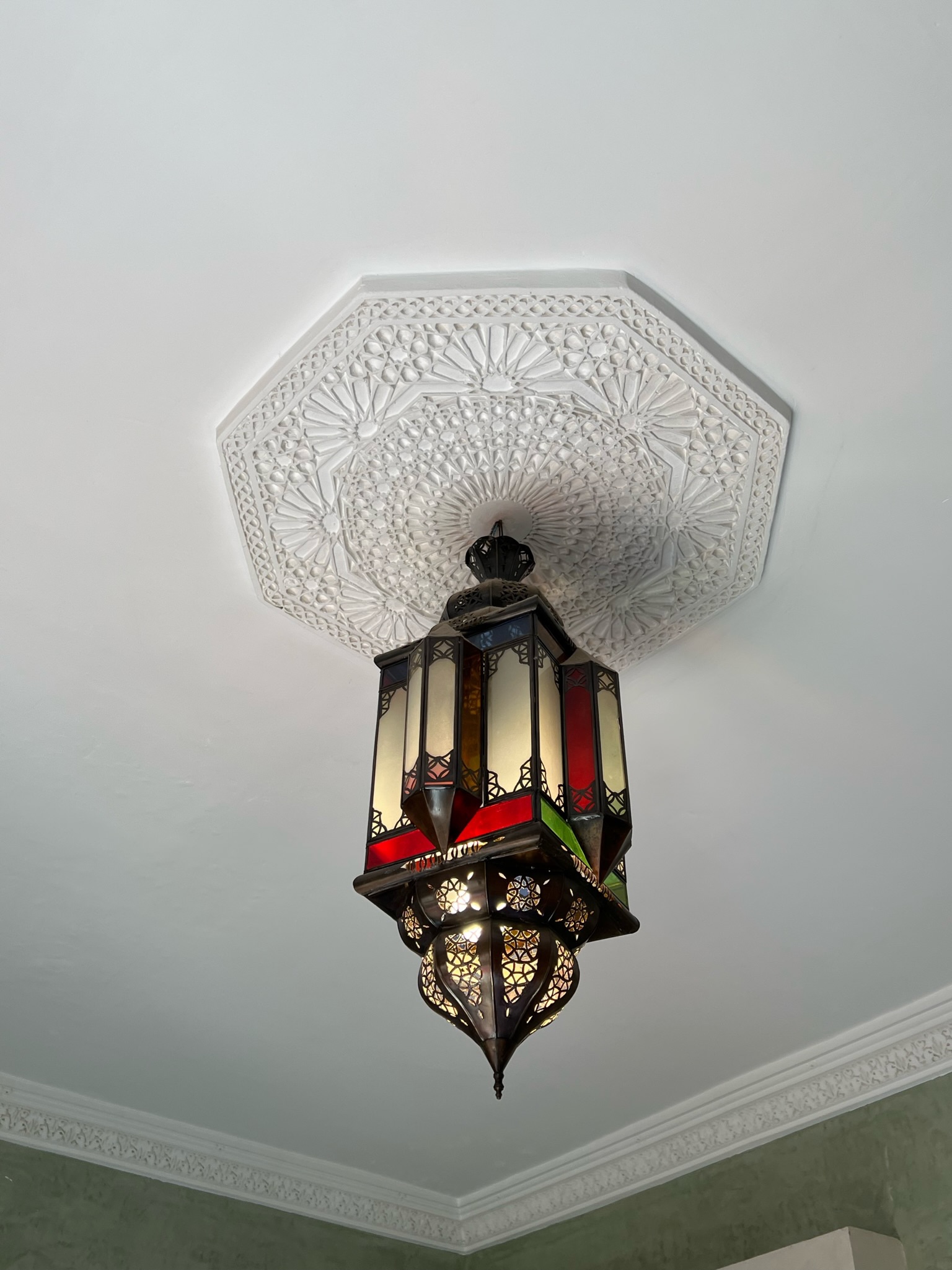
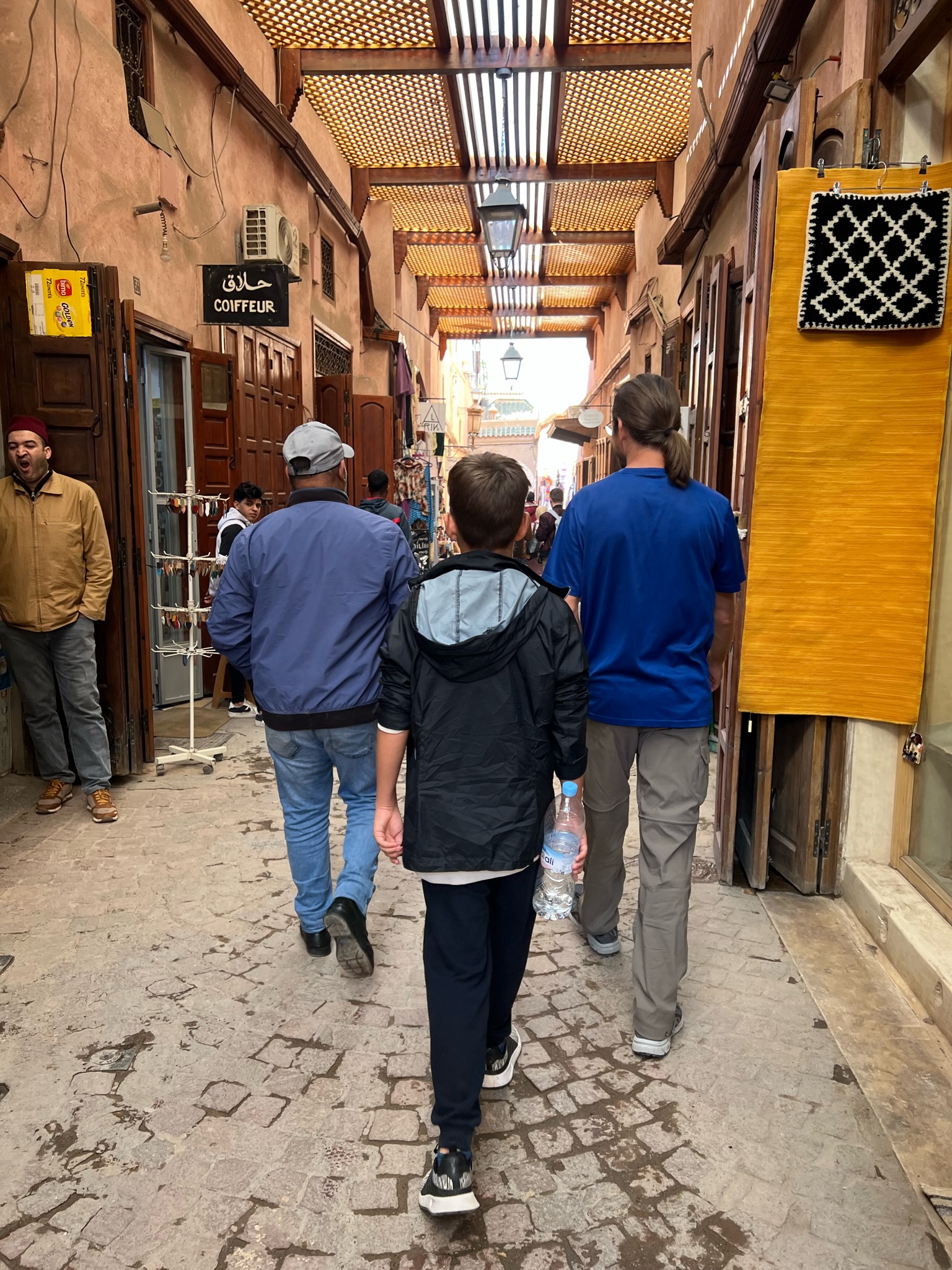
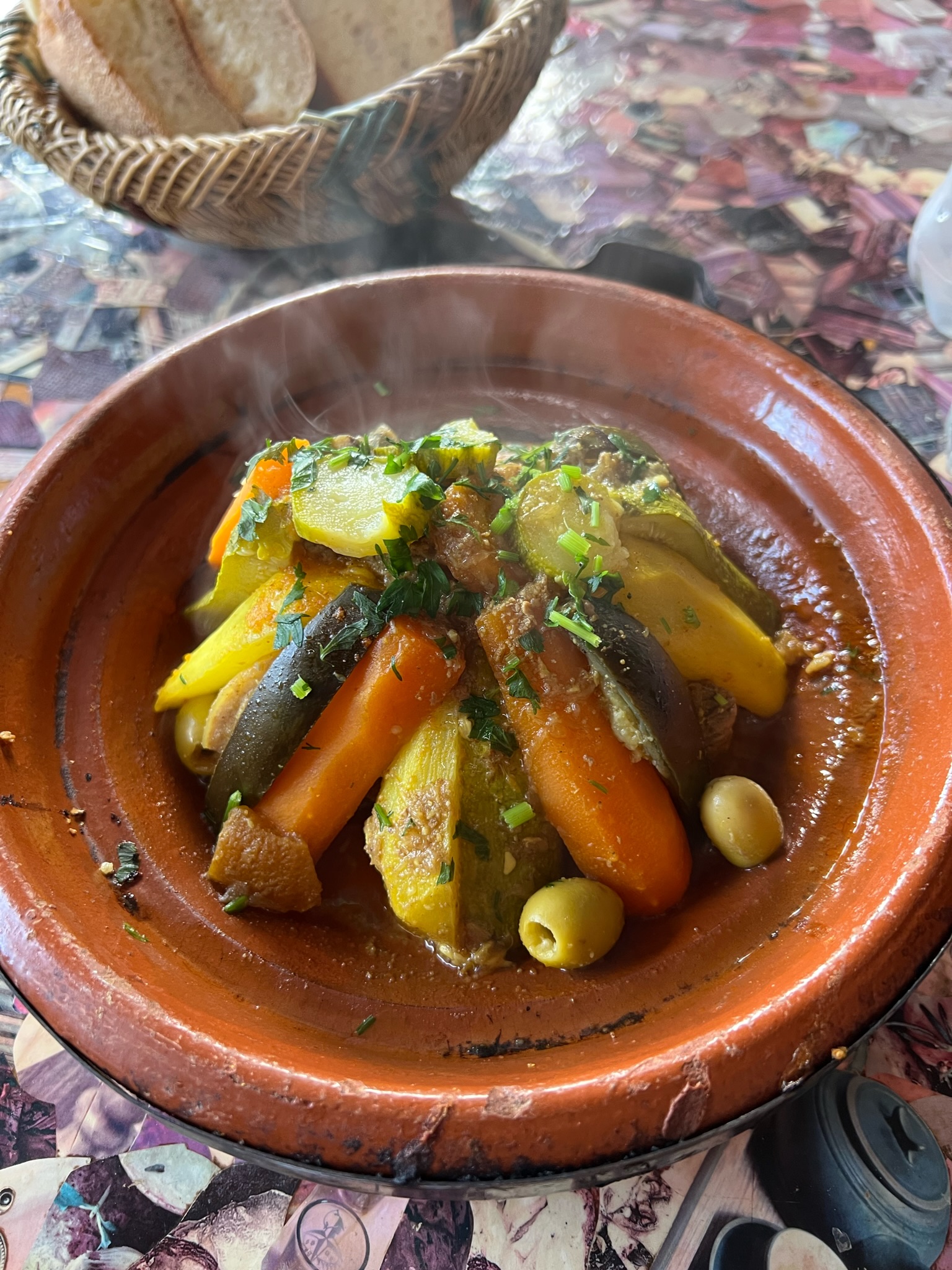
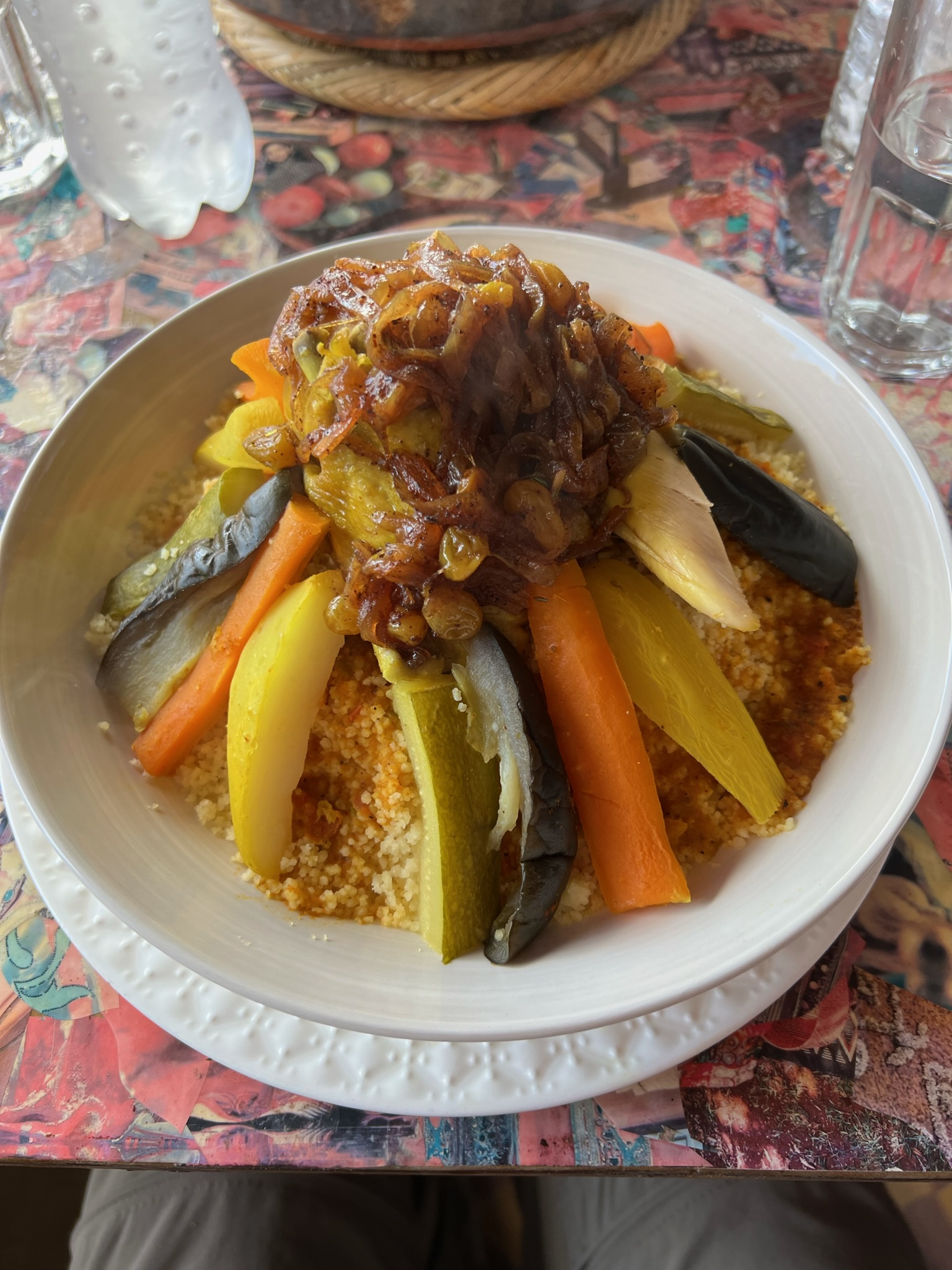
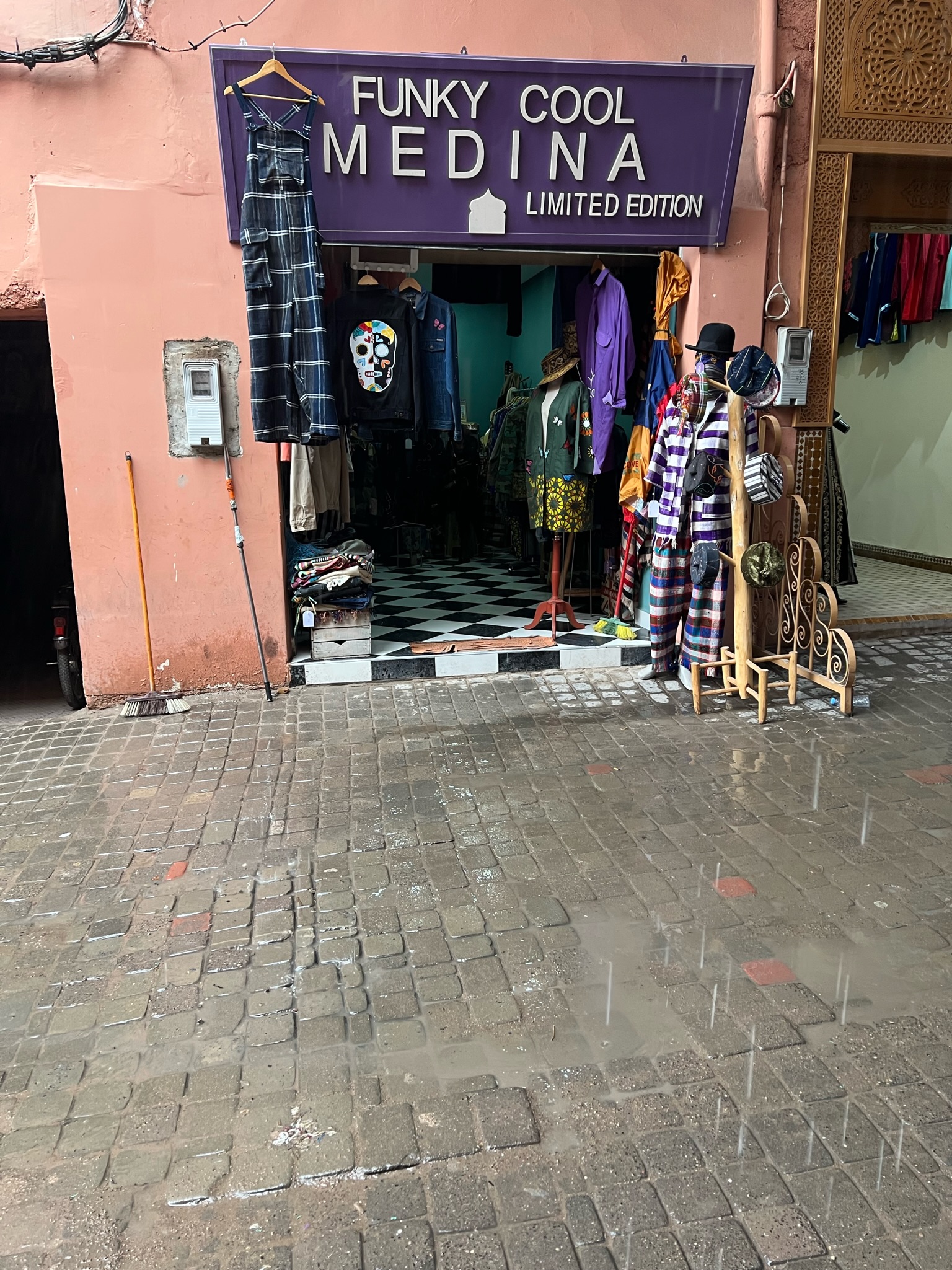


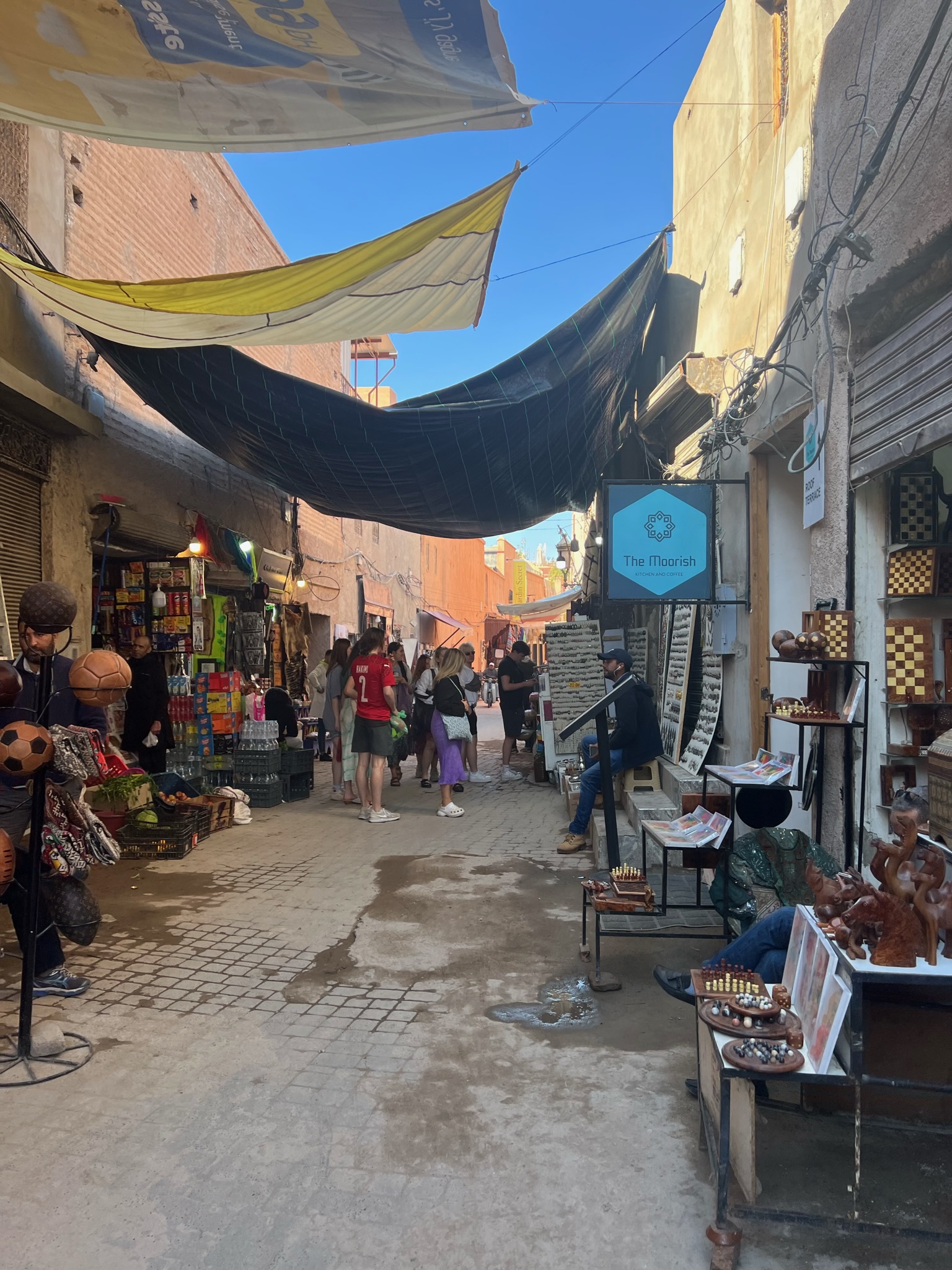

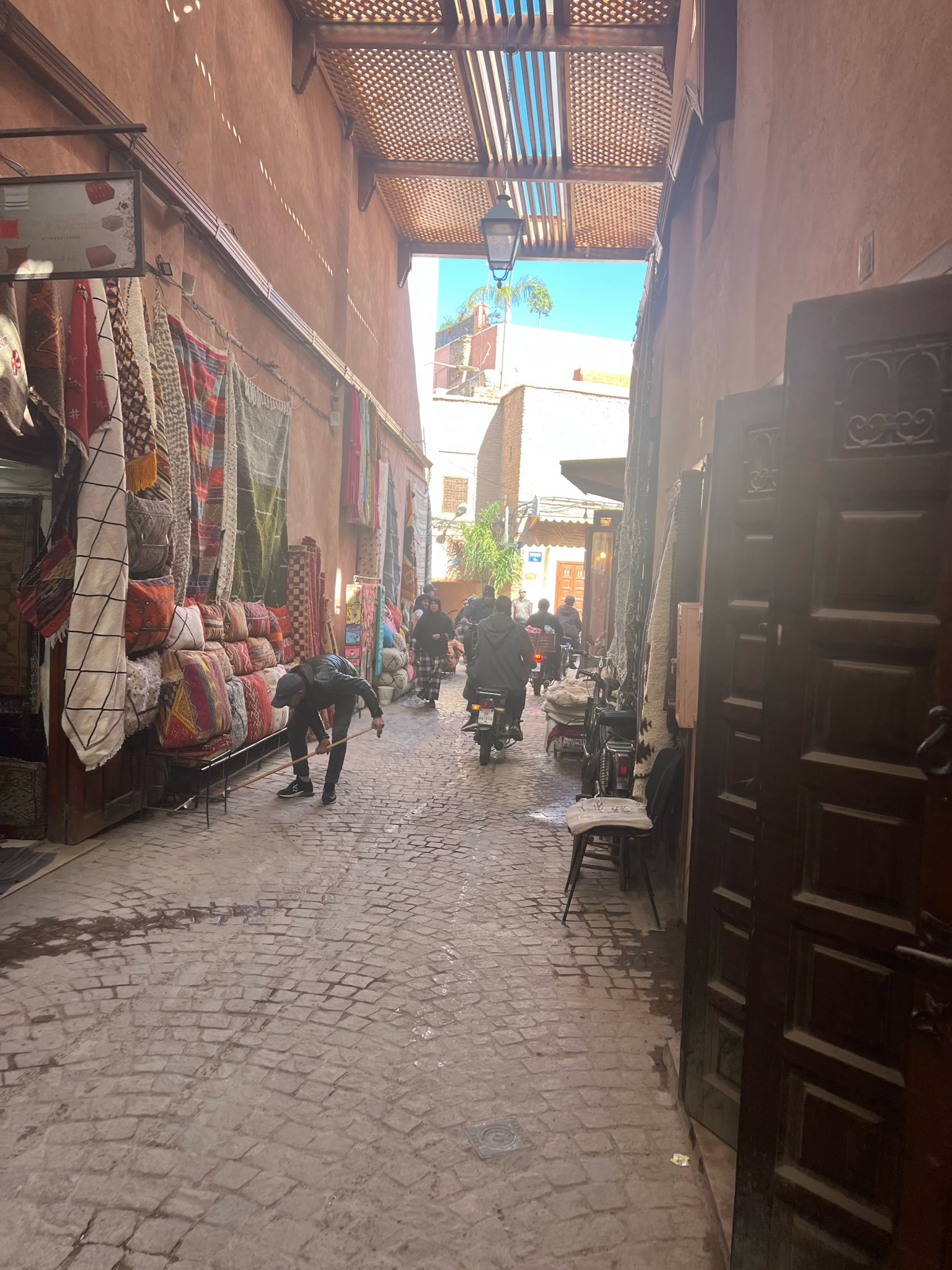
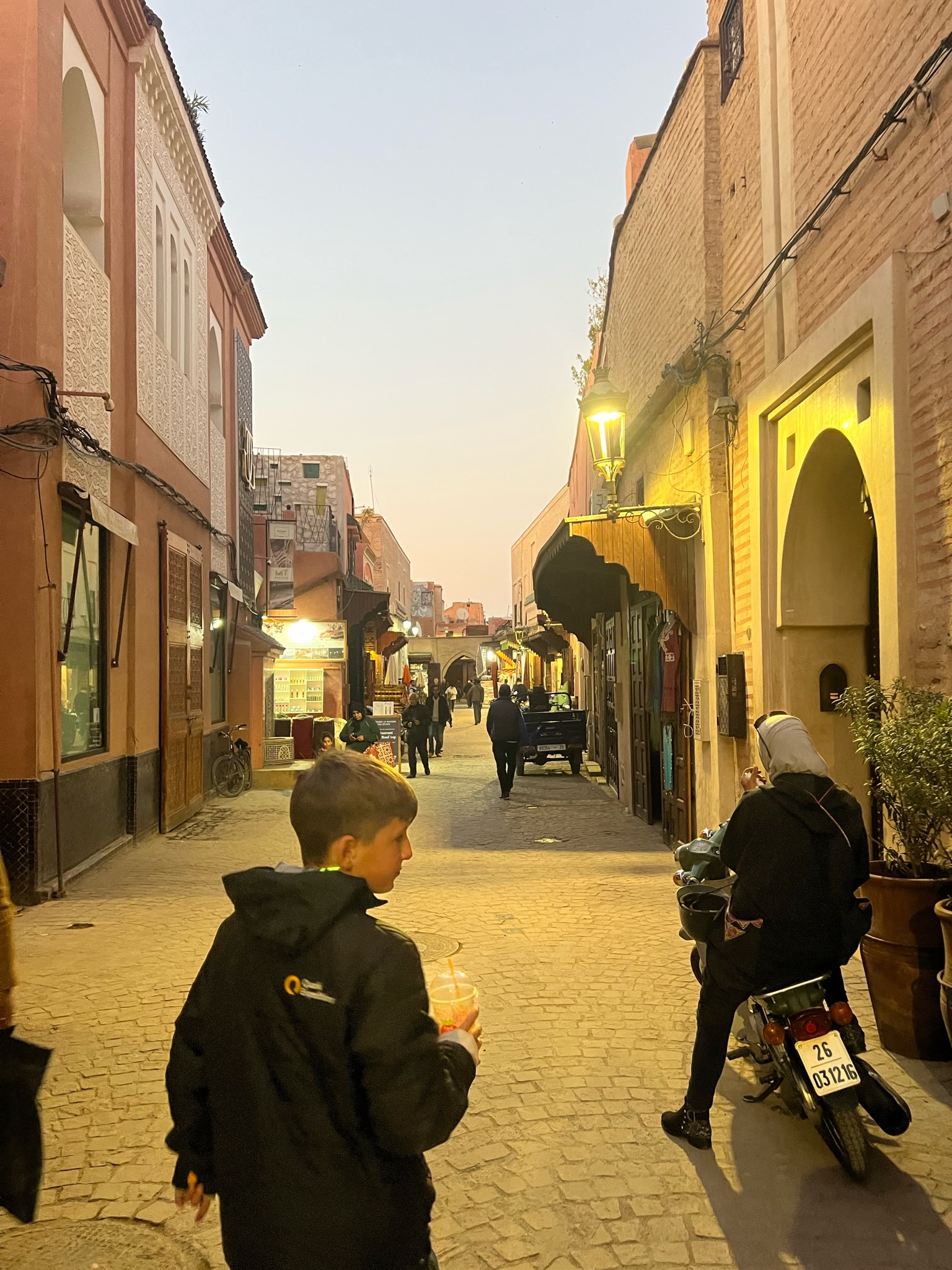
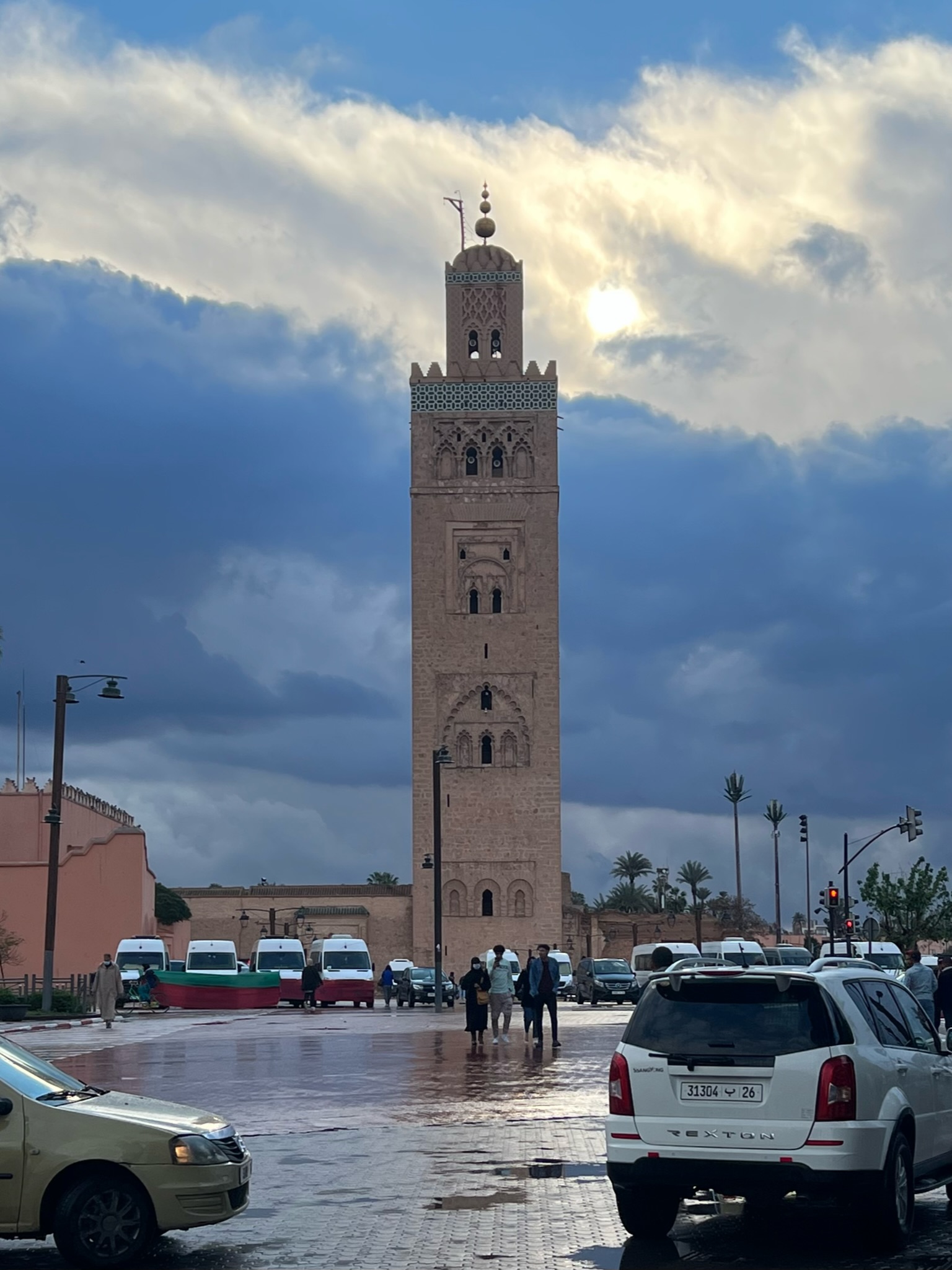
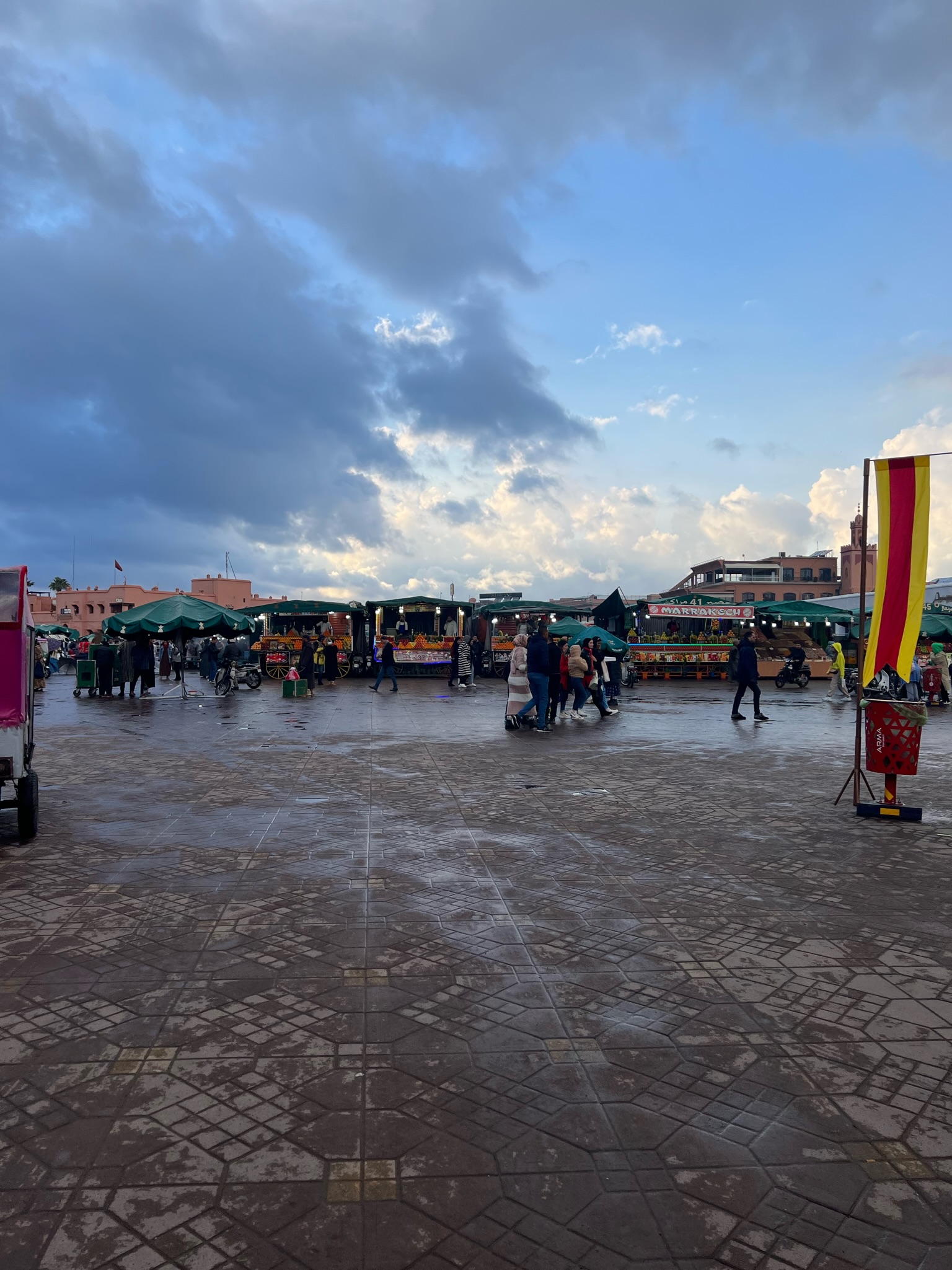
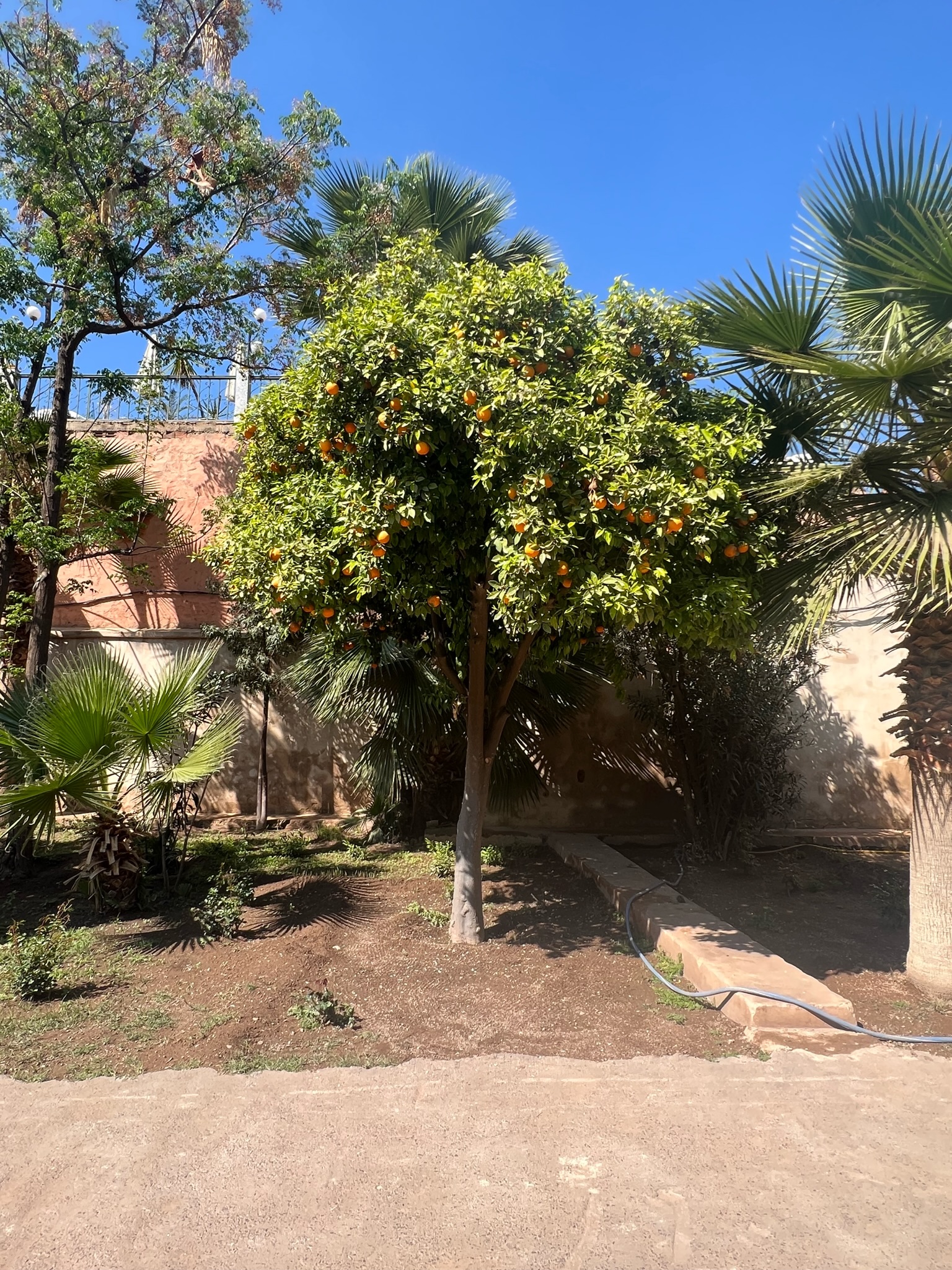

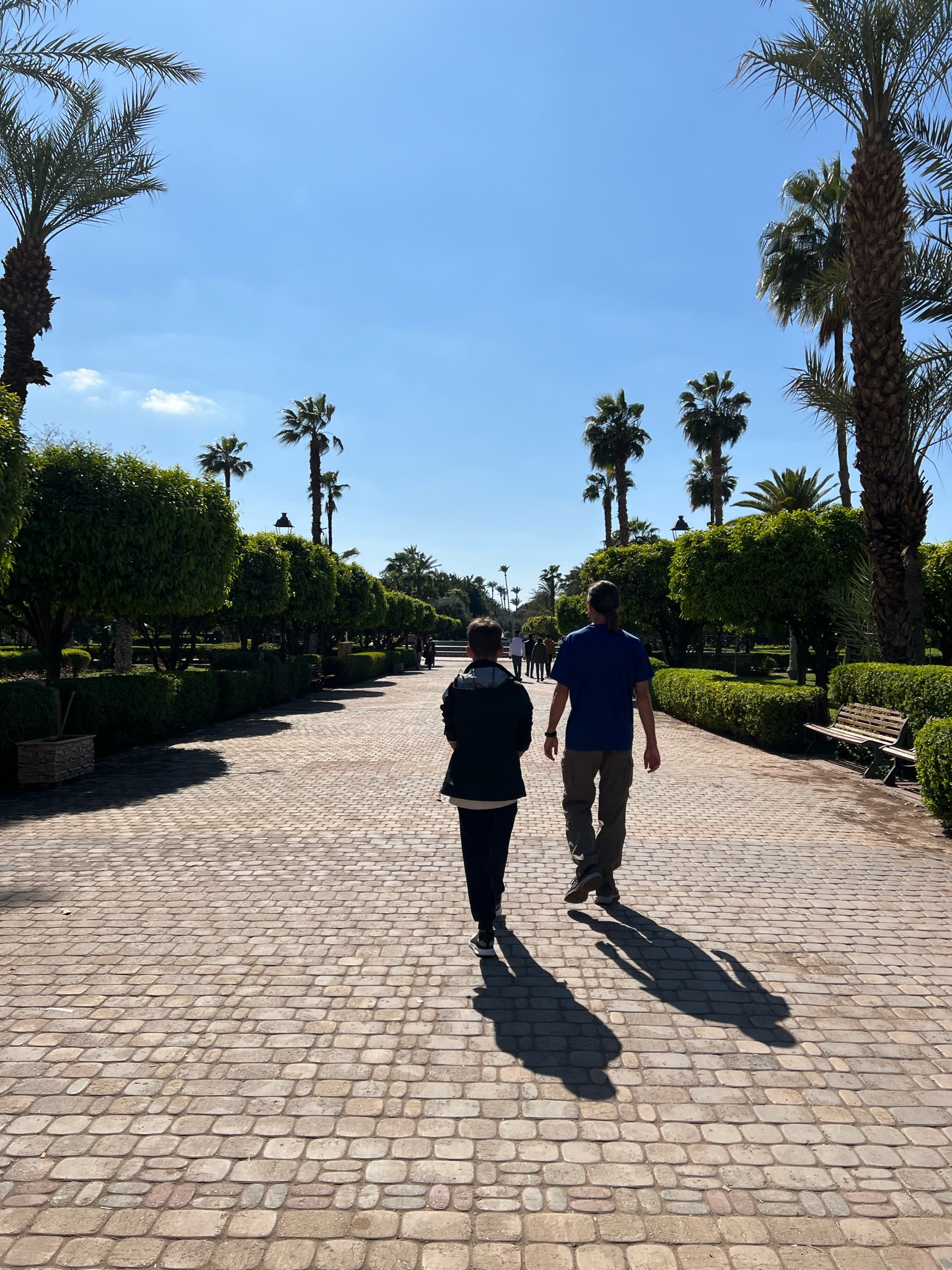
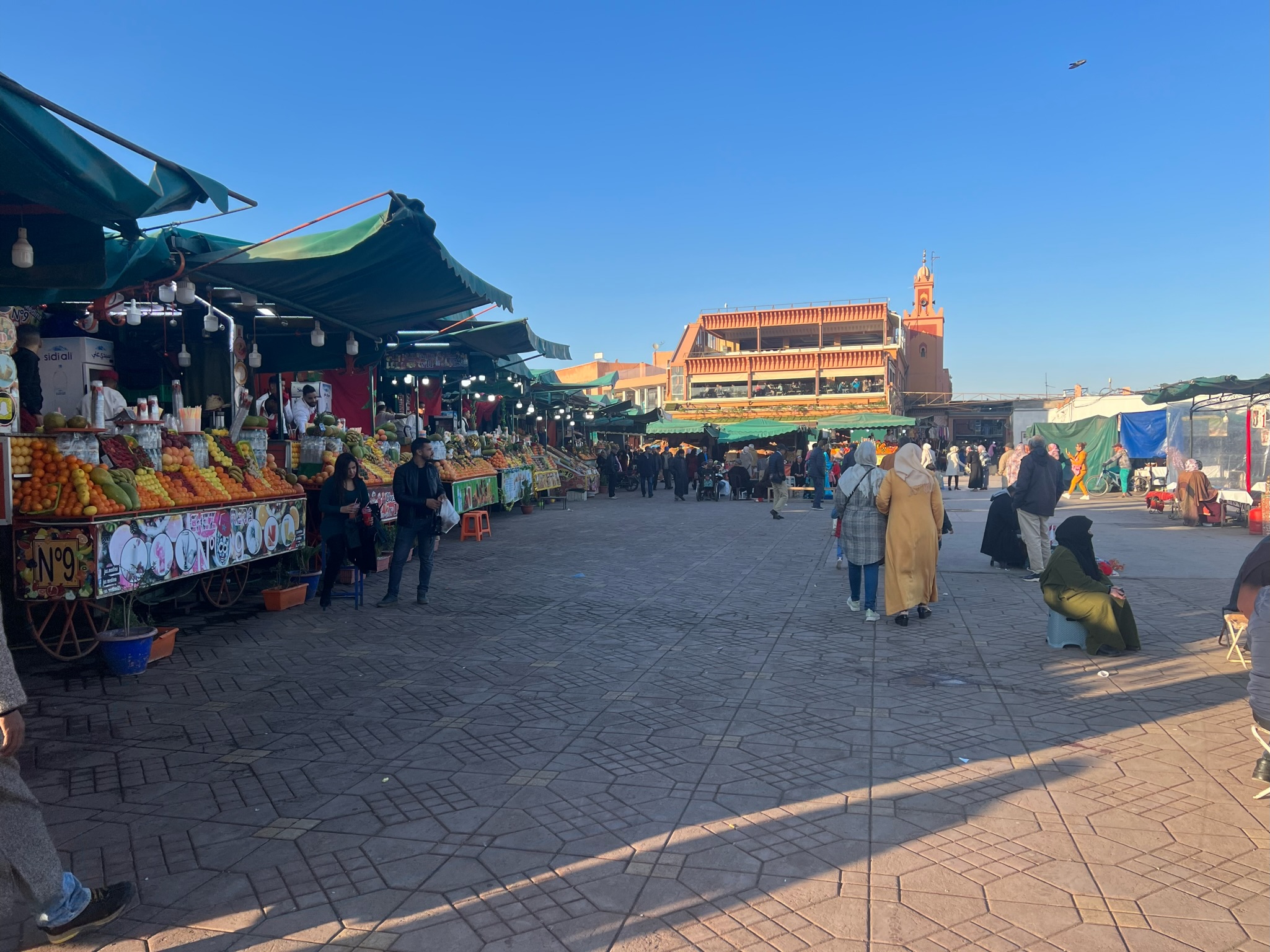
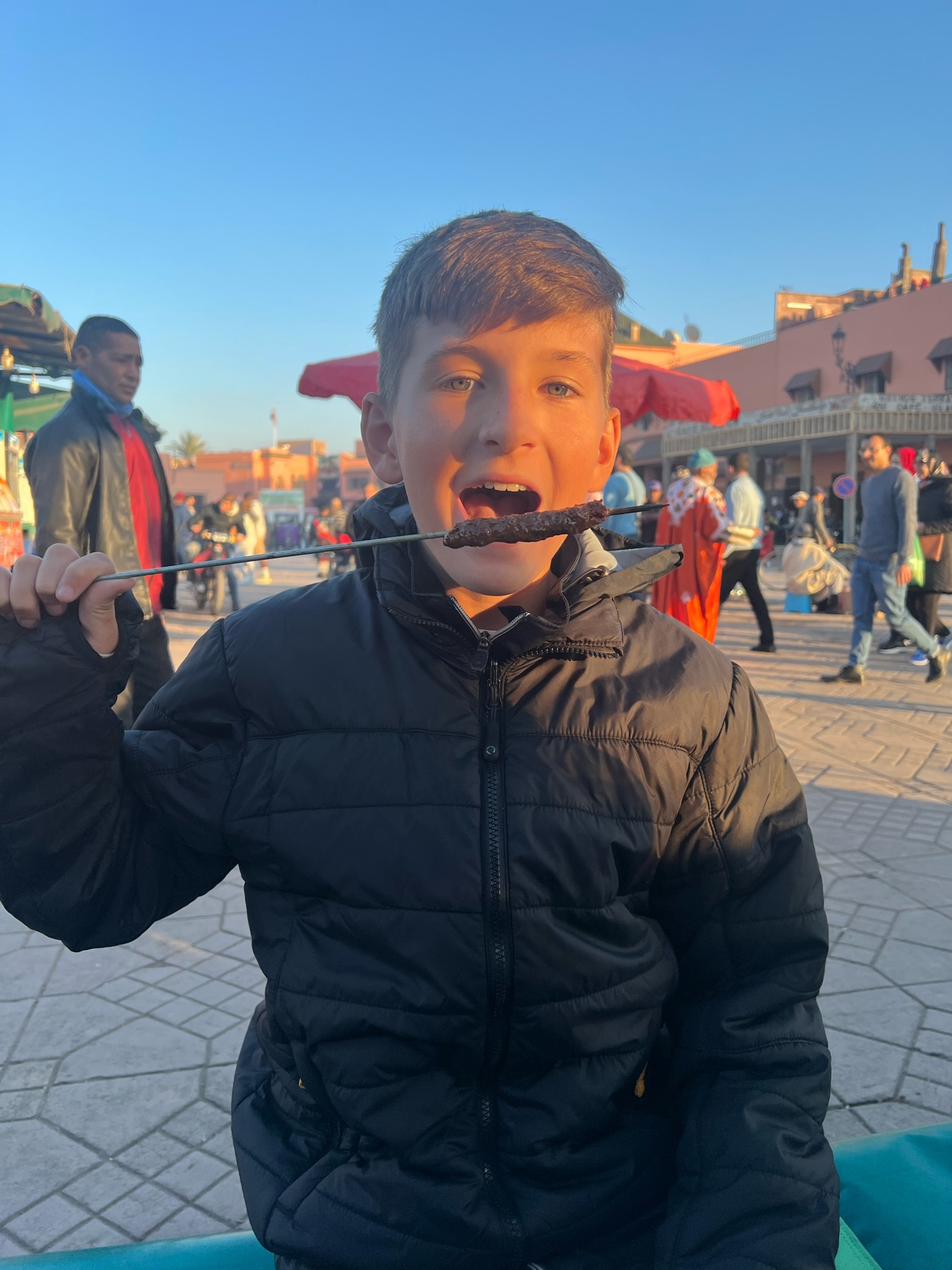
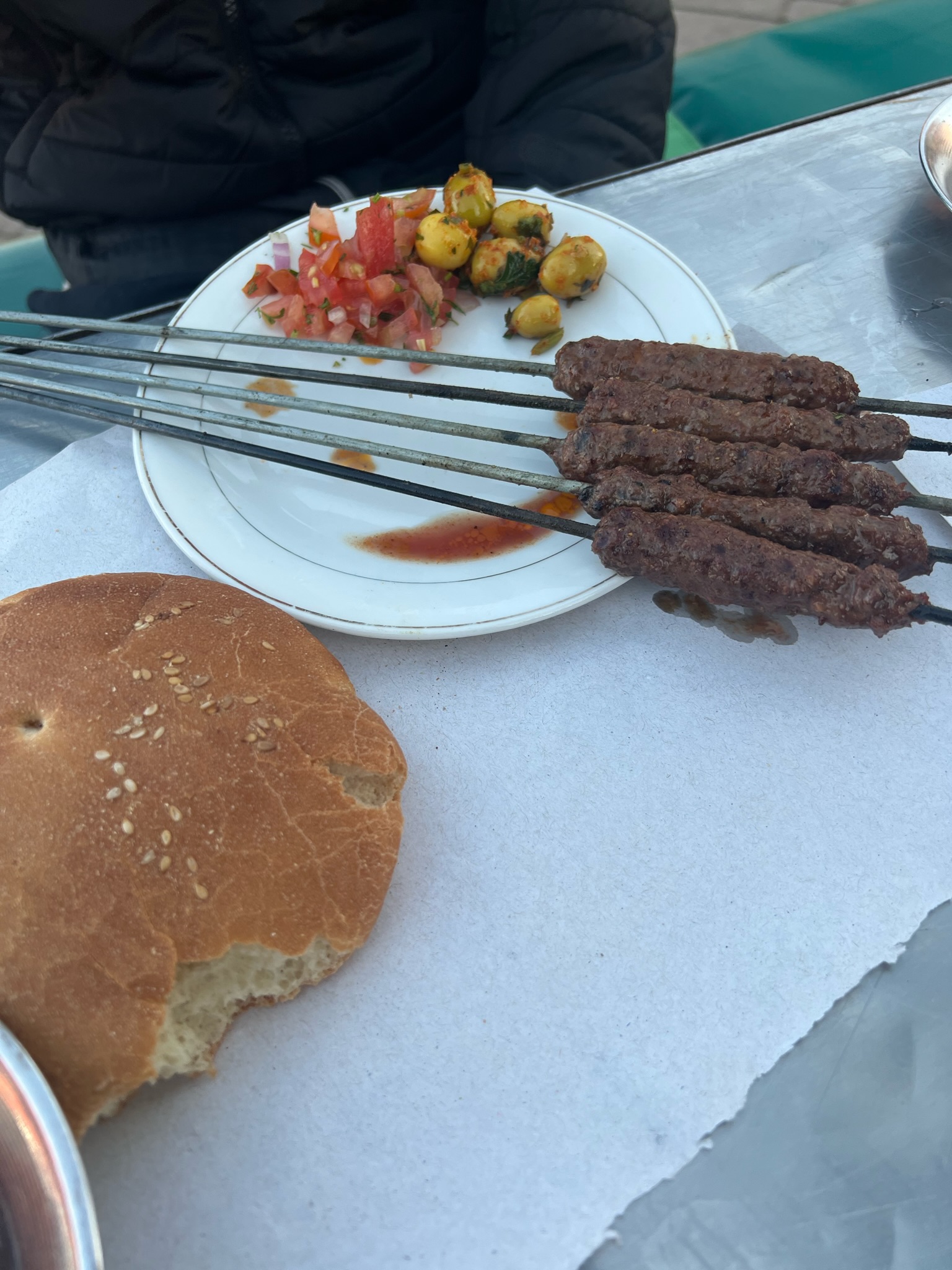
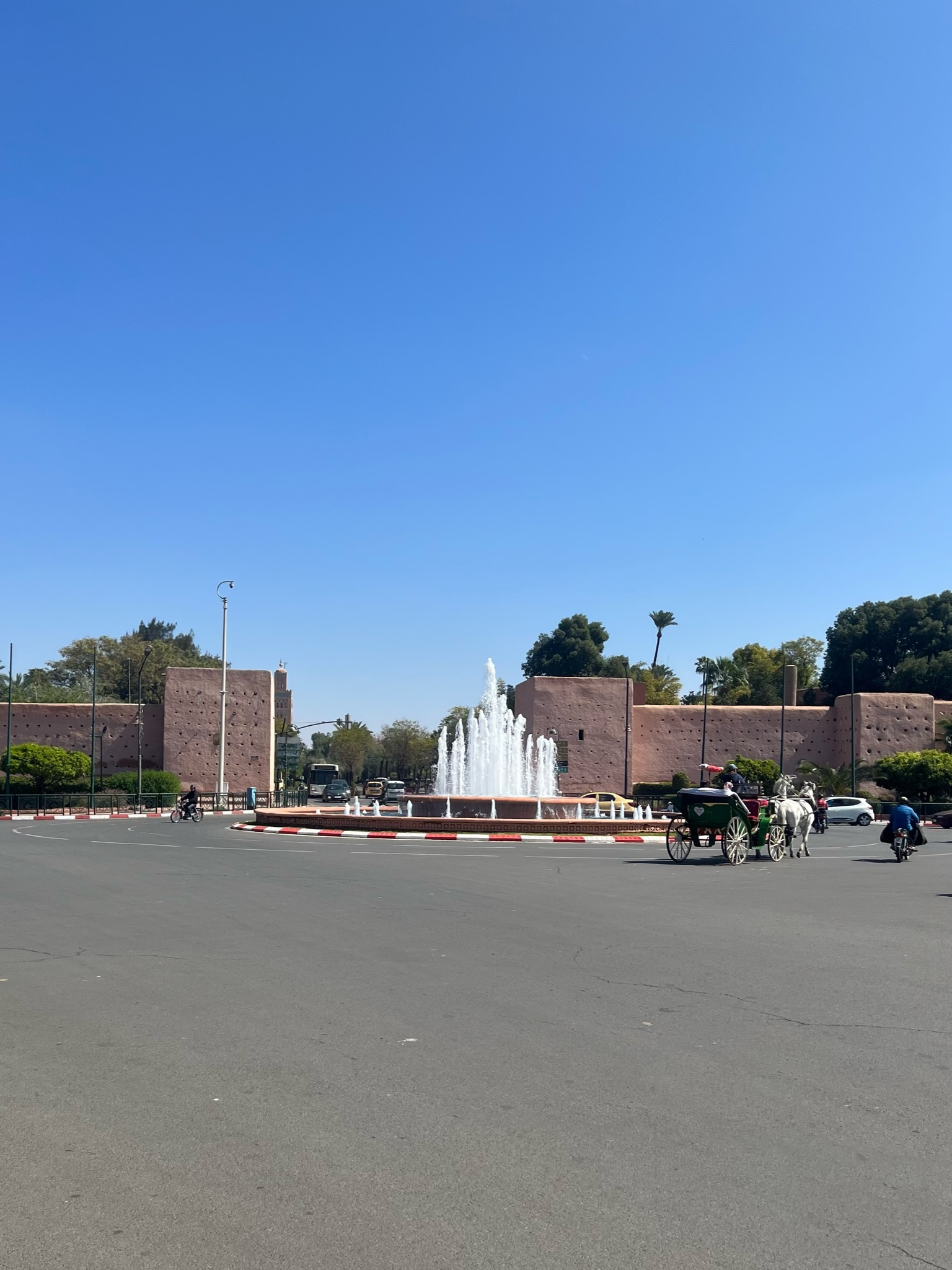
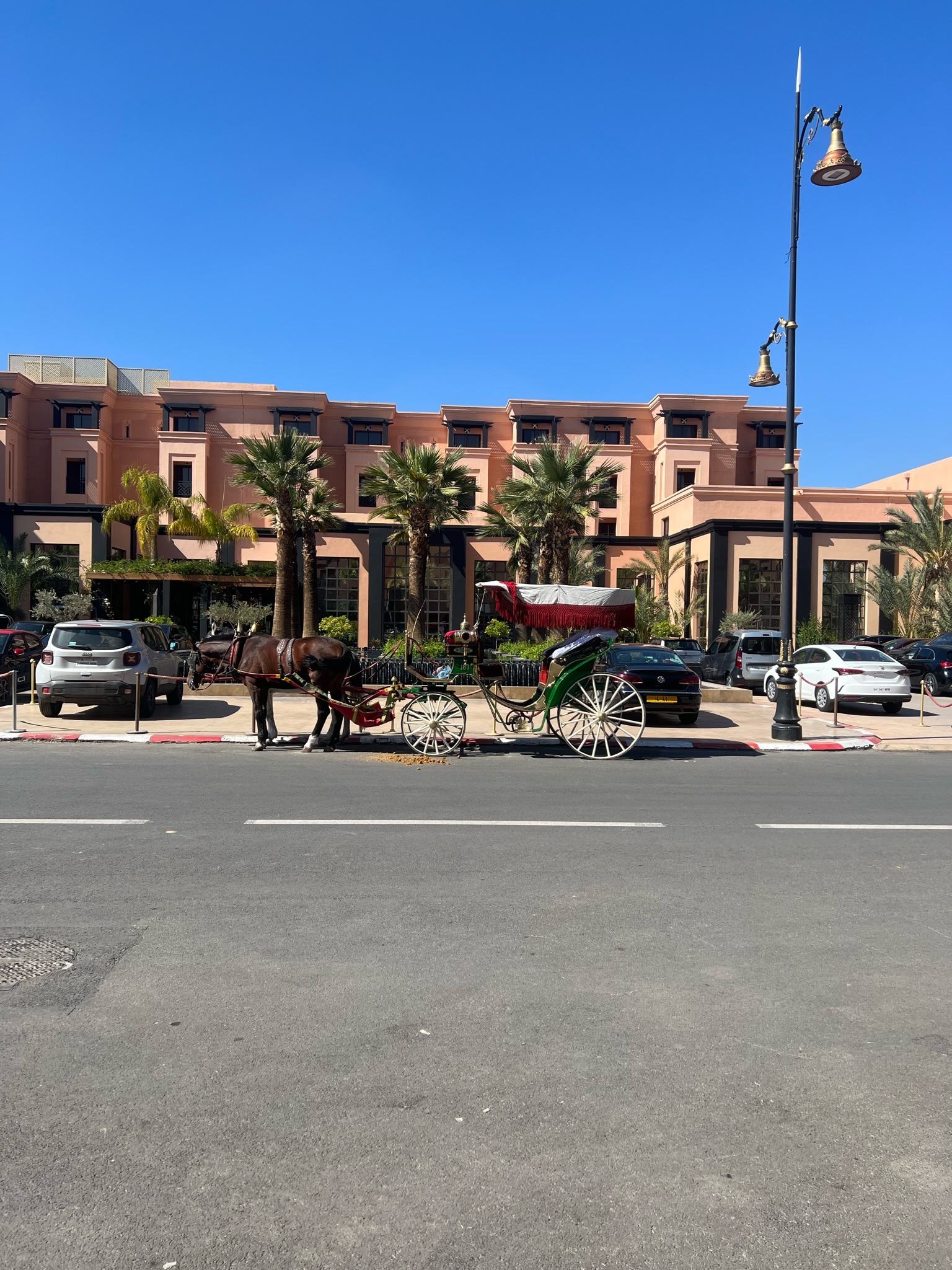


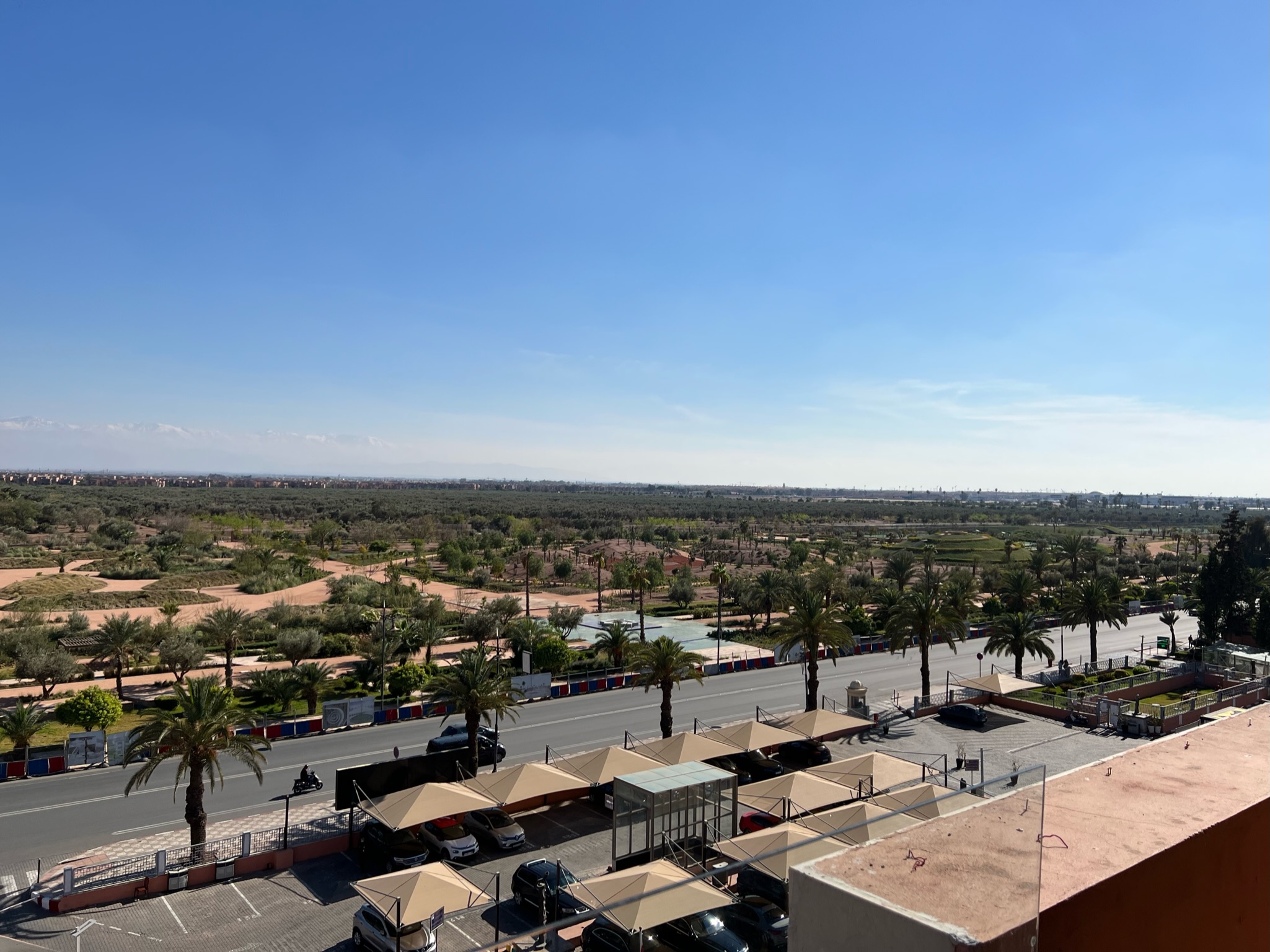


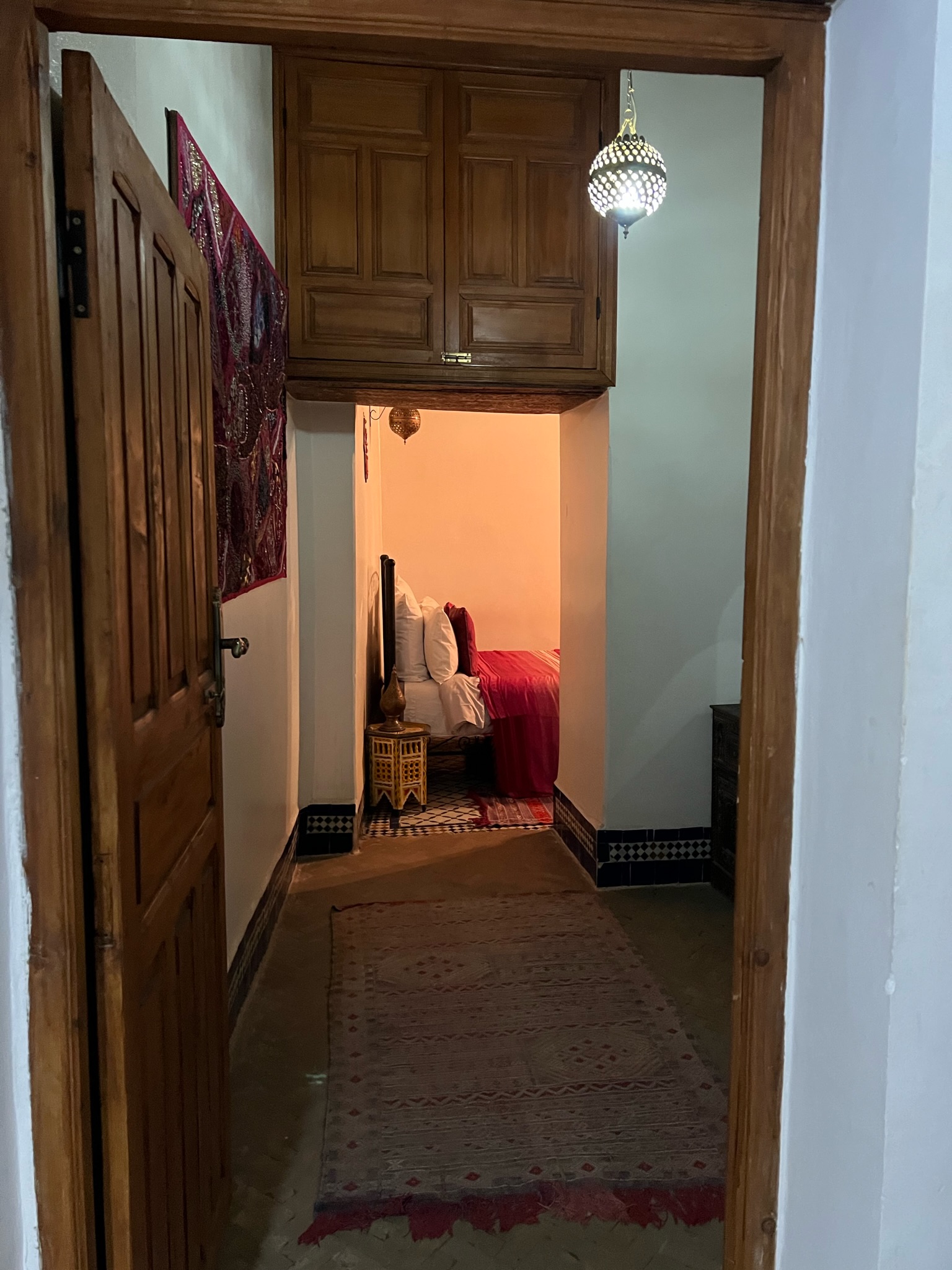
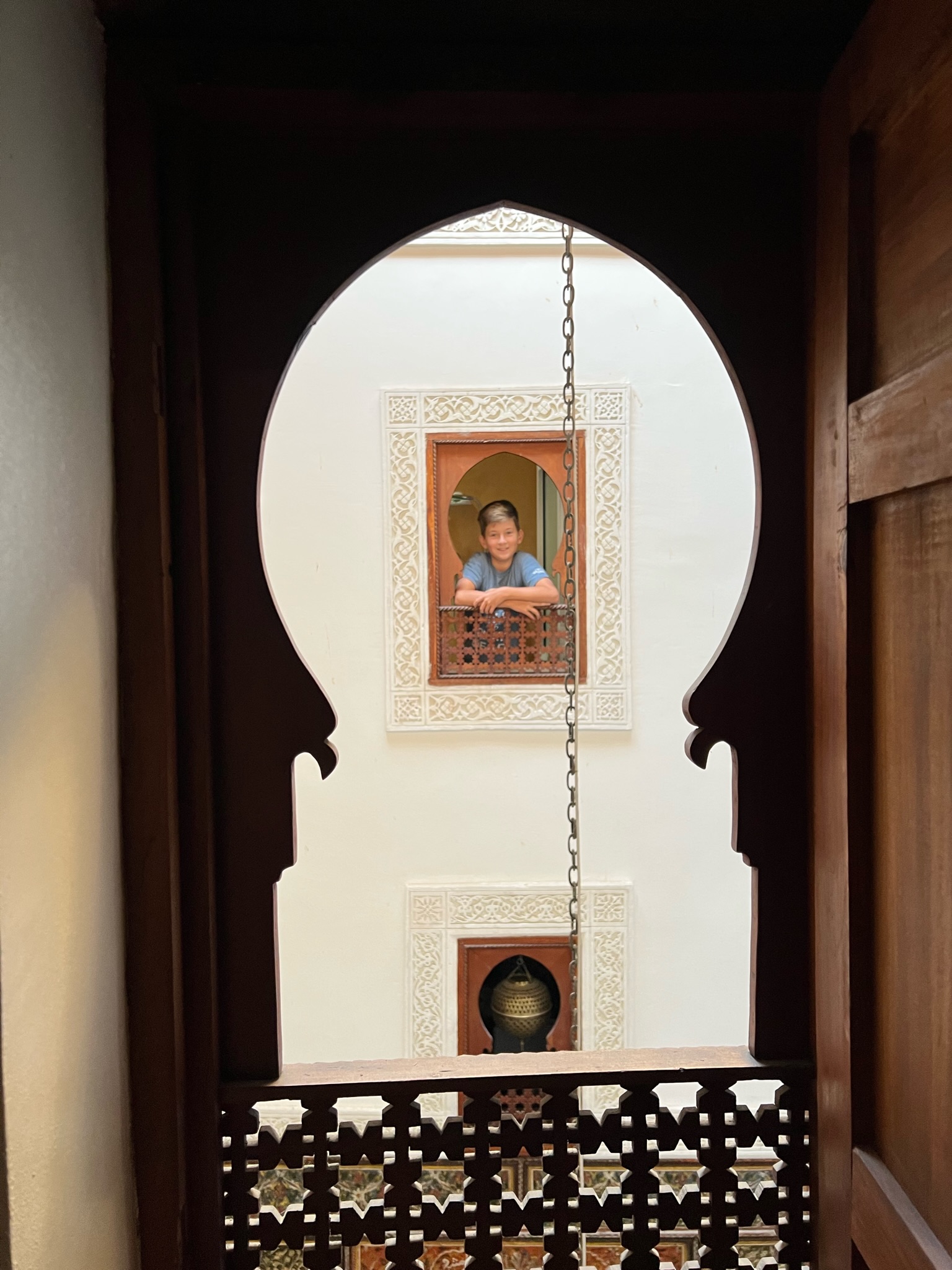
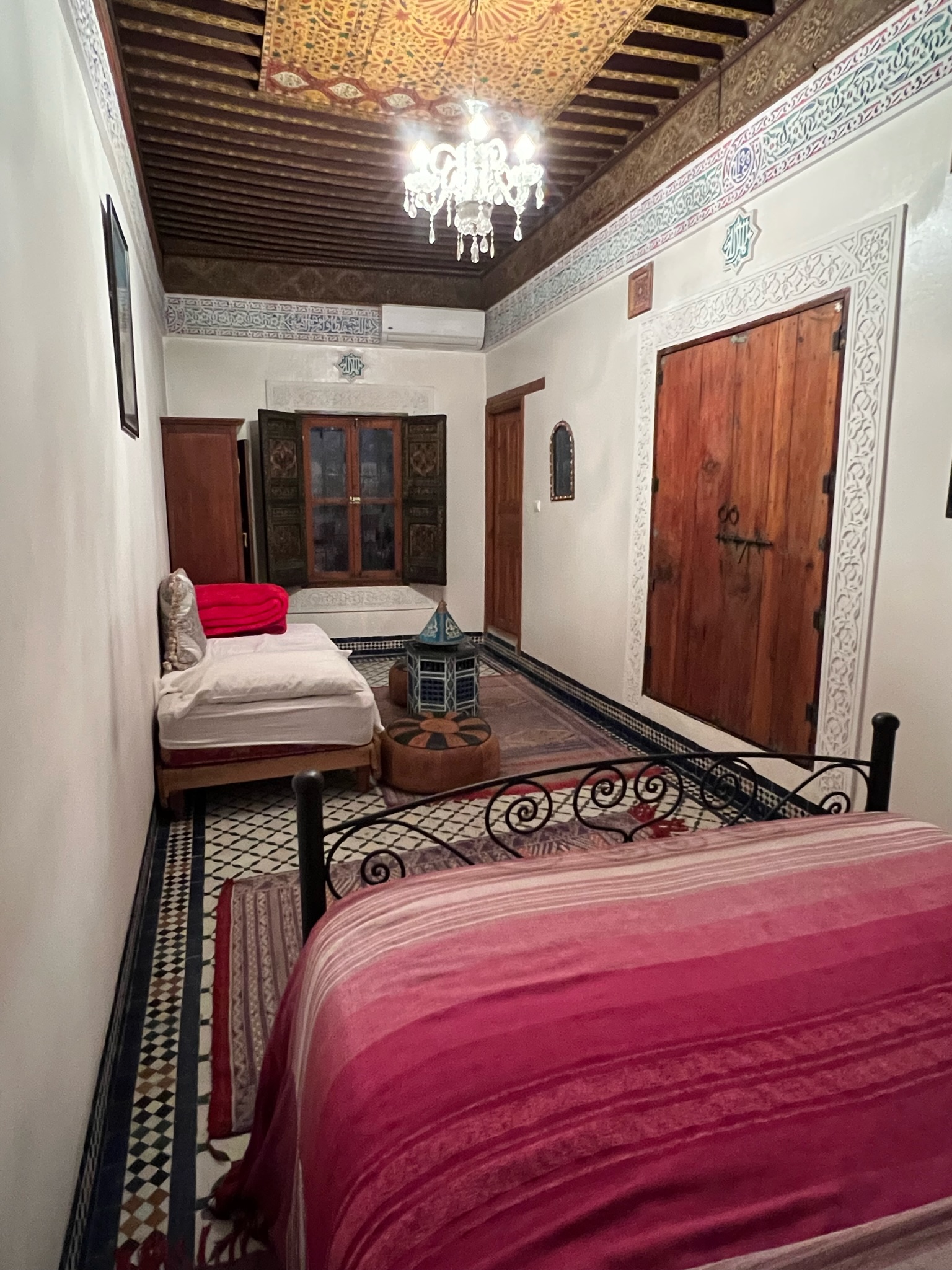

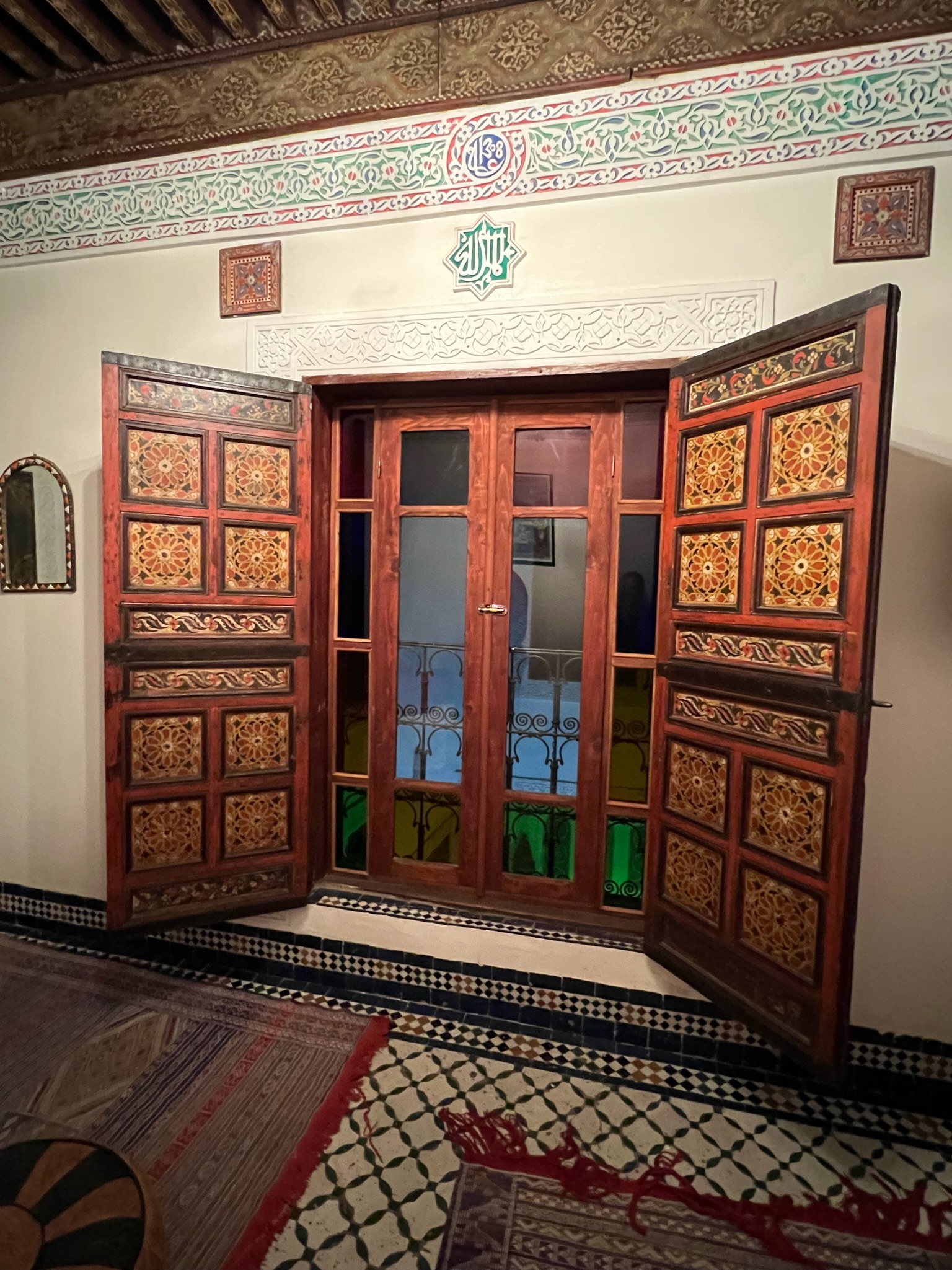

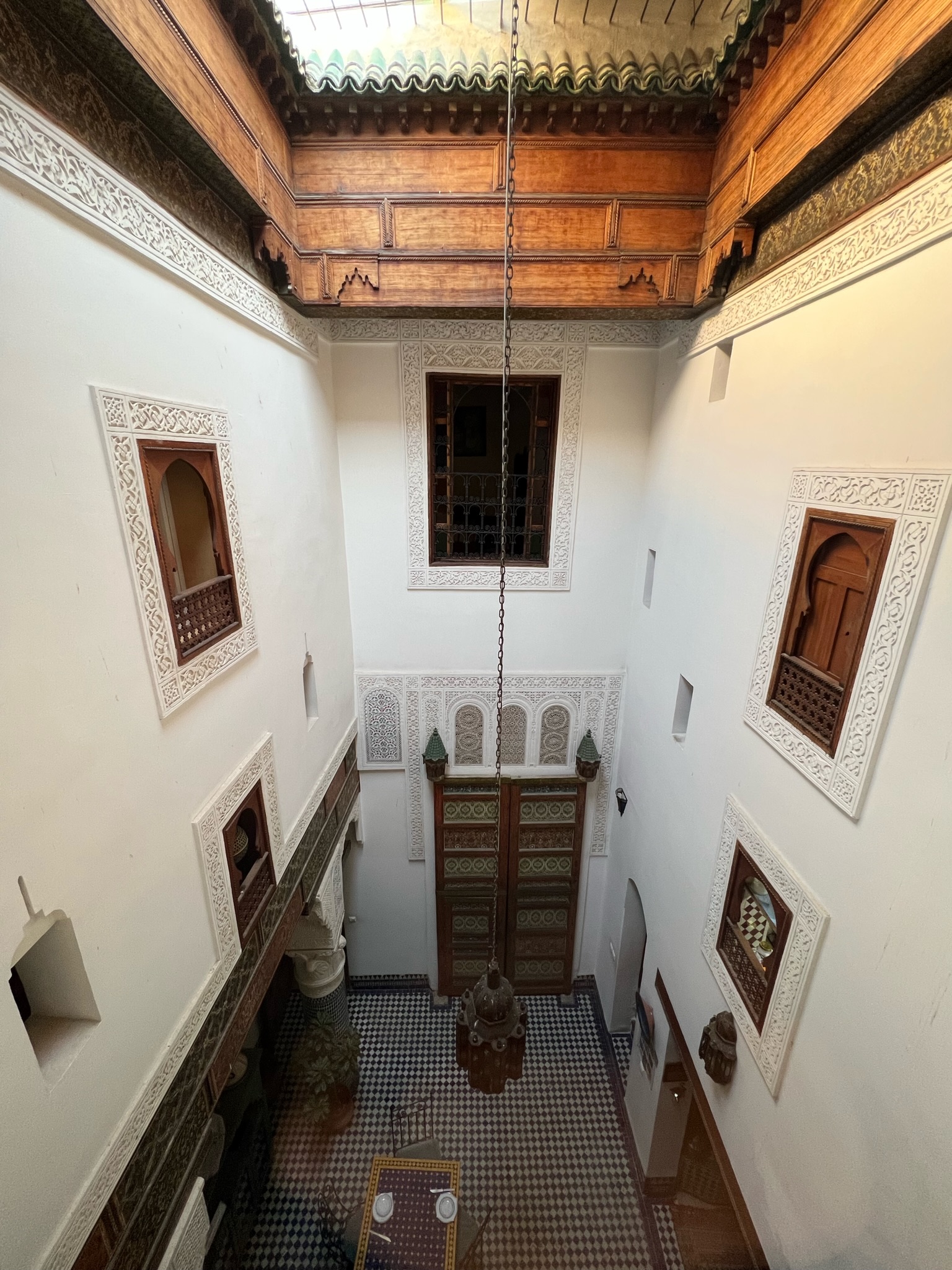
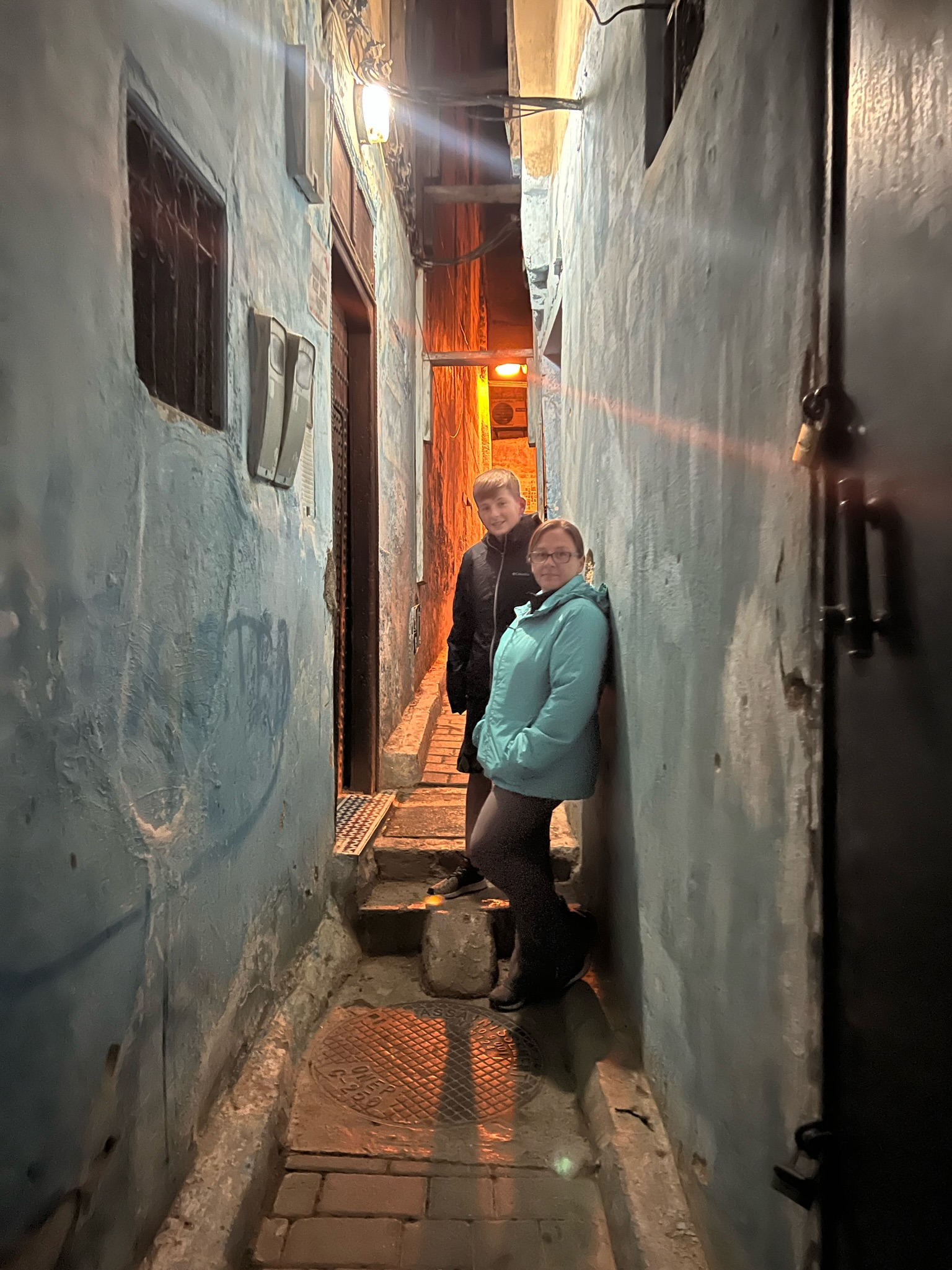
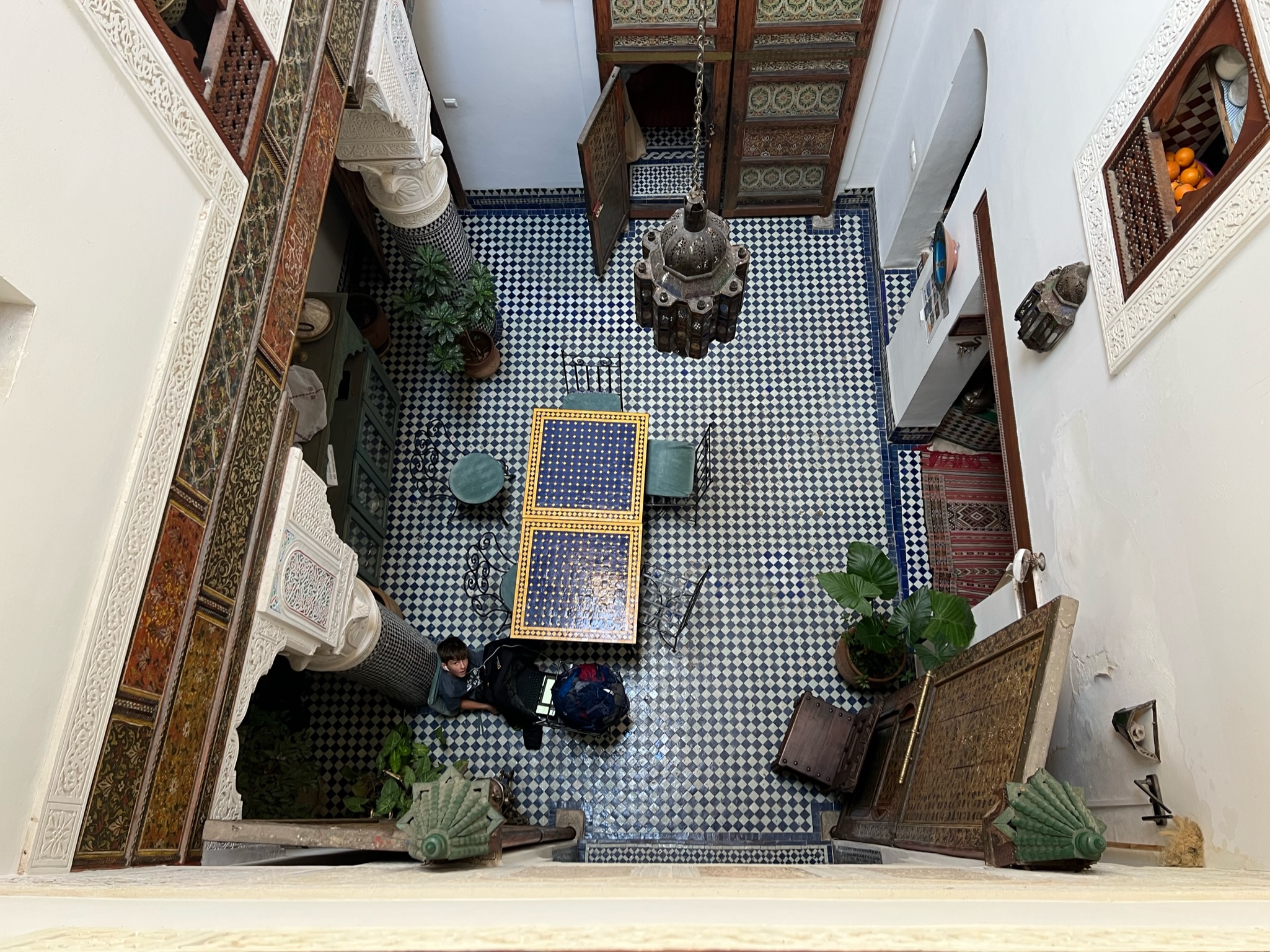

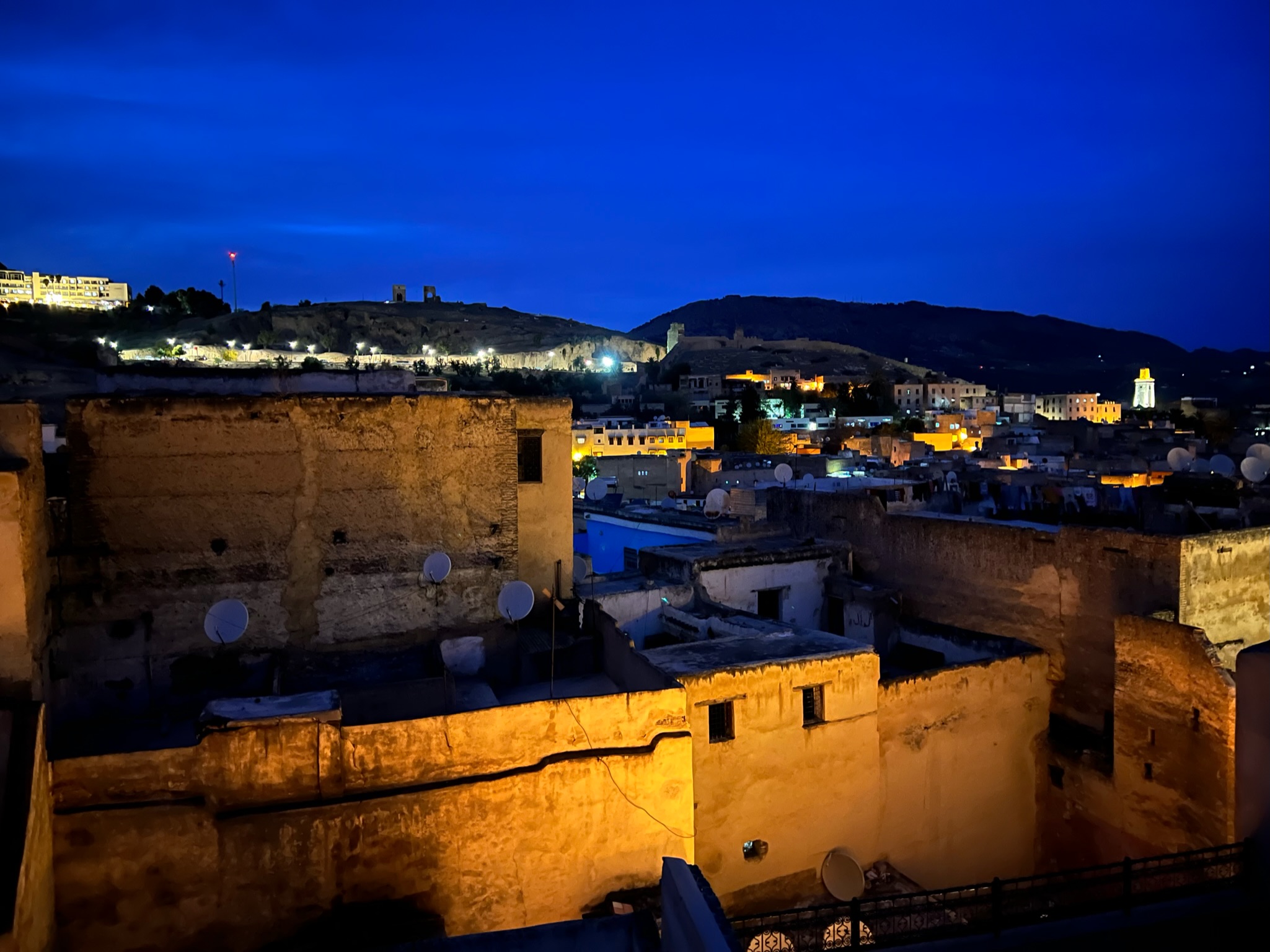
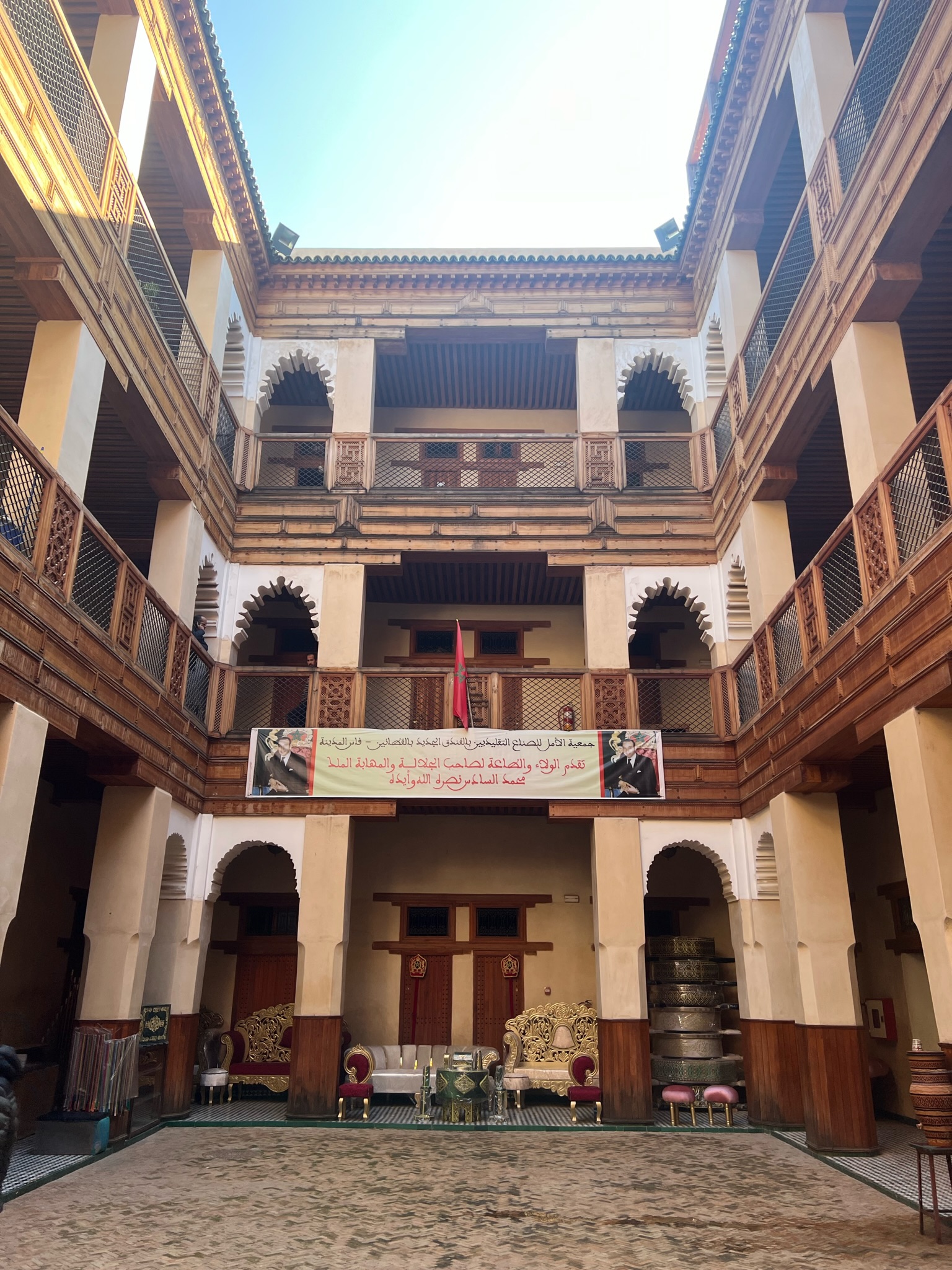
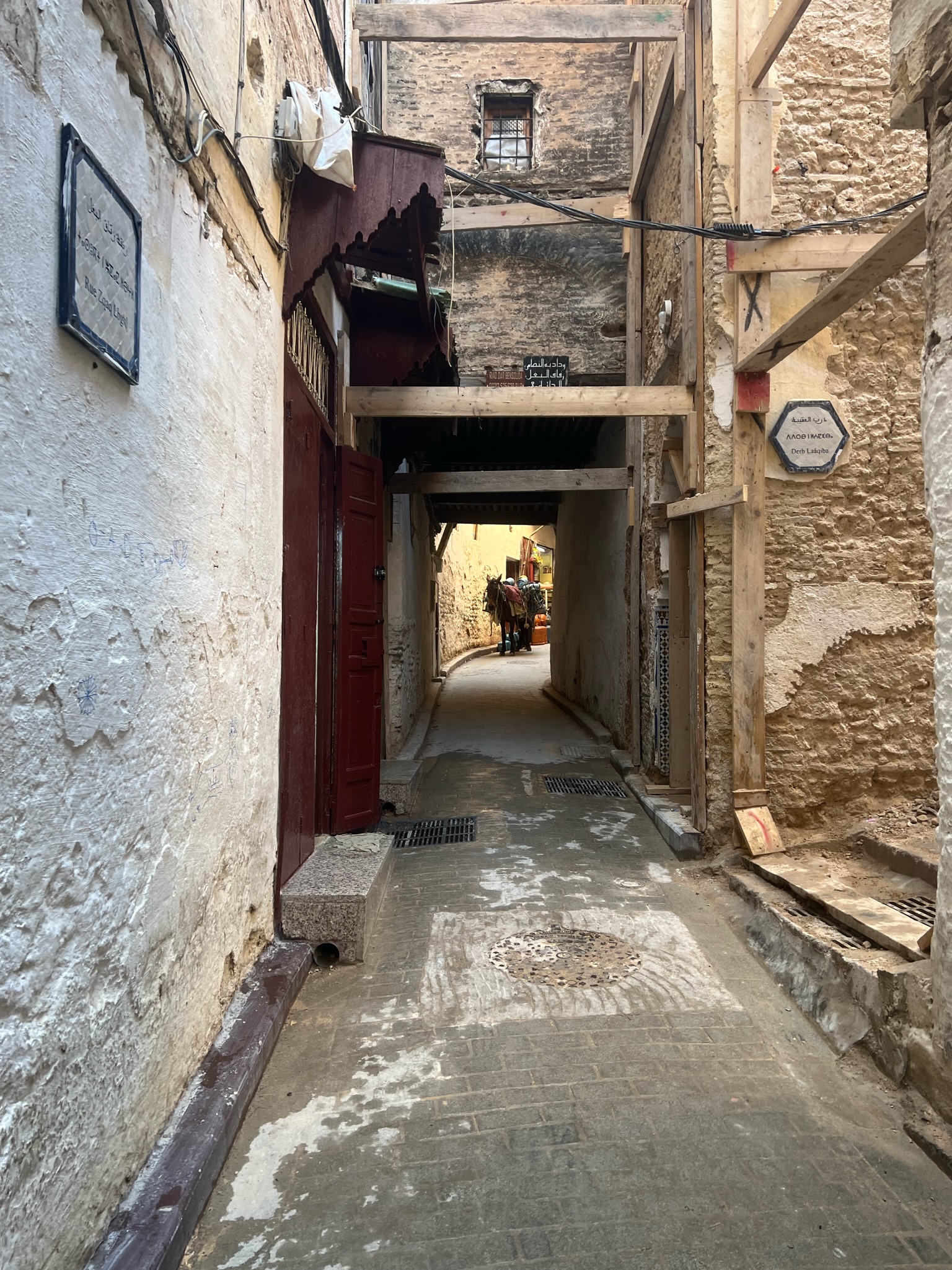
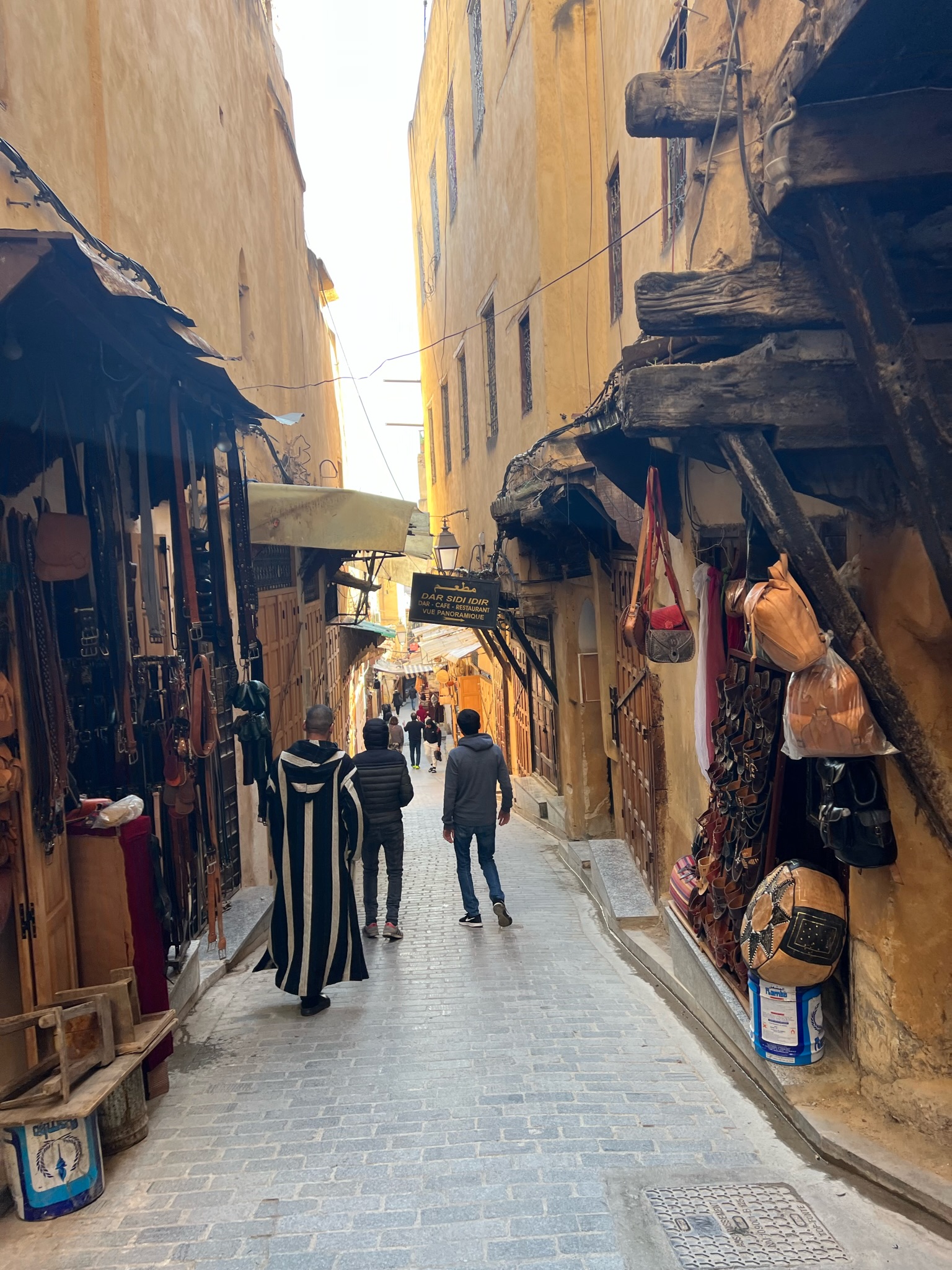
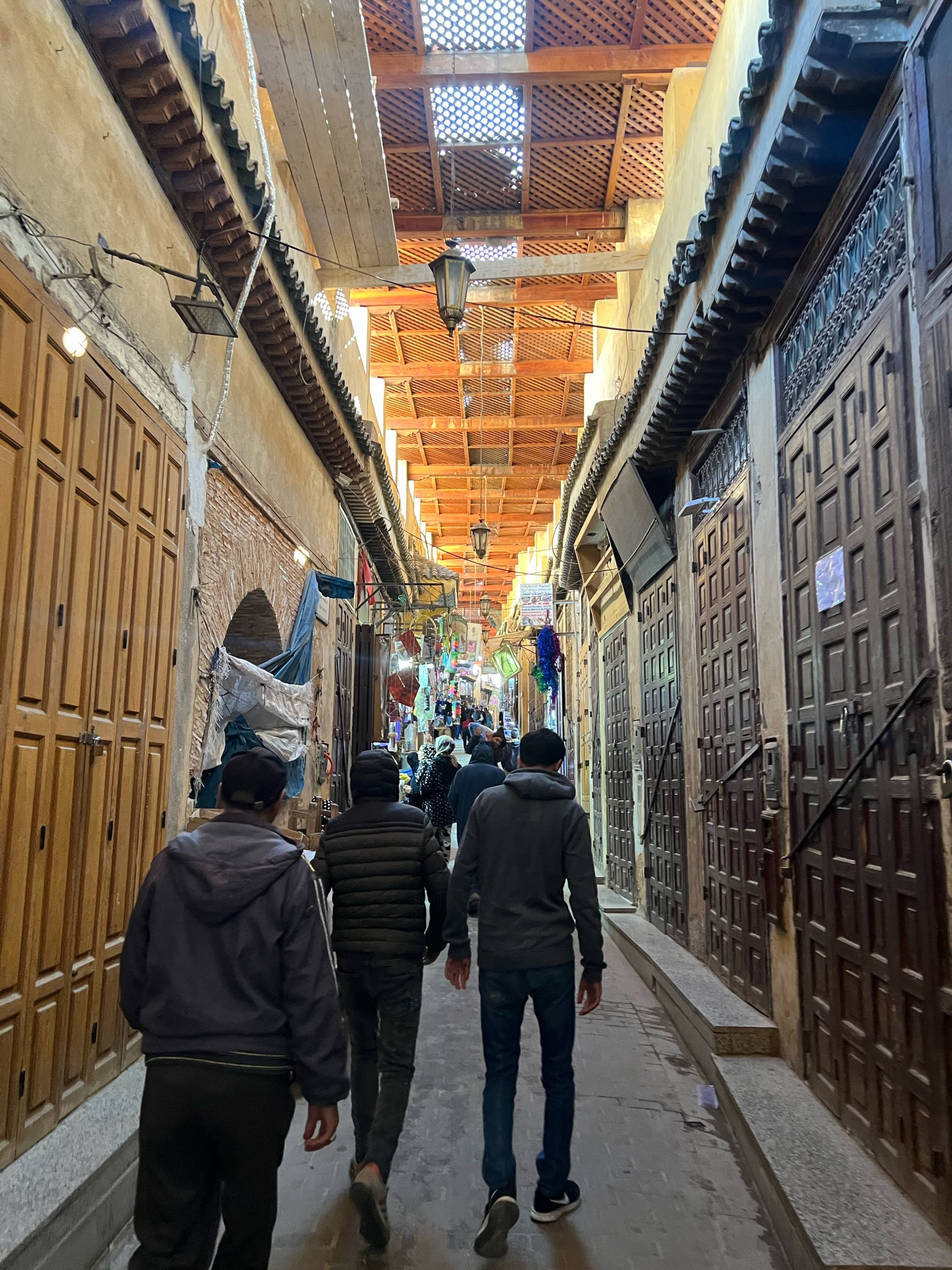
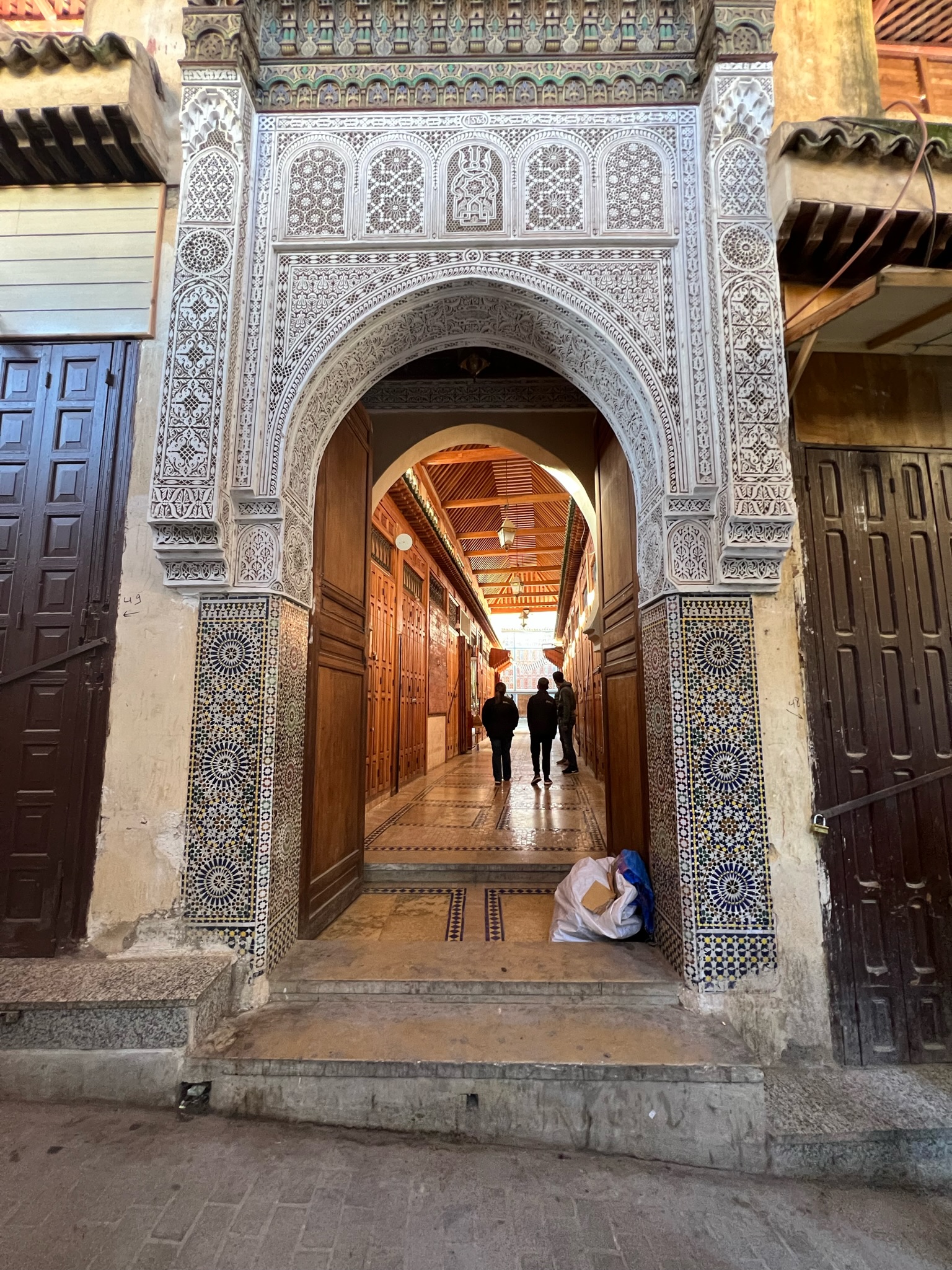
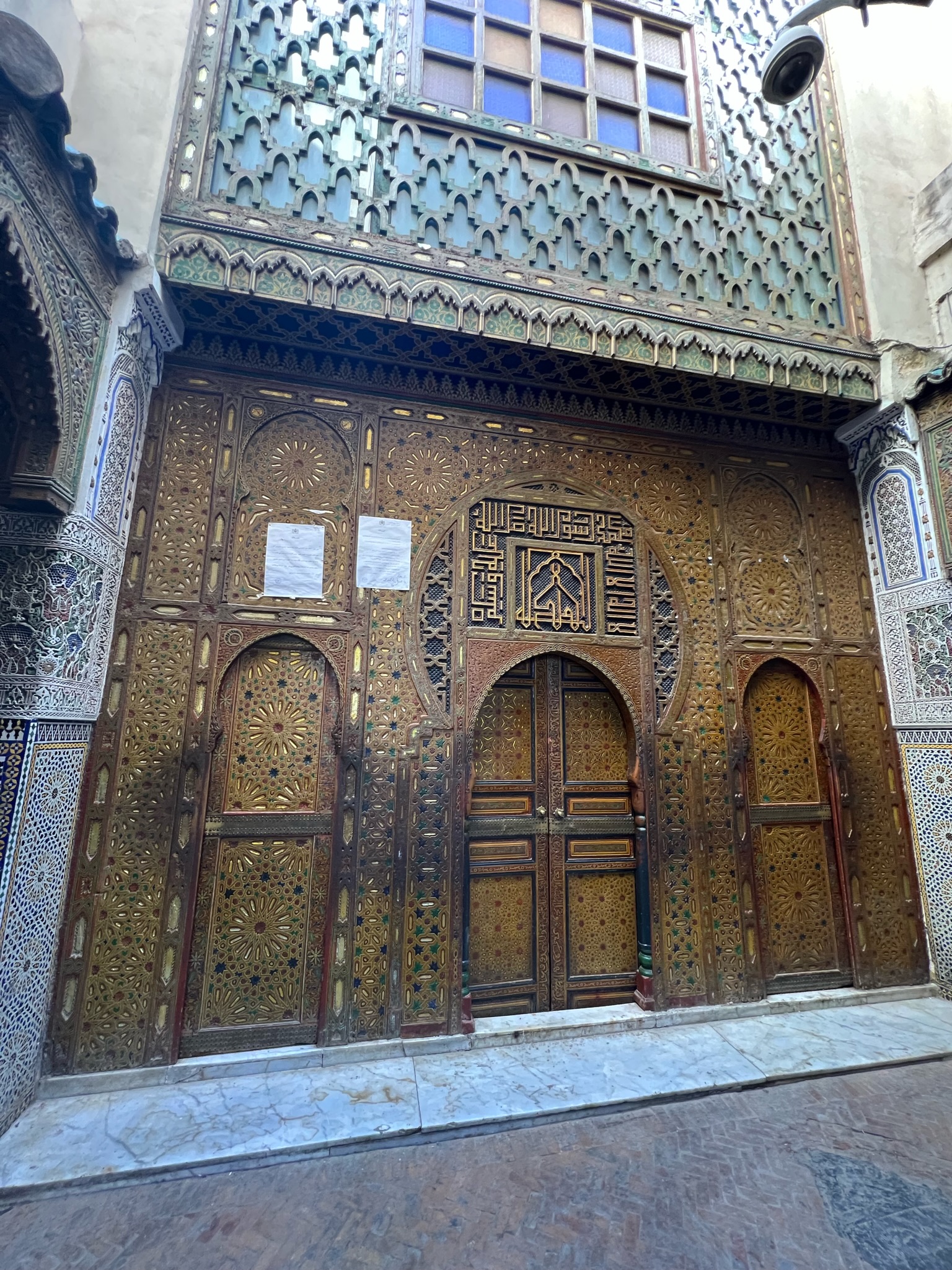
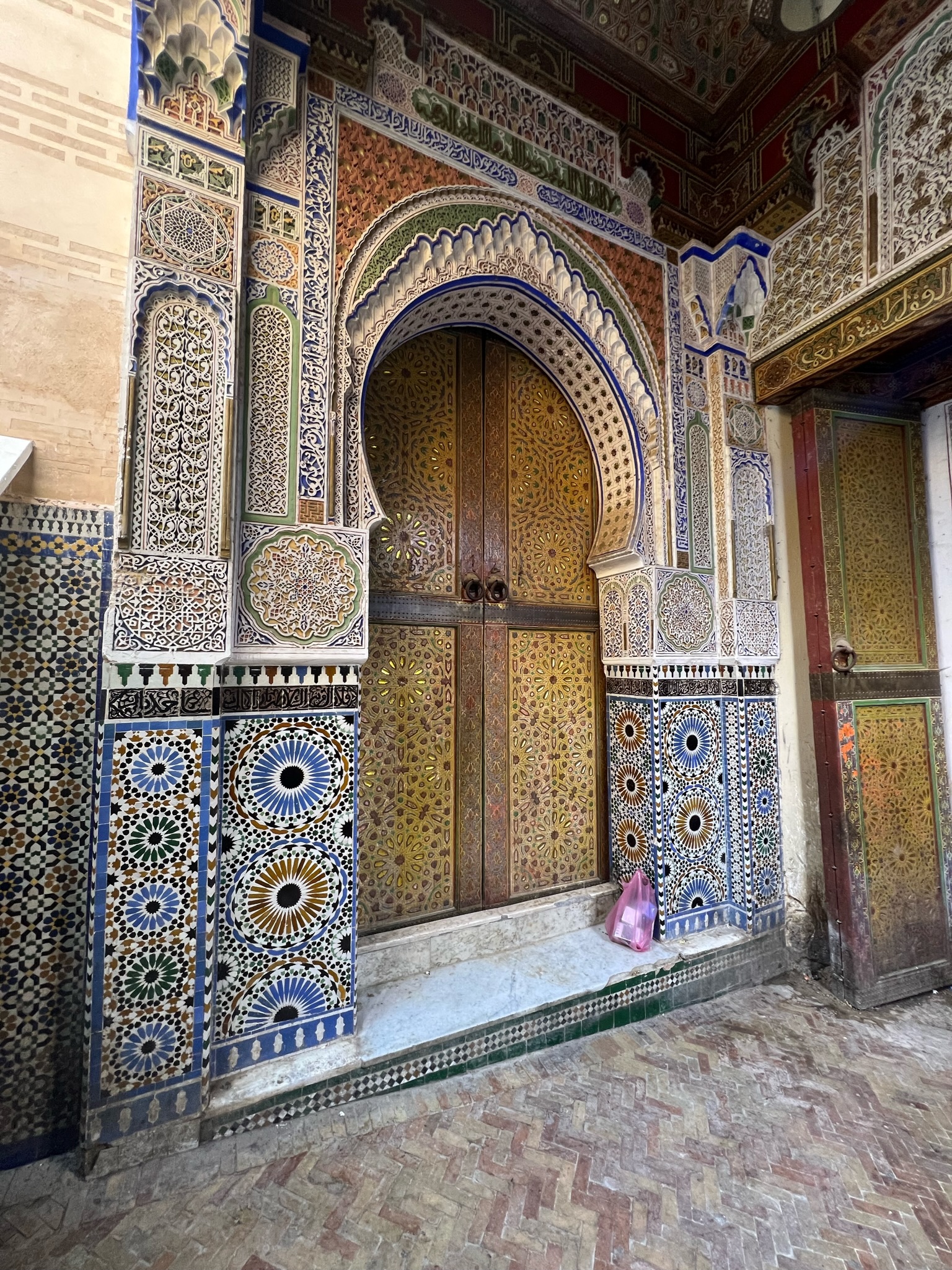
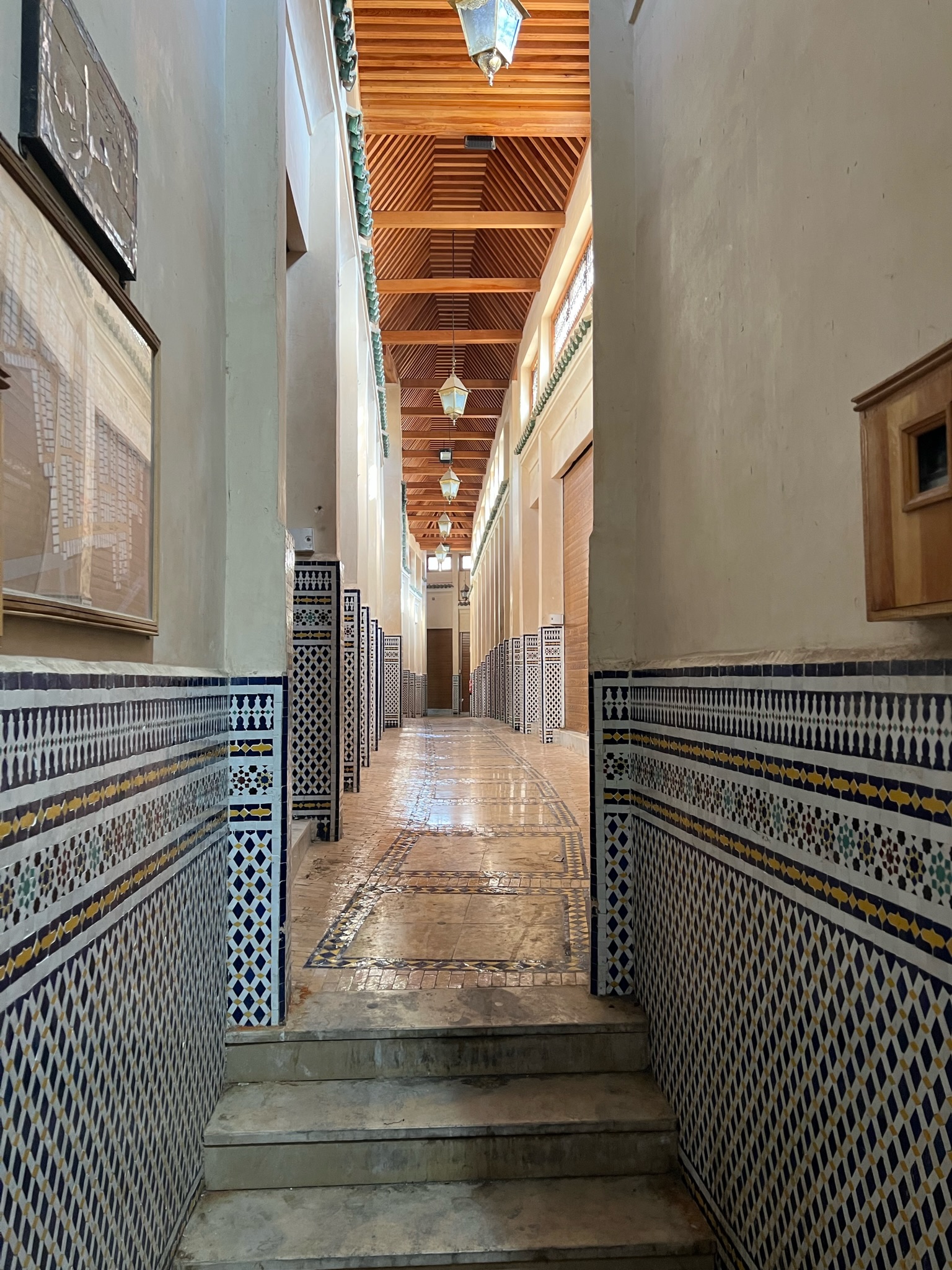


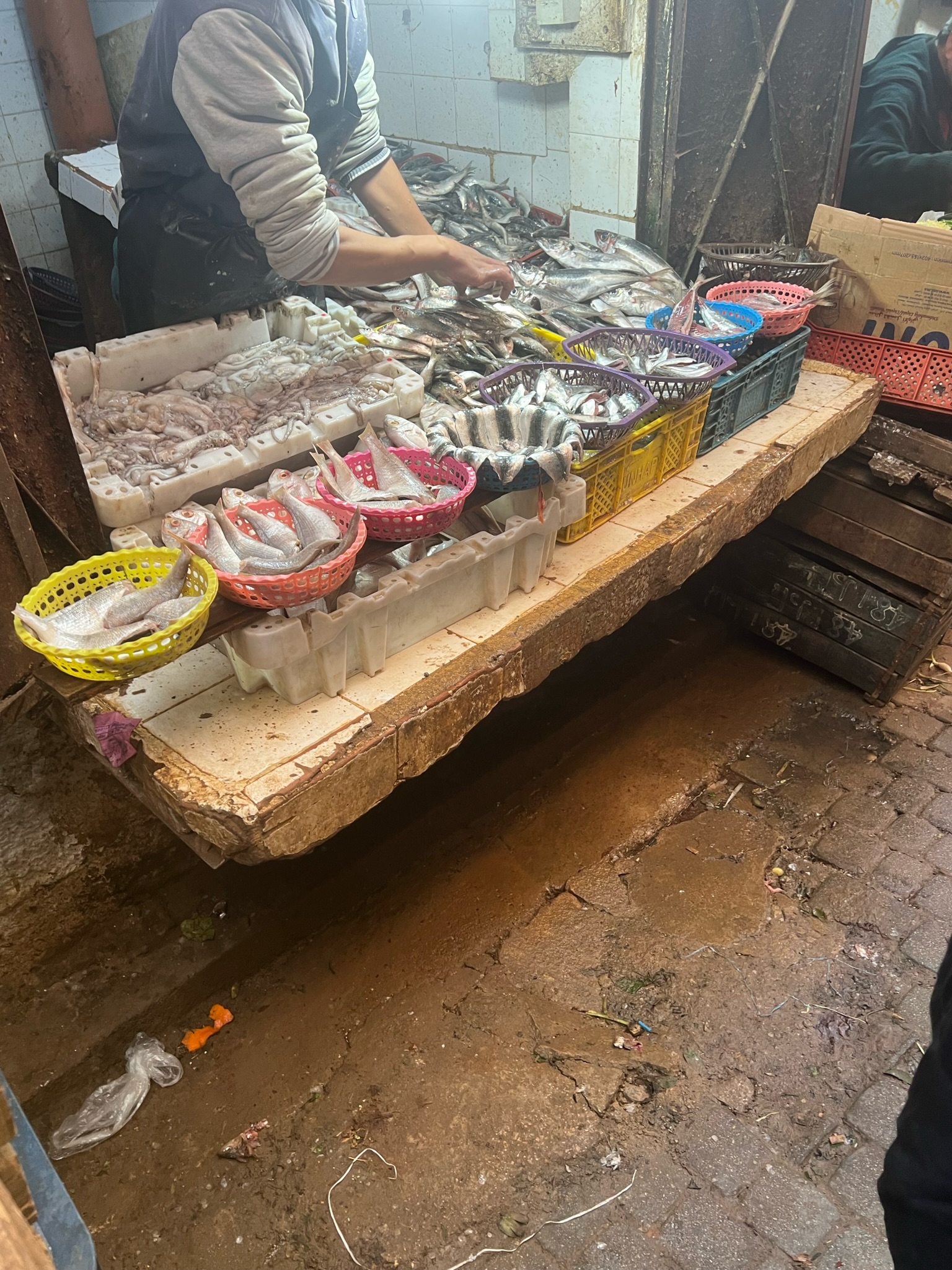


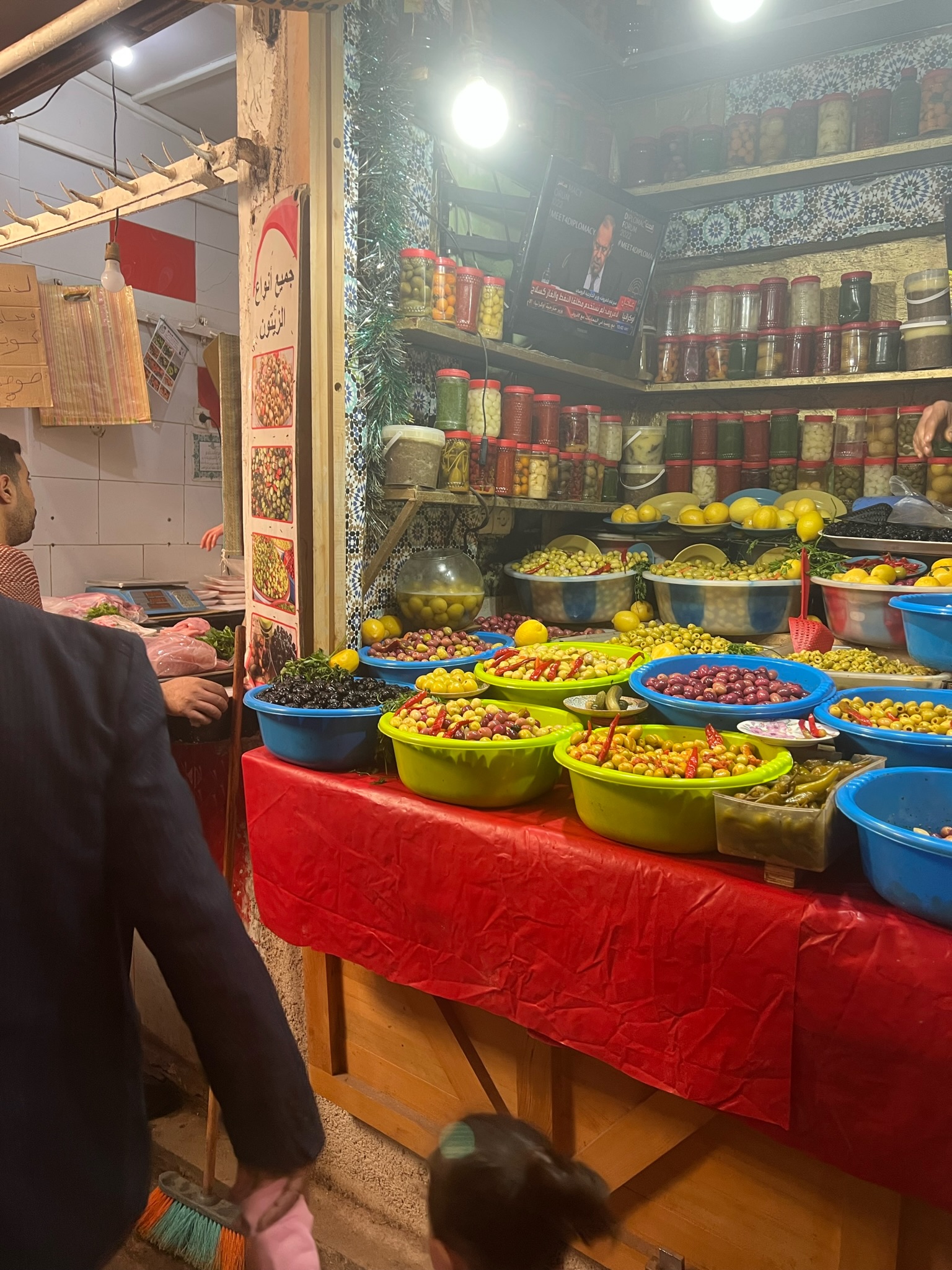

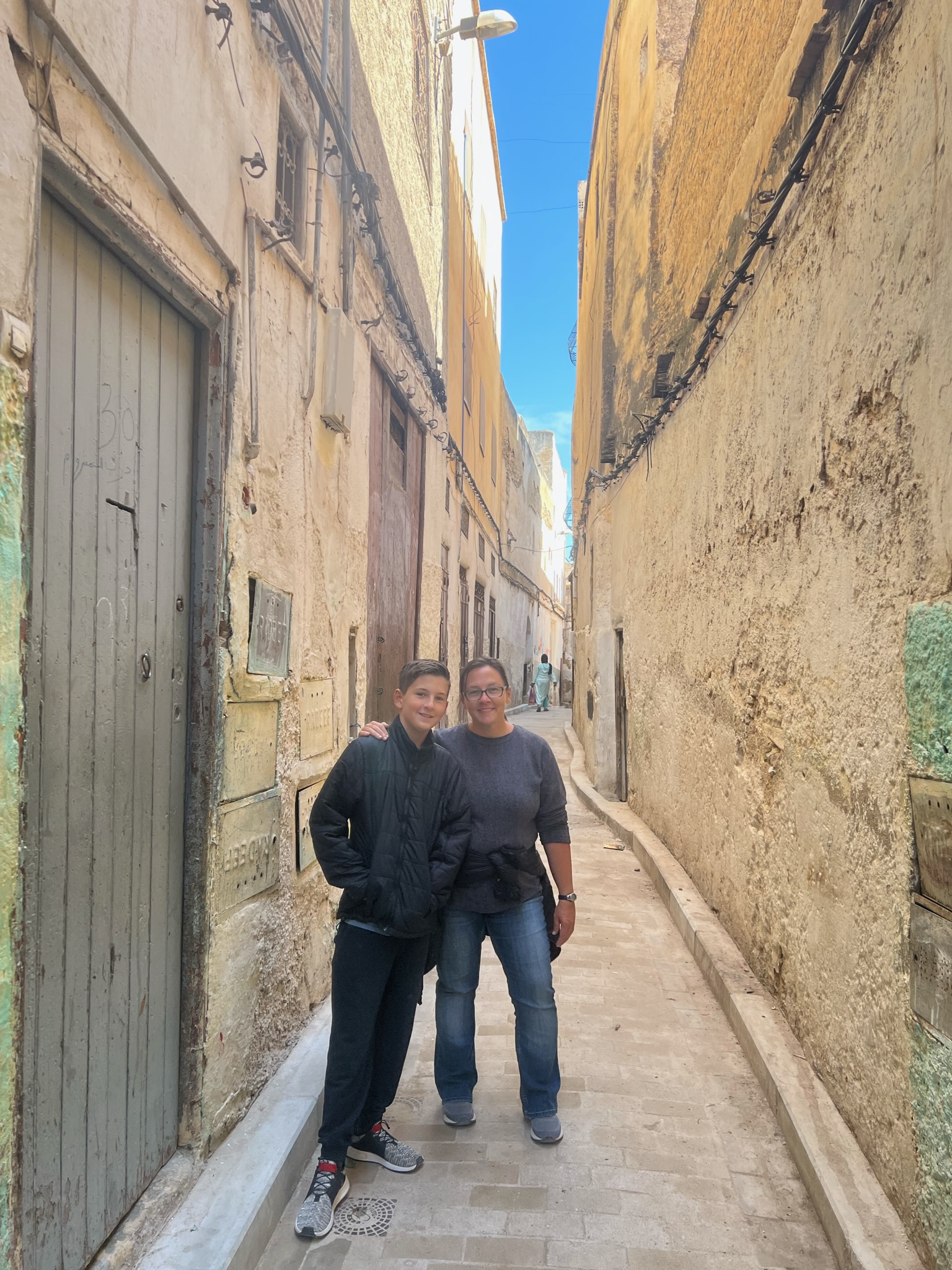


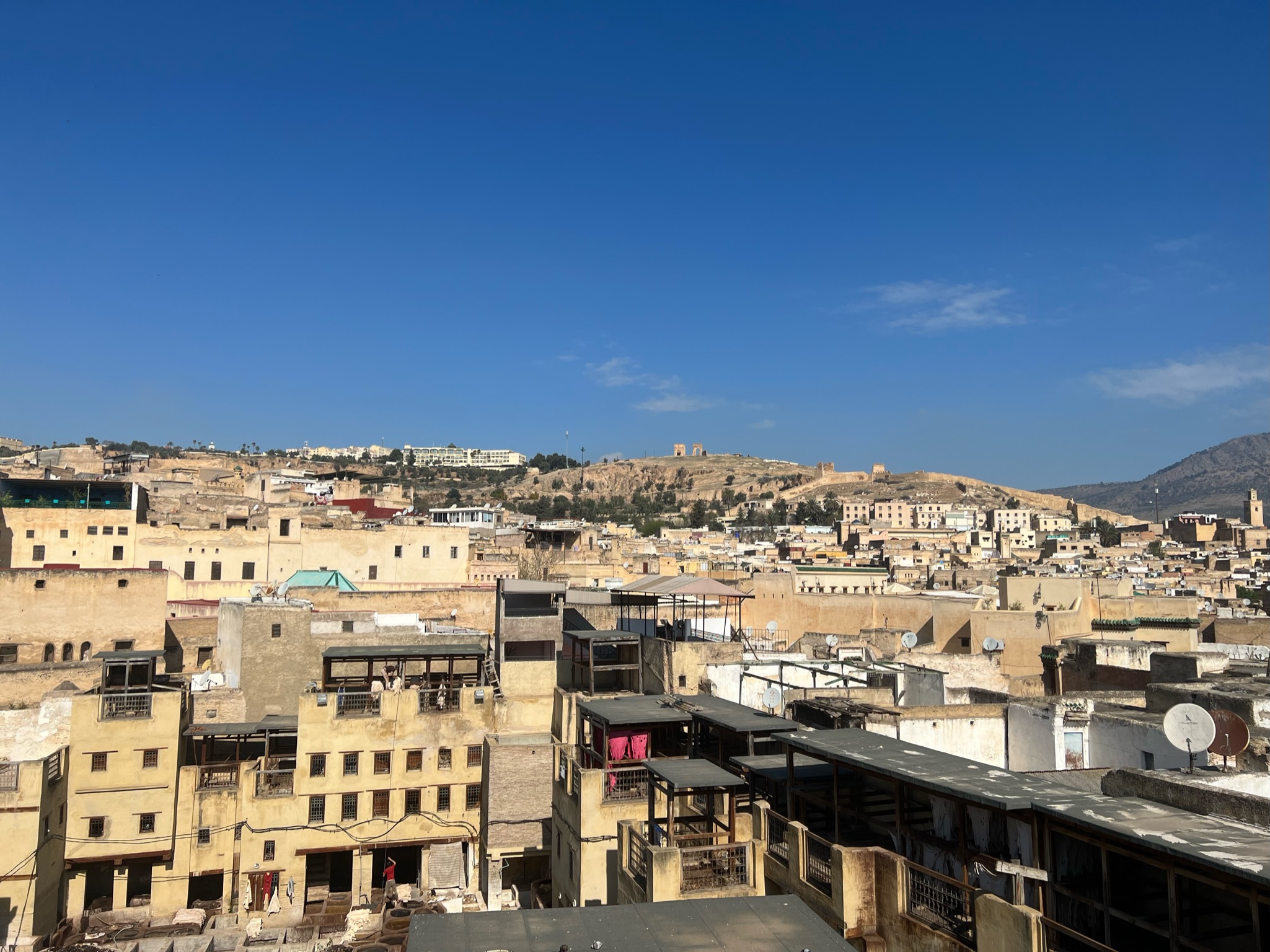
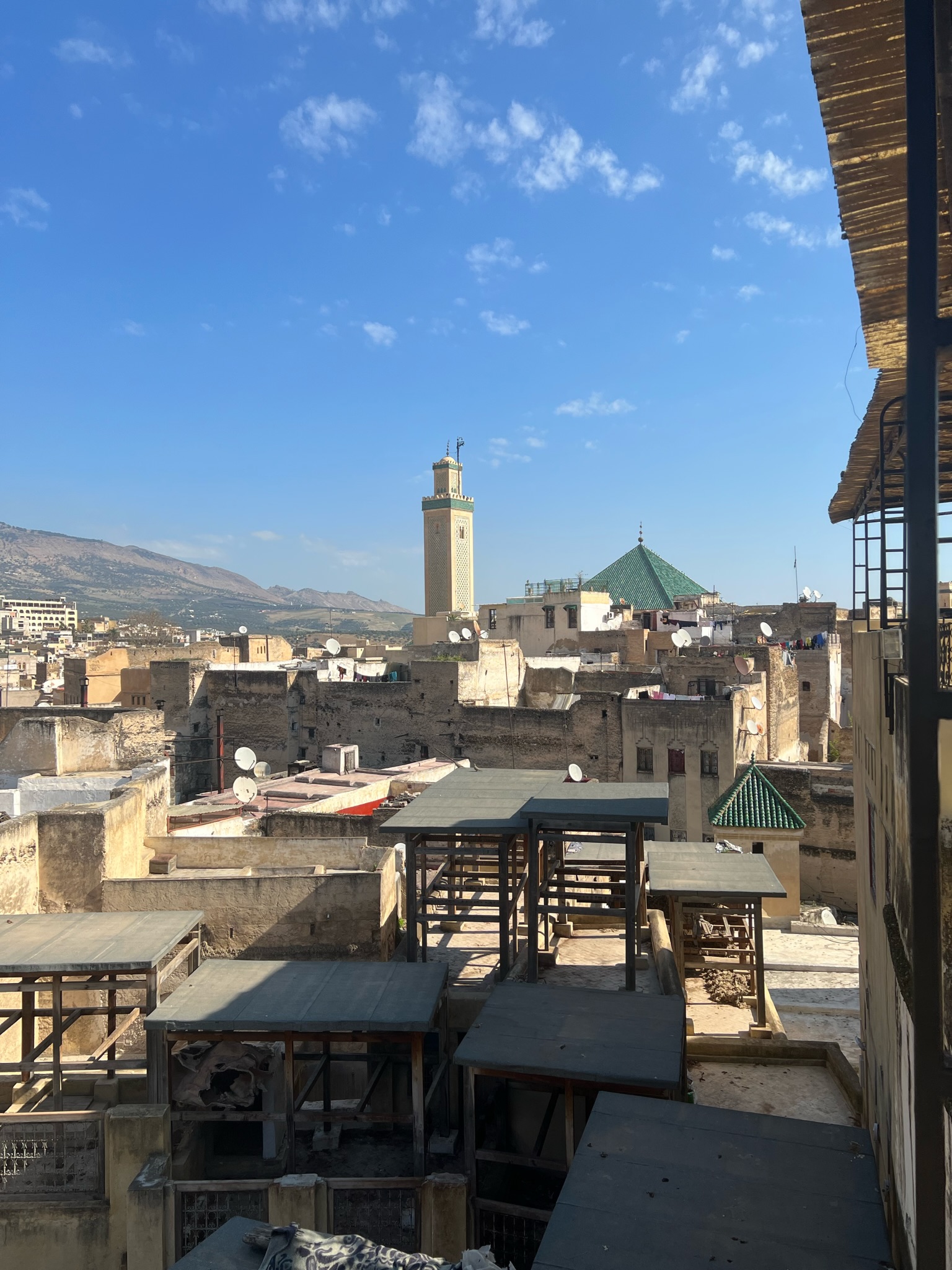
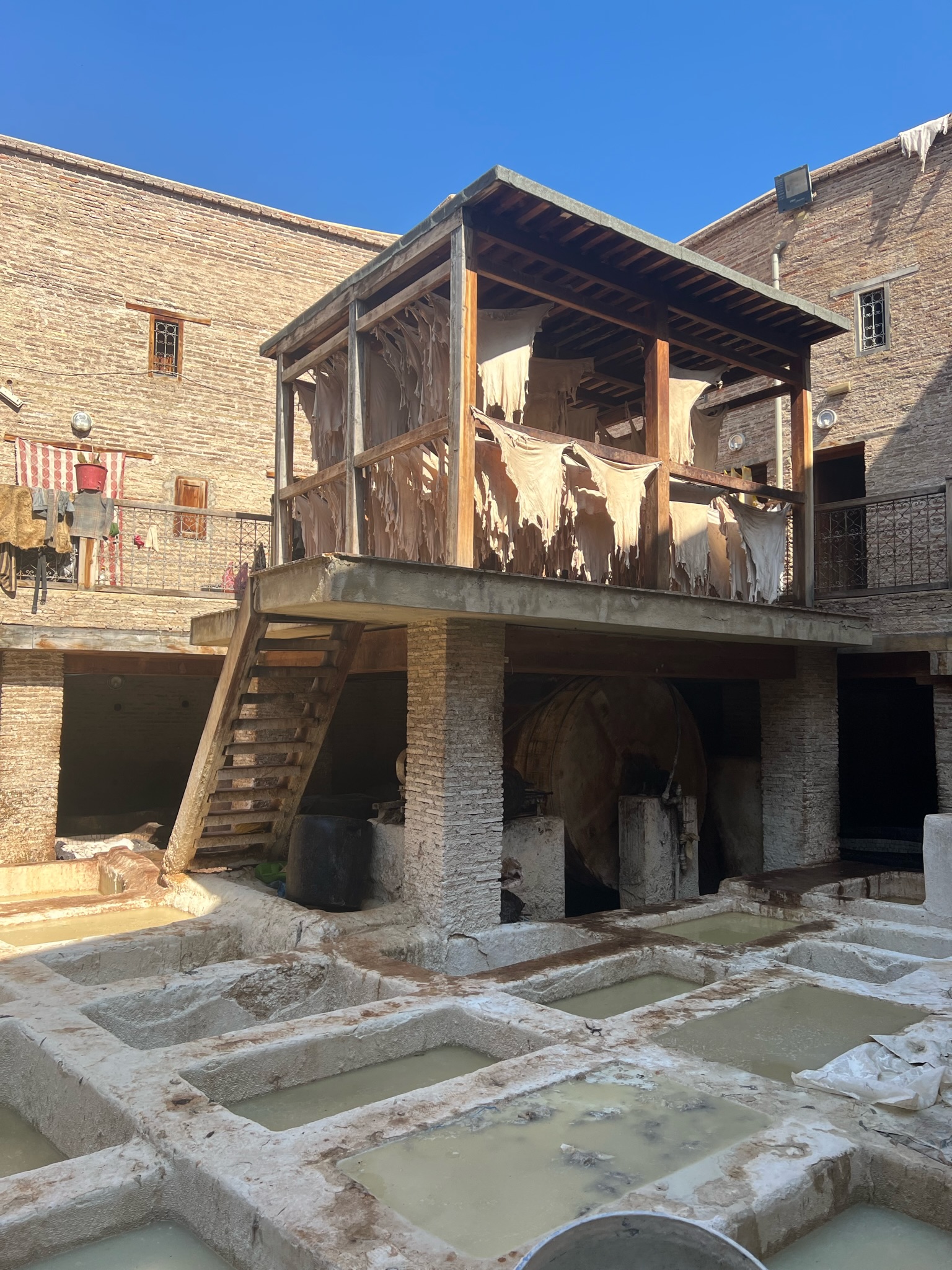
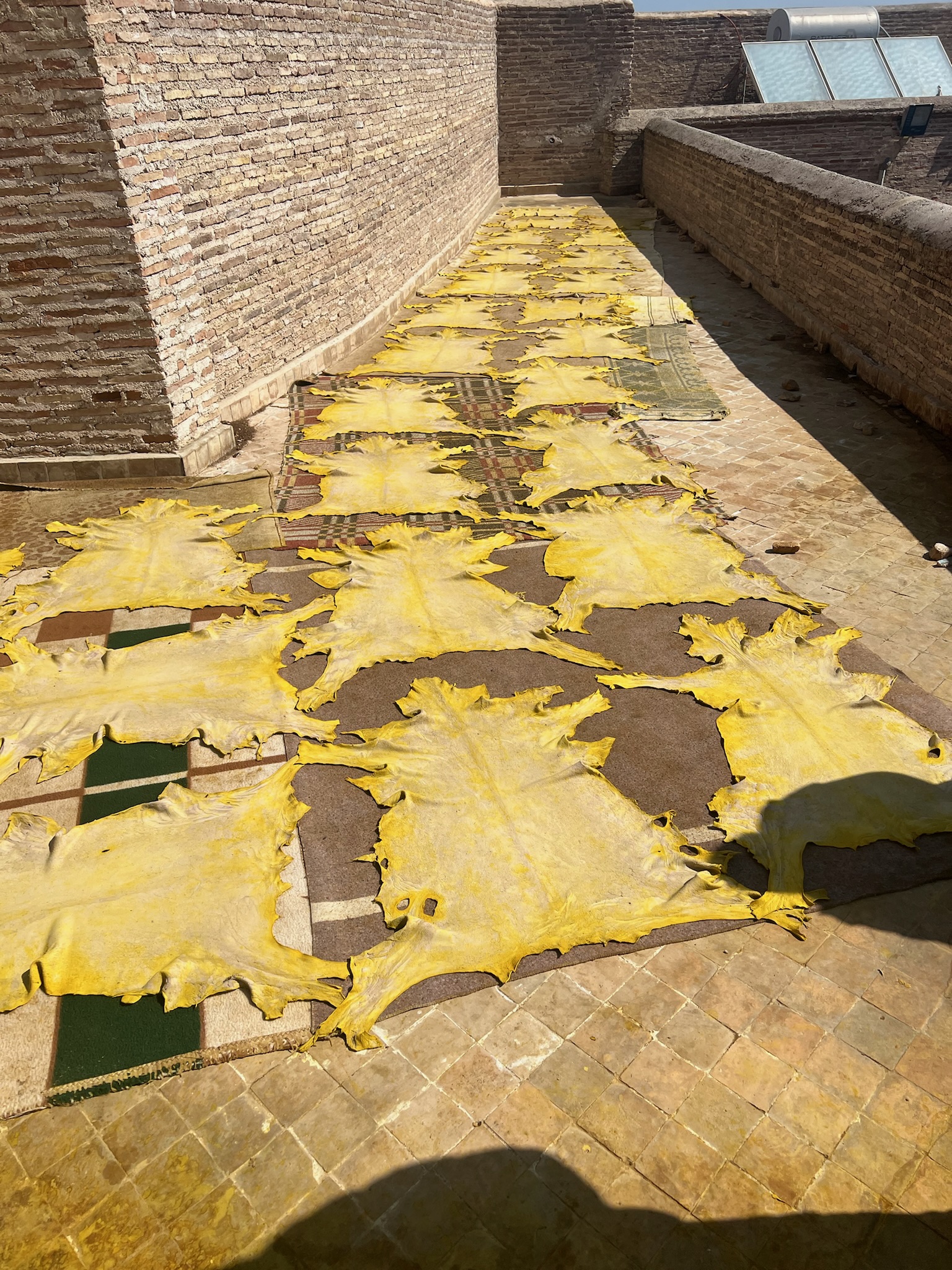

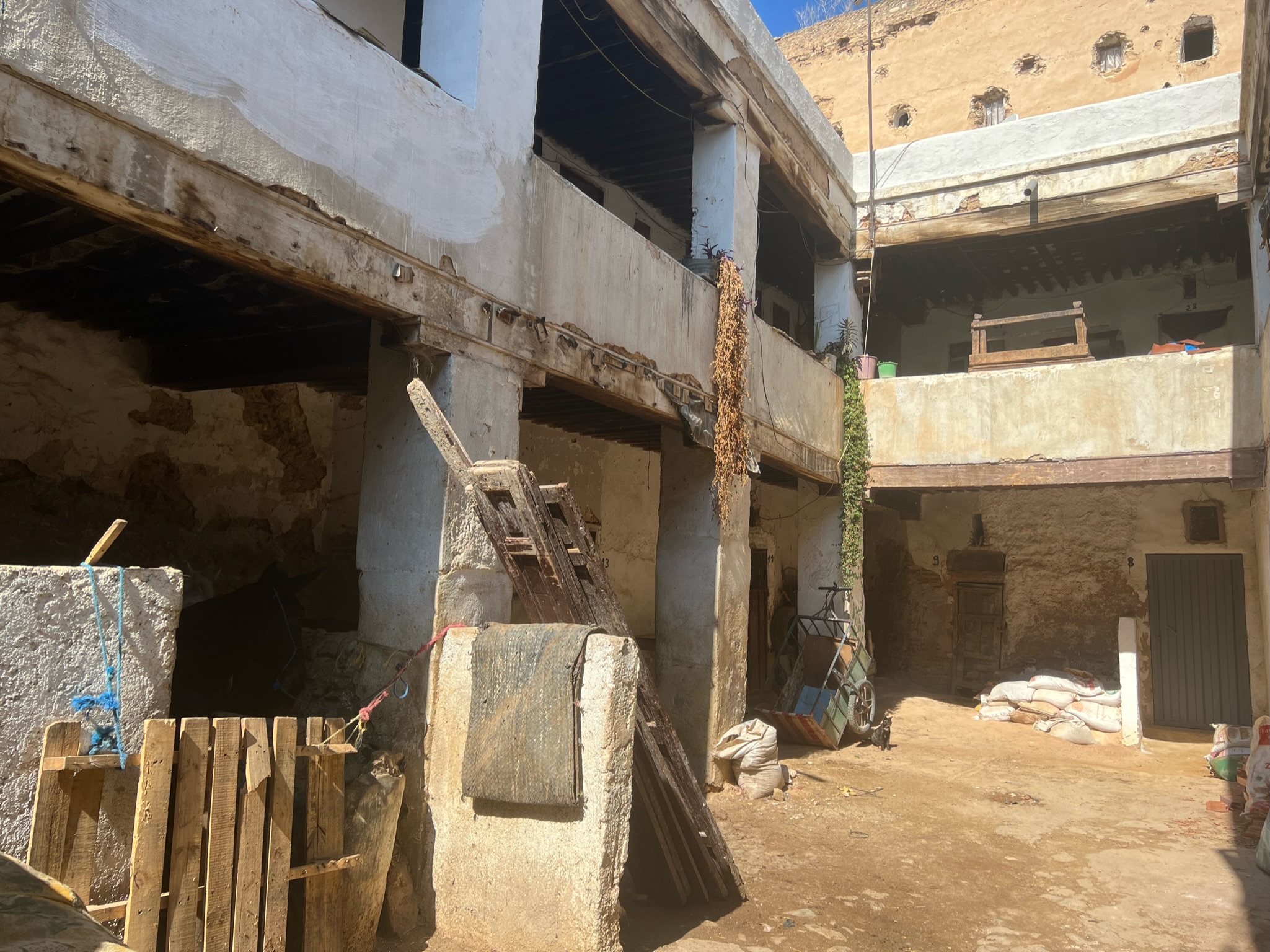


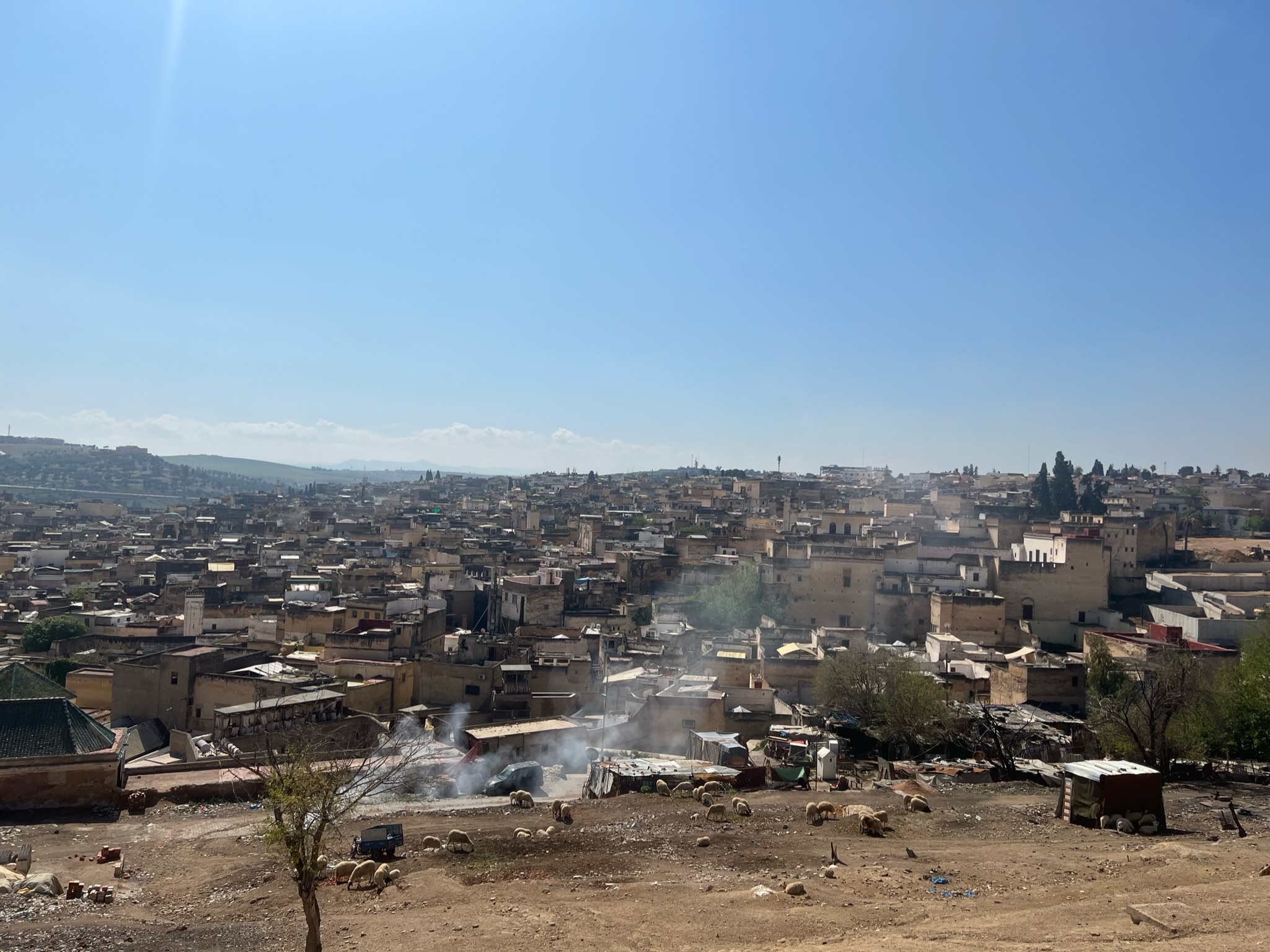
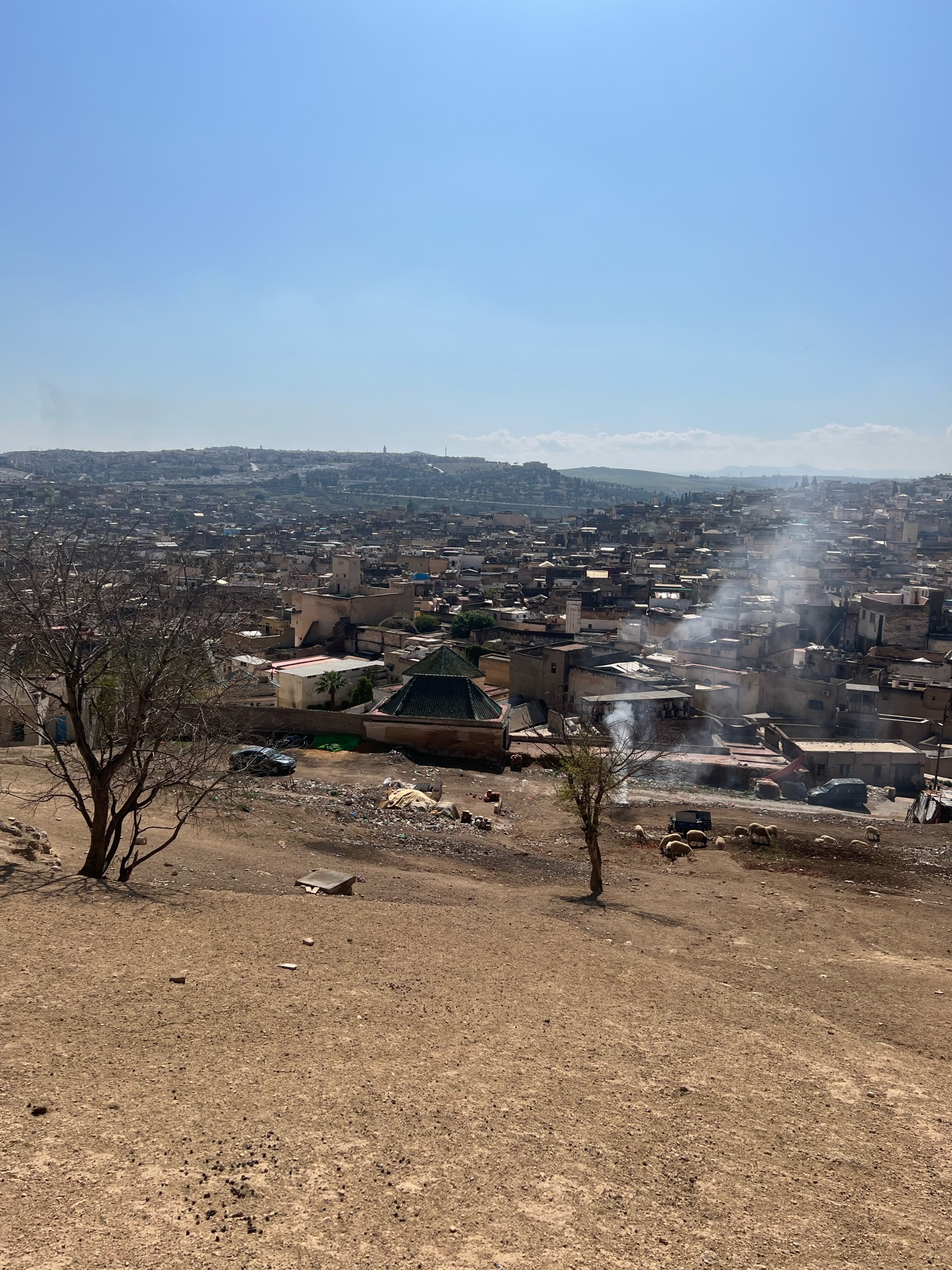
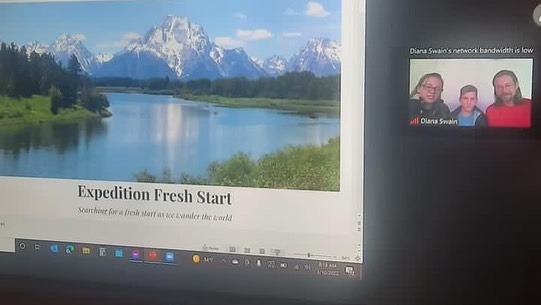
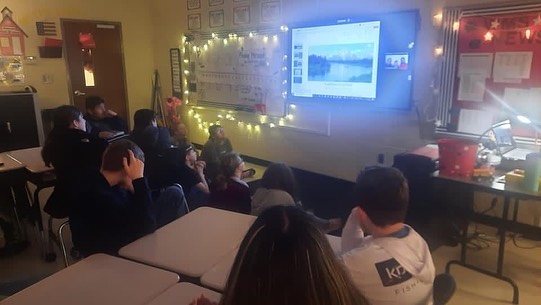
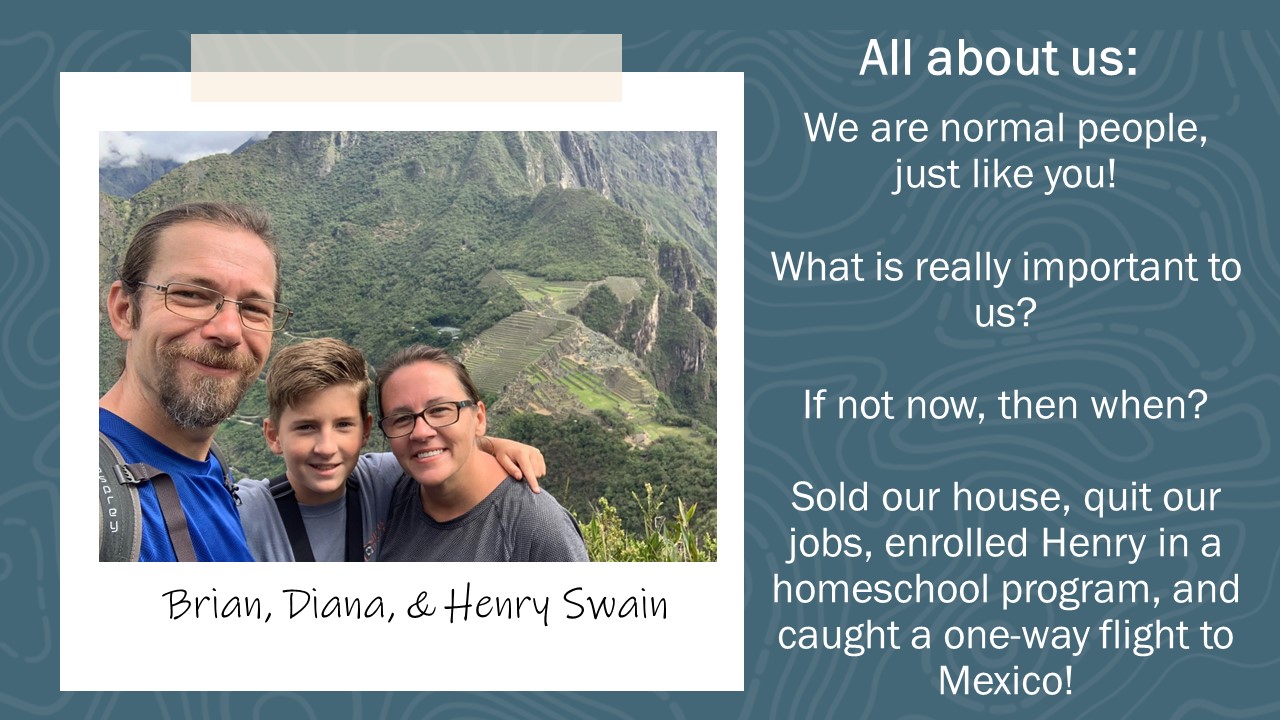
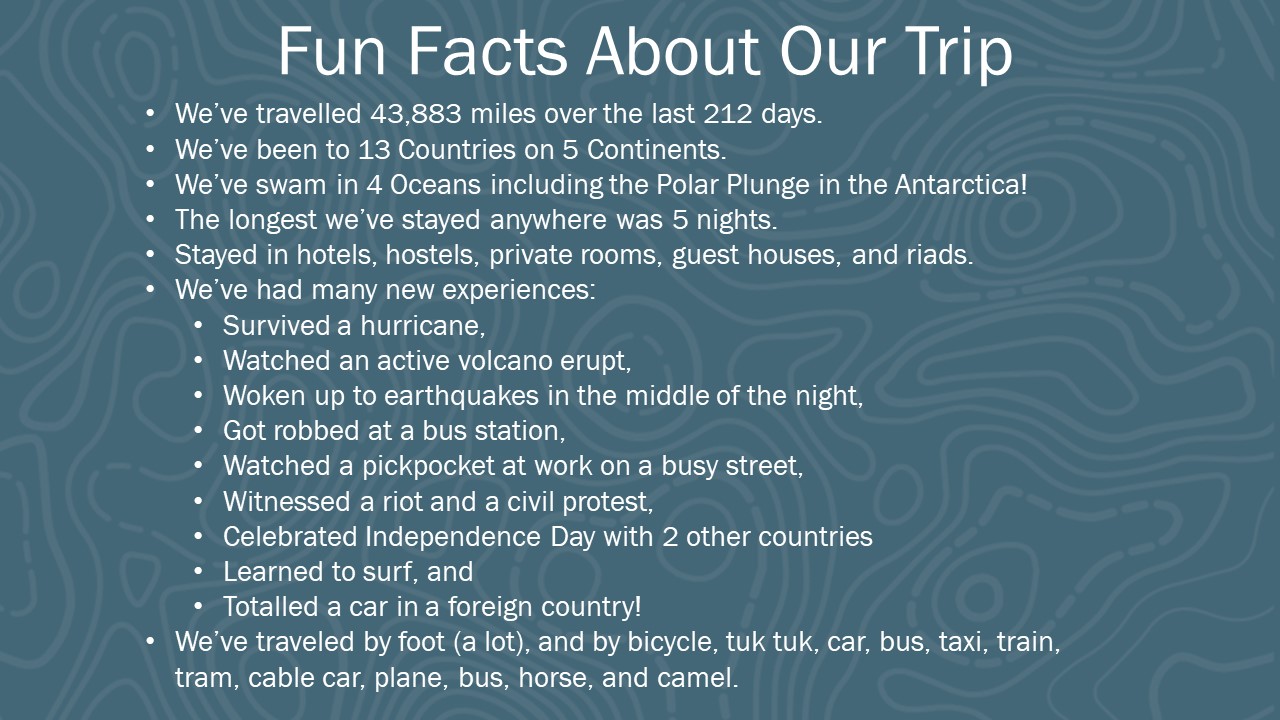
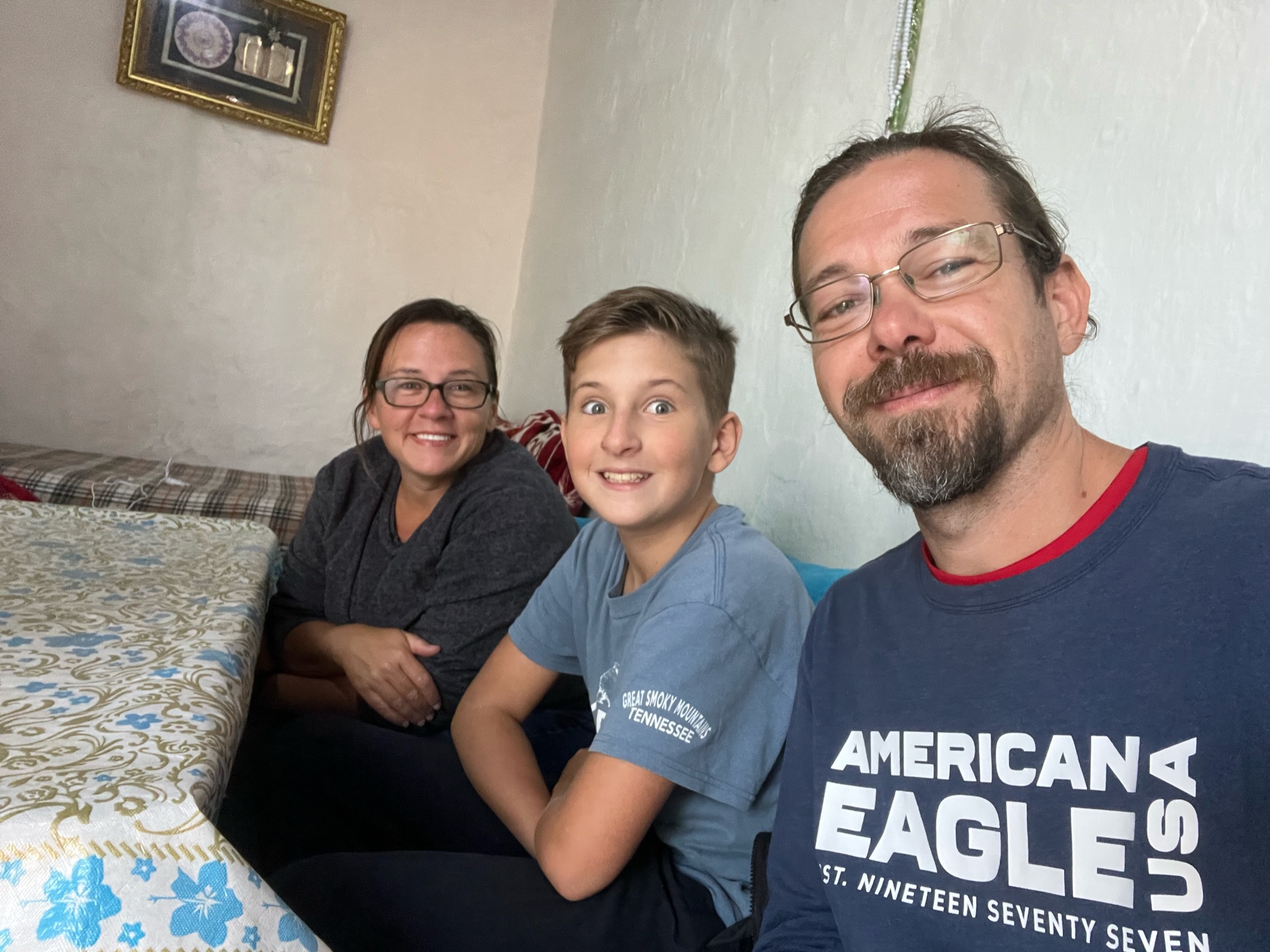
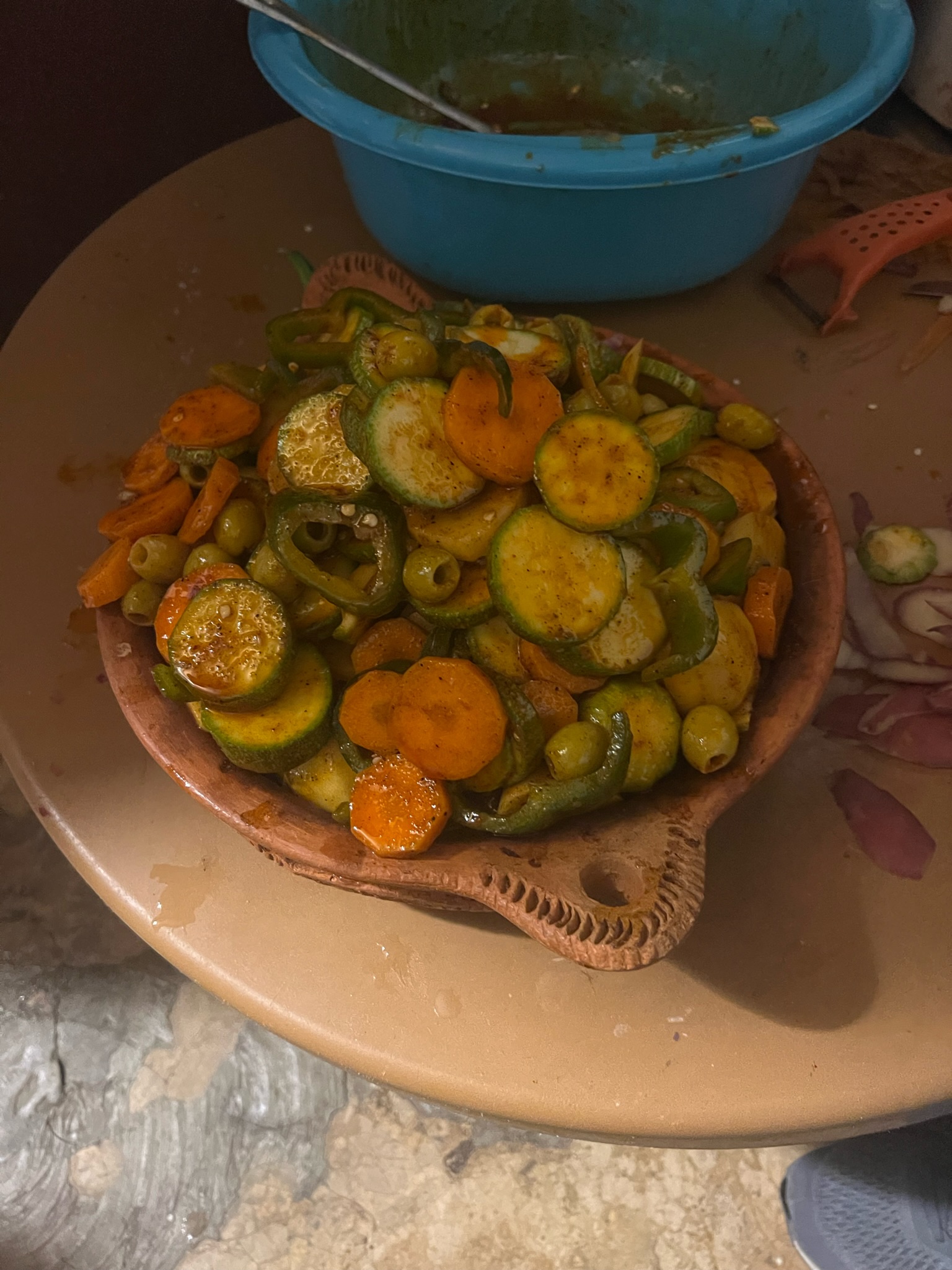
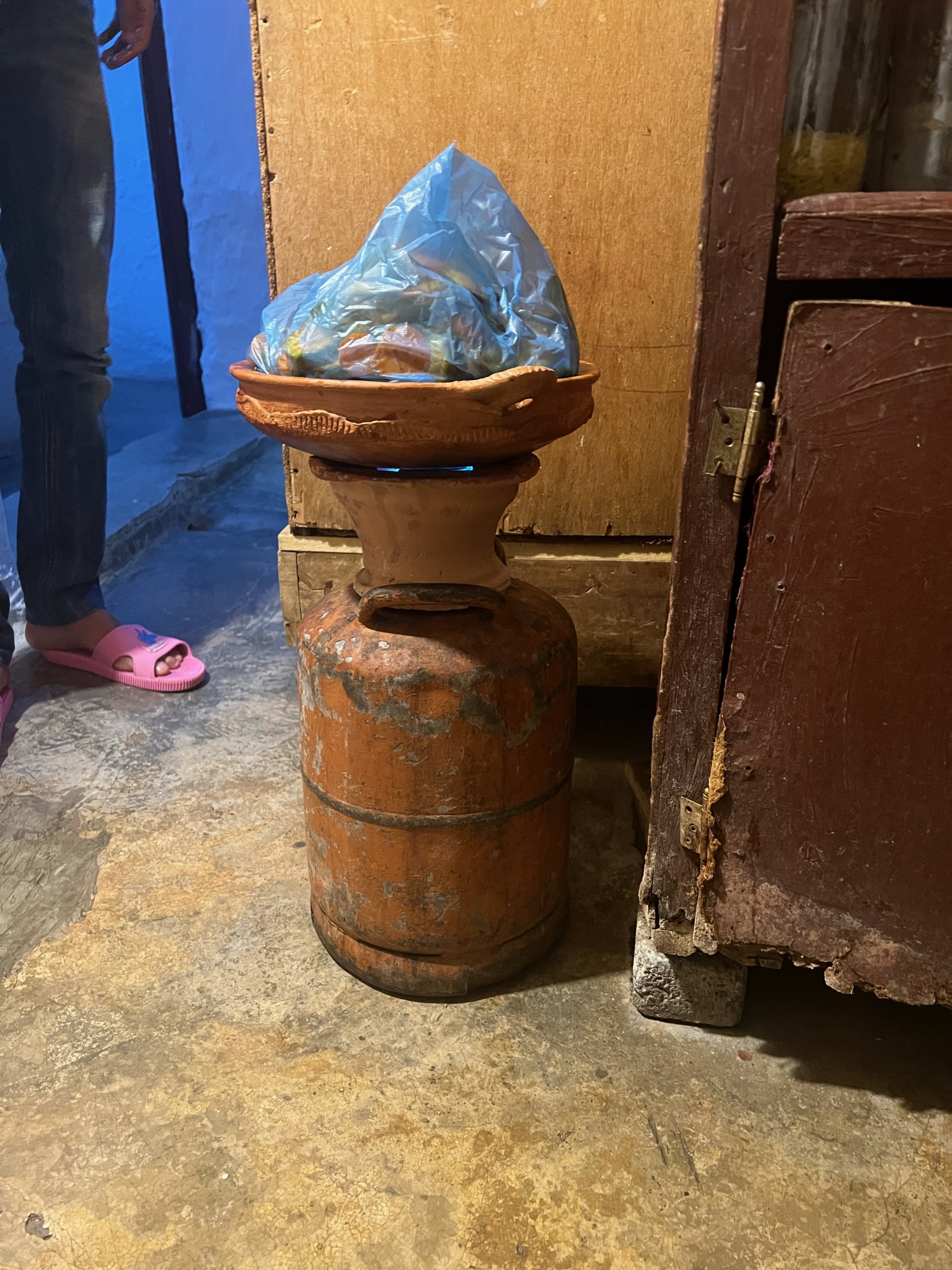


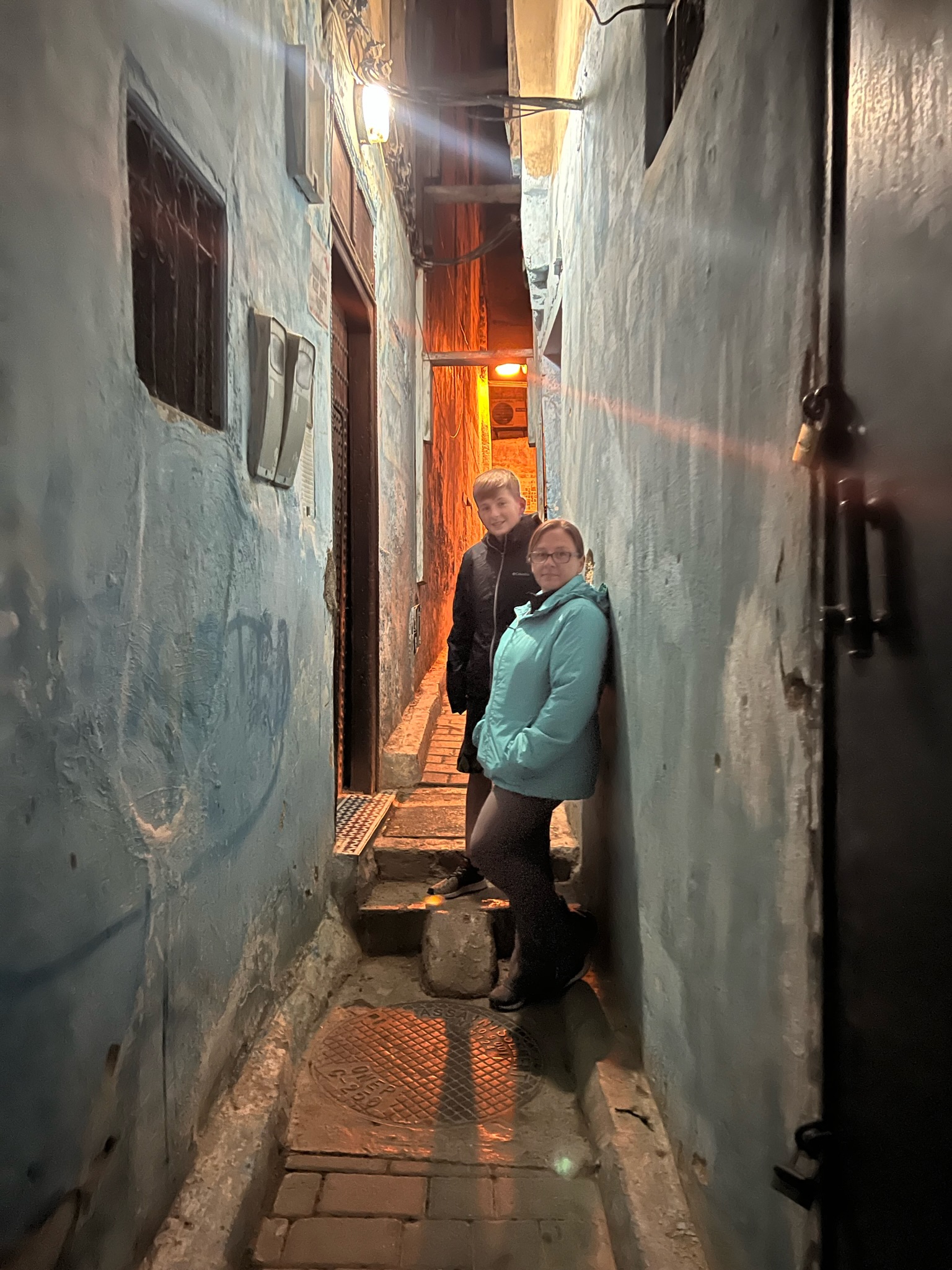

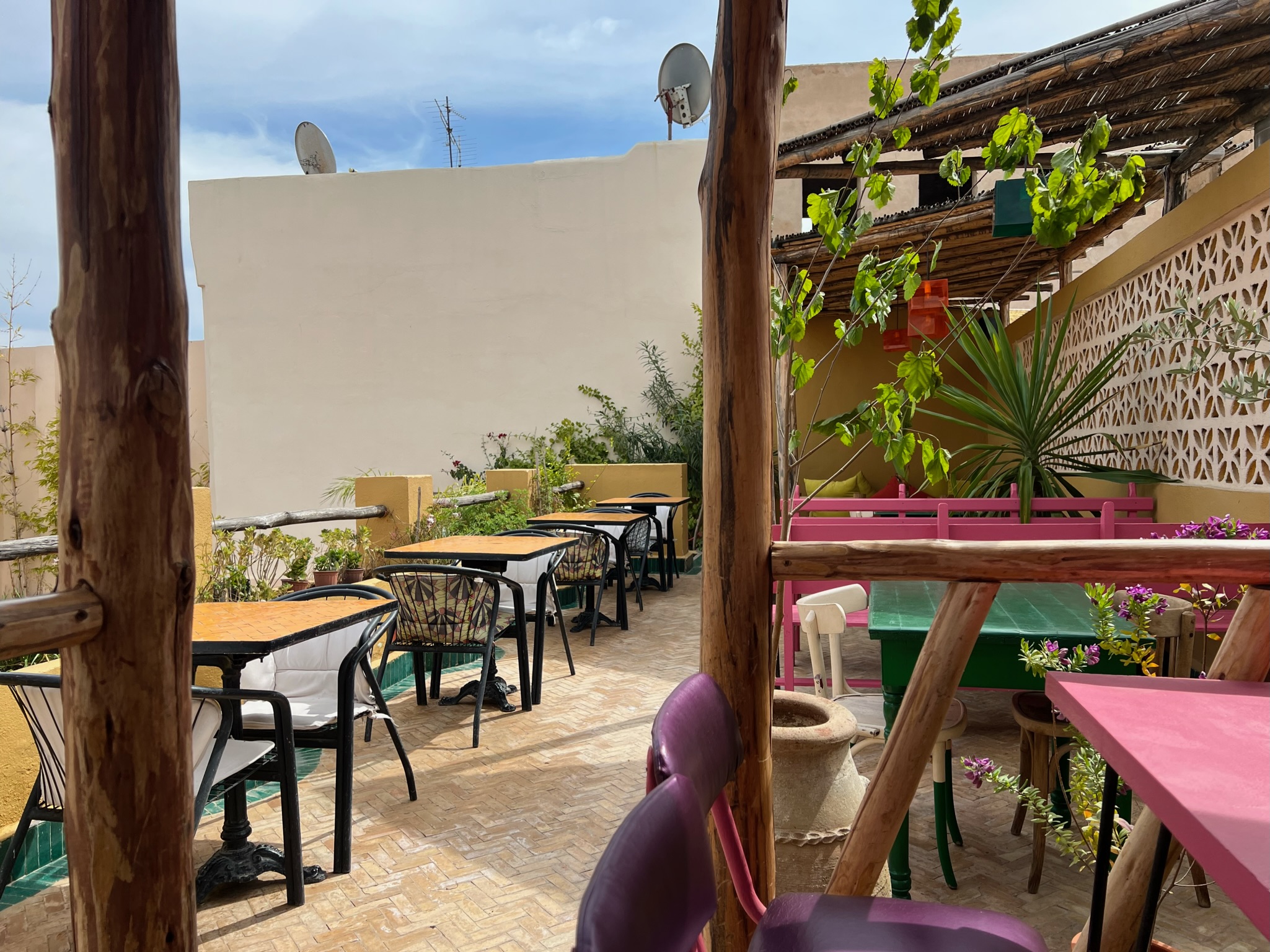
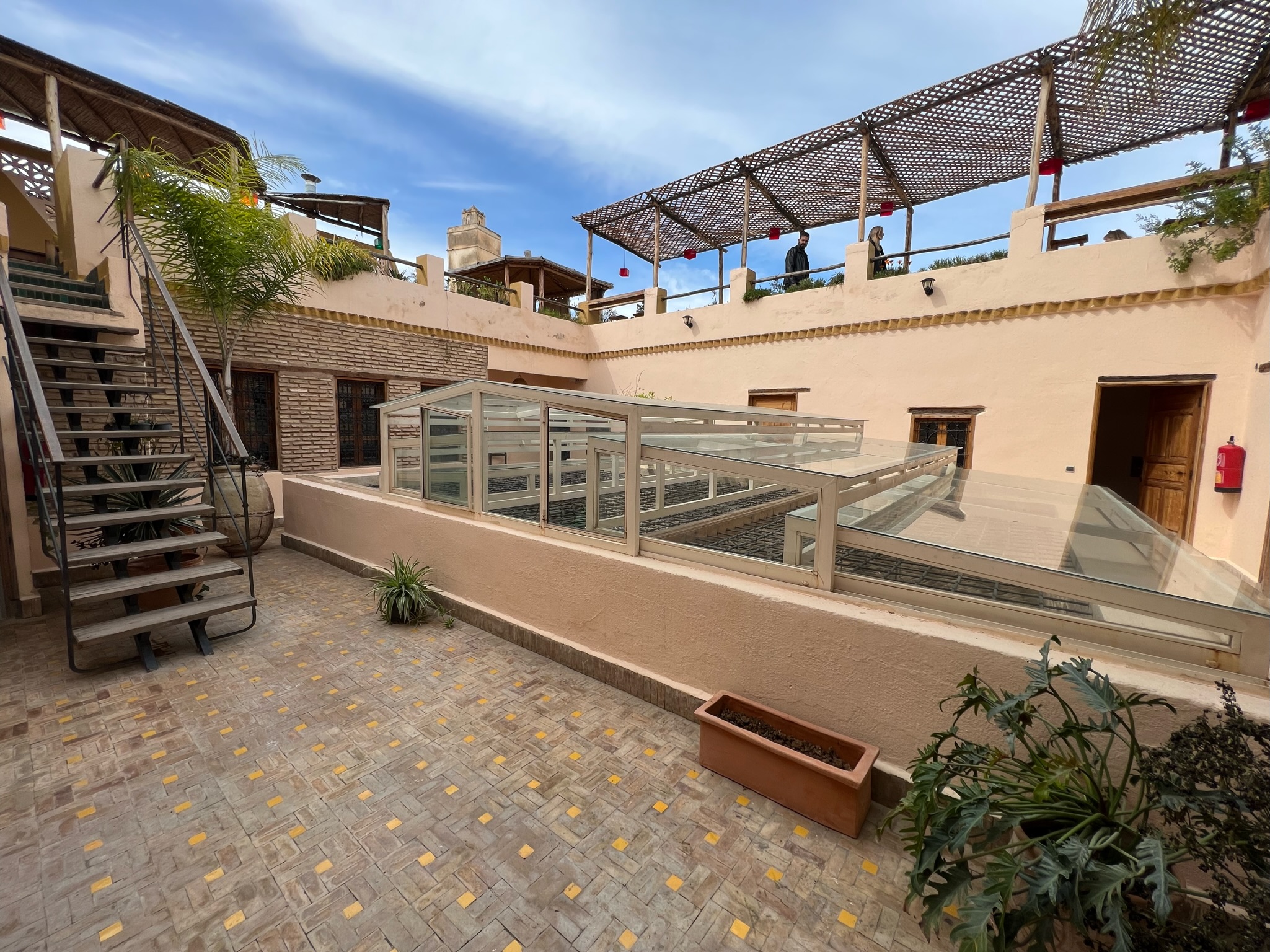
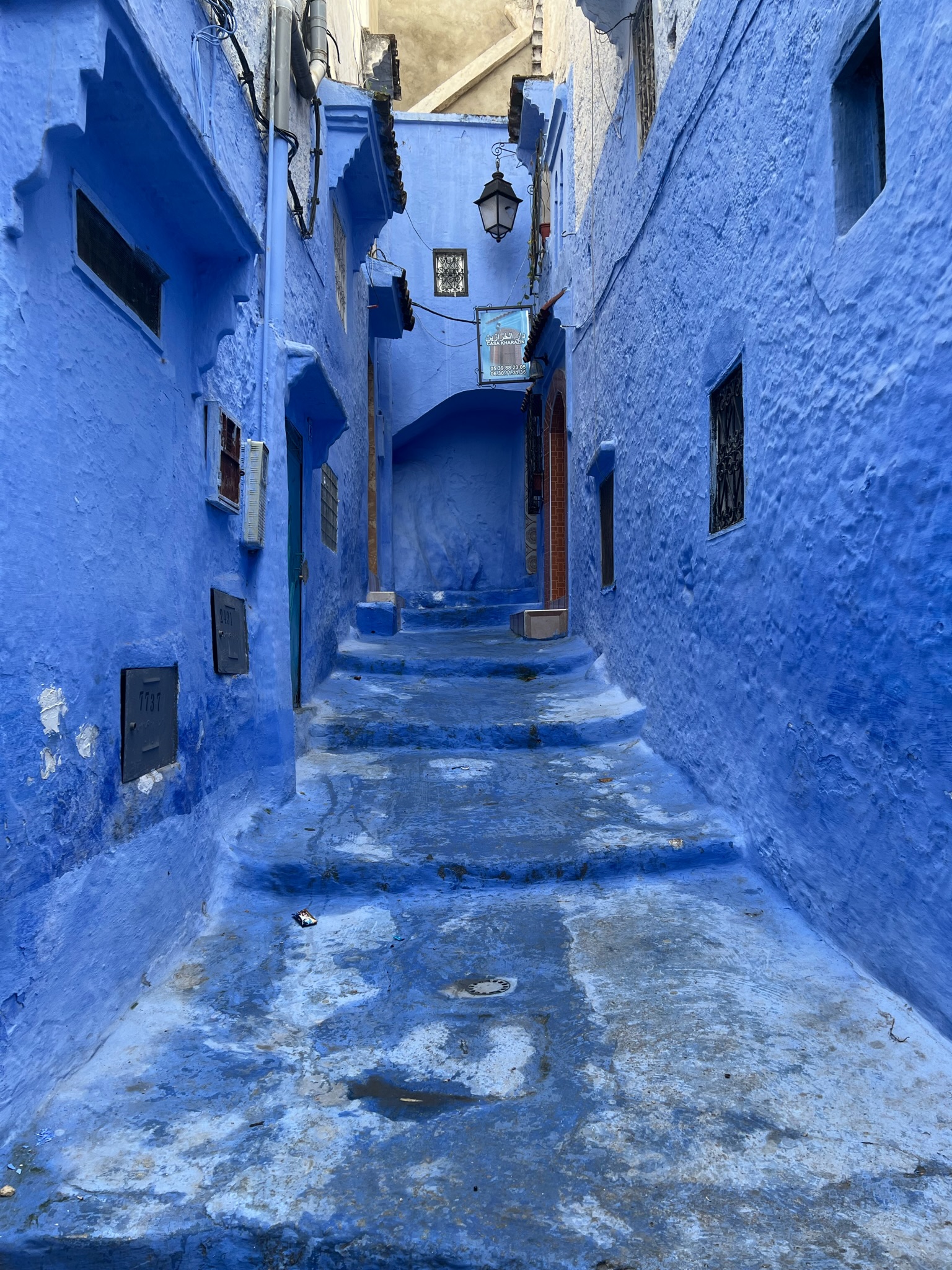

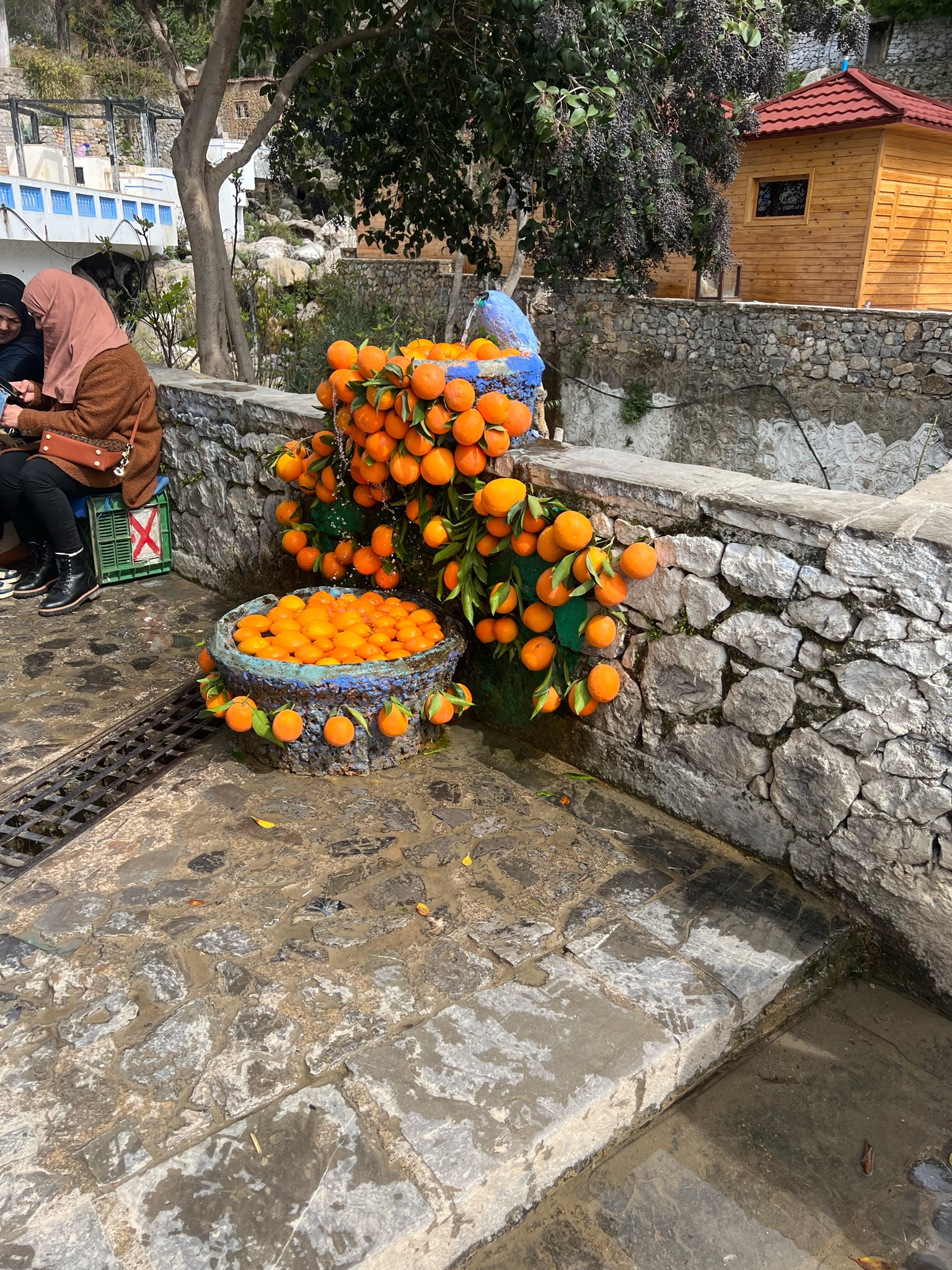
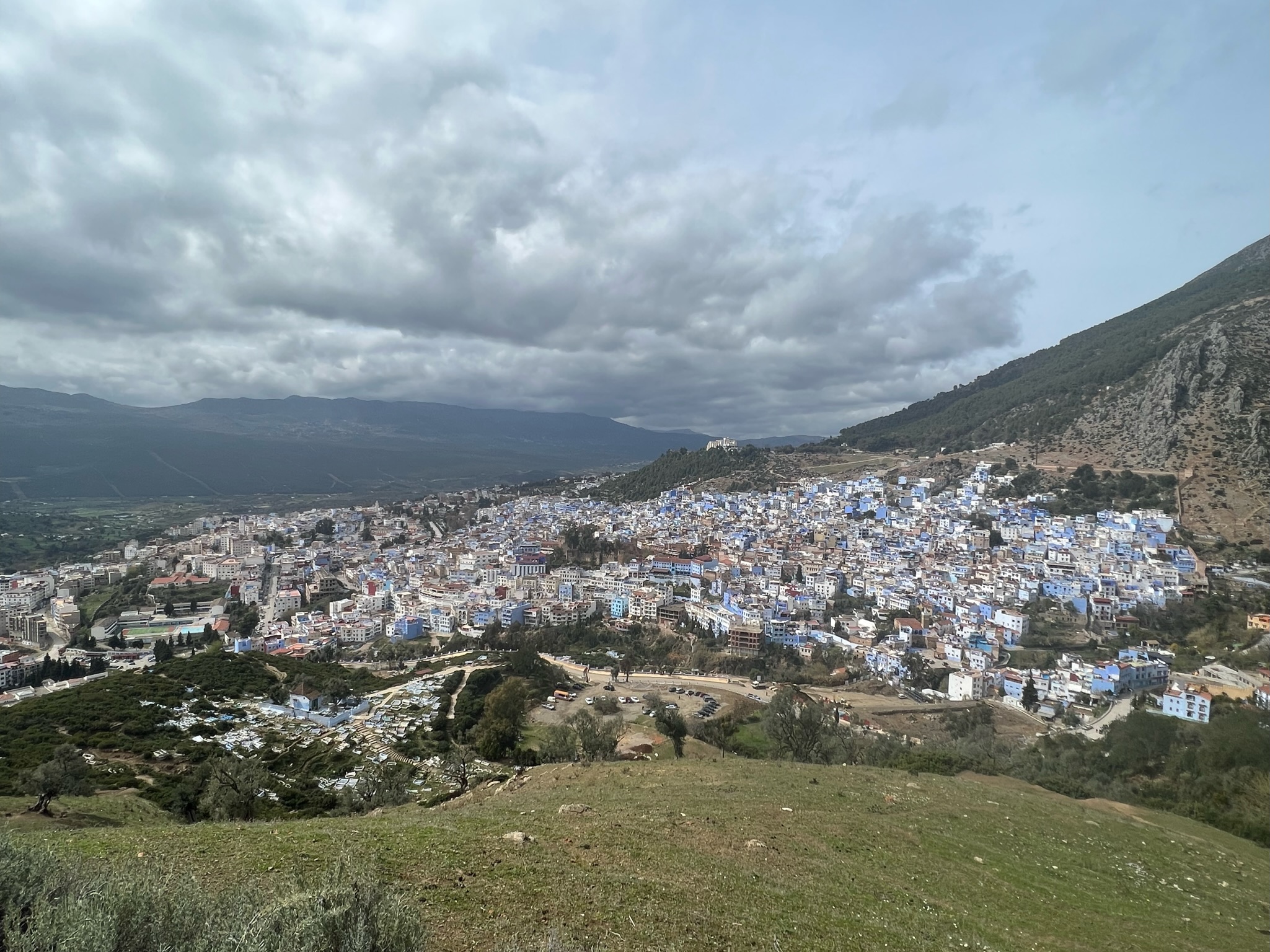
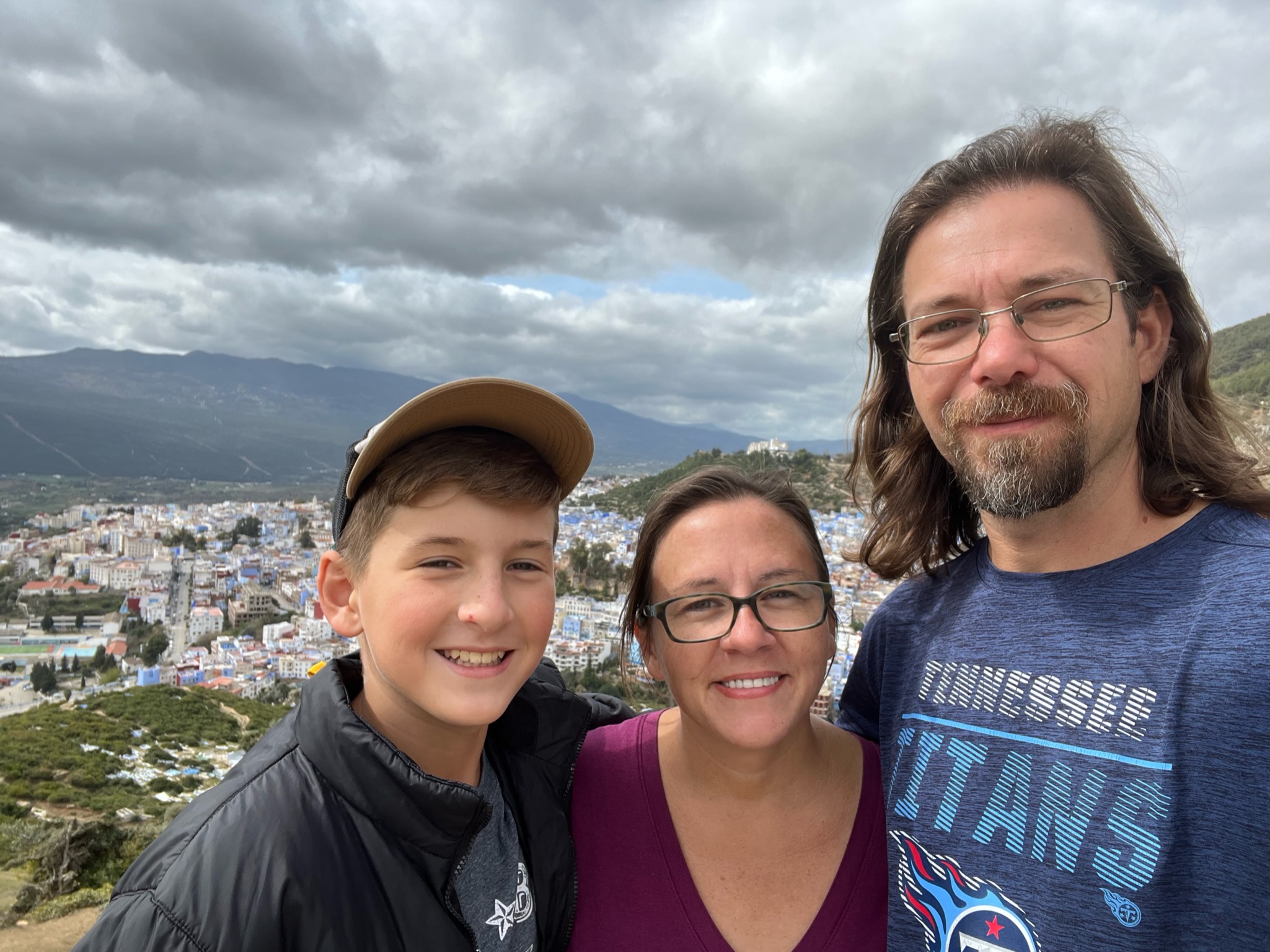


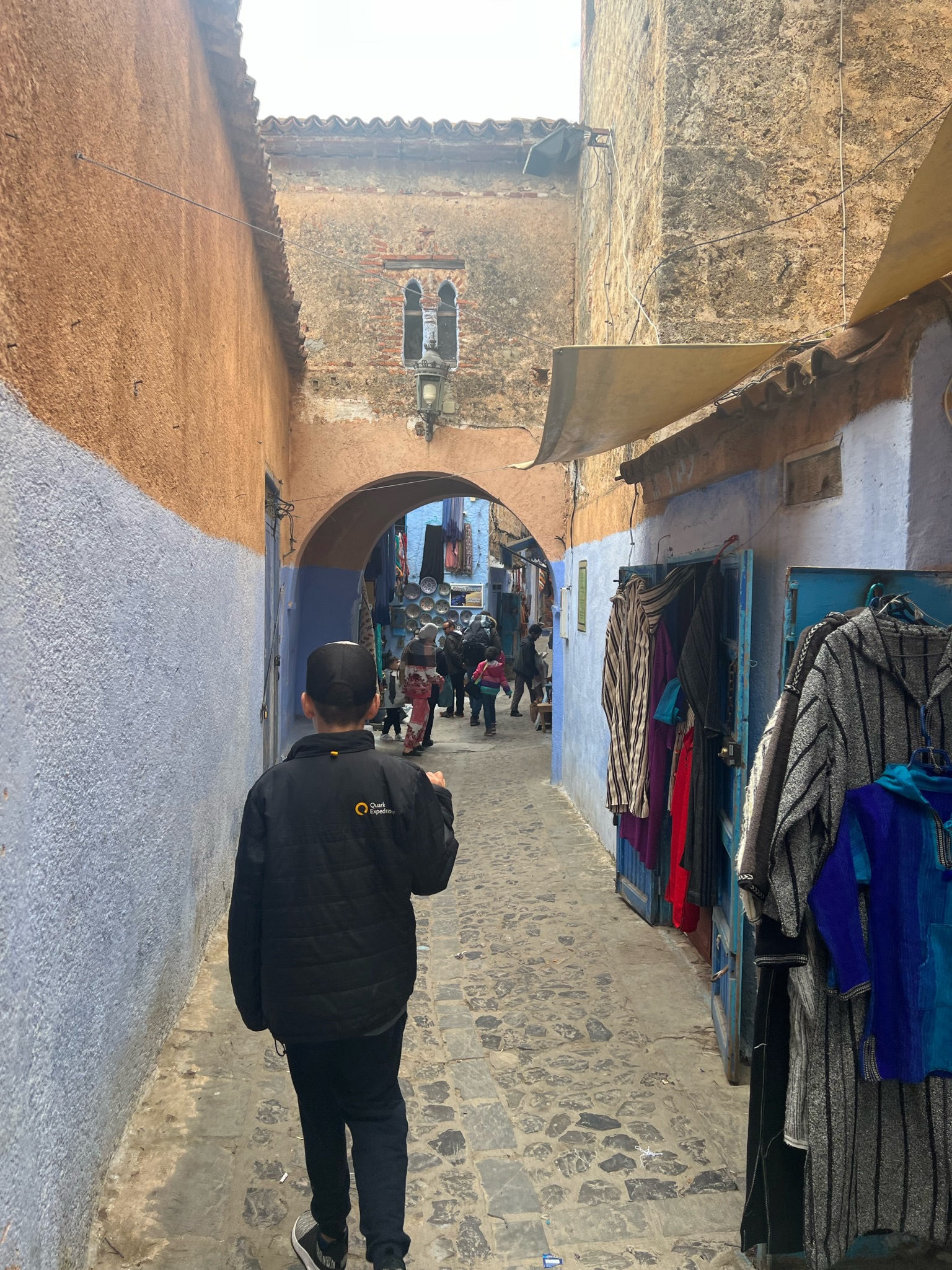

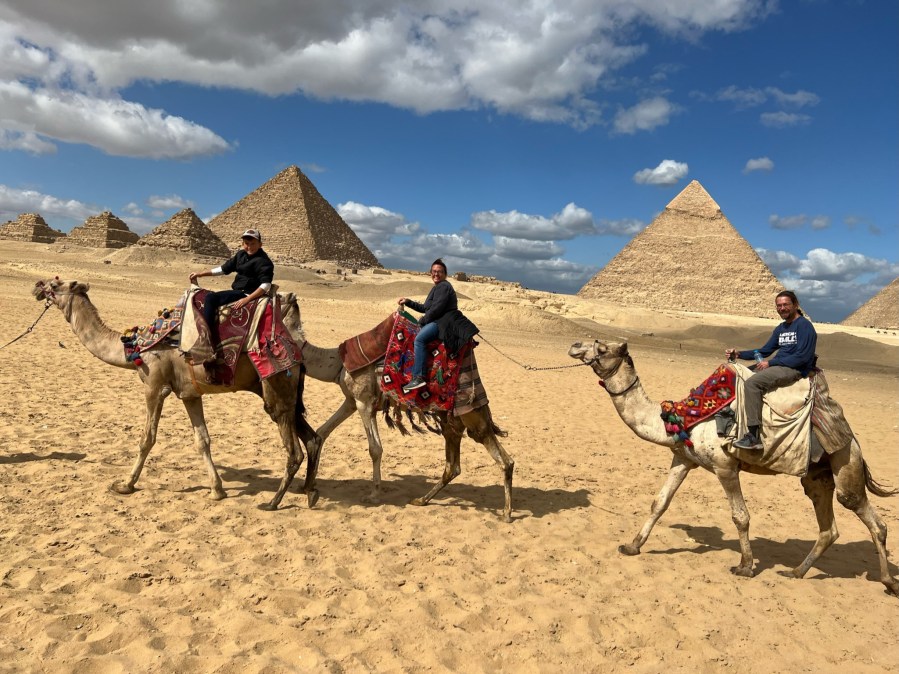
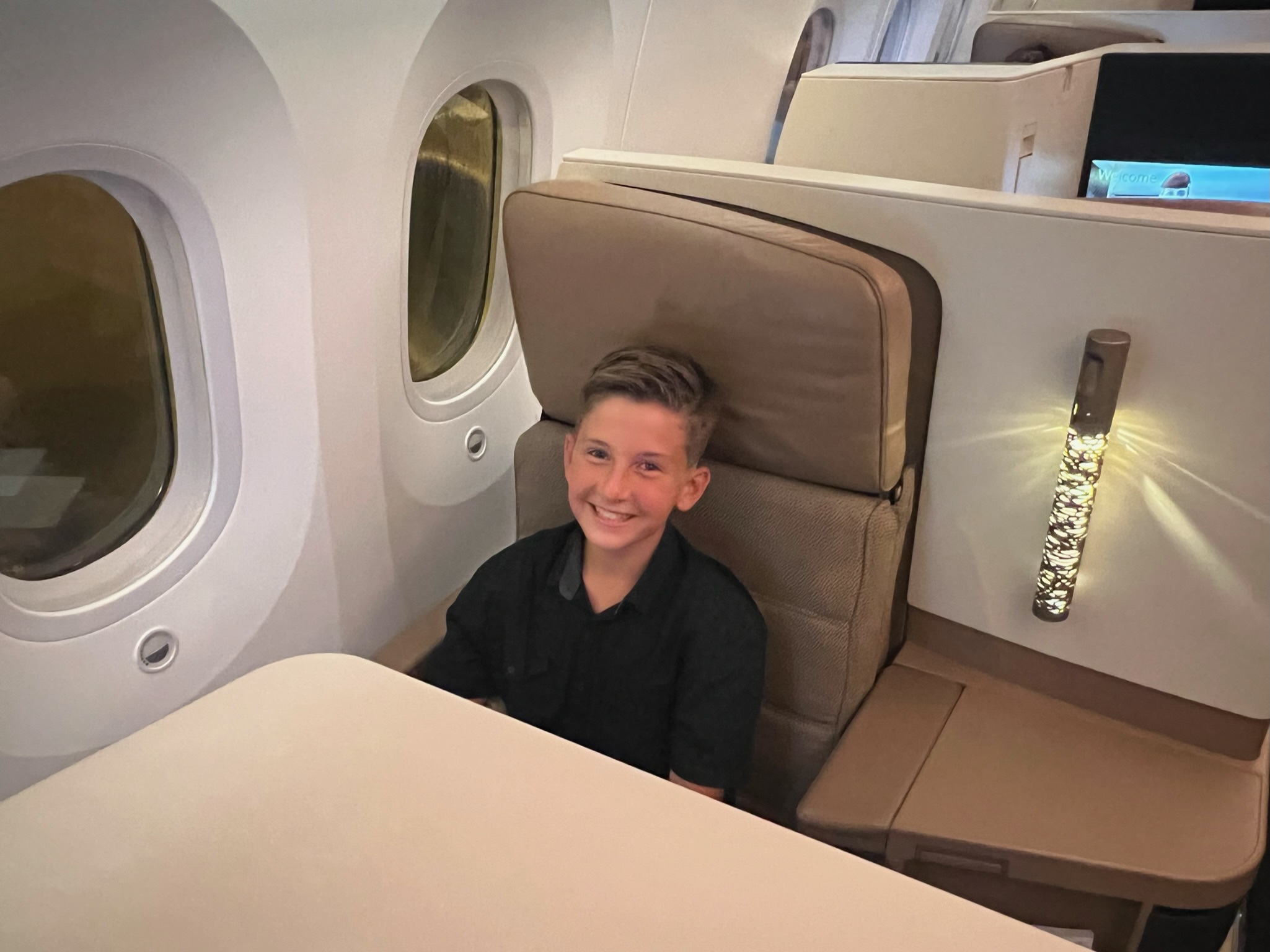
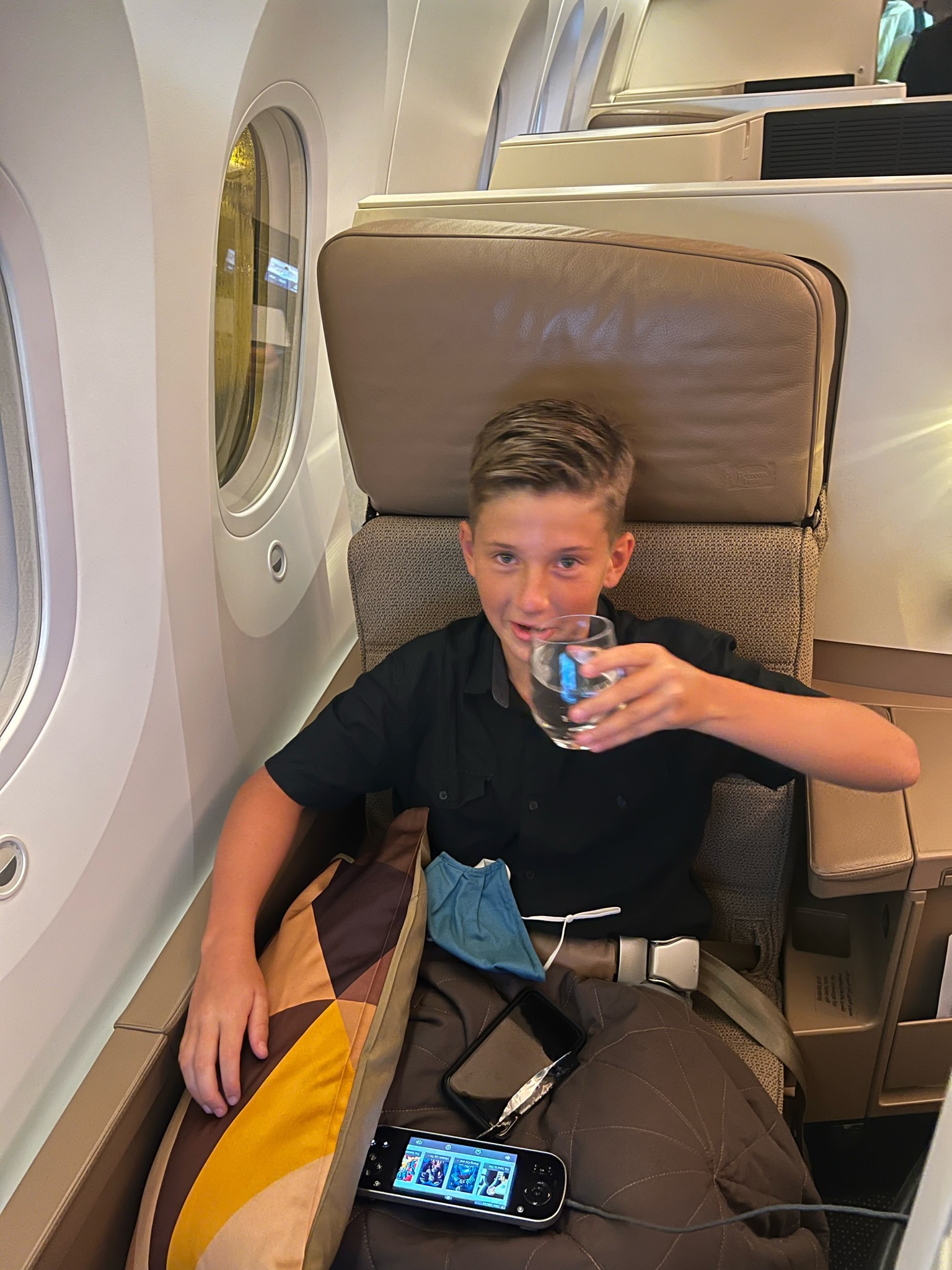

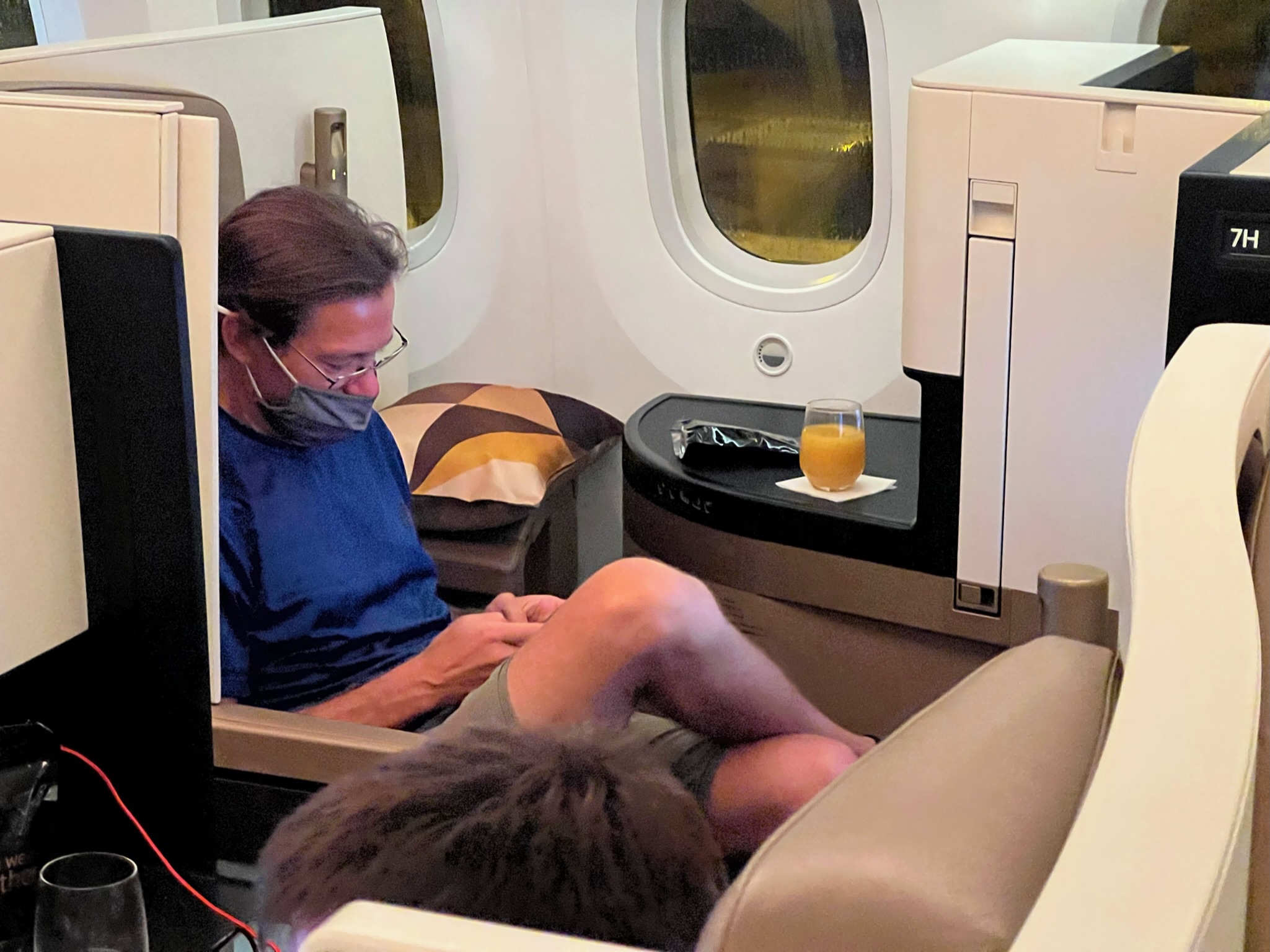

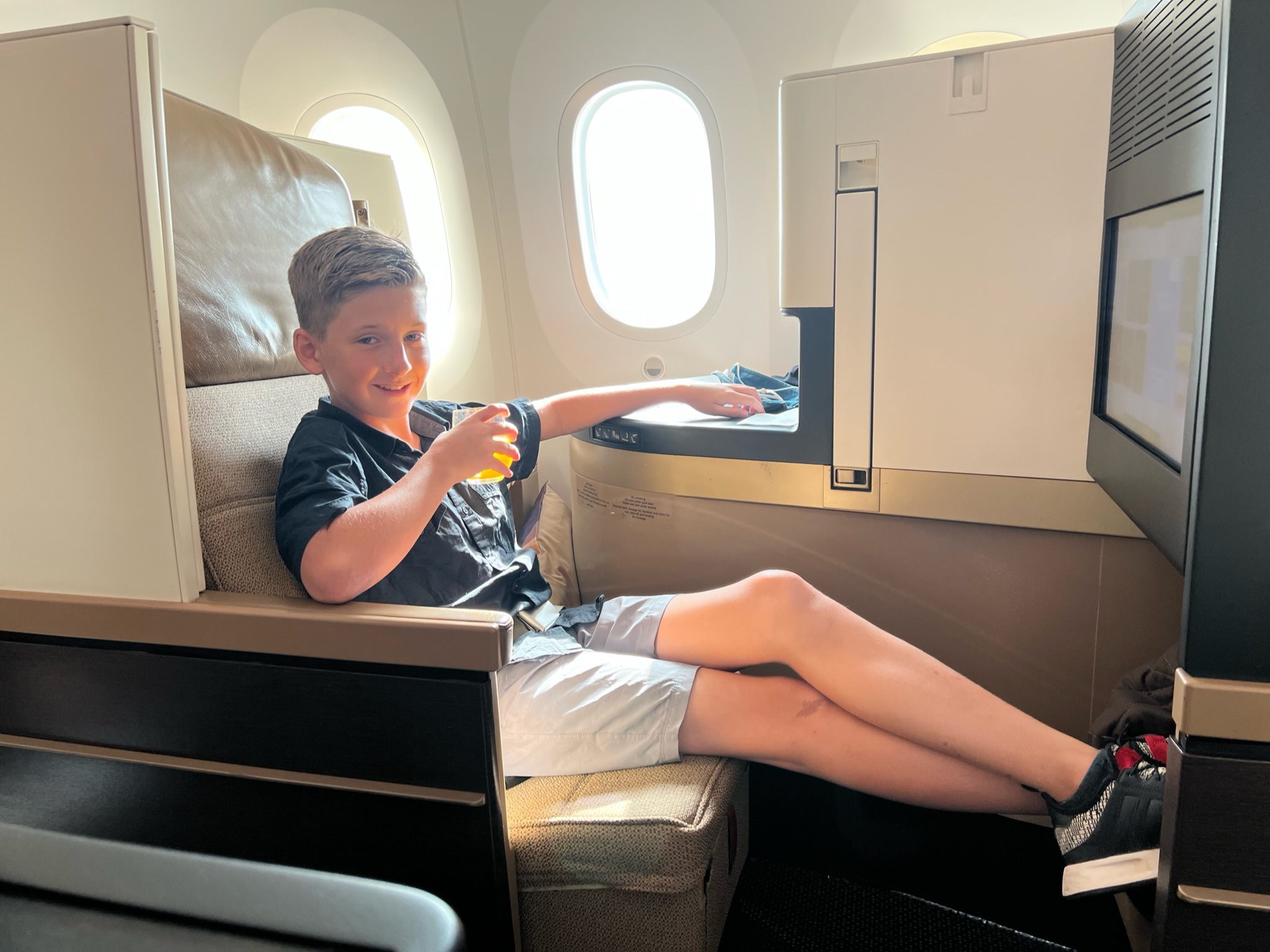
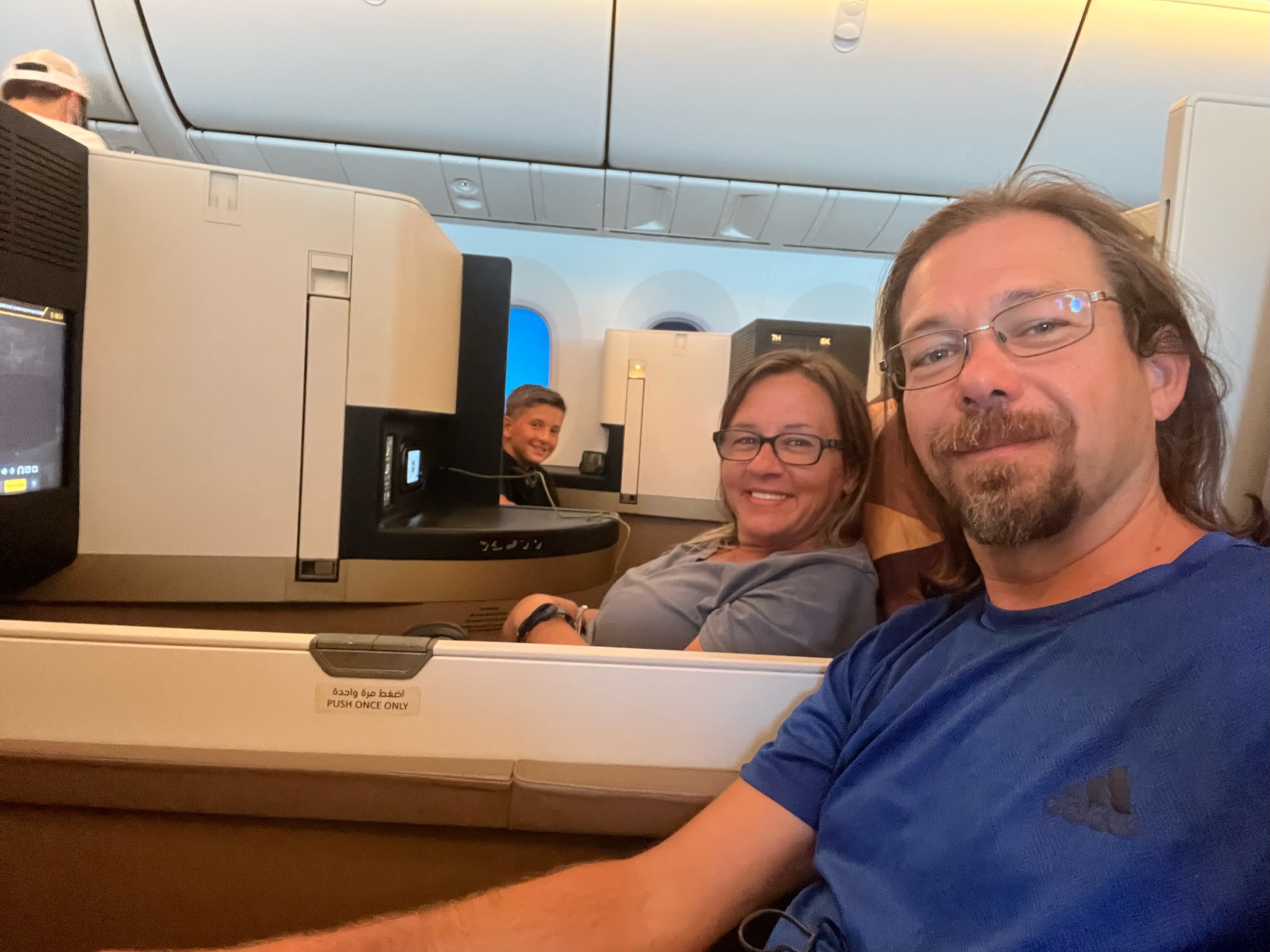
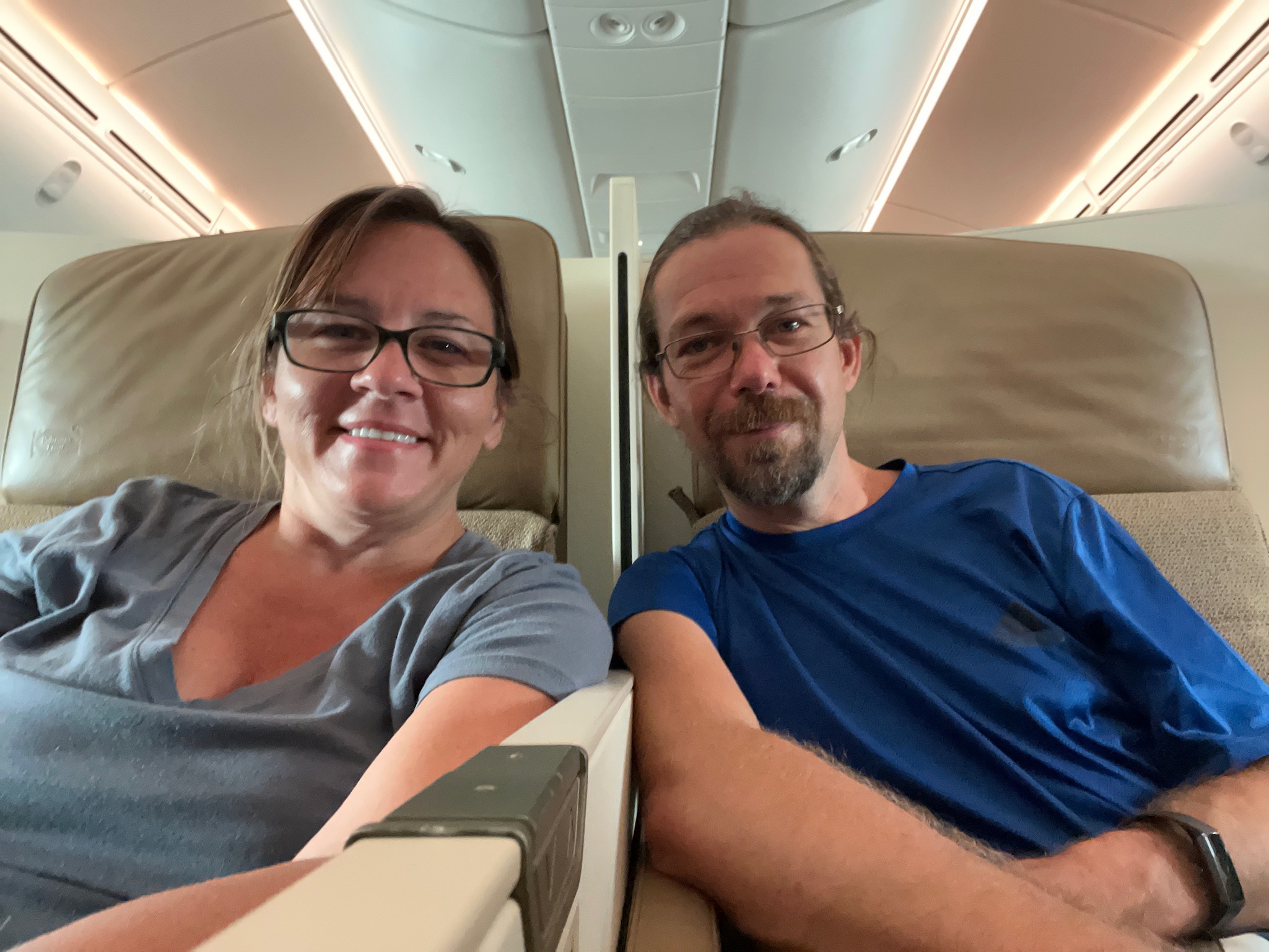
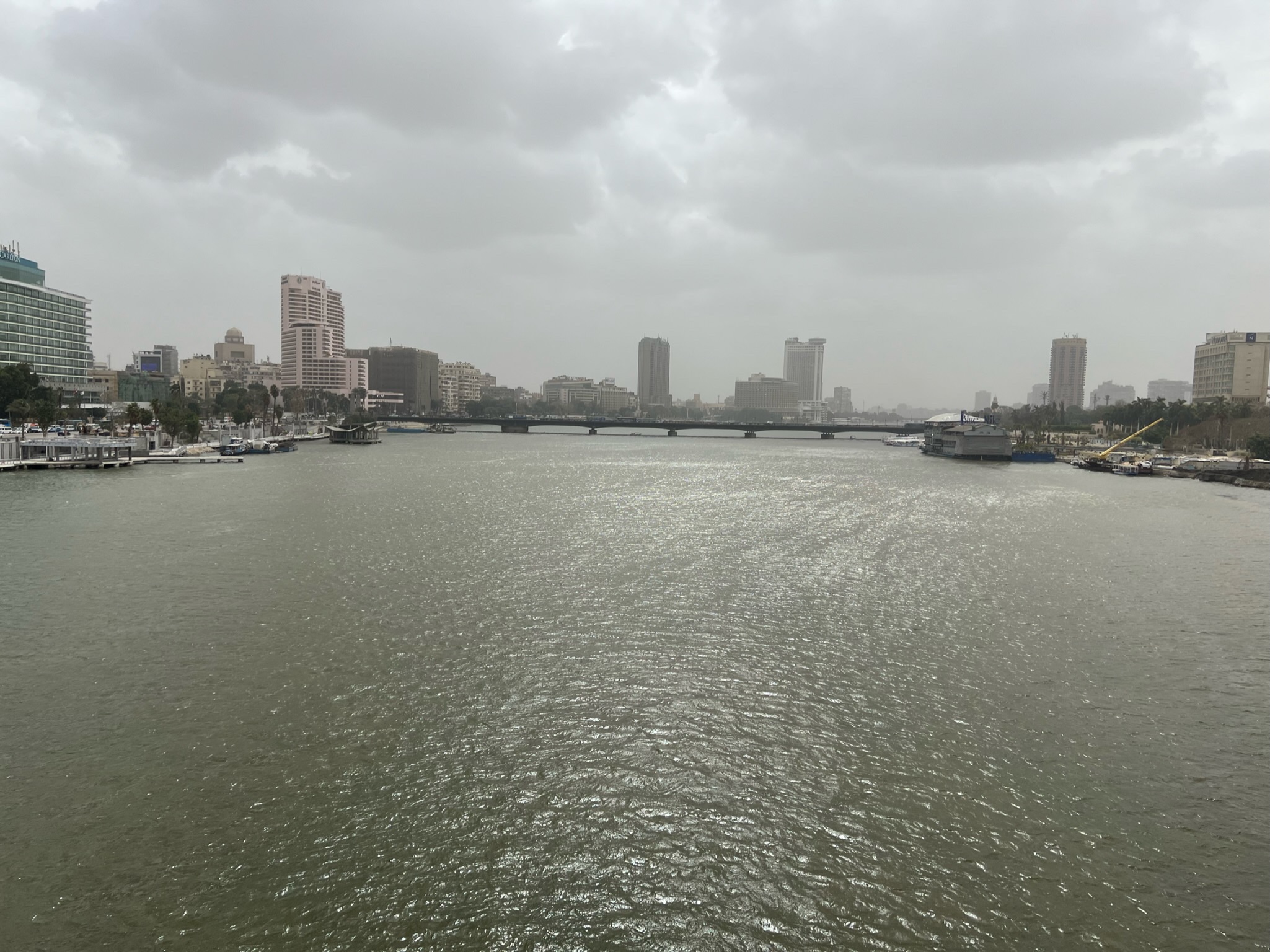
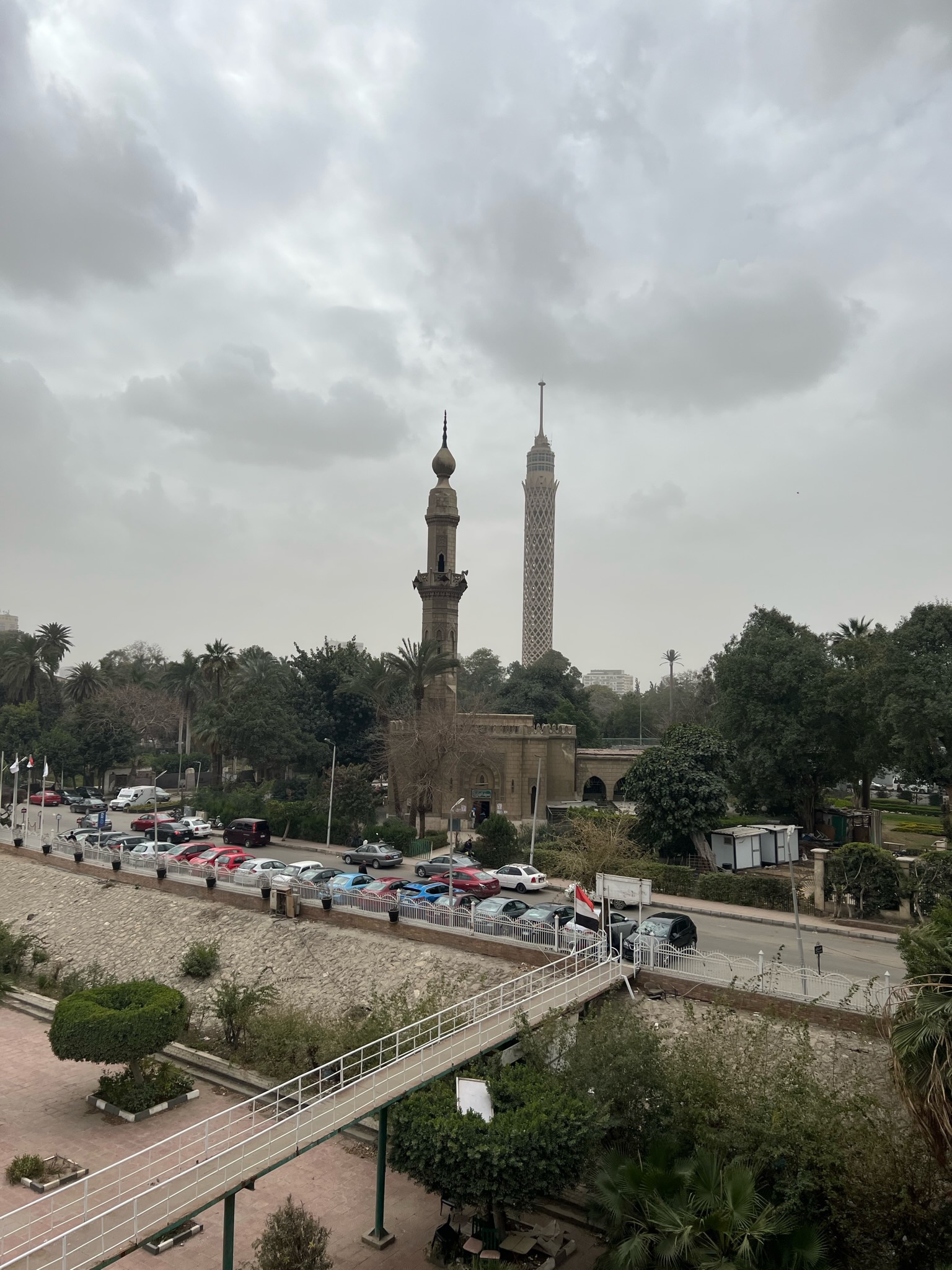
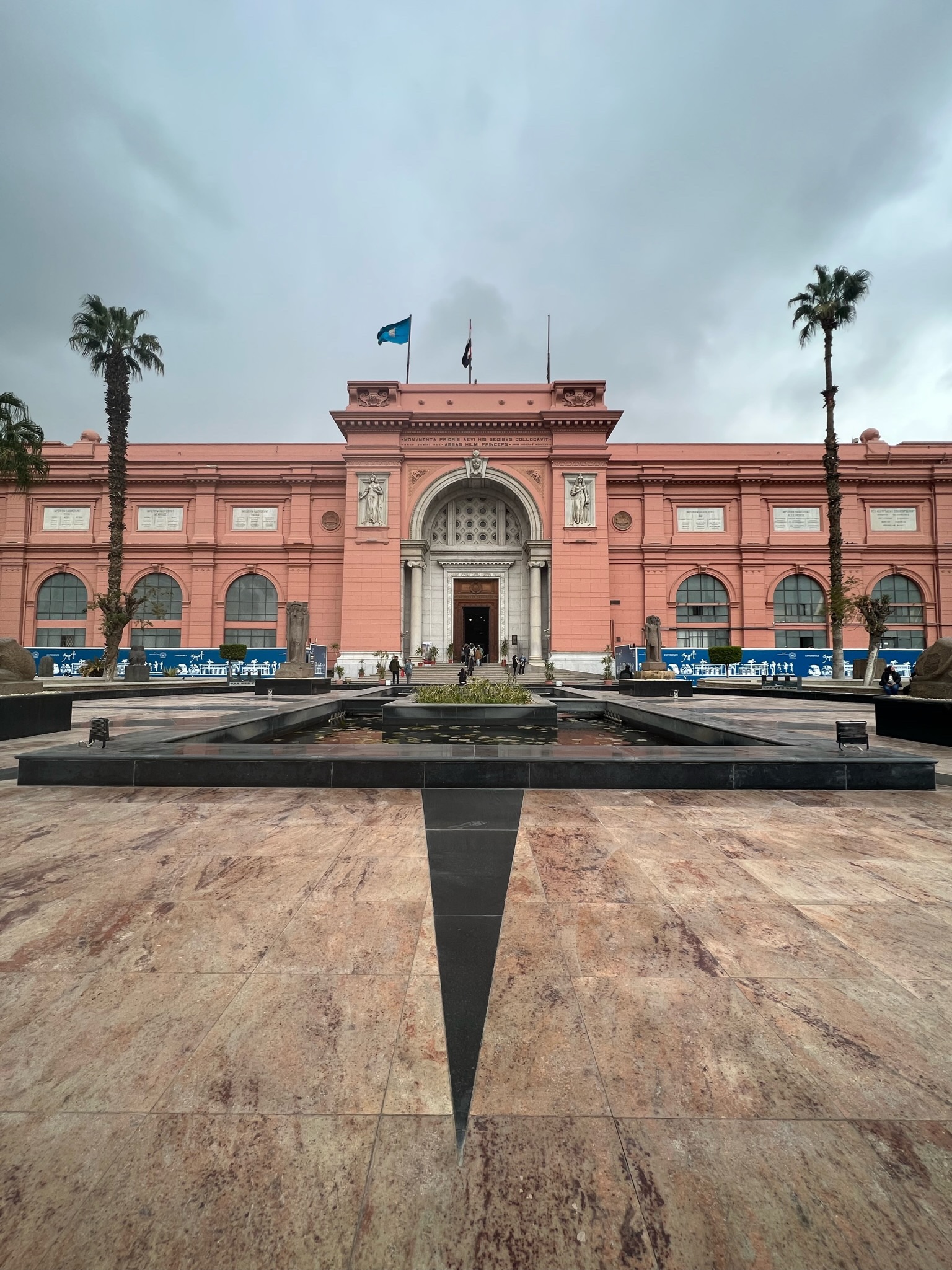


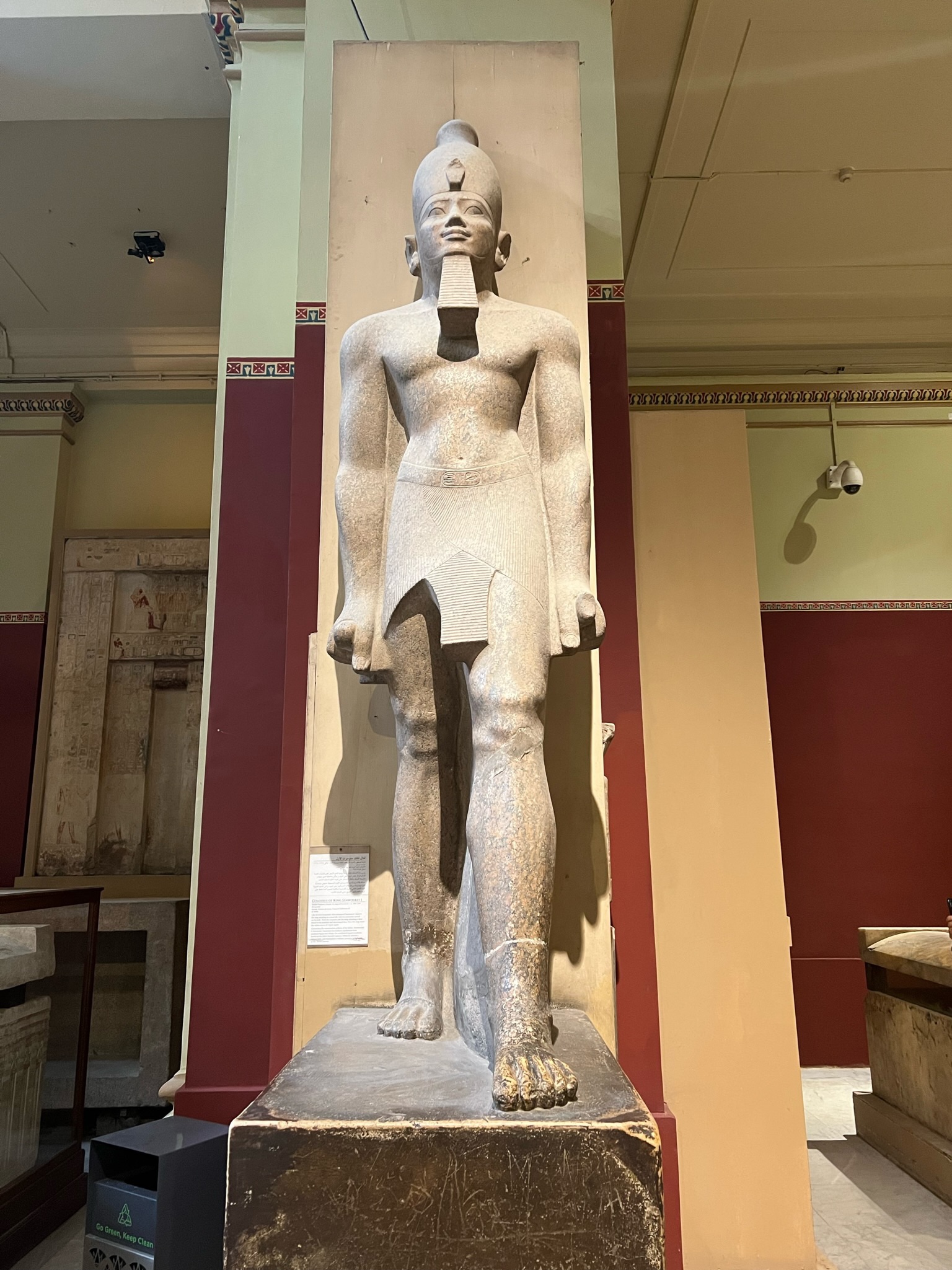
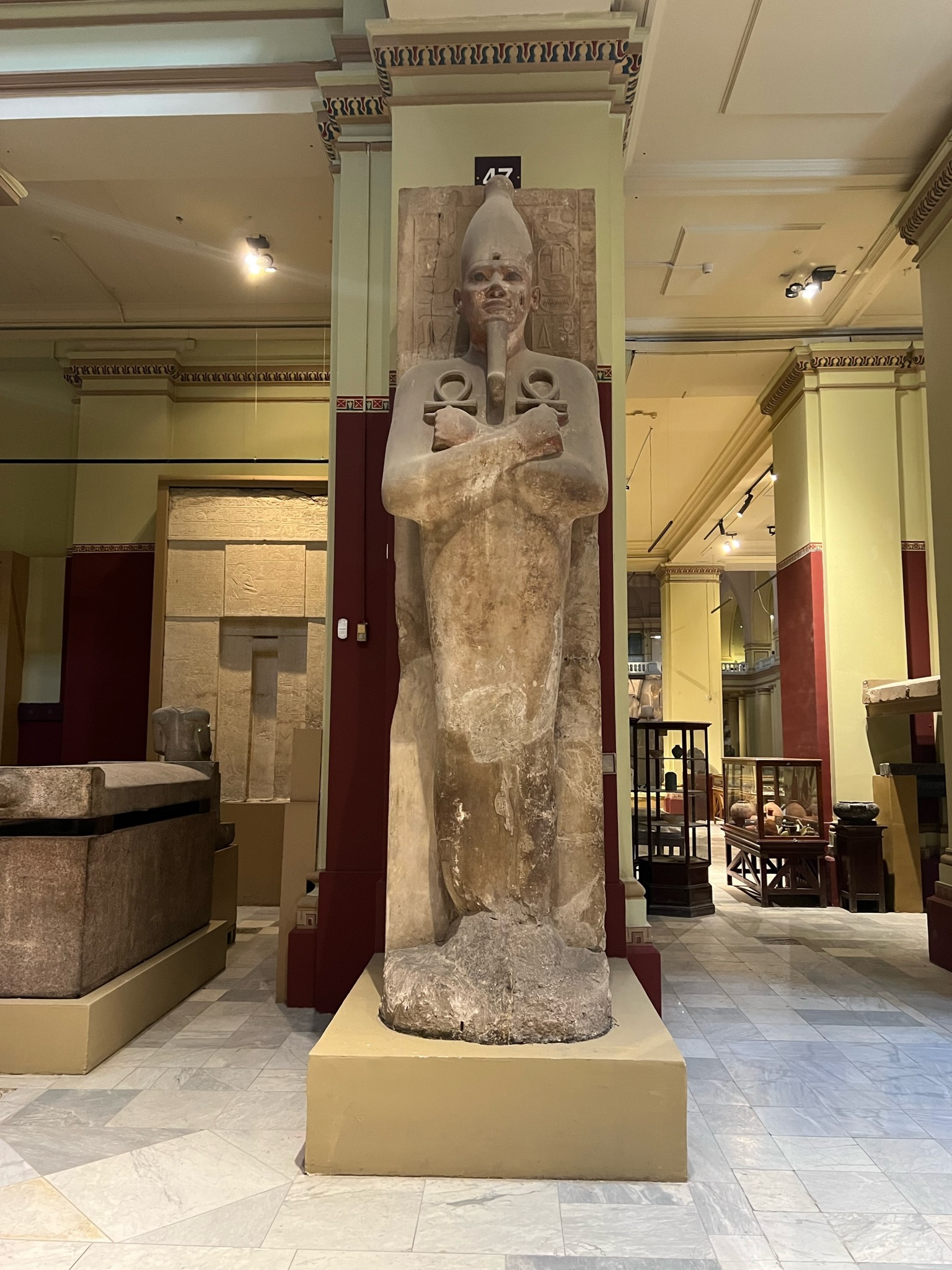
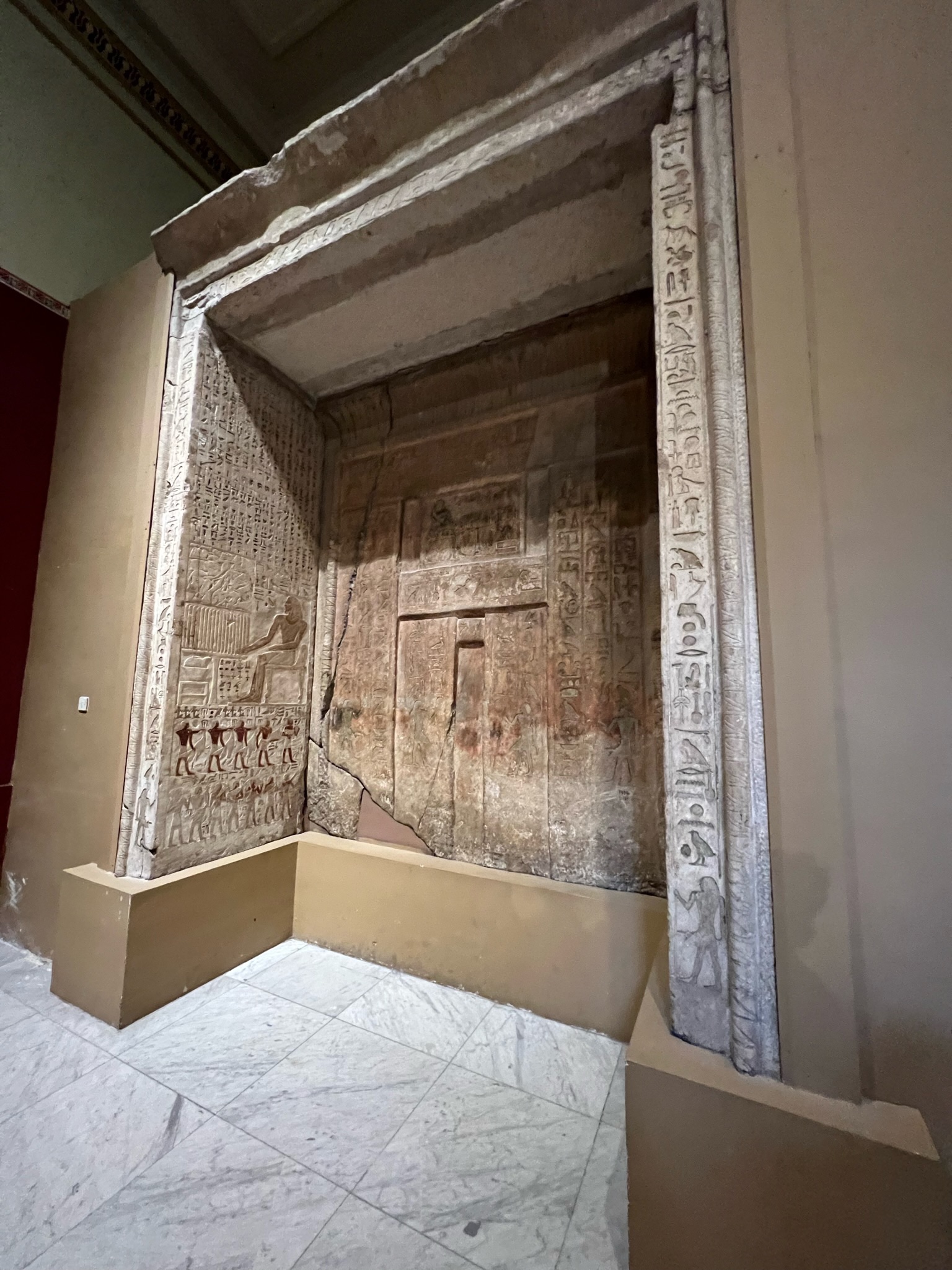
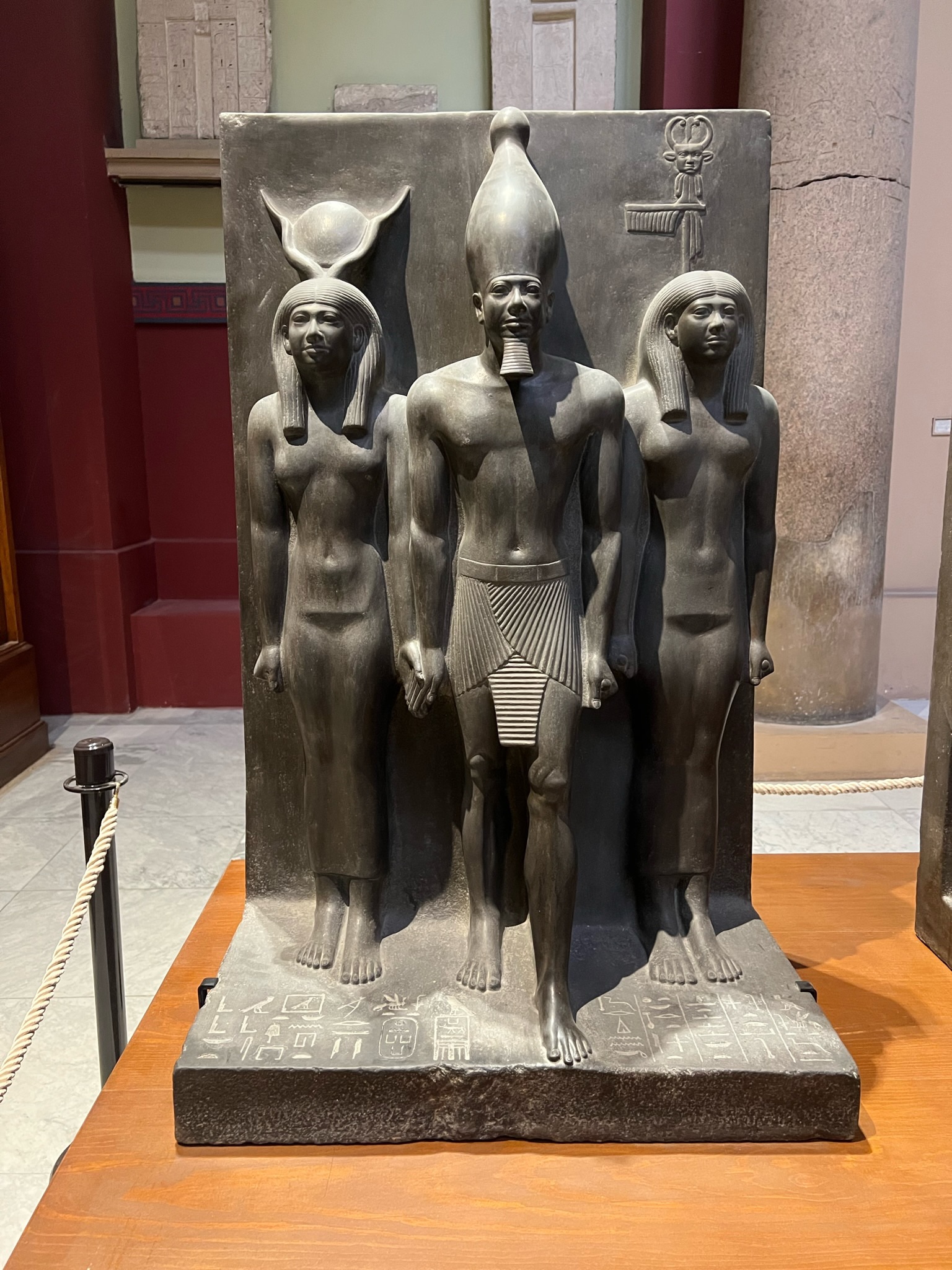
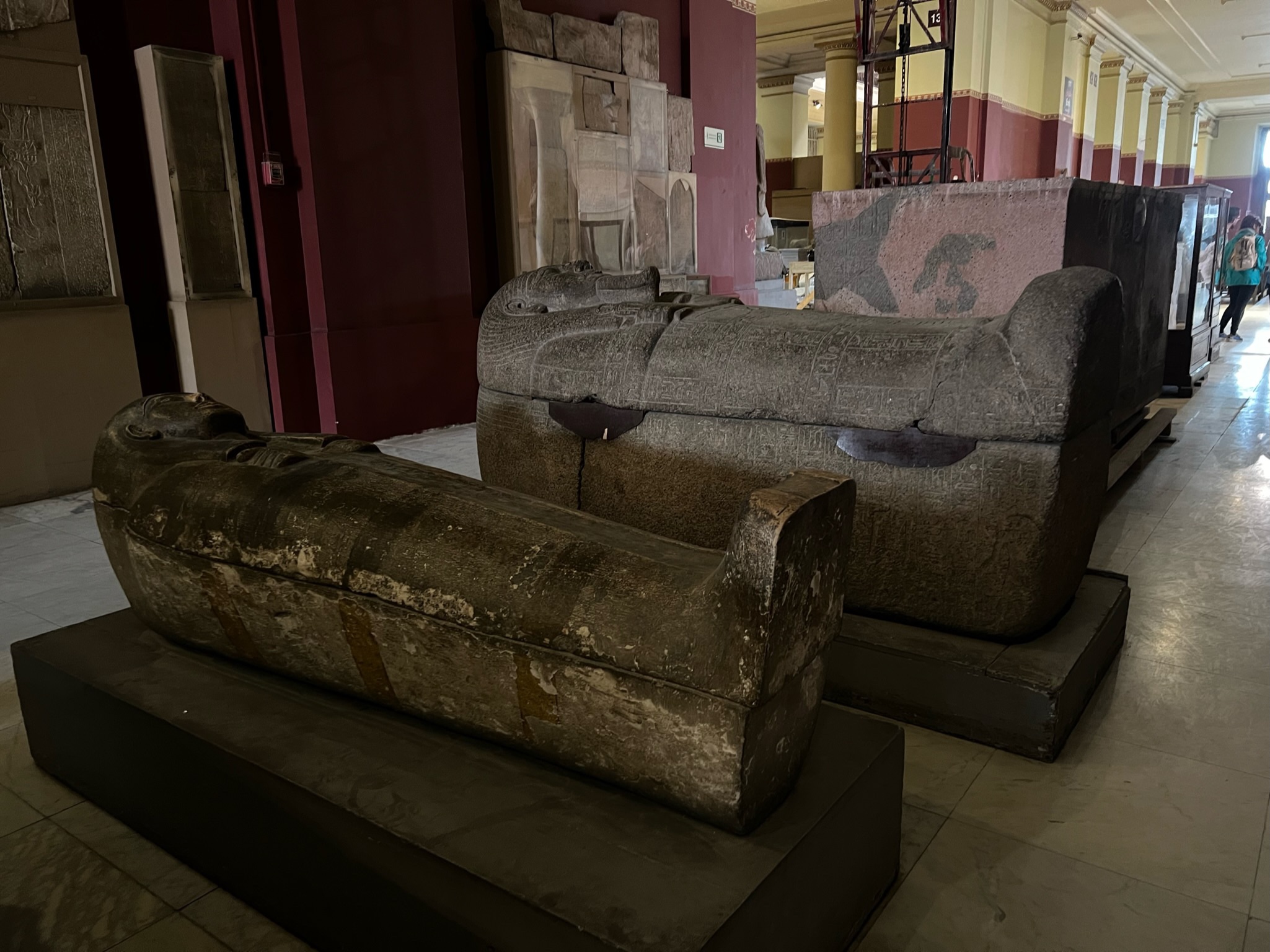


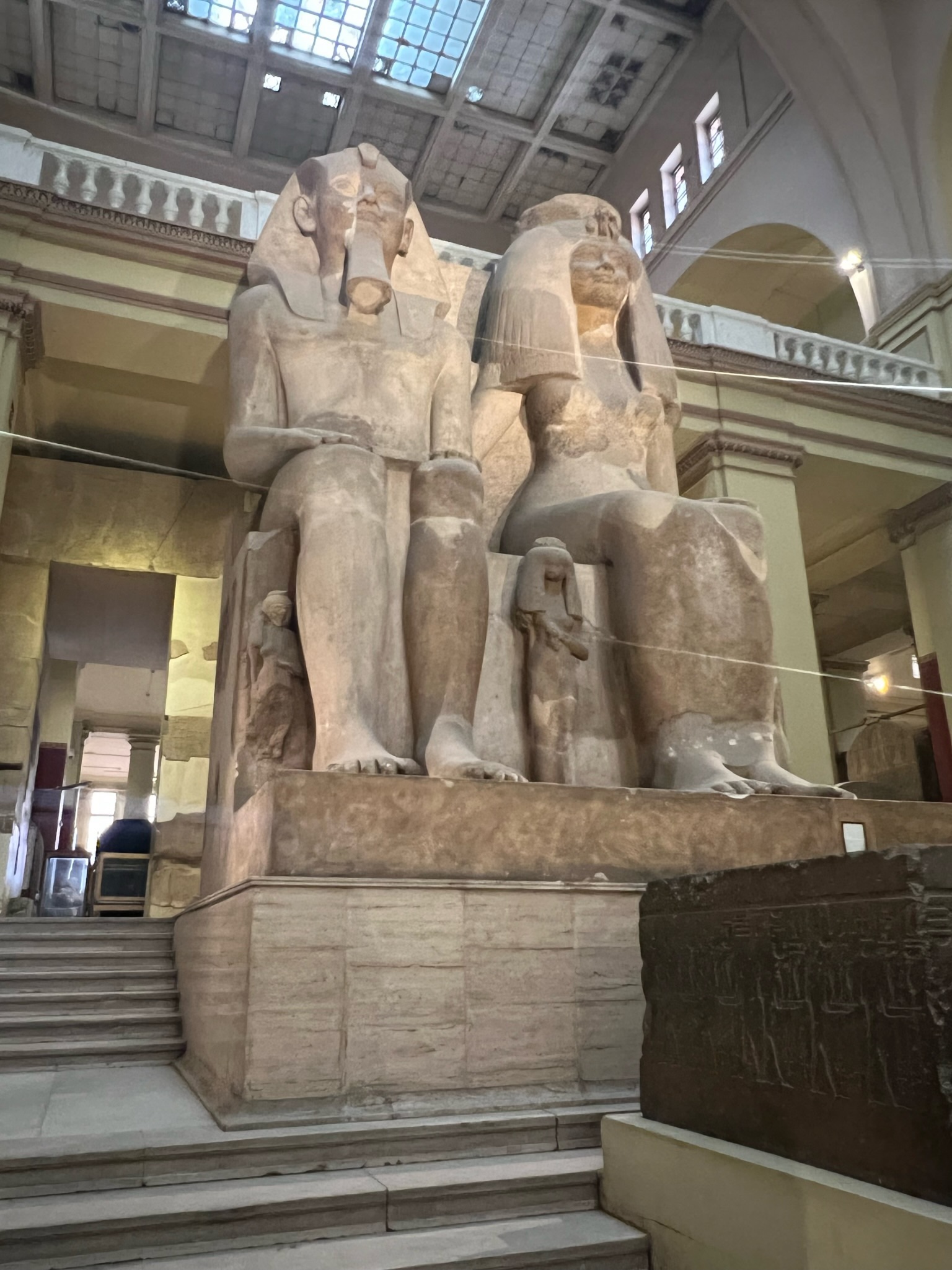
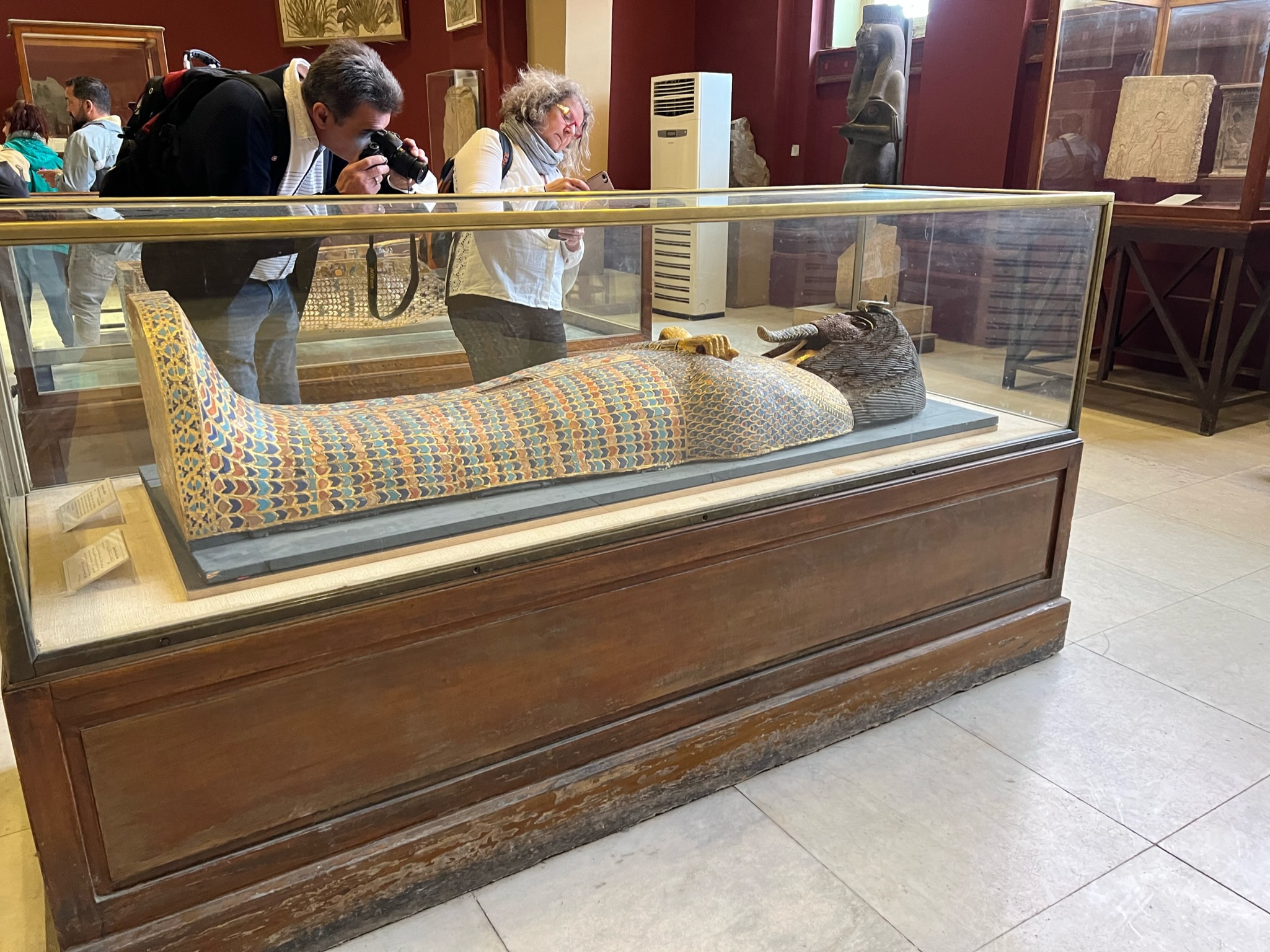

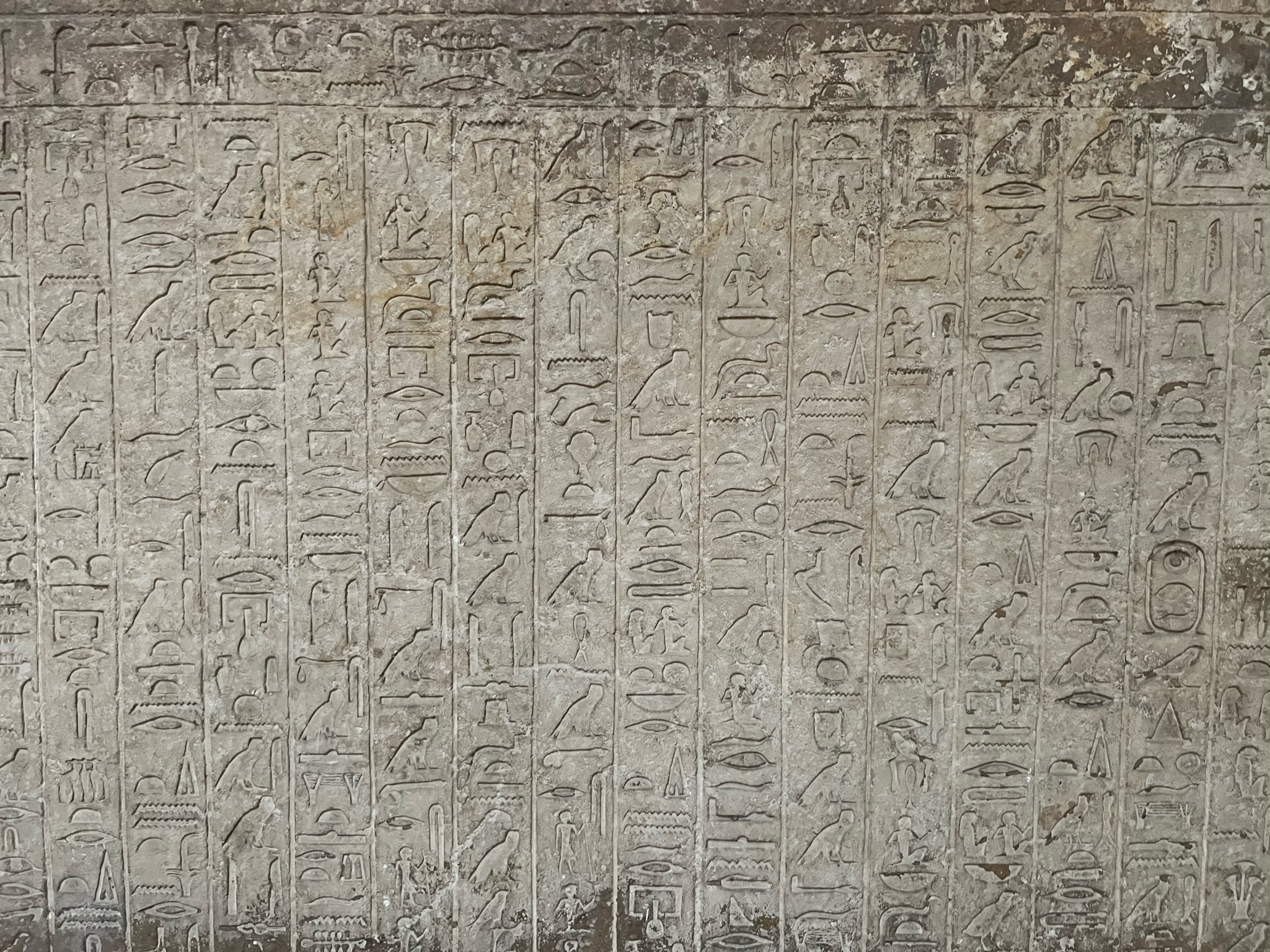

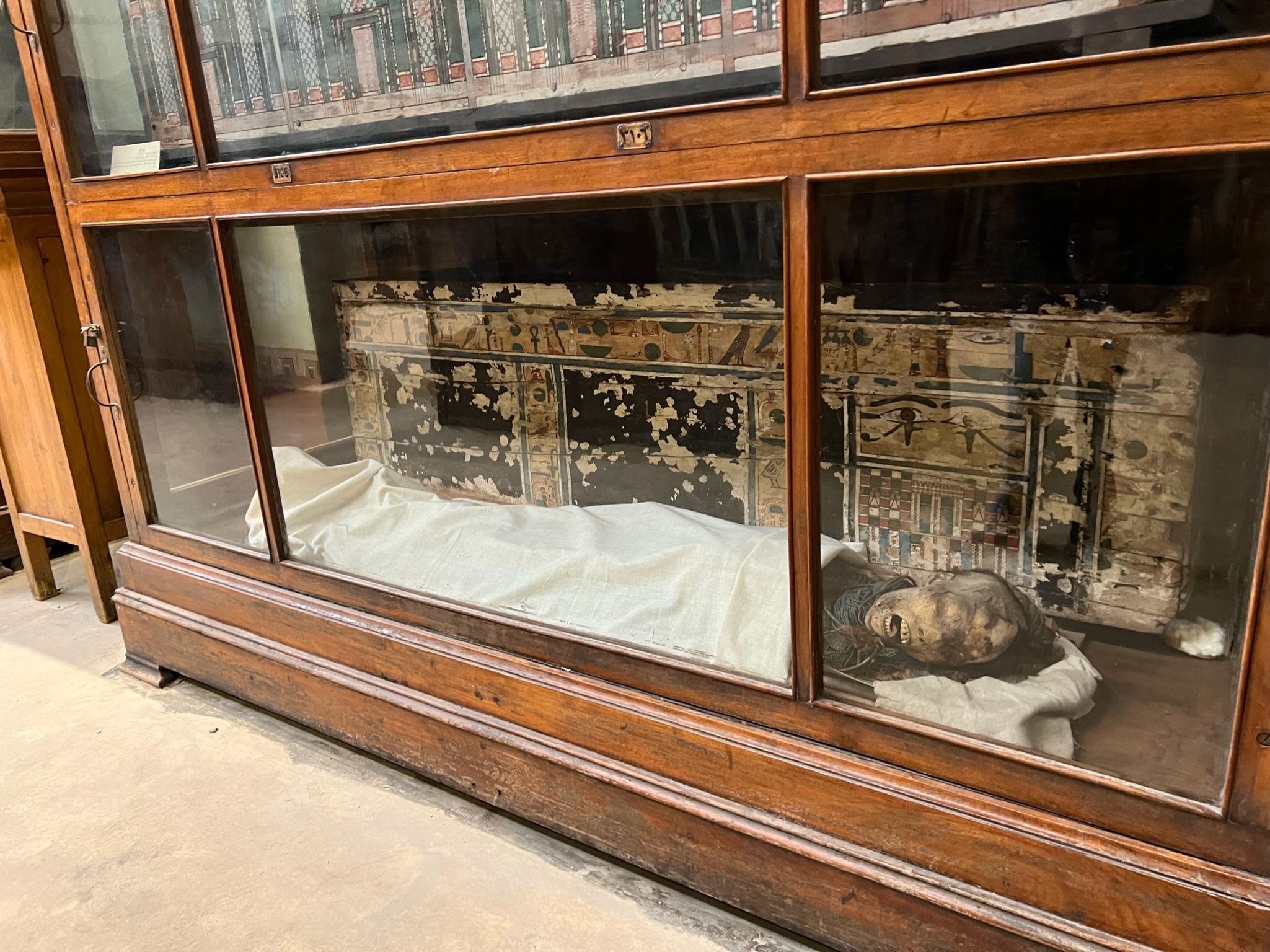
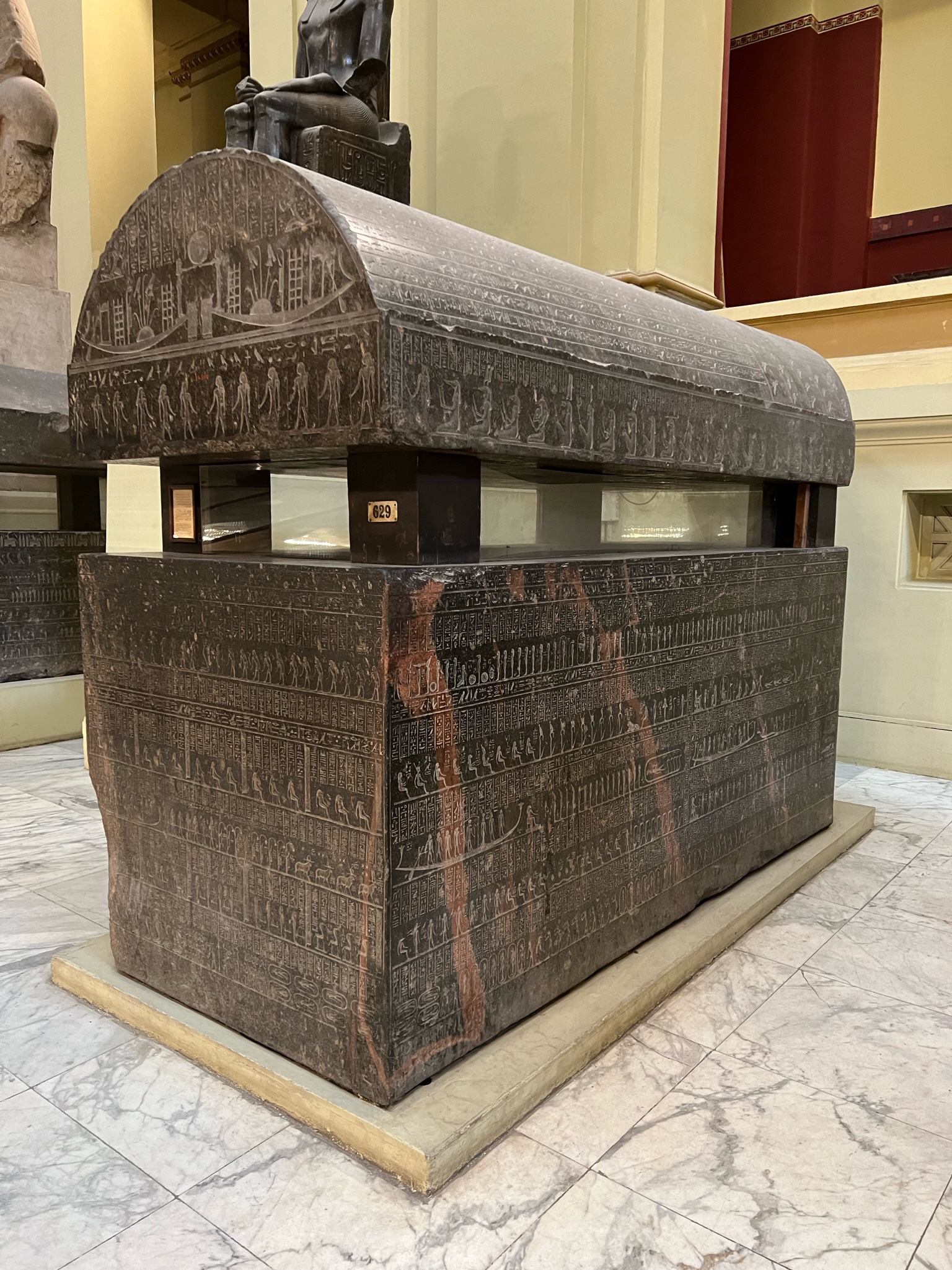
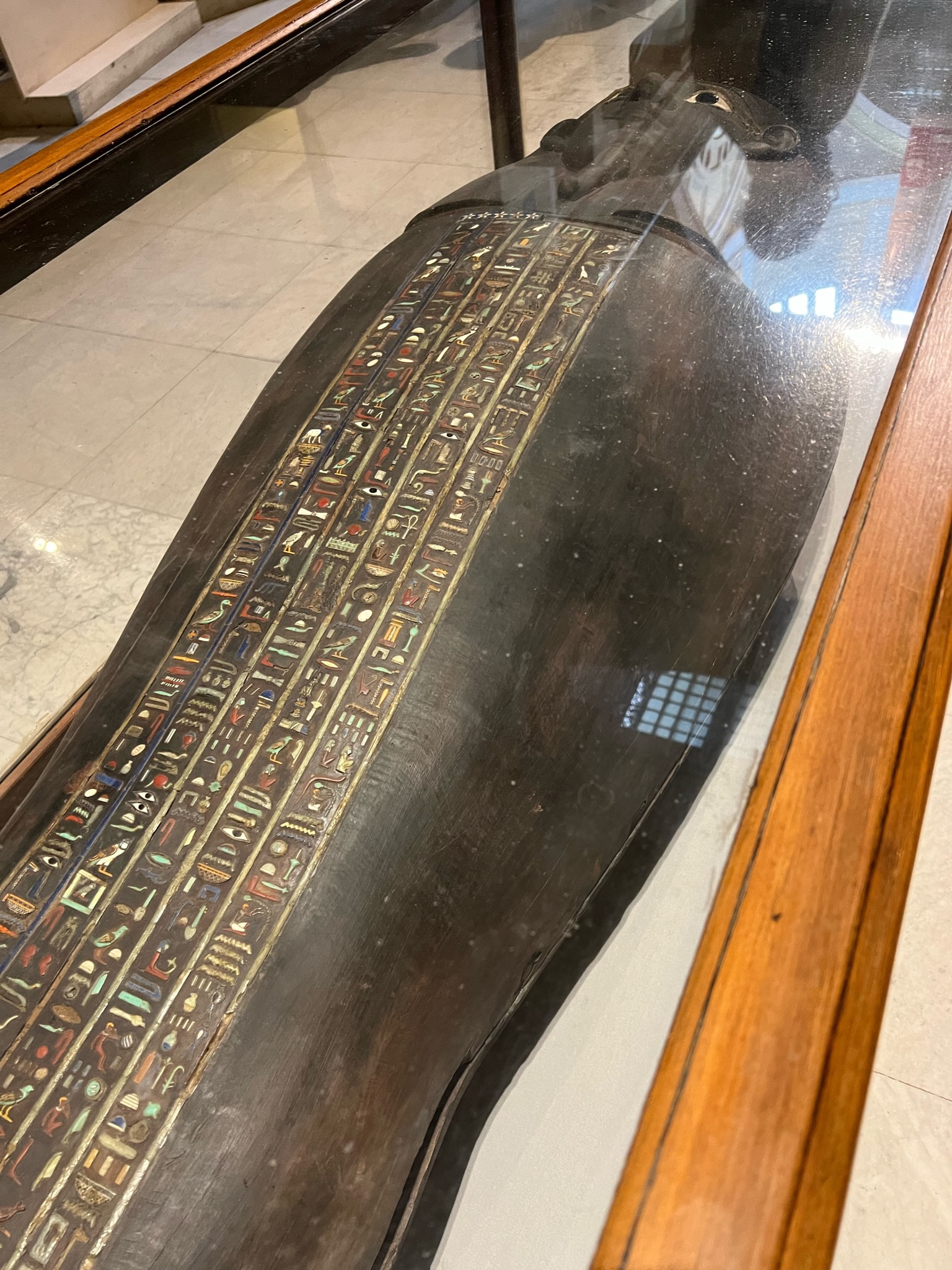
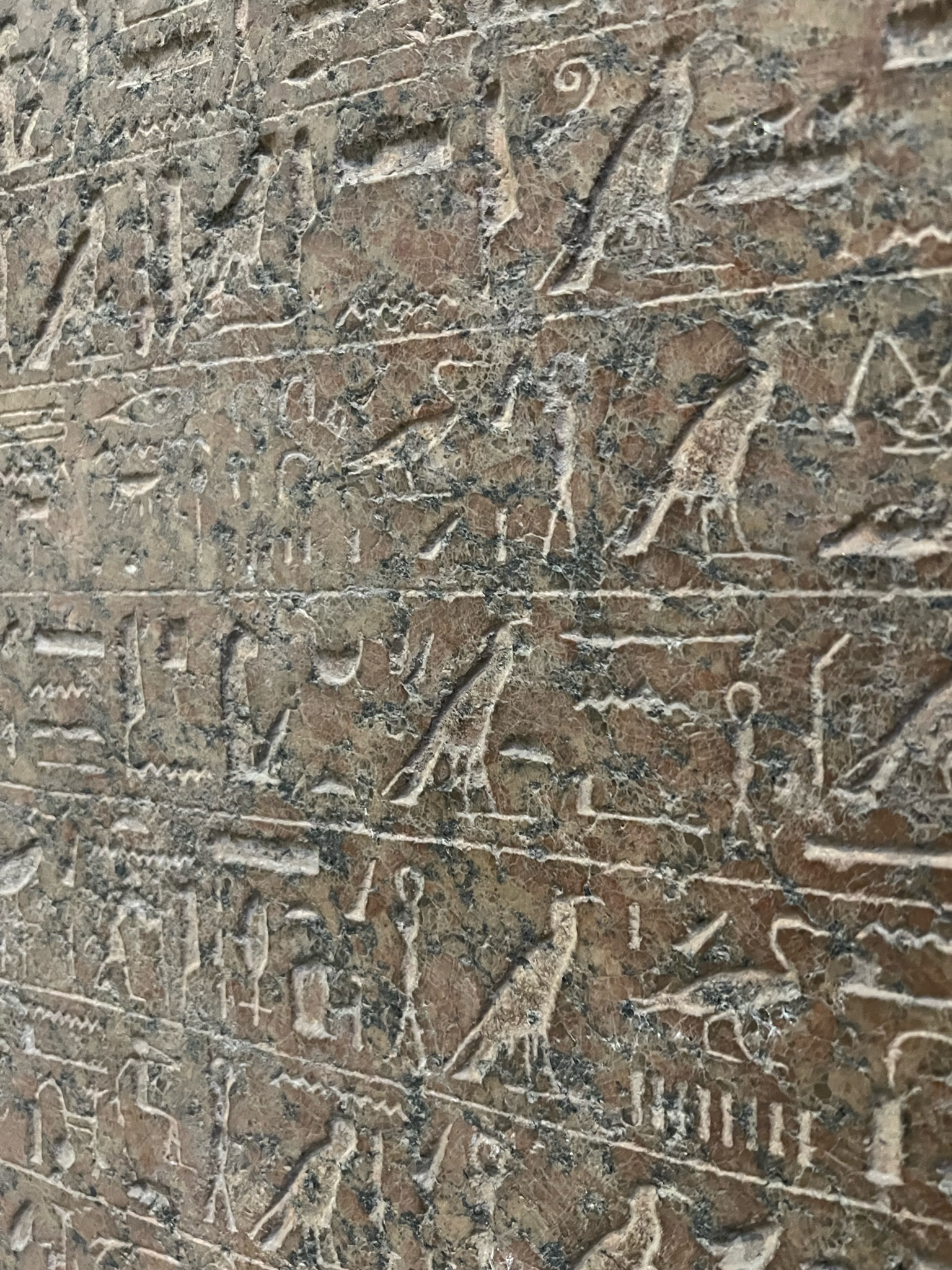
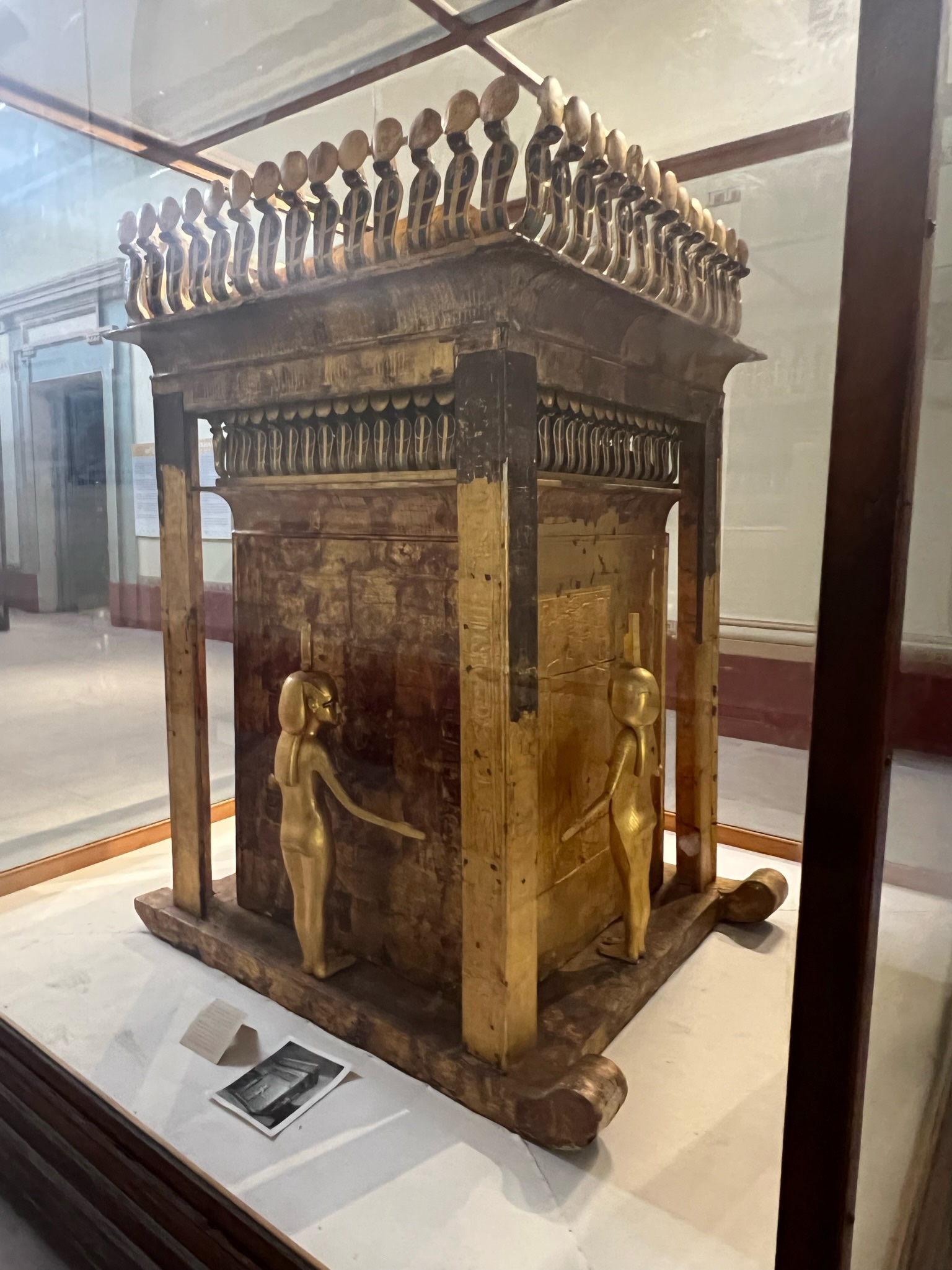
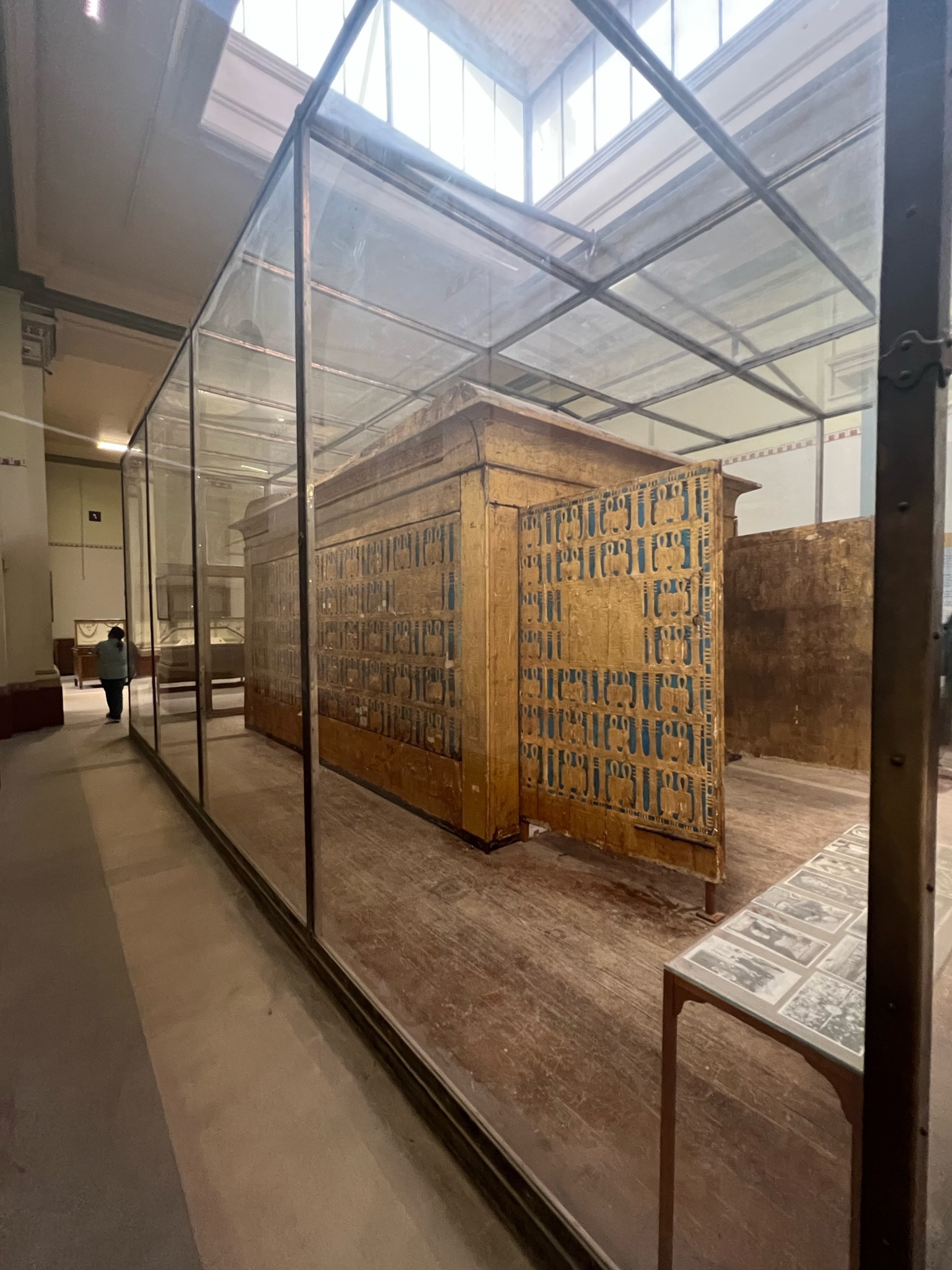
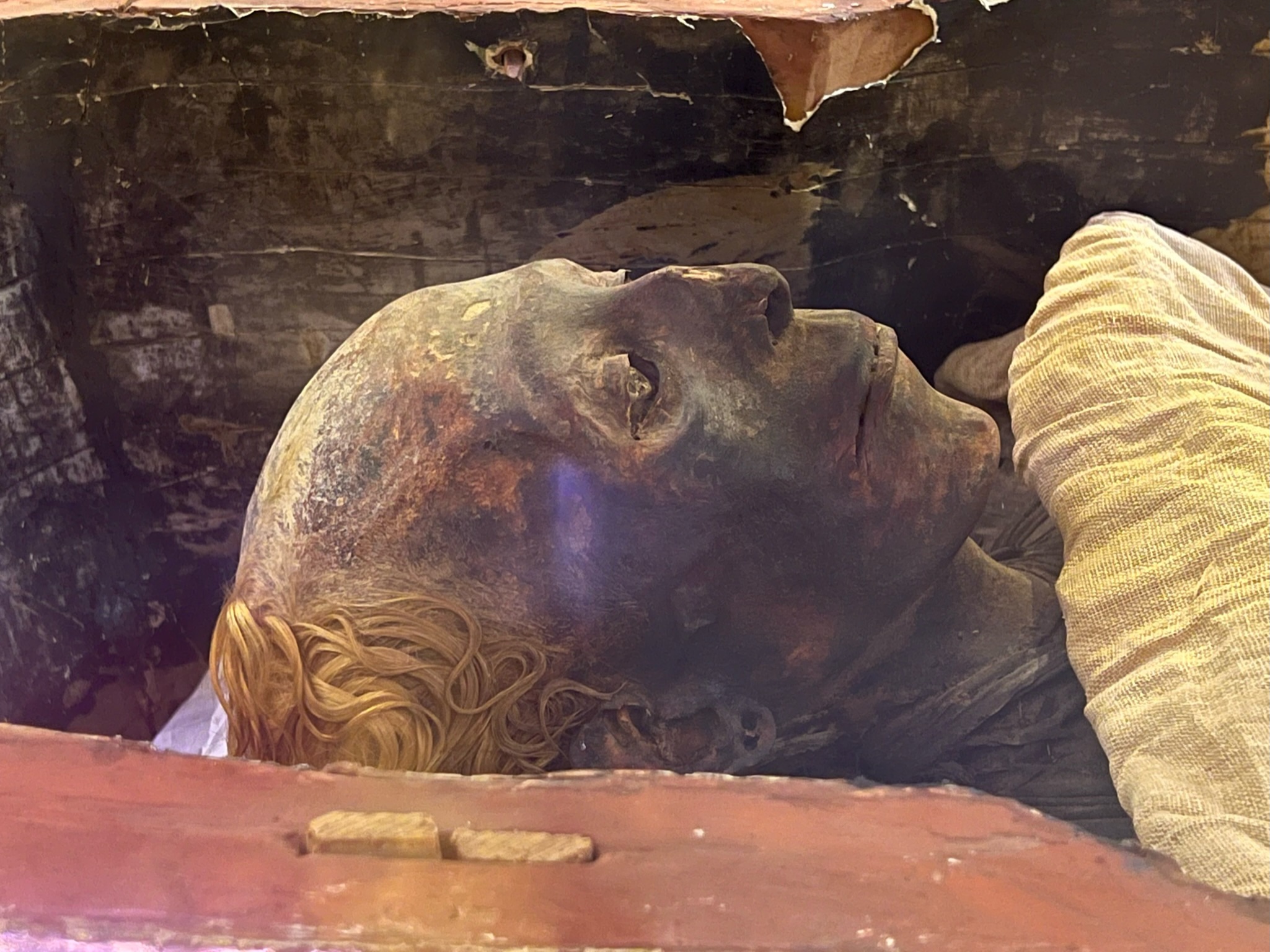
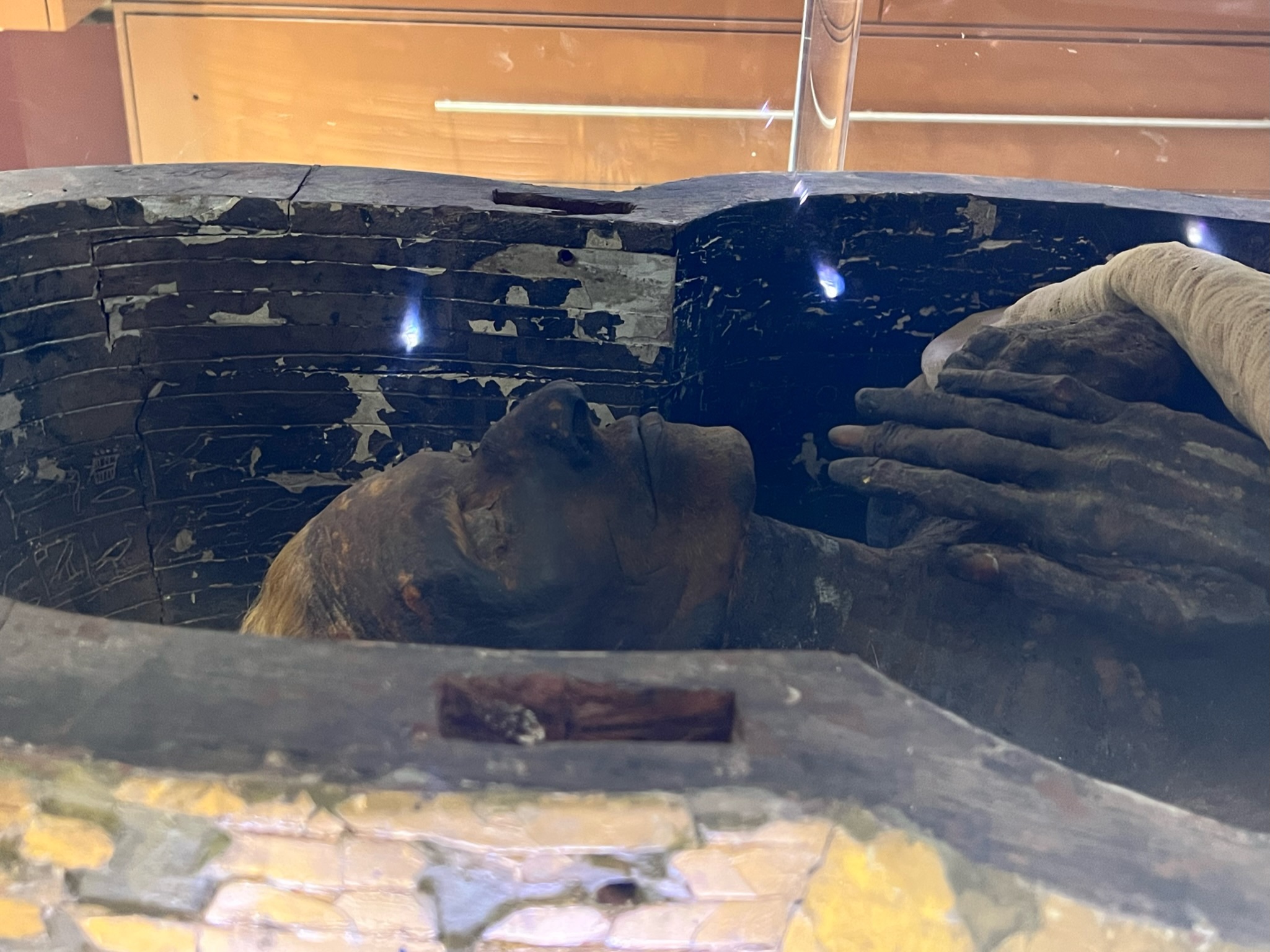

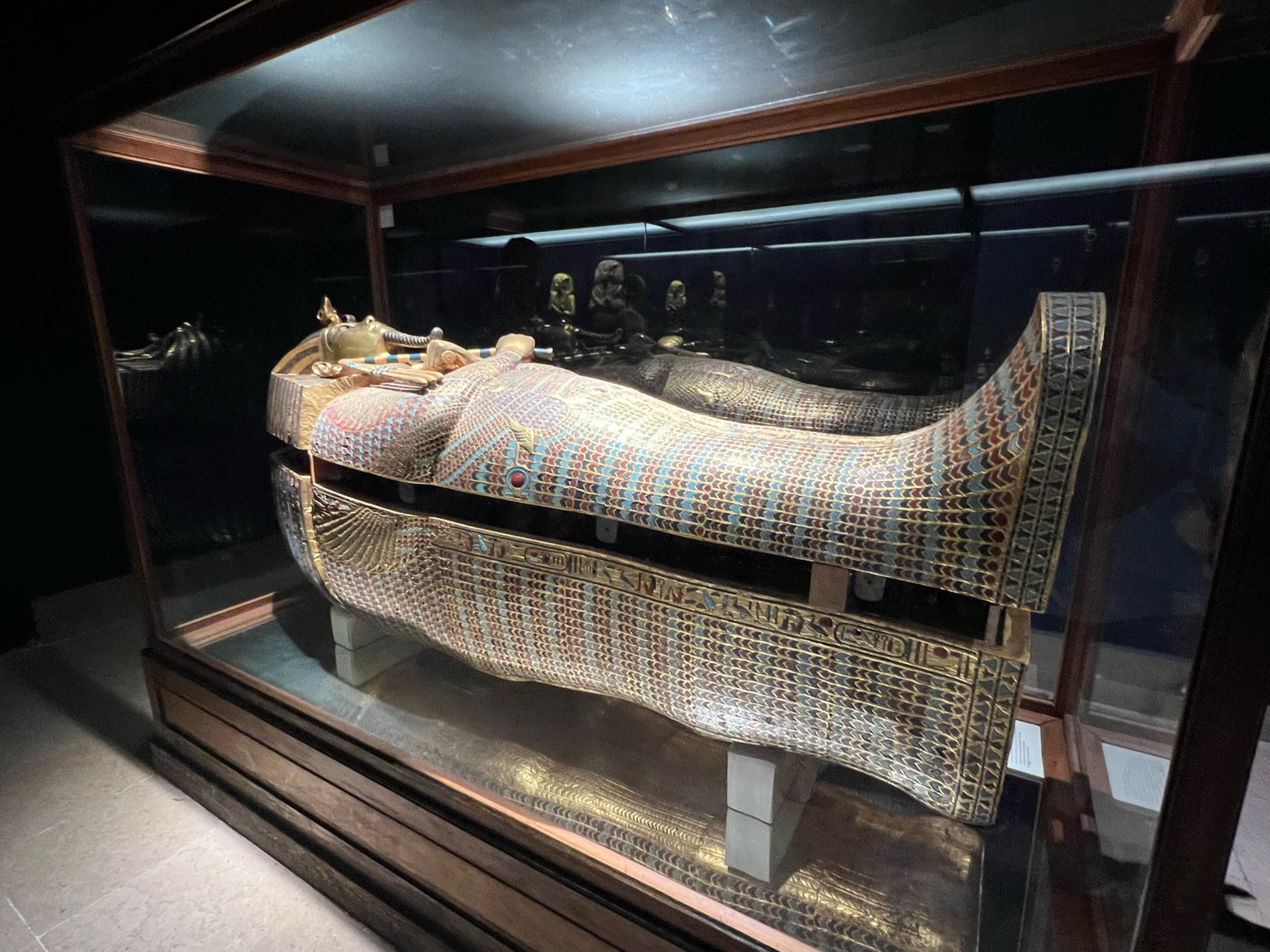
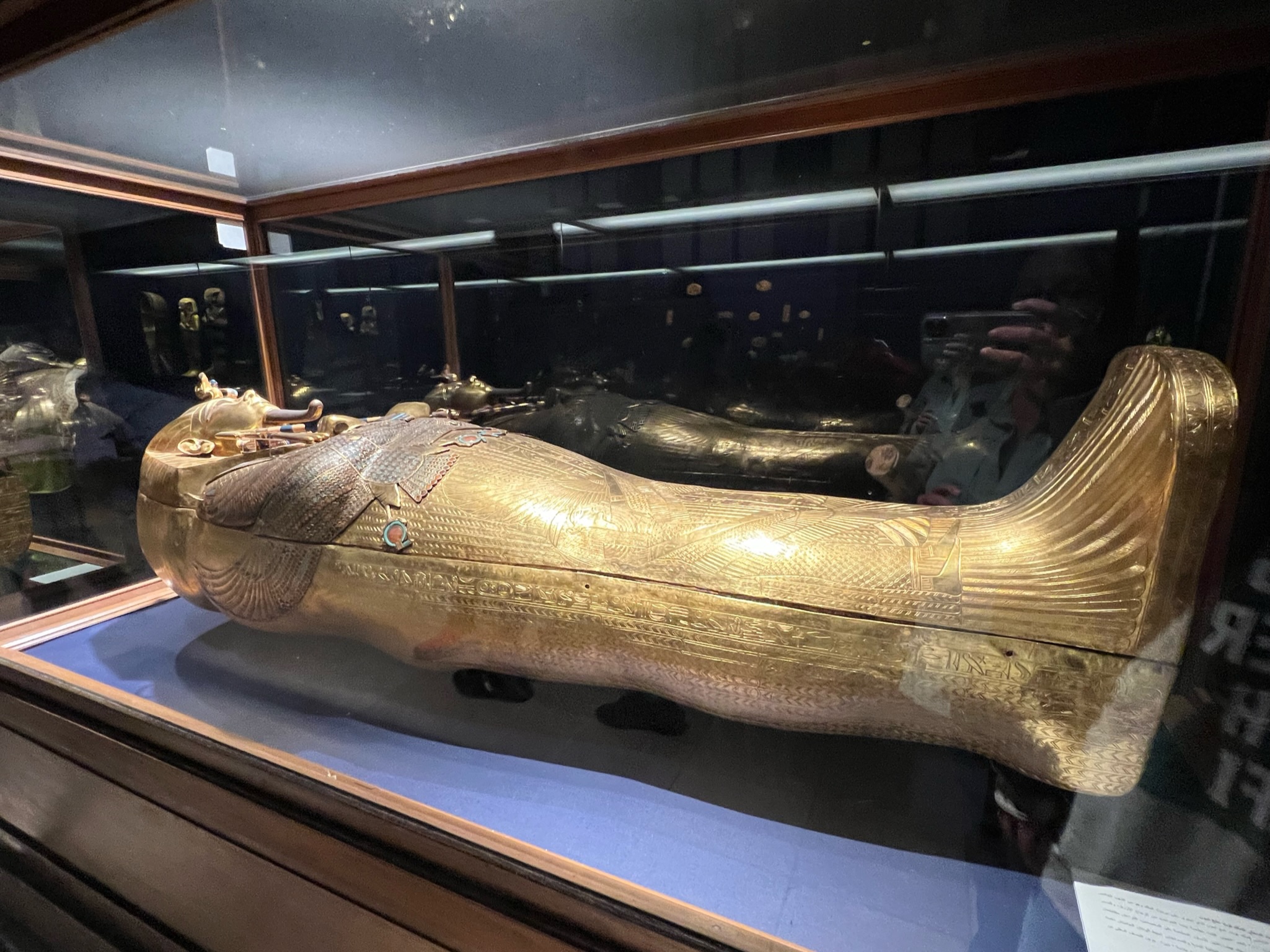
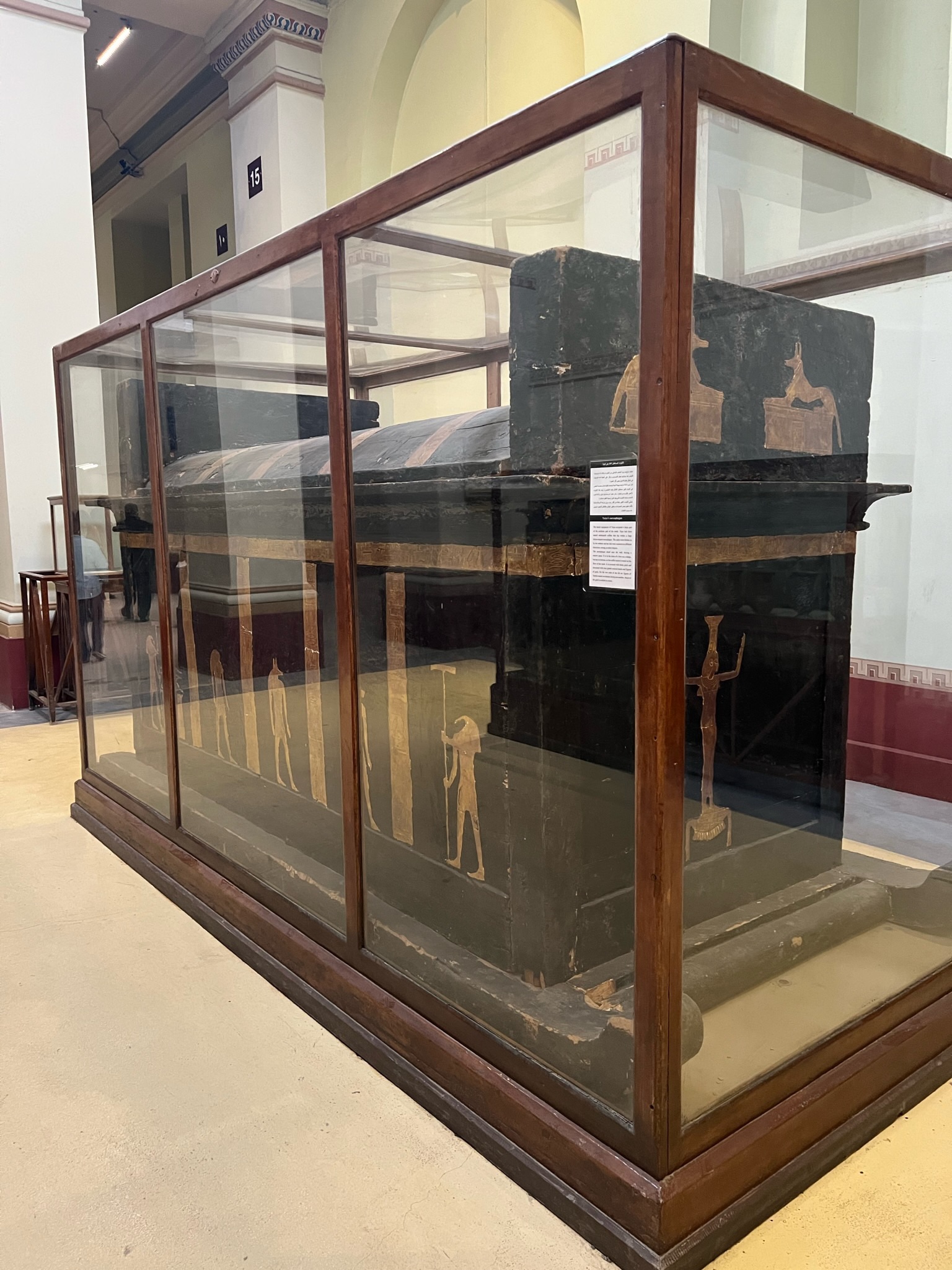
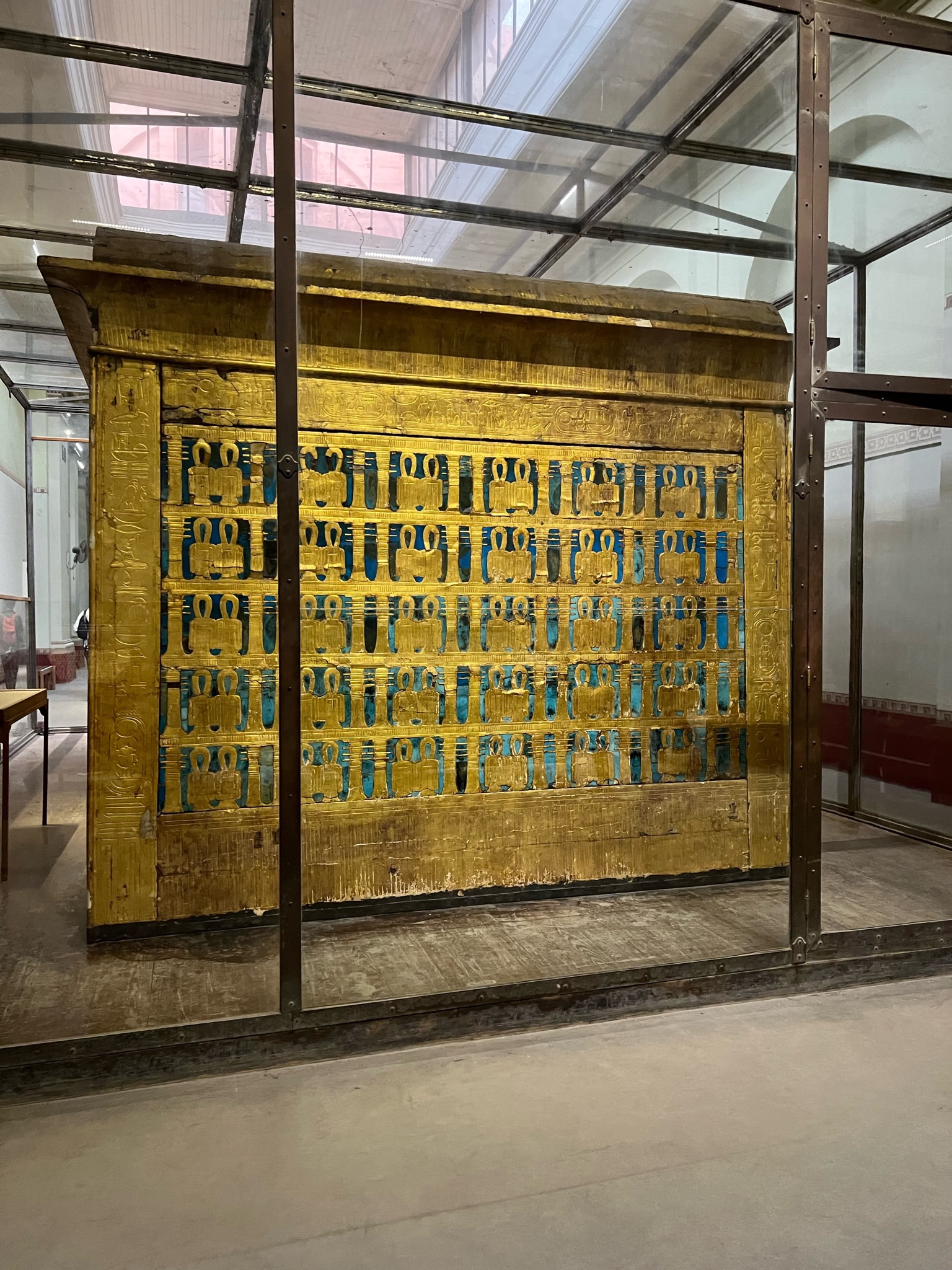
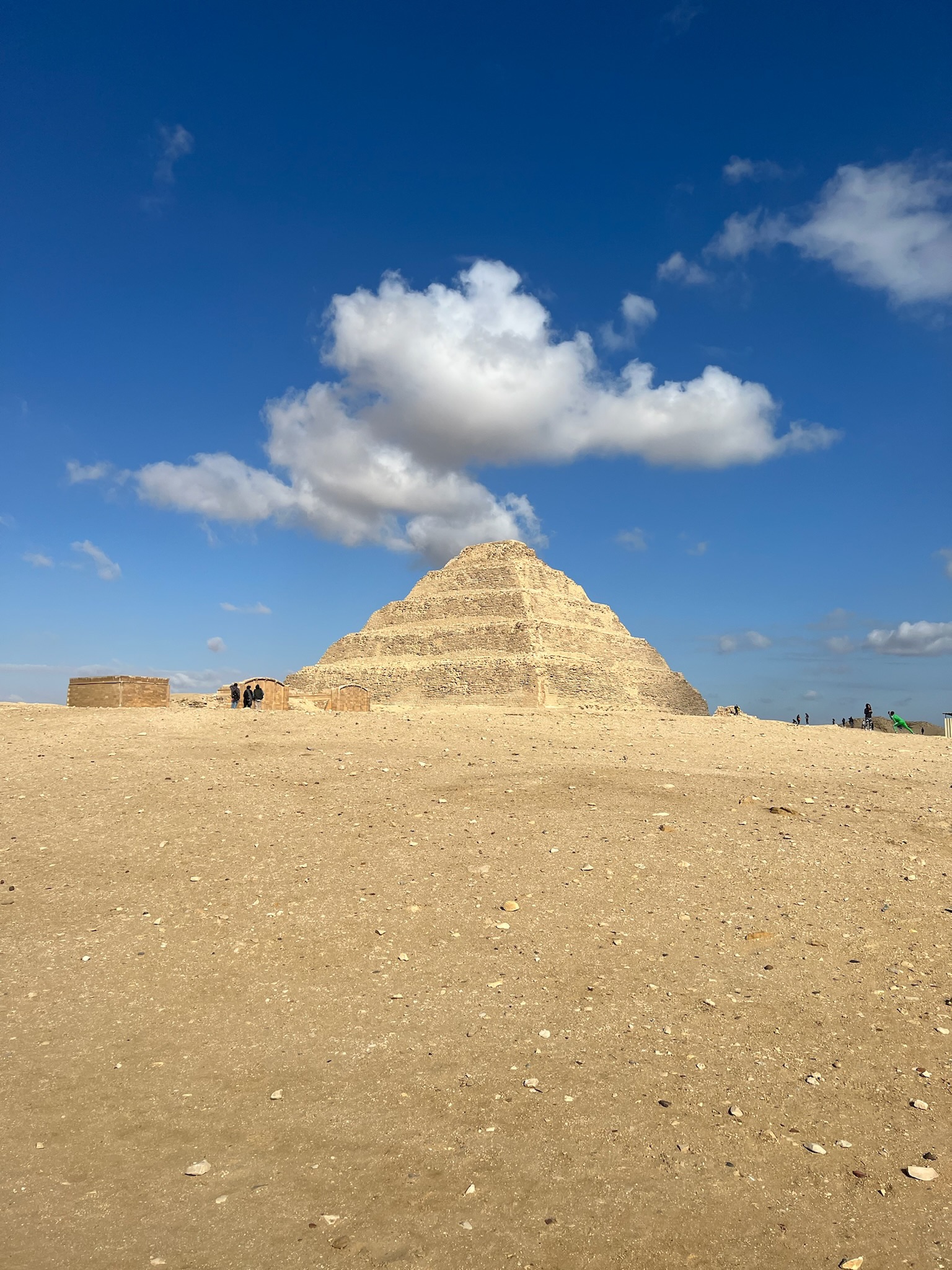
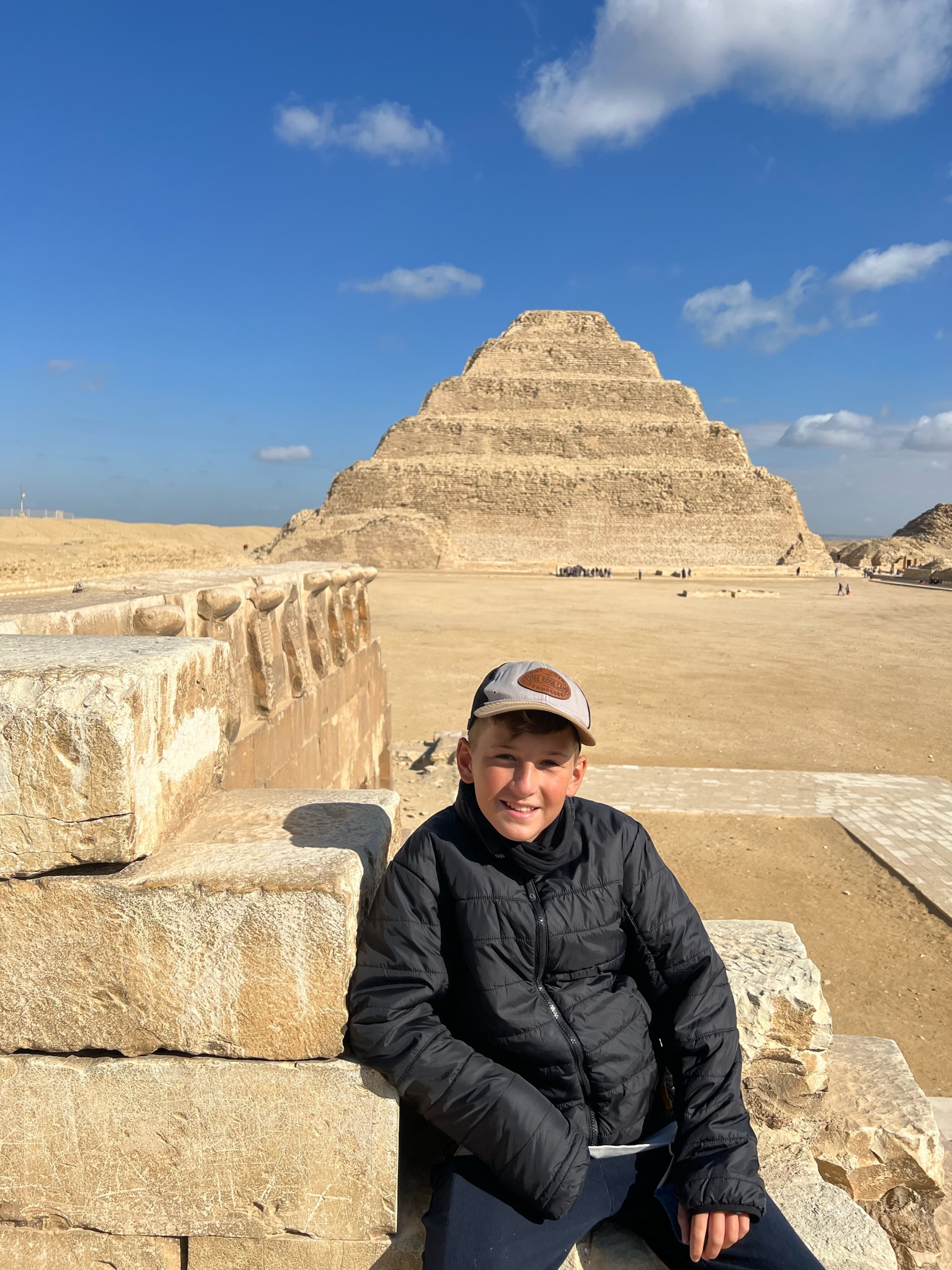
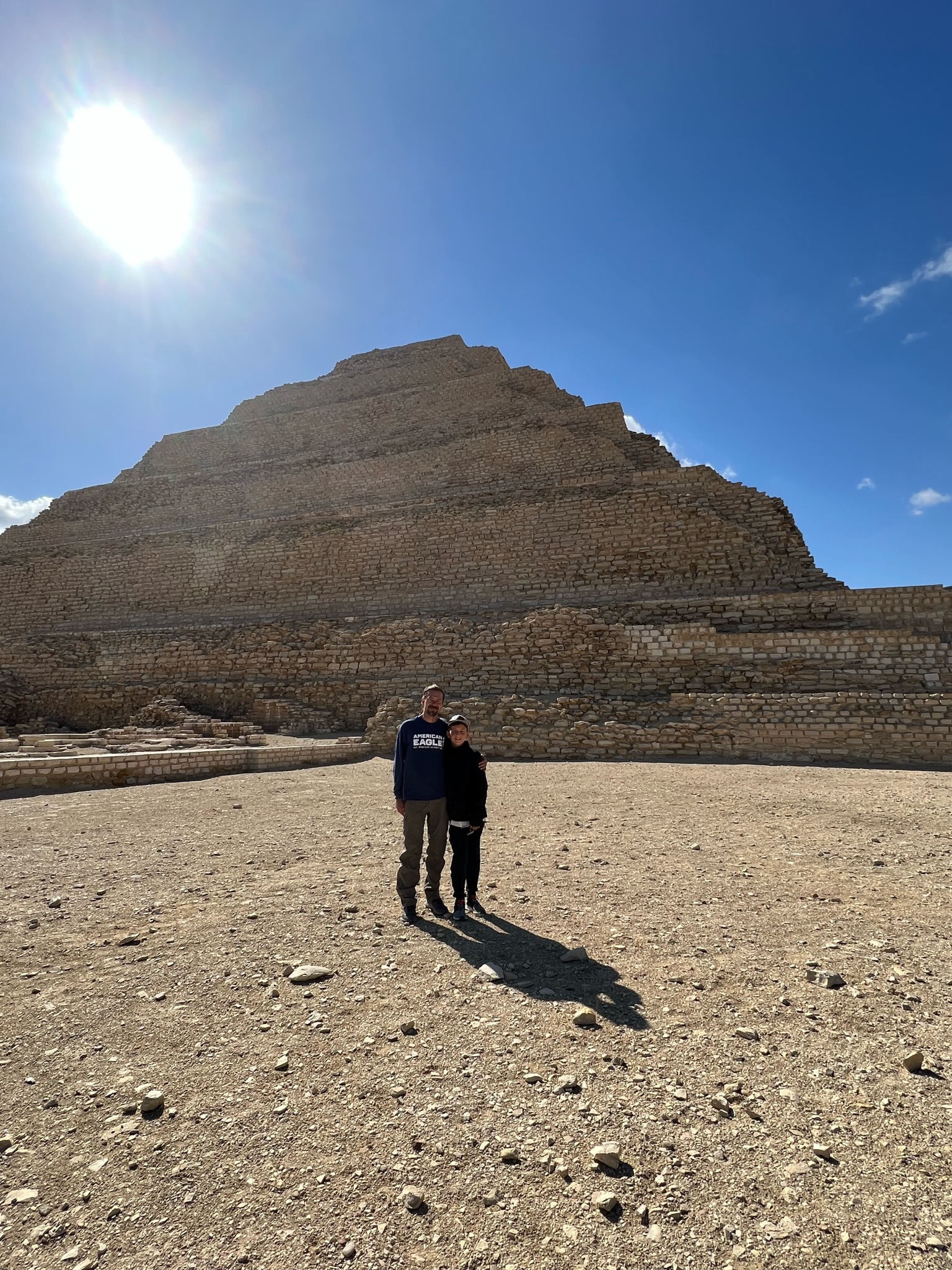
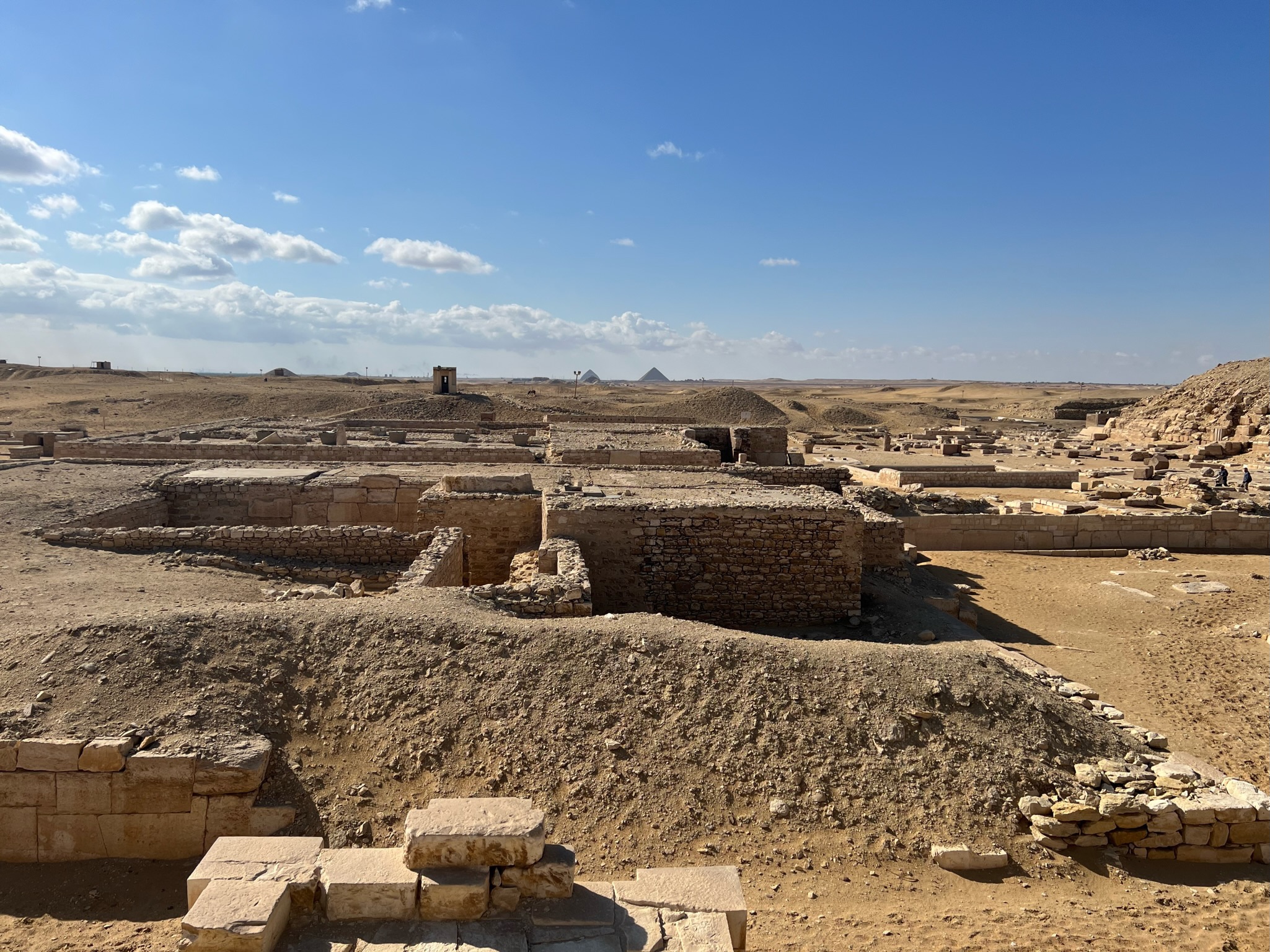

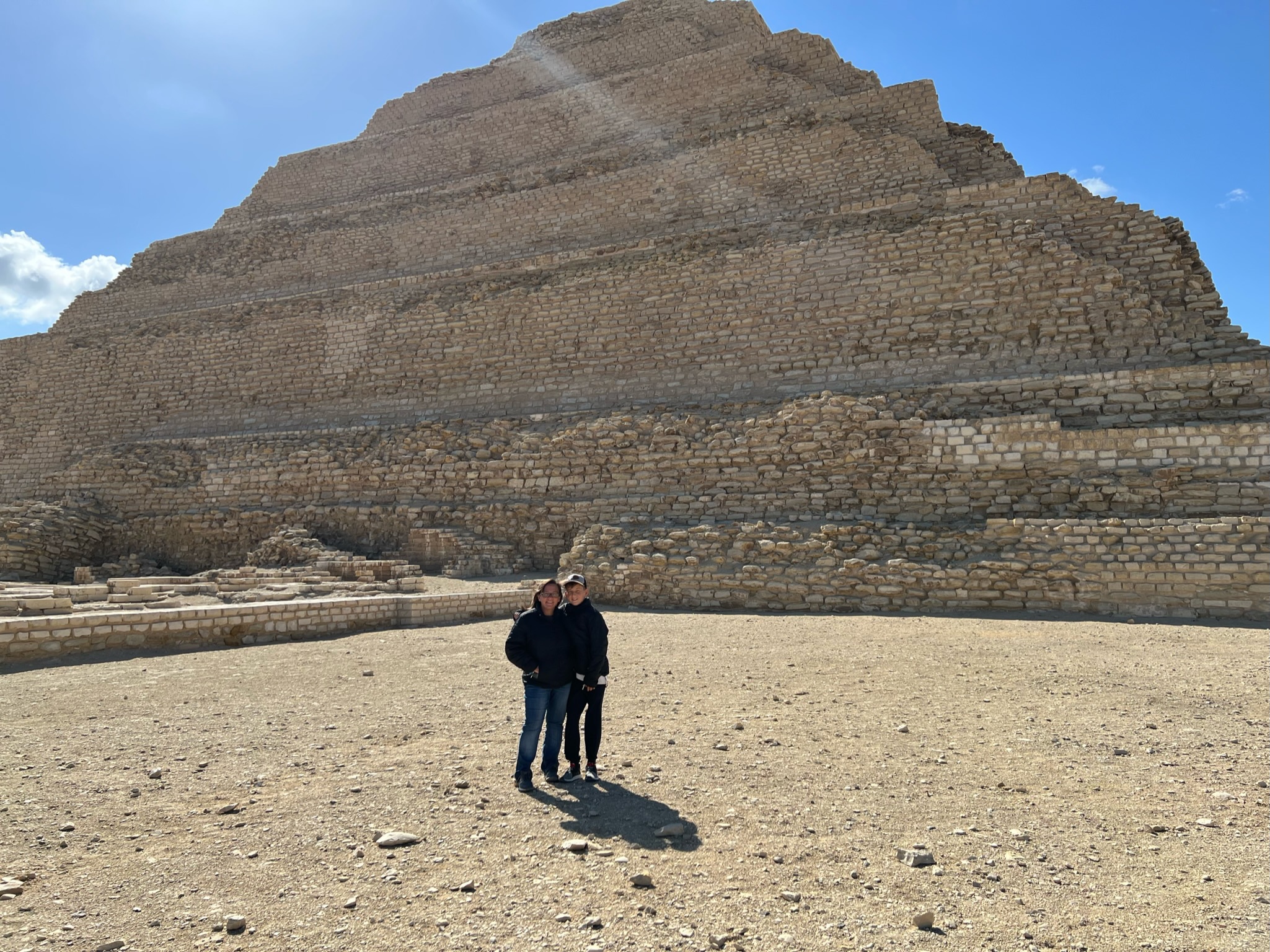
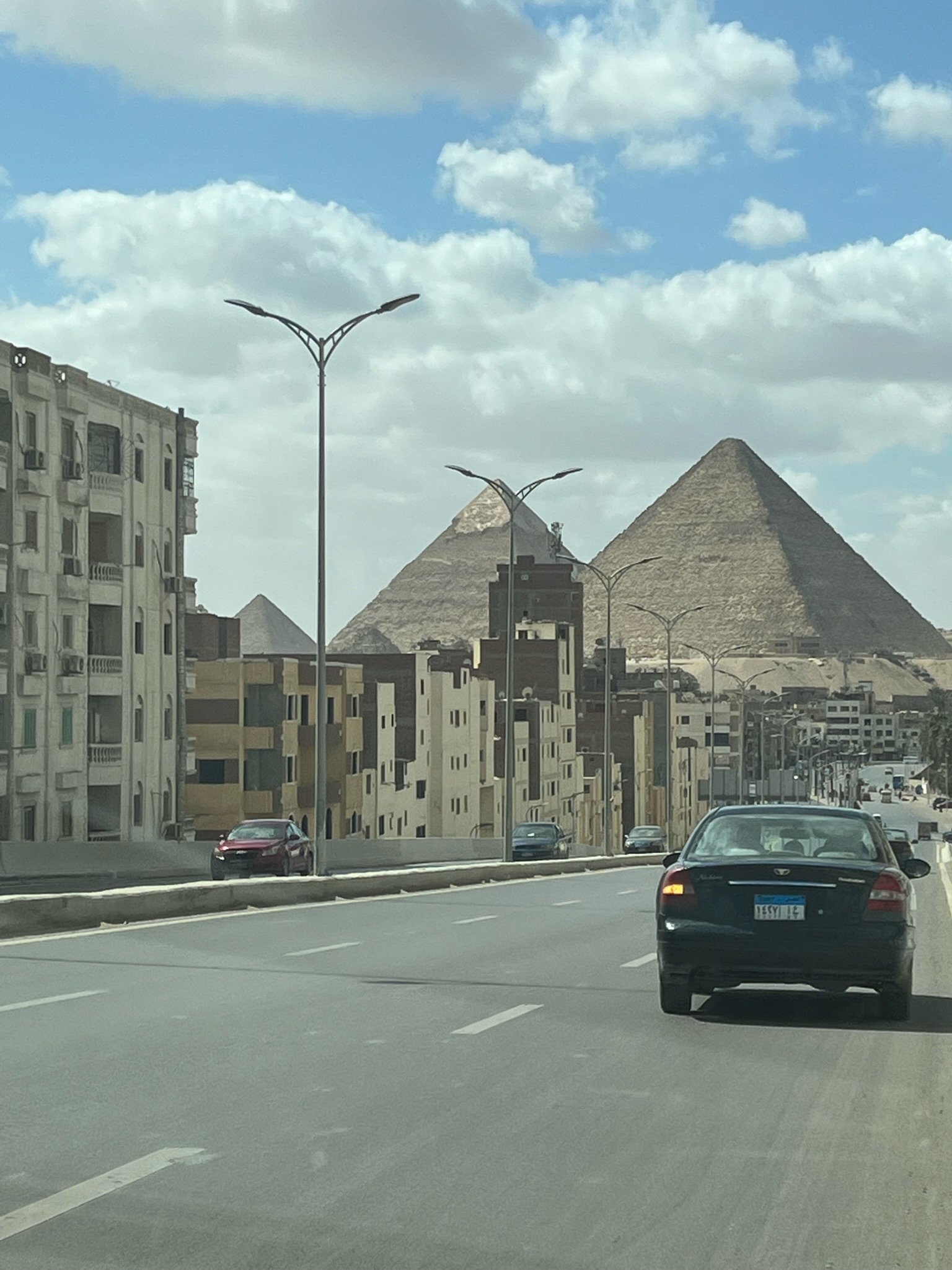
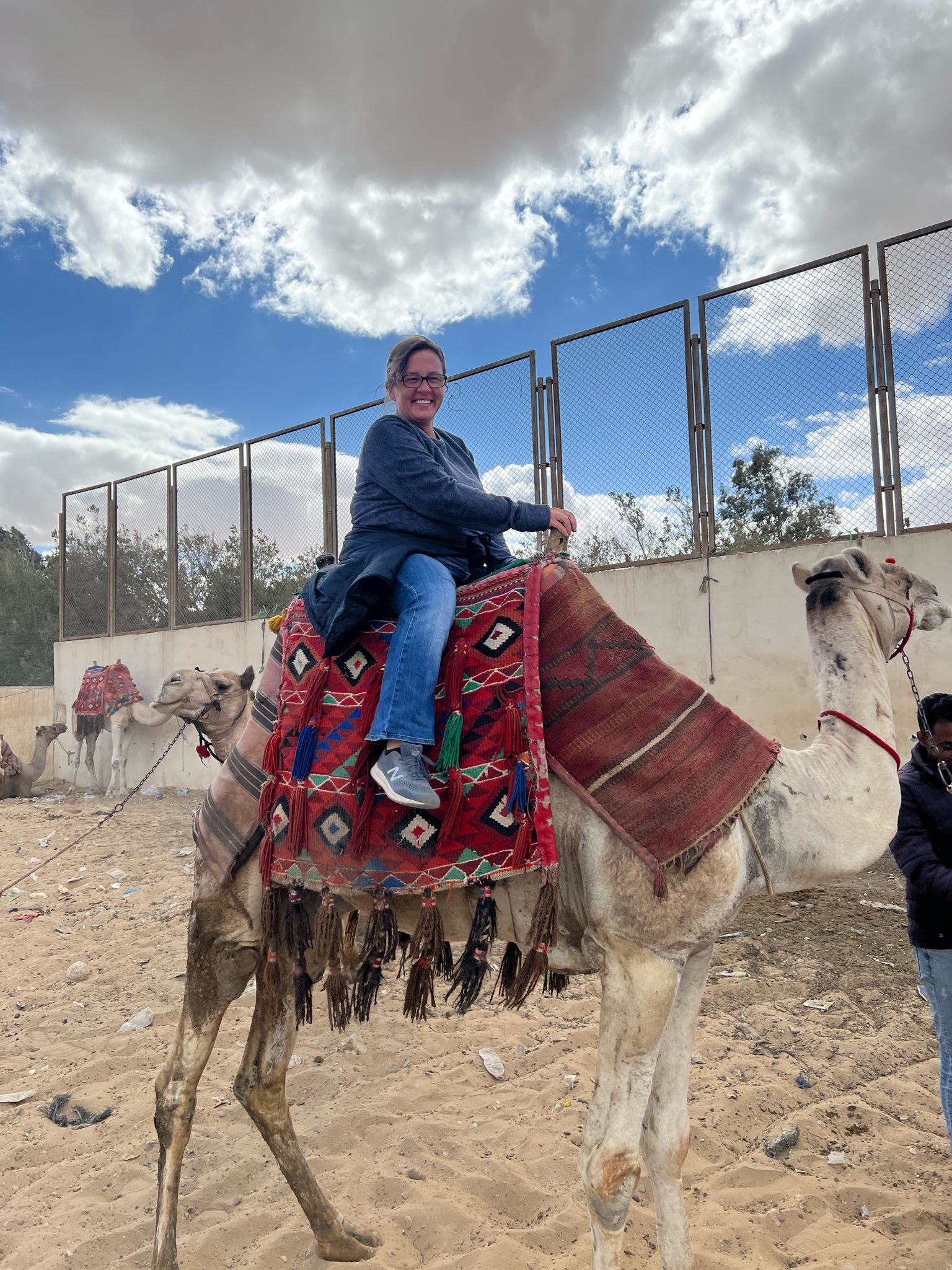
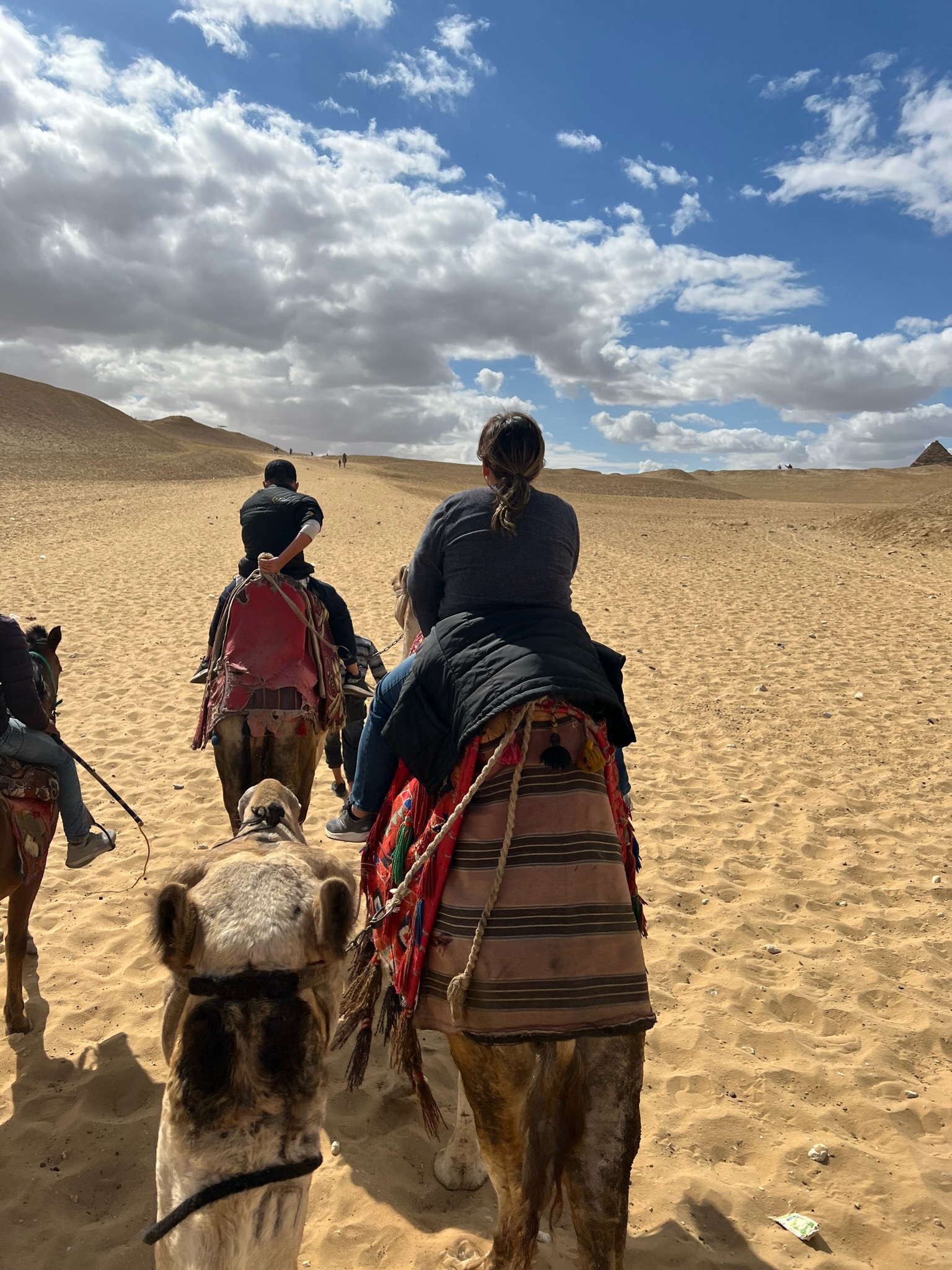
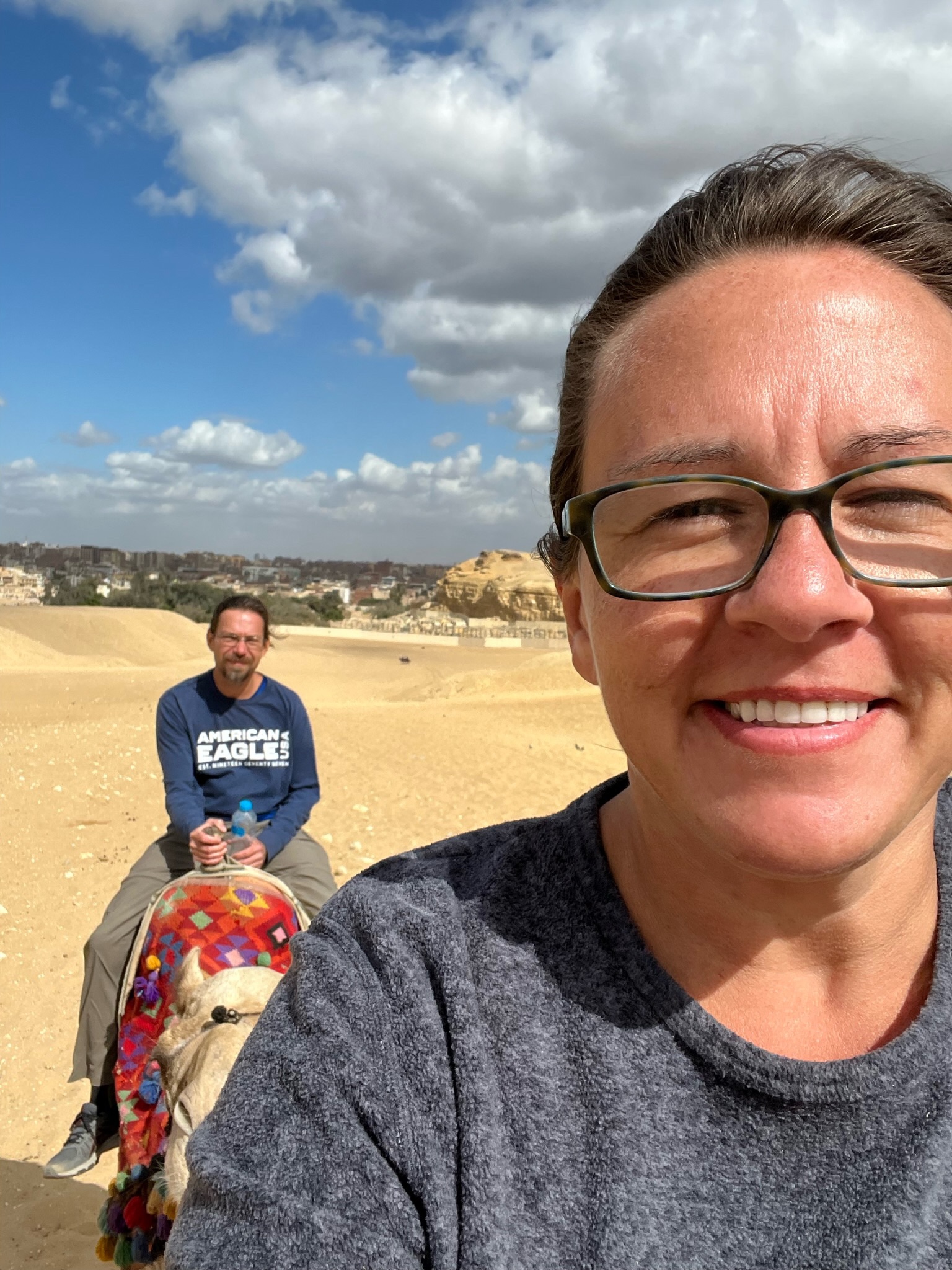
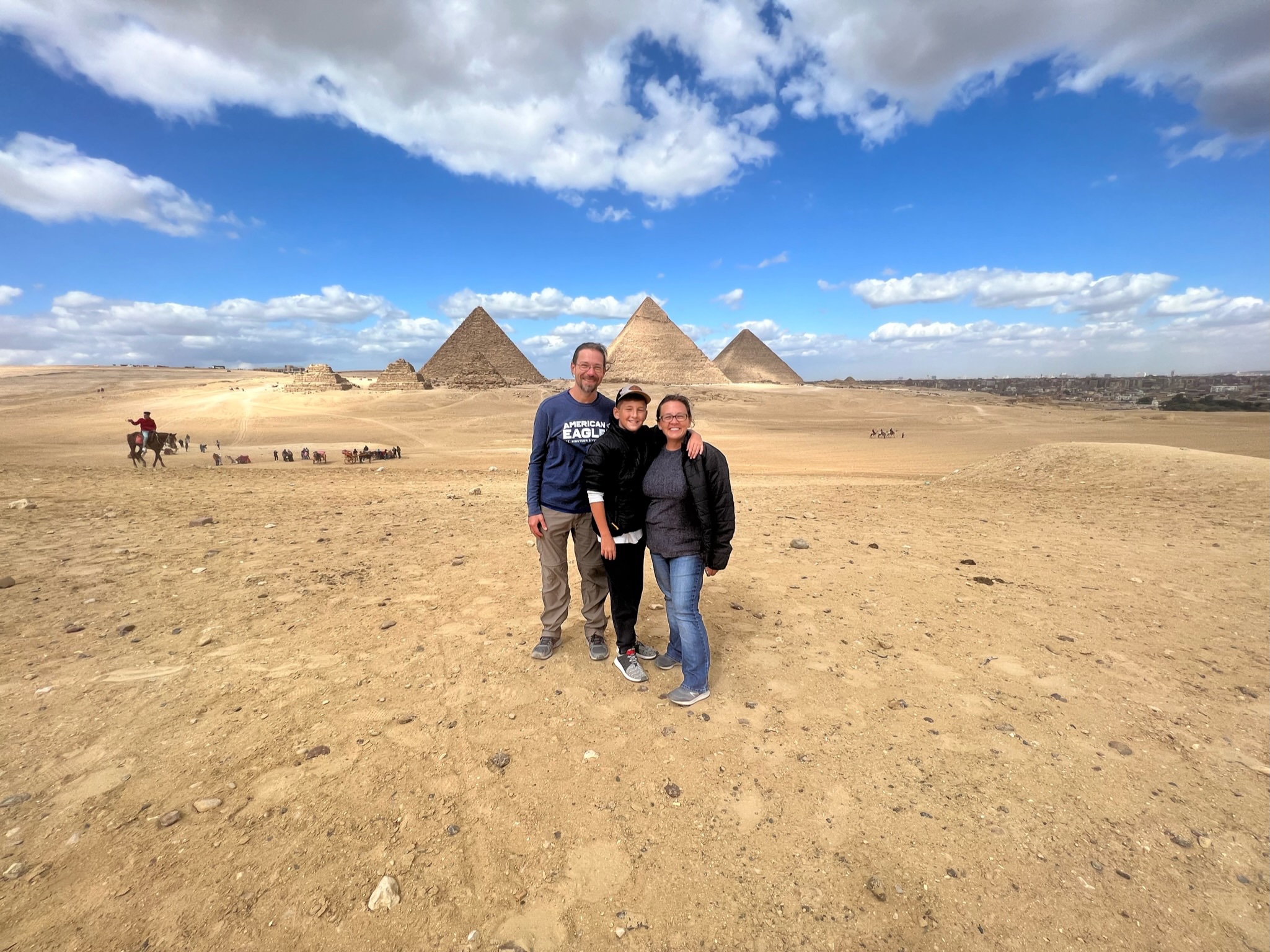
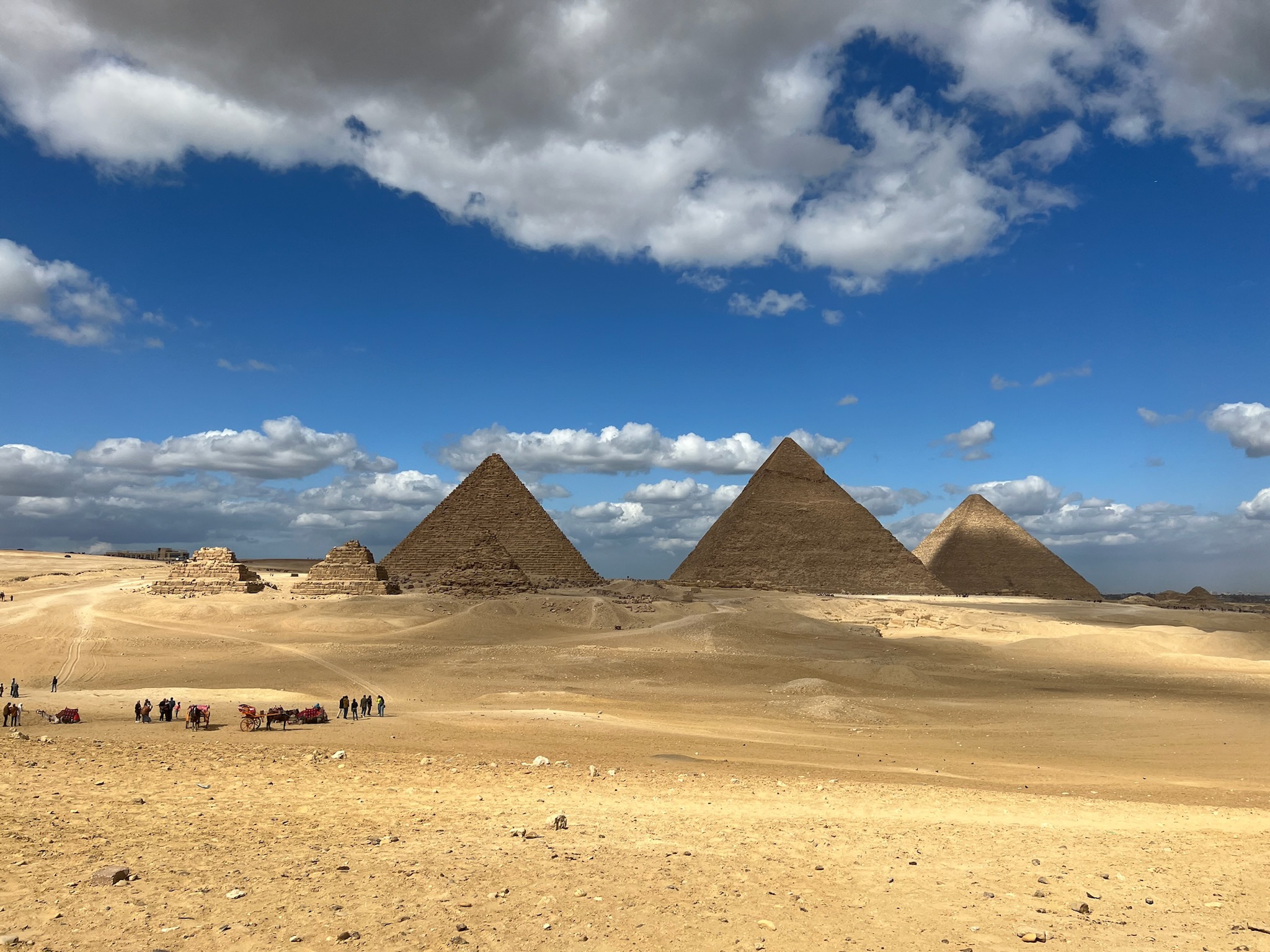
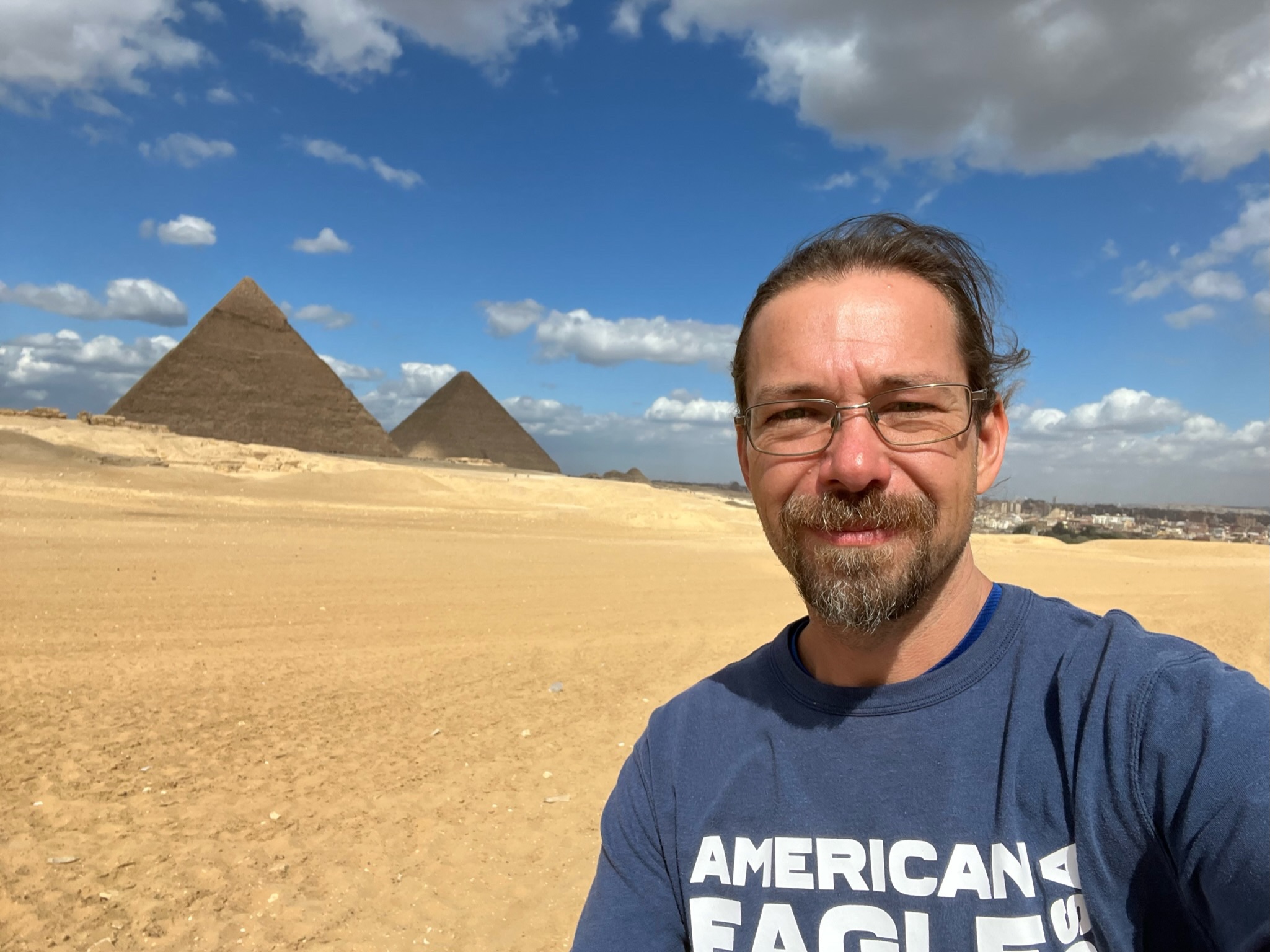
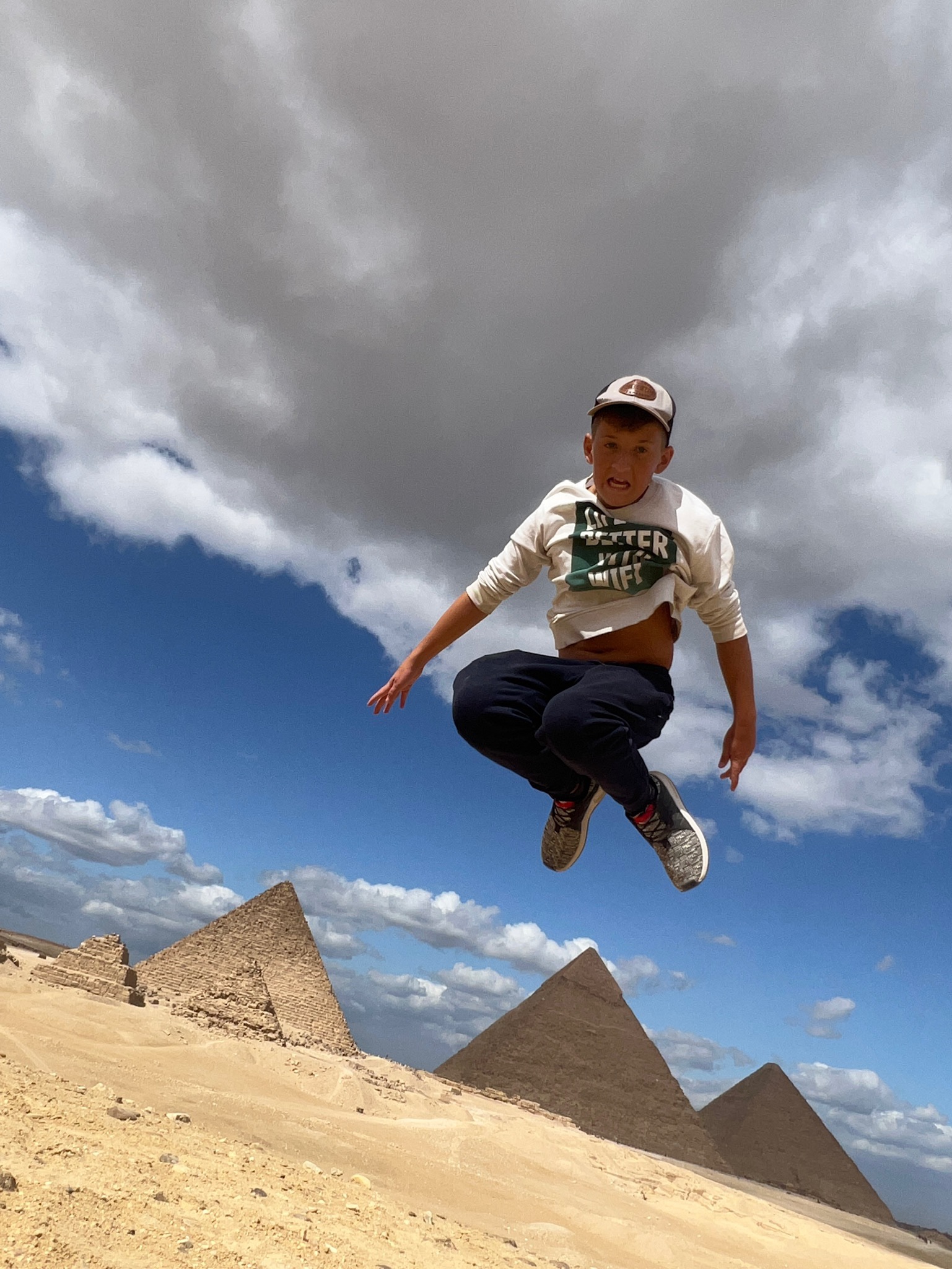
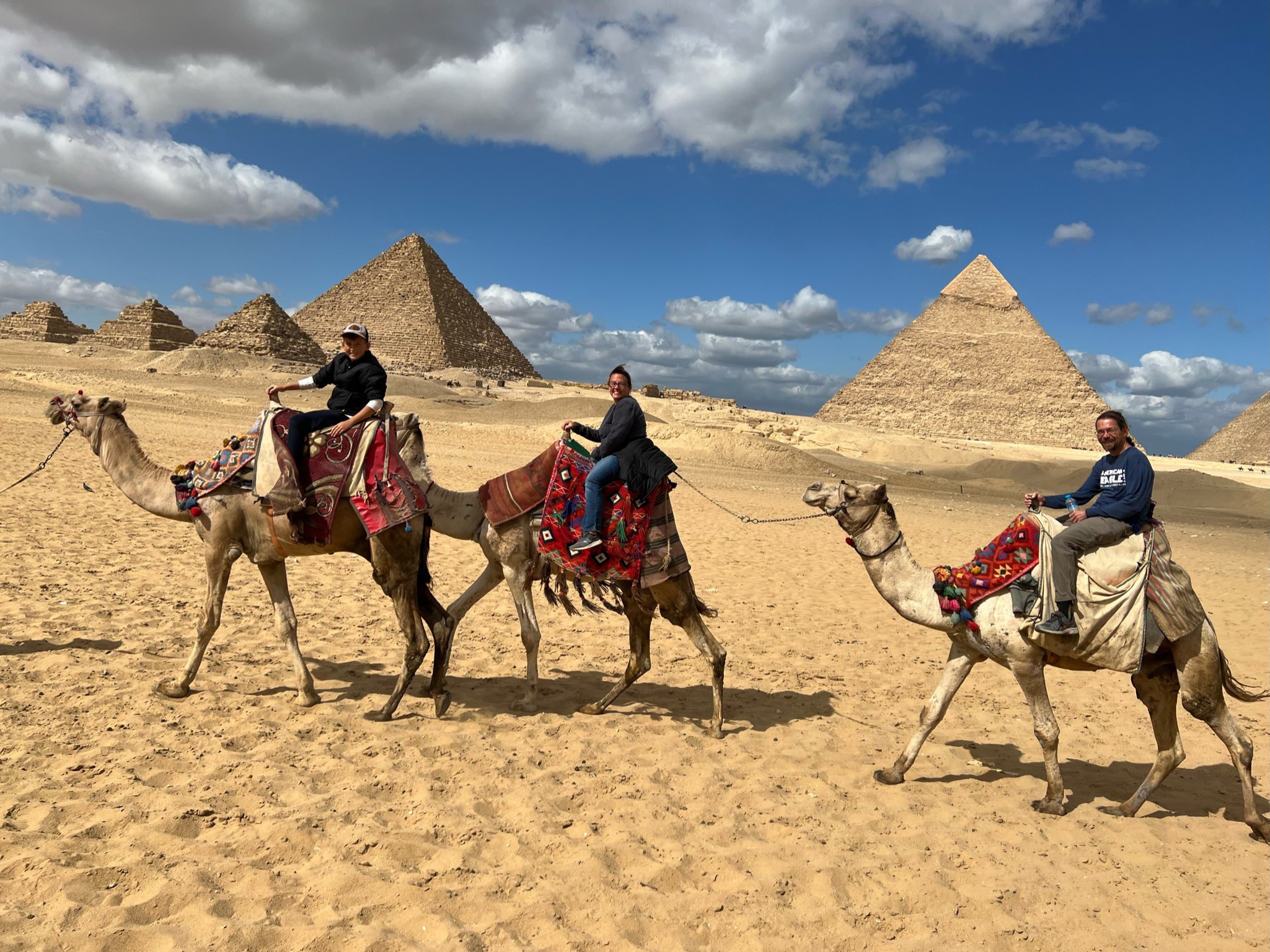
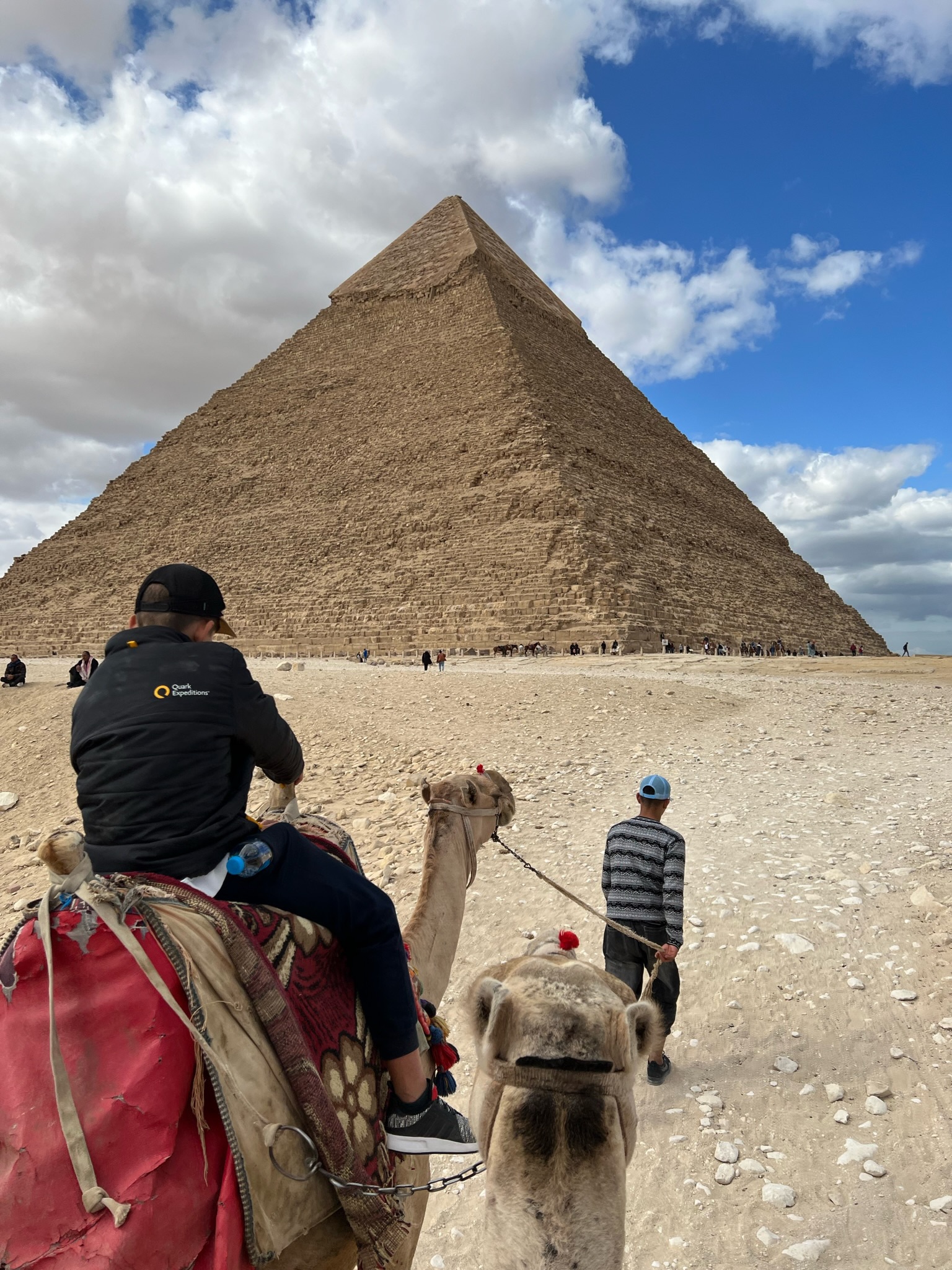

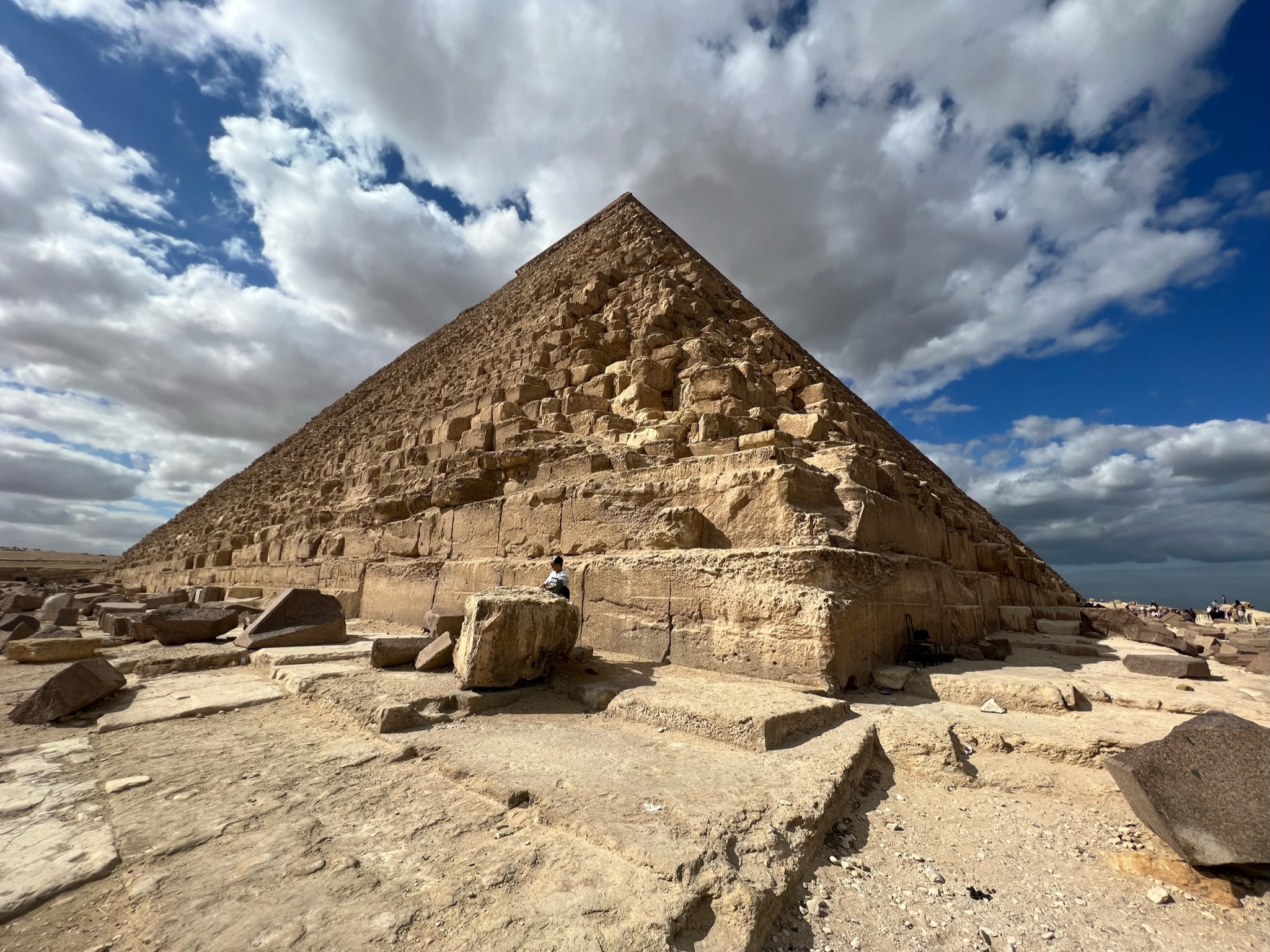
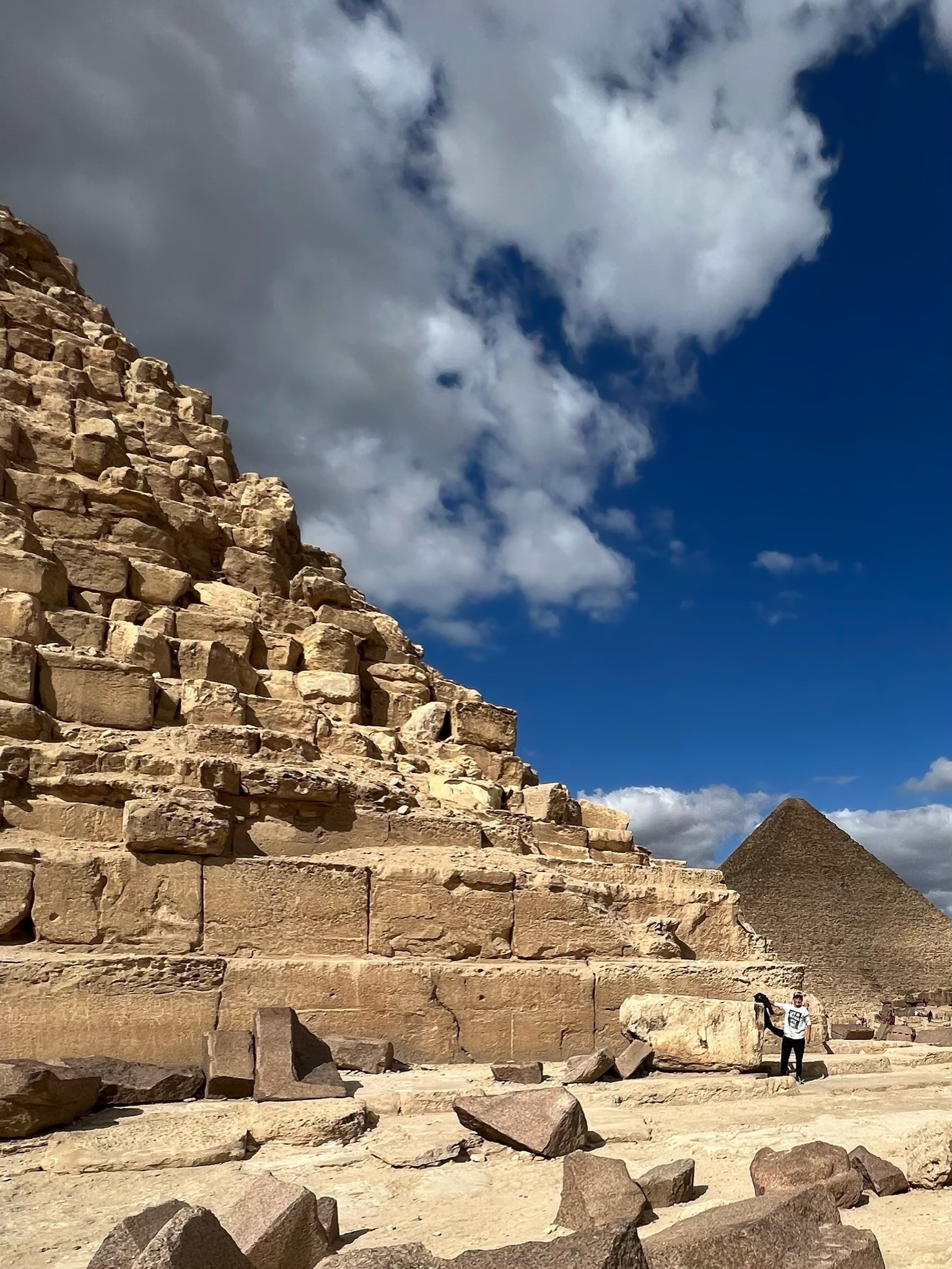
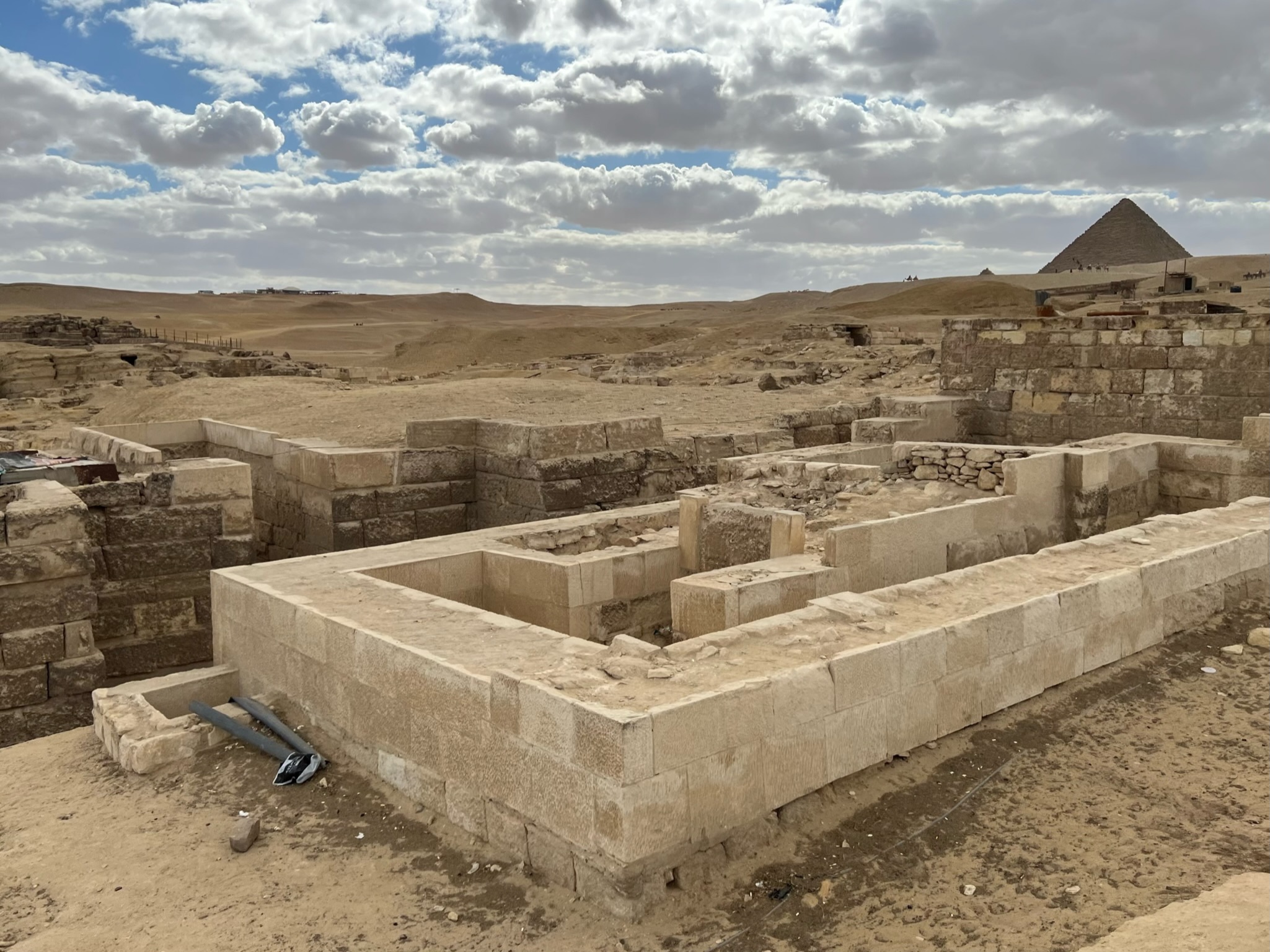
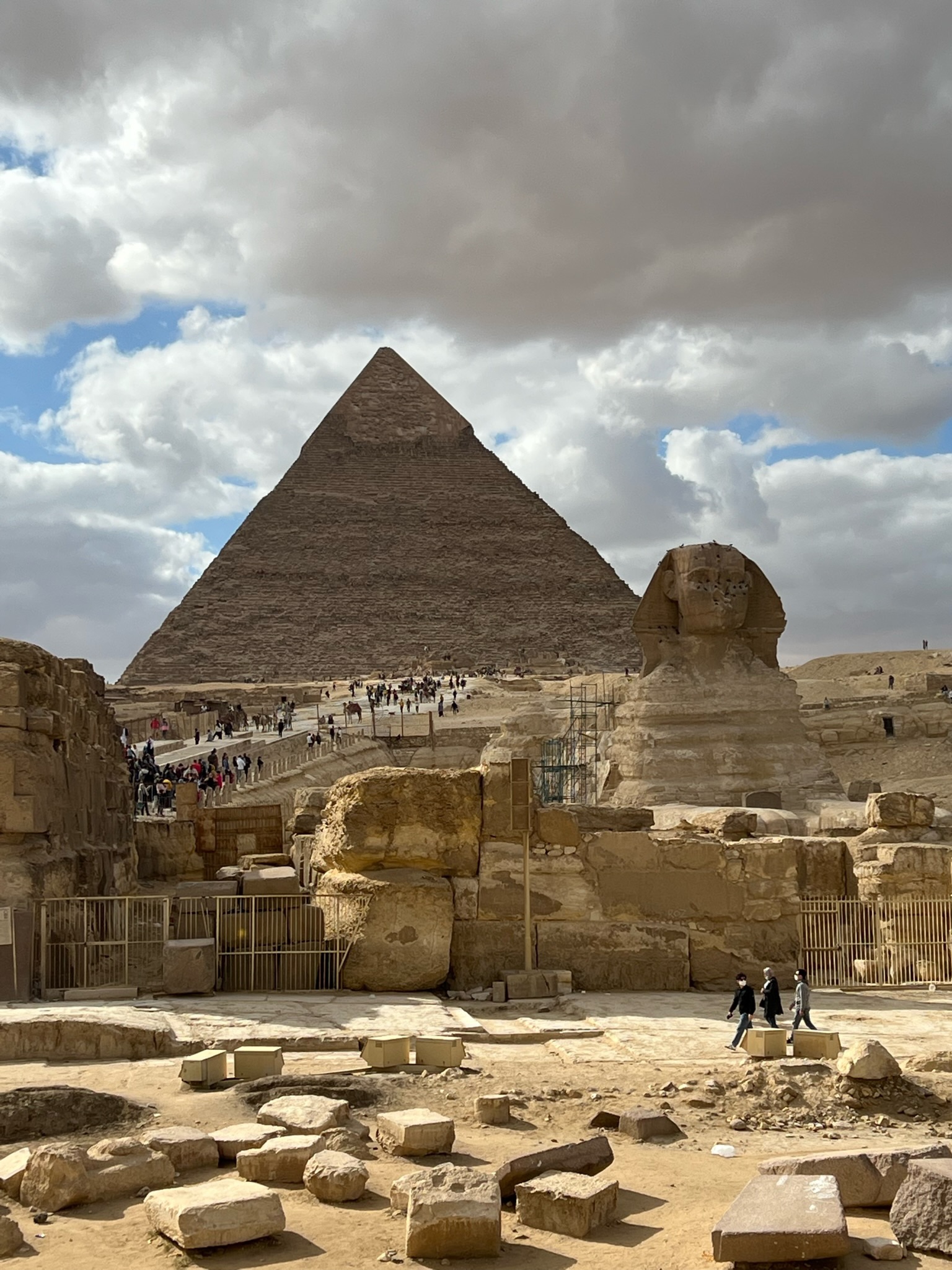
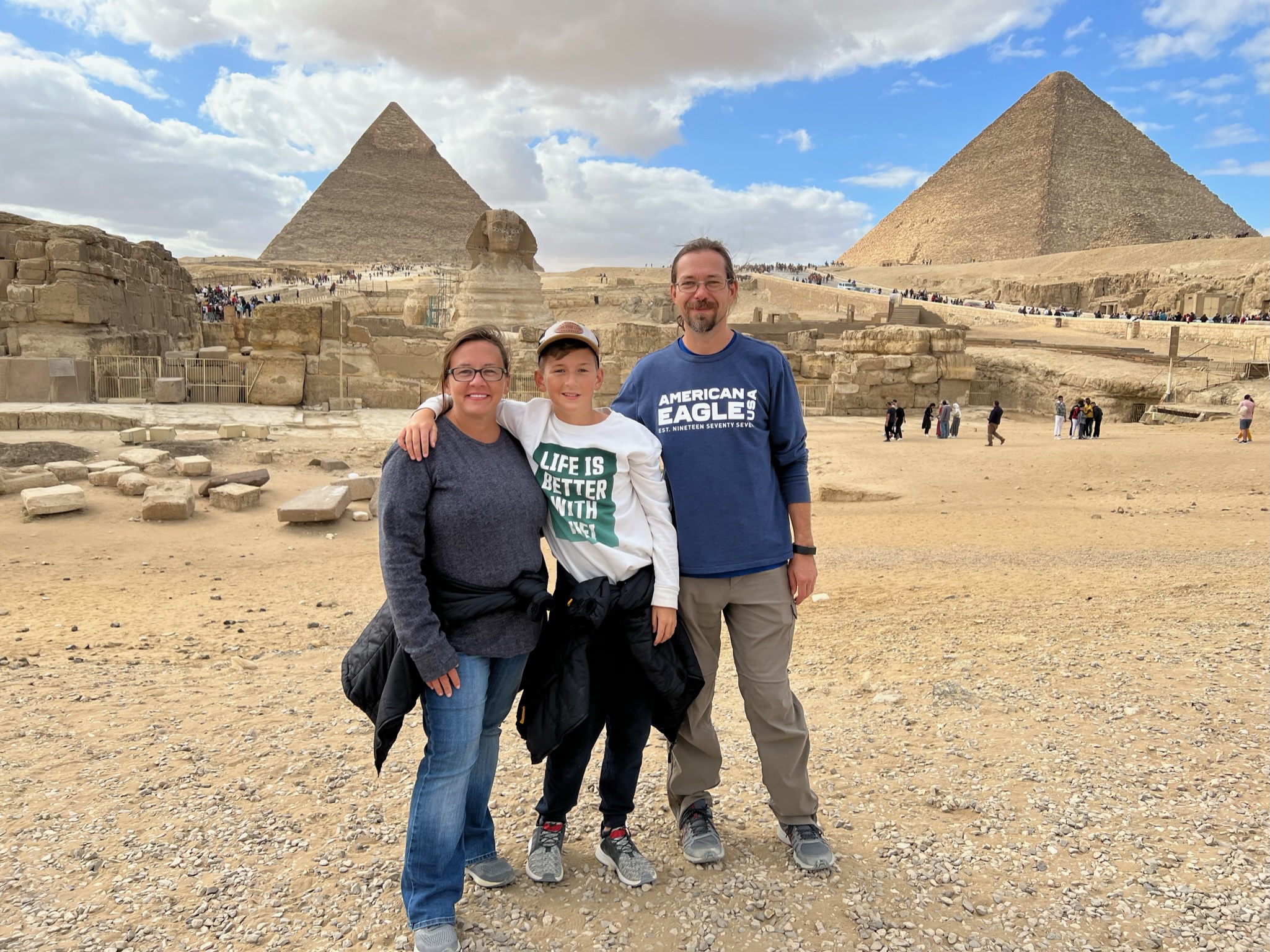
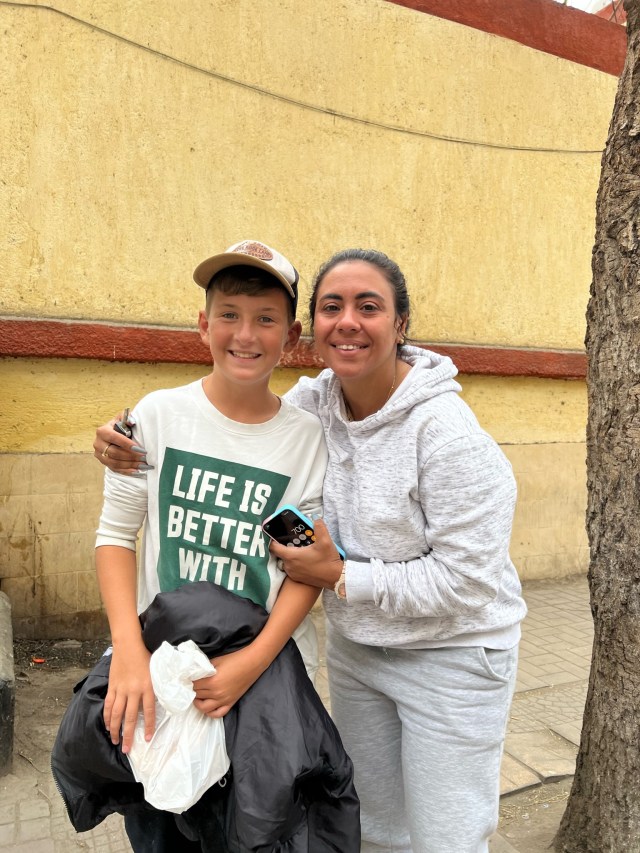

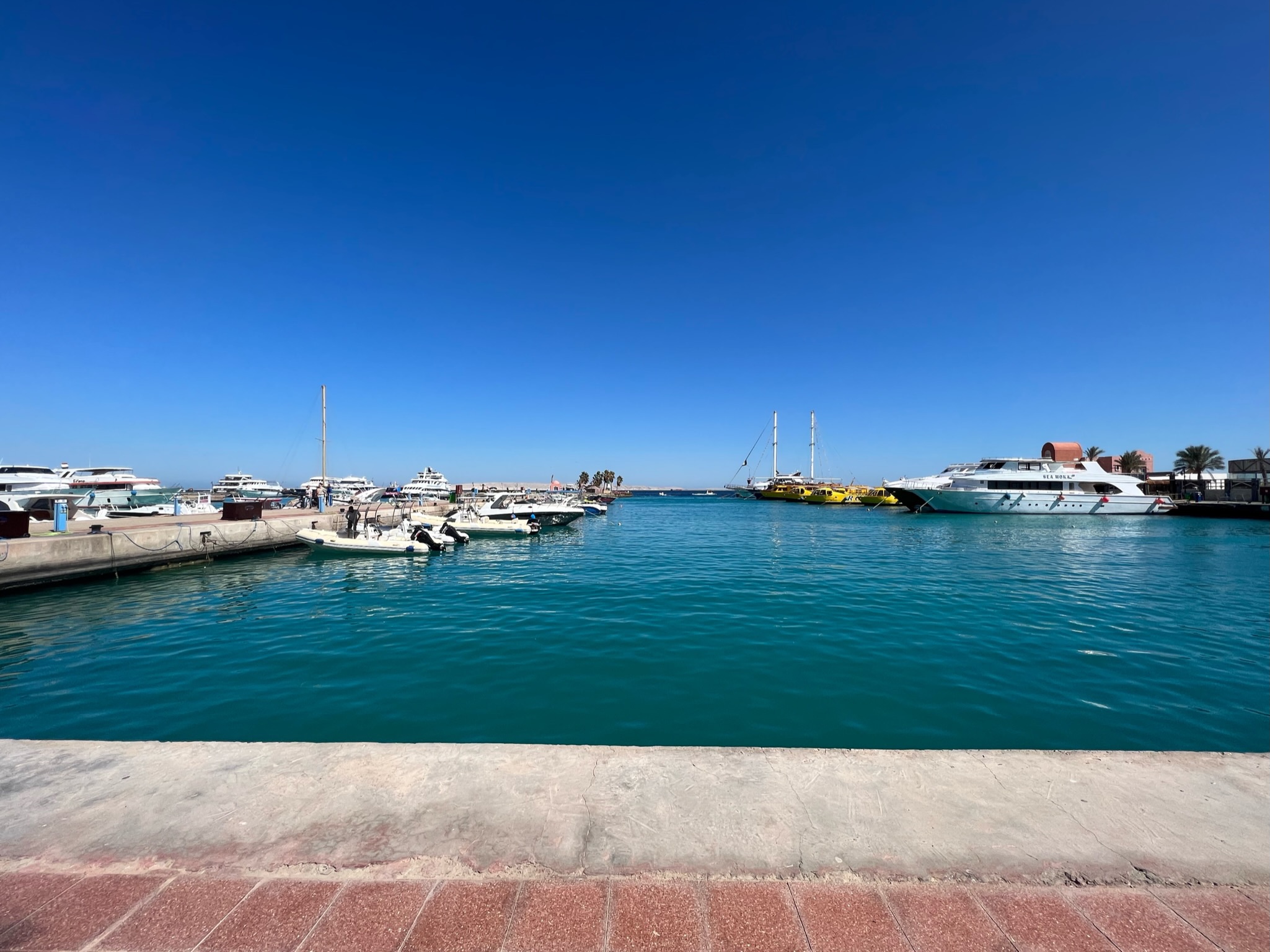
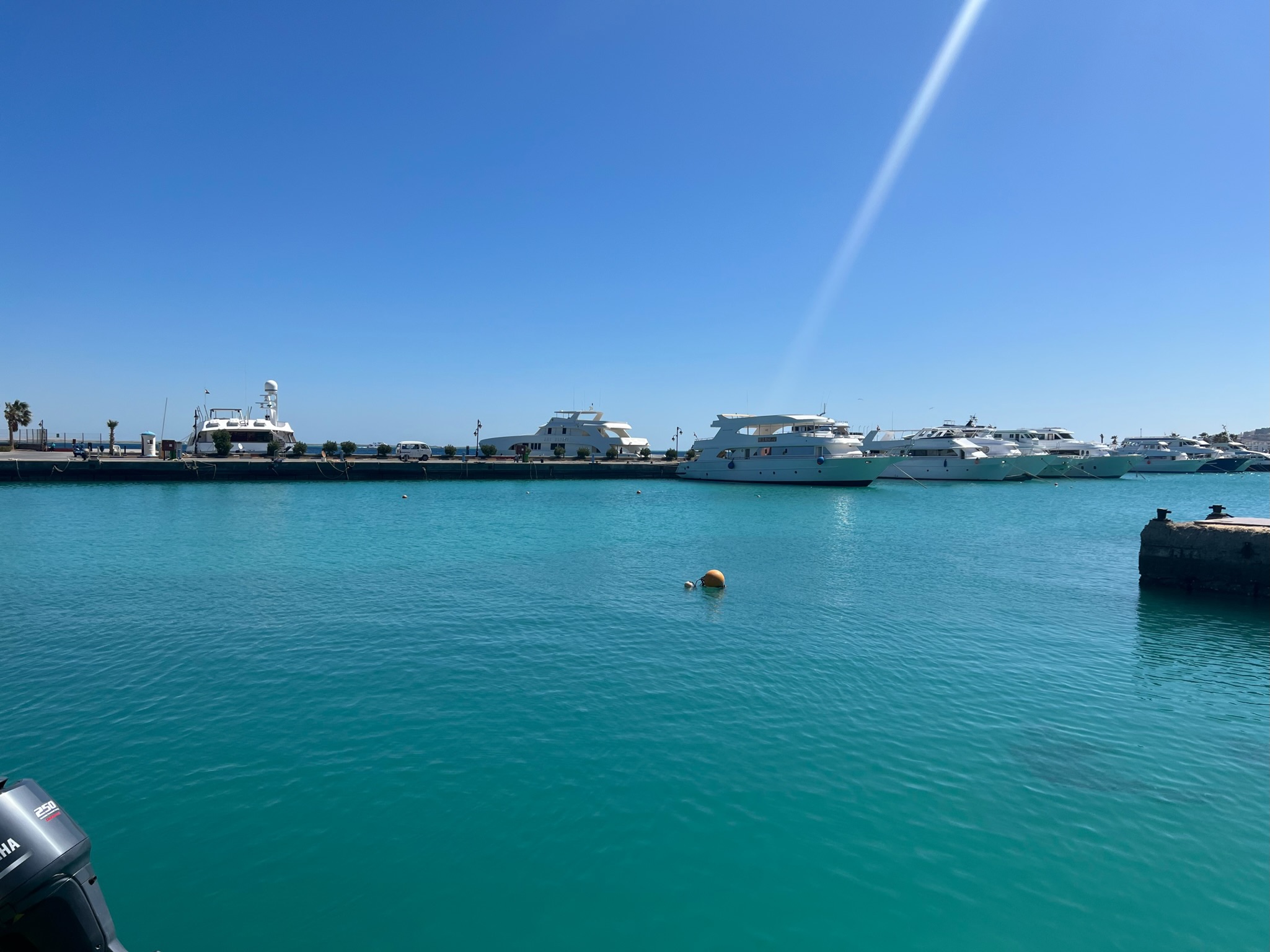
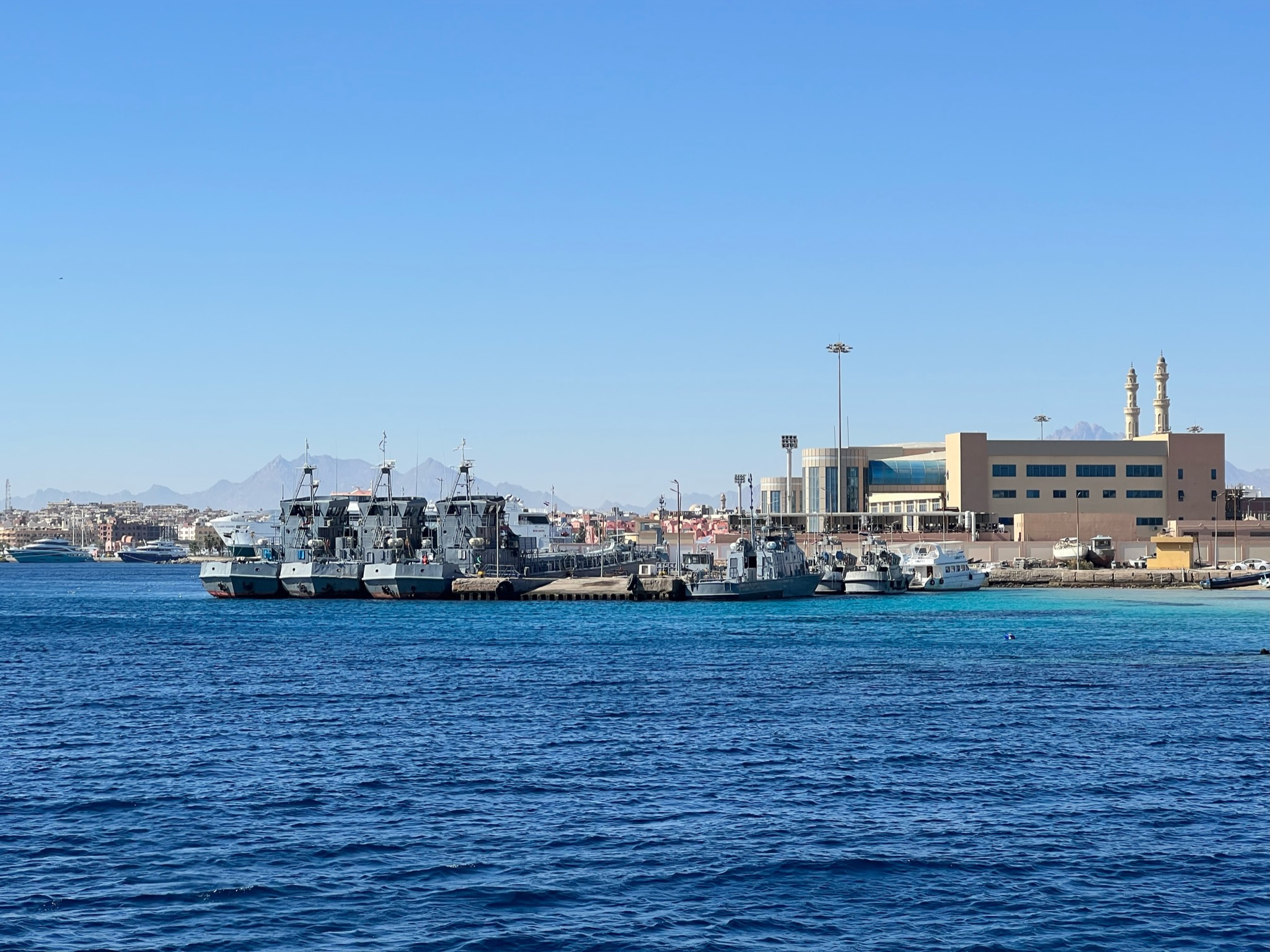
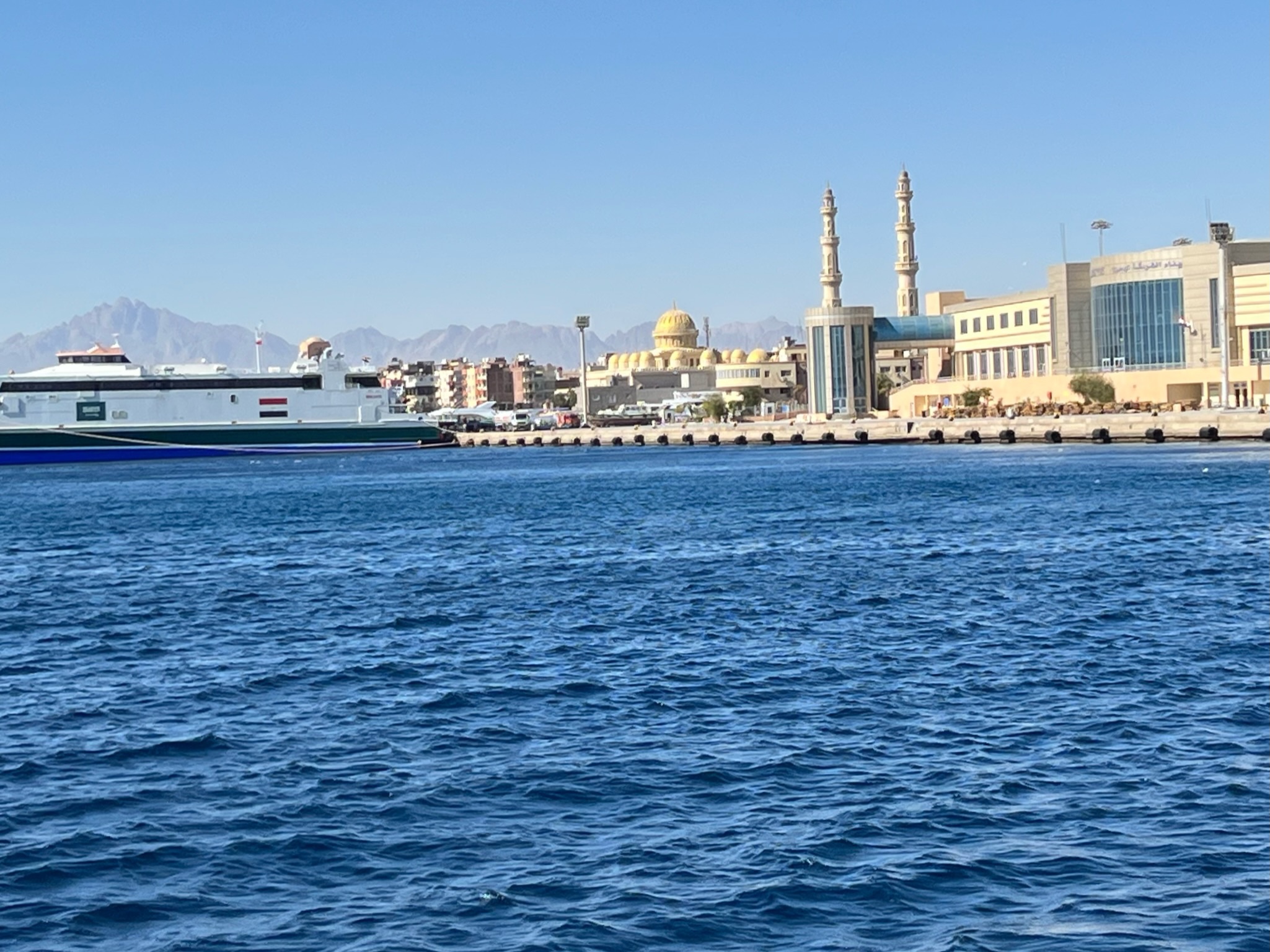
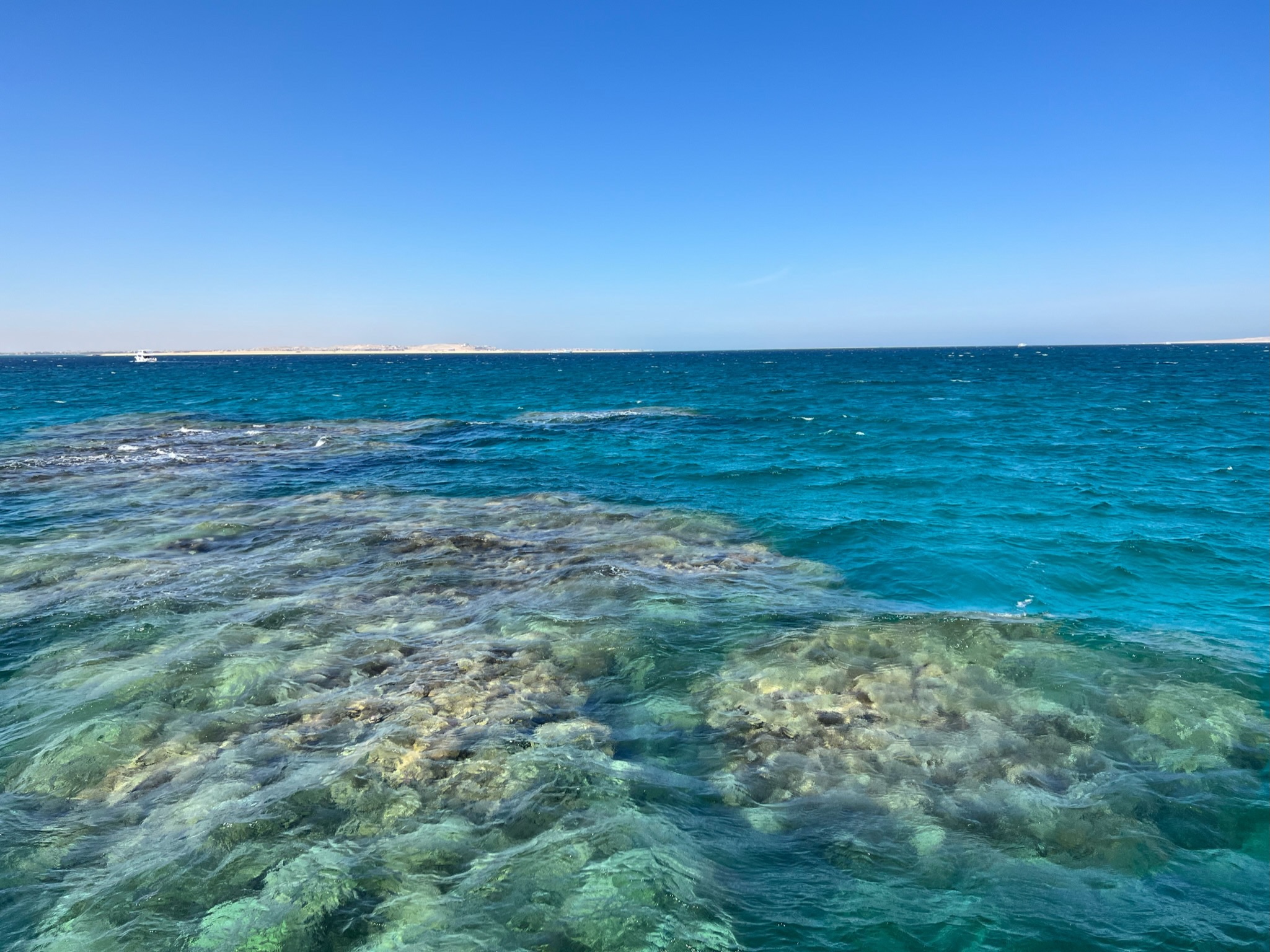
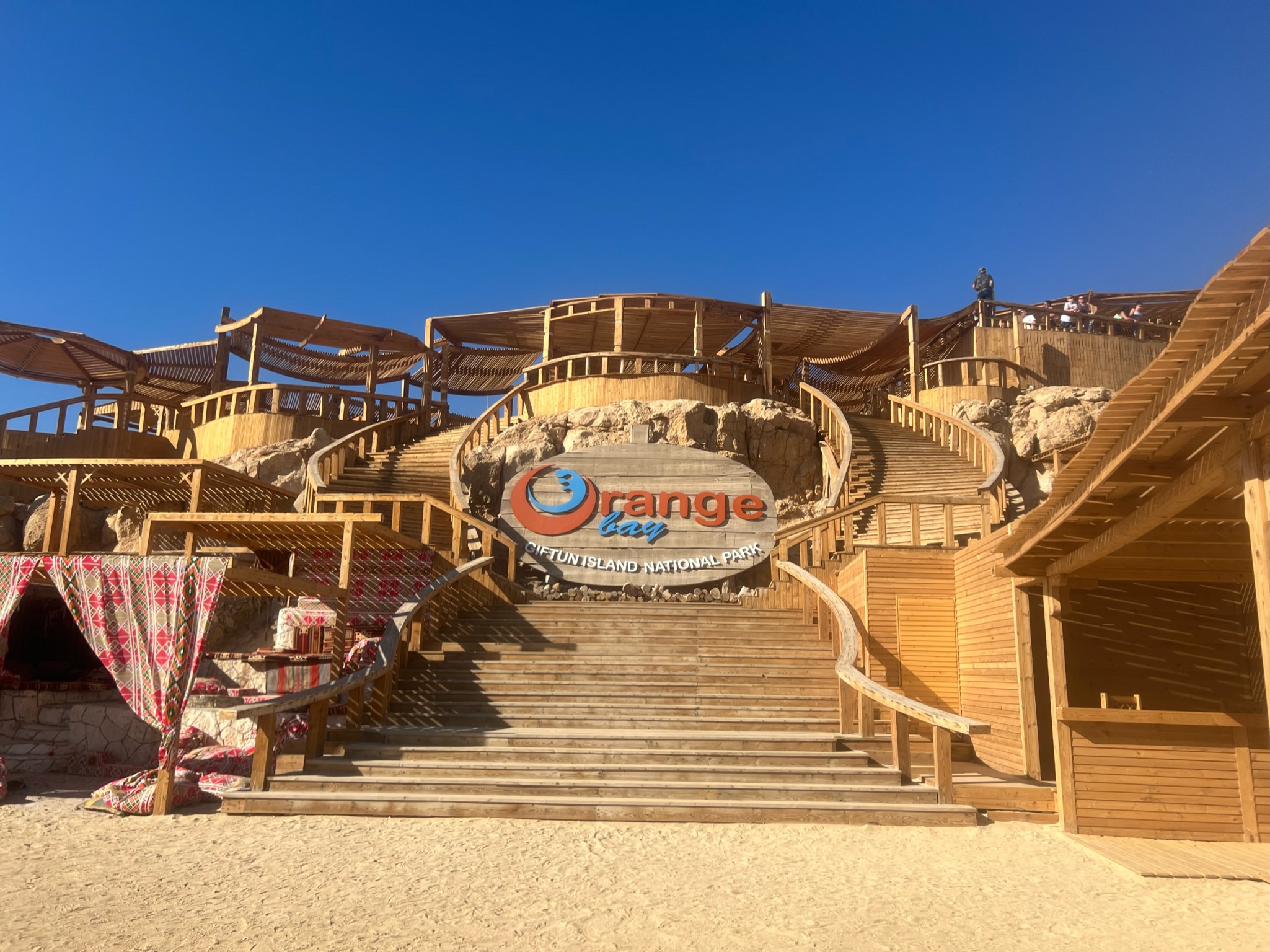
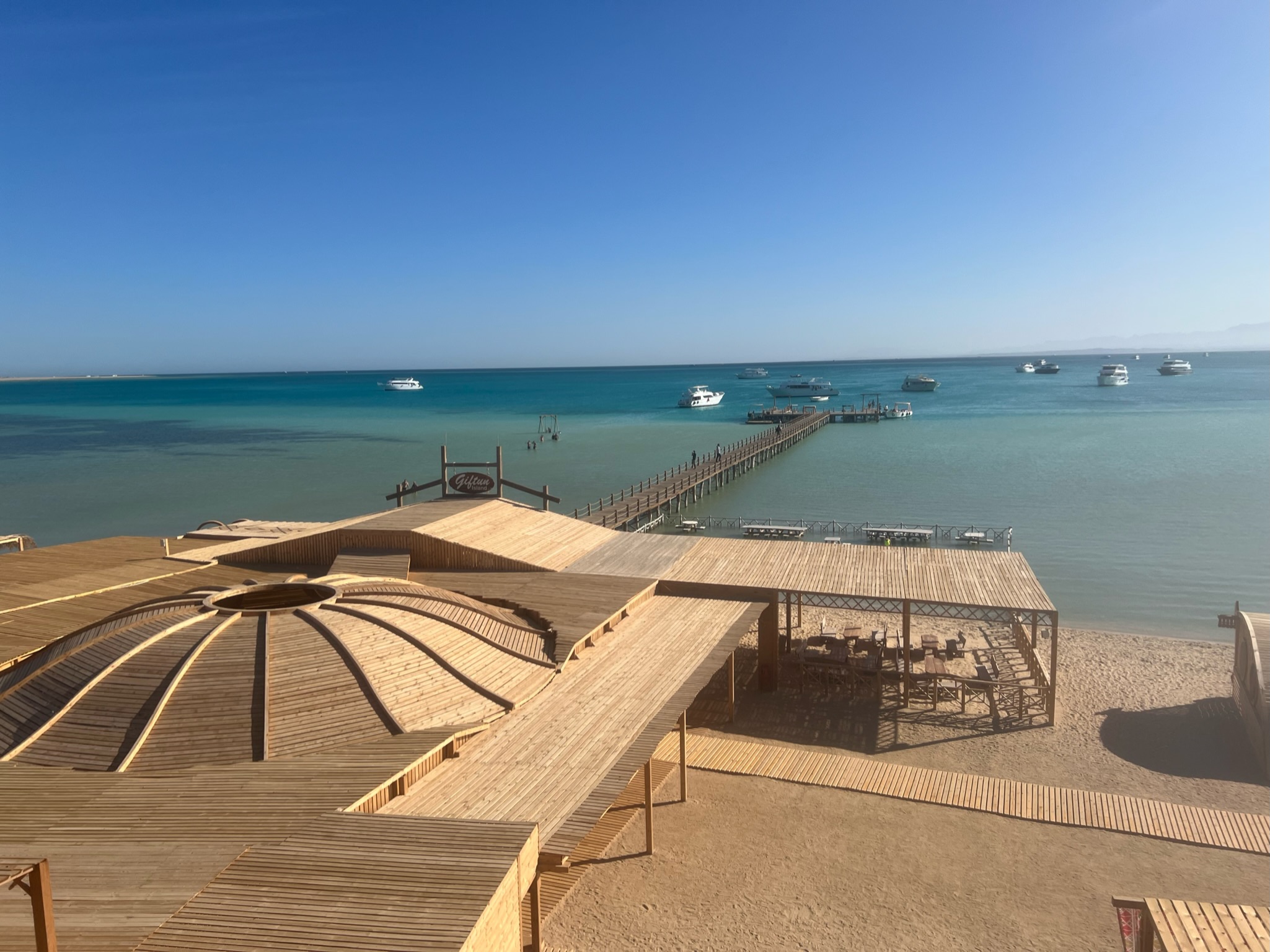
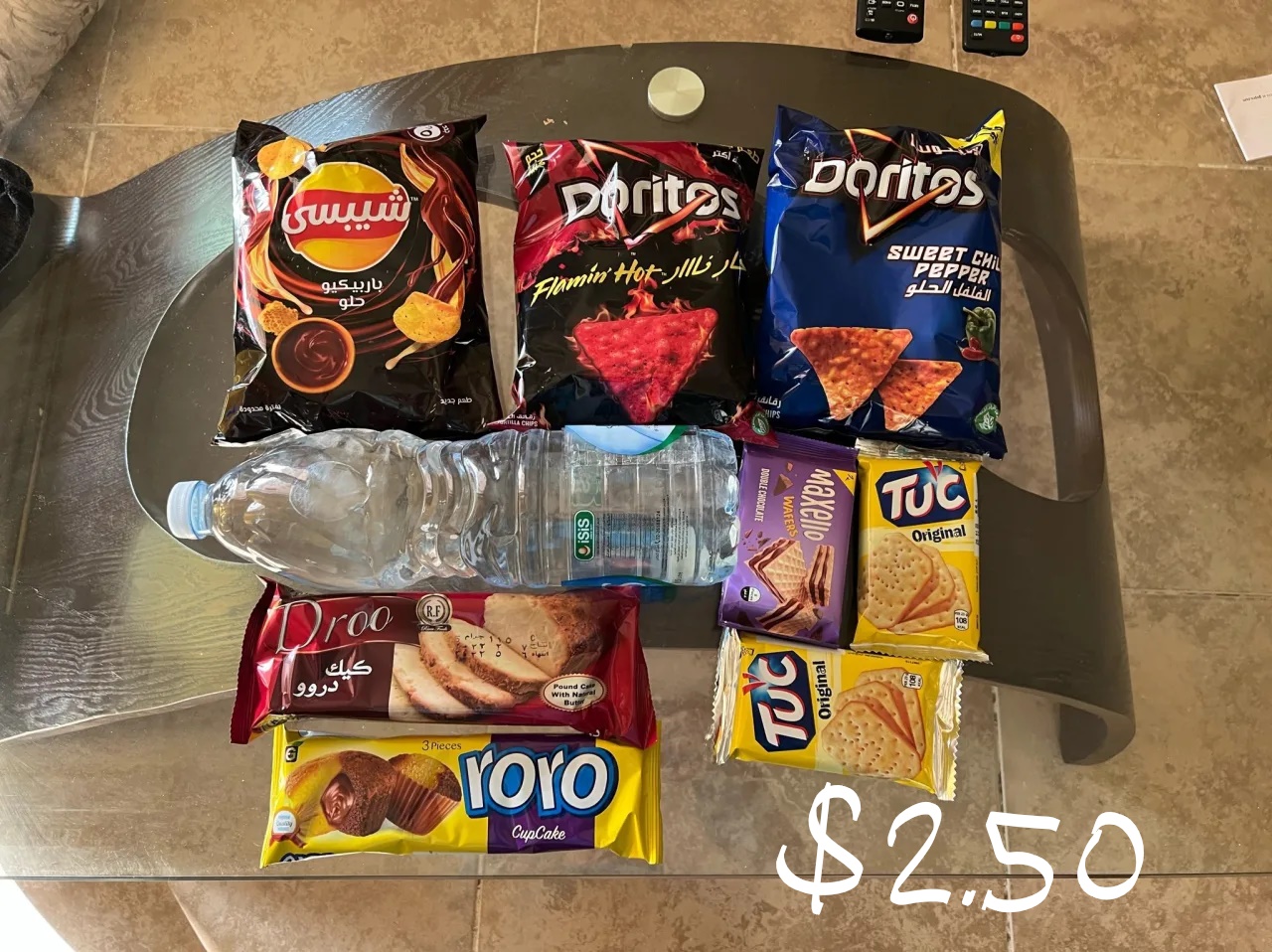
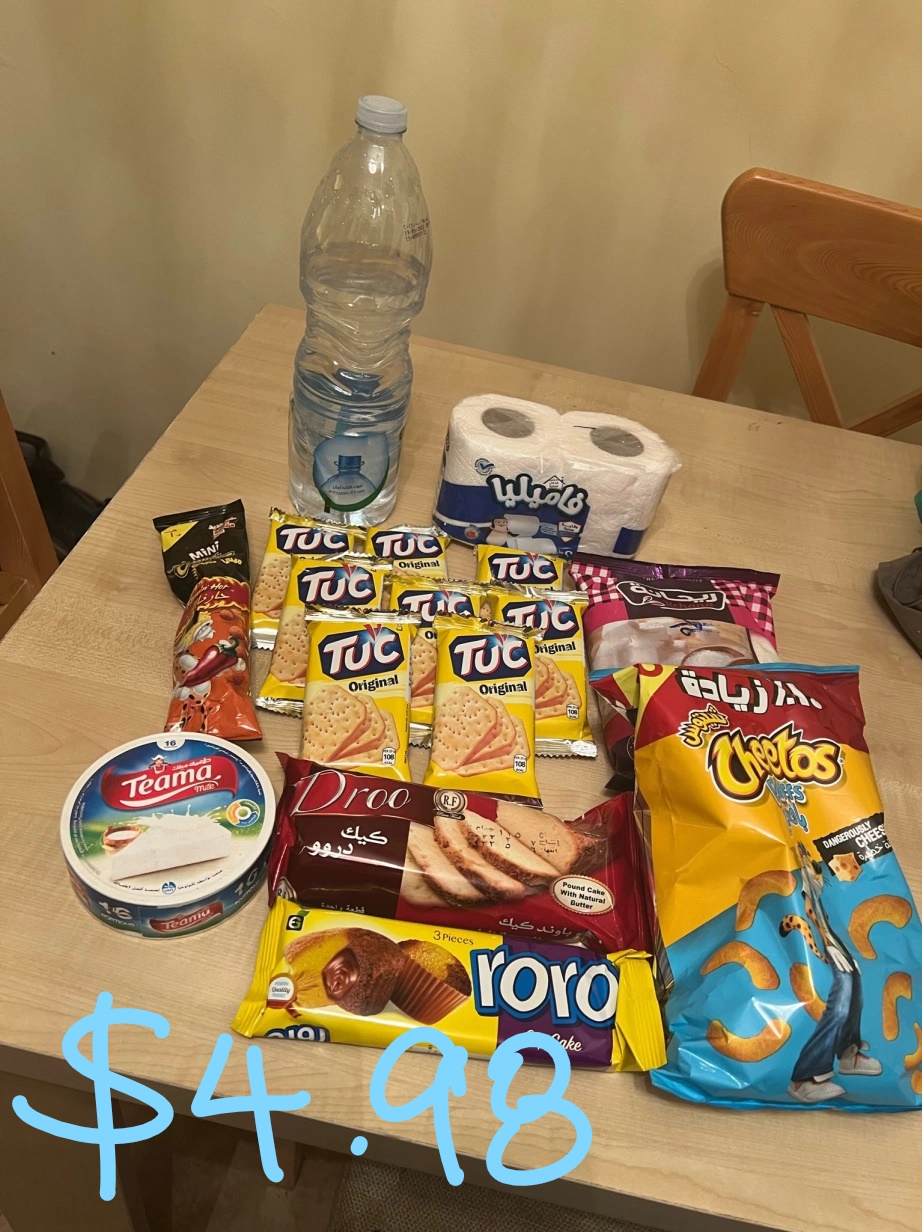
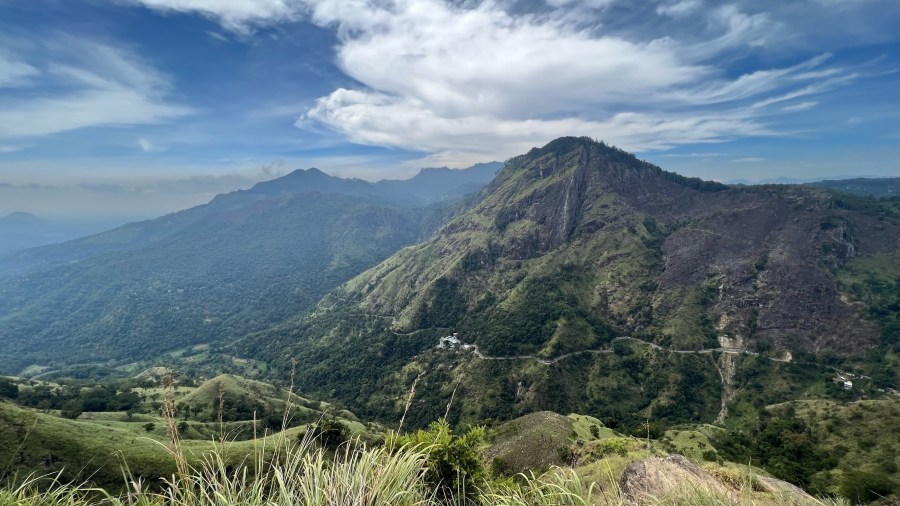
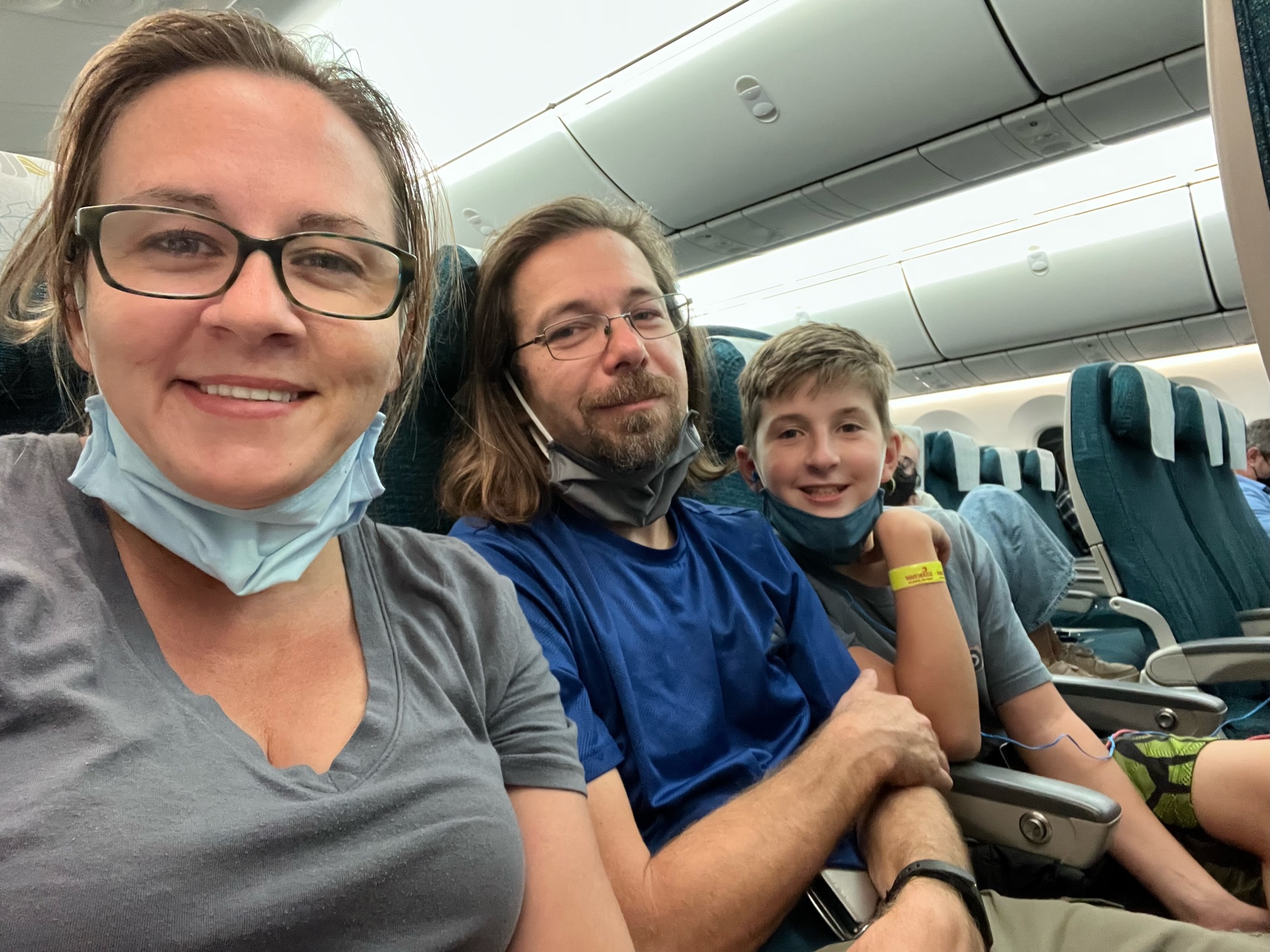

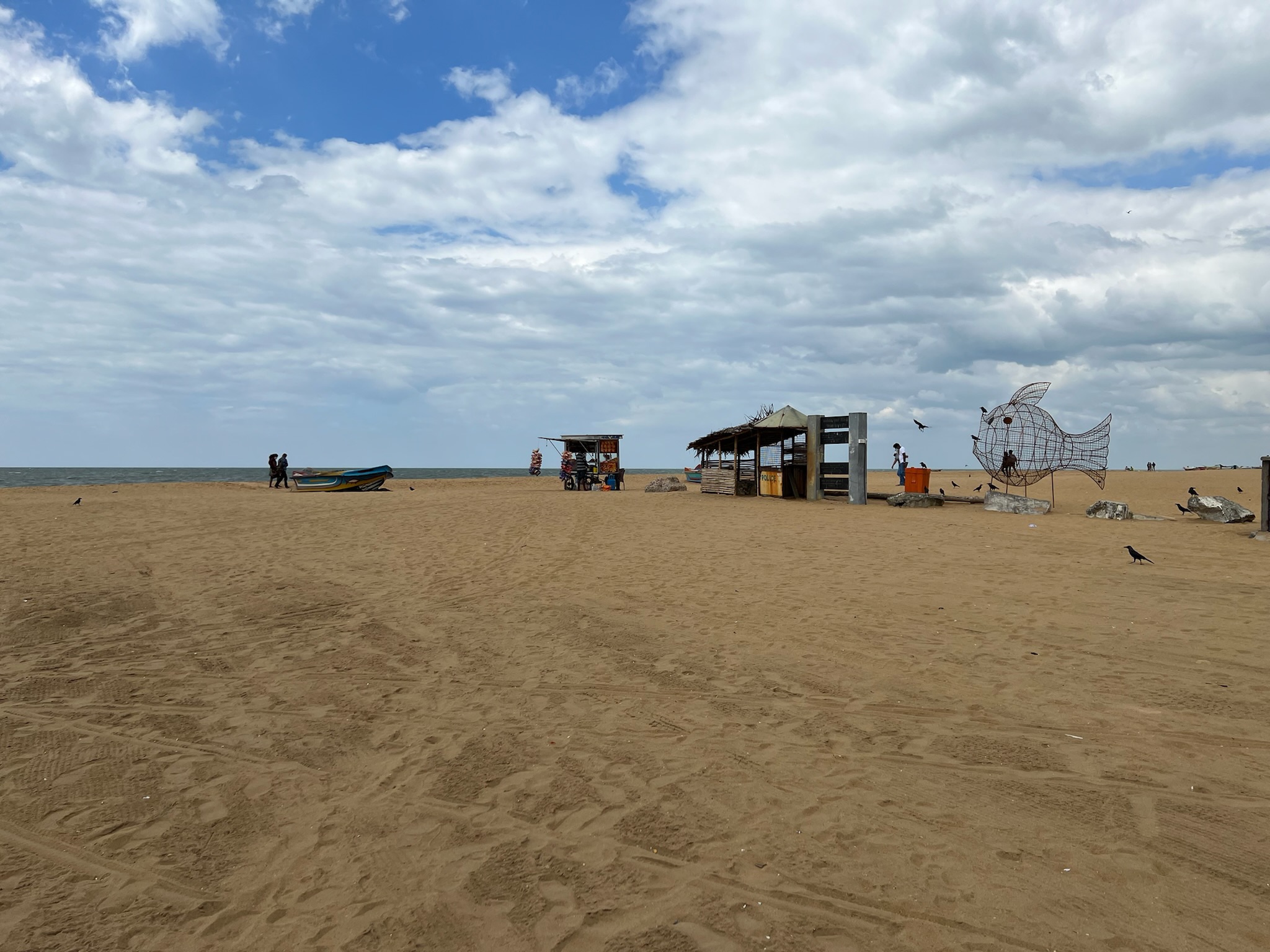

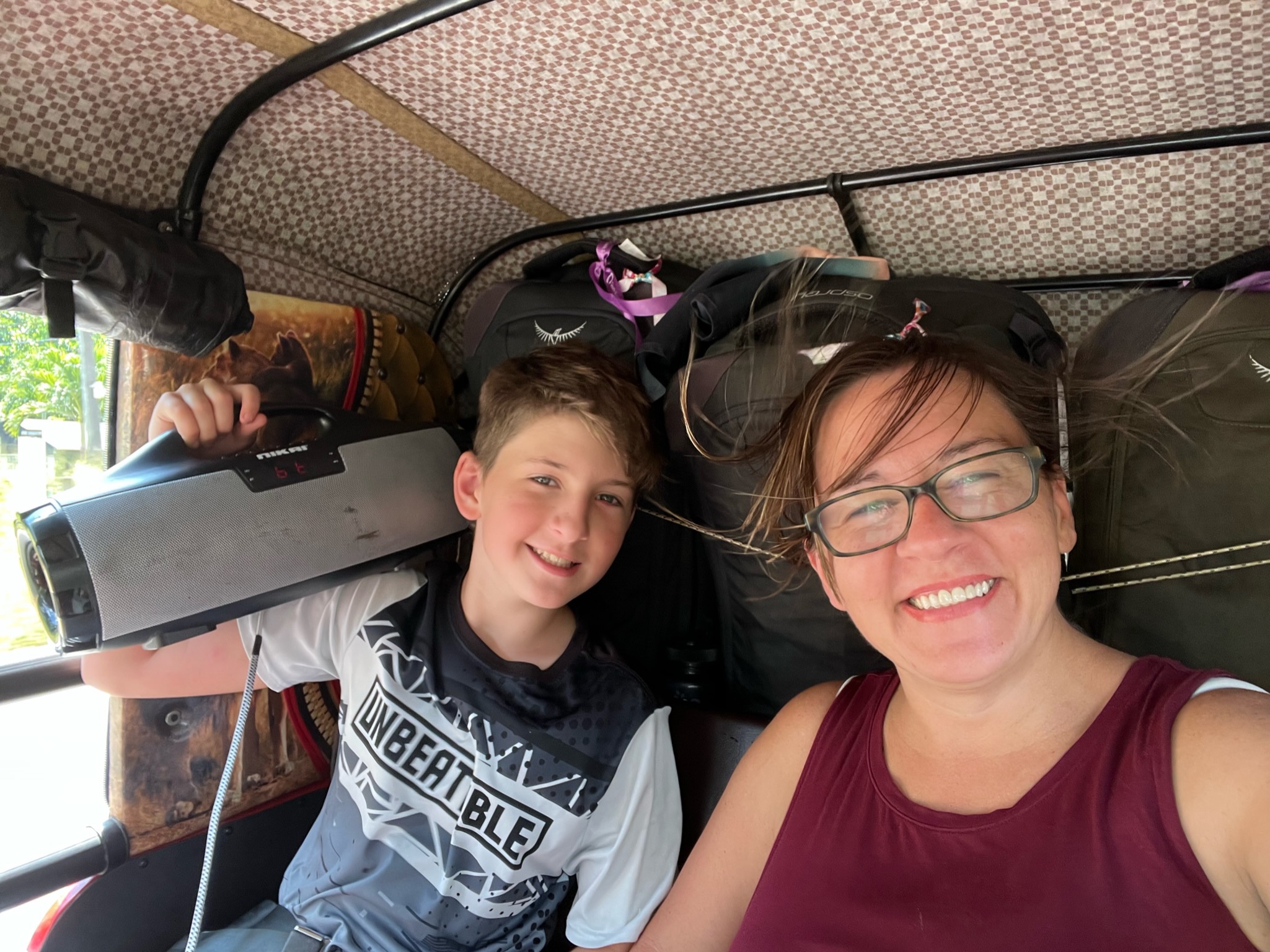
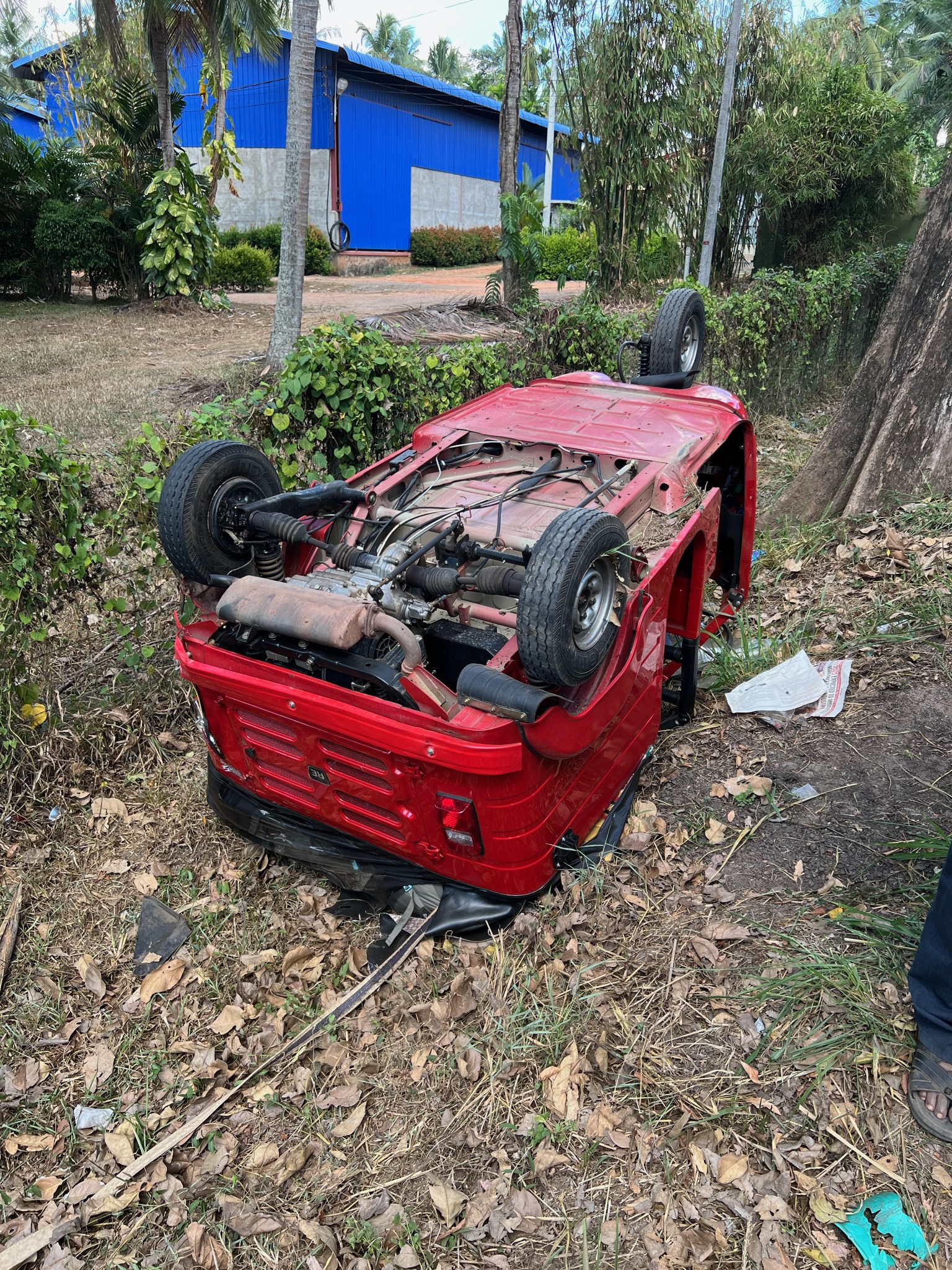
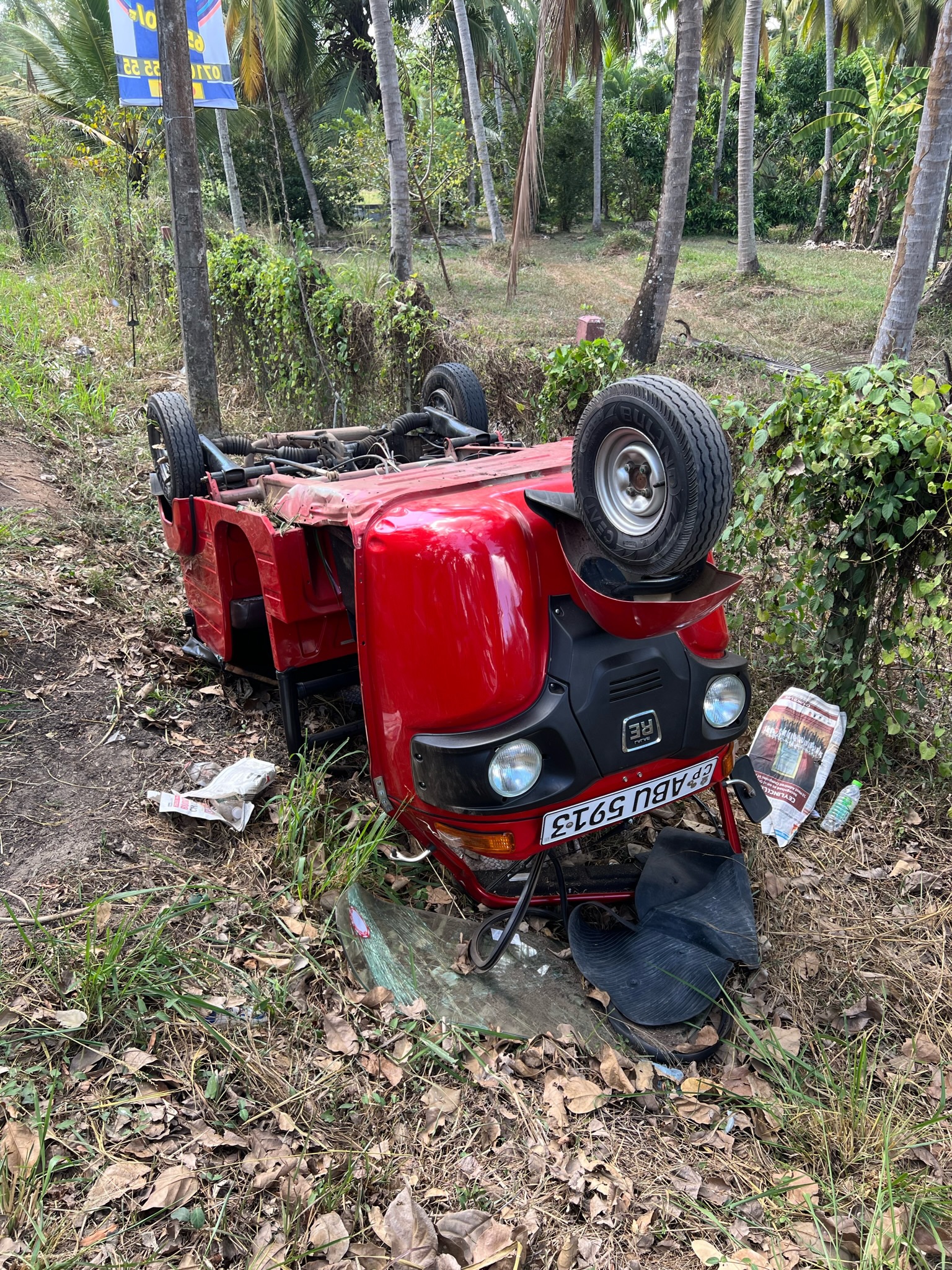
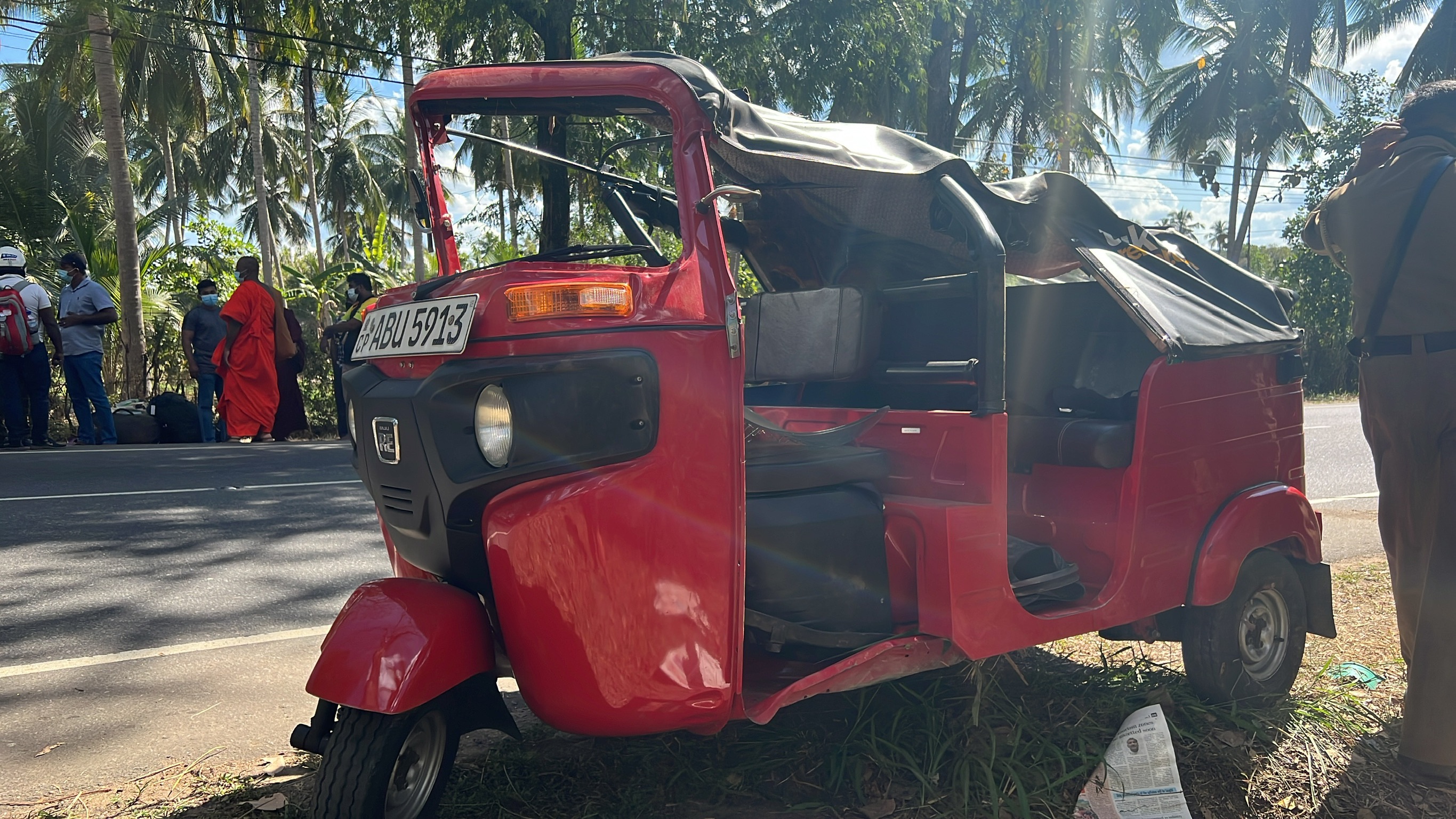



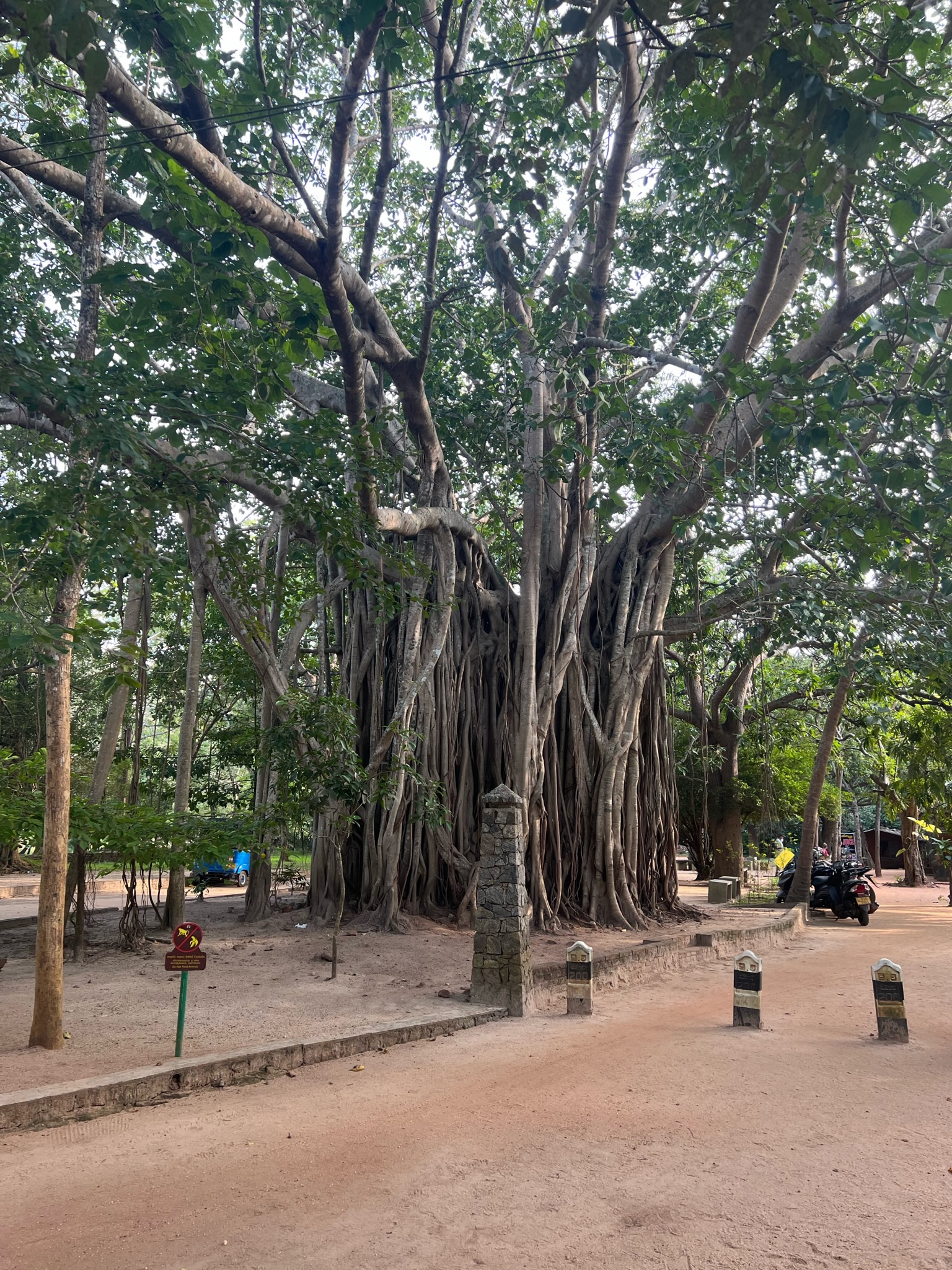
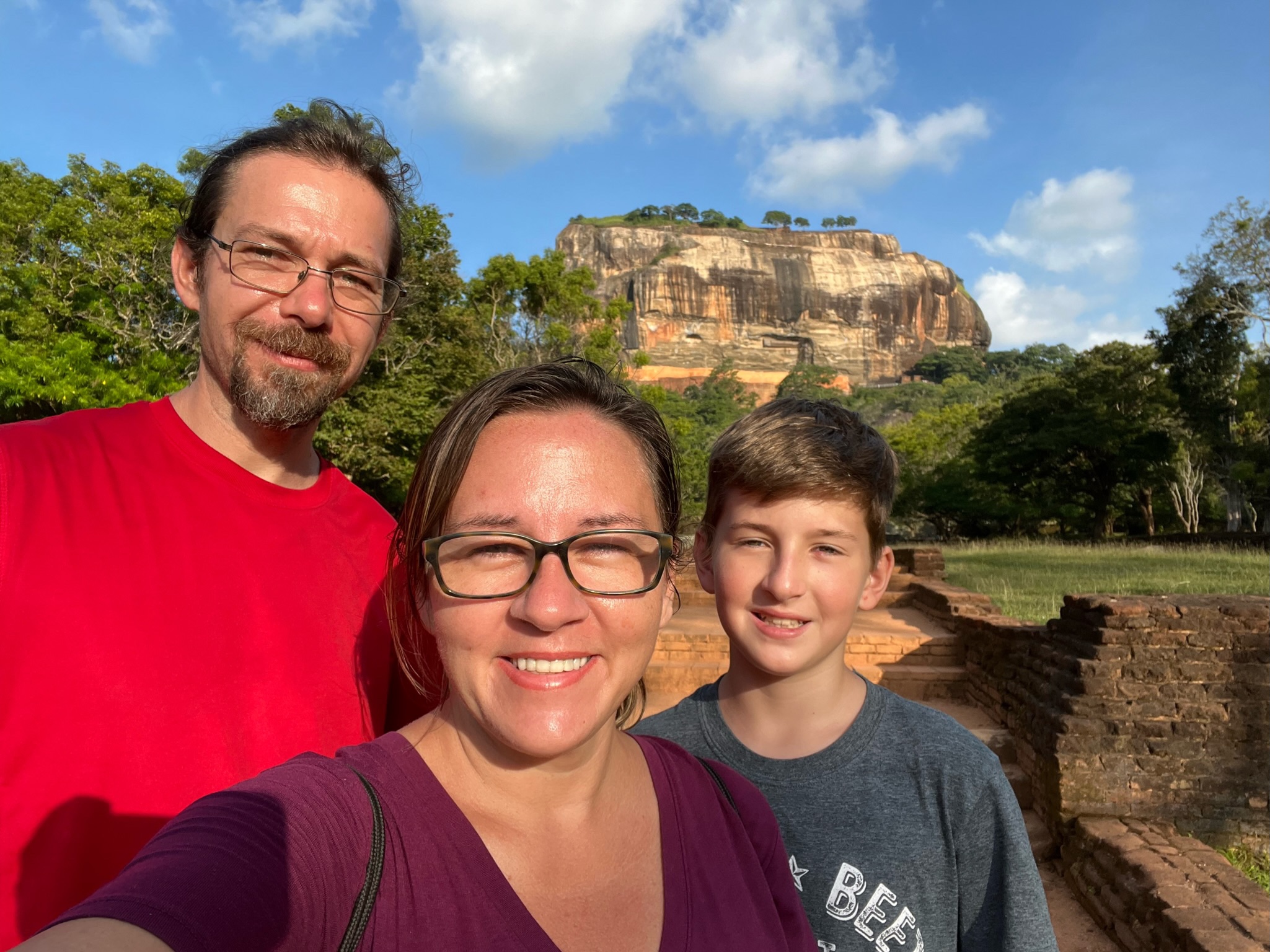
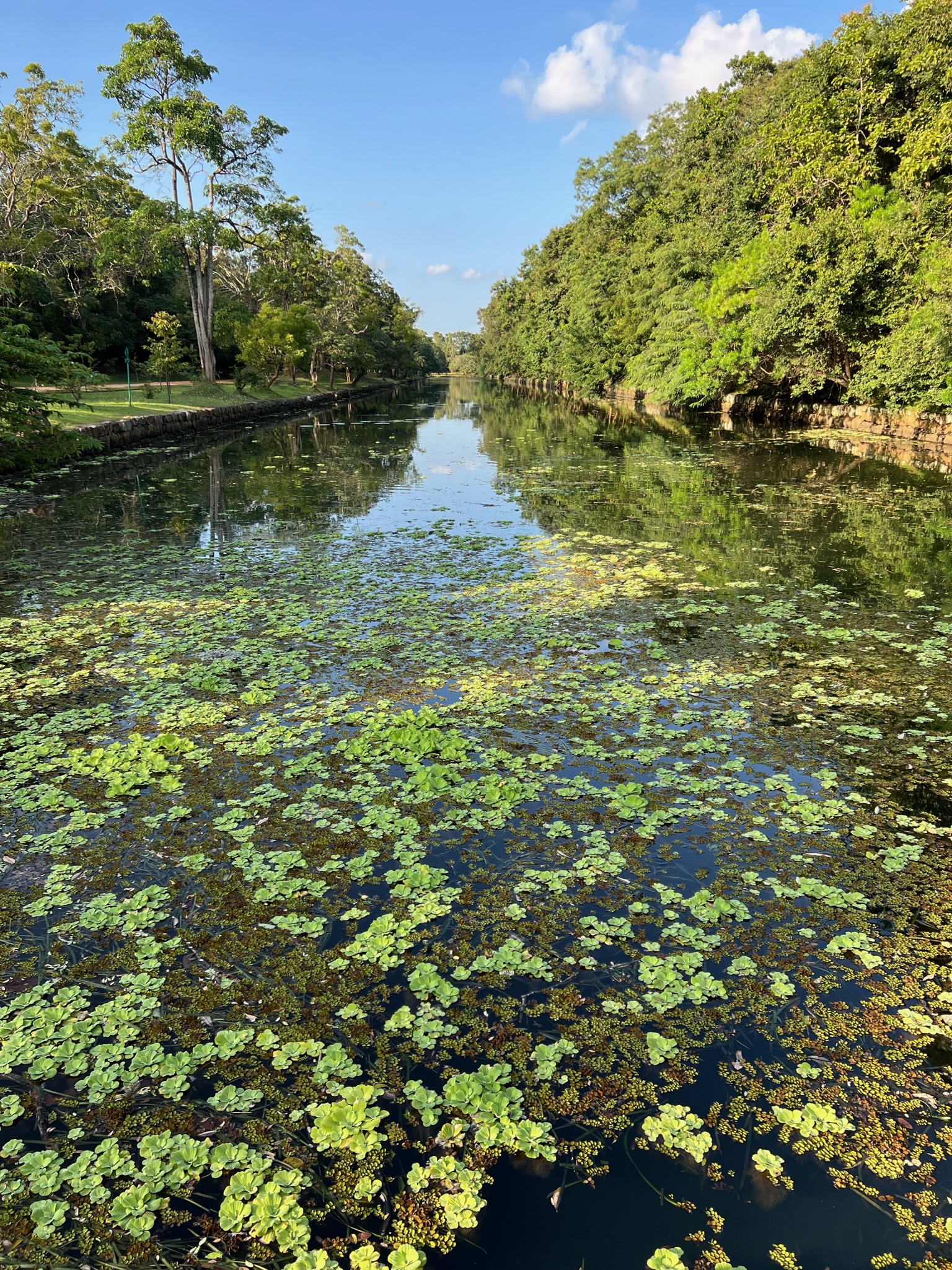
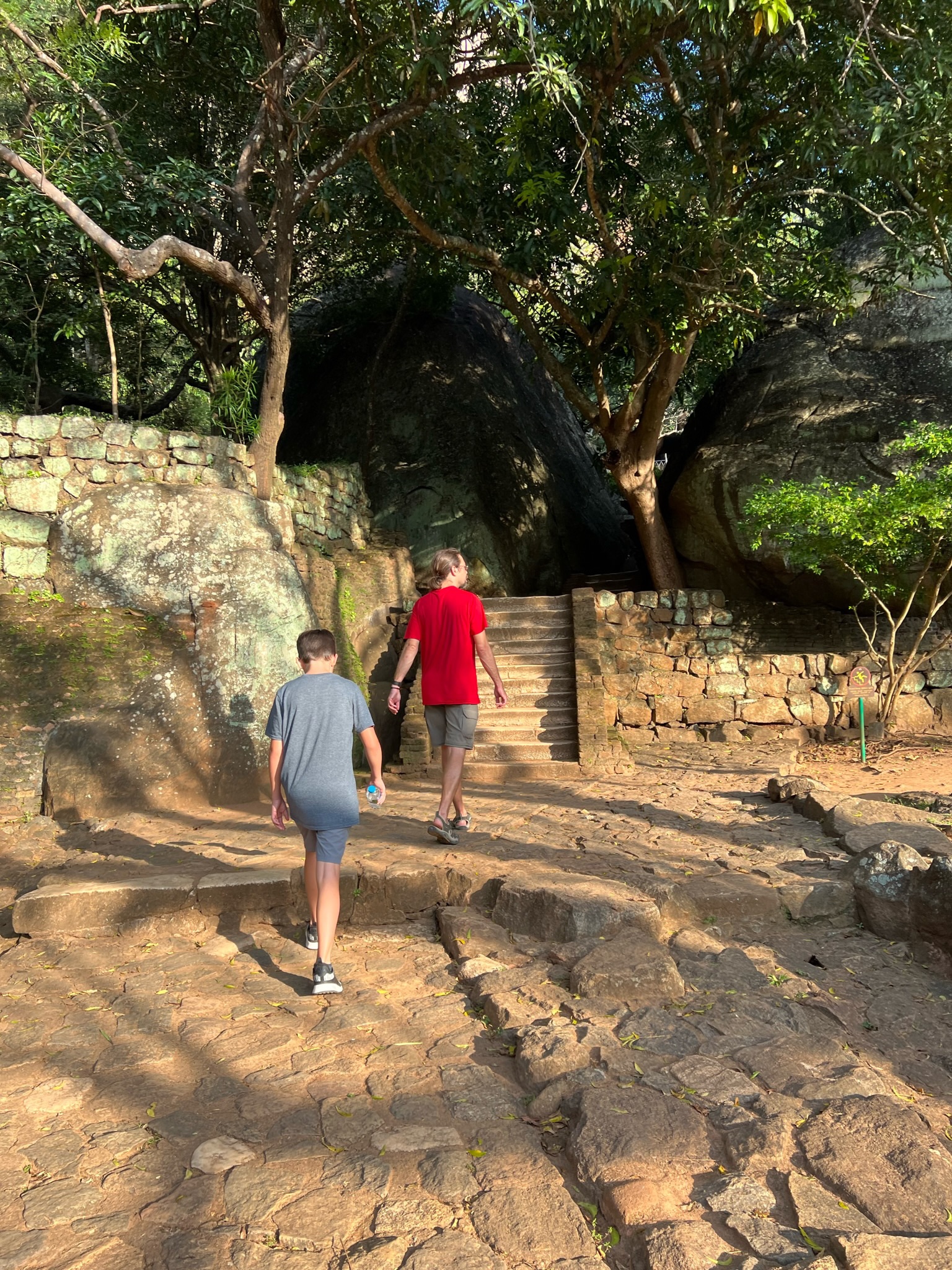

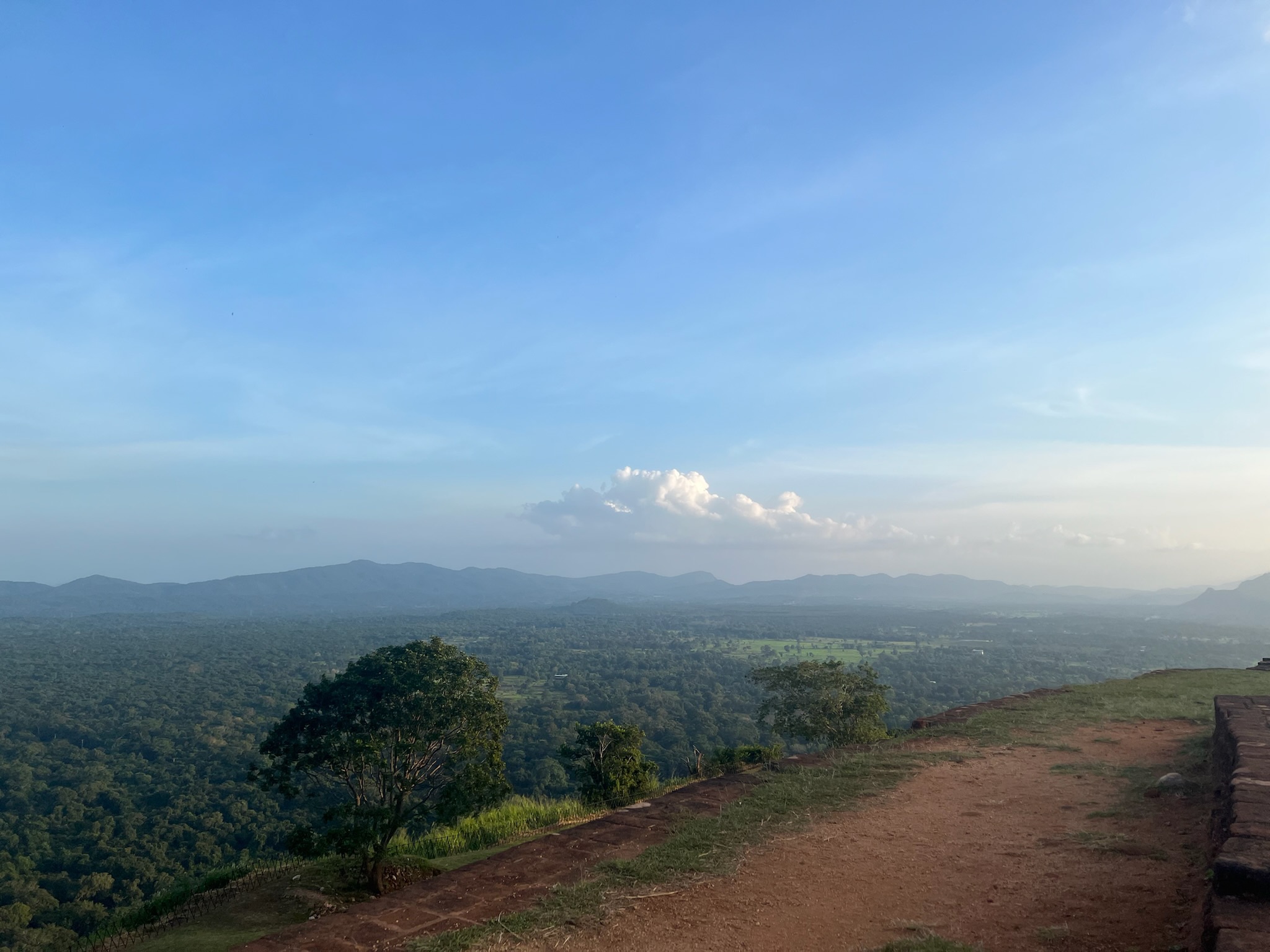
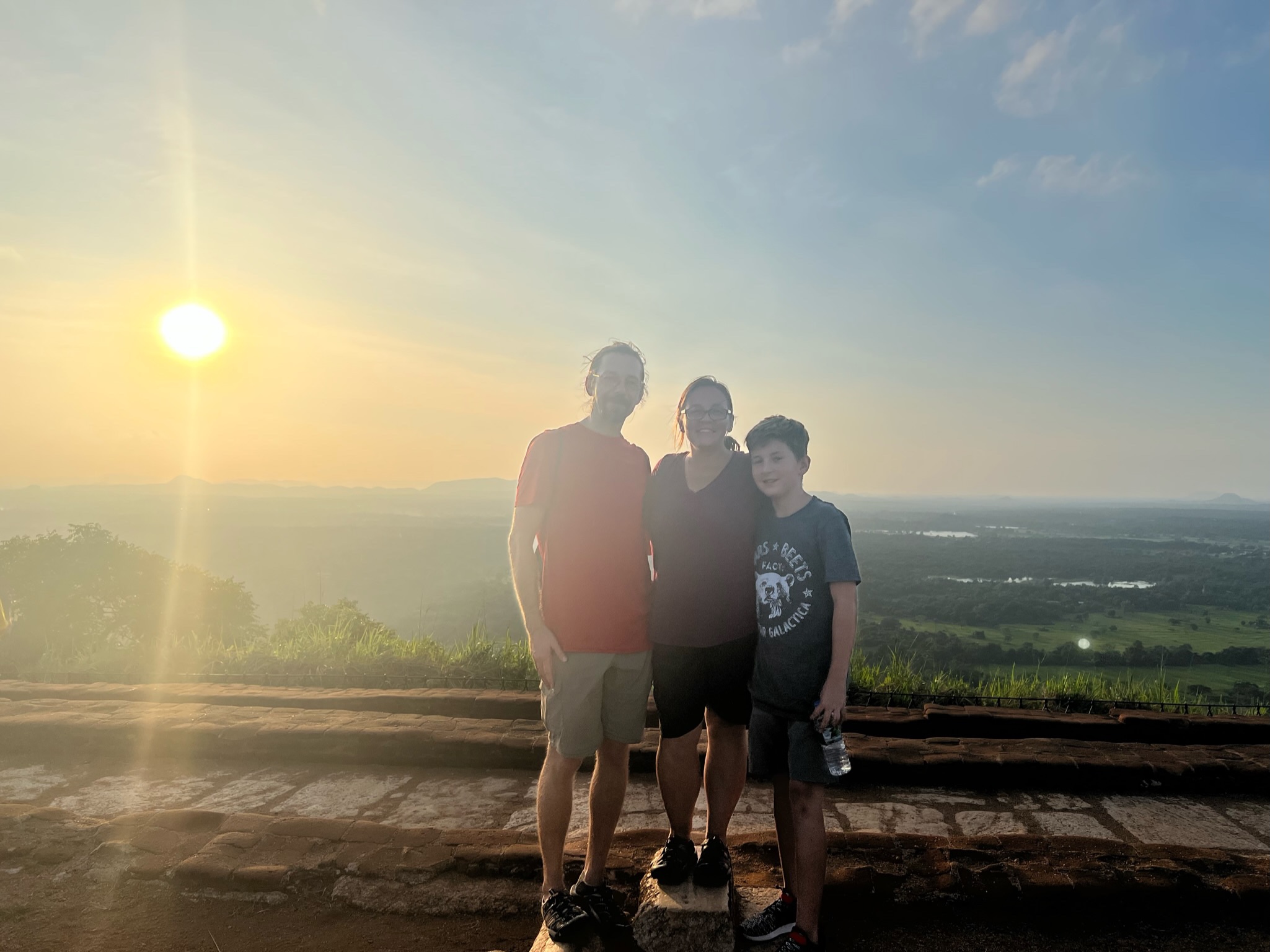
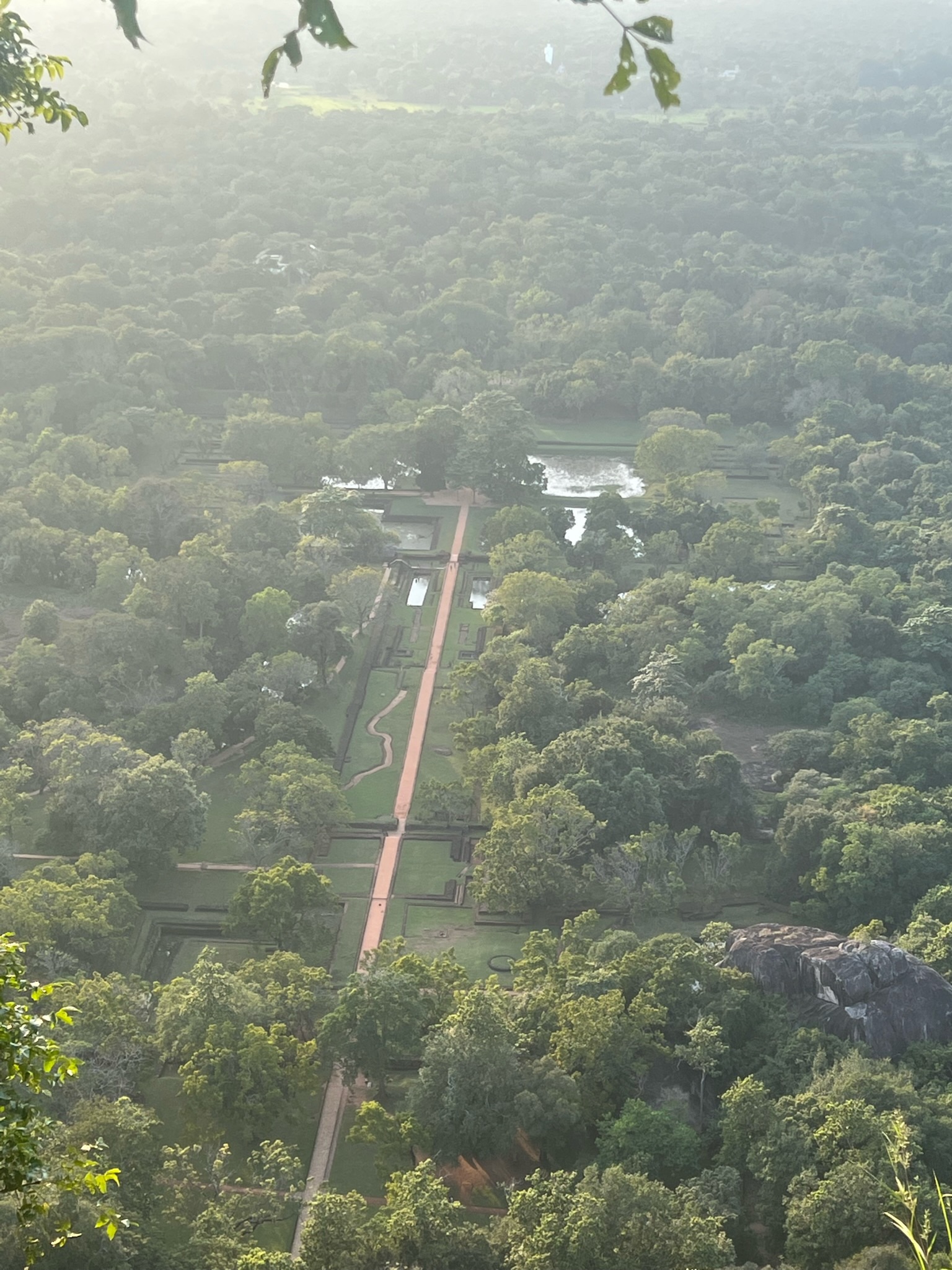

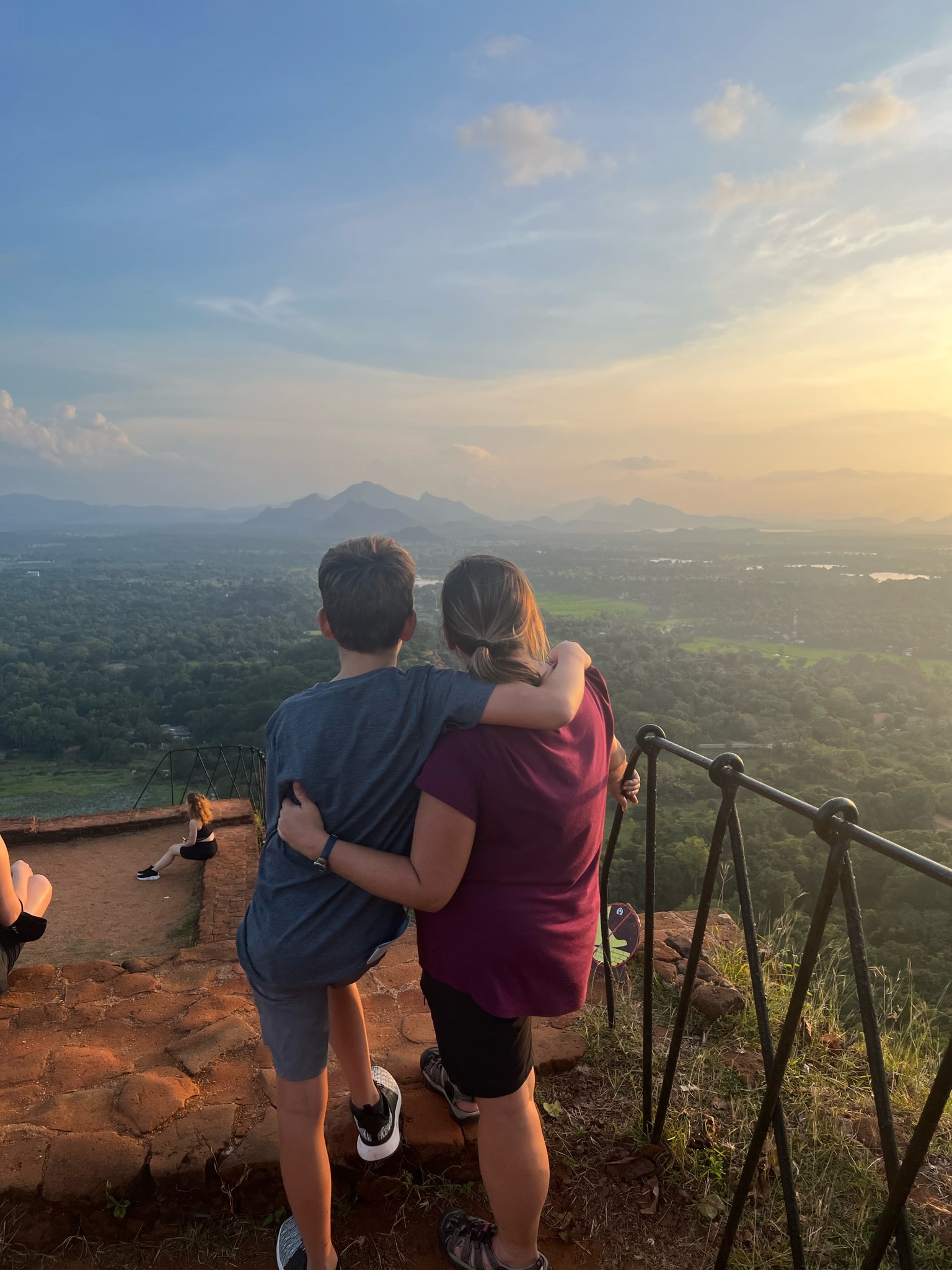
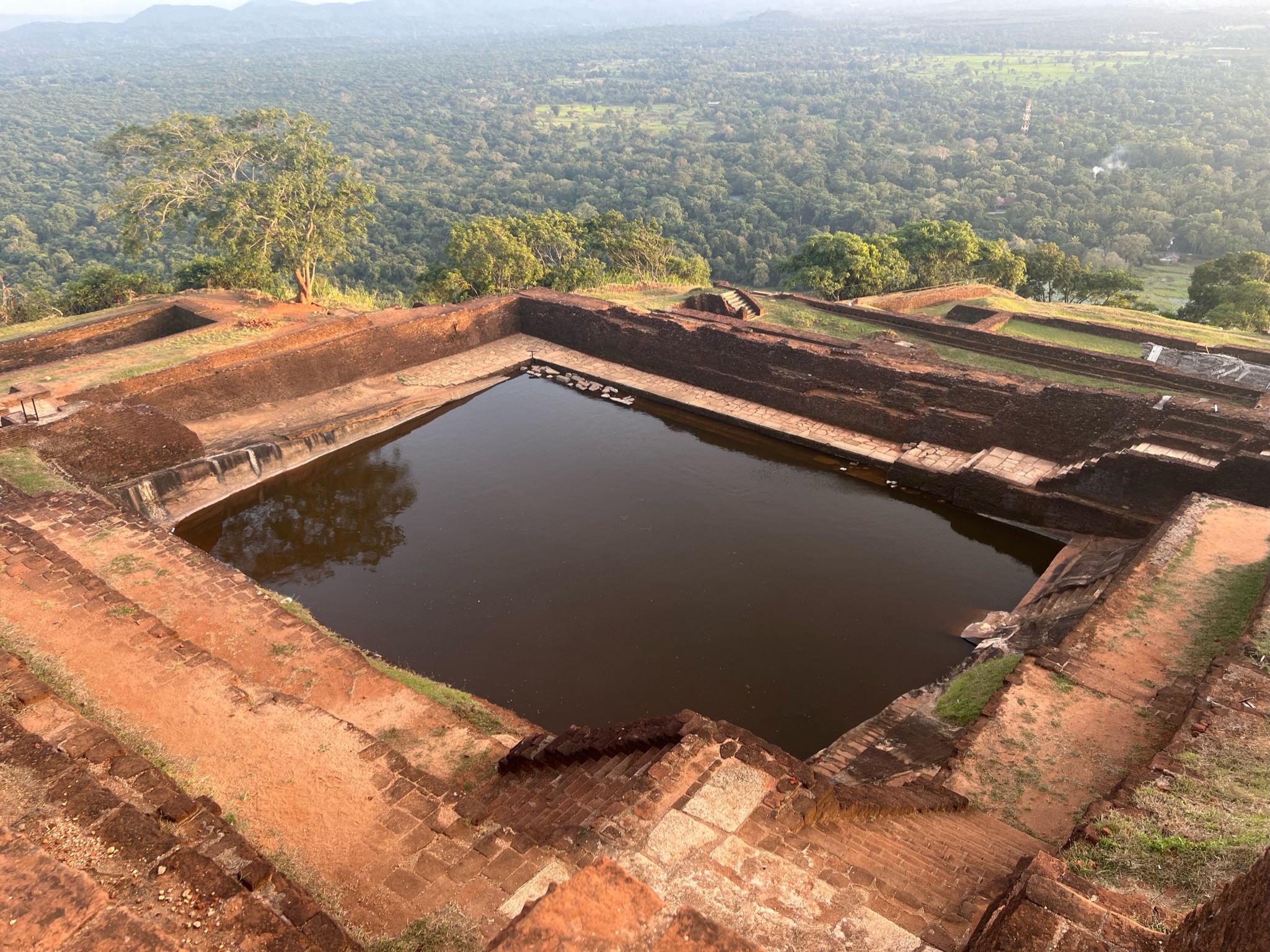
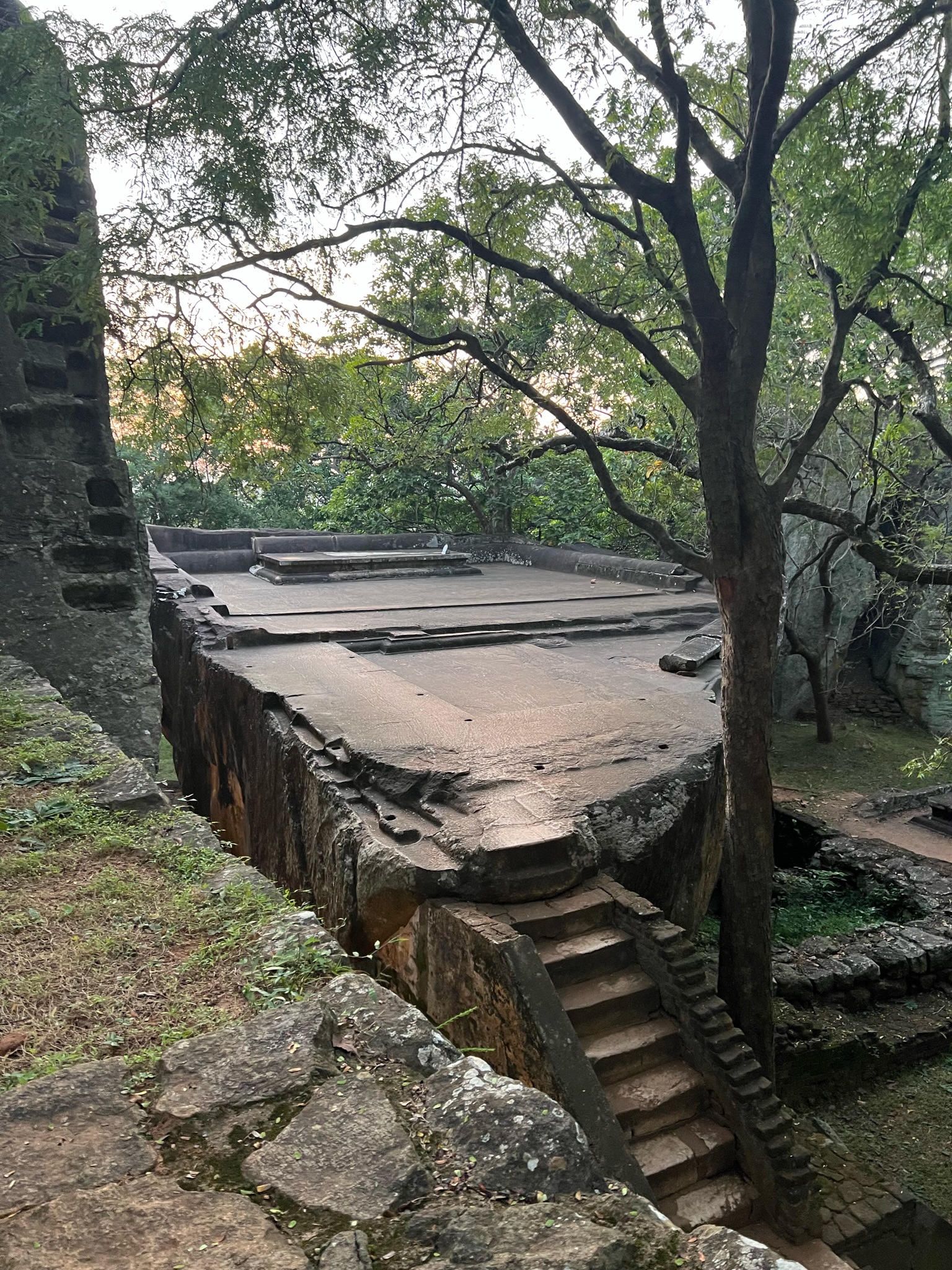
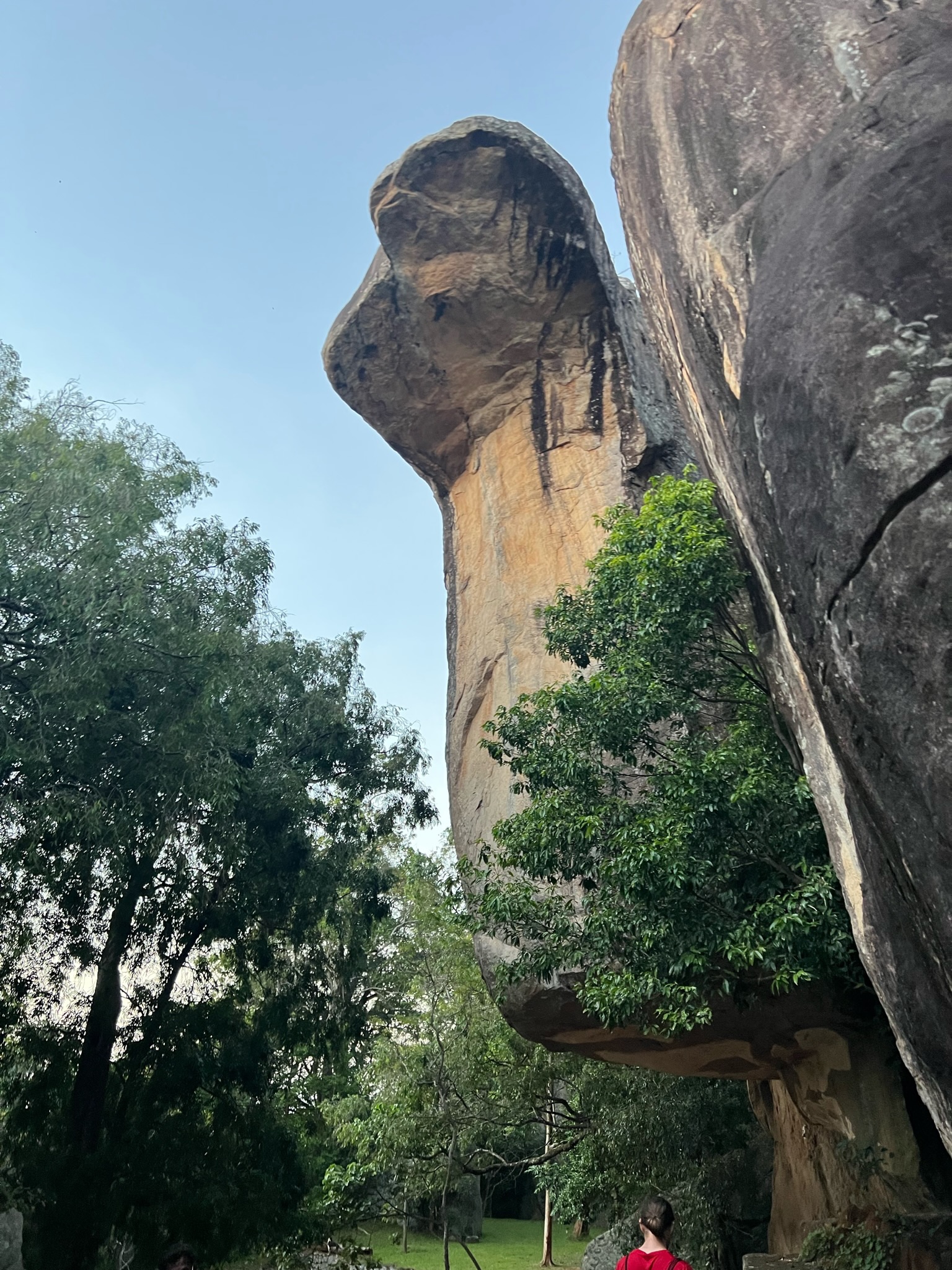



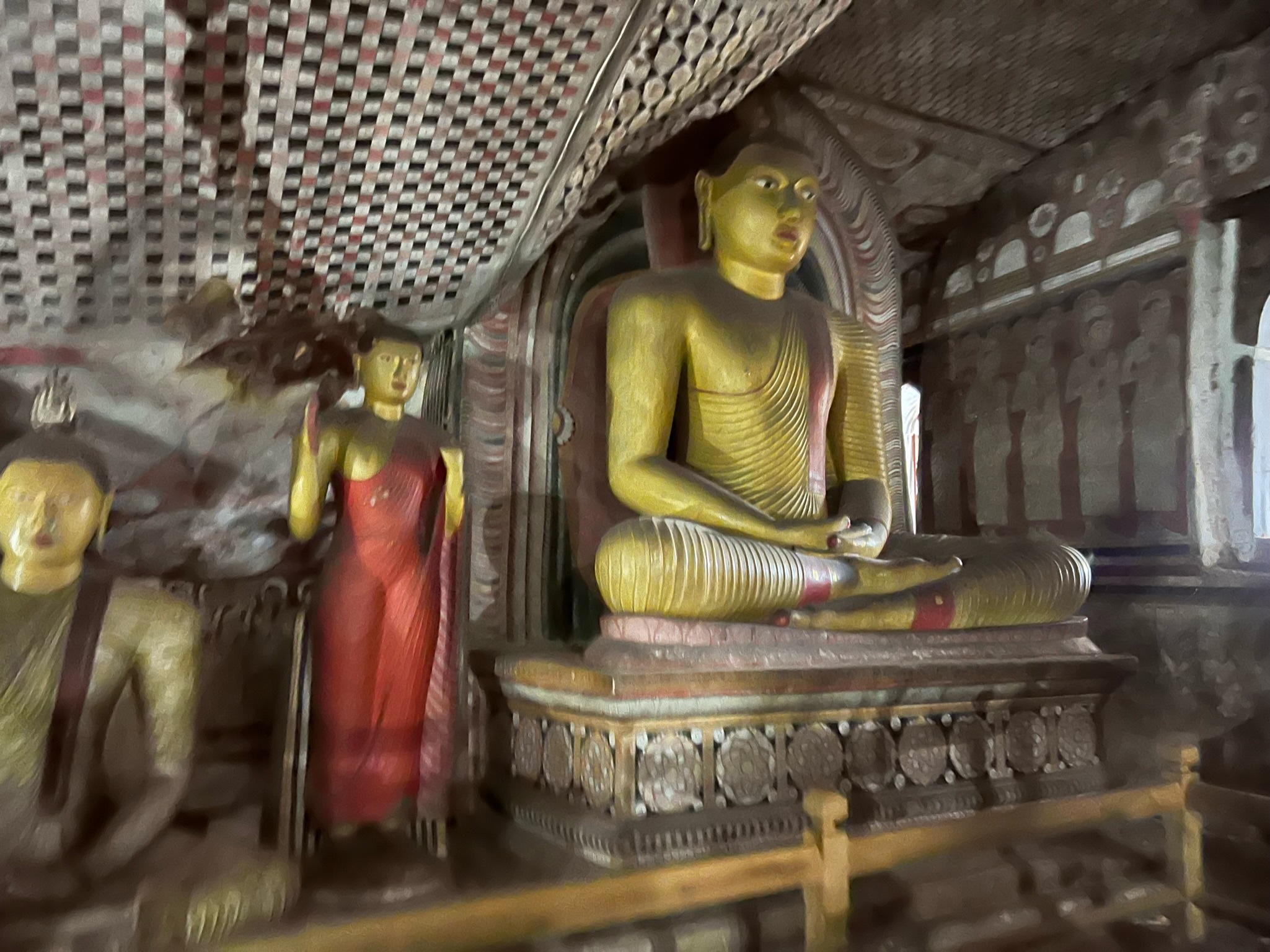
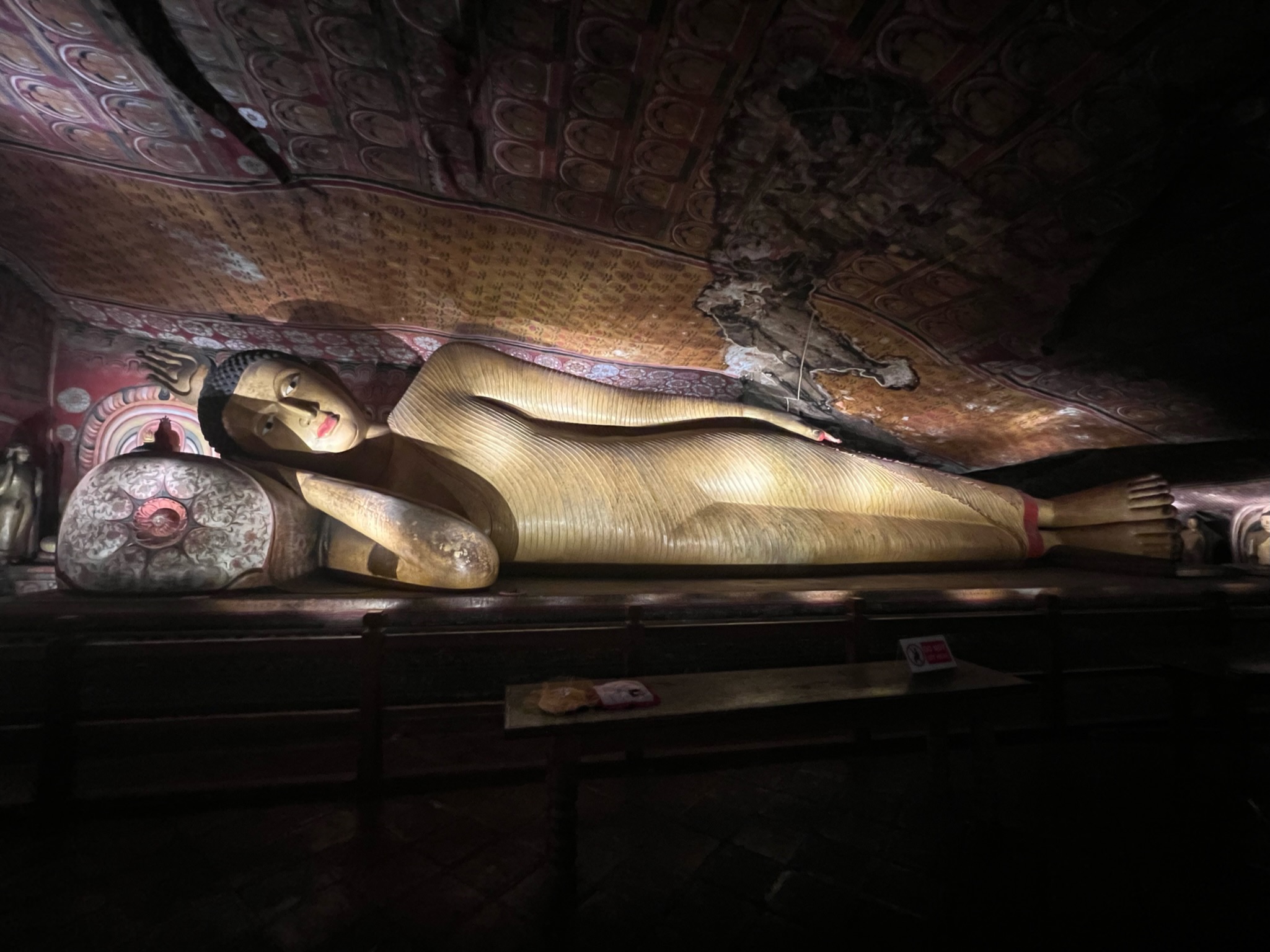
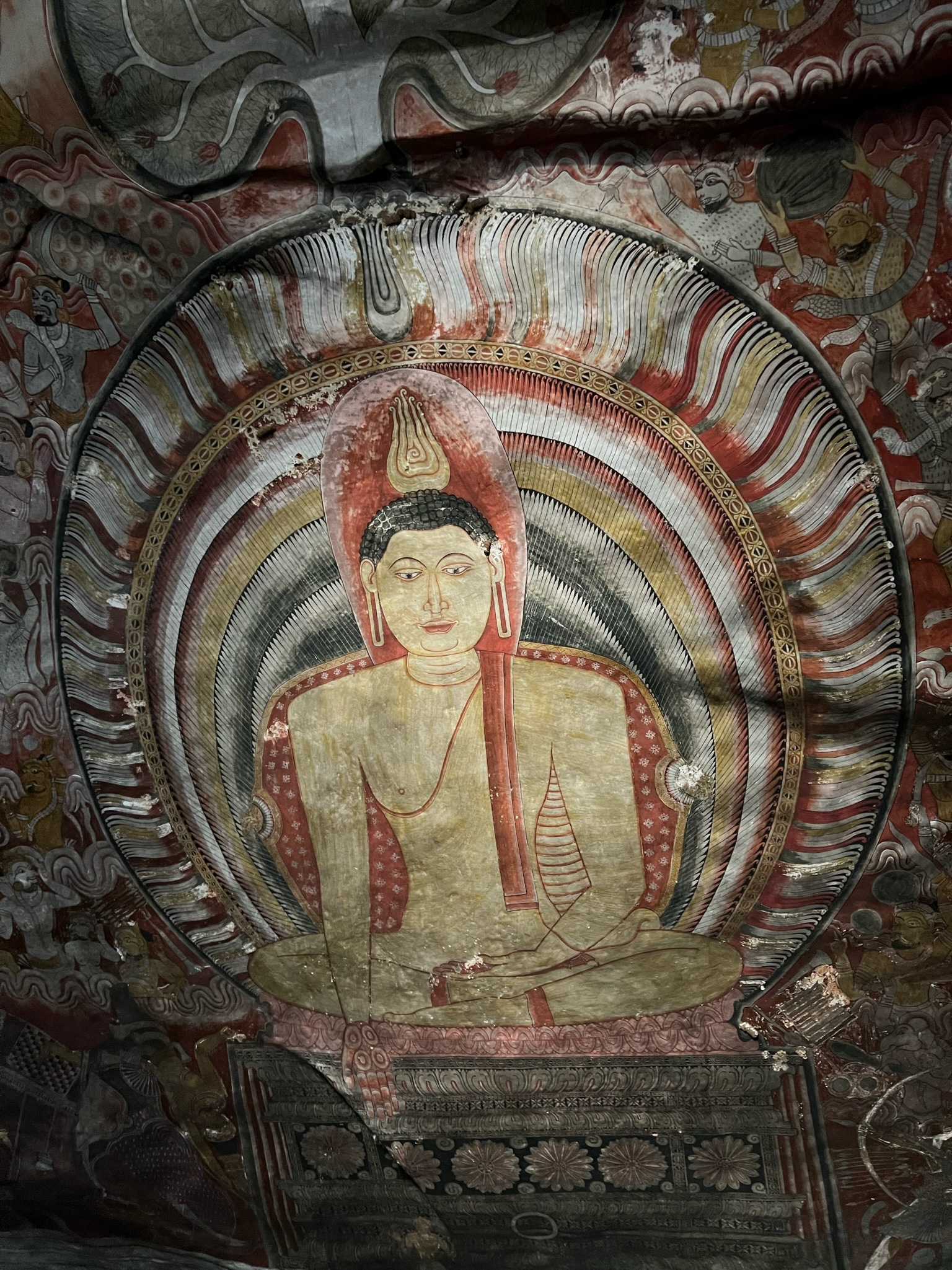

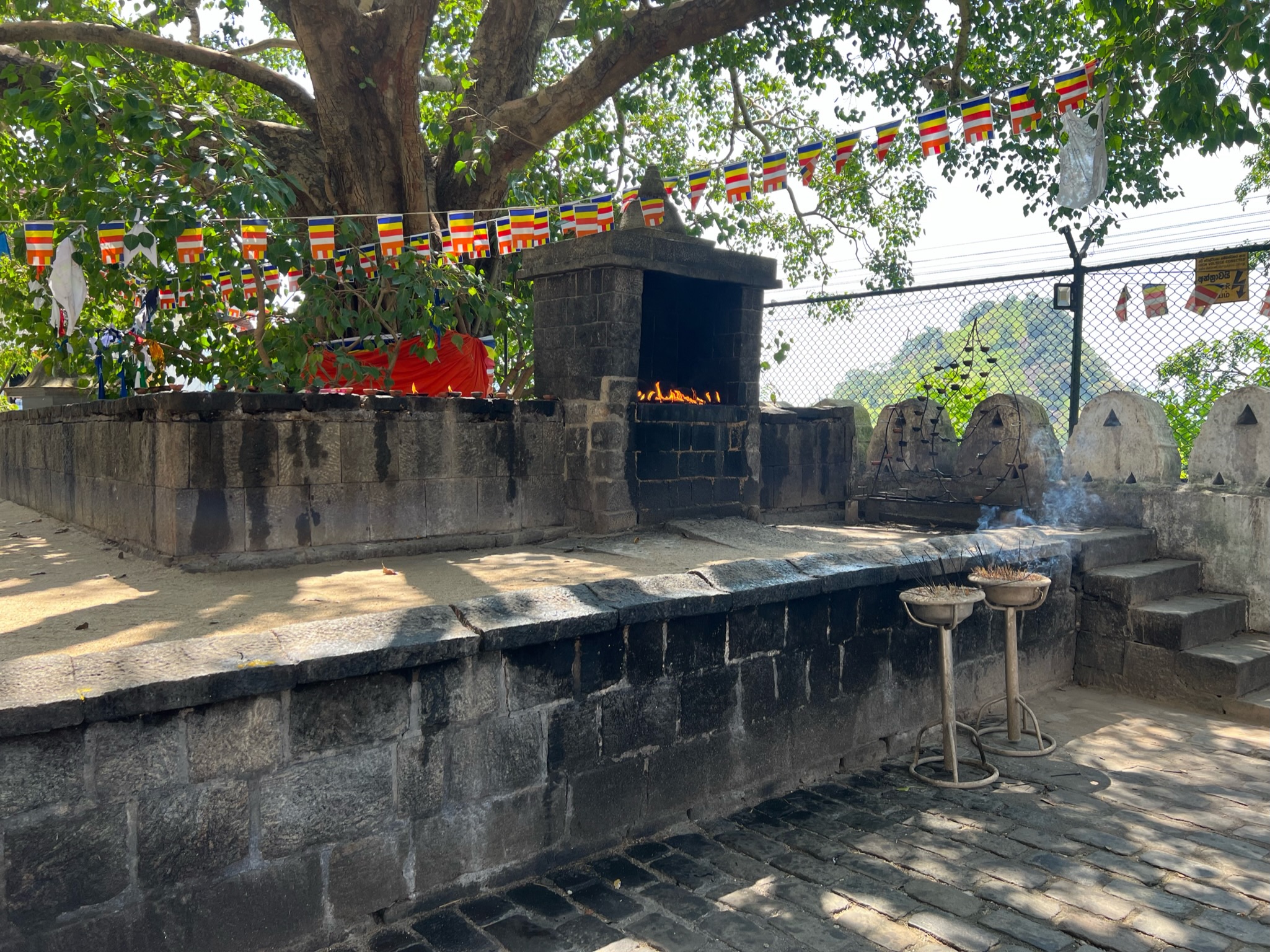
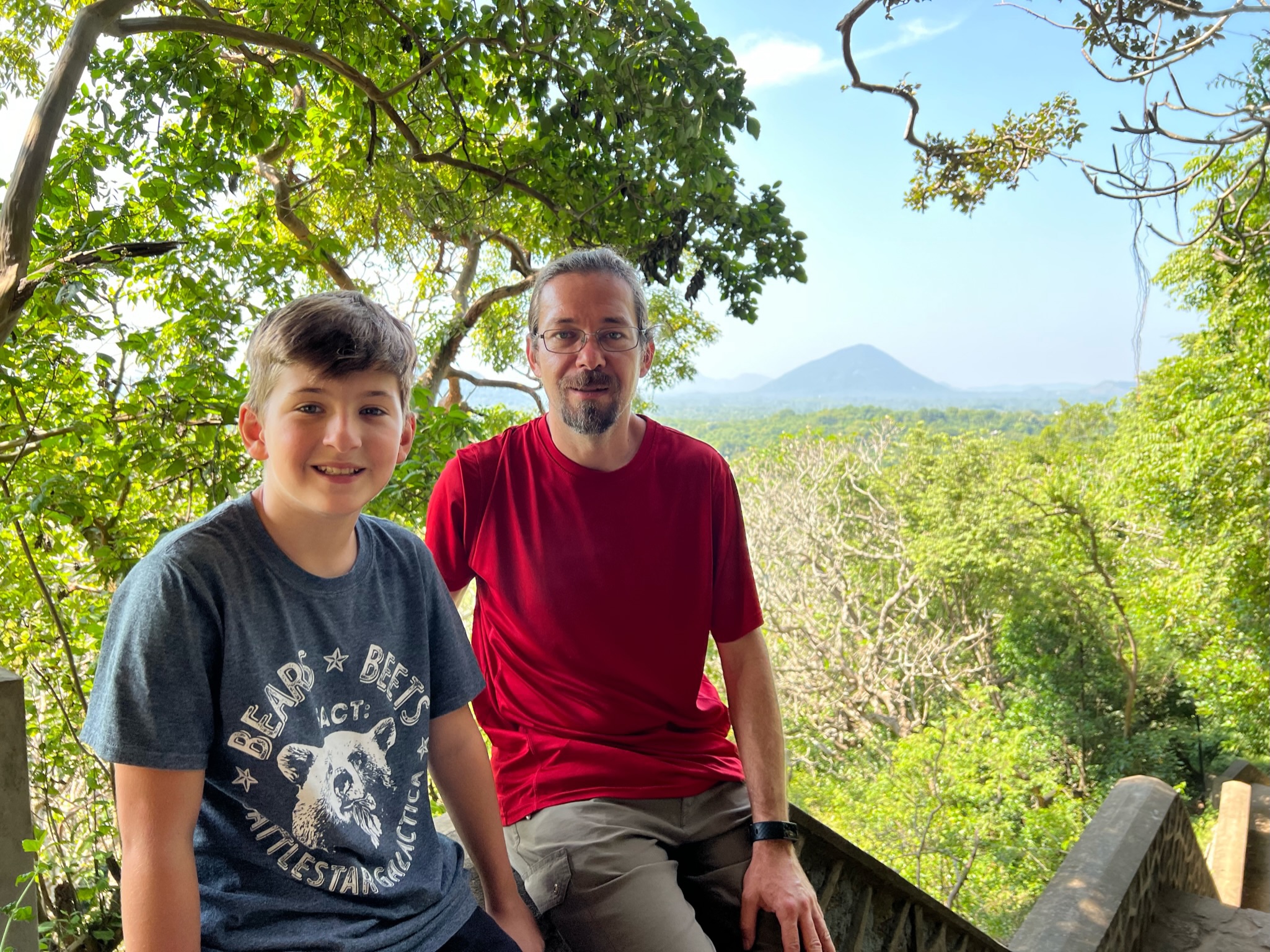
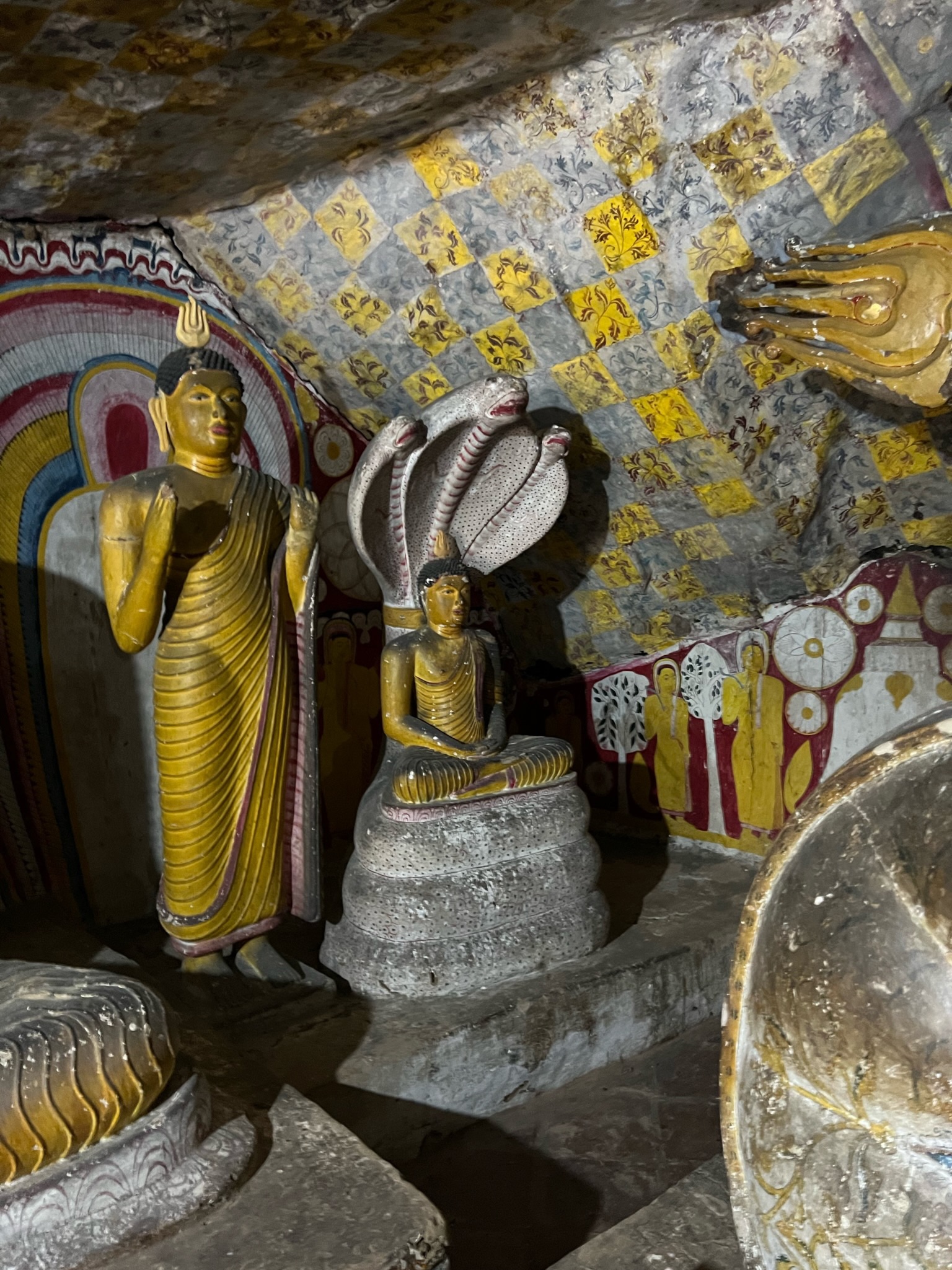
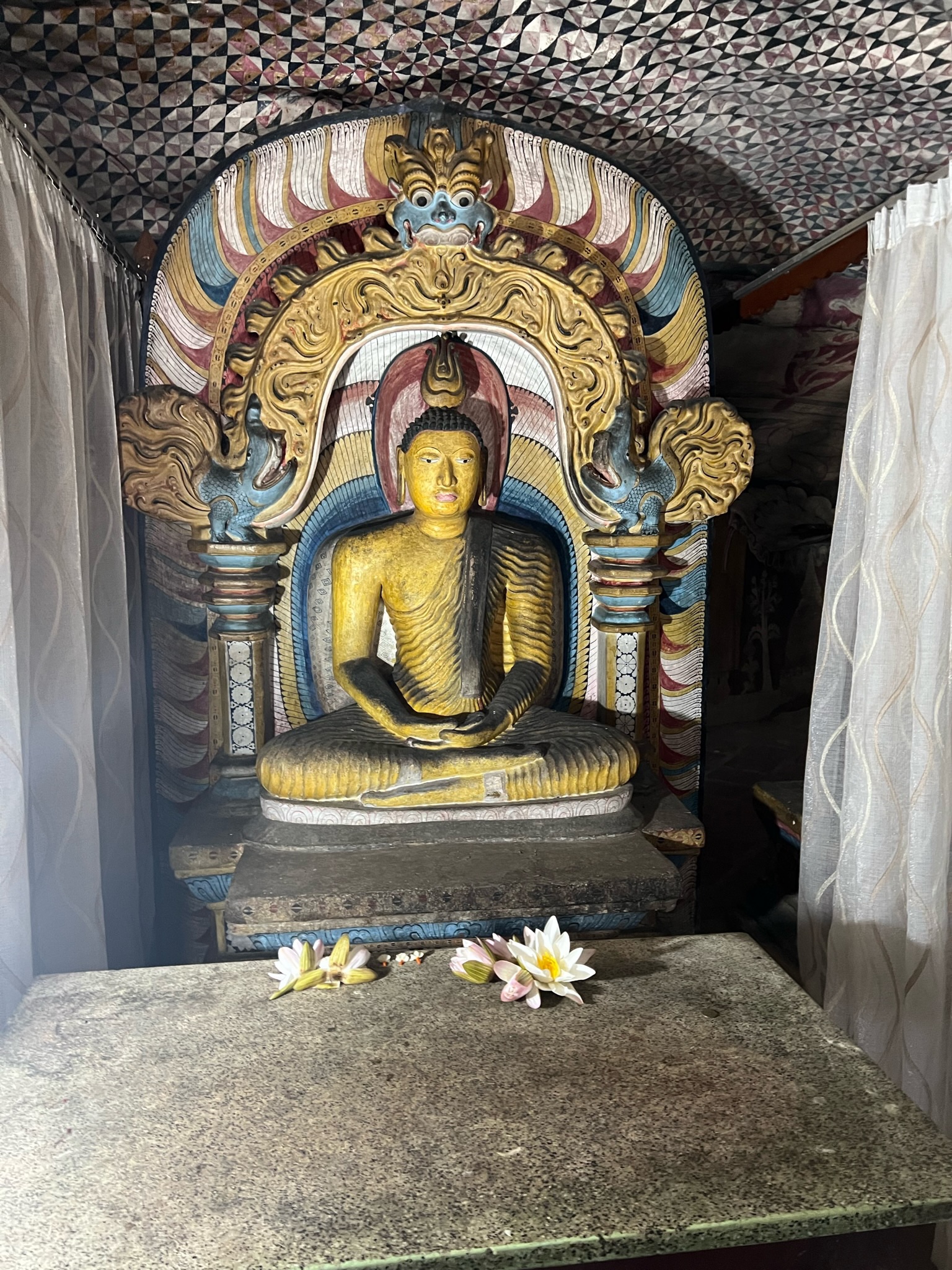
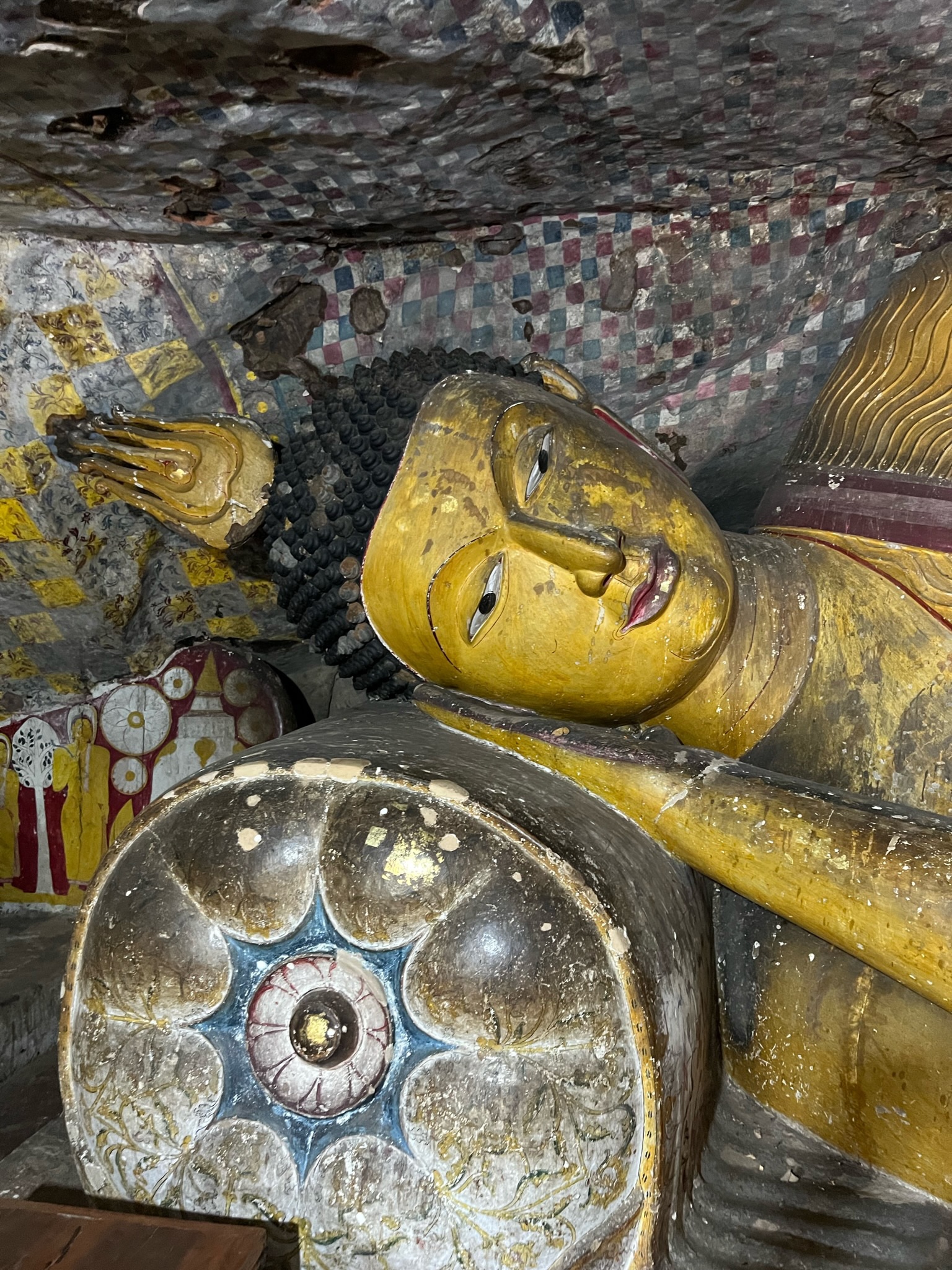
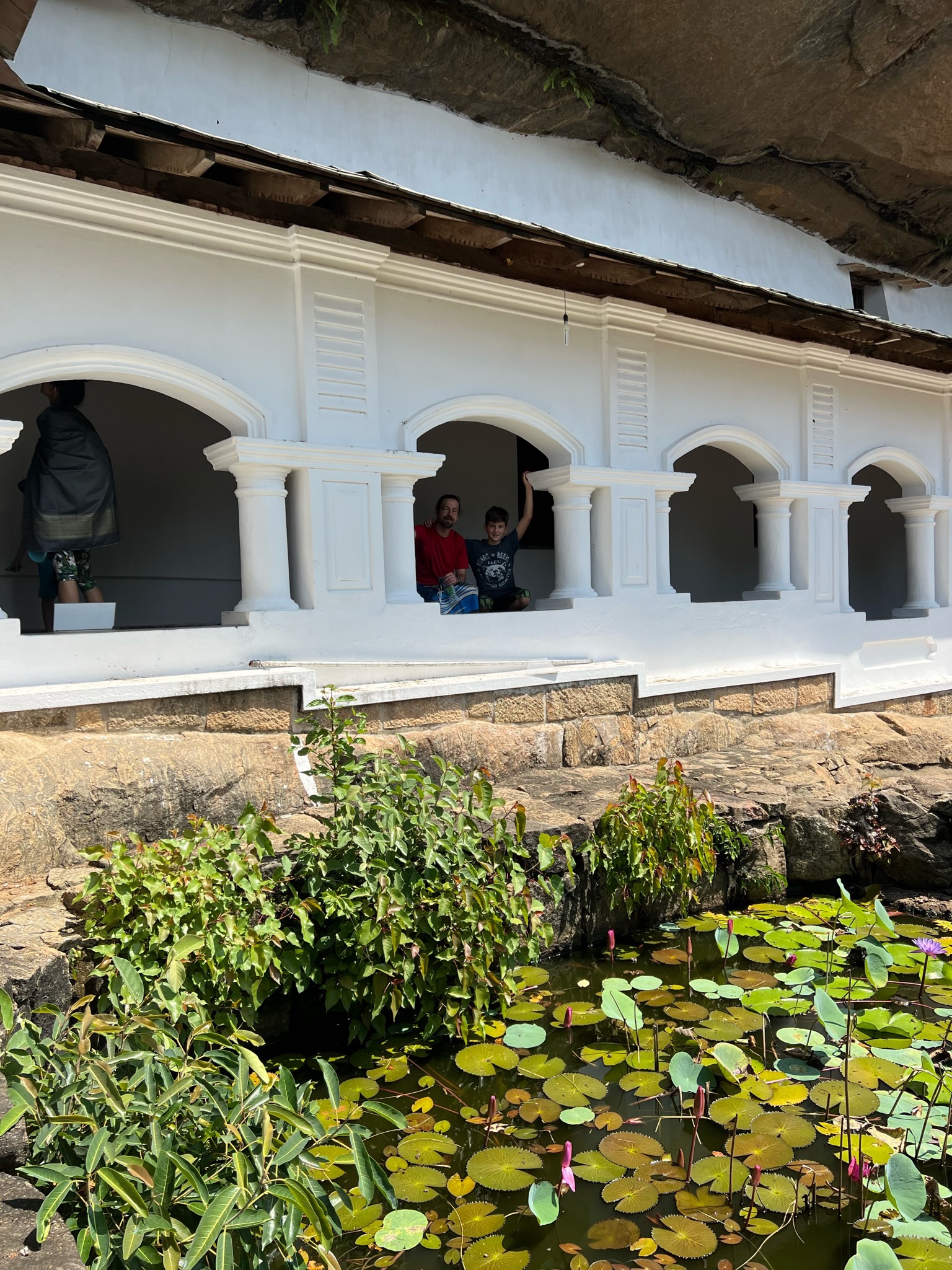
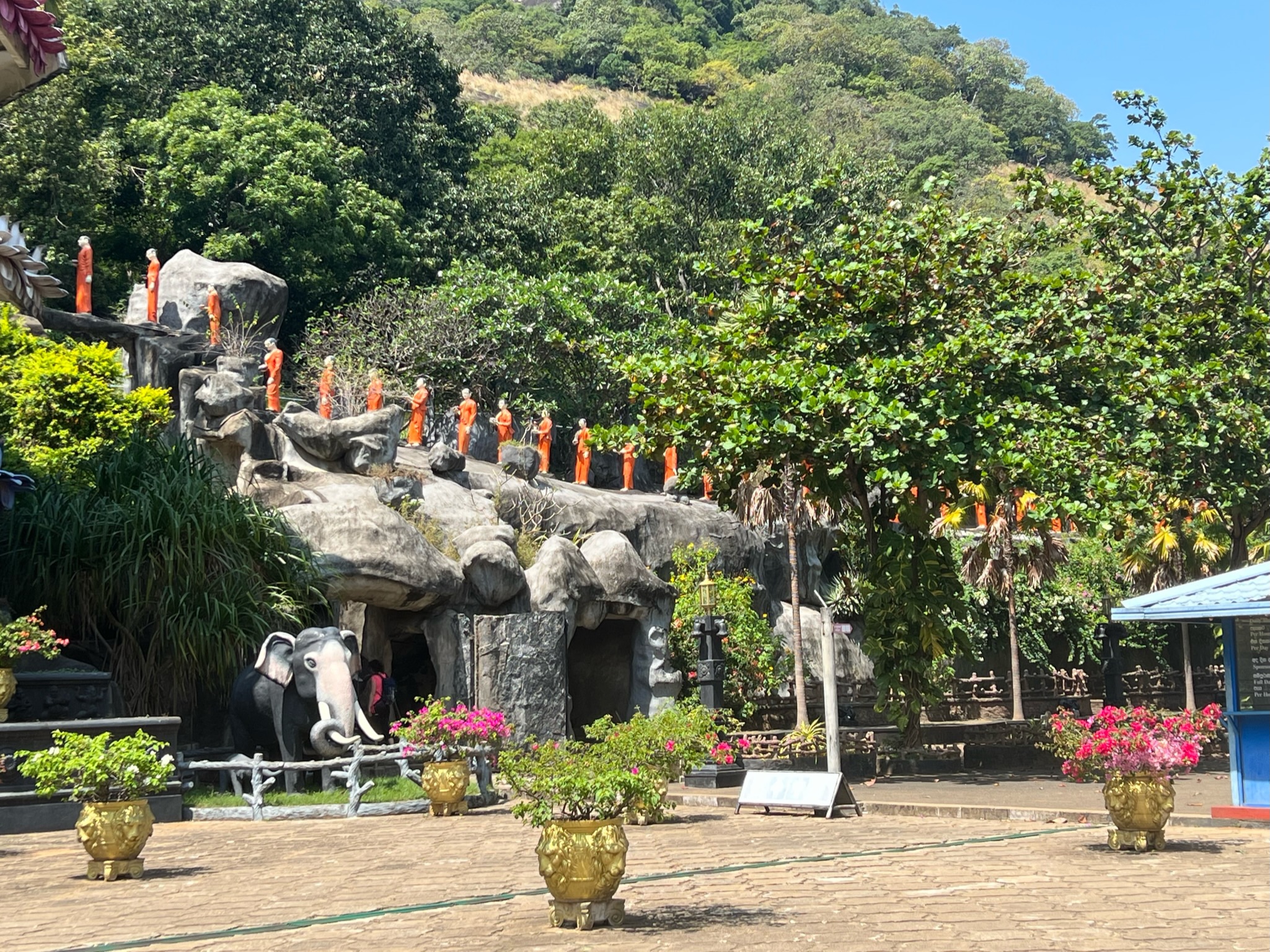
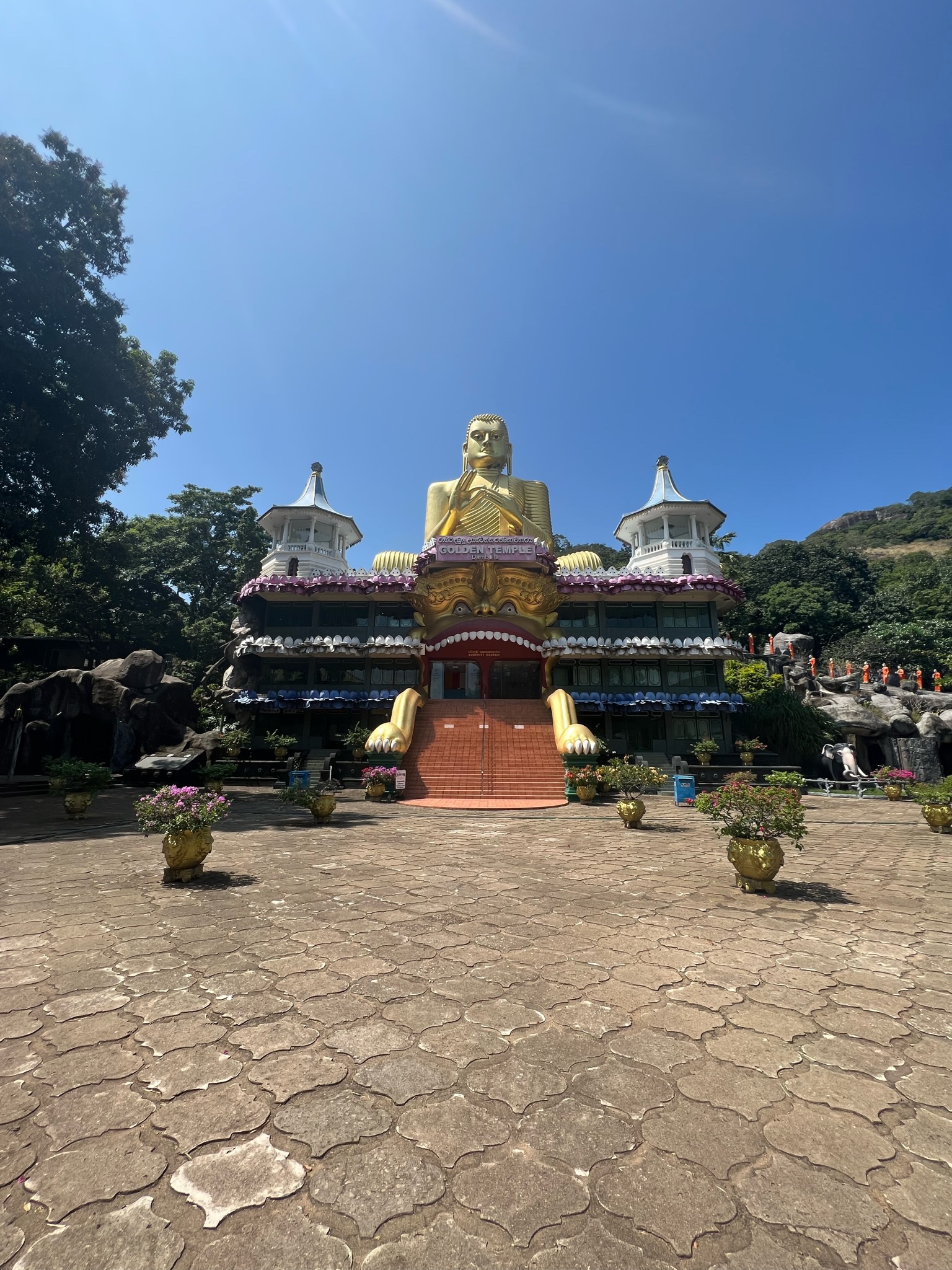
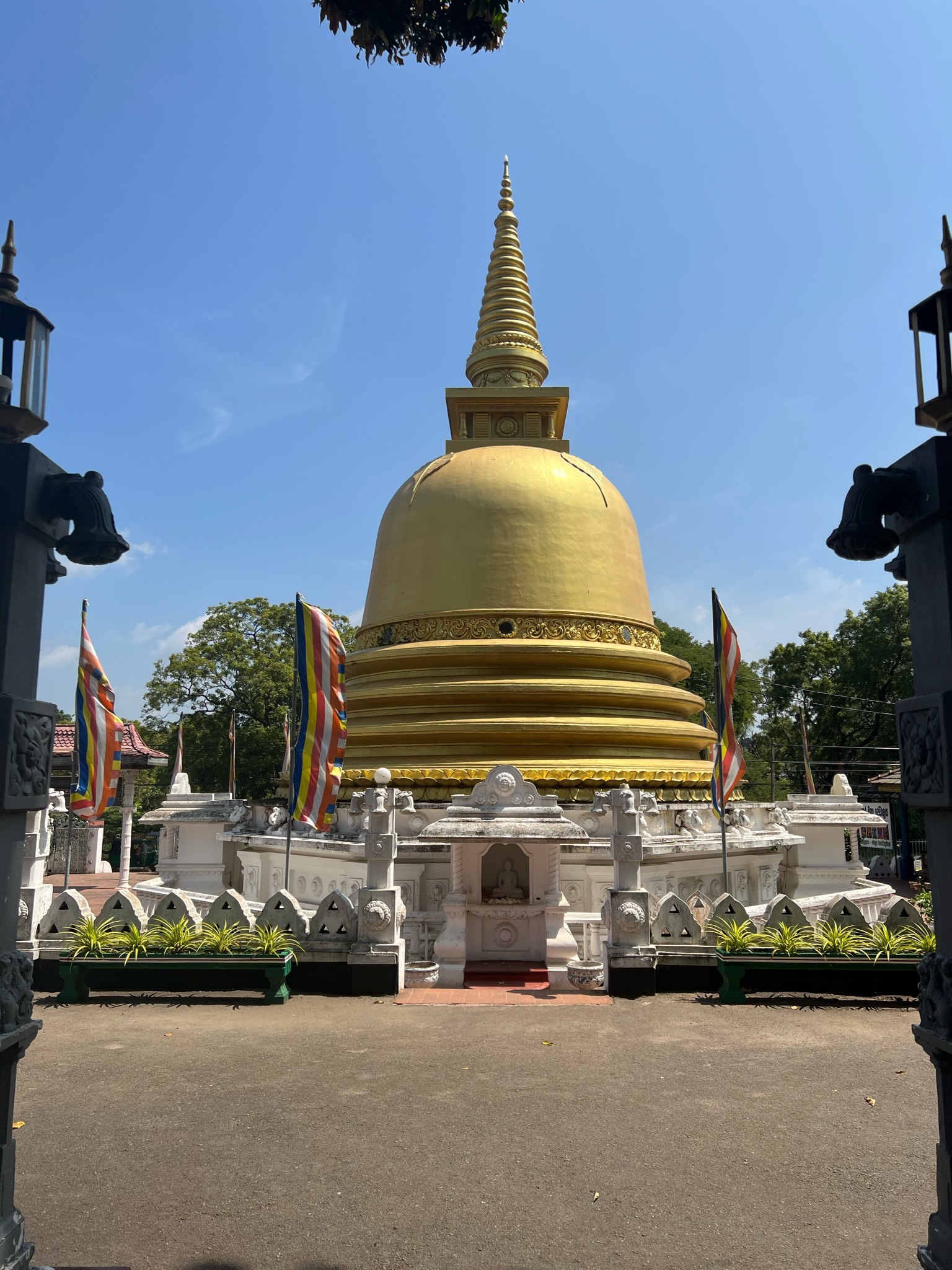










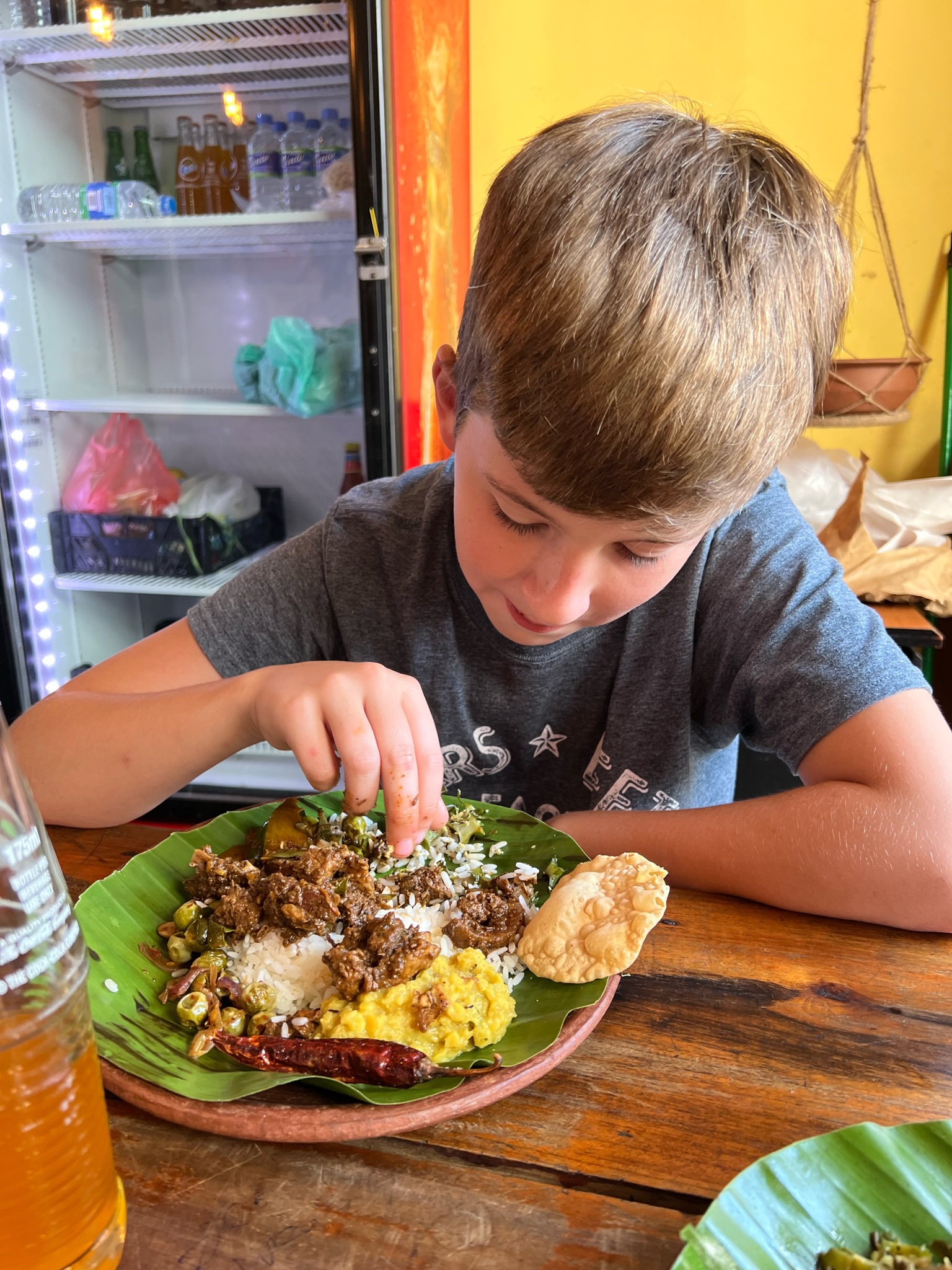

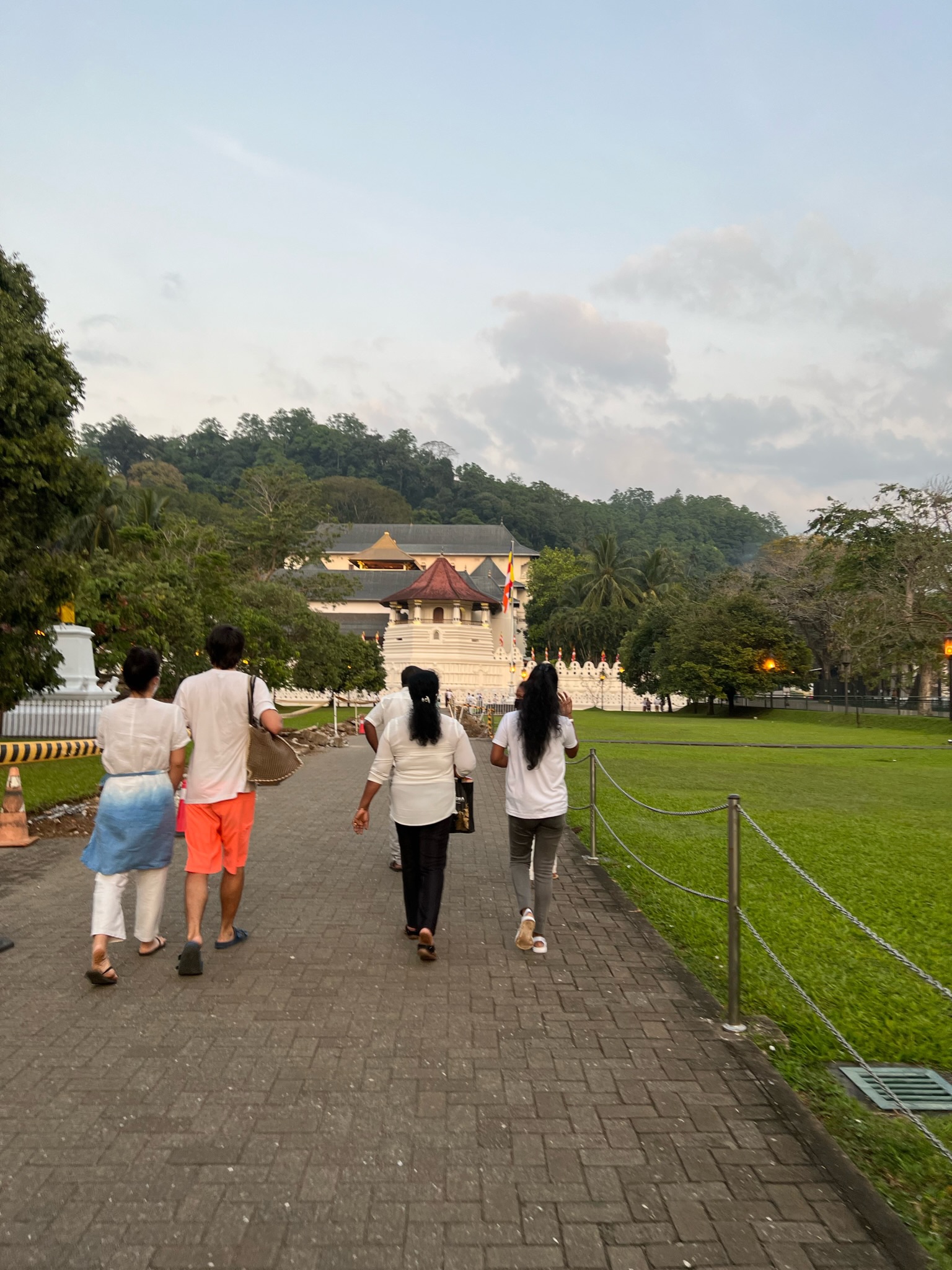
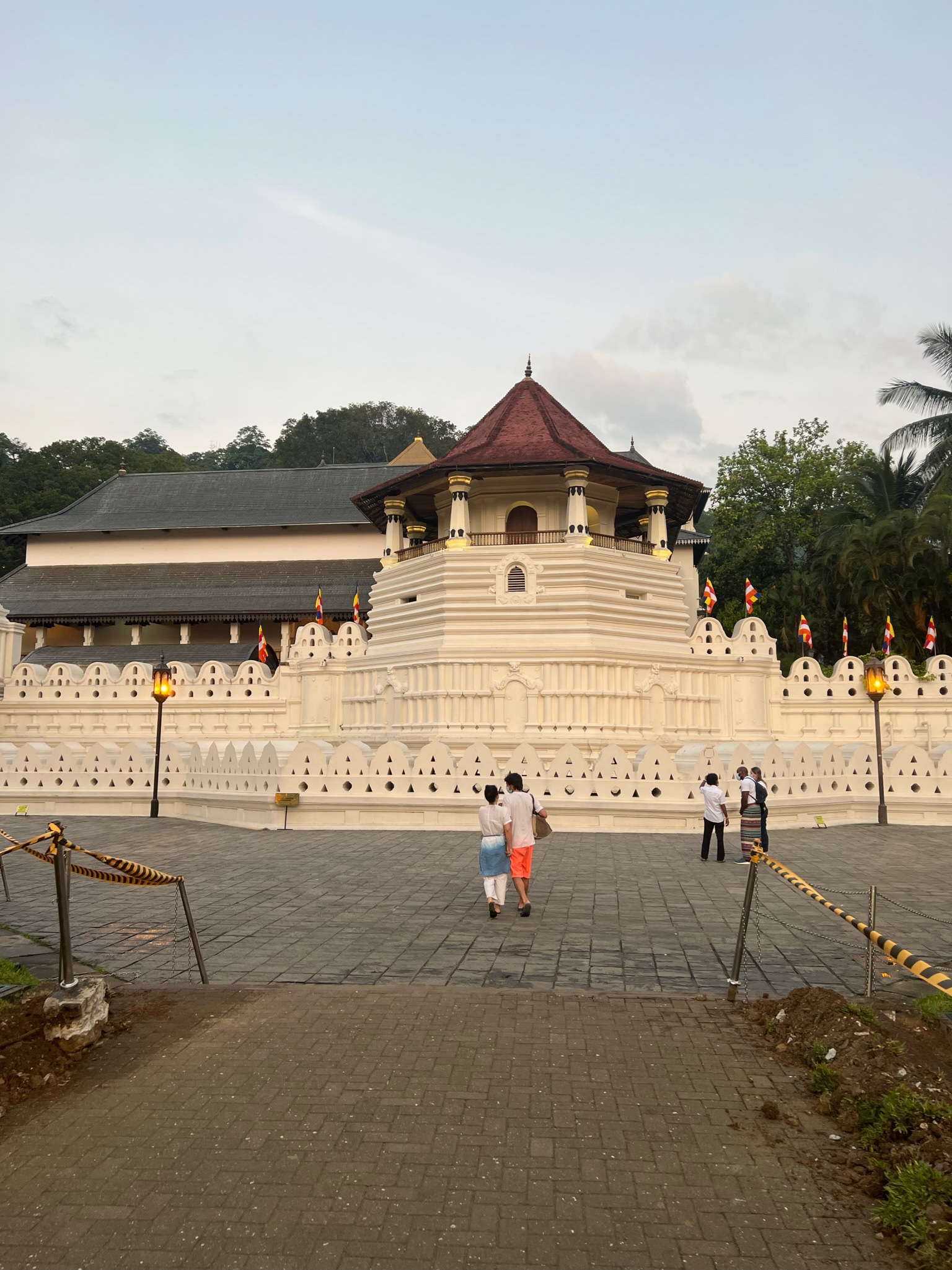

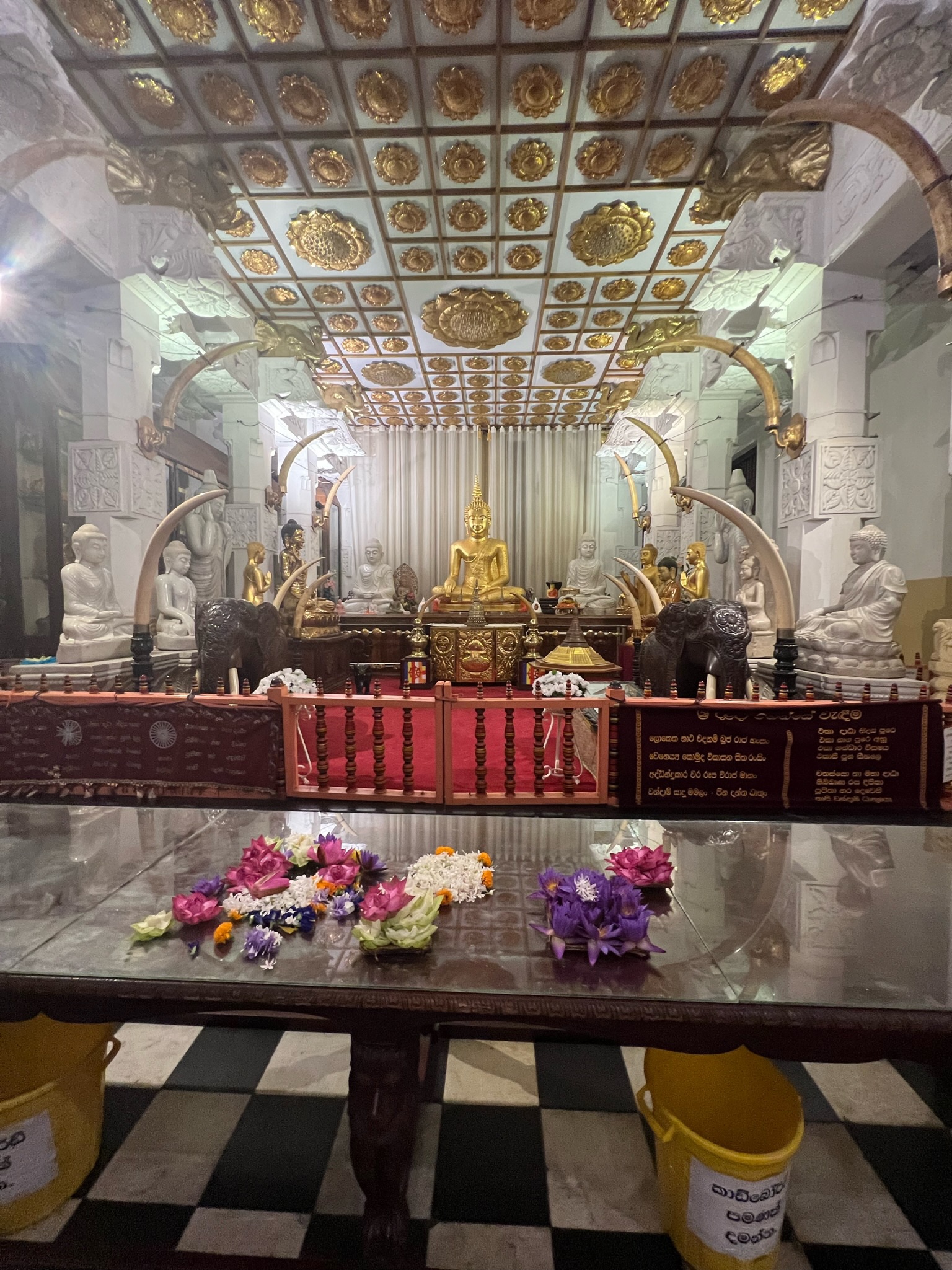
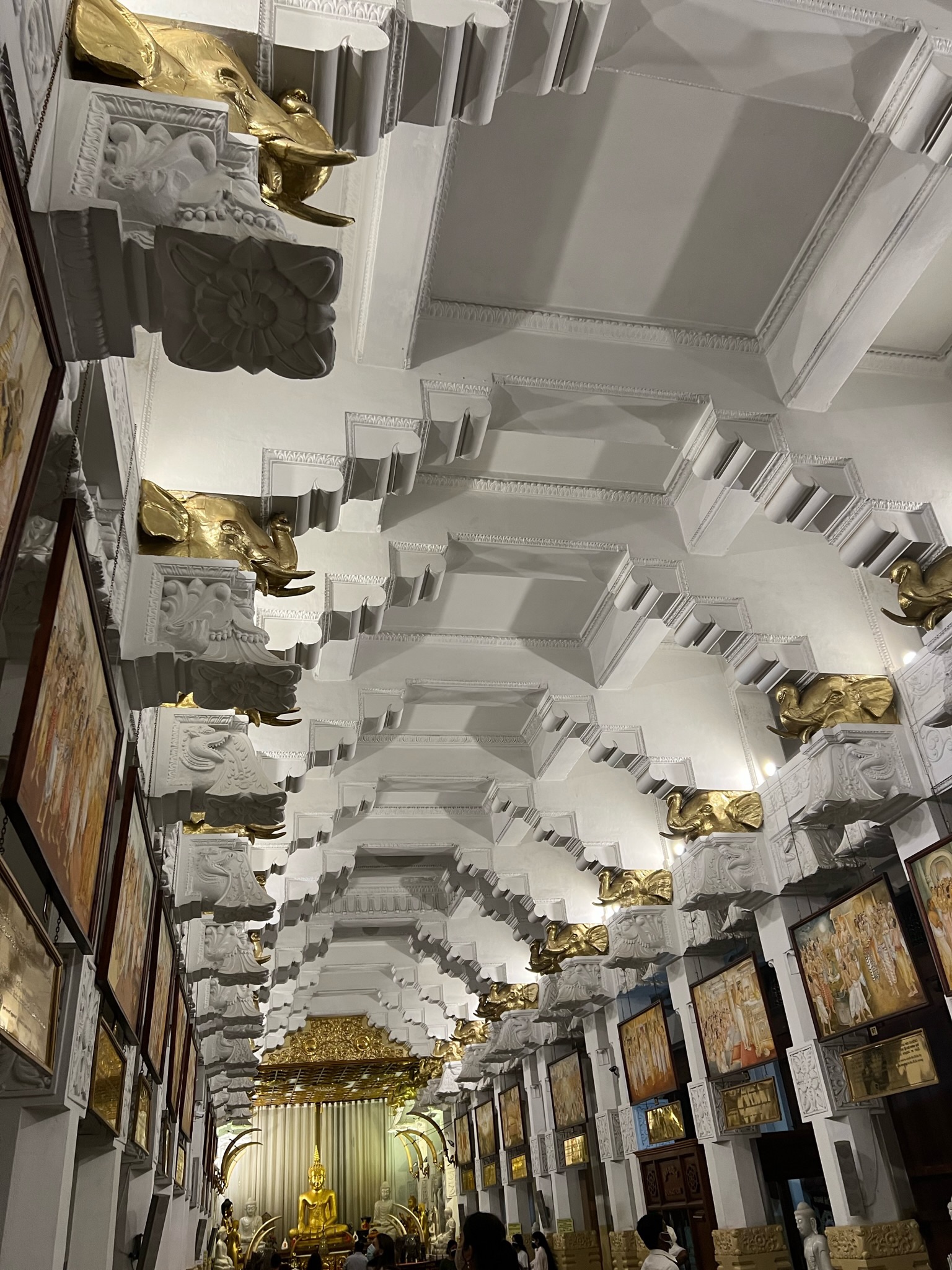
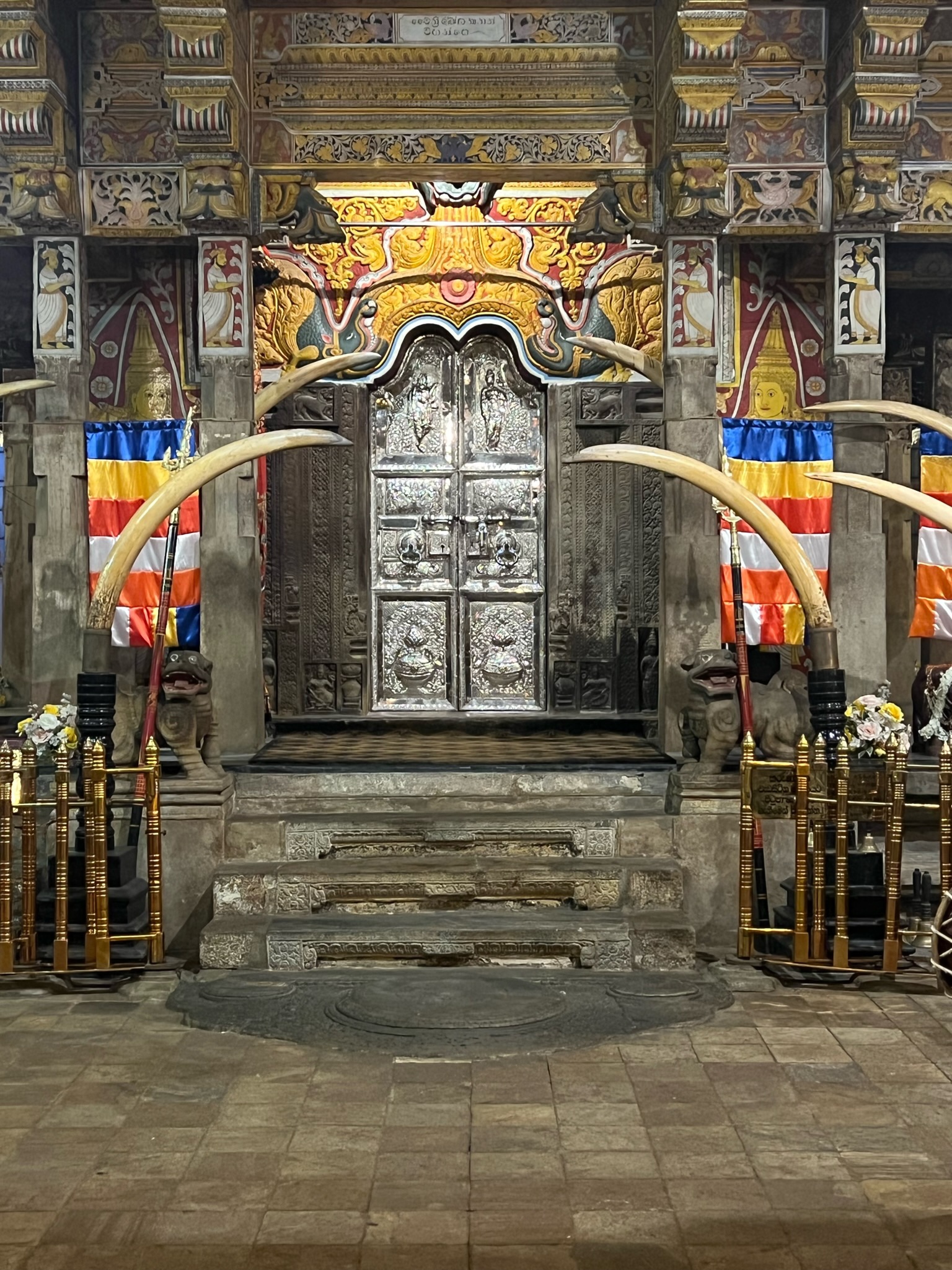
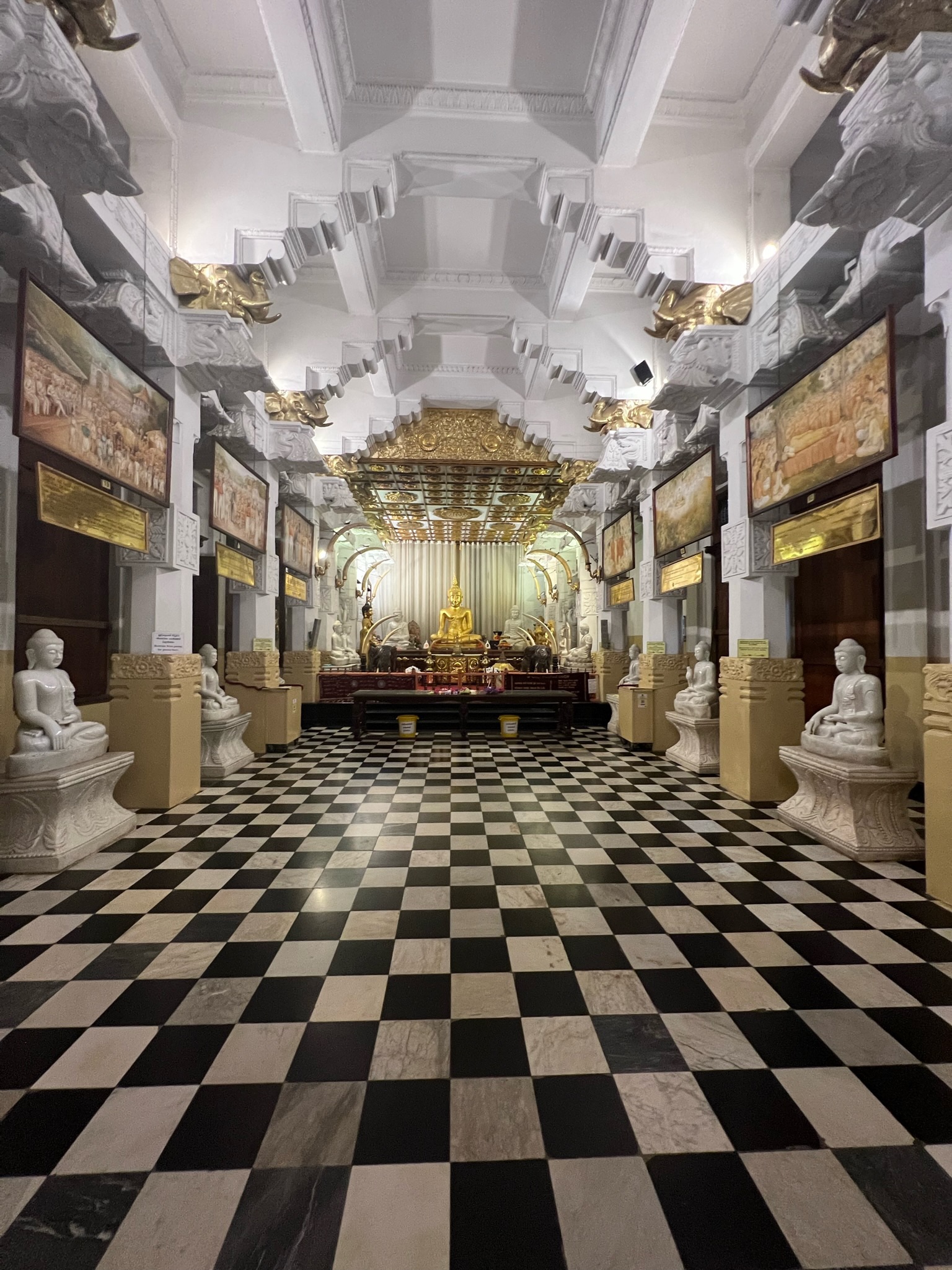





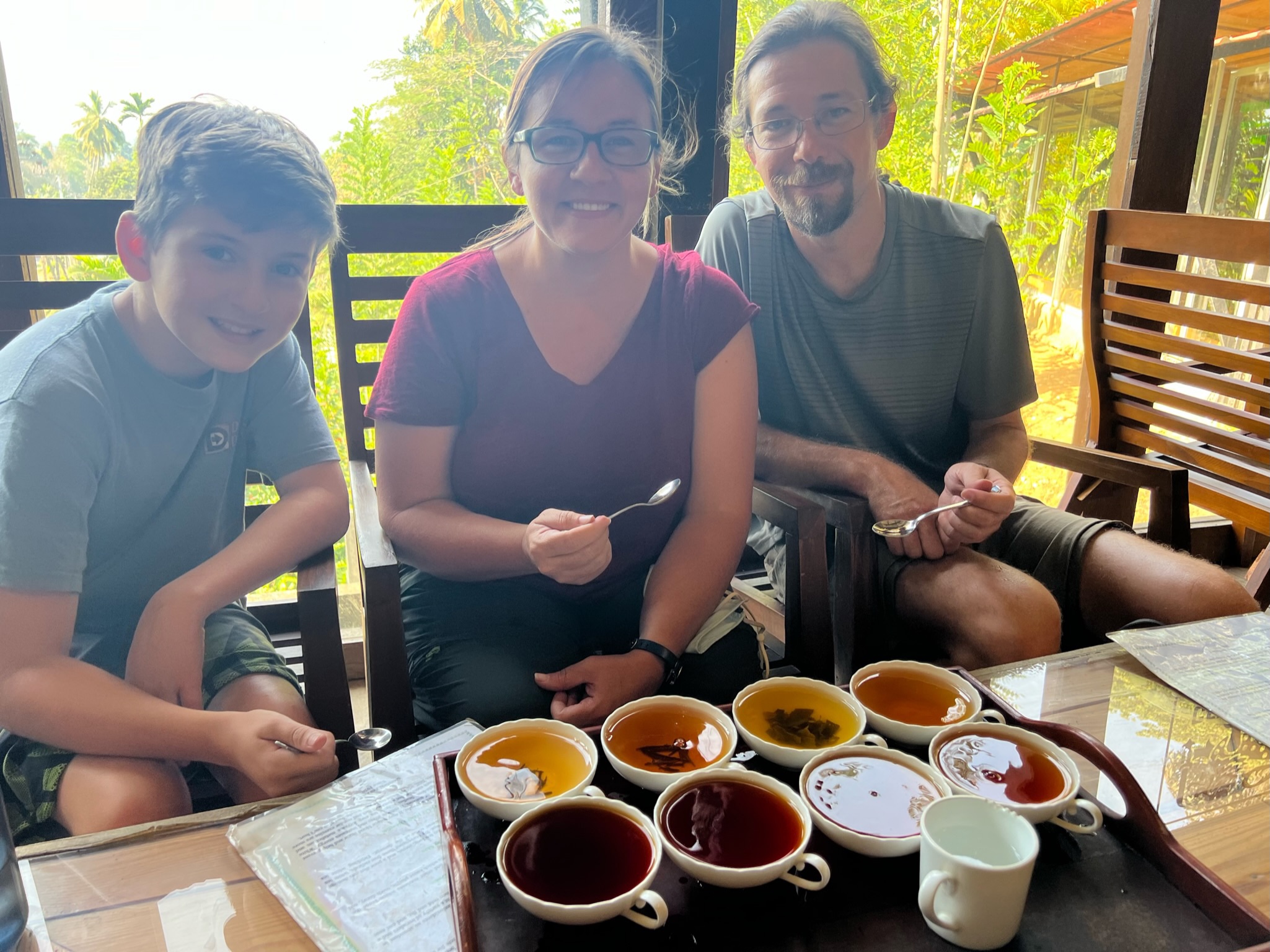
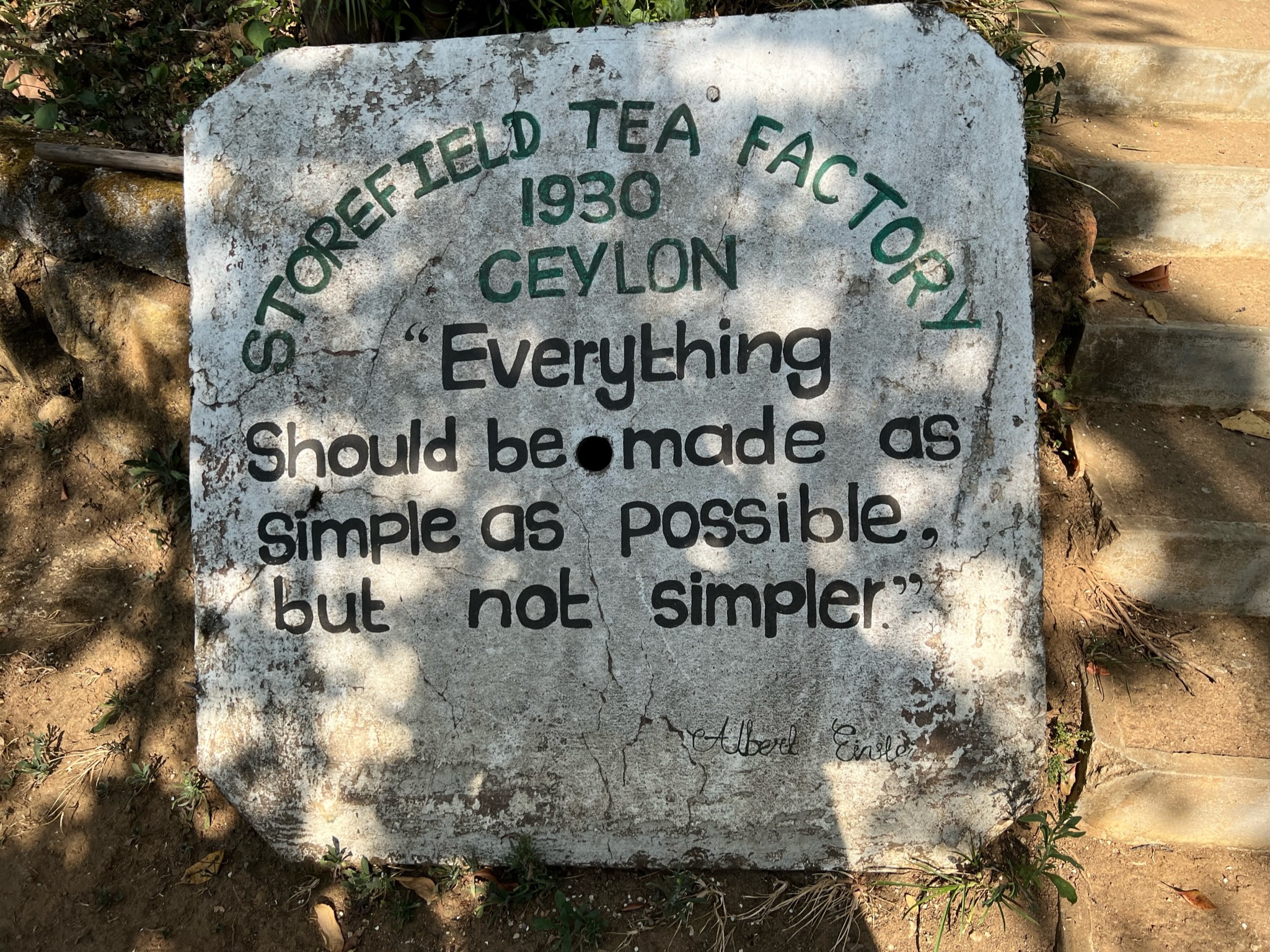

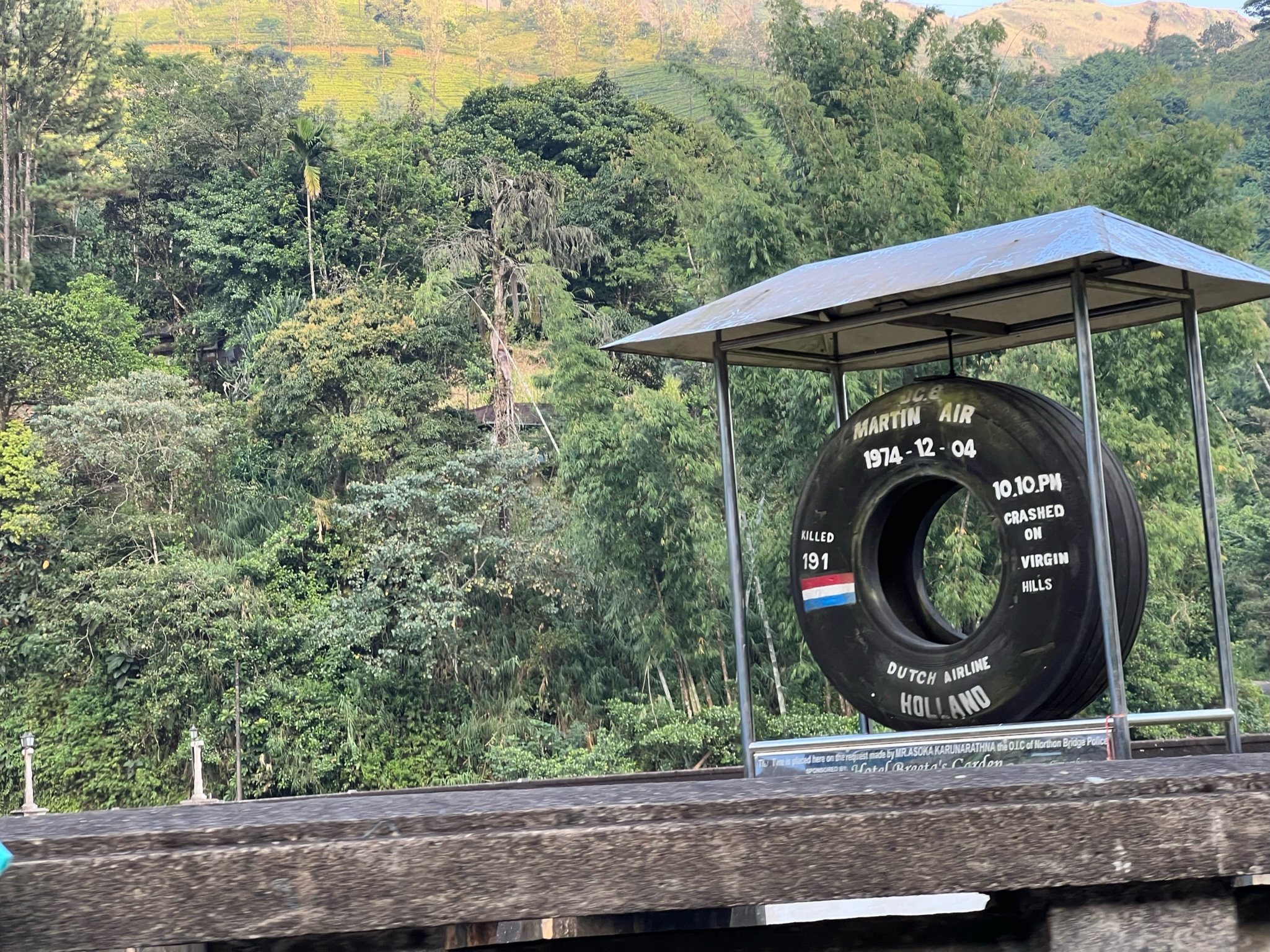
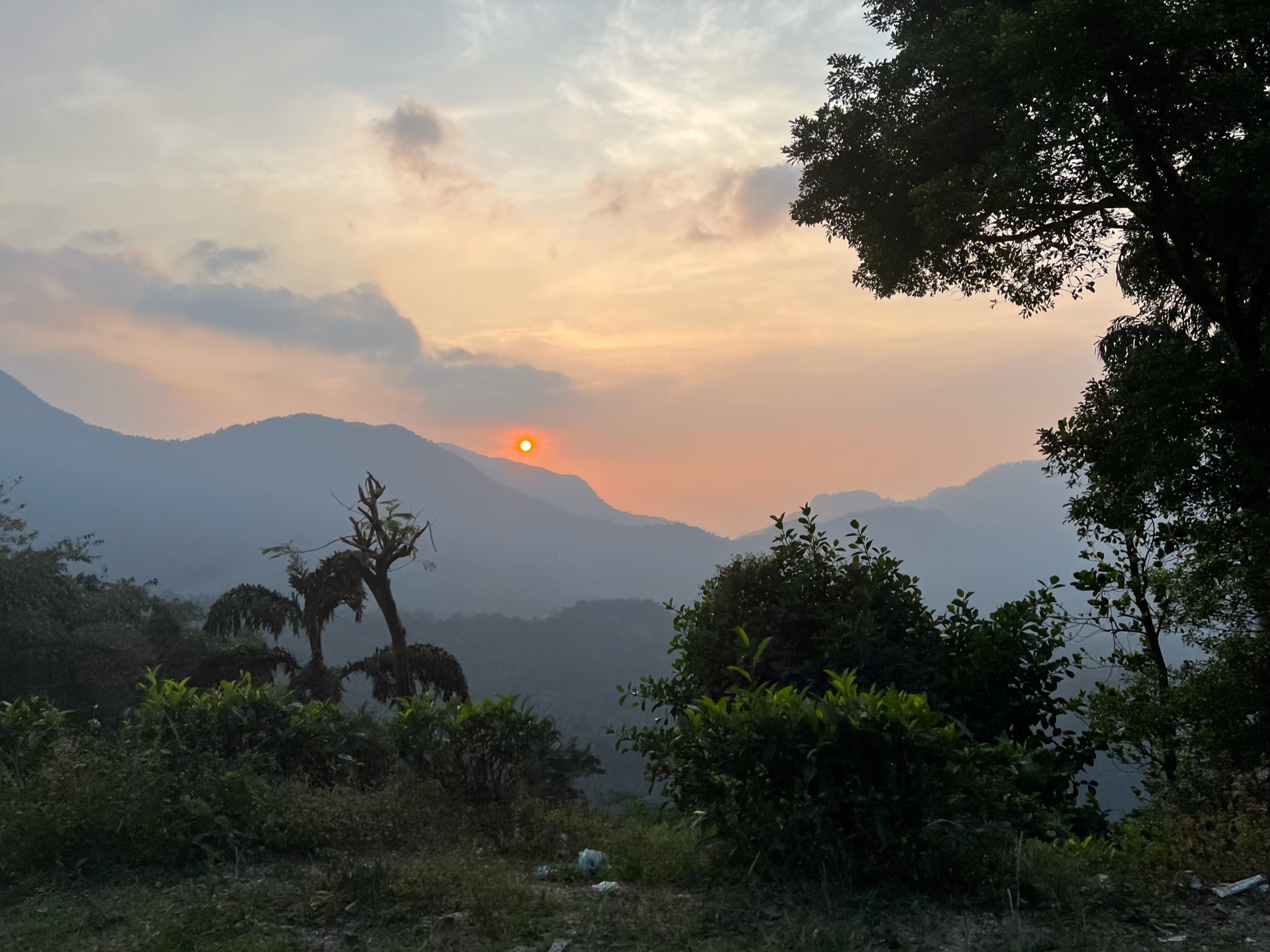
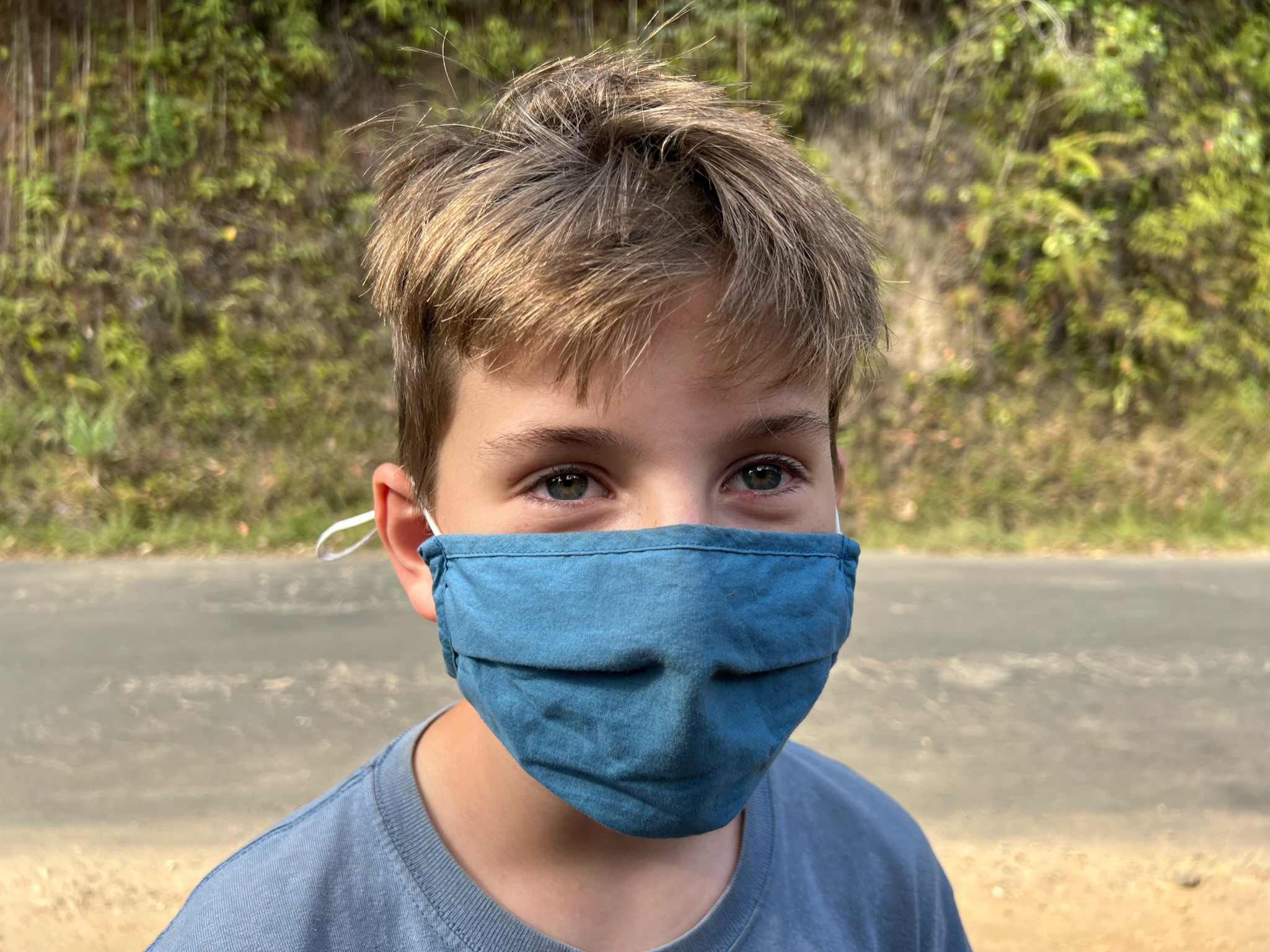


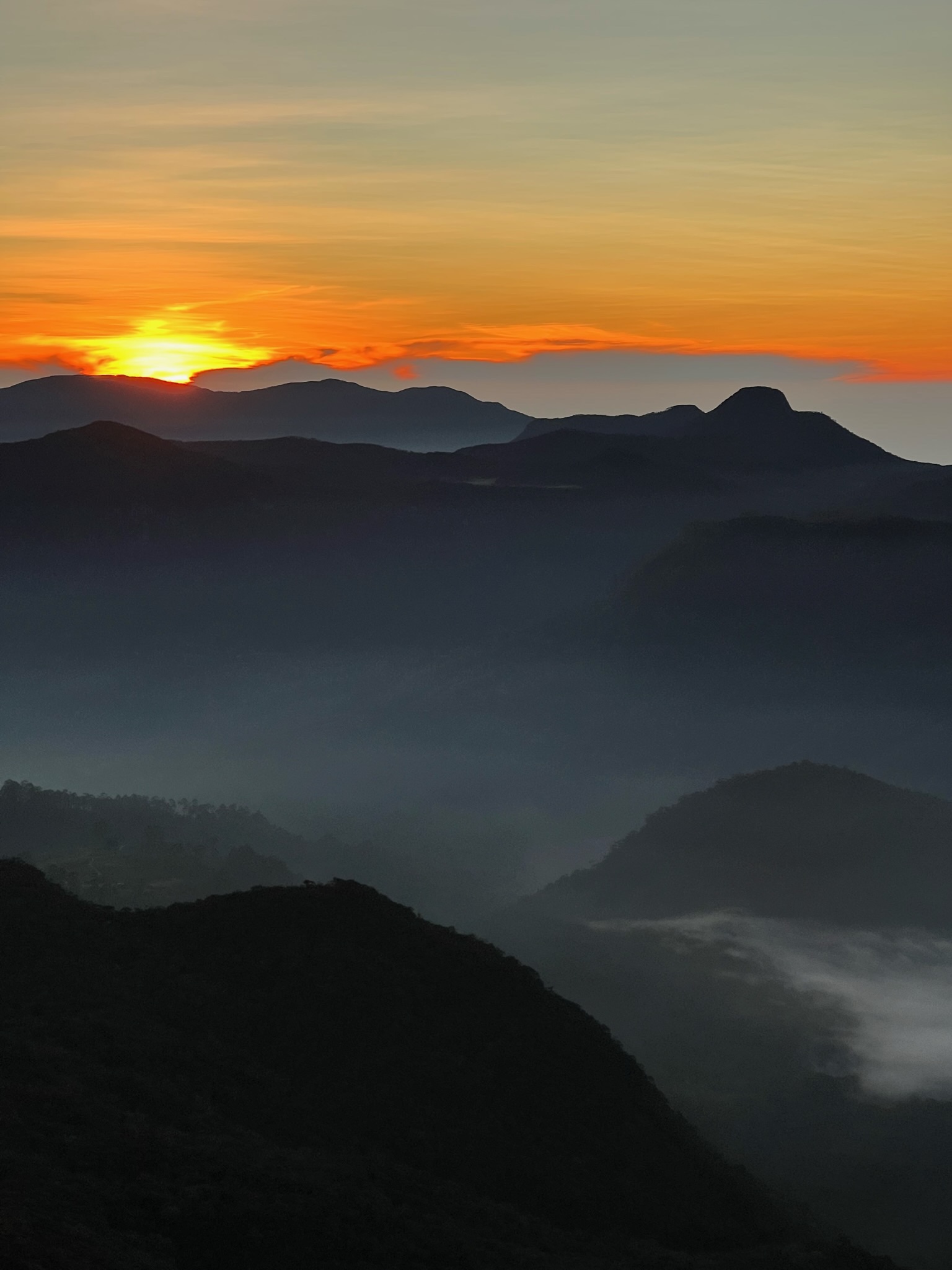
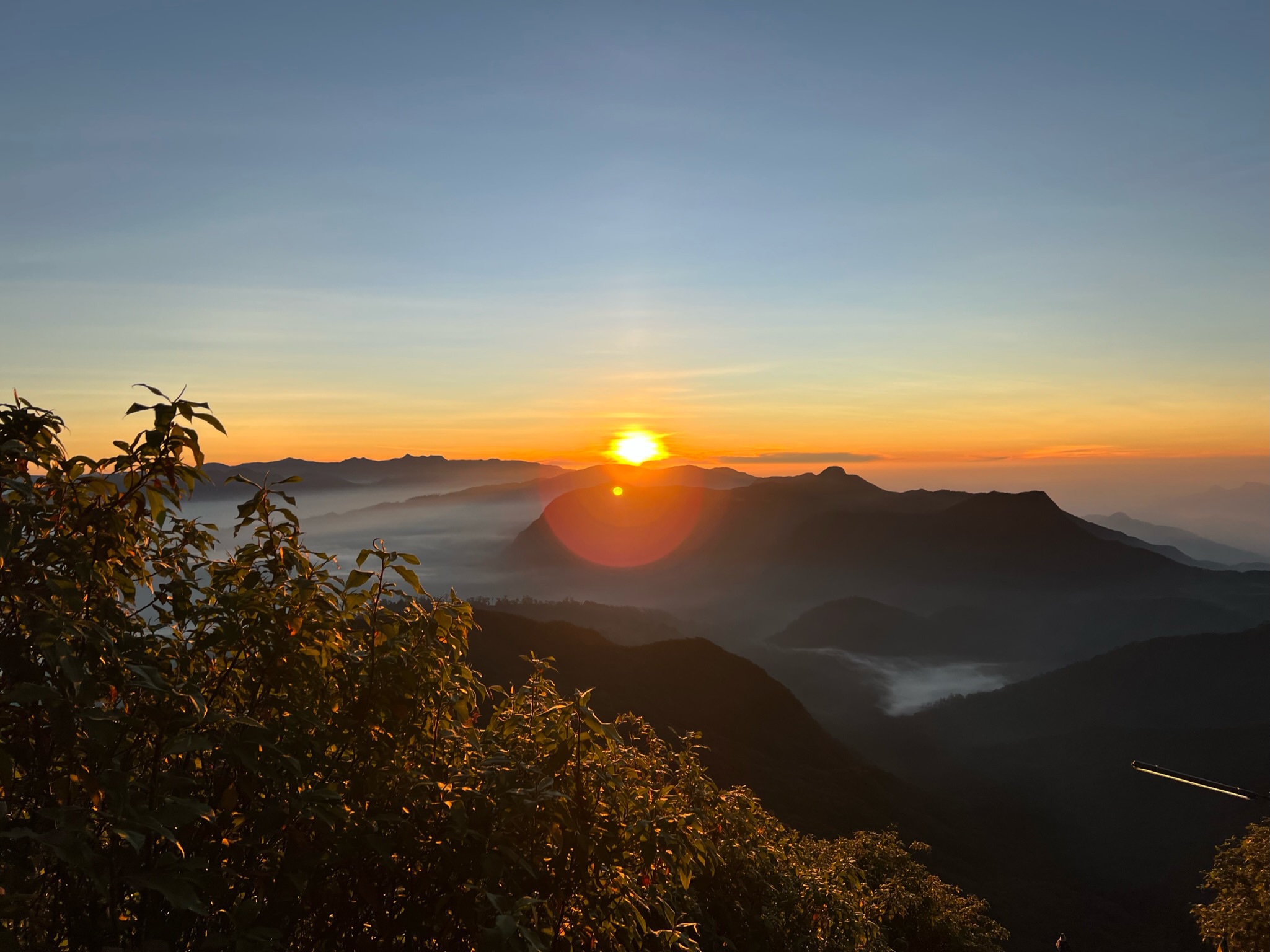
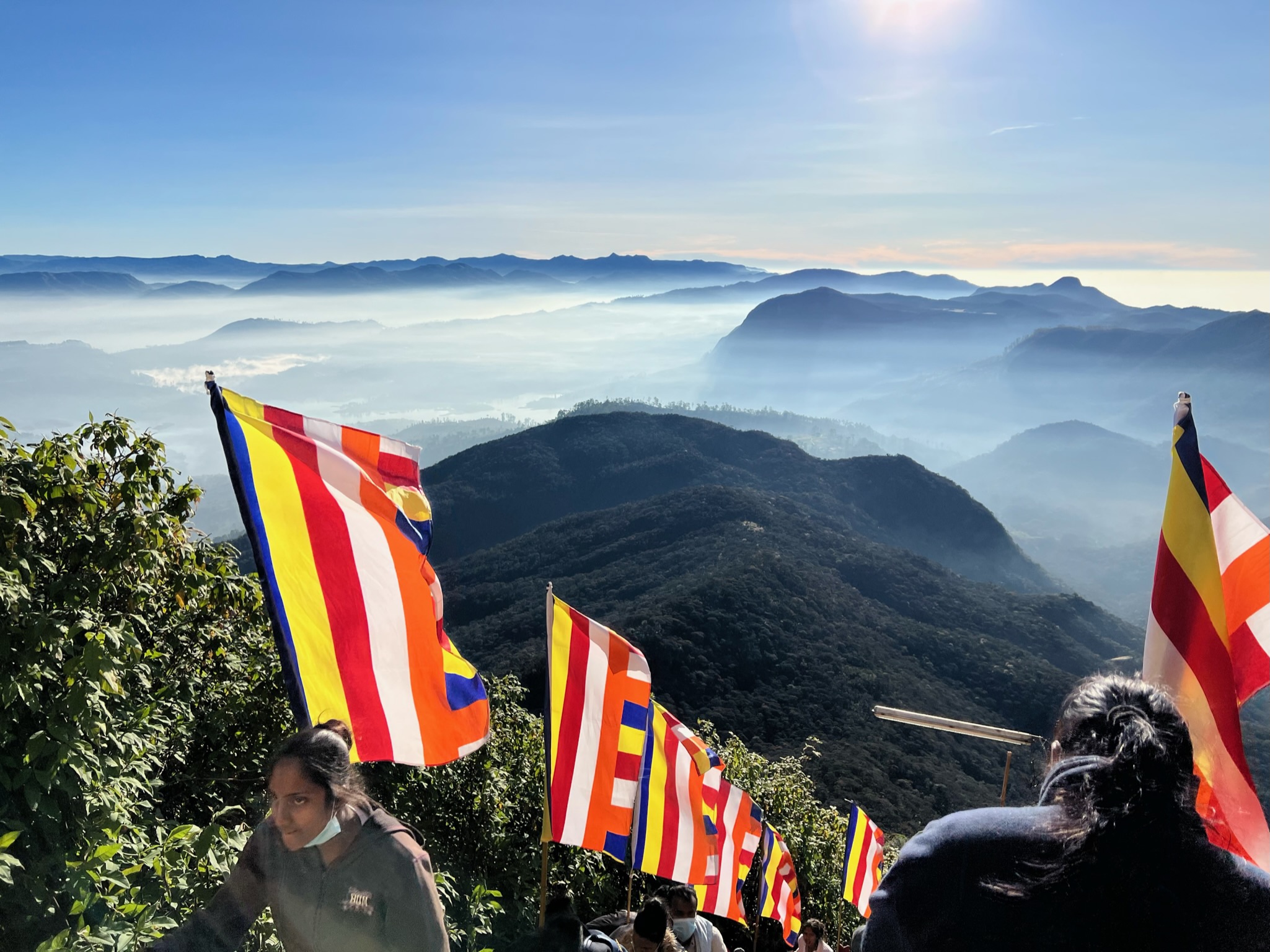

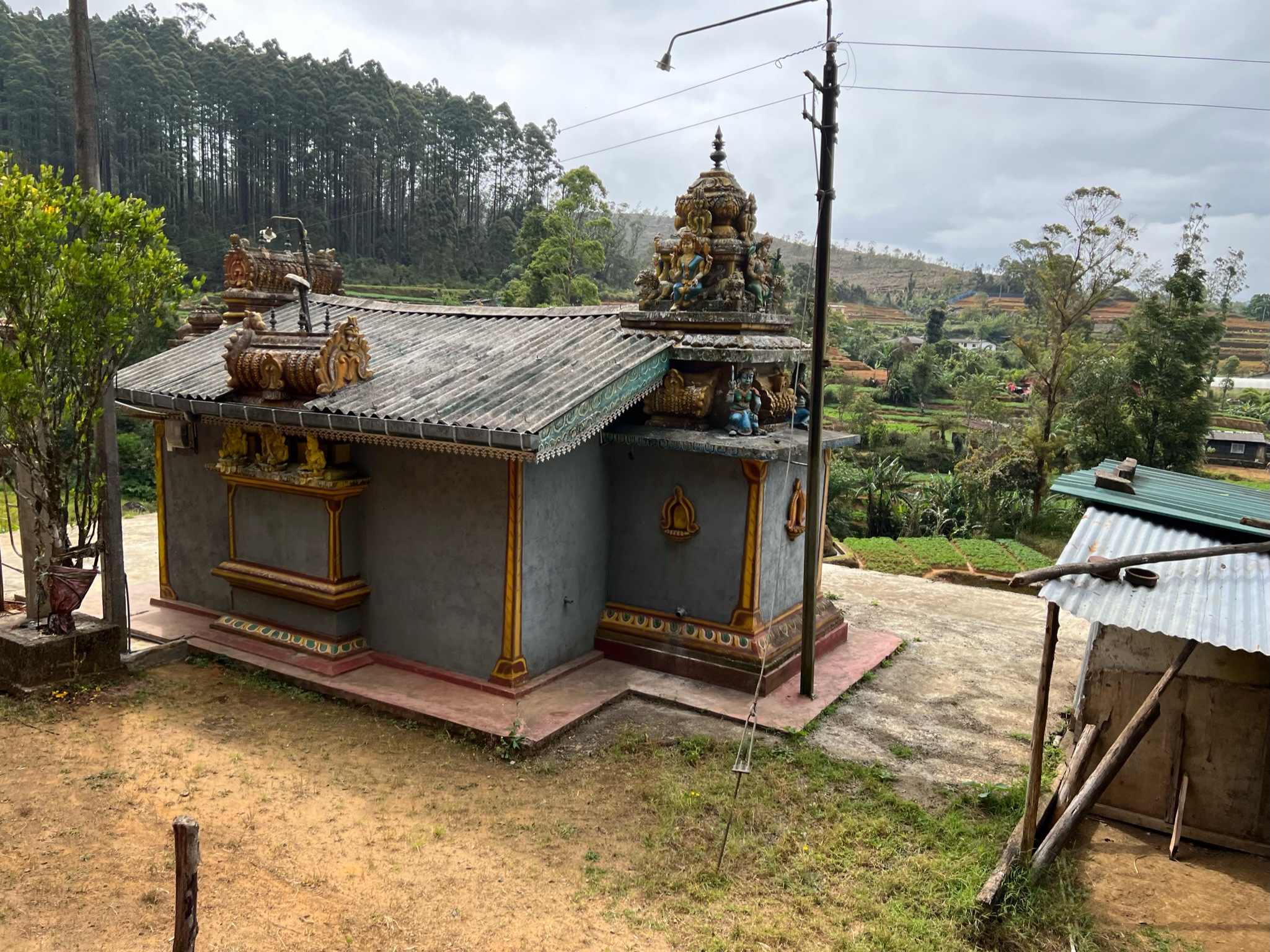


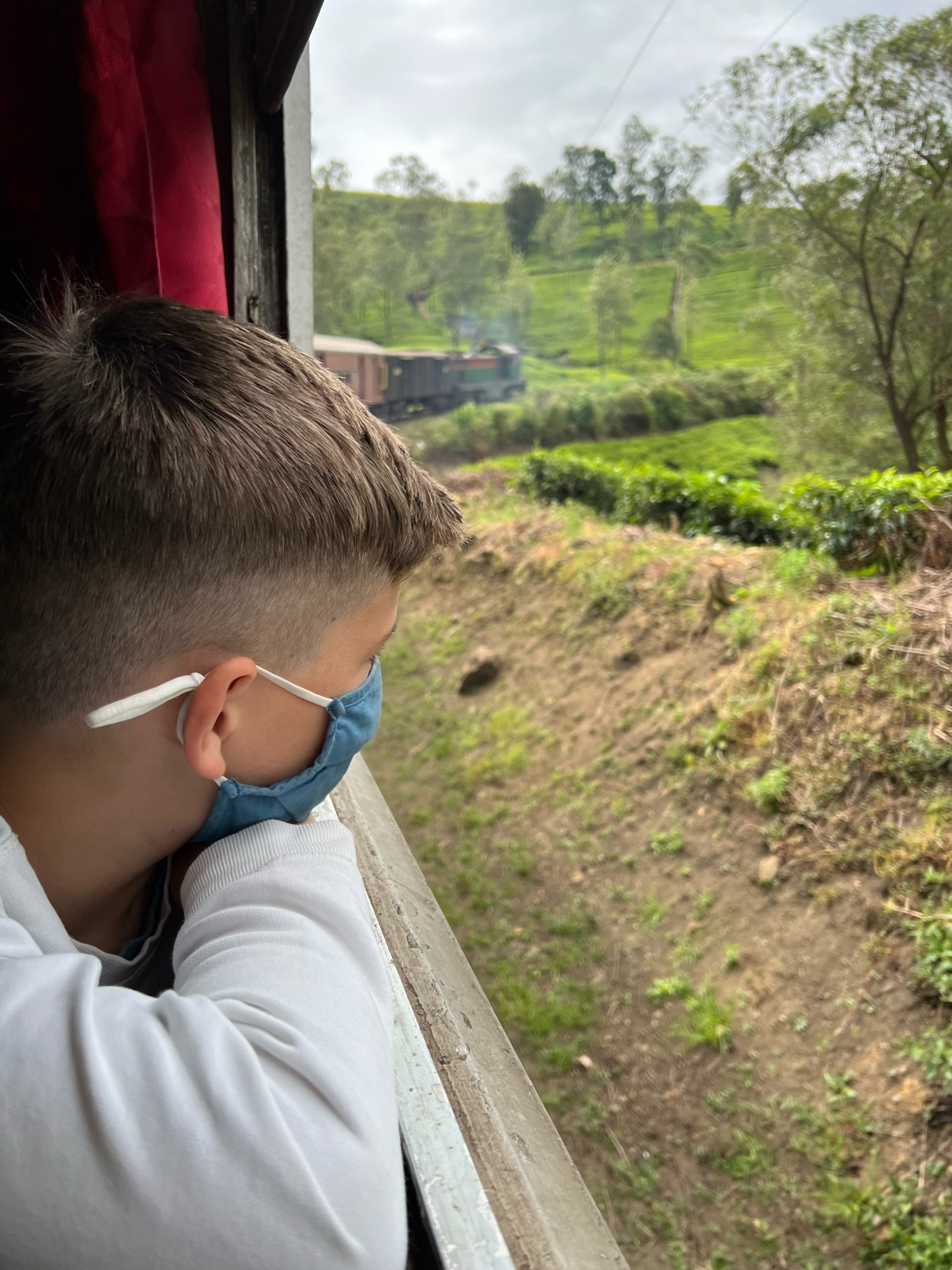
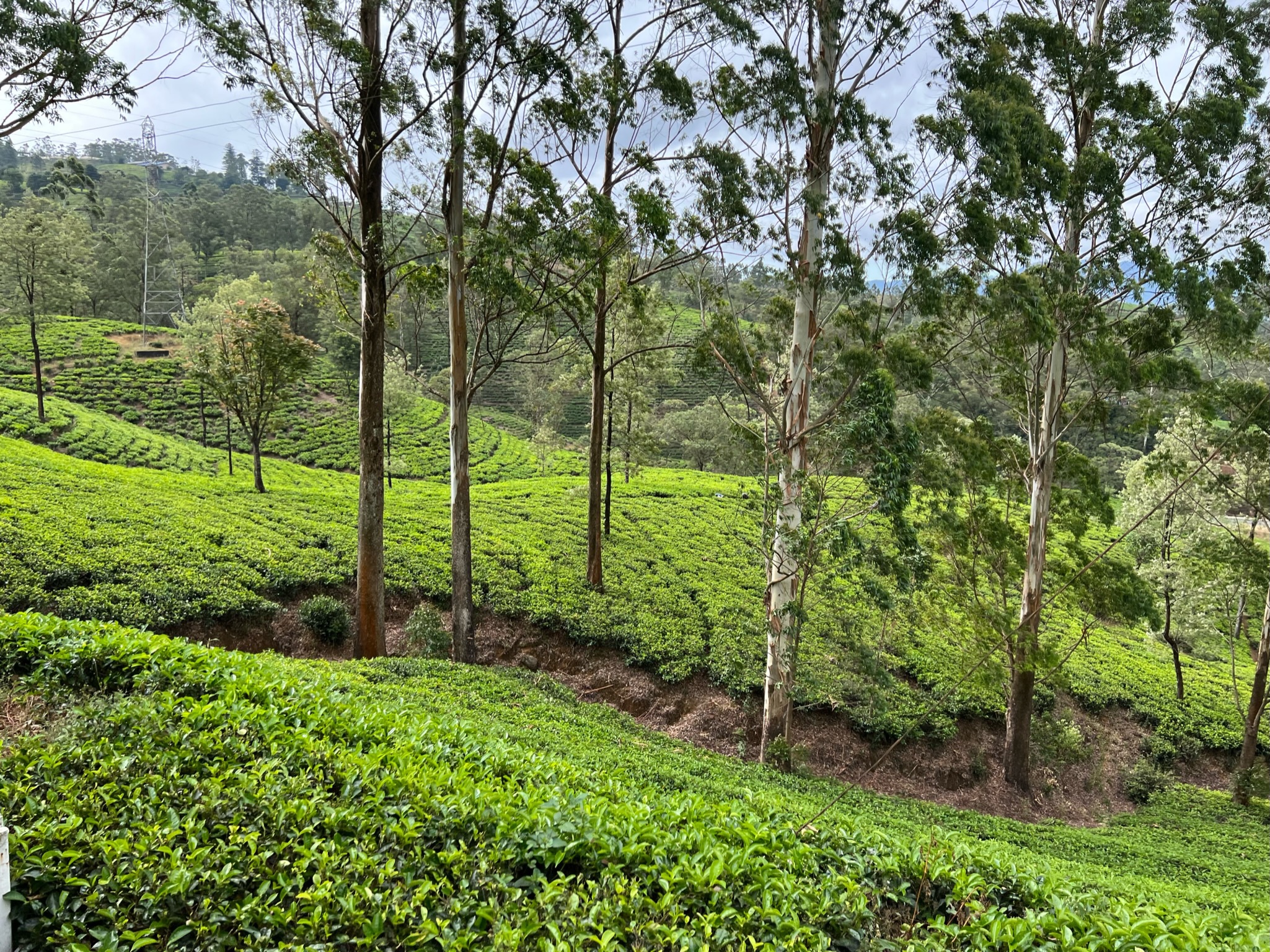
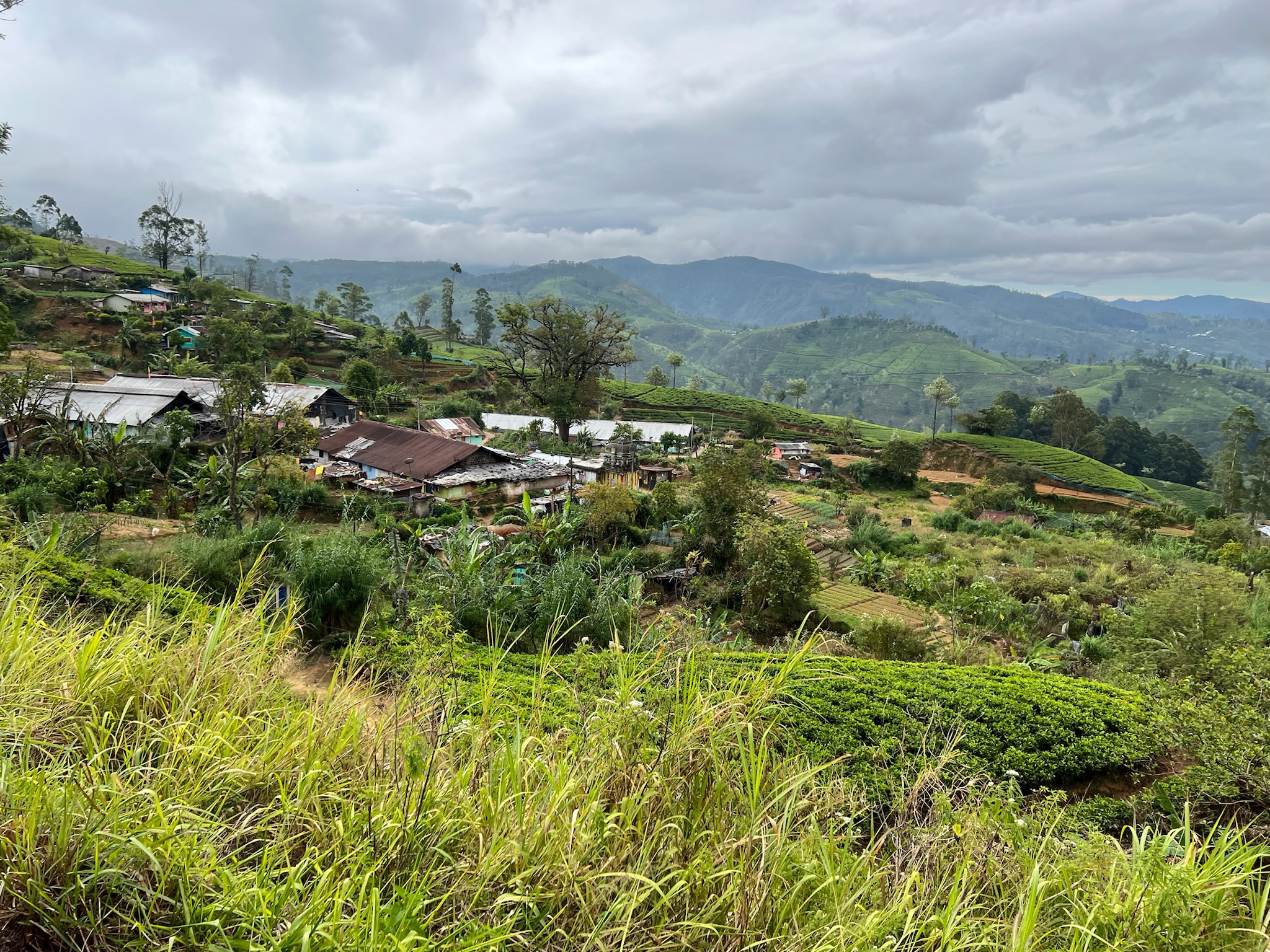
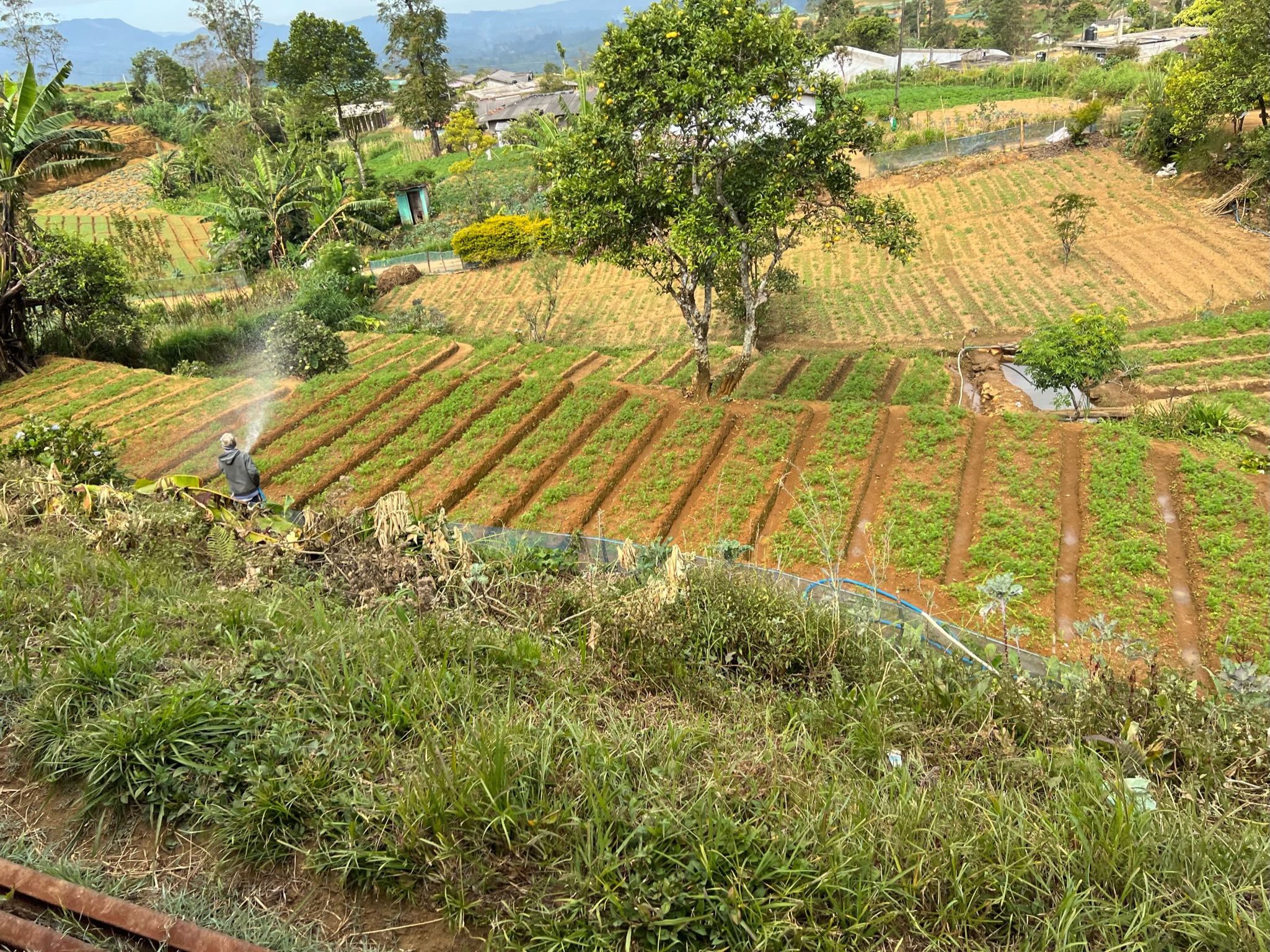


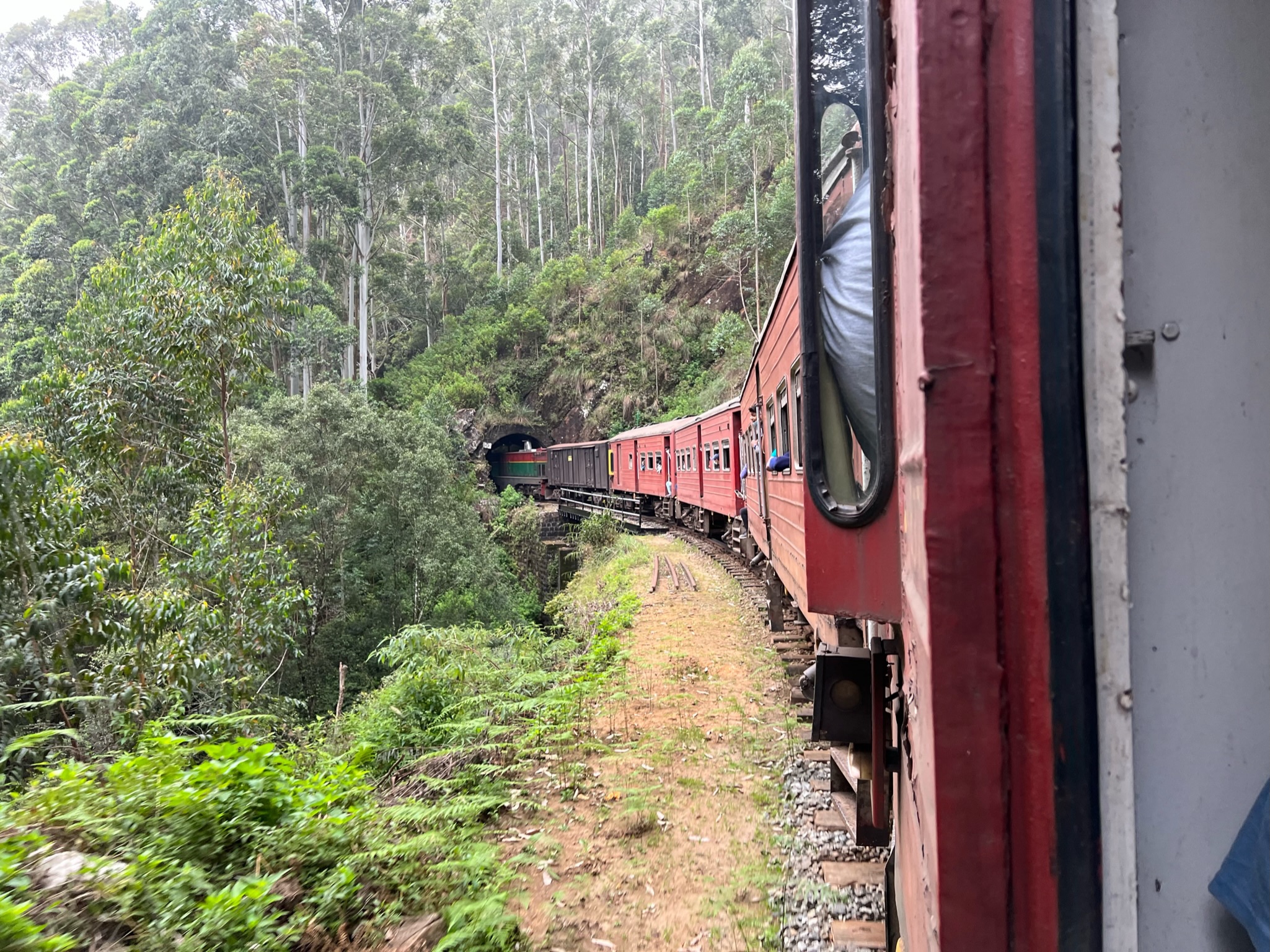
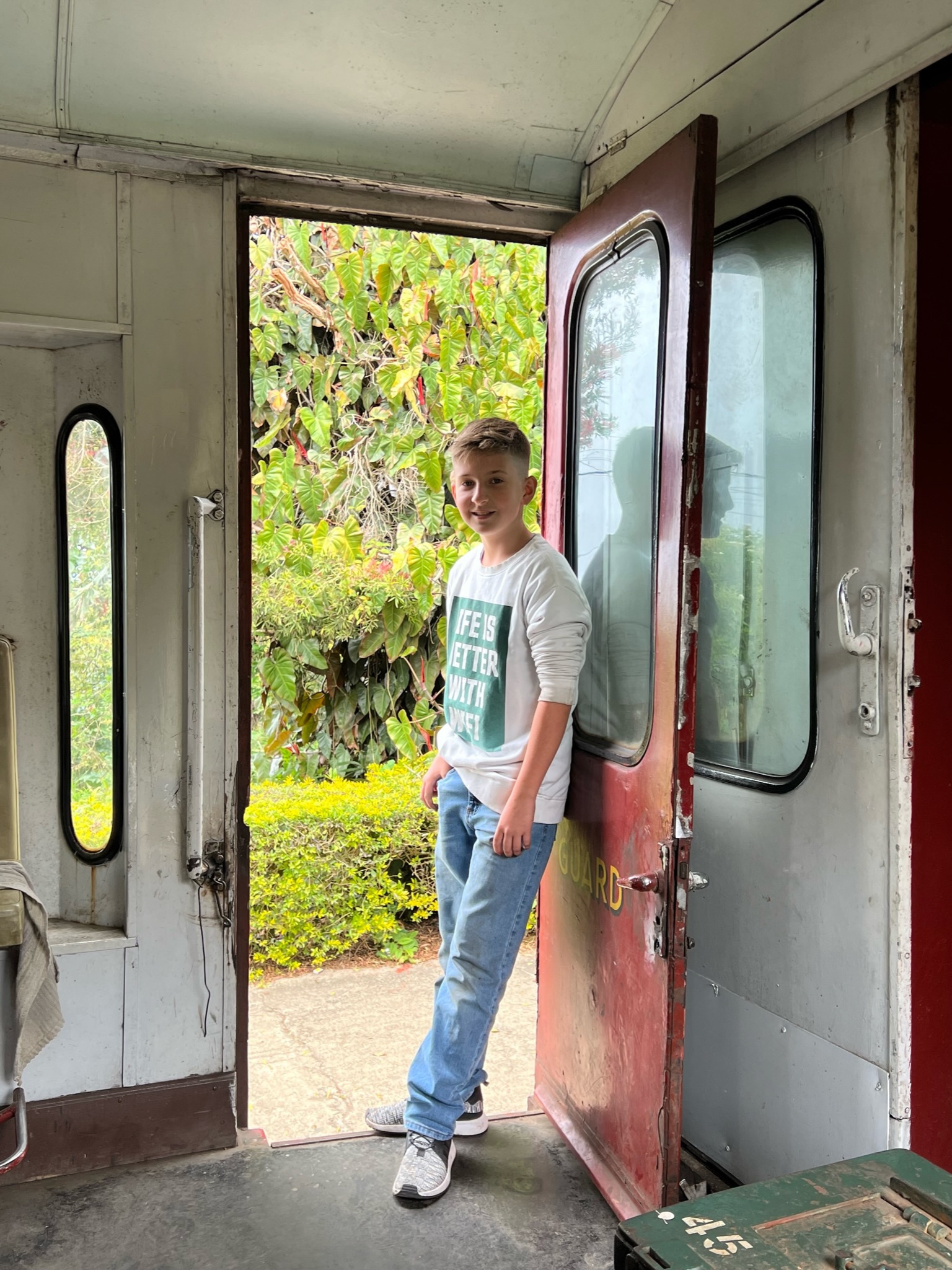
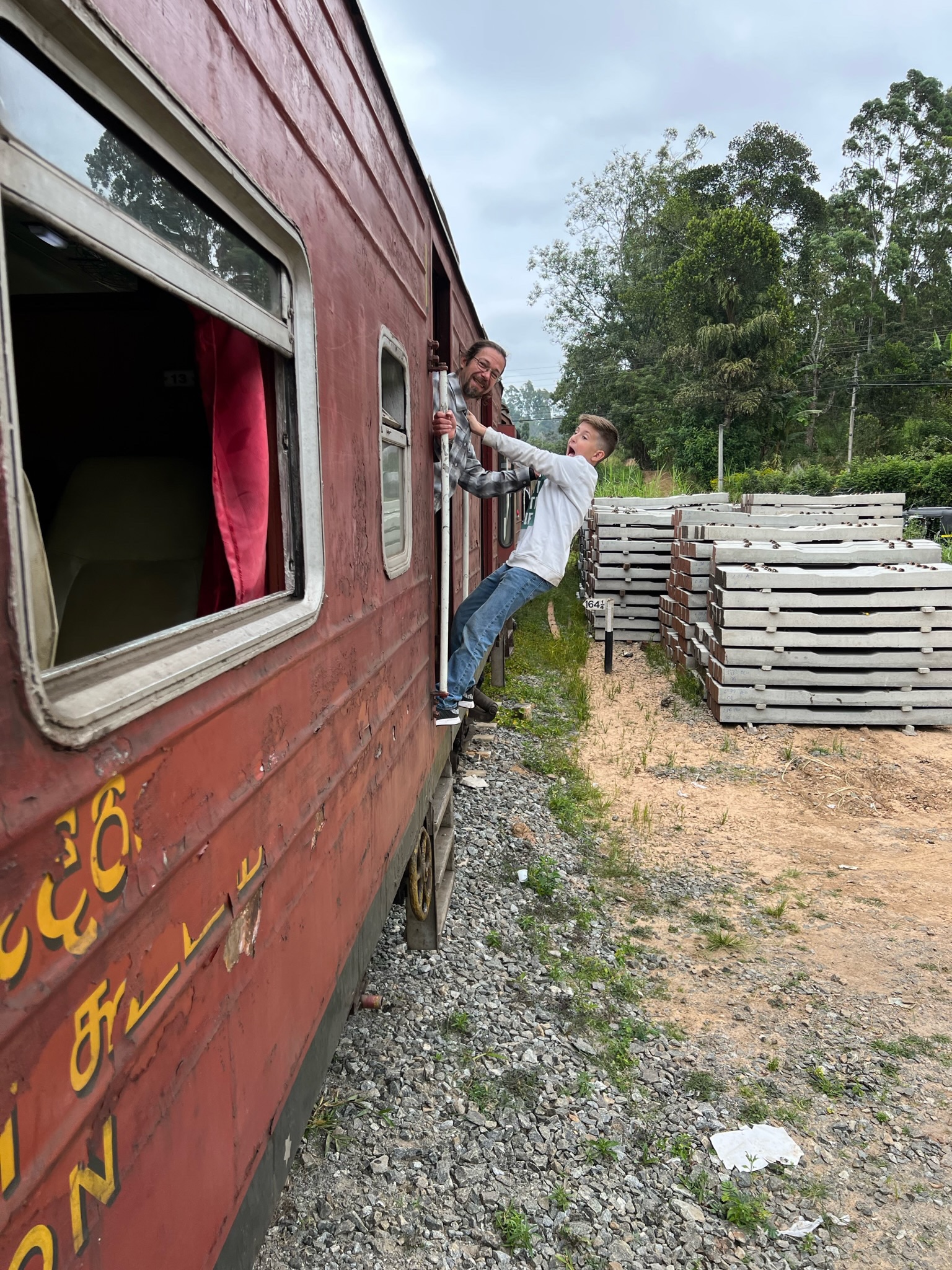
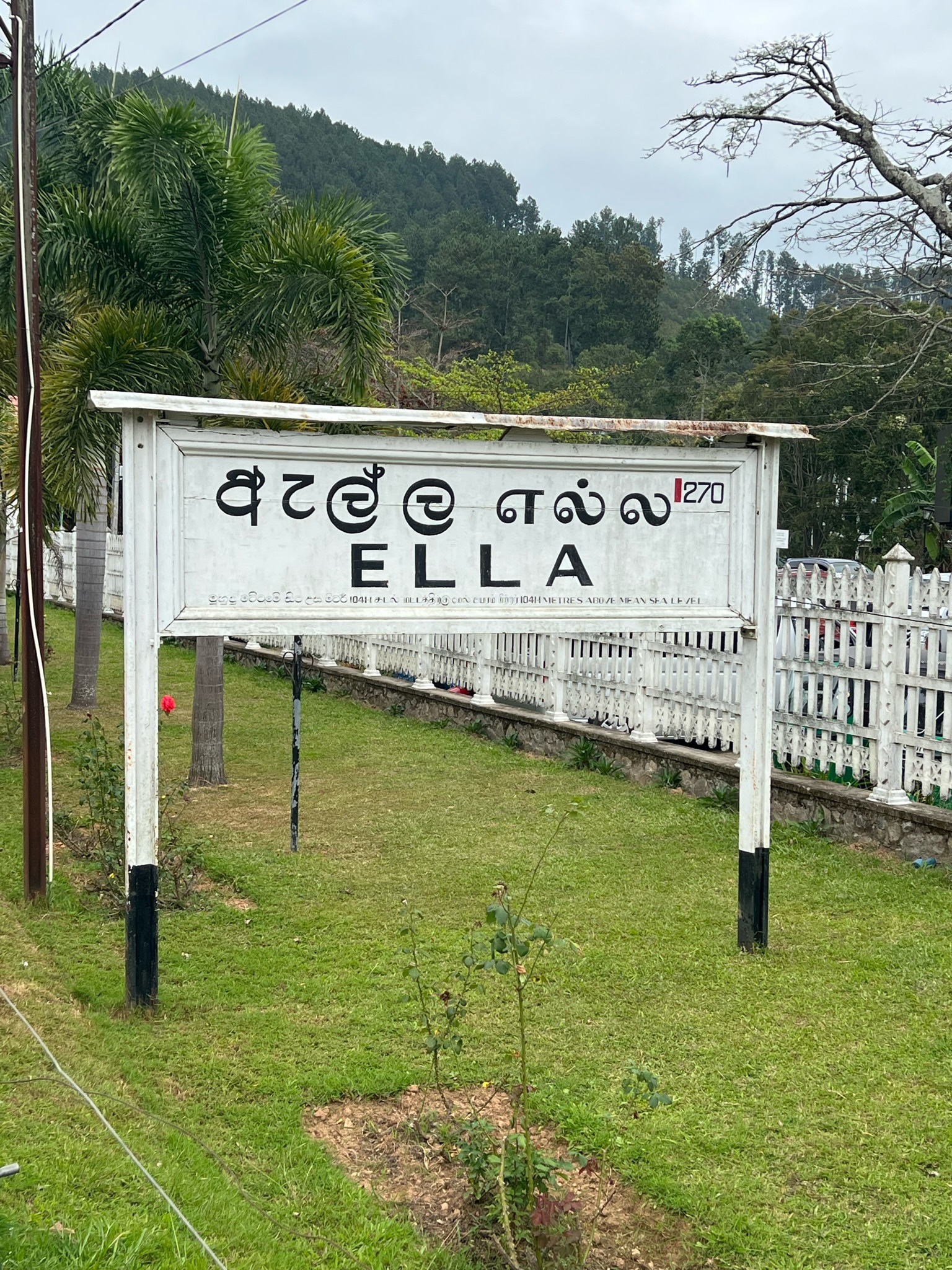



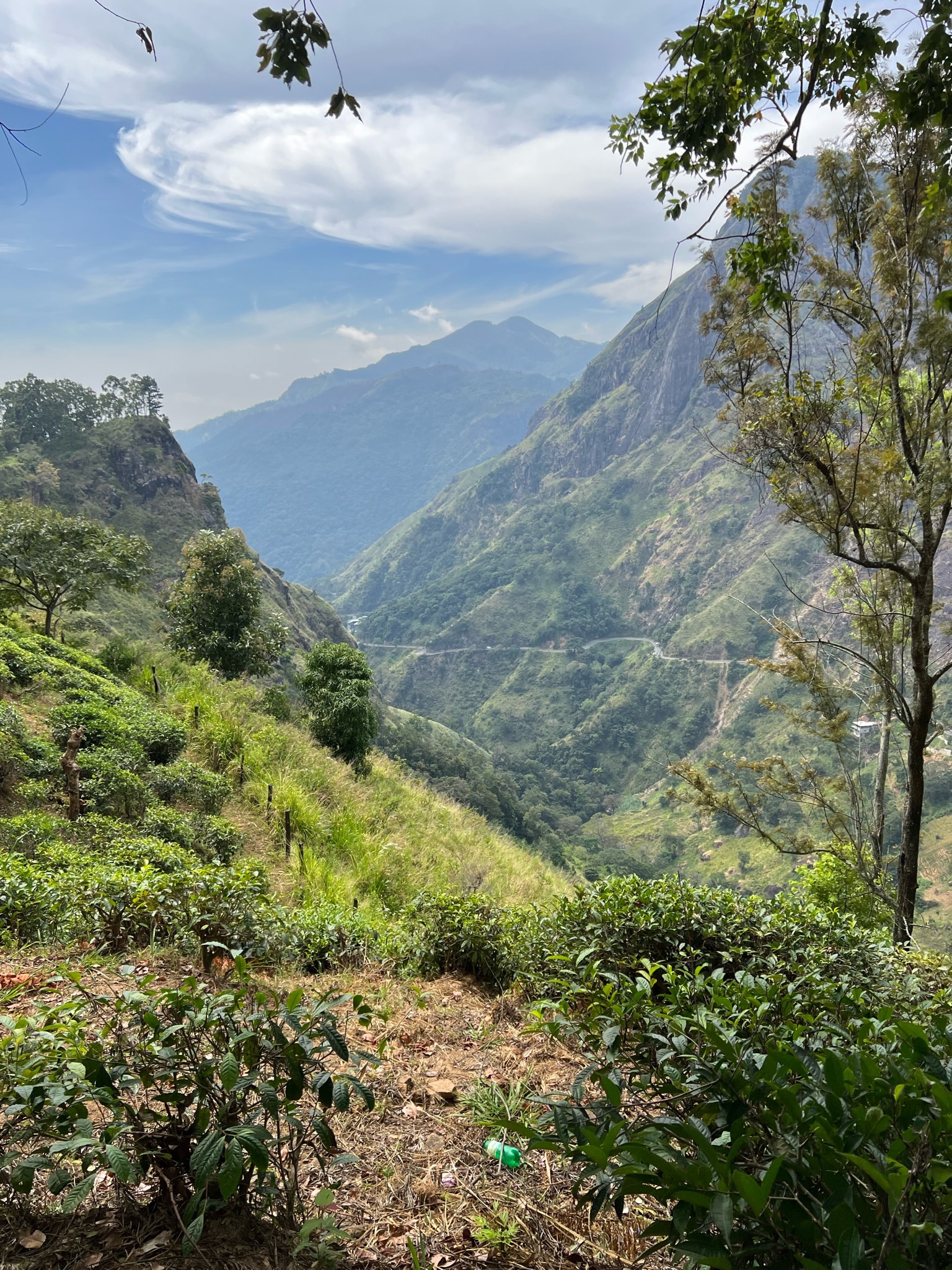
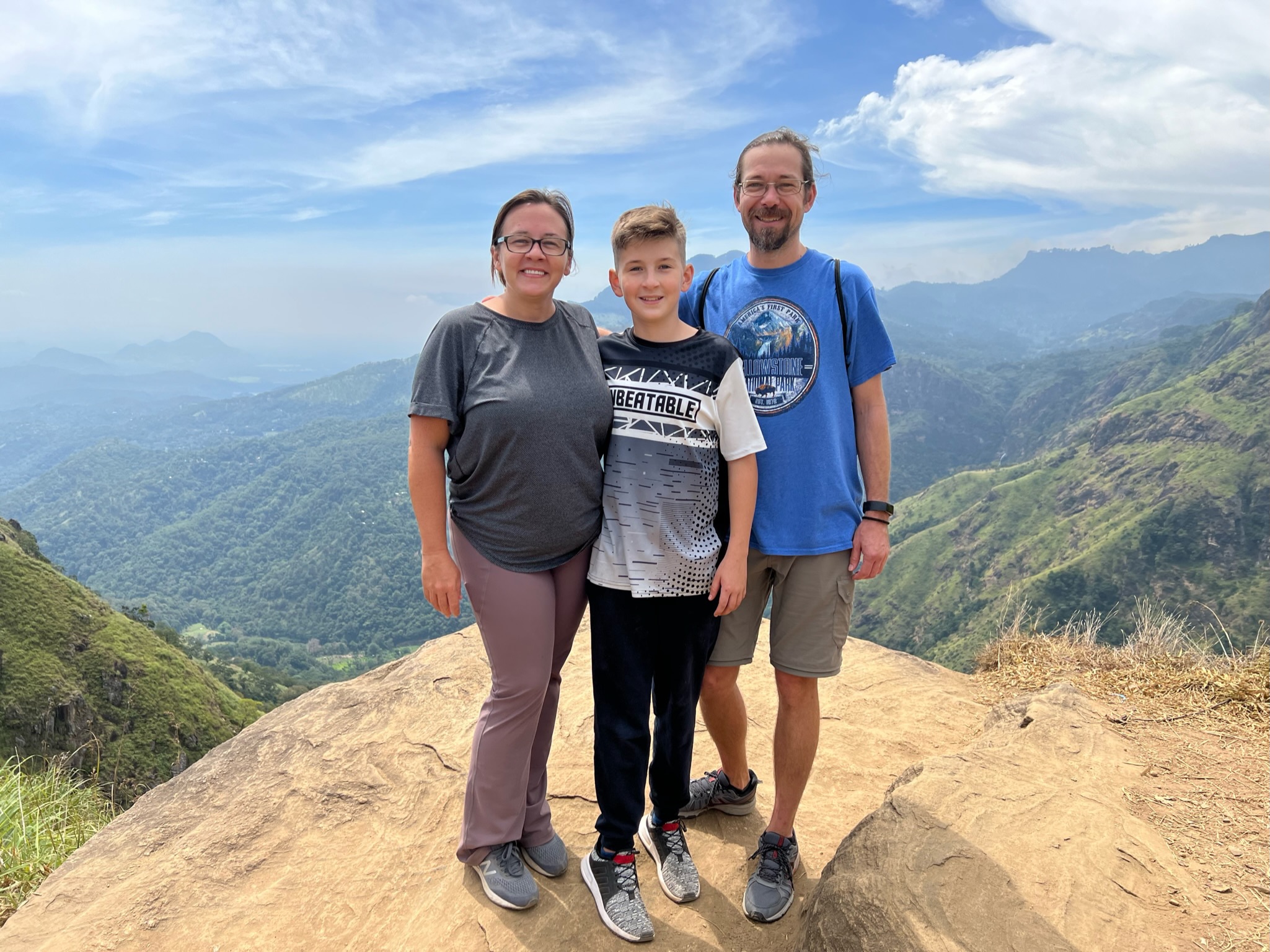
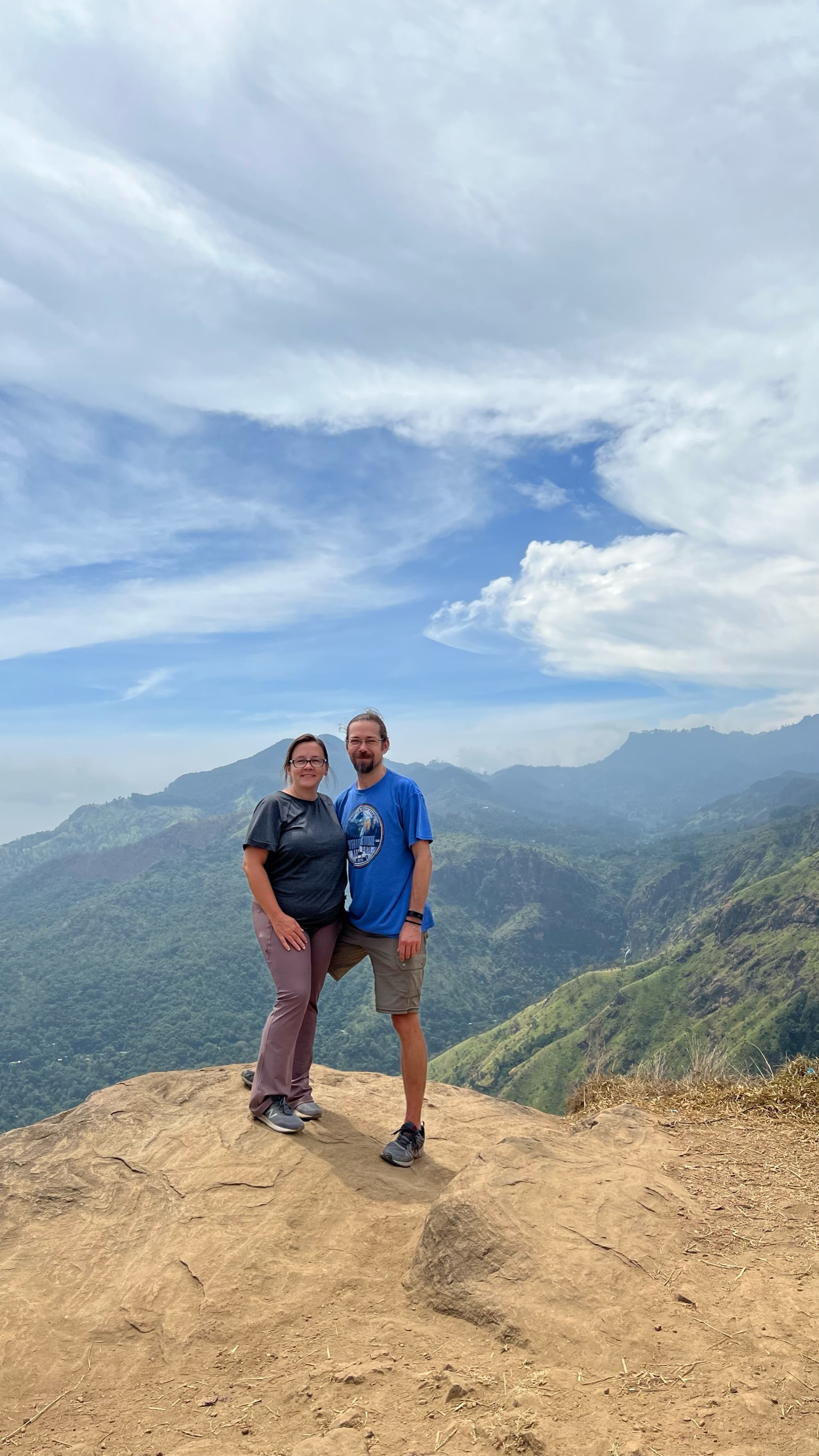
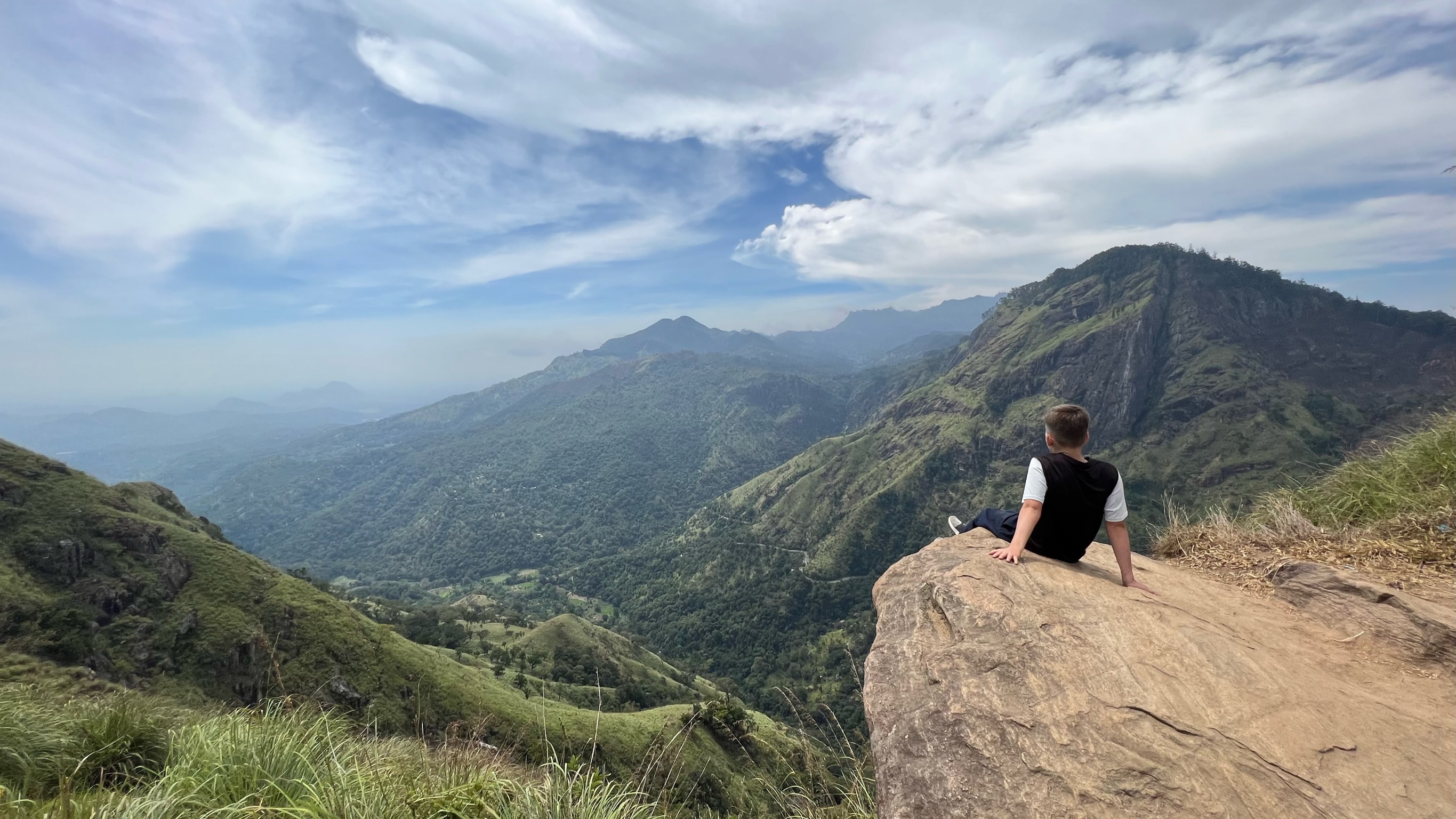
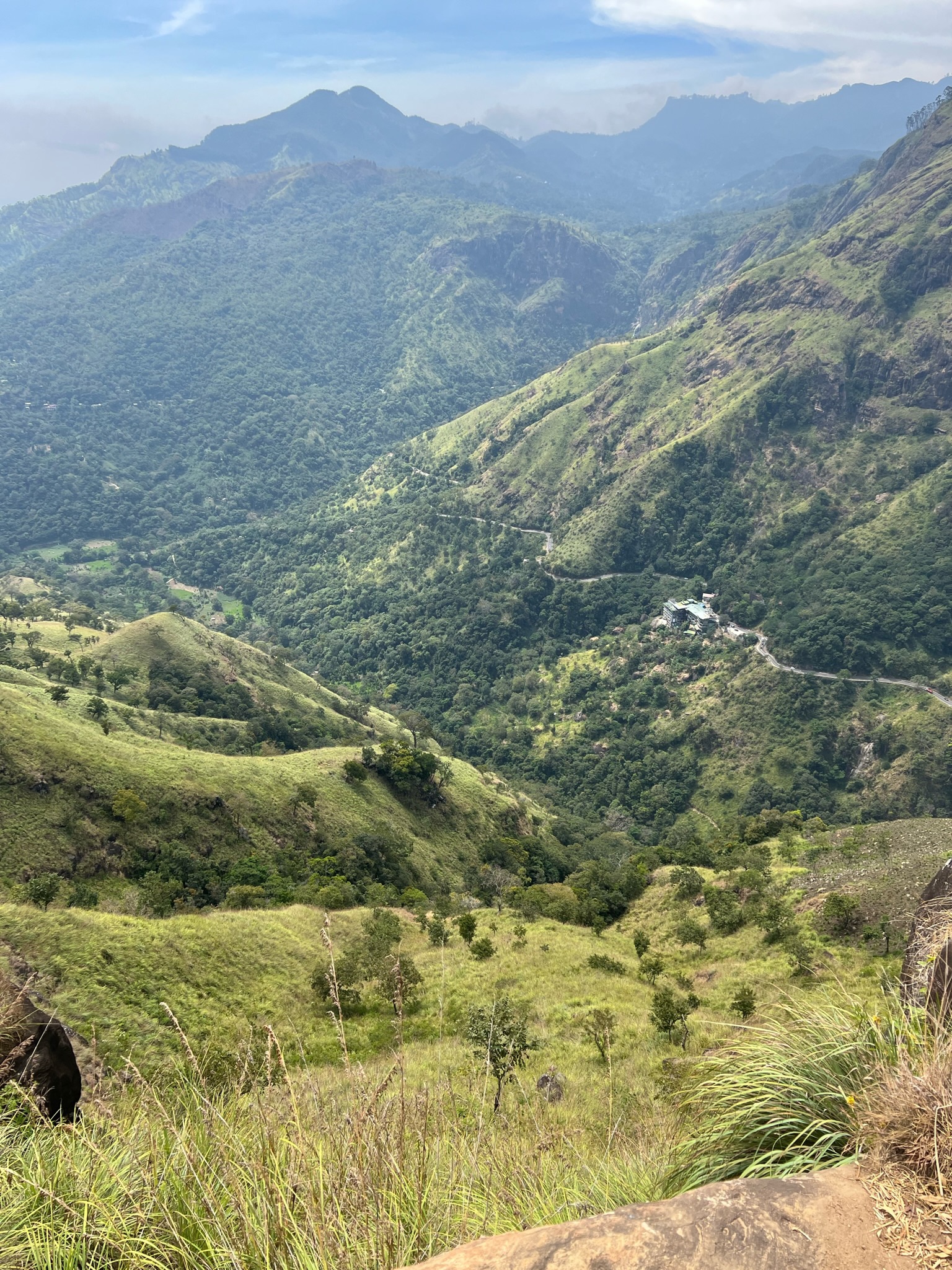
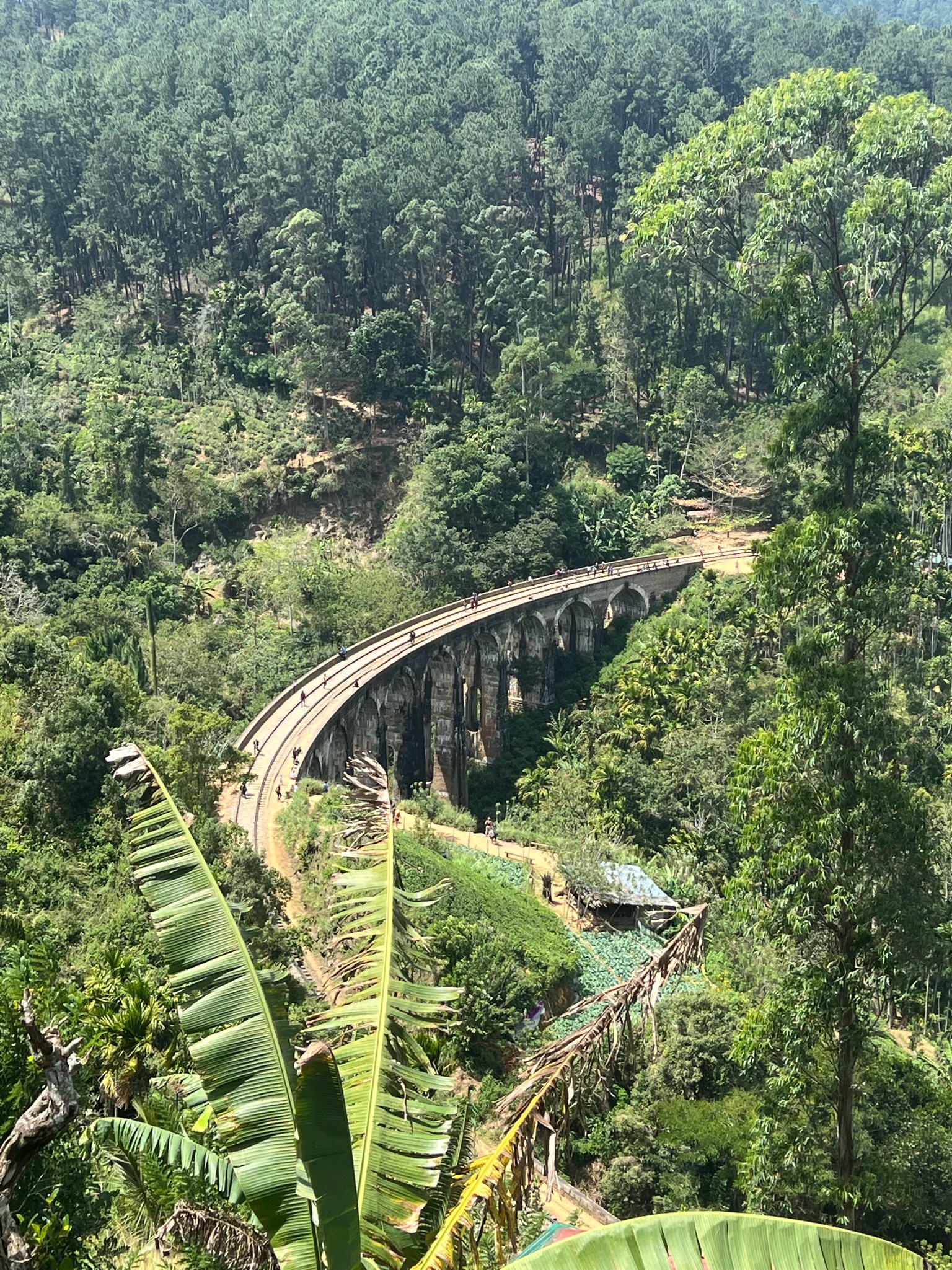
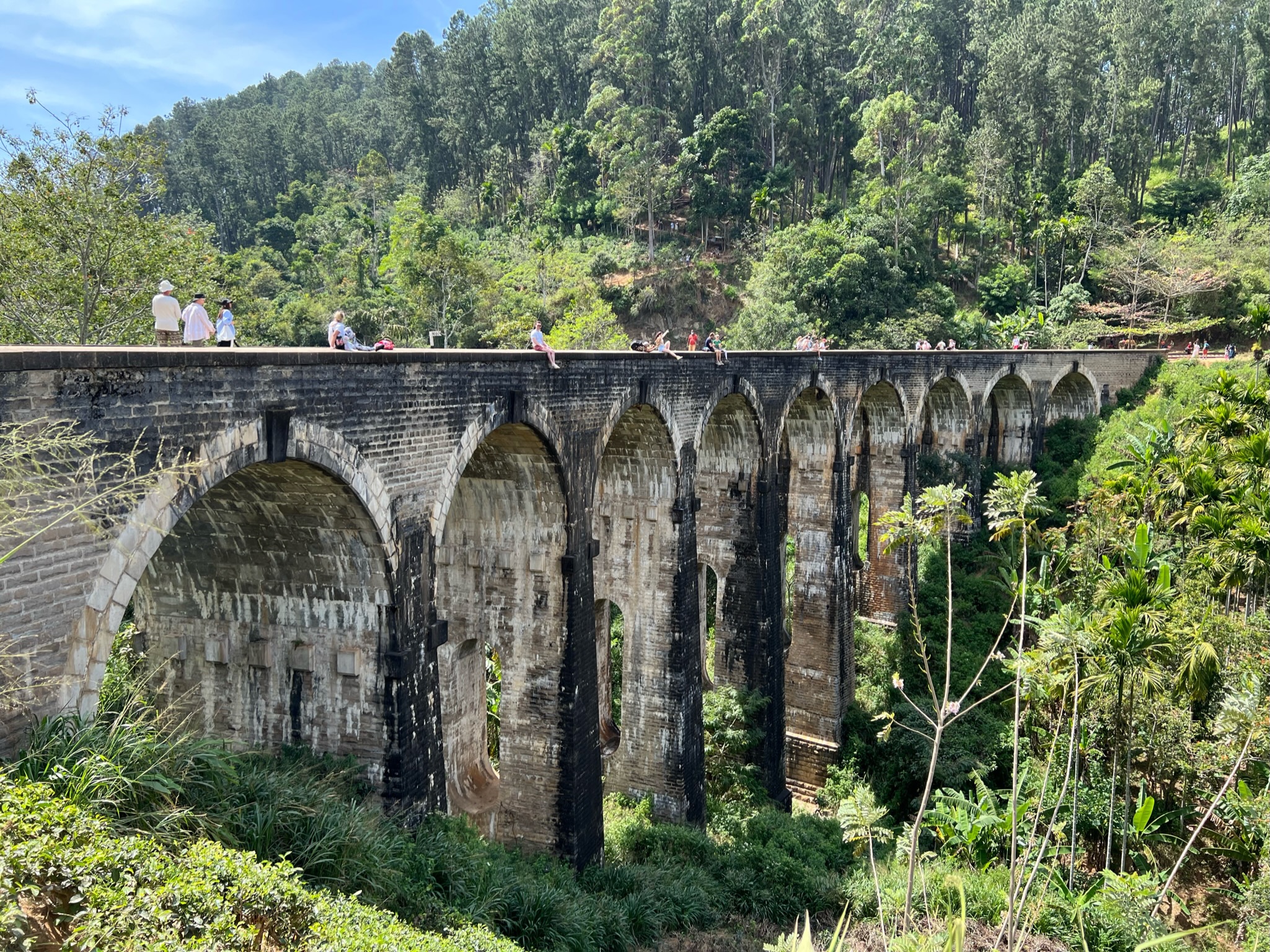


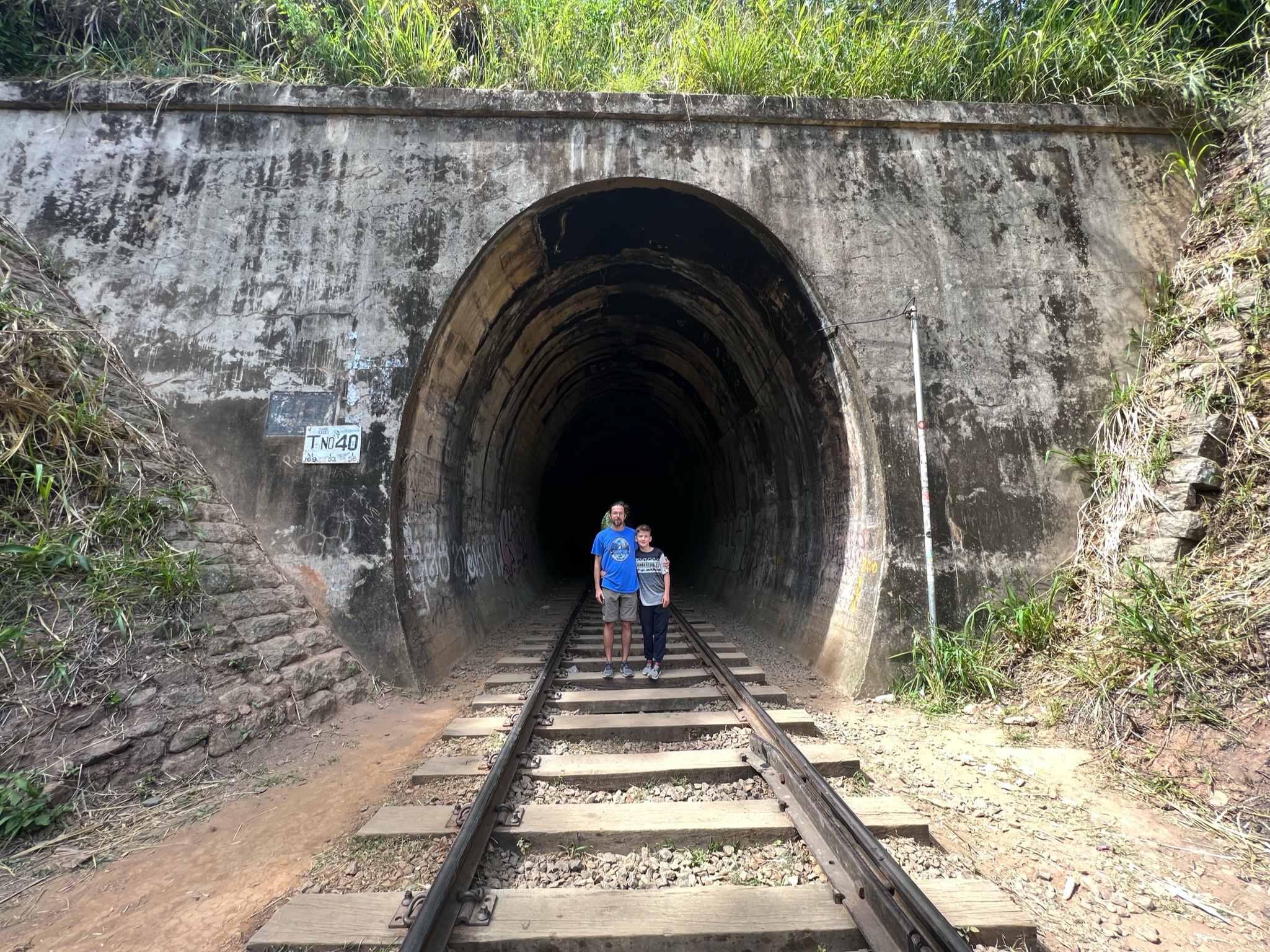
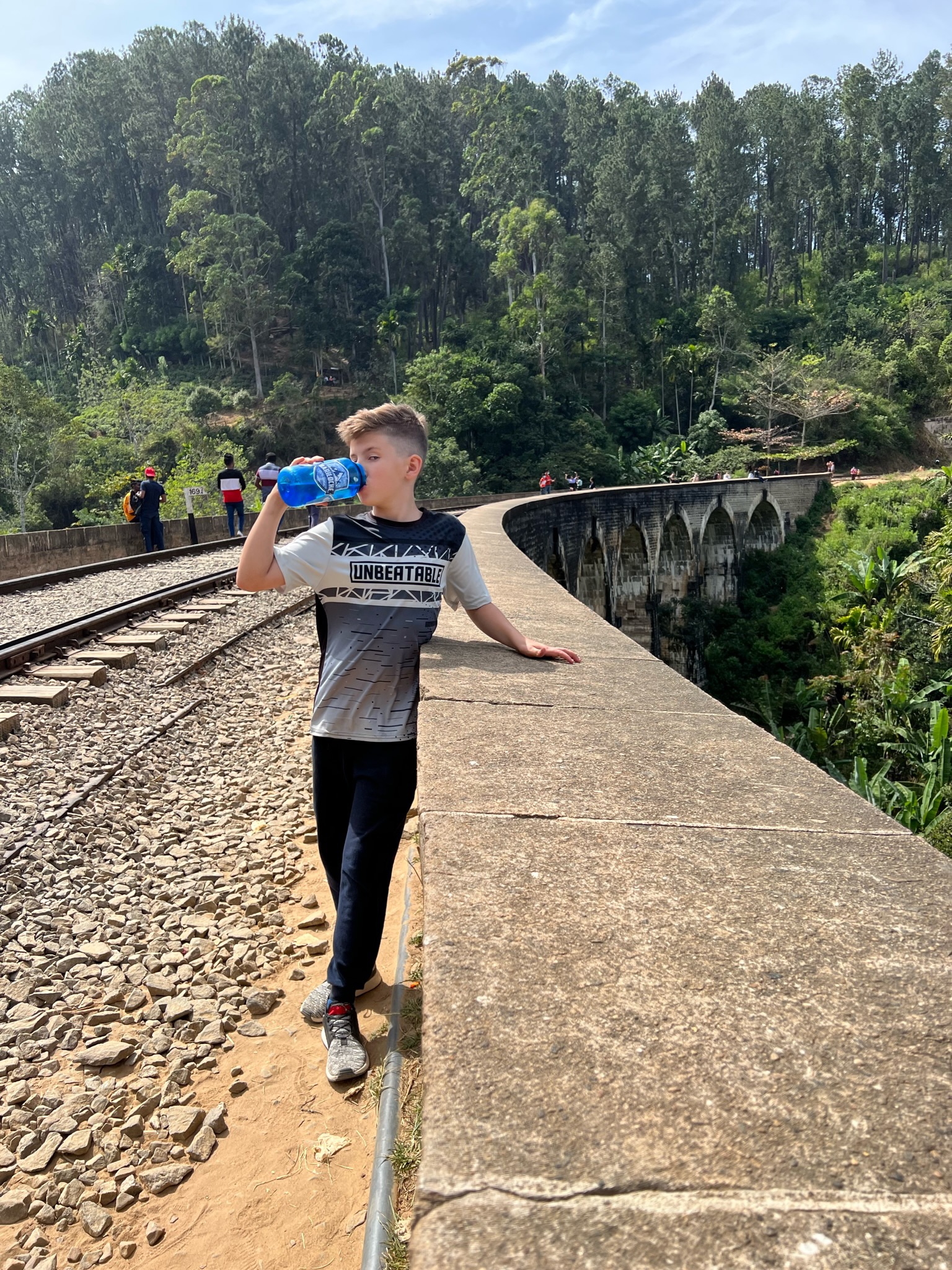

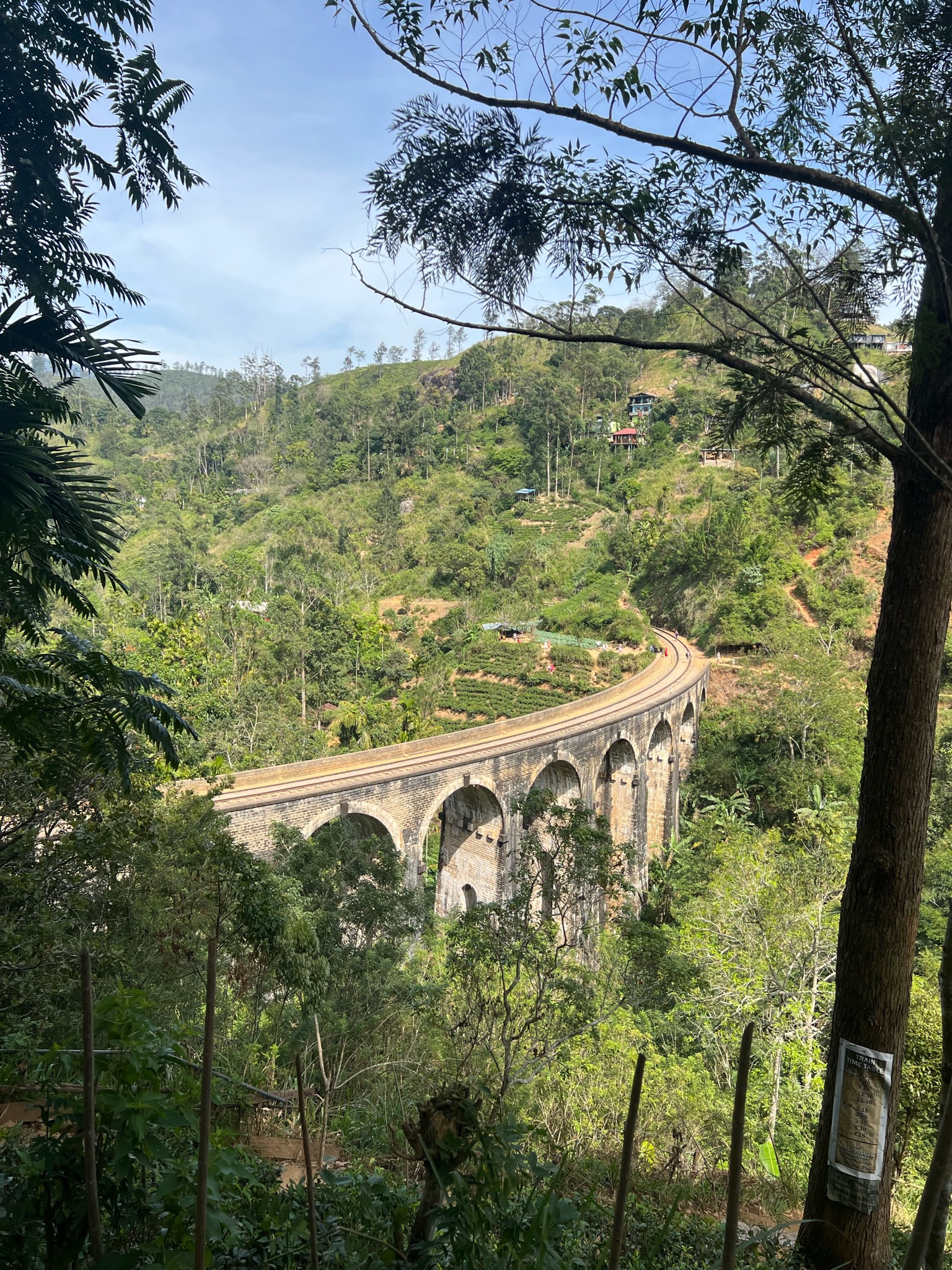

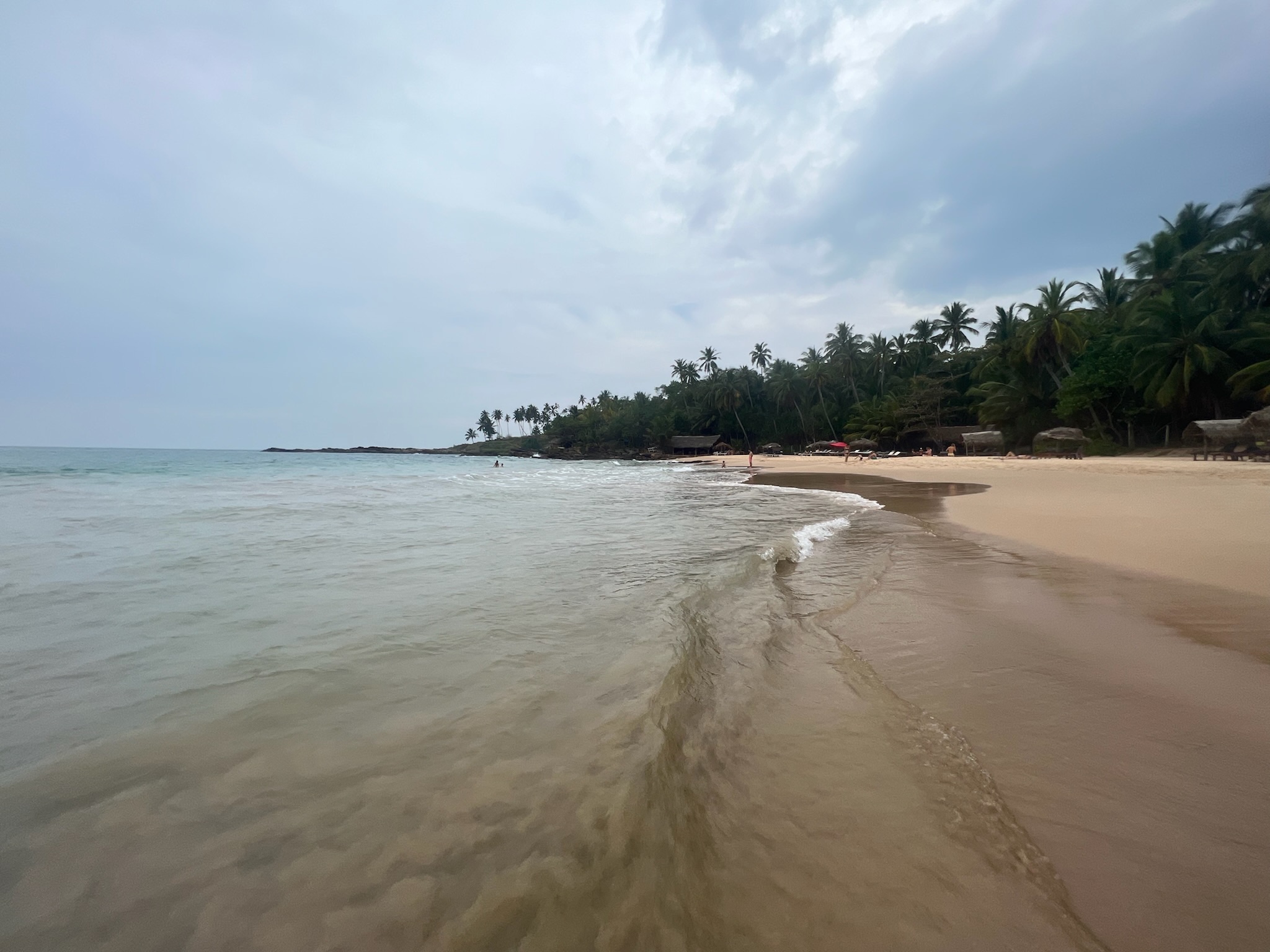

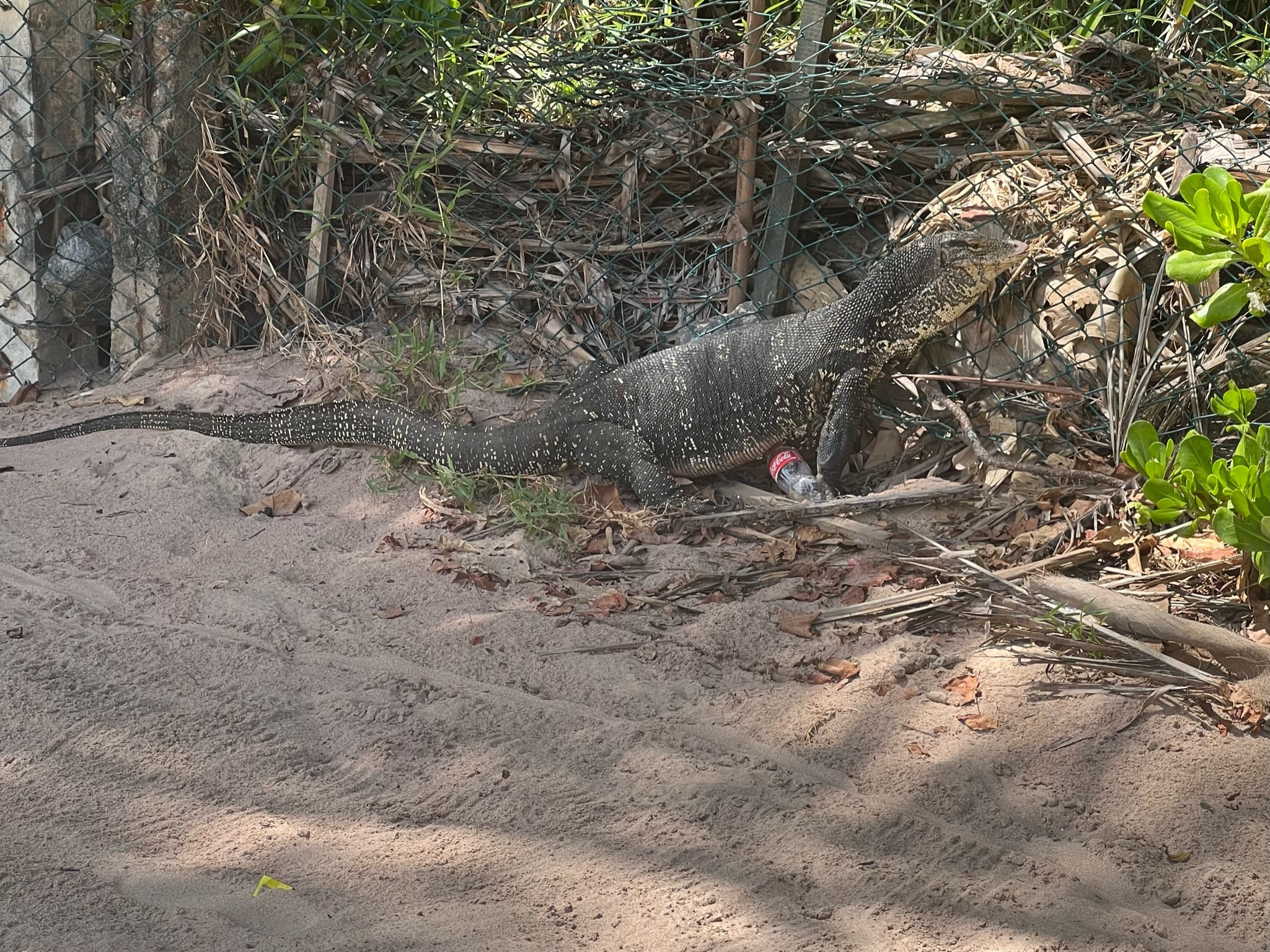
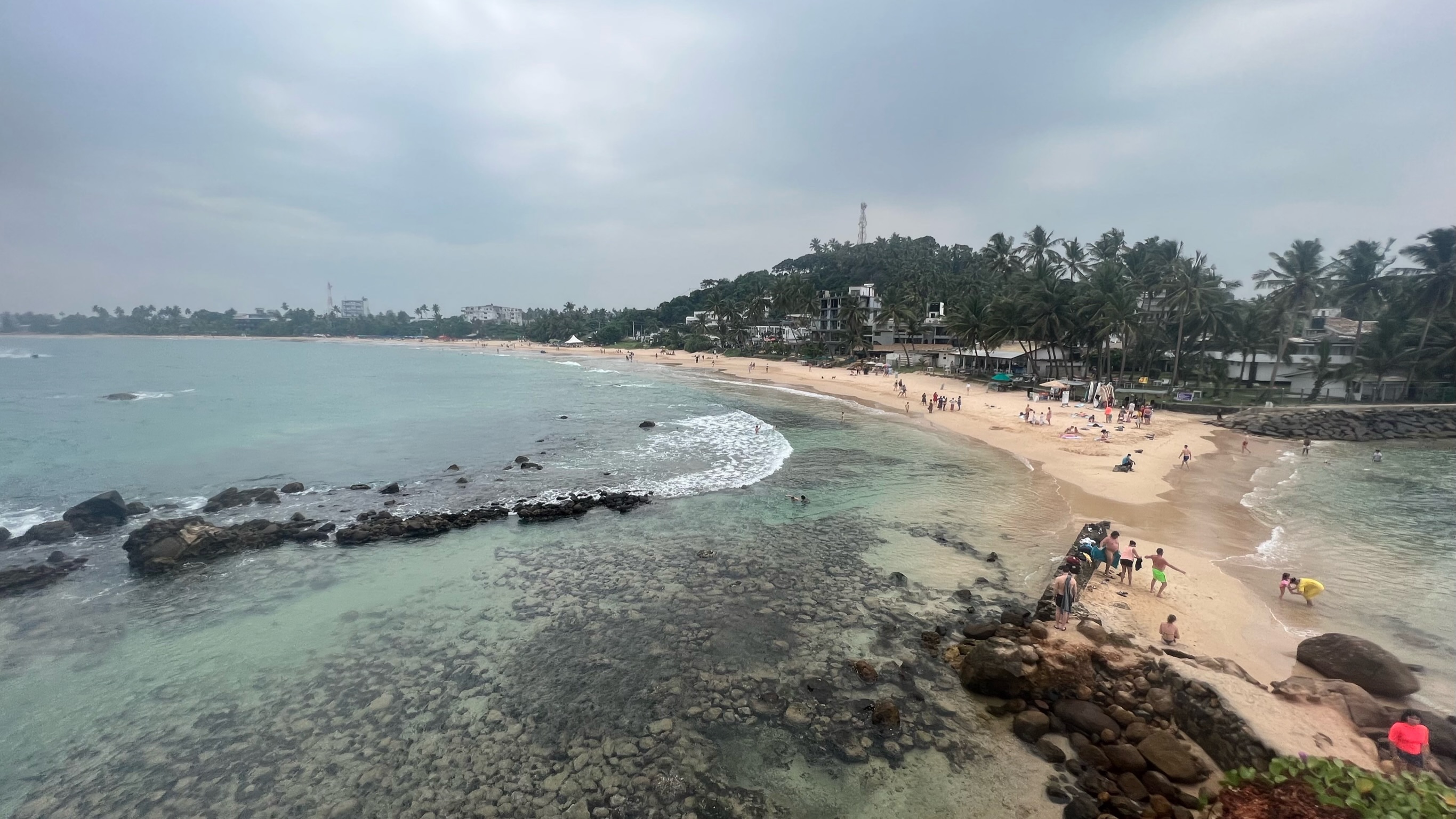
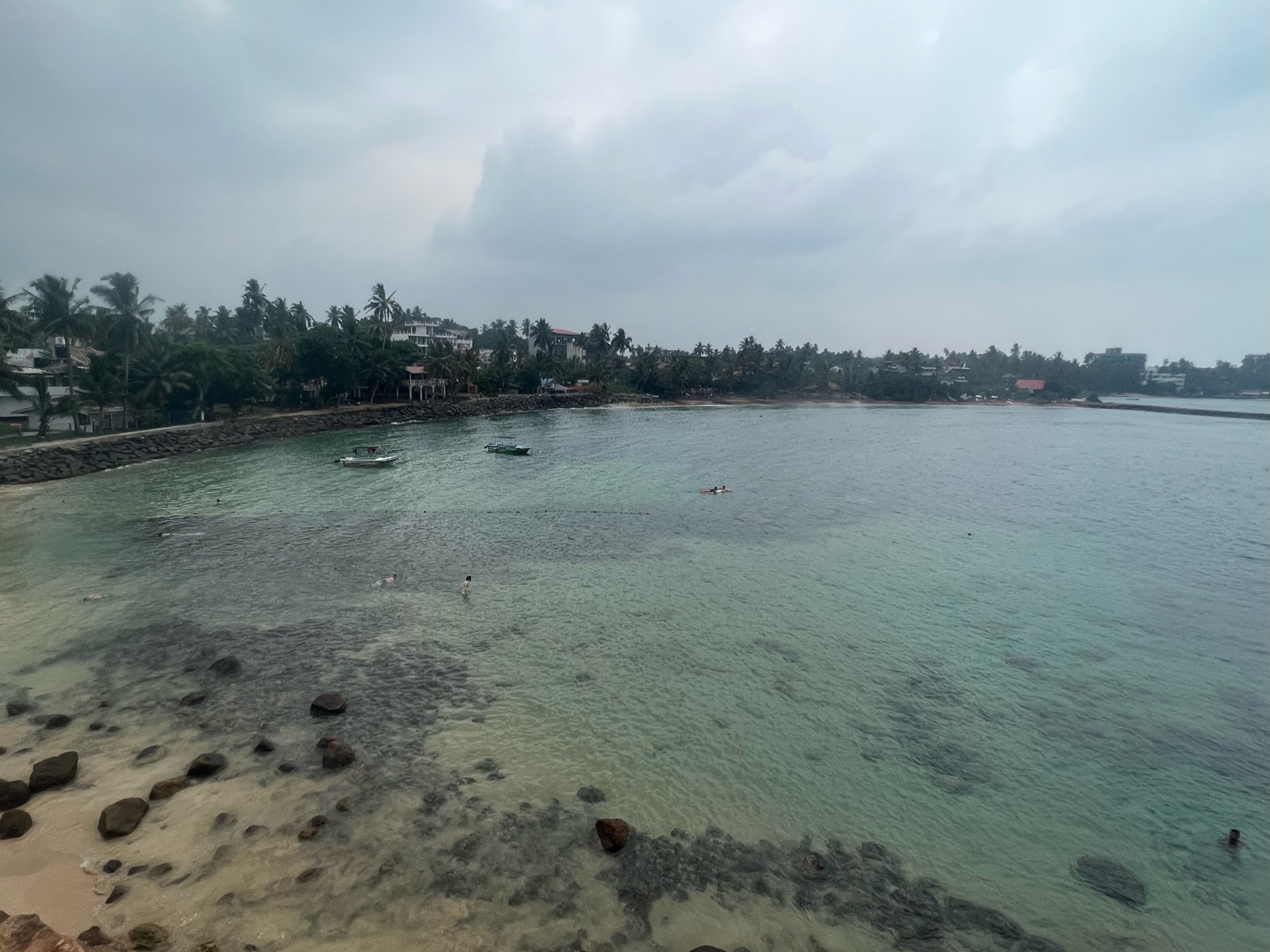

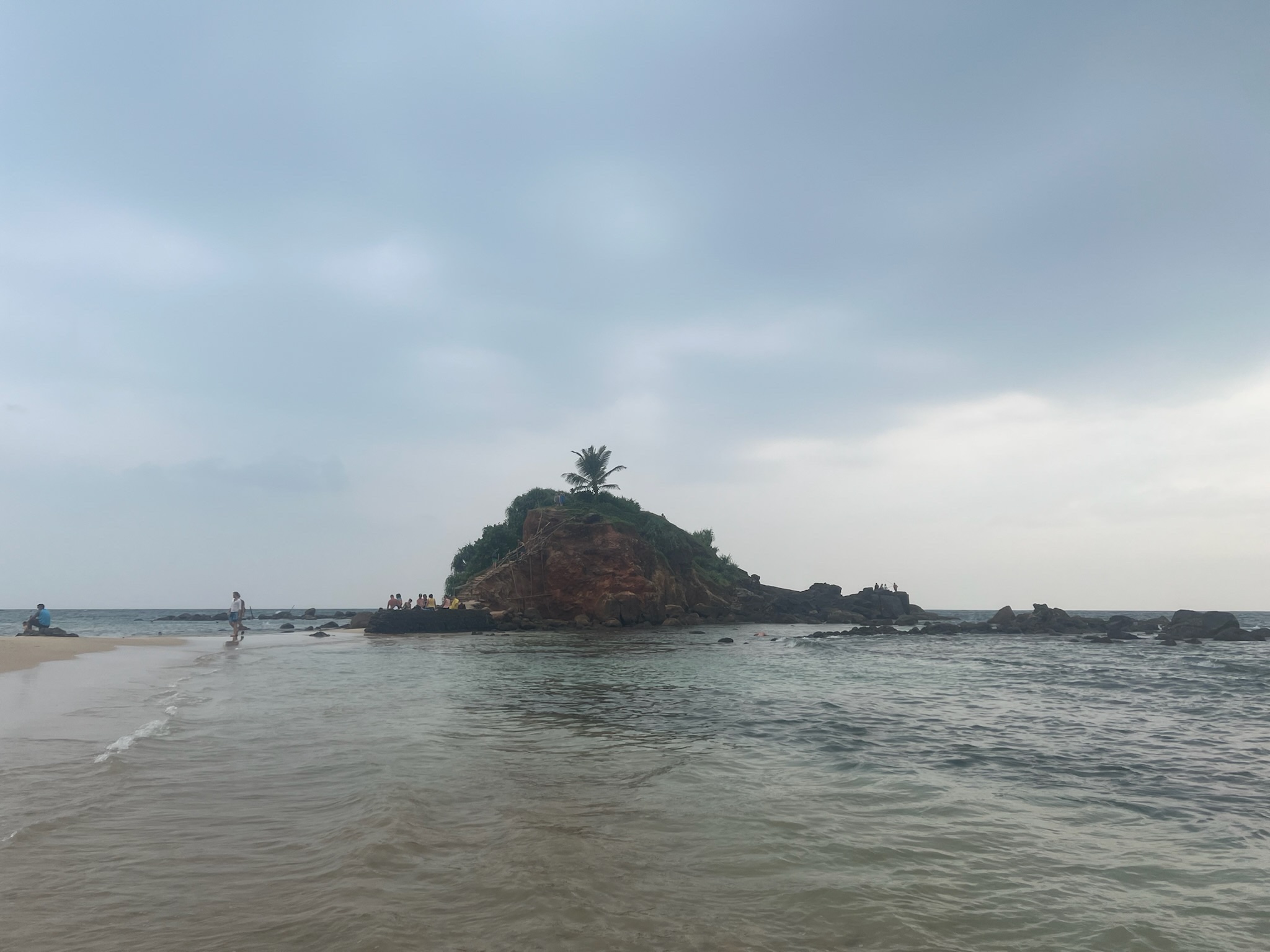



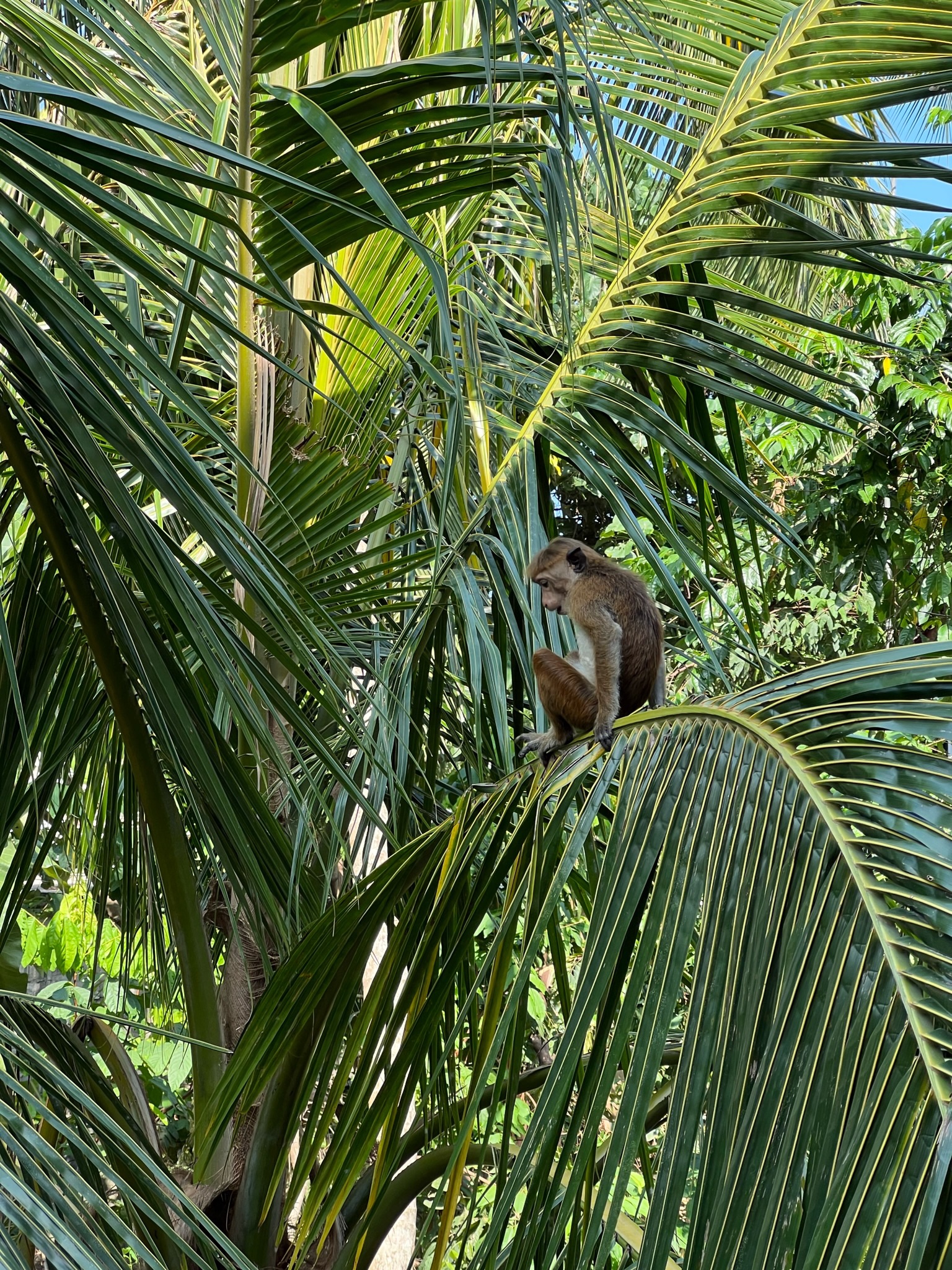
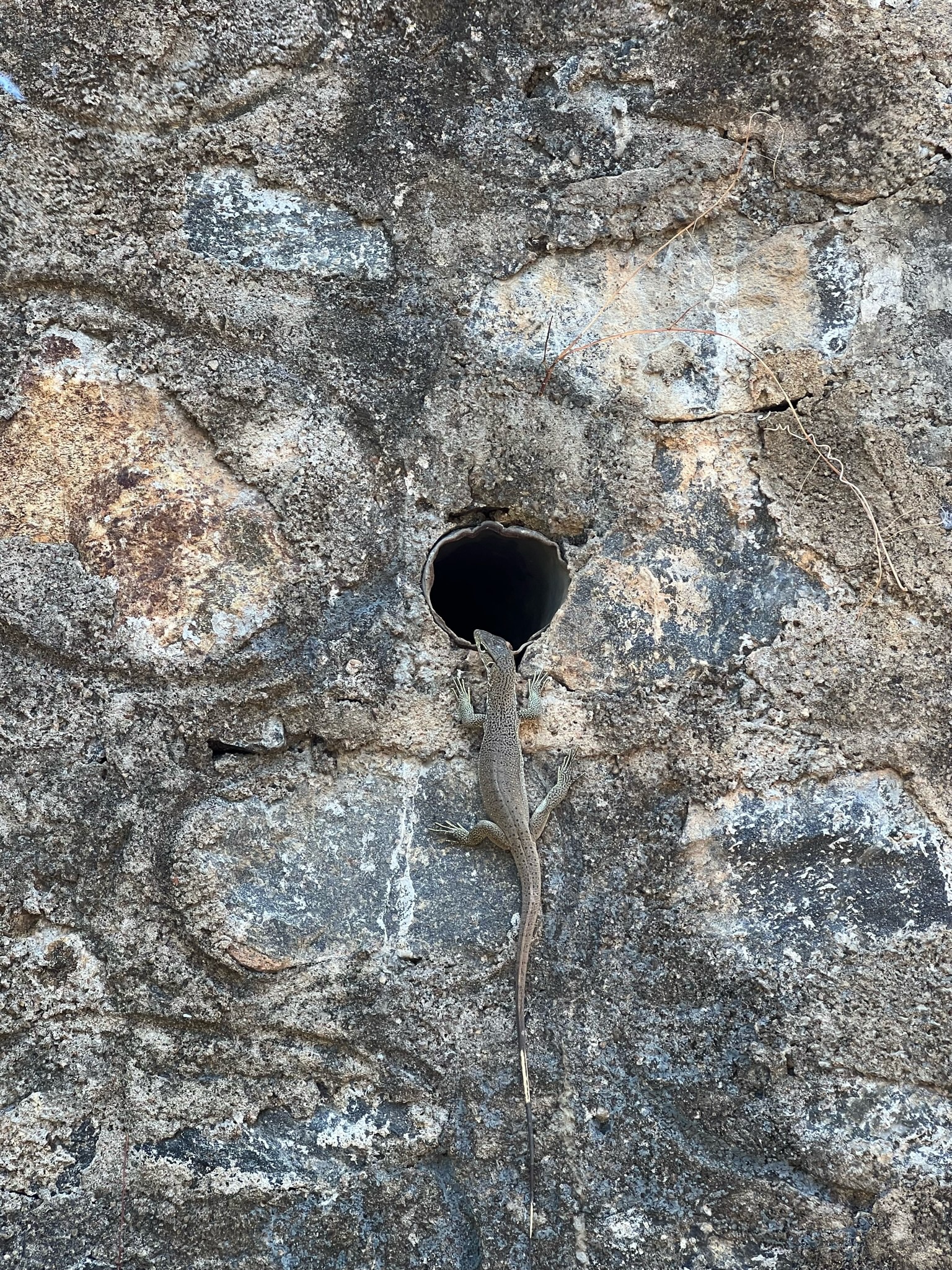
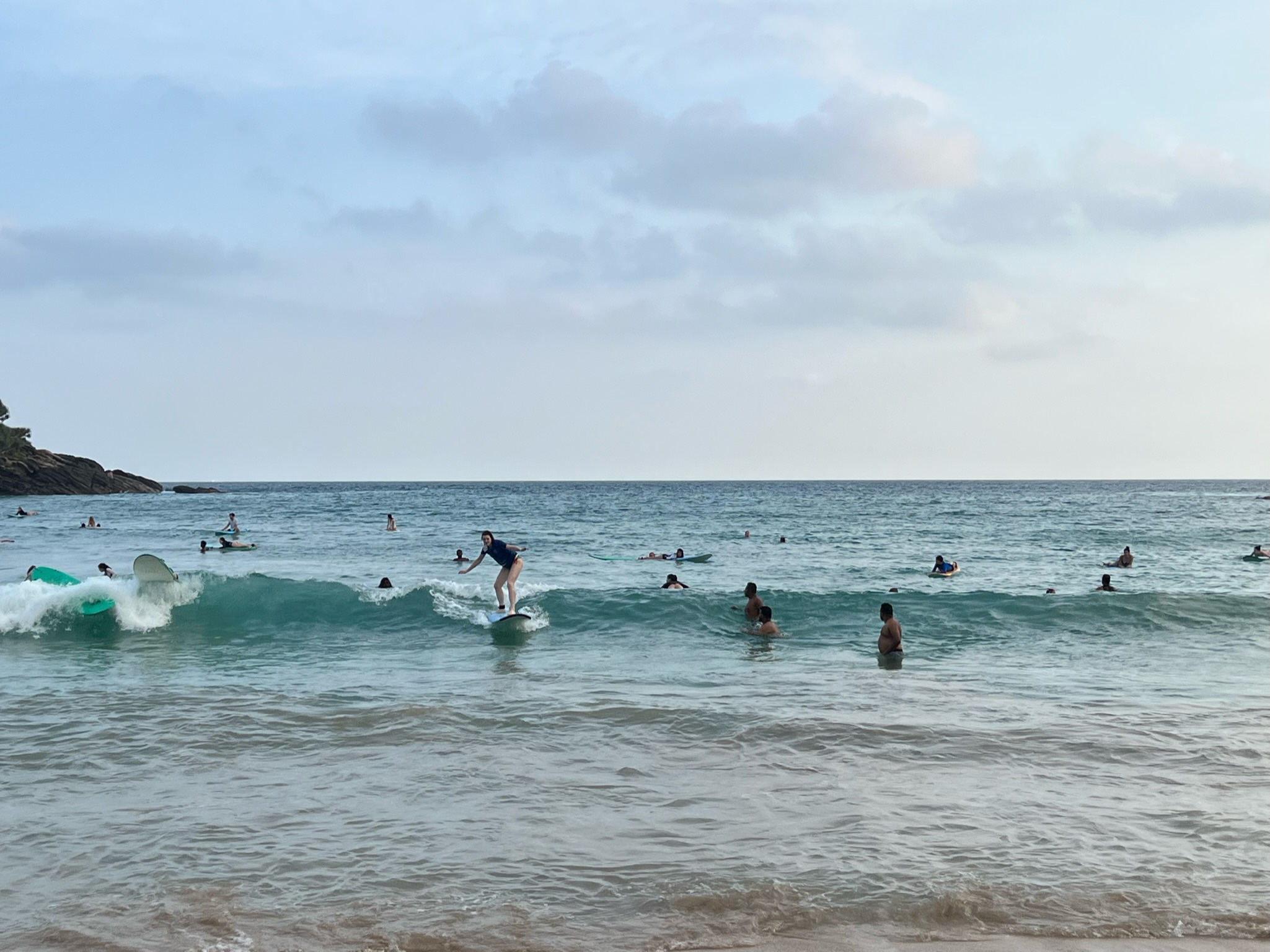
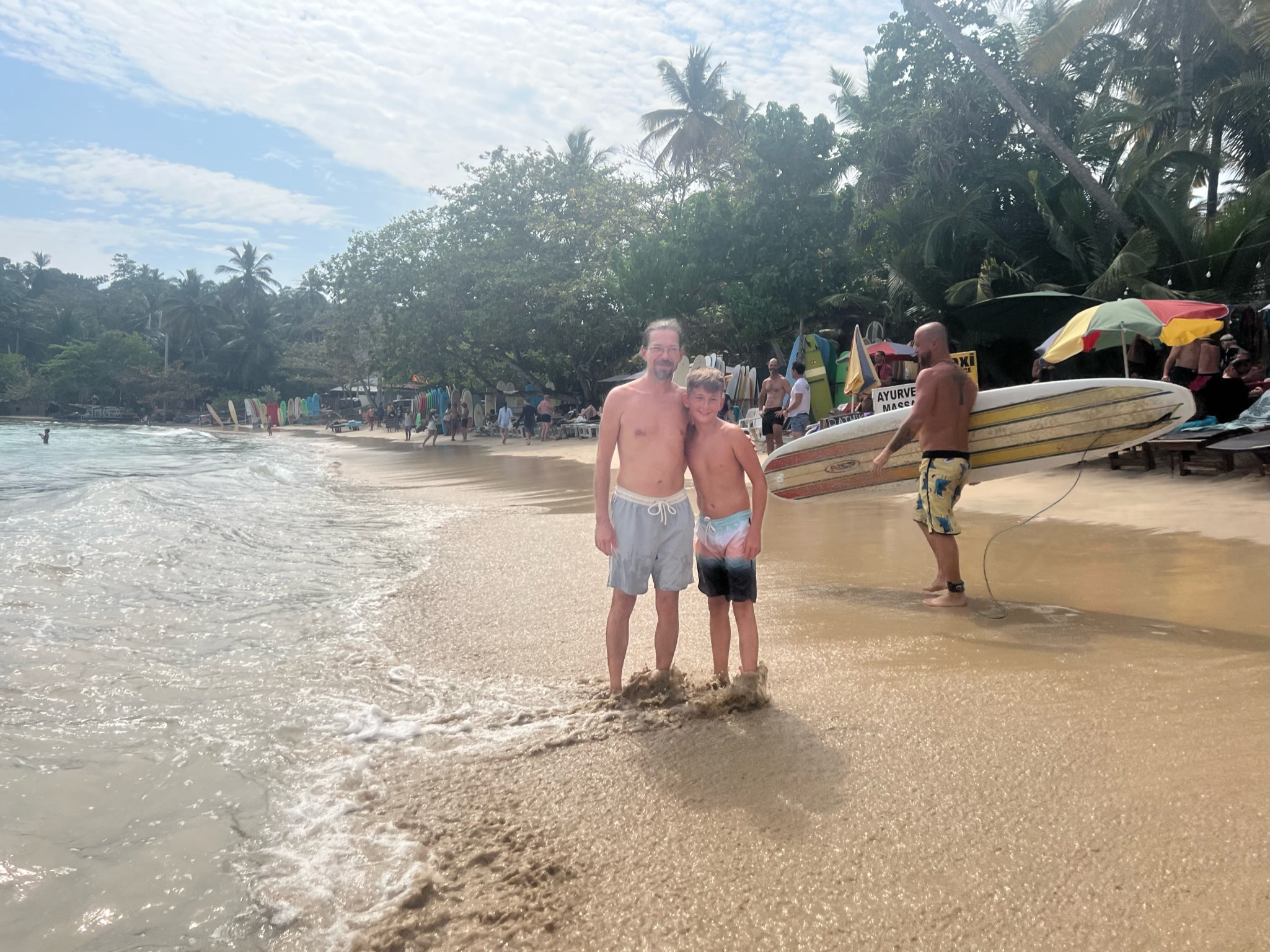


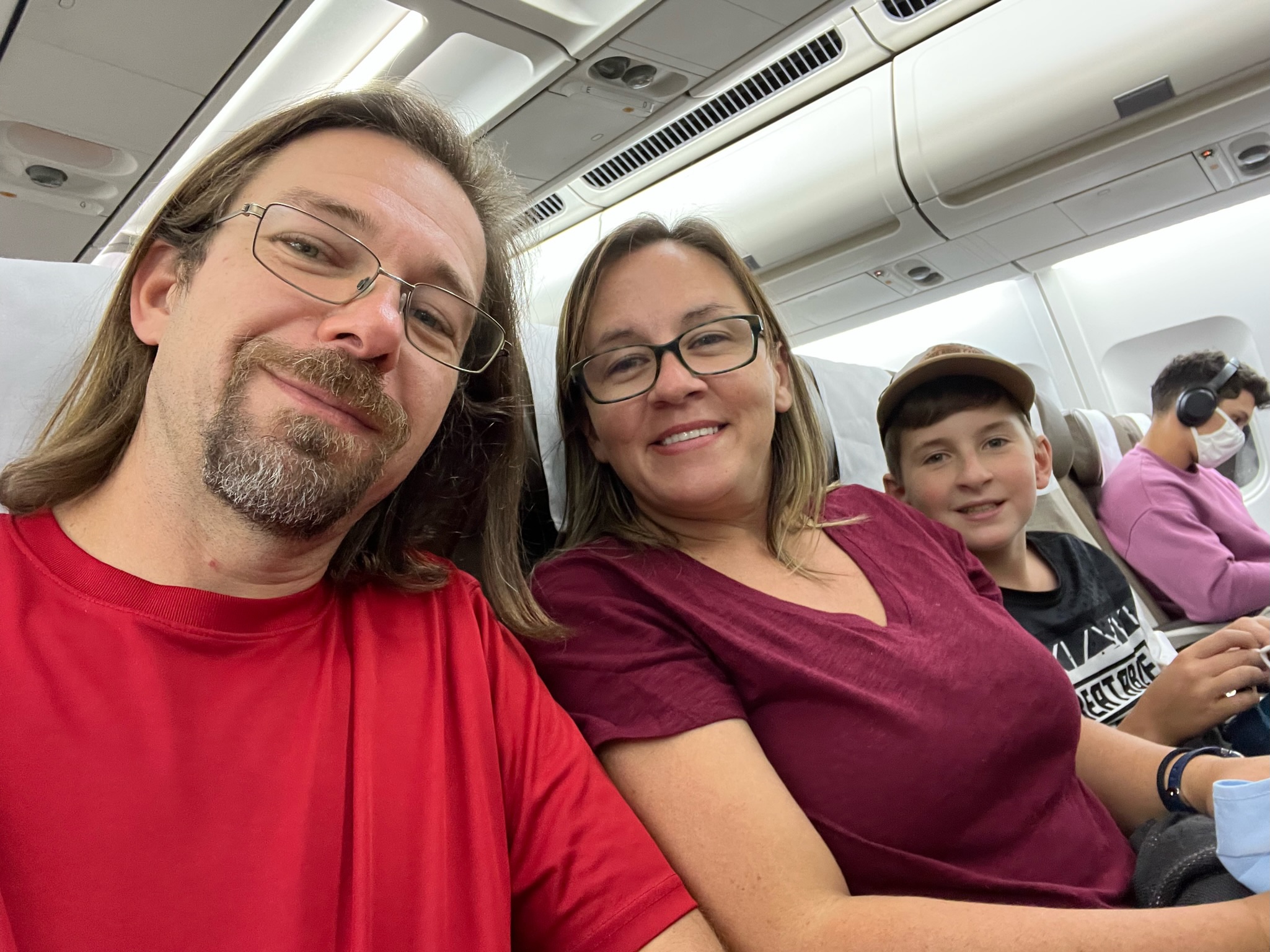


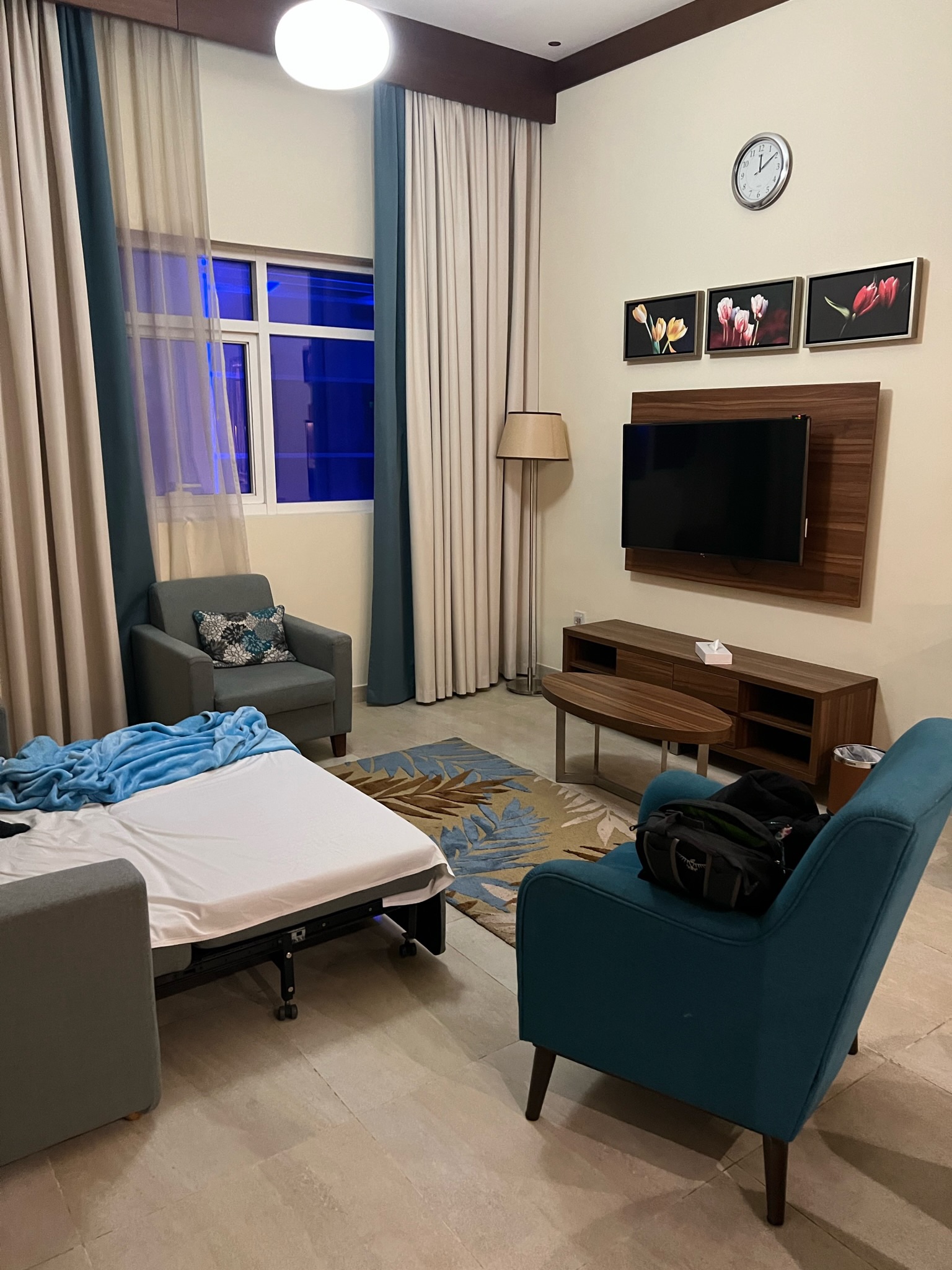
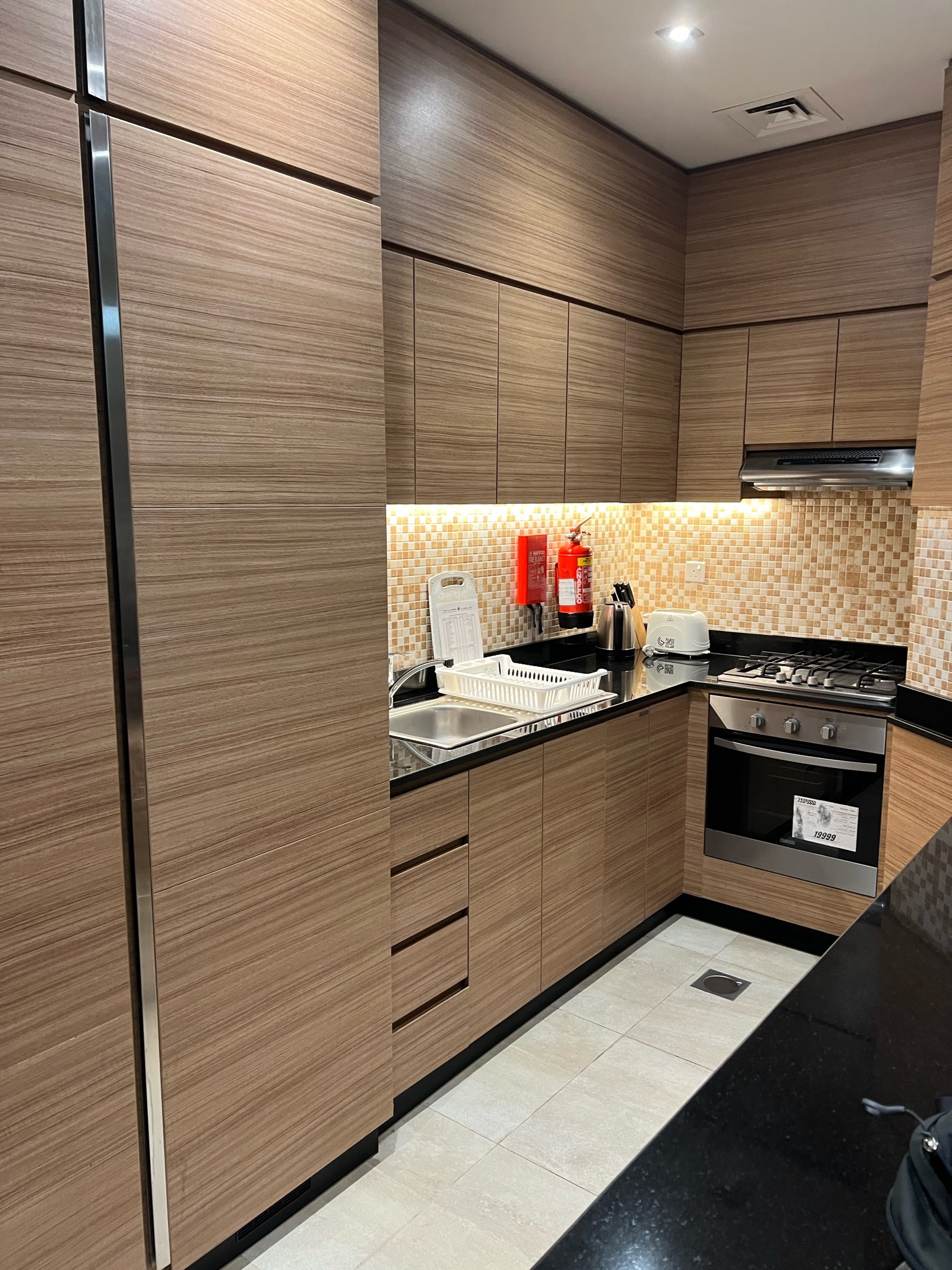
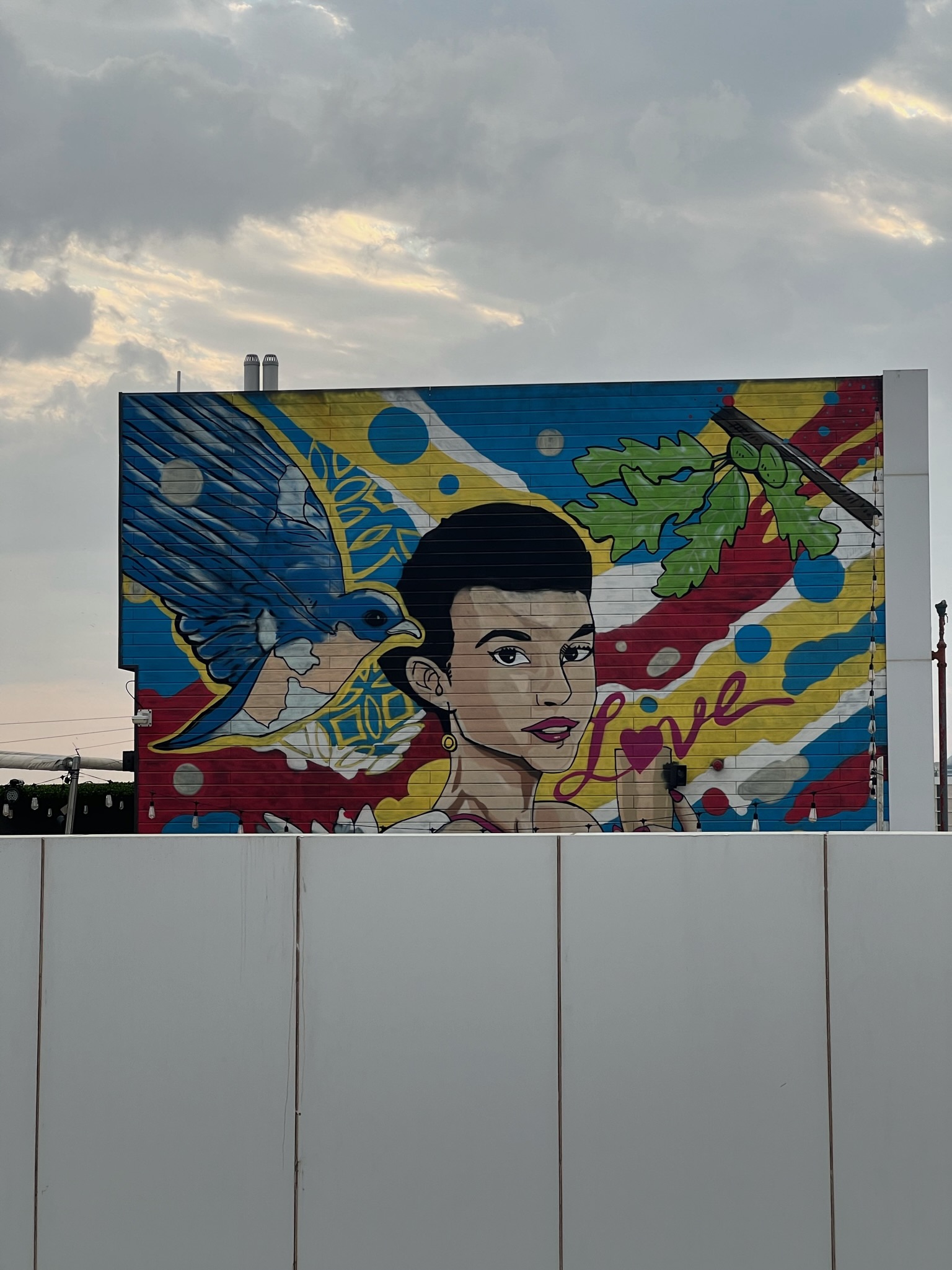
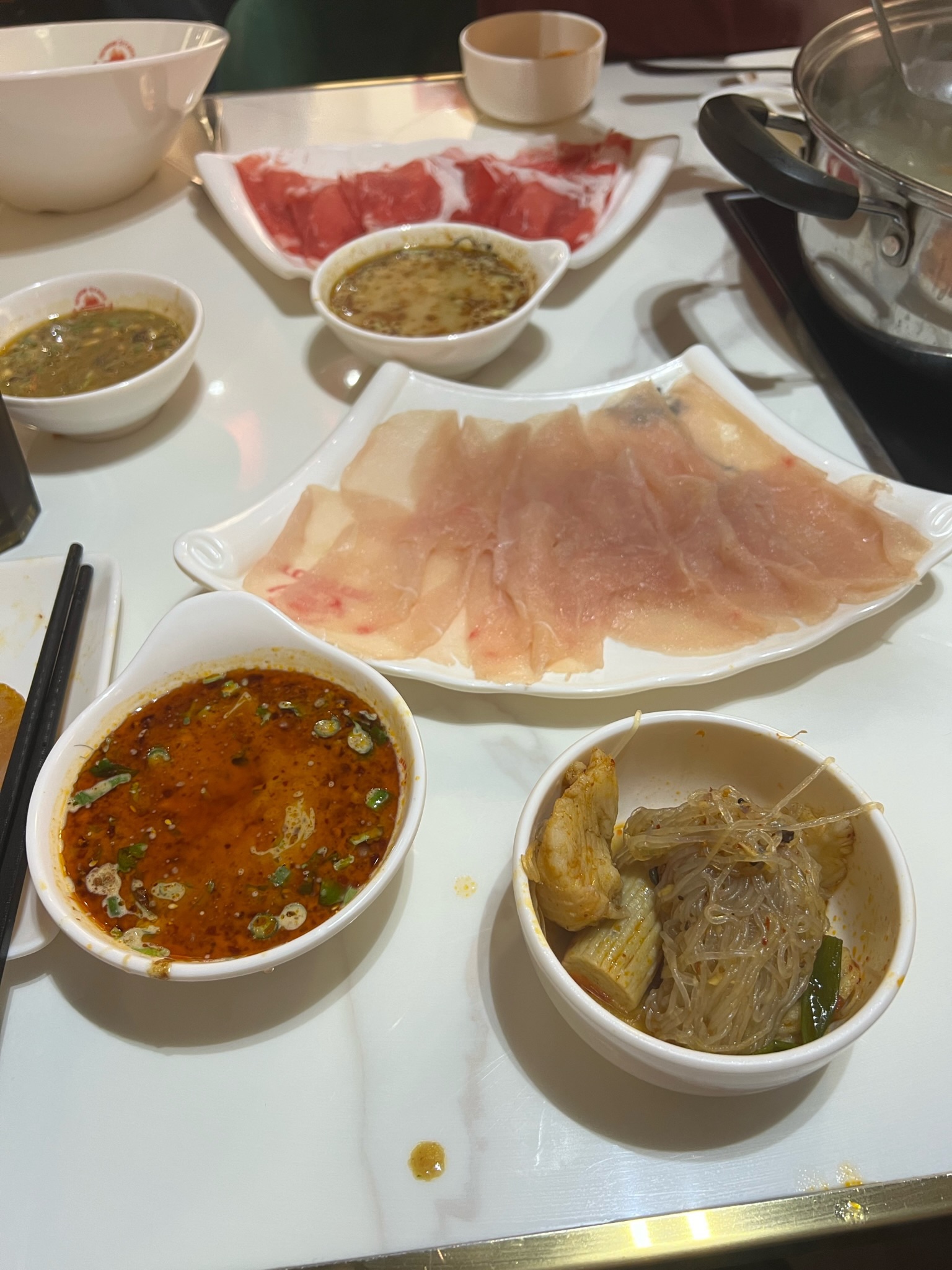
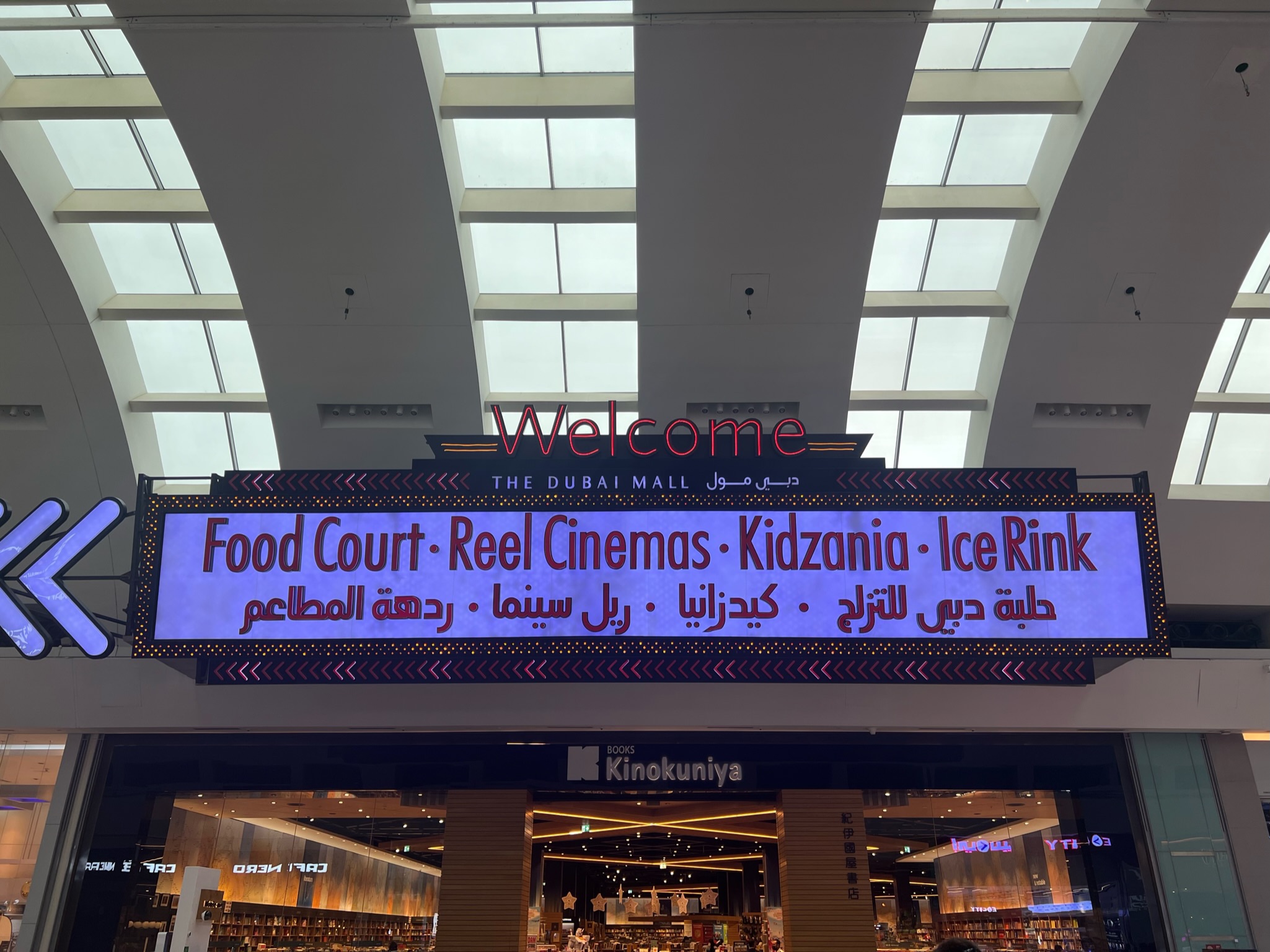
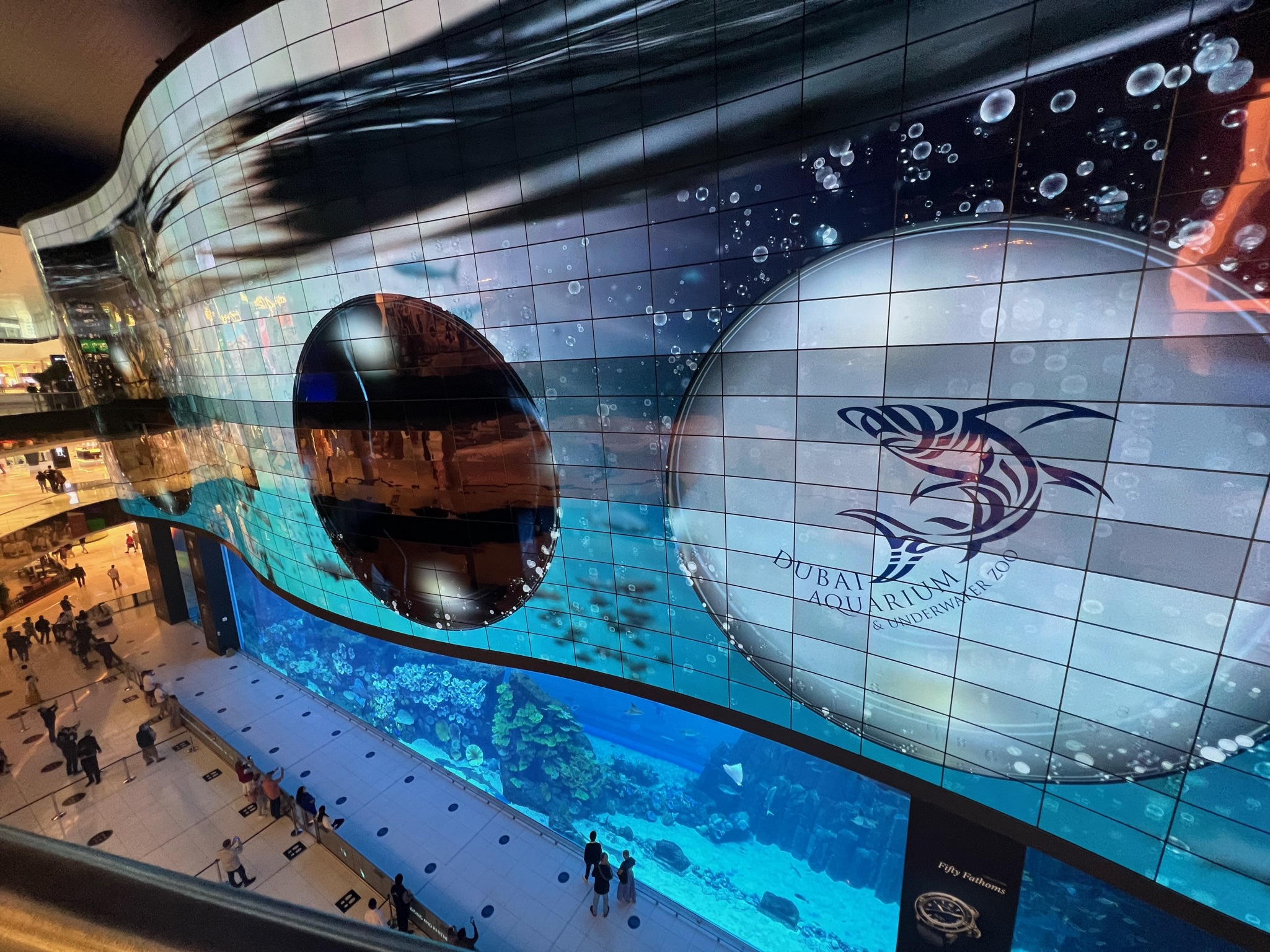
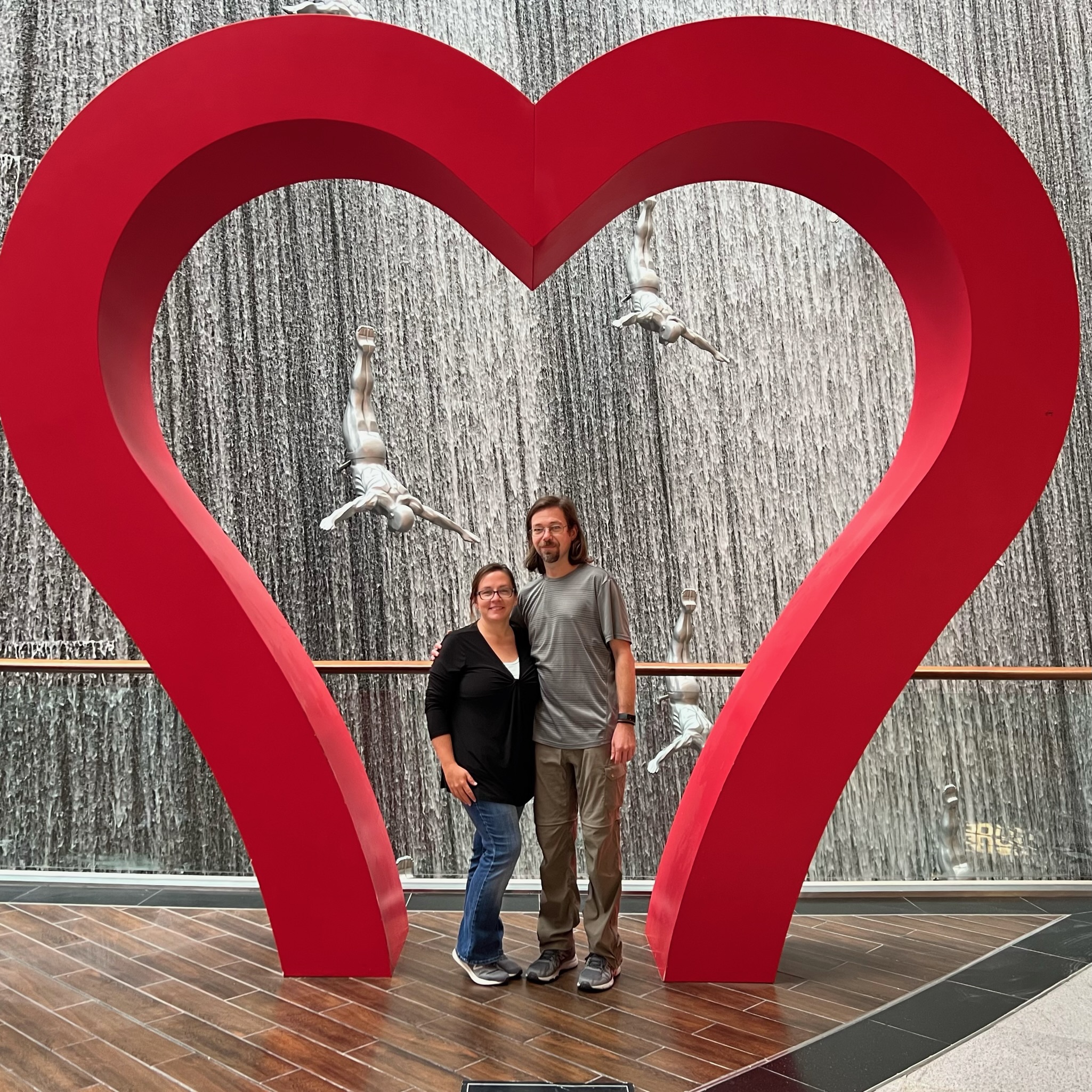
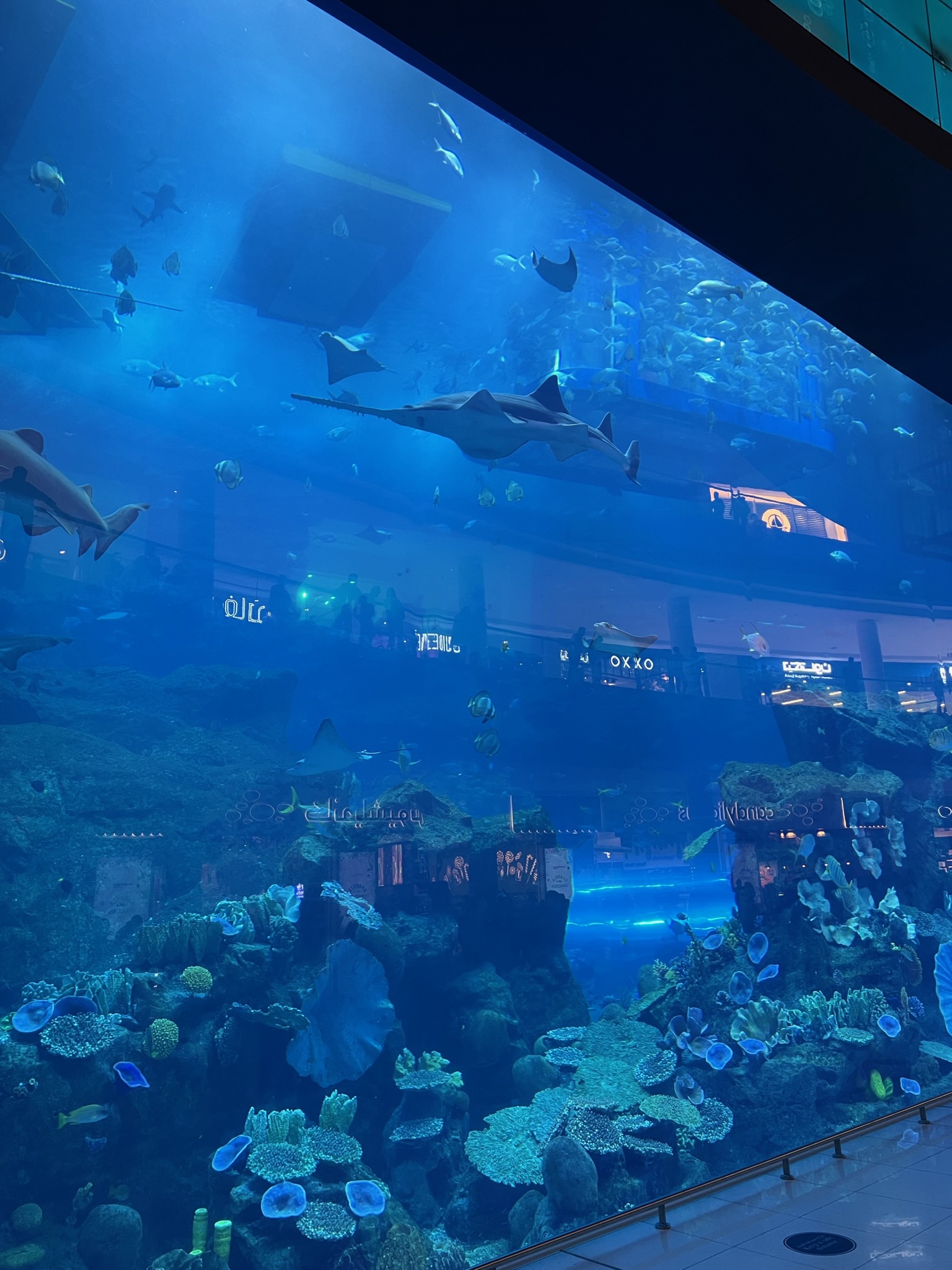


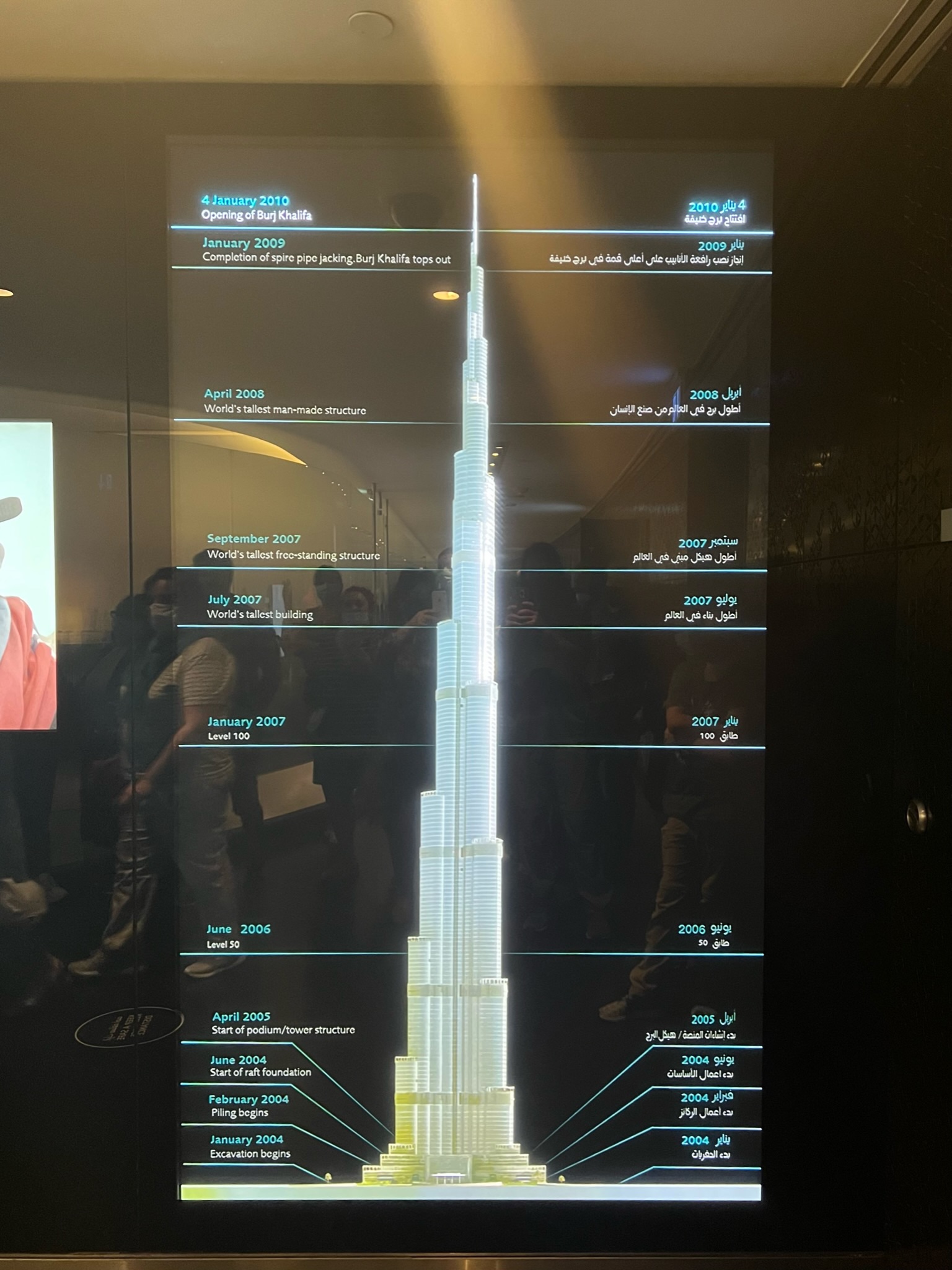

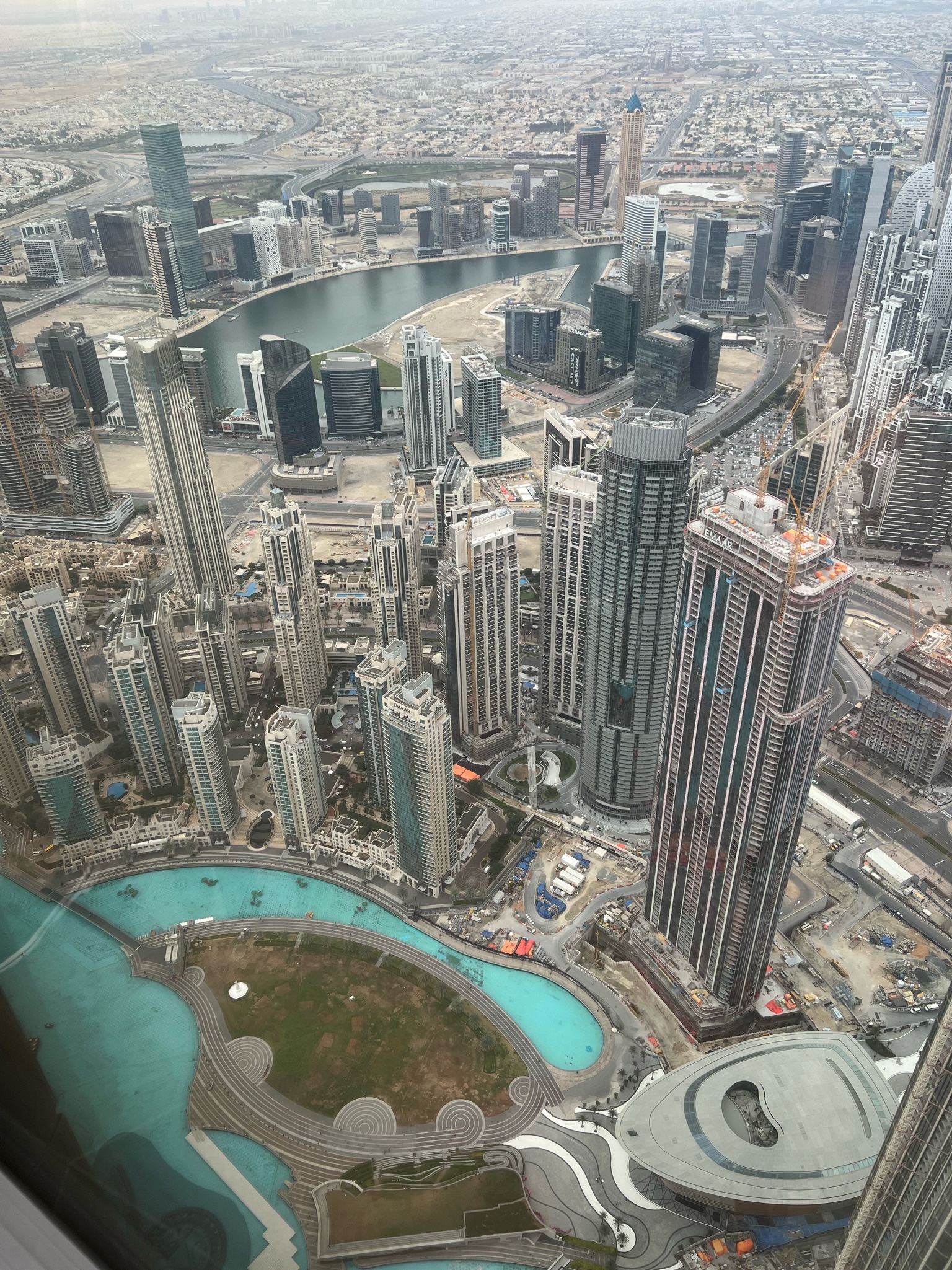
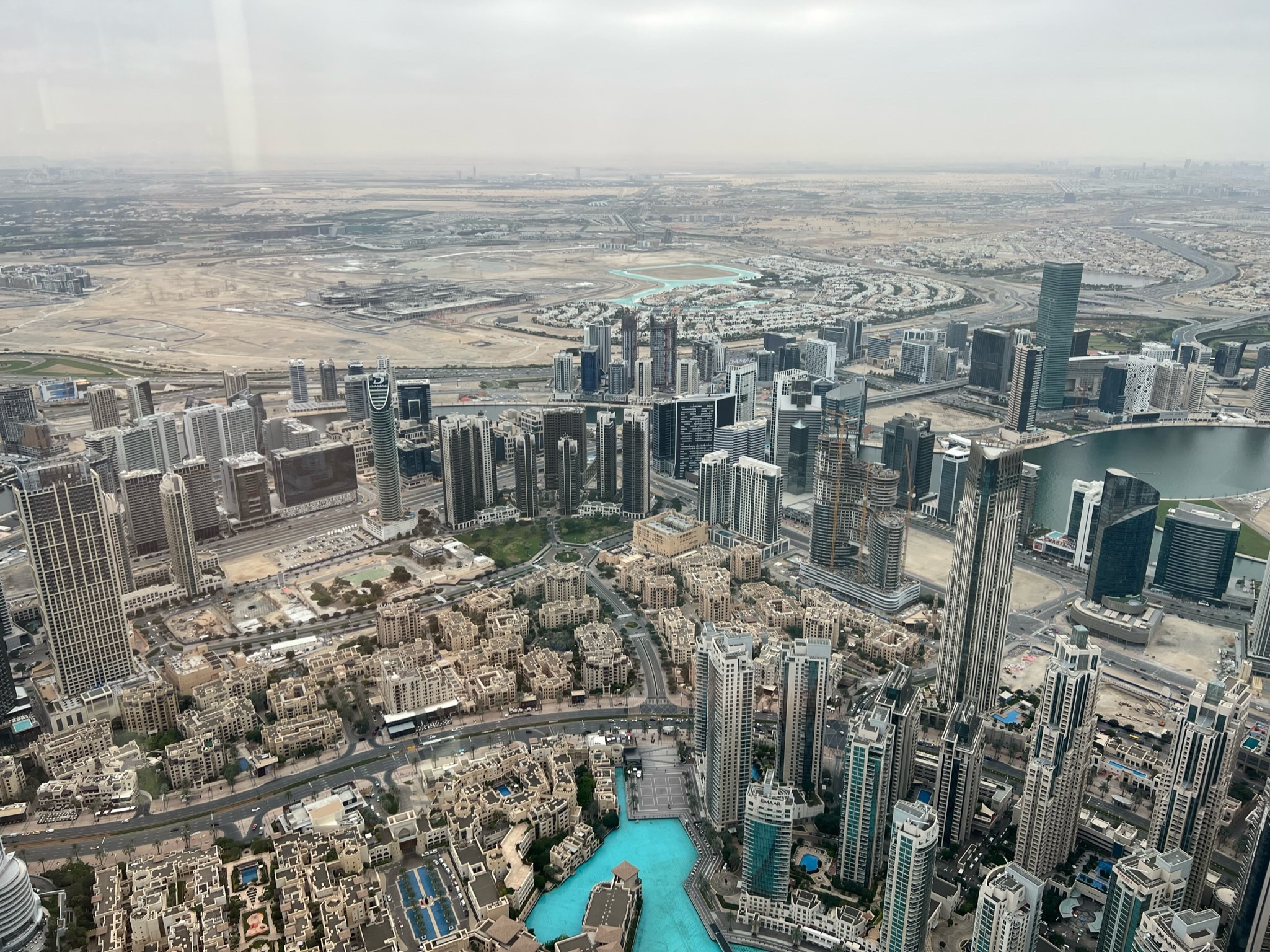




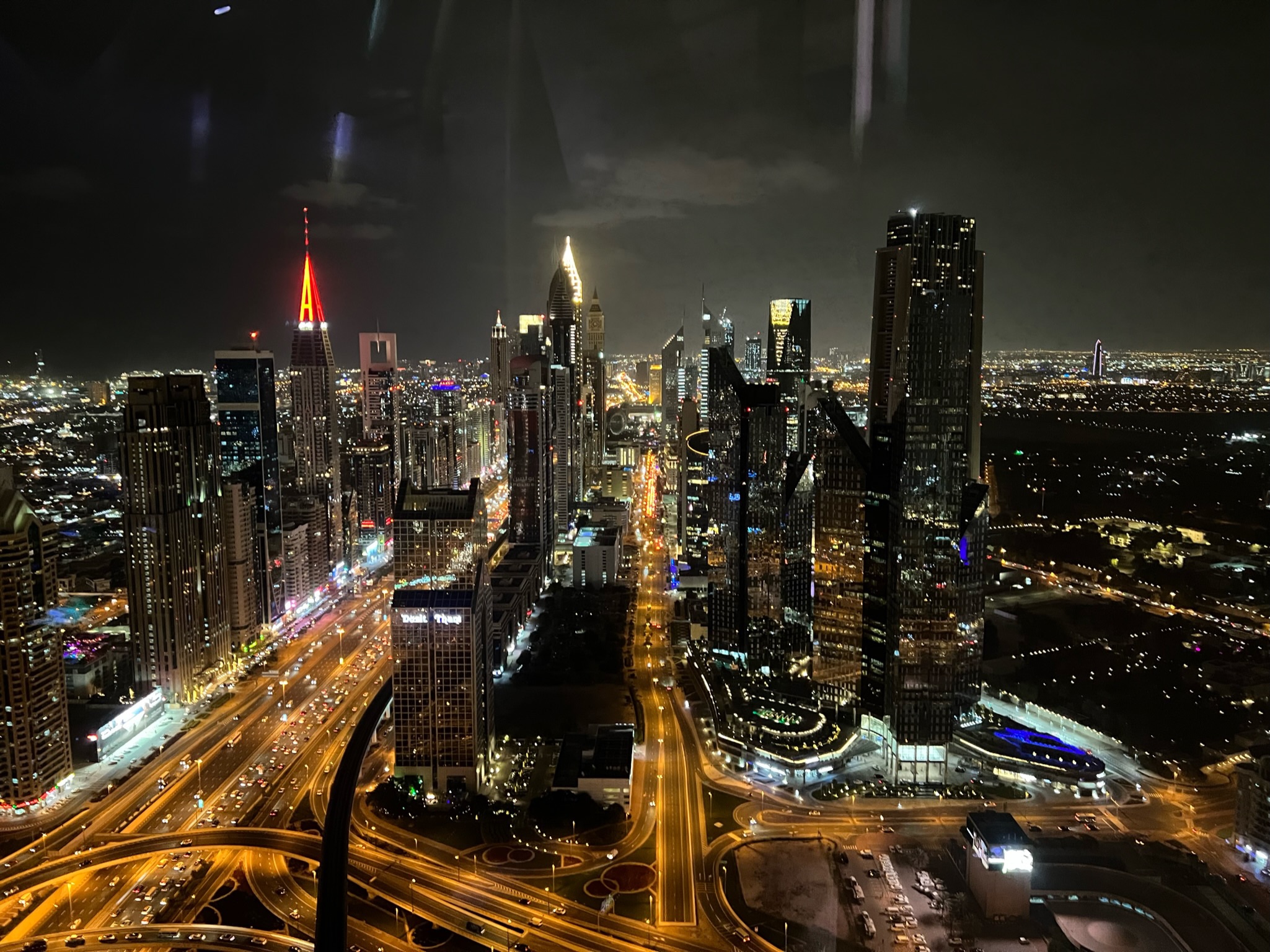
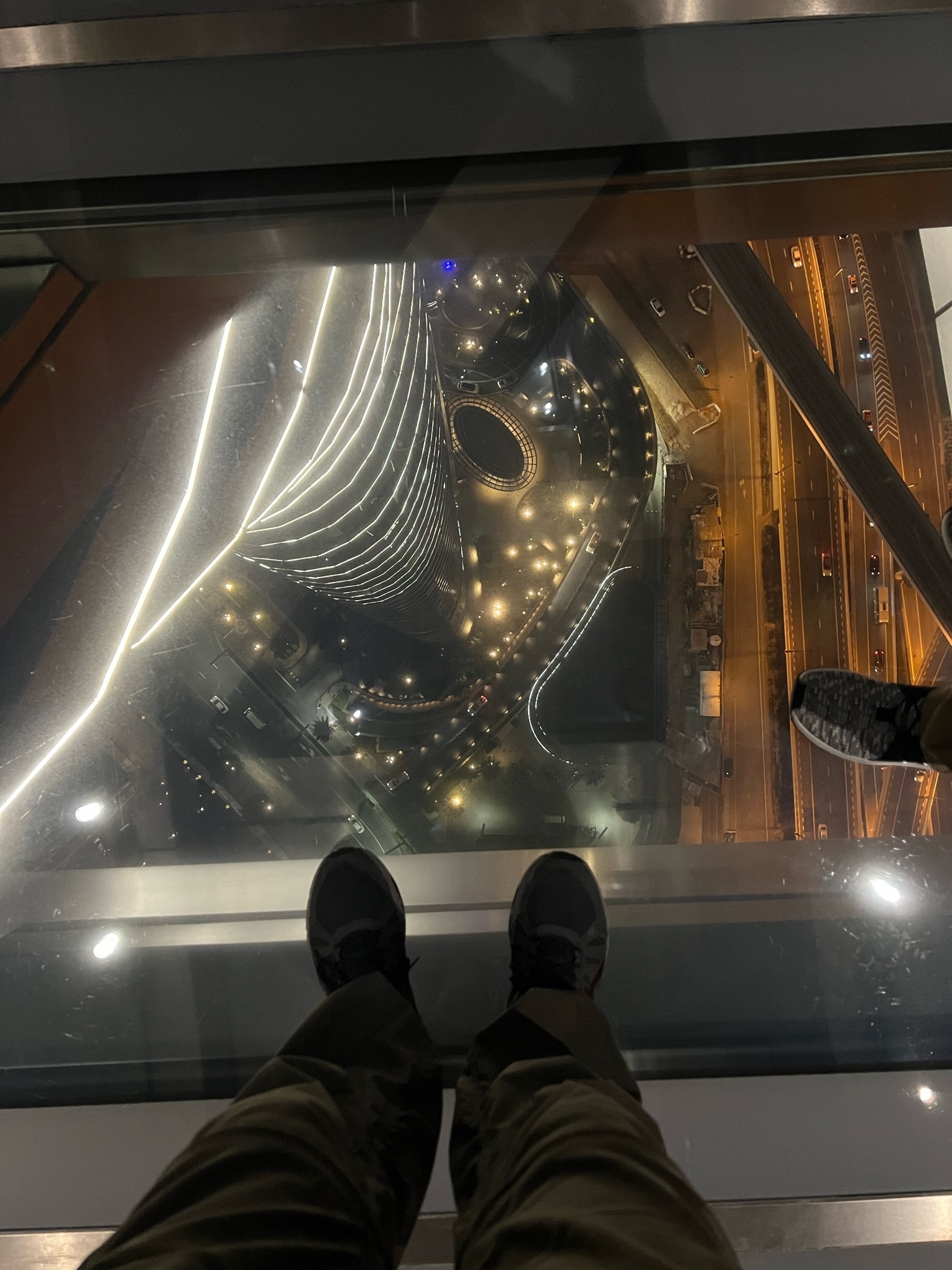
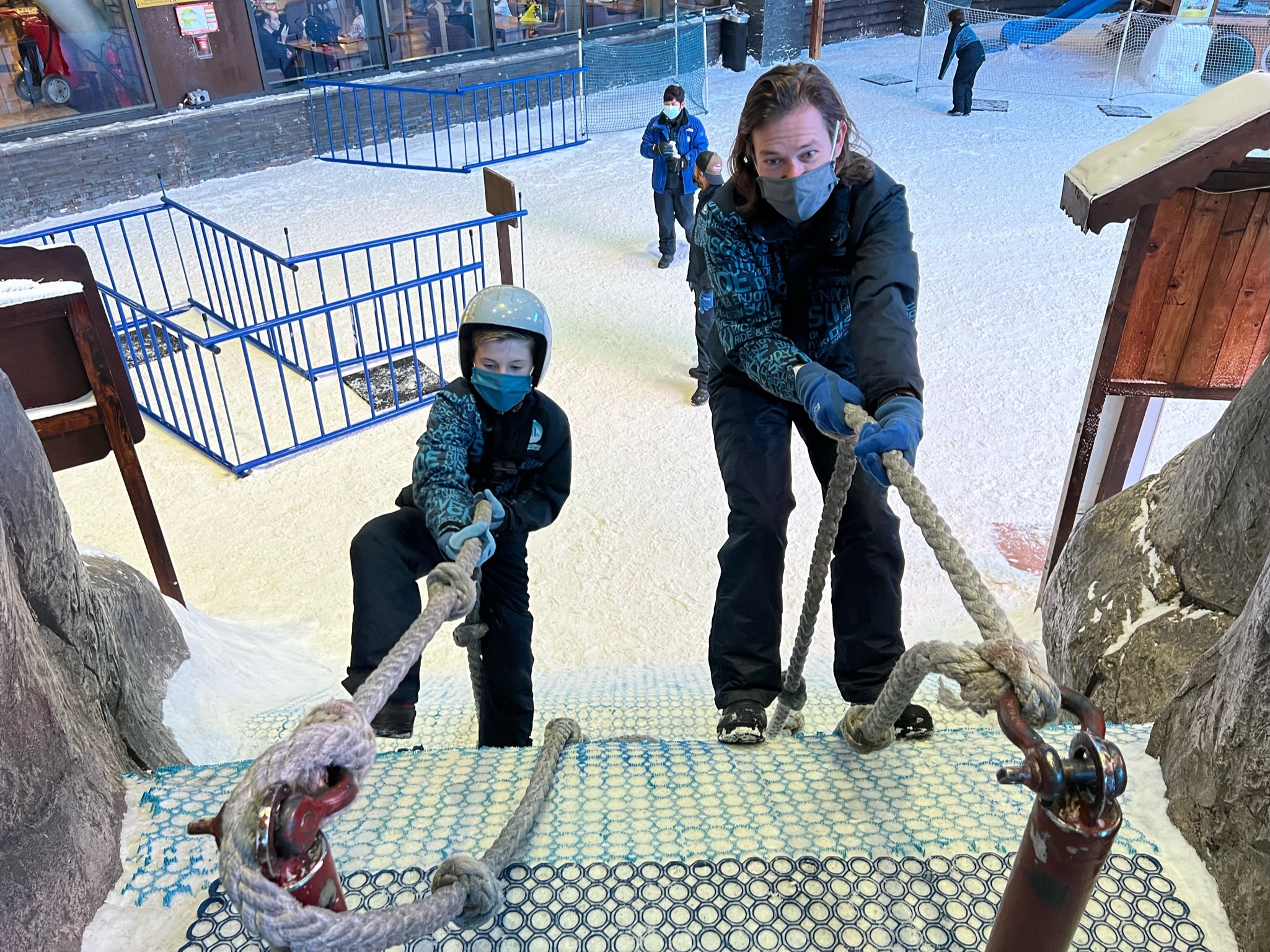

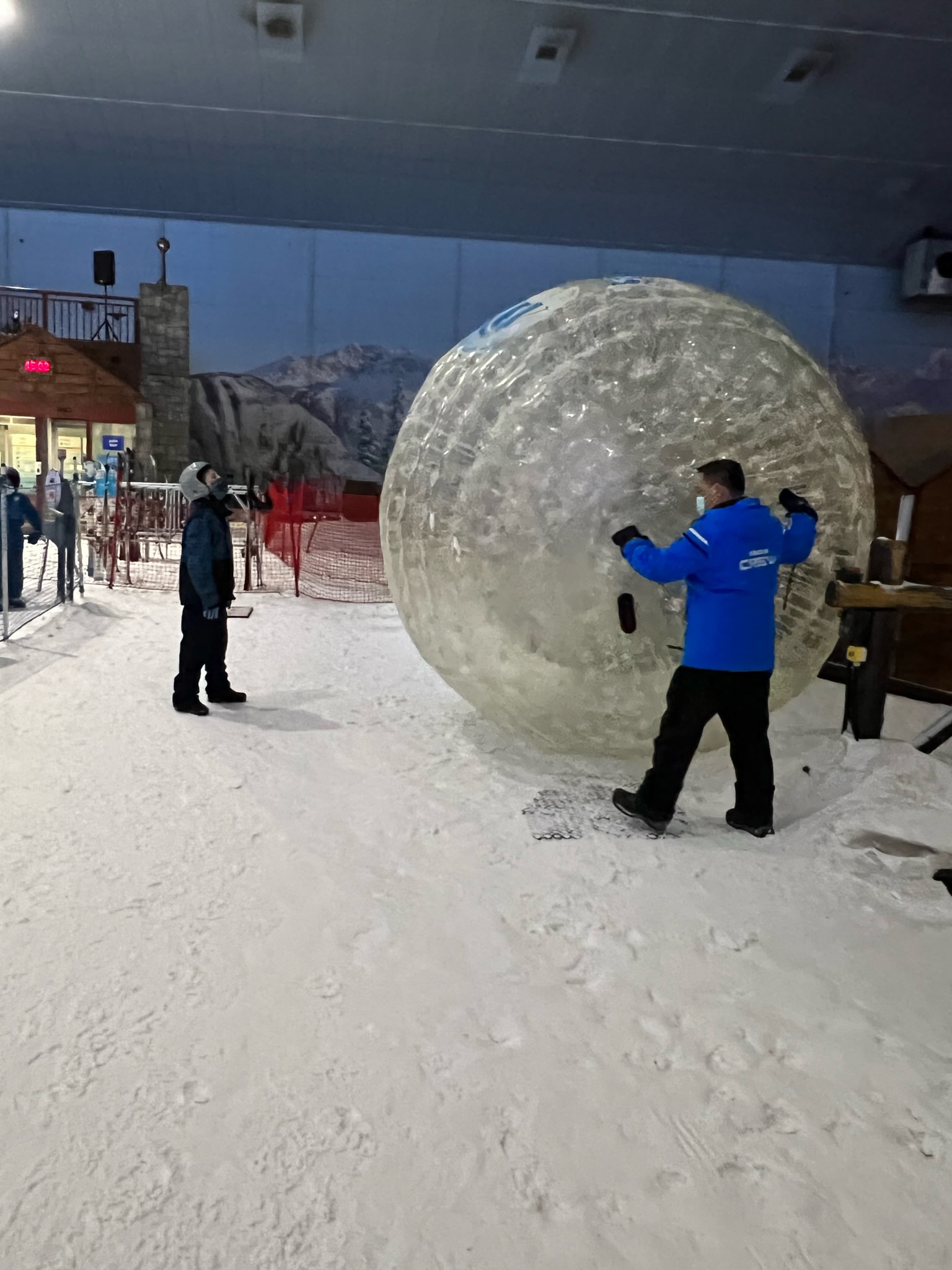
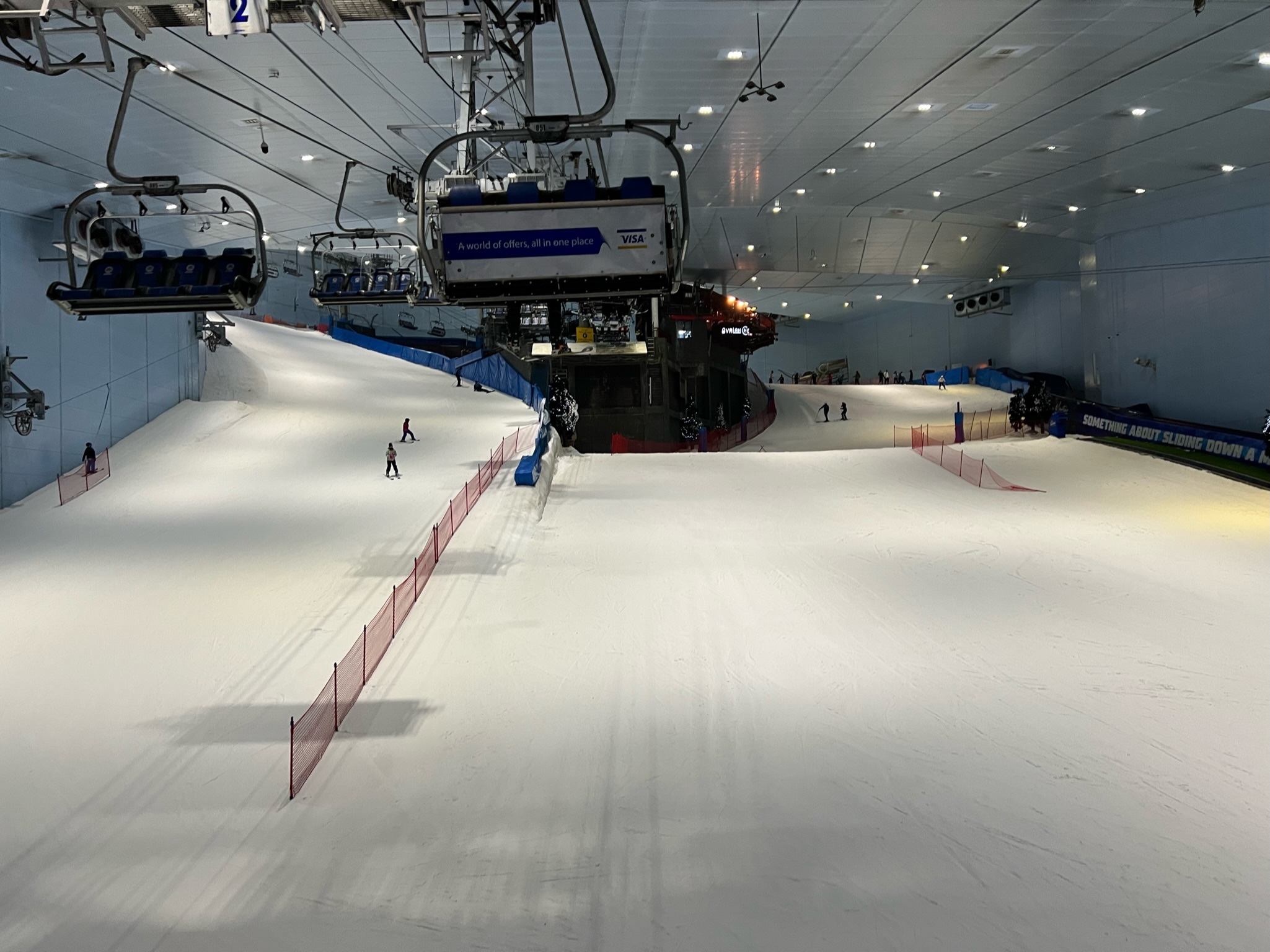
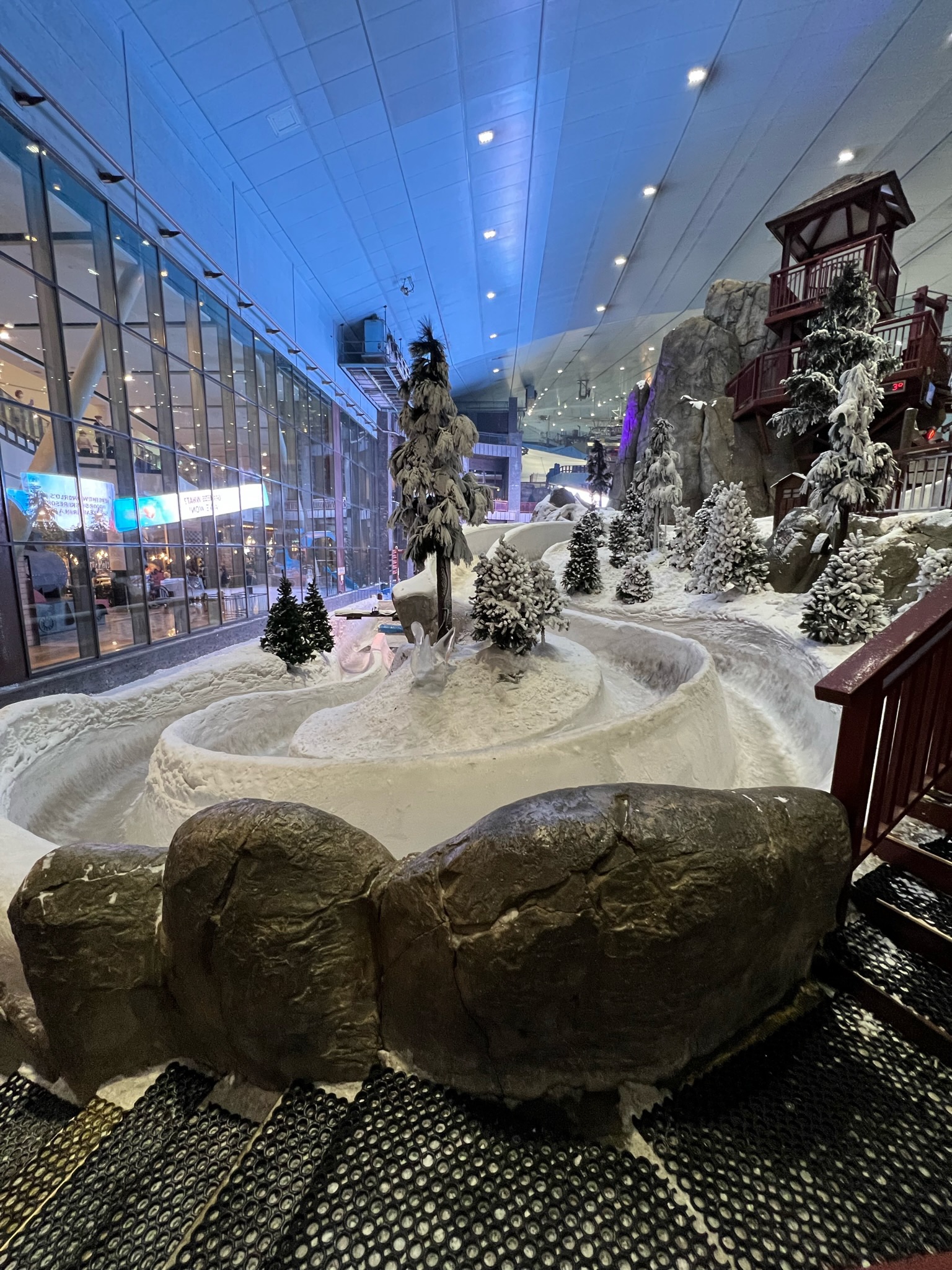
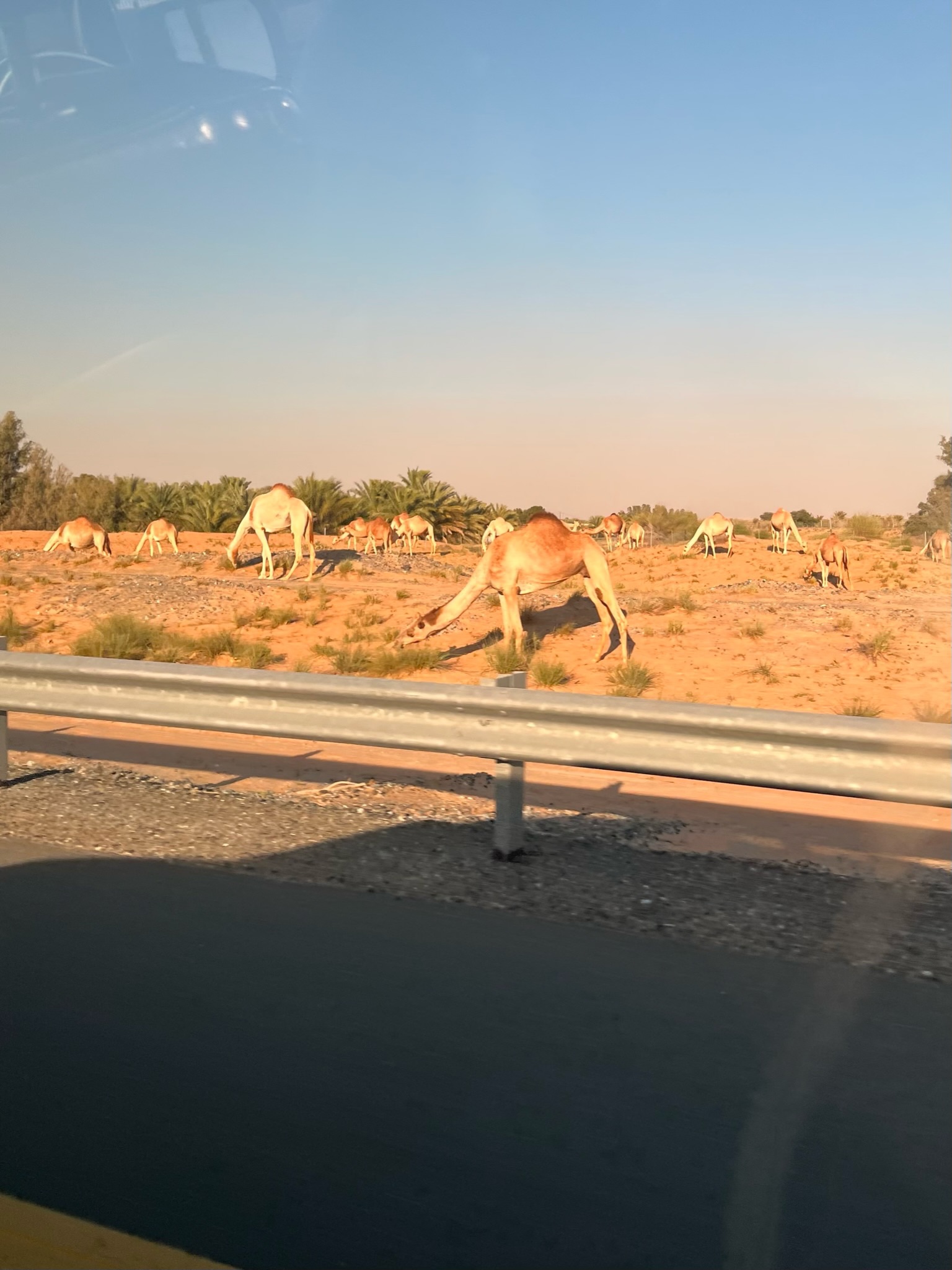
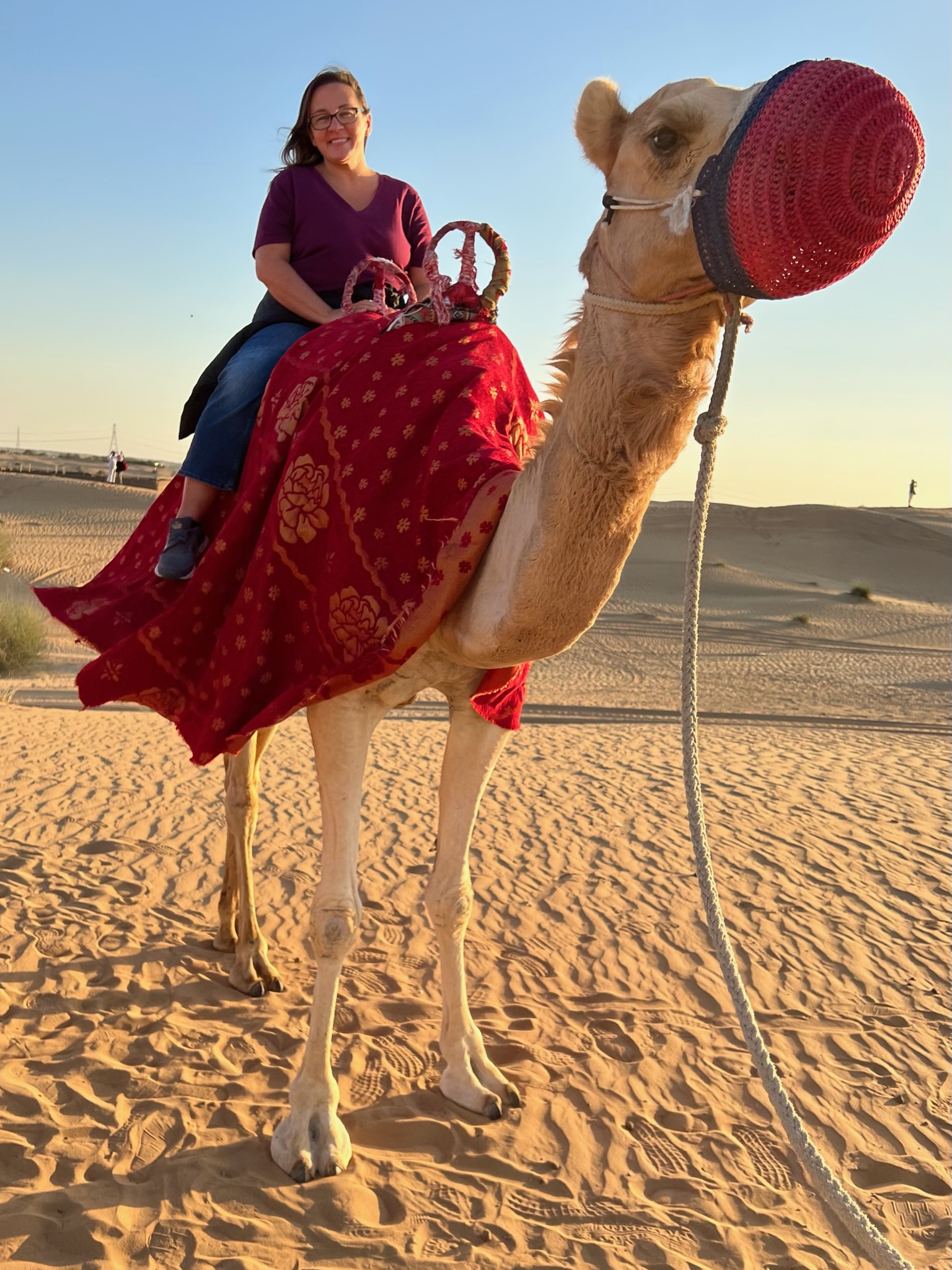
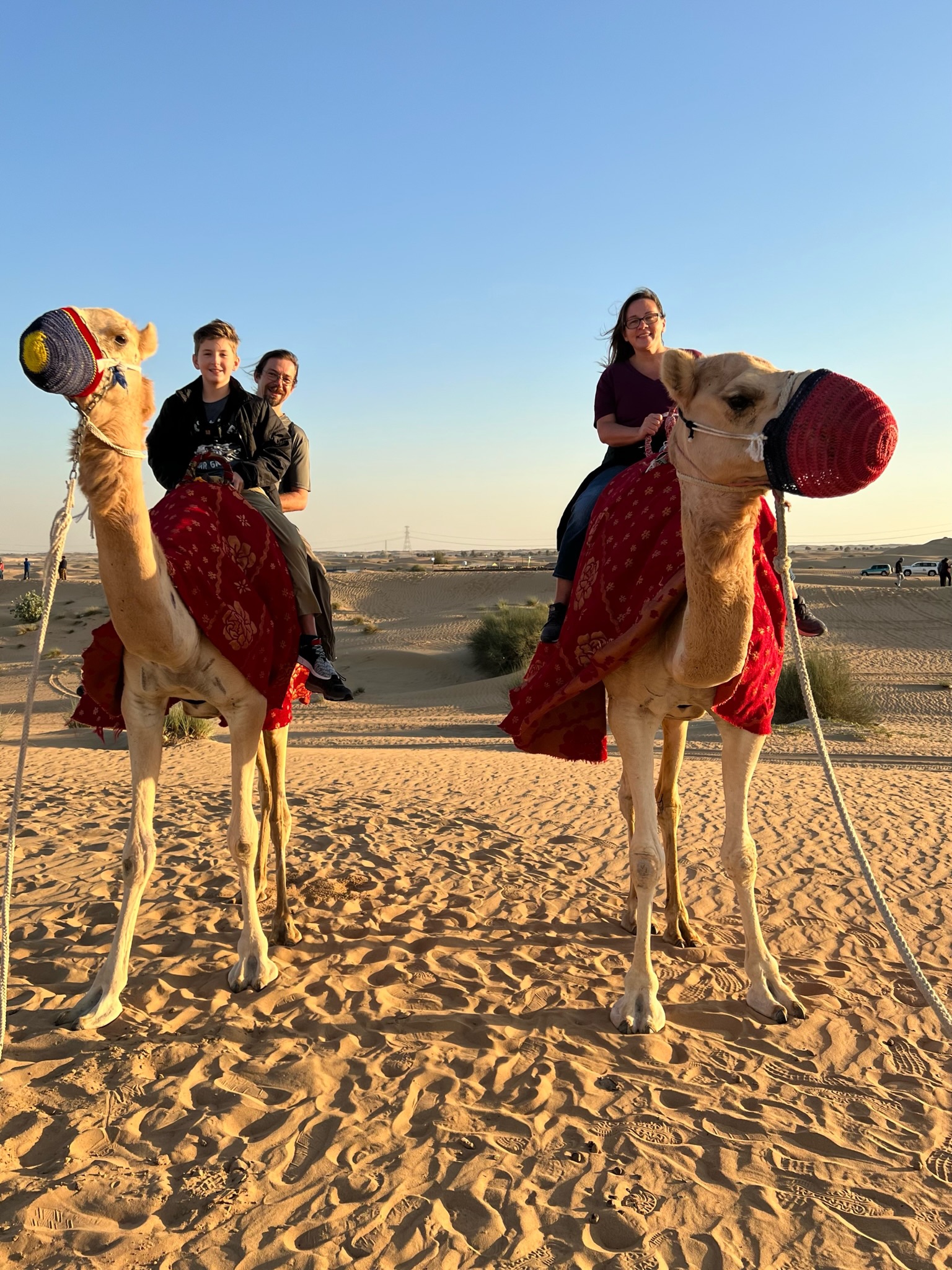

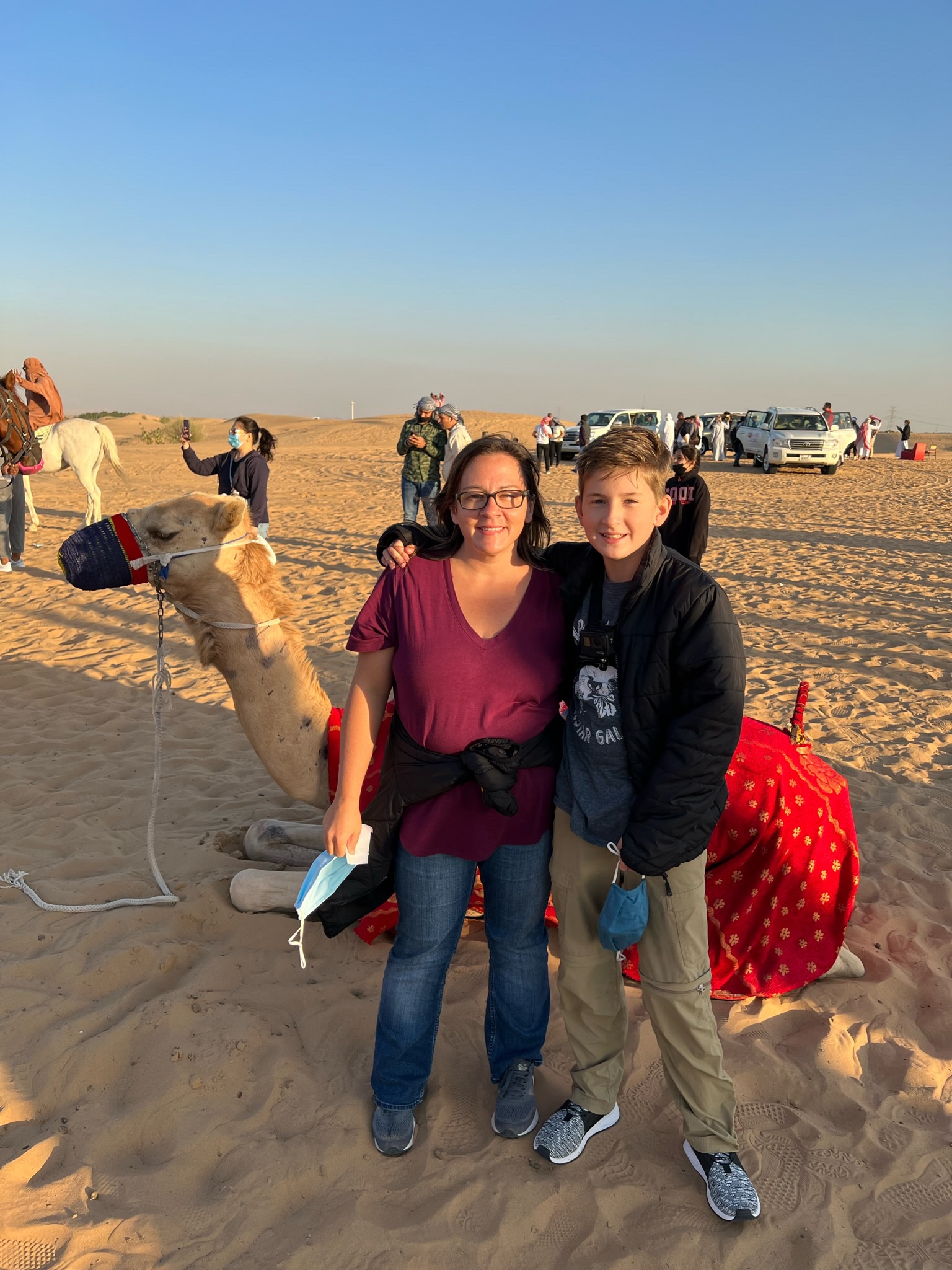

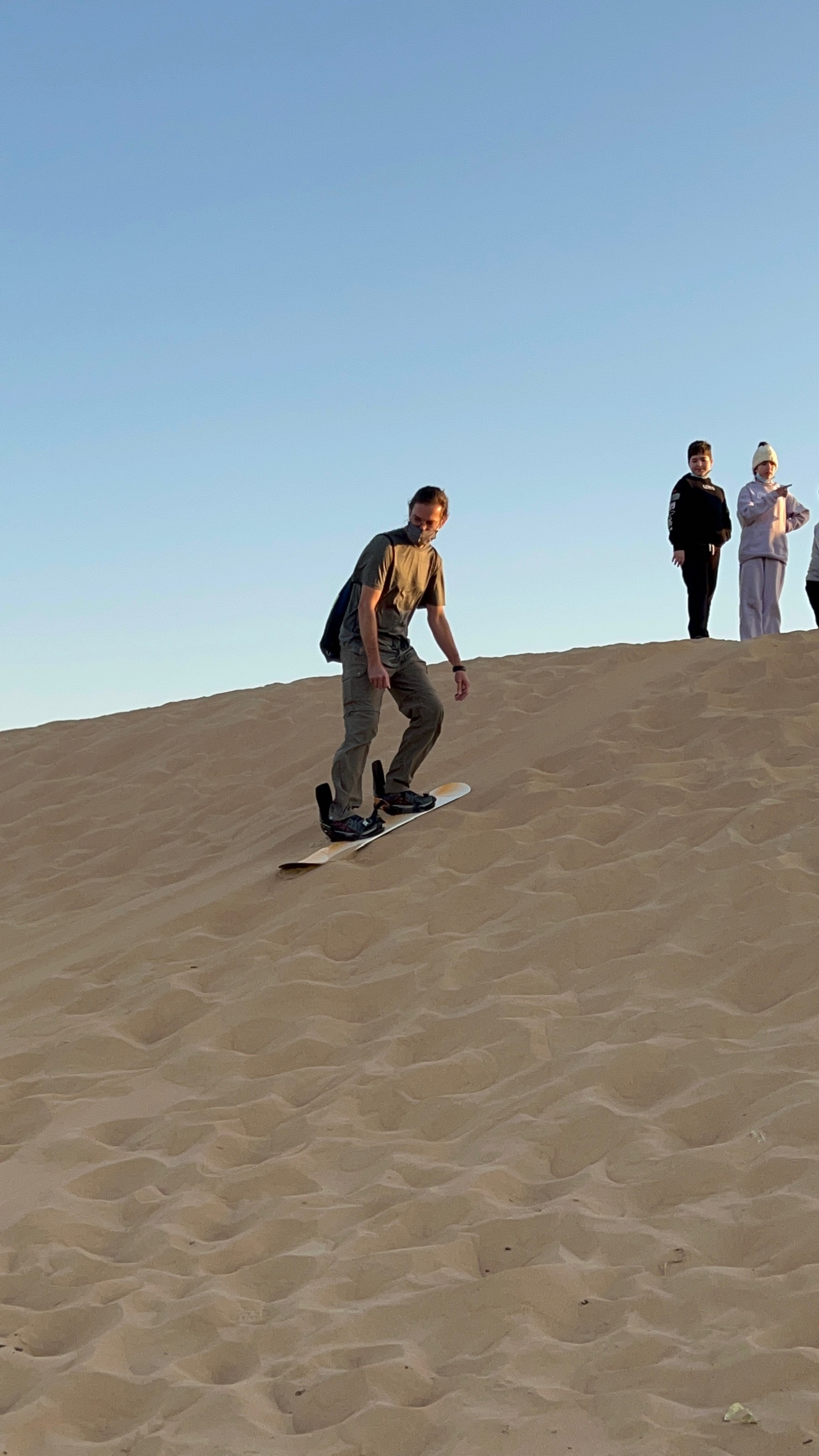


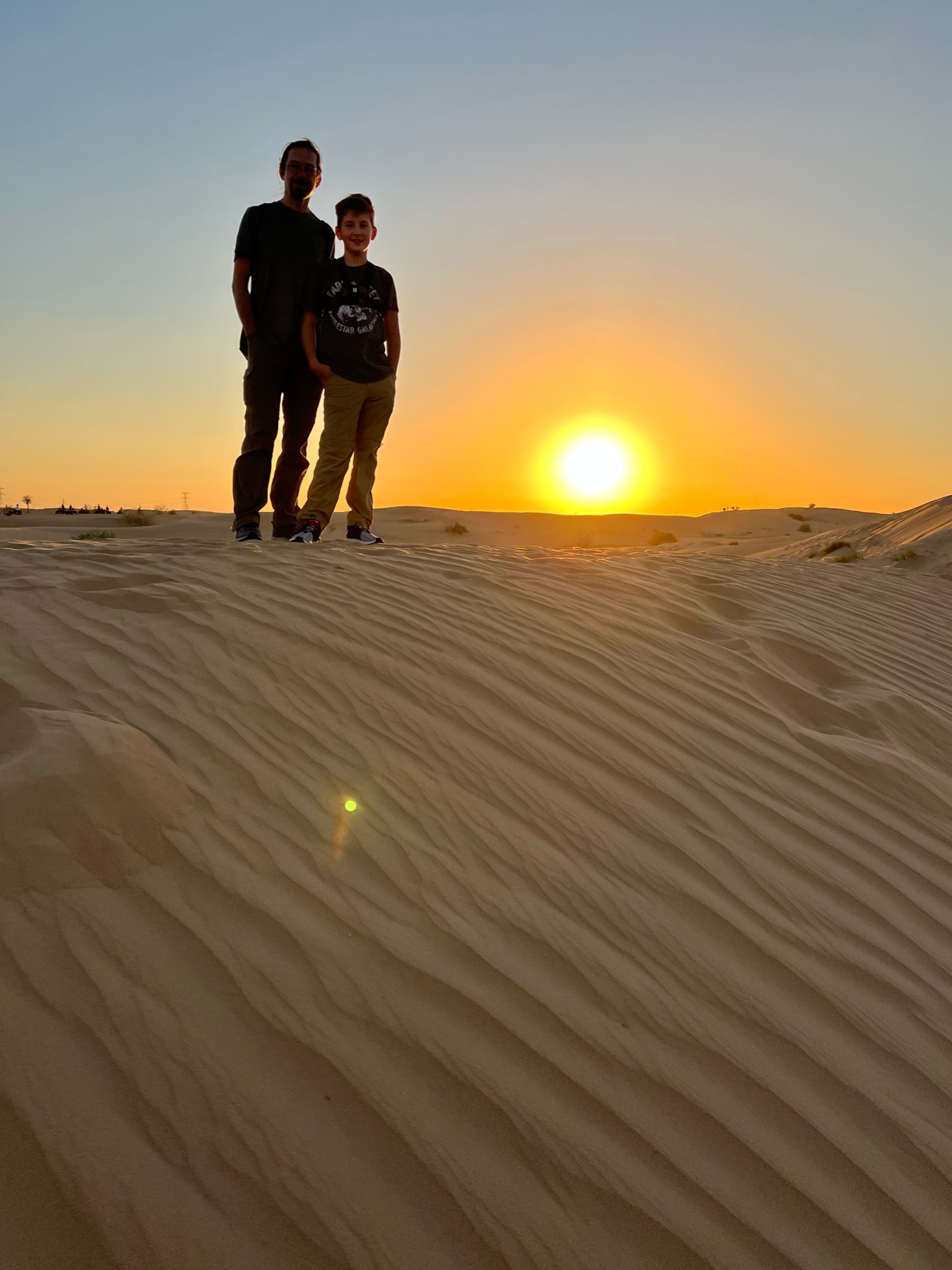
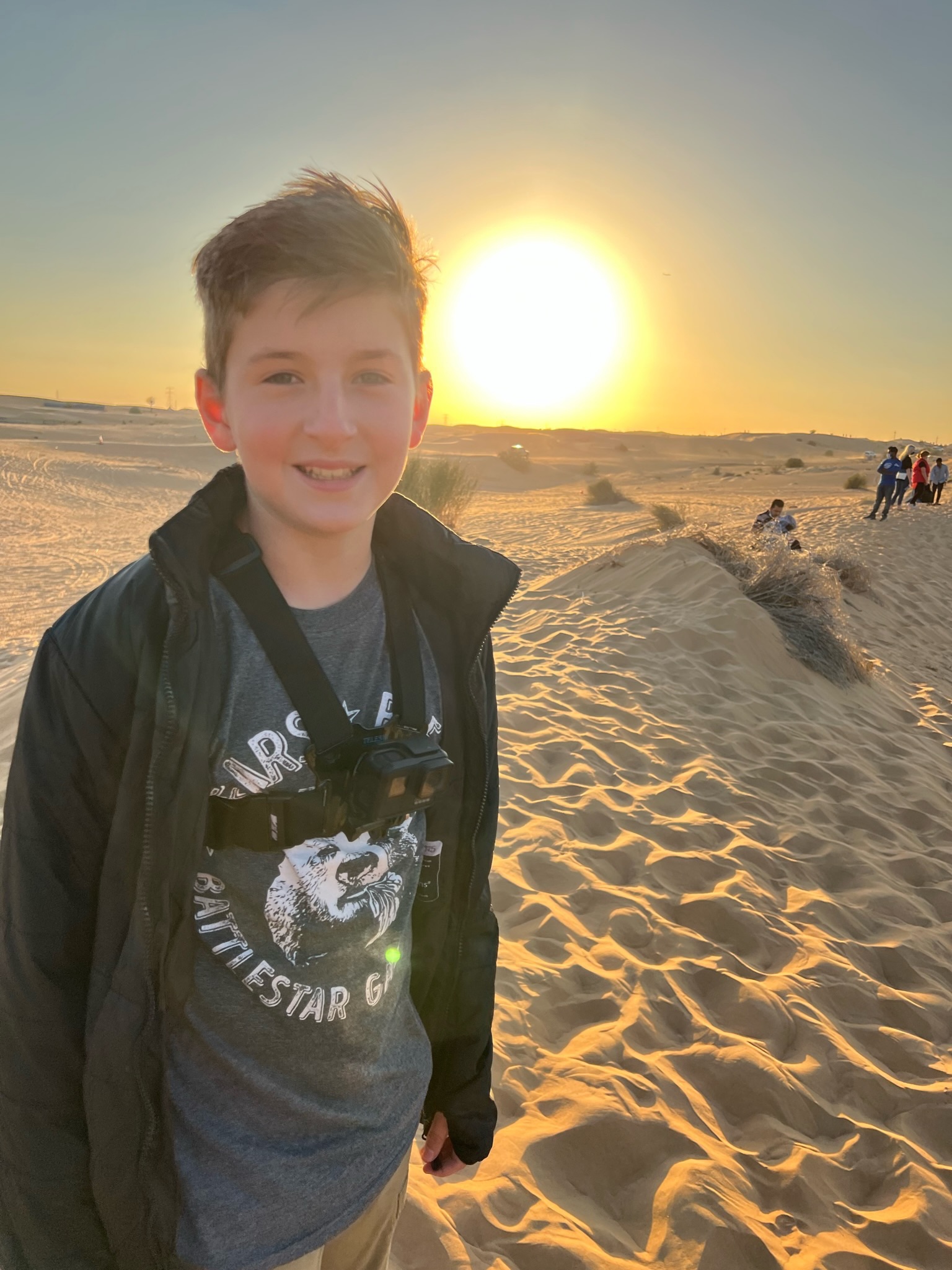
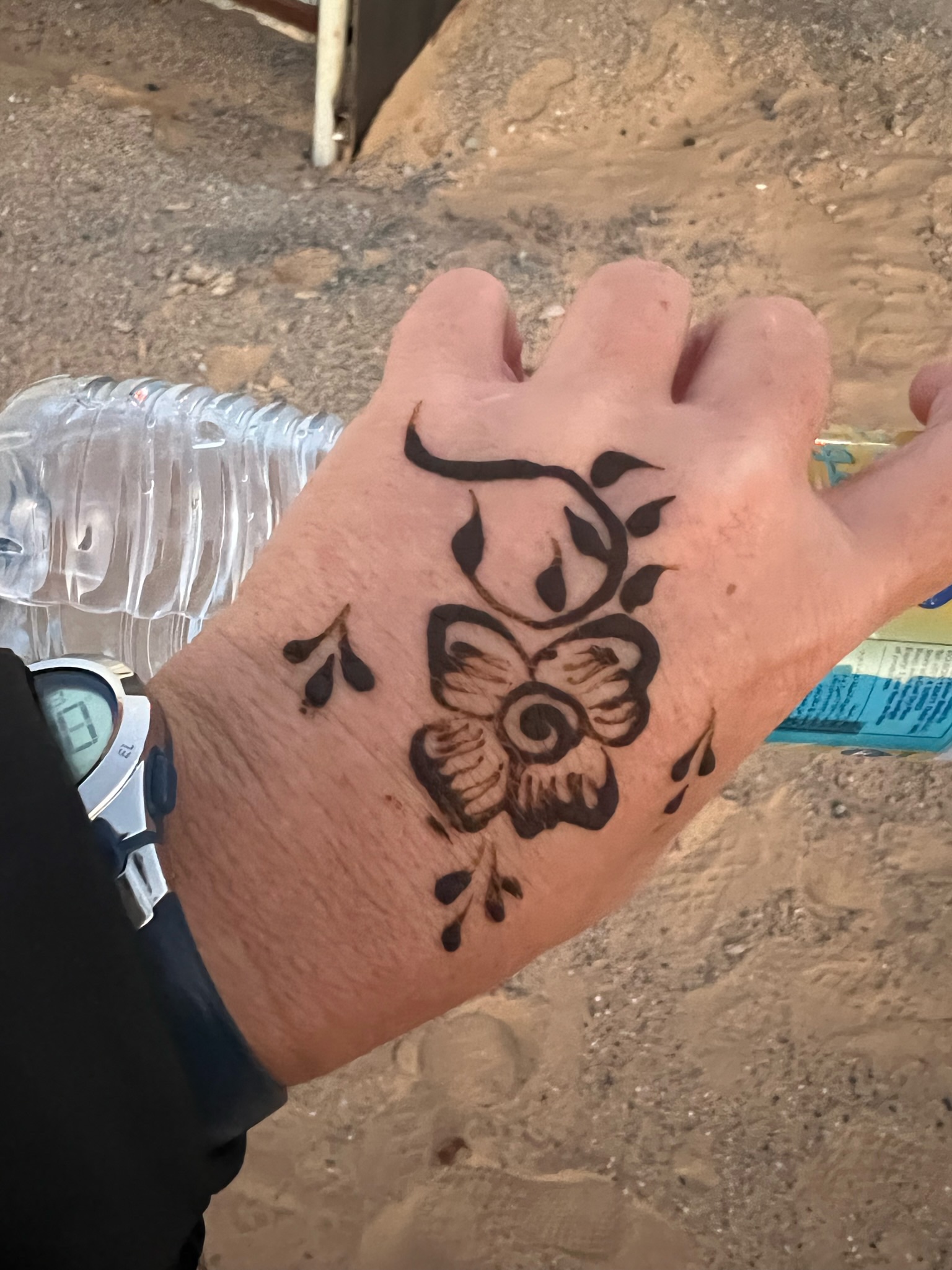
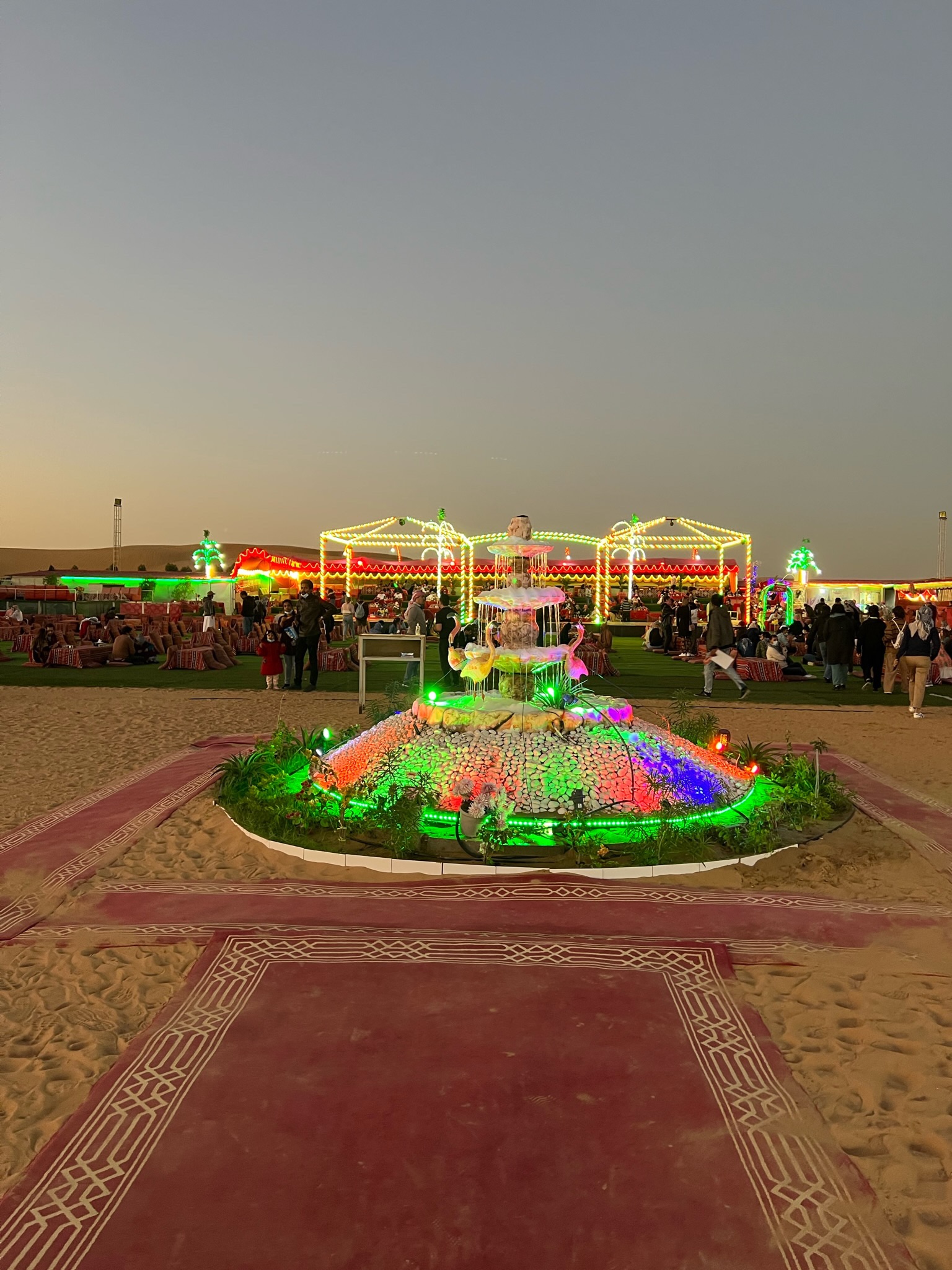
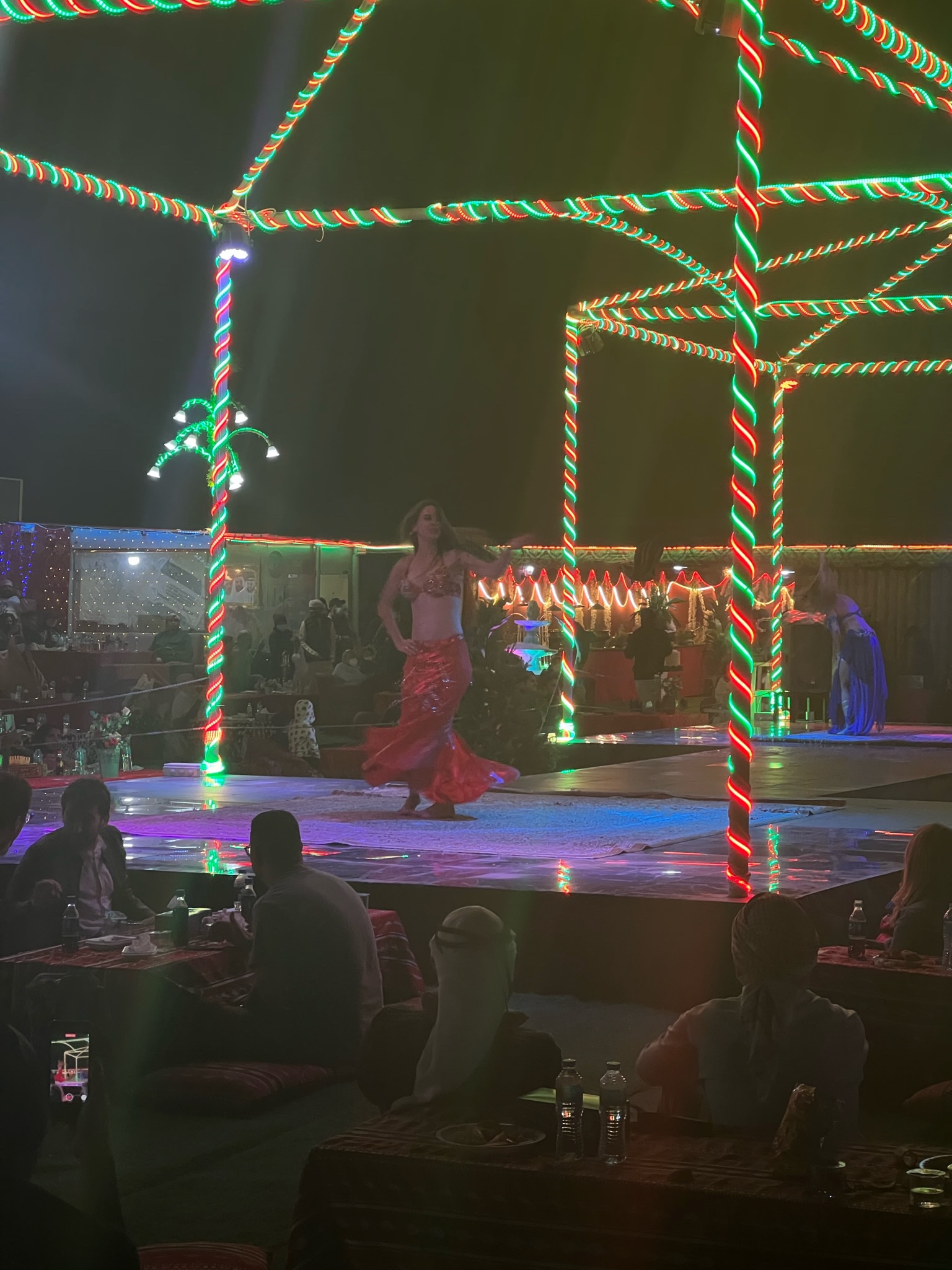
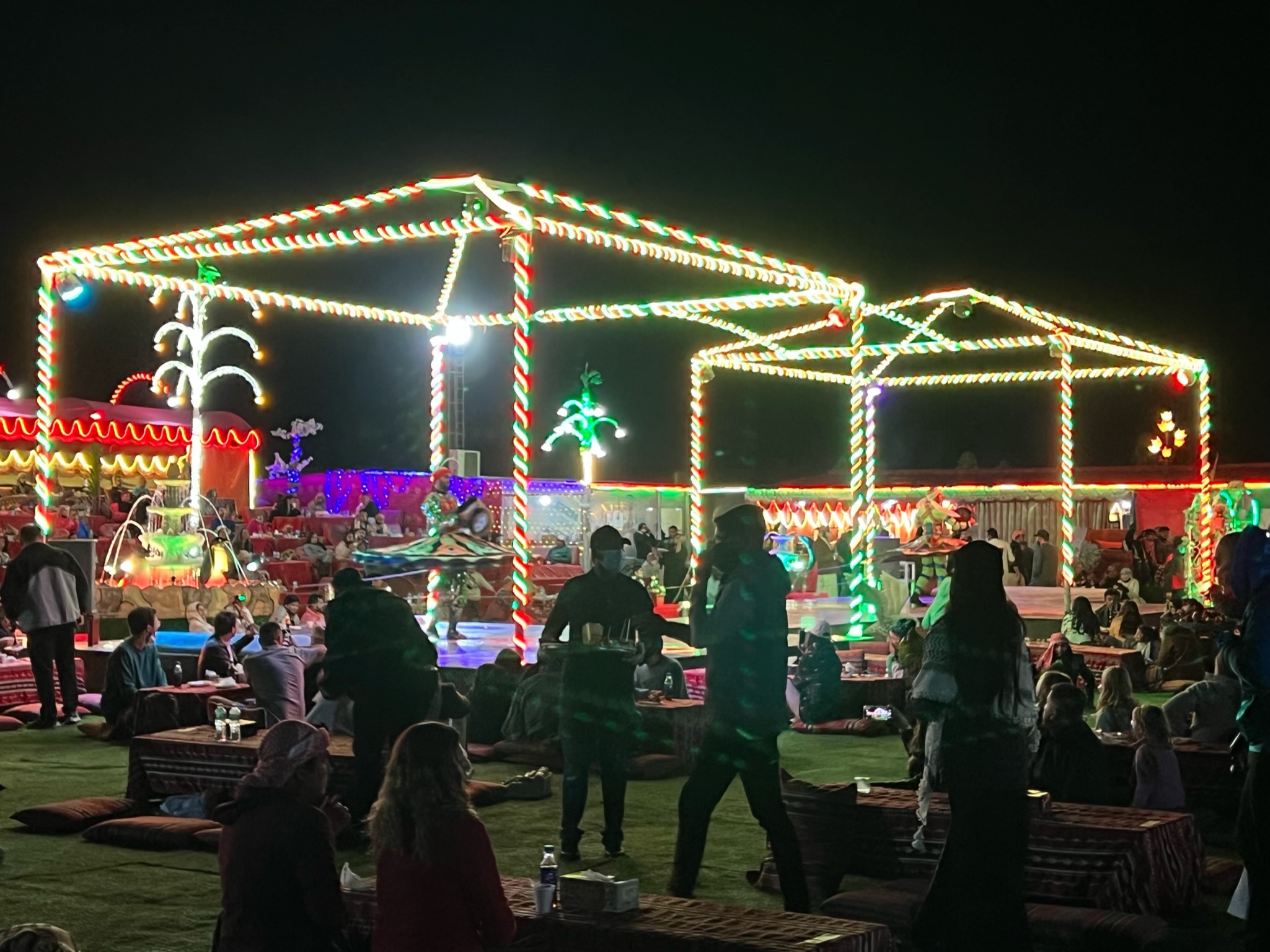
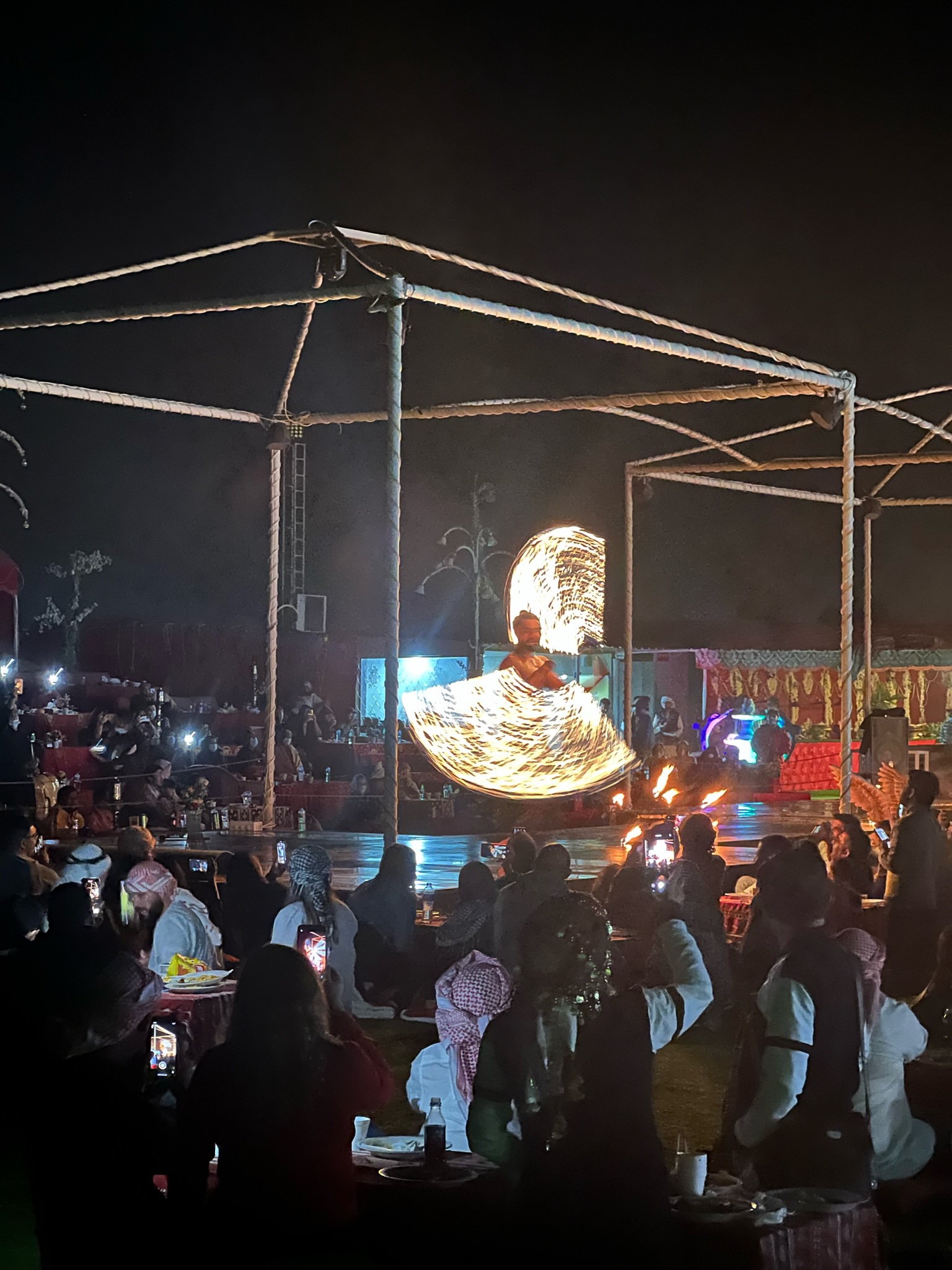

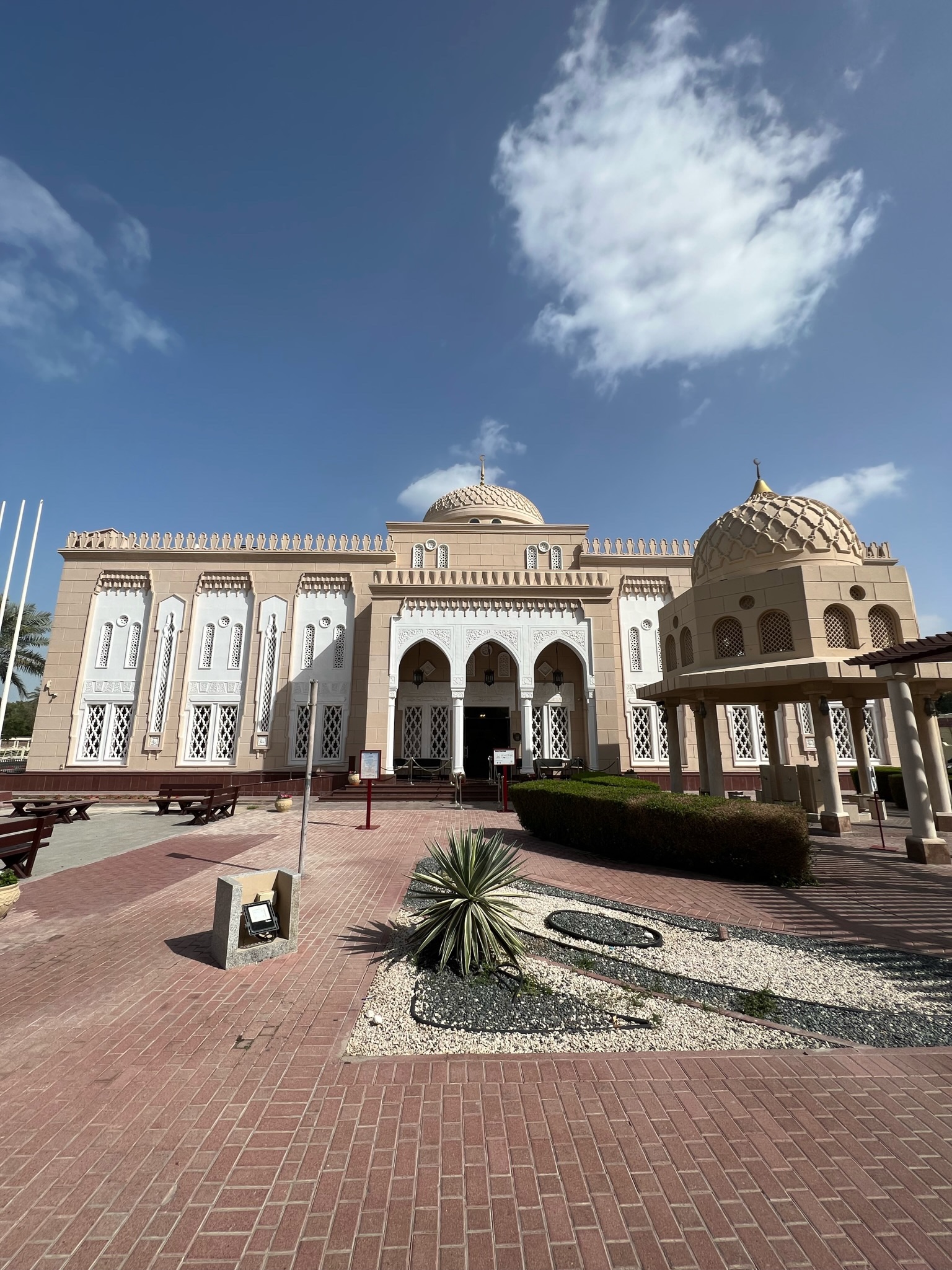
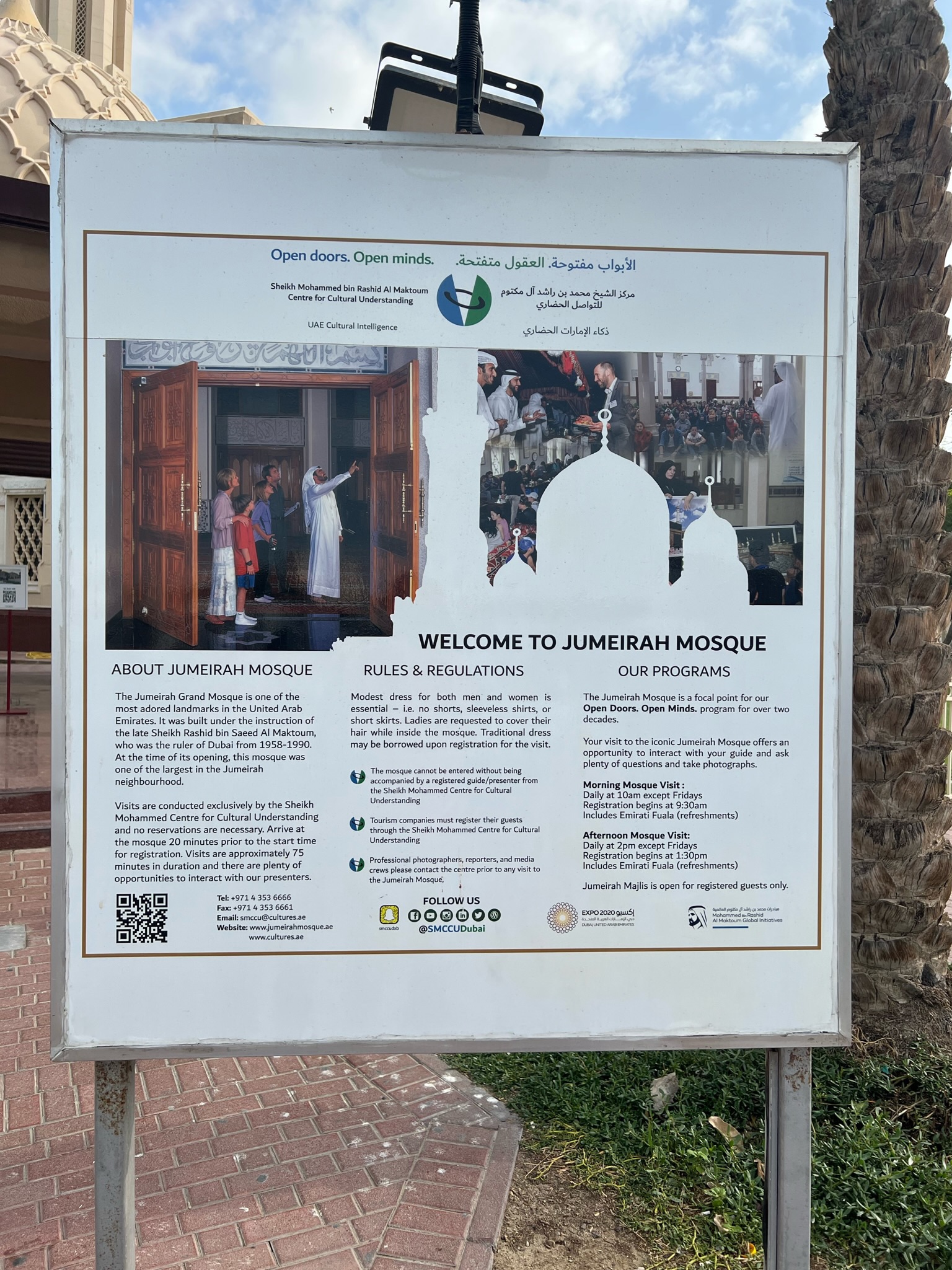
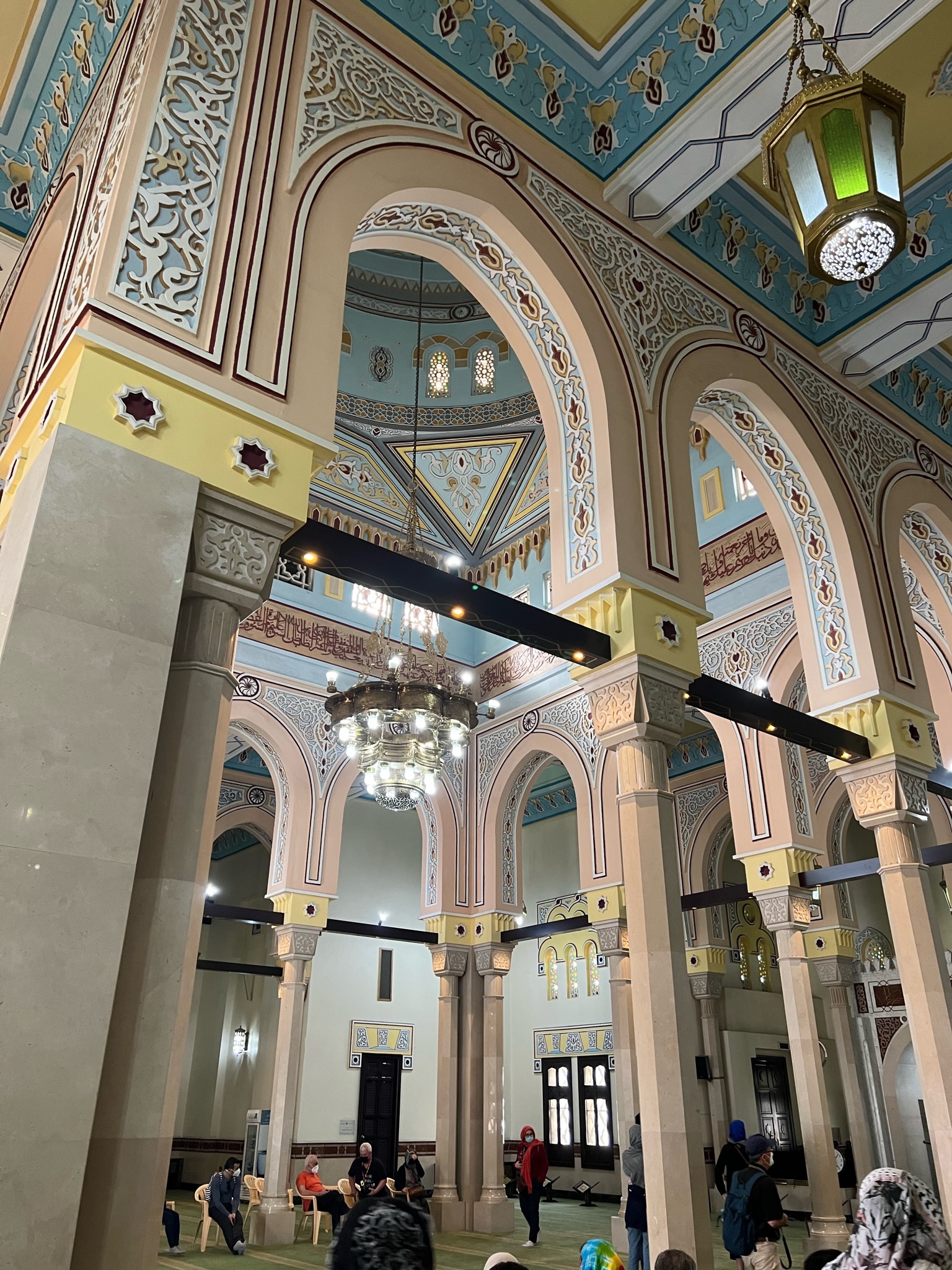


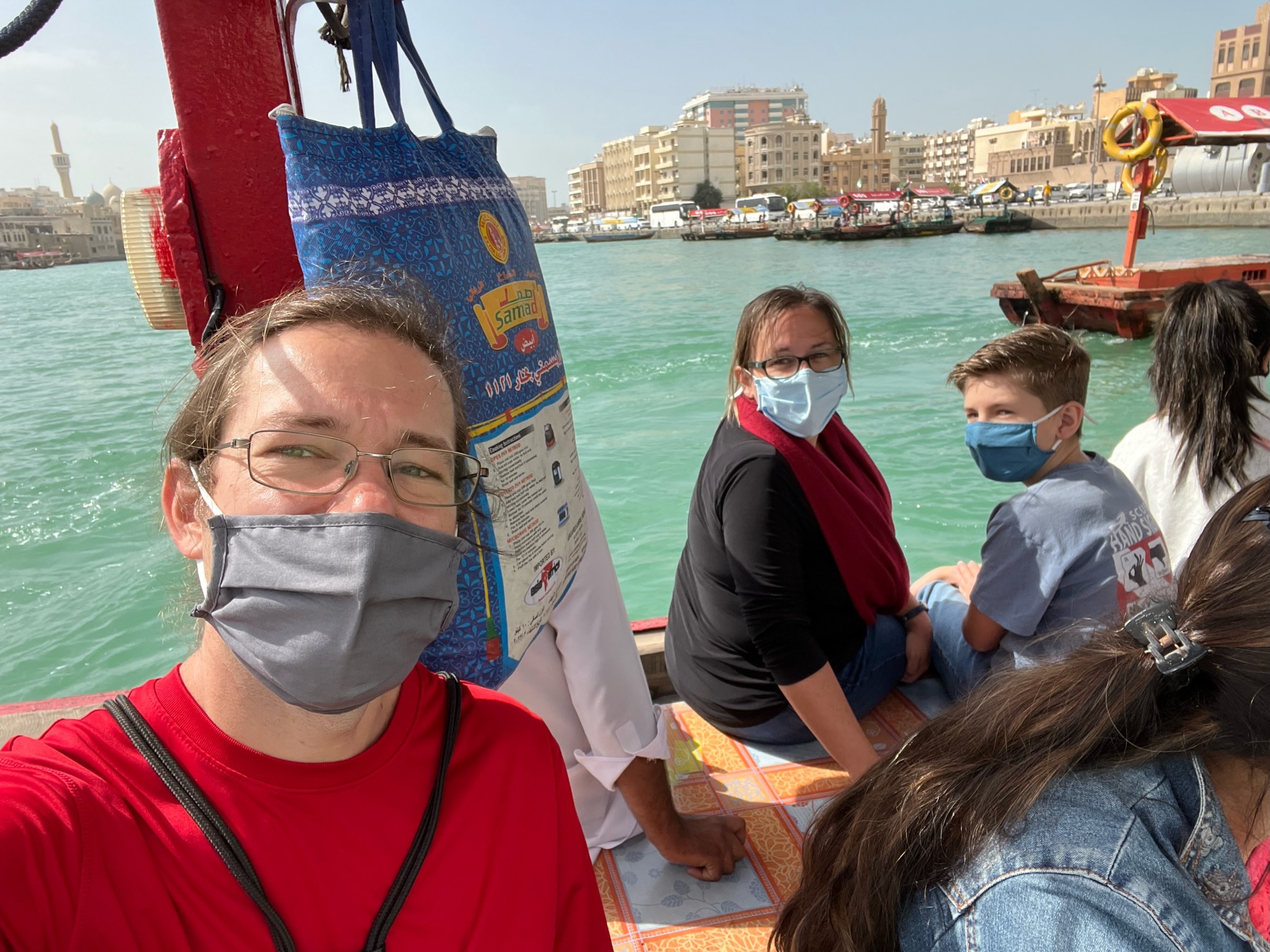








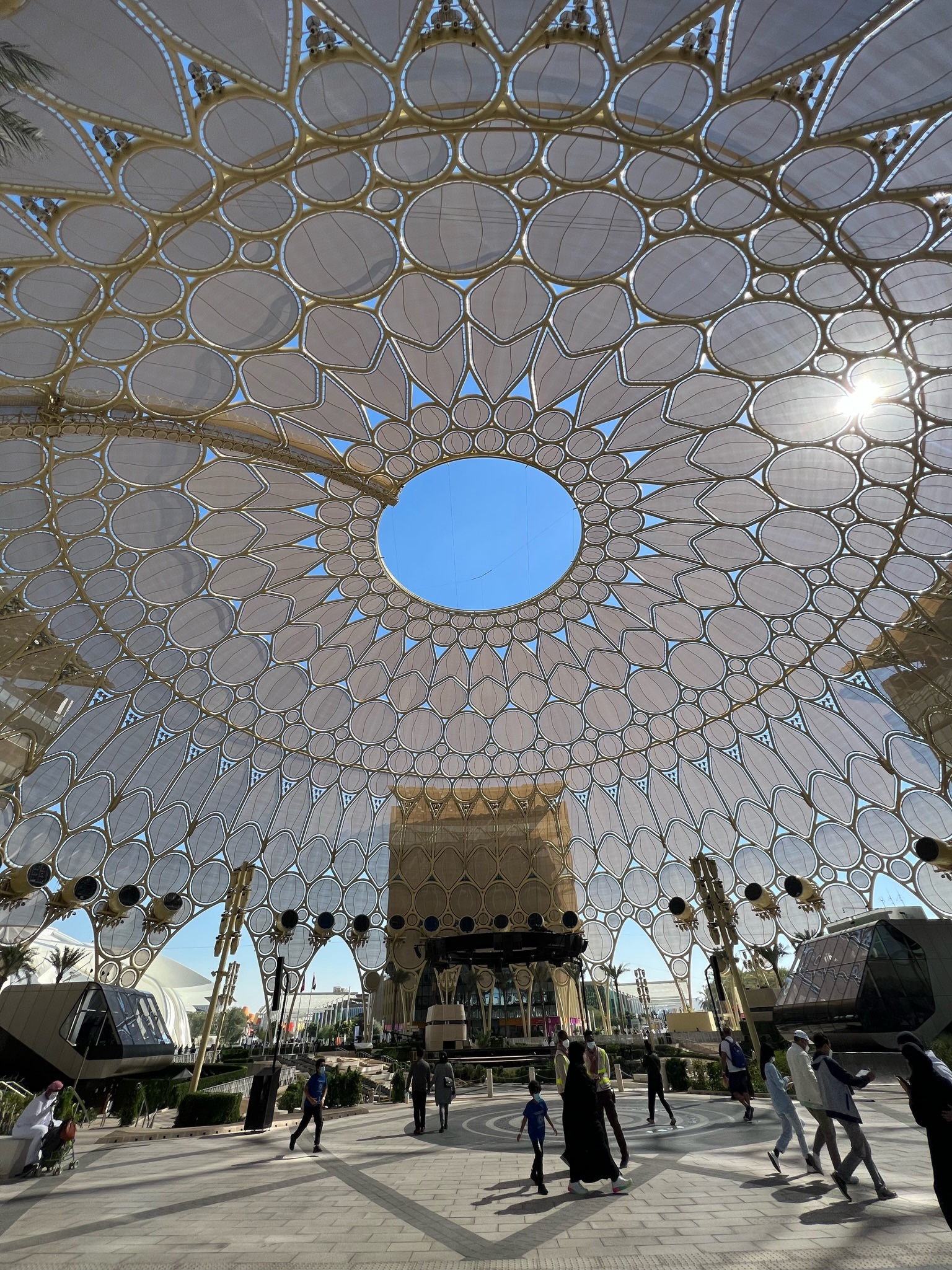
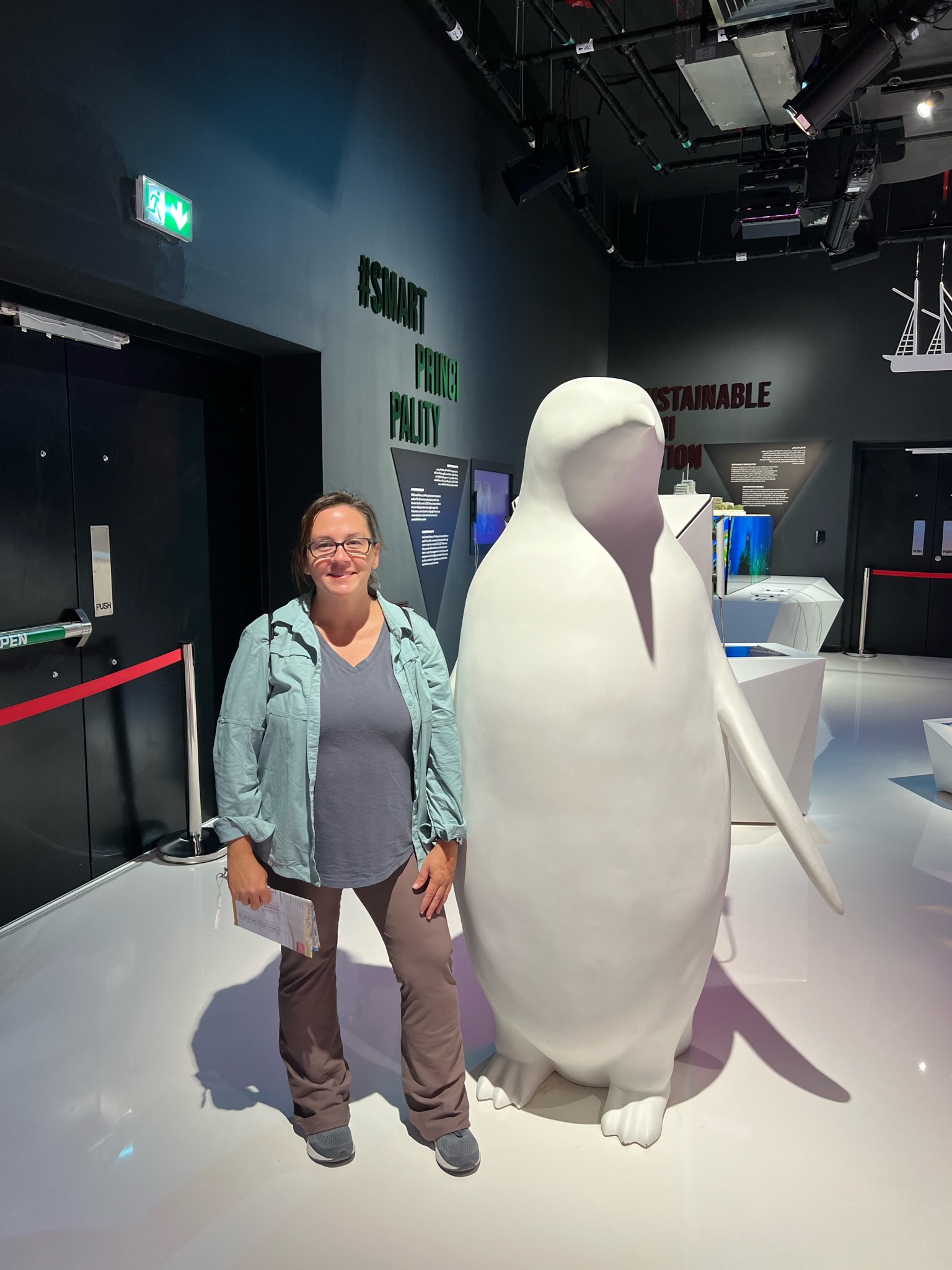

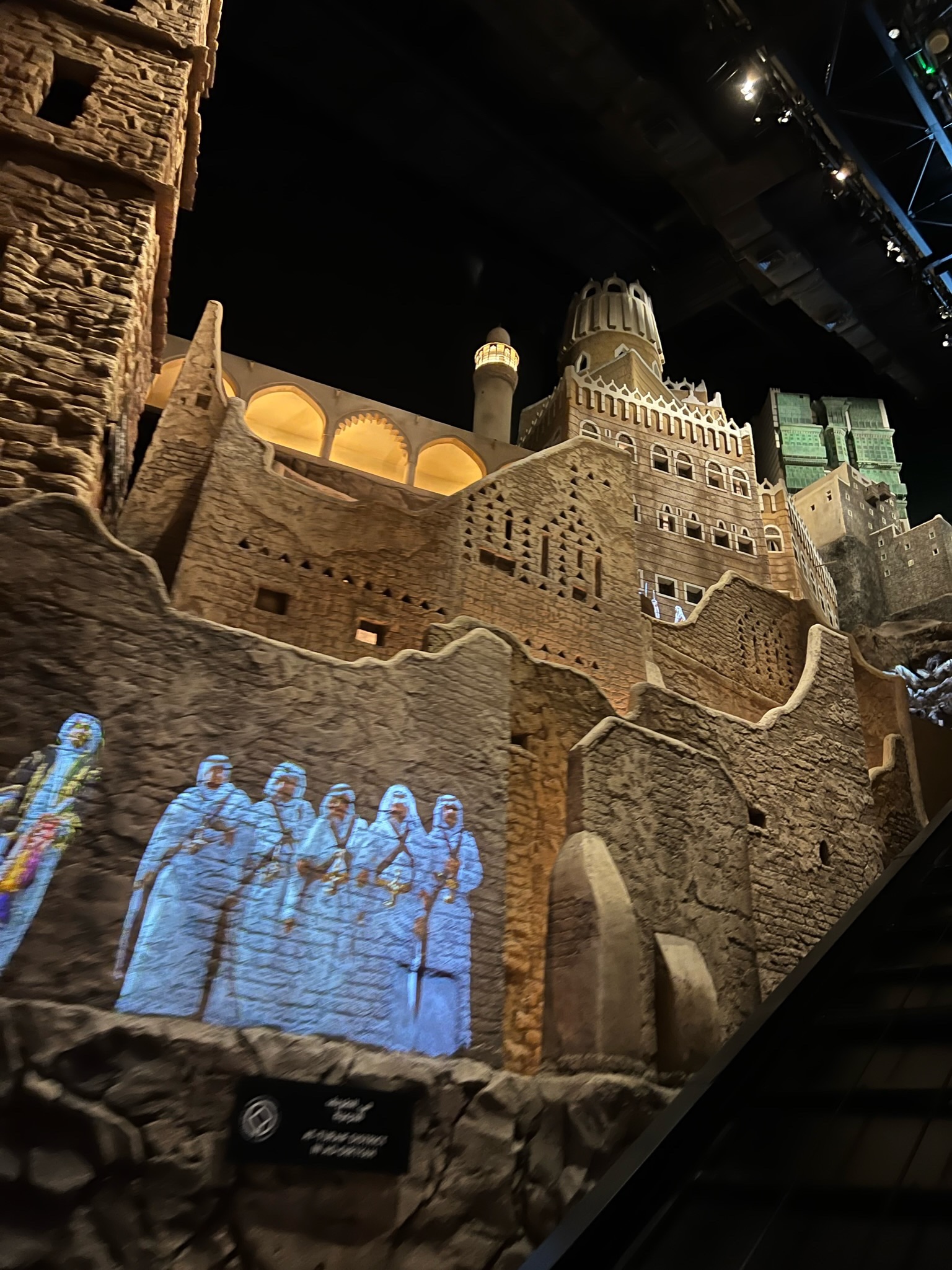

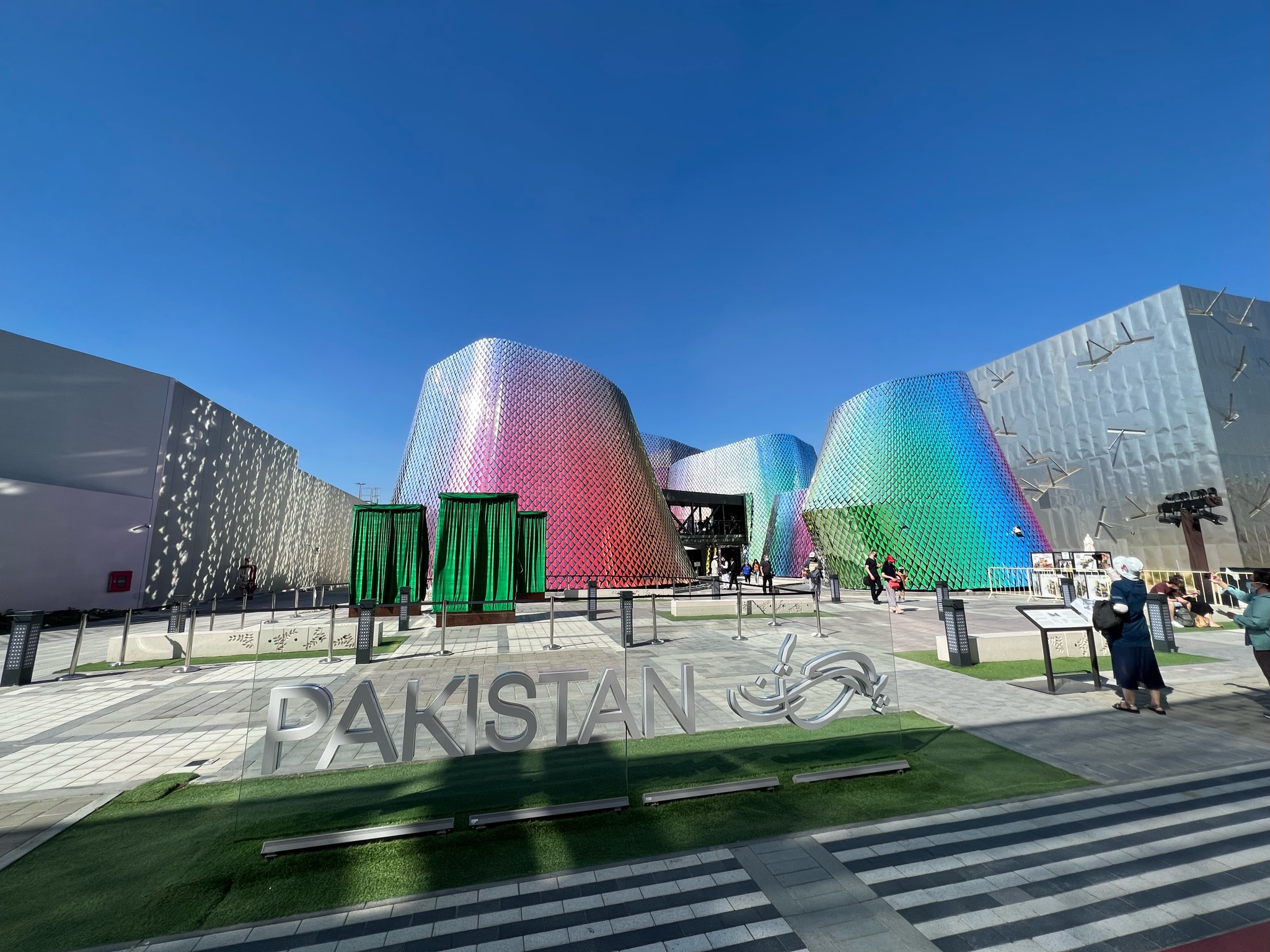
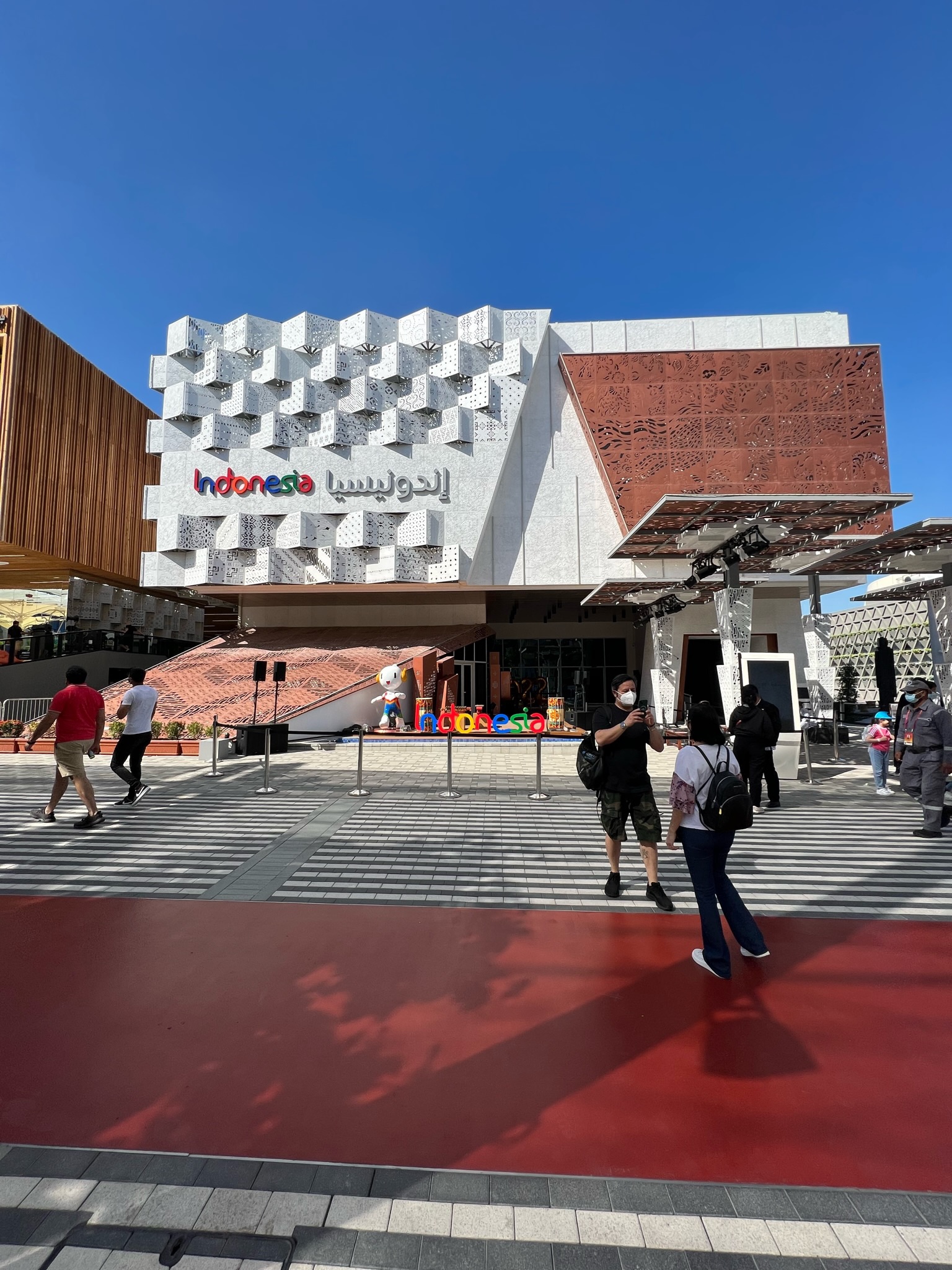
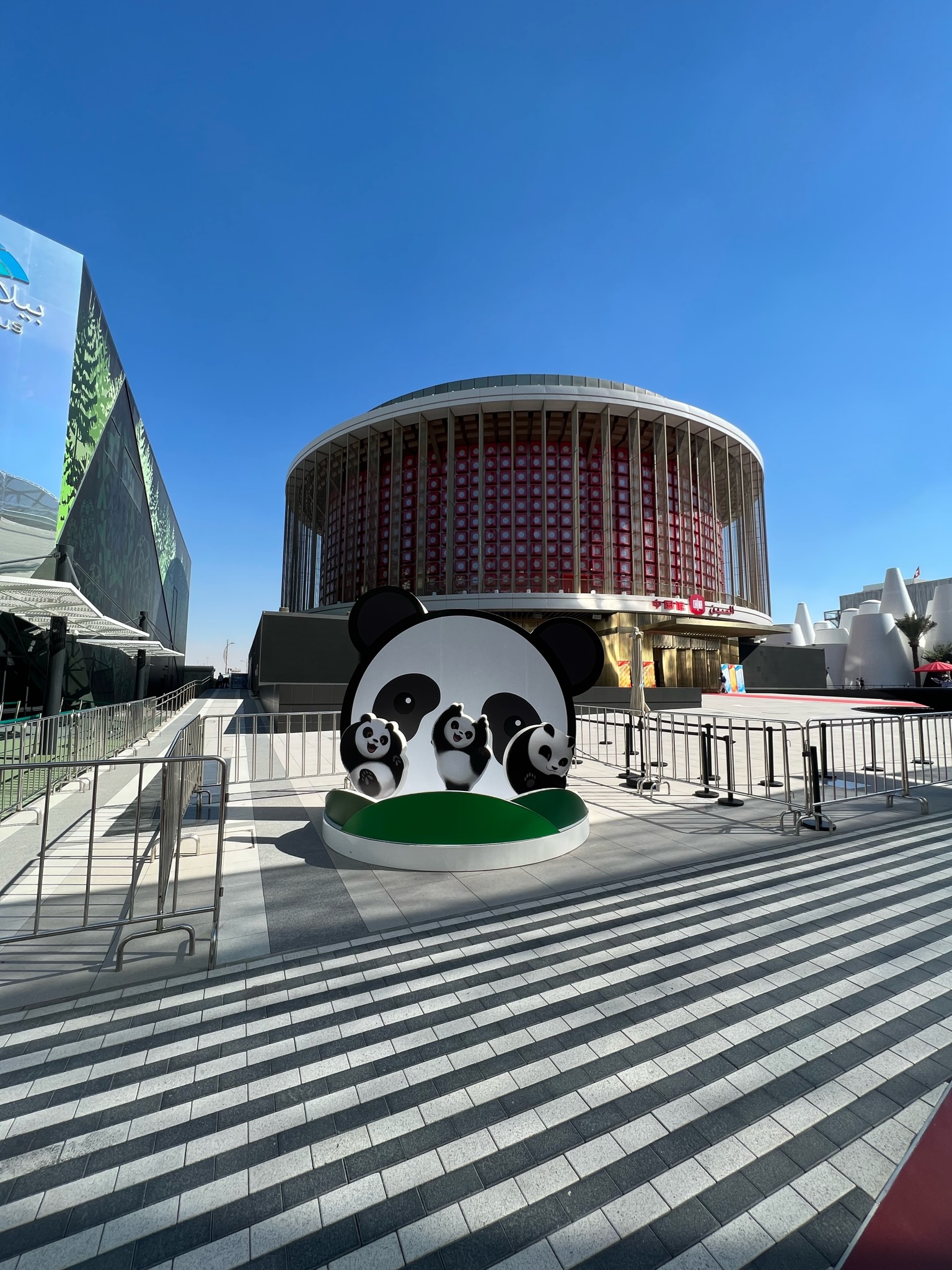



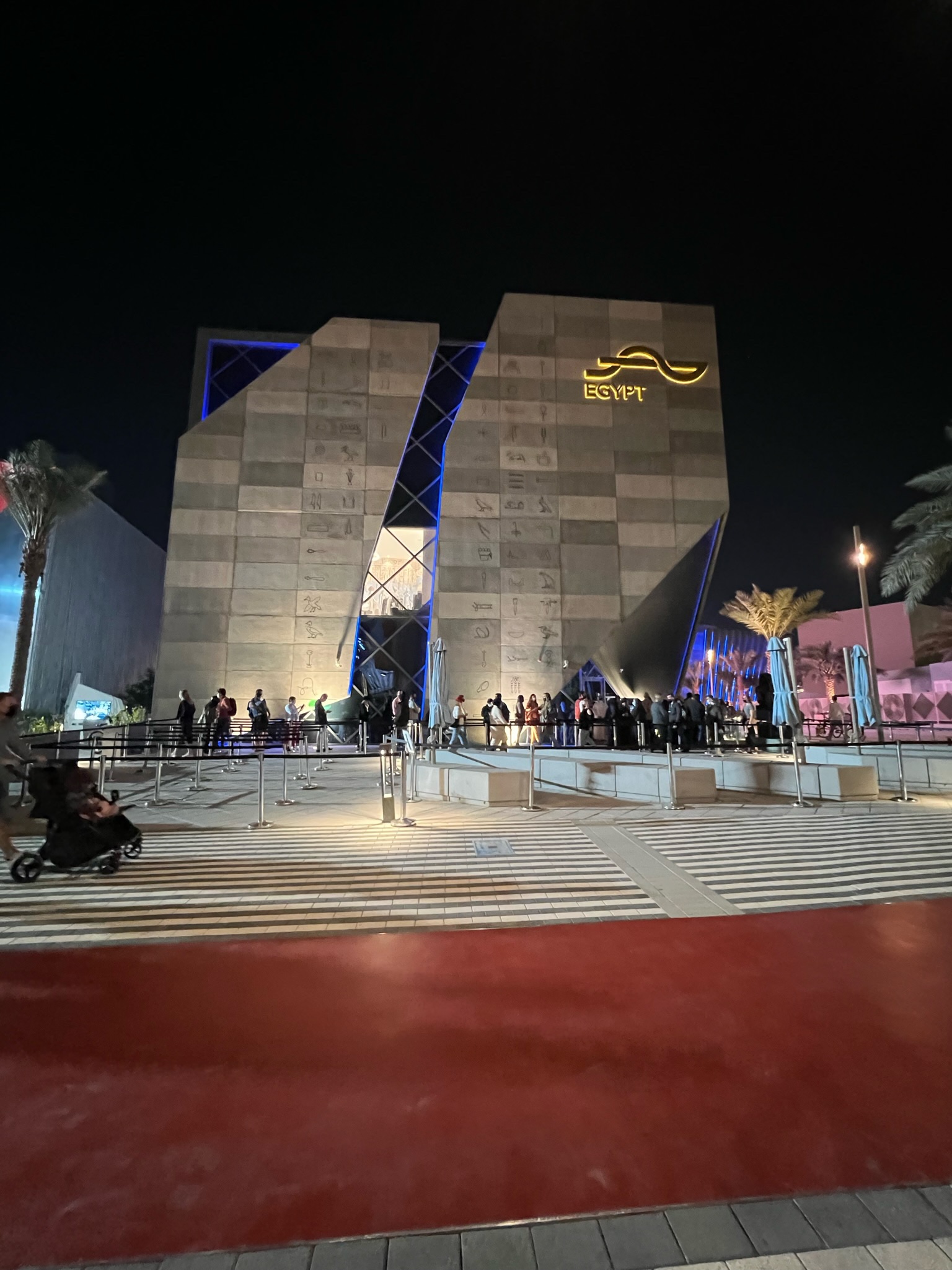


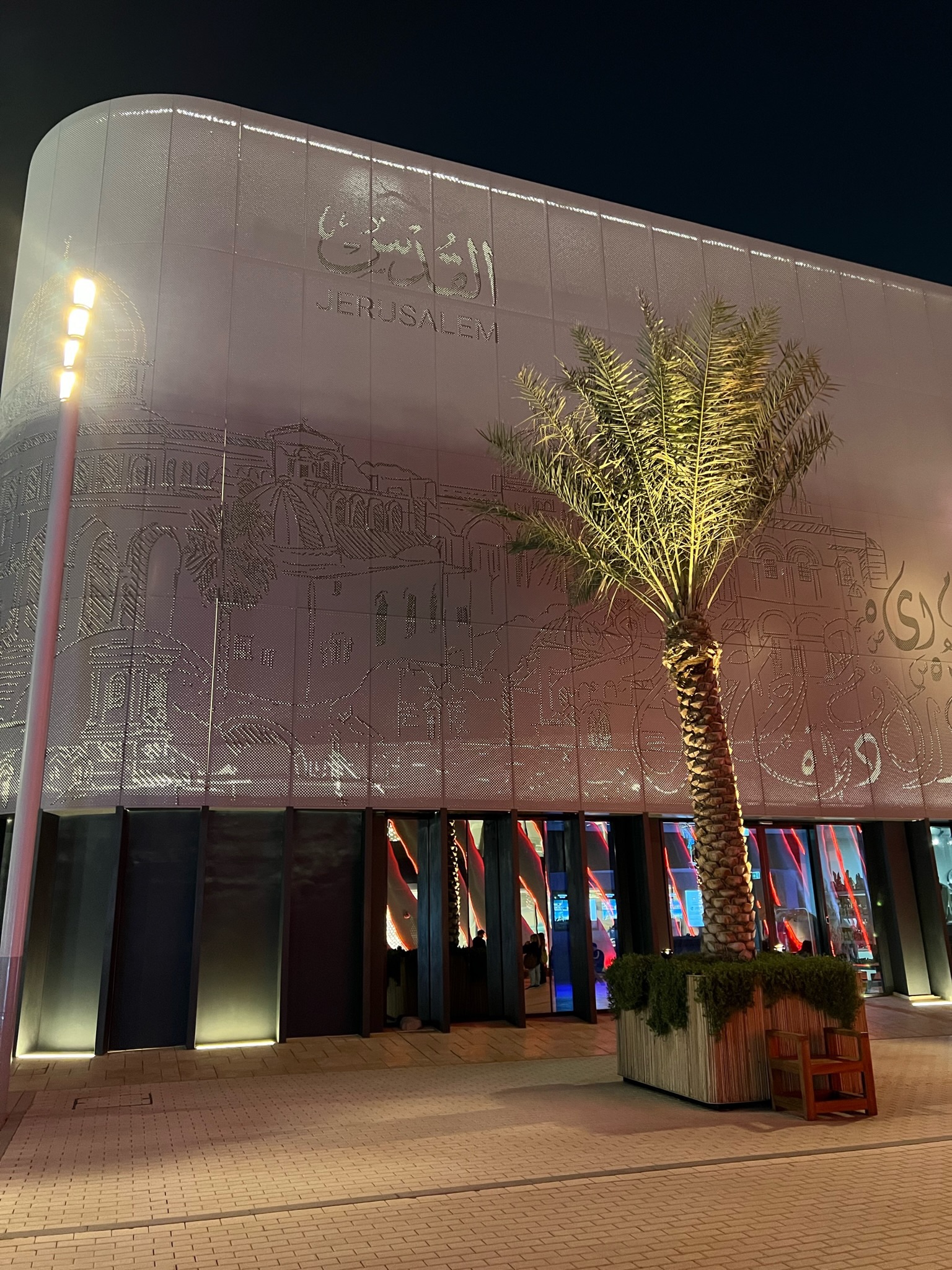

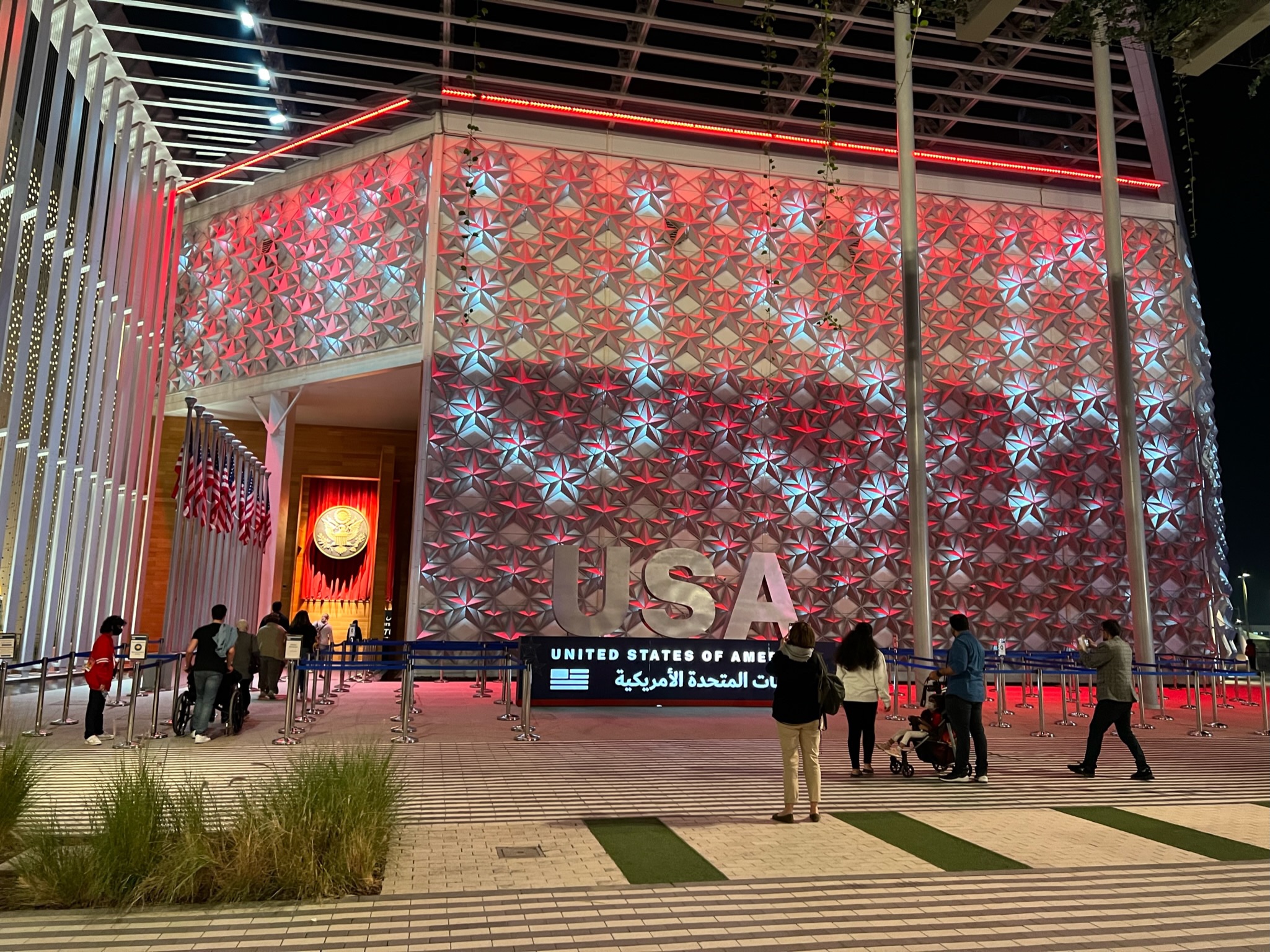


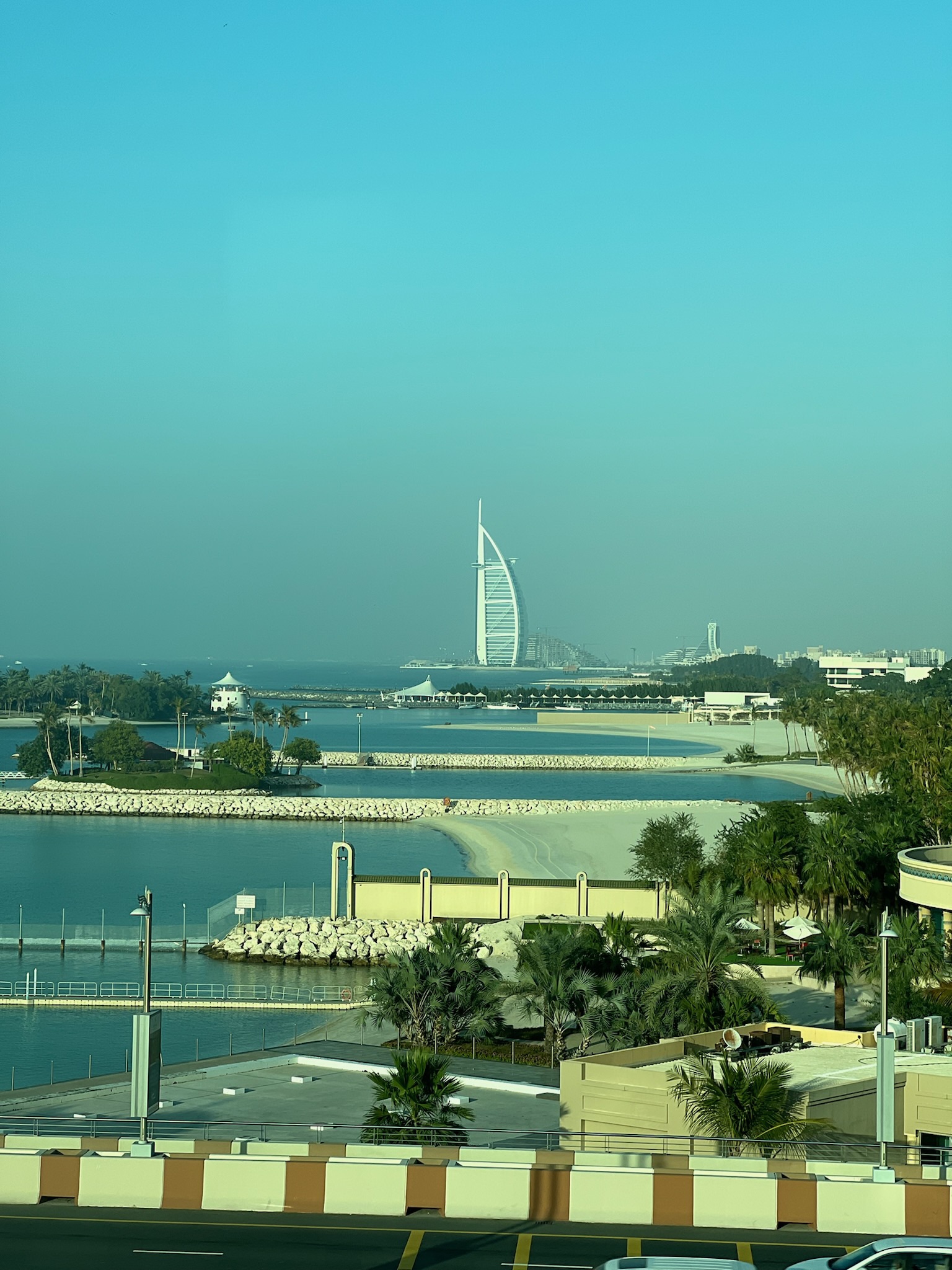
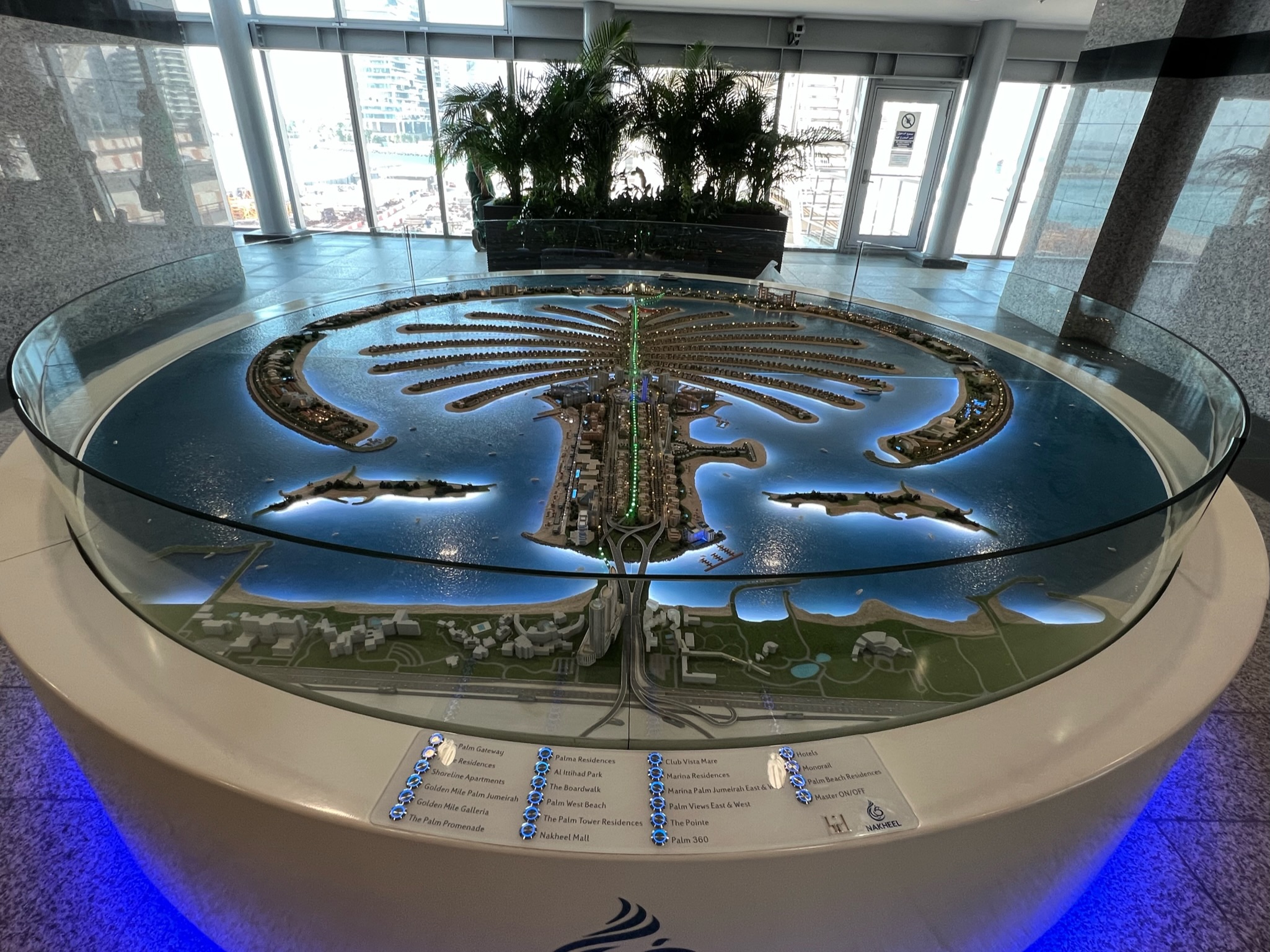

 Expedition Fresh Start